


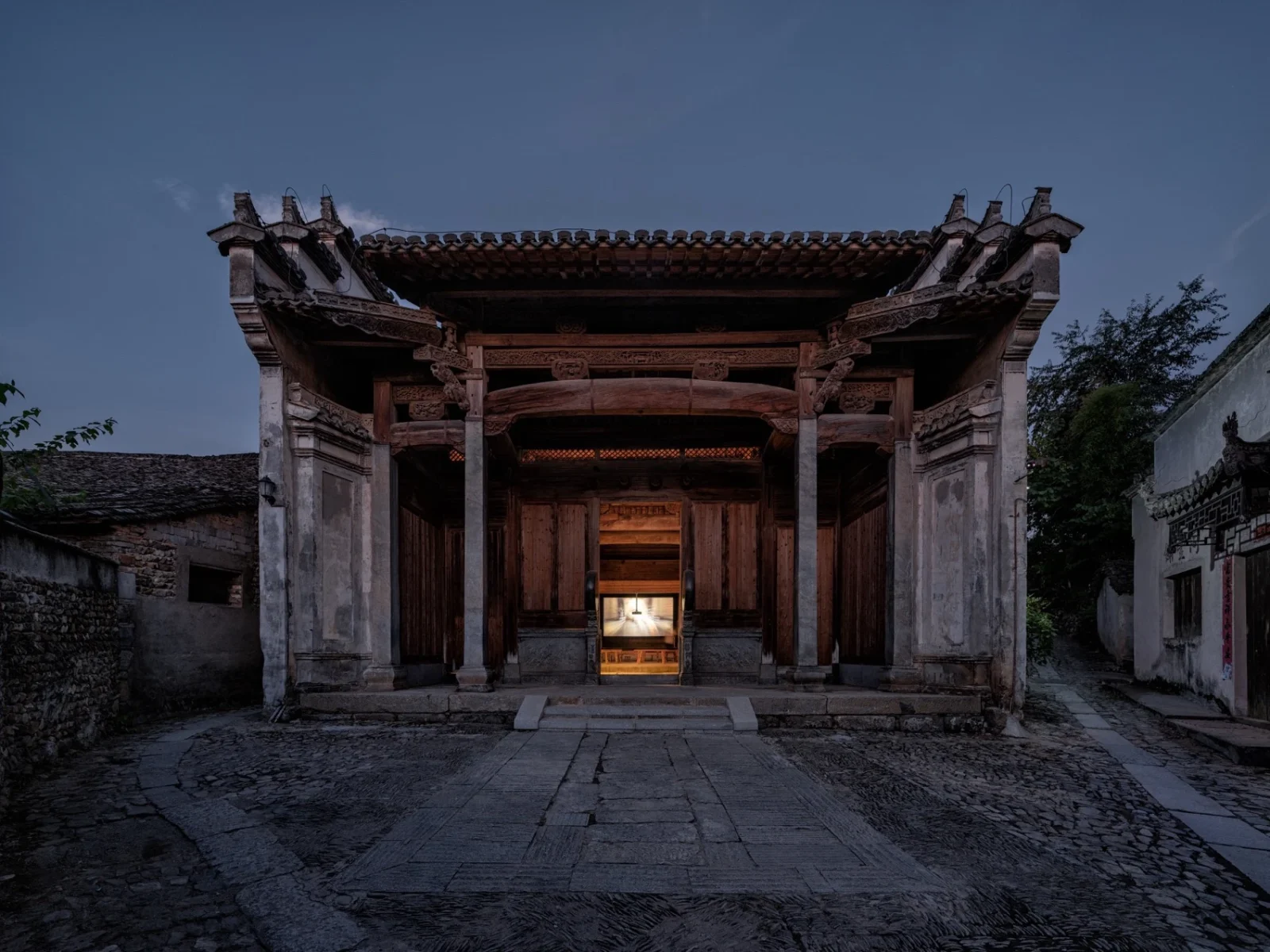
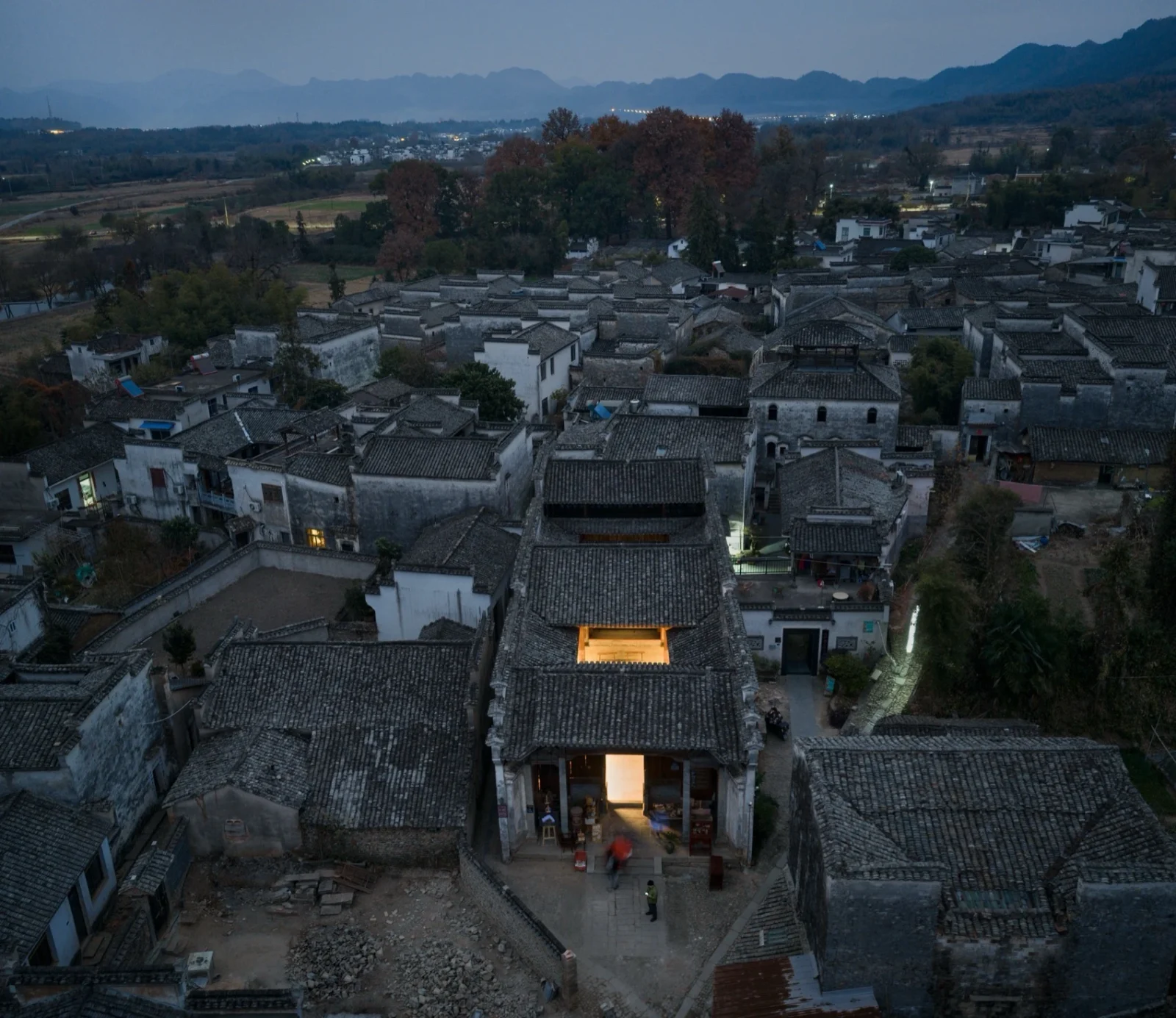
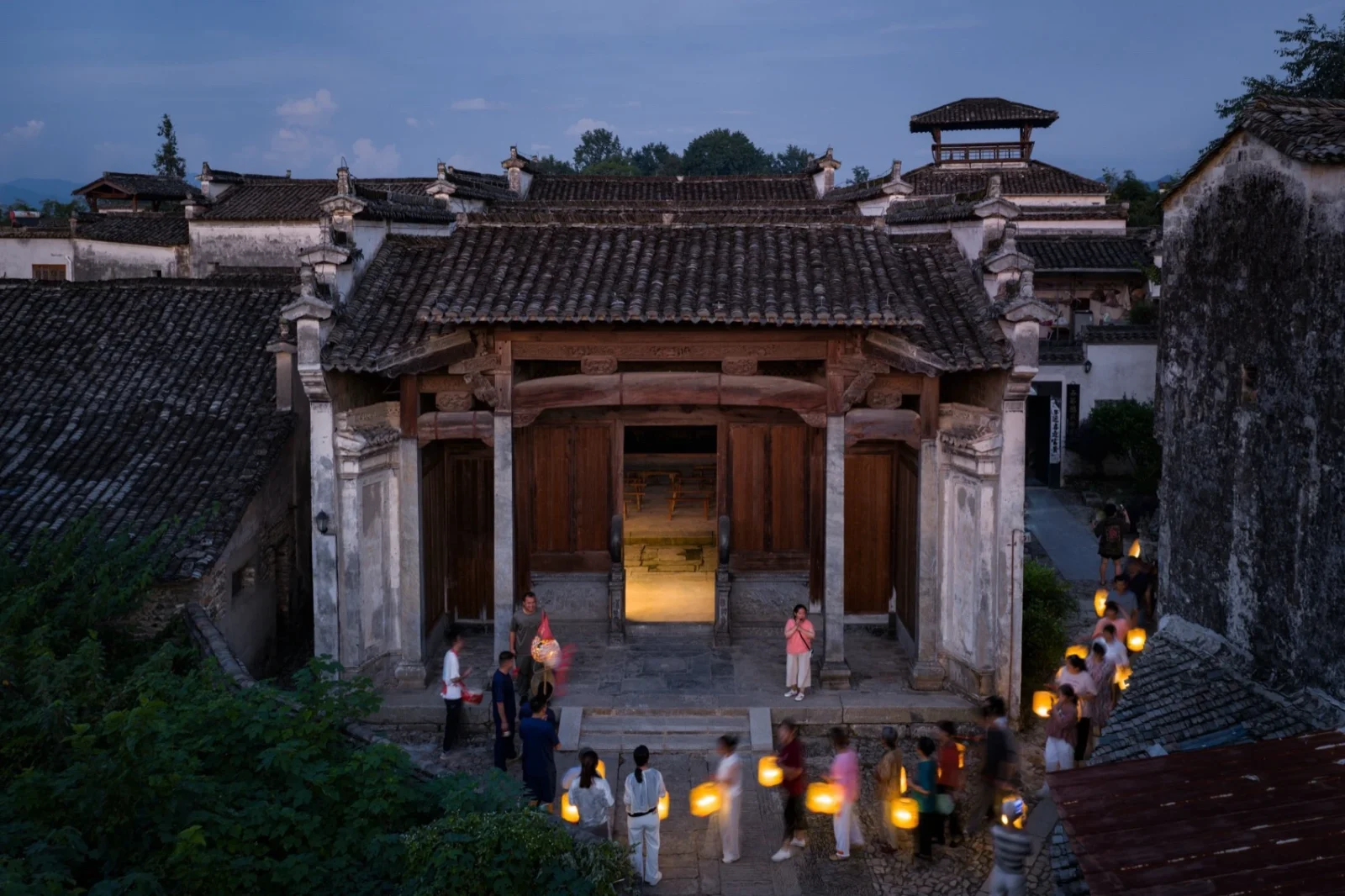
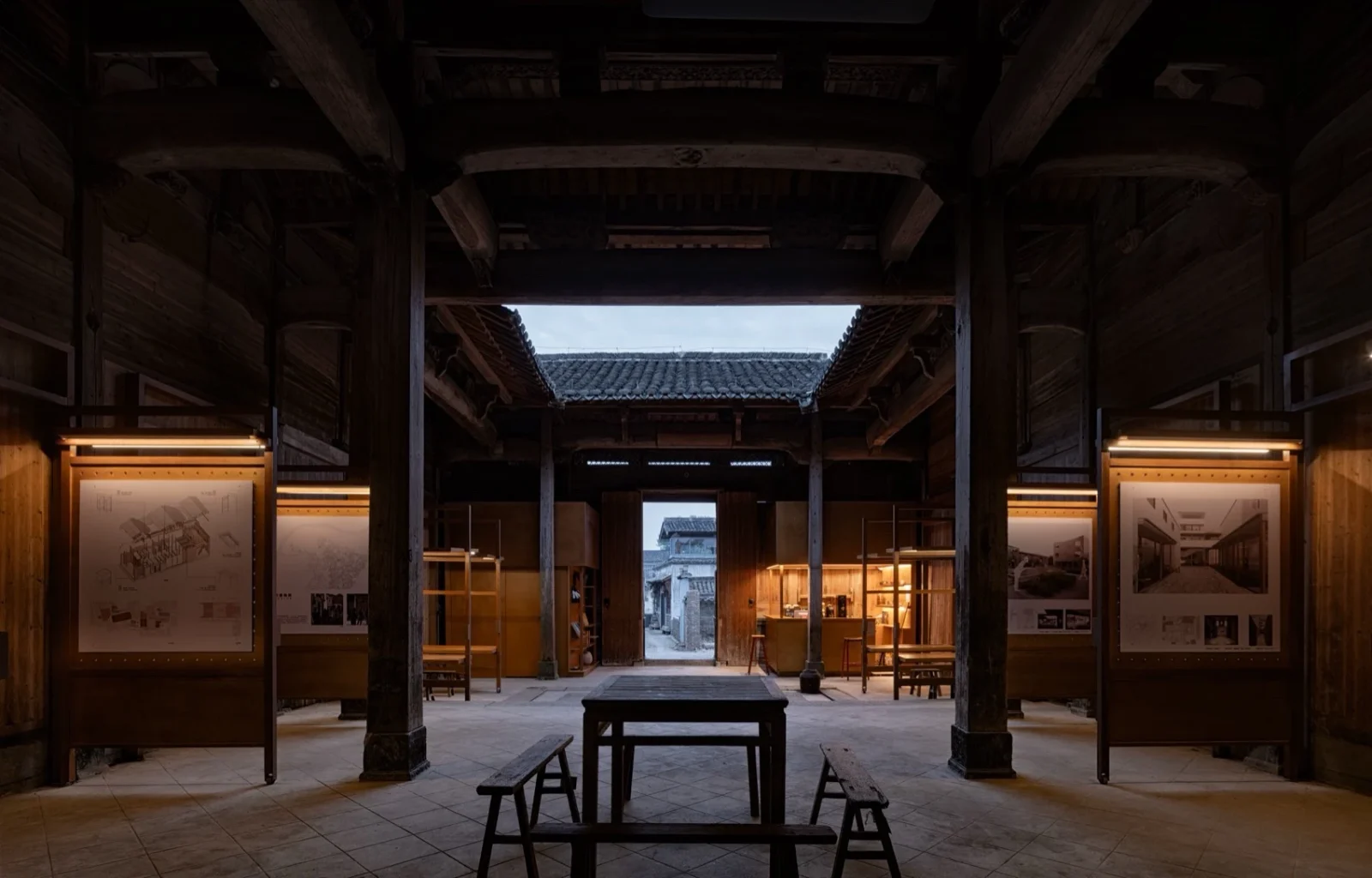
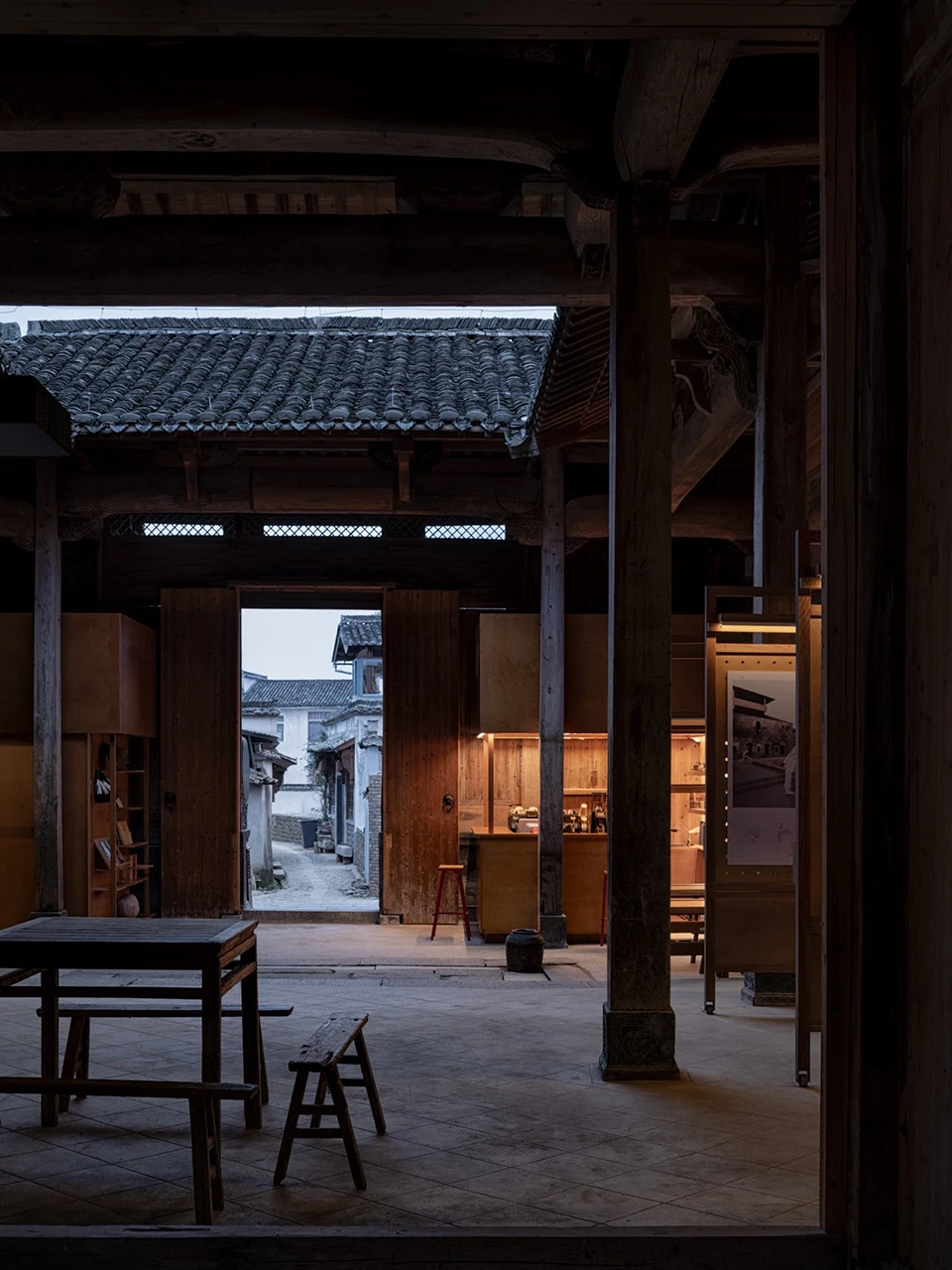
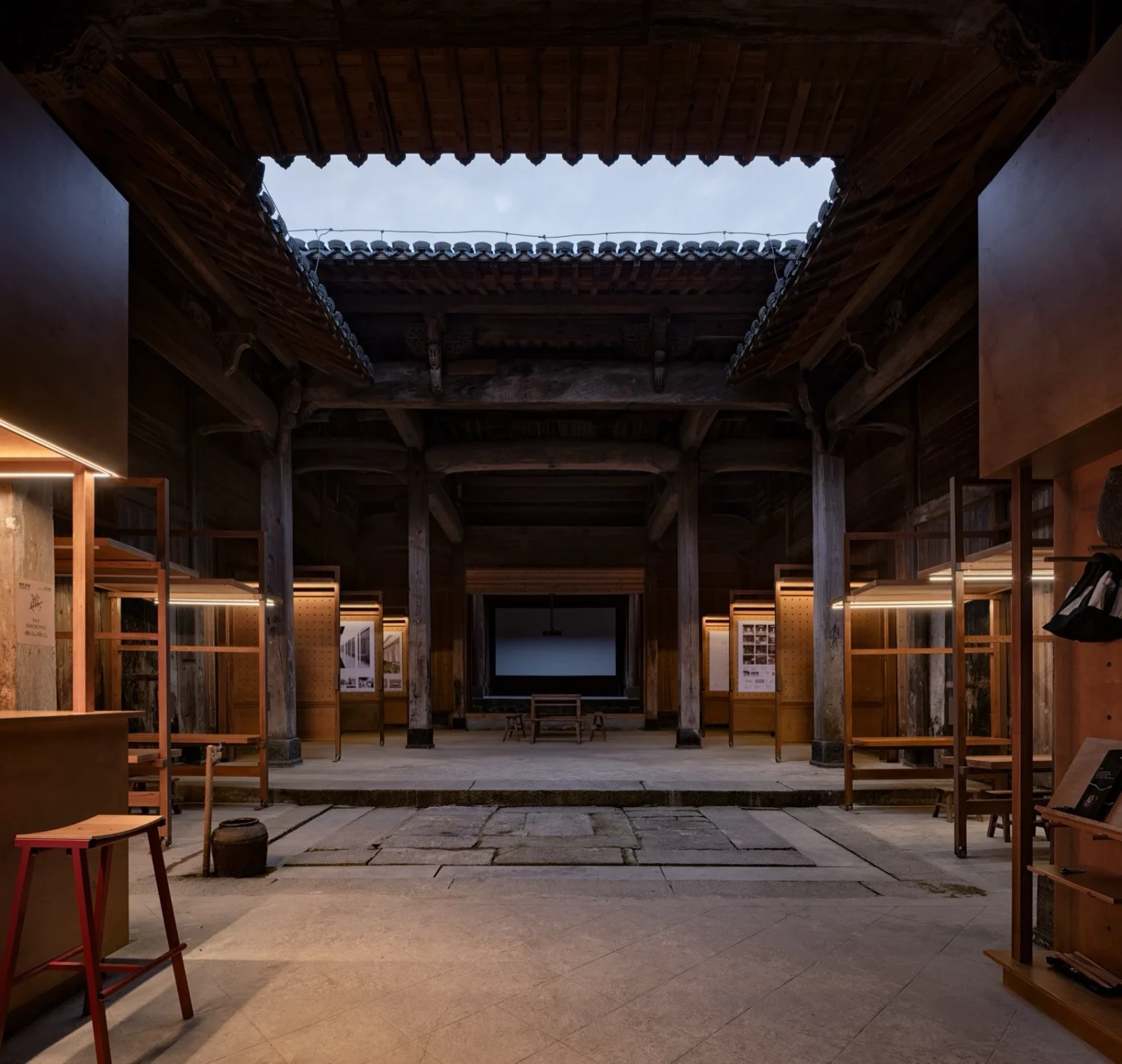
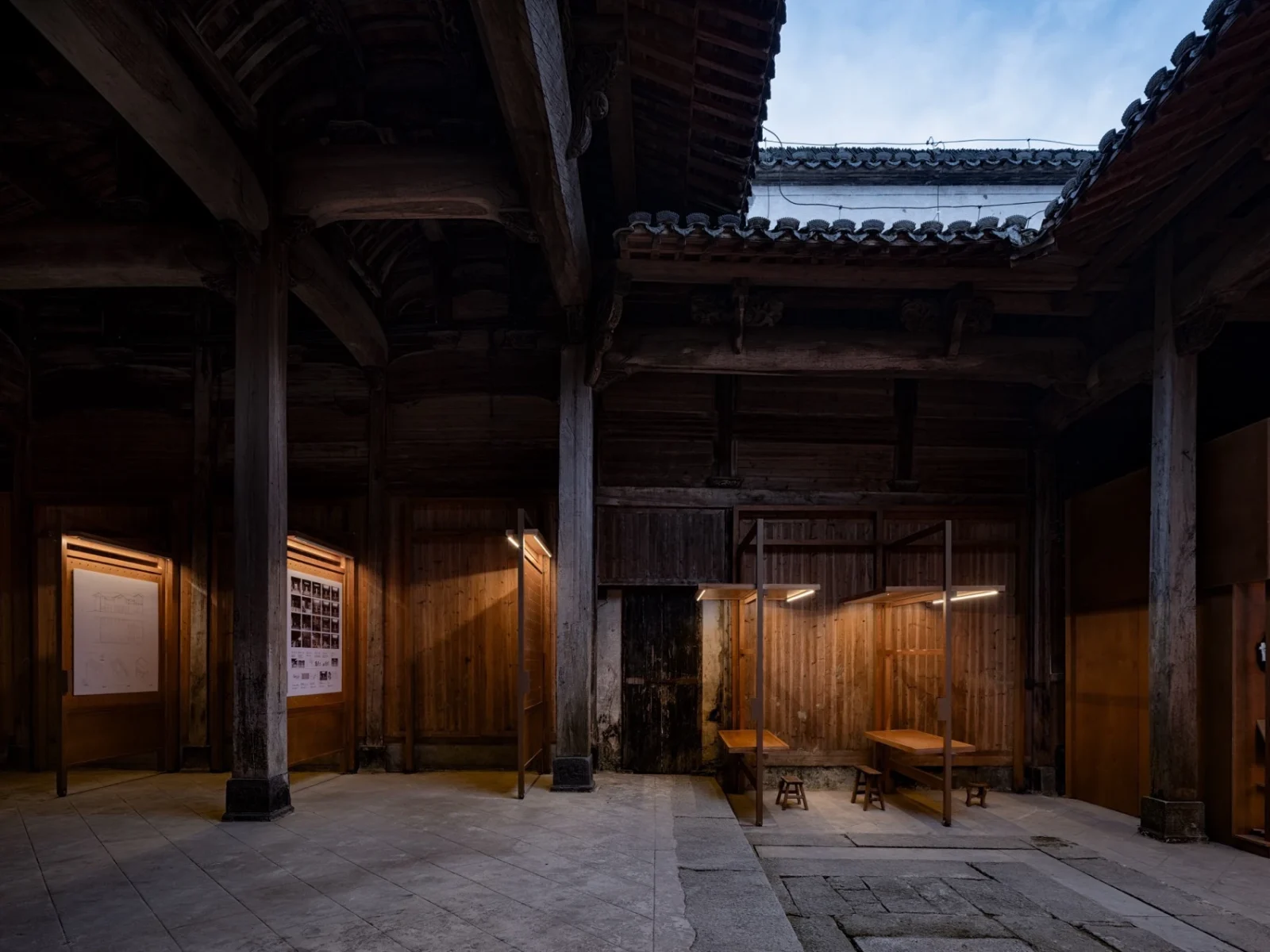
Atelier Guo transforms the Cheng Family Ancestral Hall in Nanping Village into a cinema, library, and public cultural space through a heritage-sensitive architectural insert.
Atelier Guo has inserted a new public program into the Cheng Family Ancestral Hall in Nanping Village, turning the historic structure into a layered cultural space for film, reading, leisure, and community life. Rooted in the village’s long-standing connection to photography and cinema, the project integrates contemporary use without interfering with the building’s original architectural character.
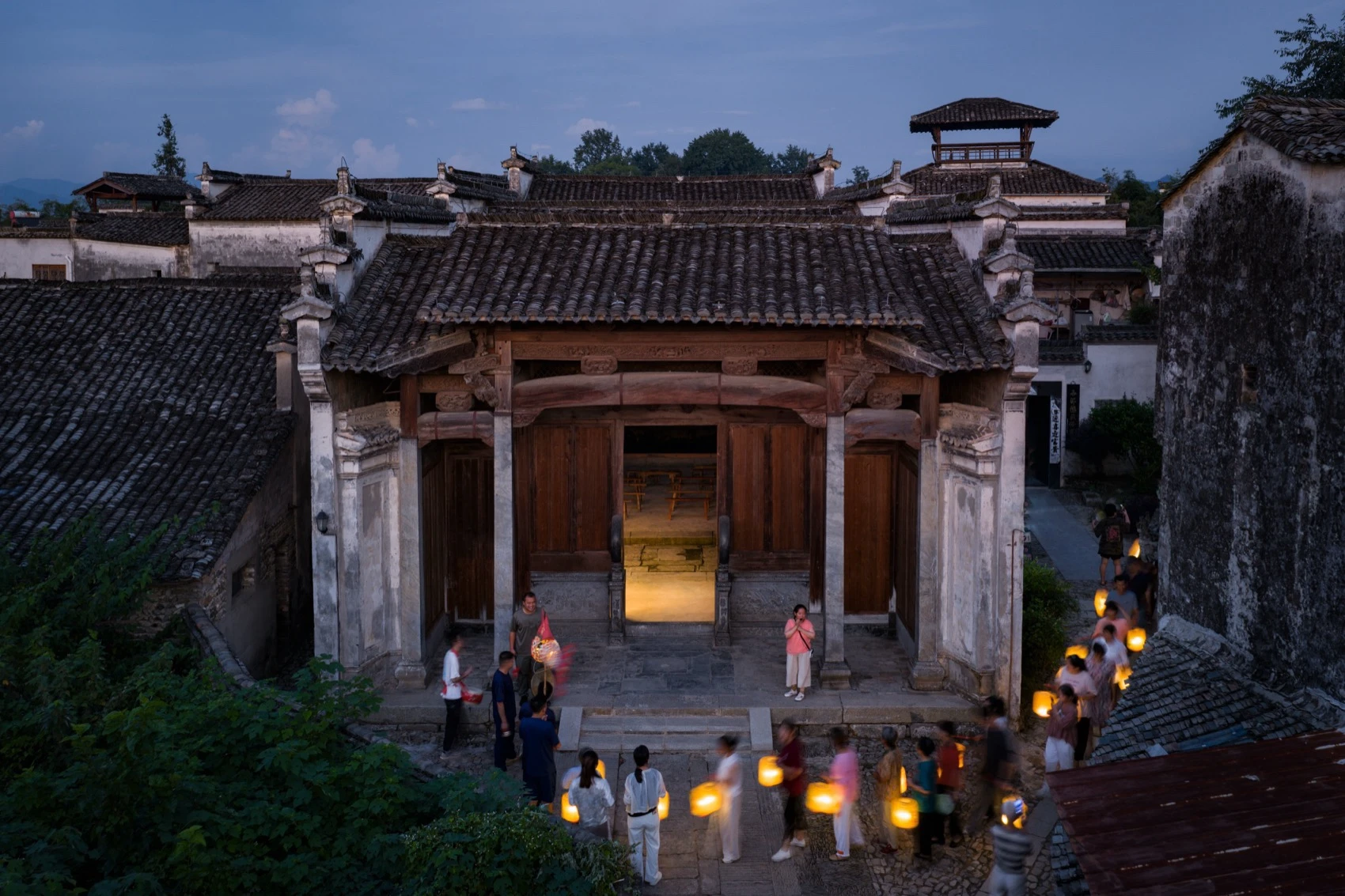
Instead of altering the ancestral hall, the intervention works as a precise architectural addition placed within the existing building envelope. The project allows the building to support present-day public life while preserving the spatial and cultural value embedded in its historic building envelope.
A Heritage-Sensitive Insert Within the Existing Hall
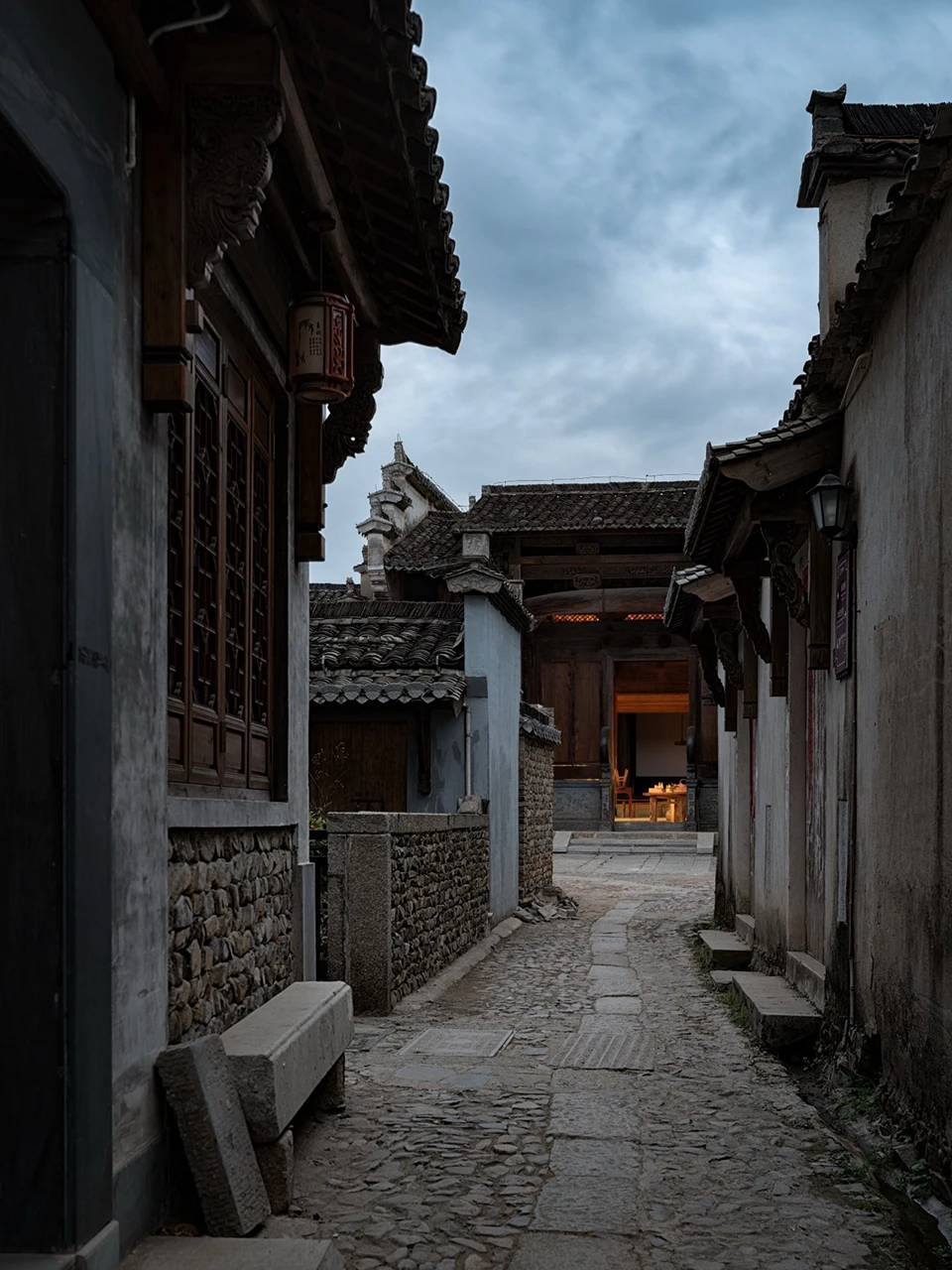
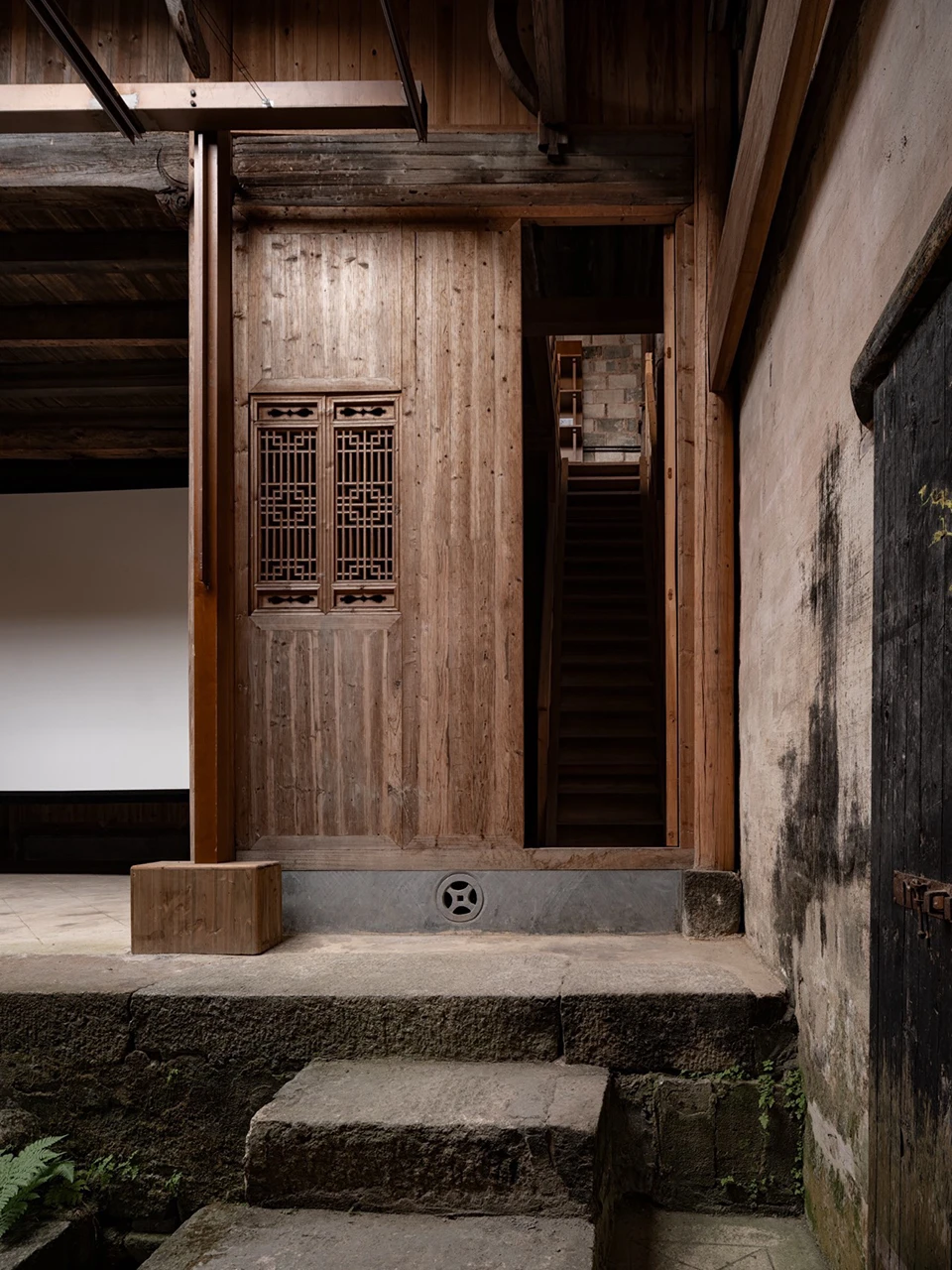
The project responds to strict heritage conservation requirements through an additive architectural strategy. Instead of removing, rebuilding, or modifying historic elements, Atelier Guo introduced an independent secondary structural system that sits within the hall without touching its original walls. This allows the ancestral hall to absorb new functions while keeping its main structure fully intact.
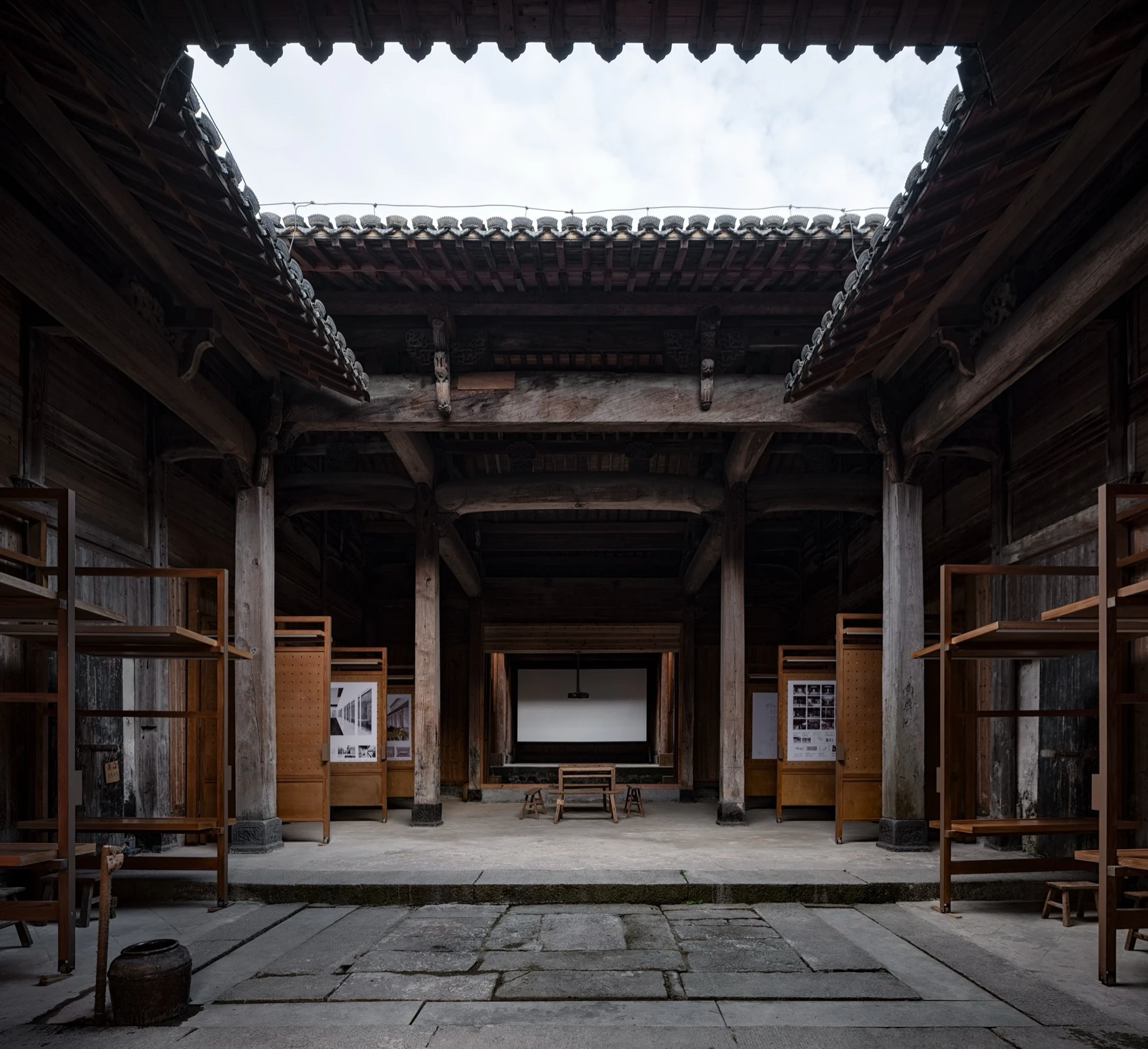
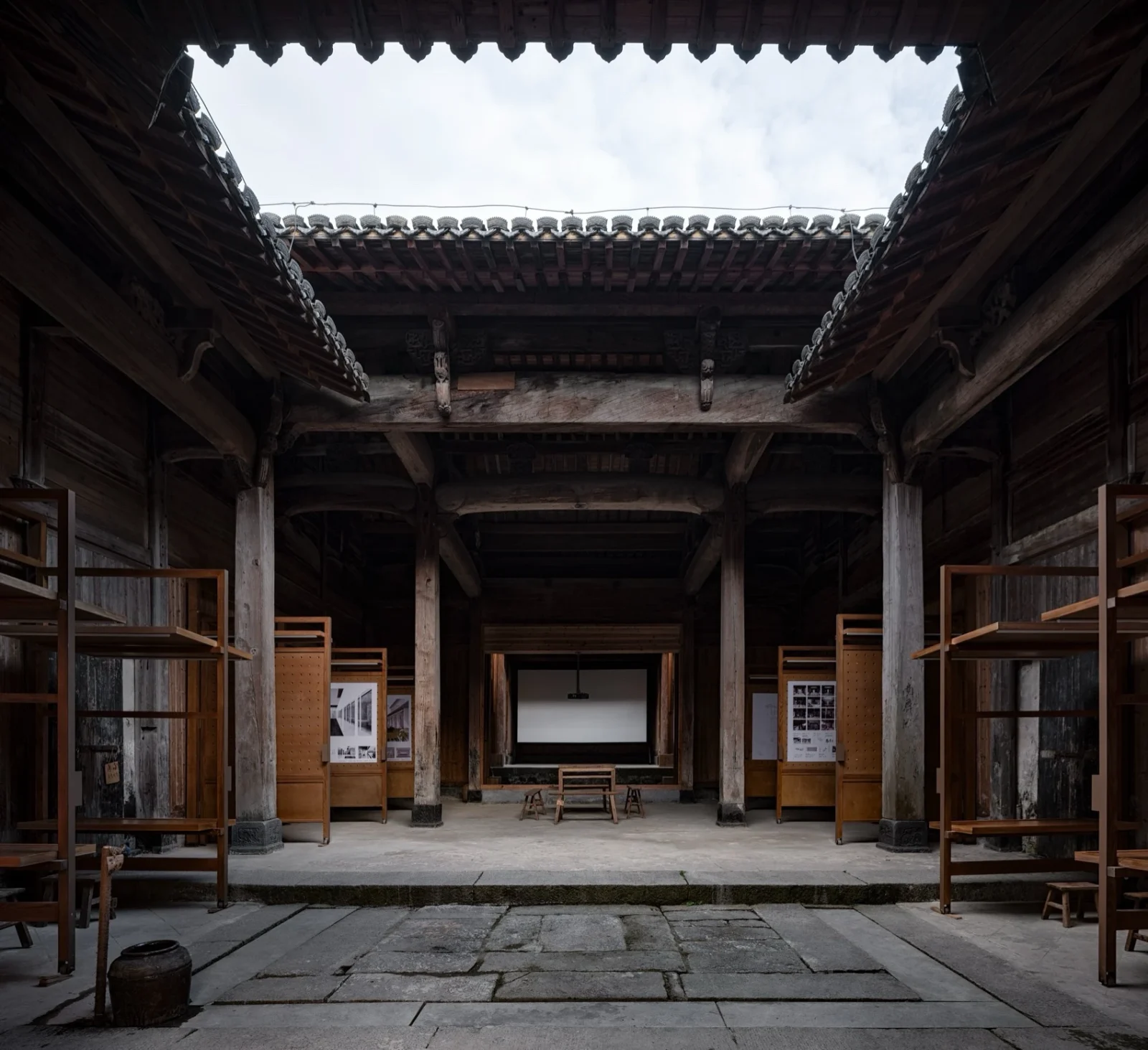
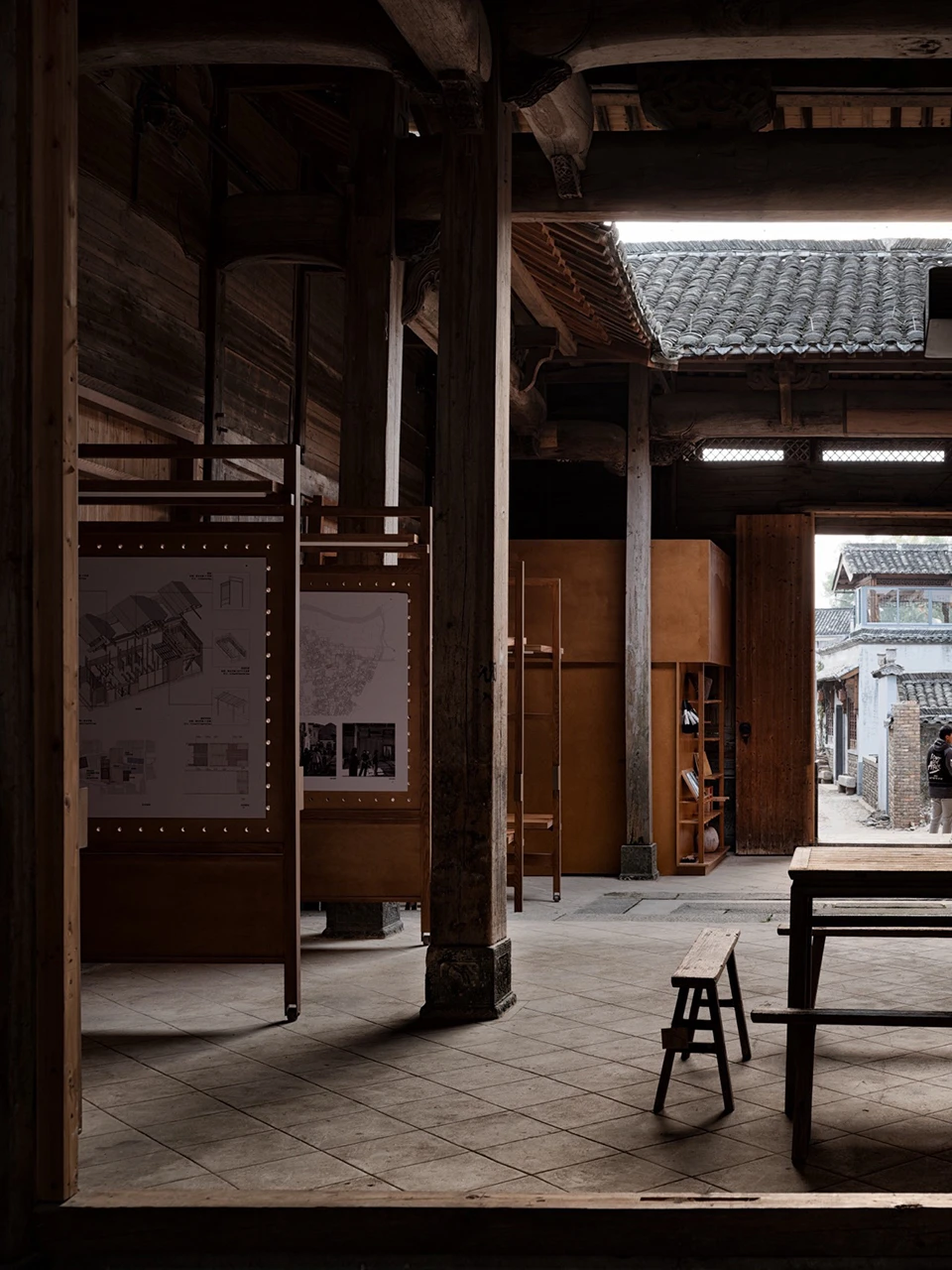
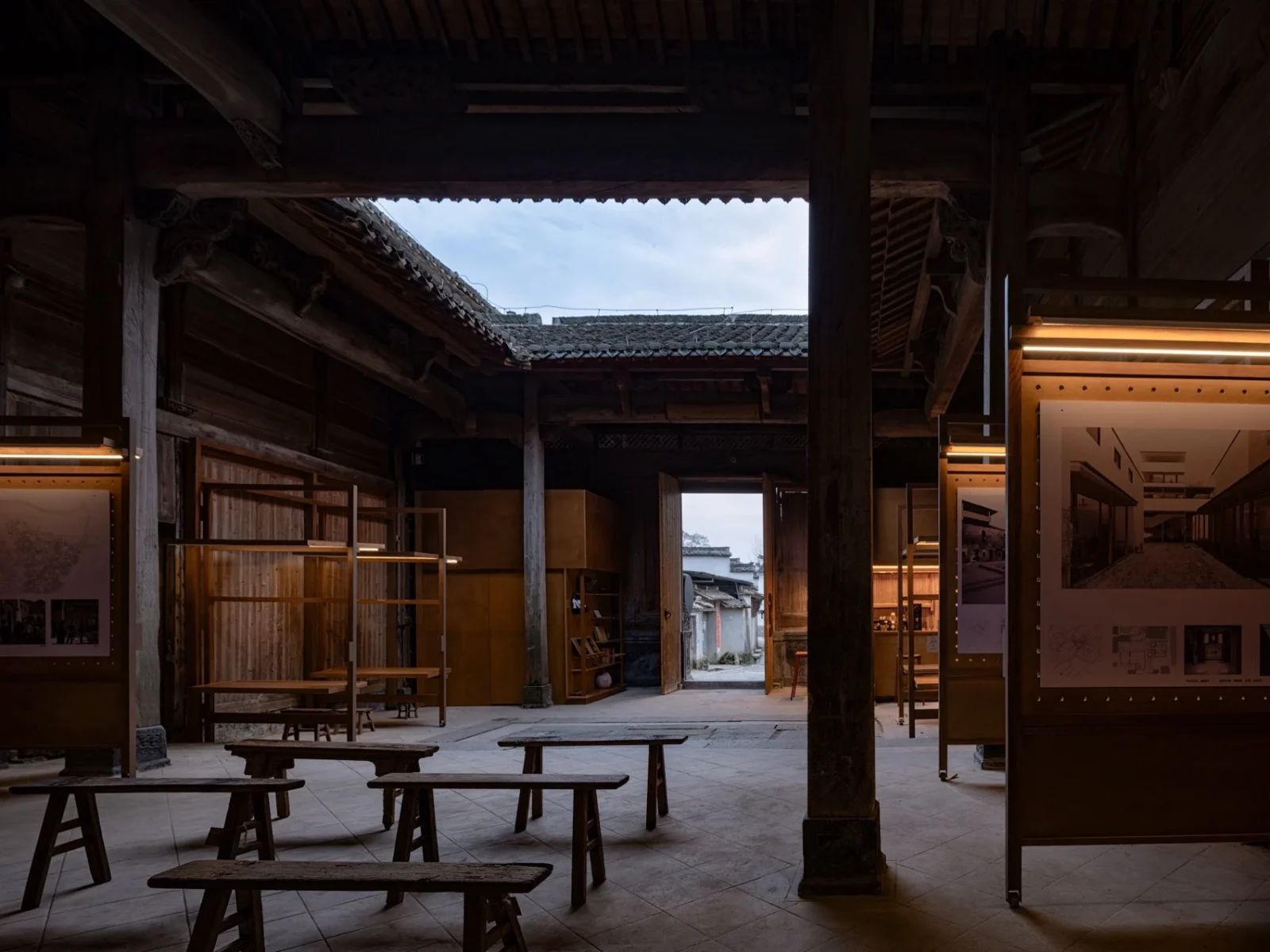
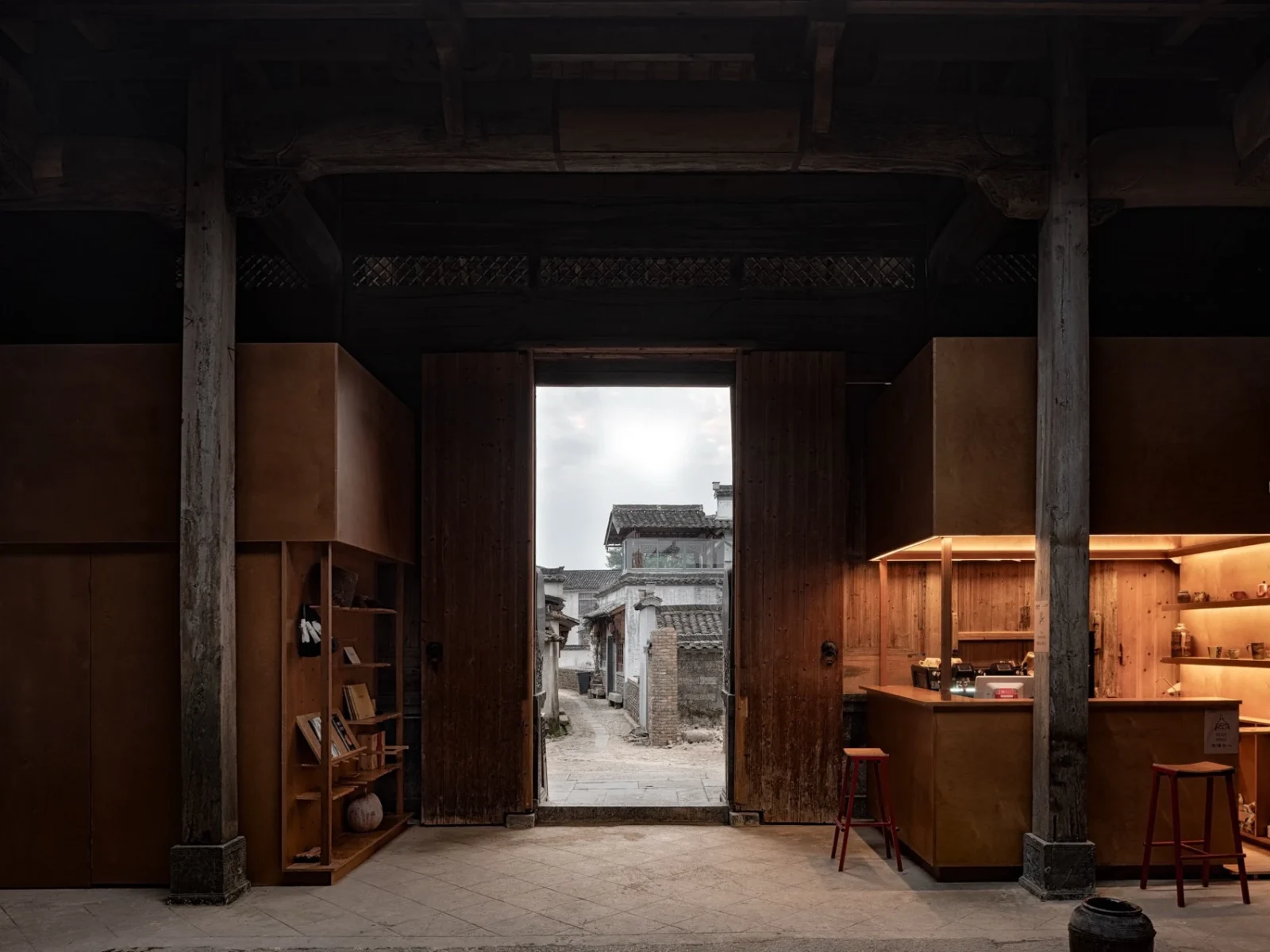
The intervention draws from traditional Huizhou construction logic, particularly the distinction between major structural carpentry and finer infill work. From this, the architects developed a Pivoting Panel System that becomes the project’s central spatial device. Organized along the hall’s three-bay layout, it establishes a gradual sequence from a more open and informal entrance zone to more concentrated activity areas deeper inside. This improves ventilation and moisture protection for the existing wooden wall cladding.
Cinema Through a Historic Frame
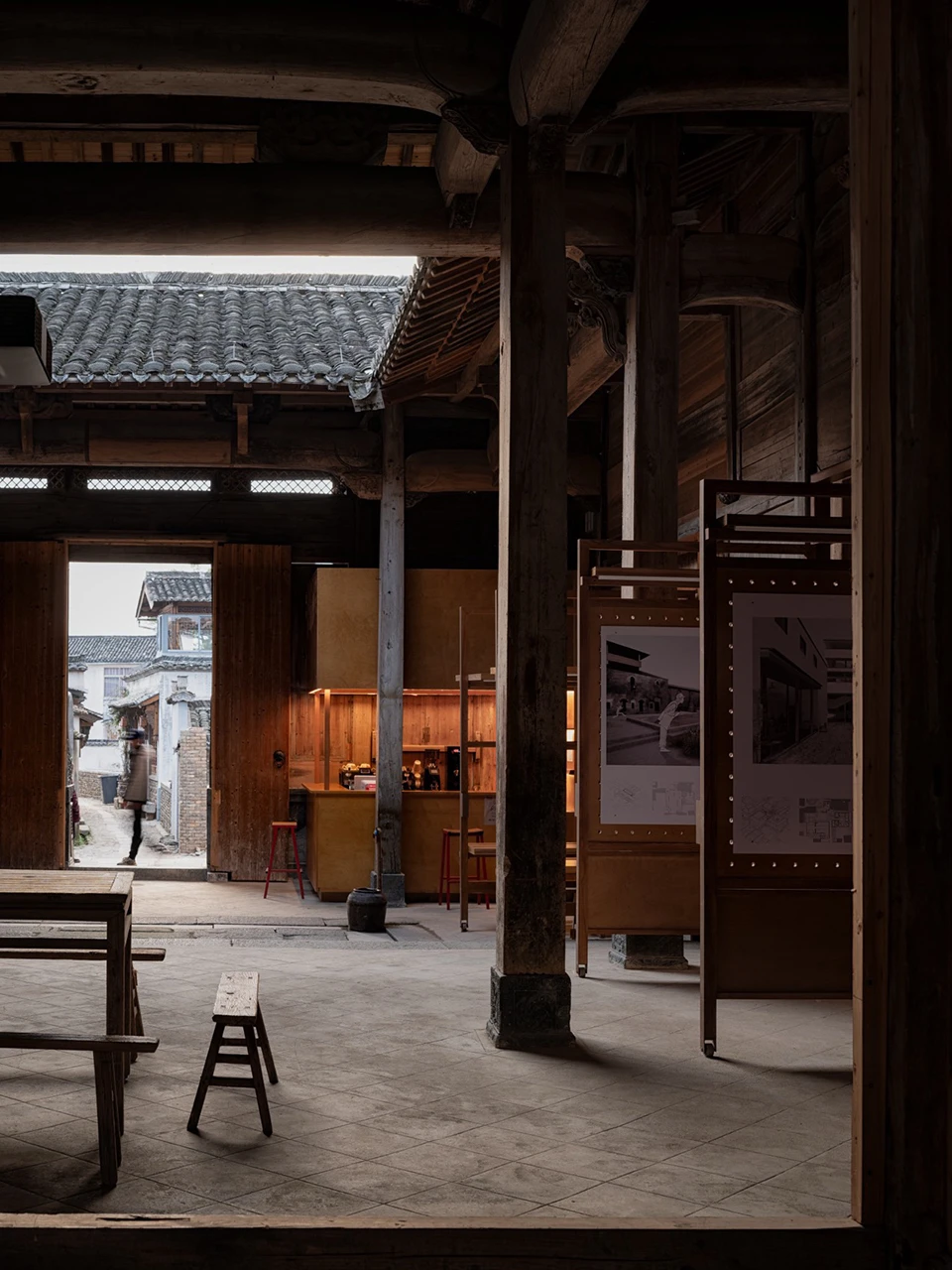
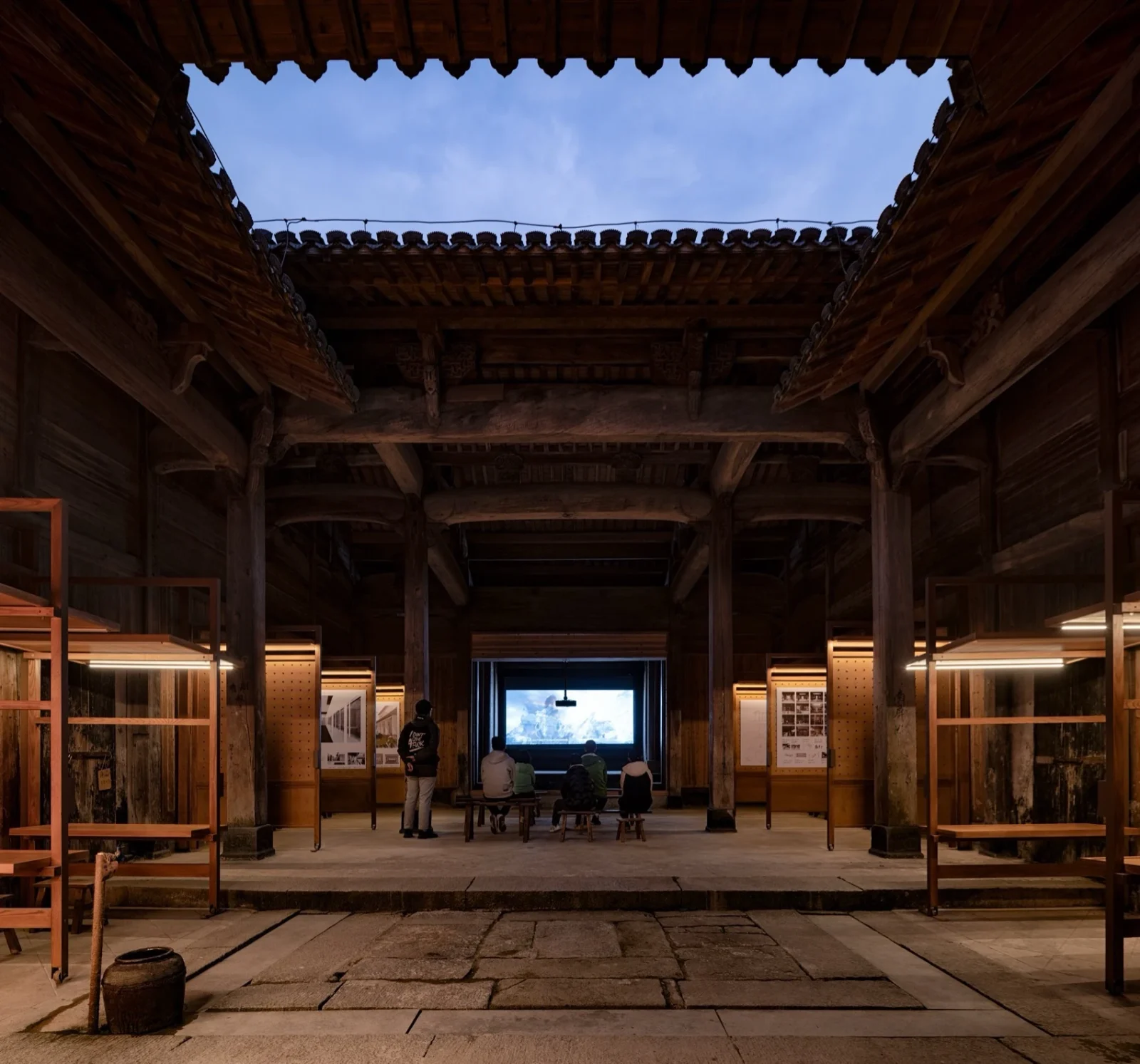
At the center of the project is the act of film viewing, but not in the format of a conventional black-box theater. Here, cinema is experienced through the ancestral hall’s existing architectural framework, turning the structure itself into part of the viewing condition. The result is a more layered and spatially aware encounter with film.
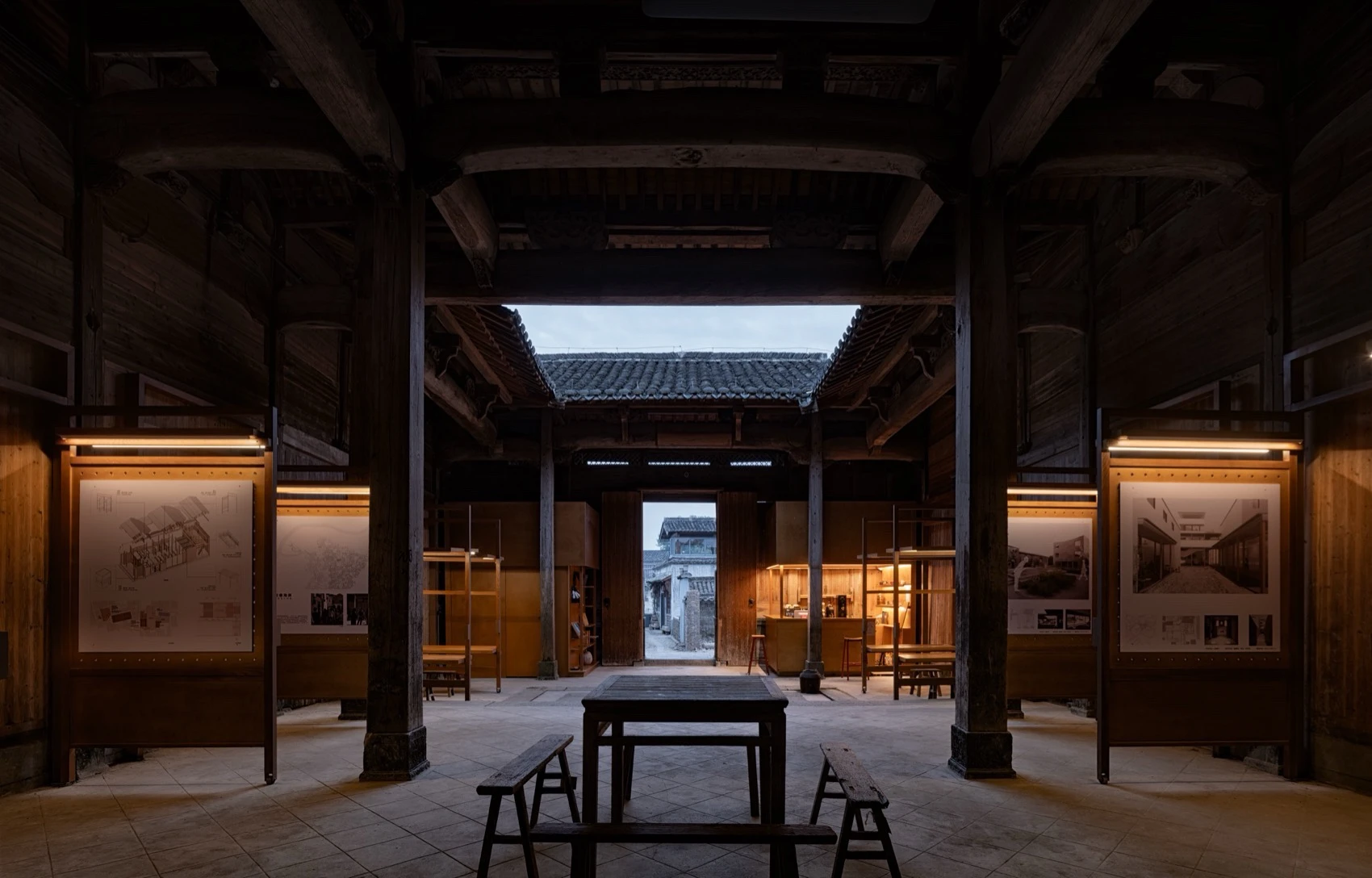
Visitors can watch from the second bay at eye level for a more direct experience, or from farther back across the first-bay courtyard, where the framing becomes more atmospheric and cinematic. An operable shading system above the courtyard also enables daytime screenings, allowing the ancestral hall to function as a flexible screening venue without compromising its open spatial quality.
Flexible Public Interior Built for Village Use
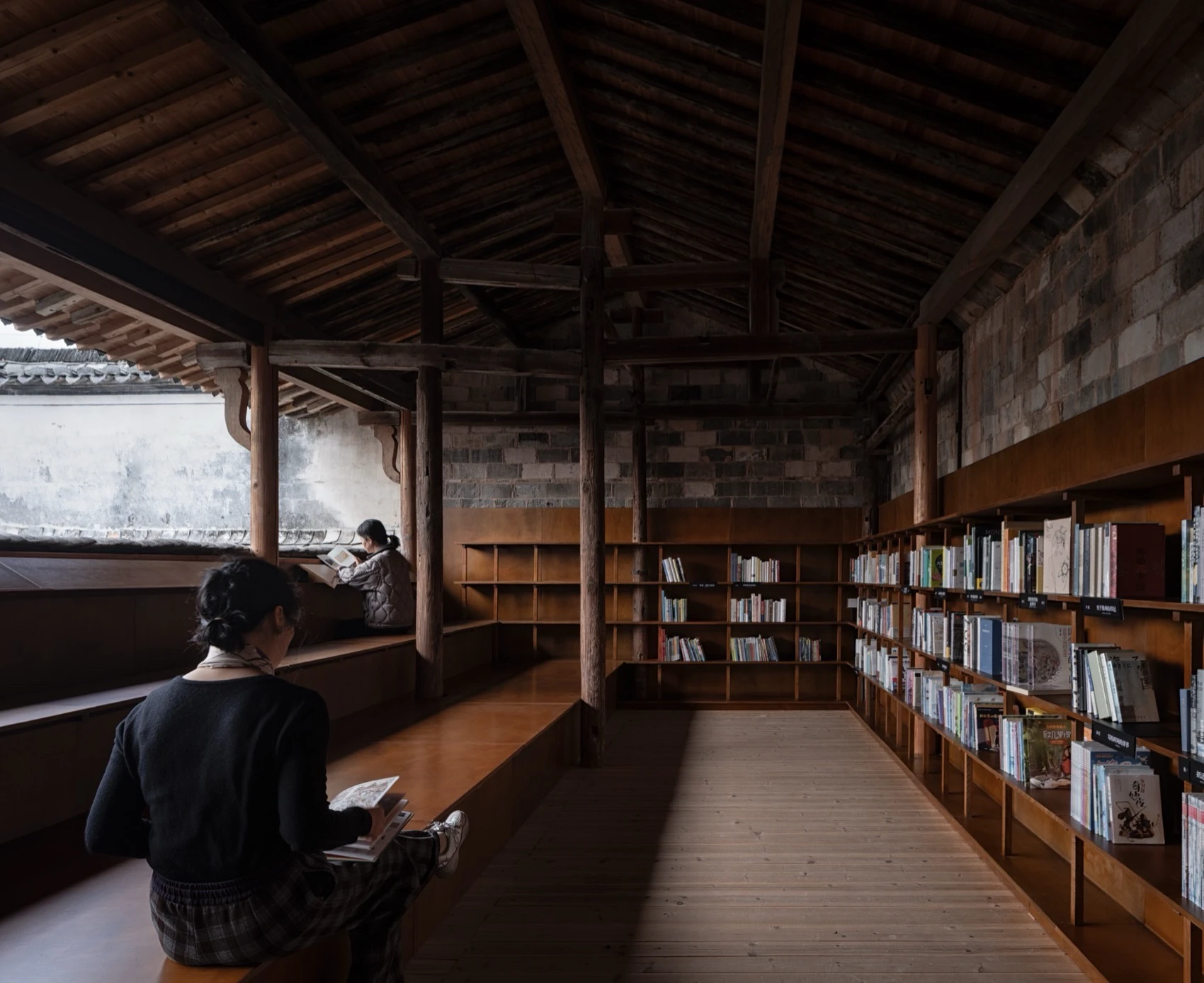
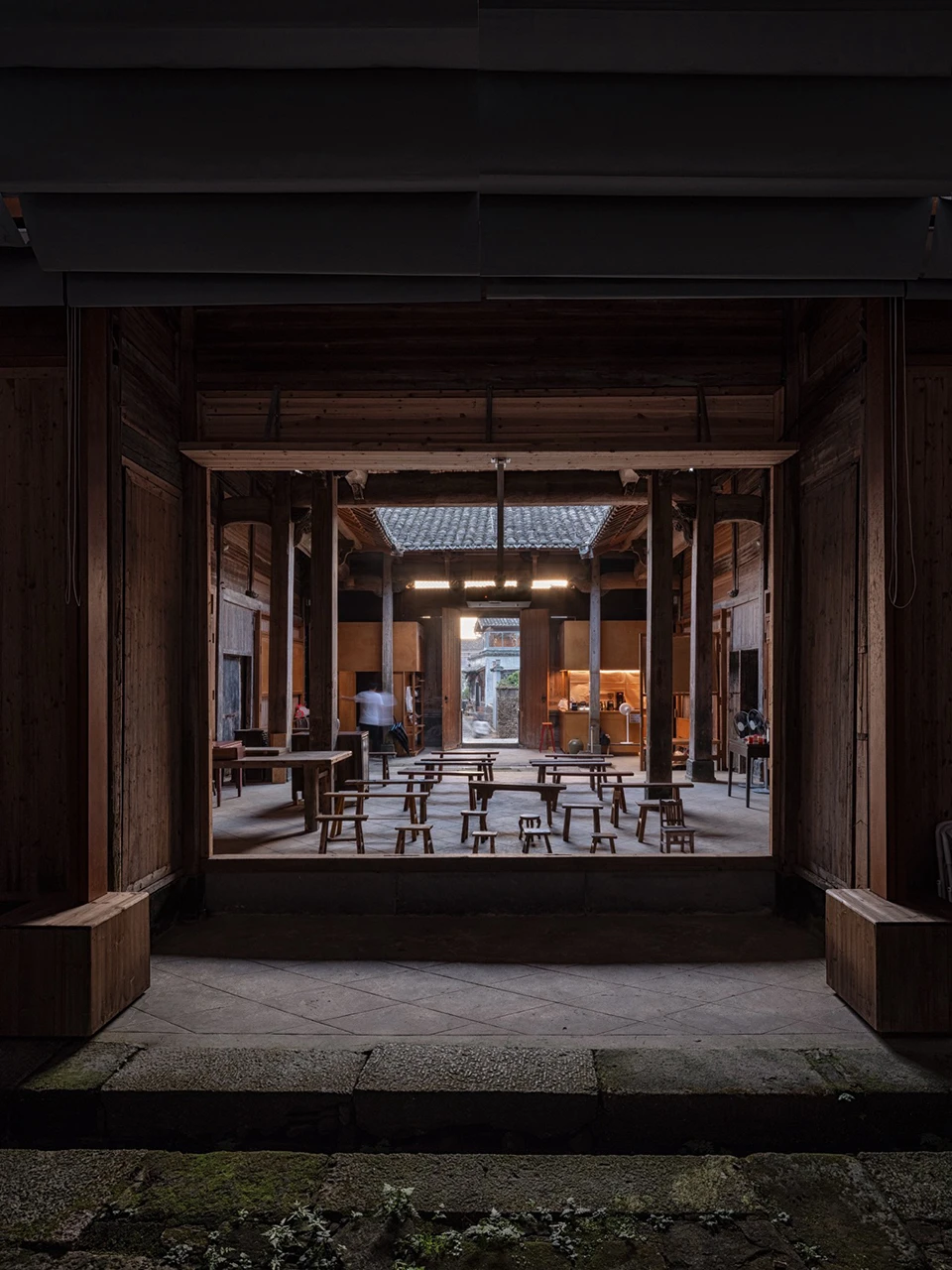
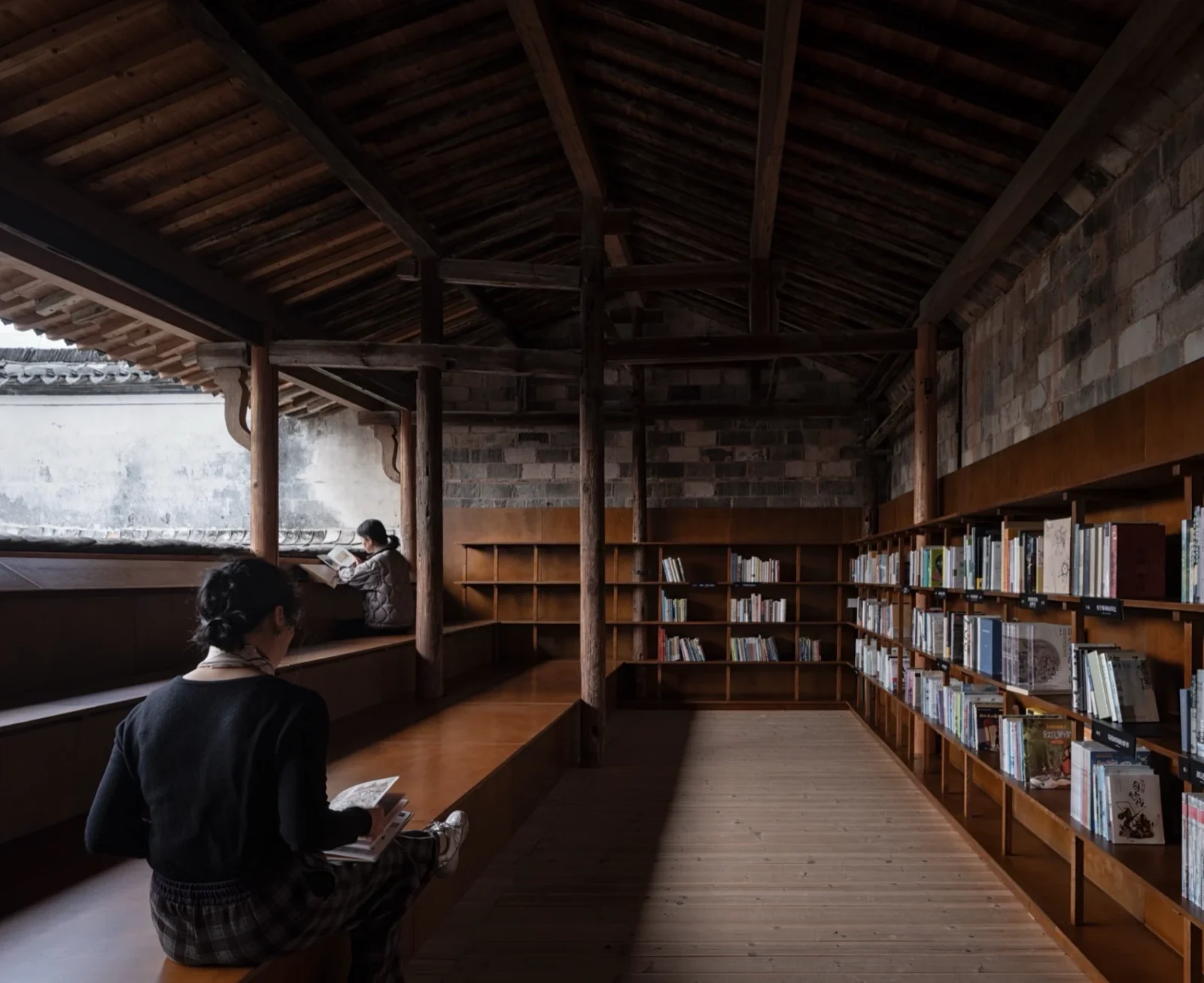
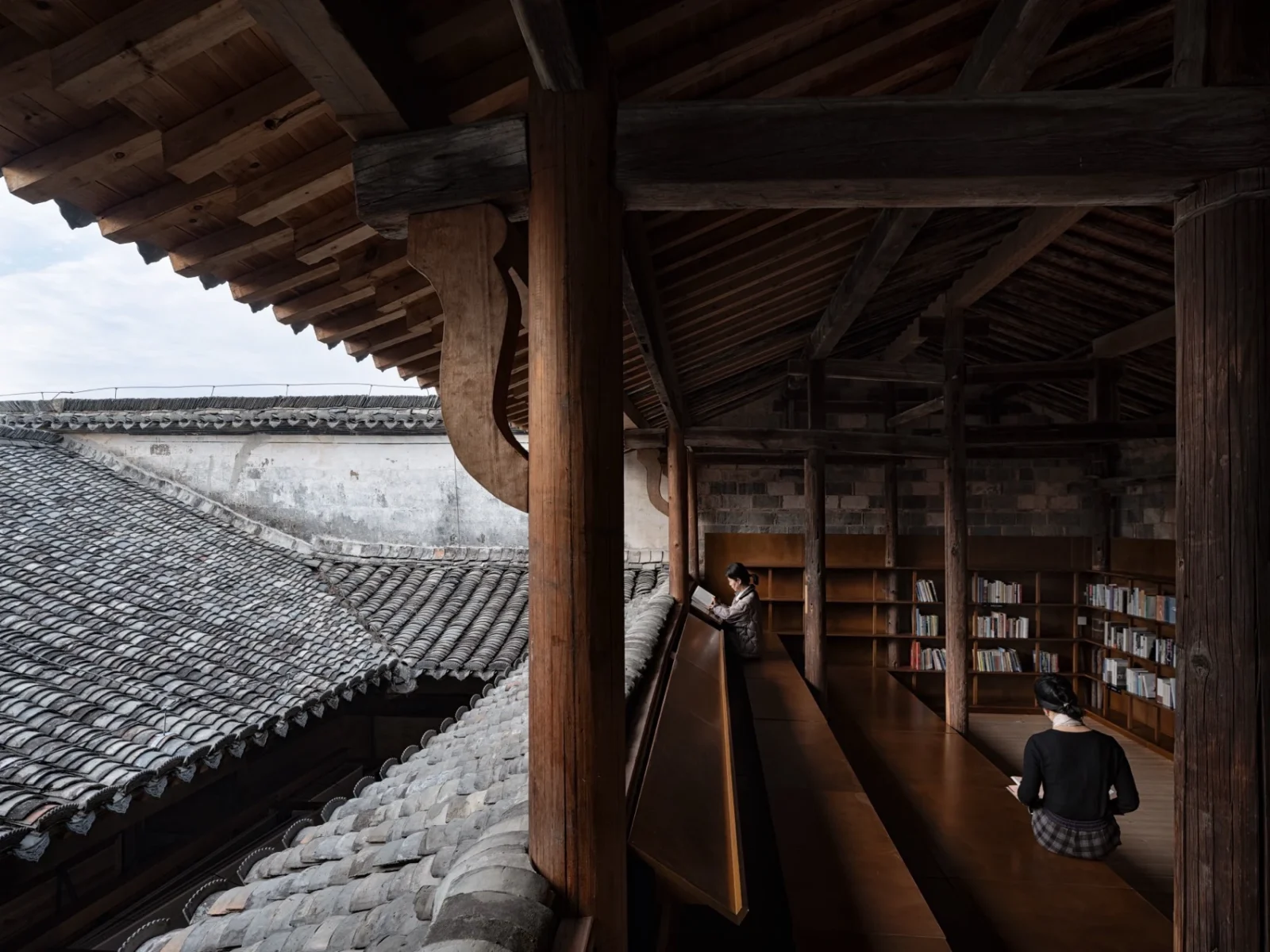
The project extends beyond cinema to accommodate cultural events, informal gatherings, and a public library. On the mezzanine level, the library uses modular and detachable furniture that responds carefully to the hall’s proportions, high windows, and existing scale.
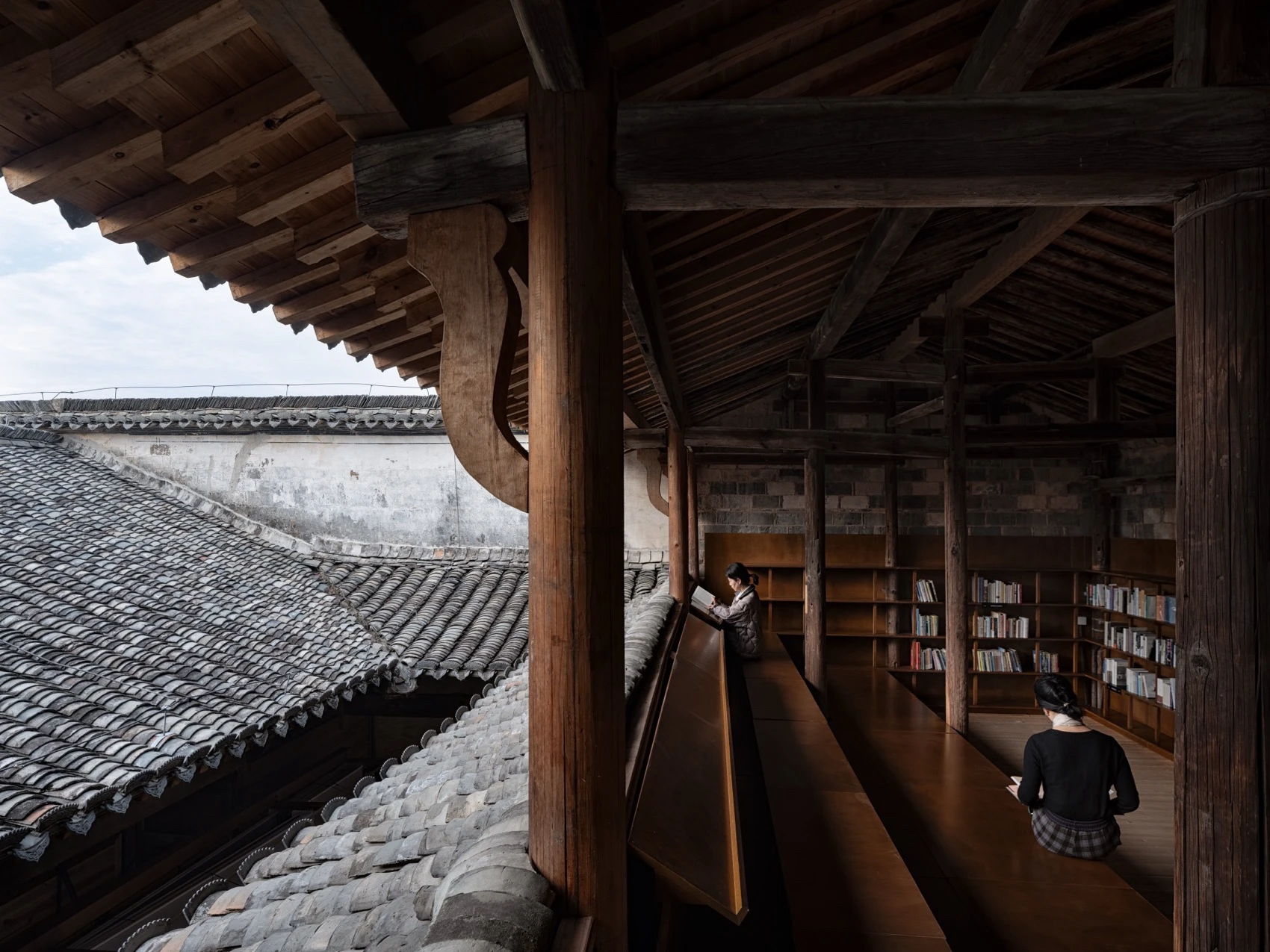
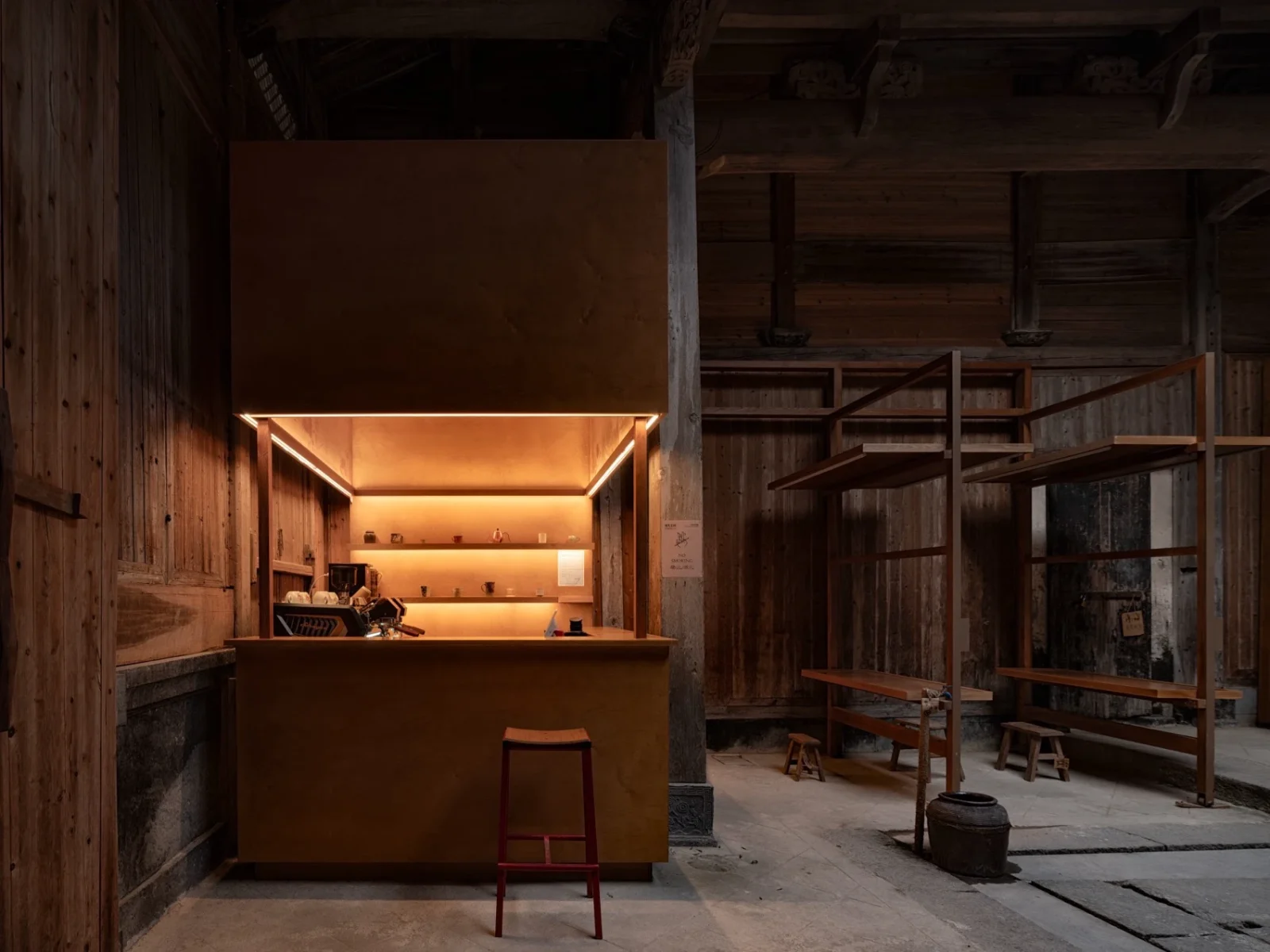
This same precision continues in the detailing. Furniture proportions were repeatedly refined to sit comfortably against the hall’s mixture of old and new wooden wall panels, while steel components were wrapped in wood to maintain material consistency. The courtyard shading system uses concrete counterweights integrated into circulation paths, and even the coffee bar’s service lines were routed carefully to avoid disturbing the historic fabric. All furniture was prefabricated off-site and assembled locally under guidance, ensuring close coordination between design and construction.
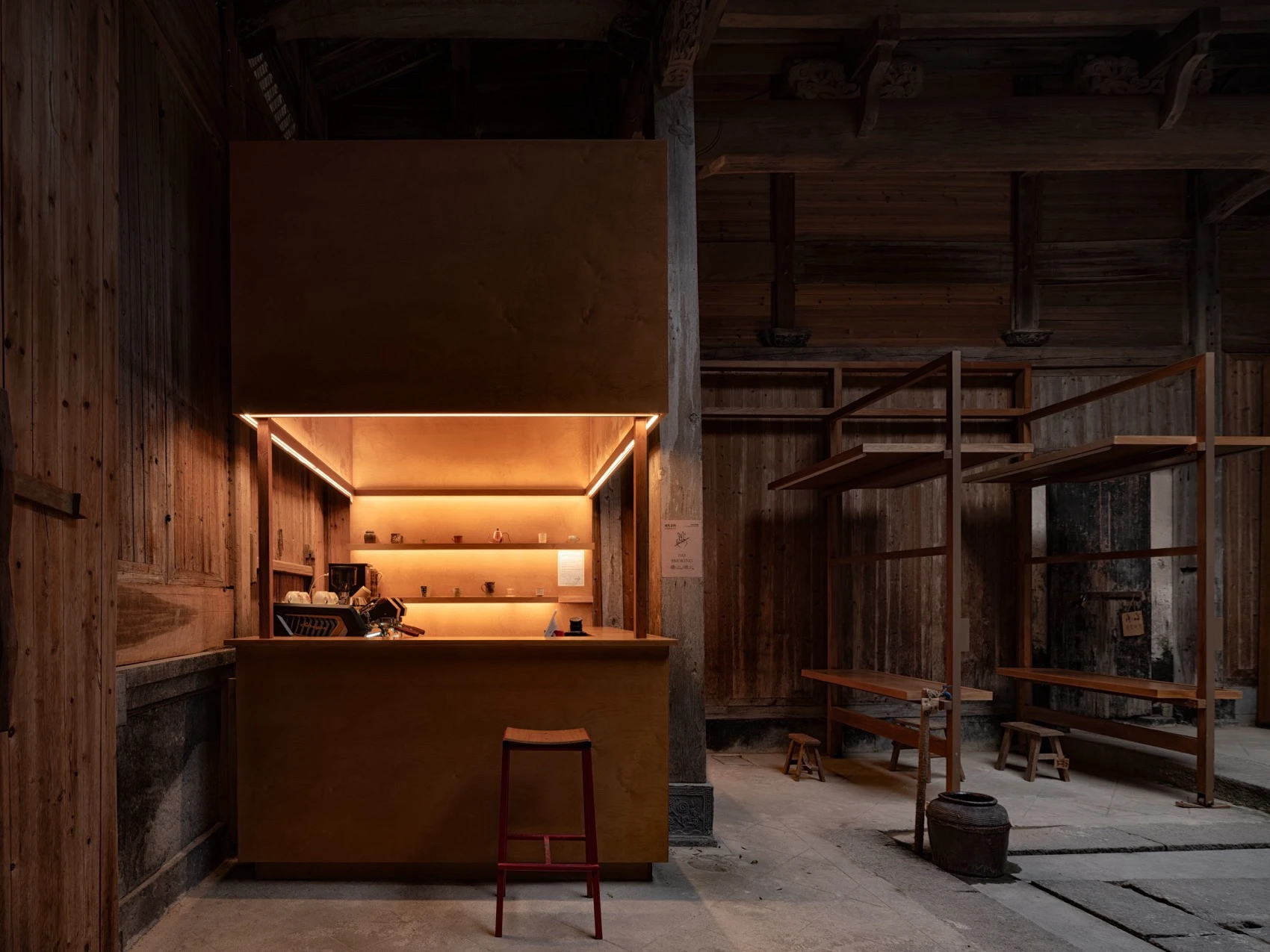
What gives the project its strength is its ability to remain active without becoming invasive. As the Pivoting Panel System opens and closes, the ancestral hall shifts between compact enclosure and open historical volume, allowing it to support changing public uses over time.
Atelier Guo does not overwrite the past here but inserts a new layer of civic life into it. The project shows how heritage architecture can remain relevant, usable, and culturally specific without sacrificing its original identity.
Image credit: © Wu Qingshan / Source: gooood.cn
Explore Courses
.jpg "Ondrej Chybik - Rethinking Architecture")