

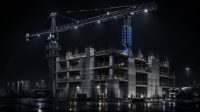


Victor Kossakovsky’s Architecton, opening in U.S. theaters August 1 via A24, is an architecture documentary. There are no walk-throughs of sleek new buildings, no talking-head interviews with a roster of starchitects. Instead, this 98-minute film is a raw, sensory meditation on the life and death of materials, stone, concrete, and the spaces they form.
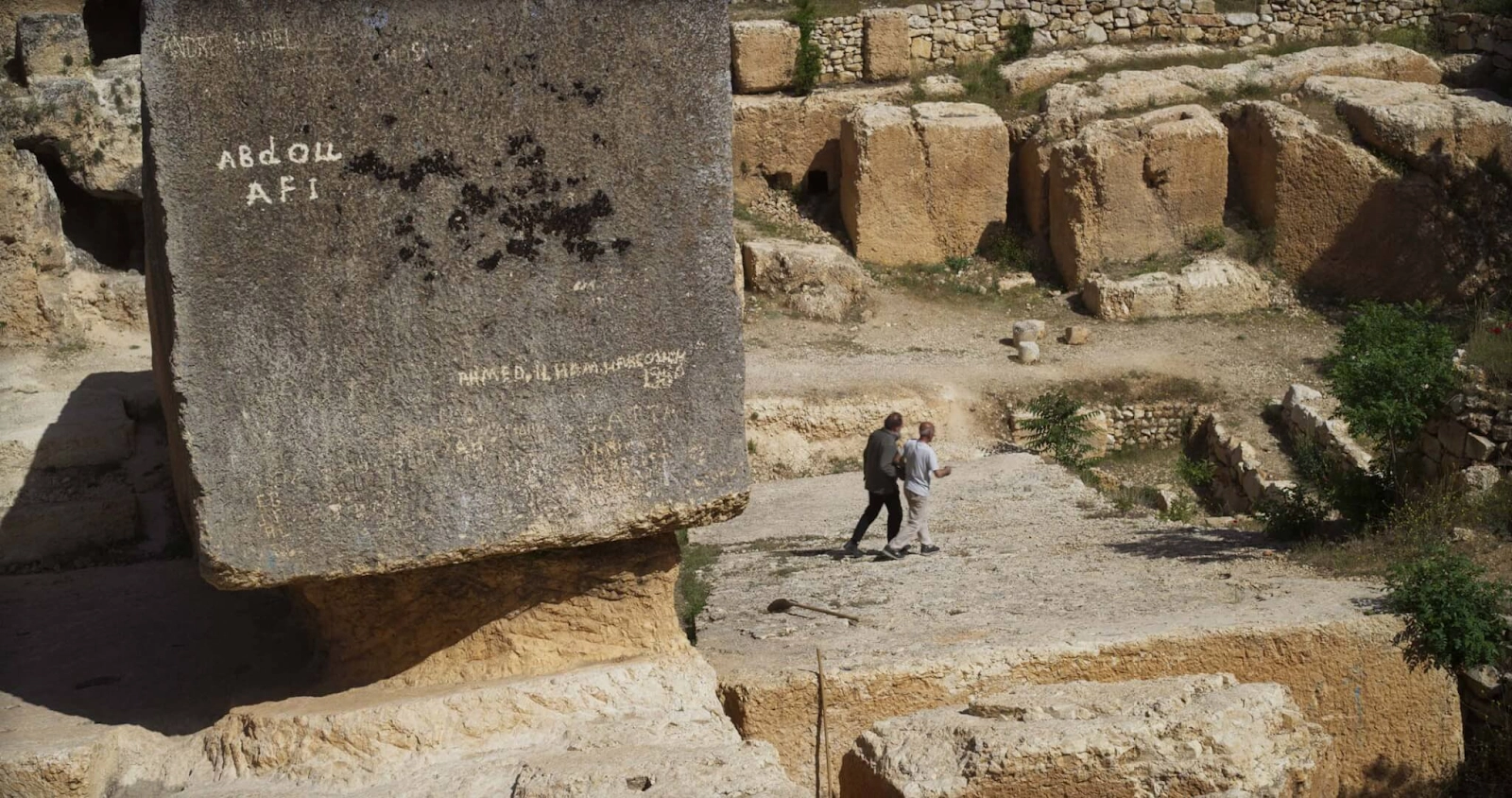
Shot across Ukraine, Turkey, and Lebanon, the documentary captures structures as symbols of permanence and relics, often shattered, crumbling, or buried in dust. Whether it’s the war-torn remains in Ukraine, the aftermath of Turkey’s 2023 earthquake, or the ancient ruins of Baalbek, Architecton uses its camera as a scalpel, slicing through notions of architecture to reveal the violence, extraction, and impermanence embedded in how we build.
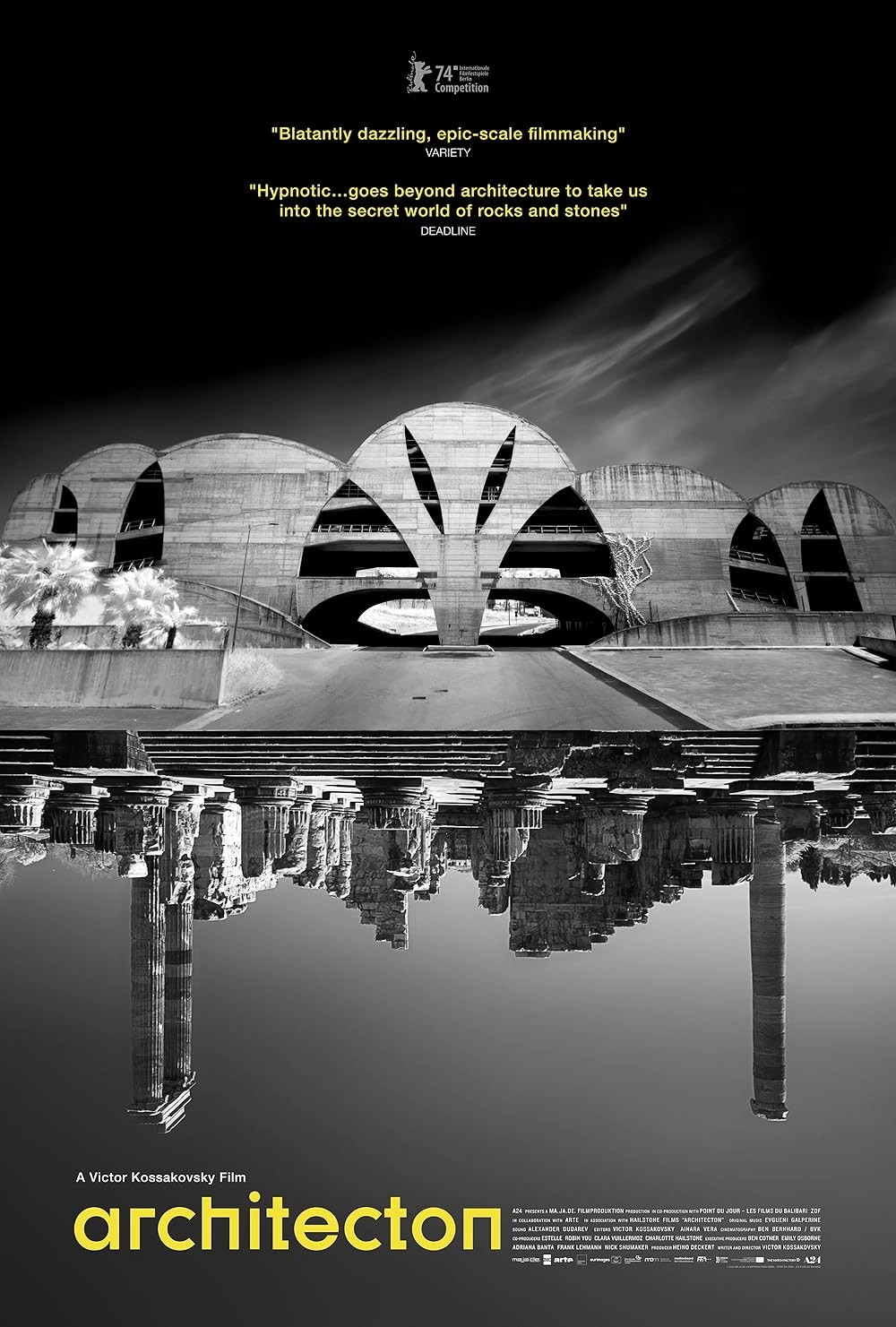
How Architecton Reframes Architecture Through Concrete and Stone
Kossakovsky, known for visually striking works like Aquarela and Gunda, here shifts focus to architecture, but through the lens of material rather than design. Concrete and stone aren’t just construction choices; they become characters. Through Ben Bernard’s sweeping drone shots and slow, deliberate close-ups, viewers see the full cycle from quarry to ruin.
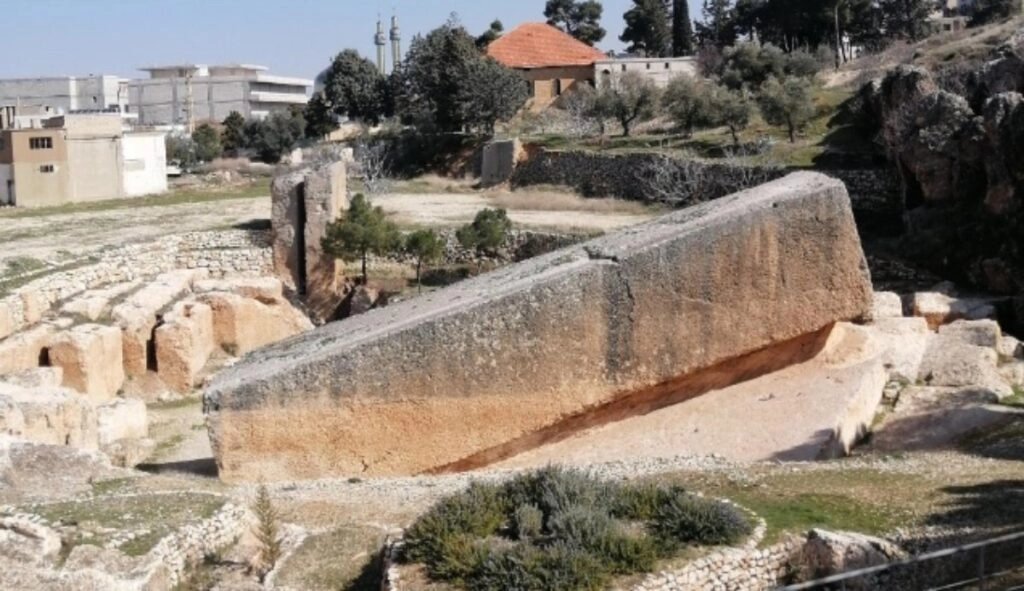
Stone is shown being harvested with a brutality that mirrors the destruction it will later endure. Concrete, often glorified for its strength, is revealed as both omnipresent and unsustainable. In an interview, Kossakovsky remarked that architects he spoke with failed to acknowledge the concrete’s environmental toll. Only one Italian architect, Michele De Lucchi, is featured in the film. “He was the only one with humility,” Kossakovsky said. The others spoke of green rooftops and sustainable facades but kept the same concrete-and-metal foundations.
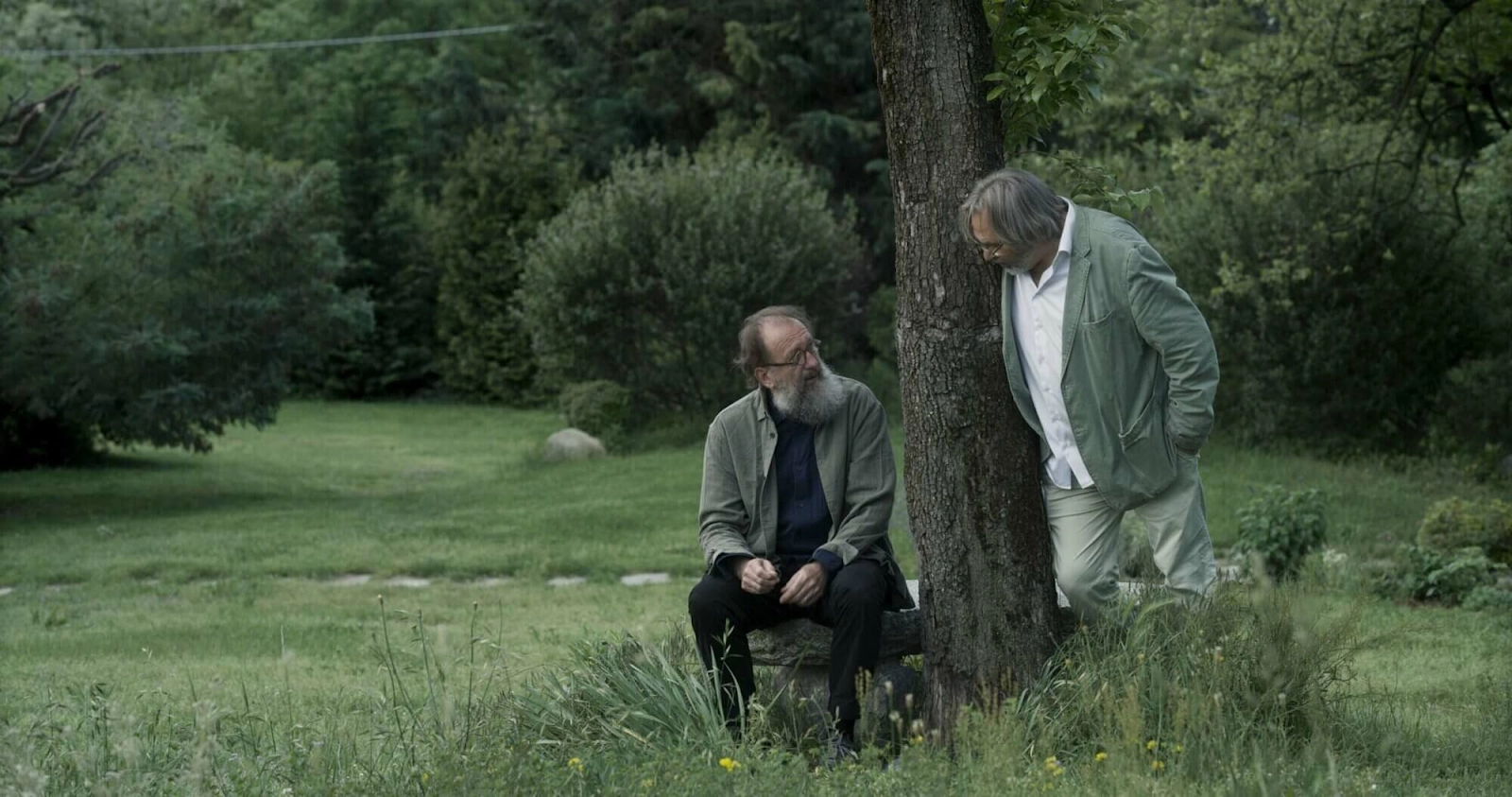
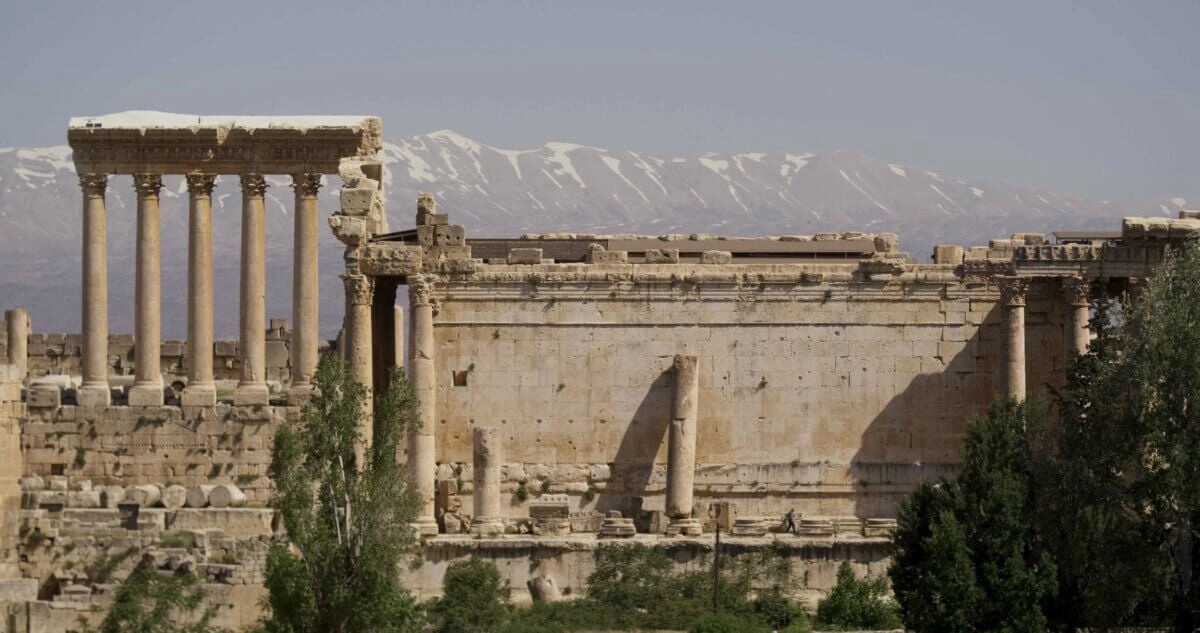
De Lucchi’s presence serves as a narrative anchor. His reflections, especially on how design influences behavior, bring a quiet urgency to the film. In one scene, he constructs a personal stone circle, a kind of ritual site that contrasts sharply with the industrial wreckage elsewhere. His visit to Baalbek, among the world’s oldest ruins, raises a key question: Why have we stopped building to last?
Architecture as Ruin
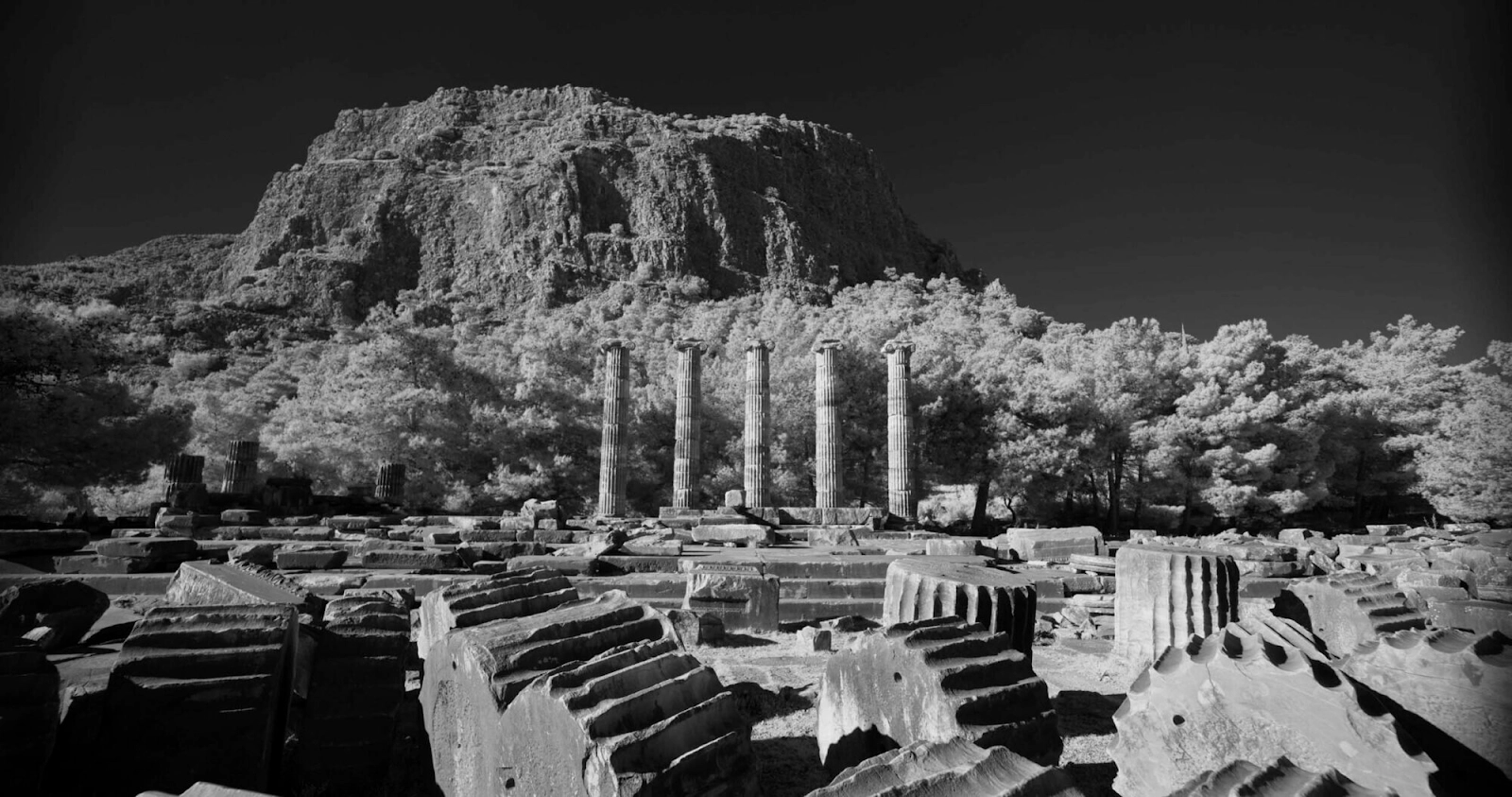
Architecton is as much about destruction as it is about construction. The film does not shy away from showing the violence of architectural collapse. Drone shots linger over war-shattered high-rises and toppled urban neighborhoods. These are not isolated events, the film argues, but signs of a global condition where buildings once emblems of durability are now disposable.
This theme is driven home in the film’s final “epilogue” sequence, where Kossakovsky and De Lucchi question the short lifespan of contemporary buildings. Why do we create spaces that only stand for decades when ancient builders aimed for centuries, even millennia? It’s a fair critique, though the film doesn’t claim to have all the answers. Instead, it invites reflection.
Architecton’s Cinematic Strengths Outweigh Its Storytelling Gaps
Visually, Architecton is often stunning. Every shot feels composed, every sound intentional. Evgueni Galperine’s score adds a moody tension that underscores the film’s scale and seriousness. But some may find the narrative structure too loose. There is little in the way of context or clear transitions. The viewer is often left to interpret what they’re seeing without captions or explanation. This may be a deliberate aesthetic choice meant to immerse rather than inform, but it risks leaving viewers disoriented.
Bradshaw critiques Architecton for its immersive visuals but notes a lack of narrative clarity, describing it as “a monolithic, almost wordless and vehement meditation on concrete and stone.” He specifically mentions that the powerful images can feel unfocused and the structure indulgent or redundant, especially with little context or explanation provided for the footage.
Still, Architecton isn’t a film meant to comfort. It asks hard questions: about the cost of concrete, about the aesthetics of modern cities, and about the environmental and cultural losses tied to rapid development and demolition. It sees architecture not as static beauty, but as a reflection of how we live and destroy.
As De Lucchi says in the trailer, “When we design something, we design the behavior of people.” That idea, more than any blueprint or theory, is the film’s core. It challenges viewers, architects, planners, and citizens alike to reconsider what we build, how we build it, and why.
In that sense, Architecton succeeds as a film and also as a provocation. It simply shows us what we’ve built and what we’ve broken.
Architecton Film Overview
Directed by: Victor Kossakovsky
Starring: Michele De Lucchi
Cinematography: Ben Bernard
Music: Evgueni Galperine
Runtime: 98 minutes
In U.S. theaters August 1, 2025, via A24
Explore Courses
.jpg%202.jpg "Building Performance with Forma & Opossum")

.jpg "Ondrej Chybik - Rethinking Architecture")