In the steep landscape overlooking Jølstravatnet in western Norway, Danish studio PAX Architects has proposed a visitor centre that almost disappears into the terrain. Titled Hulen (The Cave), the 1,500-square-metre project was selected as one of four finalists in the international competition for a new visitor centre at Astruptunet, the former home and workplace of Norwegian painter Nikolai Astrup. The competition attracted 164 entries and was commissioned by Sunnfjord Municipality.
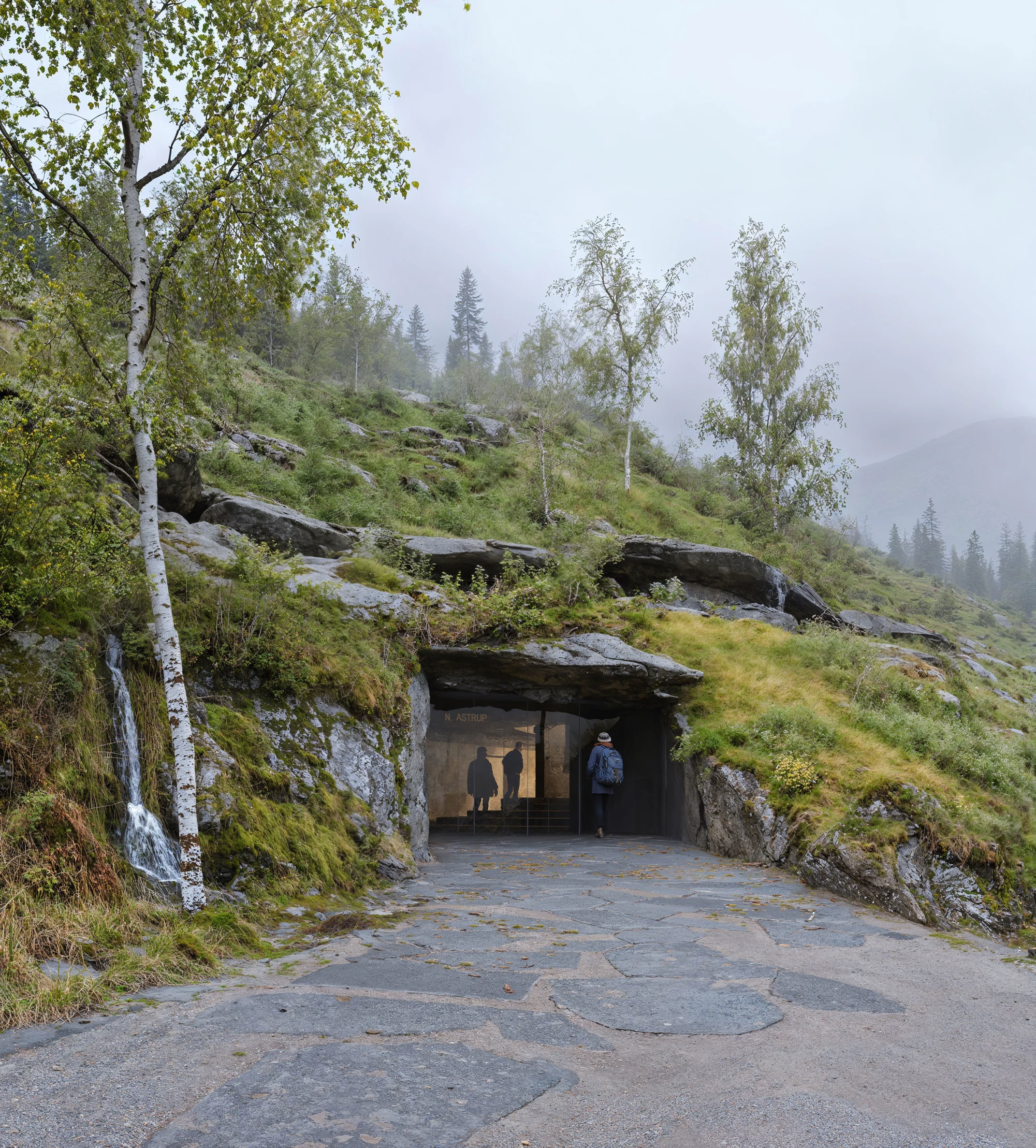
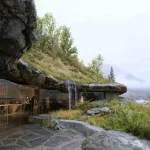
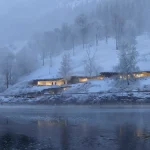
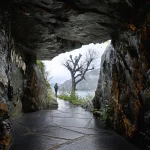
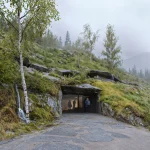
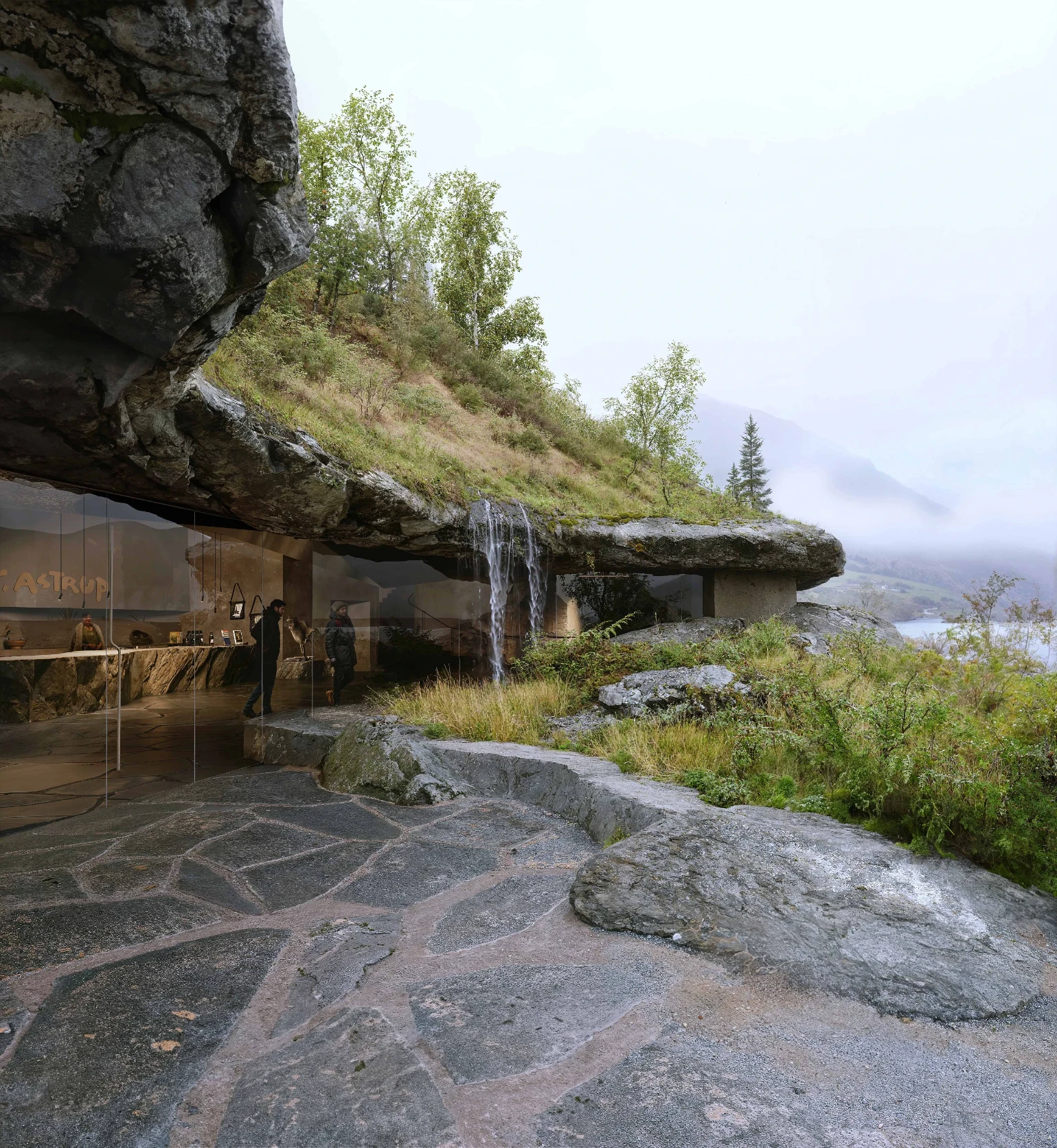
PAX Architects approached the project as an extension of the landscape that inspired Astrup’s paintings. The proposal takes direct inspiration from Astrup’s artwork The Cave, embedding the building within the hillside so that it remains largely hidden from view. From Astruptunet, the centre is almost invisible, while from the lakeside and nearby road, it appears only as a narrow fissure cut into the terrain. Native vegetation and local stone further reduce its visual presence, allowing the surrounding cultural landscape to remain the primary focus.
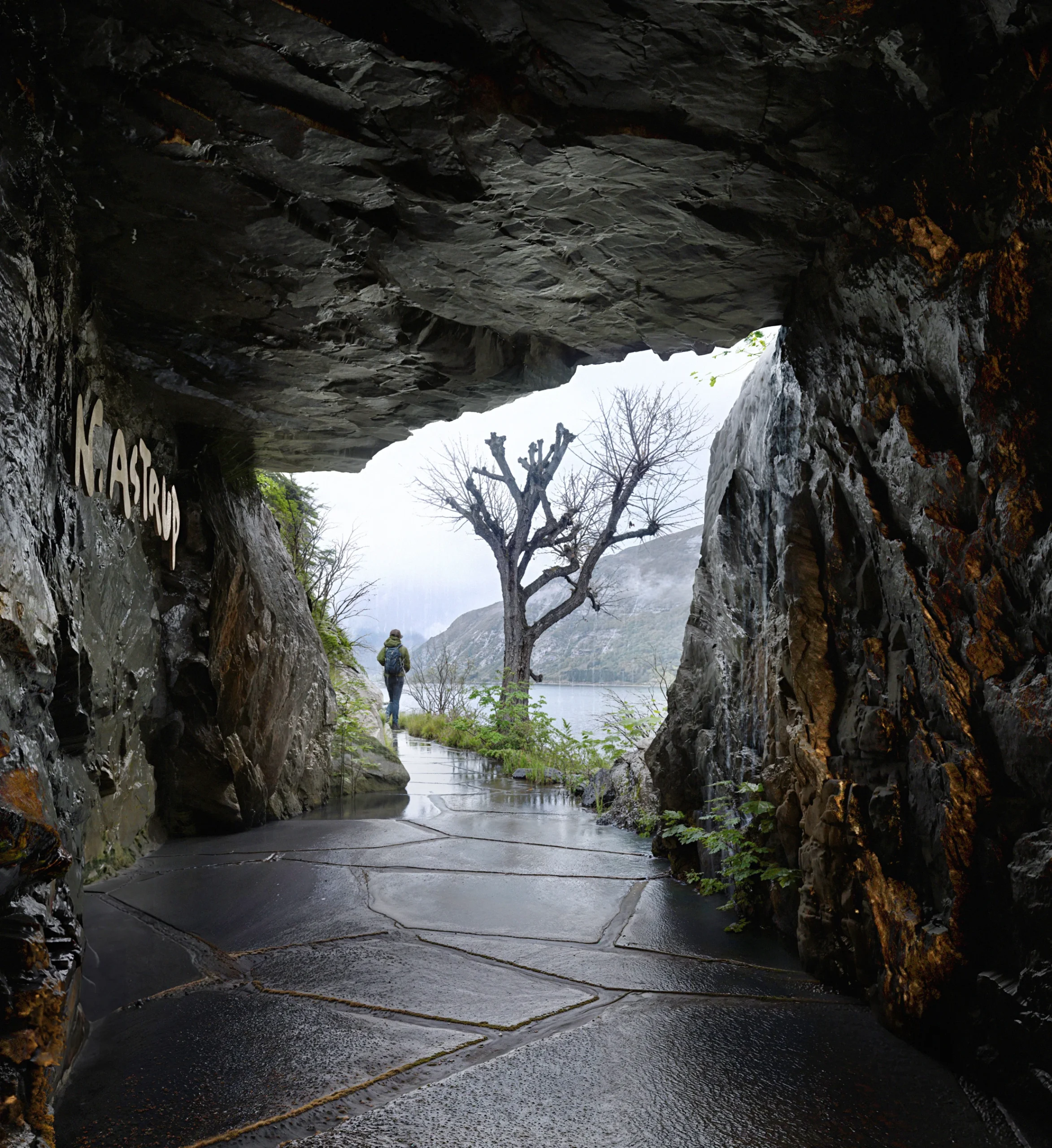
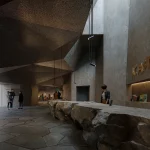
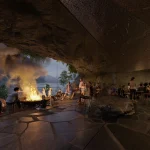
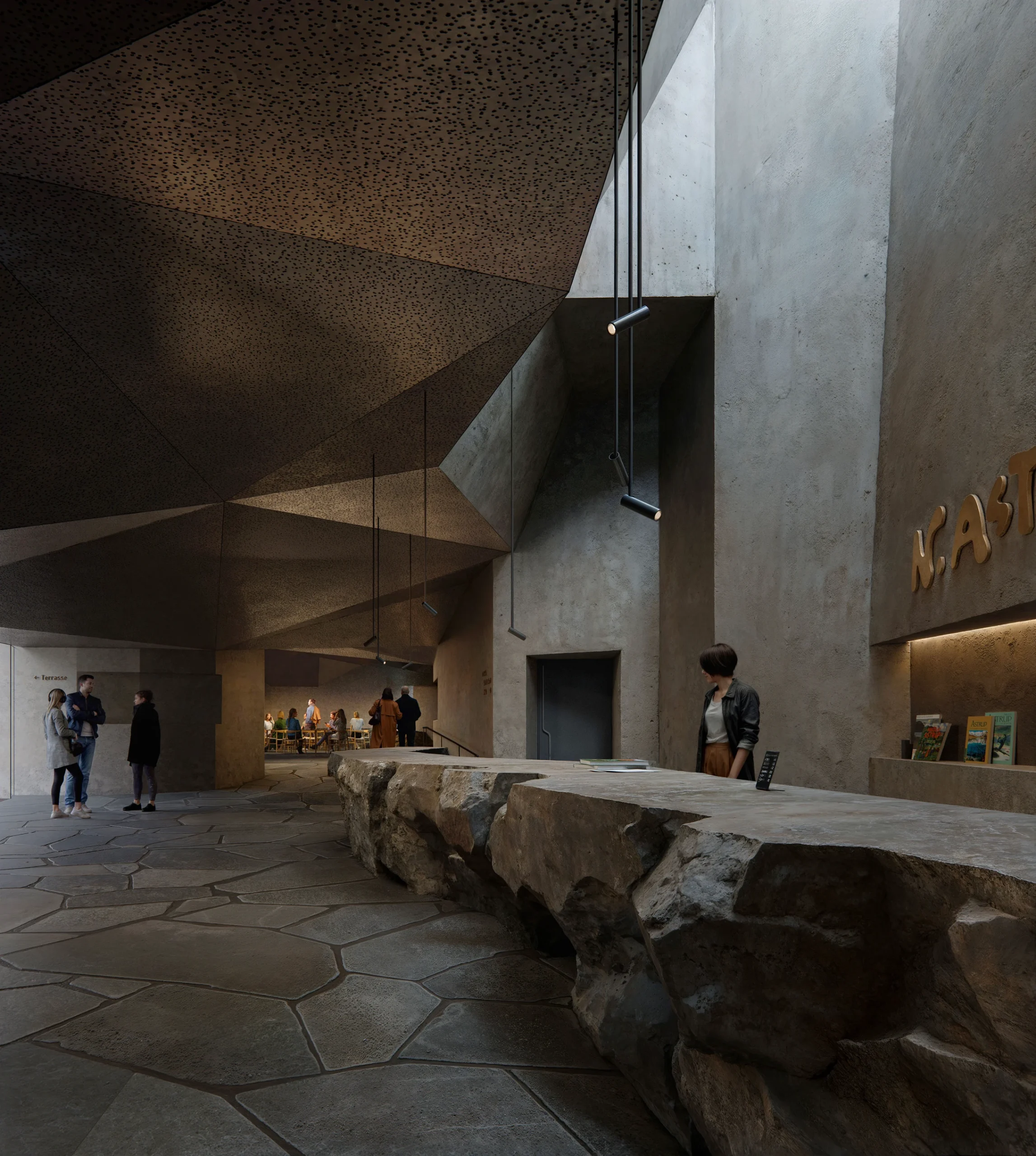
The visitor centre is organised around a central foyer accessed through two separate entrances. Exhibition galleries occupy one side of the building, while a café and public gathering spaces are positioned on the other. This arrangement allows the gallery spaces to be secured independently, enabling community events and activities to continue within the café without affecting the museum collections.
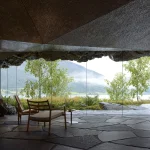
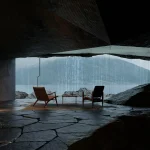
Inside, the architecture follows the natural contours of the site. A series of platforms rises gradually through the building, creating changing perspectives of both the exhibitions and the landscape beyond. Public spaces are filled with daylight and framed views of Jølstravatnet, while more controlled and darker areas are reserved for displaying artworks. The interiors draw upon the spatial qualities of a cave, with varying ceiling heights, narrow passages, unexpected openings, and filtered natural light, creating an immersive experience.
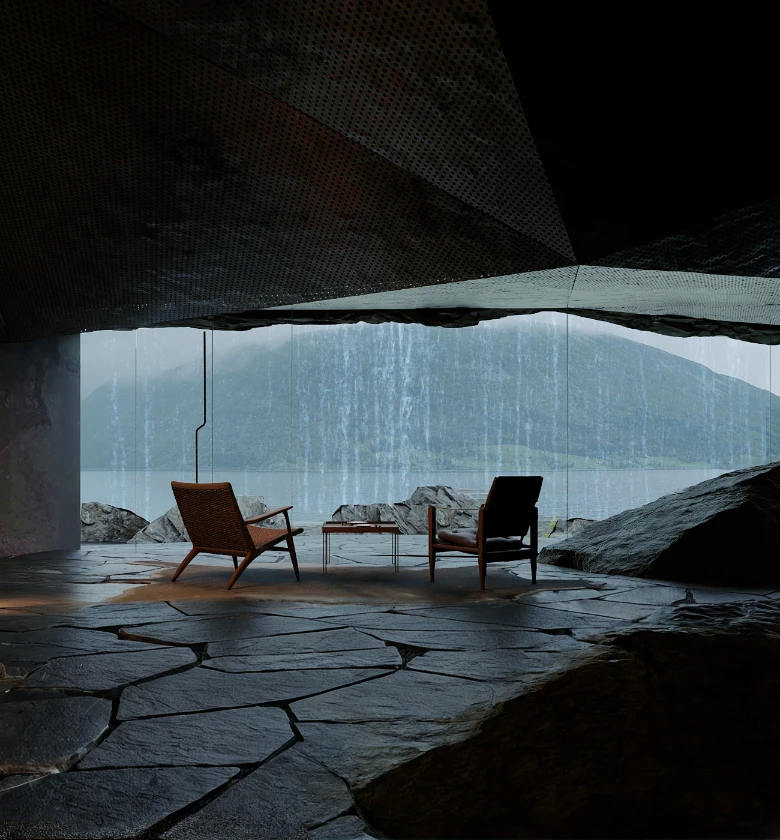
Large horizontal windows transform the surrounding scenery into framed compositions, echoing the picturesque landscapes frequently depicted in Astrup’s paintings. Visitors are encouraged to experience the relationship between the artwork and the environment that inspired it, reinforcing the project’s ambition to function as an instrument for experiencing nature rather than as an architectural object in itself.
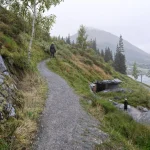
The building is shaped by the existing topography and aims to safeguard the character of Astruptunet and its surroundings. New pathways are designed with a light touch, connecting the visitor centre to the bus stop, the lakeside, and Astrup’s historic property. Local species of trees and vegetation are retained and expanded to ensure continuity with the existing landscape.
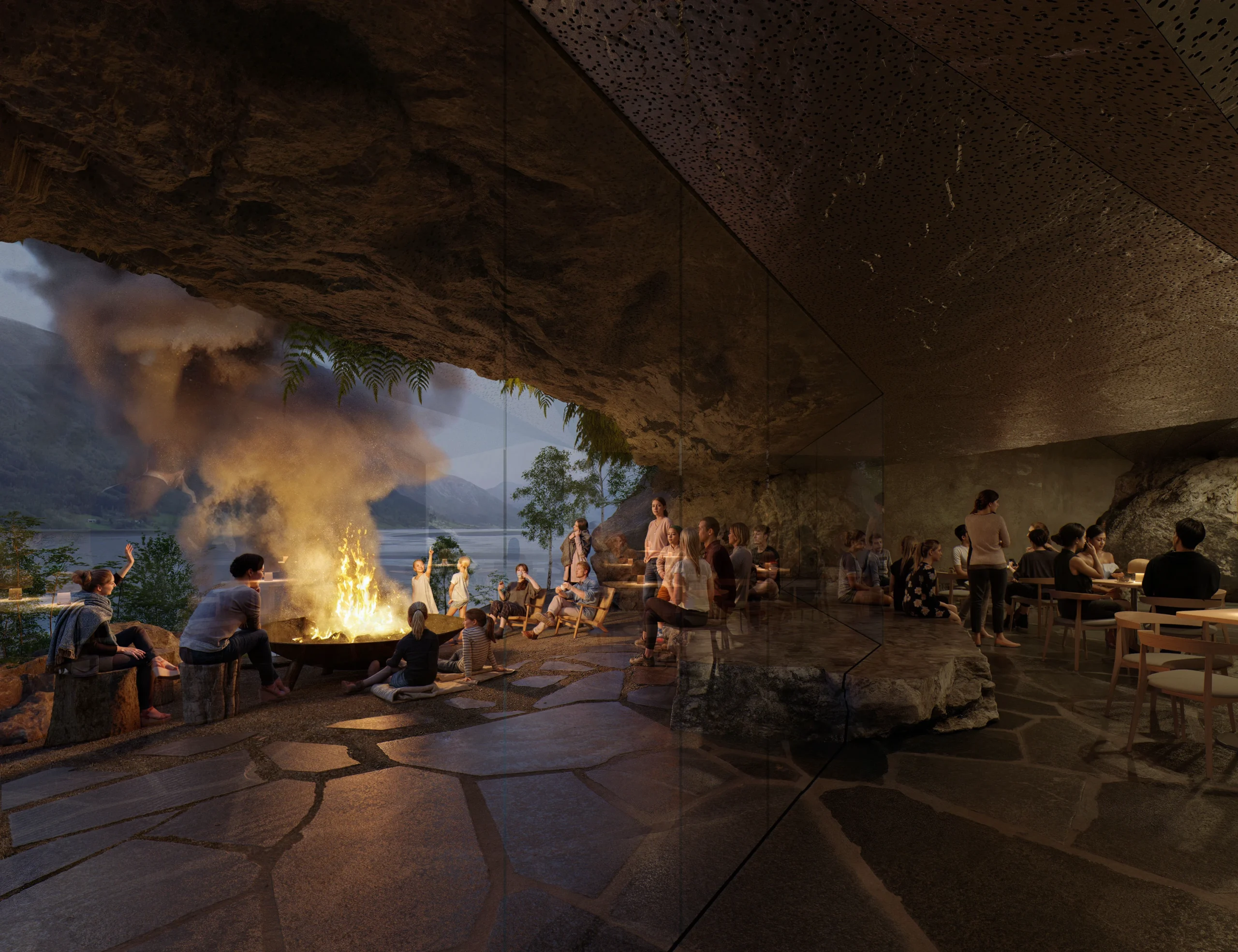
Designed as a passive house, the visitor centre incorporates a highly insulated envelope, geothermal heating, heat-recovery systems, and triple-glazed openings to reduce energy consumption. Excavated stone would be reused throughout the project, while a green roof planted with local vegetation helps regulate temperatures and visually merge the building with the hillside. Controlled lighting and the thermal mass of the earth provide stable environmental conditions for the preservation of Astrup’s artworks.
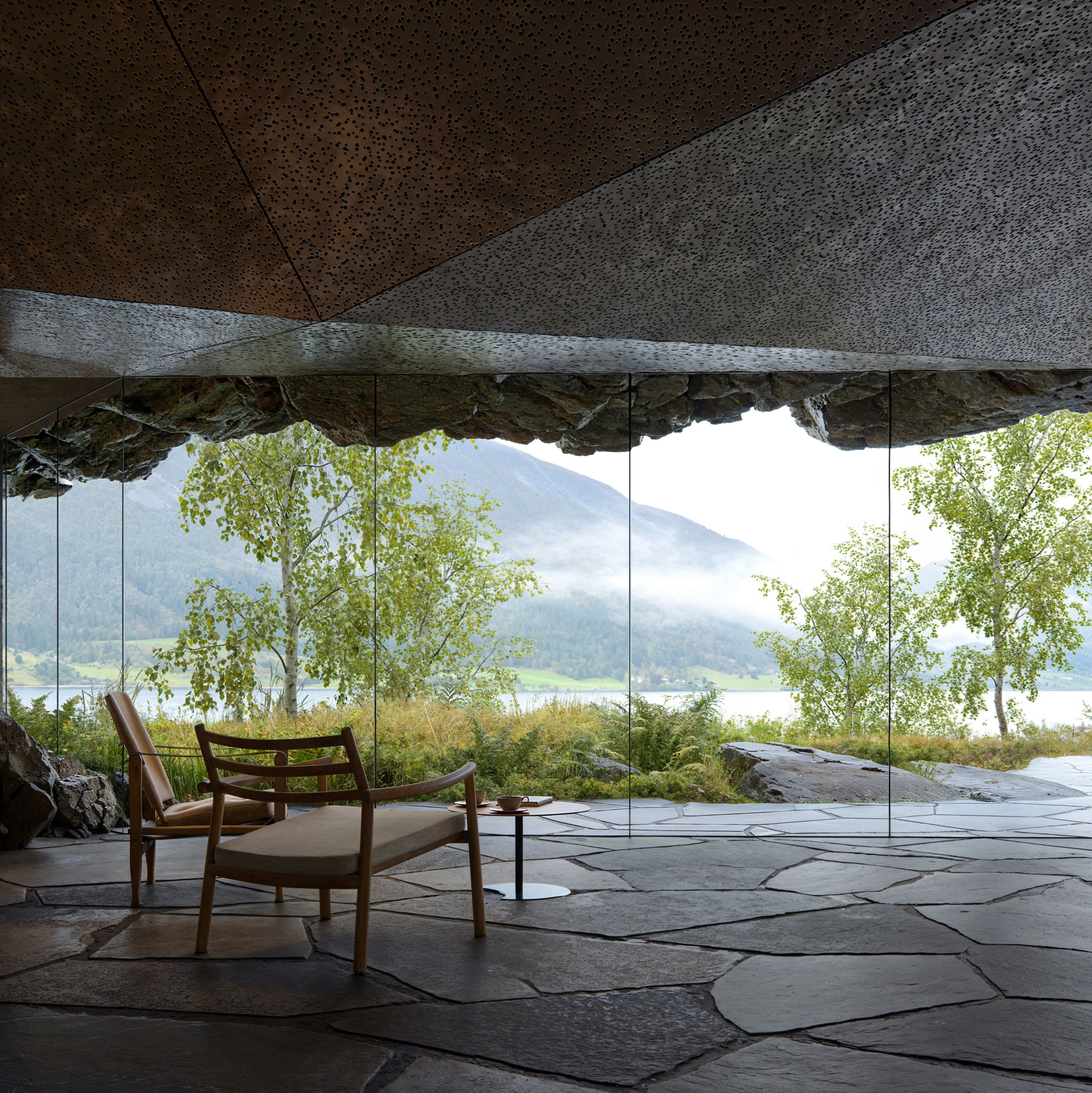
With Hulen, PAX Architects proposes a visitor centre that places architecture in a supporting role. By embedding the building within the landscape, the project seeks to strengthen the connection between art, place, and nature while ensuring that Astruptunet remains the defining cultural landmark on the site.
Astruptunet Visitor Centre Project Details
Project: Astruptunet Visitor Centre (Hulen)
Architecture & Landscape: PAX Architects
Client: Sunnfjord Municipality
Location: Sunnfjord, Norway
Area: 1,500 sq m
Status: Competition Finalist
Year: 2023–2024
Visualisations: KVANT1 + PAX Architects