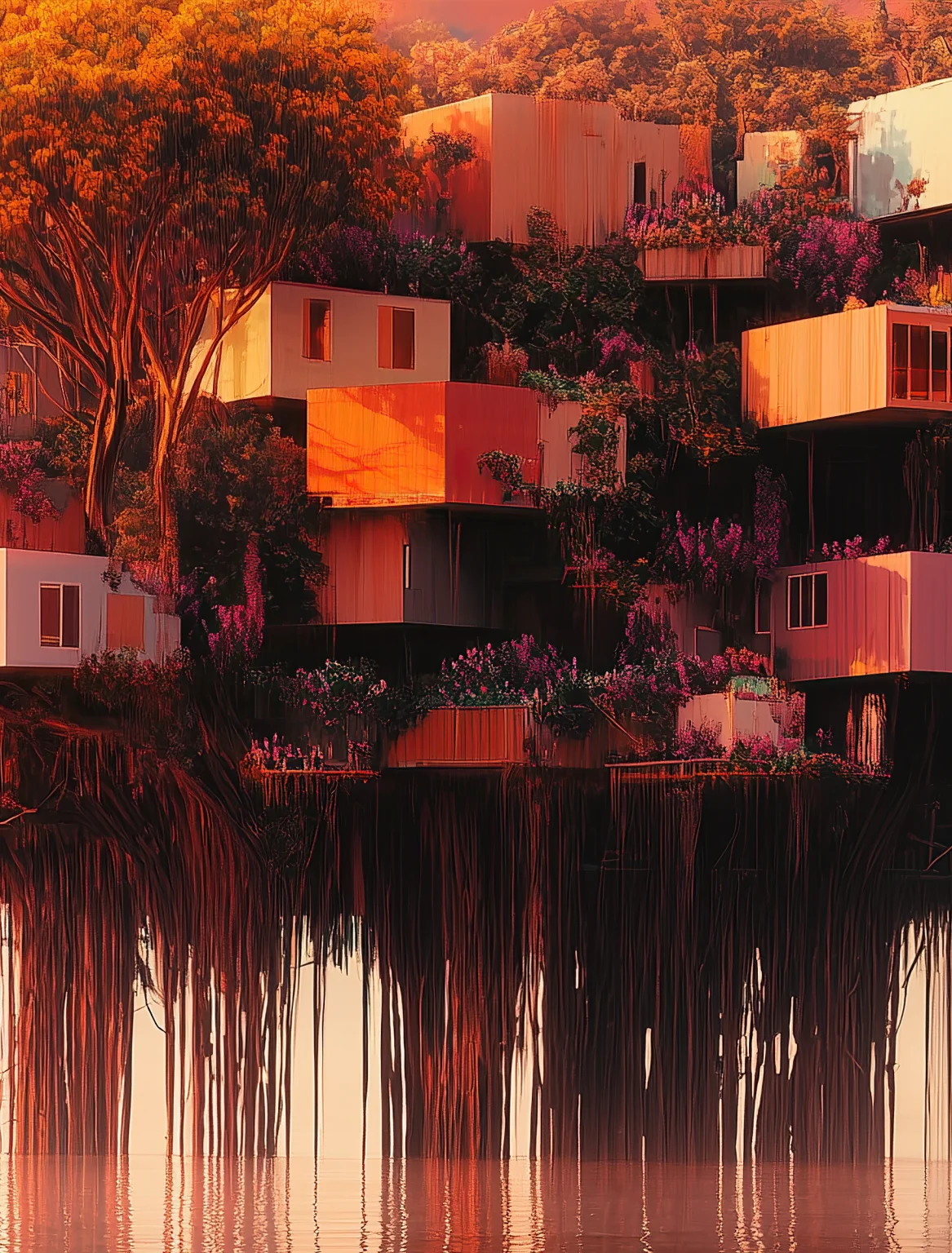










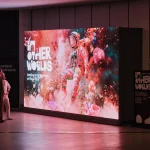










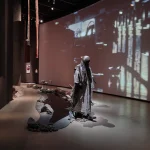
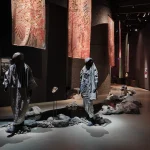
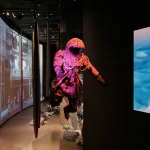
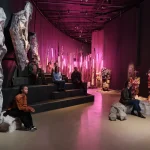
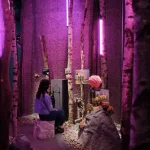

As architecture grapples with climate change, artificial intelligence, resource extraction, and the future of cities, speculative artist, director, and BAFTA-nominated producer, Liam Young, continues to push the discipline beyond conventional boundaries. His latest exhibition, In Other Worlds, now on view at the Barbican Centre in London, presents architecture as a medium for imagining alternative futures. The immersive exhibition marks Young’s first major solo exhibition in the United Kingdom. It transforms the Barbican into a cinematic landscape of future worlds shaped by technology, ecology, and collective imagination.
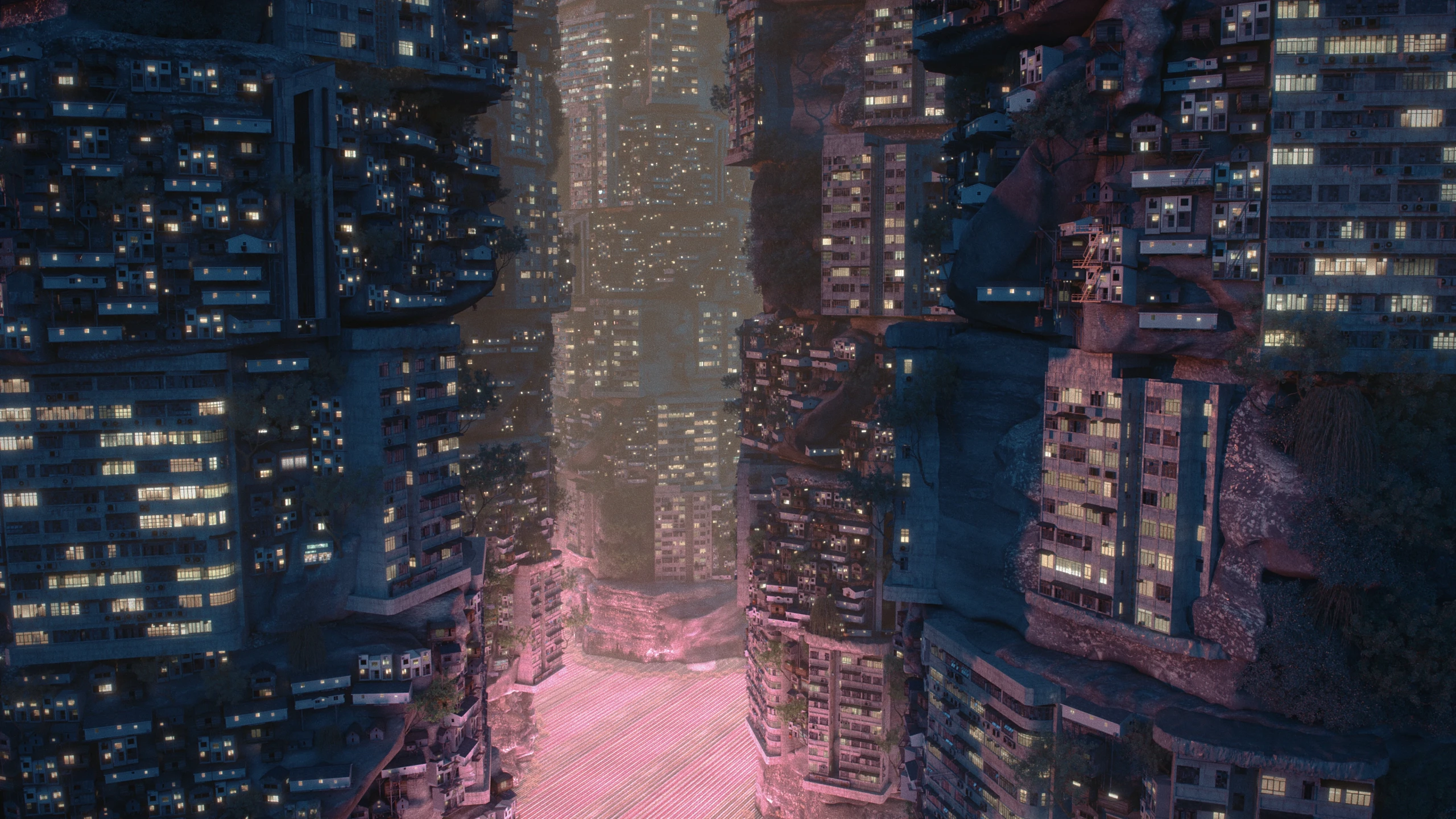
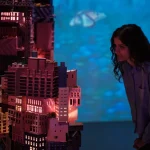
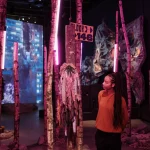
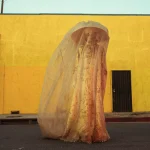
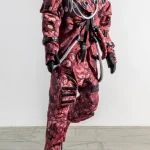
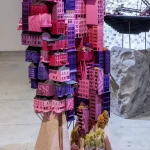
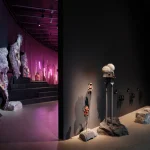
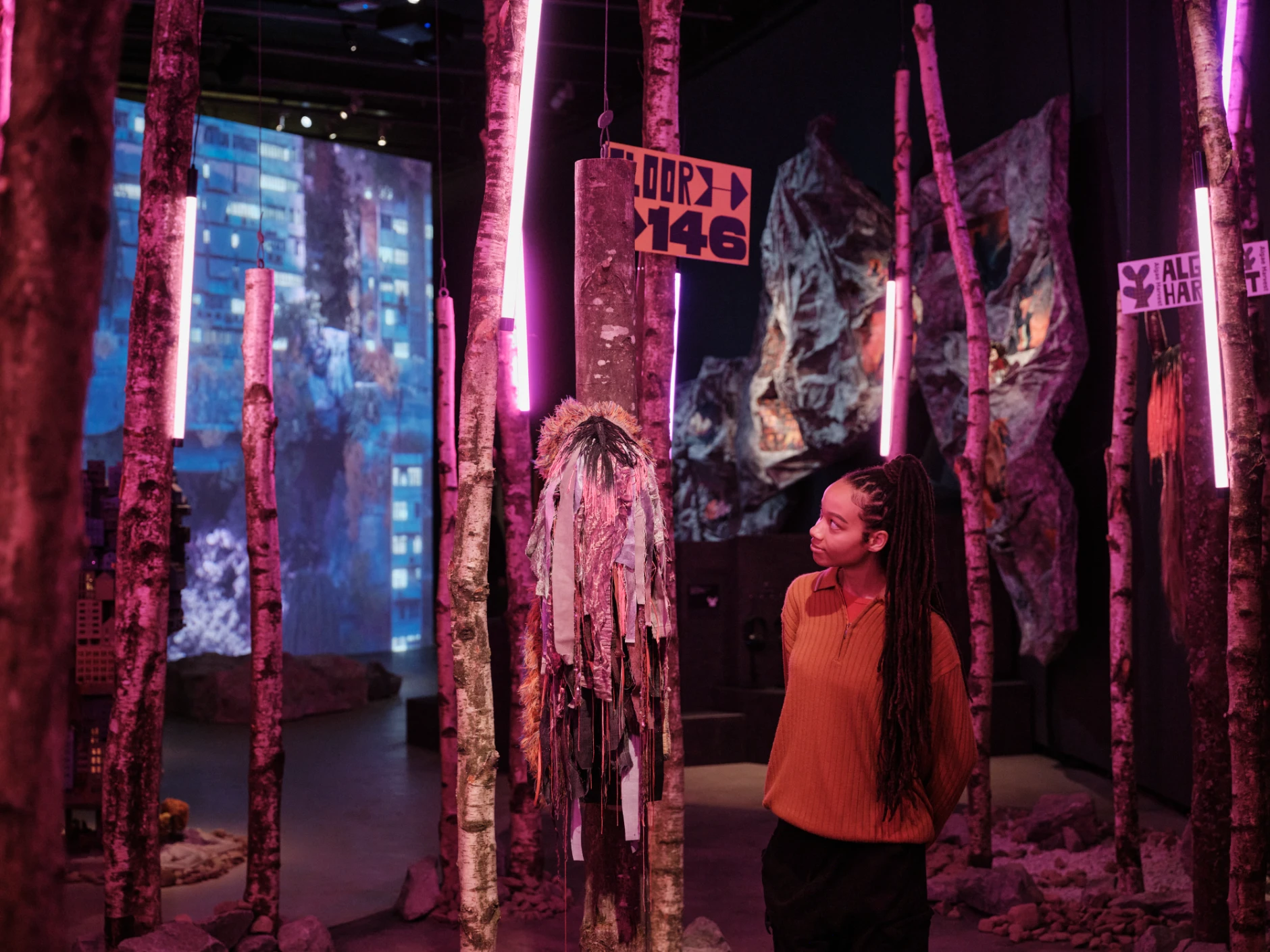
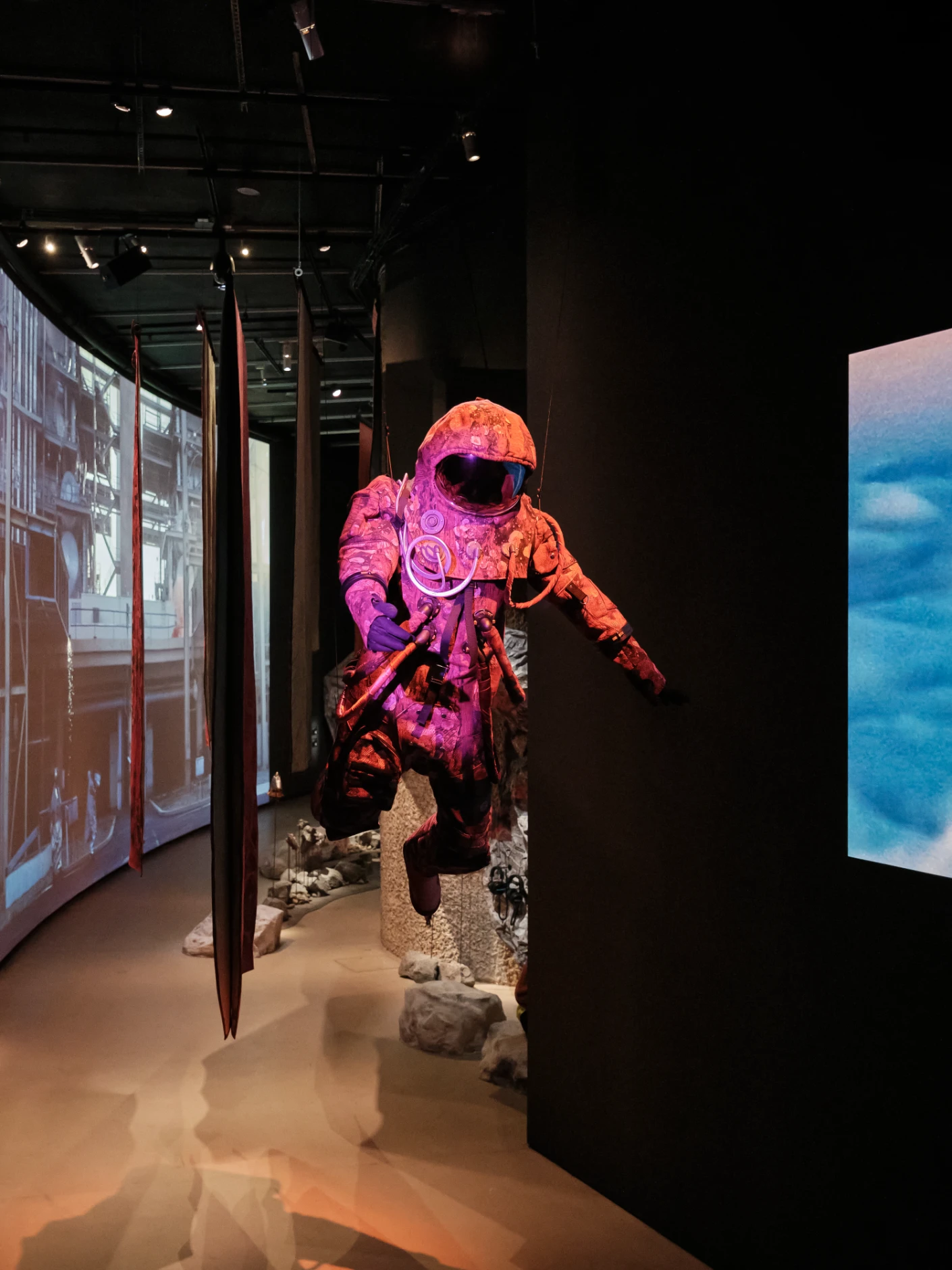
Known for operating at the intersection of architecture, design fiction, filmmaking, and future studies, Young has long explored how storytelling can reveal the spatial consequences of emerging technologies. His work visualizes entire planetary systems, infrastructures, and urban scenarios. In Other Worlds brings together large-scale film installations, speculative artifacts, costumes, tapestries, soundscapes, graphic narratives, and architectural models to create a multi-sensory exploration of humanity’s possible futures.
Liam Young’s In Other Worlds Explores Future Architecture
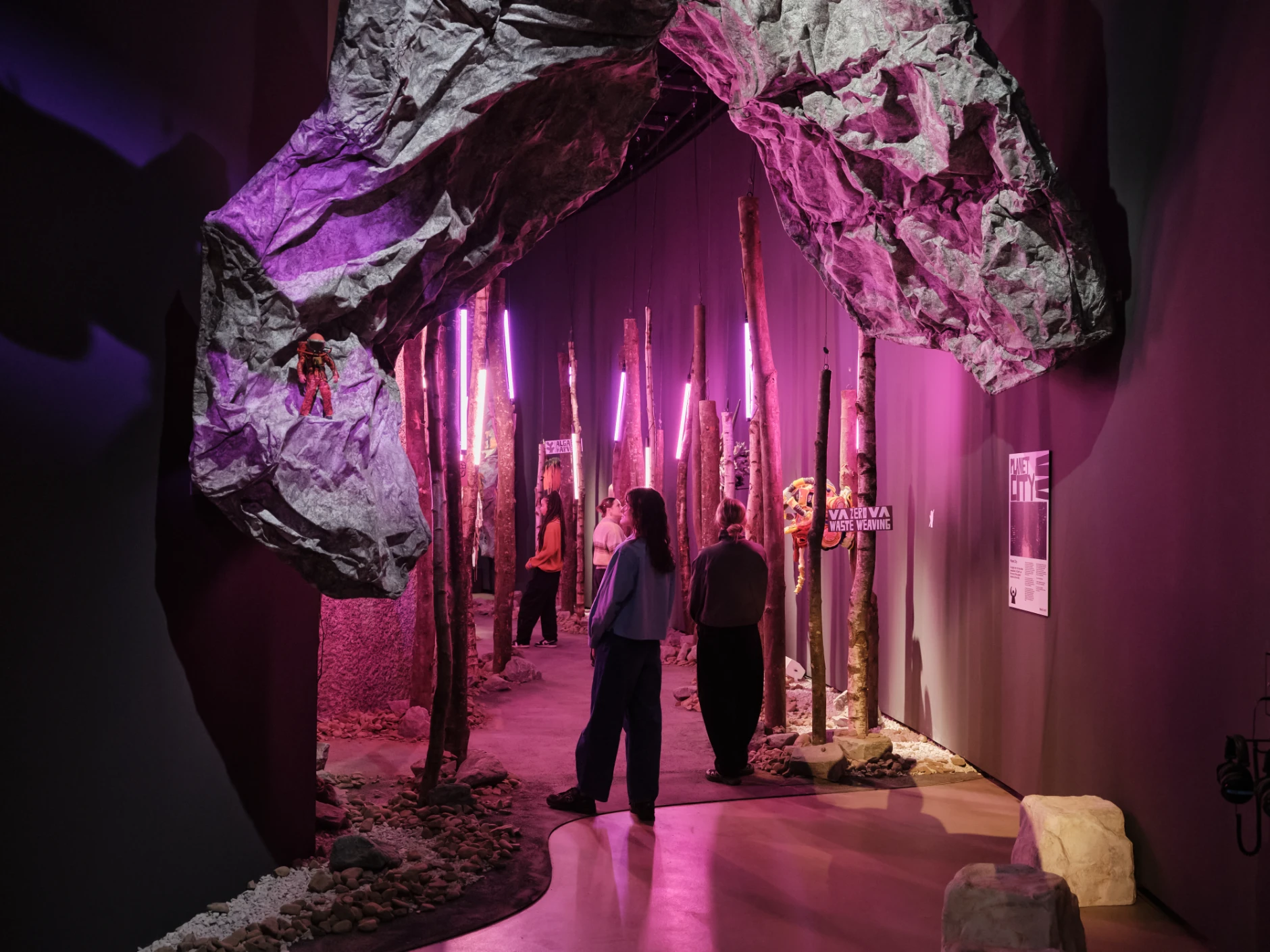
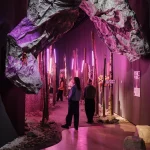
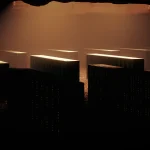
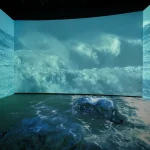
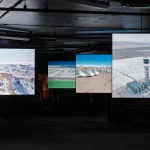
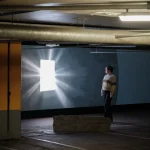
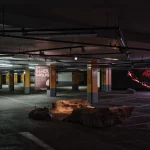
The exhibition unfolds across three distinct locations within the Barbican Centre, the Silk Street Entrance, The Curve Gallery, and Car Park 5—creating a spatial journey that mirrors the narratives presented throughout the experience. Architectural space becomes a storytelling device, guiding visitors through imagined environments where cities, landscapes, and technologies are reconfigured in response to environmental and social challenges.
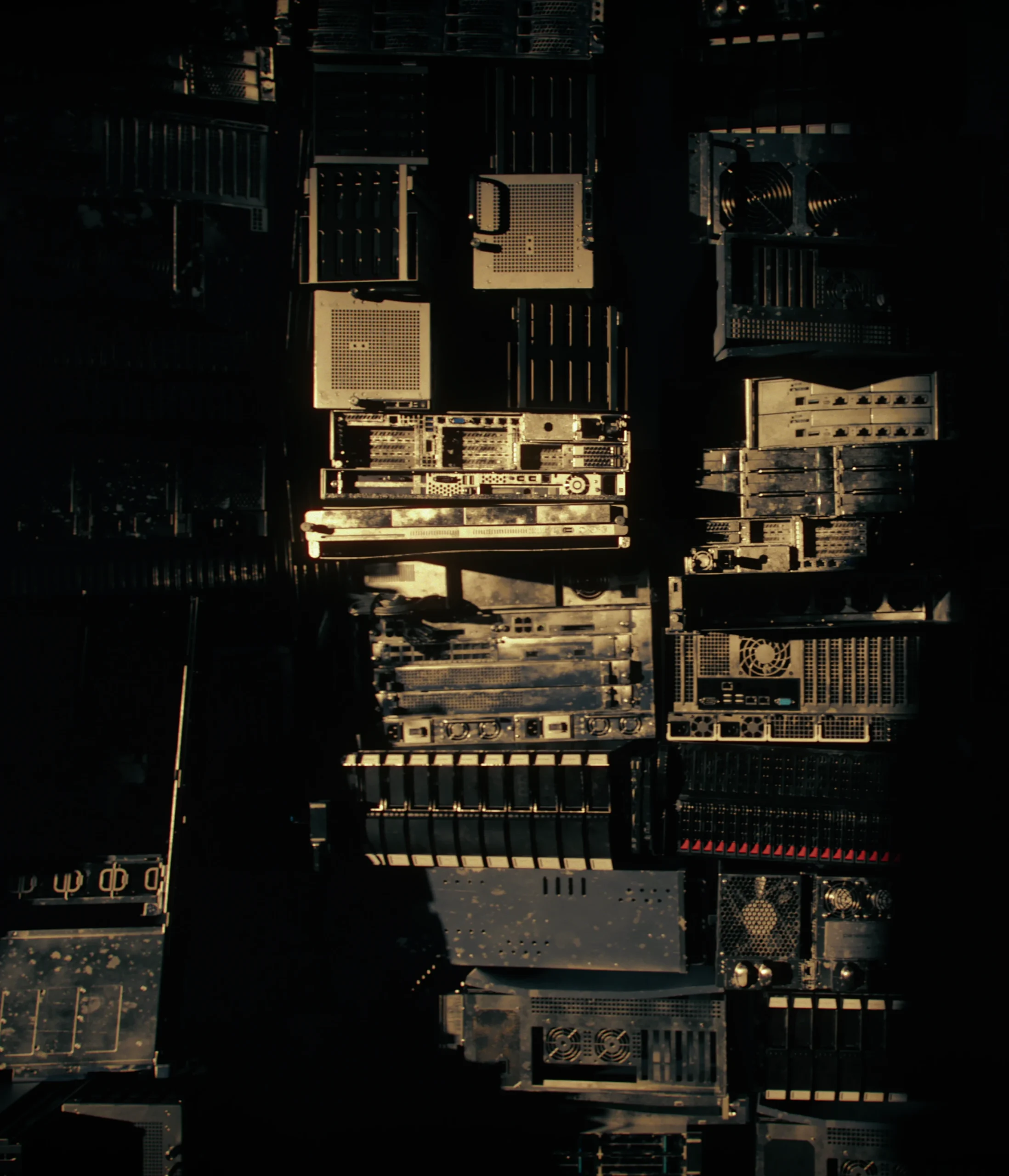
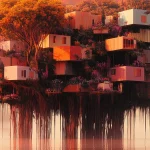
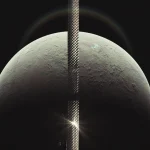
At the center of the exhibition is World Machine (2026), a newly commissioned film created specifically for the Barbican. Presented via a monumental projection, the work examines the architectural and environmental implications of artificial-intelligence infrastructure. Young imagines a future in which a planetary-scale supercomputer stretches across the Earth, linking landscapes into vast networks of energy production and computation. Massive renewable energy fields coexist with rewilded ecosystems, proposing an alternative vision of technological development where infrastructure and ecology operate in partnership. Through CGI and live-action footage, the project investigates how architecture might respond to the growing demands of data, energy, and planetary-scale computing.
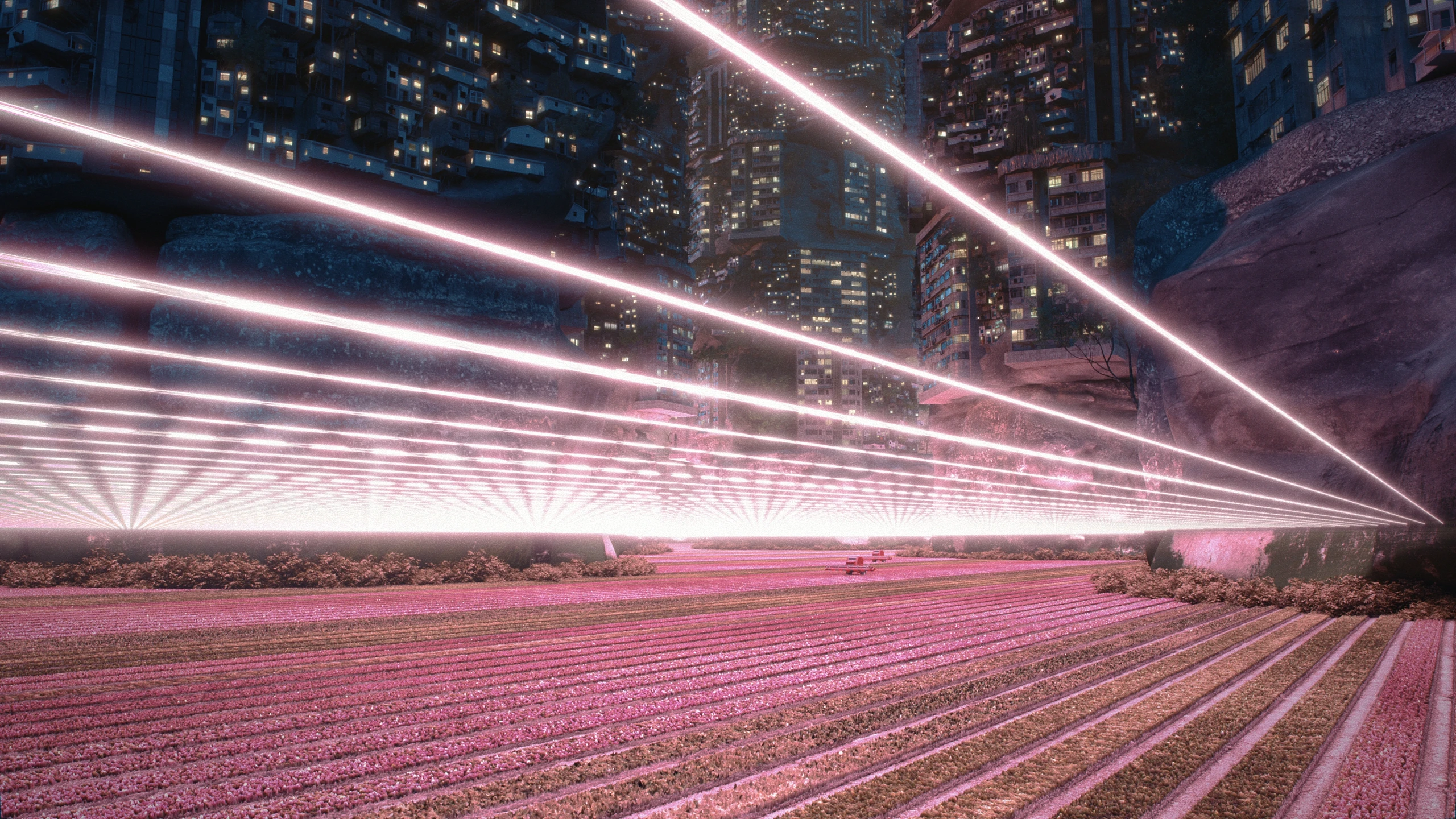
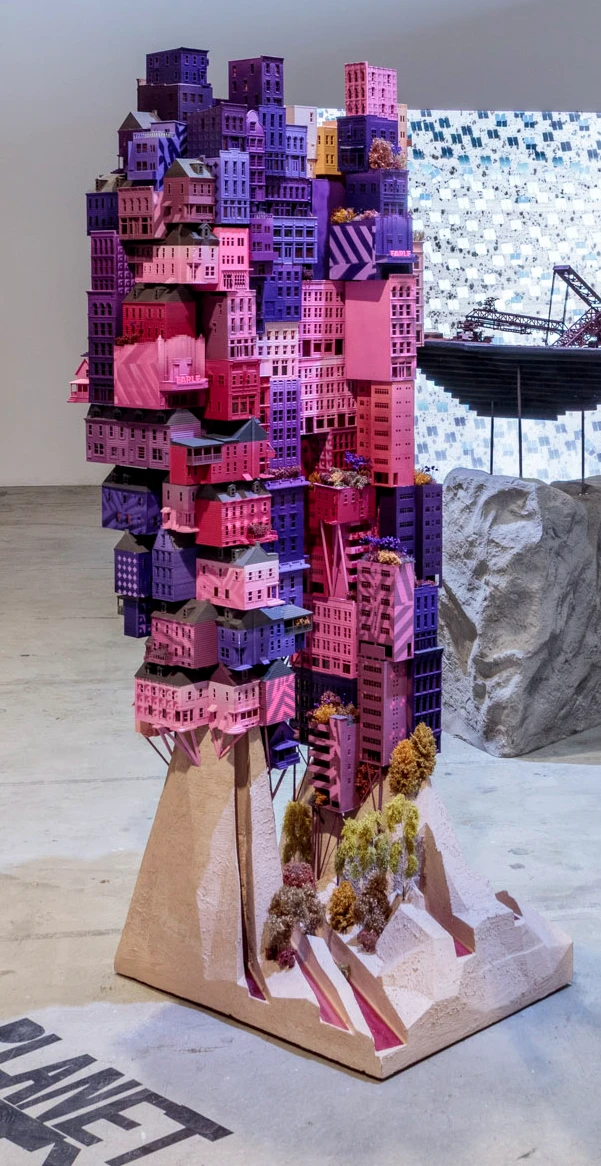
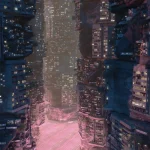
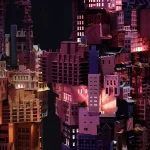
Another key work, Planet City (2021), expands the scale of architectural speculation even further. The project imagines a hyper-dense megacity designed to accommodate the entire global population, allowing the remainder of the planet to return to wilderness. The film serves as a provocative thought experiment that questions current patterns of urbanization, consumption, and land use. By compressing humanity into a single urban territory, Young invites audiences to reconsider architecture’s role in ecological restoration and resource management.
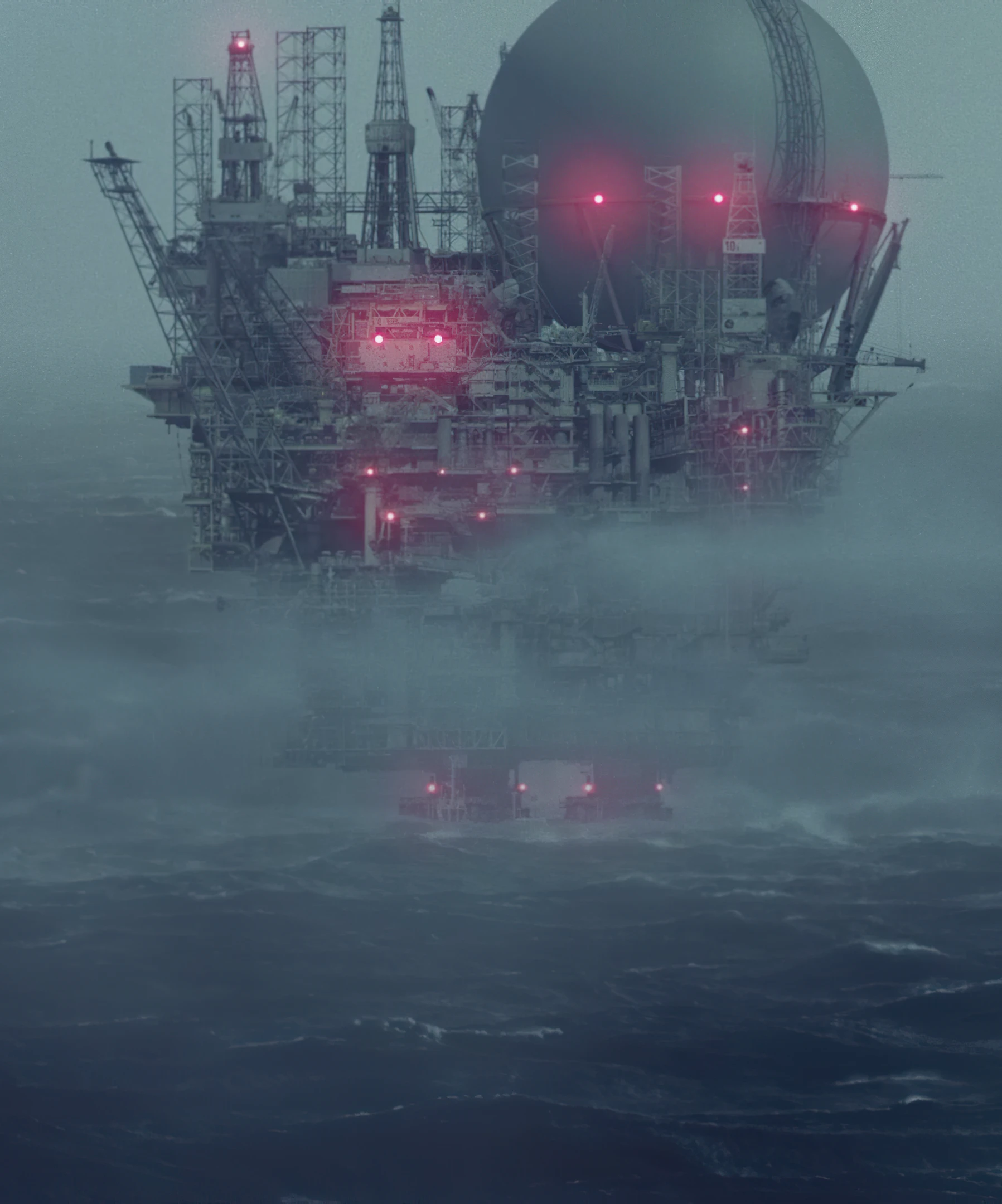
The exhibition also features The Great Endeavour (2023), first presented at the 2023 Venice Architecture Biennale. This work visualizes the immense infrastructural systems required to remove carbon dioxide from the atmosphere at a planetary scale. Through speculative design and cinematic storytelling, Young portrays climate repair as an architectural project demanding unprecedented levels of global coordination. The film transforms environmental engineering into a monumental design challenge, revealing how architecture increasingly operates across territories, ecosystems, and technological networks rather than within individual sites.

In After the End (2024), Young collaborates with Aboriginal actor and activist Natasha Wanganeen to create a 50,000-year cinematic timeline of Australia. The project traces the histories of First Nations communities, colonization, resource extraction, and future renewable energy landscapes. Architecture here becomes intertwined with cultural memory, land stewardship, and ecological regeneration, presenting a vision in which future infrastructures emerge alongside the restoration of ancestral relationships with the land.
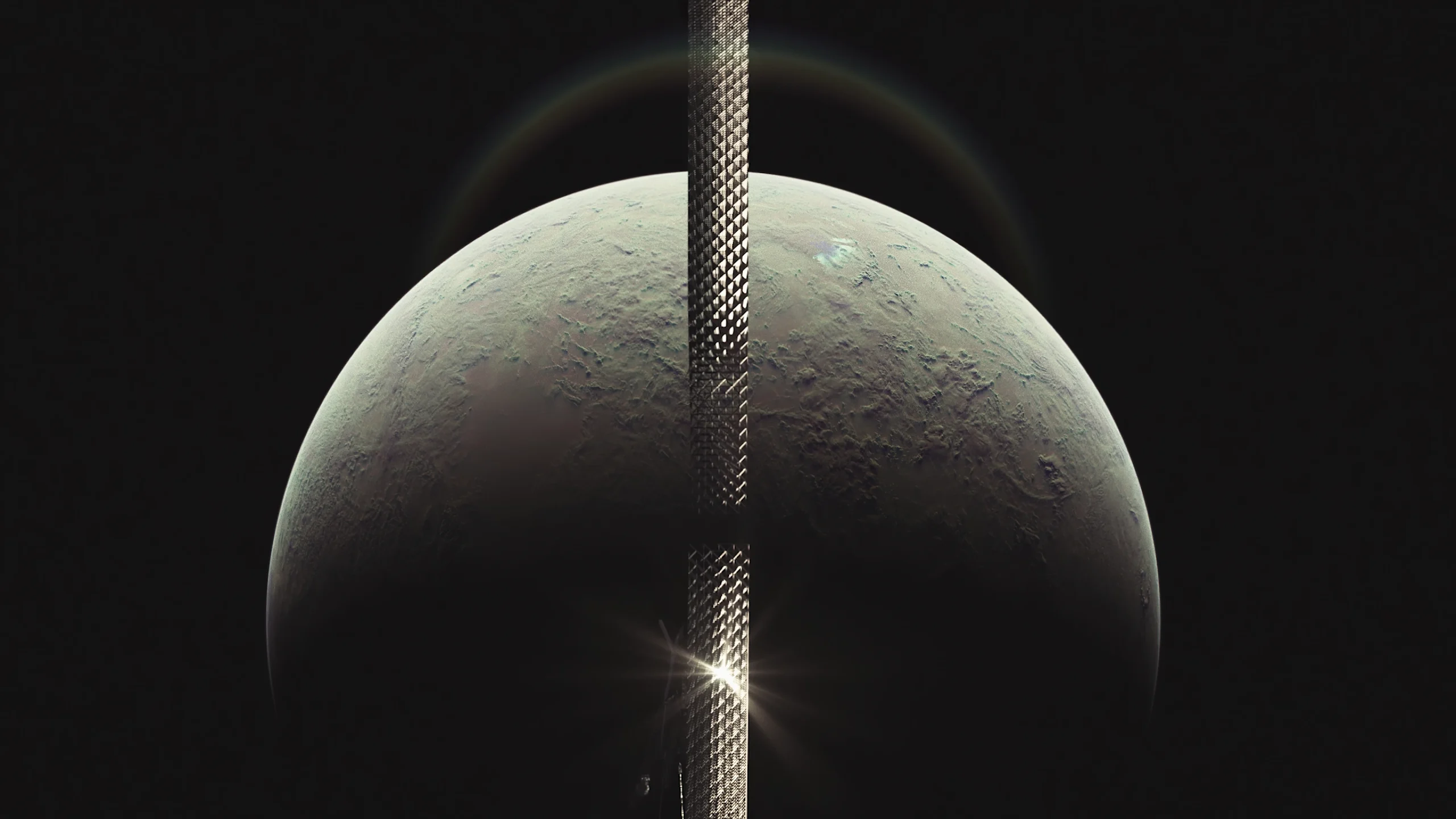
The exhibition concludes with Emissary (2024), developed in collaboration with engineers from NASA’s Jet Propulsion Laboratory. The film follows a fictional spacecraft carrying the final record of human civilization through the solar system. While rooted in space exploration, the project continues Young’s fascination with architecture as a form of world-building, extending design thinking beyond Earth itself and into cosmic environments.
What distinguishes In Other Worlds from a traditional architecture exhibition is its refusal to separate architecture from wider systems of culture, technology, and ecology. The exhibition proposes that contemporary architects must engage with buildings and also with energy networks, artificial intelligence, climate infrastructures, planetary governance, and future forms of habitation. Through immersive storytelling and speculative design, Young positions architecture as a framework for imagining futures before they become reality.
At a moment when discussions around climate resilience and technological transformation dominate architectural discourse, In Other Worlds offers a compelling alternative to both dystopian narratives and techno-utopian optimism. Instead, it presents architecture as a cultural practice capable of envisioning new relationships between humans, machines, cities, and the natural world. Through cinematic environments and speculative futures, Liam Young demonstrates that architecture’s most powerful role is constructing the ideas that shape the world to come.
Credit: Barbican / Image credit: Liam Young