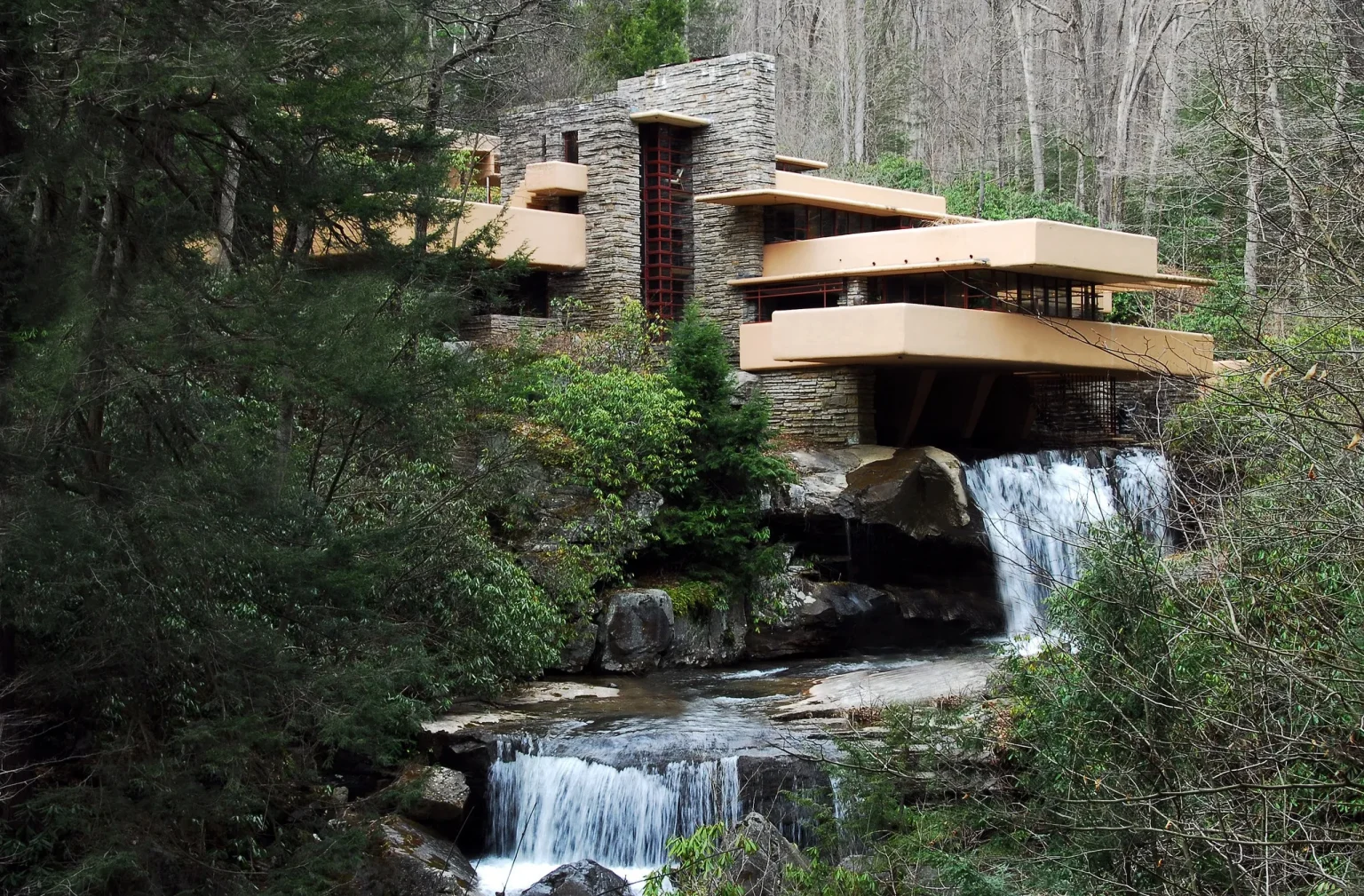


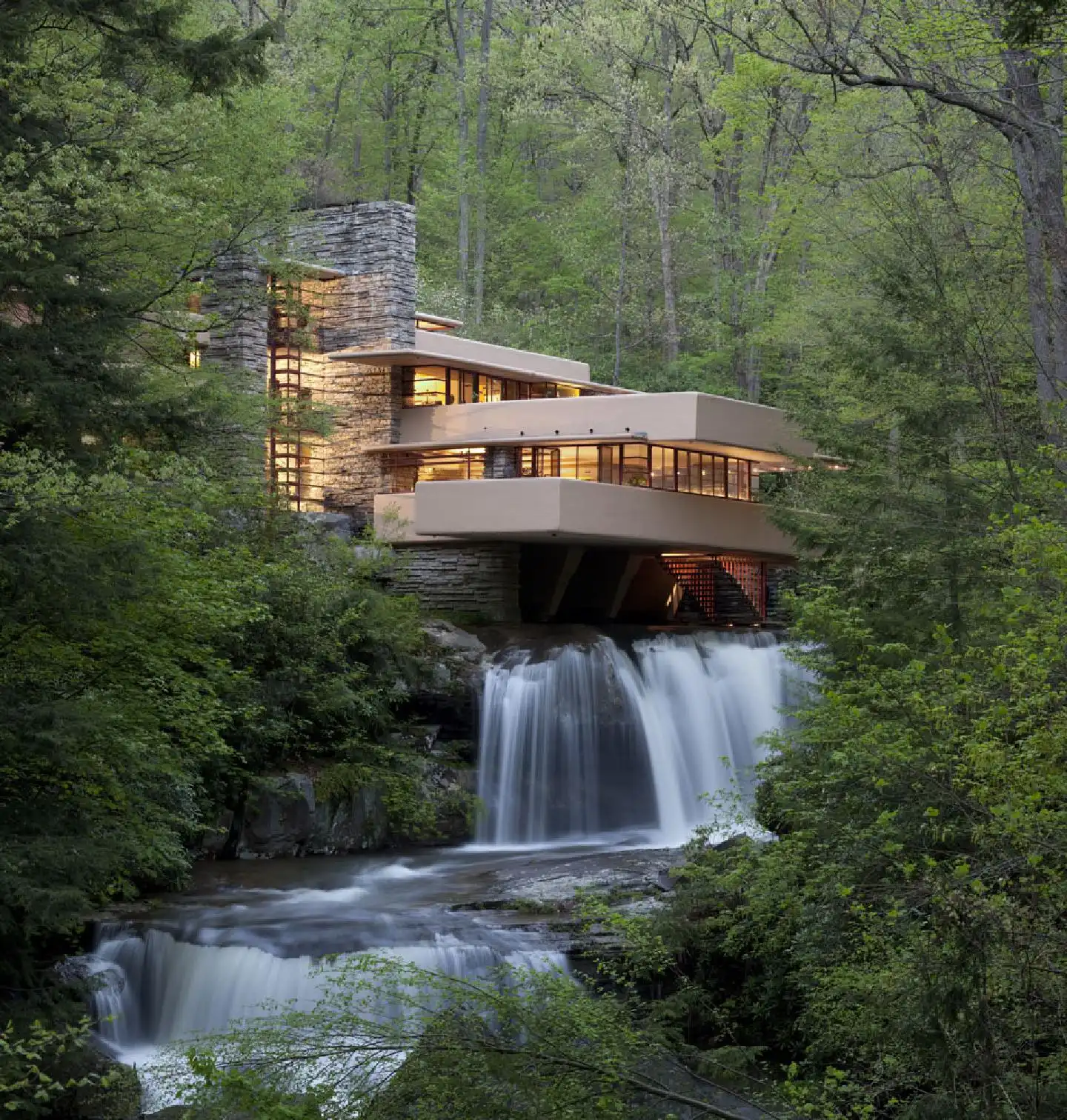
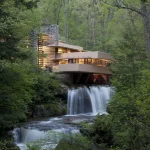
The recent completion of the $7 million, three-year restoration of Fallingwater, designed by Frank Lloyd Wright, marks a significant moment in the ongoing conservation of one of the 20th century’s most influential architectural works. Located in Pennsylvania and originally completed in 1937, the house remains a defining example of Wright’s philosophy of organic architecture, where built form and natural environment are inseparably linked.
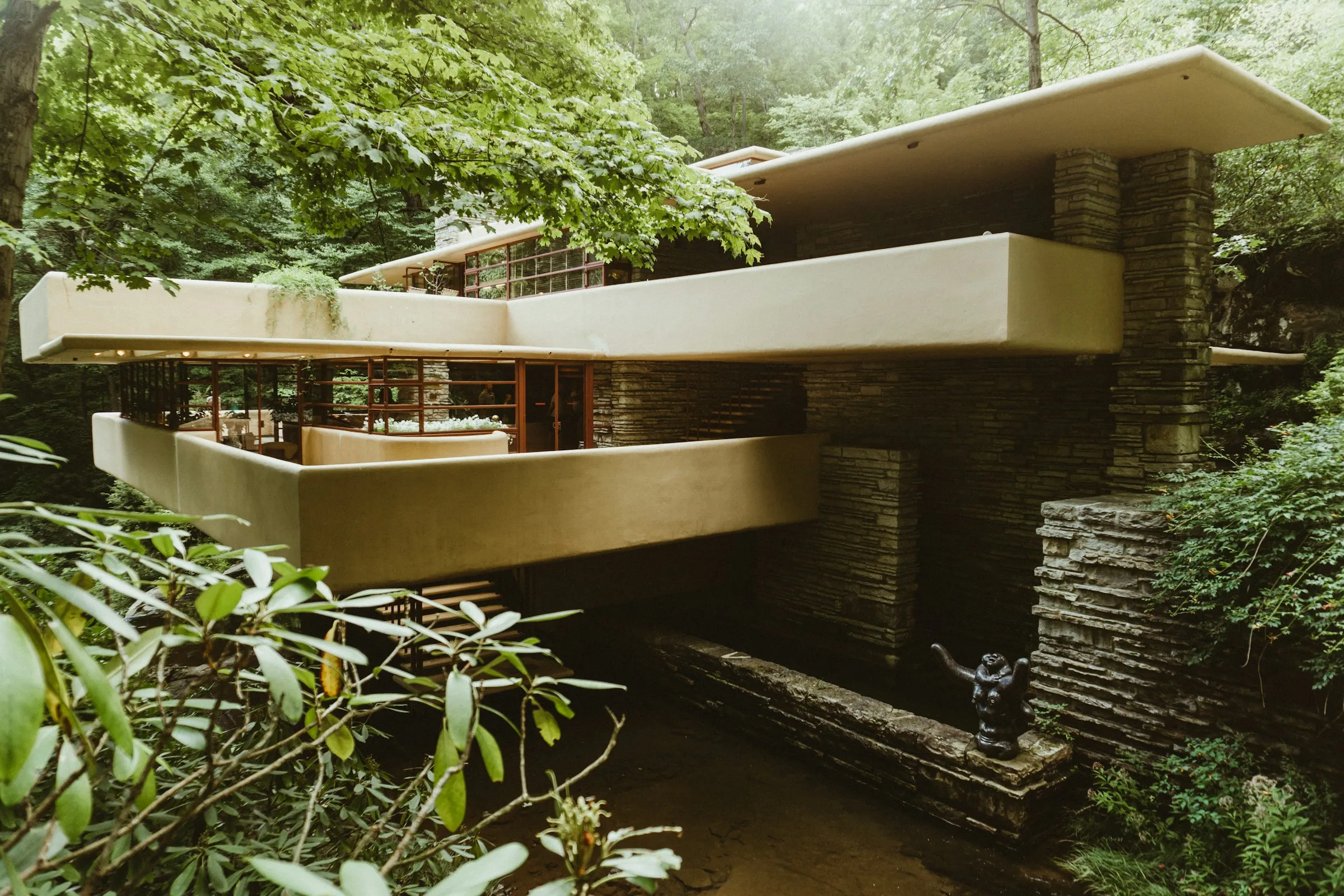
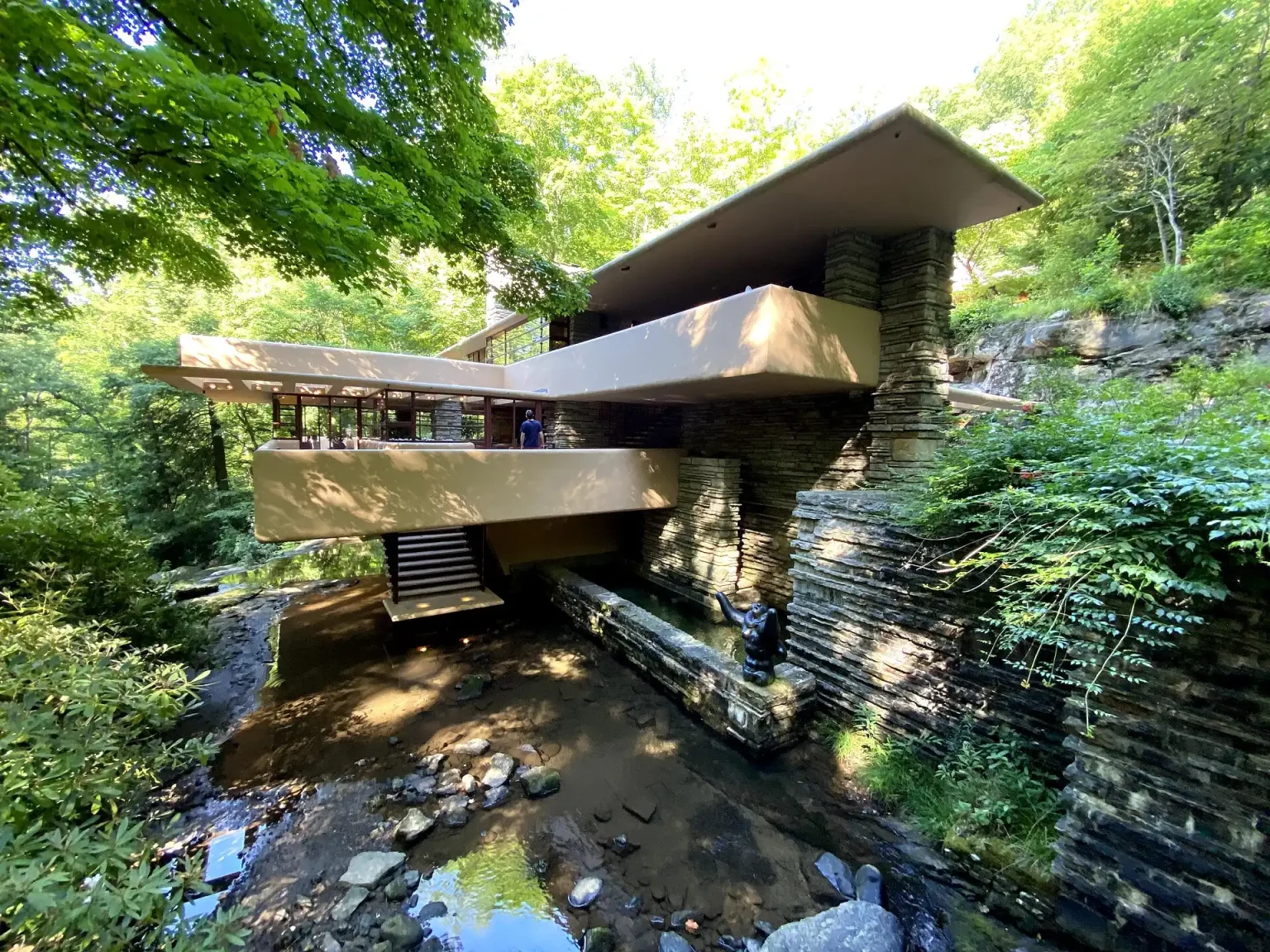
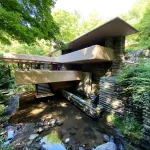
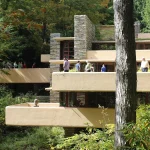
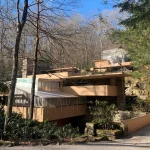
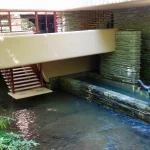
Commissioned by the Kaufmann family in 1935, Fallingwater was designed as a structure that overlooks nature and is embedded within it. Wright’s now-famous directive to his clients, to “live with the waterfall,” materialized through a system of reinforced concrete terraces cantilevered over the Bear Run stream. The design integrates stone, glass, and concrete with the surrounding landscape, creating a continuous dialogue between architecture and site.
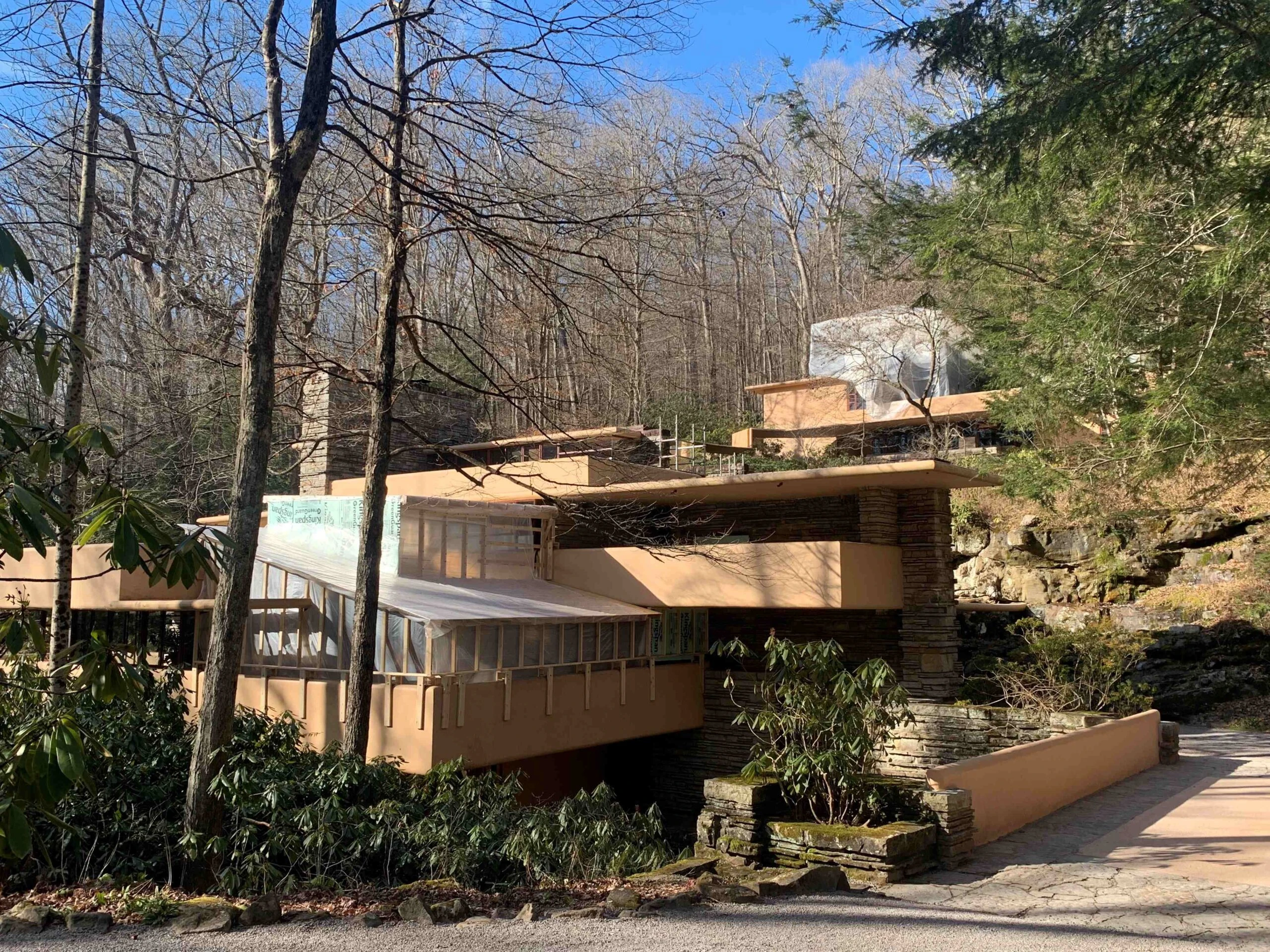
However, the same design decisions that made Fallingwater revolutionary also made it vulnerable. Exposure to constant moisture, combined with flat roofs, expansive glazing, and its position directly above flowing water, led to persistent issues with water infiltration and material deterioration almost from the beginning. Over decades, preservation efforts have been required to stabilize and maintain the structure, including a major intervention in the early 2000s to reinforce its sagging cantilevers.
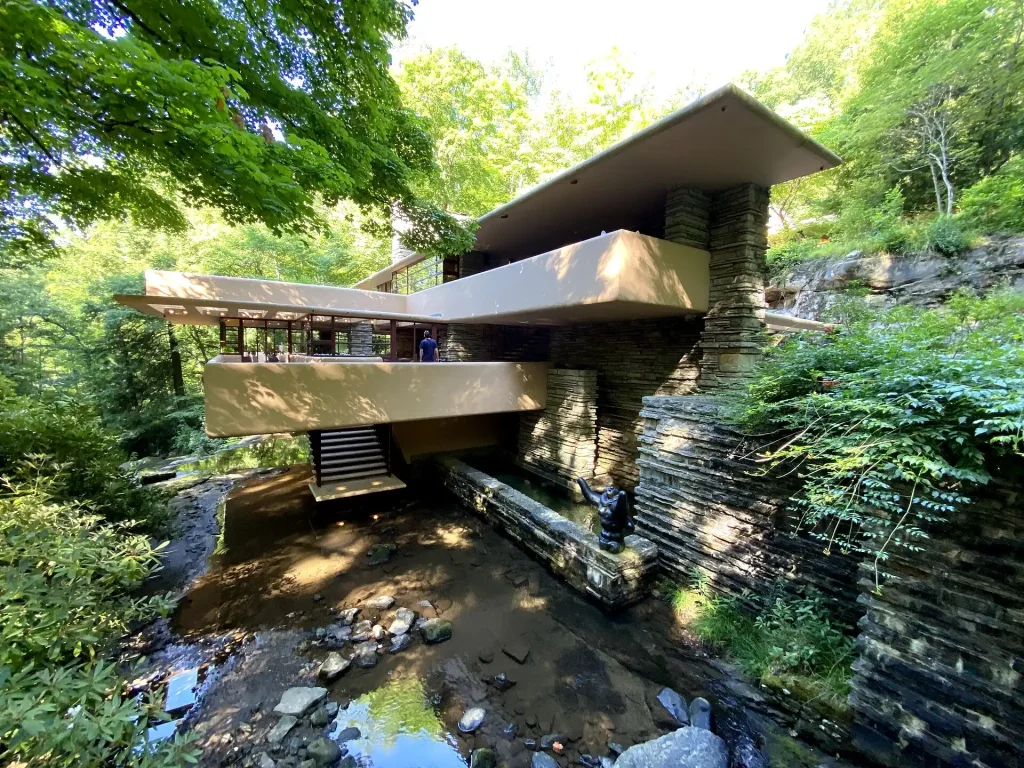
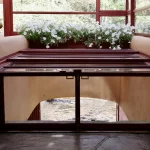
The latest restoration project, undertaken by the Western Pennsylvania Conservancy, focused primarily on addressing long-standing water damage and ensuring long-term durability without compromising the building’s historic character. Key interventions included installing a new waterproof roof, repairing and sealing concrete elements, replacing deteriorated doors and window frames, and conserving exterior walls. Advanced techniques such as grout injection into masonry voids were used to prevent further moisture penetration.
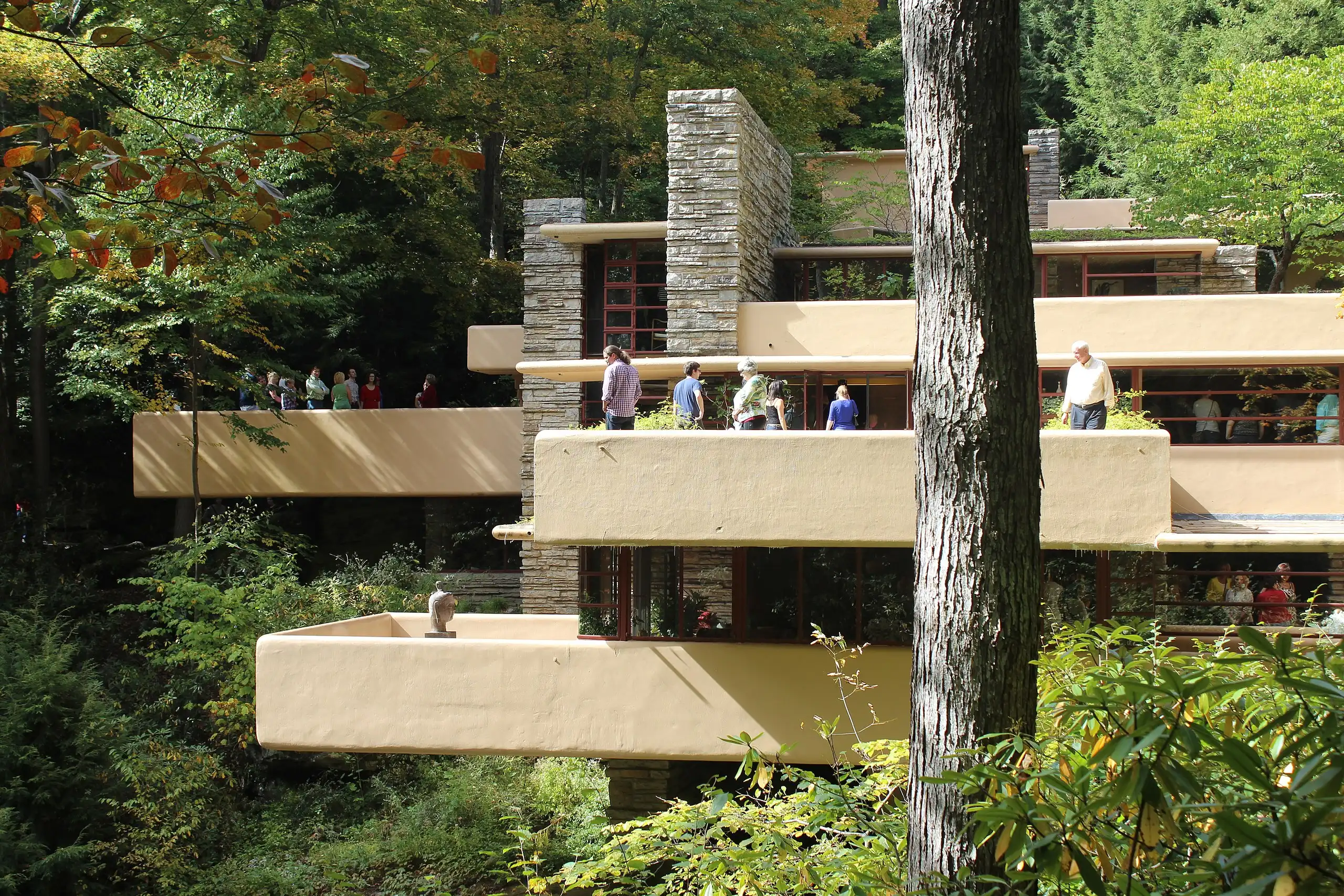
A critical aspect of the project was its minimal visual impact. Preservation teams worked under strict heritage guidelines to ensure that all repairs remained largely invisible, maintaining the aesthetic integrity of Wright’s original design. This reflects a broader principle in architectural conservation: the balance between intervention and authenticity. As a UNESCO World Heritage Site, Falling Water demands structural care and adherence to international conservation standards.
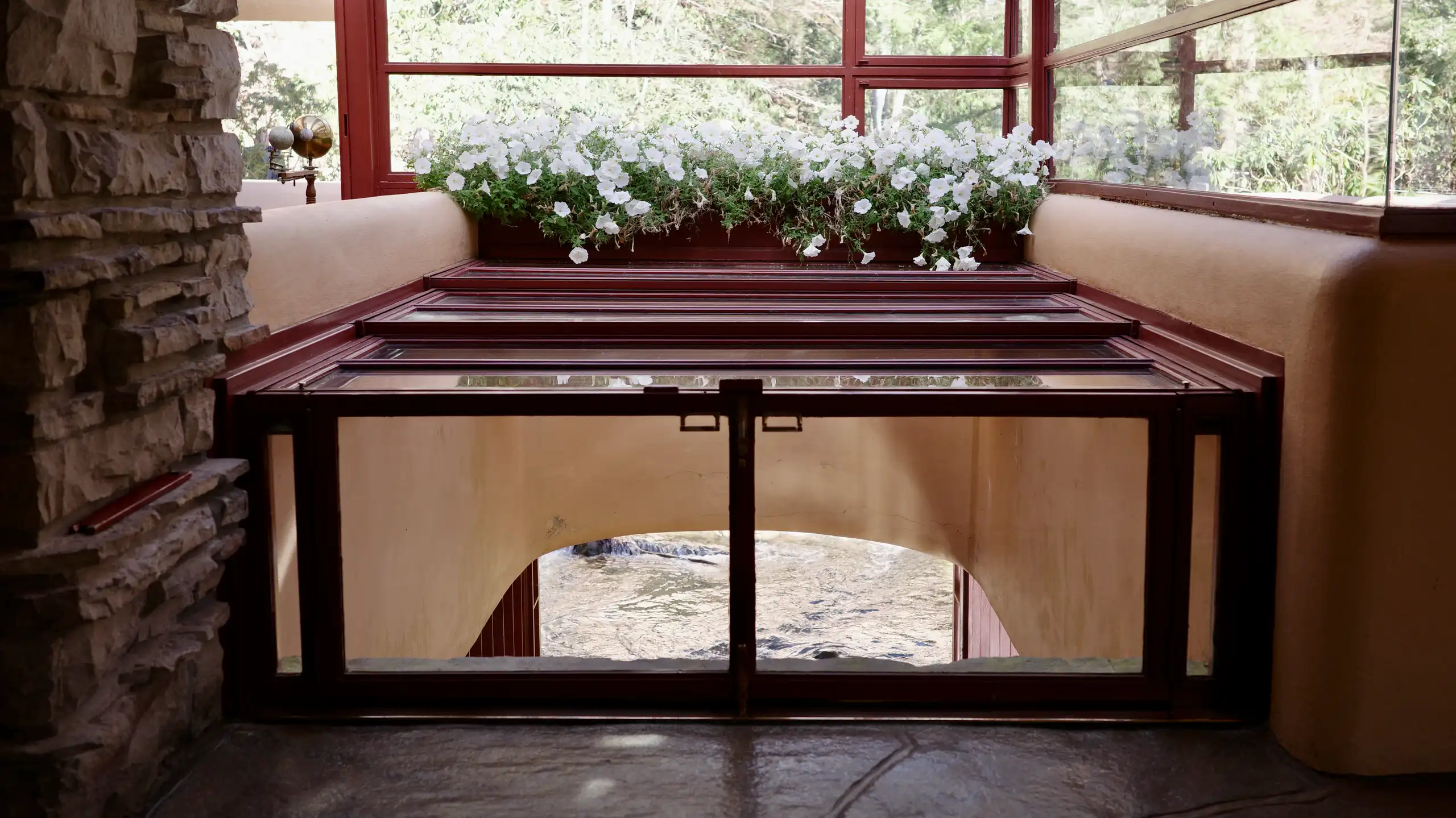
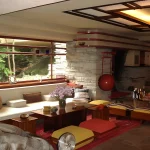
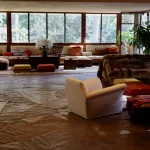
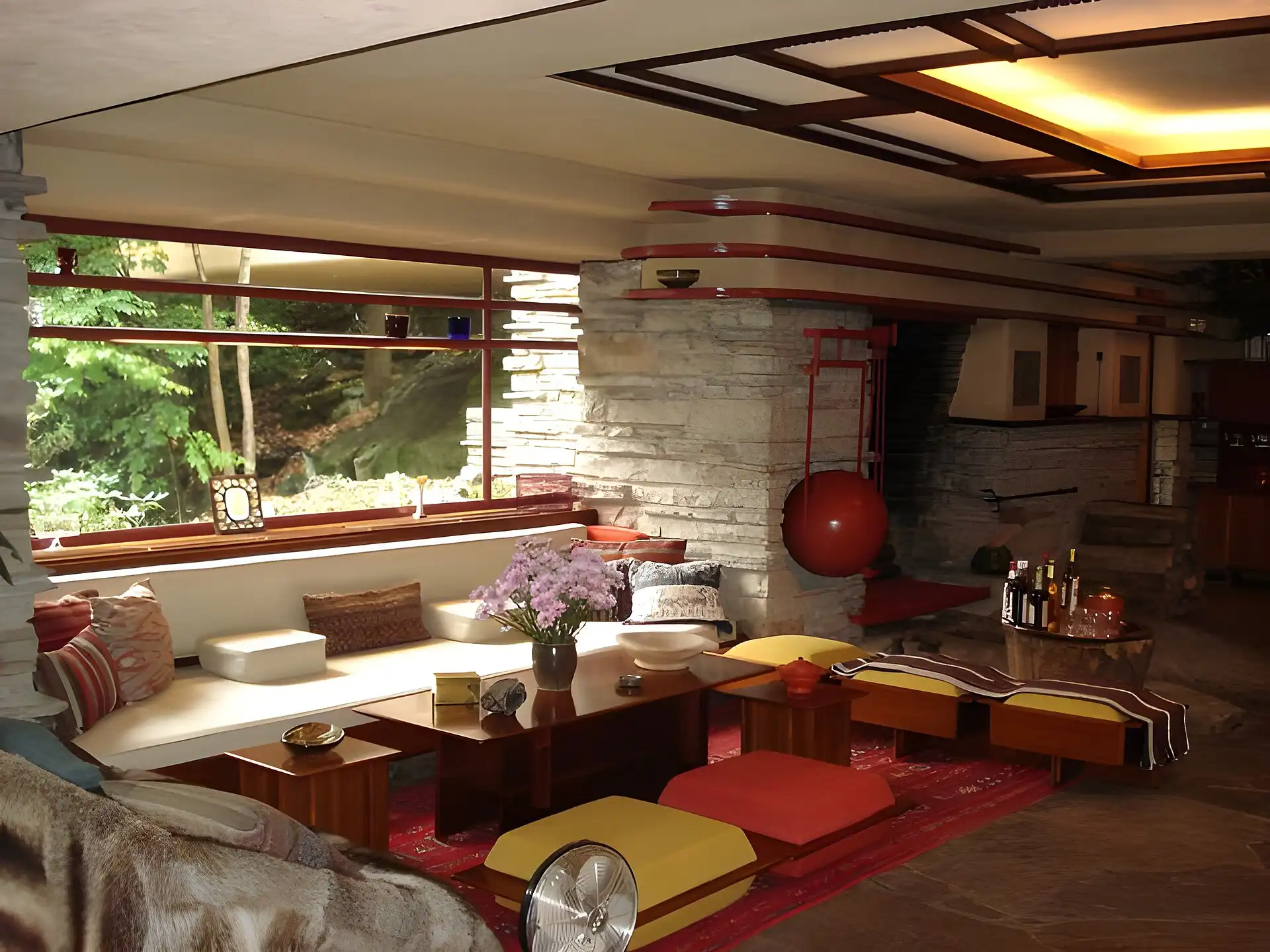
Further technical repairs reinforce the experiential qualities central to the house. The sound of water flowing beneath the living spaces, the interplay of natural light across interior surfaces, and the seamless transition between inside and outside remain intact. These sensory elements are essential to Wright’s architectural vision, so keeping them intact is just as important as keeping the structure stable.
Completed in early 2026, the project coincides with the reopening of Fallingwater to the public, ensuring continued access to a building that attracts thousands of visitors each year. More importantly, it extends the life of a structure that has always existed in tension with its environment.
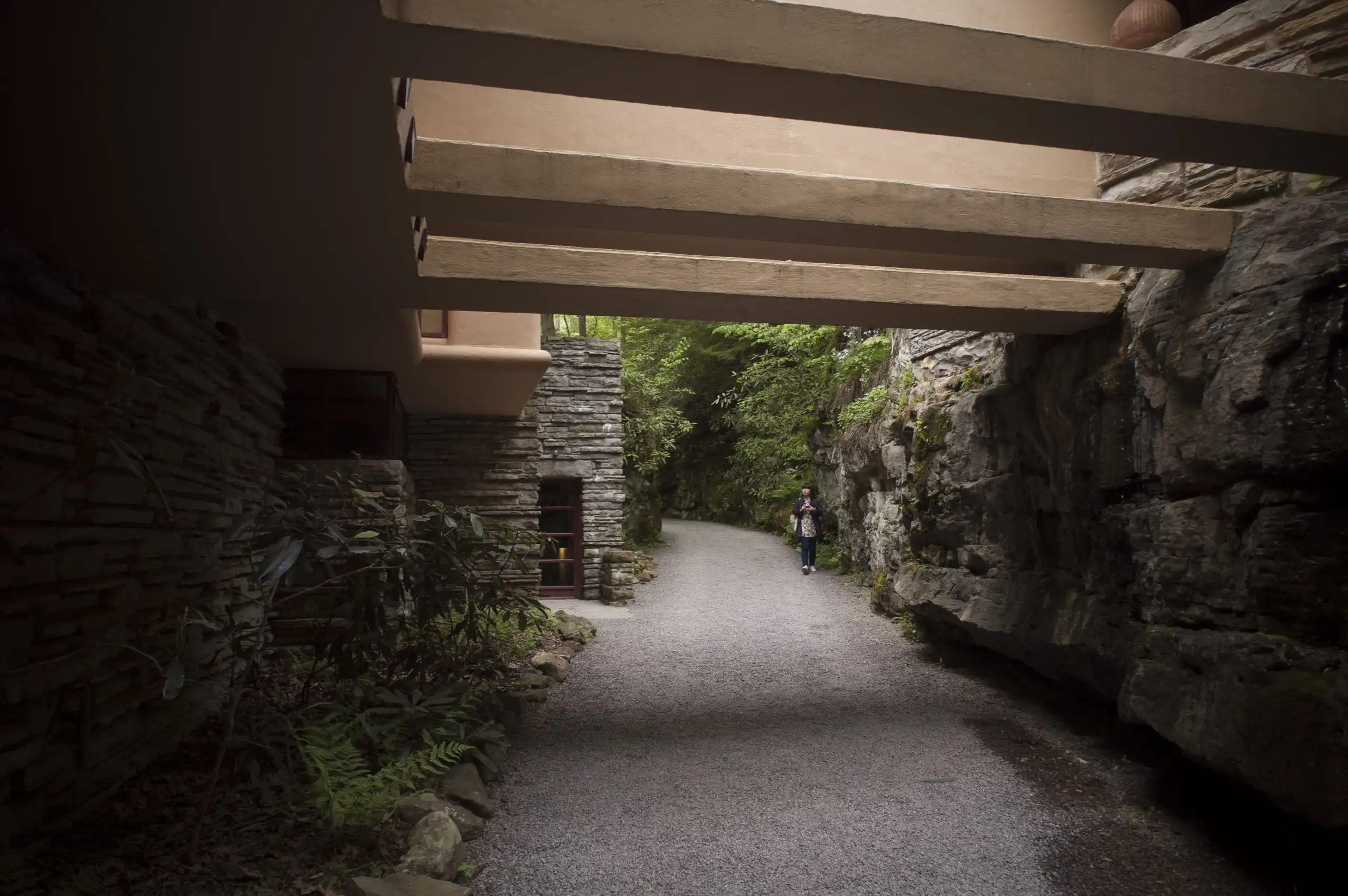
Fallingwater’s restoration is an ongoing process. As with many experimental works of modern architecture, preservation is continuous. The project demonstrates how careful, research-driven intervention can sustain architectural heritage while respecting the original vision. In doing so, it secures Fallingwater as a historical and living example of architecture in harmony with nature.