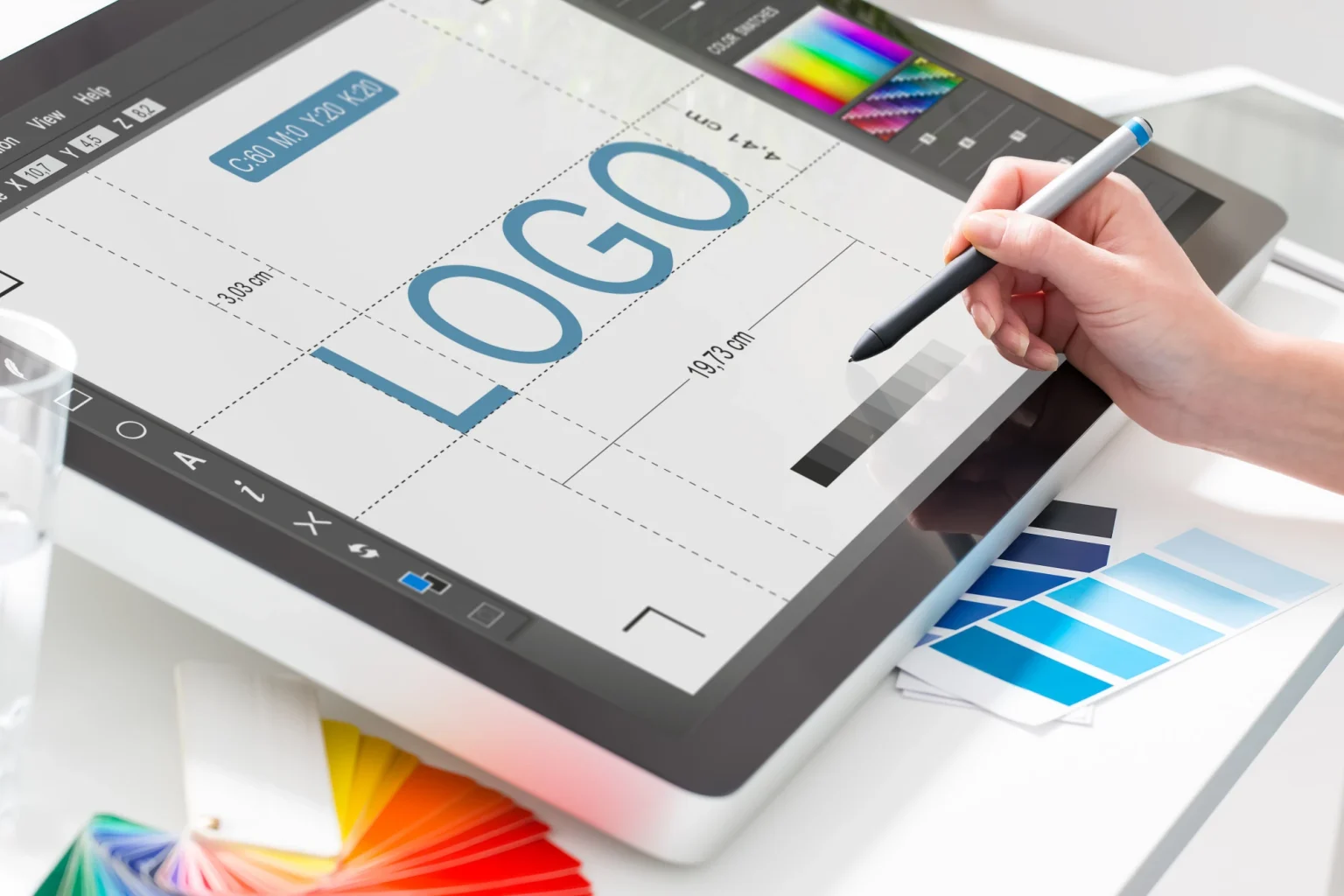

Some small businesses are stuck with the old school logo or some unfinished sketch. Issues arise, and they seem minor, but over time, they can affect the credibility of your brand. Traditionally, this might seem a daunting task, and hiring a designer was the best option, but now there are tools that make everything easier and faster.
That ease comes with noise, fast tools don’t replace thoughtful design decisions. For content creators using a YouTube logo maker, a blurry icon or weak thumbnail can make viewers scroll past instantly. Design plays a large role in how people notice and understand a brand. Many creators focus on trends rather than choosing elements that work with their brand identity. Studying failed rebrands reveals the common traps that sabotage credibility and engagement.
1. Why Trend-Based Logos Age Quickly
Do you remember when every tech company suddenly flattened its logo in 2013? When designs follow short-lived trends like the crossed-arrow phase, the logo ends up dating itself instead of staying useful over time.
Think about Nike. Think about Apple. They don’t change their core mark every time a new design aesthetic becomes popular on Instagram. They stick to the fundamentals. Building your logo around short-lived styles can shorten how long it feels relevant.
2. Why Overcomplicating a Logo Reduces Clarity
There is a natural urge to explain everything your business does in a single image. Trying to show everything your business offers in one image turns the design into a flyer instead of a logo.
Great logos are simple. They are shorthand. Logos capture a vibe, not the entire story. Overloading them just creates a muddy, unclear, and hard to identify on smaller screens.

3. Your Logo Needs to Work at Every Size
This ties into the complexity issue, but it is technically specific. A logo lives in many places. It lives on a giant billboard on the highway. It lives on the side of a pen. It appears in large and very small formats, including icons. It appears in large and very small formats, including icons.
Most amateur designers only look at their logo on a big computer monitor. They never zoom out. Fine lines and gradients look stunning on a monitor but vanish on a business card. If your logo falls apart without those tiny details, it isn’t scalable. Clear shapes and strong contrast help maintain readability at any size. You need something that reads clearly, whether it is the size of a building or the size of a bug.
4. Choosing Fonts That Match Your Brand
Fonts have personalities. Comic Sans is childish. Times New Roman is dusty and academic. Helvetica is neutral and corporate. Some fonts also carry strong associations that may not fit your message.
The mistake people make is choosing a font that fights their message. If you are a cybersecurity firm, you shouldn’t be using a whimsical, curly script font. It makes you look weak. If you are a daycare center, you shouldn’t use a jagged, aggressive heavy metal font. It looks scary.
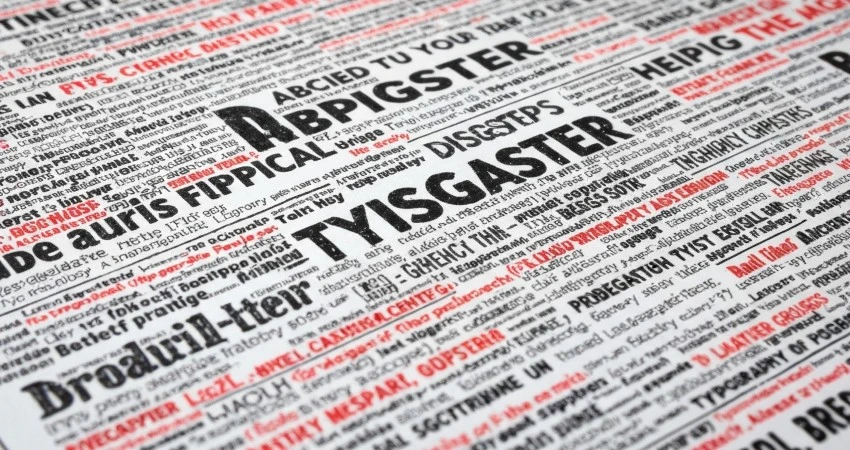
Readability is the other half of this coin. You might run into a futuristic font where the letters are styled in unusual ways. It can look visually appealing, but if the name isn’t easy to read, it works against you. Text in a logo needs to be clear at a glance, and if people have to strain to understand it, they’re likely to skip past it.
5. Understanding the Color Choices that Affect Your Brand
Colors aren’t just decorations. They are emotional signals. Don’t pick a palette just because it’s your favorite. A color that doesn’t match the industry can create a disconnect for customers. That creates a disconnect. Purple signals luxury, royalty, or mystery. It doesn’t signal “I build sturdy houses.”
You also have to worry about contrast. A light grey logo on a white background is invisible. A red logo on a green background causes “vibration” that hurts the eyes. Start in black and white. If the design falls apart on a grainy receipt, no amount of color will fix the structural flaw. If it relies solely on color to distinguish the shapes, it will fall apart in those contexts.
6. Why Generic Icons Make Your Brand Easy to Overlook
Go to any cheap stock image site and search for “business logo.” You will see the same three things: a generic “swoosh” over a company name, a globe with lines around it, or a handshake. These designs often blend in and don’t leave a strong impression. They exist, but nobody notices them.
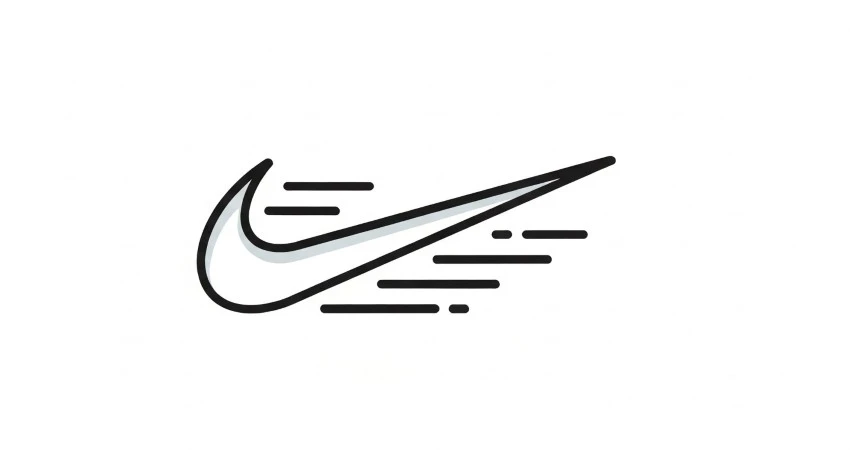
Using a generic icon is almost worse than having no logo at all. It tells the customer that you have no unique identity. You are just “Company A.” You blend in with the thousands of other businesses that bought the same $5 template. Your brand needs a hook. It needs something that feels specific to you. A clean wordmark can be more effective than a generic symbol.
7. Inconsistent Logos Always Reduces Recognition
This is one of the issues that most often weakens a brand. You have a logo. It looks okay. But then you use a slightly different version on Facebook. And on your website, you use an older version with a different tagline. And on your email signature, the colors are slightly off because you couldn’t find the original file.
8. Why Your Logo Should Reflect Your Audience?
Your logo is not for you. It is for your customer. You might love aggressive, gothic aesthetics. You might listen to death metal and wear all black. Selling organic baby food? Don’t design a heavy metal cover. Shift the focus toward what your audience expects and responds to. What do they trust? What visuals appeal to them?
A lot of small business owners get stuck trying to express their own soul through their business logo. Personal style is best expressed in other creative outlets, not in the business logo. Your business logo is a commercial tool designed to attract a specific demographic. If it doesn’t resonate with them, it fails.
How X-Design Helps Improve and Maintain Branding Consistency?
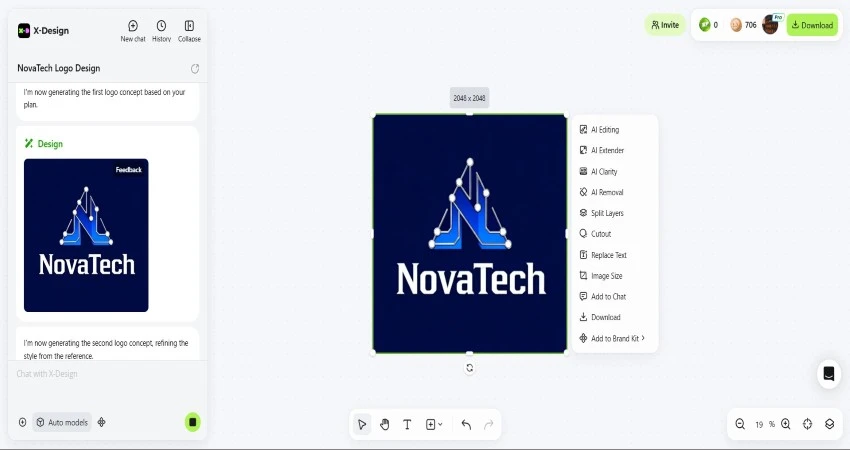
Spotting design flaws is easy. The real headache is actually fixing them. While modern software is evolving, X-Design AI Logo generator tackles the problem differently. It takes a more structured approach than many random-generation tools. Instead, it functions like a dedicated design partner, eliminating inconsistency through its Brand Memory system. Because it locks in your specific fonts and hex codes, you can return months later to create a business card, and everything still matches perfectly.
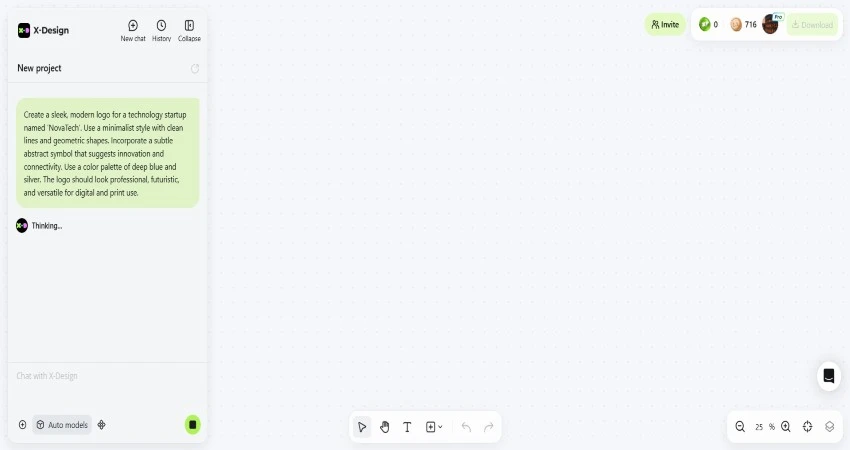
The platform also fixes the “context gap” using a robust mockup engine. You can visualize your logo on merch, signs, or packaging to ensure it holds up in reality, not just on a blank monitor. Just describe the aesthetic, maybe “minimalist vintage”, and you get focused concepts, not random noise.
X-Design hands over the essentials: print vectors and web assets. It ditches freelancer fees and software headaches, giving you a setup that makes design work easier to maintain.
The Bottom Line: It Is About Trust
Messy visuals force customers to work harder to take you seriously. Your business already carries the core value; a strong visual identity should support that. You don’t need design school anymore. Tools like X-Design handle the technical side; the only thing left is judgment. Modern tools make refinements simpler, and reviewing your logo across different contexts can help you decide what needs improvement.