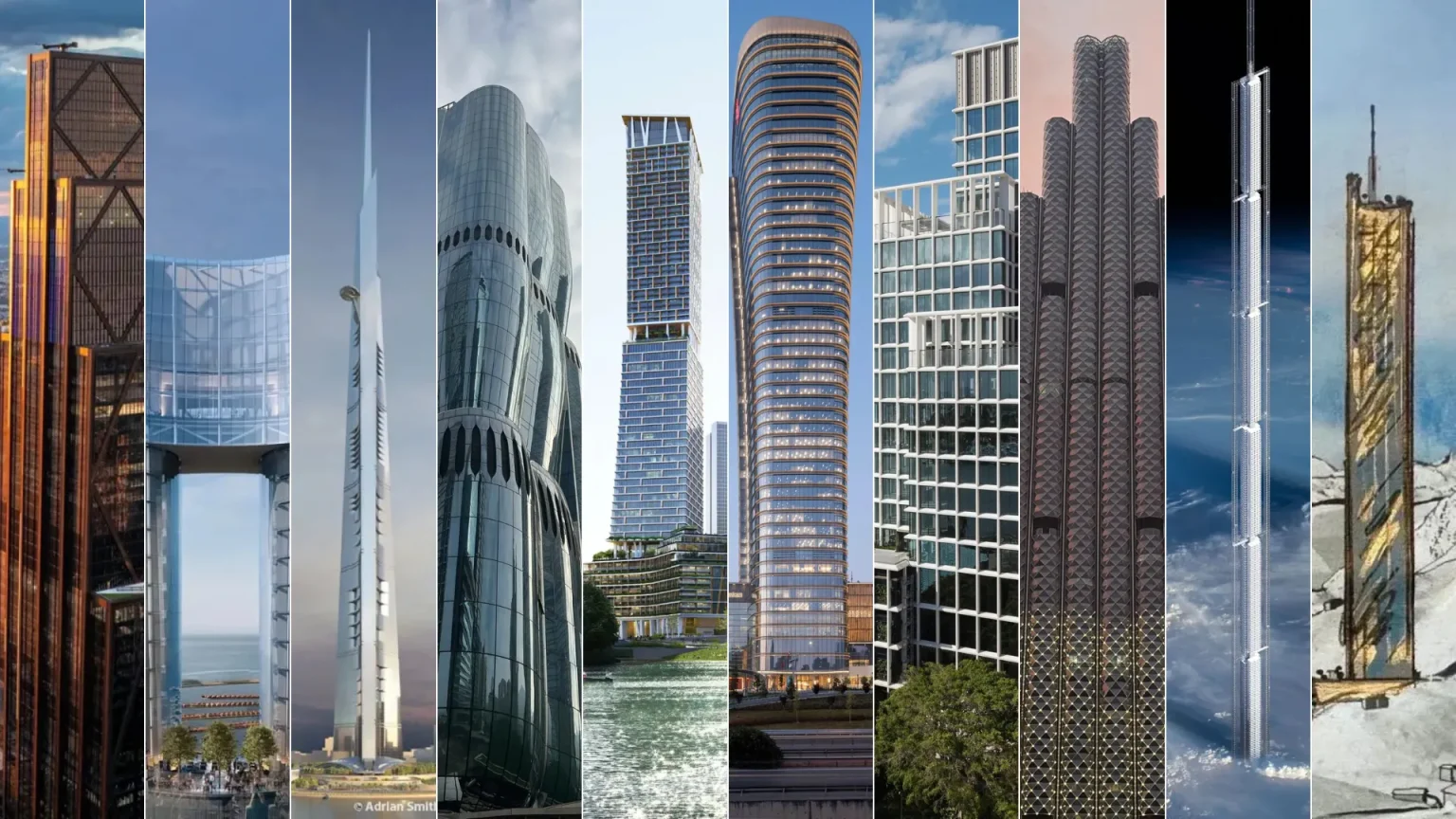












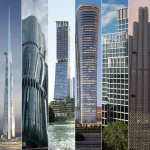













The year 2025 marked a defining moment in skyscrapers, where architecture, engineering, sustainability, and cities converged at an exceptional scale. This year marked a defining chapter in high-rise architecture, as long-anticipated projects reached completion, record-breaking towers advanced toward realization, and bold ideas challenged conventional limits of construction. Across continents, cities unveiled or advanced towers that were merely tall, symbolic of economic power, technological innovation, and evolving urban priorities. The question is no longer how tall we can build, but what these buildings say about the cities that build them.
Each skyscraper highlighted here reflects a different moment in a city’s development. Some rise on sites of former icons, translating history into a new architectural language. Others emerge from newly planned districts, built to position their cities within an increasingly global landscape. A select few exist only as proposals, yet their ideas resonate far beyond paper, shaping how the future of vertical architecture is imagined.
Collectively, these ten skyscrapers capture the essence of architectural endeavor in 2025, stretching across North America, the Middle East, Europe, and Asia, and responding in distinct ways to their local climates and urban contexts.
1. 270 Park Avenue (JPMorgan Chase Tower)
Location: Park Avenue, Midtown Manhattan, New York City, USA
Height: 423 m (1,388 ft)
Floors: 60
Architect: Foster + Partners with Adamson Associates
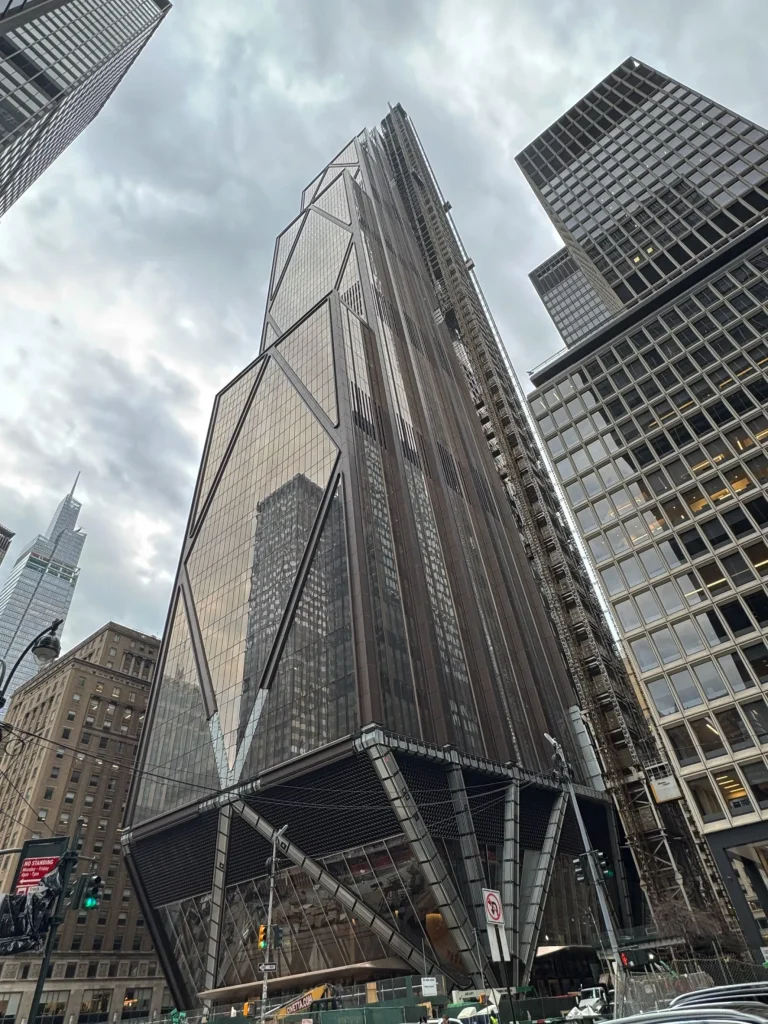
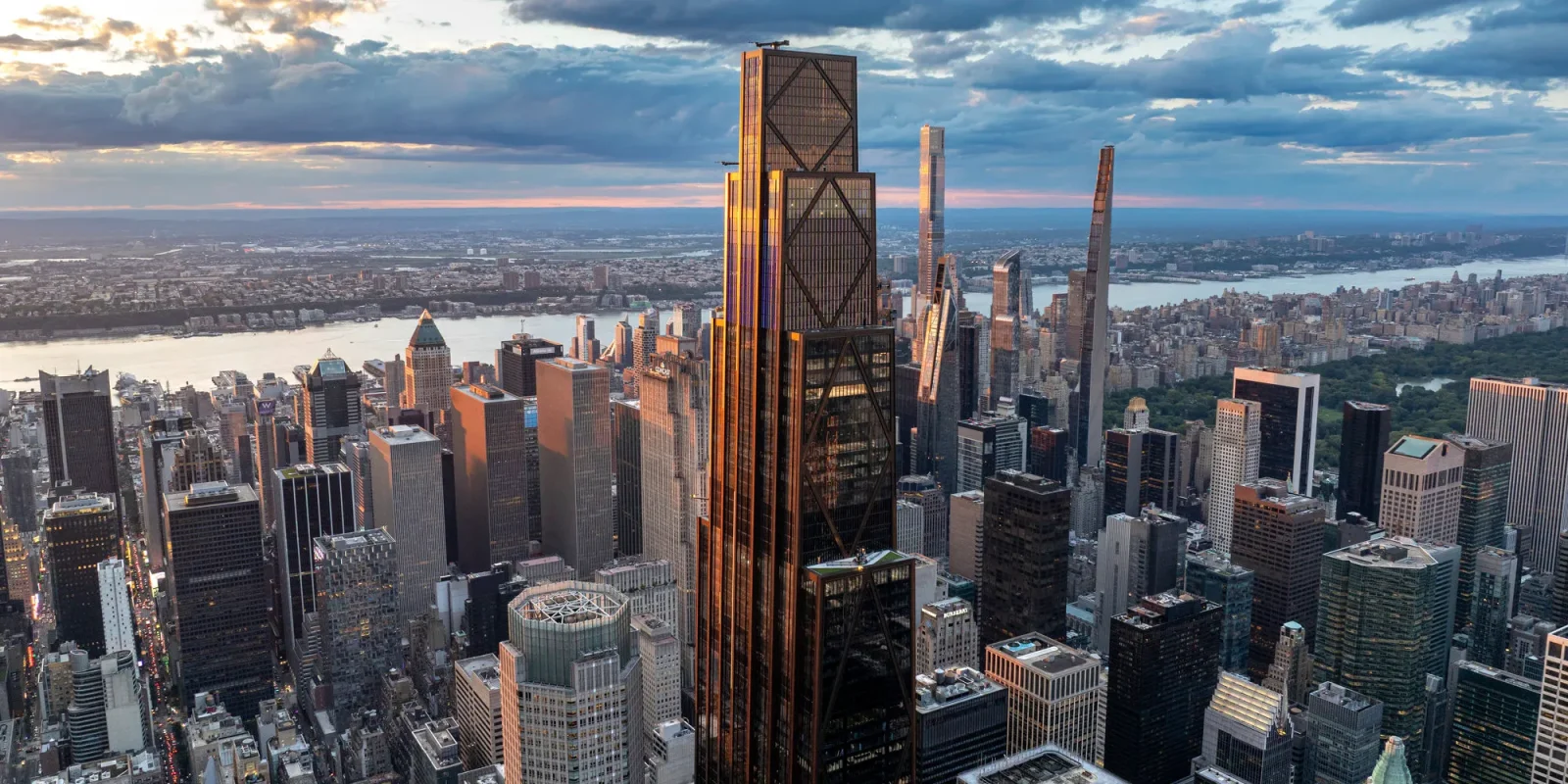
270 Park Avenue rises as one of the most significant skyscrapers of 2025, a major addition to Midtown Manhattan’s corporate skyline. Located on Park Avenue between East 47th and 48th Streets, this tower serves as the new global headquarters for JPMorgan Chase, replacing the mid-century Union Carbide Building that once occupied the same full city block.
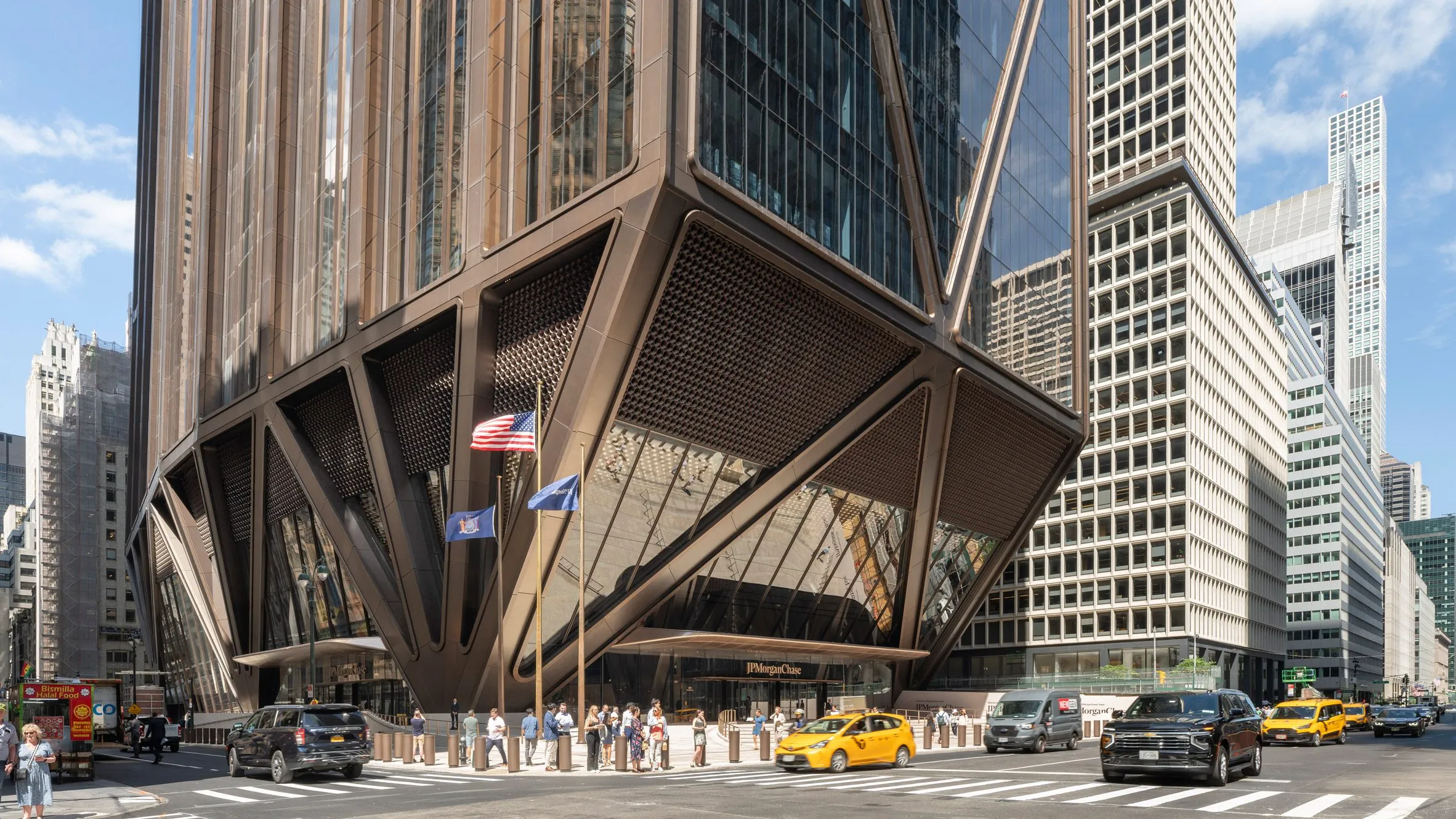
Designed by Foster + Partners with Adamson Associates as the architect of record and developed in collaboration with Tishman Speyer, the tower rises 1,388 feet (423 m) tall across 60 stories of office space. Its sleek, modern shape combines neo-Art Deco influences with a highly efficient structural system that lifts much of the tower 80 feet above street level. An open ground plane featuring widened sidewalks and a public plaza that reconnects Park Avenue to Madison Avenue. The 2.5 million square feet of workspace accommodates up to 14,000 employees and includes expansive trading floors, collaborative spaces, and amenities.
2. Ciel Dubai Marina
Location: Dubai Marina, Dubai, United Arab Emirates
Height: 377 m (1,237 ft)
Floors: 82
Architect: NORR Group
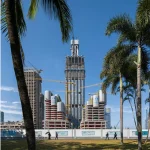
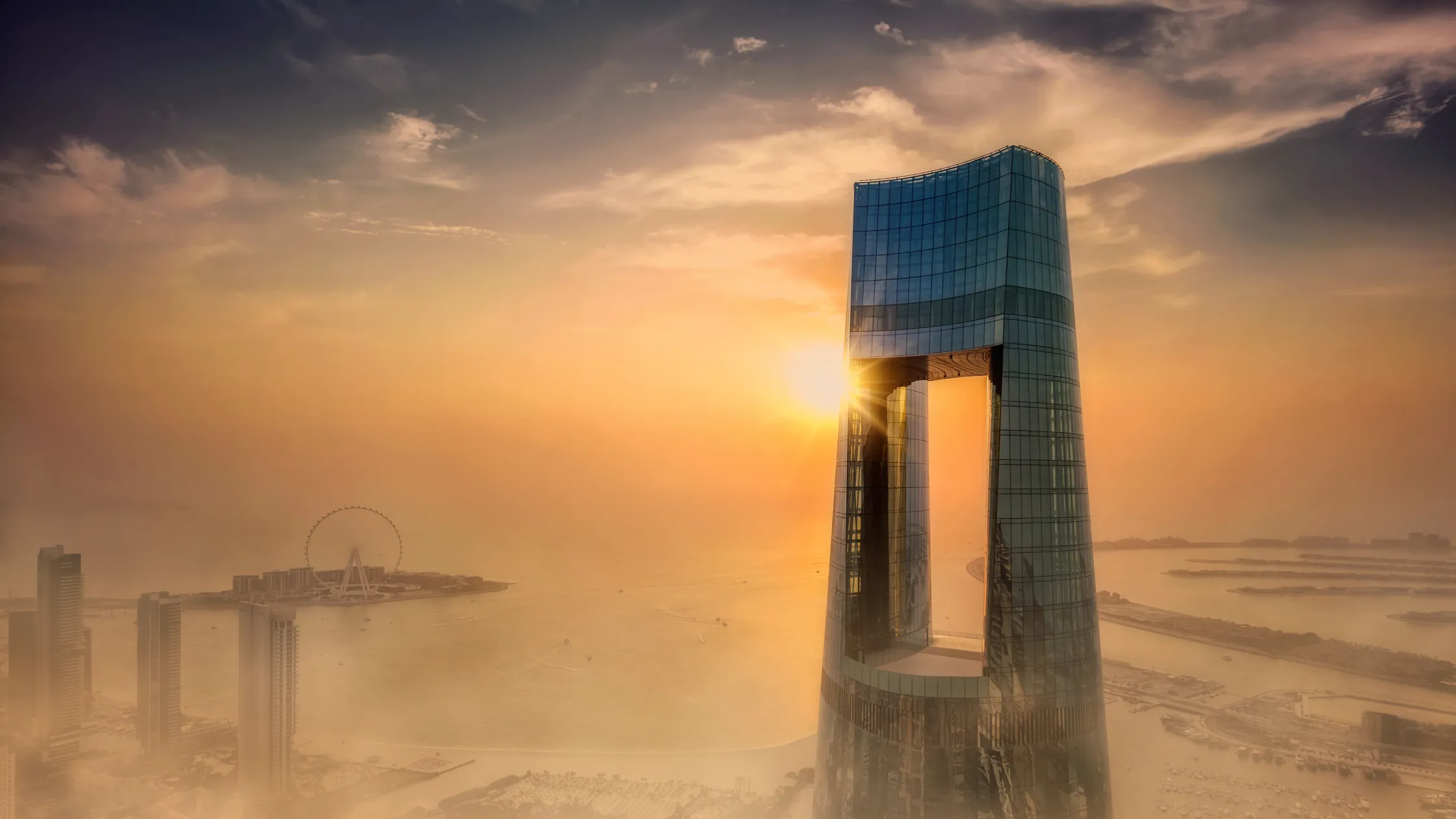
Ciel Dubai Marina, Vignette Collection by IHG Hotels & Resorts, officially opens on 17 November 2025 as the world’s tallest hotel, rising 377 meters above Dubai Marina with 82 floors and setting a new global benchmark in hospitality design and luxury. Developed by The First Group and managed under IHG’s Vignette Collection, the skyscraping property features 1,004 guestrooms and suites with floor‑to‑ceiling glass windows that frame panoramic views of the Arabian Gulf, Palm Jumeirah, and Dubai’s skyline.
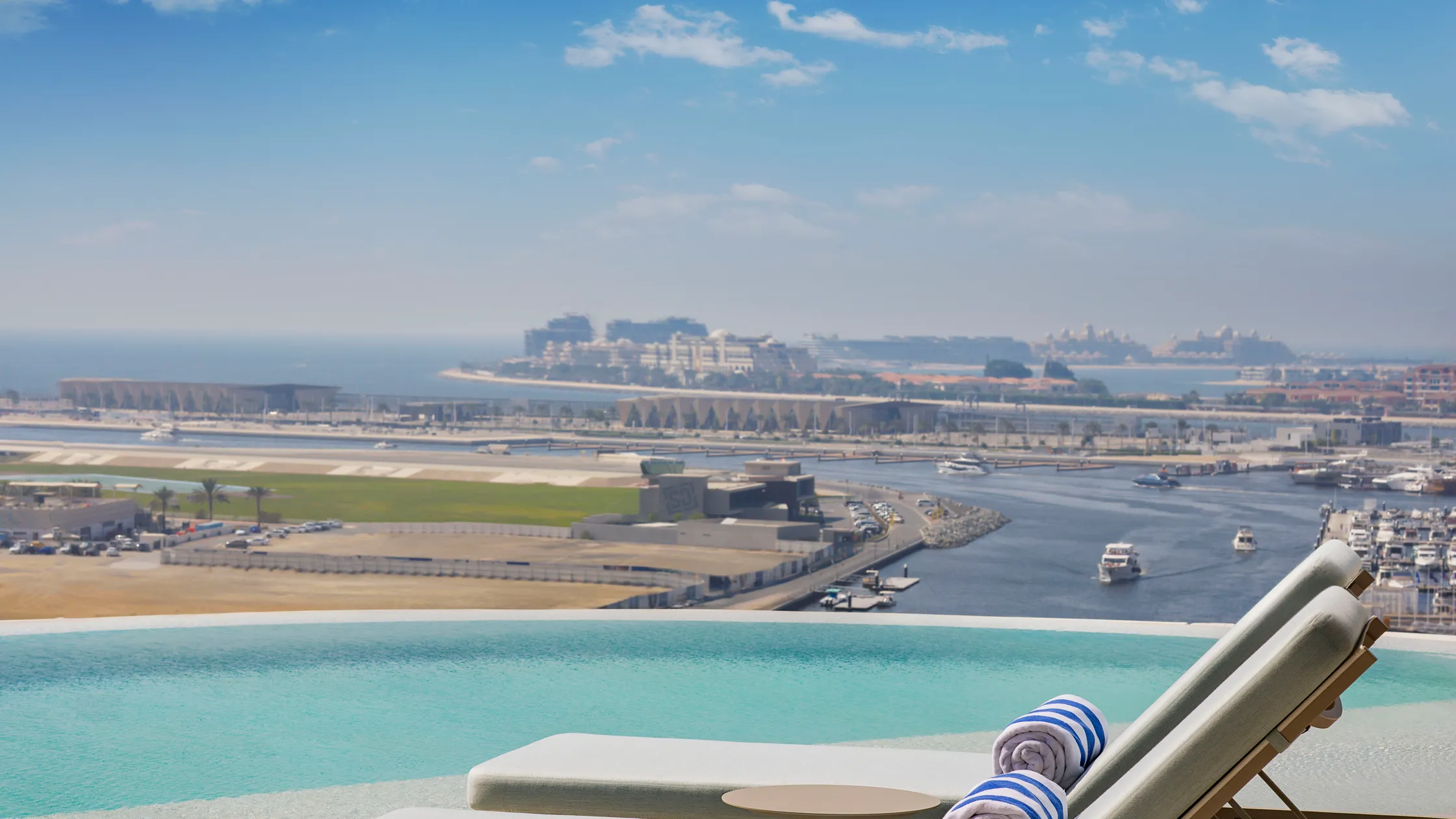
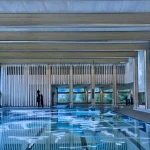
The hotel incorporates scenic architectural presence with experiential luxury, from one of the world’s highest infinity pools on level 76 to vibrant destination dining venues, including multi‑level Tattu Dubai, Mediterranean‑inspired West 13, Asian‑buffet‑style East 14, and the all‑day Risen Café & Artisanal Bakery. The property is also equipped with a 24‑hour gym, a luxury spa opening in February 2026, kids’ facilities, executive lounges, and direct access to Soluna Beach Club on Palm Jumeirah.
Ciel Dubai Marina, as part of IHG’s Vignette Collection, is designed to showcase one-of-a-kind stays by combining public spaces with bespoke wellness and culinary partnerships. The hotel offers guests direct access to world-class shopping, dining, beaches, and iconic attractions, including Ain Dubai and Bluewaters Island.
3. Jeddah Tower
Location: Jeddah Economic City, Jeddah, Saudi Arabia
Height: Planned 1,000+ m (final architectural height undisclosed)
Floors: 167+
Architect: Adrian Smith + Gordon Gill Architecture (AS+GG)
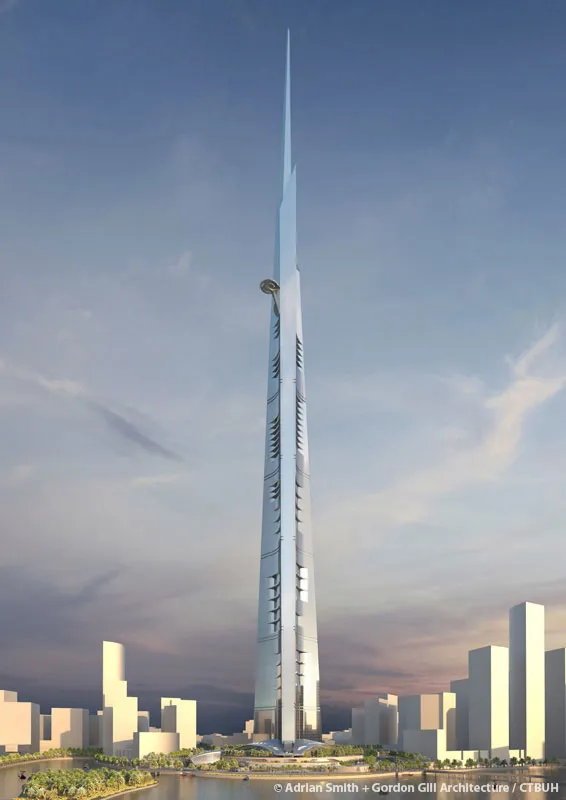
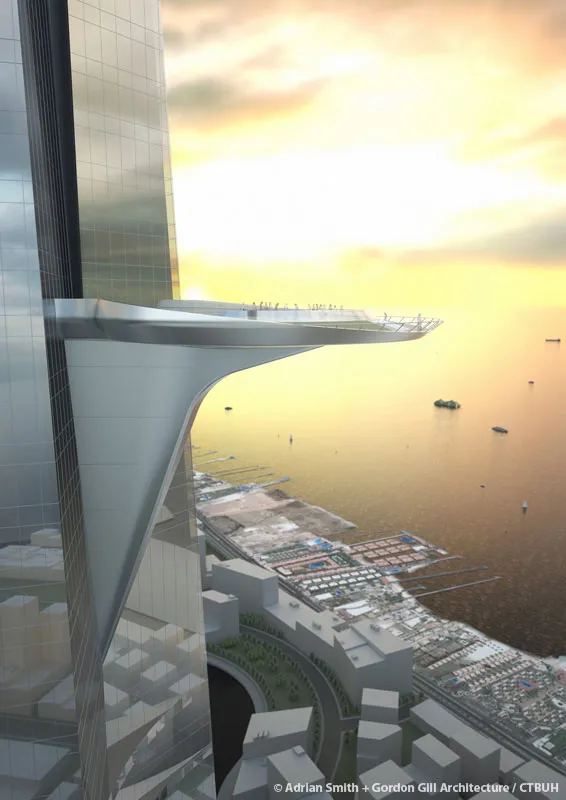
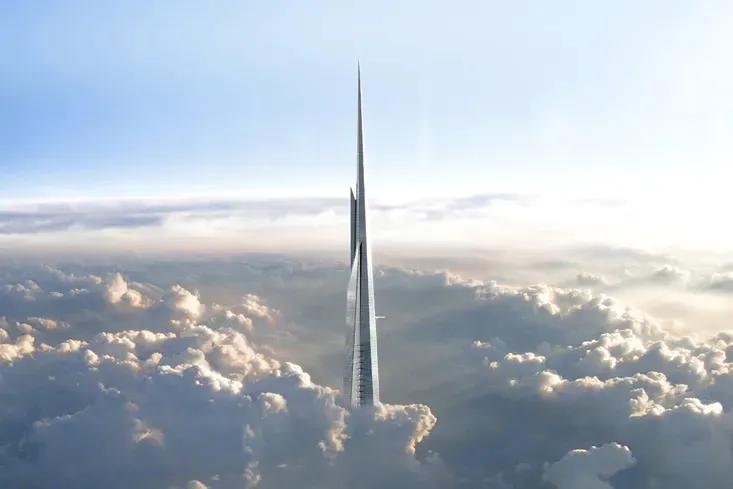
Jeddah Tower is a supertall skyscraper under construction in Jeddah Economic City, designed to exceed one kilometer in height, making it the tallest skyscraper ever proposed for construction. The tower’s design follows a tapered, aerodynamic form derived from a three-petaled footprint, engineered to reduce wind loads at extreme heights.
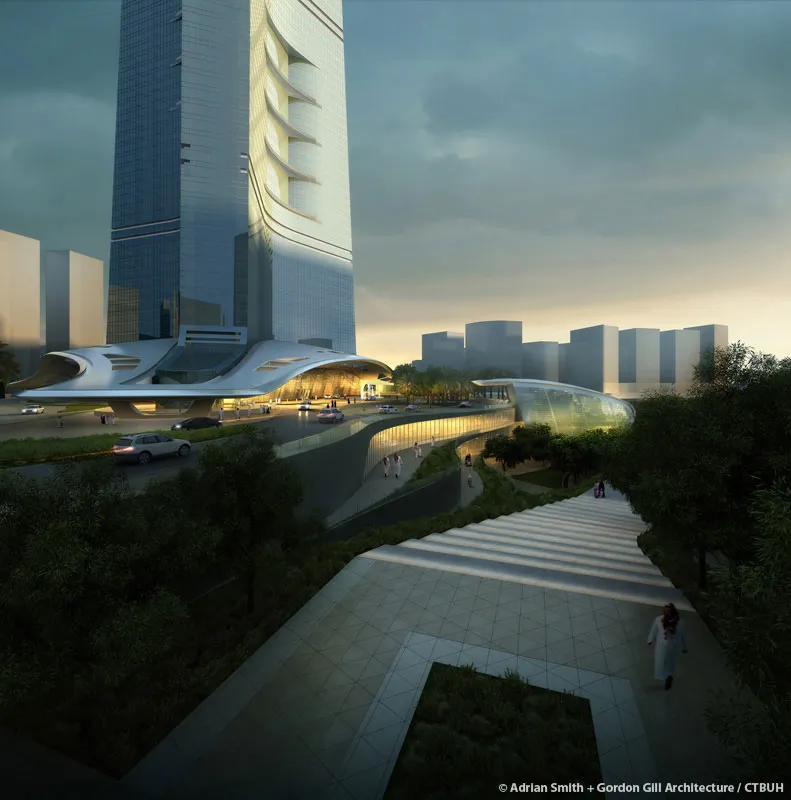
The structure utilizes a high-performance reinforced concrete core with a buttressed structural system, similar in principle to the Burj Khalifa but scaled significantly larger. The tower’s form narrows progressively as it rises, optimizing structural efficiency and vertical load distribution. Construction resumed in 2025 after a prolonged pause, with the project advancing toward its originally planned supertall configuration.
4. The Henderson
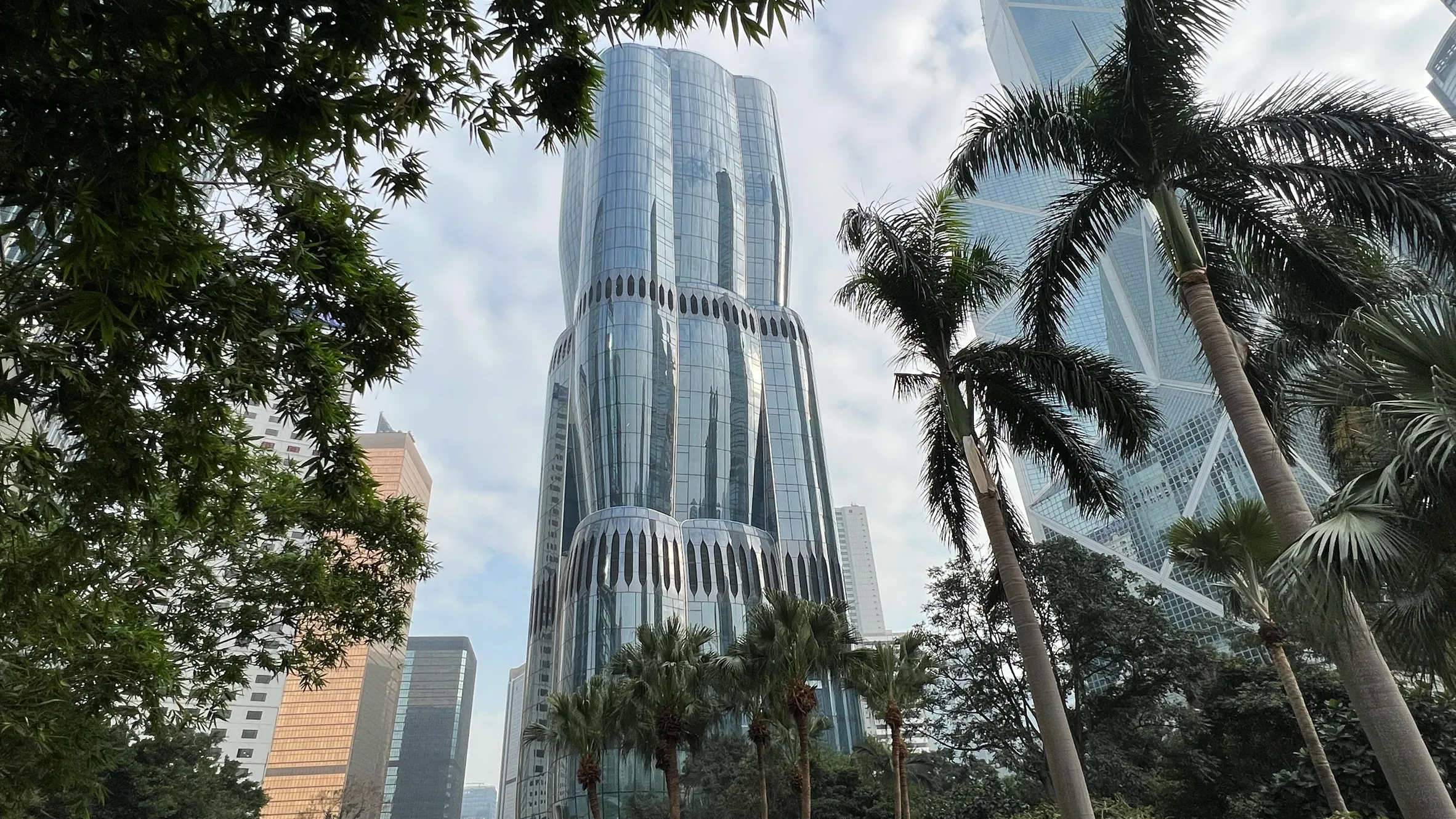
Location: 2 Murray Road, Central, Hong Kong Island, Hong Kong SAR, China
Height: 190 m (623 ft)
Floors: 36 above ground (plus 5 basement levels)
Architect: Zaha Hadid Architects (Design led by Patrik Schumacher)
The Henderson is a completed skyscraper in Hong Kong’s Central business district, rising to 190 meters with 36 above-ground stories and five basement levels. It sits on the site of the former Murray Road multi-story car park and consists of premium office space arranged around wide-span floor plates with a high tensile steel structure. Its architectural form references organic geometries and is realized through a bespoke curved glass façade manufactured with double-curved, double-laminated panels, a notable technical achievement in high-rise construction.
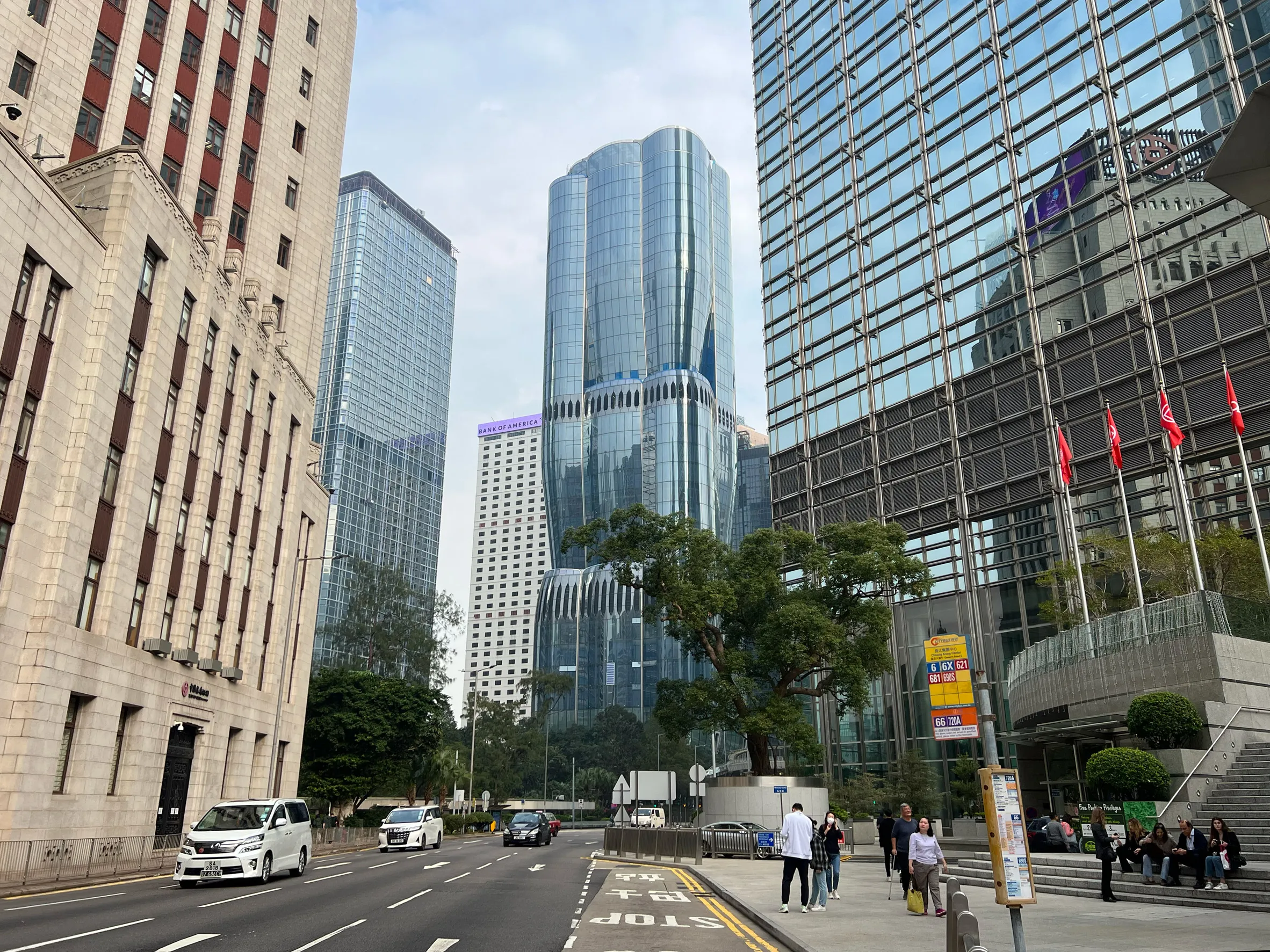
Designed by Zaha Hadid Architects with Patrik Schumacher as principal, the building’s structure accommodates column-free interior spaces and integrates modern building systems for sustainability and environmental performance. The base of the tower features elevated courtyards and gardens that connect with surrounding public green spaces, while its smart infrastructure supports advanced building management. Construction started in 2019, and substantial completion was achieved by 2024, with occupancy and work progressing into 2025.
5. Waterline
Location: 98 Red River Street, Downtown Austin, Texas, United States
Height: 1,025 ft (312 m)
Floors: 74
Architect: Kohn Pedersen Fox (KPF)
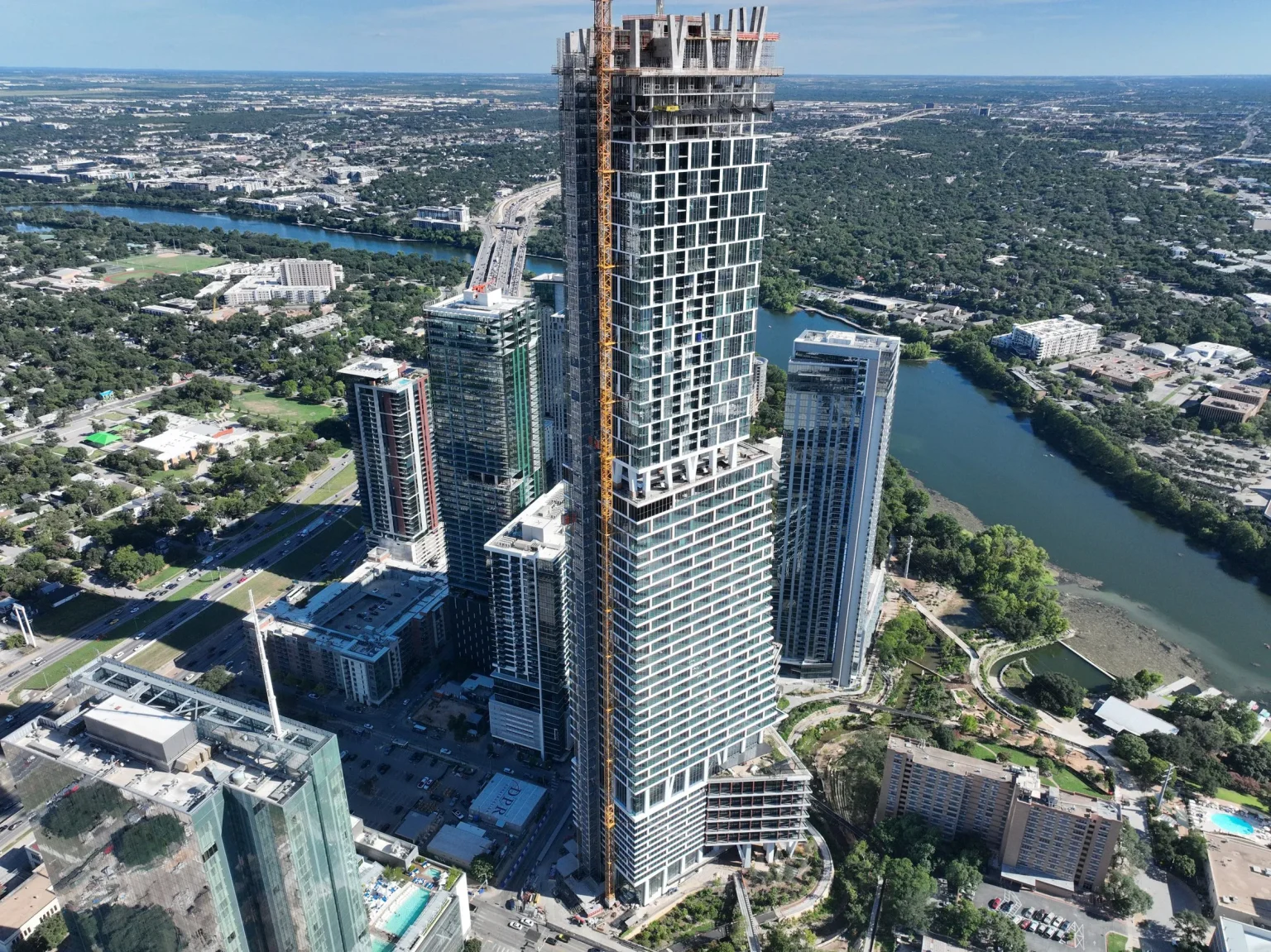
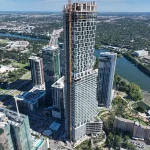
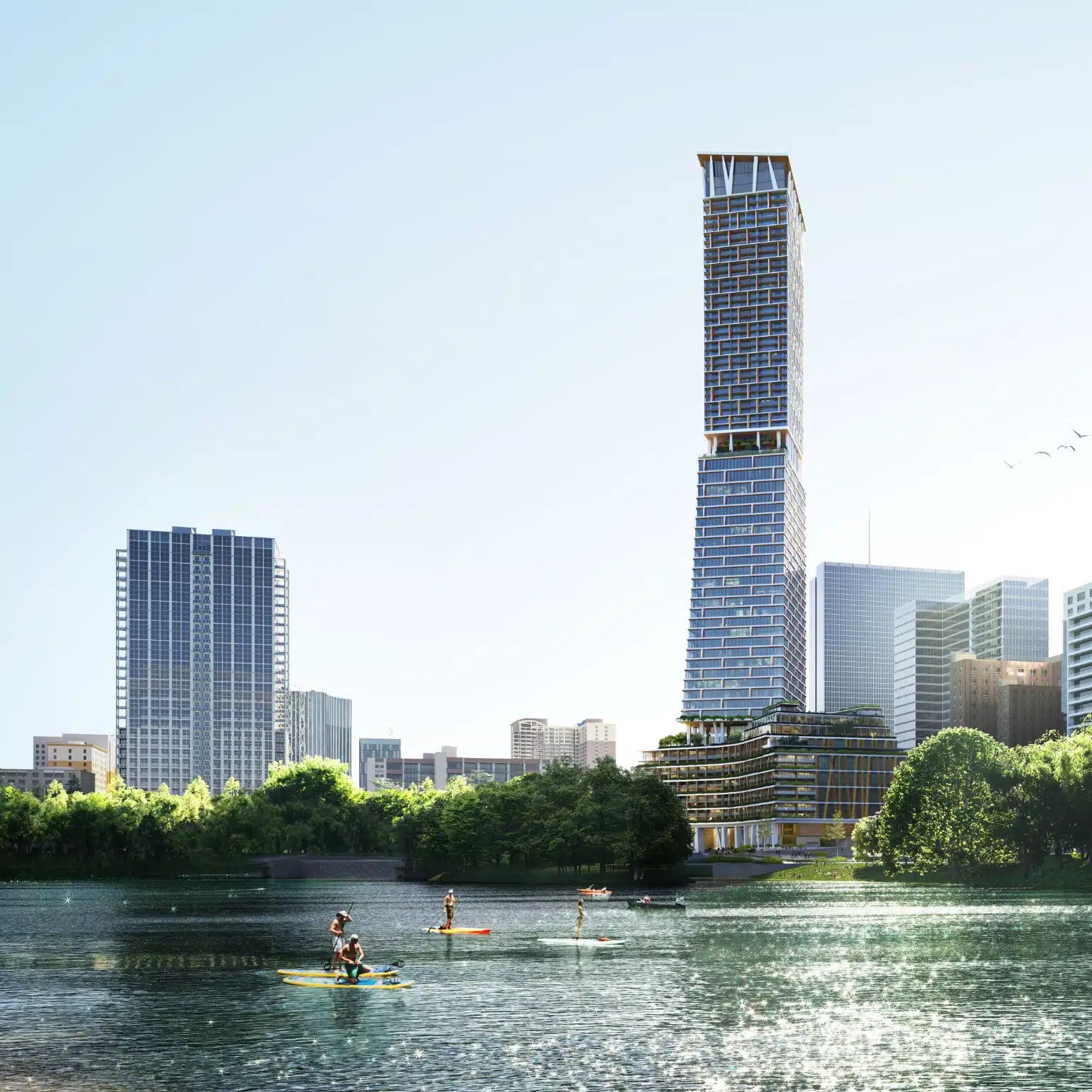
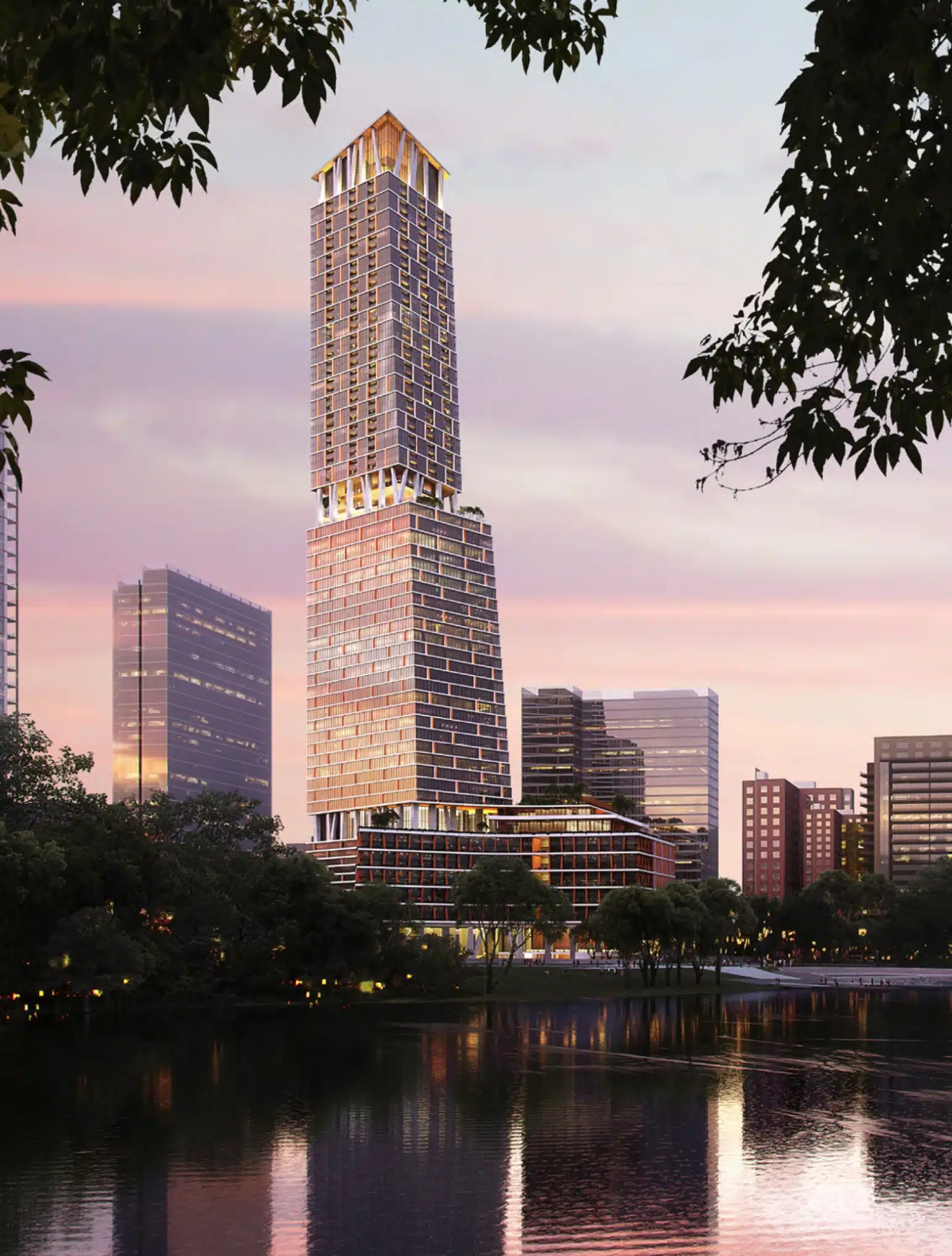
Waterline is a skyscraper currently under construction in Downtown Austin that reached its height of 1,025 feet in August 2025, making it the tallest tower in both Austin and the state of Texas. The project began in 2022 and is scheduled for full completion and opening in 2026. It rises 74 stories above the site at 98 Red River Street, overlooking Lady Bird Lake and Waller Creek, and represents the first supertall skyscraper in Texas.
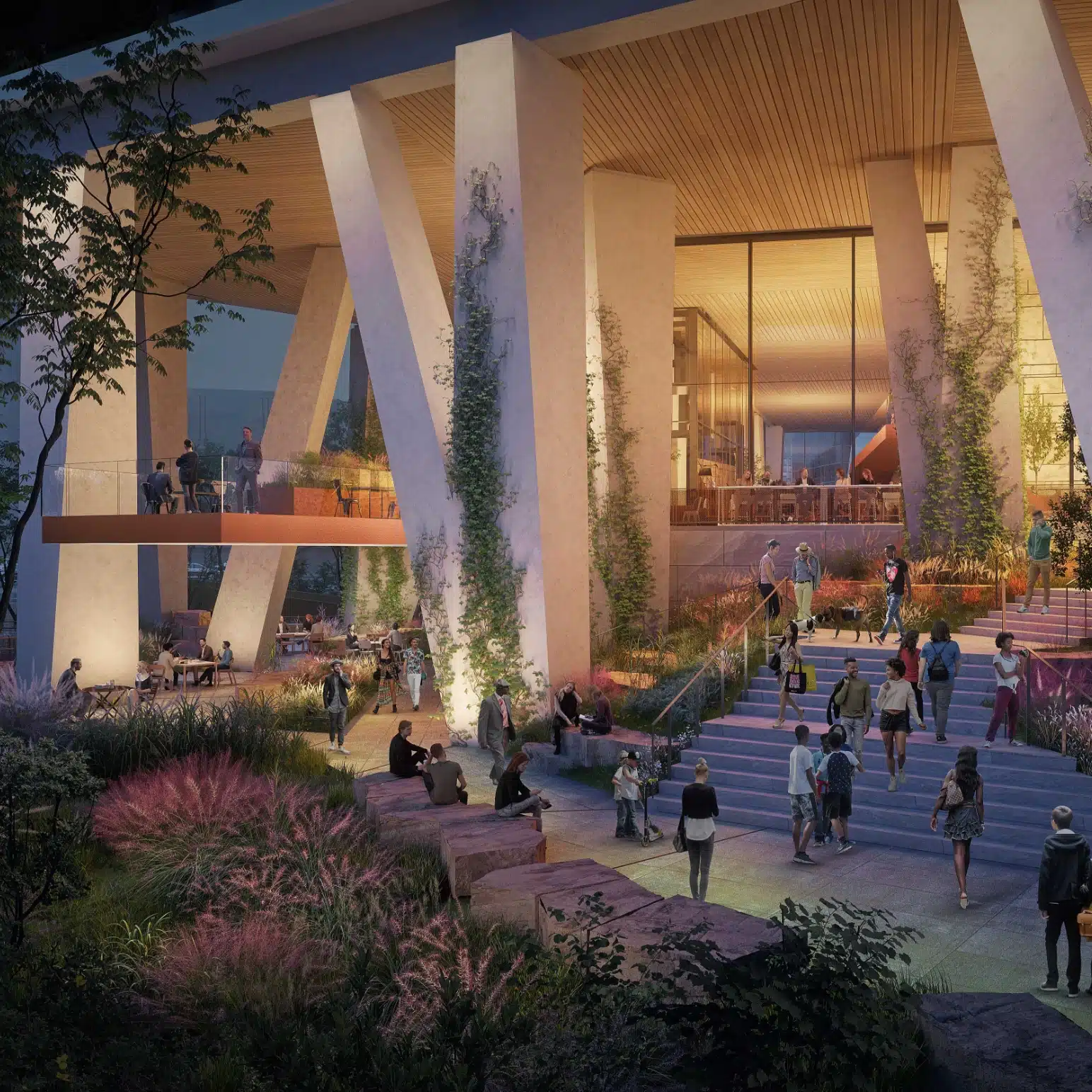
Designed by Kohn Pedersen Fox (KPF), Waterline features a mixed-use program incorporated into a single structure with distinct vertical zones for different uses. While still under construction in 2025, the design incorporates a sculptural form influenced by its creekside setting and integrates public access spaces at ground level, including connections to nearby parks and trails. Upon completion, the tower will significantly modify the Austin skyline and set a new state height record.
6. Ziraat Bank Headquarters
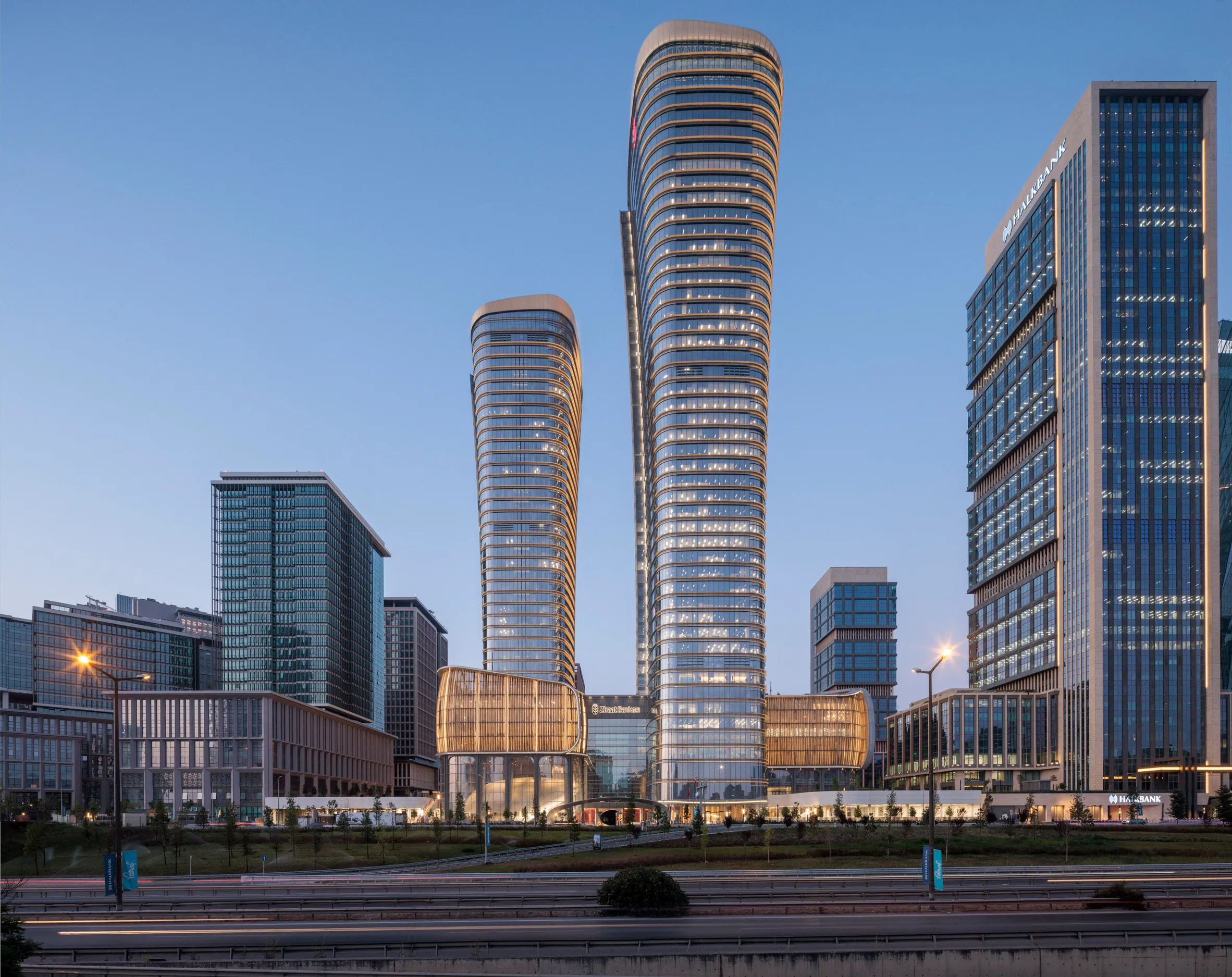
Location: Istanbul International Financial Center (IIFC), Ataşehir, Istanbul, Turkey
Height: ~352 m
Floors: 72
Architect: Kohn Pedersen Fox (KPF)
The Ziraat Bank Headquarters rises from the core of Istanbul’s International Financial Center on the city’s Asian side. At approximately 352 meters and 72 floors, the tower ranks among the tallest structures in Turkey. Its form narrows as it rises, a conscious response to wind forces that also preserves large, efficient floor plates through the lower and middle sections of the building.
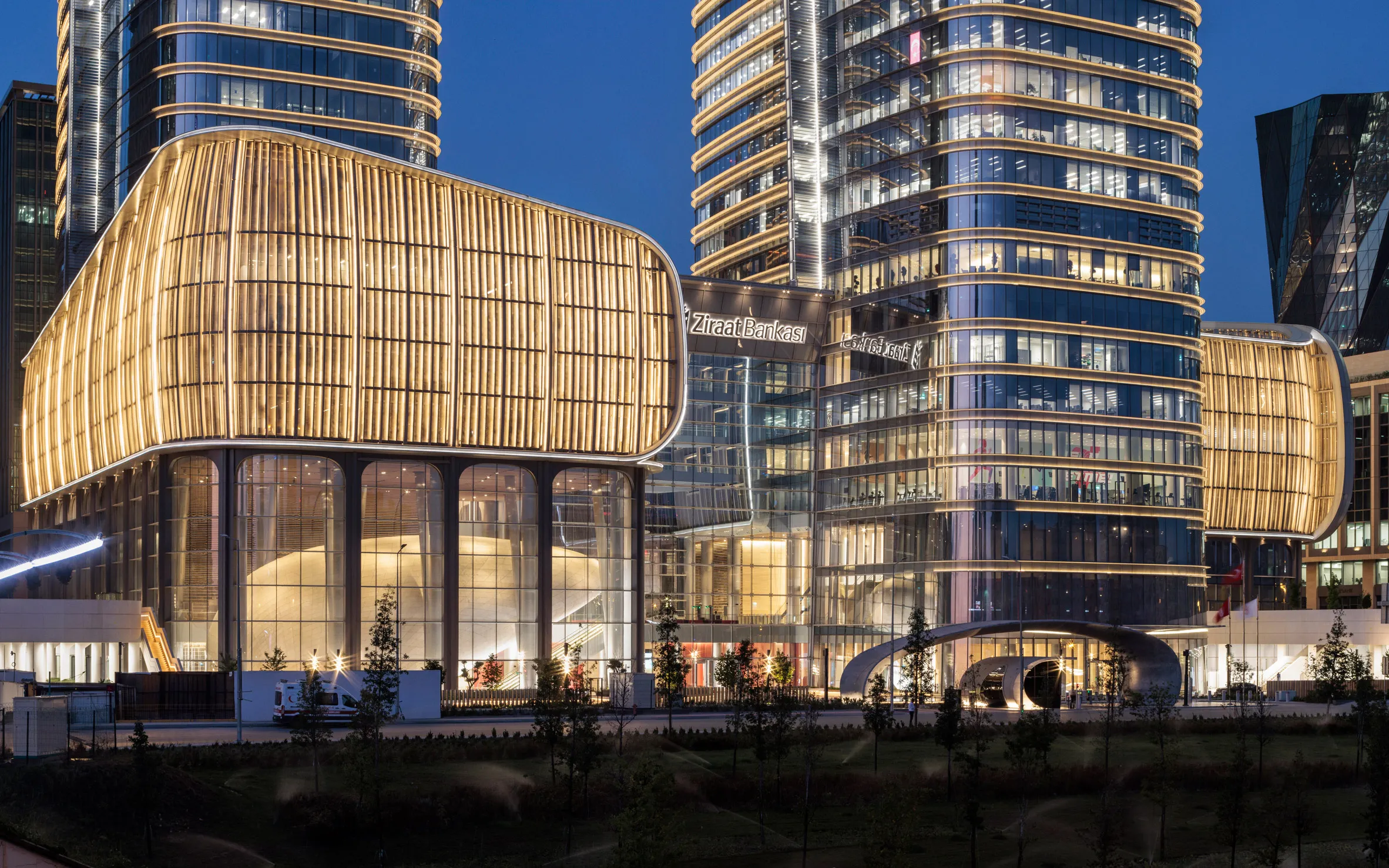
Designed by Kohn Pedersen Fox, the façade is organized through a system of vertical fins and recessed glazing that emphasizes height while managing daylight exposure across the building envelope. The composition is weighty and grounded at its base, gradually becoming lighter toward the upper levels. Behind this representation, a reinforced concrete core works in with the perimeter framing of Istanbul’s seismic conditions without compromising the tower’s profile.
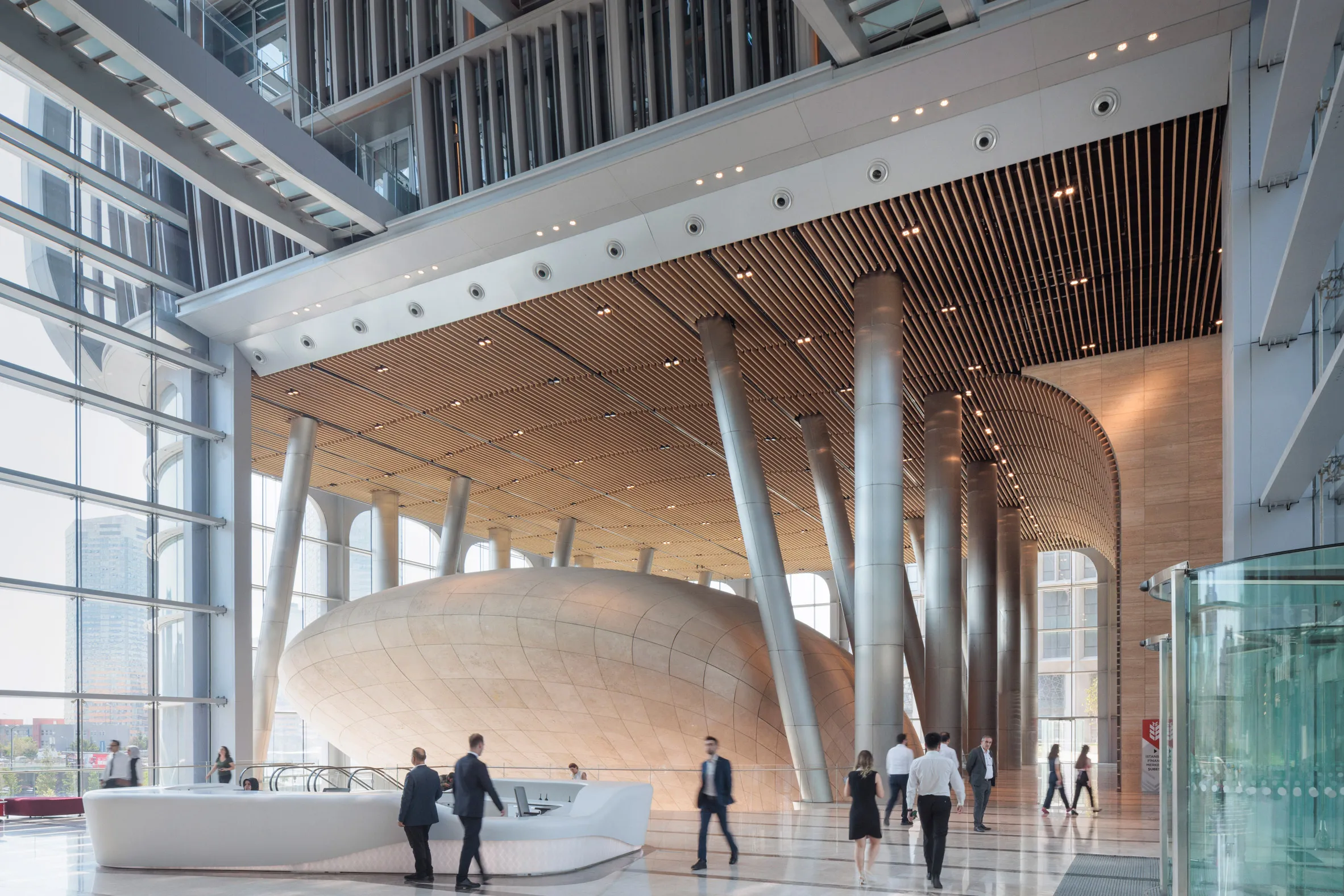
The building is designed as part of a planned urban area. Its platform and lower floors align with surrounding public spaces, plazas, and neighboring towers, reinforcing the dense, institutional character of the financial district. With construction advancing through 2024 and 2025, the Ziraat Bank Headquarters has emerged as one of the most notable skyscraper projects in Turkey, notable for its scale, condition, and integration into a broader urban framework.
7. The One Flagler
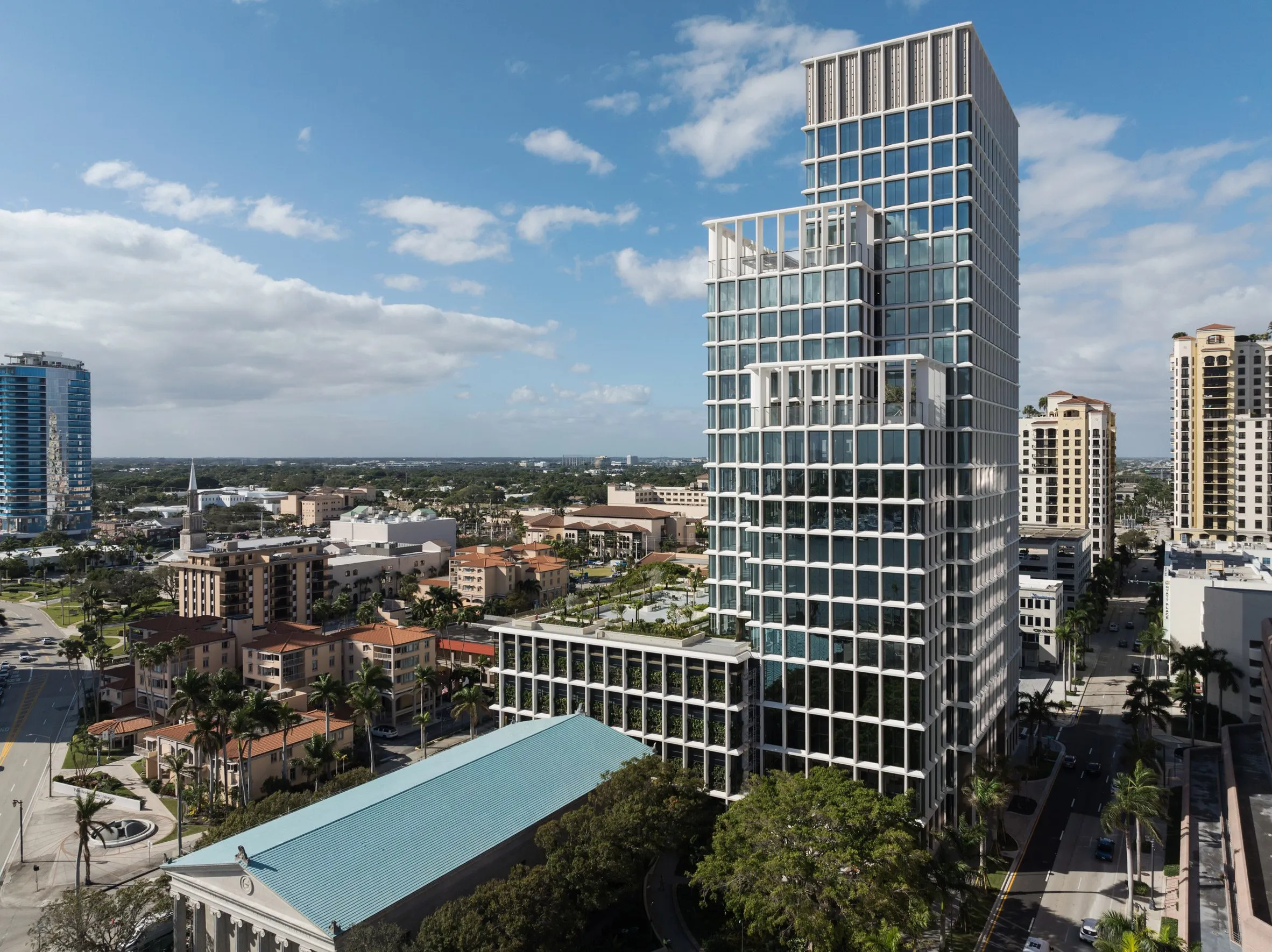
Location: 134 Lakeview Avenue, West Palm Beach, Florida, USA
Height: ~365 ft / 111 m
Floors: 25
Architect: Skidmore, Owings & Merrill (SOM)—David Childs, Chris Cooper
One Flagler is a 25-story Class-A office tower designed by Skidmore, Owings & Merrill (SOM), led by David Childs and partner Chris Cooper, and developed by Related Ross. Rising approximately 365 ft (111 m) above downtown West Palm Beach, the building occupies a prominent waterfront site along South Flagler Drive at 134 Lakeview Avenue and sits directly behind the historic First Church of Christ, Scientist, a Beaux-Arts landmark preserved as part of the project. The 285,000 sq ft office building includes ground-floor retail, fine dining (including Estiatorio Milos), and a new public reading room for the church.
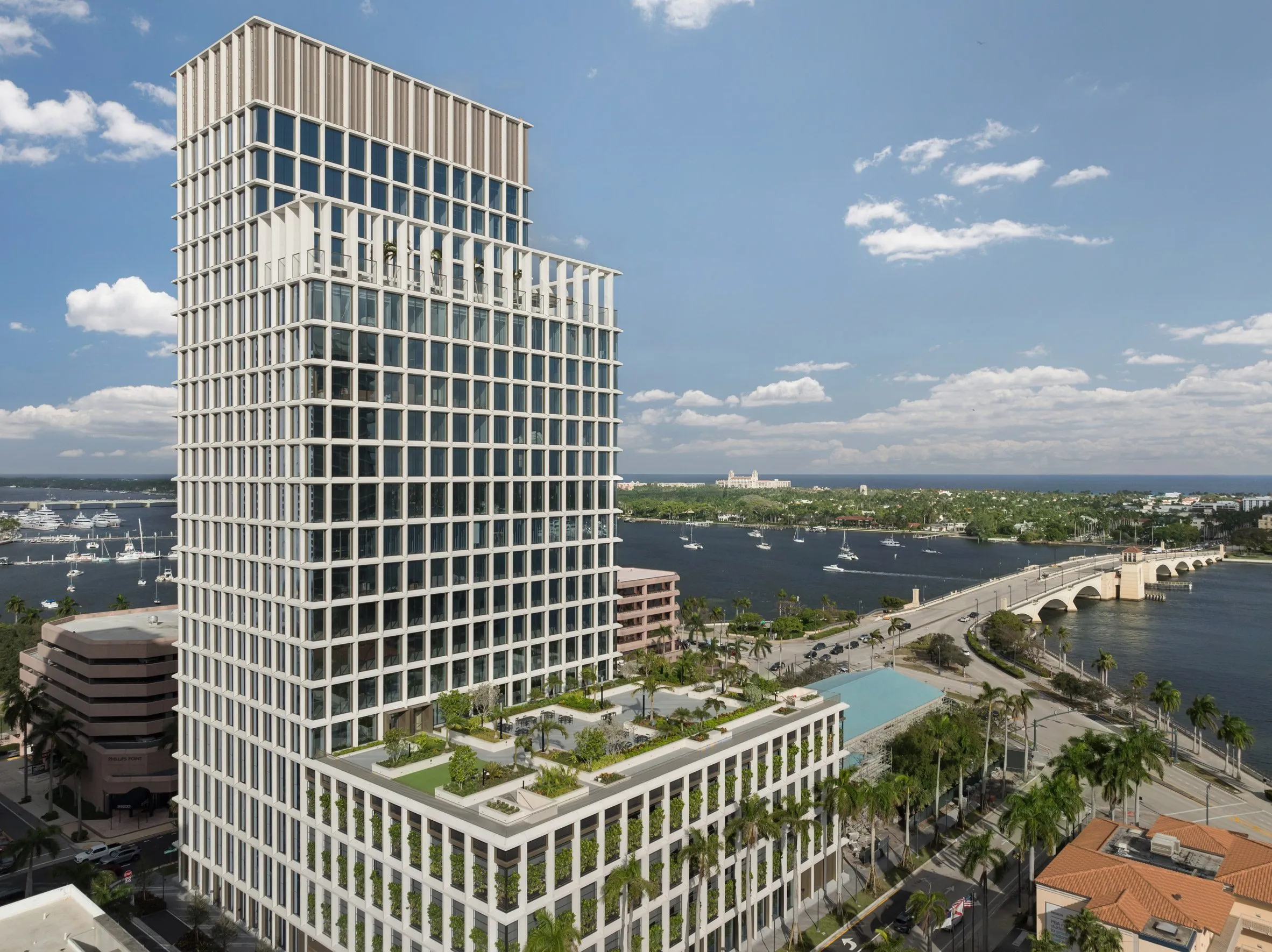
One Flagler expresses a contemporary interpretation of Florida’s tropical modernism through its white, trellis-like concrete façade composed of intersecting, staggered volumes that form terraces at multiple levels. Planted loggias and landscaped terraces, including a 19,000 sq ft outdoor space above the building with fitness and conference facilities, and provide ocean and city views, while windows with high-performance glazing reduce solar heat gain and admit natural light.
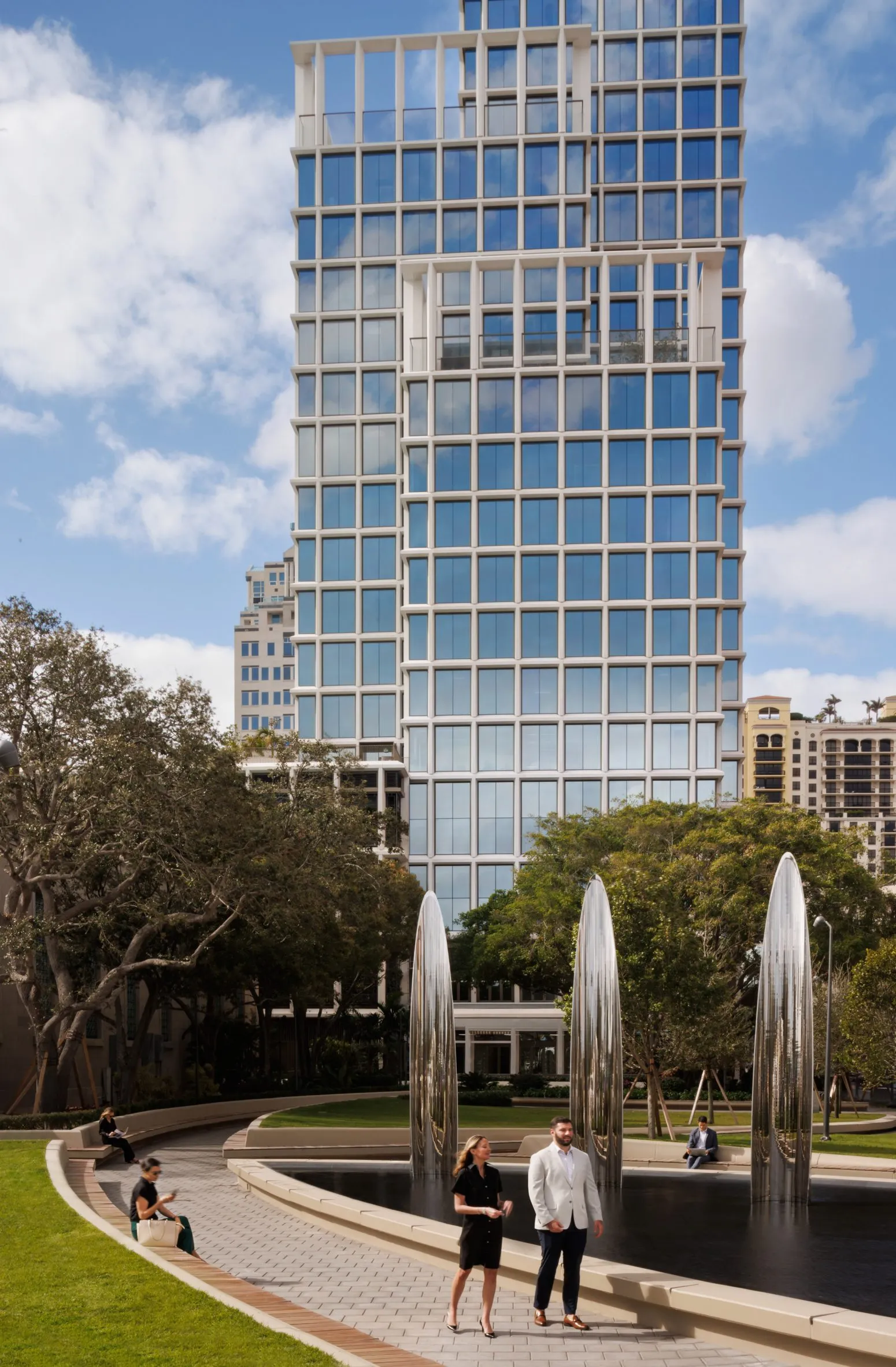
The structure culminates in a rise of LED lighting that punctuates the skyline at night. Public realm enhancements include an adjacent park centered on an existing banyan tree, bioswales for stormwater retention, and sculptural elements reflecting the church’s architectural heritage. One Flagler is LEED Gold certified, employing efficient mechanical systems and a dedicated outdoor air system calibrated to Florida’s climate.
8. China Merchants Bank Headquarters
Location: Shenzhen Bay Super Headquarters Base, Nanshan District, Shenzhen, Guangdong, China
Height: ~393 m (1,289 ft)
Floors: 77 above ground (+ 4 underground levels)
Architect: Foster + Partners (Design team) in collaboration with CCDI Group
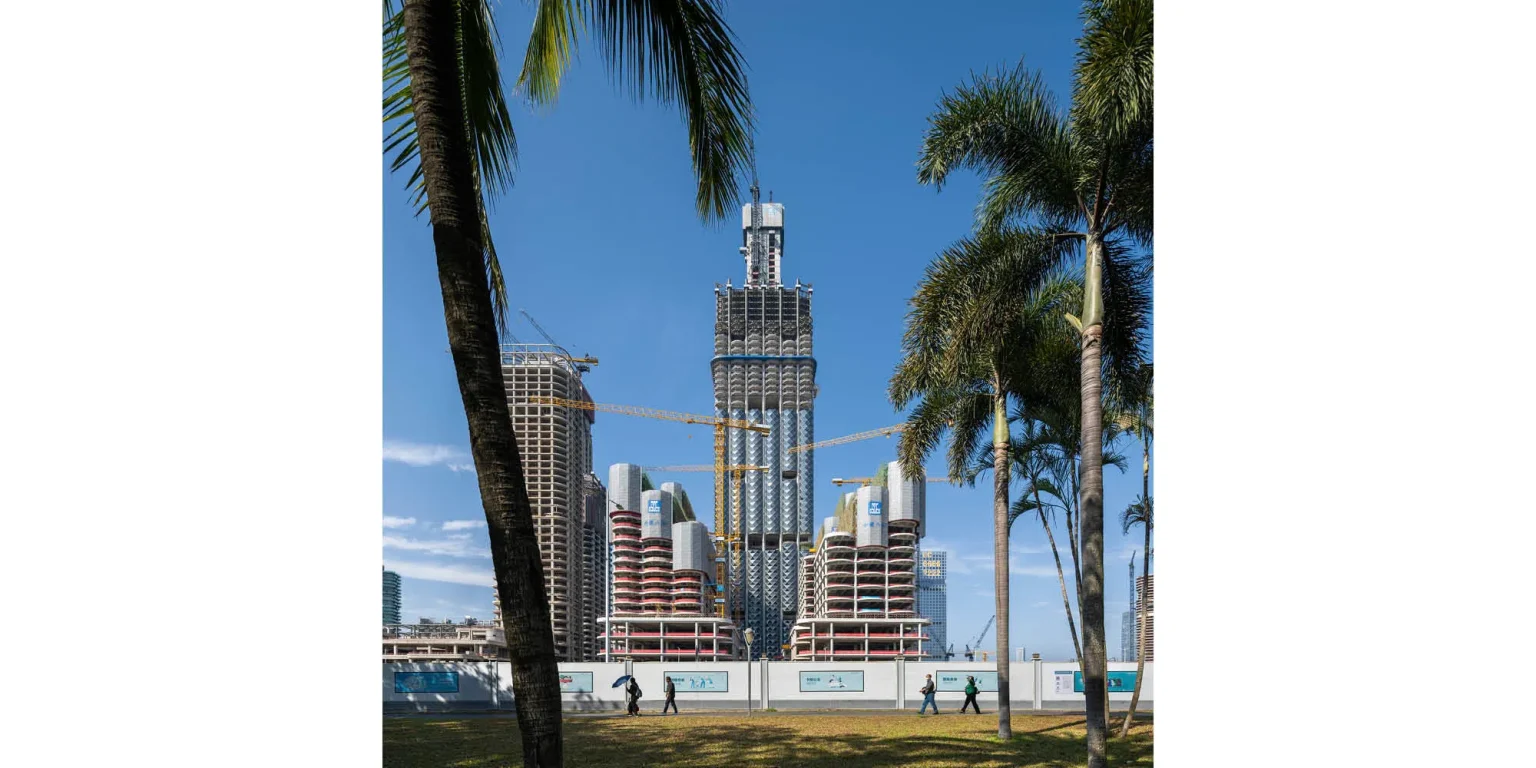
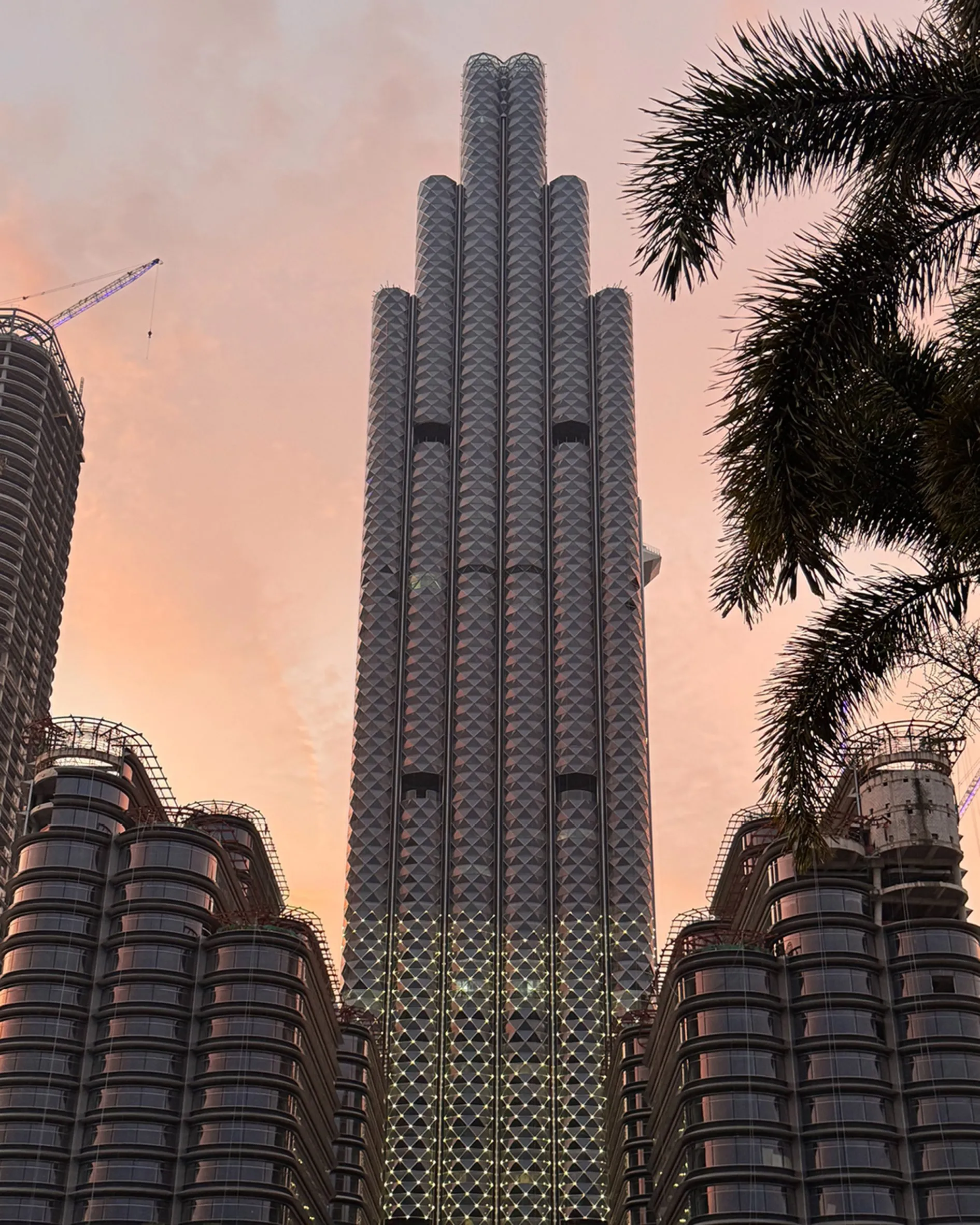
China Merchants Bank Headquarters is a mixed-use tower in the Shenzhen Bay Super Headquarters Base, Nanshan District, Shenzhen, Guangdong Province, China. The project anchors a larger development that includes retail, cultural facilities, offices, a hotel, a conference center, and new public plazas linked to a central urban park. Its design responds directly to panoramic views over Shenzhen Bay, with façades that shift character depending on orientation and sunlight. China Merchants Bank Headquarters has received an Award of Excellence for its facade from the Council on Tall Buildings and Urban Habitat (CTBUH).
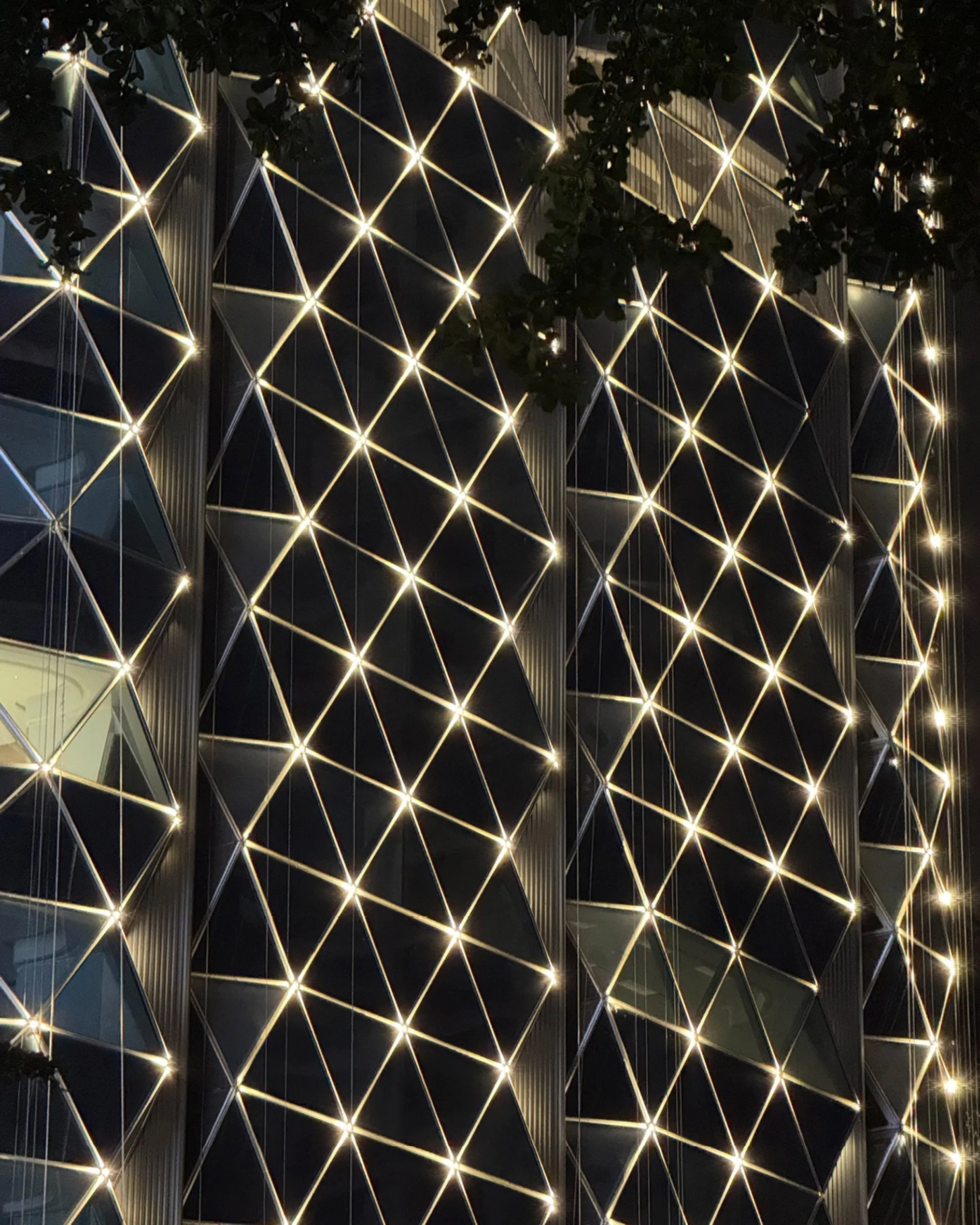
Unlike generic curtain walls, the south façade is articulated with a series of triangulated bay windows inspired by traditional Chinese paper folding. This geometry animates the façade and maximizes outward views toward the bay.
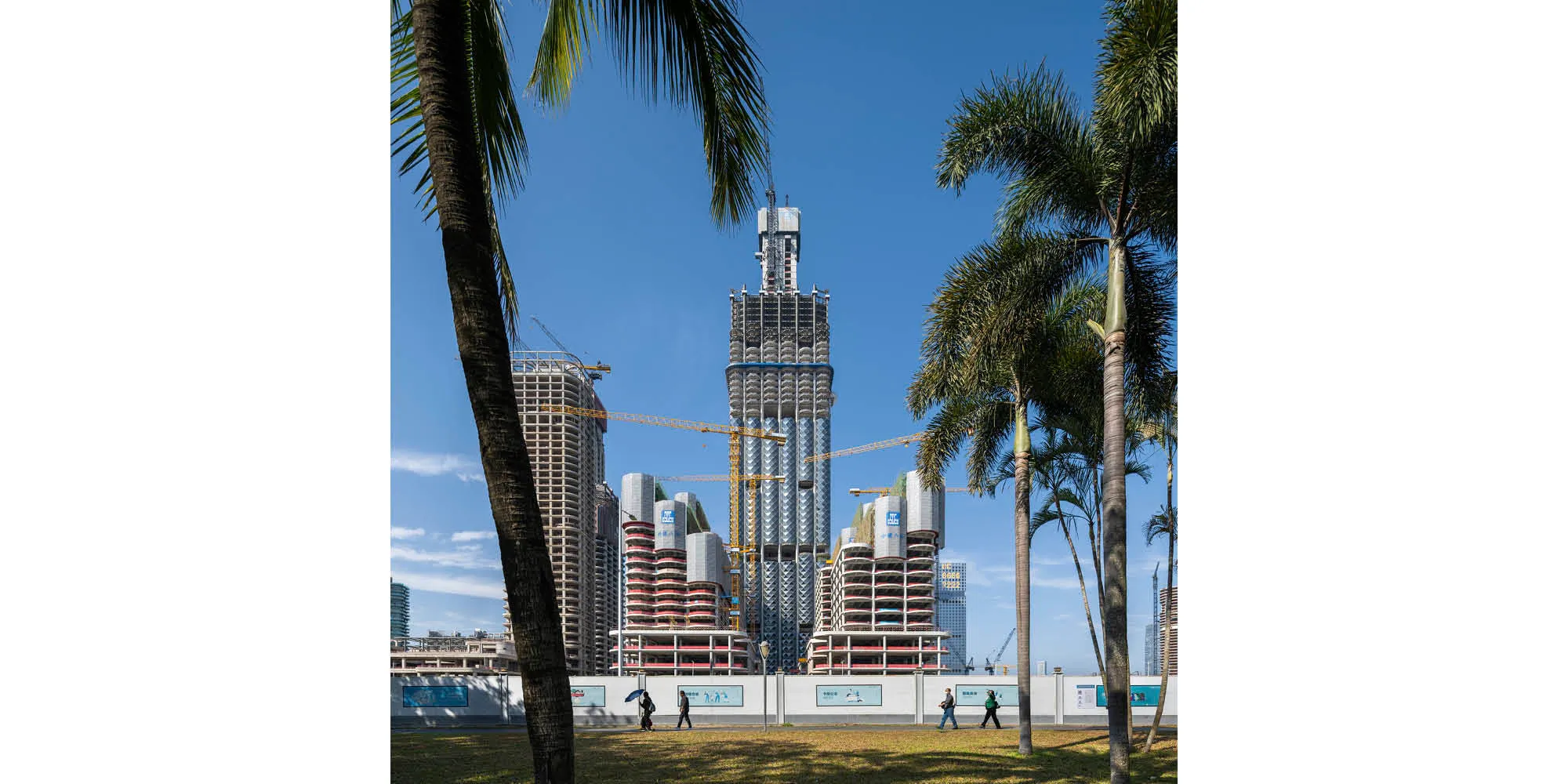
The north façade contrasts with a more rectilinear expression influenced by local rock formations. Internally, large floorplates connect to double-height atriums and landscaped terraces at regular intervals, and the off-center core layout with engineered column profiles enables natural ventilation on every level. The building’s glass and stainless-steel exterior was iteratively modeled to balance solar shading, daylighting, and thermal performance within Shenzhen’s subtropical climate.
9. Analemma Tower — A Skyscraper Suspended From Space
Location: Proposed over Dubai; would transit over major cities via orbit.
Height: Extends ~32,000 m below an asteroid anchor far beyond terrestrial skyscrapers.
Floors: Not defined by conventional floors; zoned by altitude (residential, commercial, research, leisure).
Architect: Clouds Architecture Office (Clouds AO)
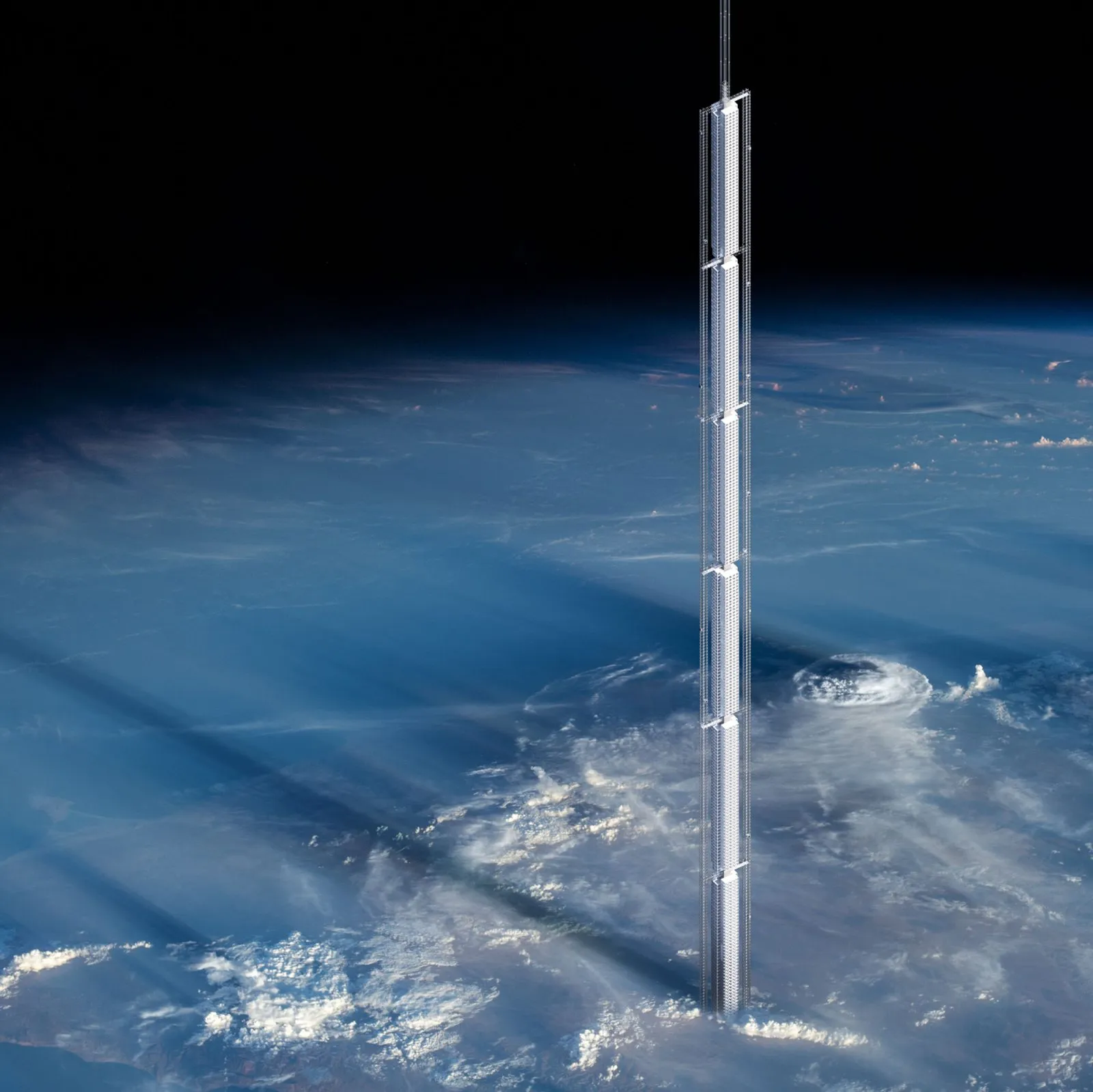
The Analemma Tower is a visionary architectural concept that pushes far beyond conventional skyscraper design. Instead of rising from a foundation on the ground, this theoretical structure hangs from space itself, anchored to an asteroid in geosynchronous orbit and tethered via ultra-strong cables. The design team suggests constructing the Analemma Tower over Dubai initially, leveraging the city’s experience and lower construction costs compared with other global hubs. Because the tower’s orbited anchor would follow a figure-eight path over Earth (called an analemma), it would pass over cities like Dubai, New York, Havana, and Panama City daily, though it would not be permanently fixed at a single ground location.
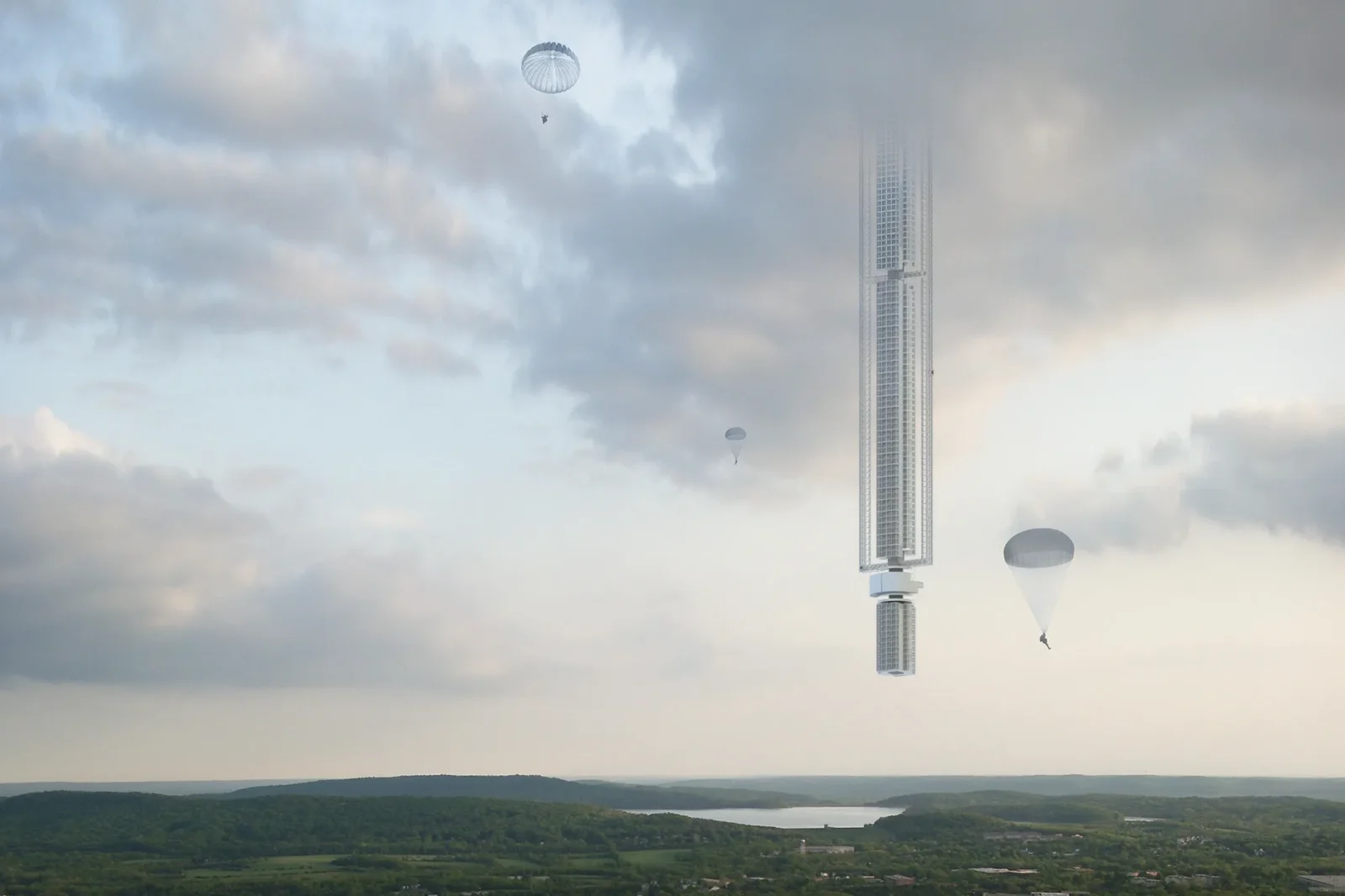
The tower is imagined to reach astonishing heights, hanging downward up to around 32,000 meters (32 km) above Earth’s surface, far surpassing any terrestrial building. The Analemma Tower was visualized by Clouds Architecture Office (Clouds AO), a New York–based interdisciplinary design firm known for speculative and boundary-pushing architectural ideas. The concept employs a Universal Orbital Support System (UOSS), a speculative high-strength rope system that replaces traditional foundations with a space-based anchor.
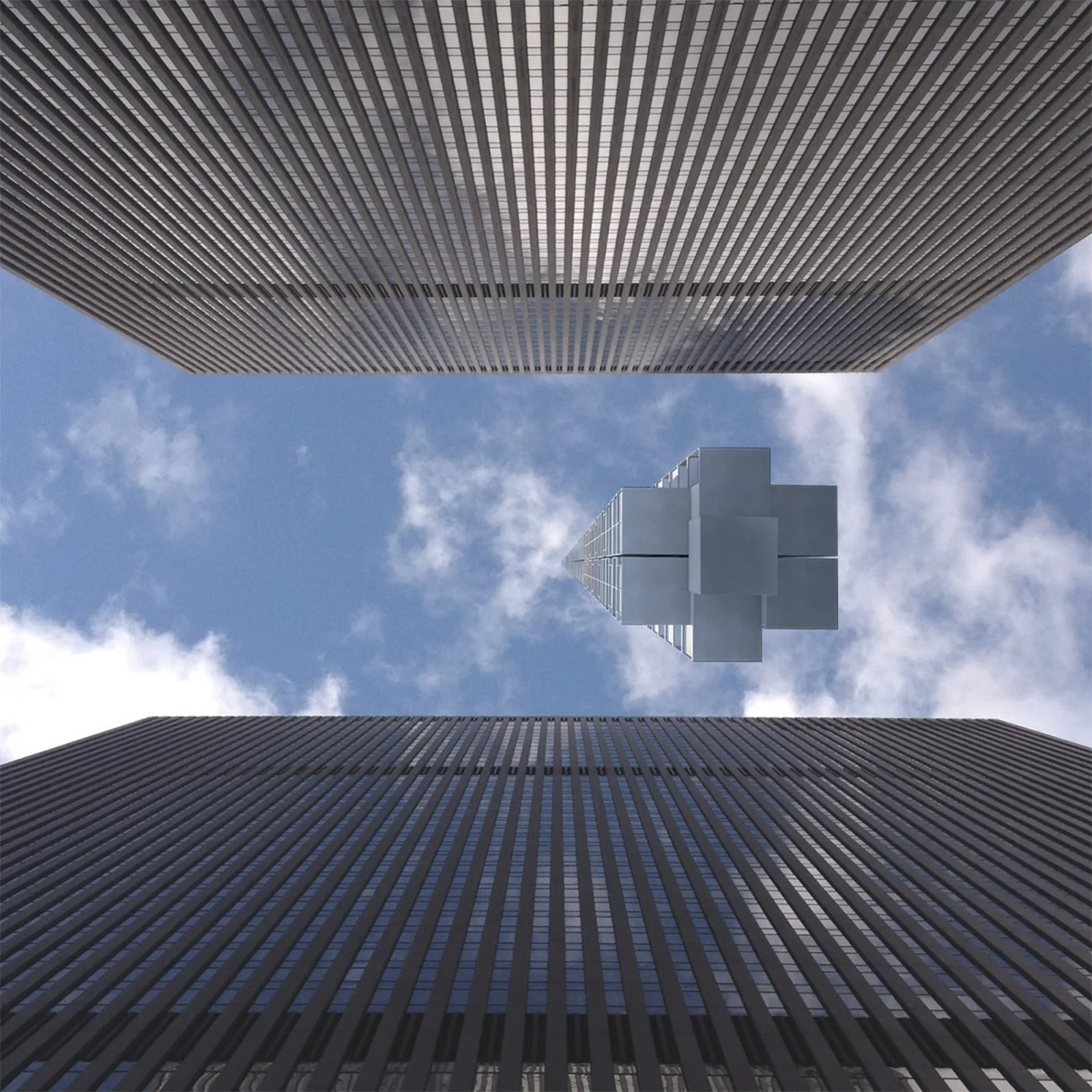
Analemma Tower is not under construction and remains a speculative architectural vision, not a funded or engineered project in progress. Its real-world feasibility depends on massive advances in materials science, orbital engineering (like asteroid capture and control), life-support systems, and space-grade infrastructure, none of which exist at the scale required today.
10. Lina Peak — A Vision in the Swiss Alps
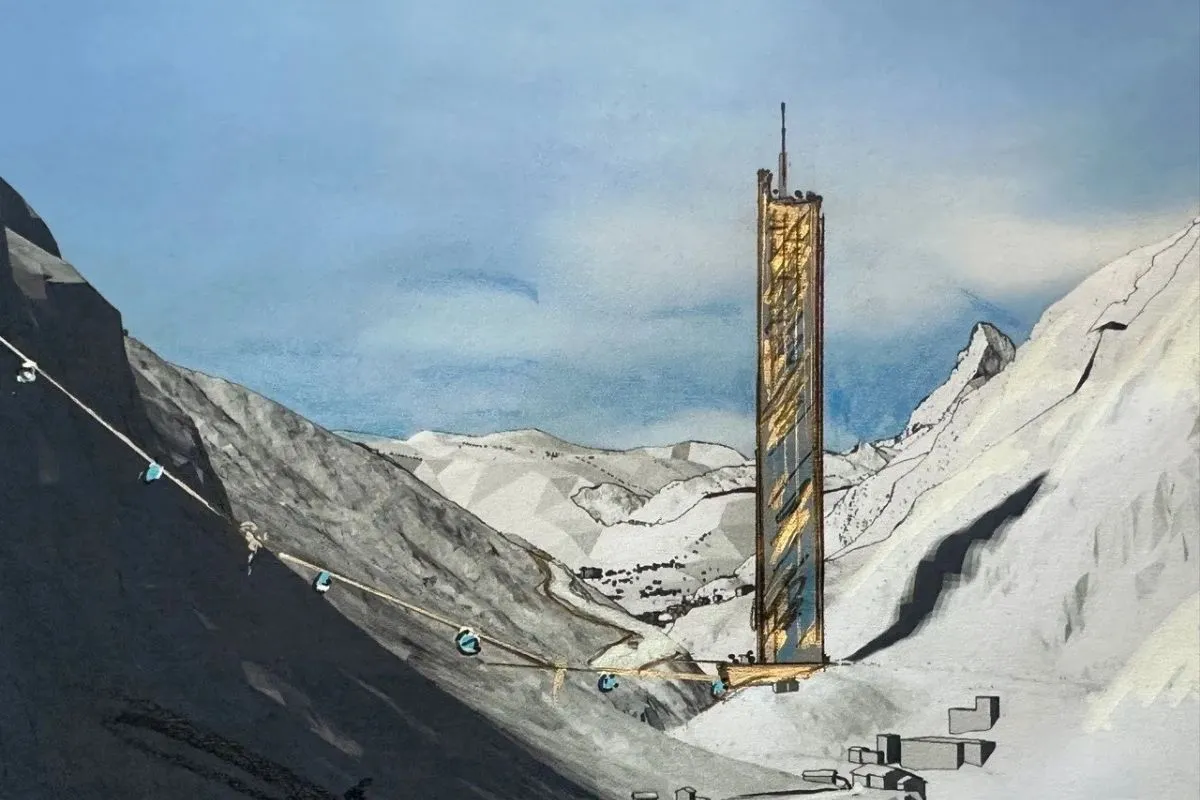
Location: Zermatt, Canton of Valais, Switzerland (near the Matterhorn)
Height: 260 m (≈853 ft)
Floors: 65
Architect: Heinz Julen
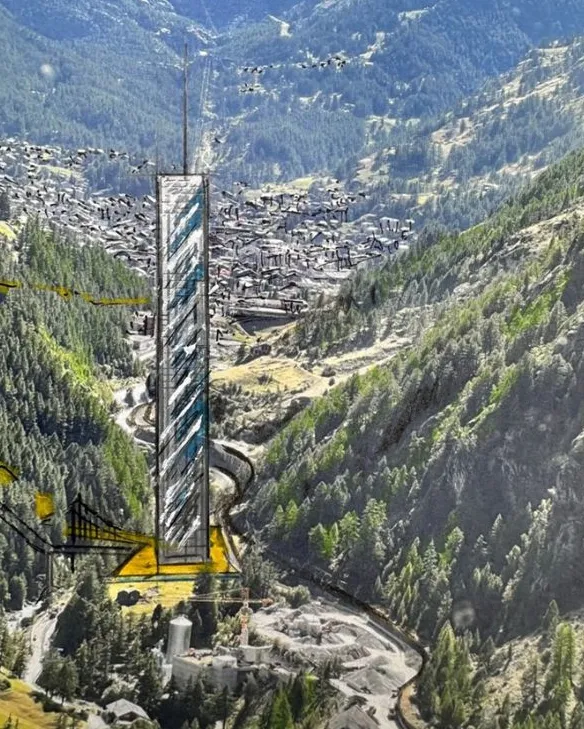
Lina Peak is a controversial skyscraper proposal for the mountain resort of Zermatt, Switzerland. Designed as a vertical village to address extreme housing shortages, the project would dramatically alter the Alpine skyline near the iconic Matterhorn. Located approximately 800 meters from the village center on farmland at an elevation of around 1,500 meters above sea level. Zermatt is a world-renowned Alpine resort in the Canton of Valais, internationally known for skiing and for its location below the 4,478-meter-tall Matterhorn. The project’s location places it within a highly sensitive and iconic mountain landscape, making it one of the most debated architectural proposals in the region.
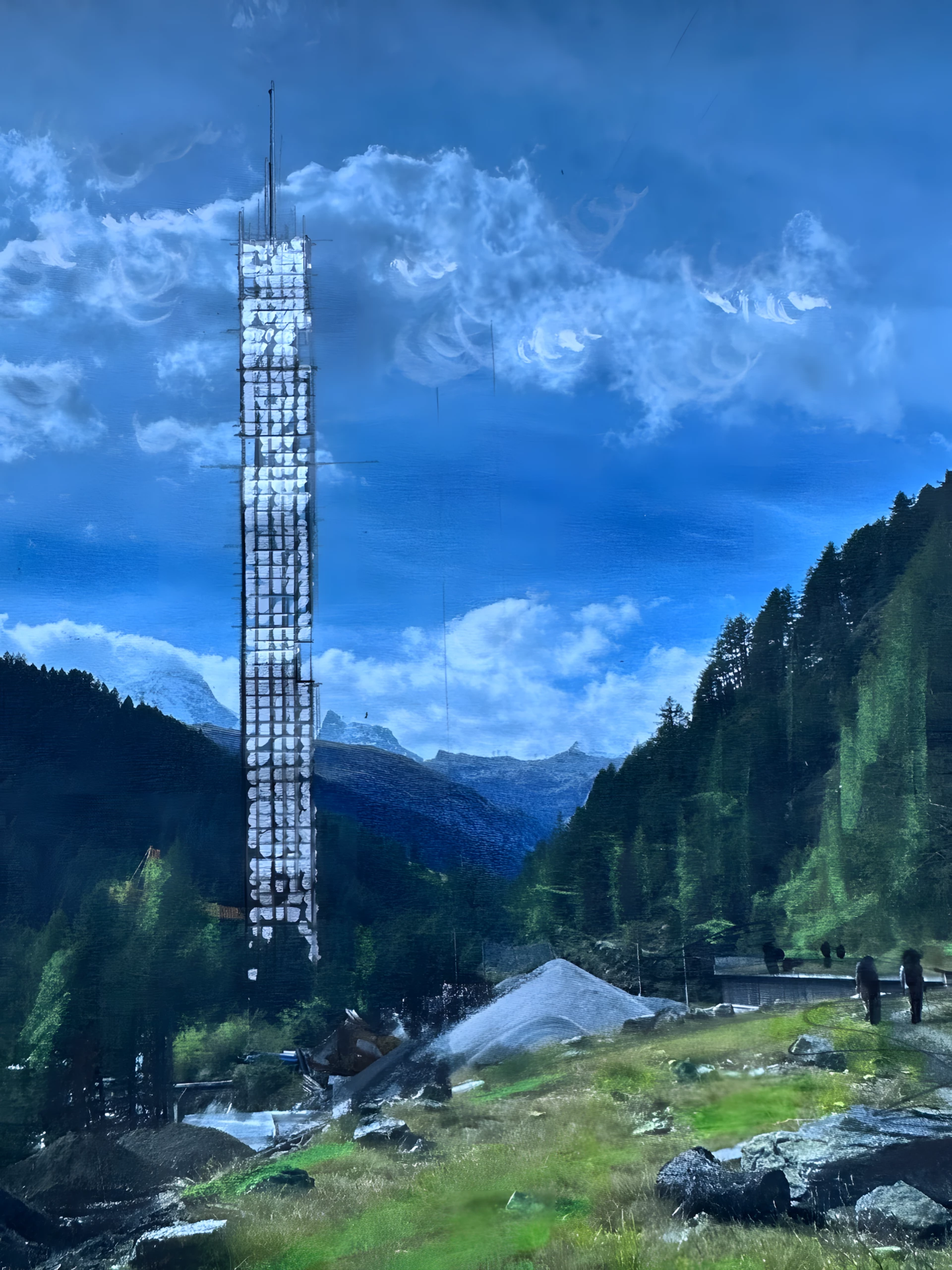
Rising to a height of 260 meters (approximately 853 feet), Lina Peak would, if realized, become the tallest building in Switzerland, far exceeding any existing structure in the country. Its sheer vertical scale is unprecedented in the Alpine context, deliberately contrasting with the low-rise fabric traditionally associated with mountain villages and resorts.

The tower is planned to comprise 65 floors, organized into distinct functional zones. Floors 2 to 32 are designated for affordable housing, primarily aimed at residents and seasonal workers who face severe accommodation shortages in Zermatt. Floors 33 to 62 would contain luxury apartments offering expansive panoramic views of the surrounding Alps, while the uppermost levels are envisioned as public and communal spaces, including observation terraces, gyms, and shared amenities.
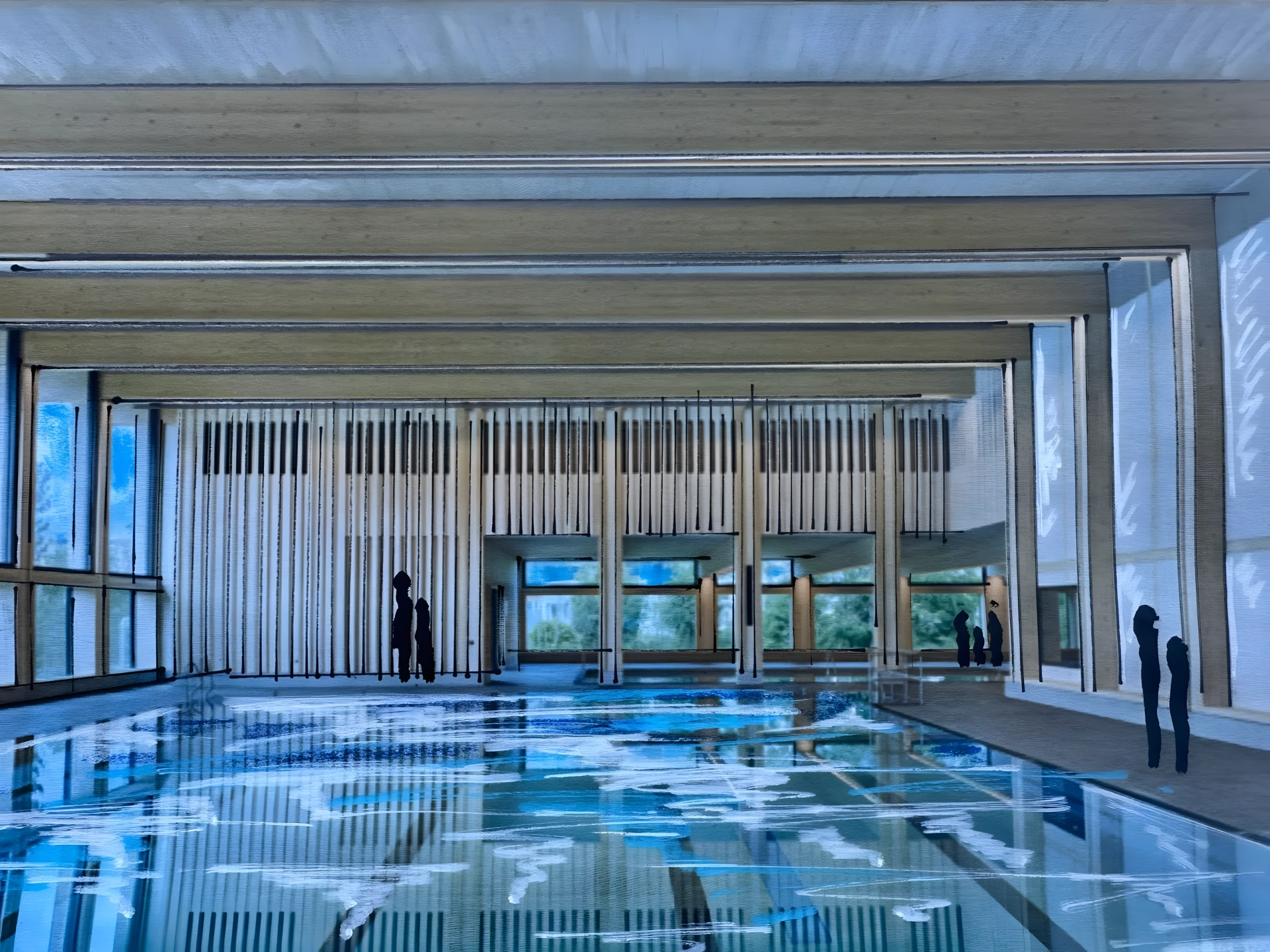
The project proposes a dense mix of public functions, including a 2,500-seat concert hall, shops, restaurants, a swimming pool, sports facilities, a nursery, and around 1,000 parking spaces, positioning Lina Peak as a vertical village rather than a purely residential tower. Designed by Heinz Julen, a Zermatt-based architect, hotelier, and designer, the project is intended as a response to the town’s housing crisis and limited land availability. However, it remains highly controversial, with critics warning that its scale could undermine Zermatt’s Alpine identity and natural landscape, making public approval and rezoning a decisive factor in its future.