




Walk past a building, and it’s gone in a moment; the light shifts, the shadow fades, and the detail escapes you. But through the lens, that same instant is held still. The Sony World Photography Awards 2025 reminds us how photography gives architecture a second life, one that lingers long after we’ve moved on.
The photographs capture how design feels. The camera doesn’t simply observe; it lets us experience architecture in ways we often miss.
These winning images highlight the dialogue between design and photography, showing how the camera not only records but also reinterprets space.
Winner of Sony World Photography Awards 2025—Xuecheng Liu (China Mainland)
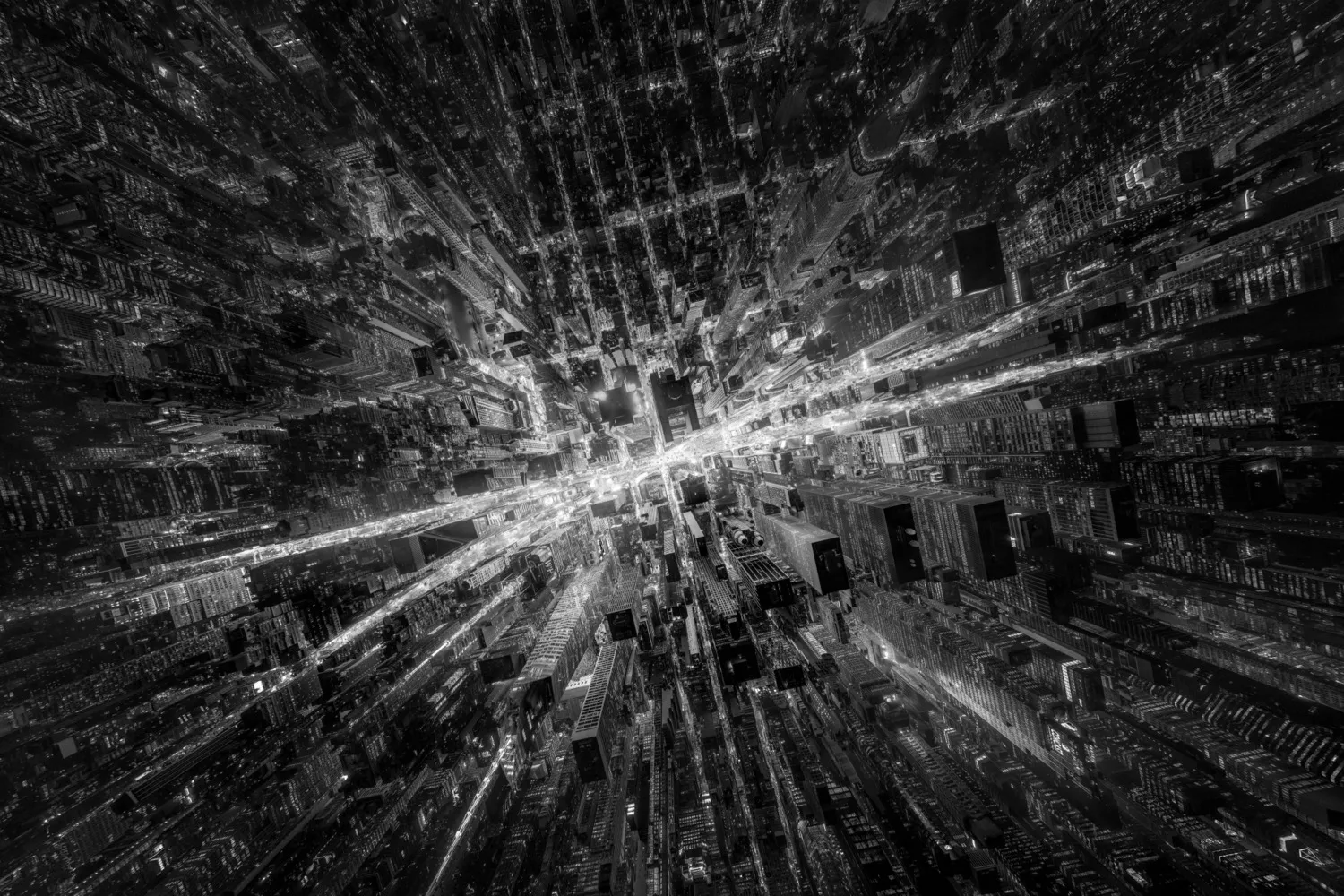
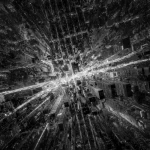
The winner of the Sony World Photography Awards 2025, Architecture category, was Xuecheng Liu (Mainland China). Centre of the Cosmos, a striking image of an ultra-wide aerial view of Times Square, New York City, rendered in 400 million pixels, exaggerates scale and perspective using a lens equivalent to 5 mm on a full-frame camera. The photograph resembles the dense urban core like a sprawling universe of light and concrete, symbolizing Times Square as the center of modern global cities.
Open Category Shortlisted winners
1. The Monster: Alessio D’Addato
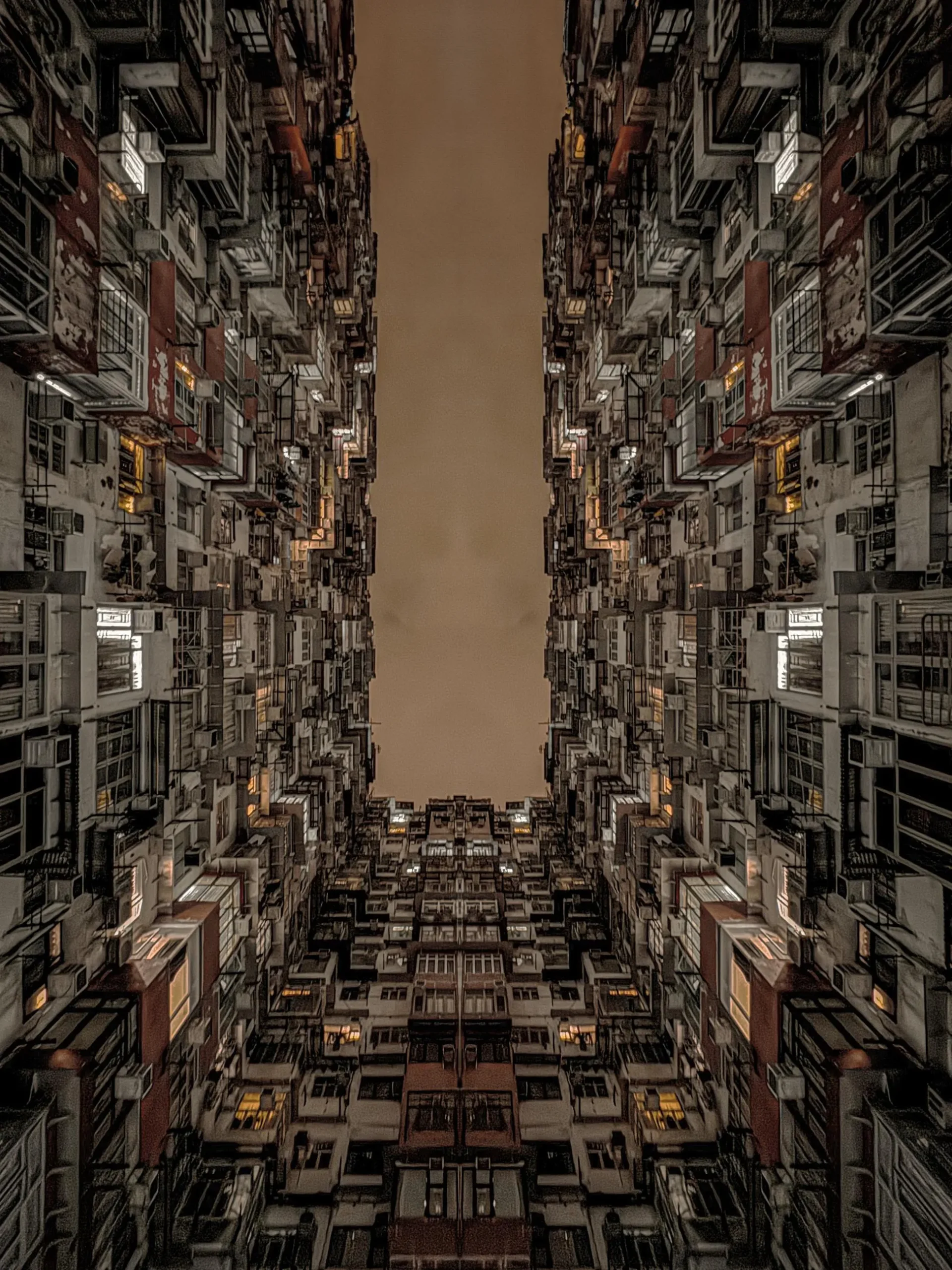
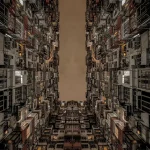
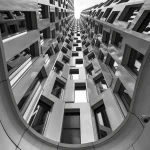
Located at Quarry Bay in the eastern district of Hong Kong Island, Monster Building, also known as Parker Estate, interconnects five residential high‑rises. In the image Night‑shot of The Monster Building, Hong Kong, Alessio D’Addato highlights the dense geometry that captivates with its repeating patterns, balconies, windows, corridors, and colors, all tightly packed and highlighting the complexity of the vertical urbanism.
2. Harnessing Power: Andrew Newman
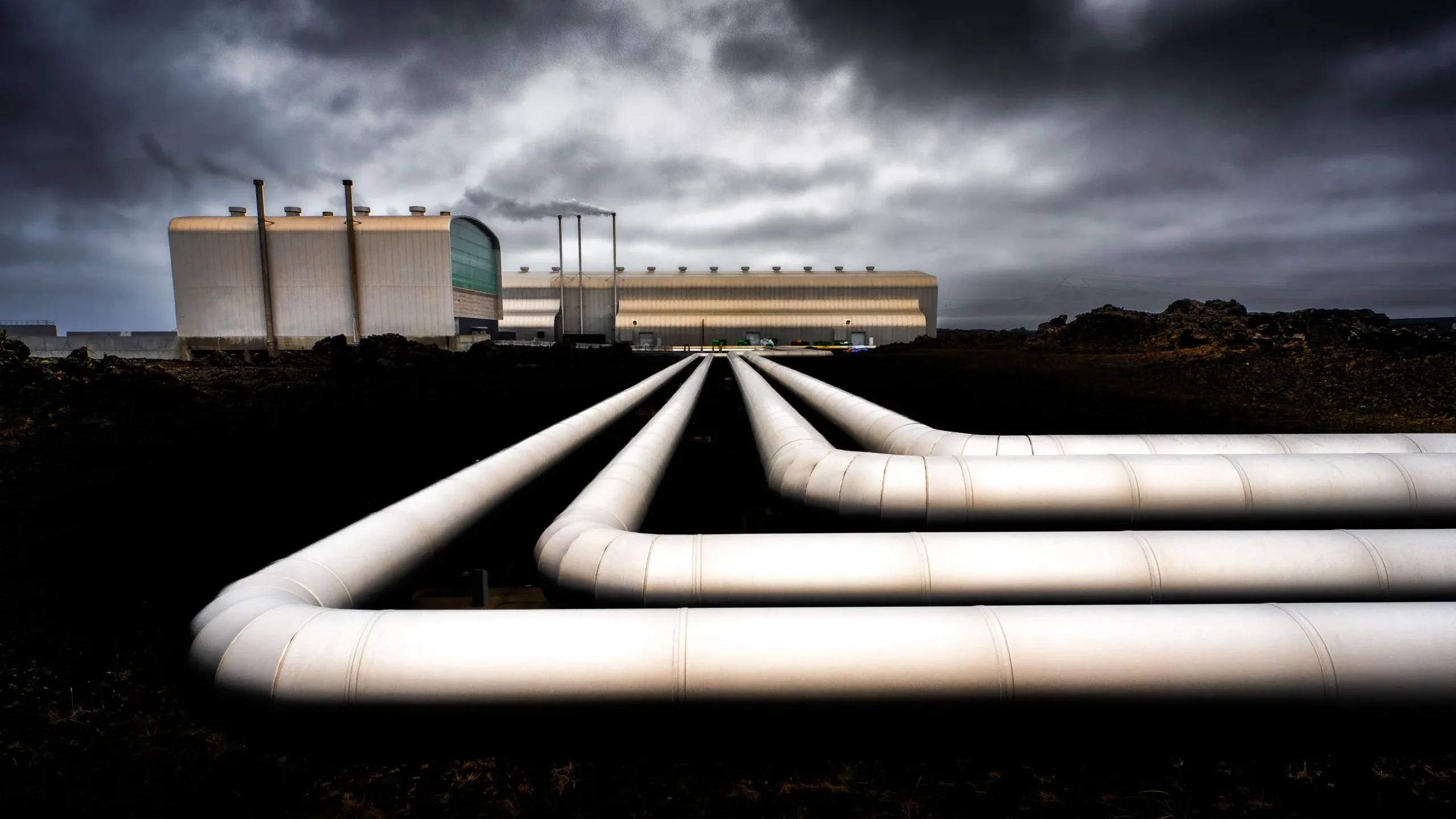
Andrew Newman, from the United Kingdom, captured a photograph that shows beauty in utility. The visual invites viewers to experience the industrial landscape tied to harnessing geothermal energy, emphasizing the industrial aesthetics embedded in shape, texture, and contrasting colors. The background industrial building and vast surroundings provide a sense of physical scale and geographic and ecological vastness.
3. Moon Cabin: David Eliud Gil Samaniego Maldonado
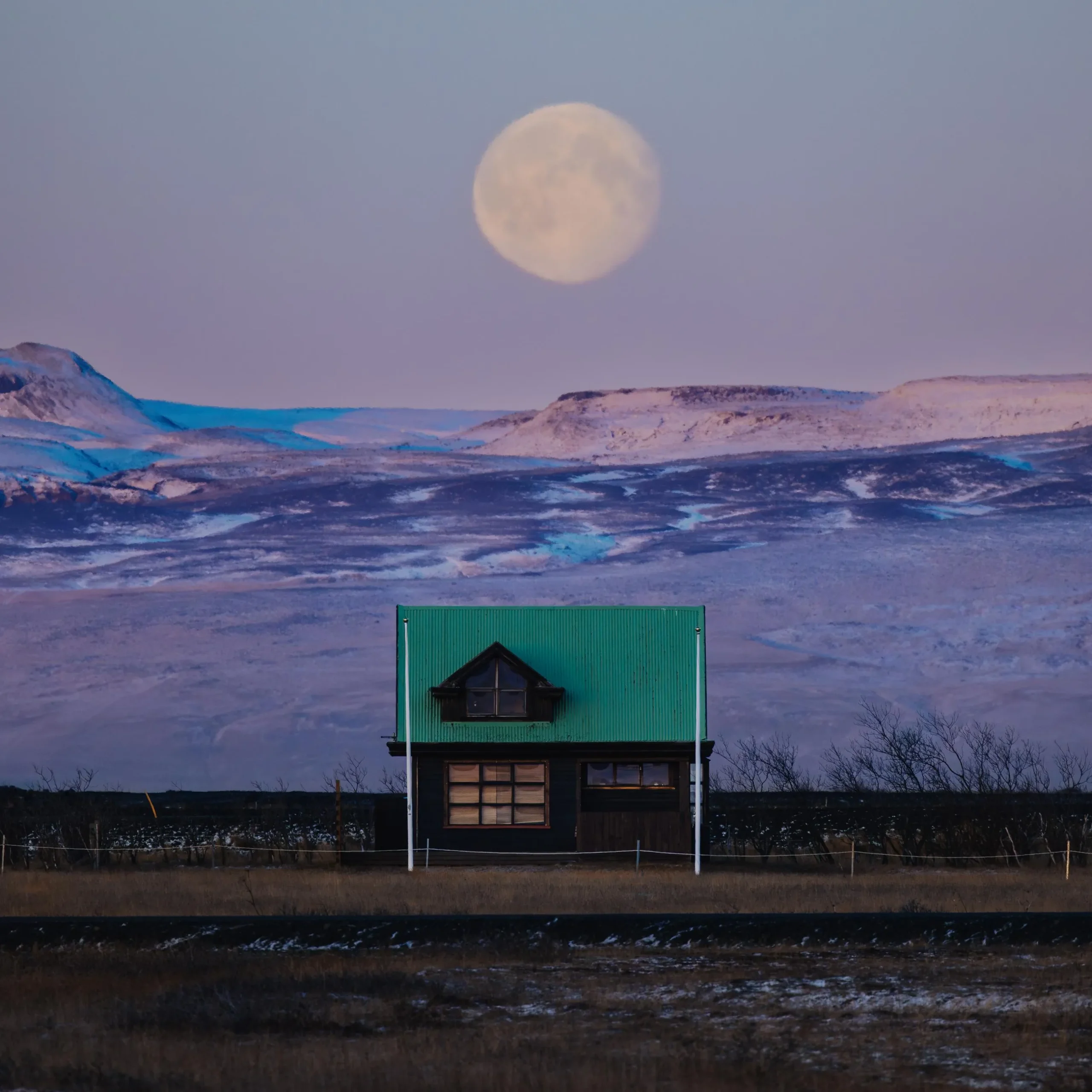
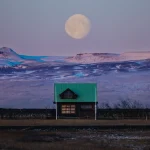
Captured by the photographer David Eliud Gil Samaniego Maldonado from Mexico, the image showcases the cabin in Iceland, taken with a 400 mm focal length lens. The minimalist composition evokes emotional resonance, combining an intimate cabin, a celestial body, and a moon at sunset, framing it precisely to hold a visual relation between dwelling and nature.
4. Zaandam House: Hans Wichmann
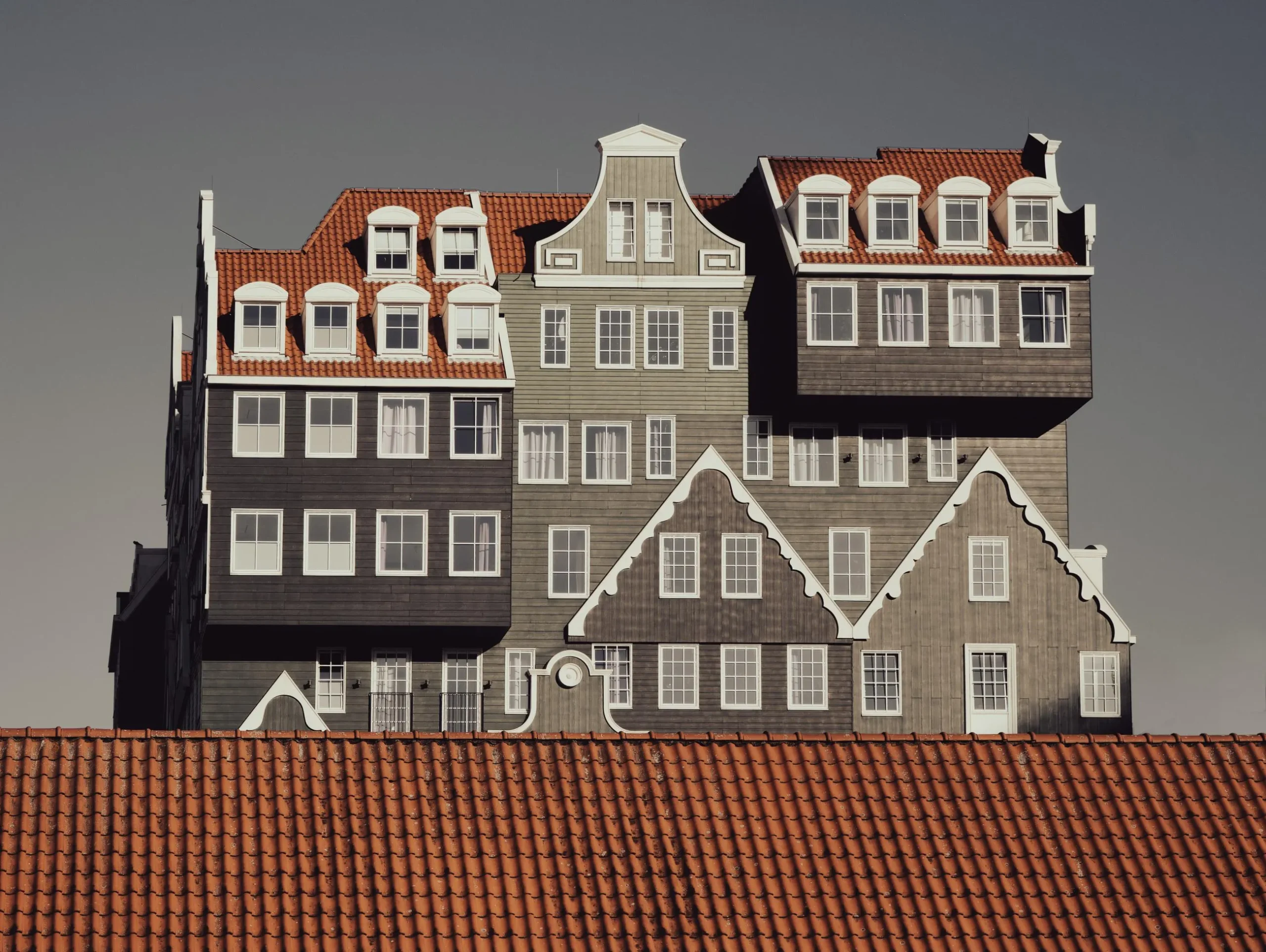
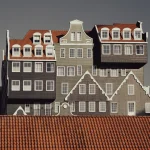
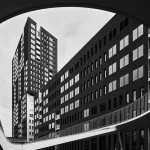
A 12-storey InnTel Hotel Zaandam was designed by Wilfried van Winden, WAM Architecten, with a dynamic facade composed of 70 stacked replicas of typical local houses responding to the region’s context. The building offers a contrasting layering of modern and traditional elements, such as repetition, rhythm, color contrast, texture, asymmetric rooflines, and shadows in a playful manner, captured by Hans Wichmann.
5. Urbanscape: Jason Smith
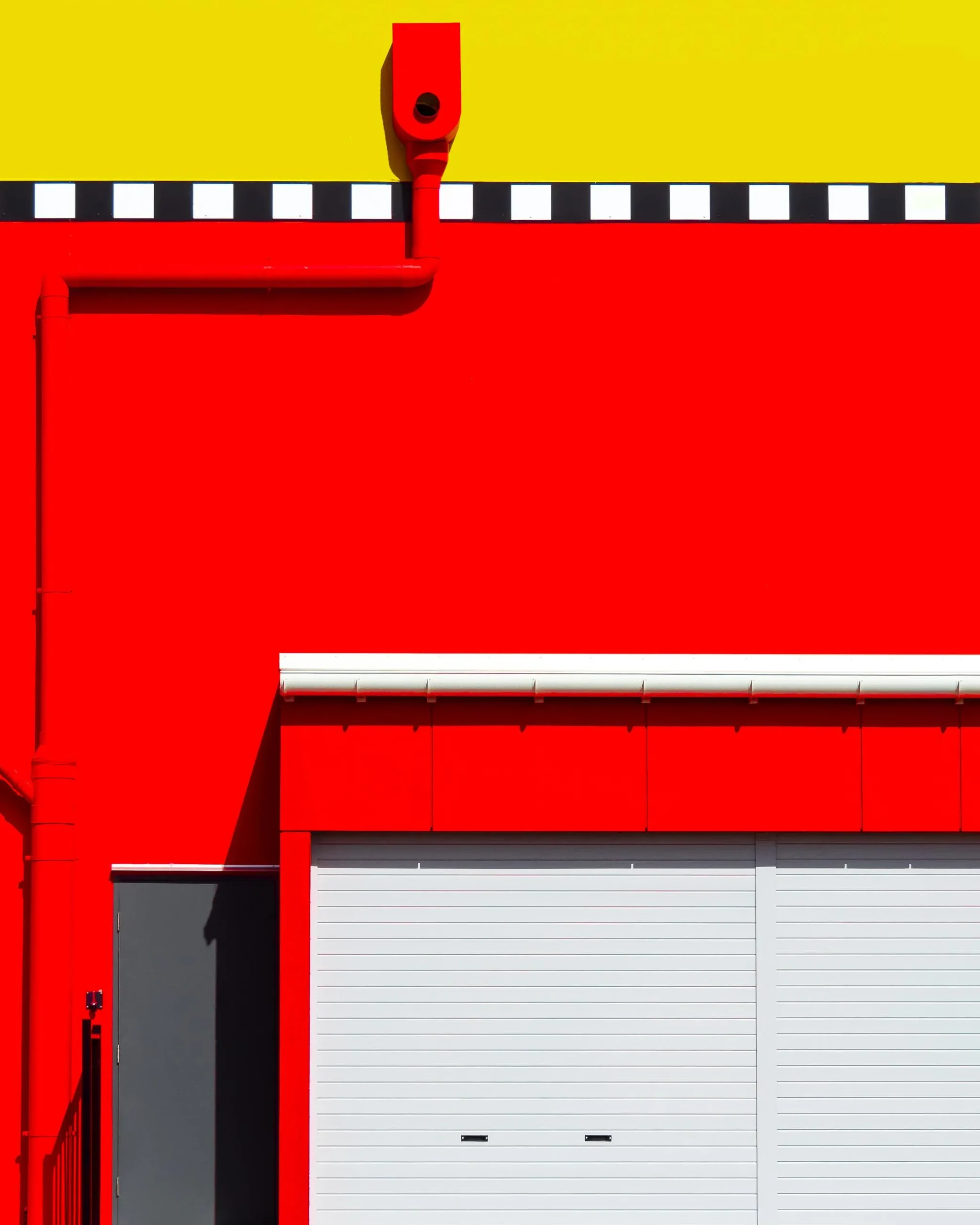
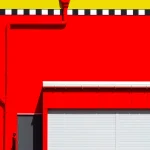
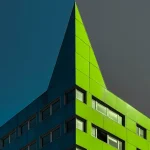
A prominent figure in the Australian art world, Jason Smith’s works transform mundane building facades and urban spaces into bold, vibrant, and minimal compositions. The image is a part of the Urbanscape, a photographic series representing the abstract exploration of colour and geometry within the banal industrial environment in Australia.
6. The Guard: Max van Son
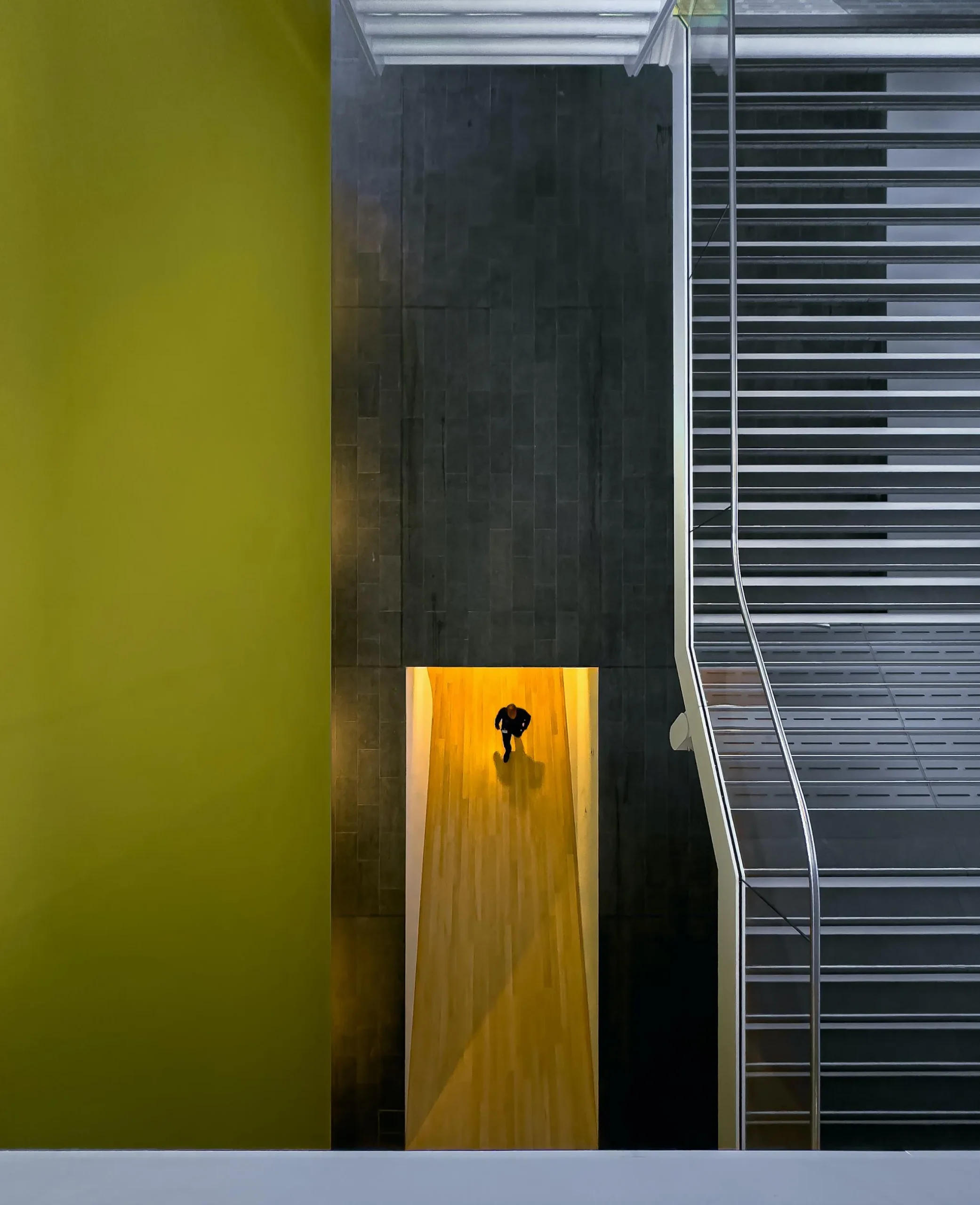
Photographed by Max van Son, The Guard is the entrance hall of the Stedelijk Museum, designed by Benthem Crouwel Architects in Amsterdam, that highlights the interplay of scale, light, and clear lines. Metaphorically, a guard as a human figure in a vast hall creates depth and gives reference to architectural geometry, creating a dramatic play of light and shadow.
7. The Antwerpen Port Authority: Michael Echteld
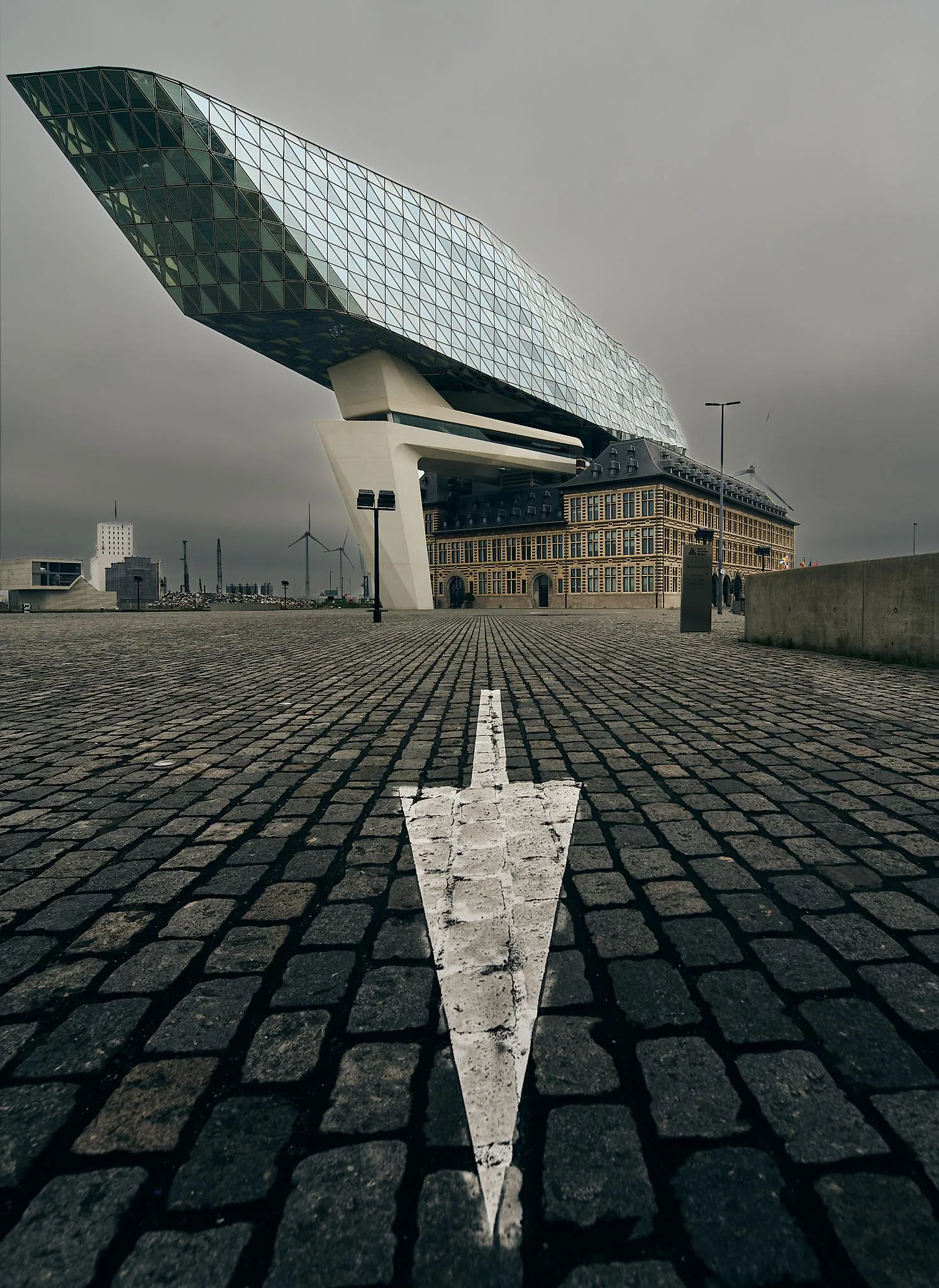
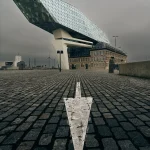
Michael Echteld, a Dutch photographer, focuses on patterns, textures, and perspectives, which make the Antwerp Port House a natural subject for his lens. Designed in neo-futuristic style by Zaha Hadid Architects, Michael Echteld seized intricate details and unique angles of the modern facade, which is a key element of the Port House’s design.
8. Sky Reloaded: Pati John
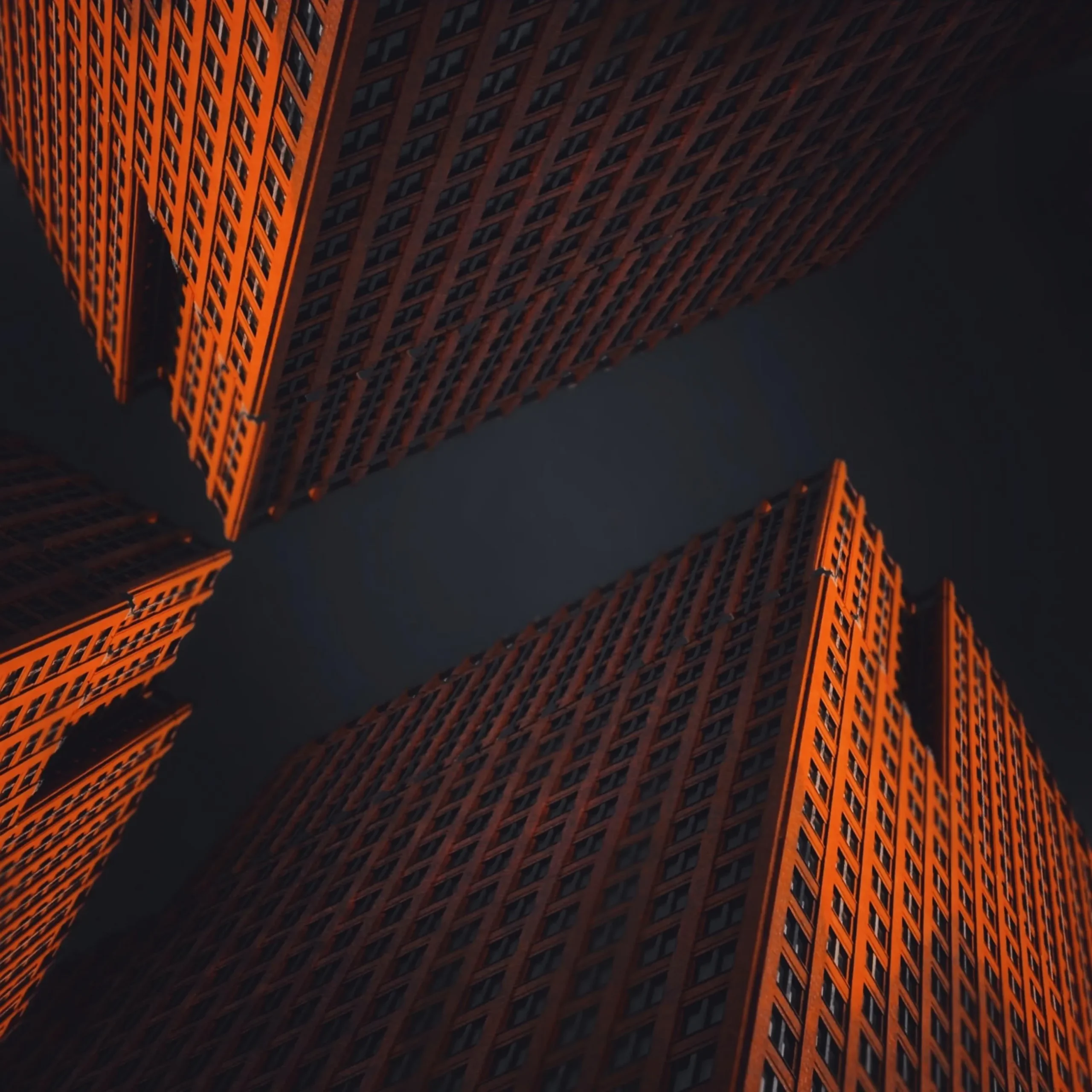
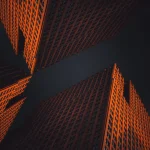
The Hague, an official capital of the Netherlands, reflects the national identity of government institutions in various forms and shapes. Pati John from the Netherlands frames the image in orange, the color of the Dutch royal family, and invites viewers to rethink architecture and governance as an allegory, emphasizing how ministries influence people’s daily lives in the Netherlands.
10. Waking at the Church: Radek Pohnán
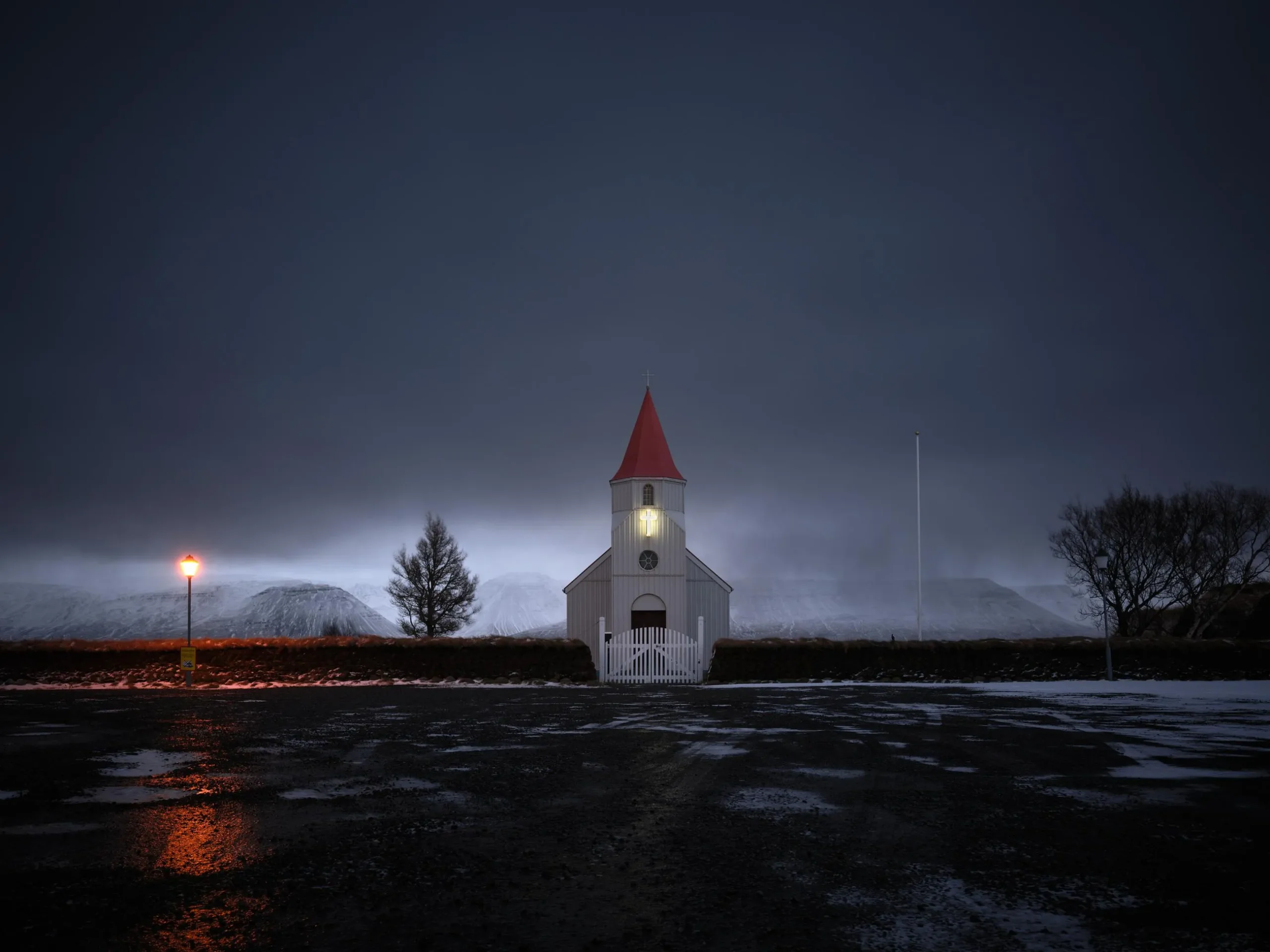
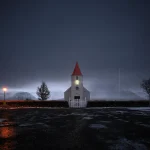
Radek Pohnán from the Czech Republic specializes in landscapes, portraits, and event and documentary photography. The church in the photograph at Lake Mývatn showcases simple, classic Icelandic architecture, which stands in contrast to the striking volcanic landscape of the region.
11. Colourful Doors: Thibault Drutel
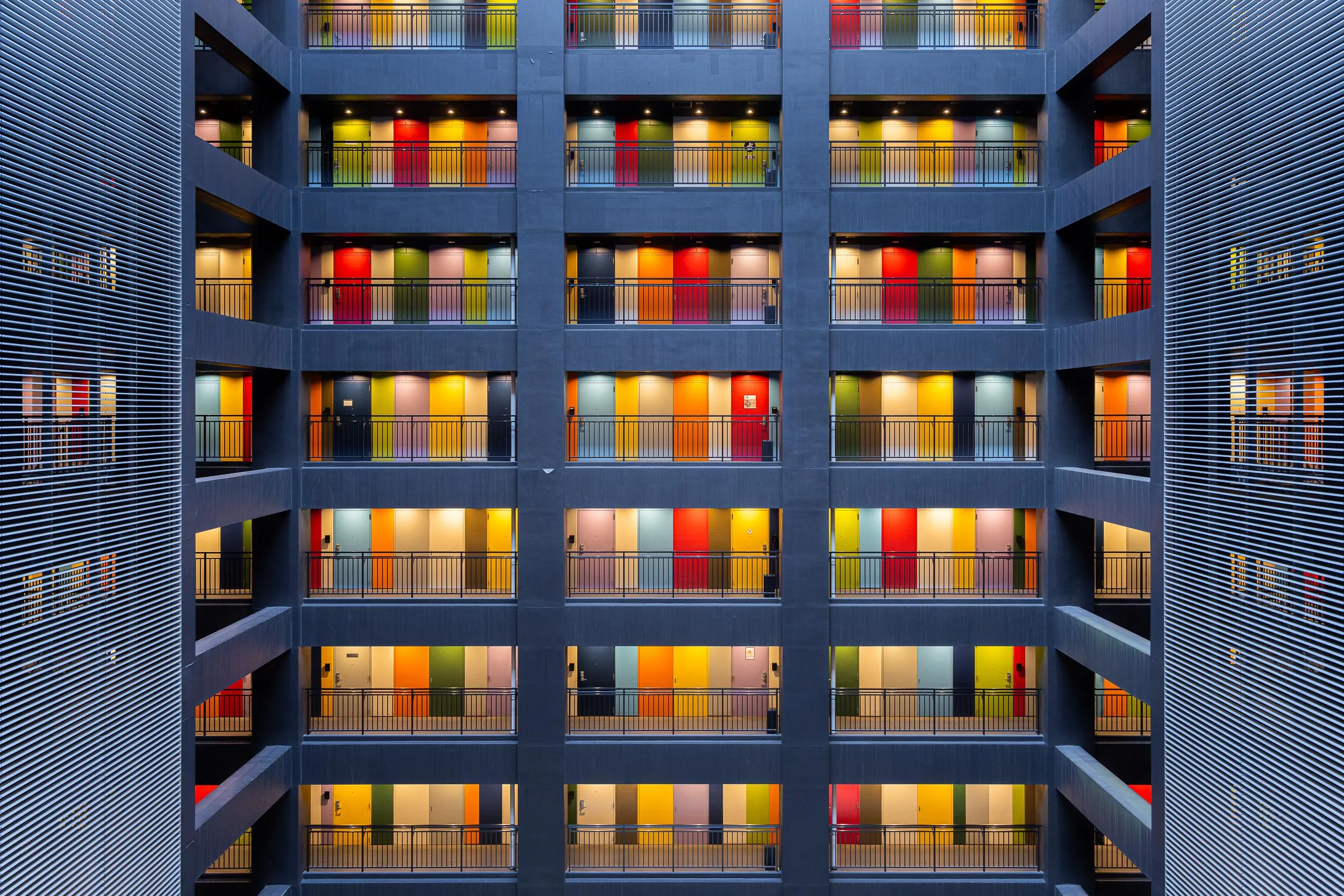
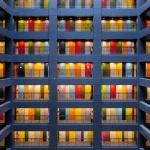
A minimalist approach blending urban exploration and geometric forms, Thibault Drutel’s work is a classic example of how photography can transform a seemingly ordinary architectural space into a work of abstract art. Colorful doors demonstrate an intricate architectural detail for geometry and vibrant colors in a clear and minimal composition.
12. Monochrome Majesty: Robert Fülöp
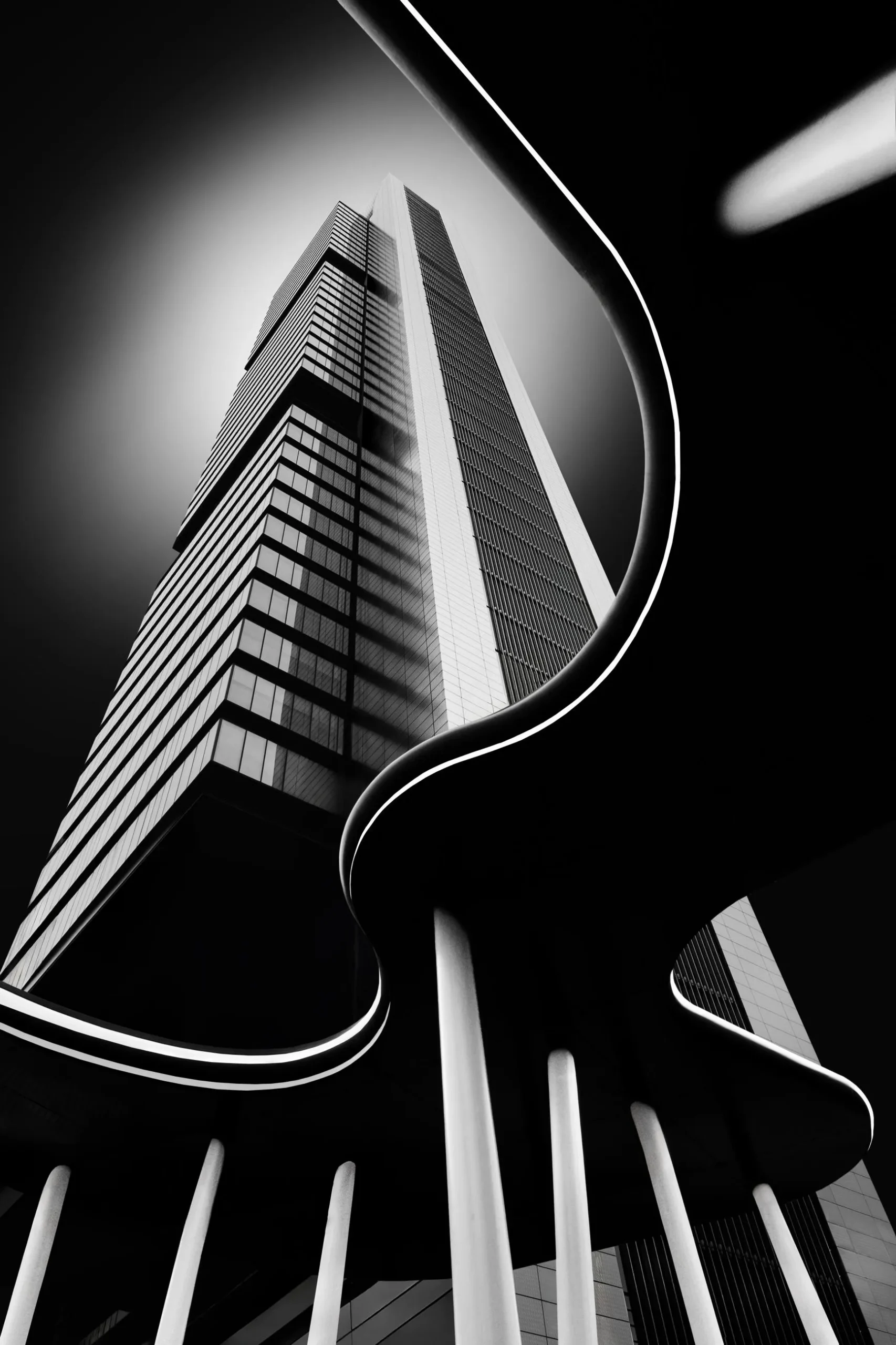
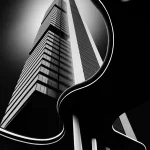
Robert Fülöp captured the Madrid main contemporary business district, Cuatro Torres (Four Towers), a modern, sleek, and one of the tallest skyscrapers in Spain, which highlights the minimalism of rigid geometry and clean surfaces and offers strong visual symmetry. This title, Monochrome, tends to strip away distractions of color, letting viewers focus on form, texture, structure, and lines.
13. Public Library: Ute‑Christa Scherhag
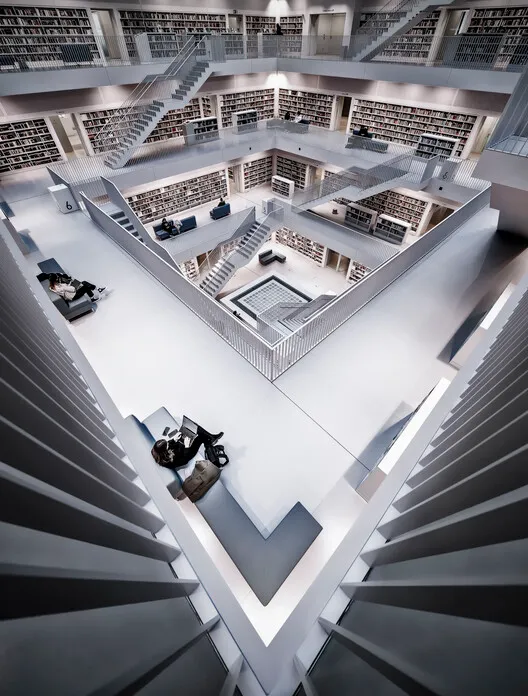
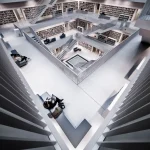
A striking minimalistic structure of the Stuttgart City Library, Germany, designed by South Korean architect Eun Young Yi, features a large cube of pale grey exposed concrete and frosted glass blocks. The modern structure of the library was captured by Ute‑Christa Scherhag, which feels quite closed, calm, and uniform.
2025 Sony Photo Awards Celebrate Stunning Architecture
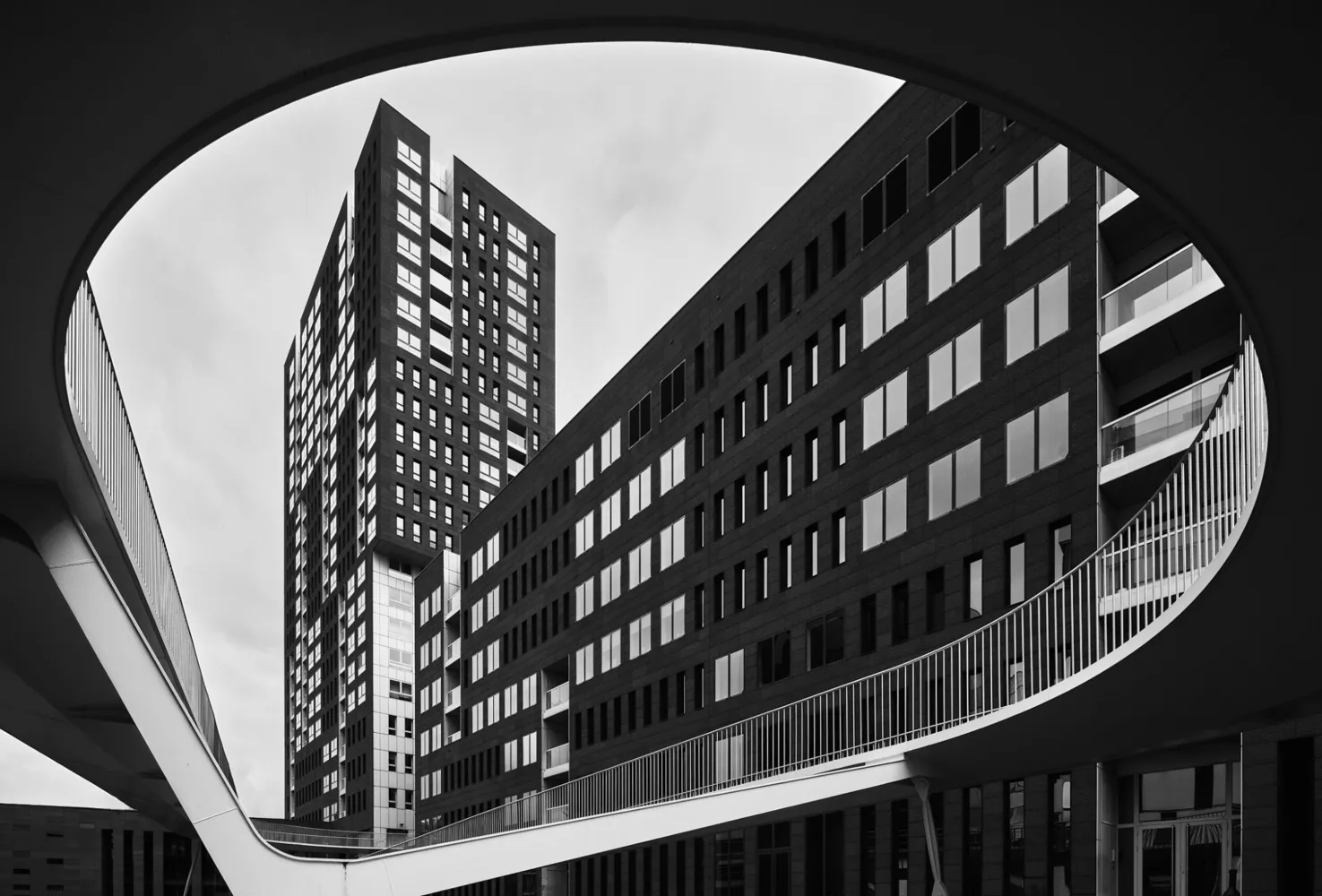
Every year, the Sony World Photography Awards gives us a glimpse of the world captured by talented photographers and translated into their language behind the lens. In its 2025 edition, the award featured stunning images that explore space, symmetry, emotion, and human impact through architecture. Over 419,000 images were submitted from more than 200 countries and territories across all categories, illustrating cultural identity, diversity, elemental details, geometric forms, and colors to evoke mood or monumental scale from urban cities to remote nature-adjacent places.