


When fans talk about the NFL, the conversation usually starts with the players, the coaches, and the rivalries. But anyone who’s been to a game knows the stadium itself can be just as memorable. They’re landmarks where memories are made, from bitter cold playoff games to Super Bowl showdowns.
Here’s a closer look at 10 NFL stadiums:
1. MetLife Stadium – Largest NFL Stadium (East Rutherford, New Jersey)
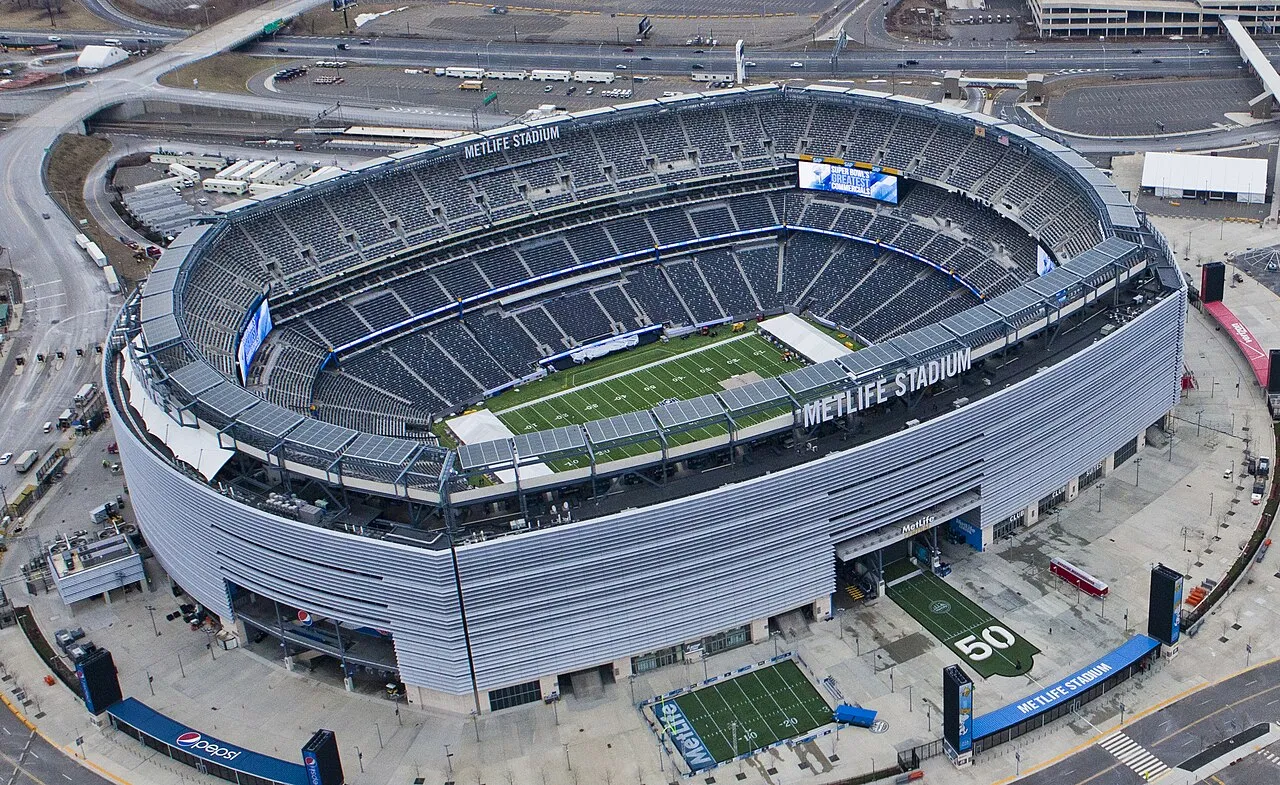
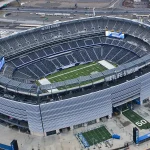
With a seating capacity of 82,500, MetLife Stadium claims the crown as the largest in the NFL. Opening in 2010 at a cost of approximately $1.6 billion, it replaced the iconic Giants Stadium and was, at the time, the most expensive U.S. stadium ever built.
Shared by the Giants and Jets, the venue exudes a bold, multipurpose functionality. Its architectural touches, four massive video screens, a 360° ribbon board, and sweeping concourses create both visual drama and efficient circulation. There’s a sense of scale here that’s overwhelming; whether hosting Super Bowl XLVIII or a FIFA World Cup final, MetLife conveys versatility with an edge.
2. Lambeau Field (Green Bay, Wisconsin)
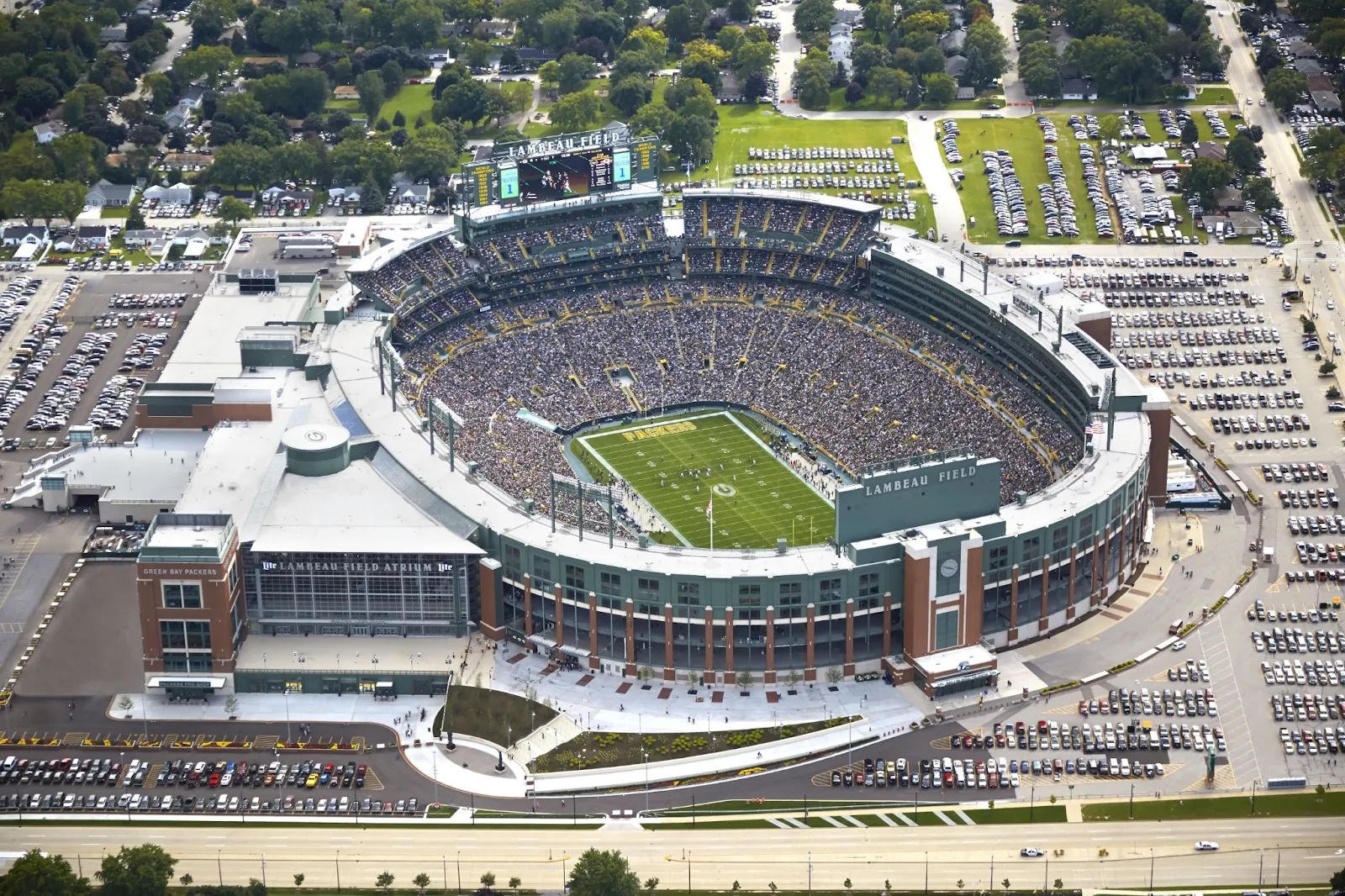
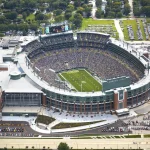
Known affectionately as “the Frozen Tundra,” Lambeau Field seats 81,441 and stands as a beloved relic of NFL history. Since opening in 1957, it has witnessed iconic games, the Ice Bowl chief among them, and retains the nostalgia of mid-century American design. The bowl’s classic, steep-seated structure keeps fans intimately close to the field, and every element from its brick façade to its lampposts echoes tradition.
3. AT&T Stadium – Home of the Dallas Cowboys (Arlington, Texas)
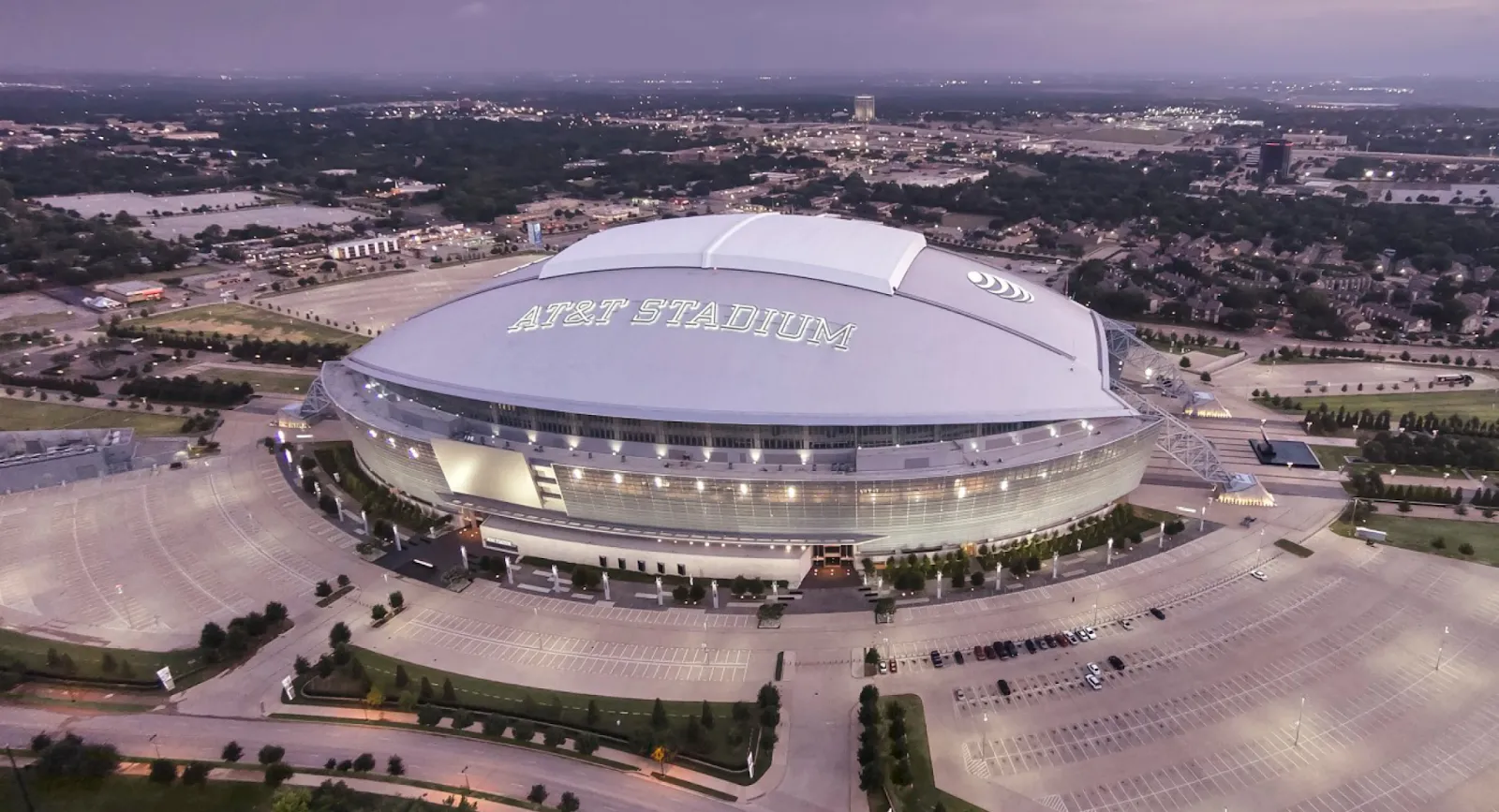
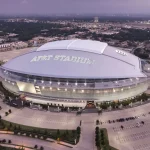
AT&T Stadium’s audacious showpiece seats 80,000, expandable well beyond for big events, and features one of the largest high-def video boards on the planet. Nicknamed “Jerry World” after Cowboys owner Jerry Jones, it set the benchmark for 21st-century stadium design, open yet enclosed, spectacular yet strangely intimate. Its cavernous interior, with soaring rooflines and extravagant visual displays, feels both futuristic and theatrical.
4. Arrowhead Stadium – Loudest NFL Stadium (Kansas City, Missouri)
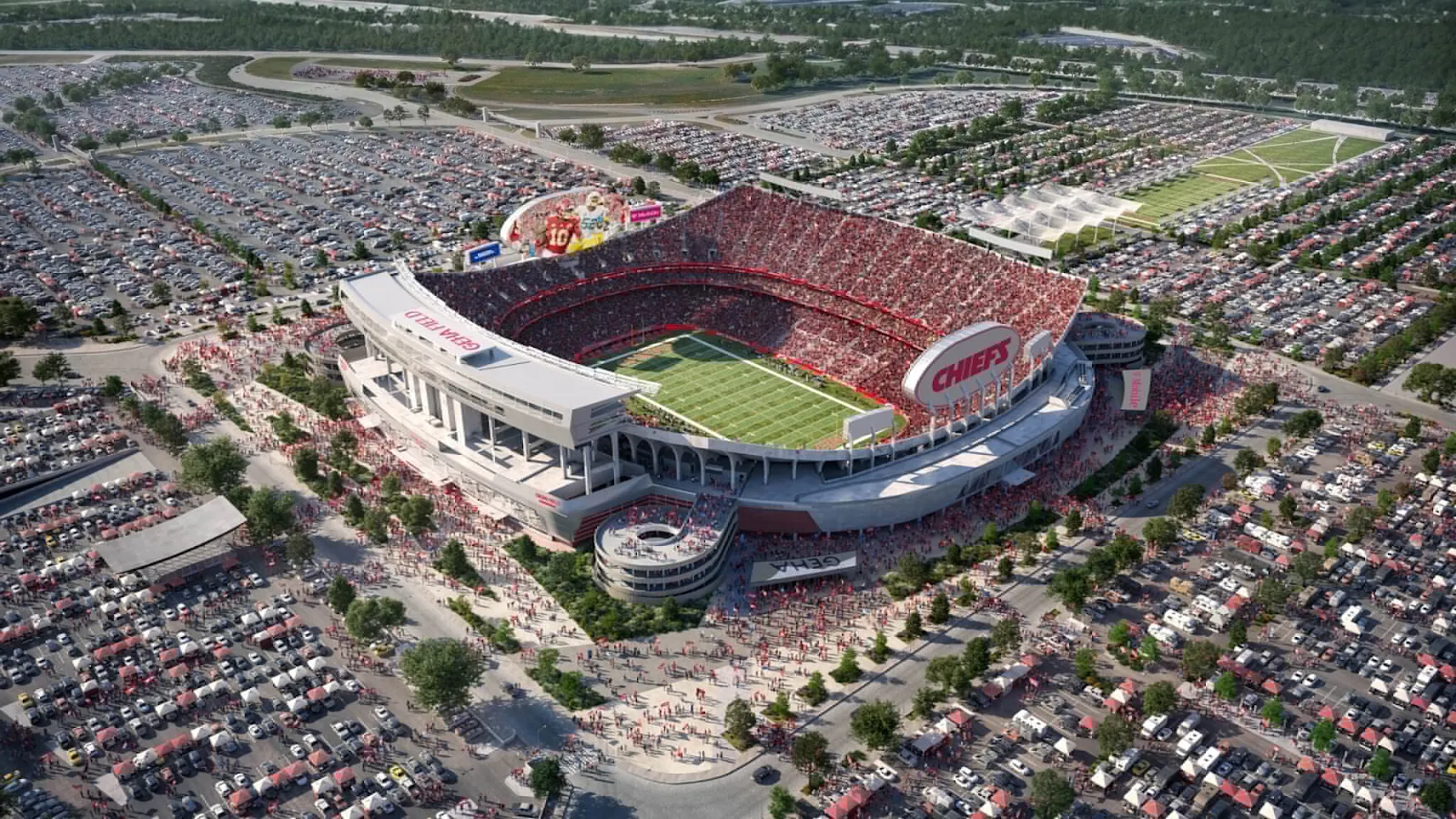
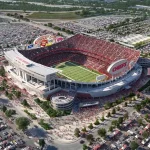
Arrowhead Stadium has been the fortress of the Kansas City Chiefs since its opening in 1972, and its reputation stretches far beyond the Midwest. With a seating capacity of 76,416, it is one of the largest stadiums in the NFL. The design is a classic open-air bowl, engineered to amplify sound, a feature that has made it famous for record-breaking crowd noise.
Originally built for about $43 million, it later underwent a $375 million renovation between 2007 and 2010, which refreshed its facilities without diluting its raw character. For fans and architects alike, Arrowhead is less about sleek spectacle and more about visceral energy, a place where architecture and atmosphere collide.
5. Empower Field at Mile High – Denver, Colorado

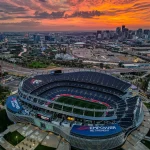
Perched a mile above sea level, Denver’s Empower Field at Mile High is an experience shaped by altitude. Opened in 2001 to replace the old Mile High Stadium, it cost roughly $400.7 million to construct. With a capacity of 76,125, the bowl design offers sharp sightlines and modern amenities while also capturing the rugged essence of Colorado’s landscape. The thinner air not only tests athletes but also enhances the acoustics, making crowd roars sharper and more enduring.
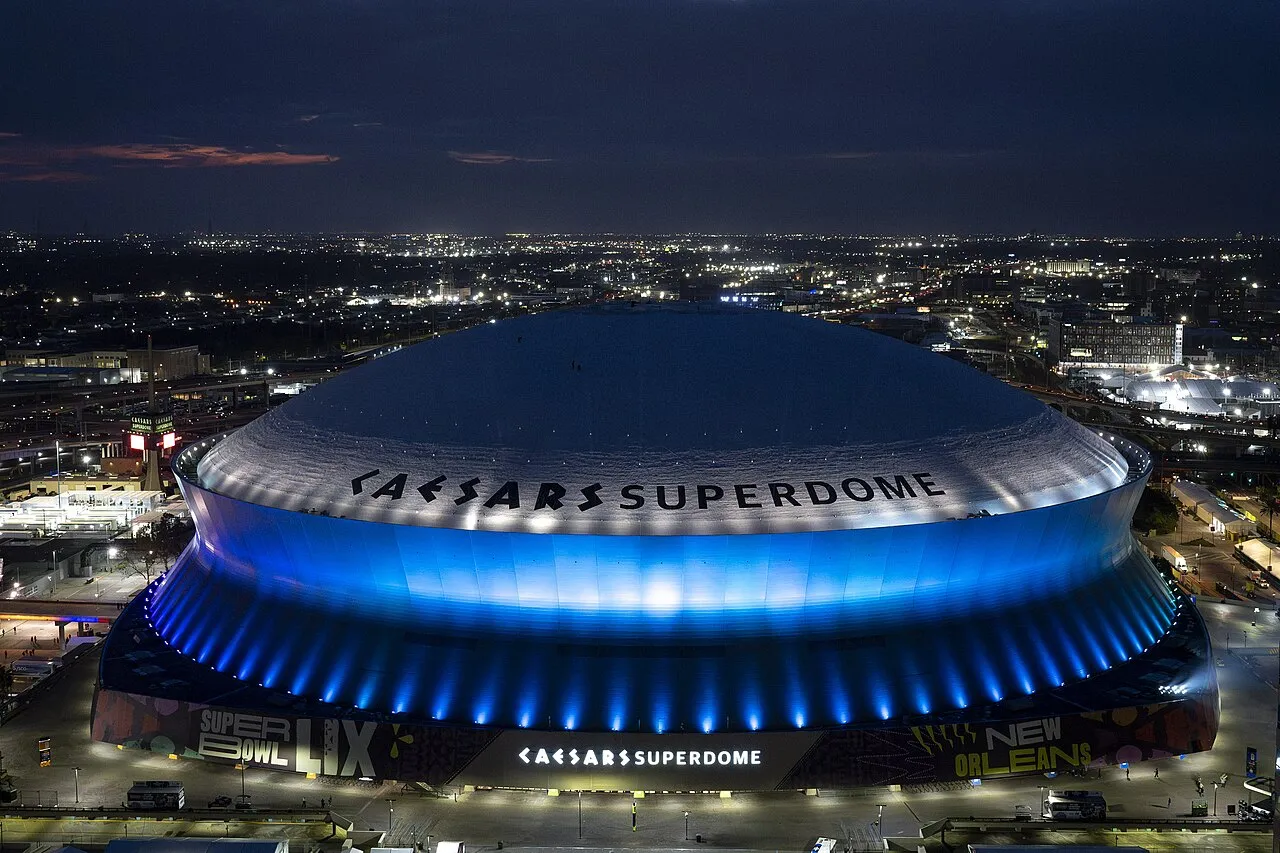
6. Caesars Superdome – New Orleans, Louisiana
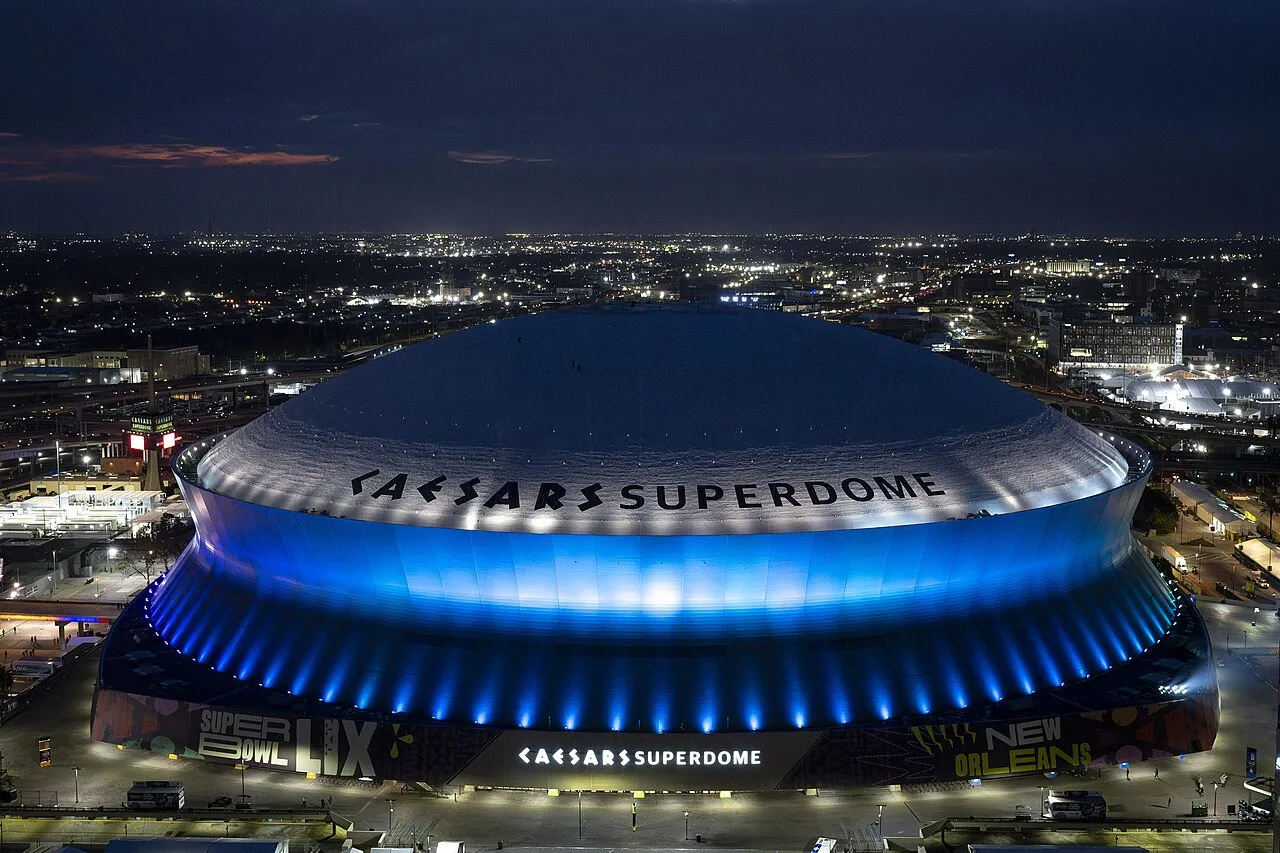
When the Superdome opened its doors in 1975, it redefined what an American stadium could be. Today, under its new name, Caesars Superdome, it remains one of the NFL’s most recognizable landmarks. Seating about 73,208 for football and expandable to more than 76,000, it stands as both an engineering marvel and a cultural symbol.
The dome structure, vast and continuous, makes it a unique sight in the New Orleans skyline. Beyond football, its history tells a deeper story, from hosting Super Bowls and college championships to sheltering residents during Hurricane Katrina. Recent investments have modernized the interior, yet the sweeping roofline still embodies resilience and civic pride.
7. NRG Stadium – Houston, Texas
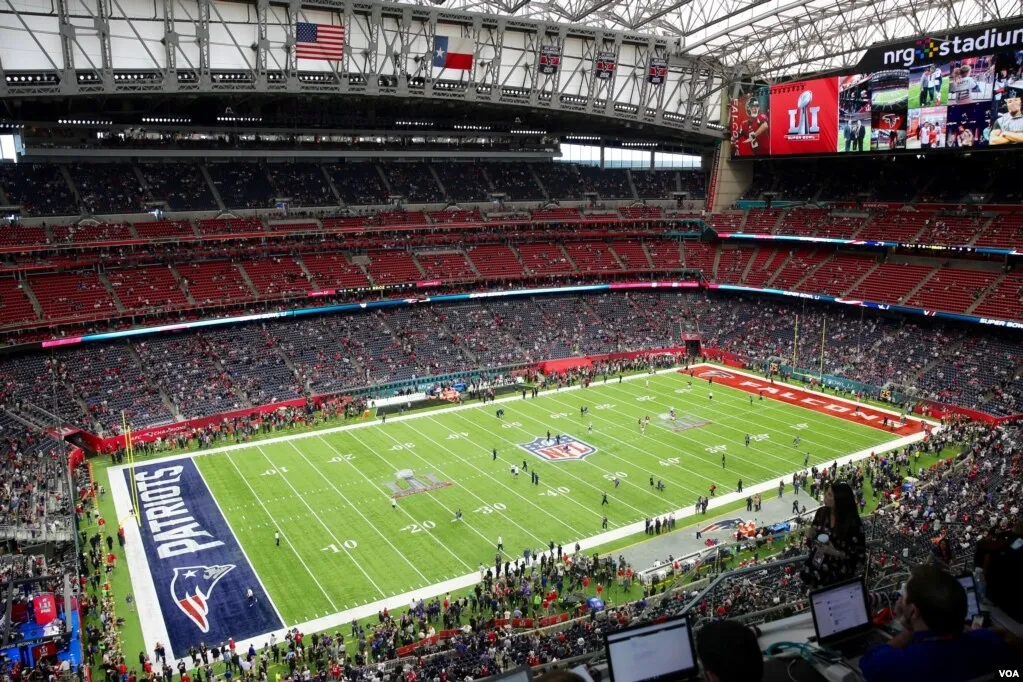
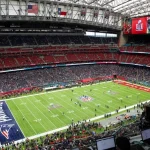
Houston’s NRG Stadium, opened in 2002, was the first NFL venue with a retractable roof, a bold step in design at the time. Built for $352 million, it was engineered to serve multiple purposes, from Texans home games to international soccer and major concerts.
With seating for about 72,220, expandable to nearly 80,000 for certain events, the stadium emphasizes versatility as much as scale. The retractable system allows games to adapt to Houston’s unpredictable climate, making the venue as practical as it is impressive. Now two decades on, discussions about future upgrades are underway, but NRG remains a milestone in multipurpose stadium architecture.
8. Highmark Stadium (Buffalo, New York)
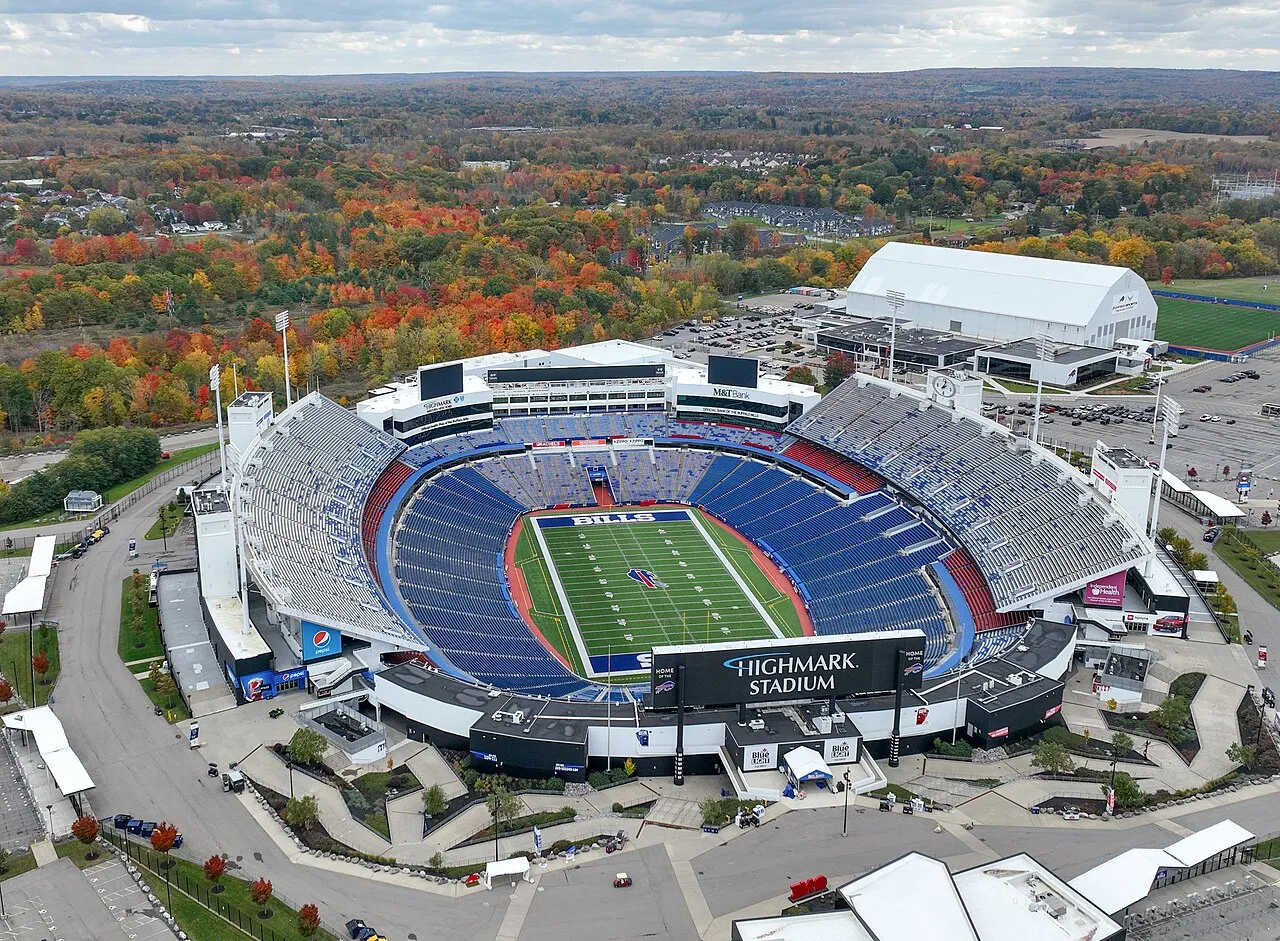
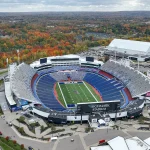
Located in Orchard Park, Highmark Stadium, a longtime home of the Buffalo Bills, welcomes around 71,608 fans with its open-air design. Originally christened Rich Stadium in 1973, it has since been renamed multiple times before becoming Highmark Stadium.
More than a seating number, the design places the field 50 feet below ground level, which, combined with Buffalo’s unpredictable swirls of wind, turns each game into a test of weather and resilience not just for players but for architecture.
9. M&T Bank Stadium (Baltimore, Maryland)
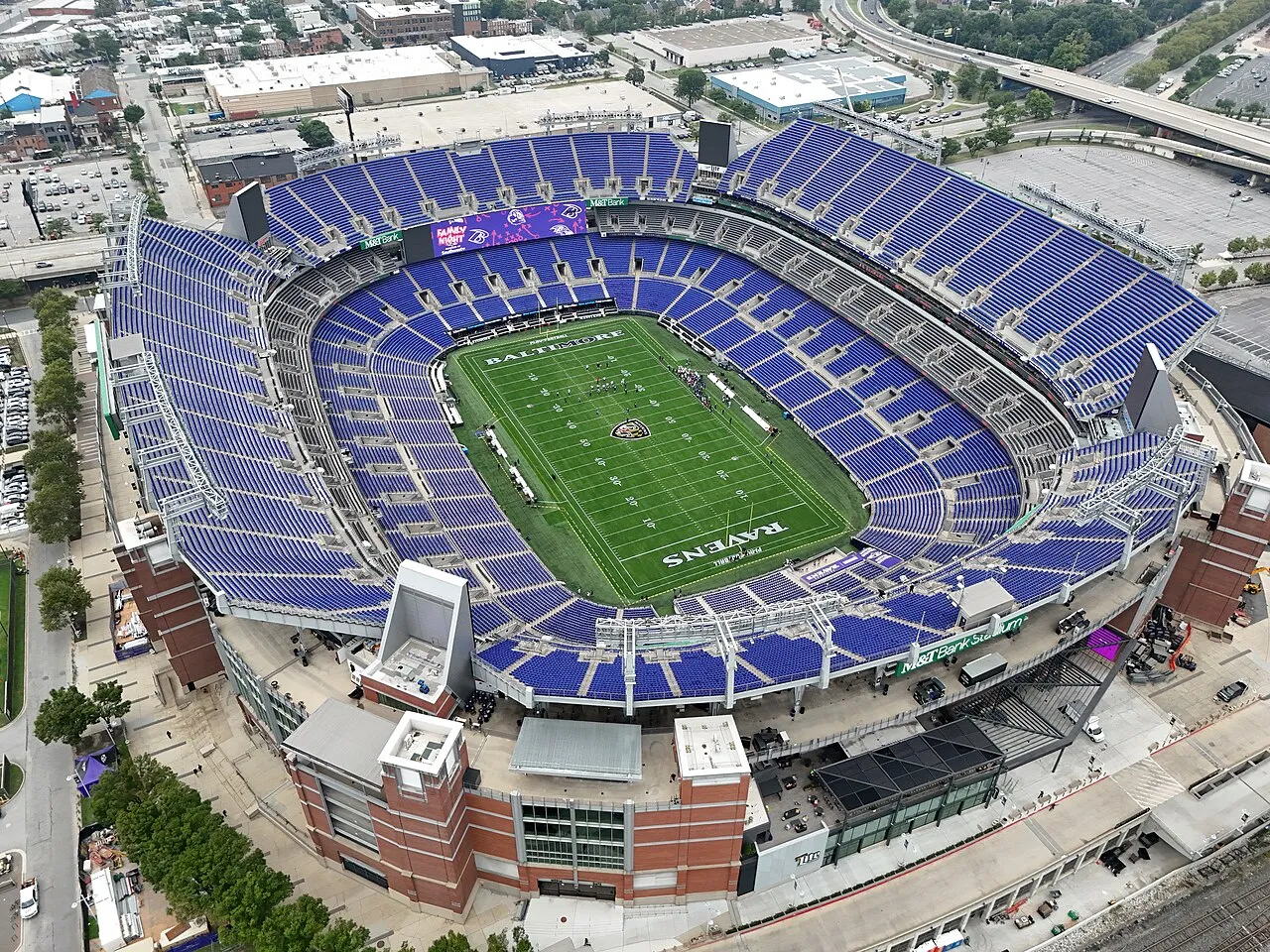
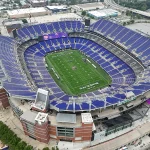
Since opening in 1998, M&T Bank Stadium has anchored Baltimore’s NFL identity with a refined, fan-centric design. With a current seating capacity hovering around 70,745, its structure strikes a fine balance between human-scale intimacy and modern amenity.
The stadium was built for approximately $220 million, and in recent years, it’s seen more upgrades, with $430 million in renovations planned between 2024 and 2026, all while preserving its approachable, familiar feel.
10. Lumen Field (Seattle Seahawks)
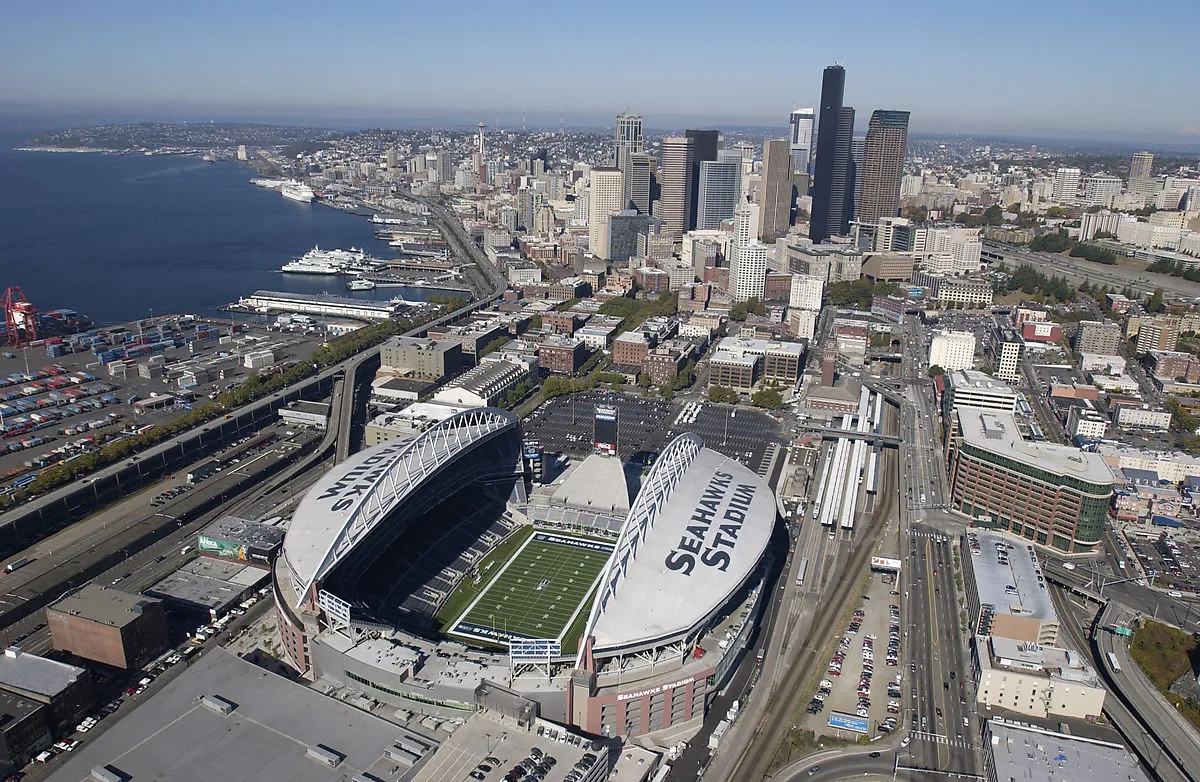
Nestled at the edge of downtown Seattle and overlooking the Puget Sound, Lumen Field embodies sensory intensity. Since its opening in 2002, this U-shaped, semi-covered stadium has become legendary not just for its 68,000-plus seats but for the way it harnesses crowd energy into architectural effect.
Designed with cantilevered decks and a partial roof, the structure amplifies cheers relentlessly, earning its place in the league and, at times, as one of the loudest venues in the NFL.
Frequently Asked Questions About NFL Stadiums
1. Which NFL stadium has the largest seating capacity?
MetLife Stadium in East Rutherford, New Jersey, holds the title for the largest NFL stadium by seating capacity, accommodating up to 82,500 fans. Opened in 2010, it serves as the home for both the New York Giants and New York Jets.
2. What is the oldest NFL stadium still in use?
Lambeau Field in Green Bay, Wisconsin, is the oldest NFL stadium still in operation. Opened in 1957, it remains the home of the Green Bay Packers and is renowned for its rich history and passionate fan base.
3. Which NFL stadium is considered the loudest?
Arrowhead Stadium, home to the Kansas City Chiefs, is recognized as the loudest stadium in the NFL. Its design amplifies crowd noise, creating a challenging environment for visiting teams. In 2025, it was voted the toughest place to play in the NFL by 111 football stars, with 57 points, ahead of Lumen Field and U.S. Bank Stadium.
4. How many NFL stadiums are there?
The NFL comprises 30 full-time stadiums across 32 teams. Notably, the New York Giants and New York Jets share MetLife Stadium, making it one of the few venues in the league to host multiple teams.
5. What is the most expensive NFL stadium ever built?
MetLife Stadium holds the record as the most expensive NFL stadium ever built, with construction costs totaling approximately $1.6 billion. It replaced the iconic Giants Stadium and was, at the time, the most expensive U.S. stadium ever built.
6. Which NFL stadiums have retractable roofs?
NRG Stadium in Houston, Texas, was the first NFL venue with a retractable roof, opening in 2002. This design allows the stadium to host various events beyond football, including international soccer matches and major concerts.