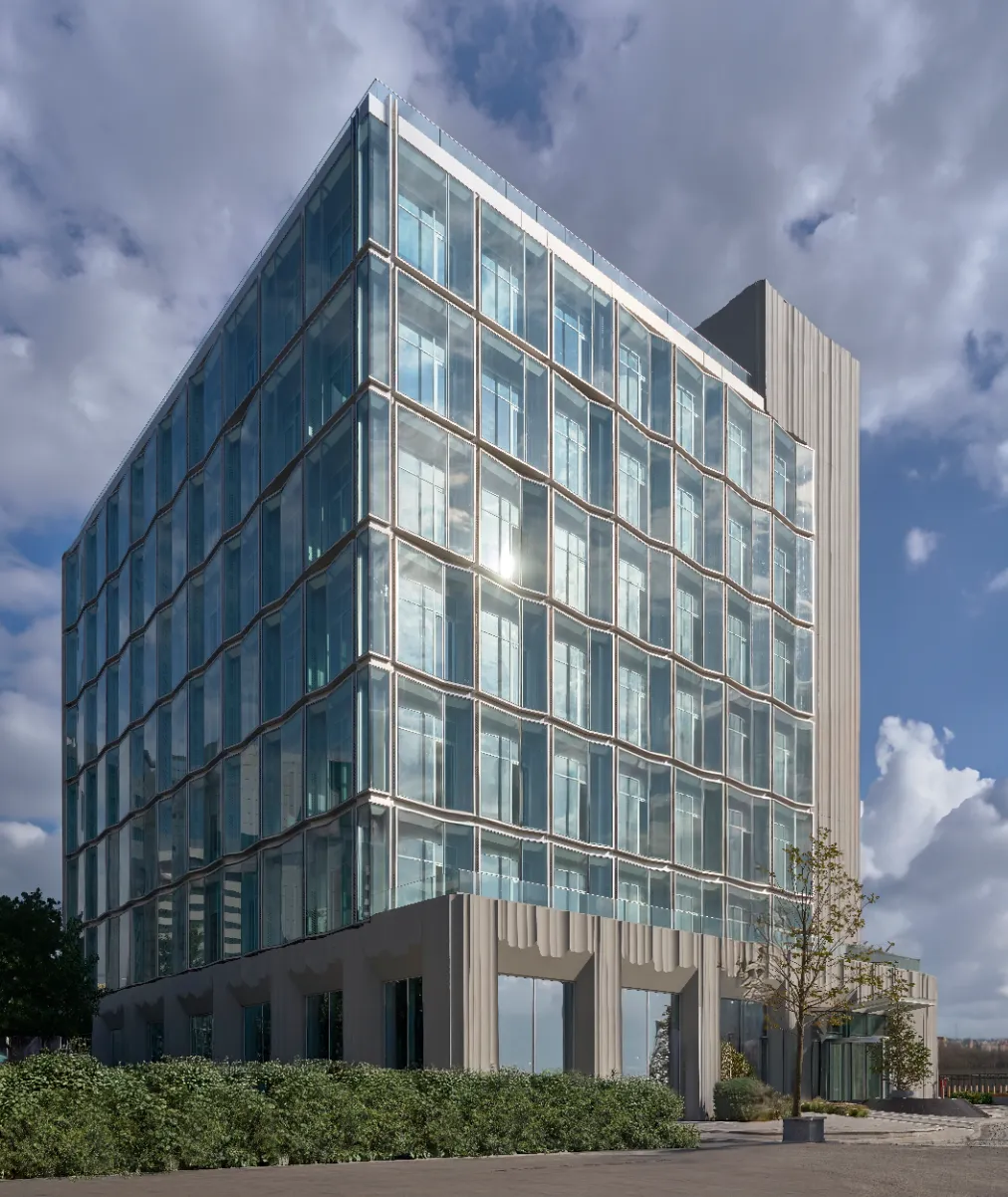

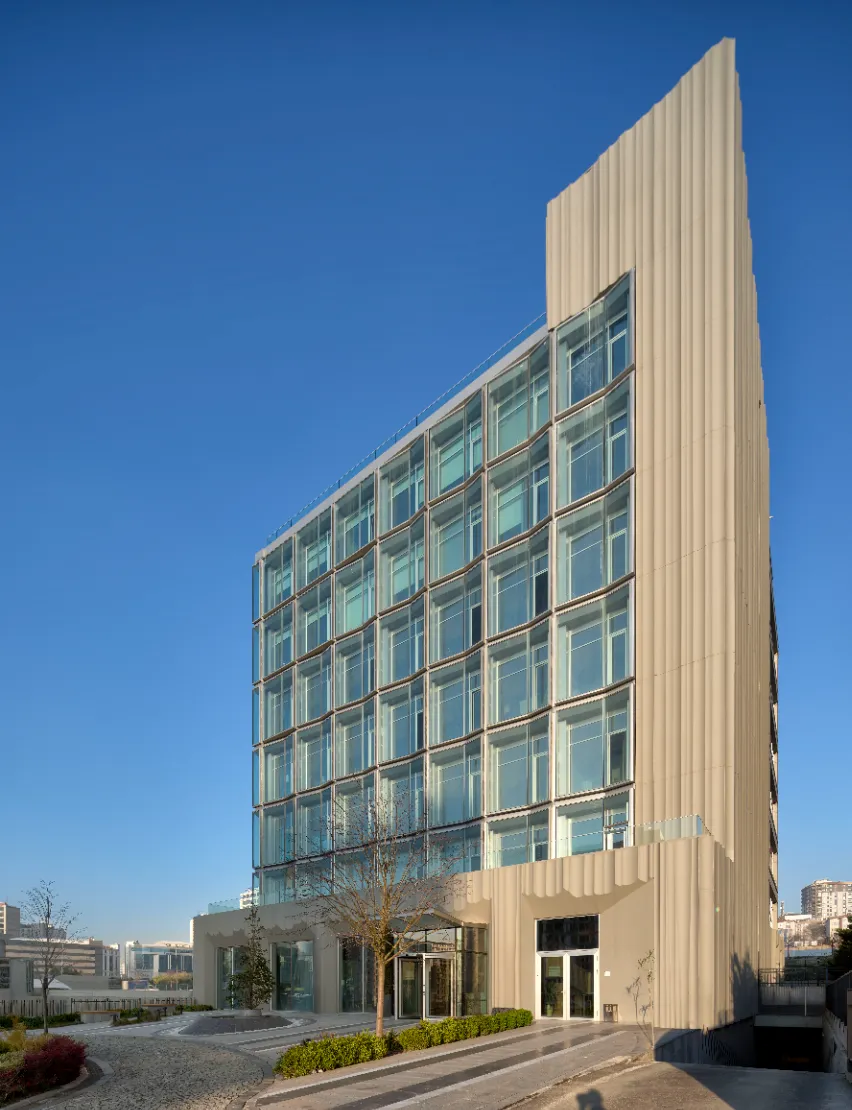

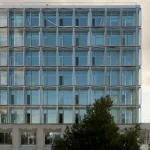
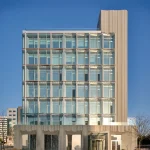
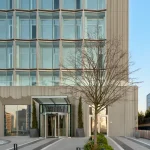
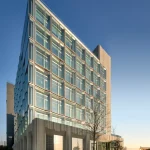
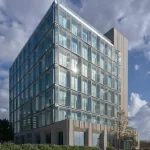

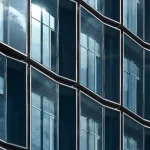
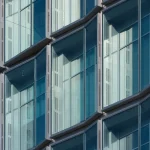
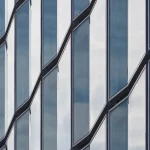
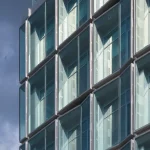
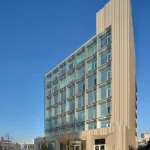
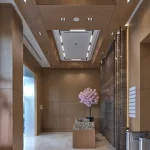
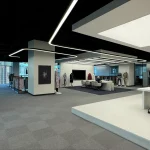
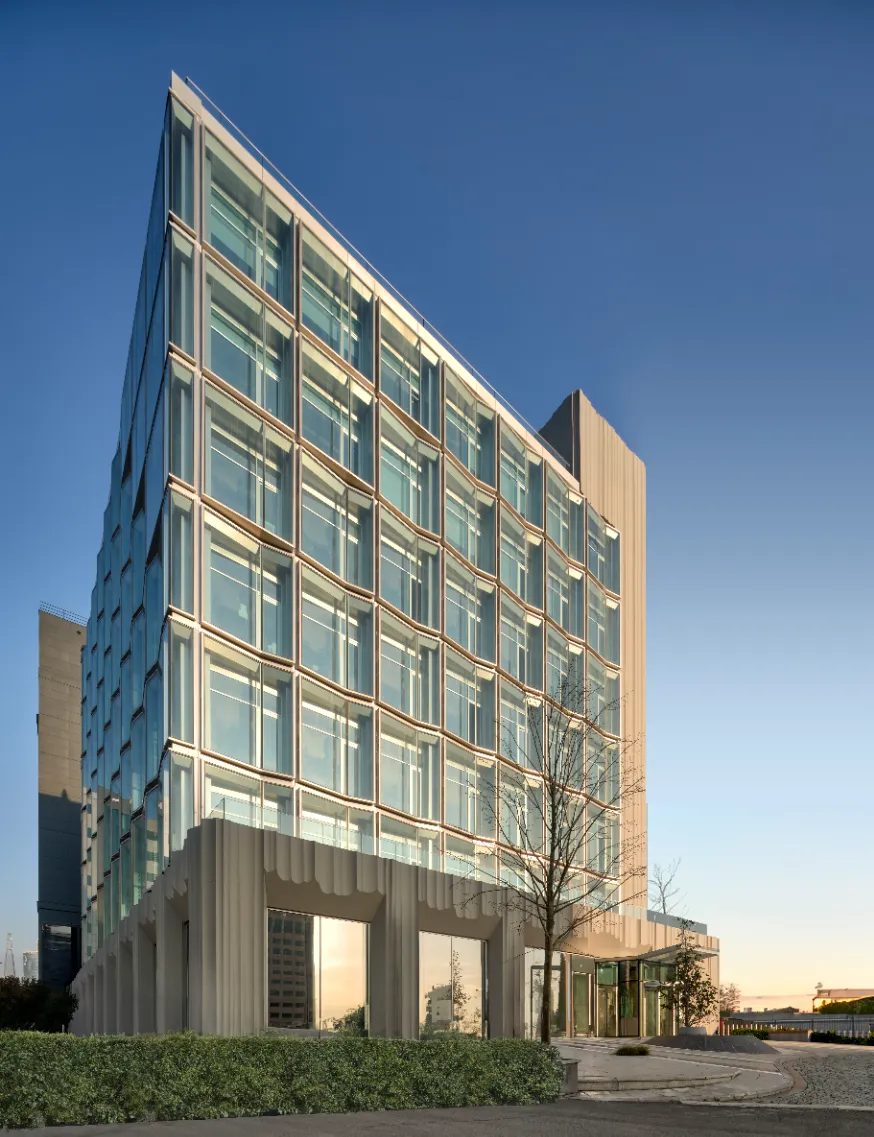
Quartz Plaza is an office building designed by architect Alper Derinboğaz and developed by Salon, located in one of Istanbul’s rapidly evolving urban districts. Rooted in the site’s Miocene-era geological layers, the project transforms local geomorphological data into architectural language, using materials like schist and quartz as both concept and form. This innovative approach connects the building to Istanbul’s deep natural history while responding to contemporary environmental and urban conditions
Geology as Design Origin: Lithological Strata and the Dual-Skin Envelope
Quartz Plaza is an office building located in İstanbul, a city where urban development has accelerated dramatically since the 1999 earthquake. In this architectural race, Quartz Plaza distinguishes itself by anchoring into the city’s deep geological past. The project engages directly with the physical geology of its site, specifically, two converging strata from the Miocene Epoch, drawing an architectural narrative from geomorphological formations.
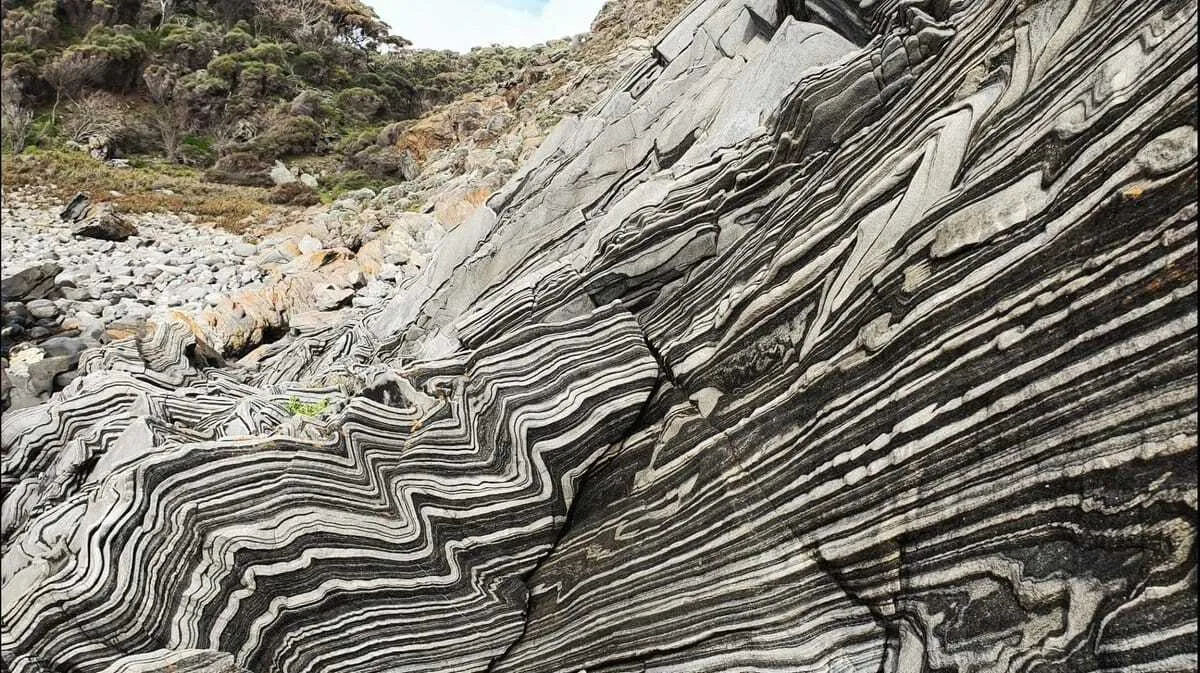
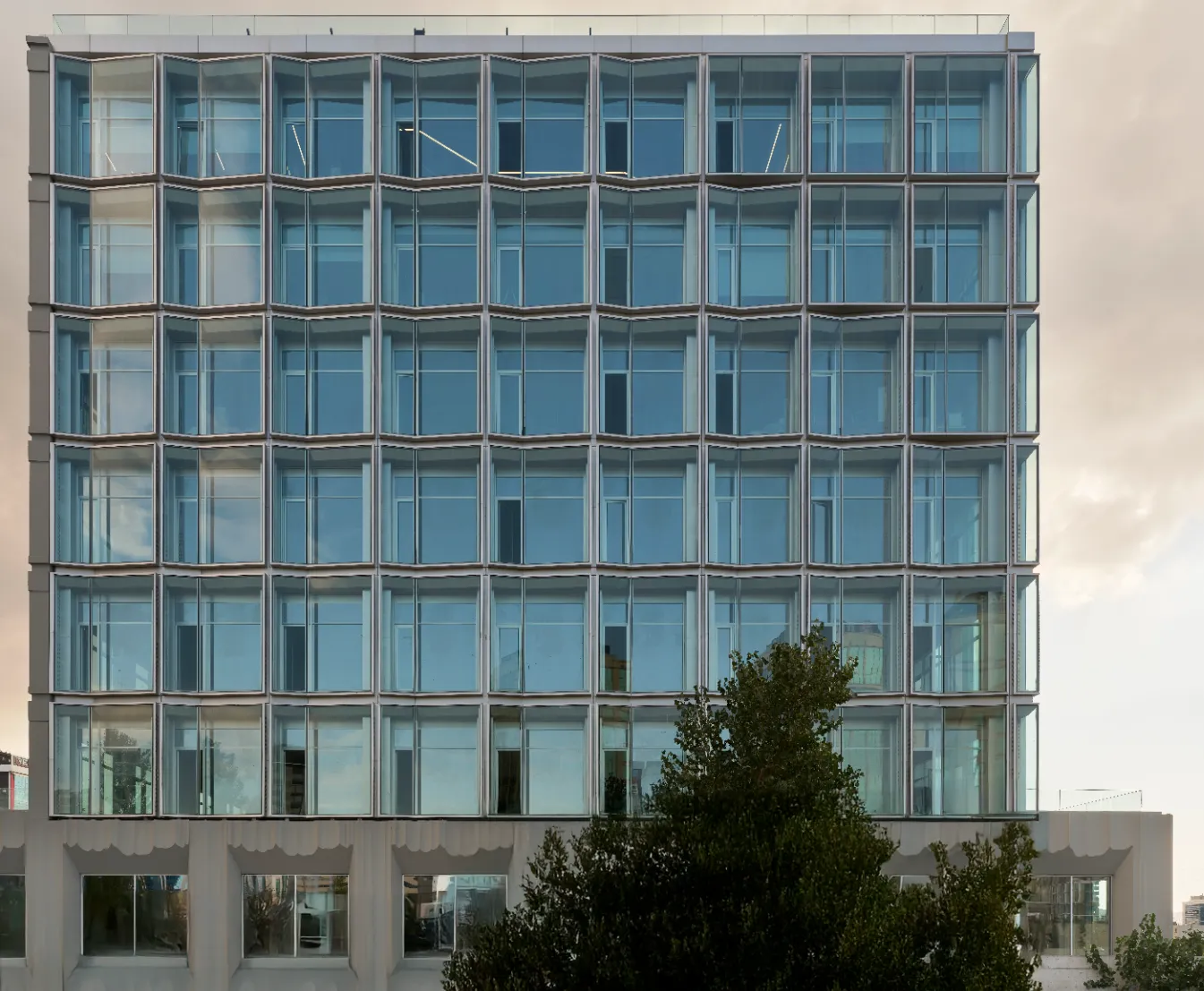
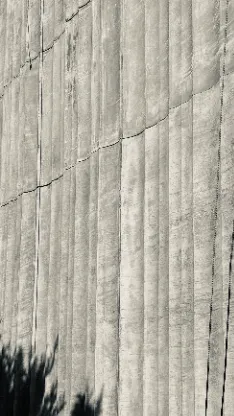
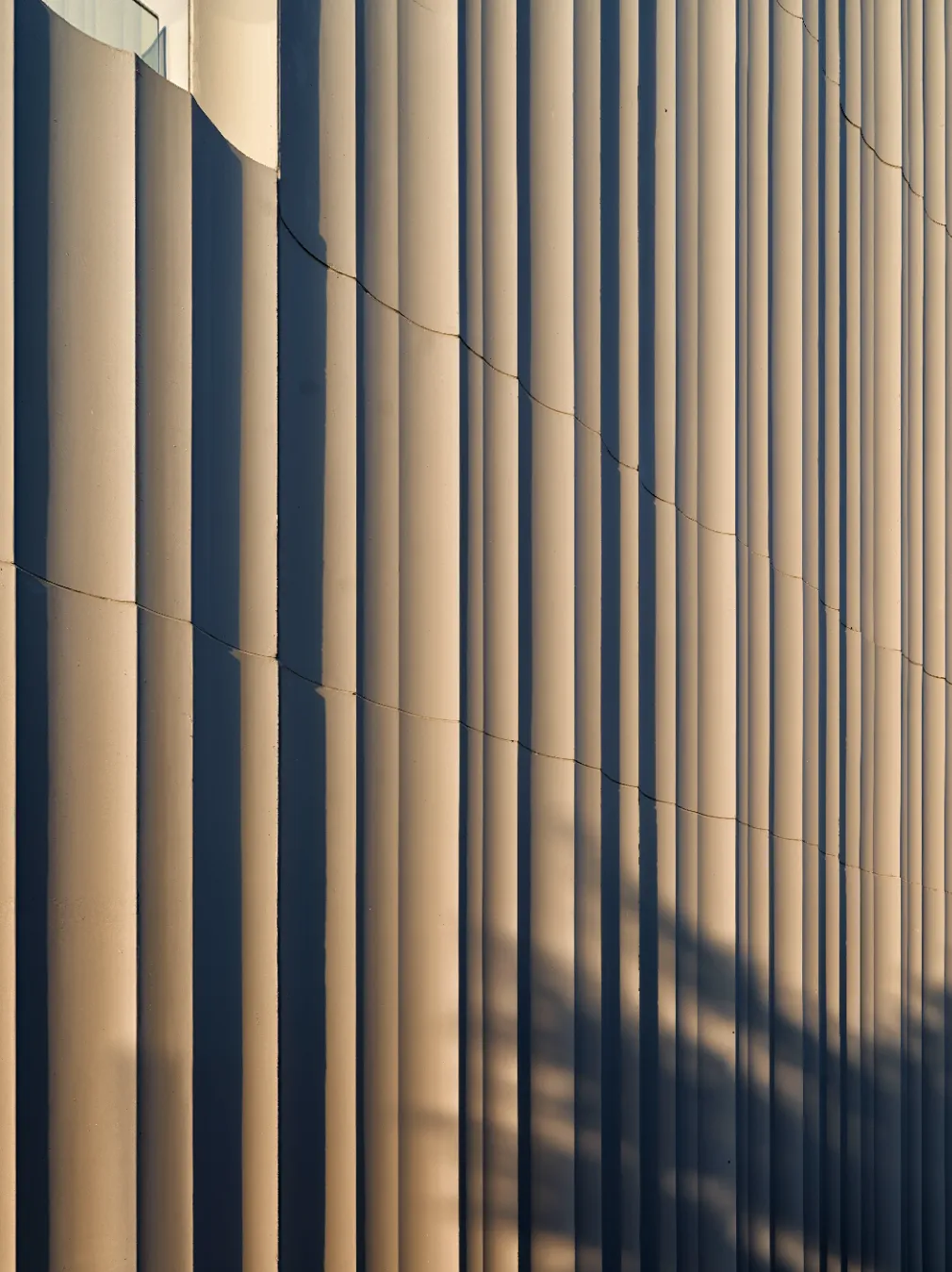
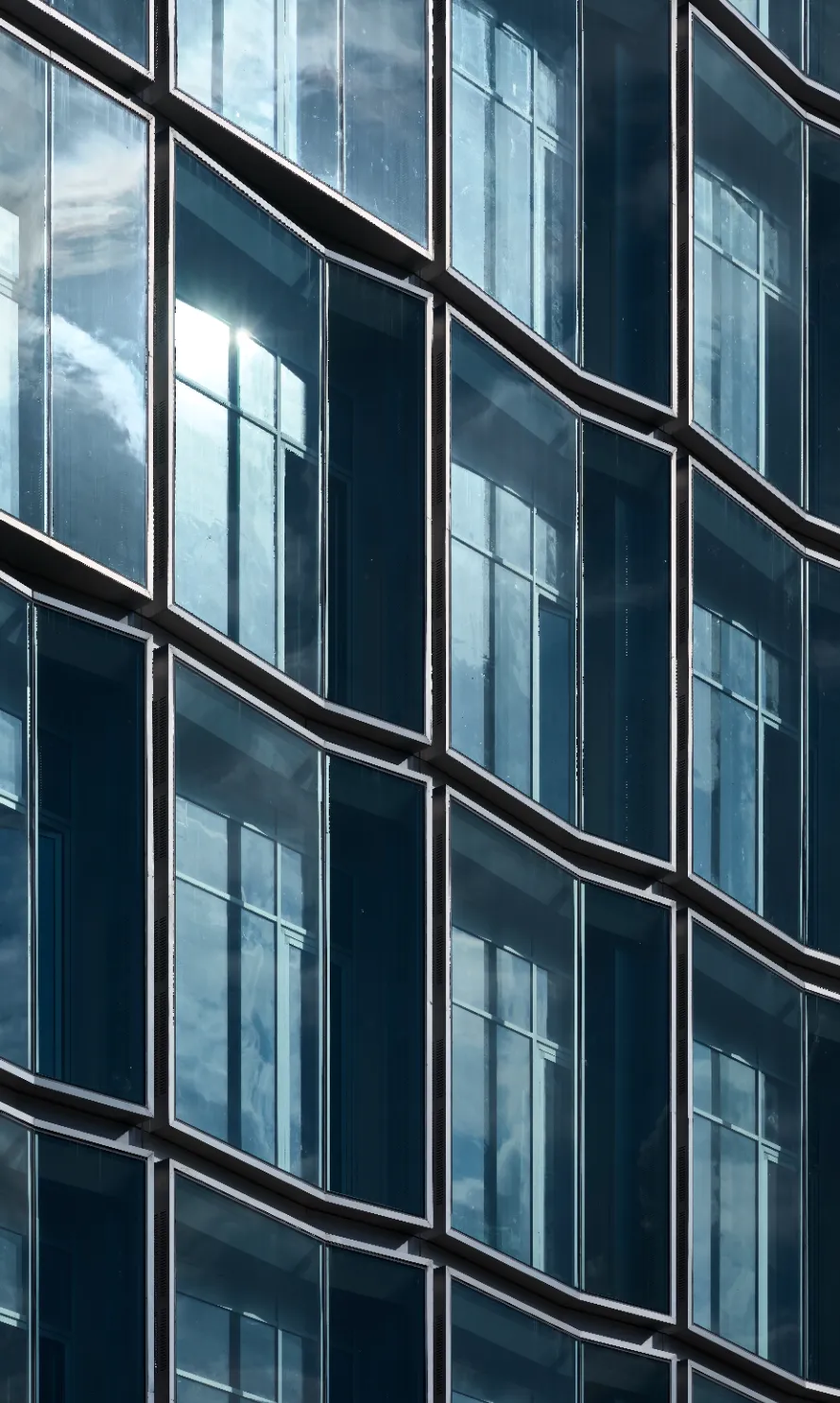
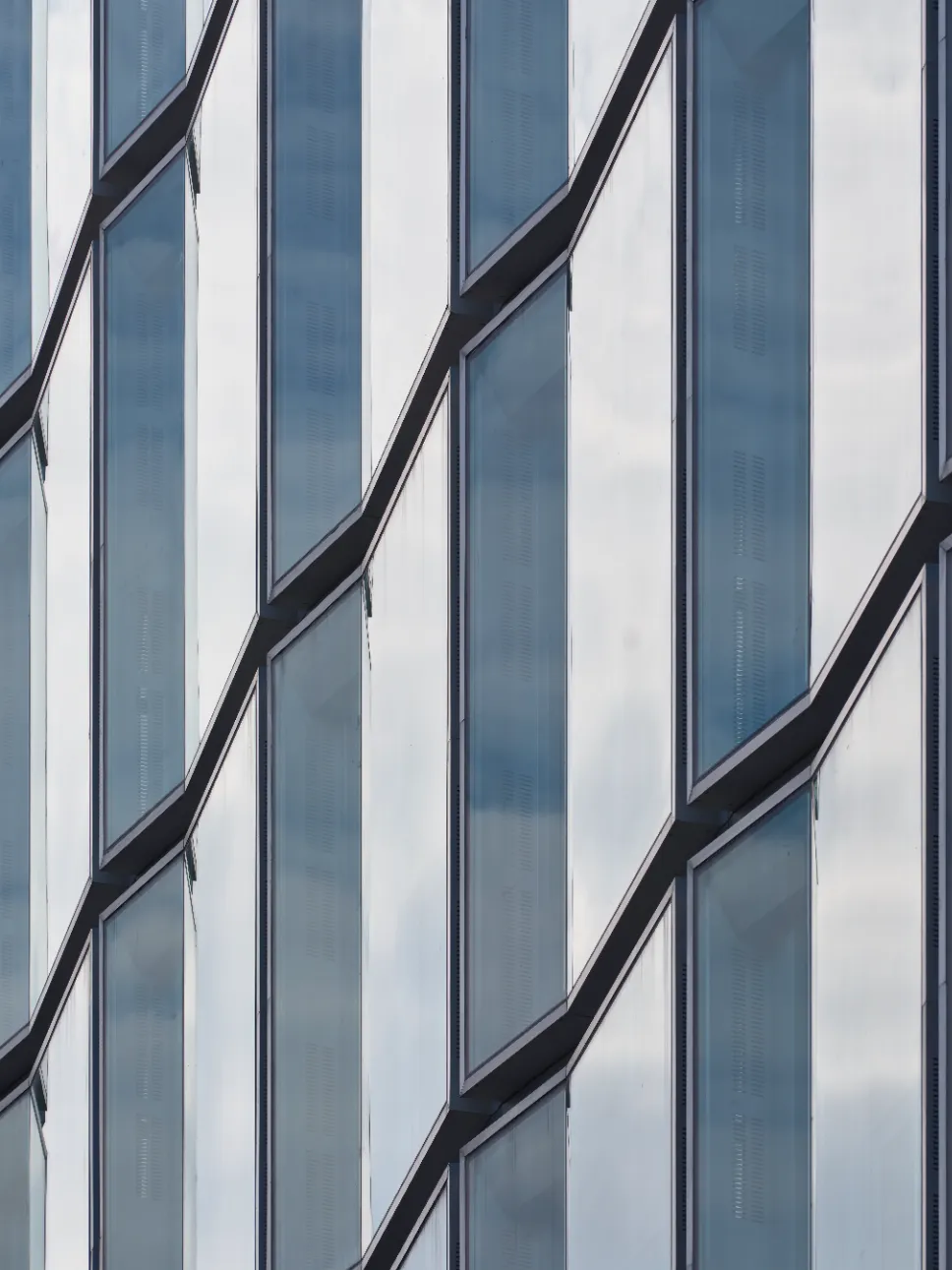
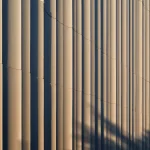
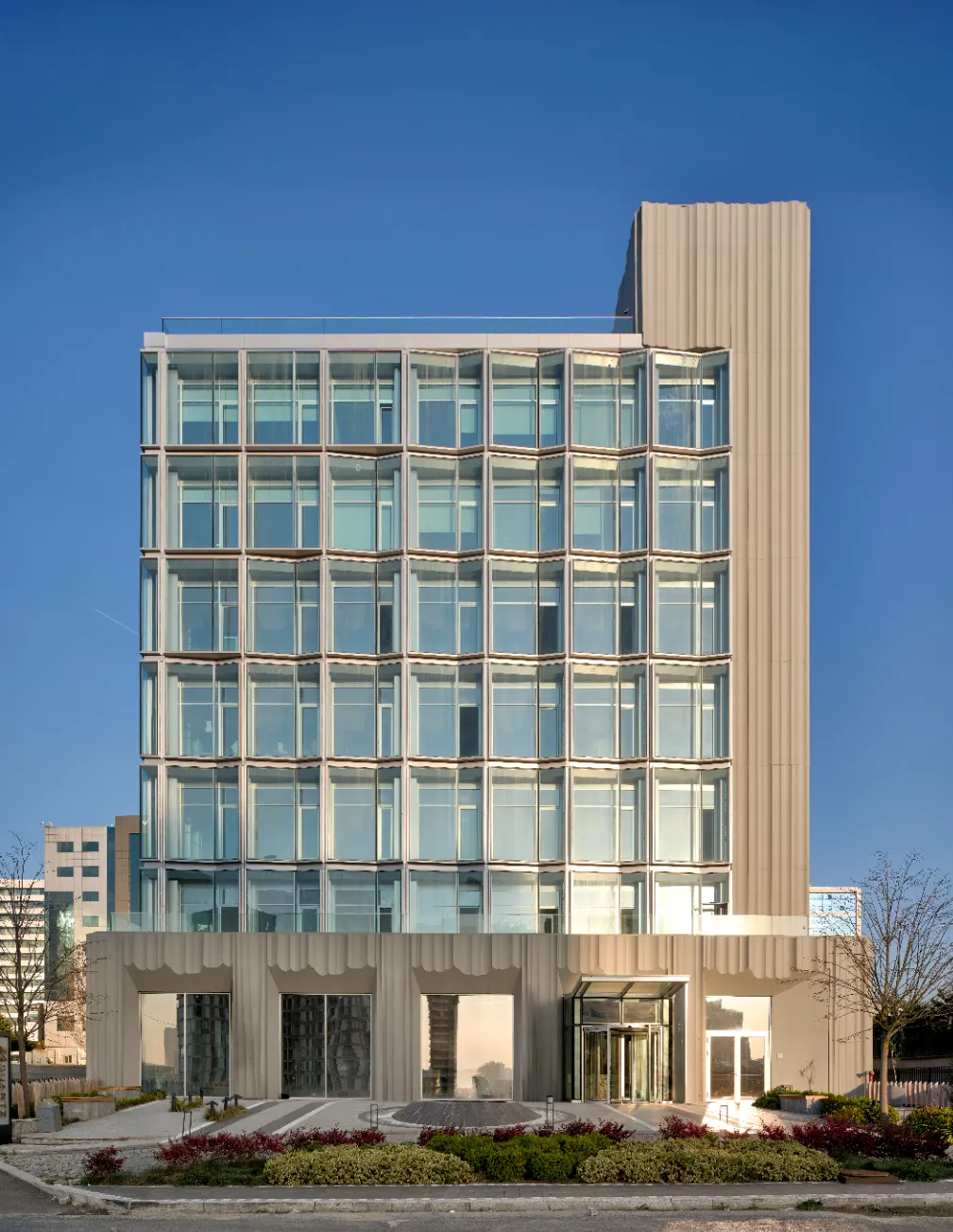
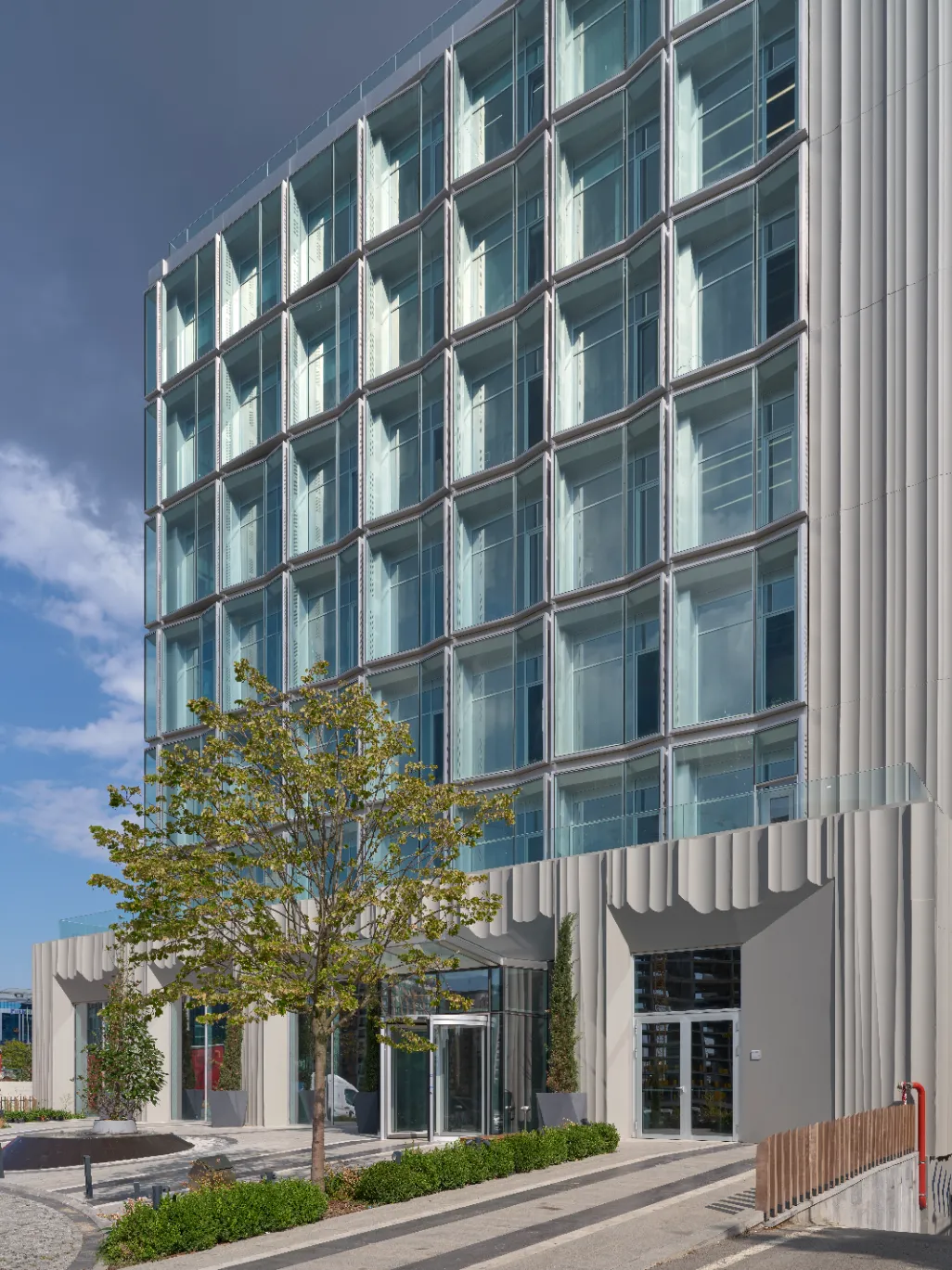
The site is underlain primarily by schist, a metamorphic rock known for its parallel banding. This geologic texture shapes the architectural identity of the project, informing both the facade articulation and volumetric treatment. The building’s vertical surface patterns echo the aligned structure of schist and the mineral mica within it, while the crystalline presence of quartz becomes both concept and namesake. These materials are reinterpreted through the use of glass, forming a facade that shifts between reflection and transparency like a geological surface refracting light.
Material Resonance: The Facade and Its Crystalline Logic
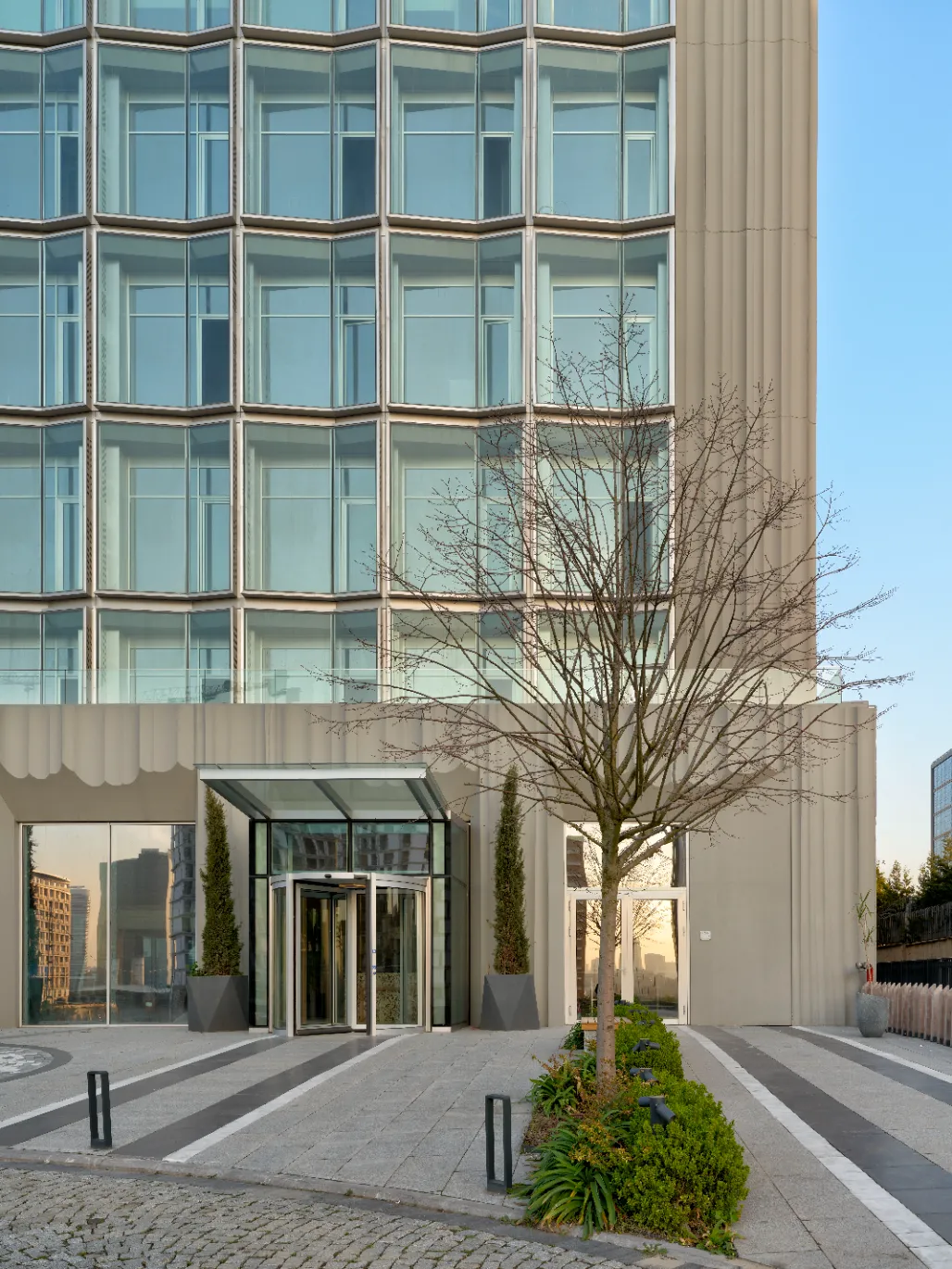
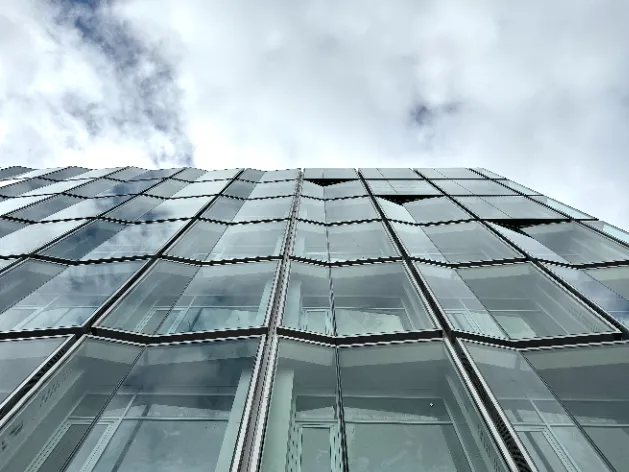
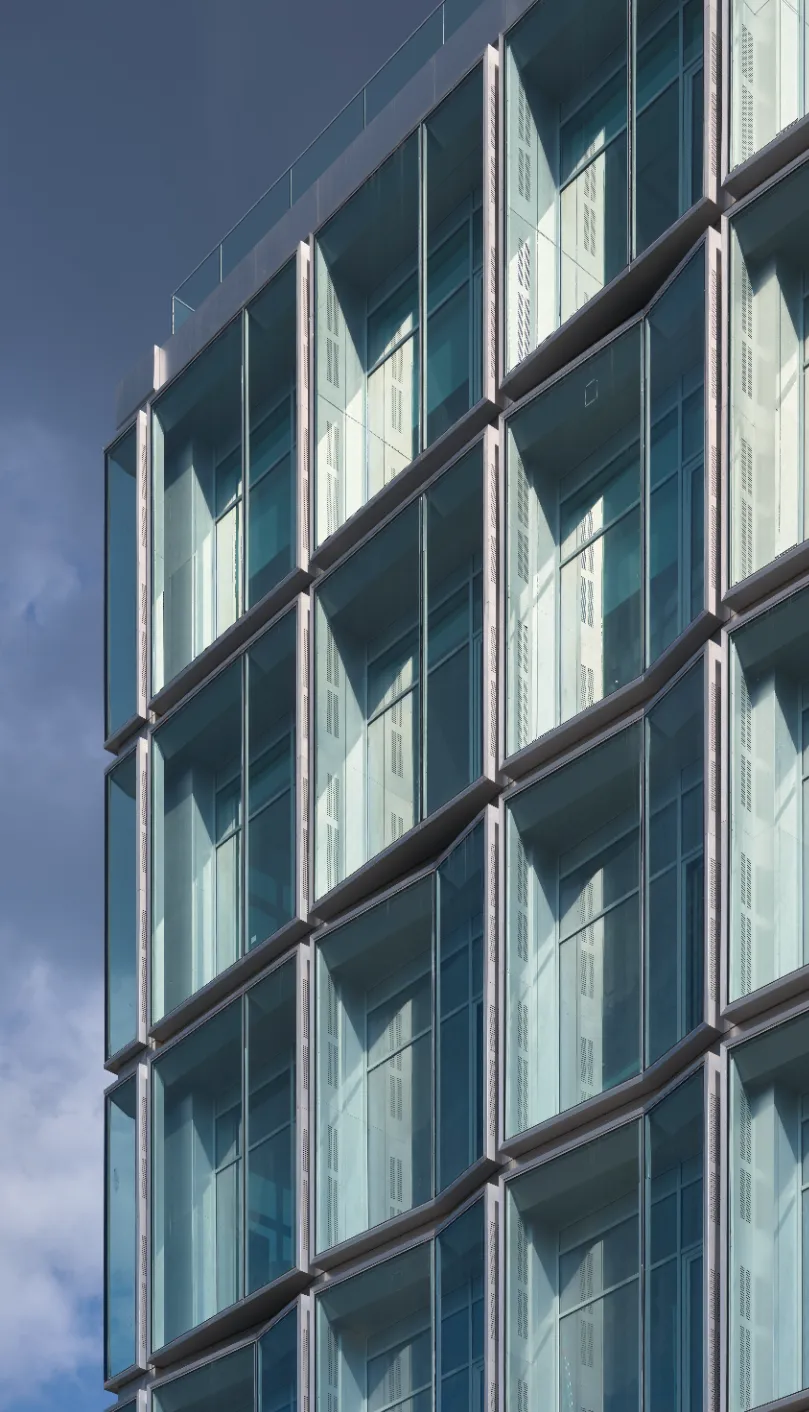
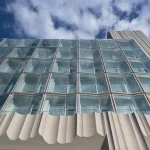
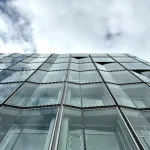
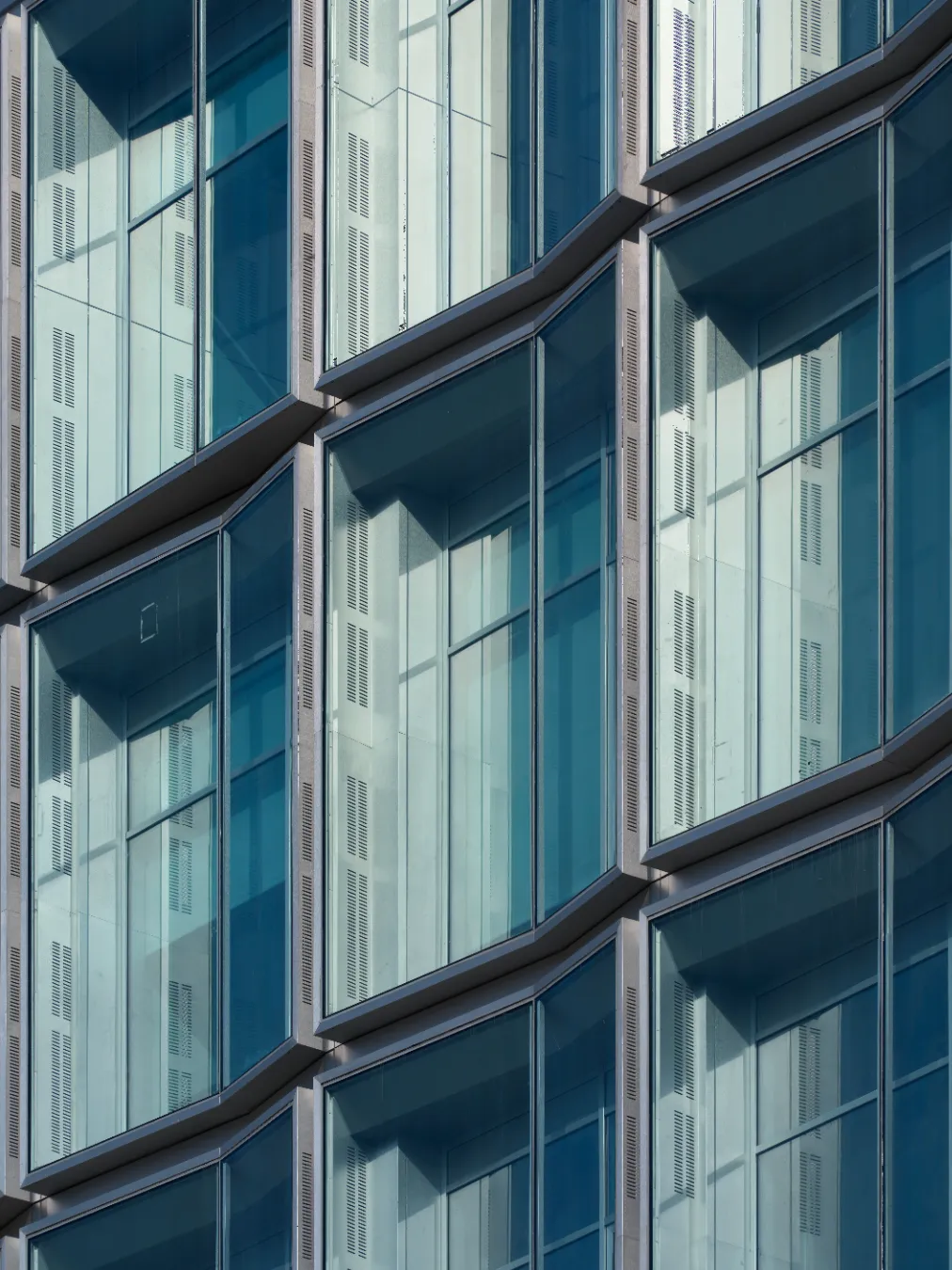
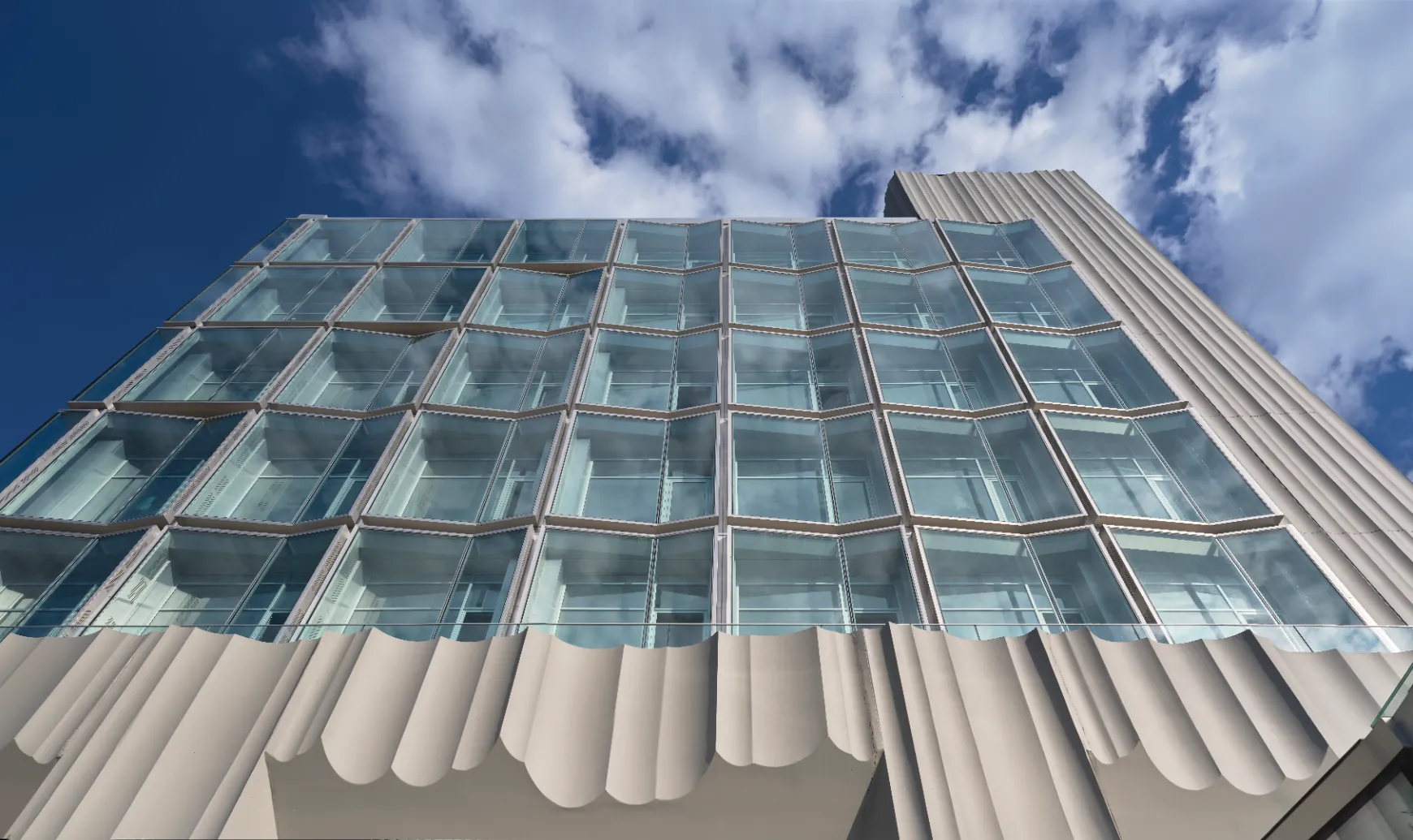
Glass plays a central conceptual and material role in the project. Although glass is commonly used for its transparency, Quartz Plaza reimagines it as a semi-solid, refractive material, one with its mineral logic. The façade becomes a geological filter, with angled glass panels mounted to reflect light at varied angles, echoing both the behavior of crystals and the structure of schist.
The modules use two glass layers positioned at angles, simulating refractive effects and merging dual reflections of the surrounding city. Narrower segments are coated to amplify these effects, giving the entire envelope a quietly kinetic surface as light conditions change. This treatment positions the building in dialogue with the mineral world, rather than simply the urban one.
Colorizing the Interiors with Daylight
The refractive geometry of the façade creates a varied palette of light inside the building. As the sun shifts, light entering through the angled panels creates tonal shifts that subtly animate the office interiors.
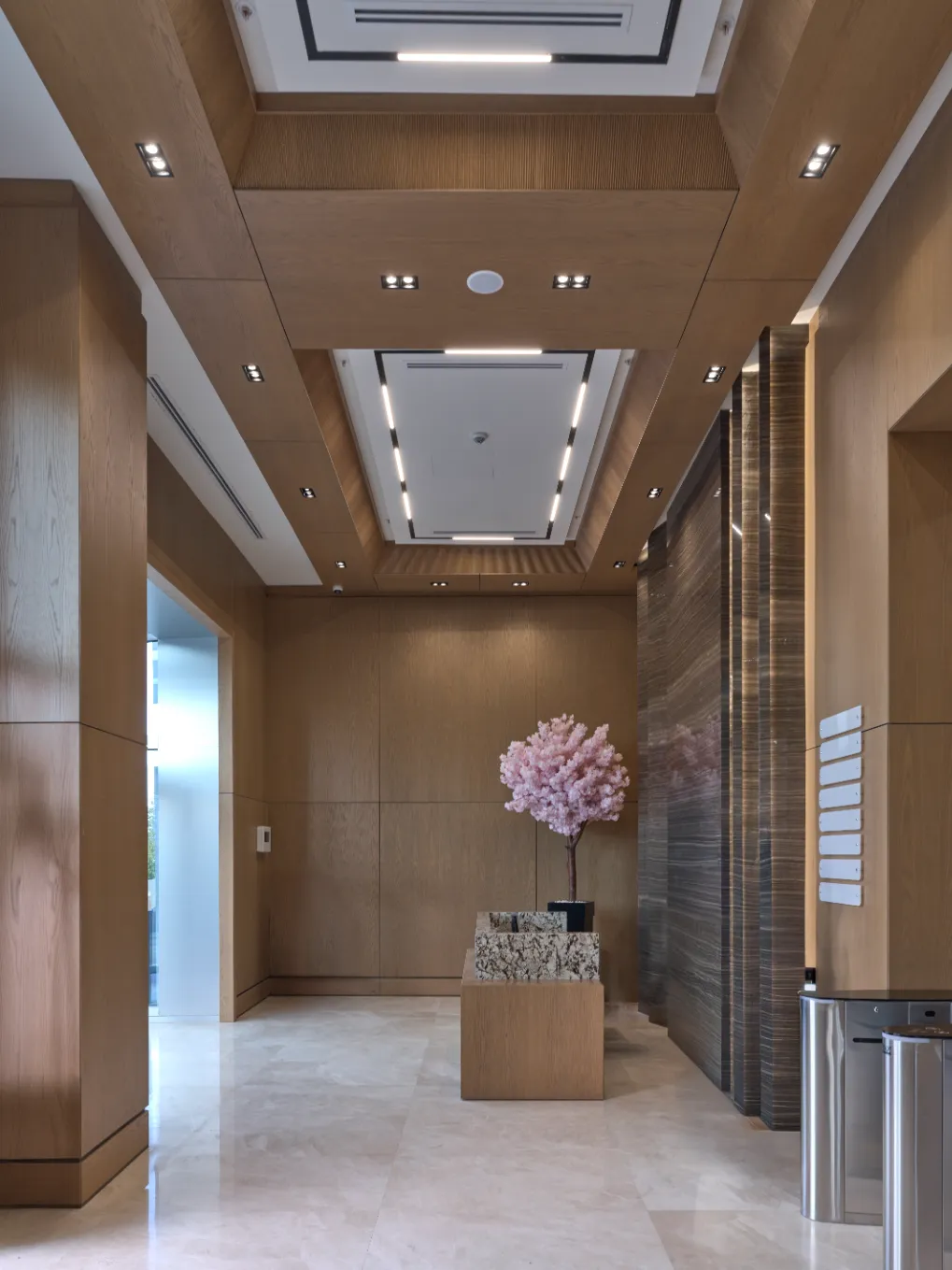
This interaction with daylight informs a restrained palette of interior materials and colors. Textured and ribbed glass in office partitions and tables continues the theme of layered refraction, enriching the interplay of light while maintaining spatial continuity. The interior spaces remain flexible and open, but atmospherically dynamic throughout the day.
Double-Skin Facade and Environmental Control
To meet the challenges of thermal efficiency and sound insulation, the design incorporates a double-skin façade on the building’s northwest and northeast faces.
This system minimizes heating and cooling demands through seasonal adaptability:
- In winter, vents remain closed to retain warm air within the intermediate cavity.
- In summer, vents open to release warm air and promote natural ventilation.
Beyond thermal performance, this assembly buffers the interior from Istanbul’s urban noise, particularly vehicular and wind-related sounds. It is both a sustainable and sensory strategy, supporting comfort while reinforcing the building’s quiet presence.
Spatial Organization: Core Massing, Openness, and Flexibility
Within the plan, privacy is handled through the use of textured glass rather than solid divisions, maintaining an open, fluid working atmosphere. The modular layout system allows workspaces and showroom areas to adapt to varying needs and user capacities.
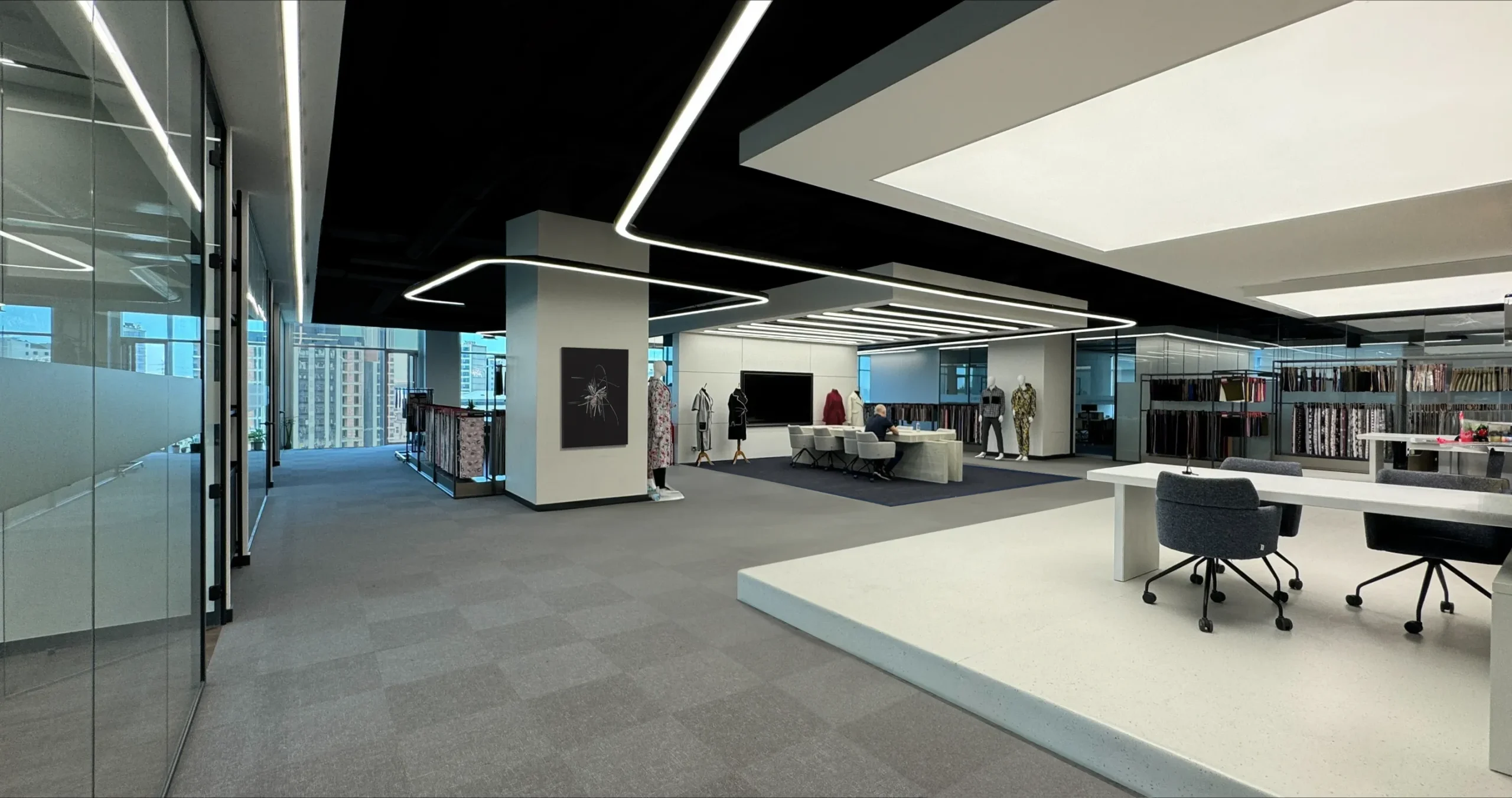
The service core is located in the building’s shaded corner, maximizing thermal mass and helping regulate indoor temperatures naturally. A clear grid underpins the plan, structuring both private and shared zones. The reception is seamlessly integrated into this organizational core, maintaining spatial efficiency without visual hierarchy.
Quartz Plaza Project Details
Location: Istanbul, Turkey
Project Name: Quartz Plaza
Practice Name: Salon
Completion Date: June 2025
Architect: Alper Derinboğaz
Project Team: Ünal Cem Pişirici, Mert Ozan Er, Nida Dilara Karışık, Gökçe Naz
Photography: Cemal Emden