

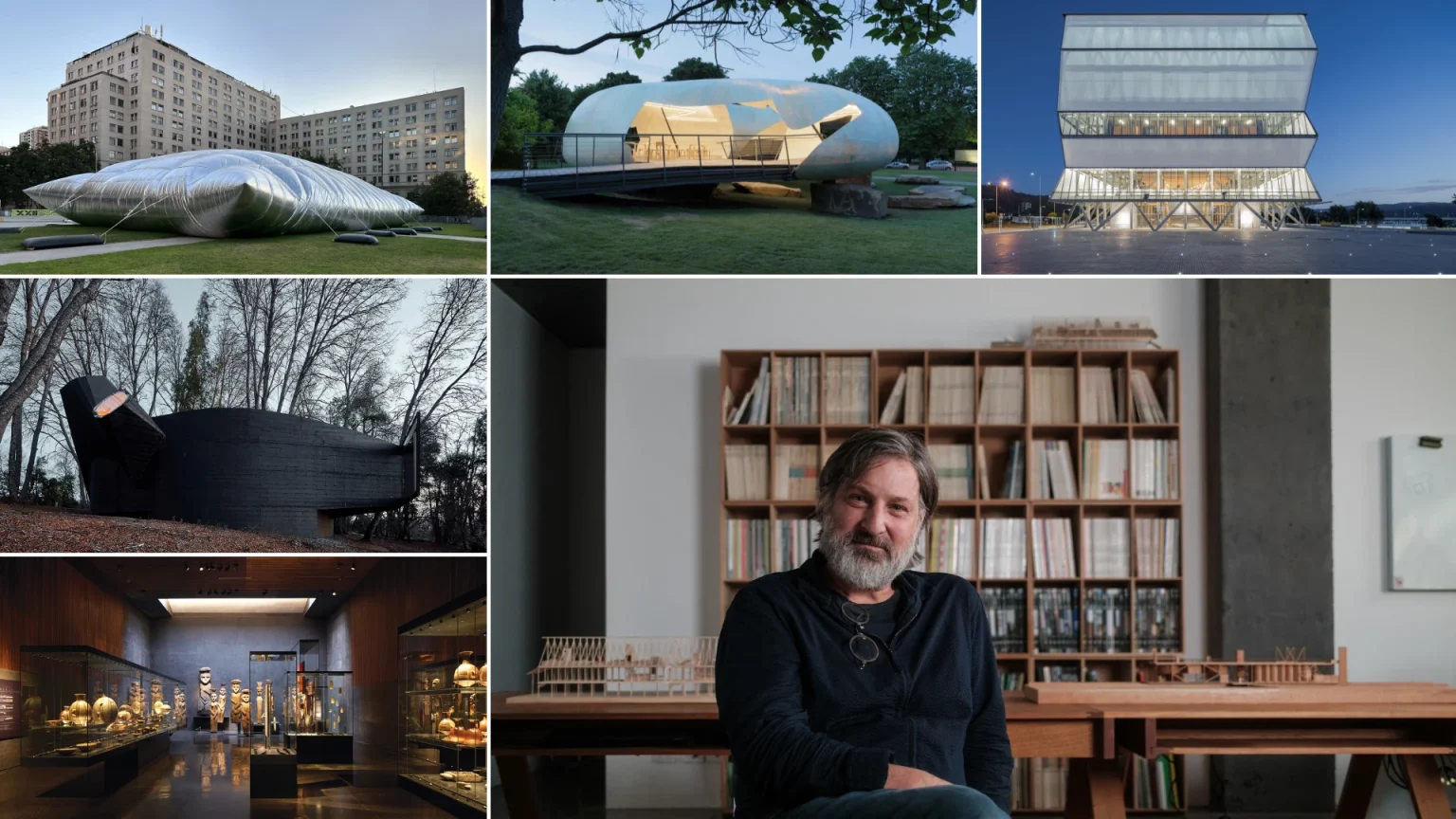








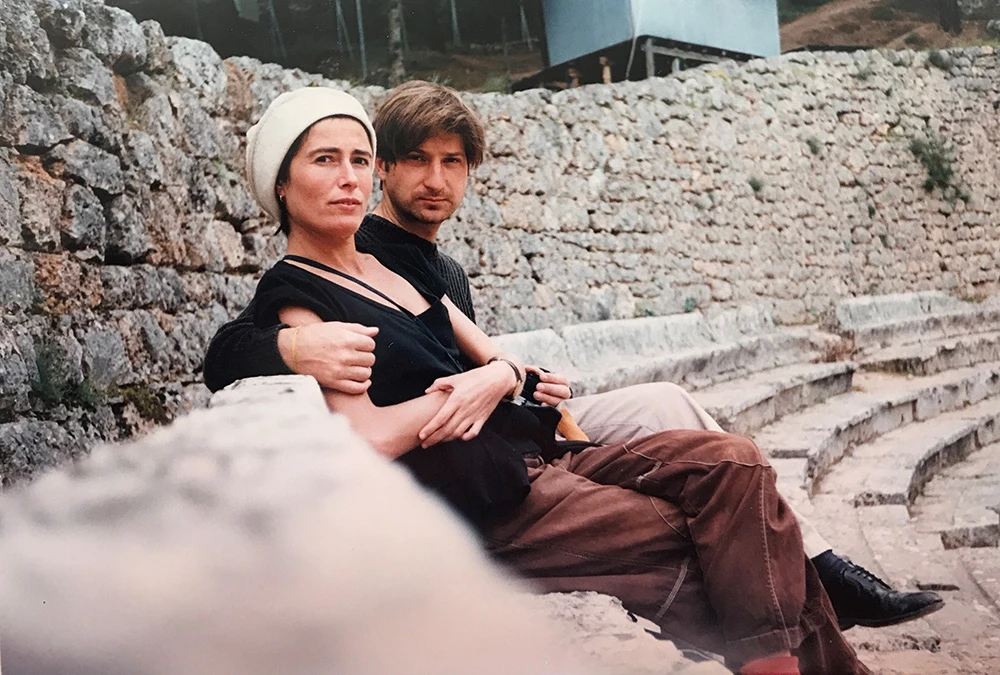
When the 2026 Pritzker Architecture Prize was announced, the decision arrived after an unusual delay that drew public attention. The controversy surrounding the Pritzker family’s leadership and efforts to reaffirm the jury’s independence led to the postponement of the announcement, according to reports. Despite the circumstances, the jury ultimately confirmed Chilean architect Smiljan Radić Clarke as the winner, recognizing a body of work that has quietly influenced contemporary architecture.
Radić becomes one of the few architects from Chile to receive the profession’s highest honor. Born in Santiago in 1965, he studied architecture at the Pontificia Universidad Católica de Chile and later pursued historical studies in Venice, experiences that broadened his view of architecture beyond formal design. Since founding his studio in Santiago in 1995, Radić has developed projects that range from remote houses and cultural buildings to temporary pavilions, often exploring materials such as concrete, stone, timber, and fiberglass while maintaining a strong relationship with landscape and context.
His practice has remained deliberately small, allowing projects to grow from experimentation rather than scale. Over three decades, Radić has produced buildings that are often sculptural, site-specific, and quietly experimental.
14 Notable Projects by Smiljan Radić Clarke
1. Casa Chica
Location: Vilches, Chile
Year: 1997
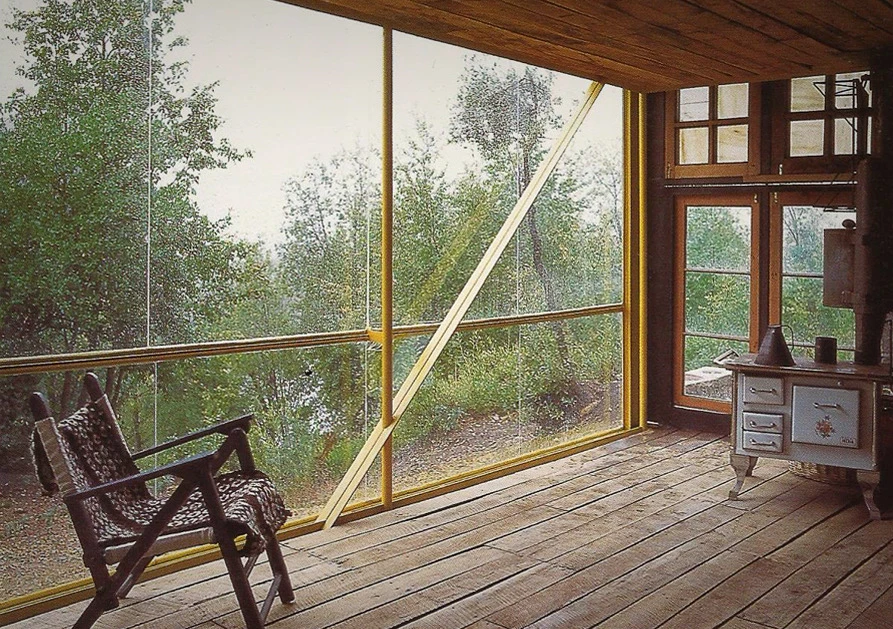
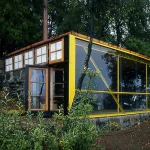
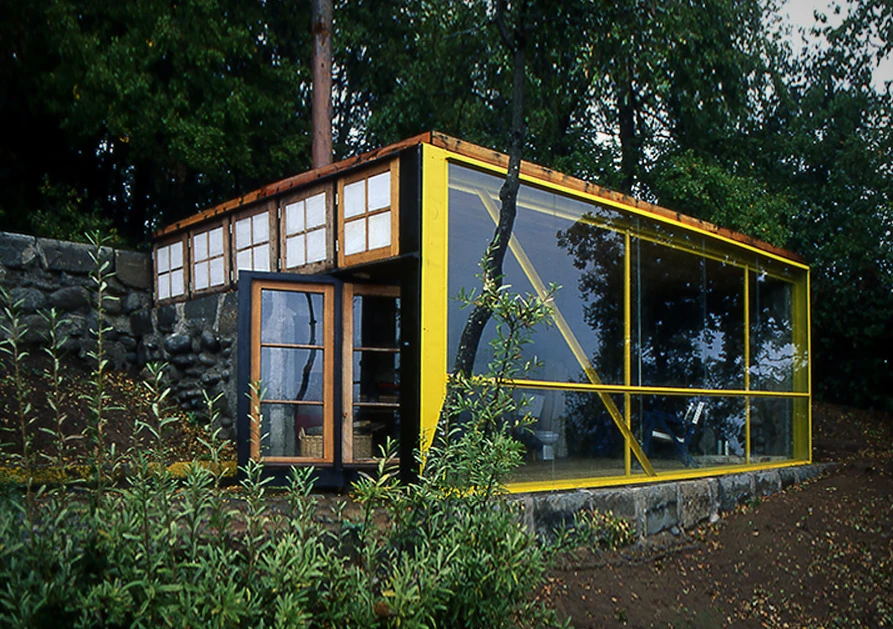
Casa Chica was one of Radić’s earliest built works and was developed in collaboration with sculptor Marcela Correa. Located in the Andes foothills near Vilches, the small house reflects the architect’s early interest in simple structures embedded in natural landscapes. Built with modest materials and a compact layout, the project set the tone for Radić’s later exploration of intimate and site-responsive architecture.
2. Copper House 2
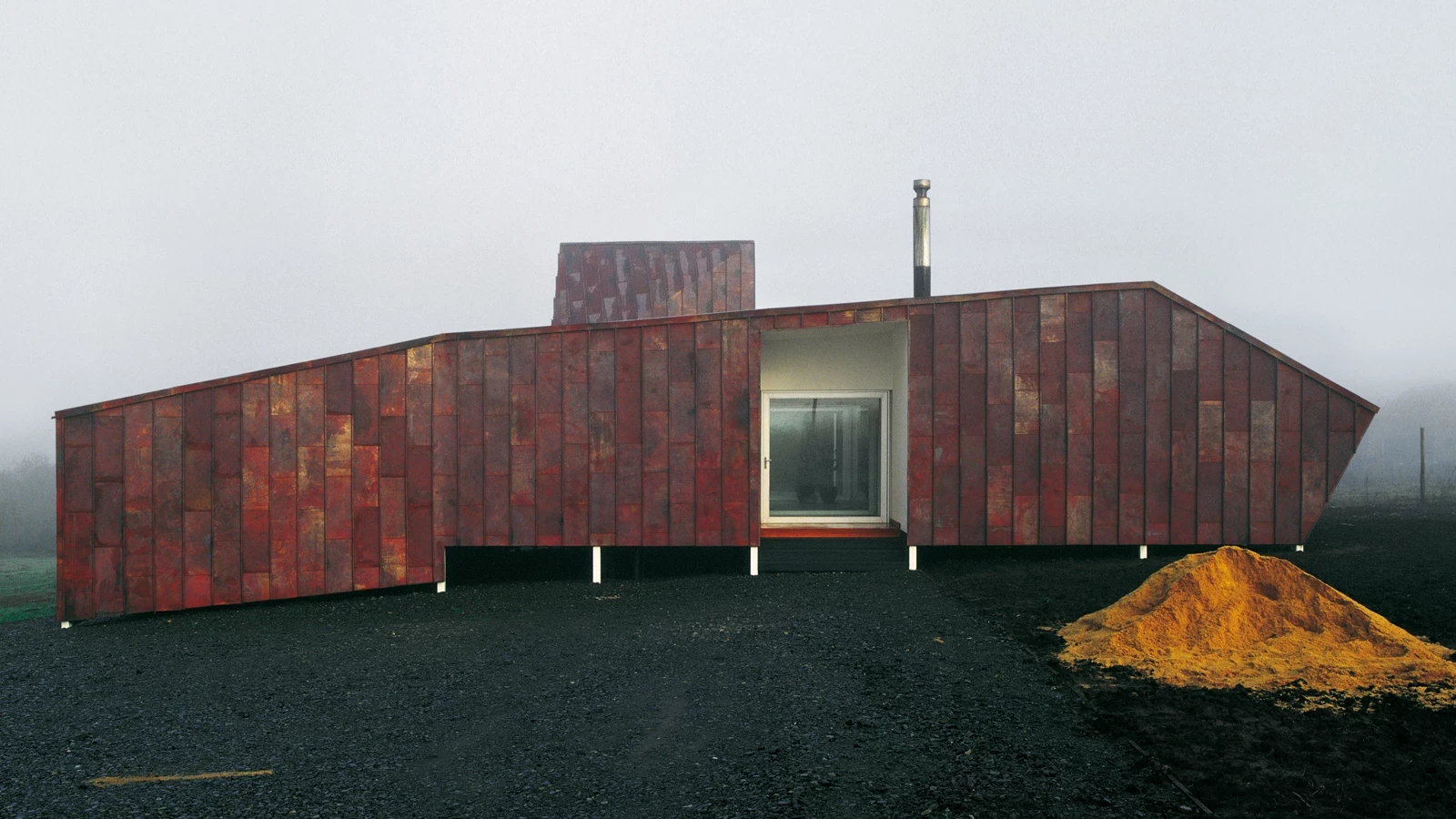
Location: Talca, Chile
Year: 2005
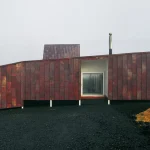
Copper House 2 demonstrates Smiljan Radić’s experimental use of material. The house is clad in sheets of copper, which respond to the region’s industrial history while creating a distinct surface that changes over time. The structure blends domestic architecture with sculptural form, using the copper envelope to unify the building with its rural surroundings.
3. Pite House
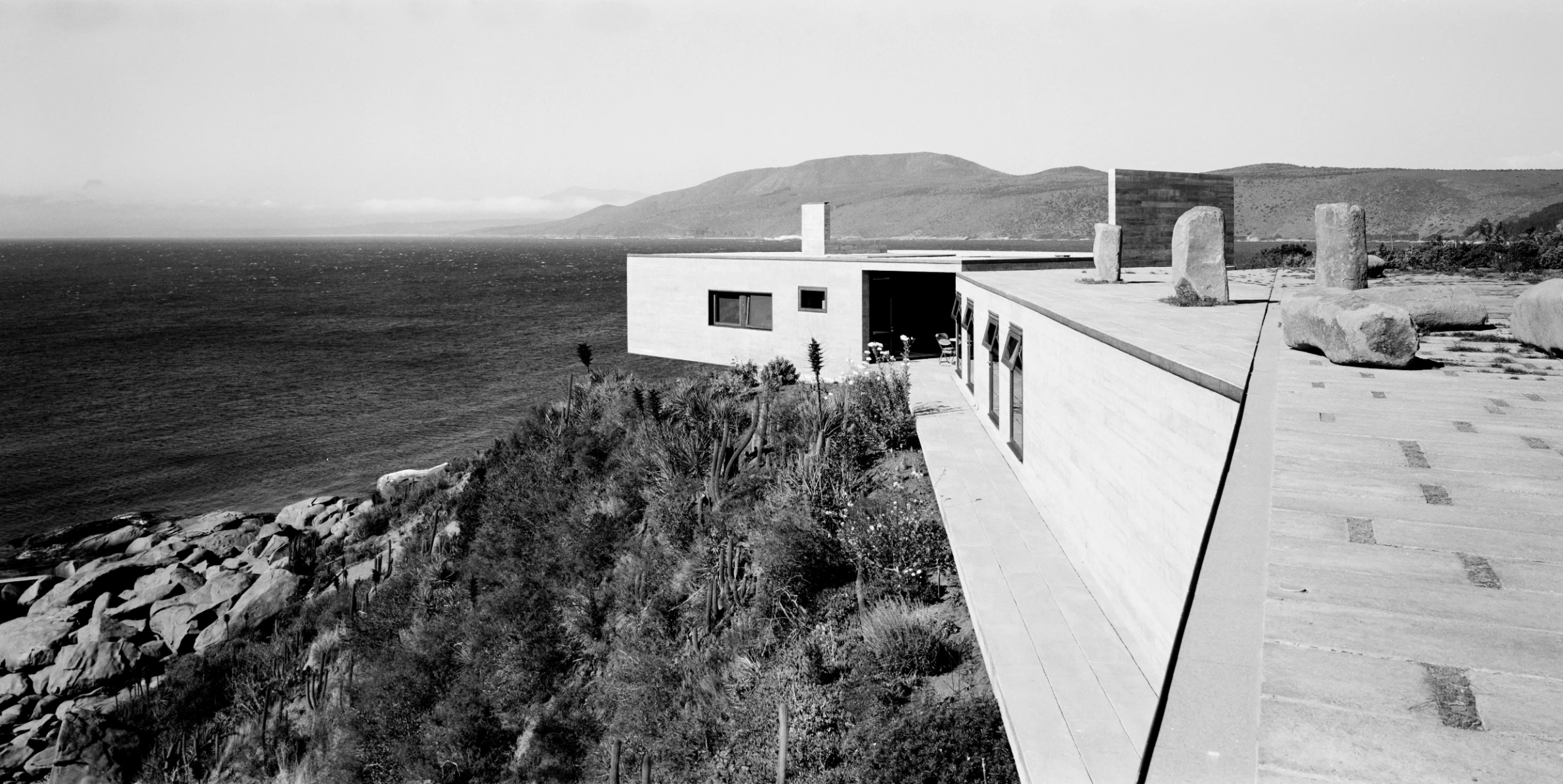
Location: Papudo, Chile
Year: 2003–2005
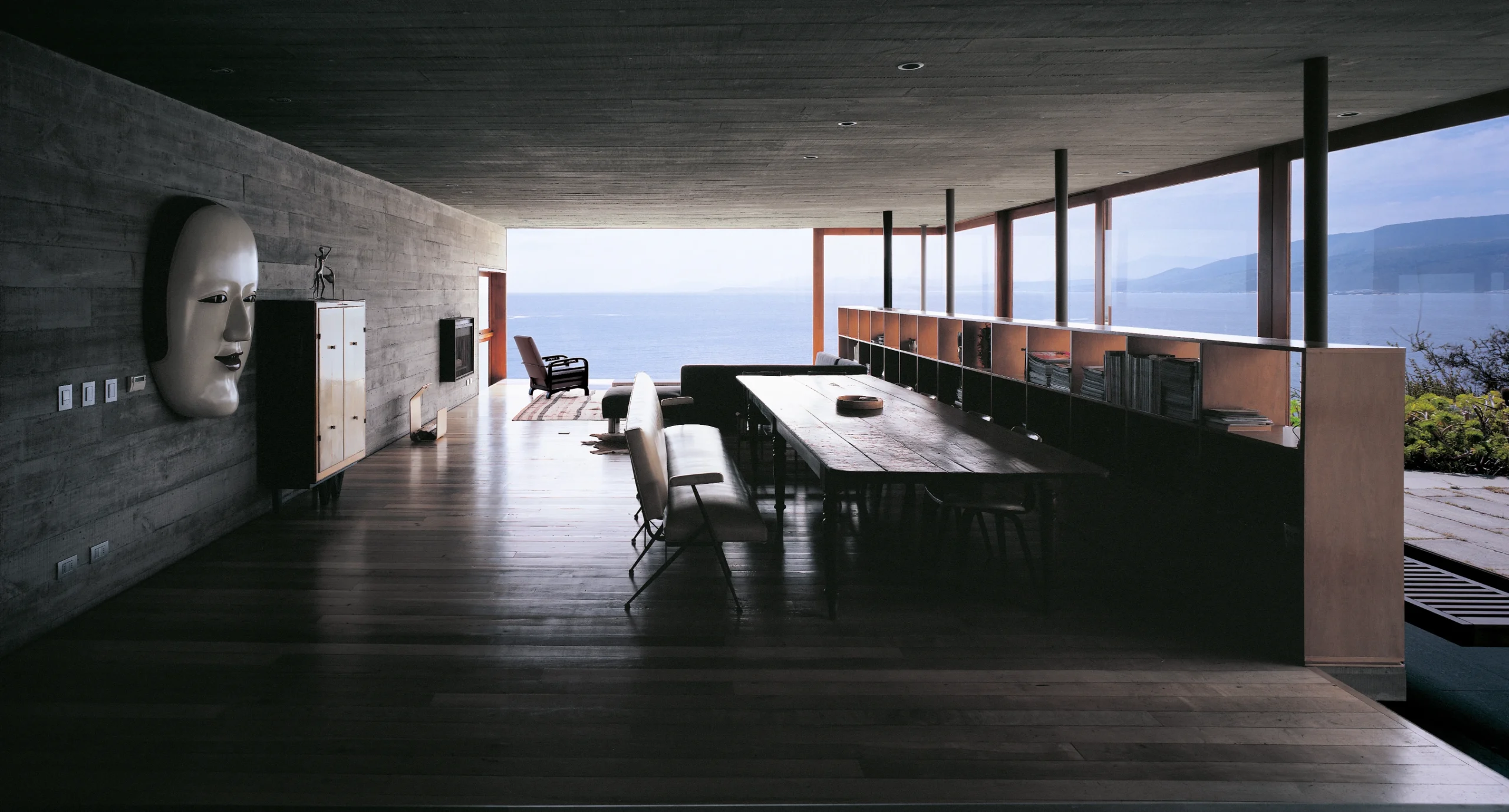
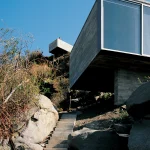
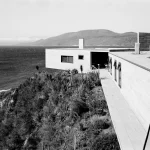
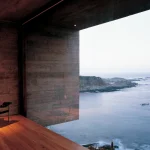
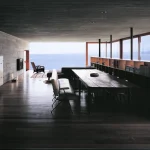
Perched on a coastal cliff north of Santiago, Pite House is among Radić’s most widely recognized residential projects. The design takes advantage of the steep terrain and ocean views, incorporating large openings and a cantilevered pool that extends toward the Pacific landscape. The building demonstrates the architect’s ongoing dialogue between architecture and natural geography.
4. Mestizo Restaurant
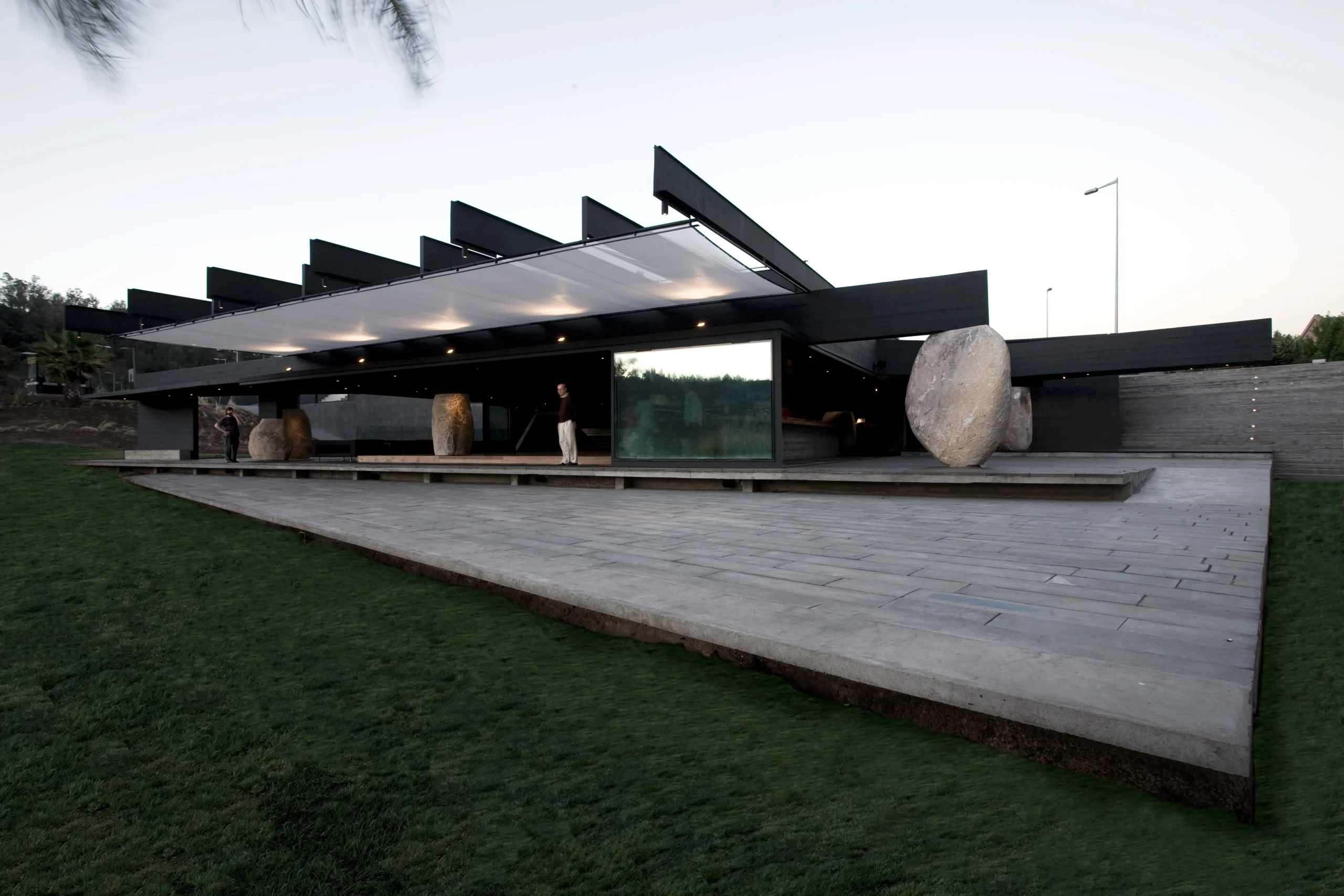
Location: Santiago, Chile
Year: 2007
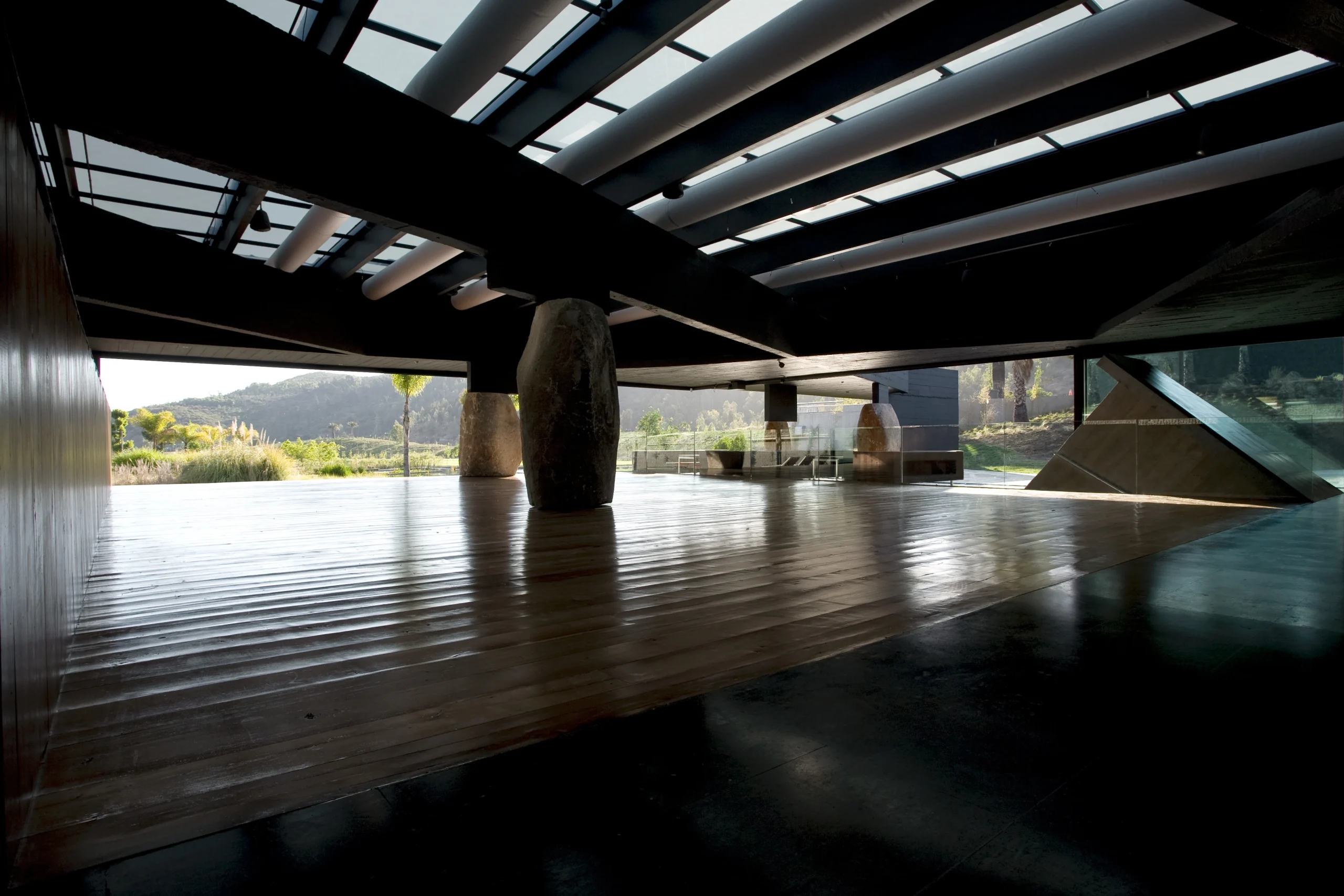
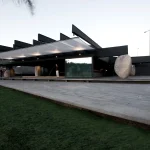
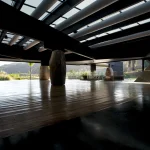
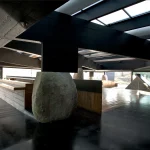
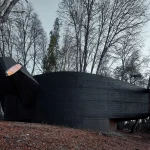
Completed in Santiago’s Parque Bicentenario area, Mestizo Restaurant helped bring Radić international attention. The building features massive black concrete beams supported by large granite stones, creating a striking structural composition that merges modern construction with primitive elements.
5. House for the Poem of the Right Angle
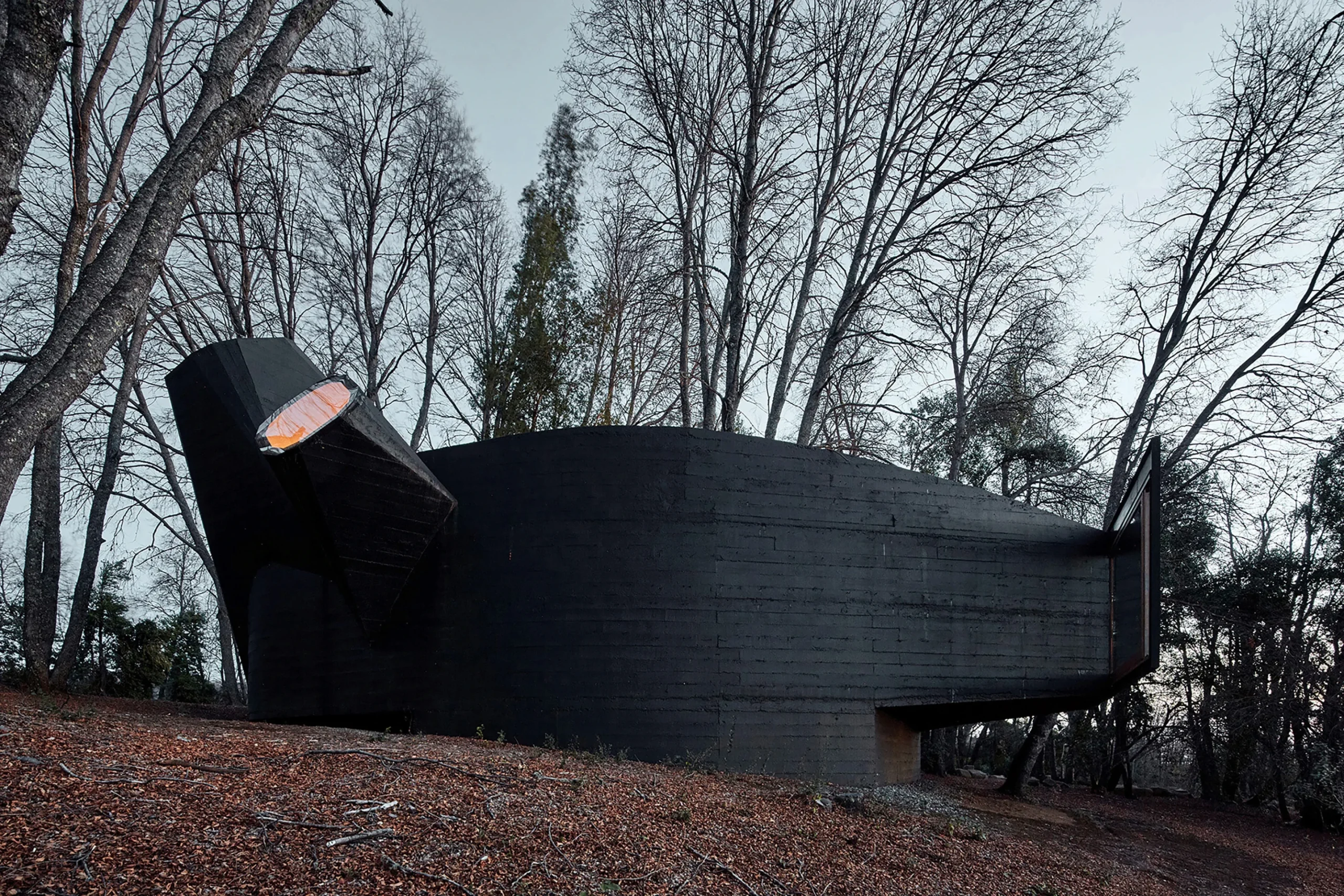
Location: Vilches, Chile
Year: 2012
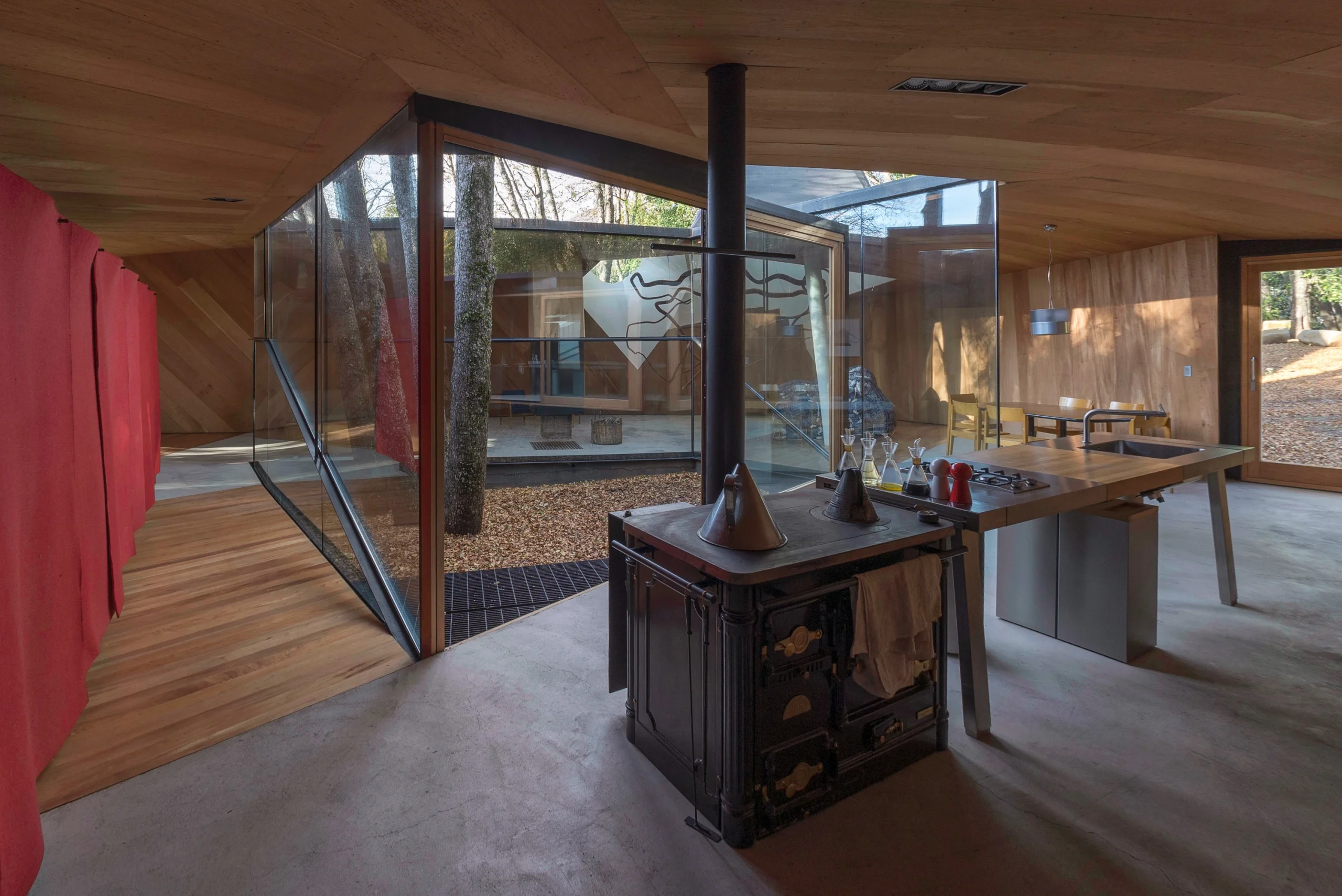
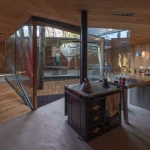
Inspired by Le Corbusier’s poetic text Poème de l’Angle Droit, this house stands in a forested landscape near the Andes. The design combines cylindrical and angular volumes, creating an expressive form embedded into the hillside. The building moves visitors from dark entry spaces to light-filled interiors, using geometry and light as key spatial elements.
6. Krumbach Bus Stop
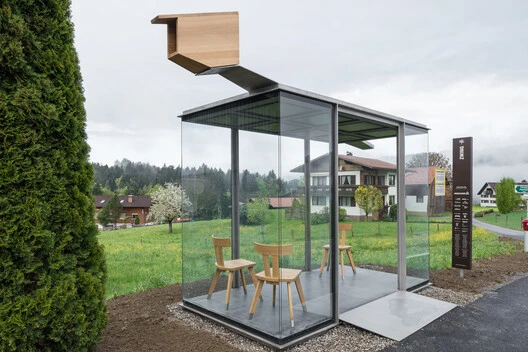
Location: Krumbach, Austria
Year: 2014
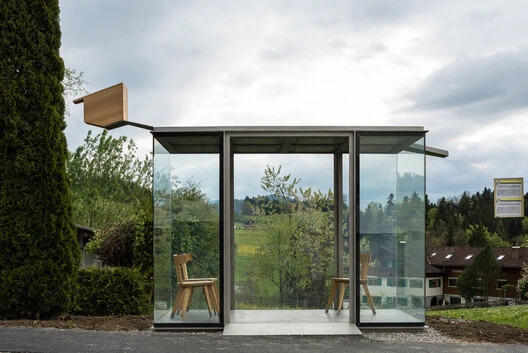
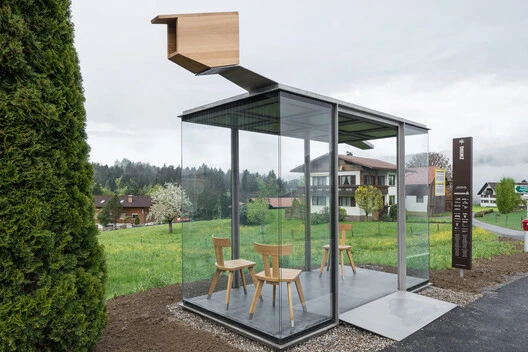
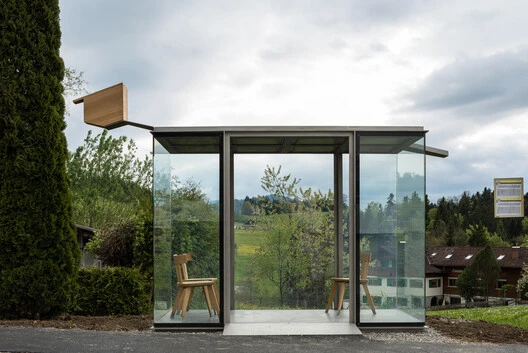
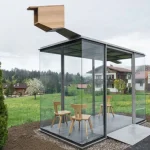
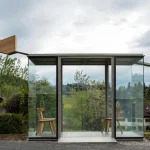
Smiljan Radić contributed one of the internationally designated bus shelters for the small Austrian village of Krumbach. These structures were part of a project inviting global architects to reinterpret everyday infrastructure. Radić’s design transformed a simple bus stop into a sculptural installation, demonstrating his interest in small-scale architecture as a platform for experimentation.
7. Serpentine Gallery Pavilion
Location: London, United Kingdom
Year: 2014
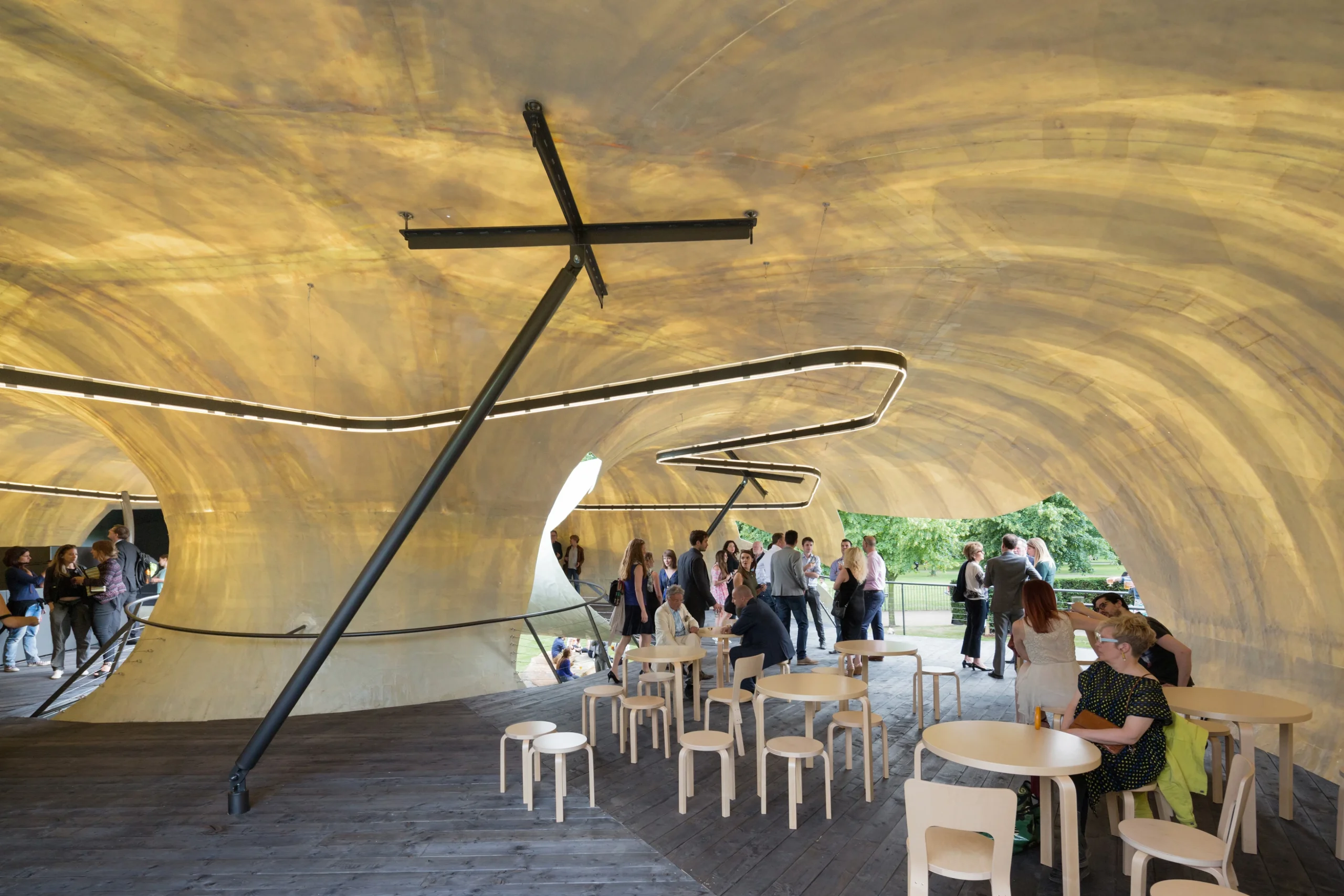
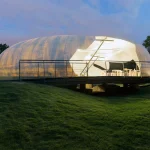
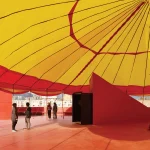
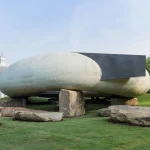
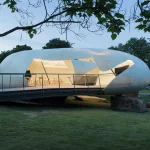
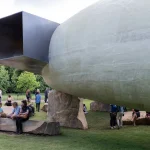
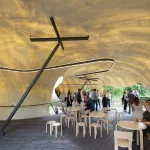
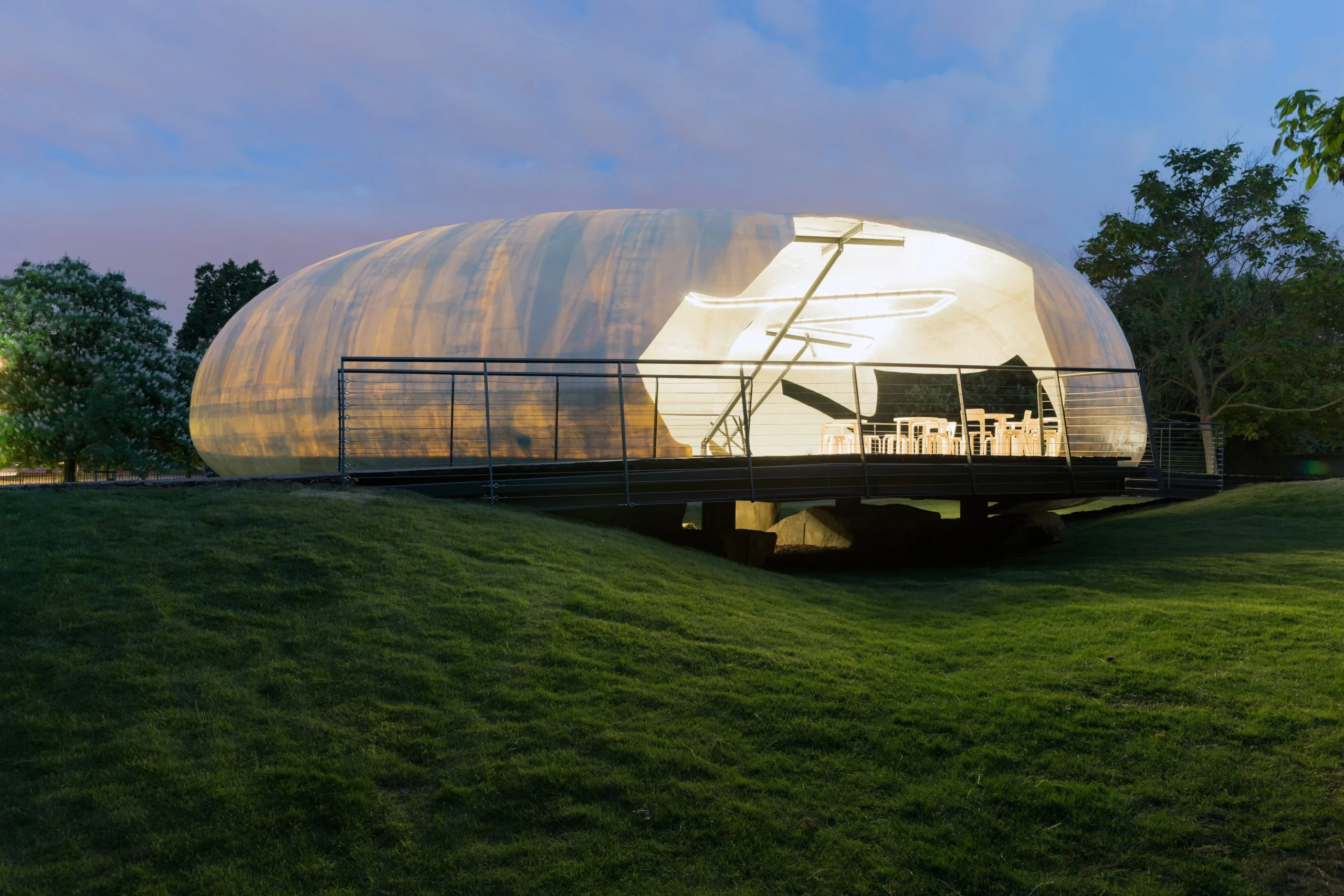
Radić gained significant recognition with the Serpentine Gallery Pavilion 2014. The temporary structure consisted of a translucent fiberglass shell resting on large quarried stones, resembling a fragile dome balanced on prehistoric foundations. Designed as a flexible public space with a café and event venue, the pavilion became one of London’s notable architectural attractions during its summer installation.
8. VIK Winery
Location: Millahue Valley, Chile
Year: 2014
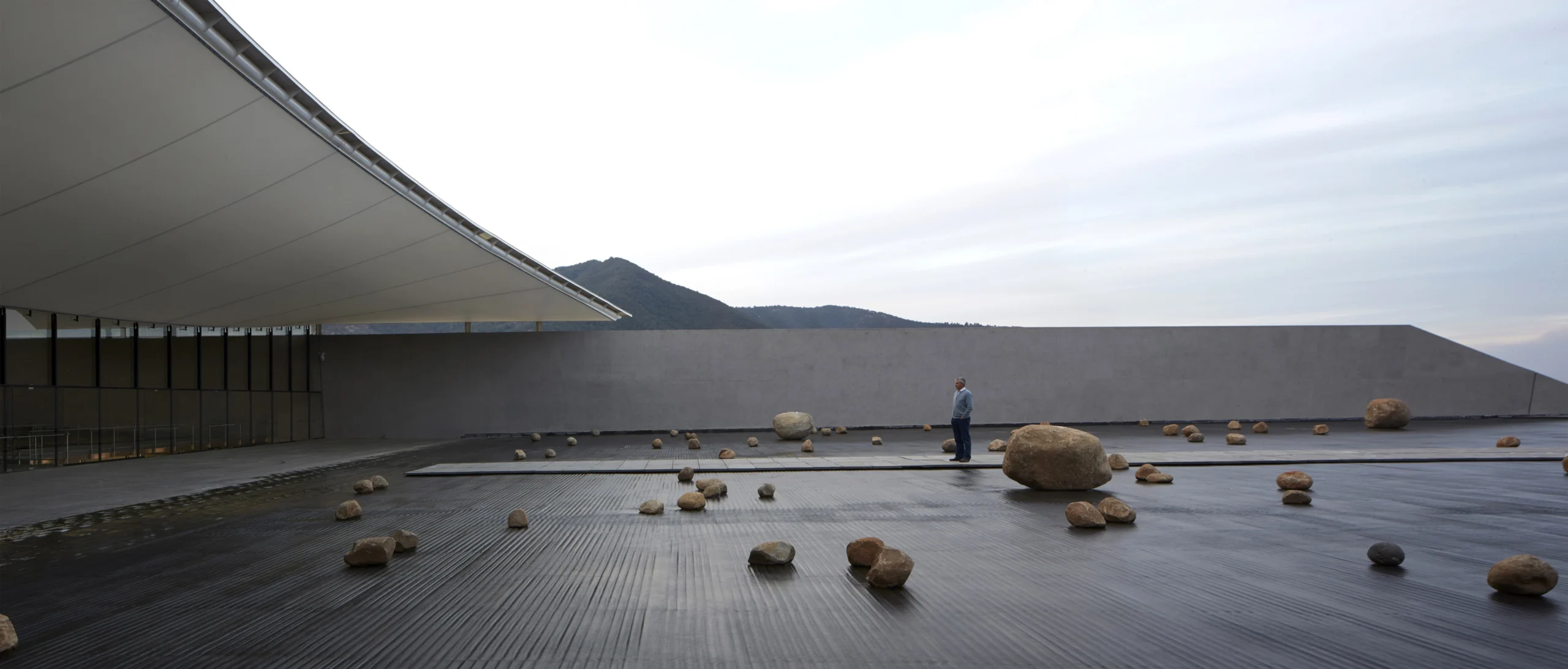
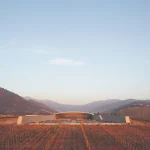
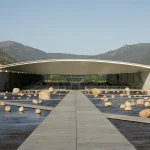
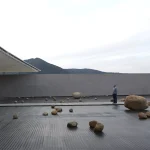
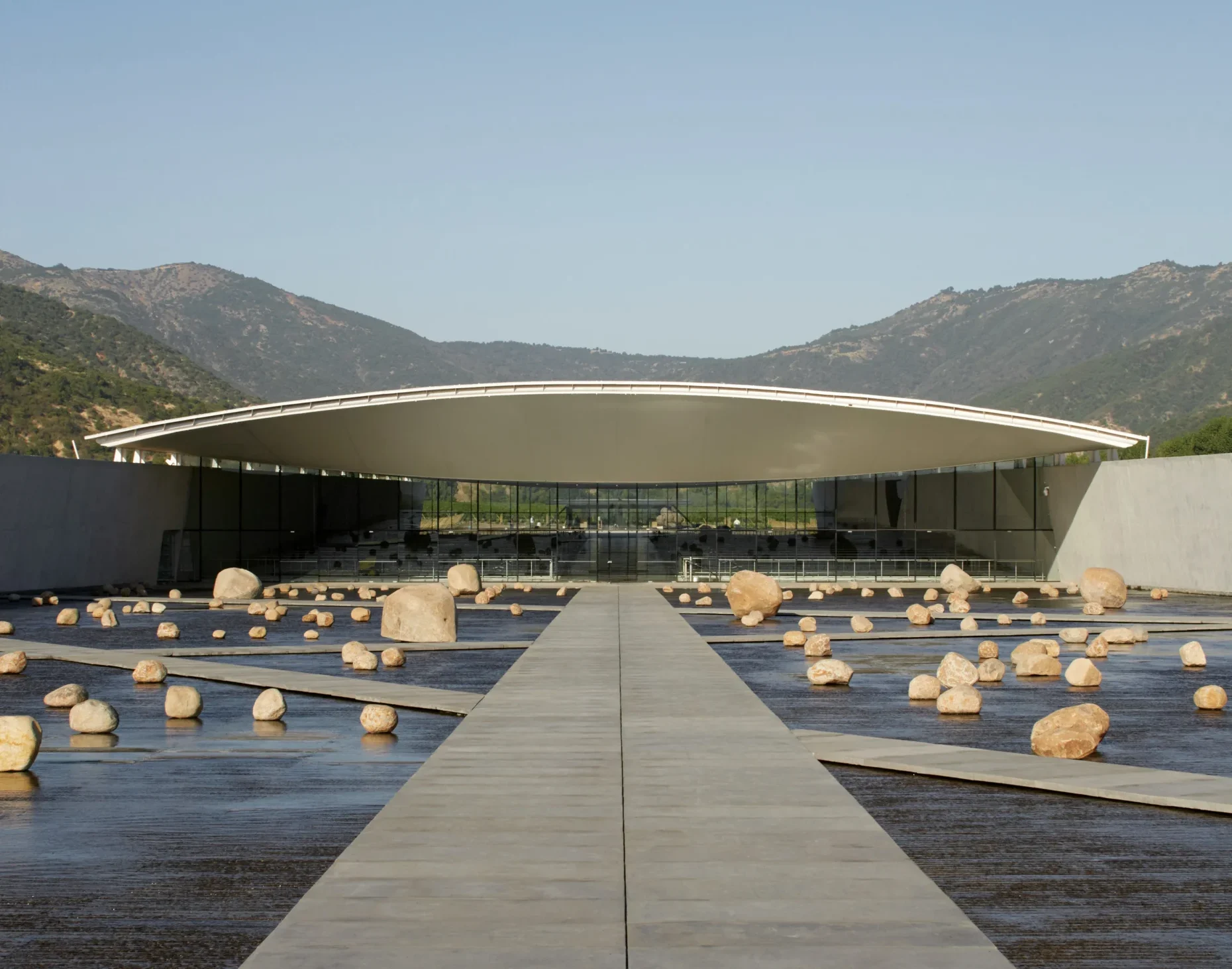
Located in Chile’s wine region, the VIK Winery combines industrial function with landscape sensitivity. The design integrates underground facilities and lightweight roofing elements that respond to the climate while framing views of the surrounding valley. The project demonstrates Radić’s ability to merge large-scale production architecture with environmental awareness.
9. NAVE Performing Arts Center
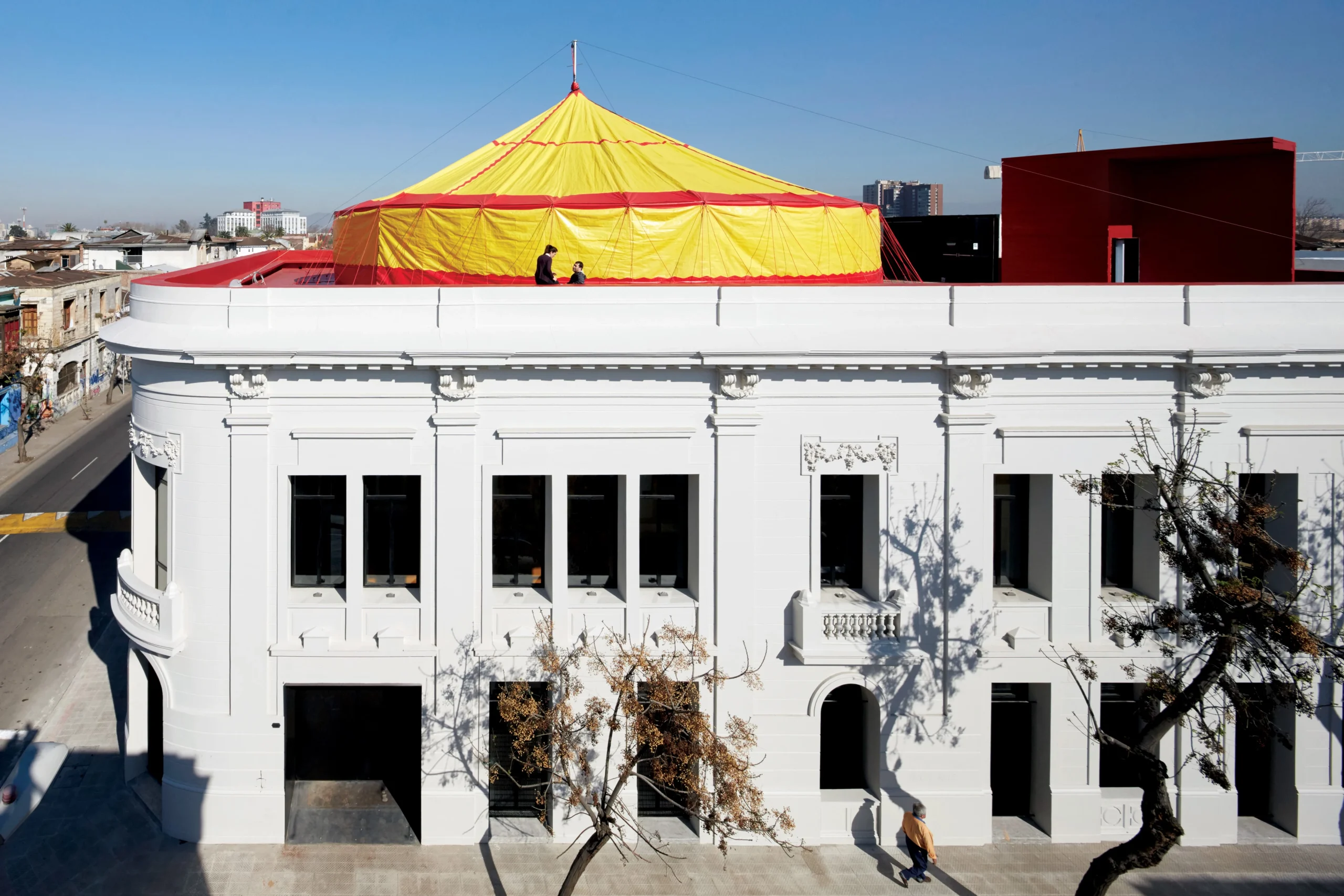
Location: Santiago, Chile
Year: 2017
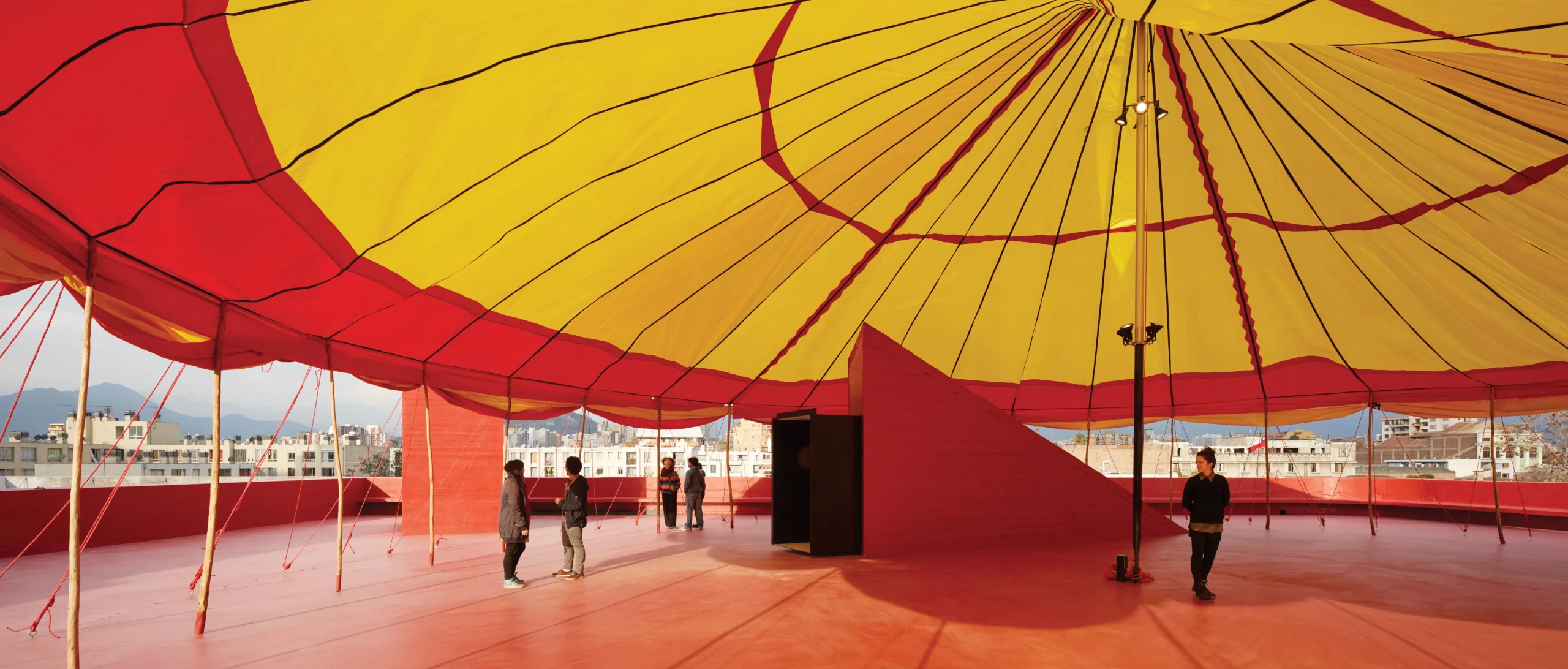
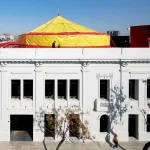
NAVE is a contemporary arts and performance space located in the Yungay neighborhood of Santiago. The building was designed as a flexible environment for experimental theater, dance, and music. Its adaptable interior spaces allow artists to transform the building according to performance needs, reflecting Radić’s belief that architecture should support evolving cultural activity.
10. Teatro Regional del Biobío
Location: Concepción, Chile
Year: 2018
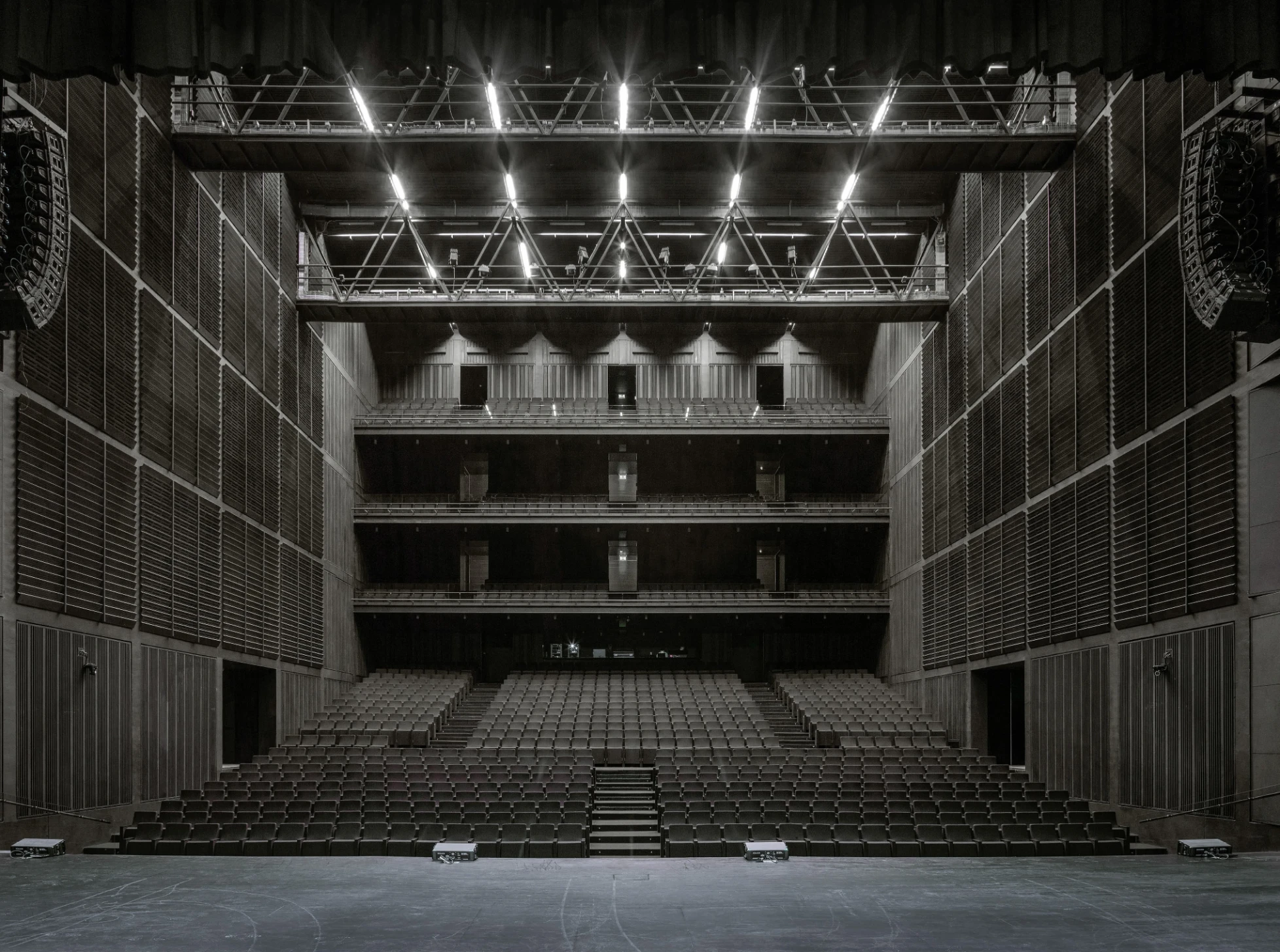
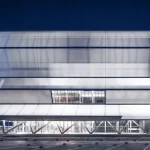
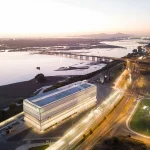
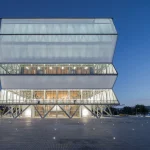
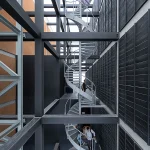
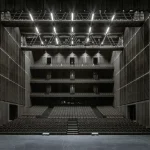
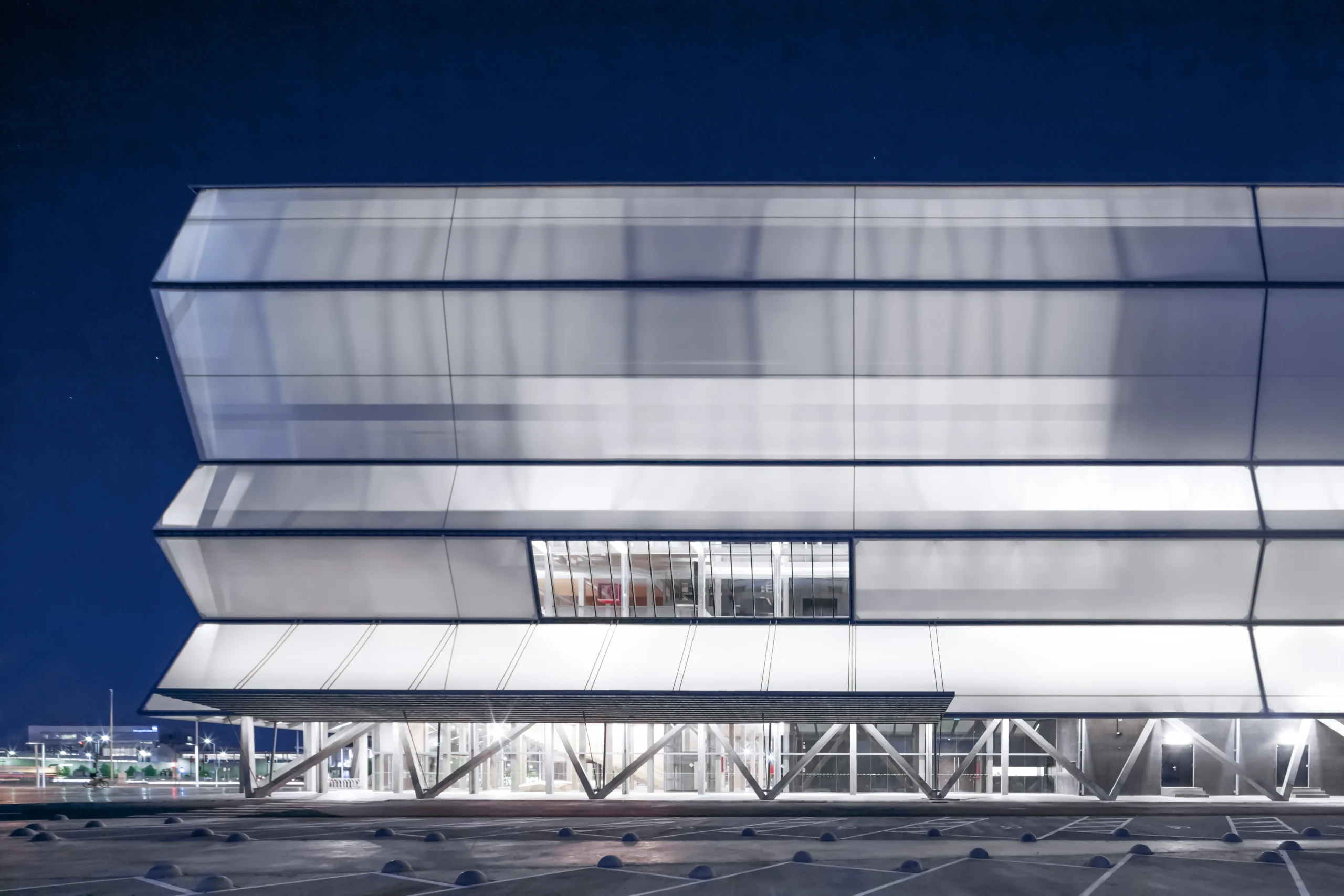
The Teatro Regional del Biobío is one of Radić’s most prominent public buildings. Inaugurated in 2018, the theater stands along the Biobío River and features a distinctive translucent exterior that glows at night. The project was designed as a major cultural venue for the region, housing performance halls and public gathering spaces while contributing to the revitalization of the city’s waterfront district.
11. Guatero
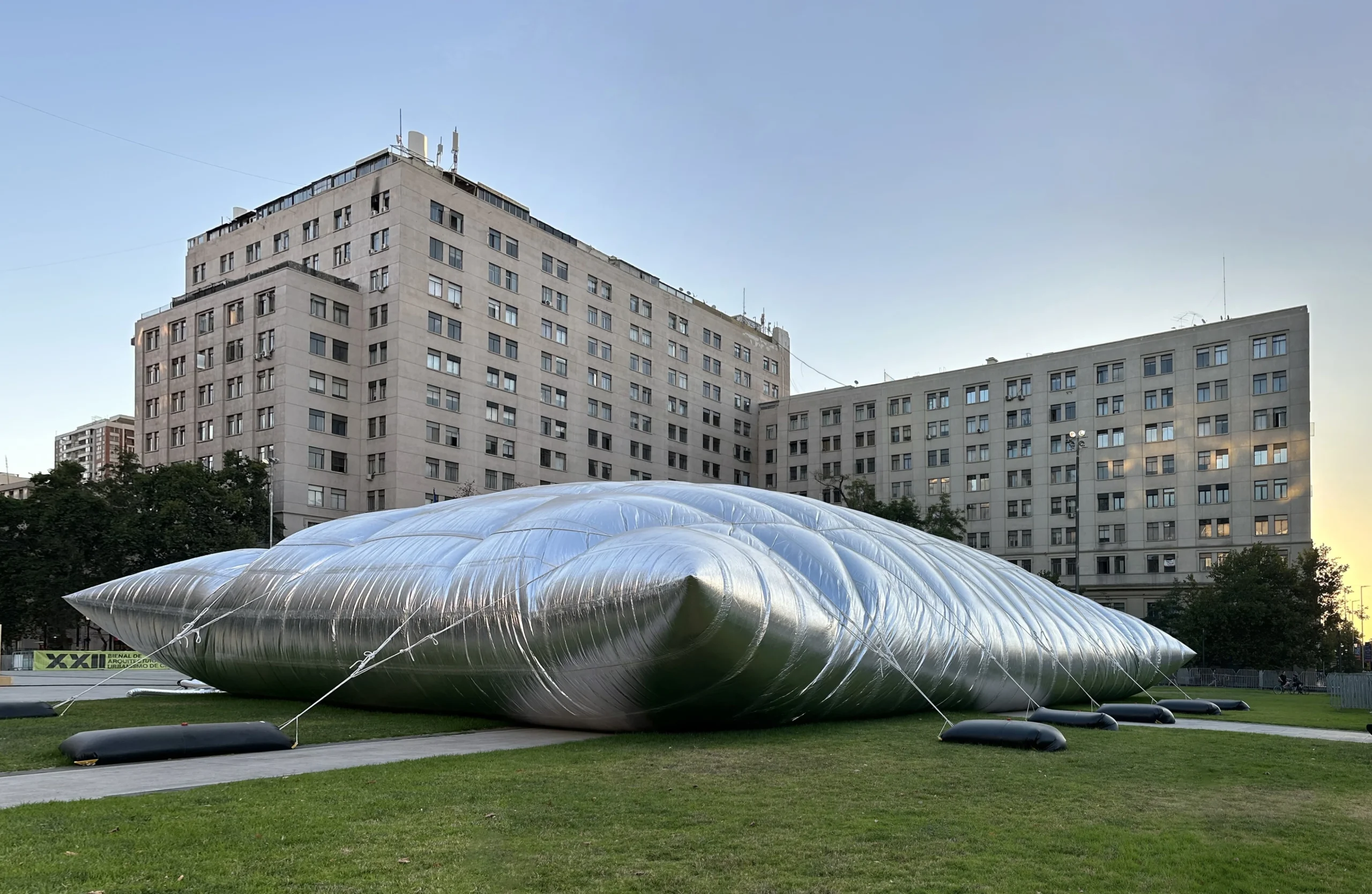
Location: Santiago, Chile
Year: 2023
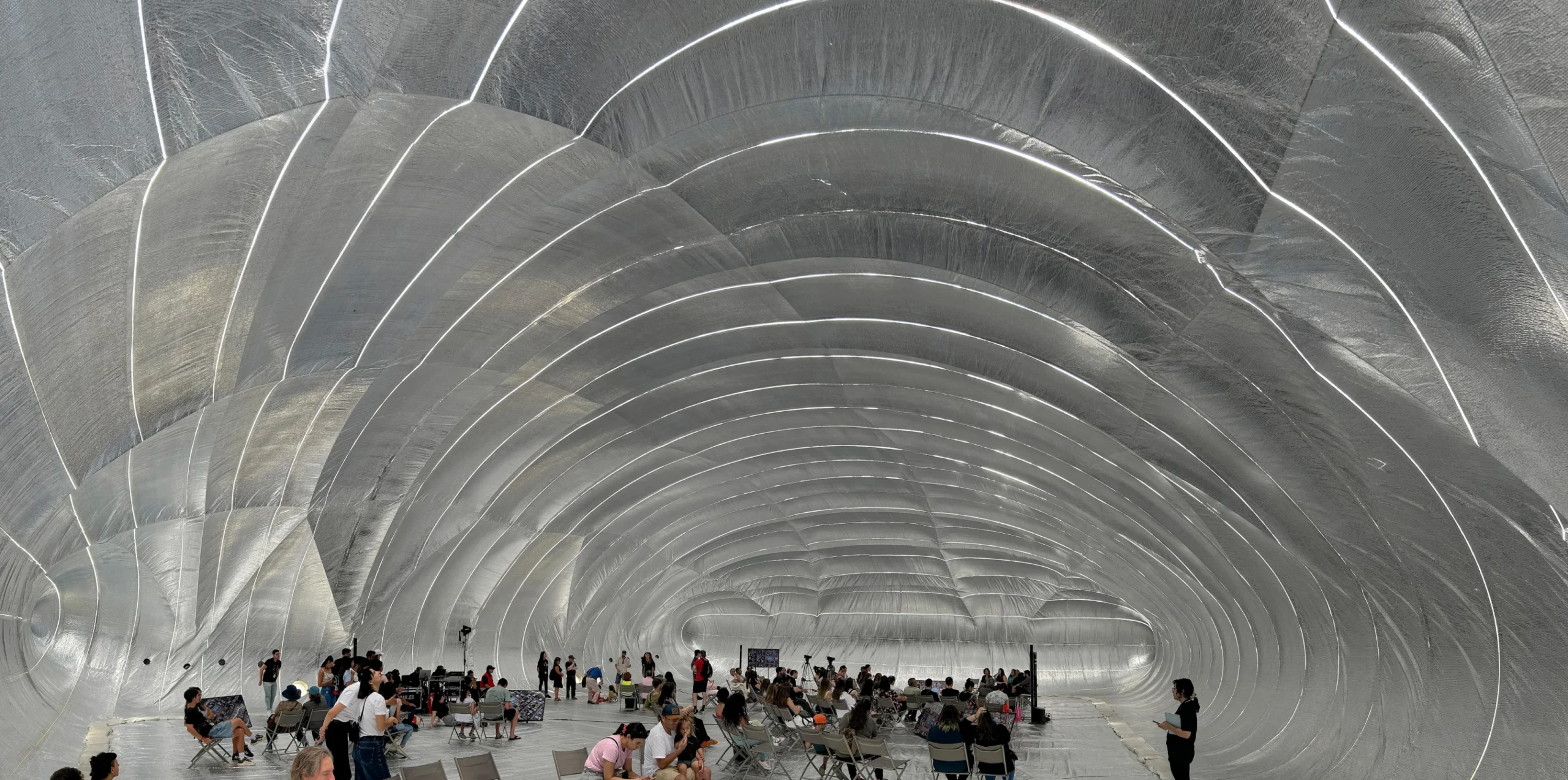
Guatero is a small experimental structure completed in Santiago. The project reflects Radić’s continued interest in lightweight and fragile architectural forms, emphasizing minimal intervention and spatial experimentation.
12. Carbonero House (Casa del Carbonero)

Location: Culiprán, Melipilla, Chile
Year: 1997–1998
Casa del Carbonero is one of Smiljan Radić’s early residential works. Located in the rural landscape of Culiprán near Melipilla, the house reflects the architect’s early exploration of modest materials and simple forms integrated into the surrounding terrain.
13. Chile Antes de Chile
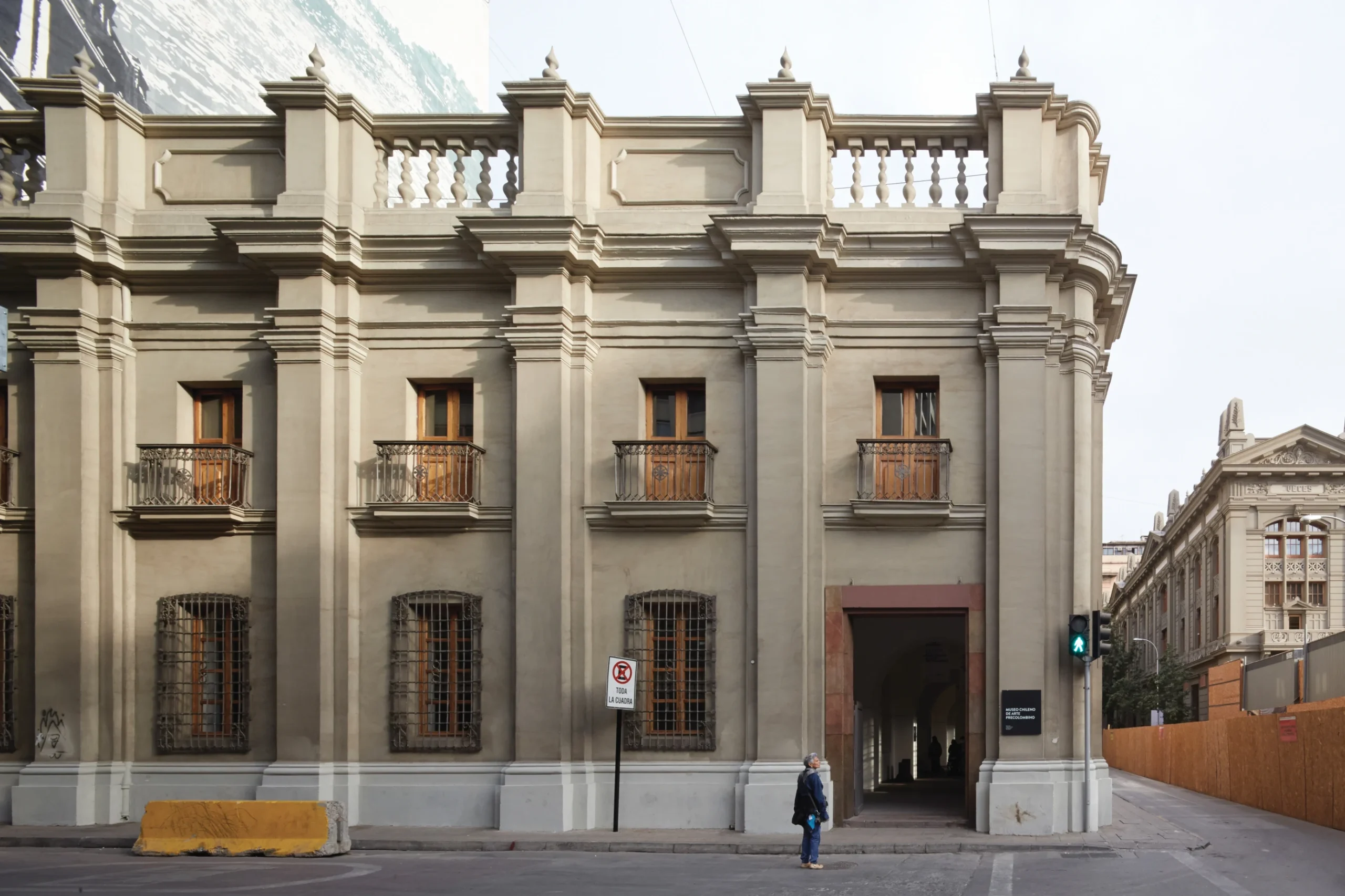
Location: Santiago, Chile
Year: 2021 (exhibition)
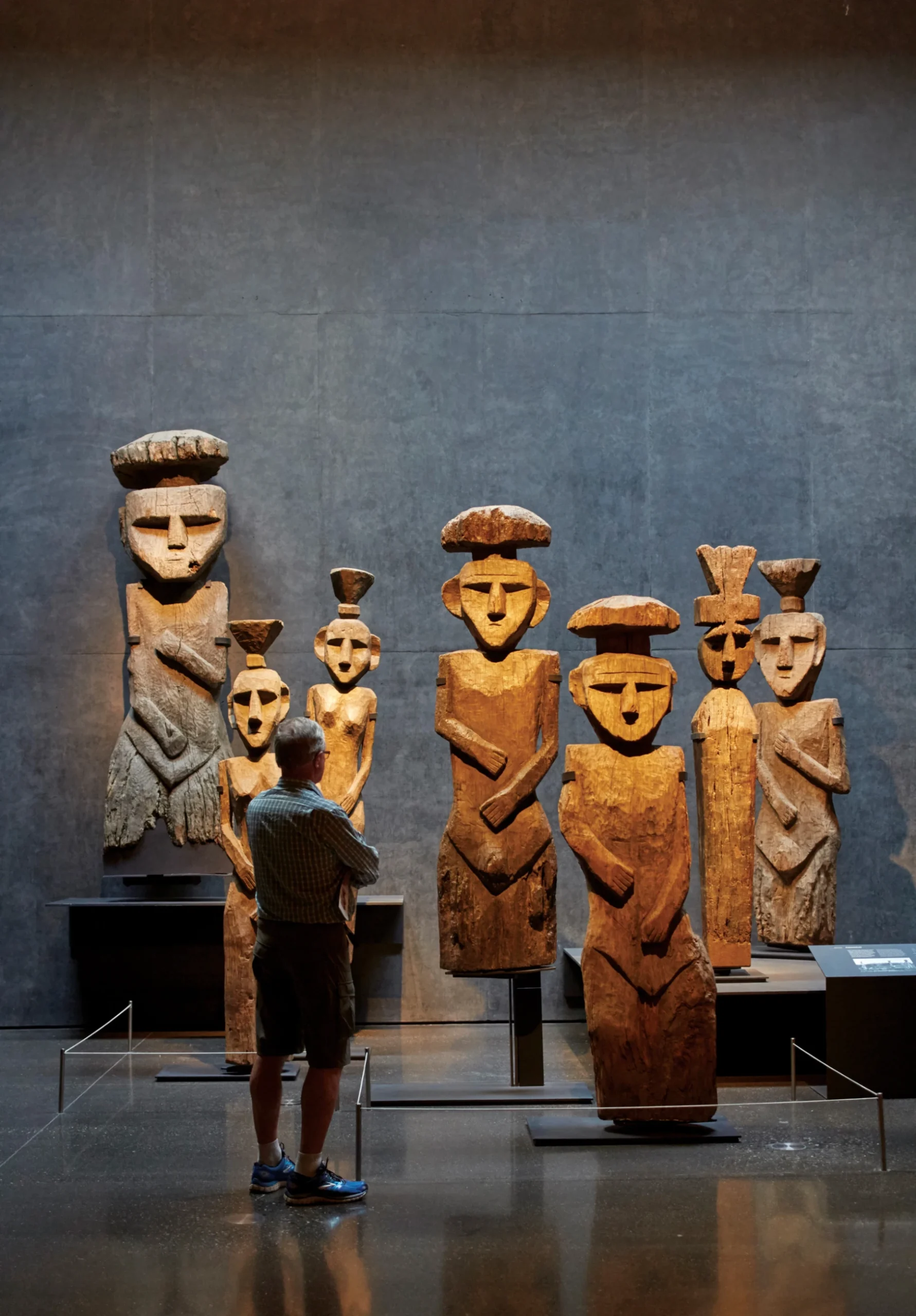
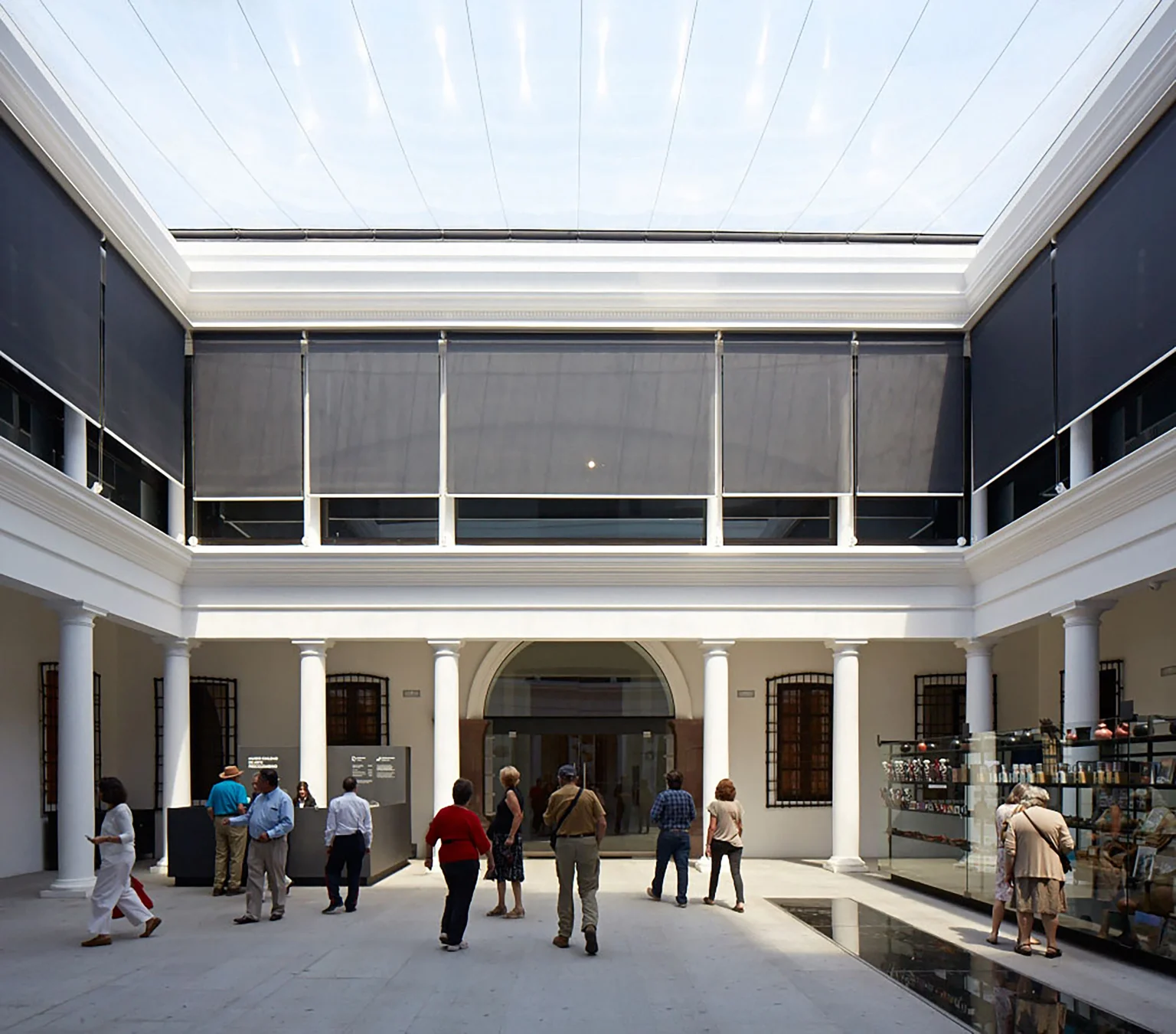
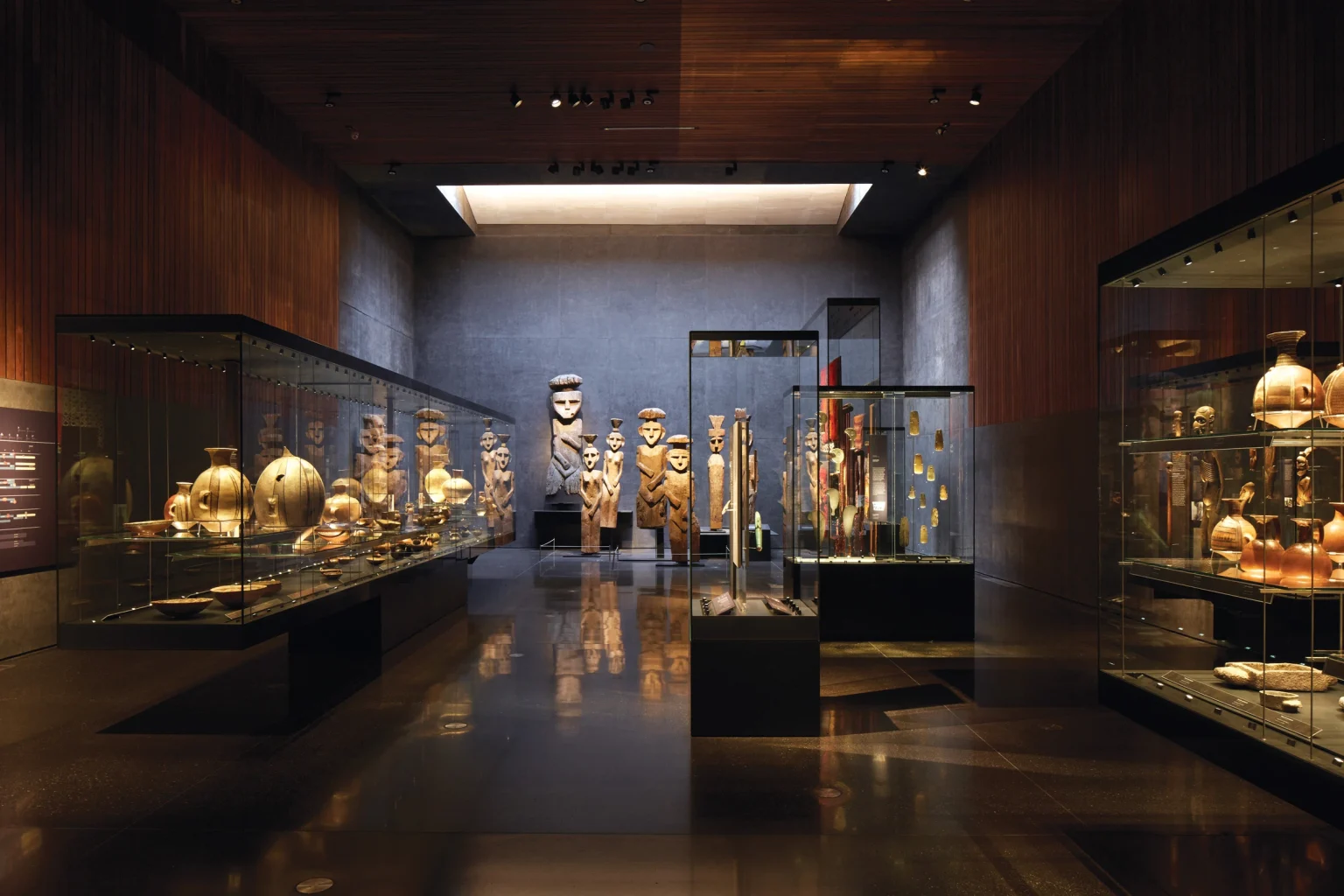
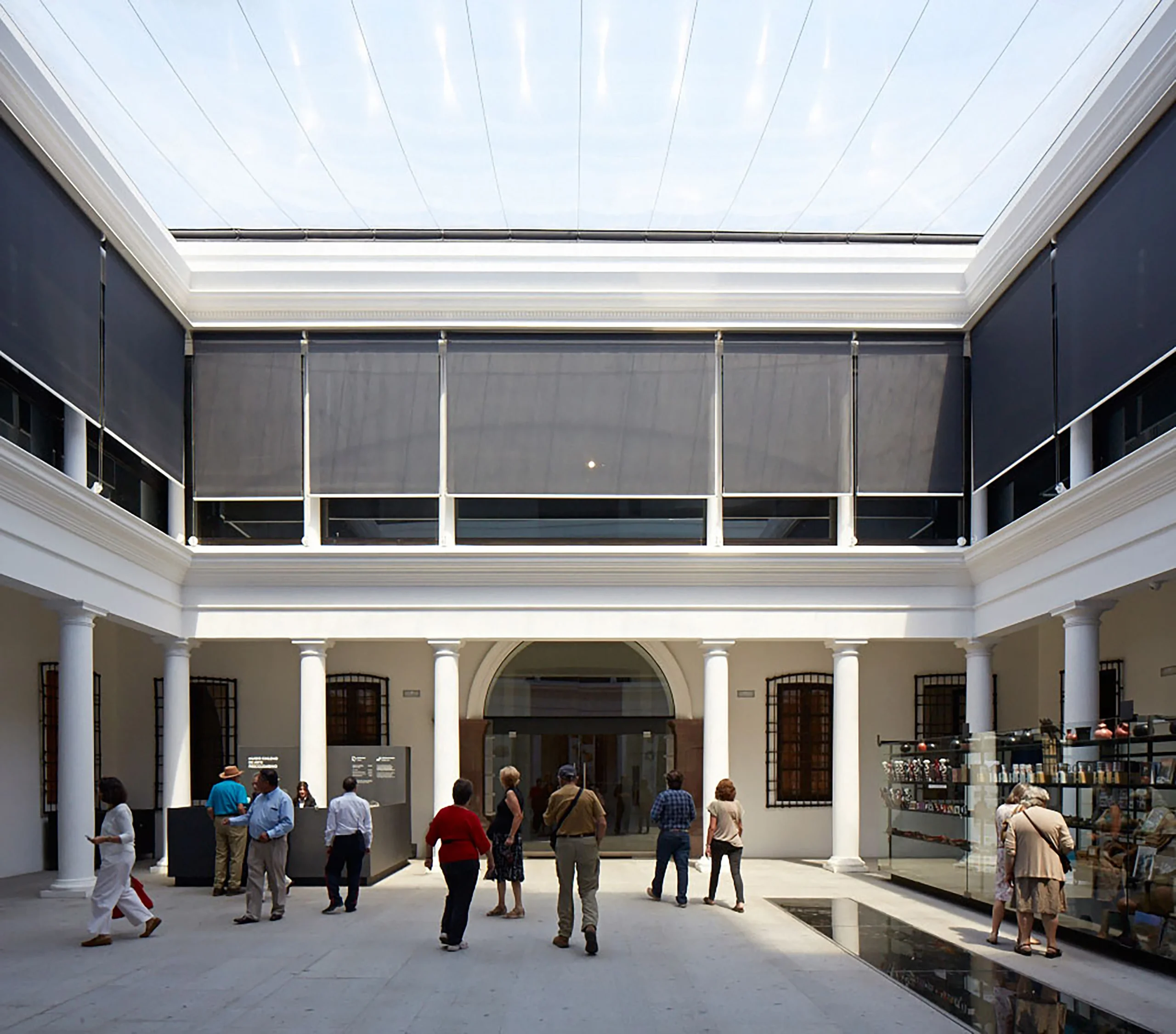
“Chile Antes de Chile” is an architectural and cultural exhibition project associated with Smiljan Radić Clarke. It was shown as a space setup and a way to explore how Chile’s architectural identity has changed over time, examining its early landscapes, traditional styles, and rich cultural history. The project combines architecture, anthropology, and historical inquiry, positioning design as a way of questioning national identity and experience.
14. London Sky Bubble — For Alexander McQueen Show
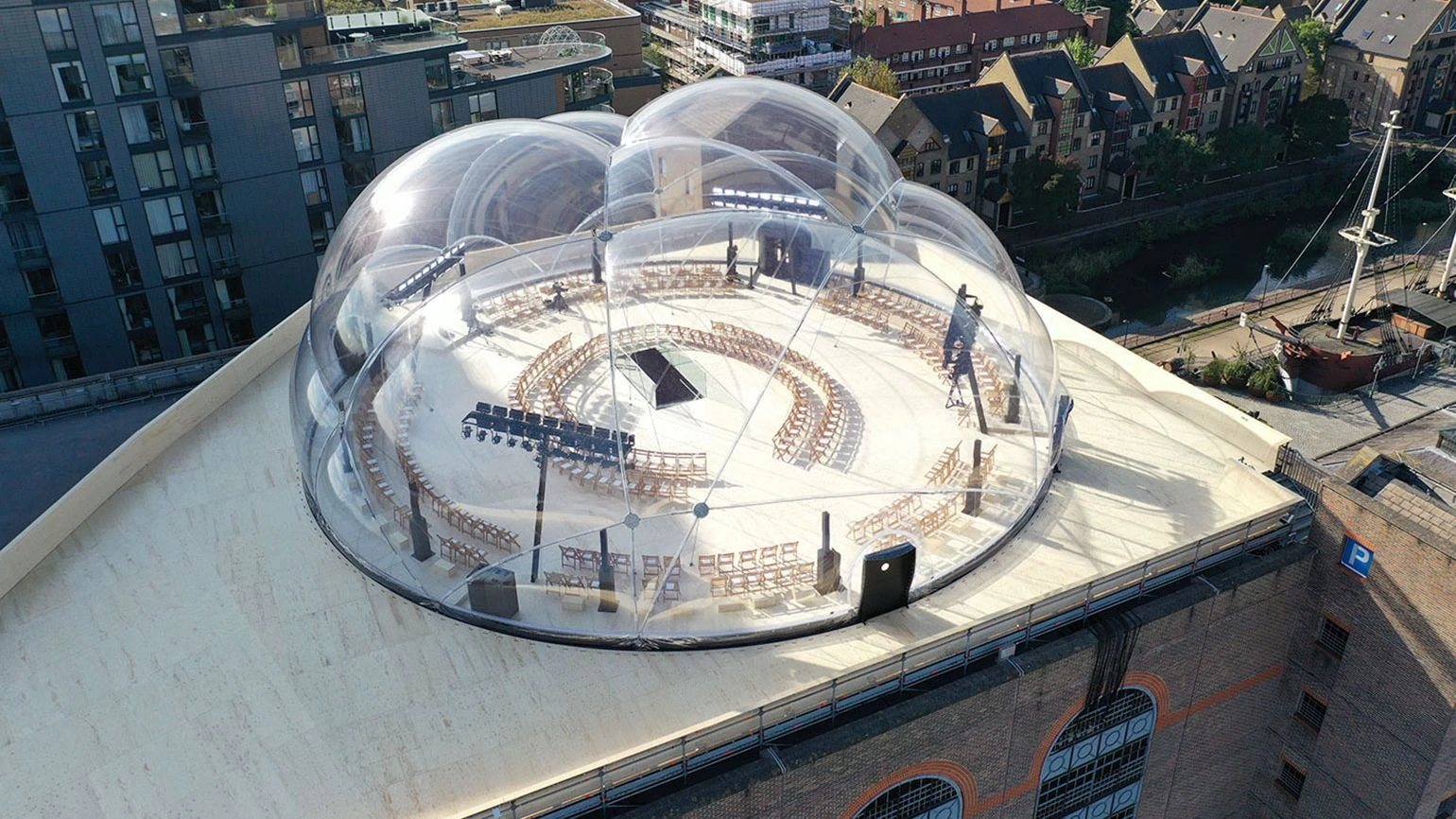
Location: Tobacco Dock, London, United Kingdom
Year: 2021
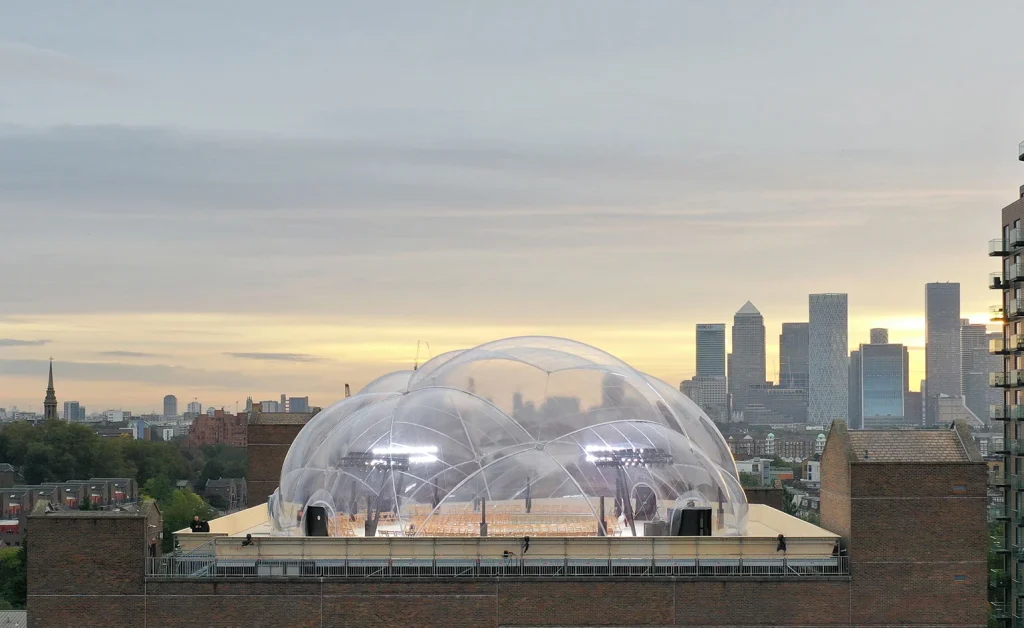
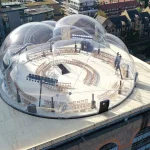
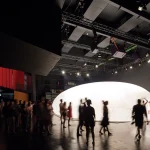
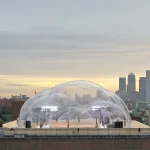
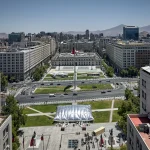
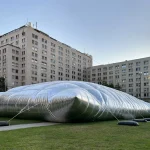
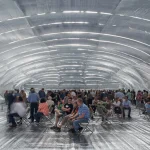
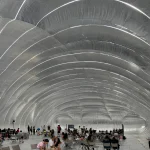
In October 2021, Chilean architect Smiljan Radić created a transparent, bubble‑like dome for Alexander McQueen’s Spring/Summer 2022 fashion show at Tobacco Dock, London. The inflatable, cloud-inspired structure enveloped guests while offering panoramic city views, with concentric seating framing the runway. Built with a lightweight membrane supported by steel cables, the dome transformed the rooftop into a sculptural space that merged architecture, fashion, and the changing London skies.
Across these projects, Radić’s architecture resists a single recognizable style. Instead, his buildings move between fragility and mass, between experimental installations and permanent civic structures. His work frequently uses raw materials and unconventional forms while remaining deeply connected to the landscapes of Chile and beyond.
The 2026 Pritzker Architecture Prize places this distinctive career into a global spotlight. Yet Radić’s work suggests that architecture does not need spectacle to matter. Often, his buildings emerge quietly within their surroundings, inviting people to slow down and experience space in unexpected ways.