




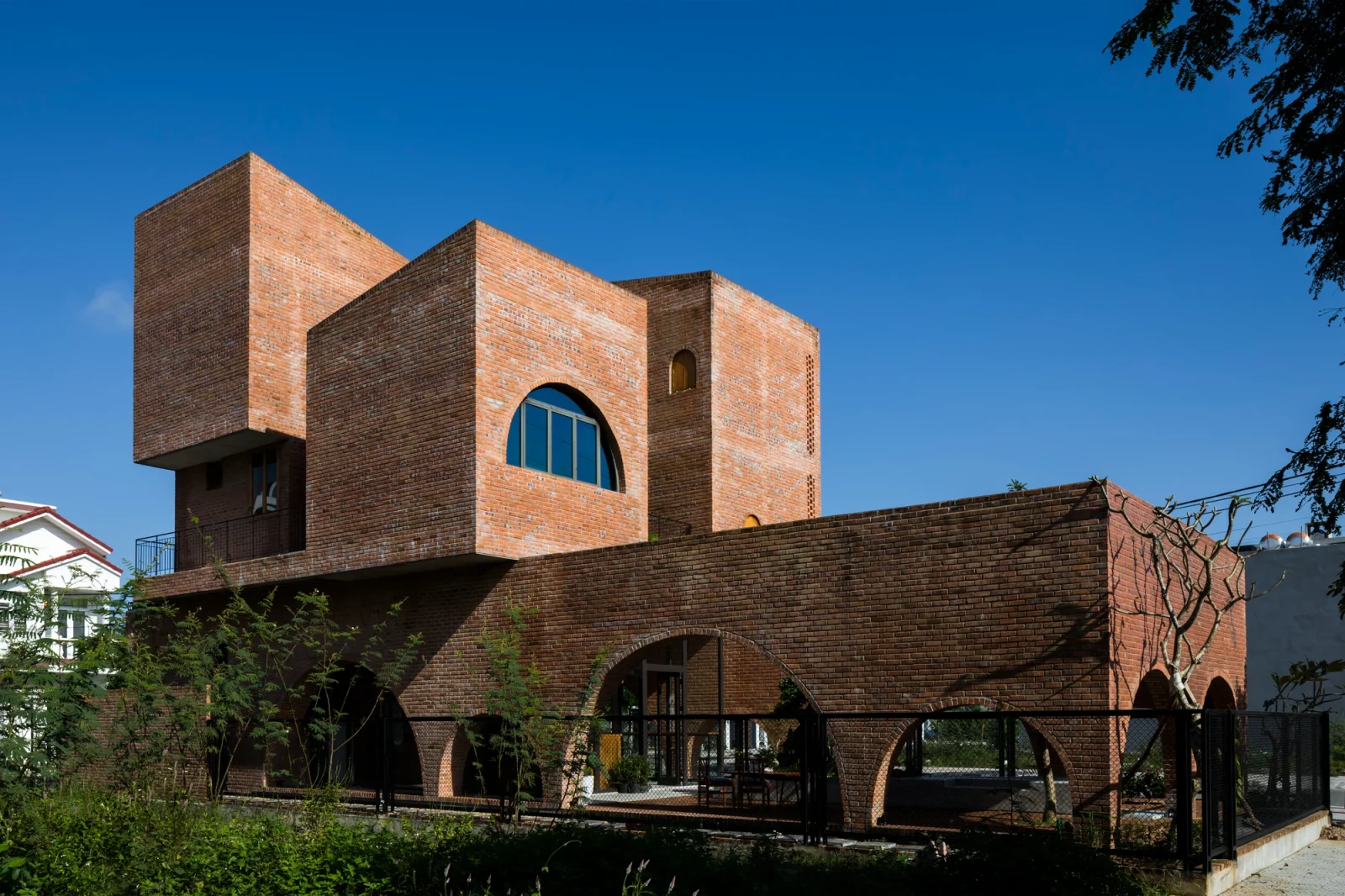
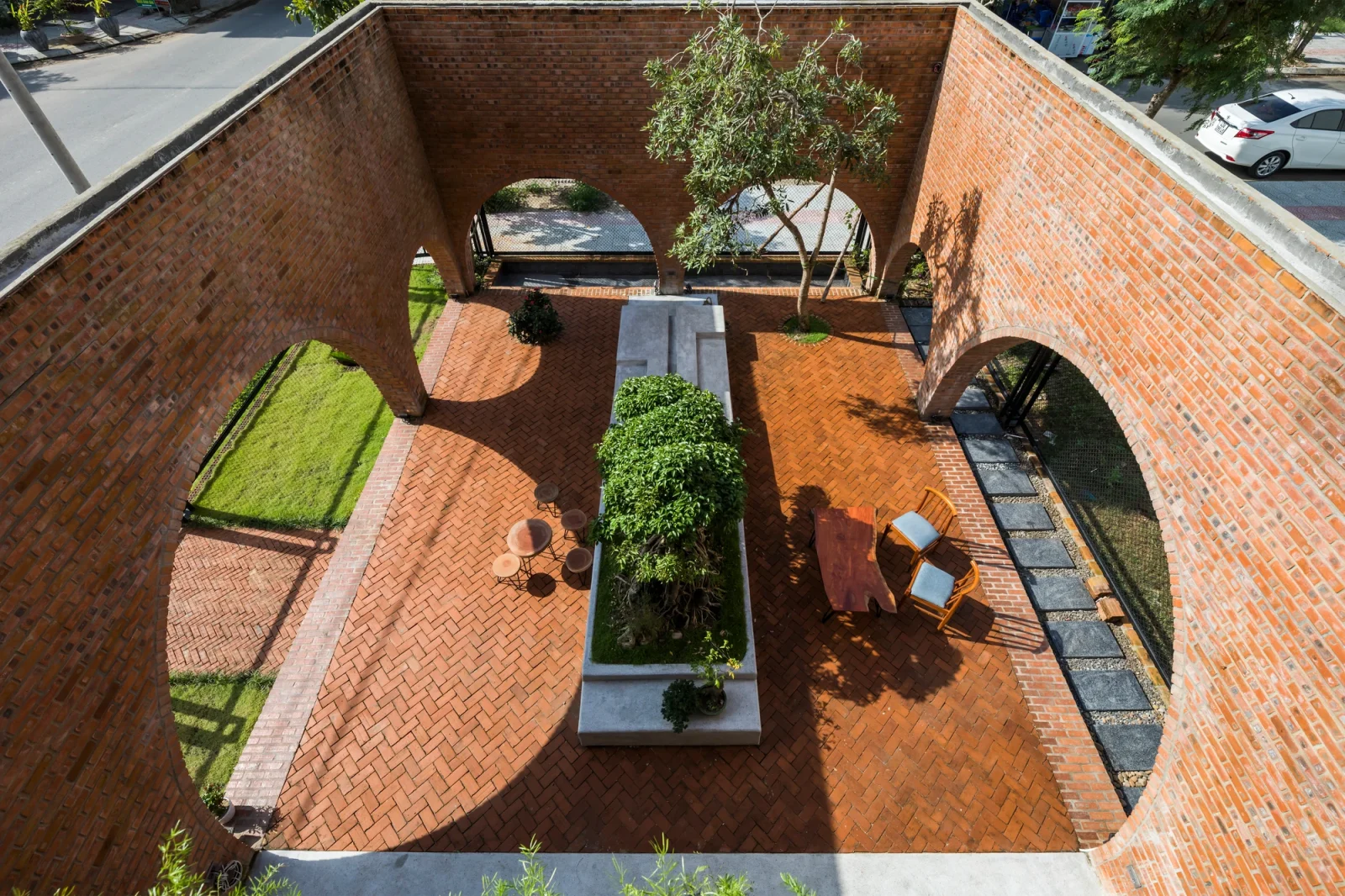
Vernacular architecture, shaped by local knowledge, materials, and building traditions rather than formal architectural theory or professional design, is a product of its region. Closely related to its context, this architectural style is strongly influenced by and aware of the specific geographical features and cultural aspects of its environment.
Evolving gradually in response to the environmental and social conditions of communities, vernacular architecture is built using shared knowledge and traditional techniques passed down among local people. Although it continues to develop alongside new technologies, its essence lies in adapting these innovations in ways that remain faithful to local traditions and environmental conditions. Unique to different parts of the world, this style becomes a means of affirming an identity.
Here are the 10 inspiring projects from vernacular architecture:
1. Gando Primary School
Location: Gando, Burkina Faso
Architect: Francis Kéré
Year: 2001
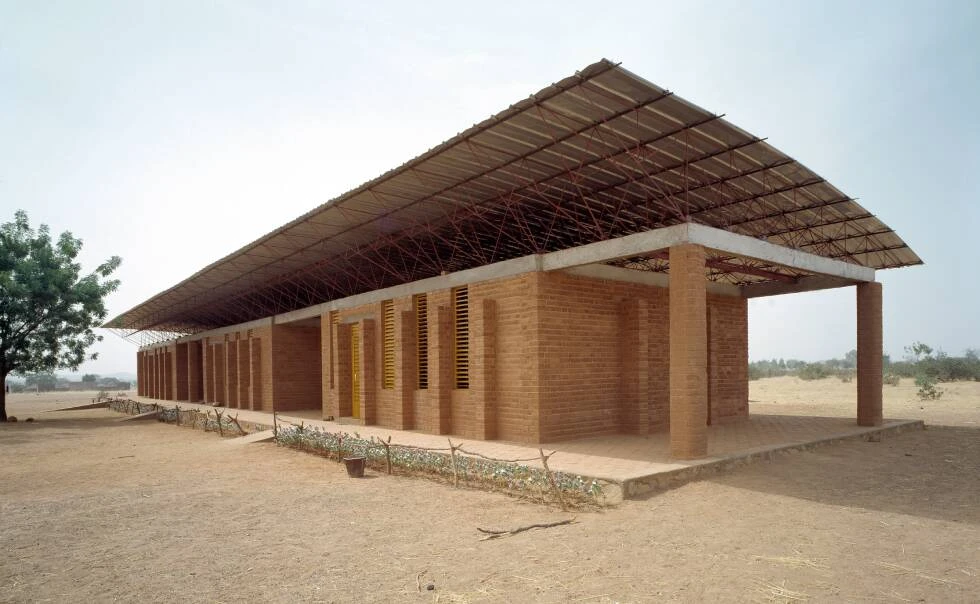
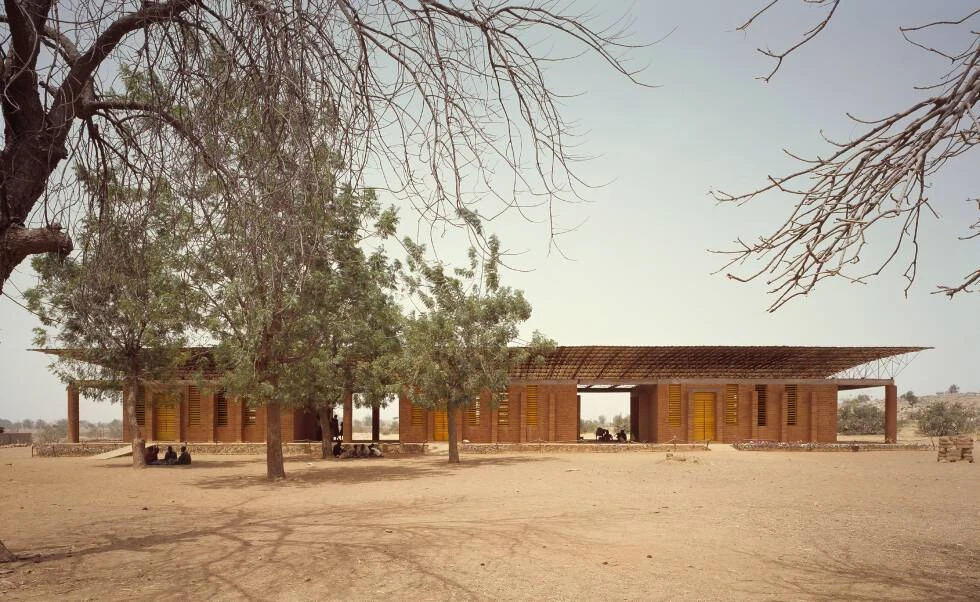
One of the best examples of vernacular architecture is the Gando Primary School designed by Francis Kéré. The project was developed to expand the sparse network of schools in the Boulgou province. Aiming to address the issues of inadequate lighting and ventilation commonly found in many educational buildings in the region, Kéré completed the design by carefully considering parameters such as cost, climate, resource availability, and construction feasibility.
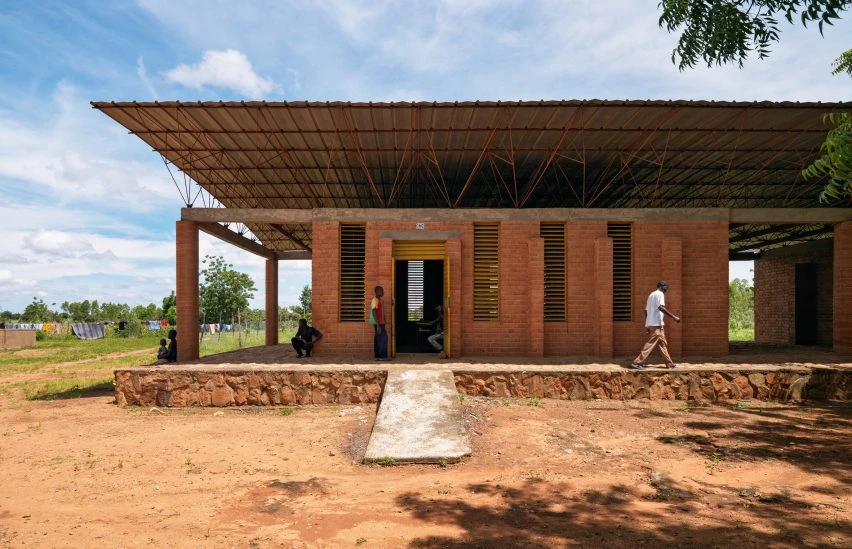
In the construction of Gando Primary School, structurally robust bricks made from locally abundant clay and cement were used. These bricks, easy to produce, also provide thermal insulation in the hot climate. While protruding corrugated metal roofs are a popular choice for rain protection, they absorb direct sunlight, causing the interior of the building to overheat. Kéré addressed this issue by separating the roof from the learning spaces below and inserting a perforated brick ceiling in between, ensuring maximum ventilation. This solution, which eliminates the need for air conditioning, significantly reduces the school’s ecological footprint.
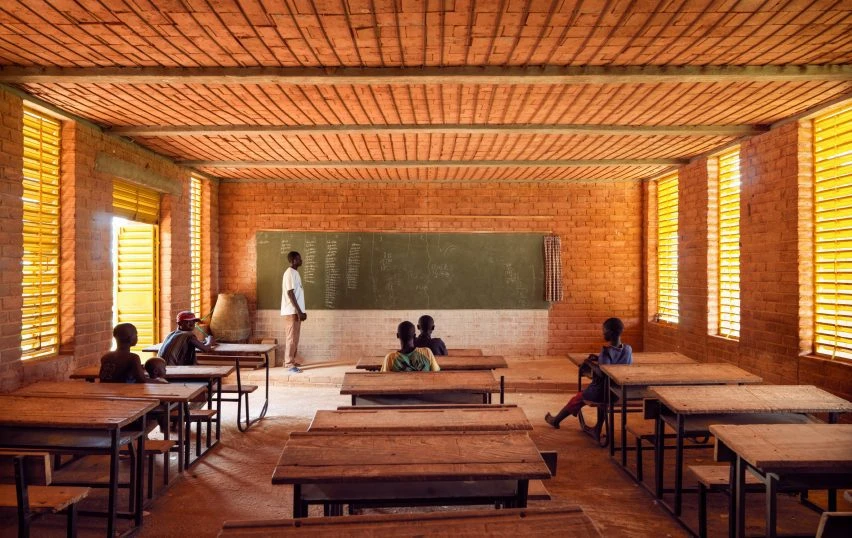
Residents were involved in the construction process of Gando Primary School, combining traditional construction techniques with modern engineering methods to produce the highest quality building solution and simplify future maintenance.
2. Handmade School
Location: Dinajpur, Bangladesh
Architect: Anna Heringer & Eike Roswag
Year: 2007
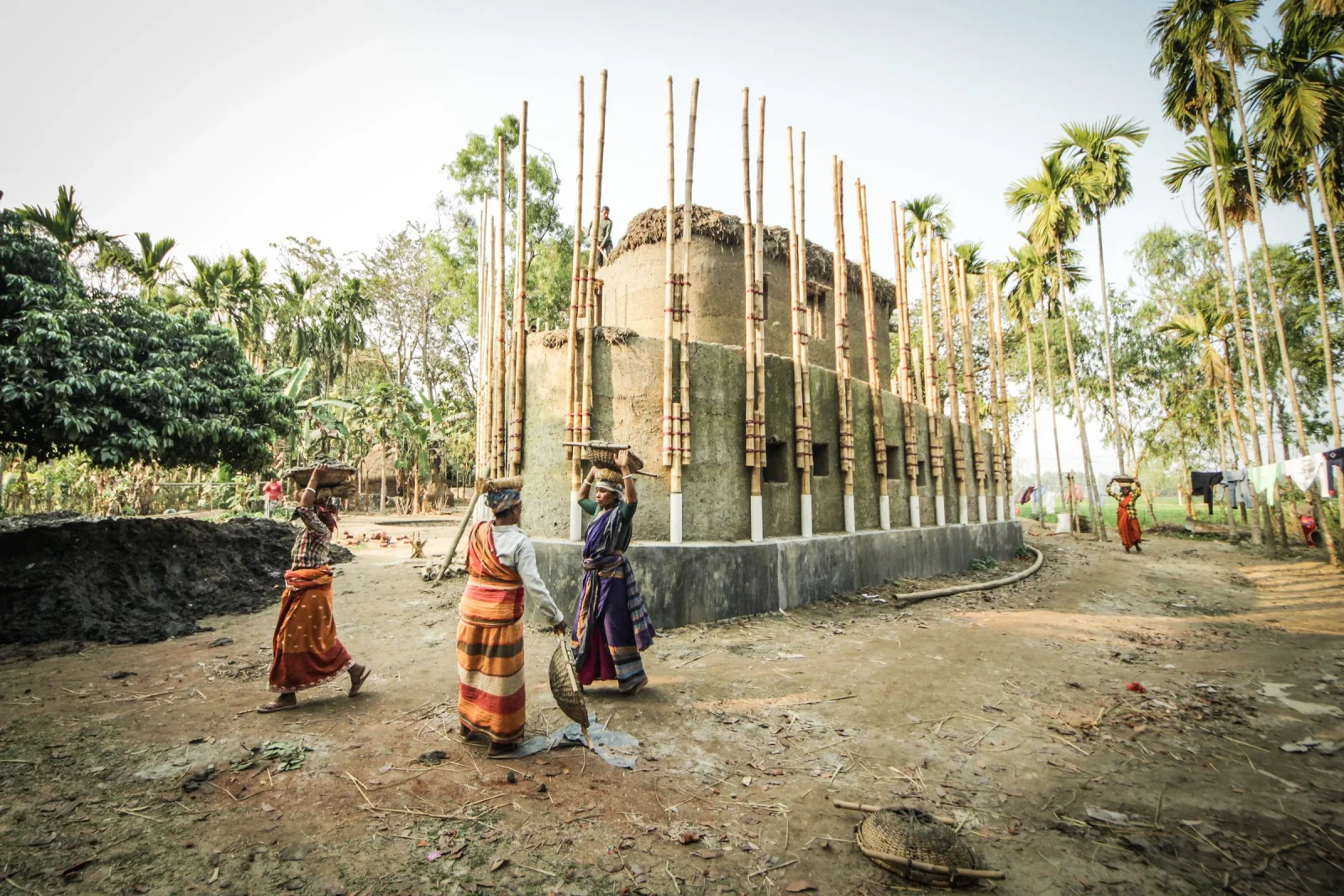
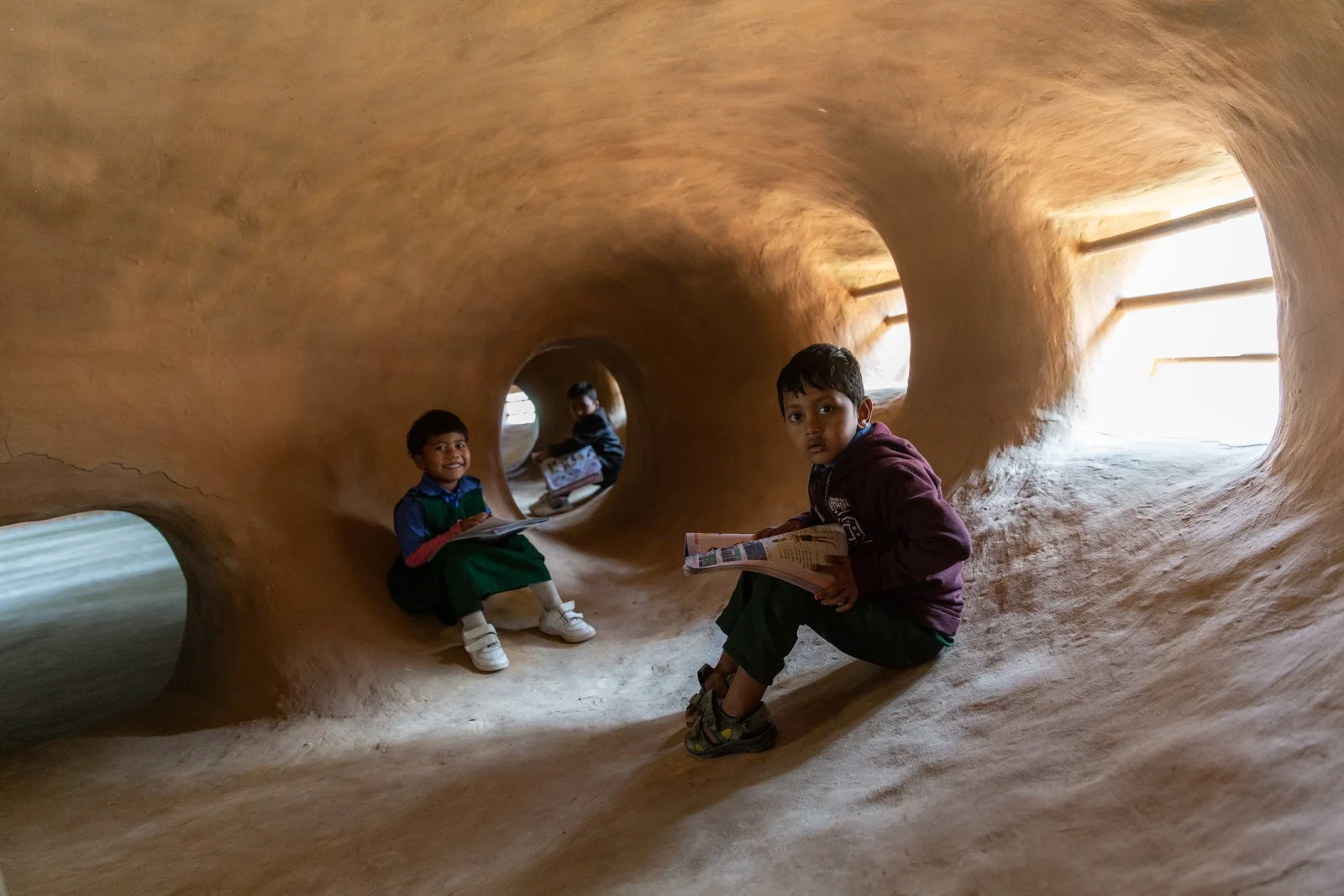
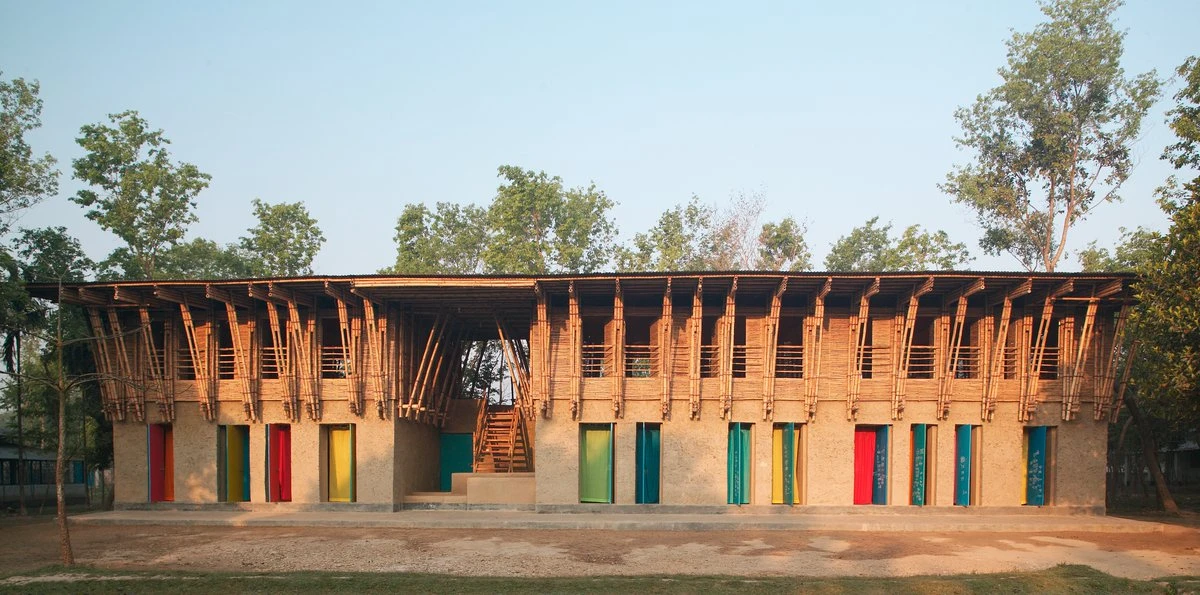
Located in Bangladesh, a country with fertile alluvial soil on the Bay of Bengal, the Handmade School is a two-story school building constructed from earth and bamboo. Designed by Anna Heringer and Eike Roswag, the project’s core strategy is to develop knowledge and skills within the local community while raising awareness of how to make the best use of available resources. Offering an alternative to typical classroom instruction, the Handmade School’s architecture reflects this principle, providing different types of spaces and areas of use to support its teaching and learning approach.
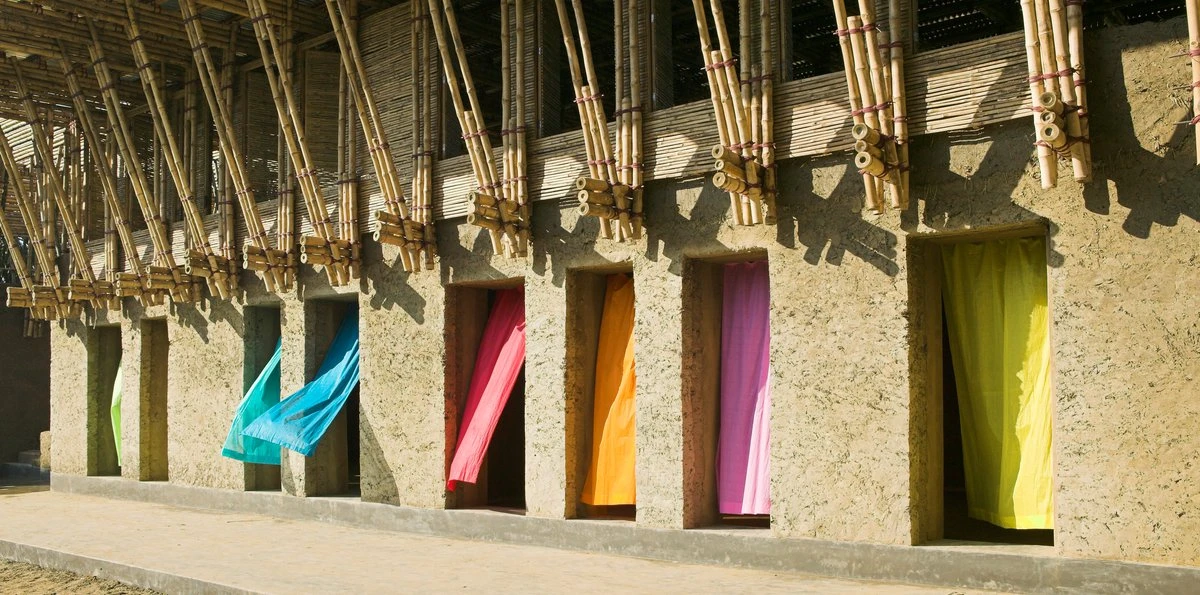
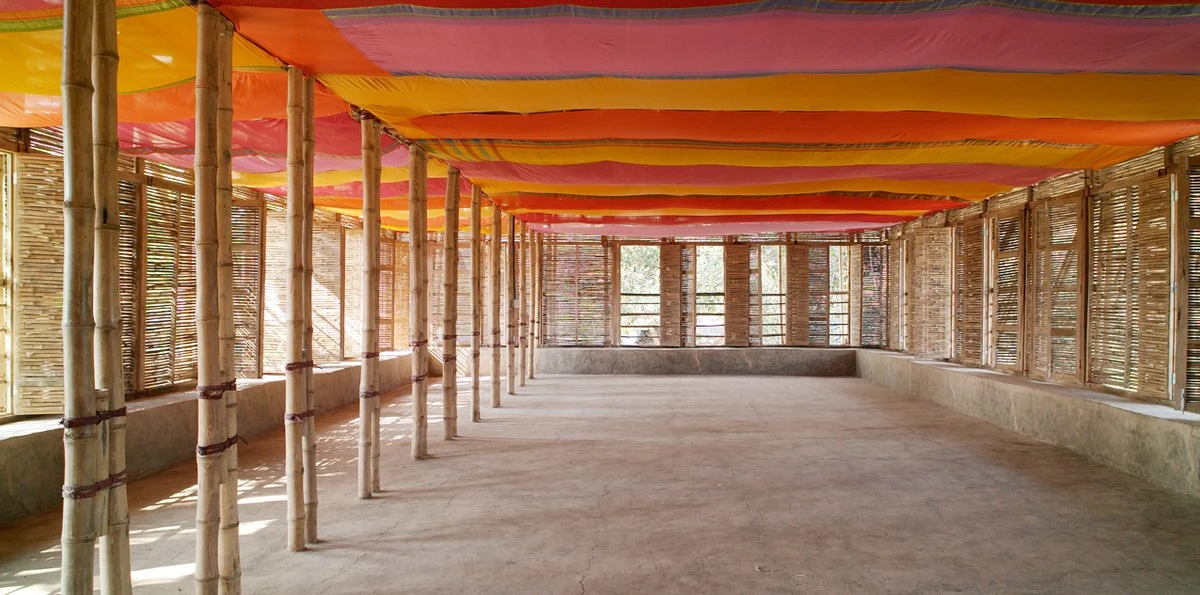
On the ground floor, three classrooms enclosed by thick earthen walls open into a system of organically shaped, cave-like spaces. In contrast, the upper floor is bright and open; gaps within the bamboo walls frame views of the surrounding village while allowing for generous interior movement.
The school sits on a brick foundation, the most common construction material in Bangladesh, with an exterior wall covered in 50 cm deep cement. The waterproofing layer consists of a double-layered PE film, locally sourced. The ground floor, which serves as the load-bearing wall, is made of a low-straw mixture produced with the help of cows and water buffaloes.
The upper floor is a frame structure composed of four-layered bamboo beams and vertical and diagonal elements placed at right angles to the building. The ends of the frames on the shorter sides of the building, as well as the staircase, contribute to its structural stability. Materials such as earth and bamboo, along with the construction labor, were sourced locally, reinforcing the project’s commitment to community participation and sustainability.
3. Casa de Tierra (Earth House)
Location: Boadilla de Rioseco, Spain
Architect: Lara Fuster Prieto
Year: 2022
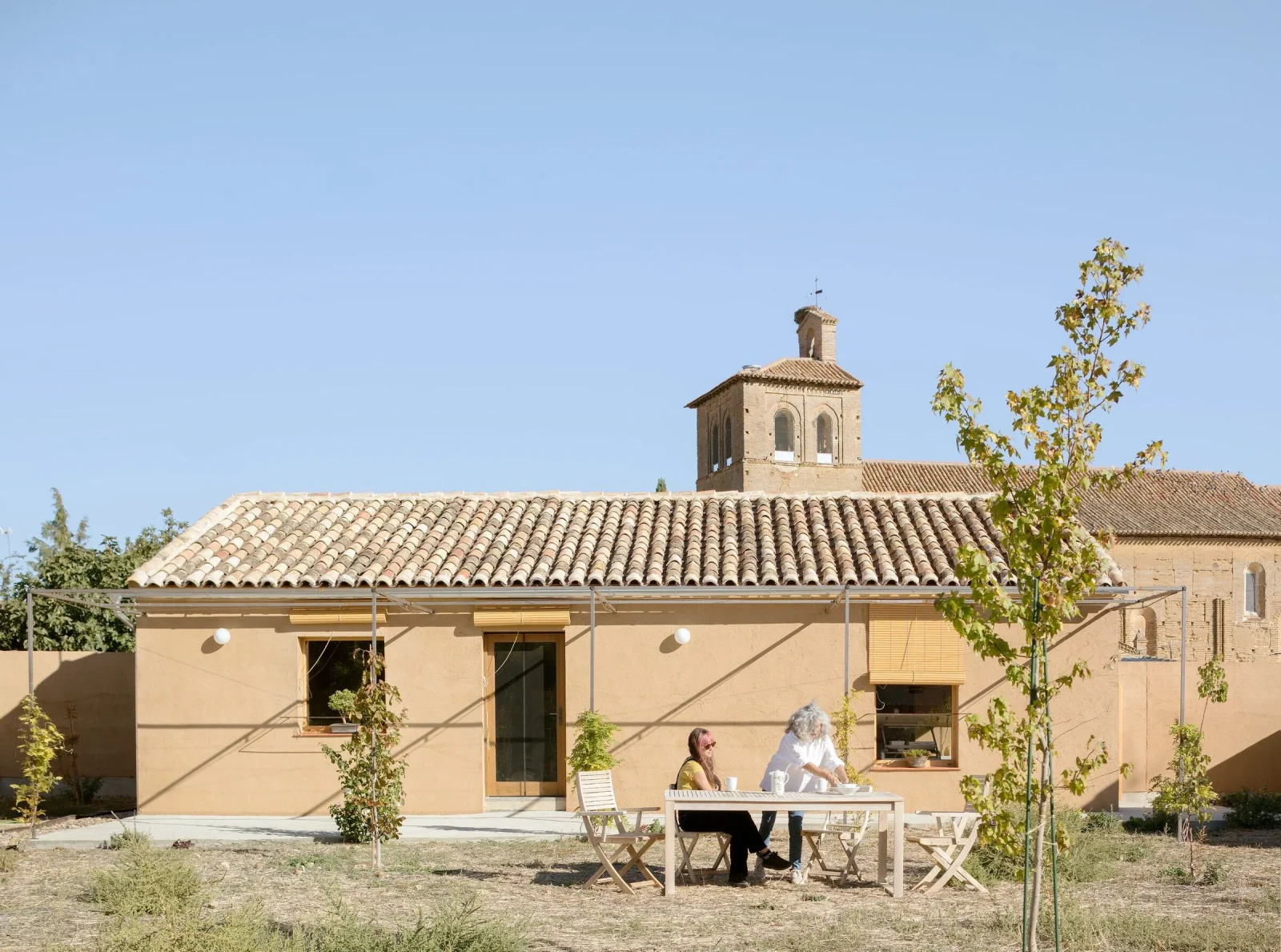
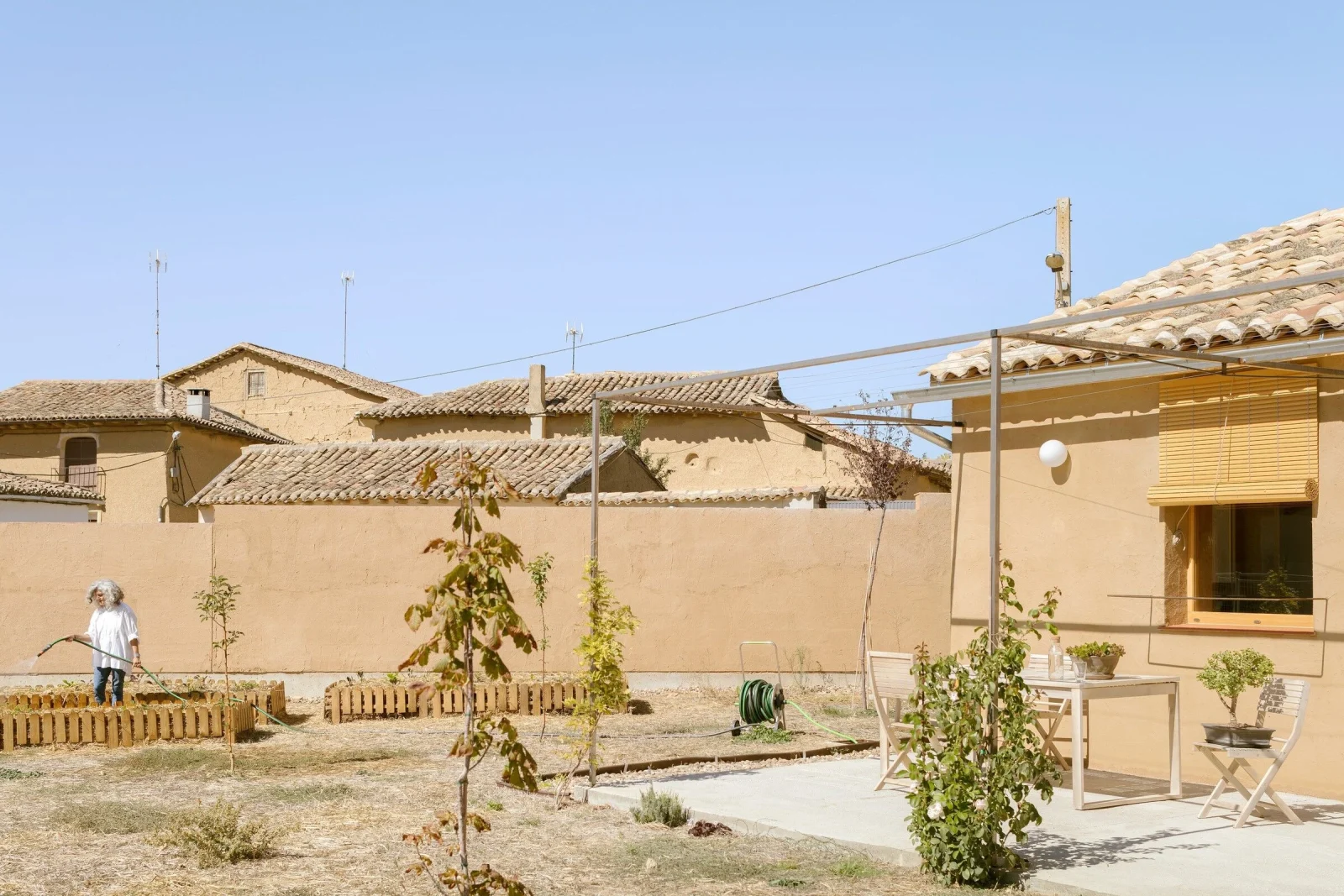
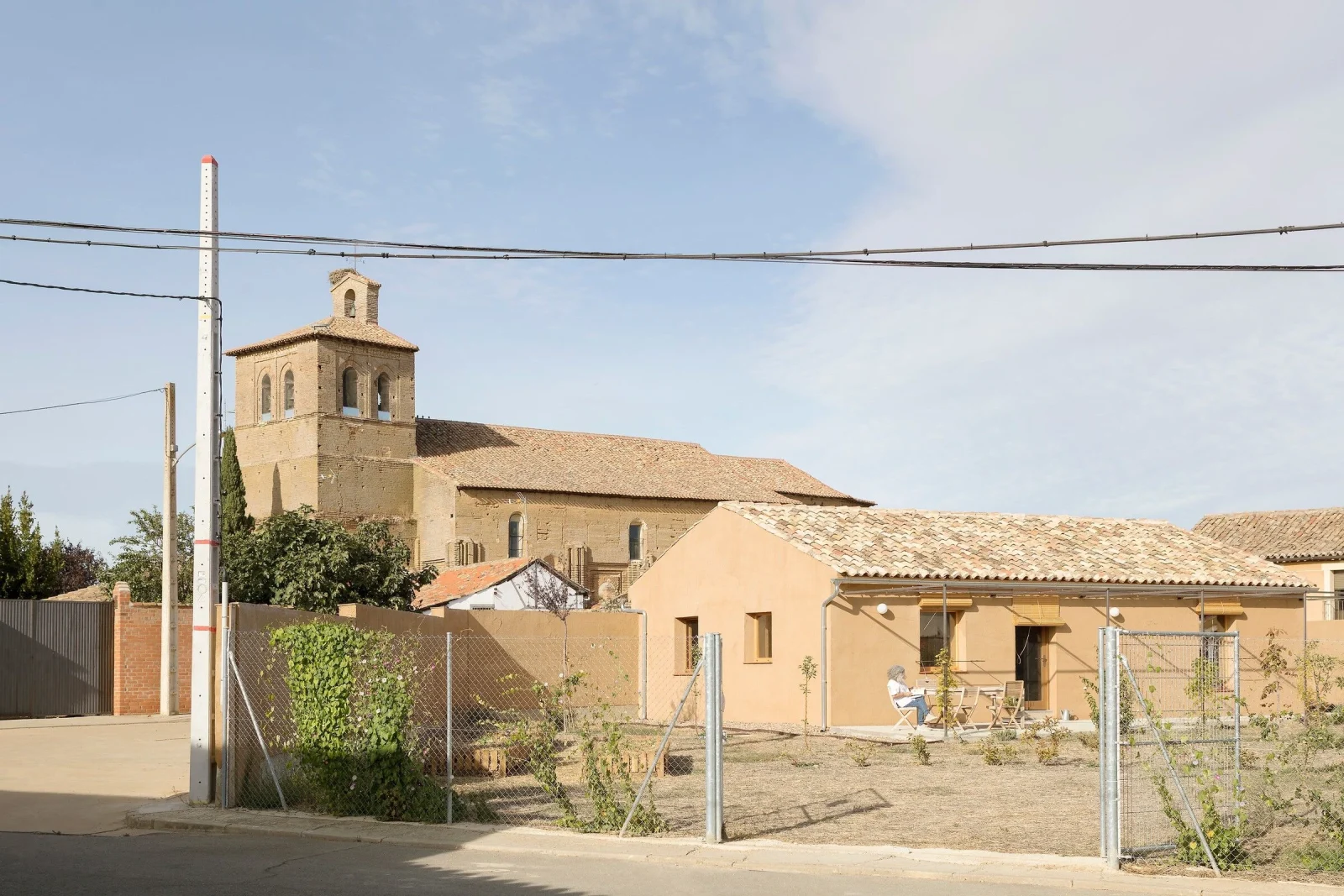
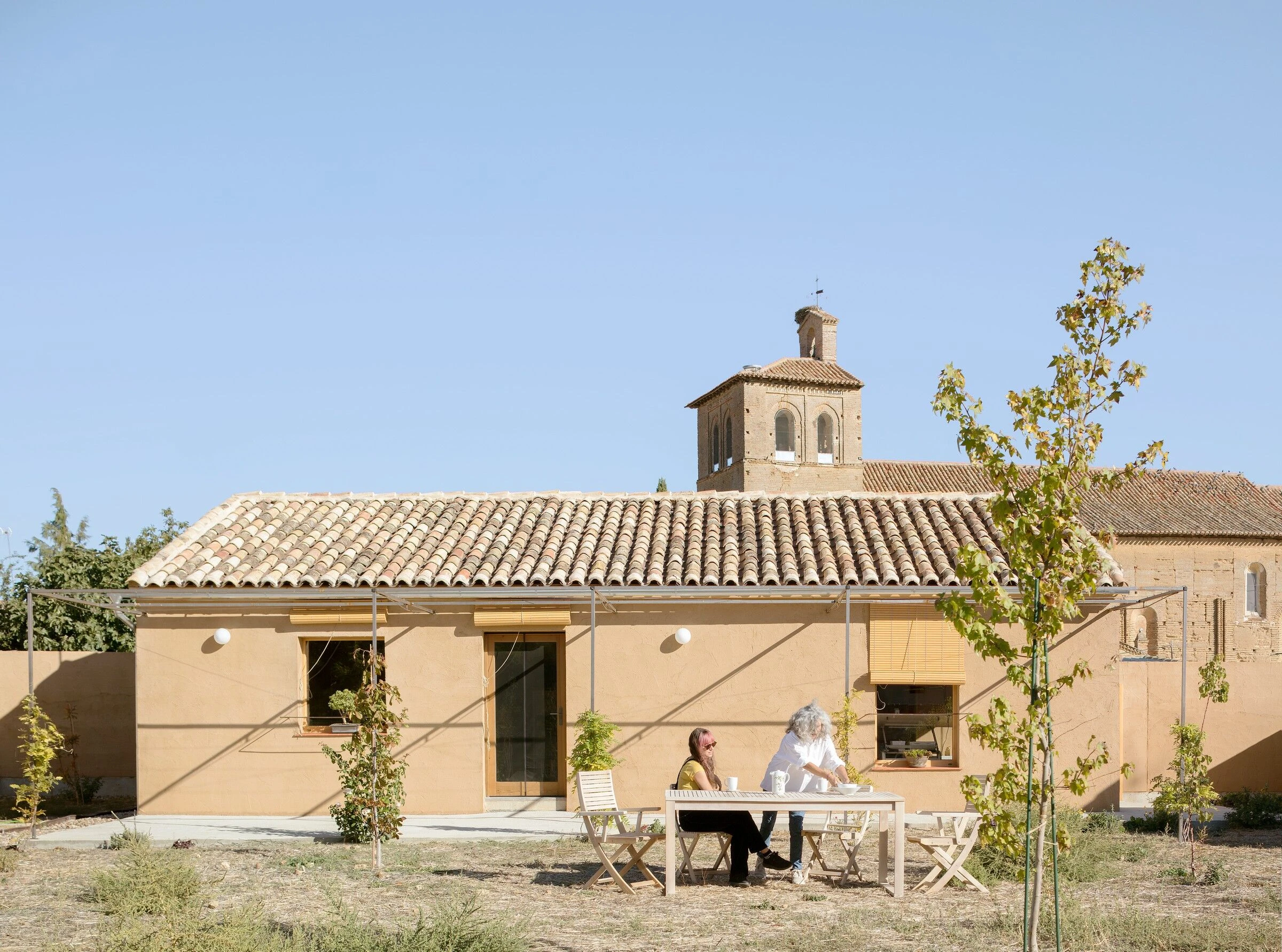
One of the finest examples of vernacular architecture, Casa de Tierra is a house/workshop located in Tierra de Campos, a deforested plain on the Castilian-Leonese plateau, characterized by an extremely arid climate. Built with adobe bricks in keeping with the region’s traditional folk architecture, the building has a minimal environmental impact; the raw material is found in the earth, no kiln is needed for its production, and it is returned to nature after dismantling. Adapting traditional materials to modern construction processes and contemporary ways of living, Casa de Tierra is conceived as a single volume fully integrated into the landscape, featuring a large, structurally cohesive open space.
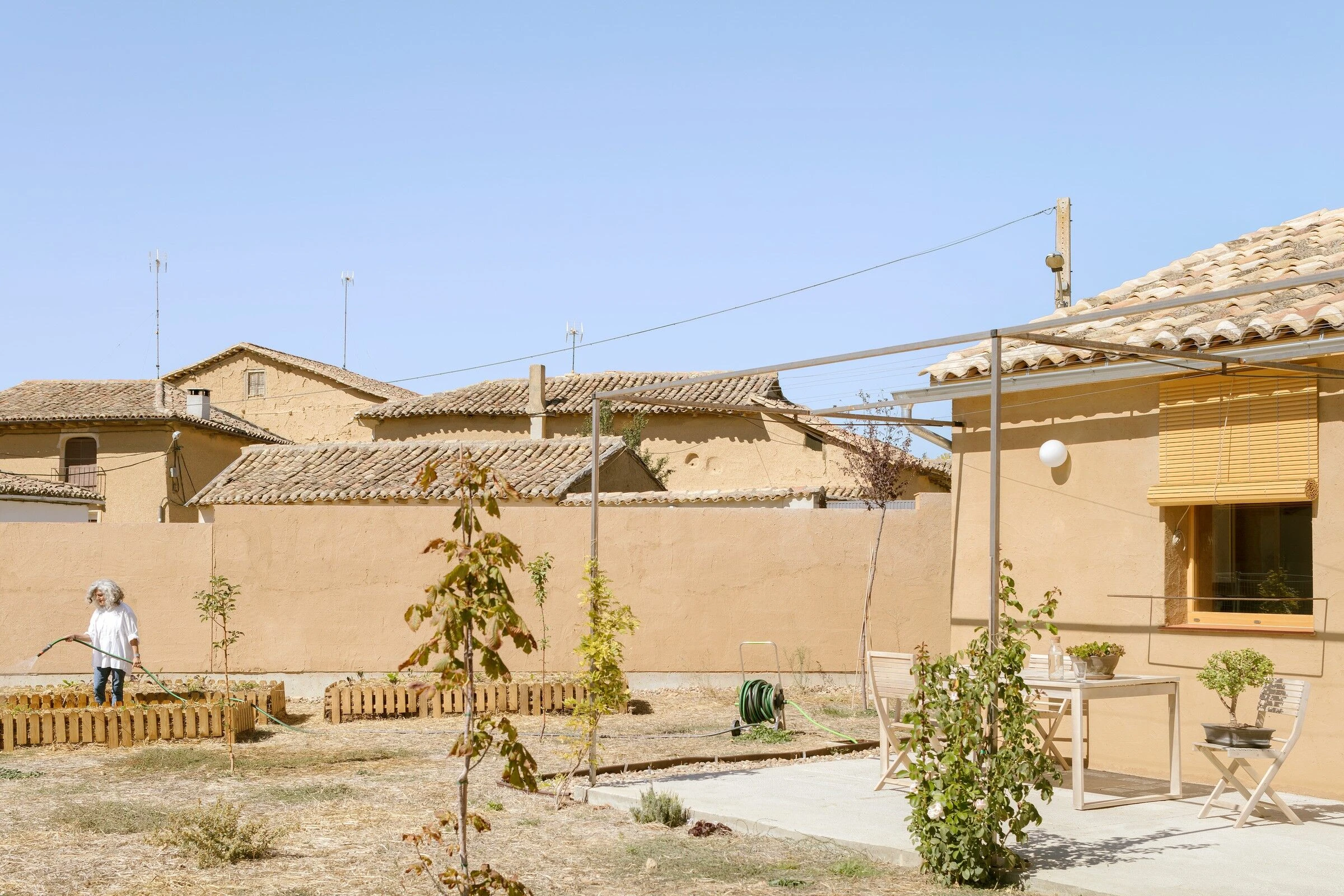
The rectangular building, divided into four parallel sections running east-west, features a north facade with smaller, asymmetrical openings, offering a look similar to traditional buildings in the region. The interior layout is oriented toward the south façade, which features larger openings that act as solar collectors in winter and are protected in summer by wooden shutters and a pergola covered with deciduous climbing plants.
4. Cuckoo House
Location: Hoa Xuan, Vietnam
Architect: Tropical Space
Year: 2019
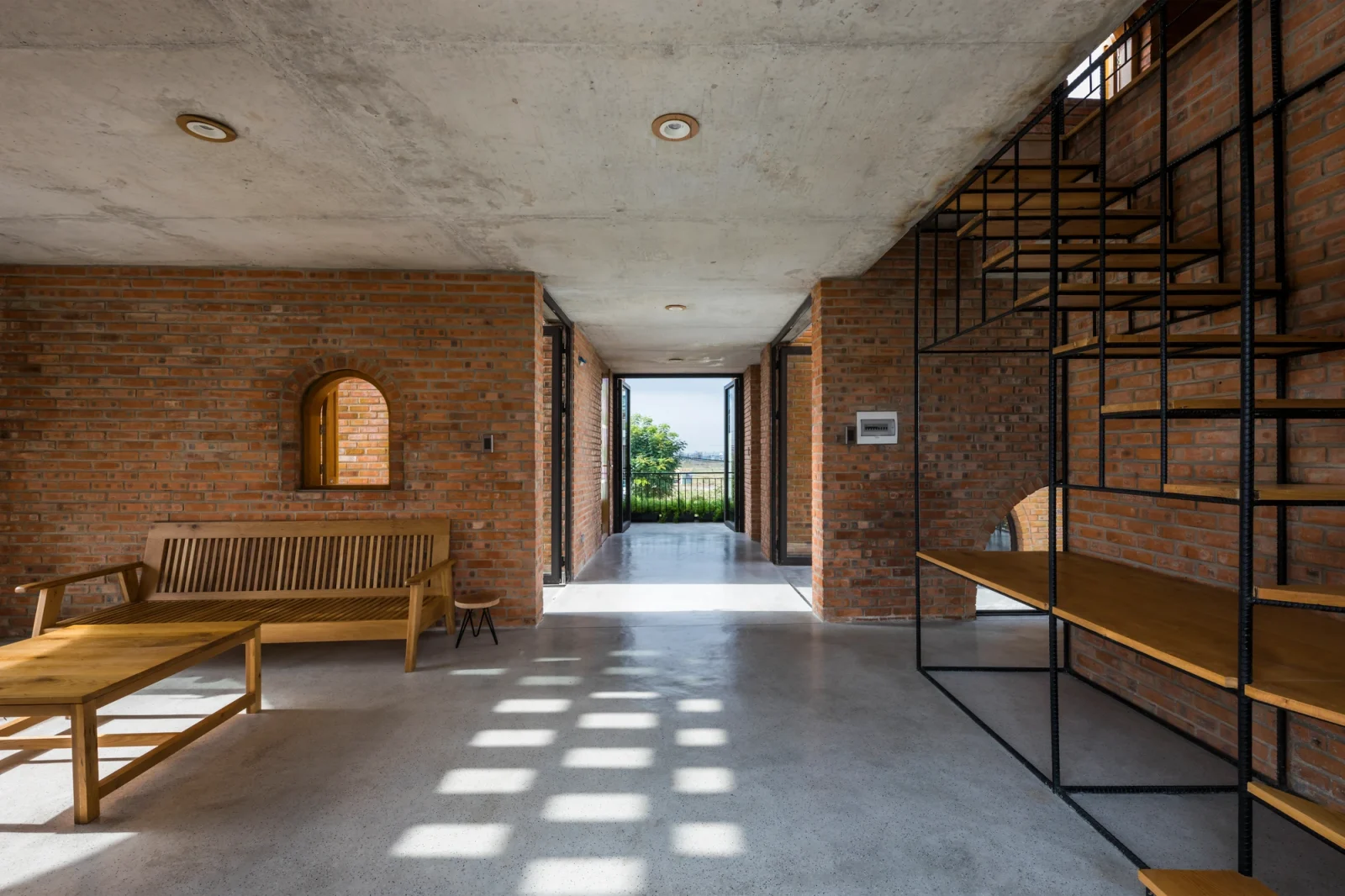
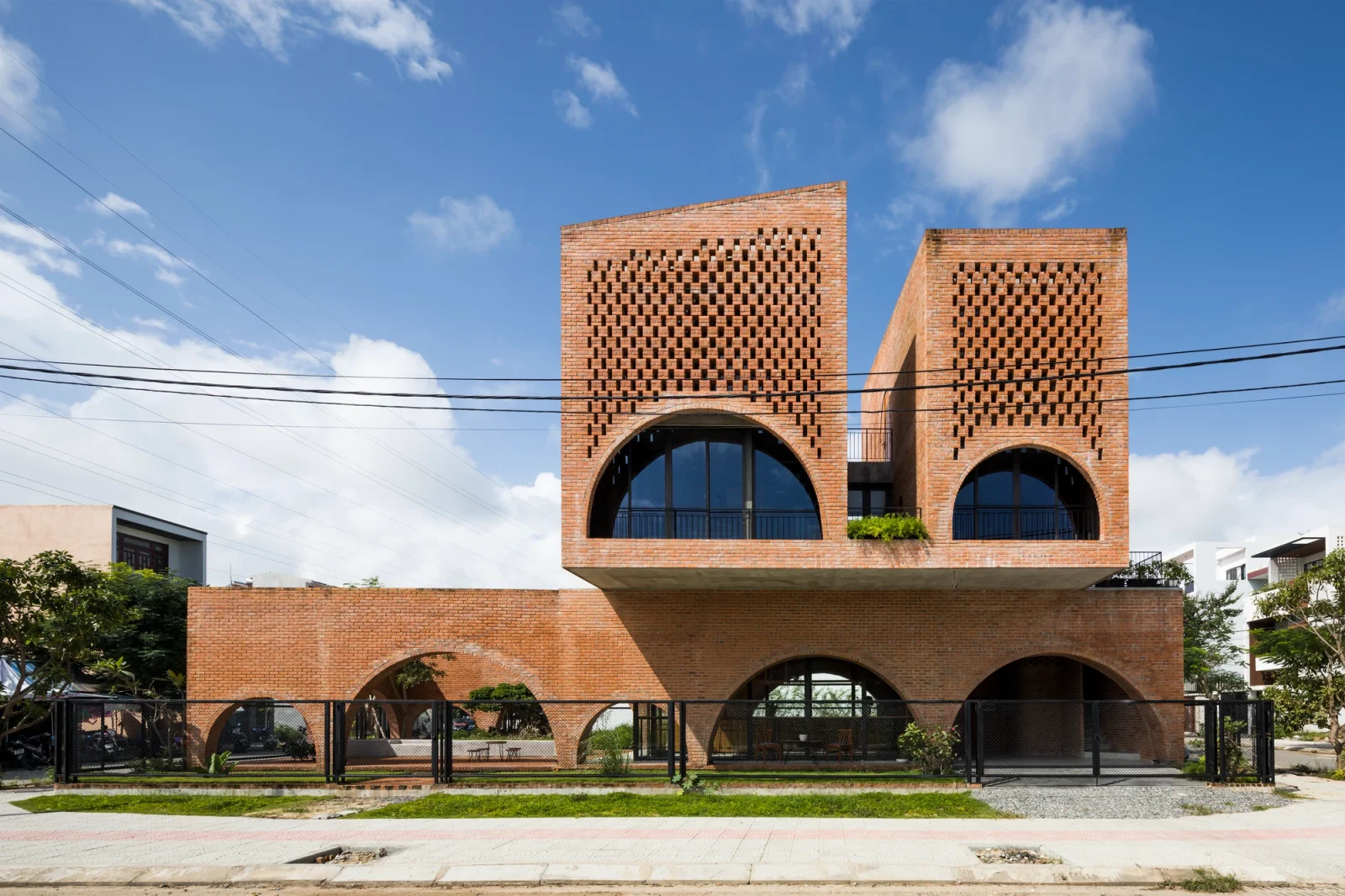
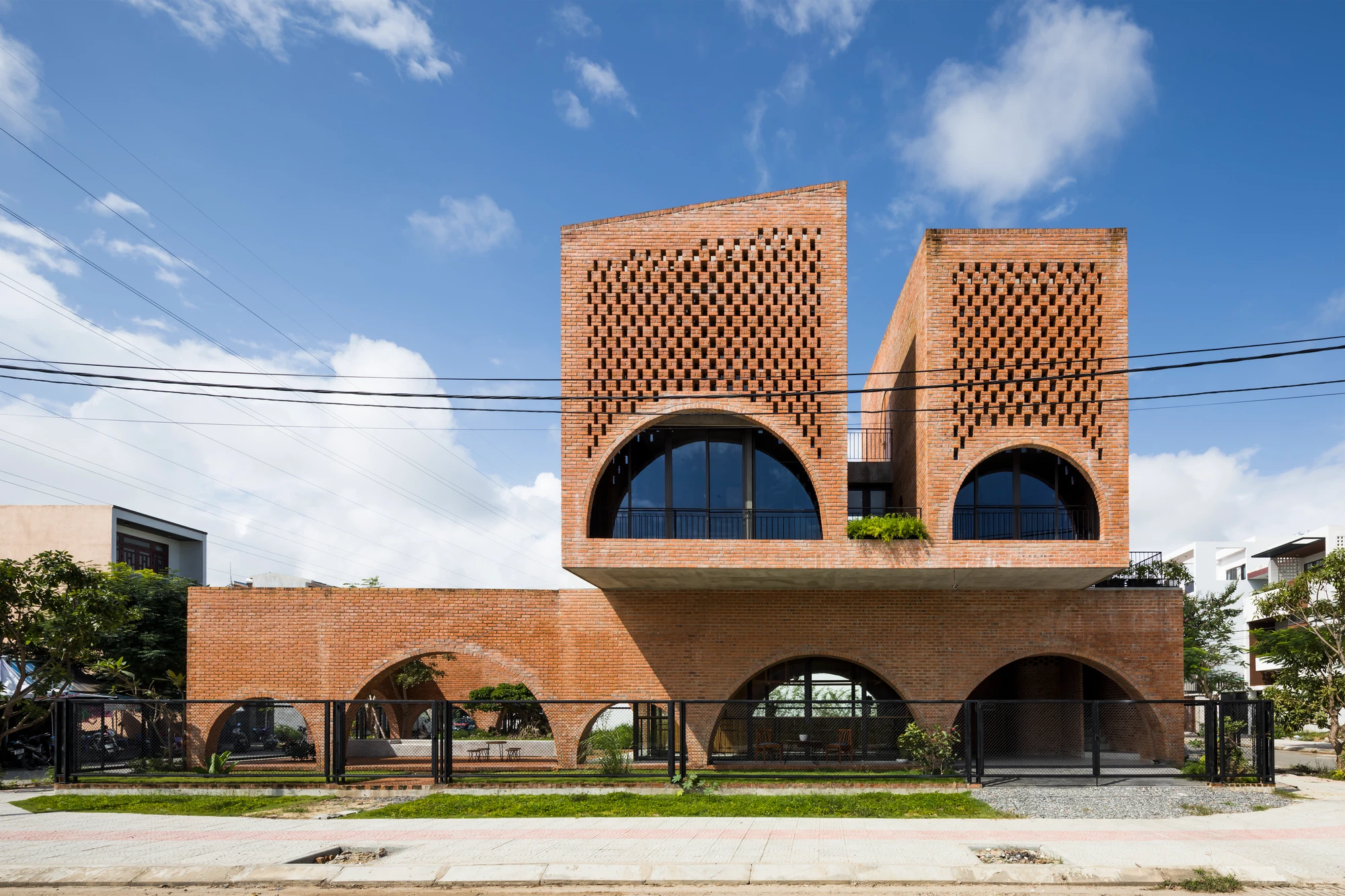
The Cuckoo House, designed by Tropical Space, is a structure that combines a residence for a family of four with a café. Reminiscent of a cuckoo clock, the house is built using local clay bricks and is one of the most impressive examples of vernacular architecture. The project consists of three blocks connected by buffer layers, all positioned on top of a rectangular base volume. The base block functions as a café with an outdoor garden and an indoor space. The three upper blocks, forming the separate functional areas of the house, include Block A, a two-story master bedroom; Block B, a two-story children’s and living room; and Block C, the kitchen and dining area.
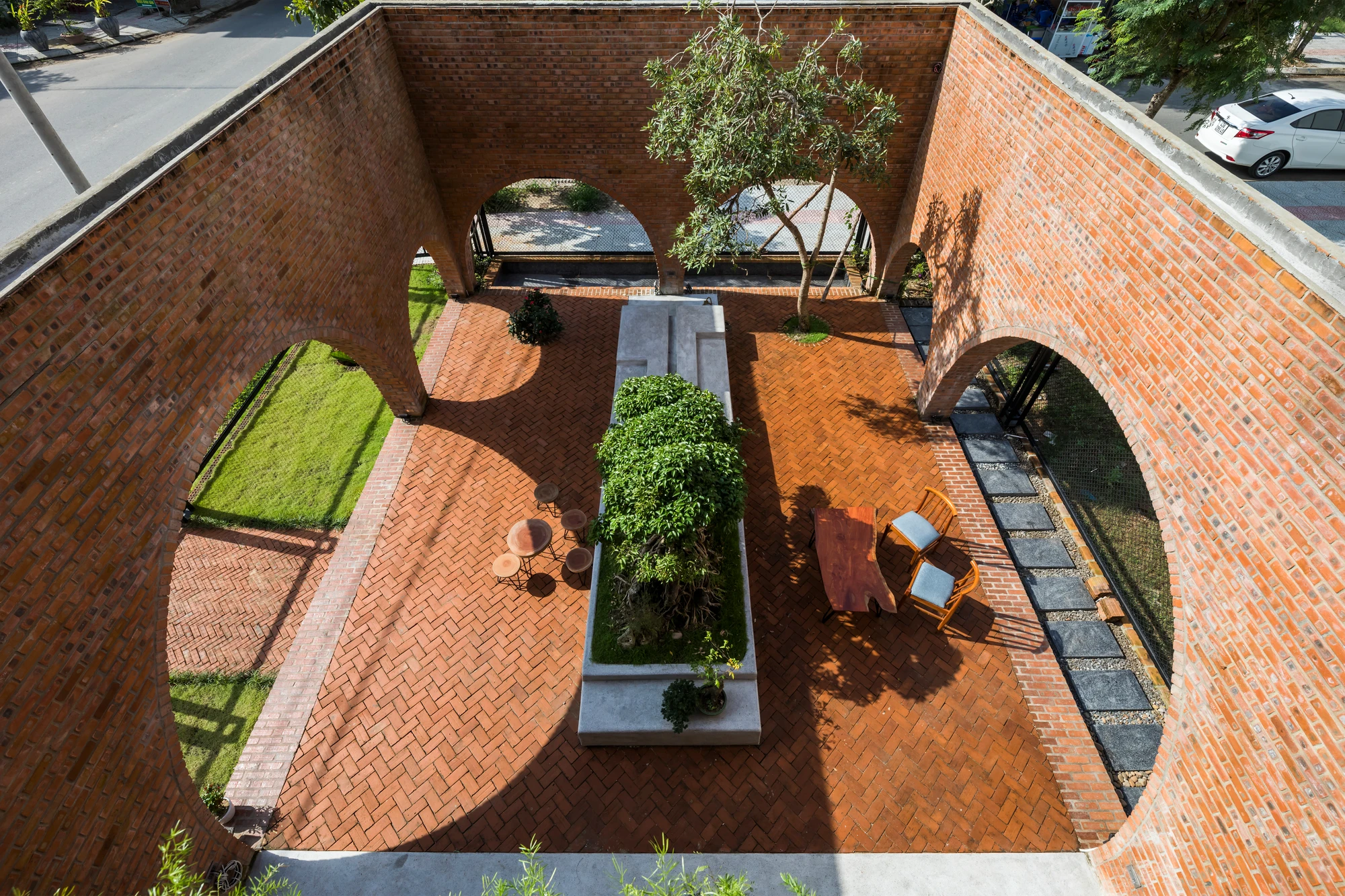
The buffer spaces of the Cuckoo House eliminate the need for rigid walls traditionally used to define rooms, encouraging people to leave their private spaces and come together. These flexible intermediate layers not only connect the interior and exterior of the house but also allow breezes to flow through every part of the building, creating a naturally cool environment during the tropical summer months.
5. Mapungubwe Interpretation Centre
Location: Mapungubwe National Park, Limpopo, South Africa
Architect: Peter Rich Architects
Year: 2009
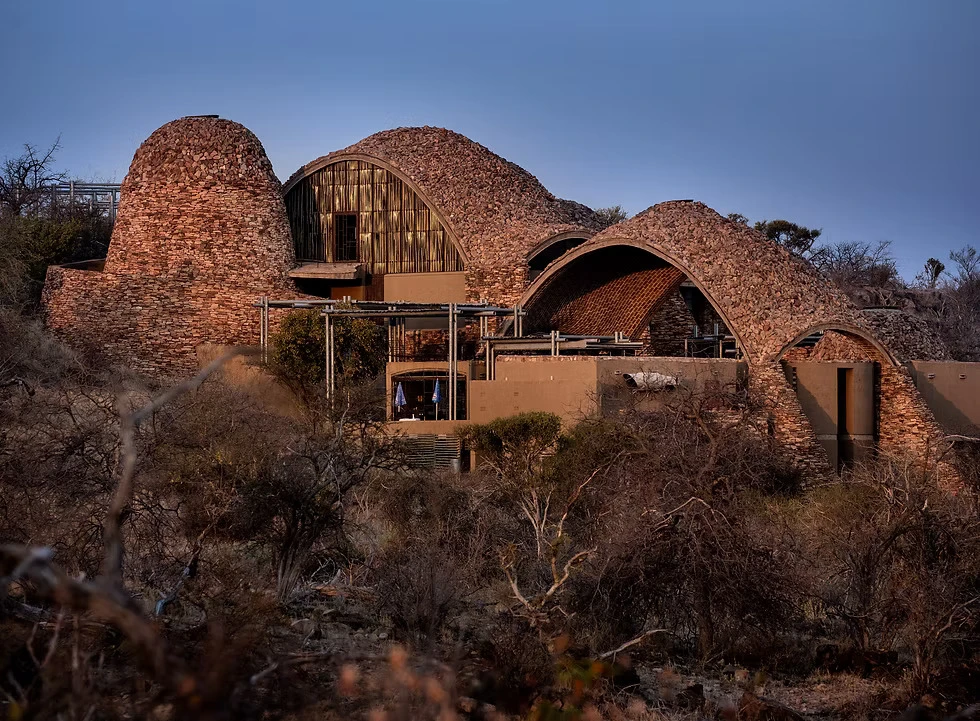
The Mapungubwe Interpretation Centre, designed by Peter Rich Architects, is located within Mapungubwe National Park, where it showcases the remains of an ancient trading civilization within a natural setting. This complex rocky landscape not only inspired the design of the Interpretation Centre but also provided the materials used in its construction. The building is visually surrounded by three hollow stone piles reminiscent of rock path markers. The vaulted roof, a simple expression of natural forces and materials, is used to create dramatic cave-like spaces. From a distance, the undulating rock-clad vaults blend into the landscape, while on closer inspection, the slender arched edges emerge, and the vaults appear to erupt from the ground.
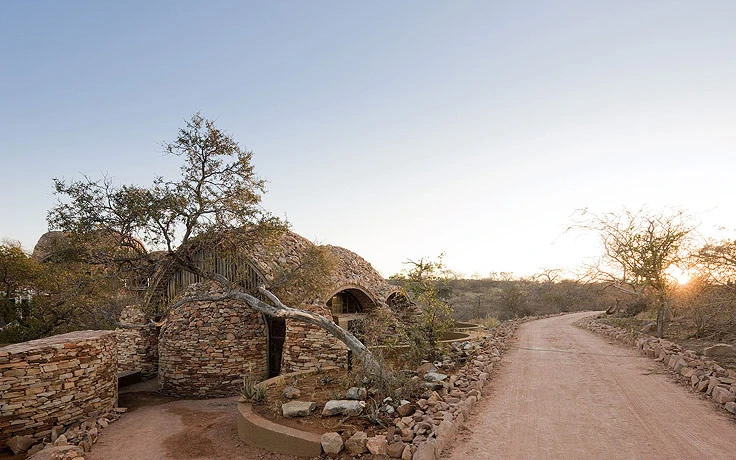
Aimed at raising awareness of the fragility of the local ecology, the Interpretation Centre not only becomes a symbol of the region but also part of a still-evolving story of a culture that thrives in symbiosis with its natural heritage, representing Africa’s unique place at the origin of the world.
6. Wadden Sea Centre
Location: Ribe, Denmark
Architect: Dorte Mandrup
Year: 2017
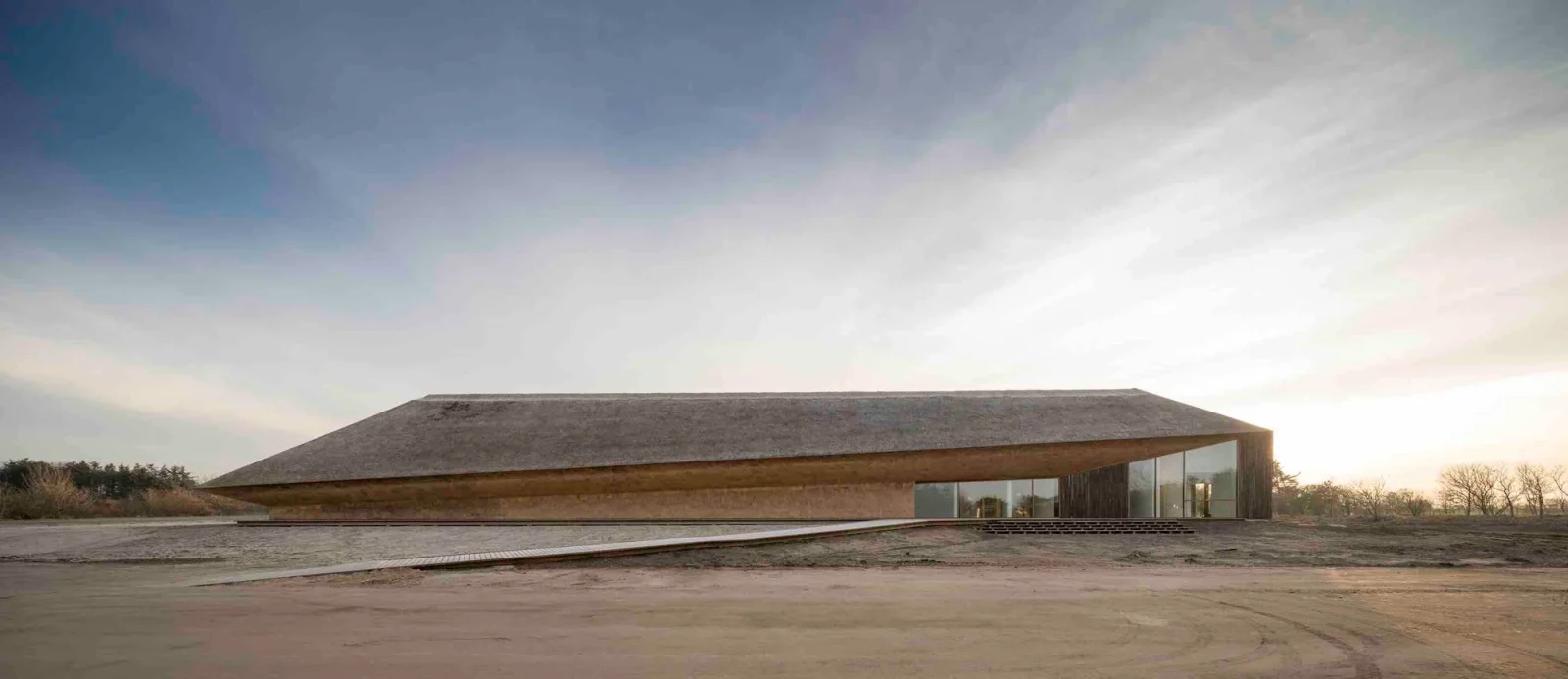
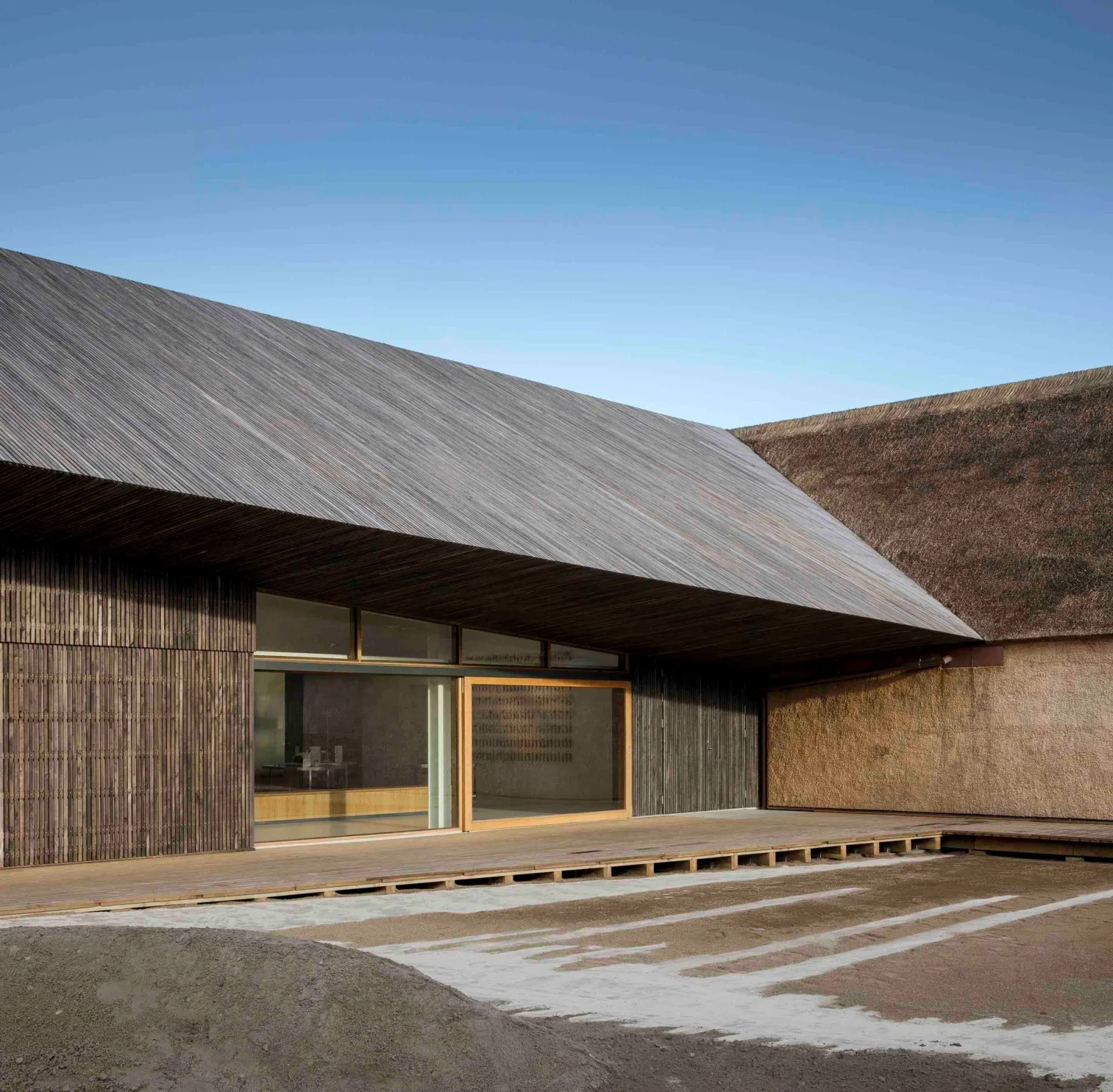
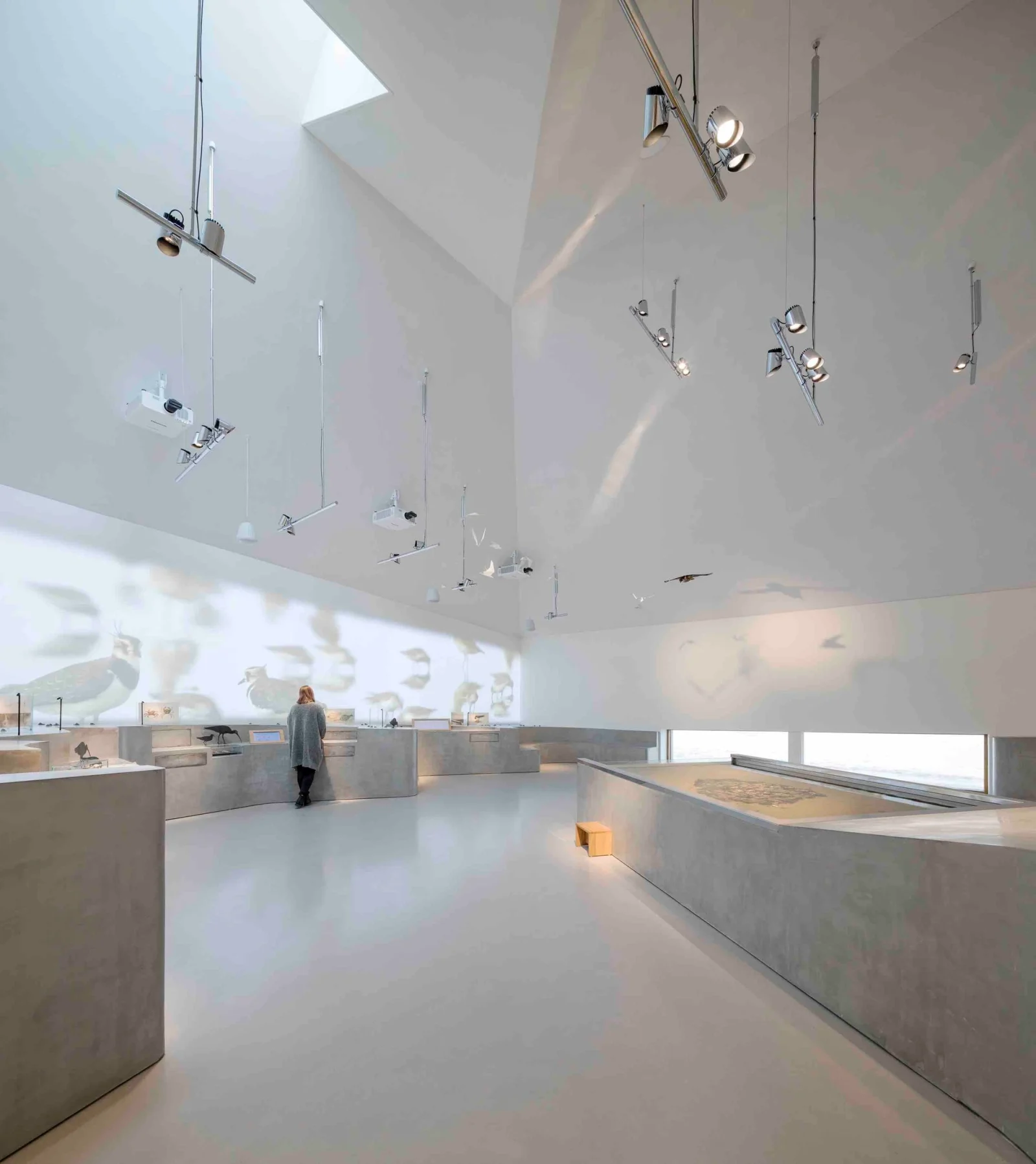
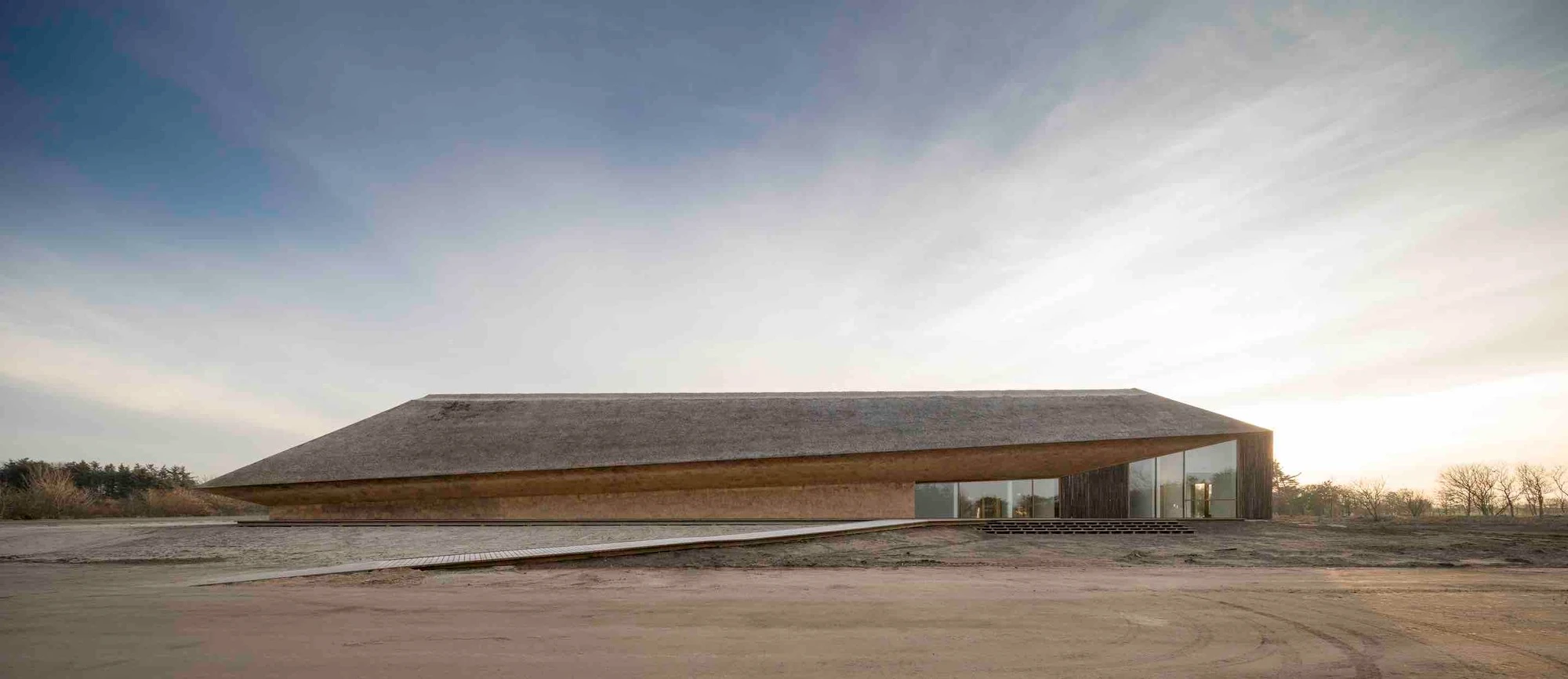
At first glance, the Wadden Sea Centre appears as a building rising gently from the ground, forming a soft, elongated, and clear profile against the endless horizon of the Wadden Sea. In perfect harmony with the region’s nature and history, the centre serves as a gateway to the UNESCO World Heritage Site. Beyond telling the story of one of the world’s most unique and significant natural habitats, it also supports around 15 million migratory birds by providing food during their journeys.
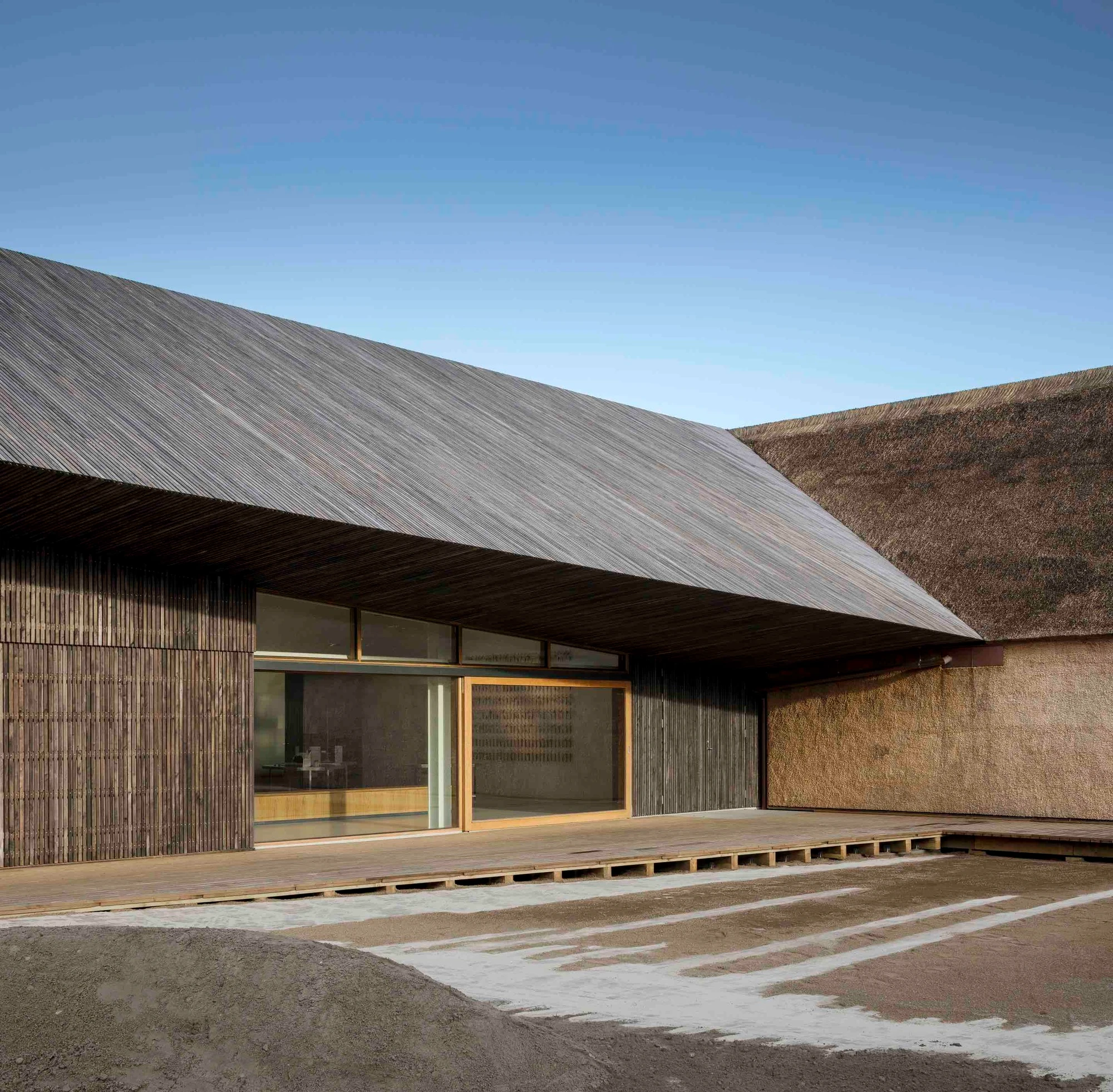
Completed after 18 years of intensive work to transform and expand the original building, the new 2800 m² exhibition space hosts communication activities. Rooms enclosed by large glass panels are fully integrated with the outdoor exhibition area and the surrounding landscape. While offering a minimalist and contemporary appearance at first glance, the Wadden Sea Centre achieves a refined synthesis of modern design and local elements through its thatched roof and heat-resistant façade.
7. Therme Vals
Location: Graubünden, Switzerland
Architect: Peter Zumthor
Year: 1996
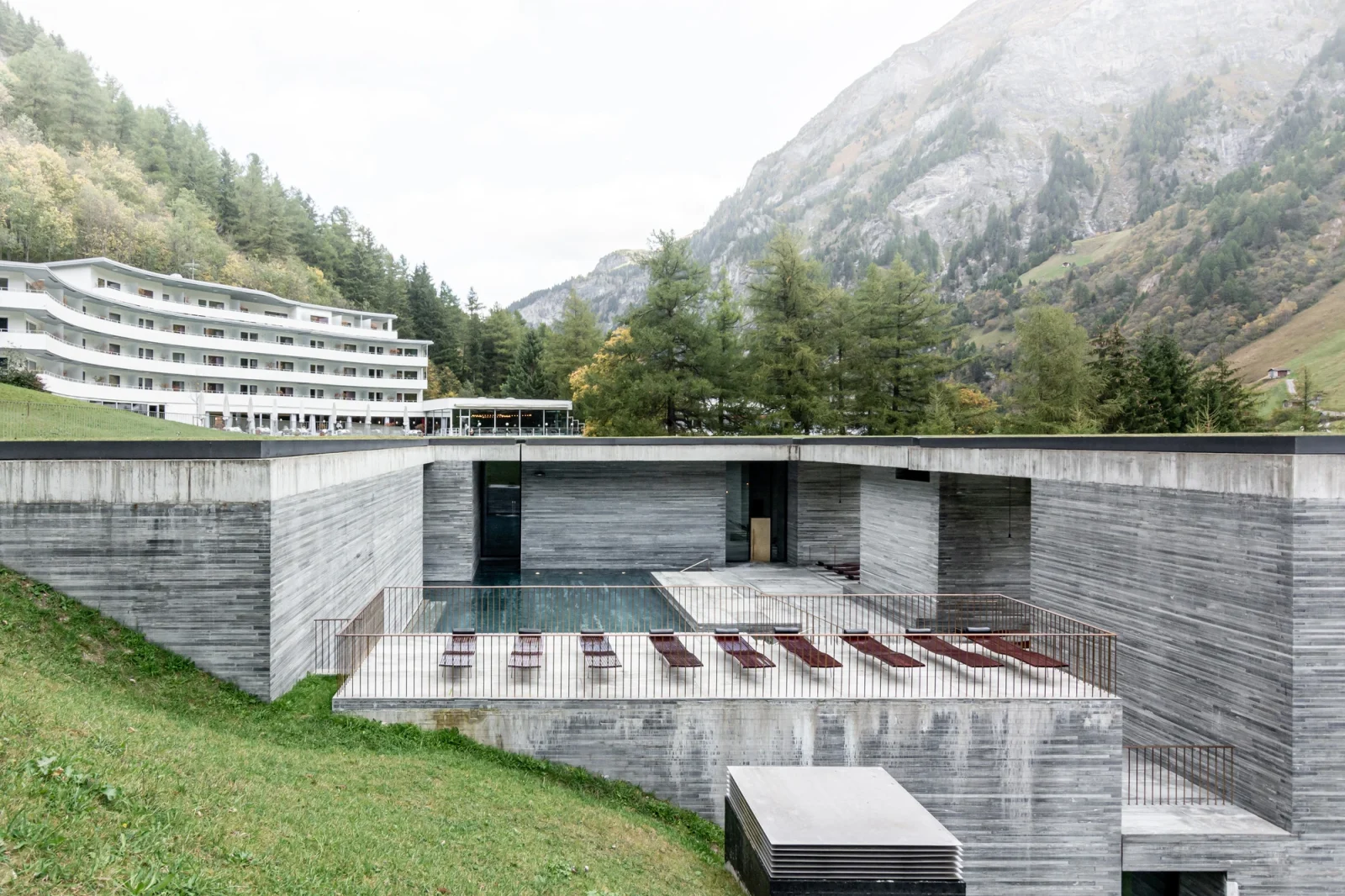
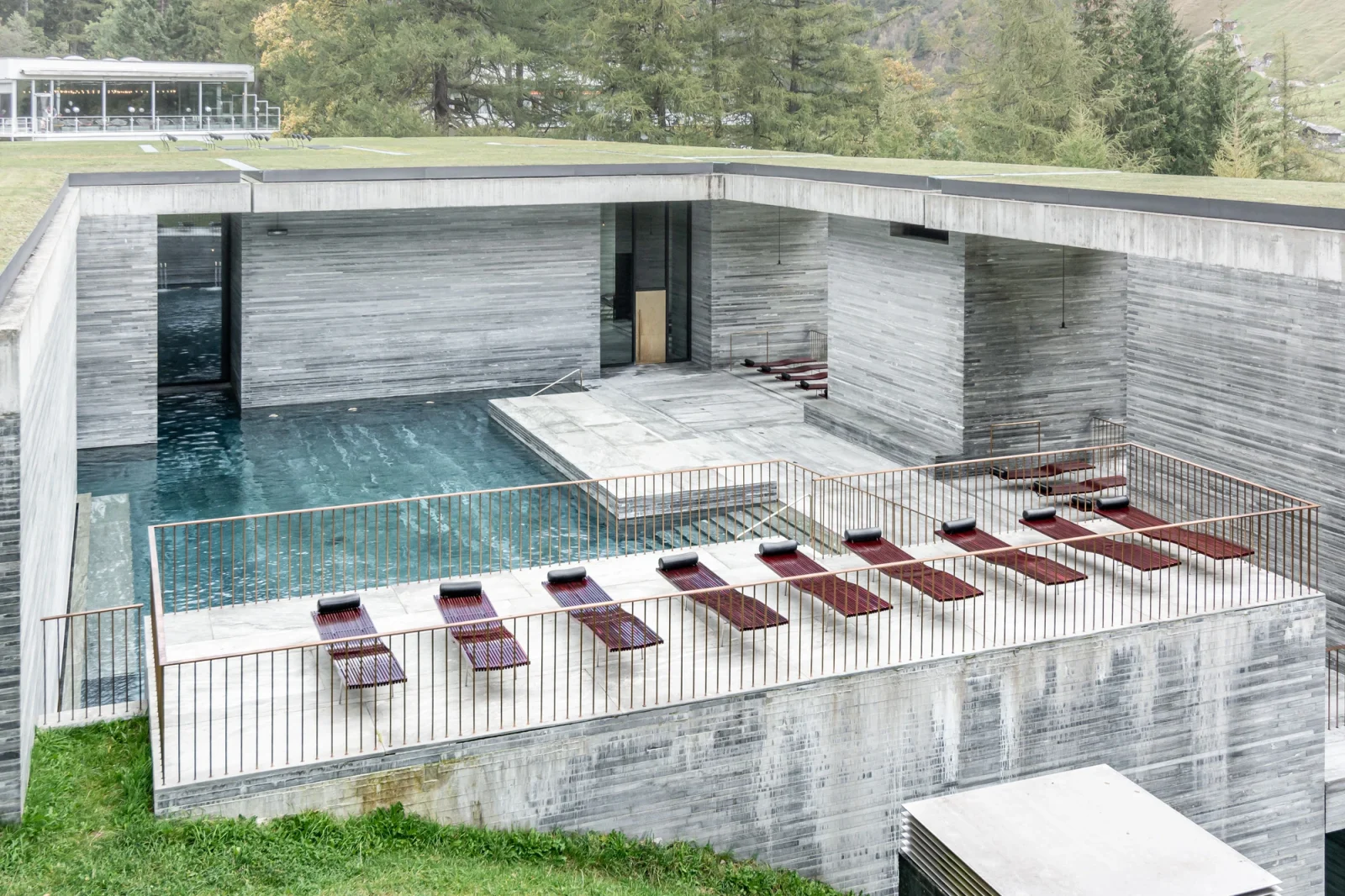
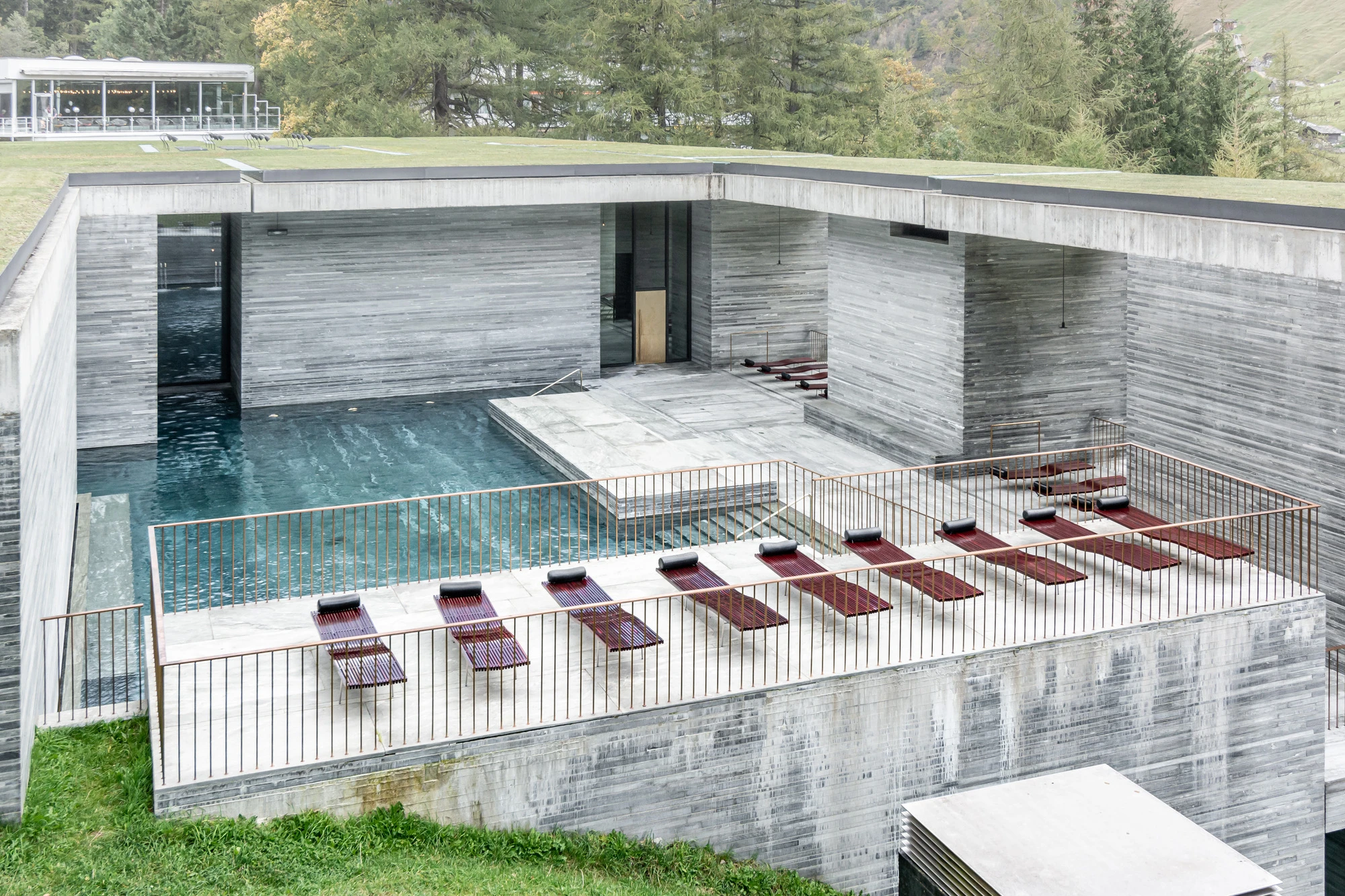
Designed by Peter Zumthor, Therme Vals is a spa complex connected to the 7132 Hotel, built above the thermal springs of the Graubünden region. As a striking example of vernacular architecture, the project offers a deeply immersive sensory experience. Emerging from the idea of creating a structure reminiscent of a cave or a stone quarry, the building is partially embedded into the hillside and covered with a green roof. Offering a series of interior spaces that evoke a sacred atmosphere, Therme Vals invites visitors into a world of dim light, rough, controlled surfaces, and muffled sounds that appeal to all the senses.
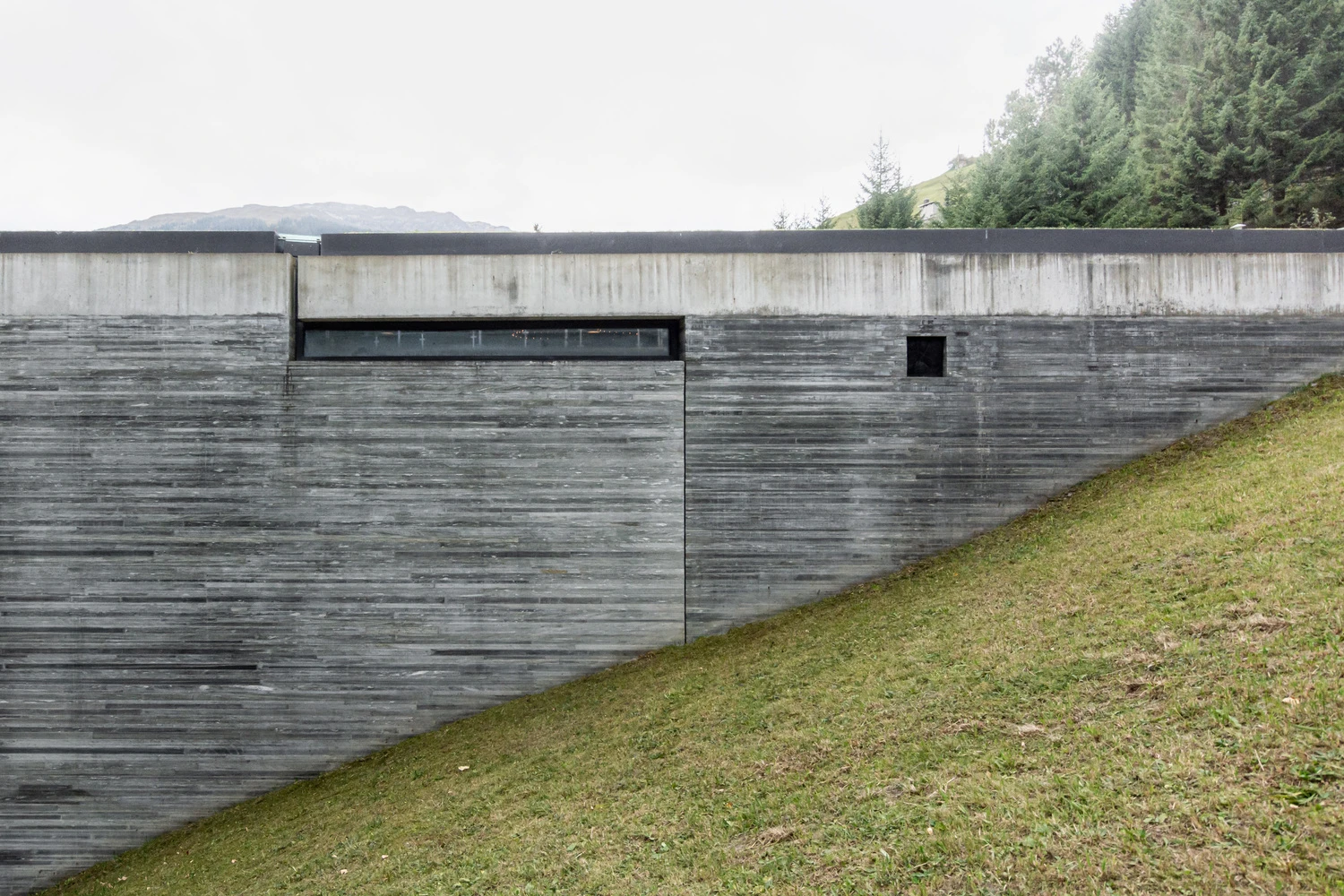
The spatial composition consists of a series of stone volumes scattered around narrow openings that allow natural light to penetrate the interiors, housing various pools, saunas, and resting areas. This fragmented layout enables each visitor to explore the space at their own pace, discovering their own path without haste.
Deeply rooted in the local architectural traditions of the Alps, Therme Vals is constructed with slabs made from Valser Quartzite, a local stone product quarried in the region. Demonstrating that vernacular architecture can be minimalist, monumental, and emotionally powerful at the same time, the project emphasizes material honesty and a profound sensitivity to spatial experience.
8. Jianami Visitor Center
Location: Qinghai, China
Architect: Atelier TeamMinus
Year: 2012
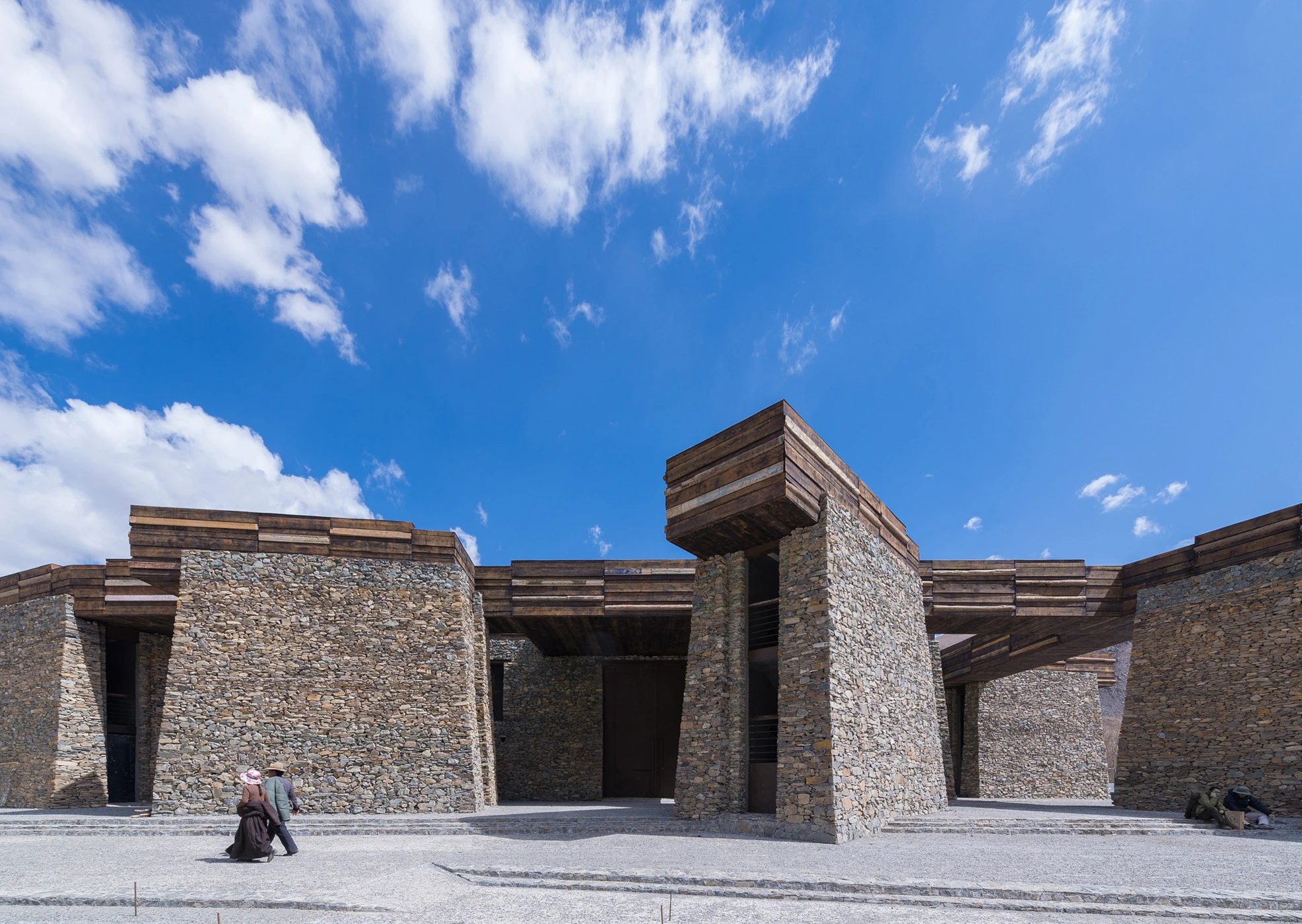
Designed by Atelier TeamMinus for an ancient Buddhist monument in Tibet, the Jianami Visitor Center features stone walls, a central courtyard, and 11 rooftop observation terraces. Built shortly after the earthquake that struck the region, the structure serves as an information source for tourists as well as a community center for residents working to repair the damage caused by the earthquake. Guided by Tibetan architectural traditions, Atelier TeamMinus designed a square building organized around a central courtyard and surrounded it with observation towers offering views of nearby historical sites.
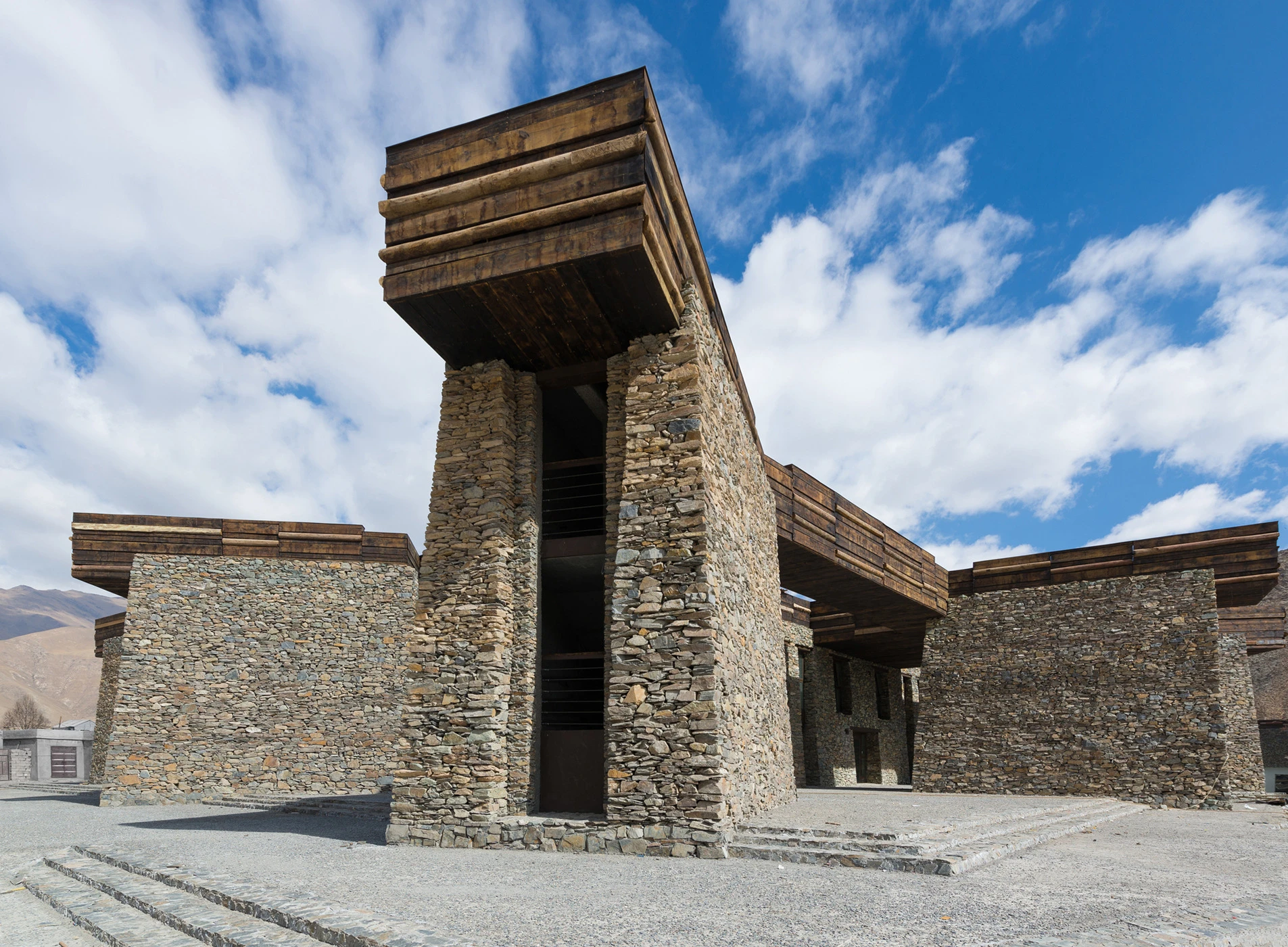
Serving as a testament to how the Yushu community has lived for over 300 years, the Visitor Center was constructed by local stonemasons using regional materials such as stone. Railings and observation platforms were made from recycled wood and debris salvaged from earthquake ruins, reinforcing the project’s strong connection to local craftsmanship, memory, and resilience.
9. Wabi House
Location: Puerto Escondido, Mexico
Architect: Tadao Ando
Year: 2014
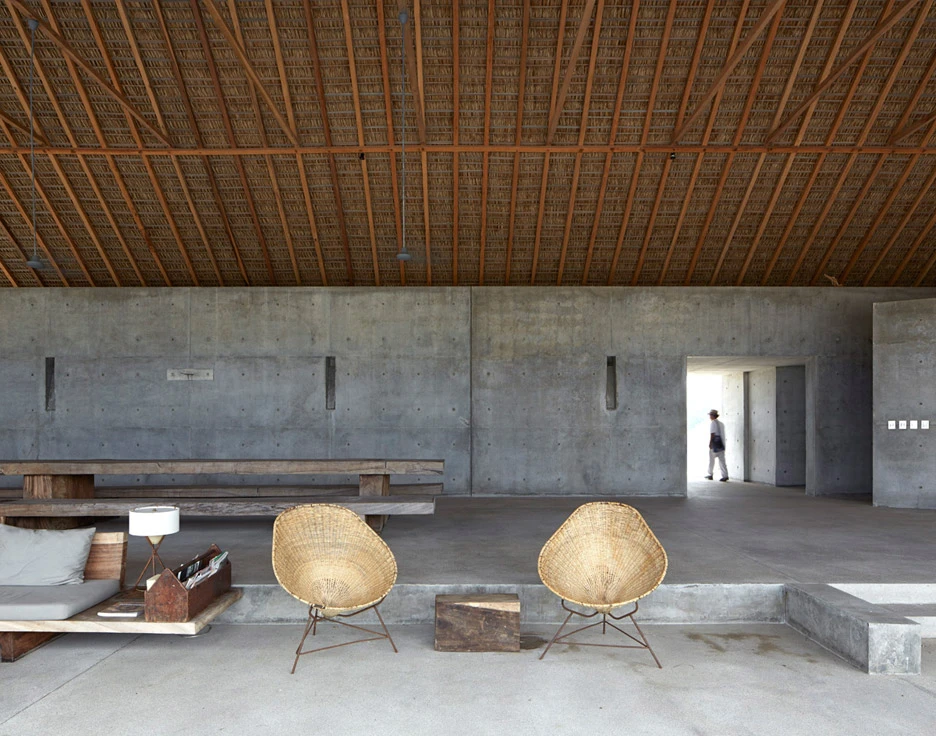
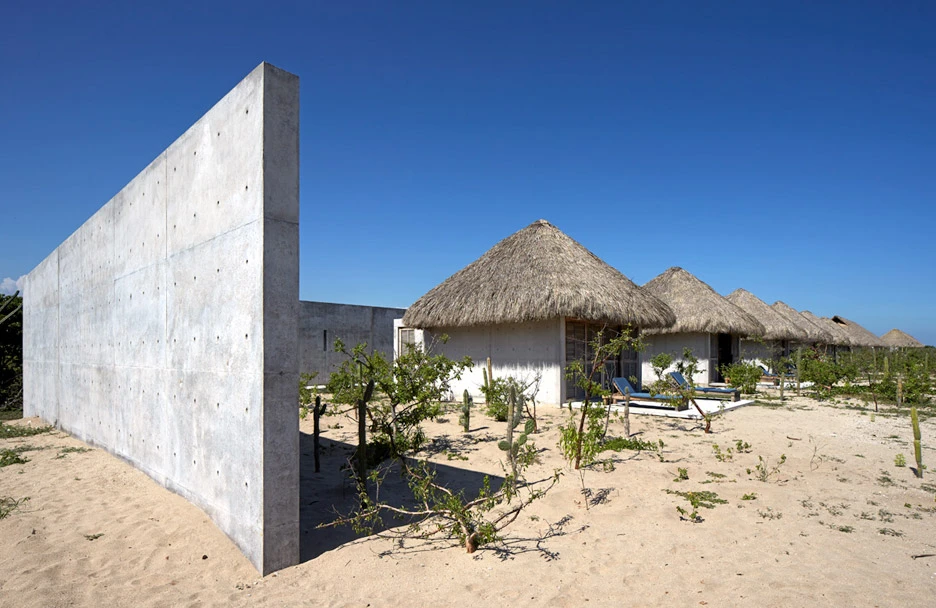
Designed by Tadao Ando, Wabi House is part of a foundation established by the artist Basco Sodi to foster the exchange of ideas among local communities and artists from various disciplines. Designed to highlight the region’s landscape, Wabi House features six private bedrooms, two shared study rooms, a multi-purpose room, a cinema, an exhibition gallery, a sculpture garden, and various relaxation areas.
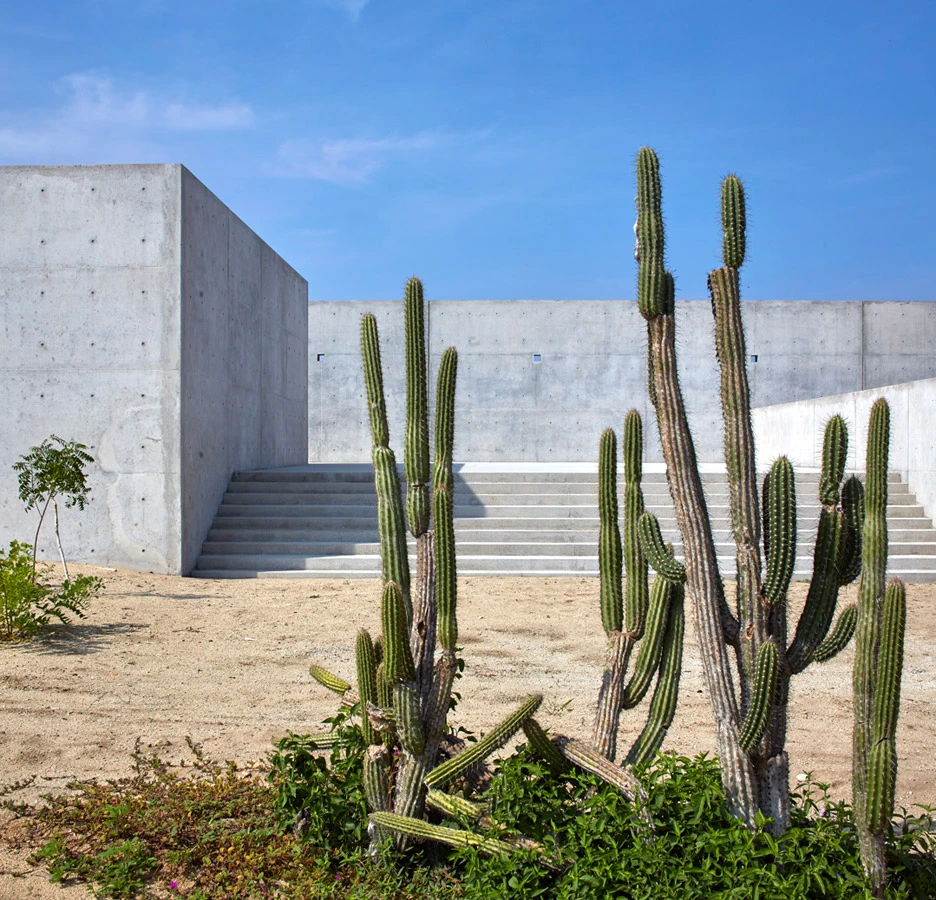
Blending modern concrete architecture with spatial principles unique to Mexico, Wabi House adapts to the climate through courtyards, shaded corridors, and long linear walls framing views of the landscape. The project was constructed in accordance with Tadao Ando’s quality guidelines and using traditional palapas sourced from the coastline. Demonstrating how local ideas can coexist with minimalist contemporary expression, Wabi House stands as one of the most inspiring examples of vernacular architecture.
10. Anandaloy Centre
Location: Rudrapur, Bangladesh
Architect: Anna Heringer
Year: 2019
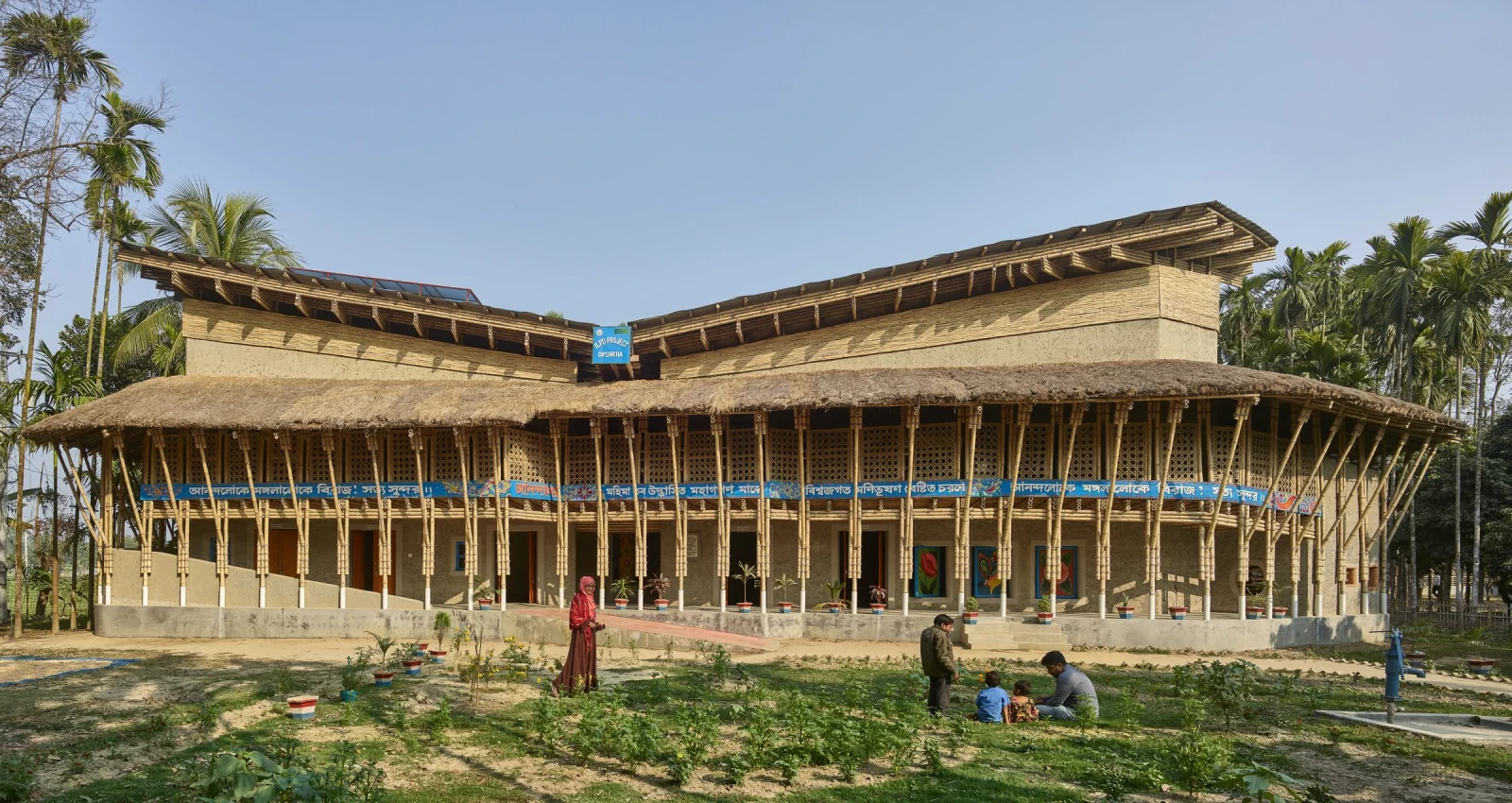
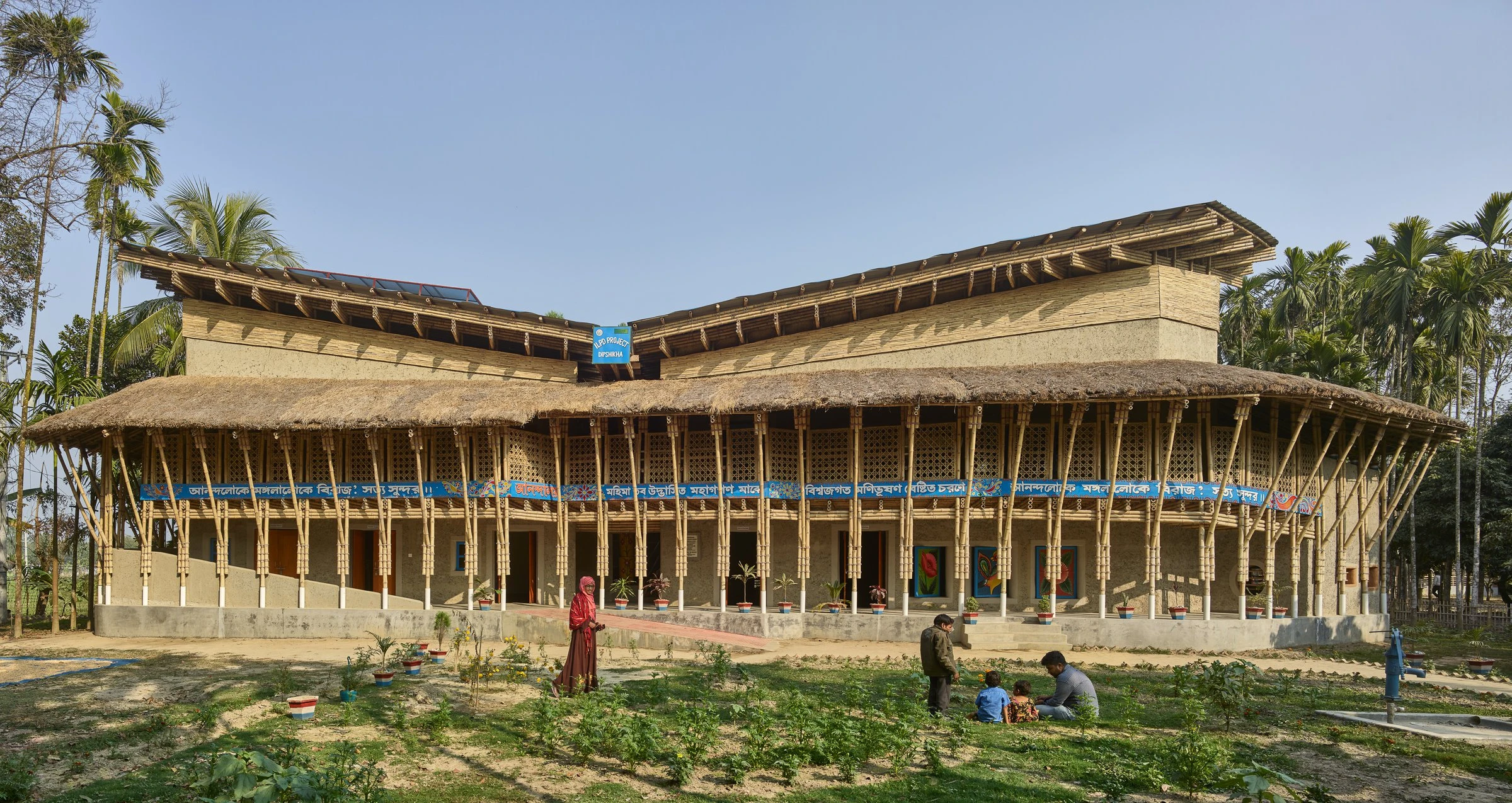
The Anandaloy Center is an interesting example of how vernacular architecture and inclusive design can drive social transformation. This therapy center for people with disabilities demonstrates the power of architecture to empower disadvantaged communities. An added floor of the building functions as a workshop for women tailors in the village. Challenging conventional ideas about local materials, accessibility, and community architecture, the center shows that traditional techniques can remain deeply connected to local context while being inclusive, experimental, and forward-looking.
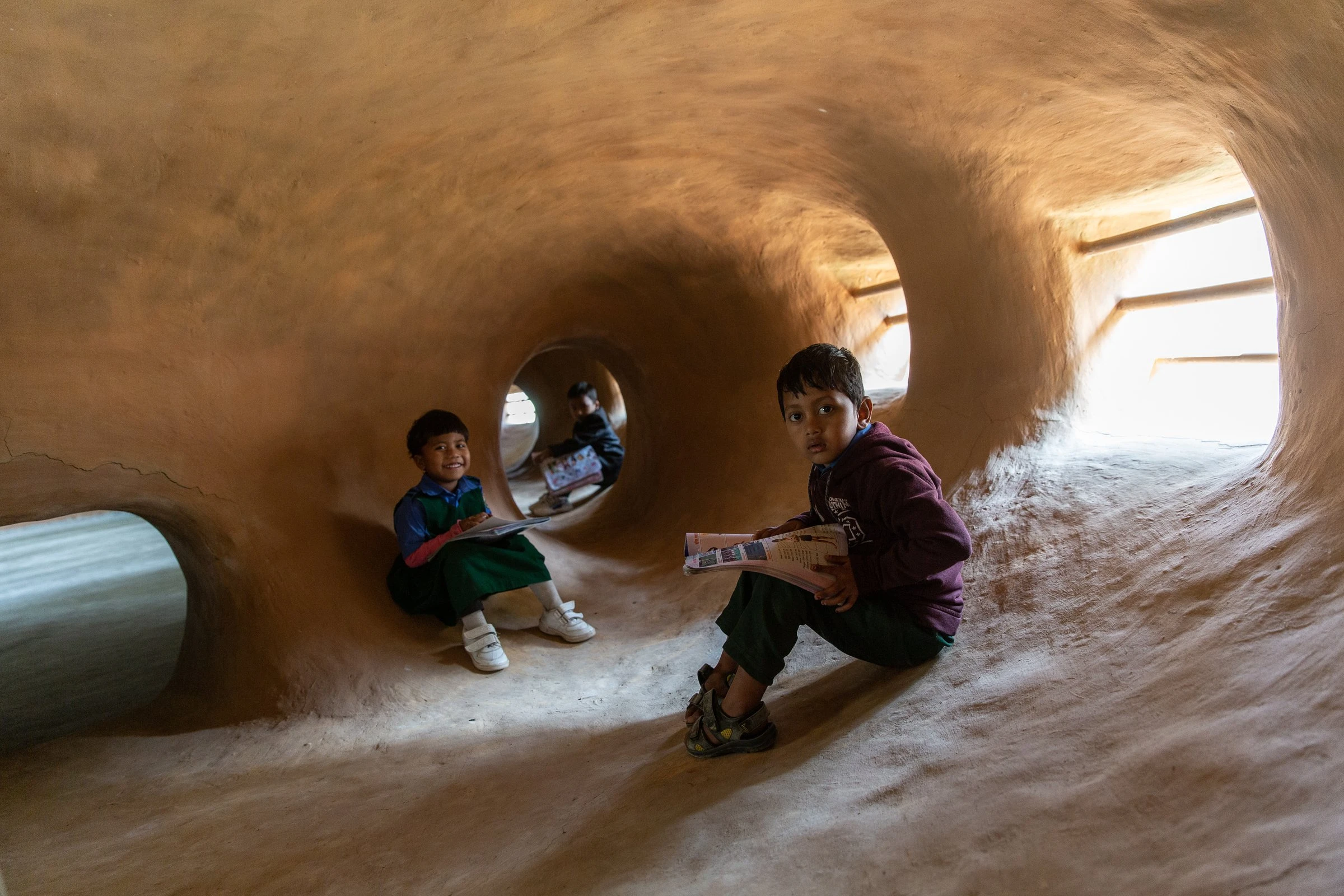
Using clay as a material to create a stronger identity, the Anandaloy Center requires no molds, and both curved and straight walls are easily constructed. With its curved, sculptural structure and ramp that curves around the interior, the building references the beauty of diversity.
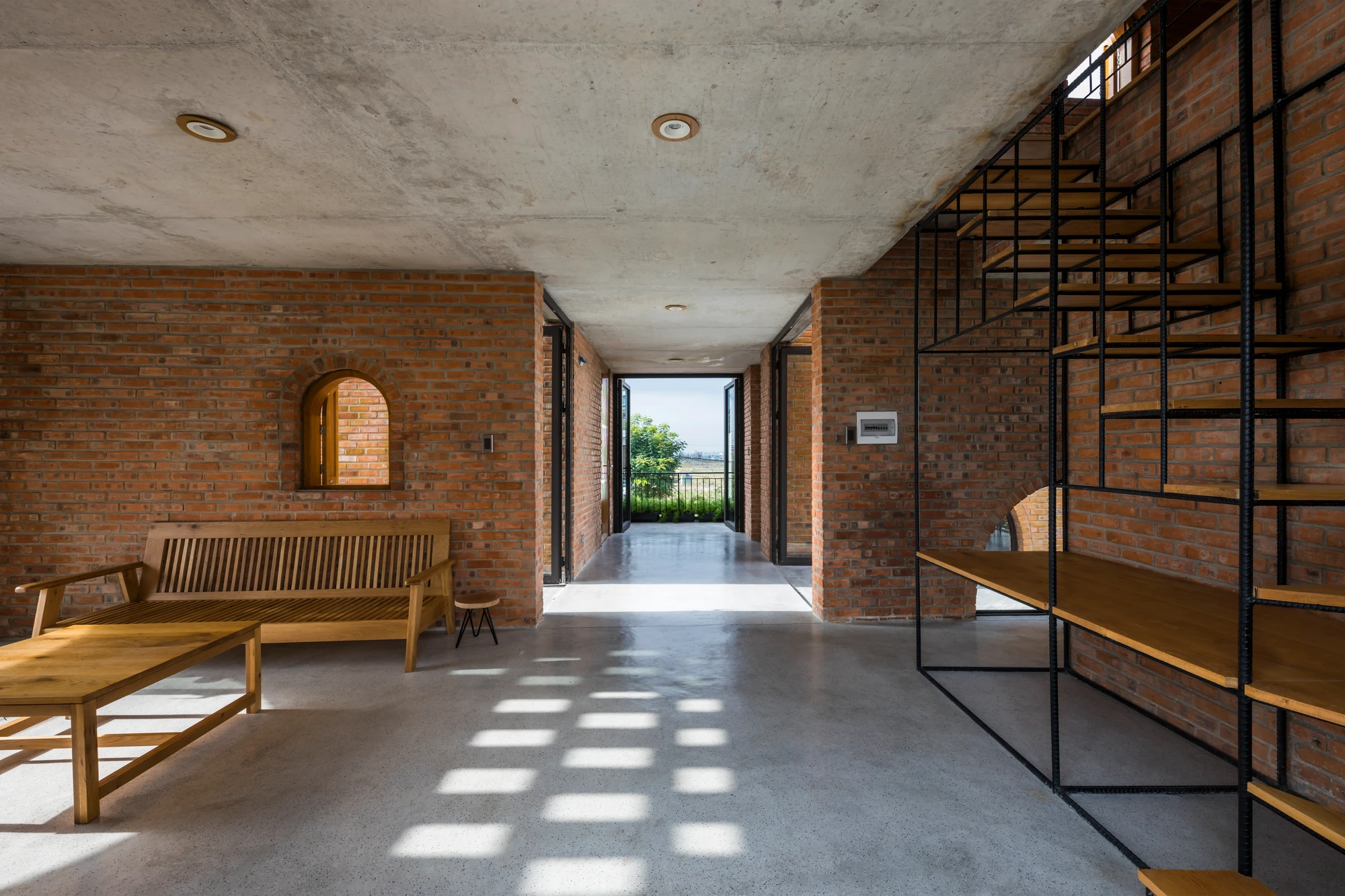
Across the world, geography and climate shape the form, orientation, and materials of buildings. Vernacular architecture, mostly built by local people using traditional methods and local materials, reflects the community’s environment, culture, and daily life. As we have seen in the examples above, buildings with vernacular architecture are distinctive because of their harmony with the environment. At the same time, they offer additional advantages, such as the use of local materials, simple construction techniques, and climate-responsive design.
Explore Courses
.jpg "Ondrej Chybik - Rethinking Architecture")