






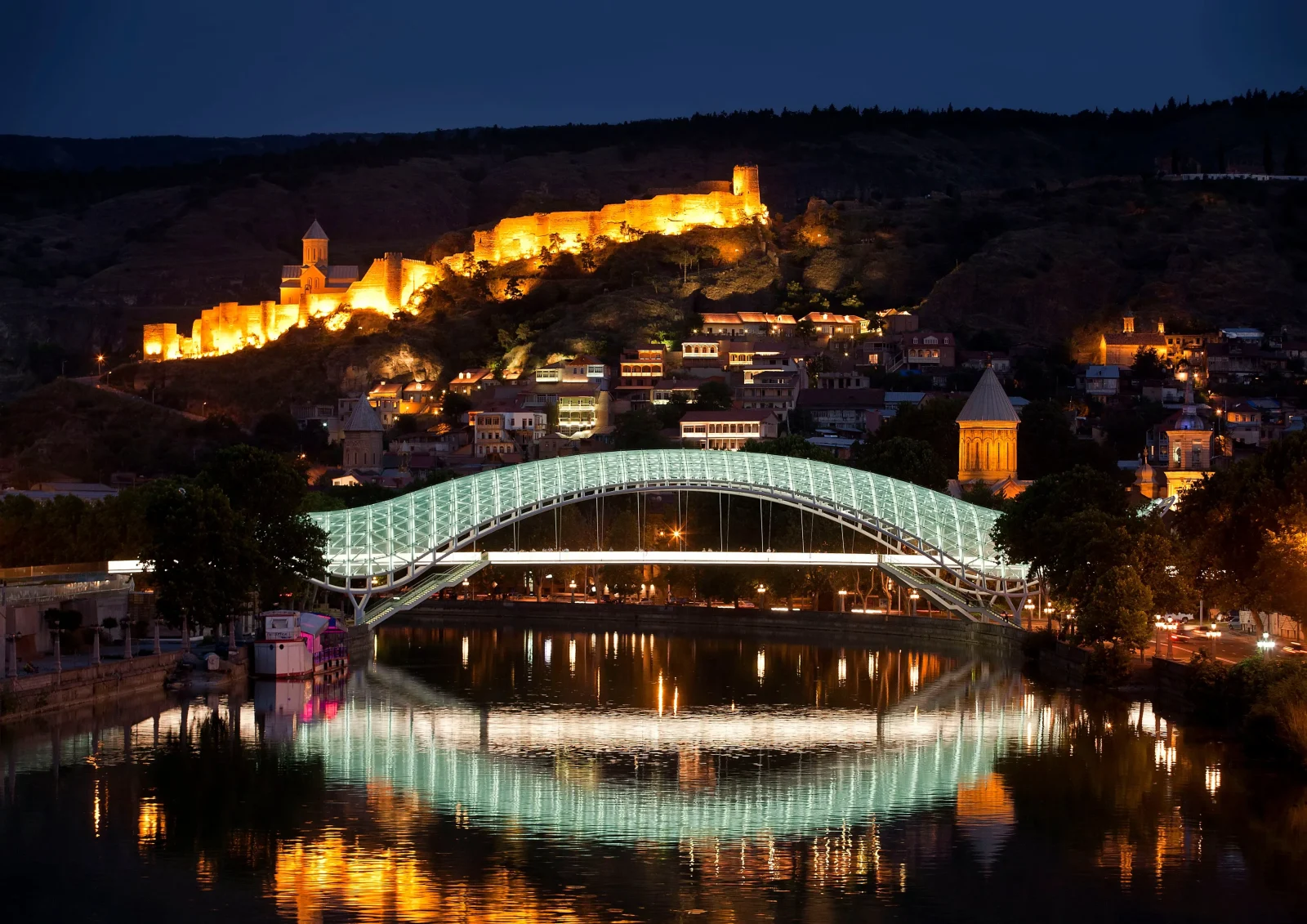
Located at the intersection of Europe and Asia, Tbilisi, the capital of Georgia, boasts an architecture that offers a dazzling blend of architectural styles and buildings from different eras. Surrounded by former communist Russia and neighboring Muslim countries, Tbilisi has long been a meeting point of diverse traditions and cultures, where architecture intertwines with the city’s cultural fabric. Modernism, Brutalism, Constructivism, and Stalinist architecture can be found in Tbilisi, where you can find impressive apartment blocks, hotels, and libraries, as well as war memorials, monuments, and reliefs.
Here are the 10 places to see in Tbilisi if you love architecture:
1. Fabrika Tbilisi
Architect: MUA
Year: 2017
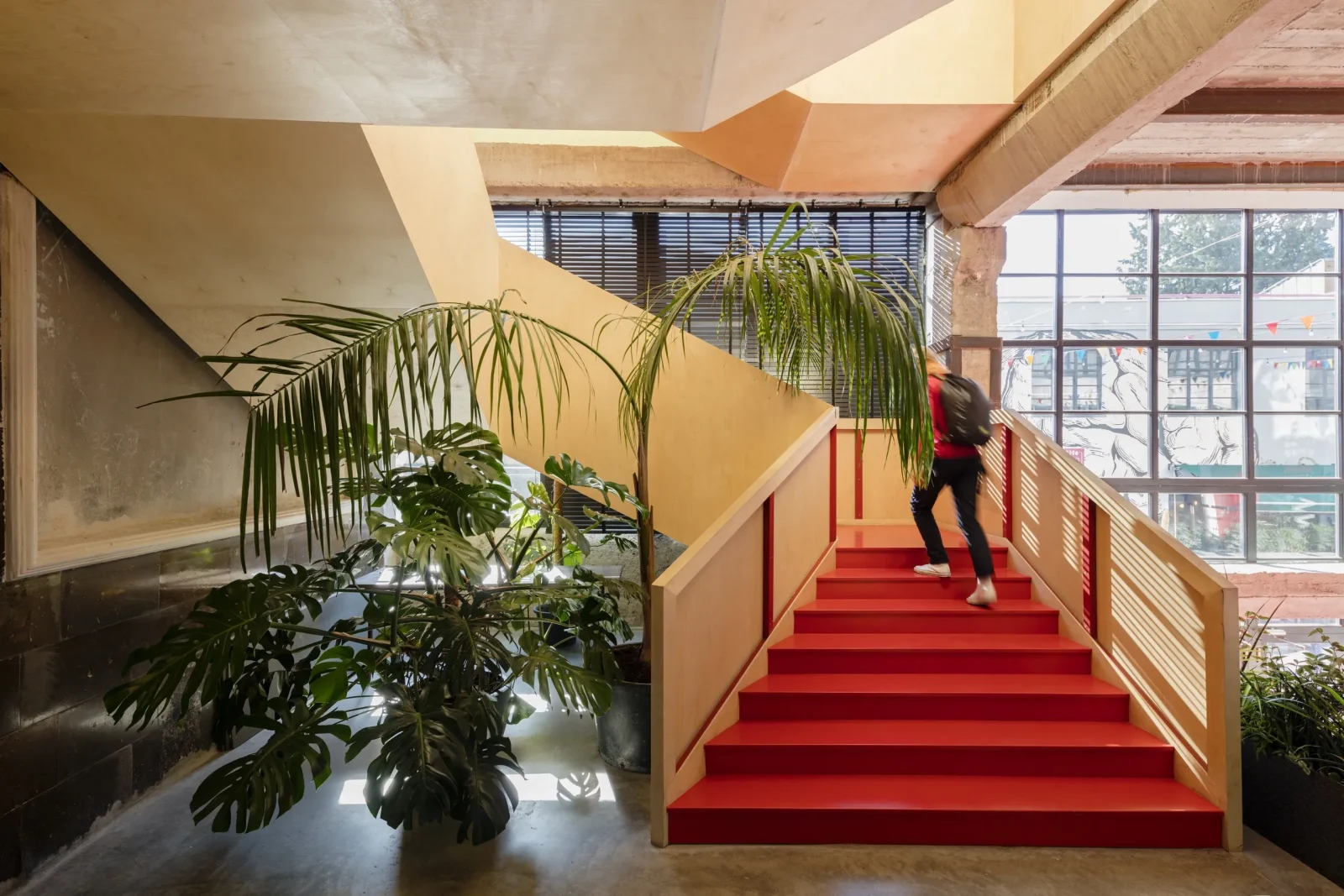
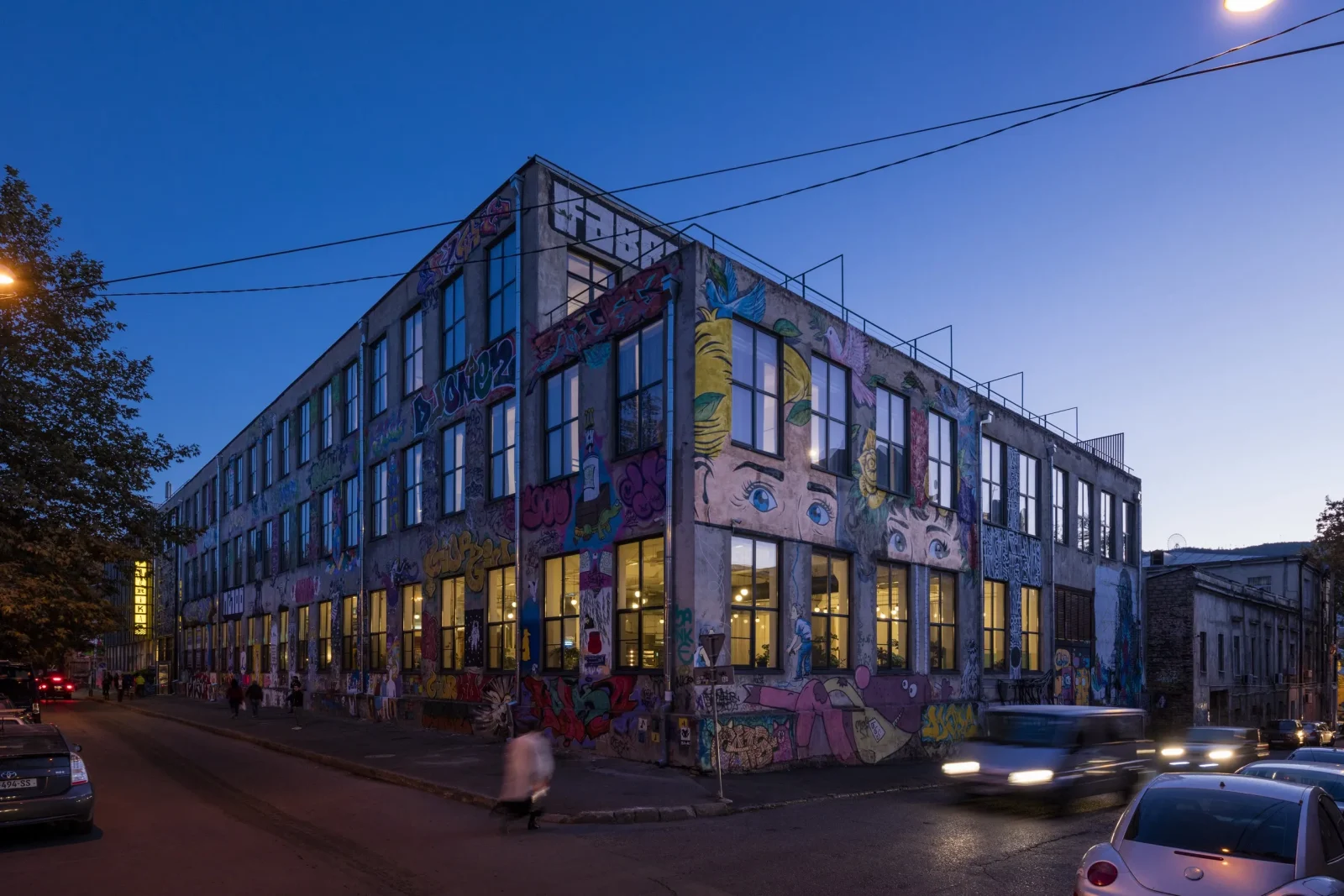
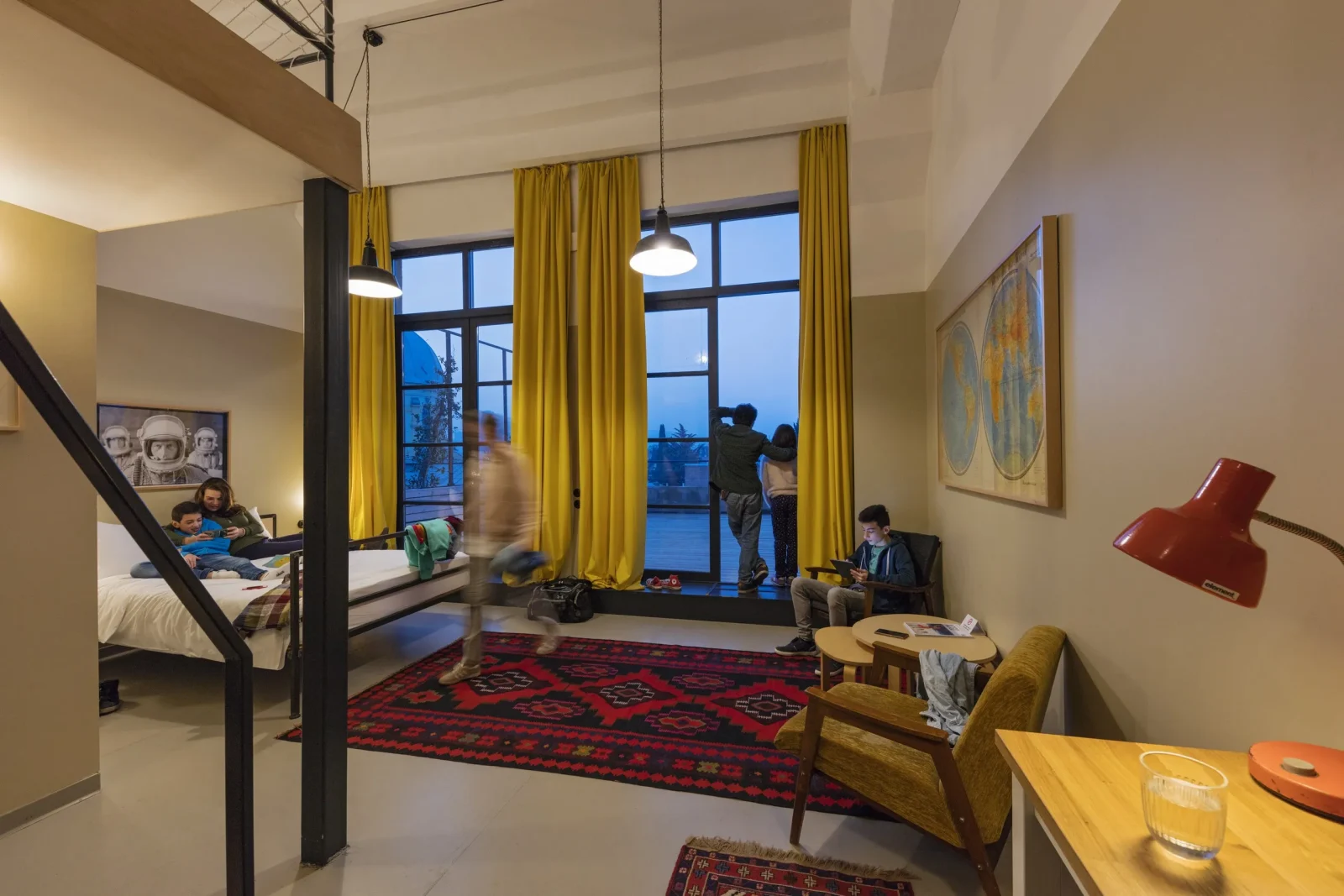
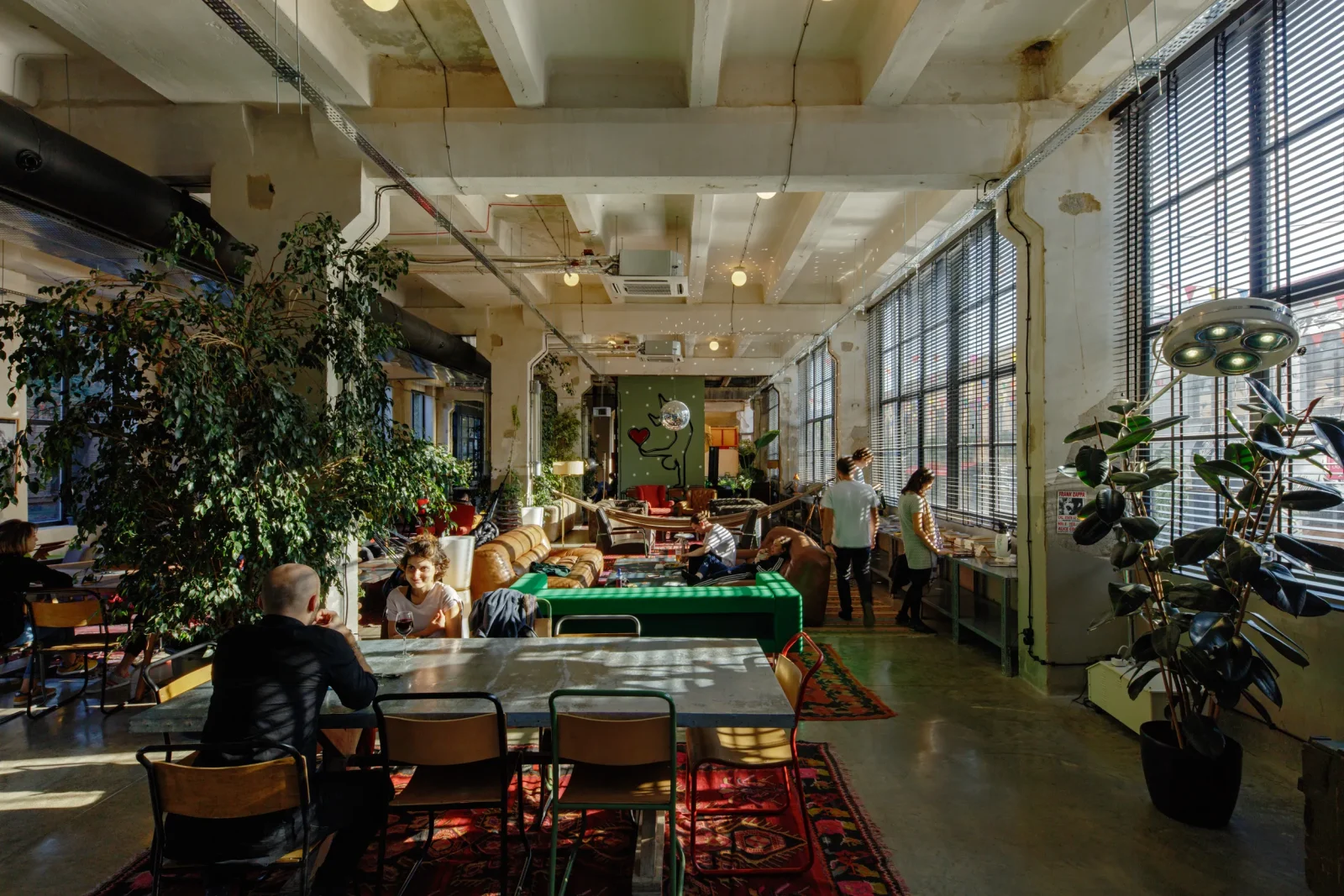
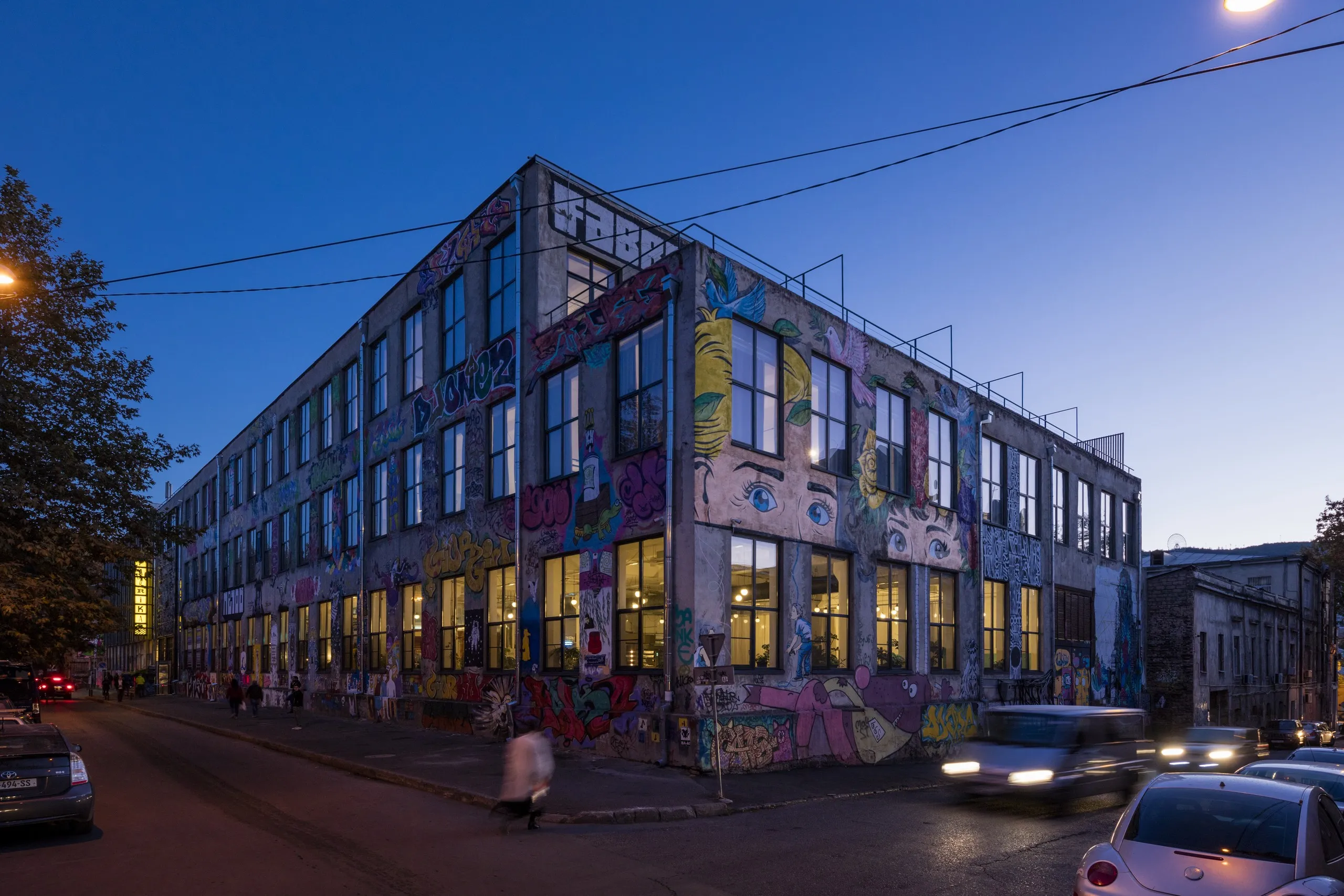
Fabrika Tbilisi, born from the collaboration between MUA and Adjara Group Hospitality, is an adaptive reuse project that transformed a former Soviet-era sewing factory. Located in a central yet unpopular historic neighborhood, Fabrika has been transformed into a multifunctional space that brings together like-minded people. Fabrika, a meeting place in Tbilisi for both locals and travelers, features art workshops, studios, rehearsal studios, co-working spaces, cafes/bars, a hostel, artist residences, a gallery, and other public spaces. Fabrika serves as a creative platform where people who value freedom and collaboration can produce, share, exchange ideas, engage with art and artists, and connect with international visitors.
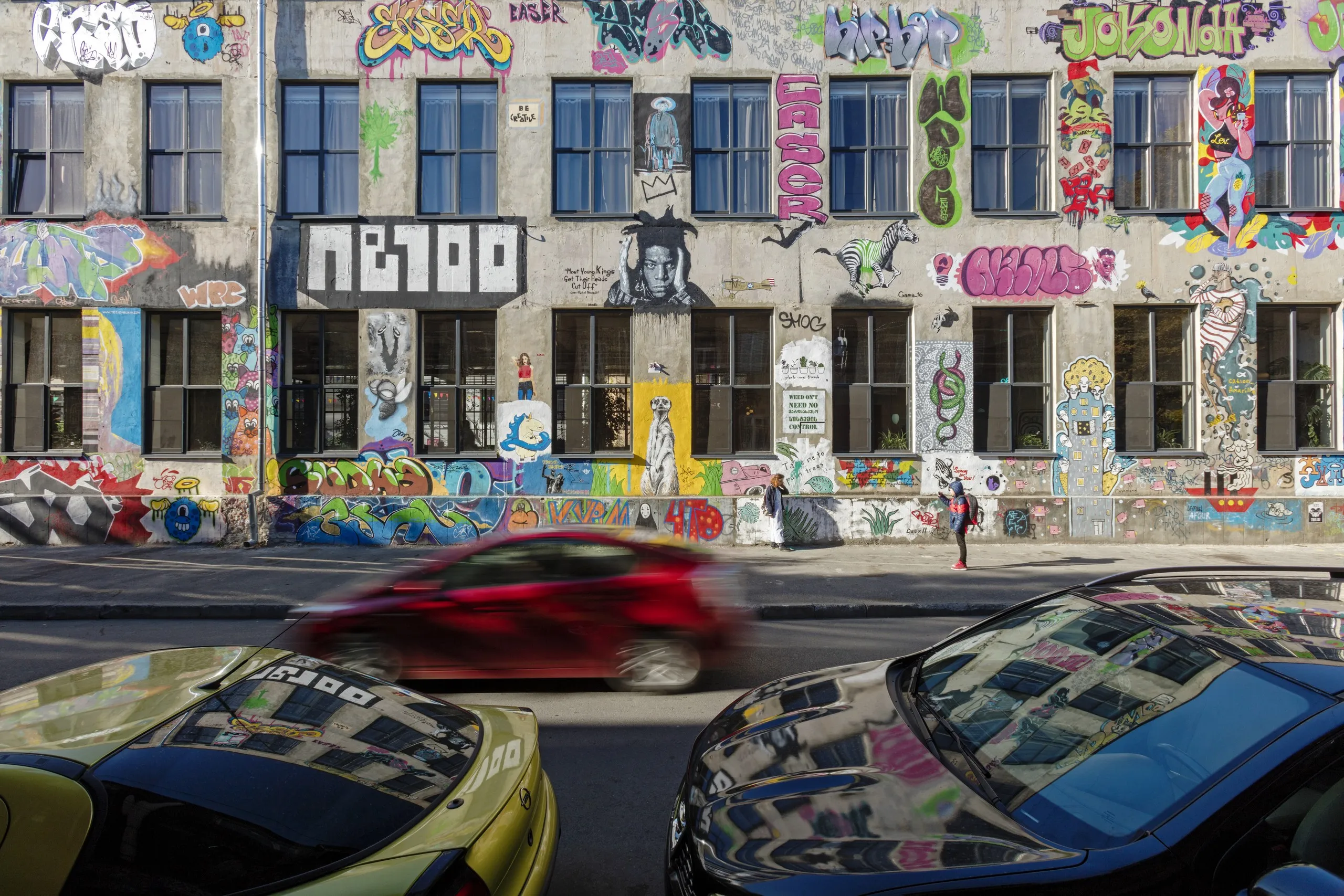
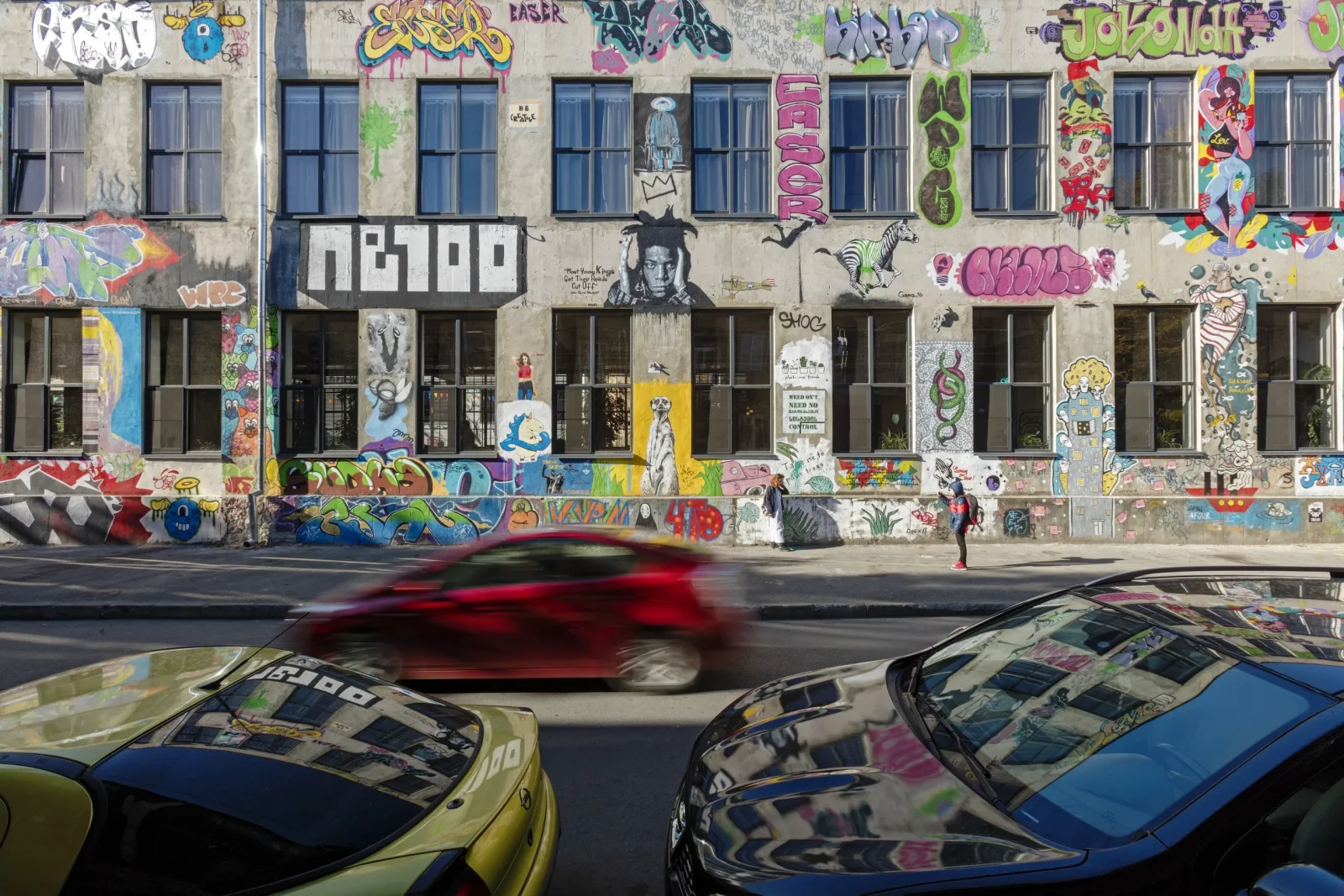
The factory’s original Soviet design style has been preserved, while the interior and exterior spaces have been modernized. Consisting of three original building blocks that form a rectangular courtyard, the Fabrika has aimed to preserve the spirit of the space by leaving as many bare walls, floors, existing paint, reused site materials, and old decor as possible. Accessibility and circulation were improved, disabled access was added, and the outdated MEP systems were upgraded to be more energy-efficient.
2. Bridge of Peace
Architect: Michele de Lucchi
Year: 2010
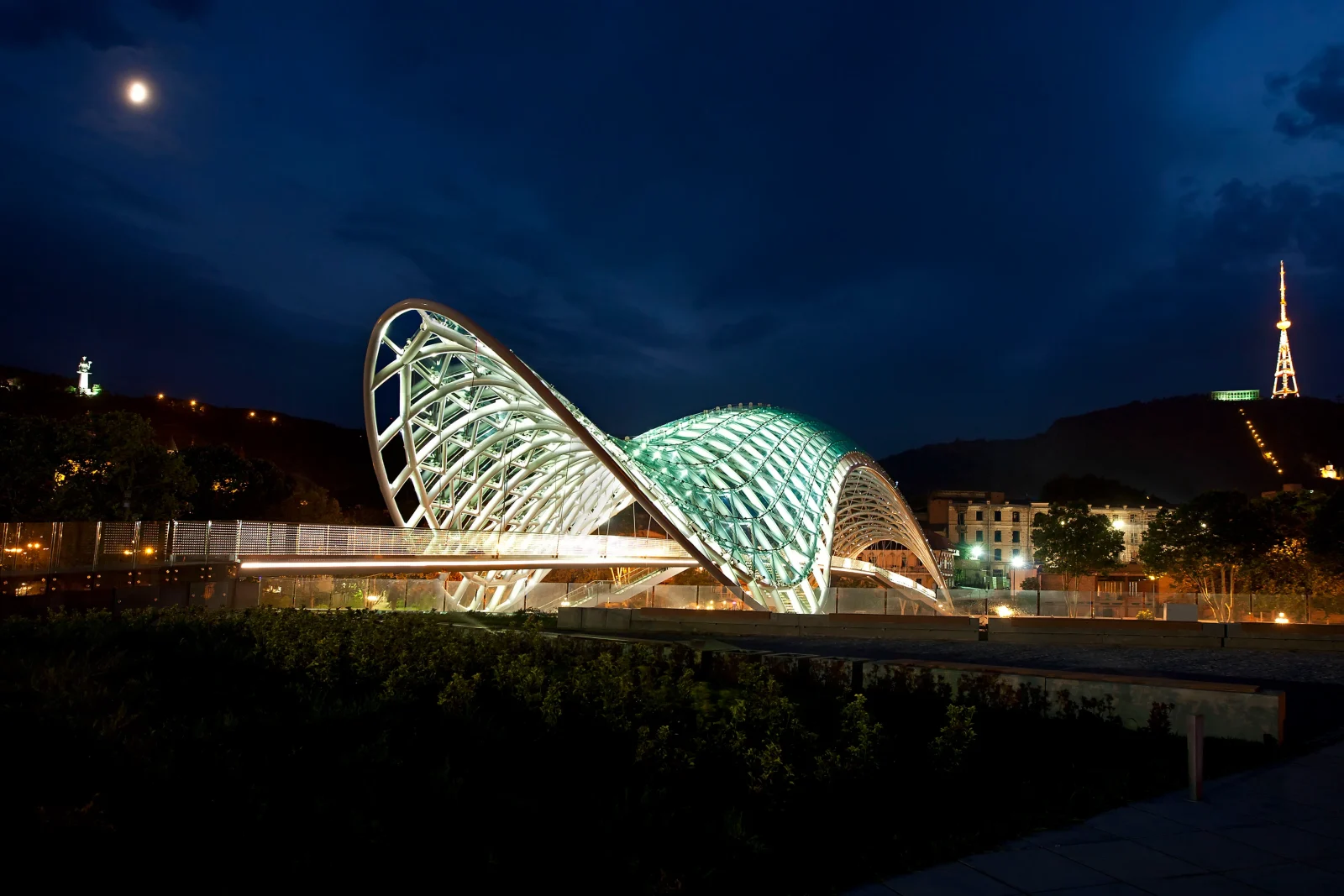
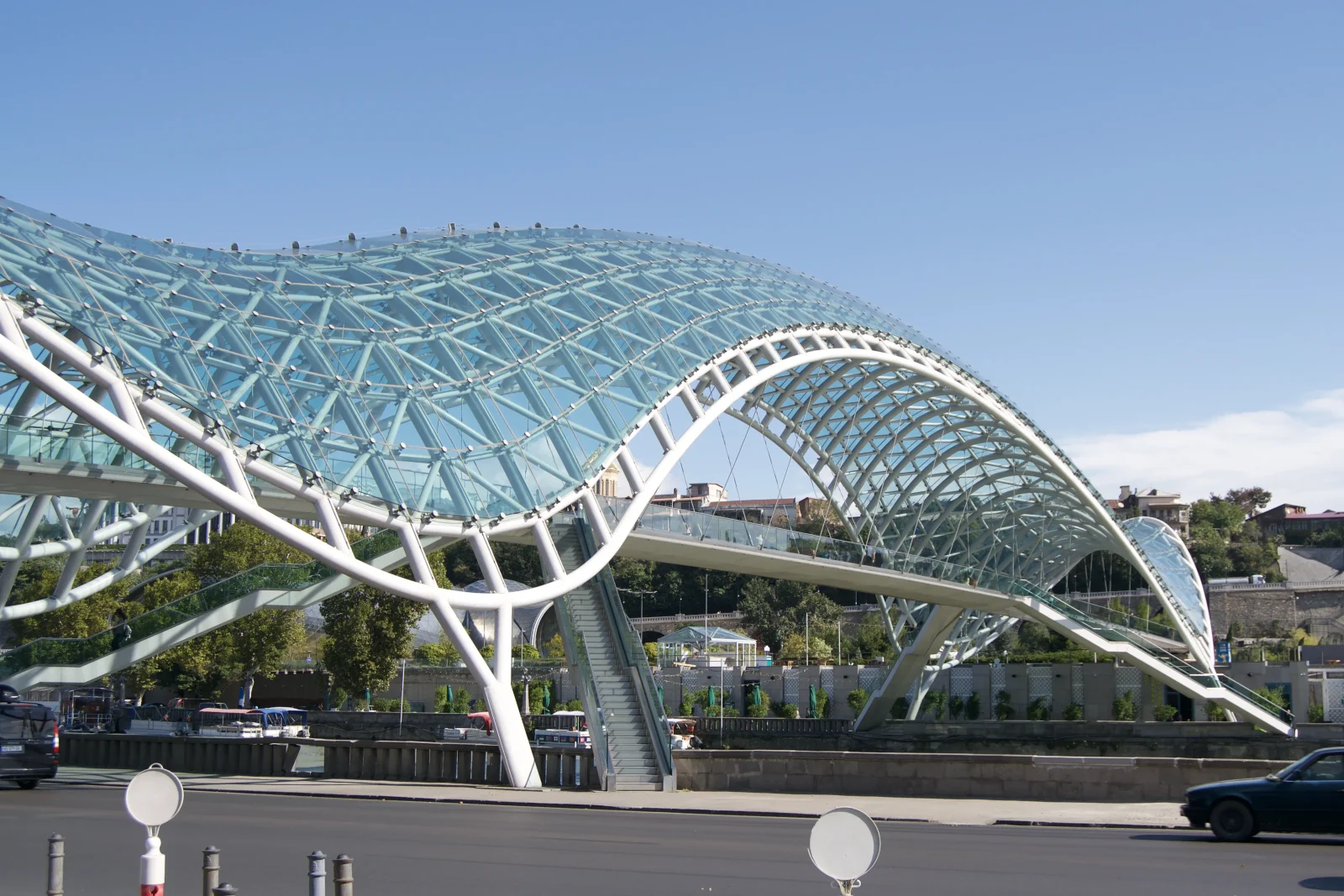
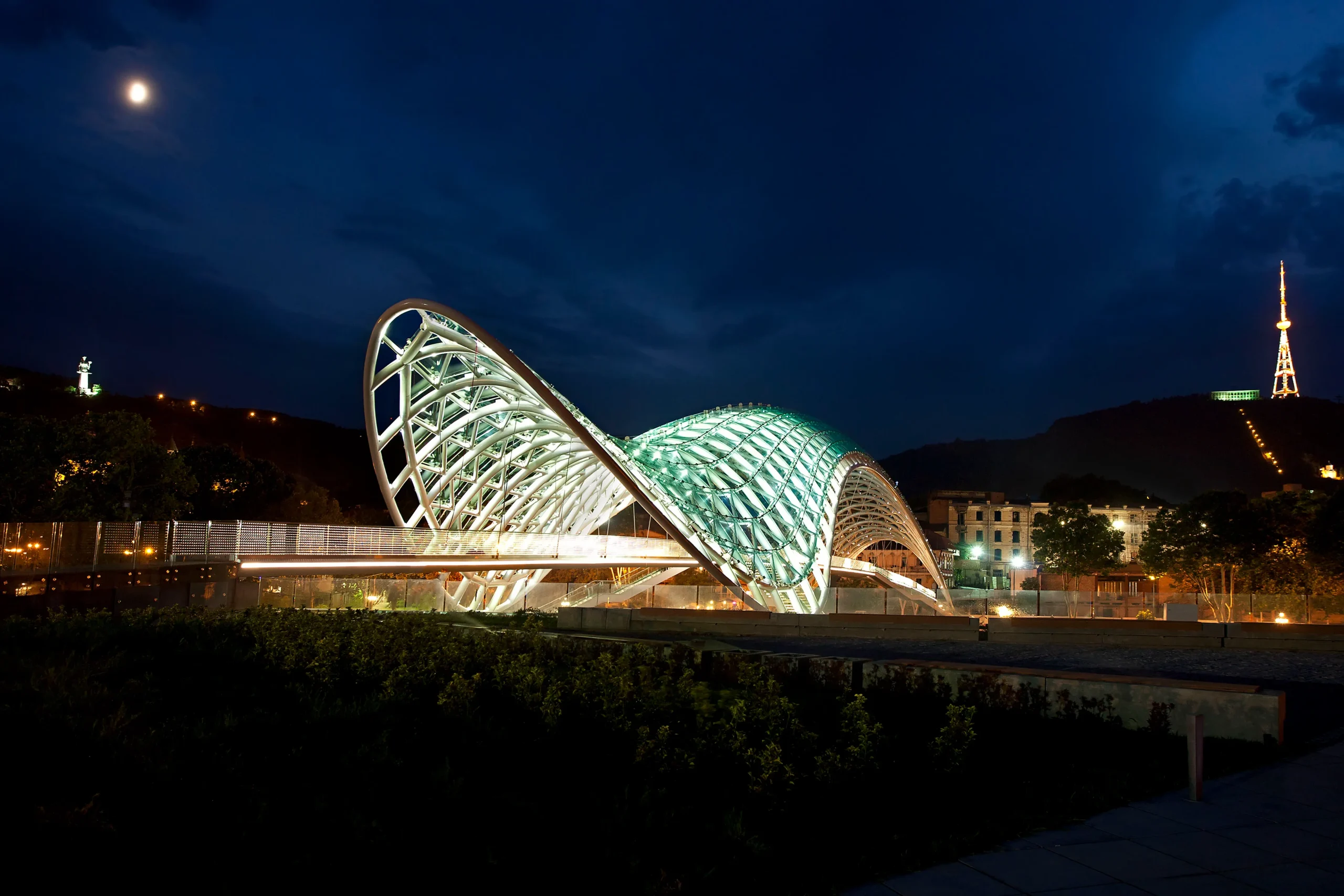
The Bridge of Peace, which connects the historic center to the west and the park to the east, divided by the Mtkvari River, embodies a symbolic architectural connection between land and community. Representing a break from the contentious recent past, marked by numerous cultural and ethnic rifts, the Peace Bridge is a 150-meter-long pedestrian bridge designed with parabolic curves. It can be accessed from both the elevated ground level upstream and the riverbanks via four-step stairways.
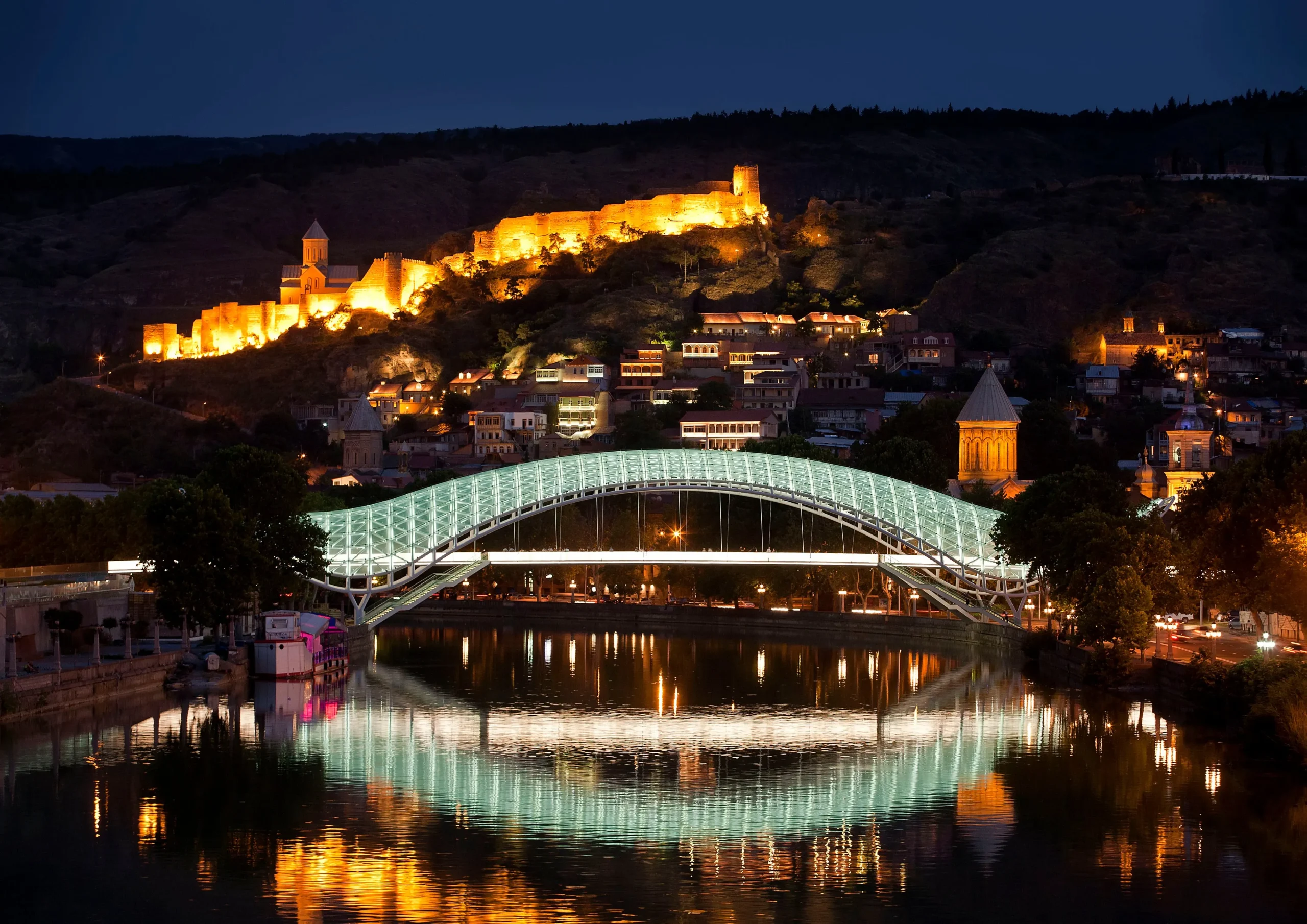
With its shell-like structure, the Bridge of Peace has become one of Tbilisi’s modern icons. Its roof merges architecture and engineering into a single membrane-like form, featuring a steel tubular frame covered with trapezoidal glass panels. At the center, the bridge transforms into a square for locals and tourists, providing a convenient space for meeting, rest, and cultural exchange. The bridge also features an interactive LED lighting system made up of 30,000 lights and 240 sensors that create mesmerizing patterns symbolizing human connection and peace.
3. Chronicle of Georgia
Architect: Zurab Tsereteli
Year: 1985 (incomplete)
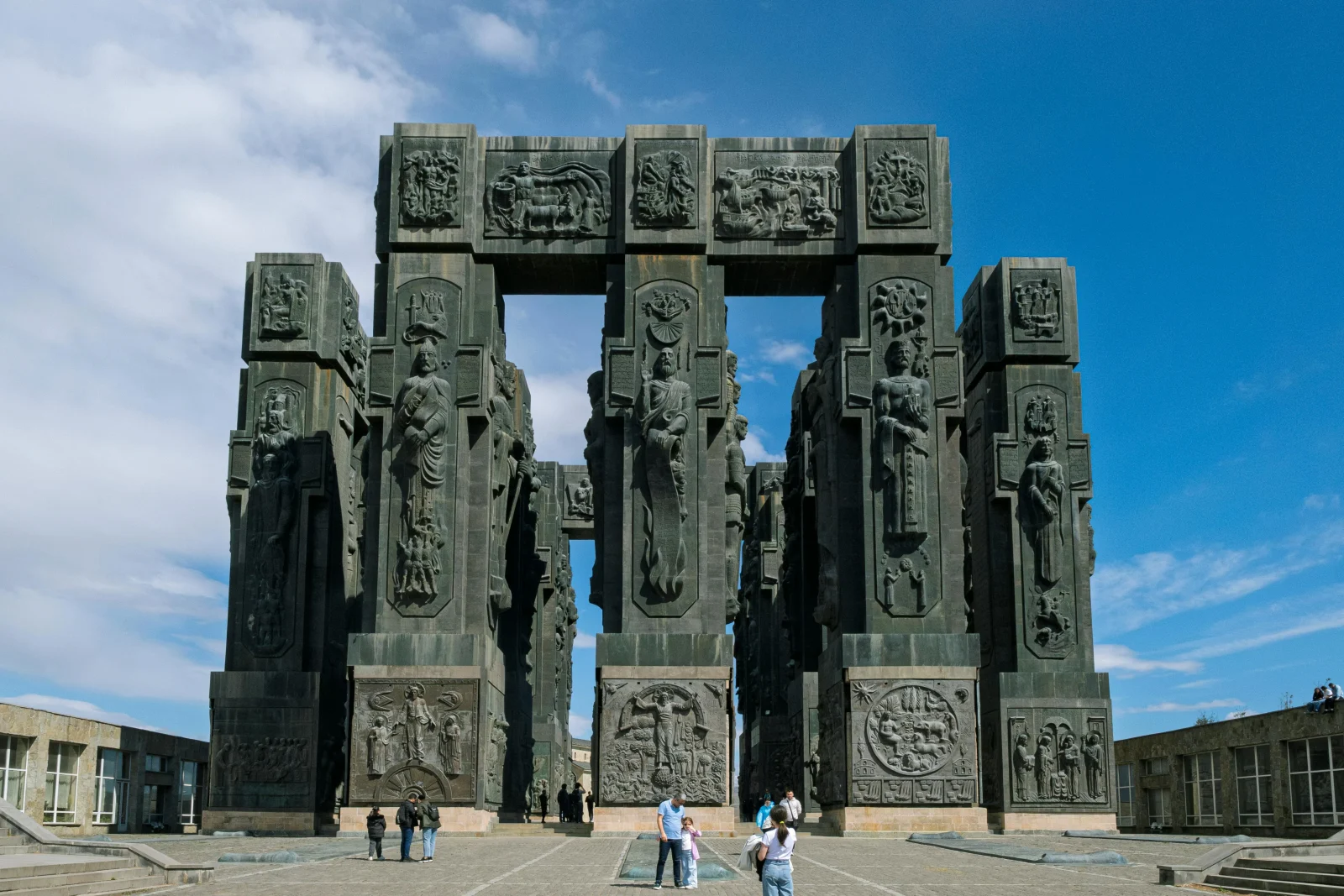
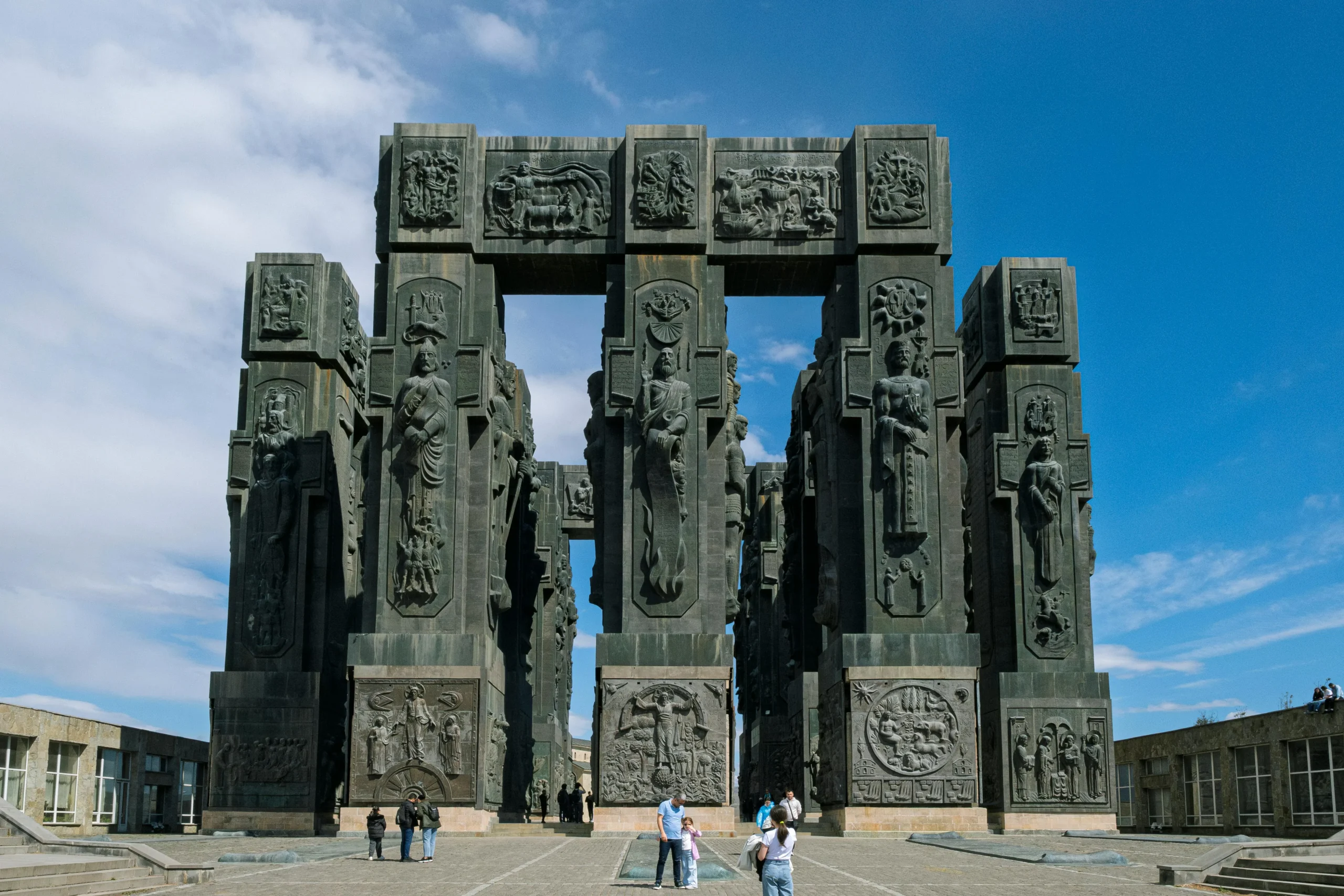
Despite its location far from the city center, the Chronicle of Georgia is a must-visit for architecture enthusiasts. Rising on the northern hills of Tbilisi, this monumental structure stands like an open storybook narrating the nation’s past. Construction of the monument, which carries Georgia’s 3,000-year history and 2,000 years of Christian heritage to the skies, began in 1985 but was not completed due to the collapse of the Soviet Union.
The Chronicle of Georgia, comprised of 16 massive columns, each 30-35 meters high, depicts Georgian kings, queens, and heroes on the upper sections, while the lower sections are adorned with scenes from the life of Christ. Constructed from solid stone, the monument’s black bronze reliefs give it a somber and dramatic appearance. The bronze panels gleam in the sunlight. With its bold lines and monumental scale, the Chronicle of Georgia blends Soviet brutalist style with traditional Georgian motifs.
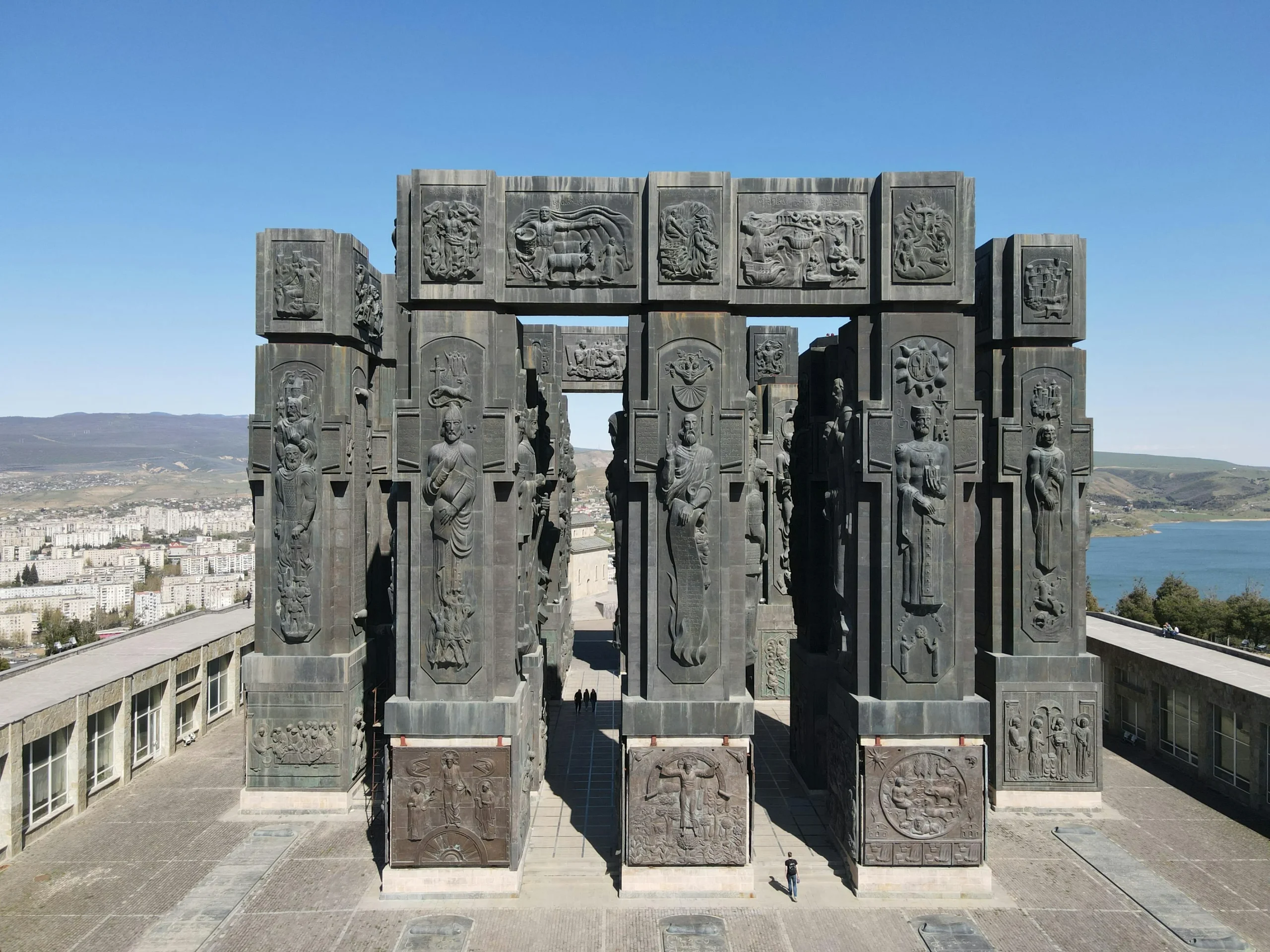
Next to the columns stands a bronze grapevine cross of Saint Nino, and within the complex lies a small stone chapel, elements that enhance the site’s spiritual atmosphere. The presence of the Orthodox chapel and the cross makes the monument feel both like a memorial and an open-air sanctuary. Visitors can hear the fluttering of doves’ wings echoing from the bronze or smell the burning candles if the chapel is in use.
4. Palace of Rituals (Wedding Palace)
Architect: Victor Djorbenadze
Year: 1984
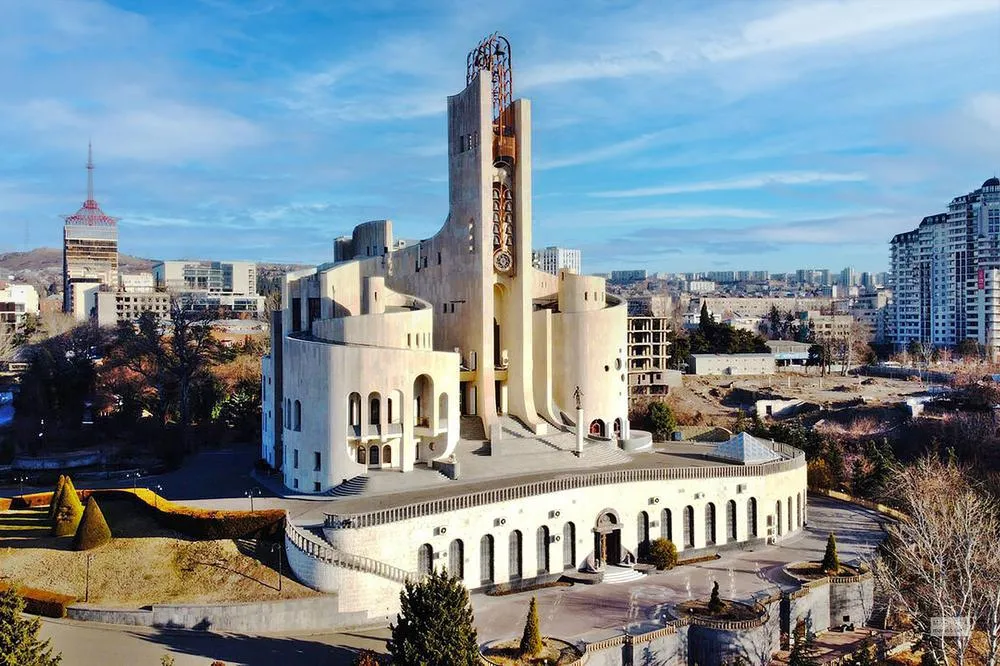
A must-see for architecture enthusiasts in Tbilisi, the Palace of Rituals, or Wedding Palace, is a masterpiece by Victor Djorbenadze. One of the finest examples of Postmodern Soviet architecture in Tbilisi, the palace incorporates elements of both Georgian church architecture and traditional domestic architecture. Inspired by Le Corbusier’s Ronchamp Chapel, Palace of Rituals offers a striking blend of modernism and neo-expressionism.
While its form evokes Roman theaters designed for grand celebrations and public gatherings from both Eastern and Western perspectives, the building is far more complex in its spatial composition. The interior forms, which protrude visibly from the exterior, reflect modernist architectural principles. The main façade, featuring two large asymmetric spiral forms and a central vertical tower, alludes to the bell tower of a medieval cathedral.
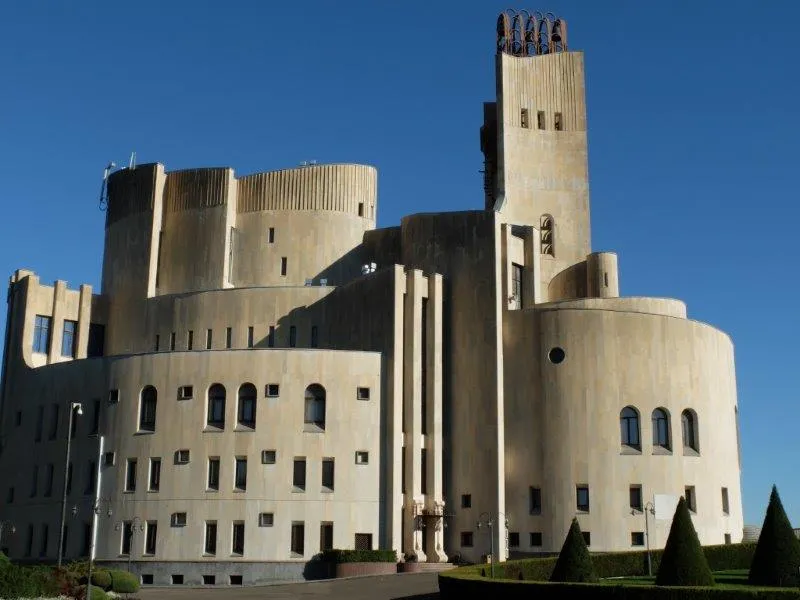
Serving as an all-inclusive wedding venue, including restaurants, a dress and suit rental business, and couples counseling, the Palace of Rituals’ hall is illuminated by stained-glass windows. Above, a tiered wooden pyramidal vault imitates the traditional Georgian gvirgvini roof, creating a powerful dialogue between past and present. In 2002, the palace became the private residence of businessman Badri Patarkatsishvili, and the lower rooms were redecorated in styles such as Egyptian and Chinese themes, and a garden with peacocks was added.
5. Nutsubidze Sky Bridge
Architects: Otar Kalandarishvilli and Gizo Potskhisvilli
Year: 1976
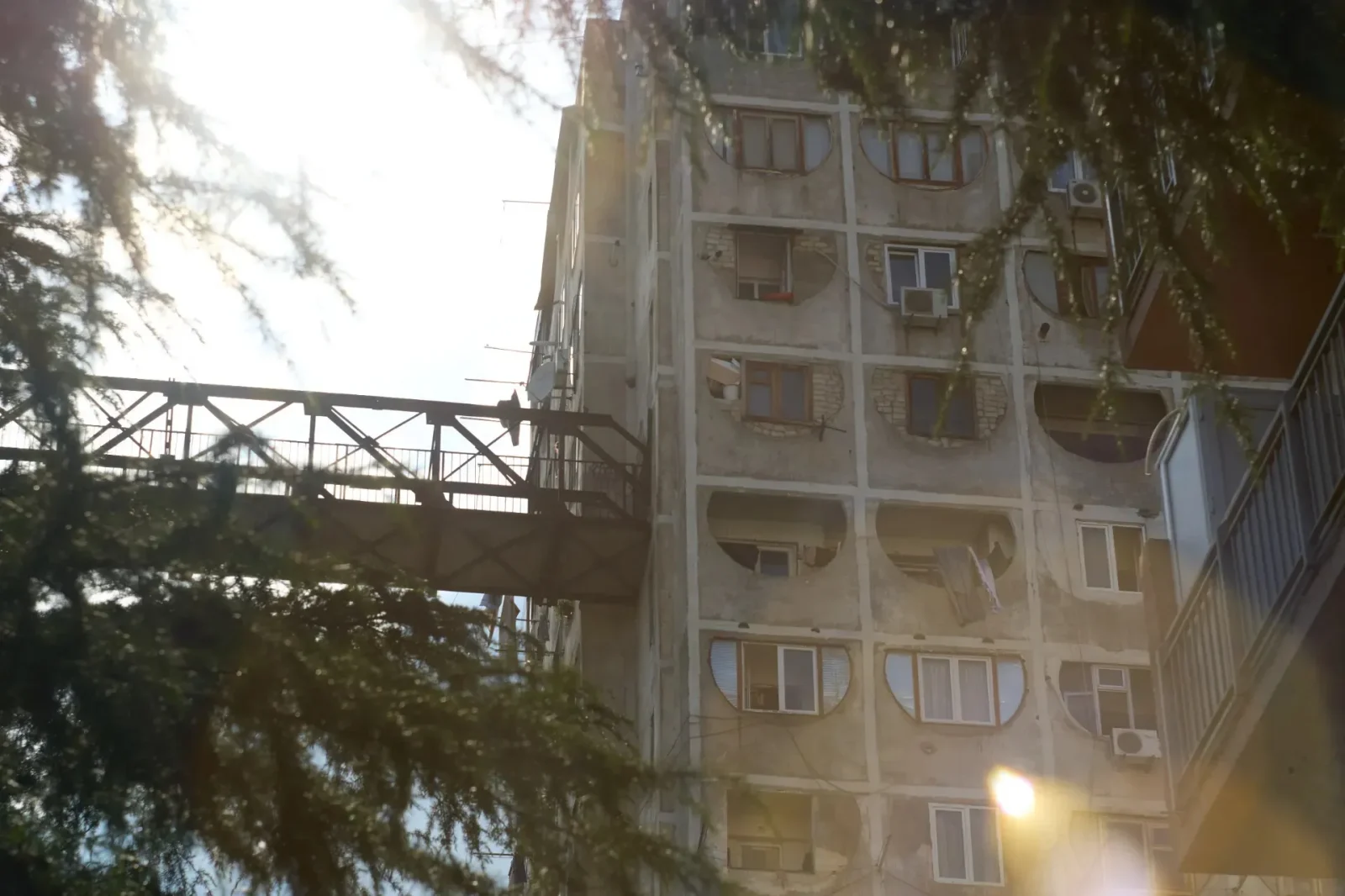
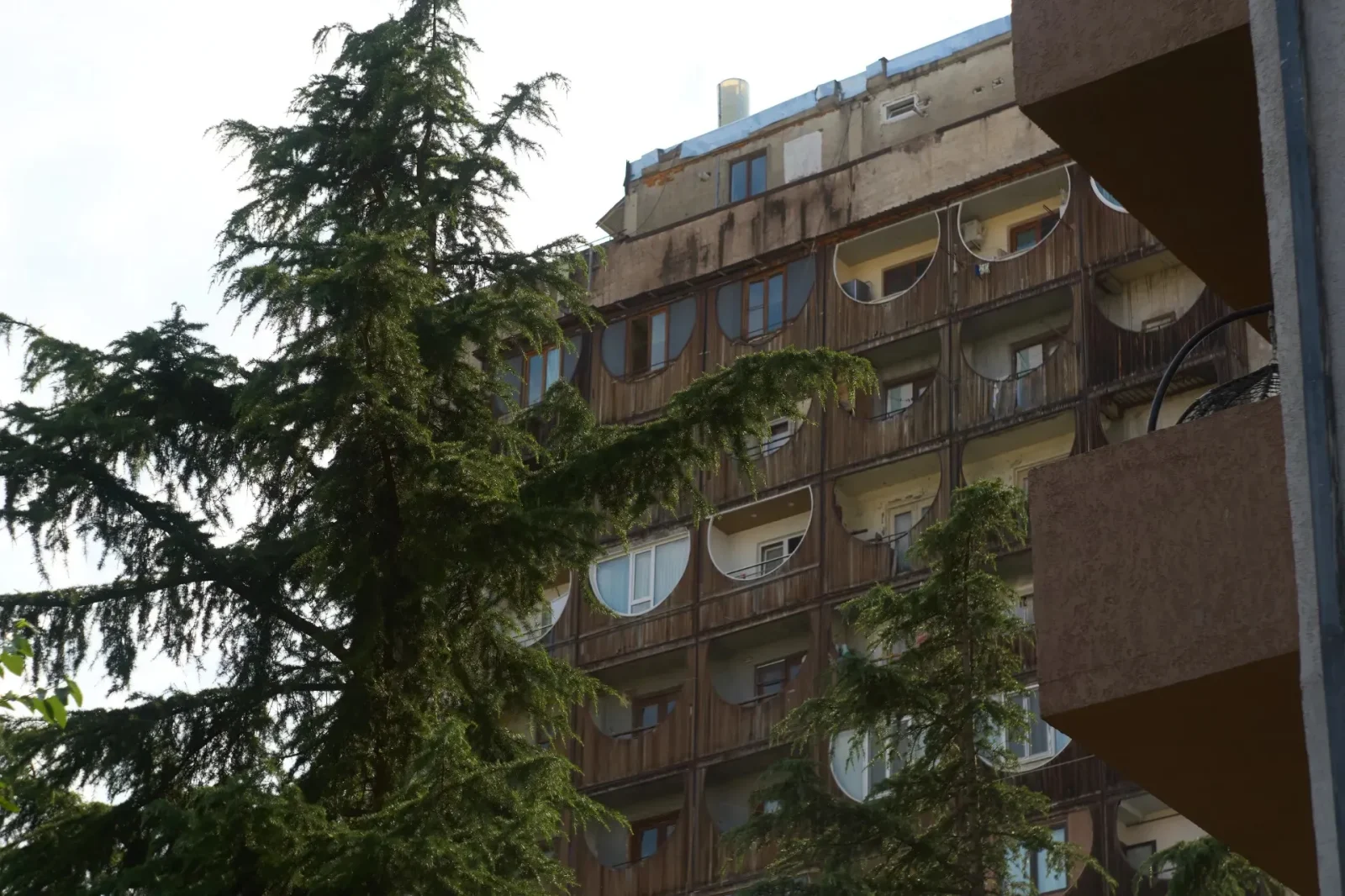
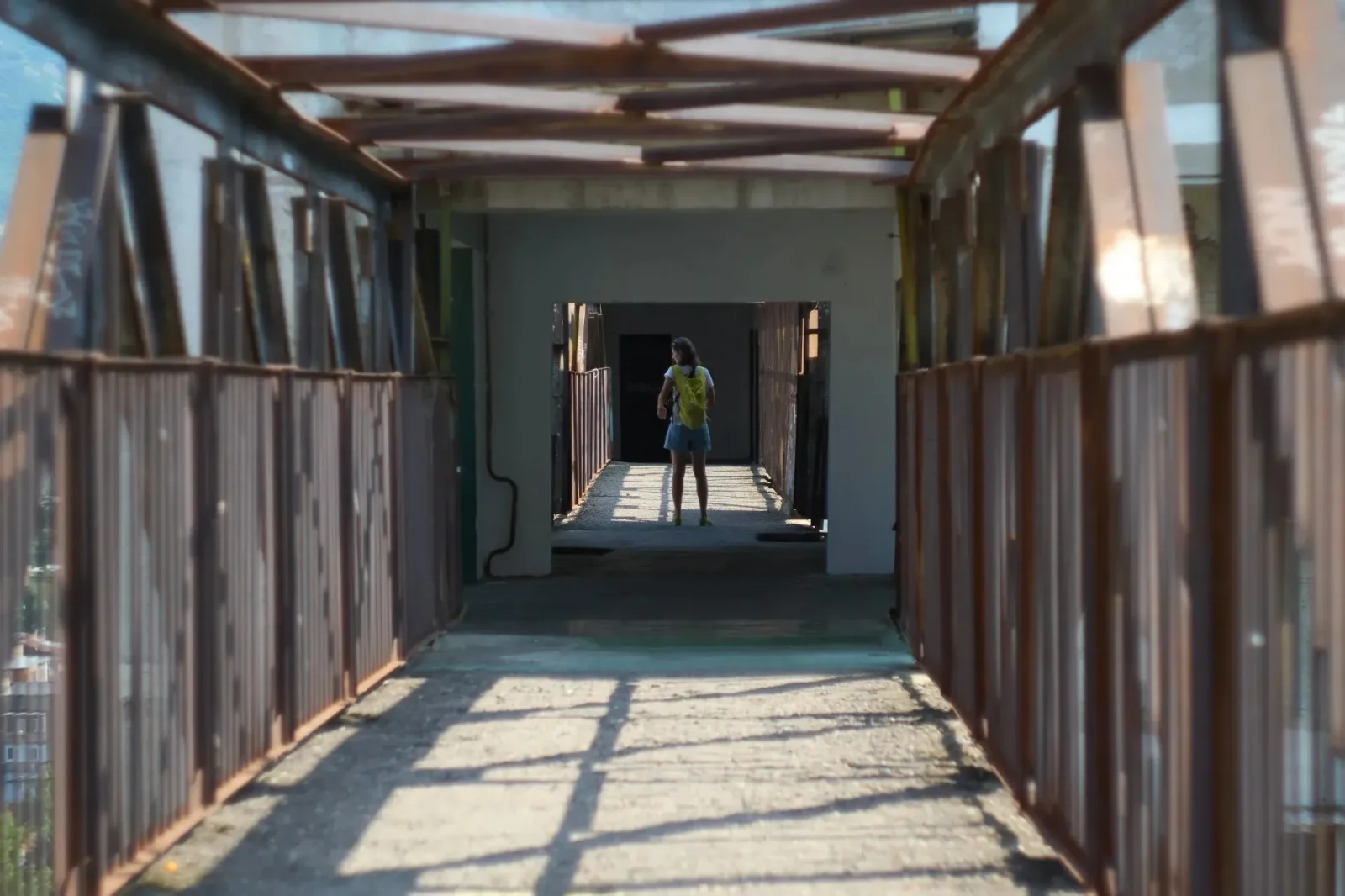
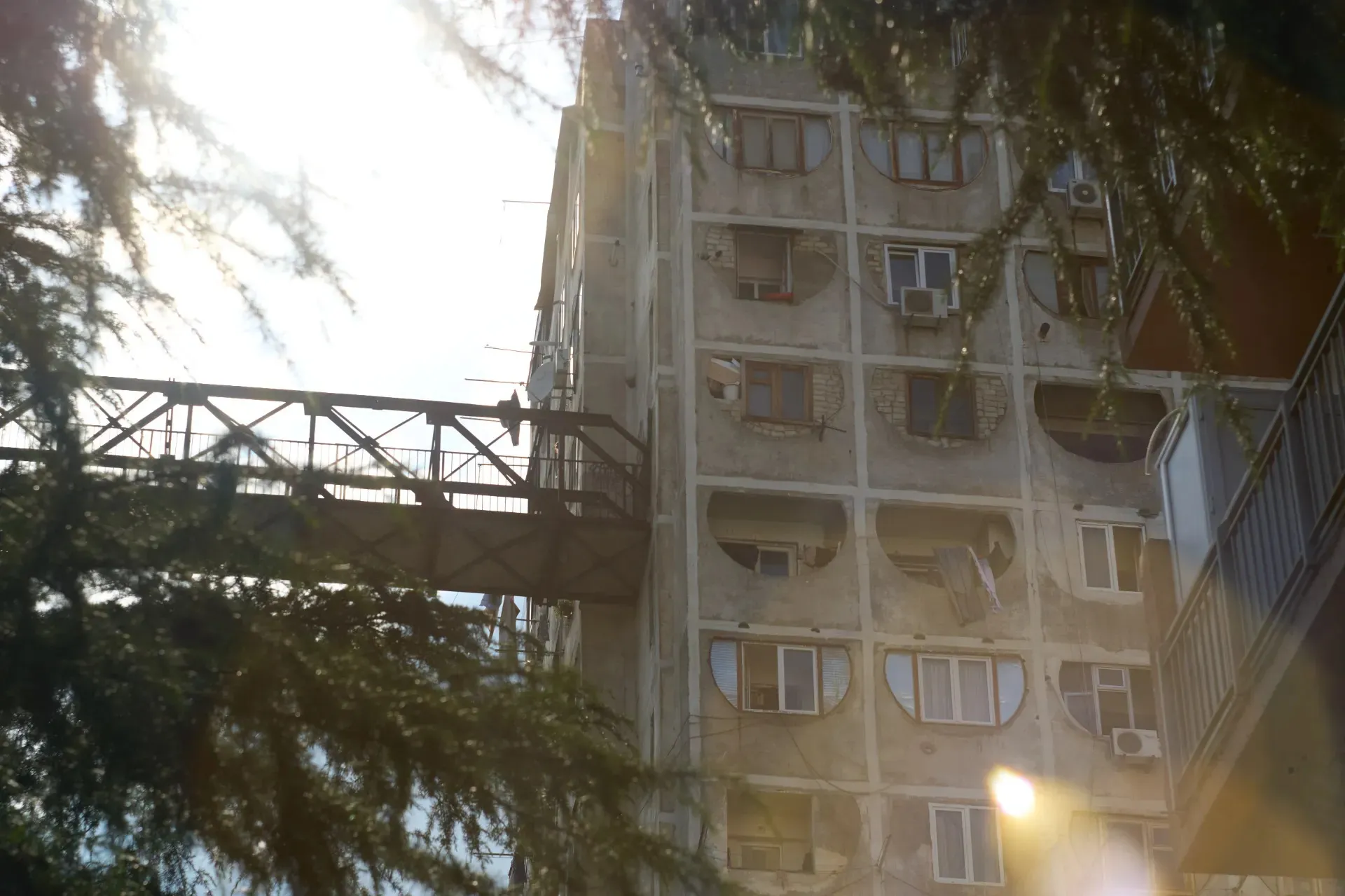
Nutsubidze Sky Bridge, one of Tbilisi’s most prominent brutalist structures, is an architectural relic built for living rather than for governing or educating. Located on a steep slope in the Saburtalo district, this experimental Soviet-era housing complex consists of three high-rise concrete apartment blocks connected by elevated concrete bridges. Originally conceived as a complex of skyscrapers linked by sky bridges, only a small portion was realized due to funding limitations.
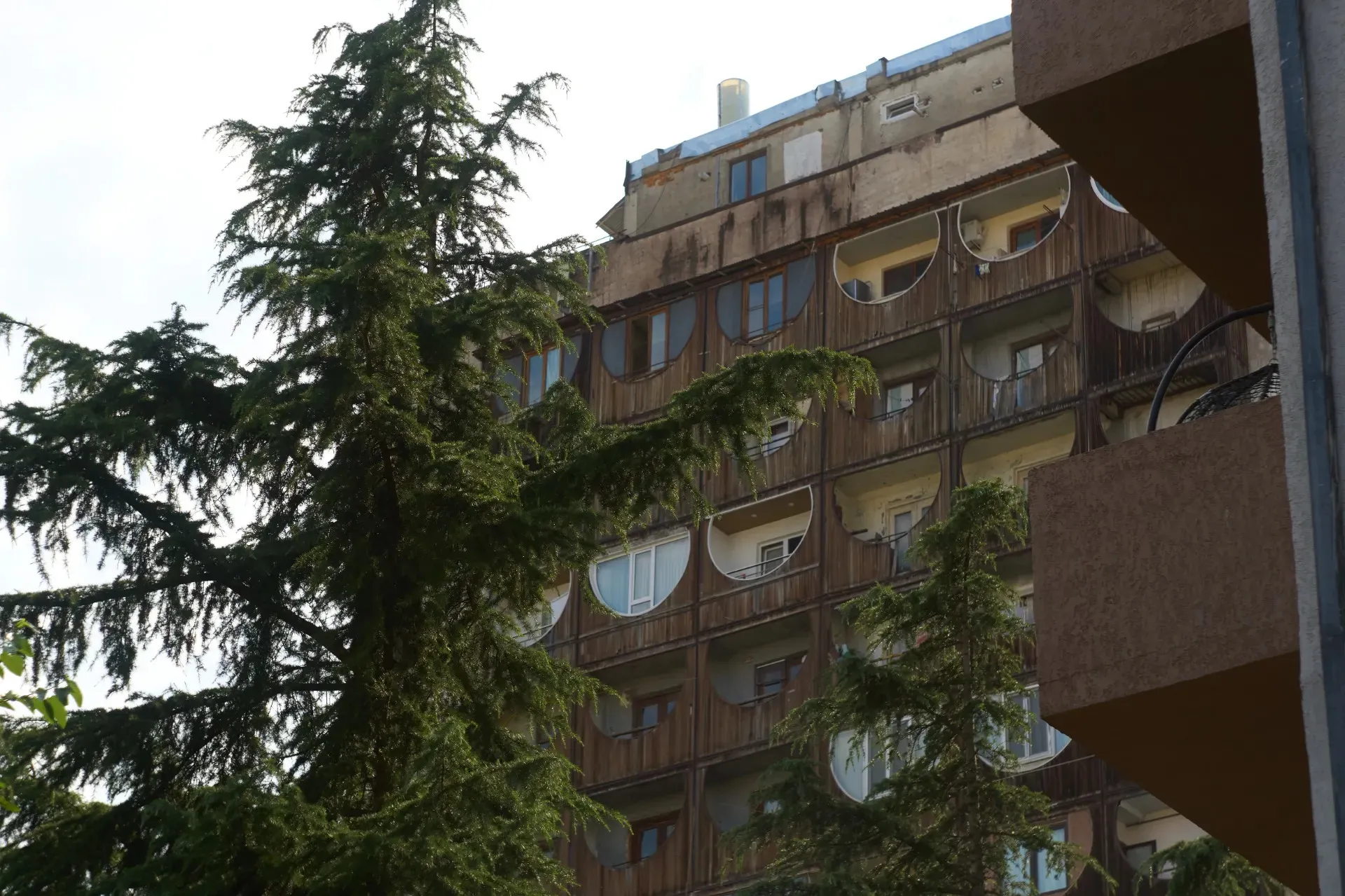
Reflecting the bold and sometimes polarizing aesthetic of Brutalism, the Nutsubidze Sky Bridge balances harsh exteriors with the warmth of human connection. A must-see destination for architecture enthusiasts in Tbilisi, the structure transports visitors to dizzying heights, offering breathtaking views of the city.
6. Holy Trinity Cathedral of Tbilisi (Sameba)
Architect: Archil Mindiashvili
Year: 2004
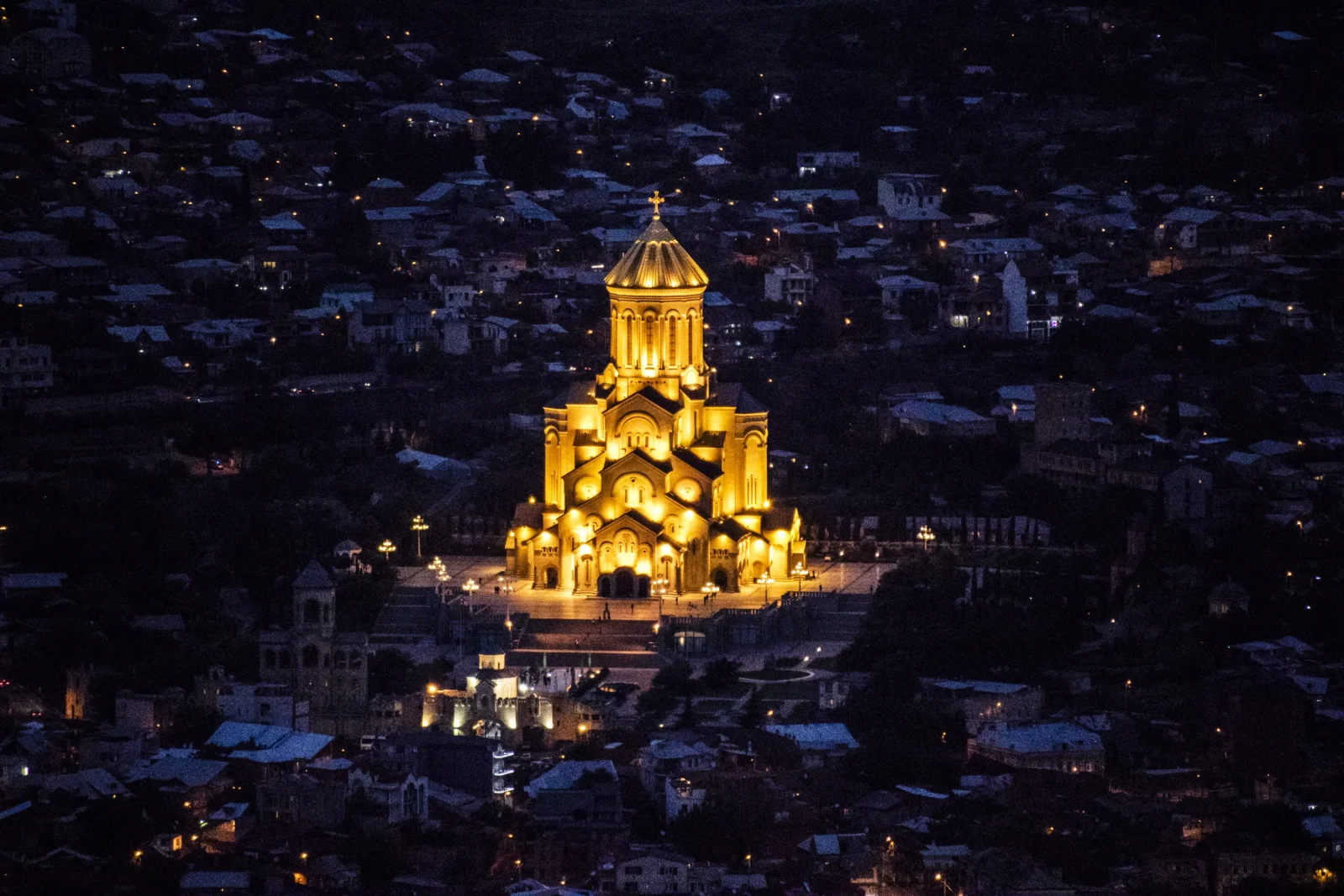
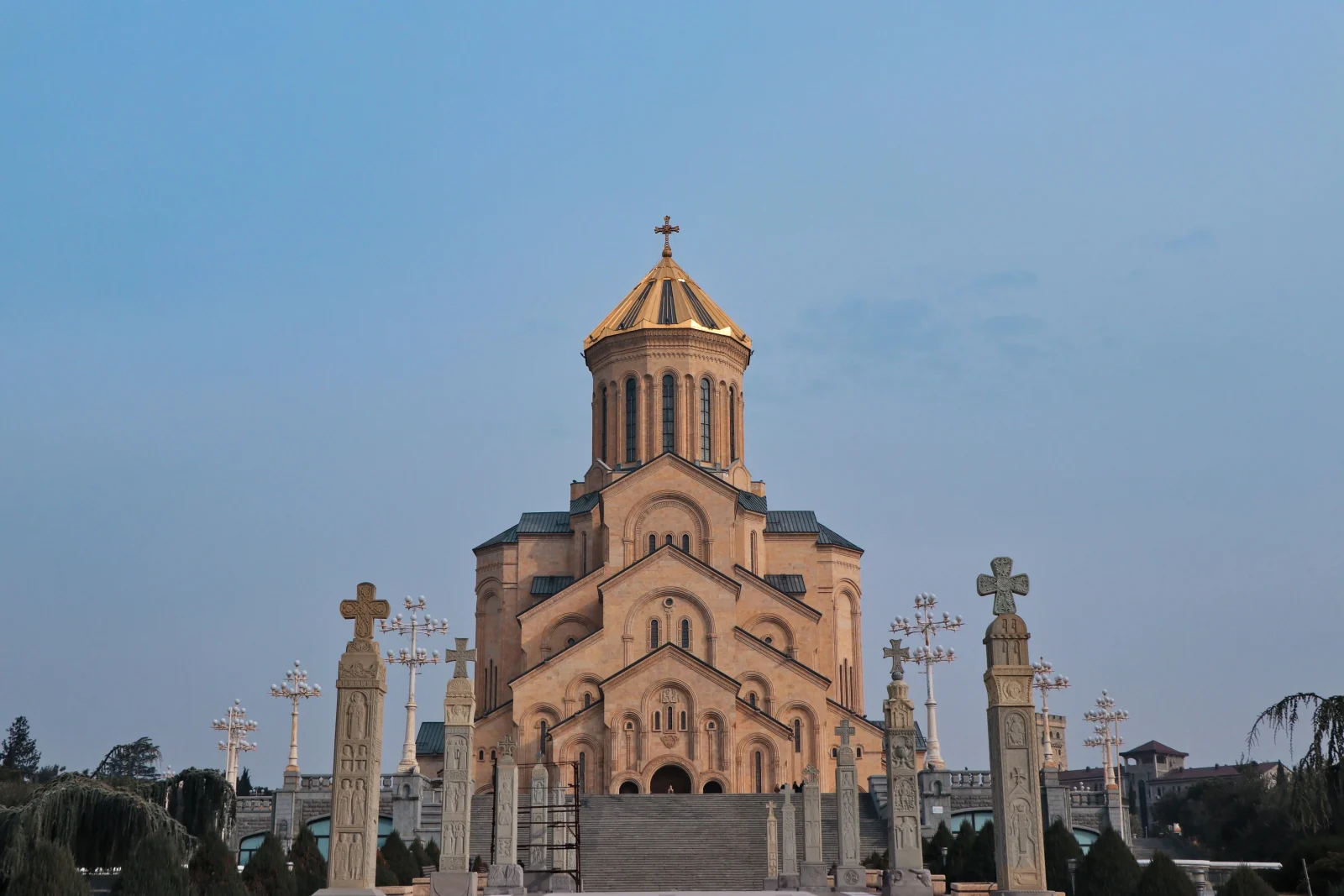
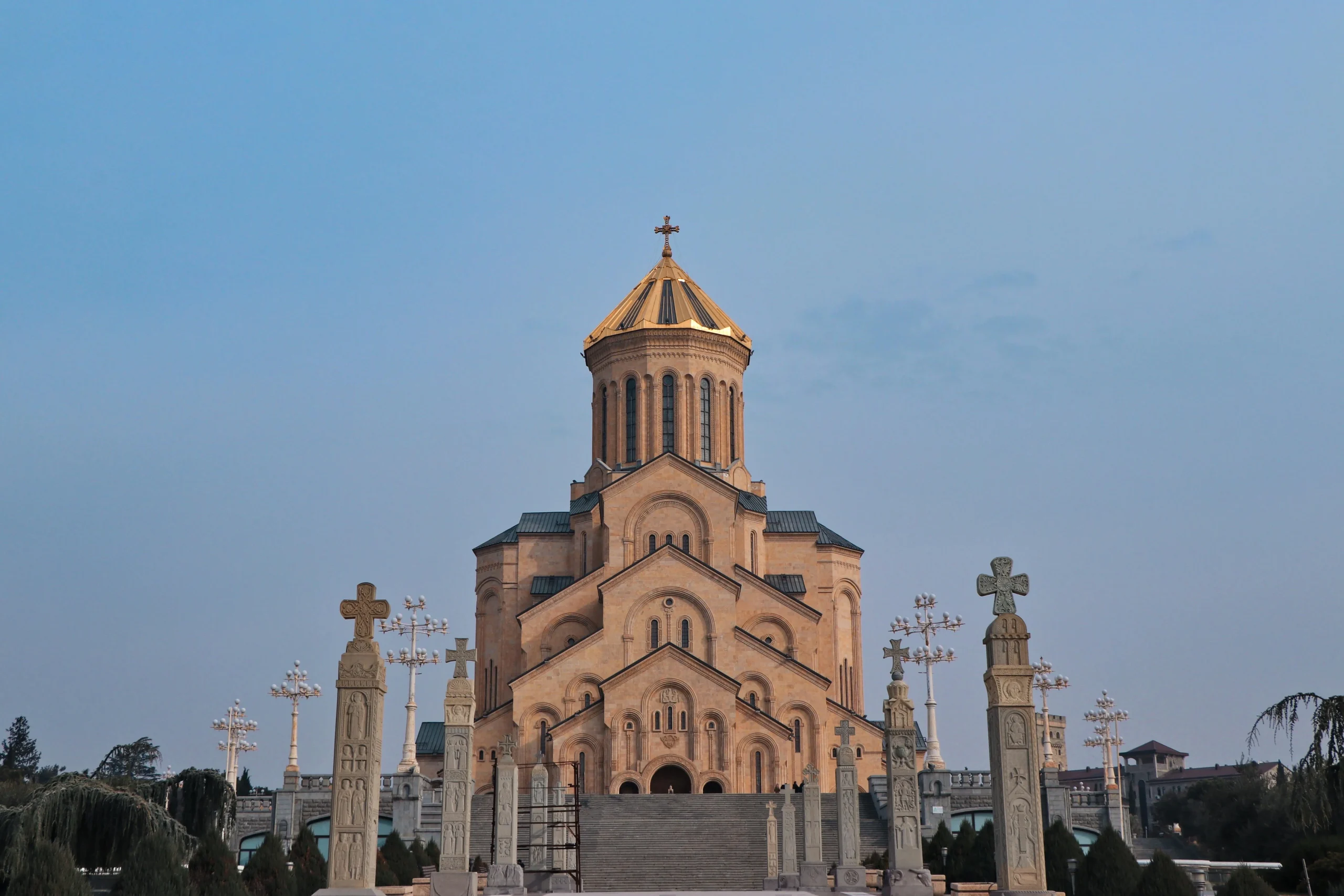
The Holy Trinity Cathedral of Tbilisi, commonly known as Sameba, was commissioned following the idea of building a new cathedral to commemorate the 1500th anniversary of the Georgian Orthodox Church’s independence and the 2000th anniversary of the birth of Jesus. The cathedral features a dome supported by eight columns and a cross-shaped triconch plan. The space beneath the 9.5-meter-diameter dome and the triconch arms constitute the main volume of Sameba. The structure is accessible from three entrances: the west, south, and north. The western arm, the main gate, is surrounded by a wide gallery.
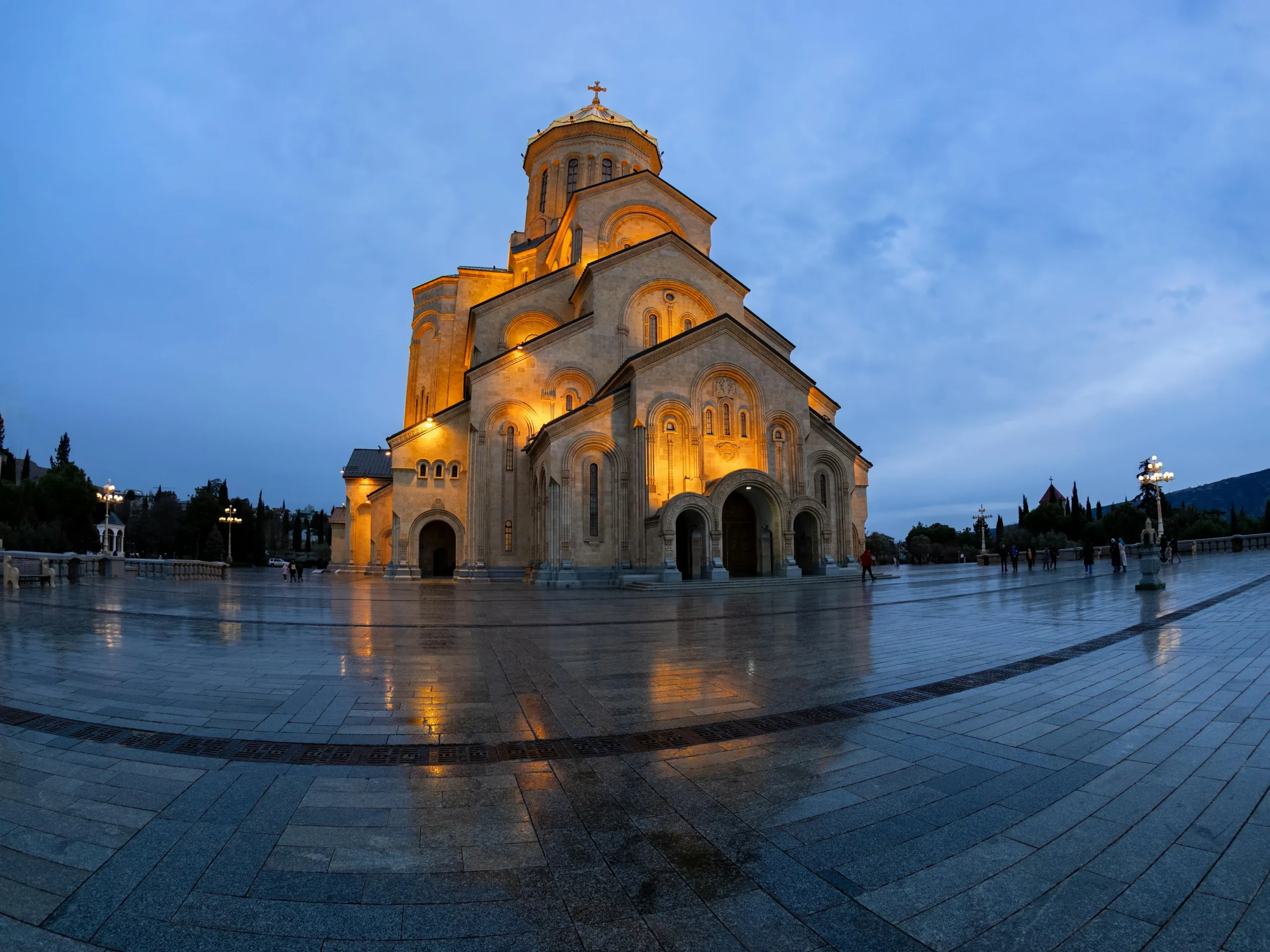
Holy Trinity Cathedral, comprised of two sections, aboveground and underground, has a total height of 86.10 meters, including the cross. Measuring 70 meters long and 64.68 meters wide, the cathedral’s south and north facades are of intricate design. All four façades are adorned with ornate rows of carvings and arches, while the most decorative east side features a multi-level apse topped with a massive cross, creating a striking visual focal point.
7. Ministry of Transportation in Tbilisi
Architect: George Chakhava
Year: 1974
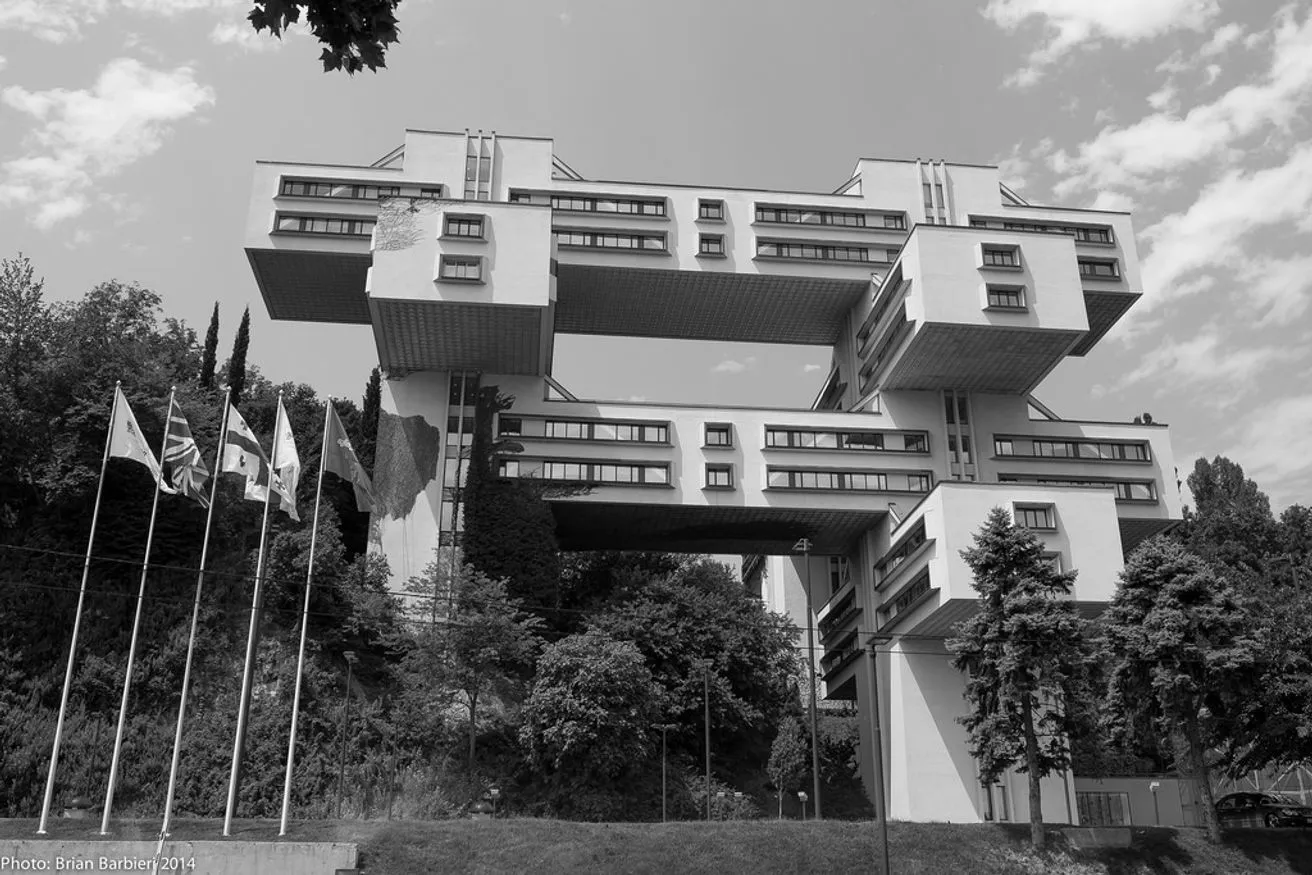
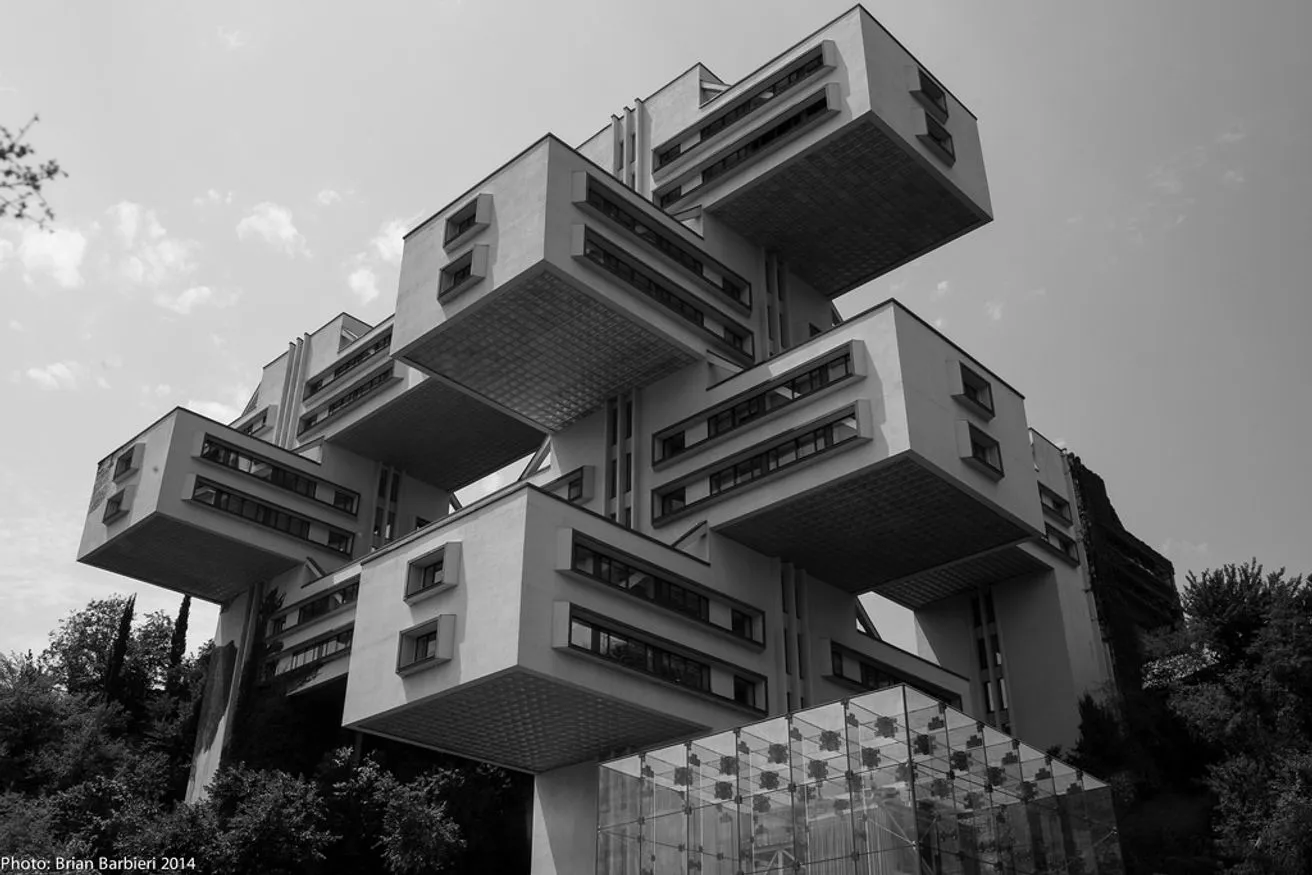
A must-see for architecture enthusiasts in Tbilisi, the Ministry of Transportation, with its interlocking concrete arms, resembles a swaying Jenga tower or a 3D hashtag. The iconic 18-story building, now serving as the Bank of Georgia’s headquarters, is located along the Kura River. The structure, which is largely above ground and offers panoramic views, can be entered from both the high and low ends.
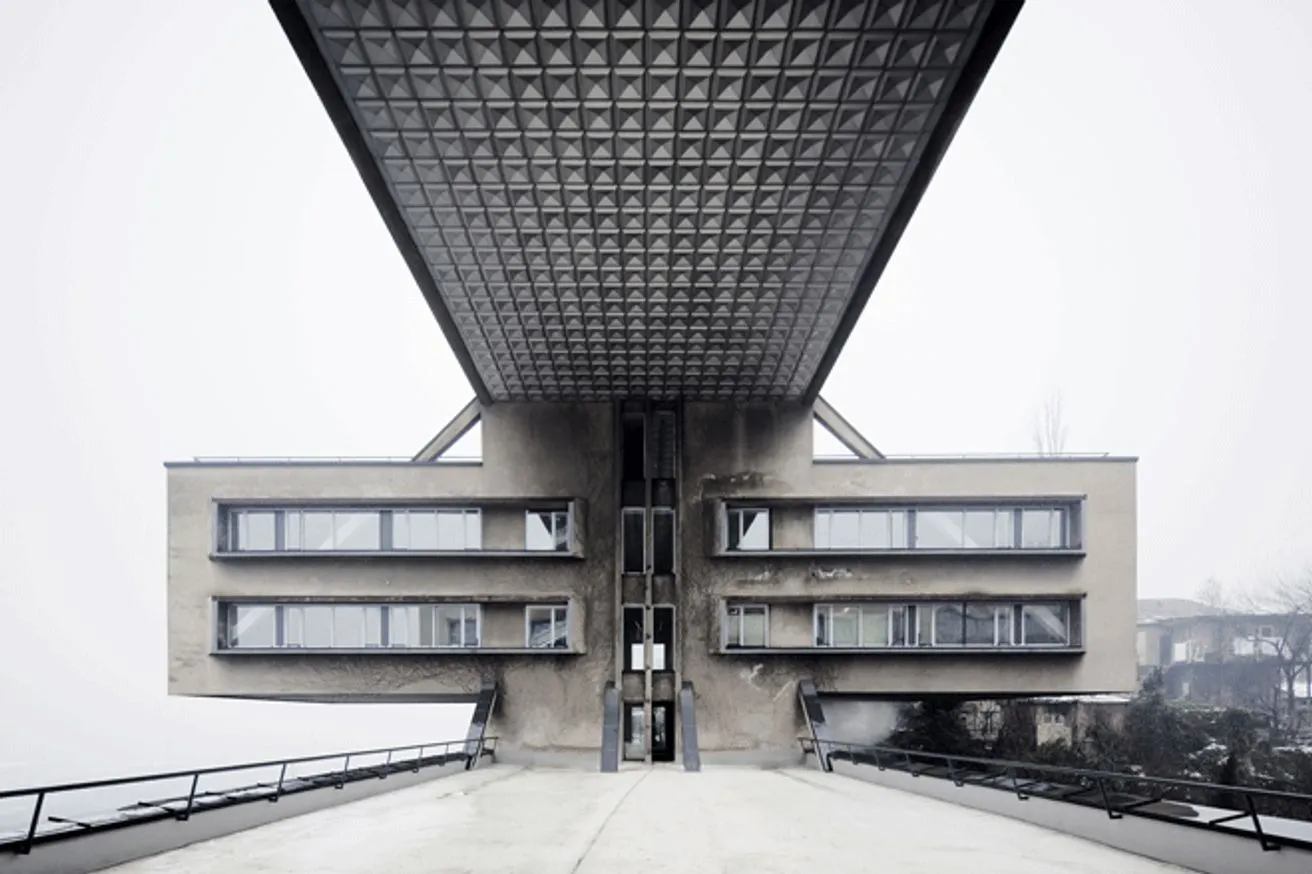
The Ministry of Transportation consists of a monumental grid of interlocking concrete forms. Five horizontal sections, each two stories high, appear to be stapled together. Three sections run east-west, perpendicular to the slope, and two sections run north-south along the slope. The building rises above three vertical cores housing stairs and elevators, with the tallest core reaching 18 stories.
8. Abanotubani
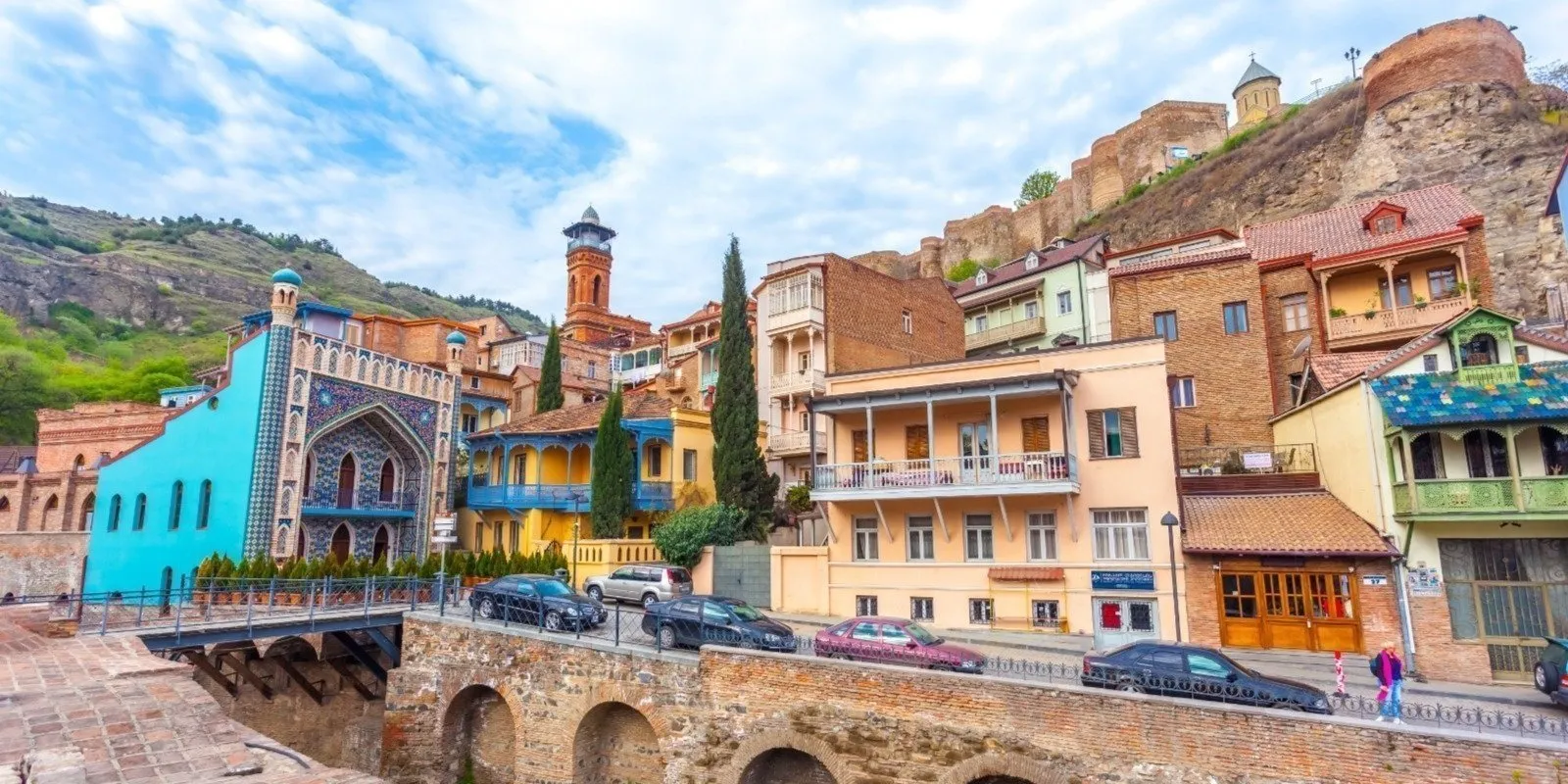
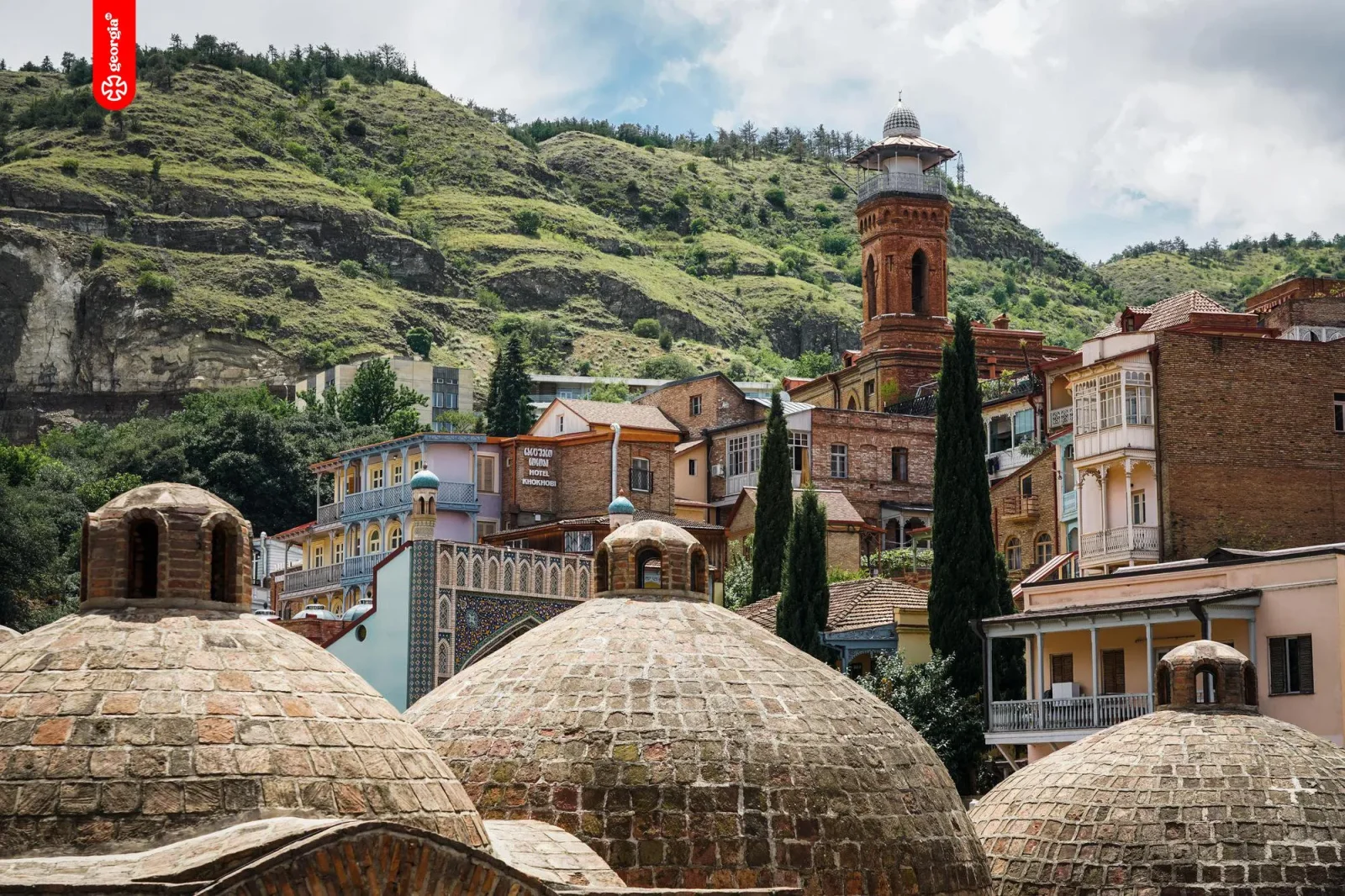
Abanotubani, a historic district famous for its healing sulfur baths, is a must-see in Tbilisi. The area is known for its narrow, winding streets, its brick-domed bathhouses, which have been the center of Georgian bath culture since the 5th century, and its unique architectural style.
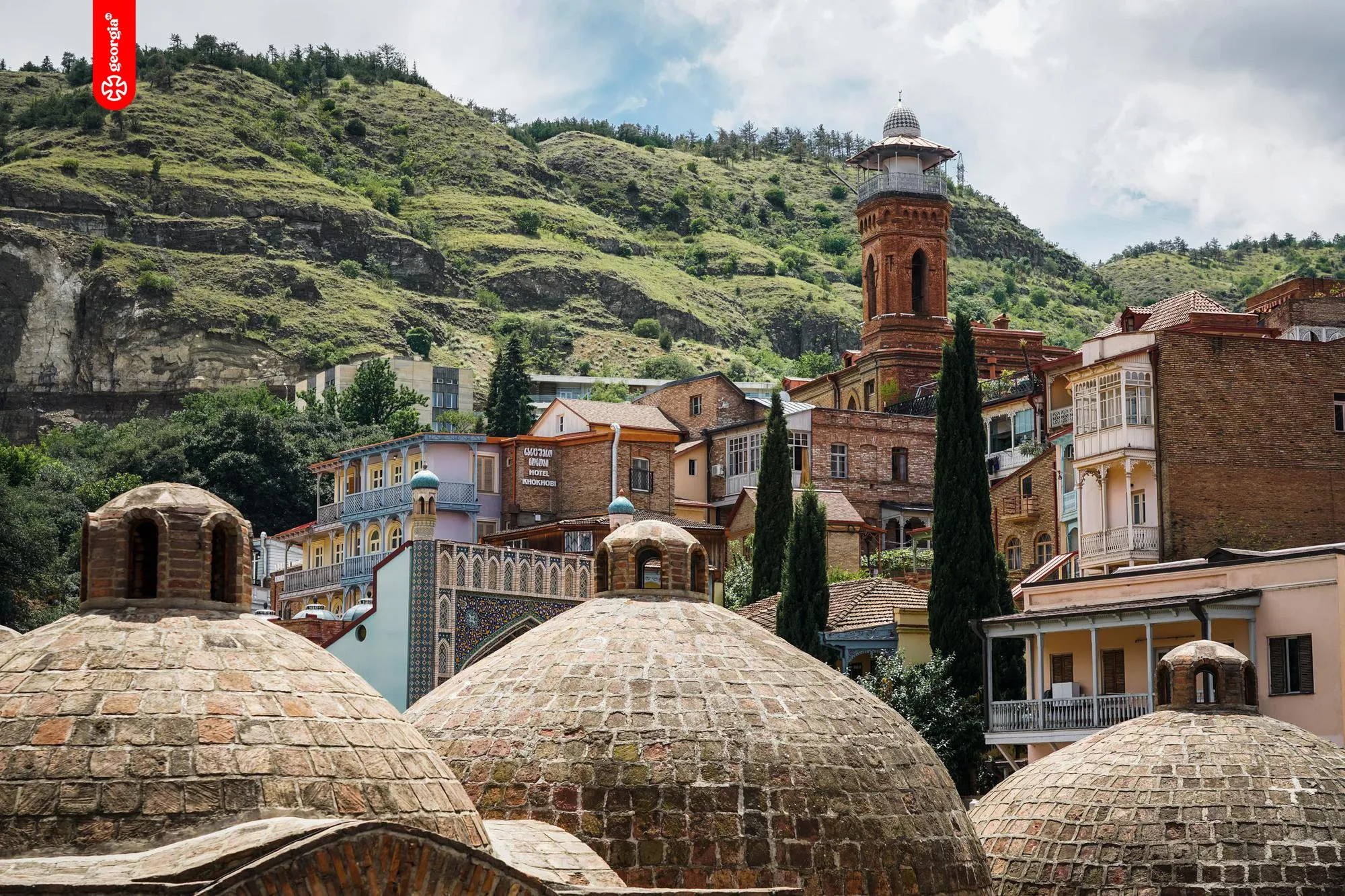
Offering visitors a mix of history, architecture, and wellness, Abanotubani features structures ranging from Persian-influenced Orbeliani Baths to more traditional and modest bathhouses, each providing a window into Georgian culture. Notable for its colorful buildings and domed roofs, Abanotubani is also a cultural mosaic, home to landmarks such as the Friday Mosque and Metekhi Church.
9. Stamba Hotel
Architect: Adjara Arch Group
Year: 2018
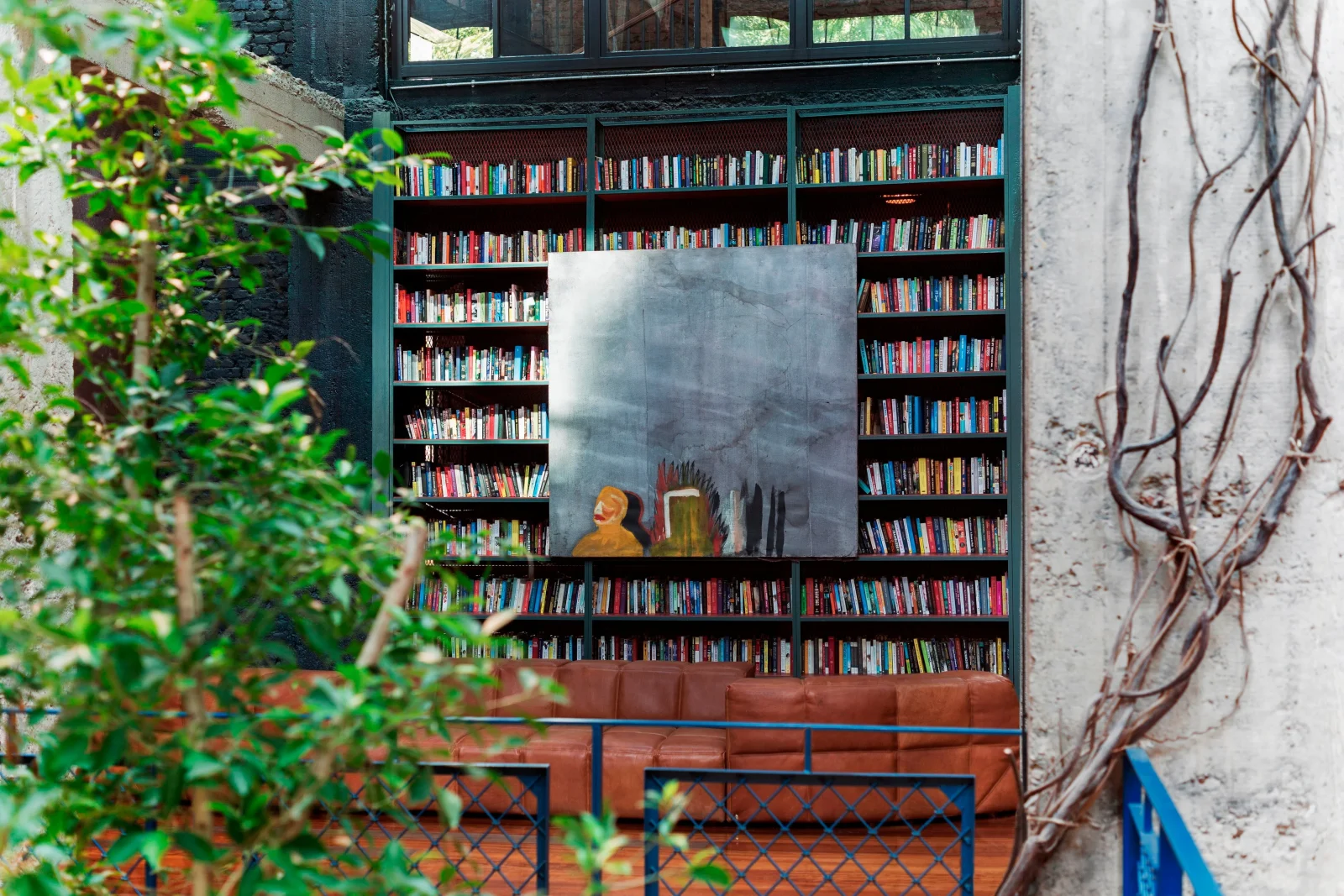
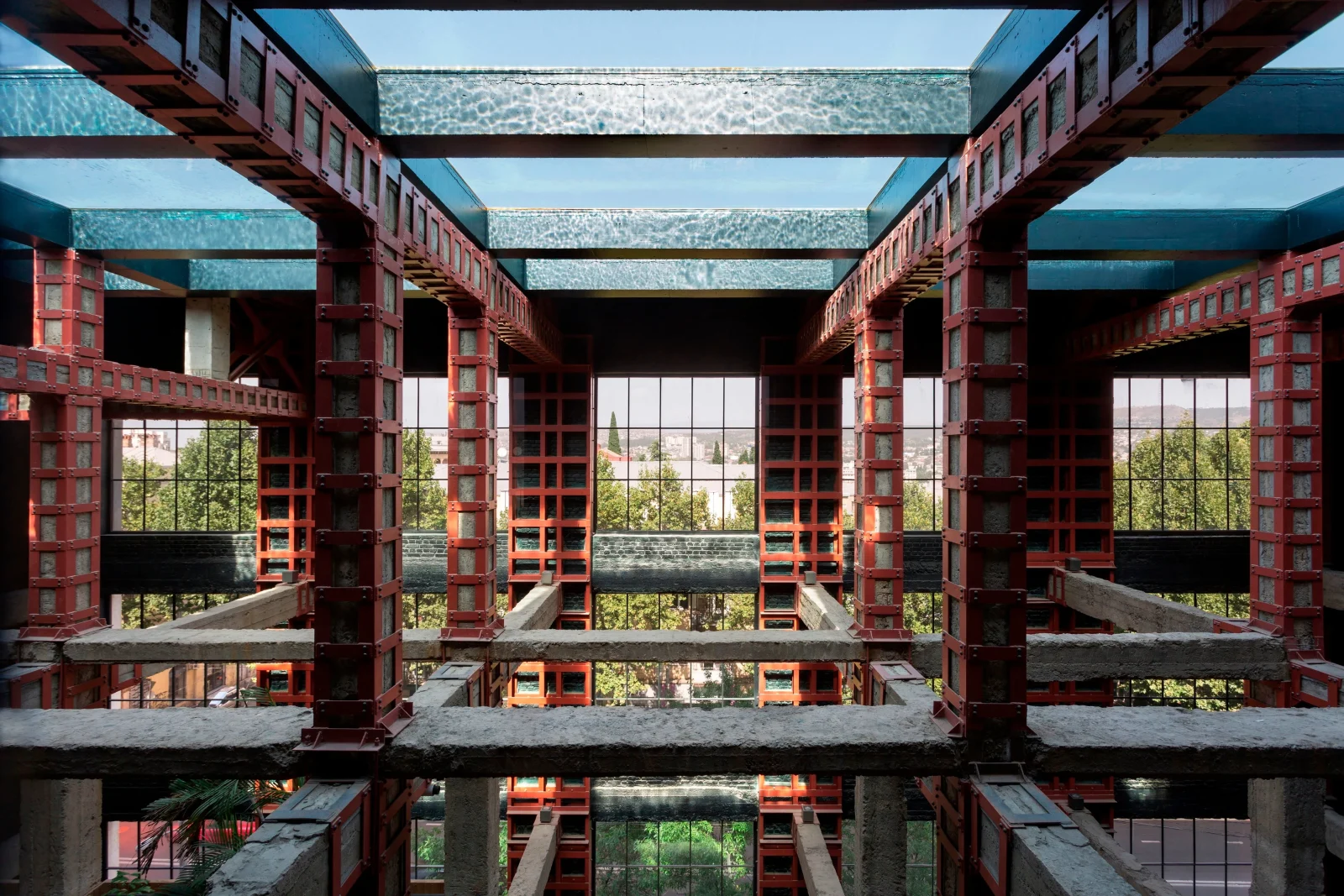
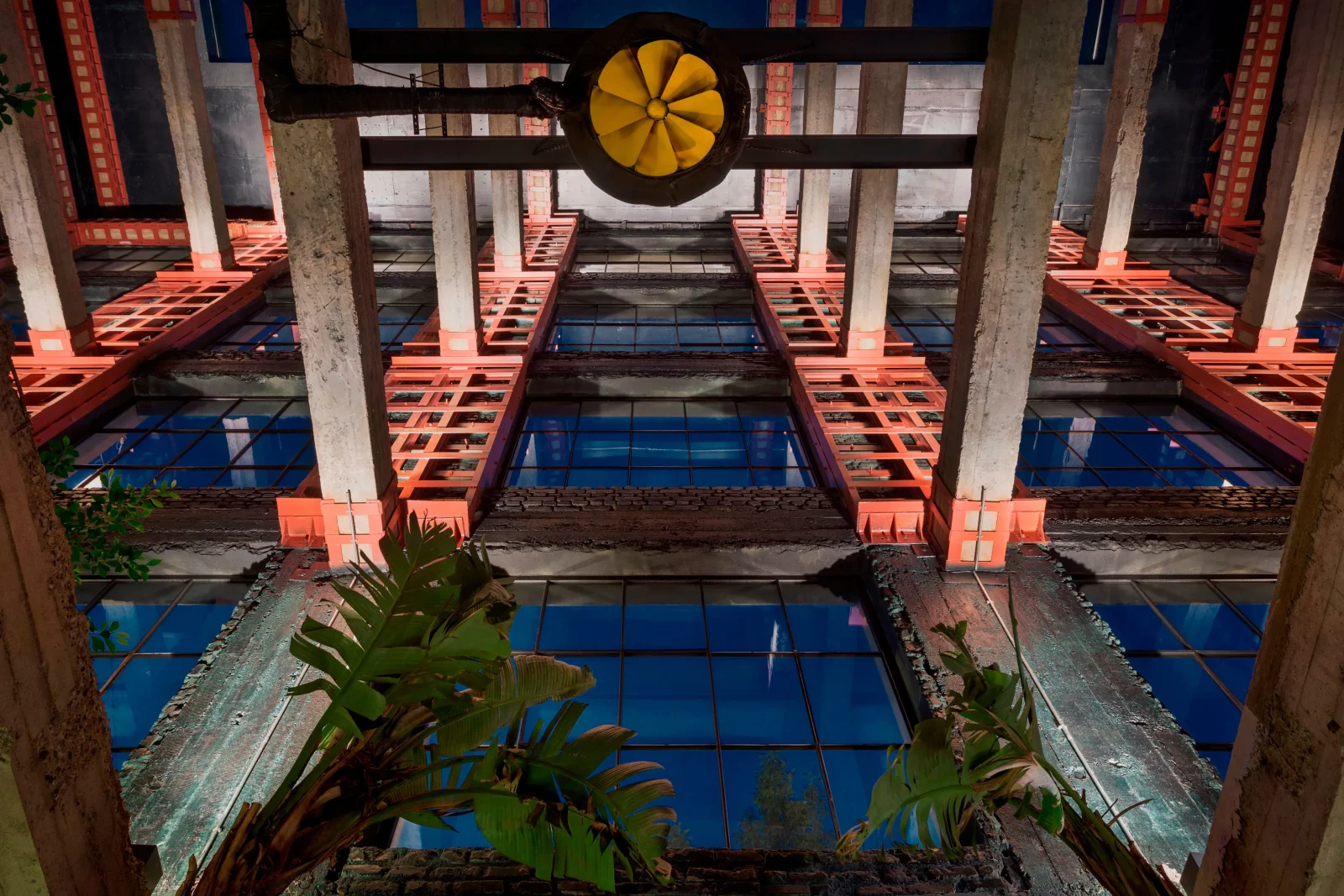
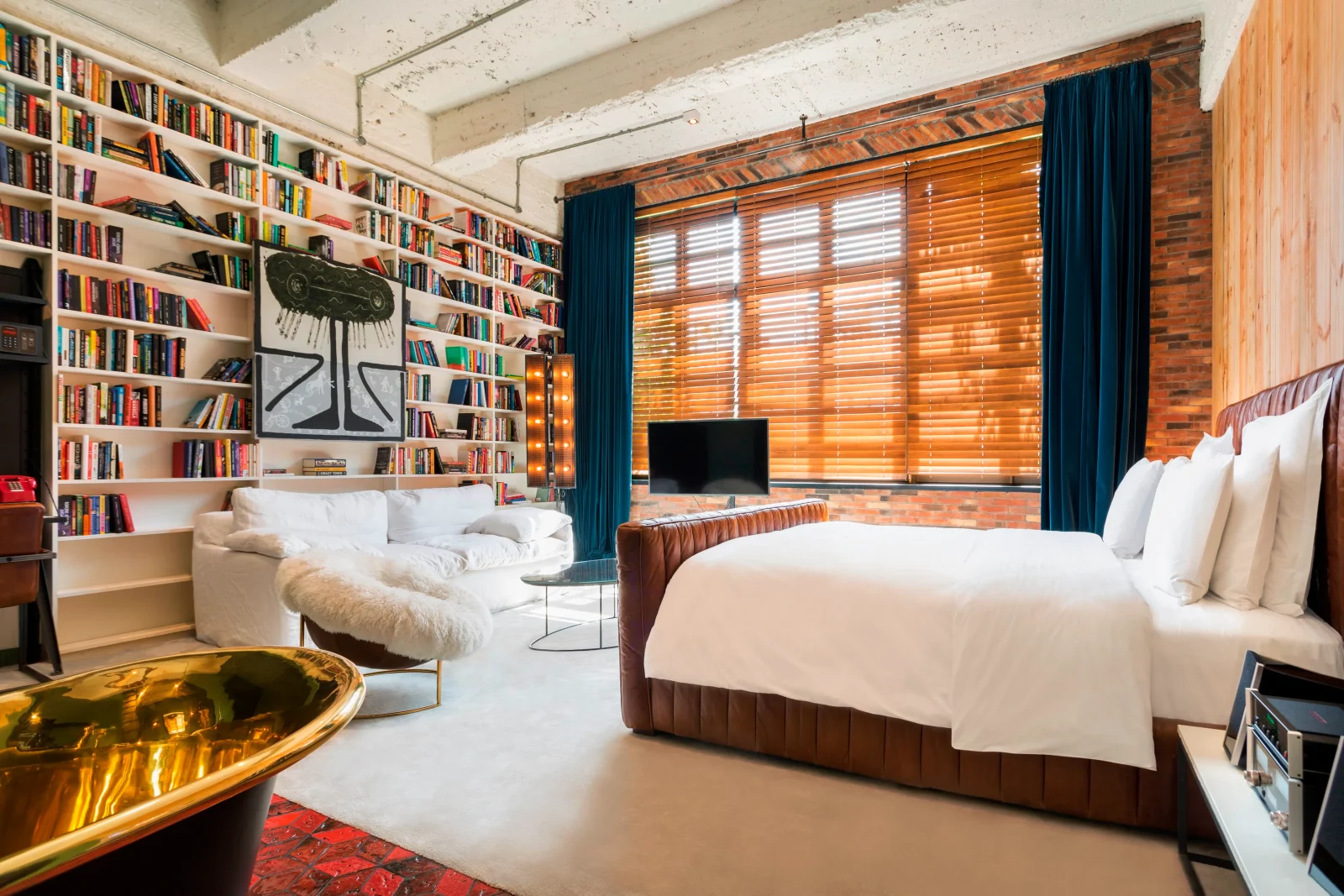
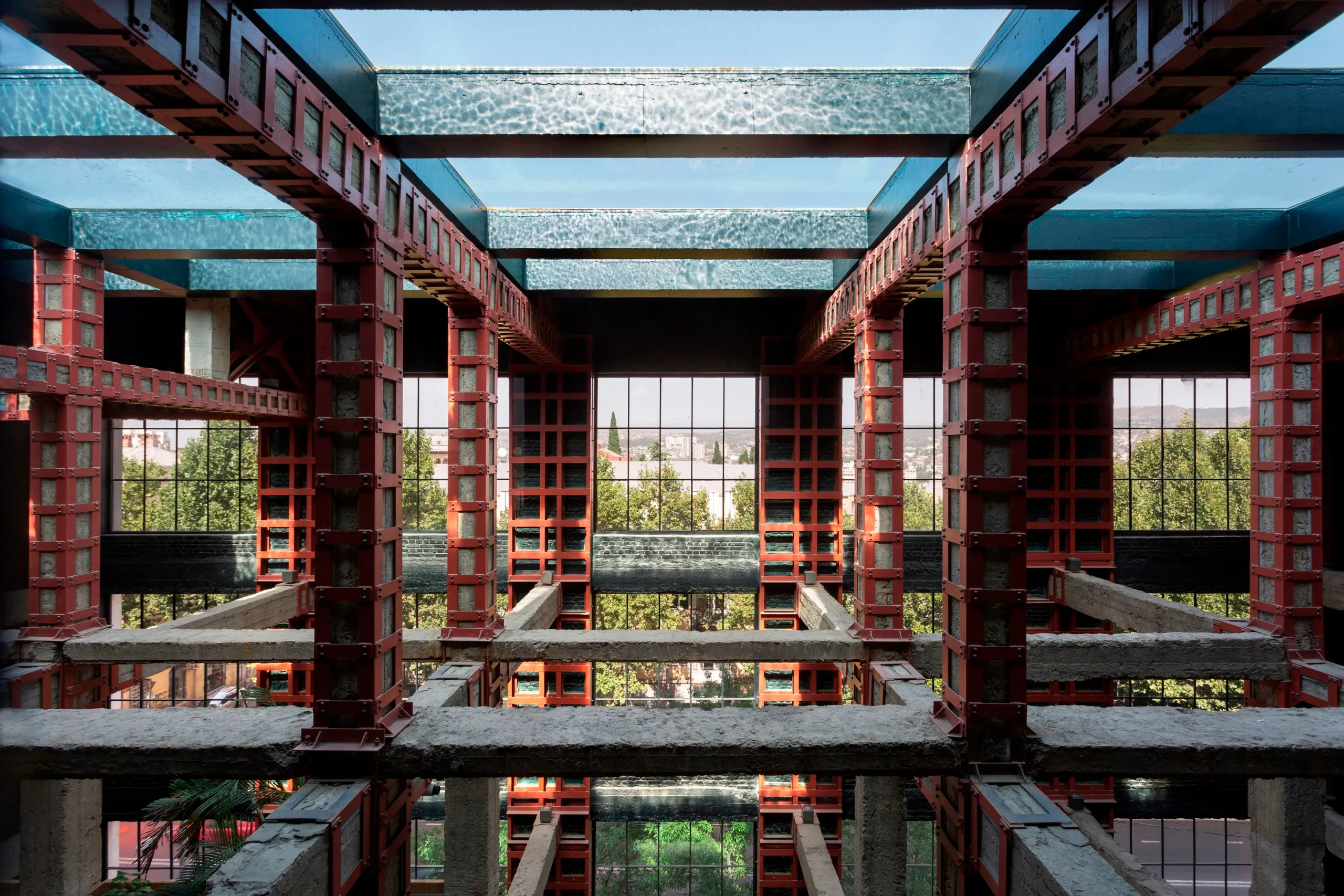
Opened in the emerging Vera district of Tbilisi, Stamba is an impressive transformation of a former Soviet printing house. The early Brutalist structure was renovated with care, preserving both its architectural features and the historic printing presses, maintaining the building’s original spirit. Transformed into a design-focused, upscale hotel, Stamba stands out with its cave-like lobby spaces, which retain many of the building’s original features, including printing equipment suspended from the ceiling.
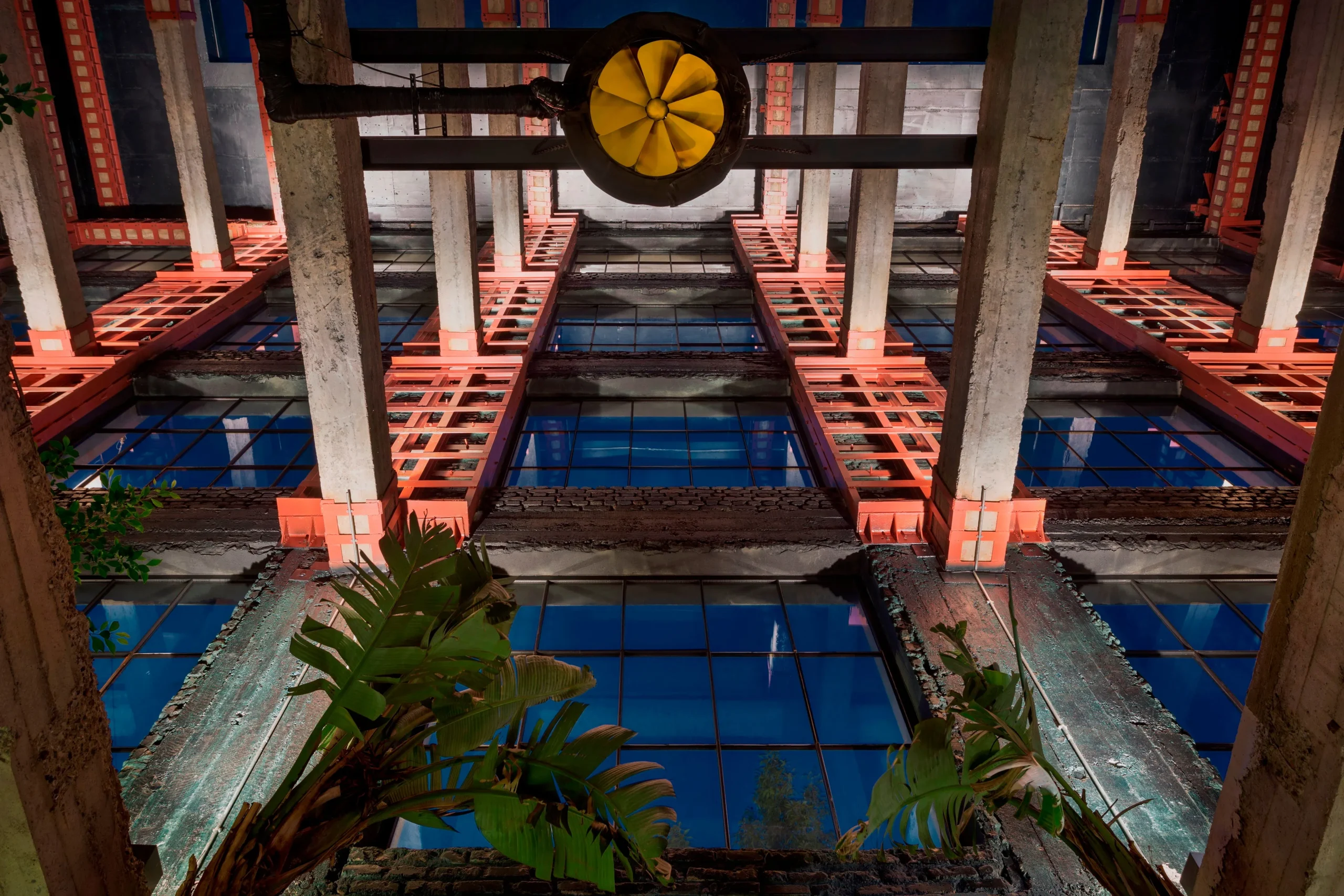
The façade remains intact, and restored printing machines have been repurposed as part of the hotel décor. An atrium extending five stories to the roof boasts abundant mature plants on the ground floor, while a glass-bottomed swimming pool above the lobby offers panoramic views of Tbilisi.
Beyond accommodation, the common areas, including Stamba’s two courtyards, are designed for social activities and events. The building, which includes an amphitheater and open-air exhibition spaces, presents a vast collection of contemporary art, bringing together works by numerous Georgian artists.
10. Meama – Coffee Production Plant
Architect: Khmaladze Architects
Year: 2019
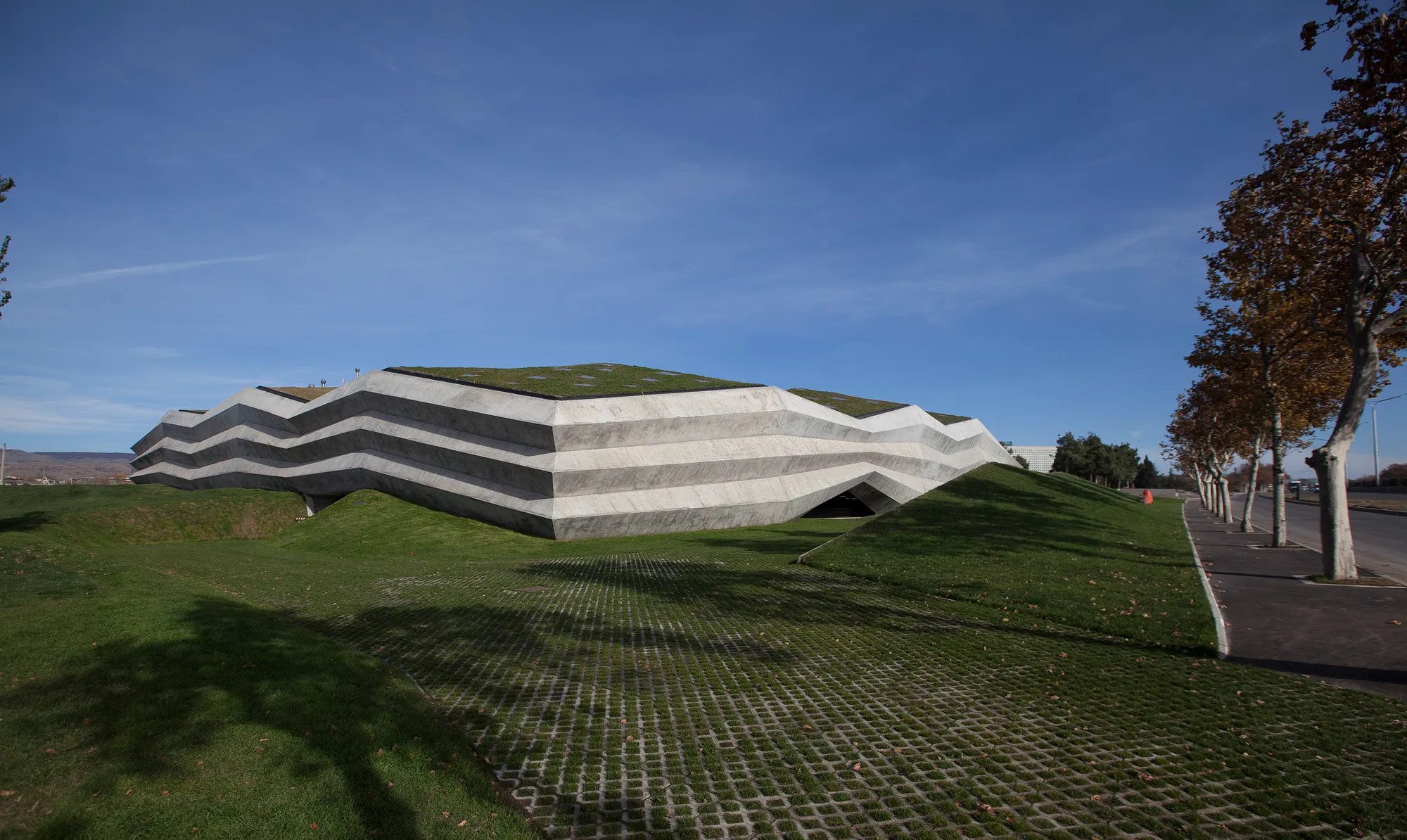
Built for MEAMA, a coffee/beverage brand, the MEAMA Coffee Production Plant, featuring a coffee factory, offices, and tasting areas, is a must-see in Tbilisi. Departing from the traditional factory aesthetic, the headquarters stands as a vibrant symbol of contemporary design and harmony with nature.
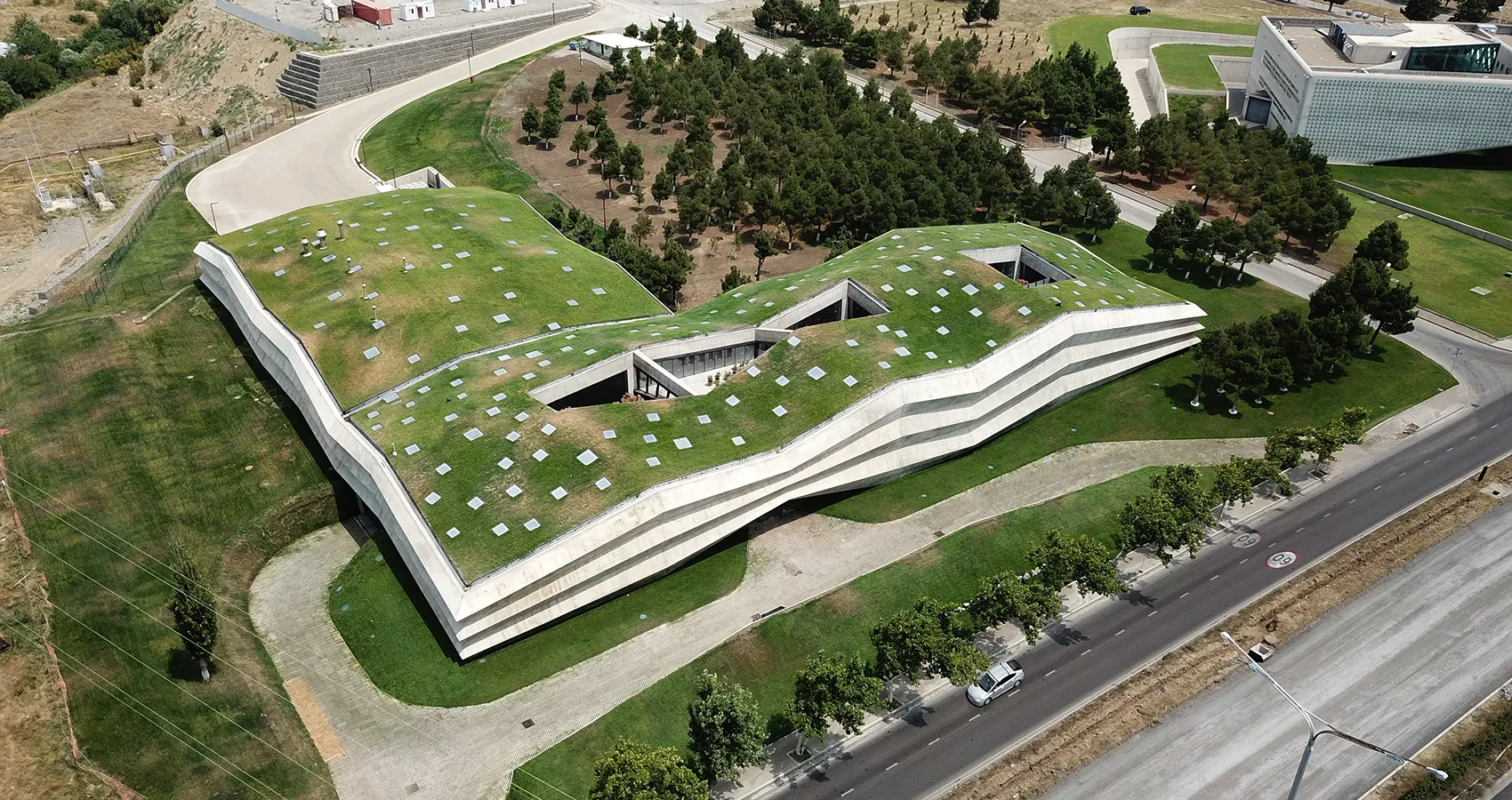
The modern, box-like production facility creates a dynamic form by rising and falling as needed to accommodate production equipment. Office spaces, workspaces, meeting and recreation areas are located on various mezzanines. The lower working and common areas are illuminated by three atriums and numerous skylights. Two terraces integrated into the green roof open the interior spaces to the sky and the lush park beyond. The all-concrete façade folds, creating a double-sloping geometry.
Explore Courses
.jpg "Ondrej Chybik - Rethinking Architecture")