


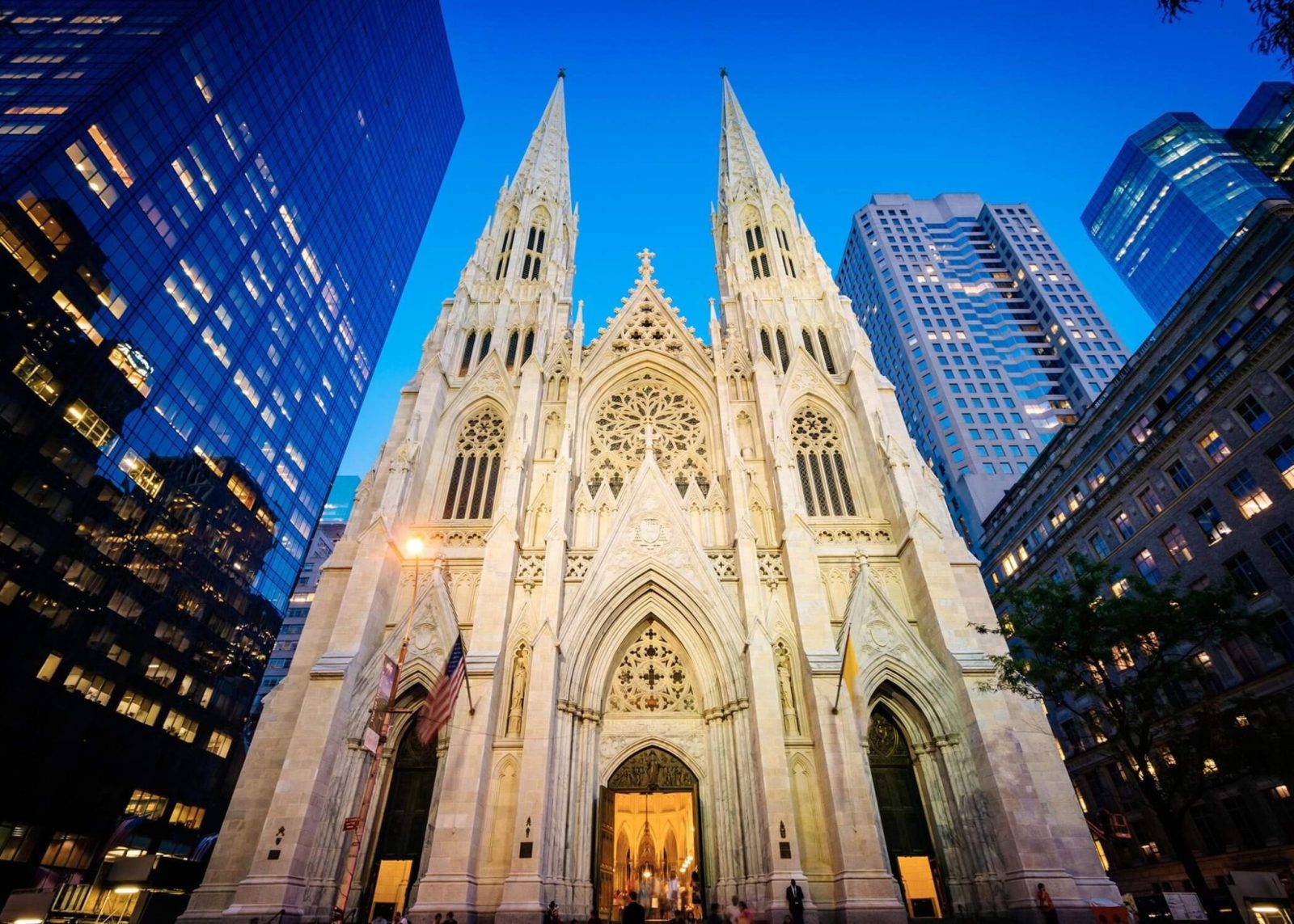
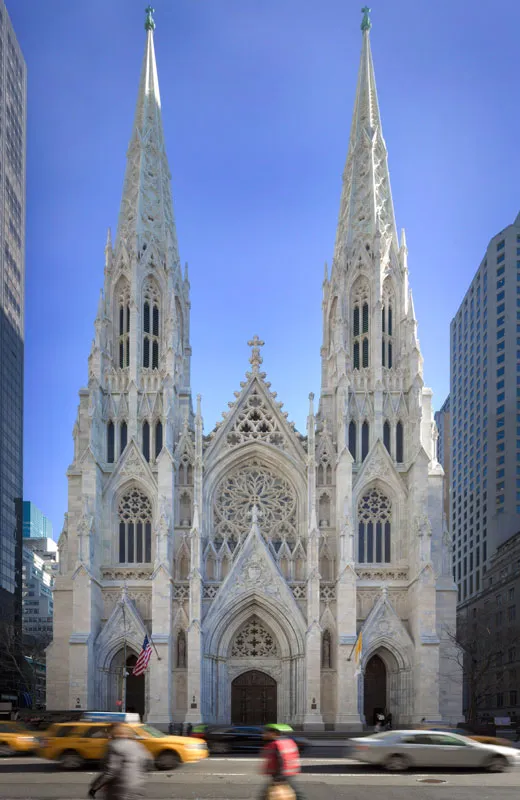
In the middle of Manhattan’s constant churn, St. Patrick’s Cathedral offers a different kind of urban story, one where 19th-century stone meets 21st-century innovation. The neo-Gothic icon has undergone a meticulous restoration that not only preserves the past but also actively upgrades it, incorporating modern climate systems and sustainable design into its historic fabric.
It’s a case study in how heritage architecture can adapt to contemporary demands without losing its identity. Built to replace the original cathedral downtown, St. Patrick’s has long been a civic and spiritual anchor. Today, it’s also a powerful example of how cities can evolve by reimagining their most familiar landmarks.
Origin: The Evolution of New York’s Catholic Landmark
The history of St. Patrick’s Cathedral, located in Midtown Manhattan between Fifth and Madison Avenues and 50th and 51st Streets, is closely tied to the evolution of the Roman Catholic Church in New York. What began in 1785 as a marginalized minority worshipping on leased land grew into a vibrant and influential community at the heart of the city.
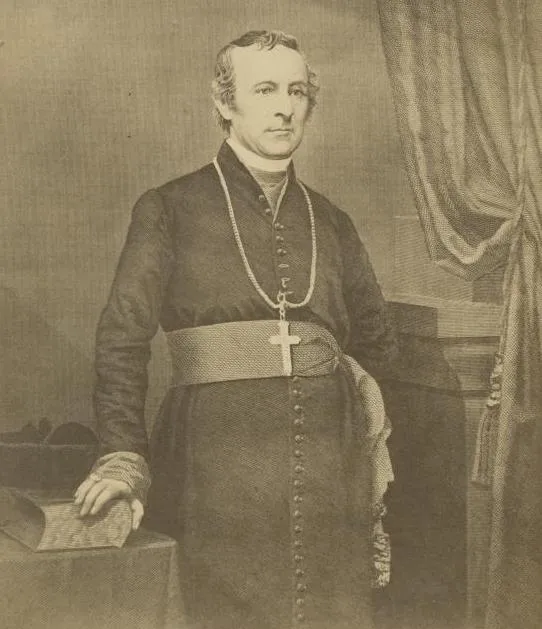
The original St. Patrick’s Cathedral was built in Lower Manhattan between 1809 and 1815. By the 1850s, the city’s Catholic population experienced massive immigration growth, and recognizing this demographic momentum, Archbishop John Hughes declared in 1853 that a monument should be erected on Fifth Avenue.
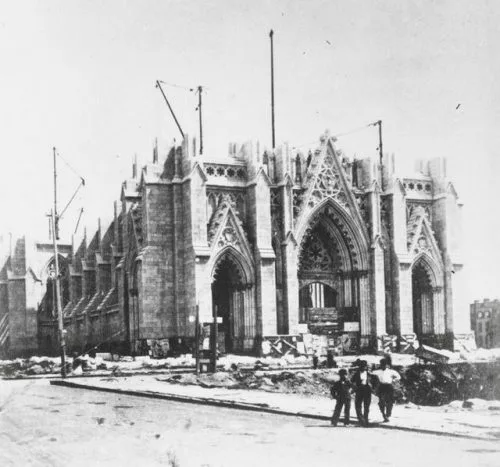
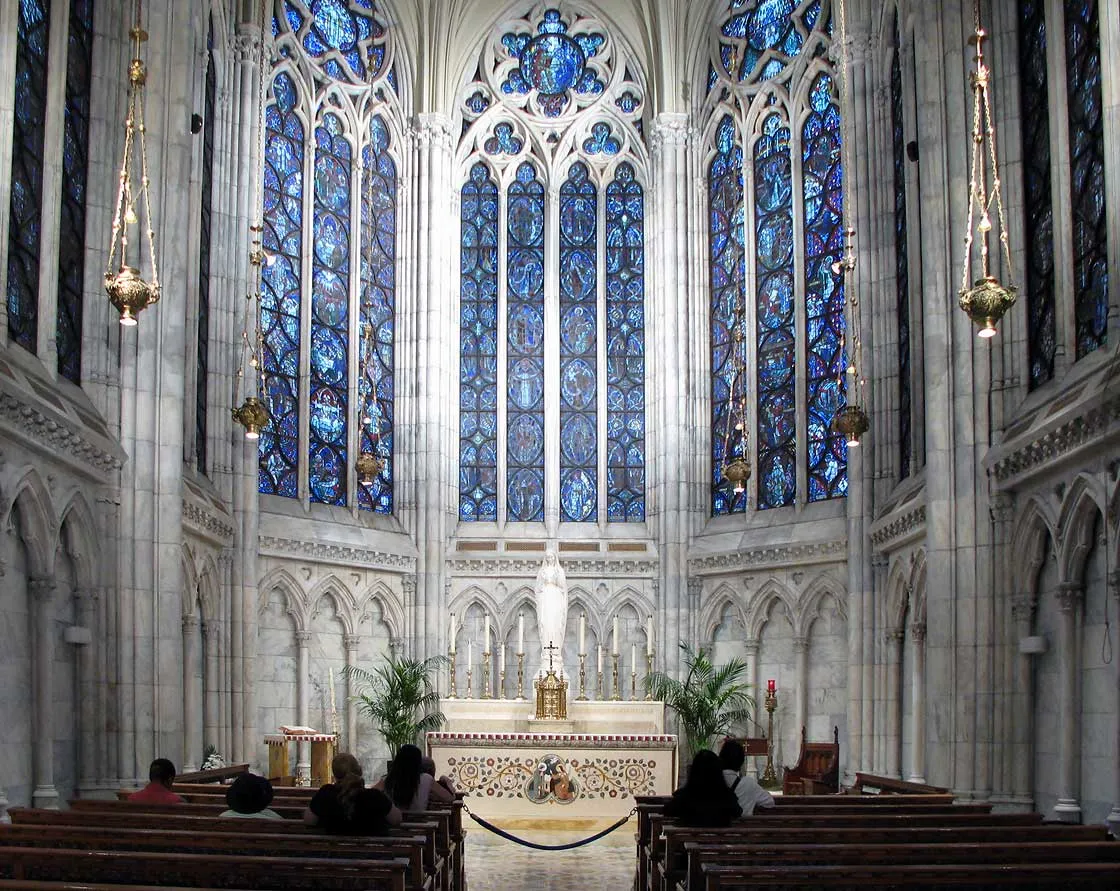
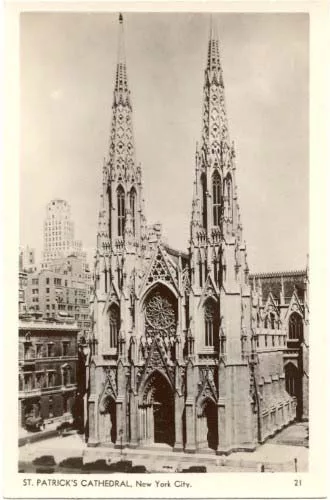
Construction began in 1858, supported by contributions from thousands of working-class immigrants along with a smaller number of wealthy patrons, but was soon interrupted by the Civil War. Later work resumed in 1866, and the cathedral was opened as a house of worship in 1879. The iconic twin spires were completed in 1888. Designed by Charles T. Mathews, the Lady Chapel was added between 1900 and 1908, with its statuary and stonework created by Tiffany & Co.
Gothic Revival Principles and Design Influences
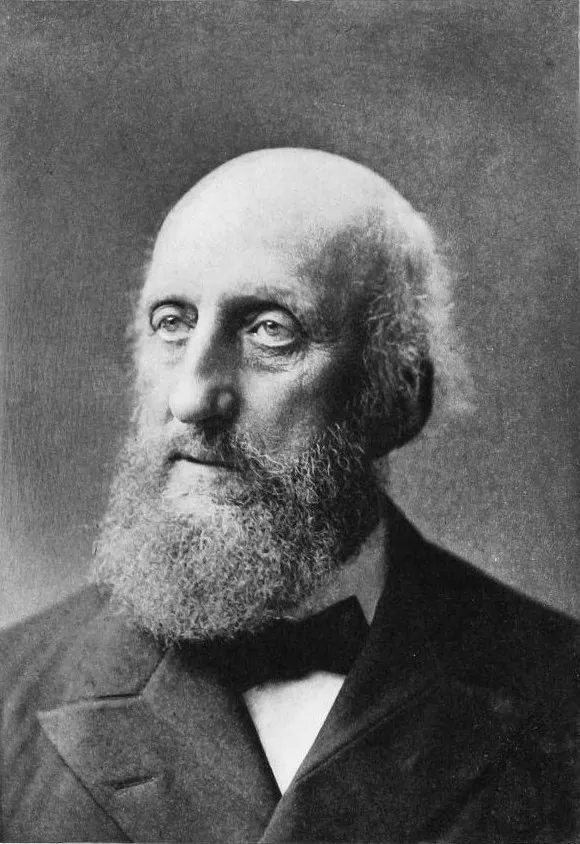
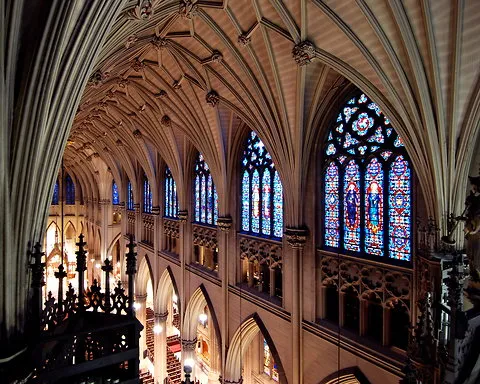
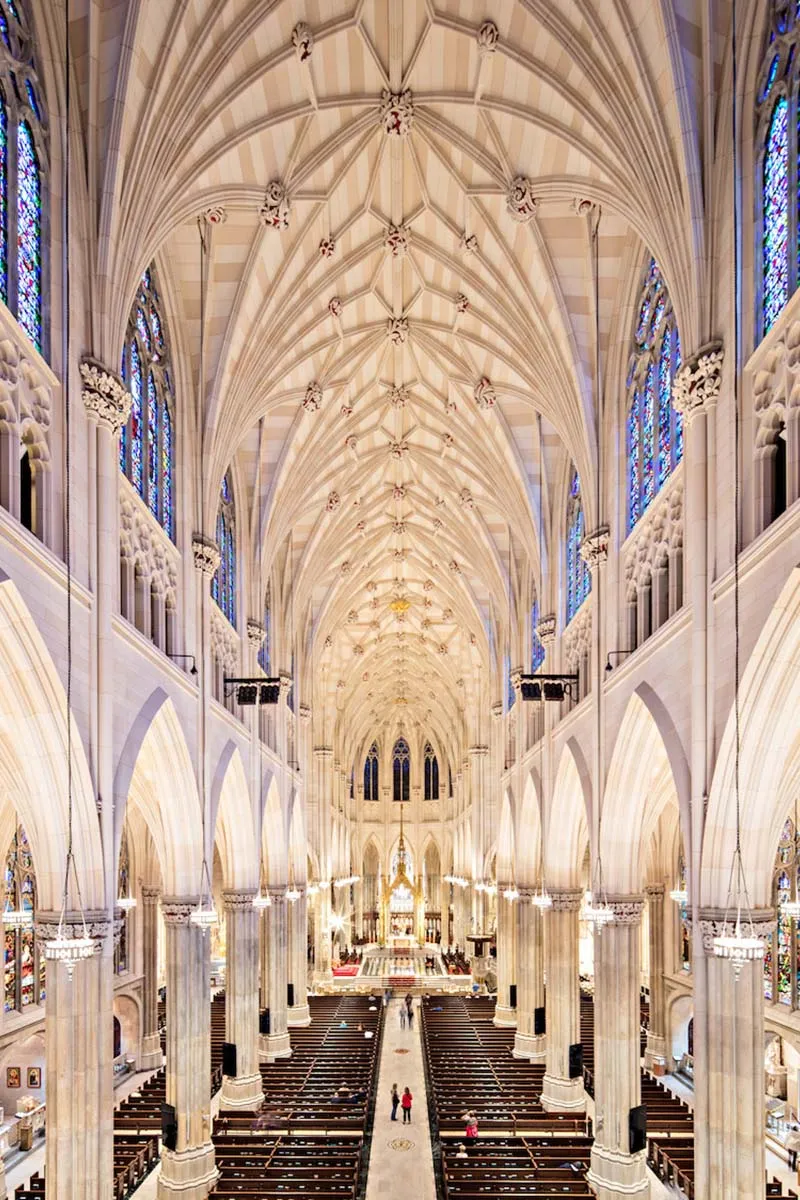
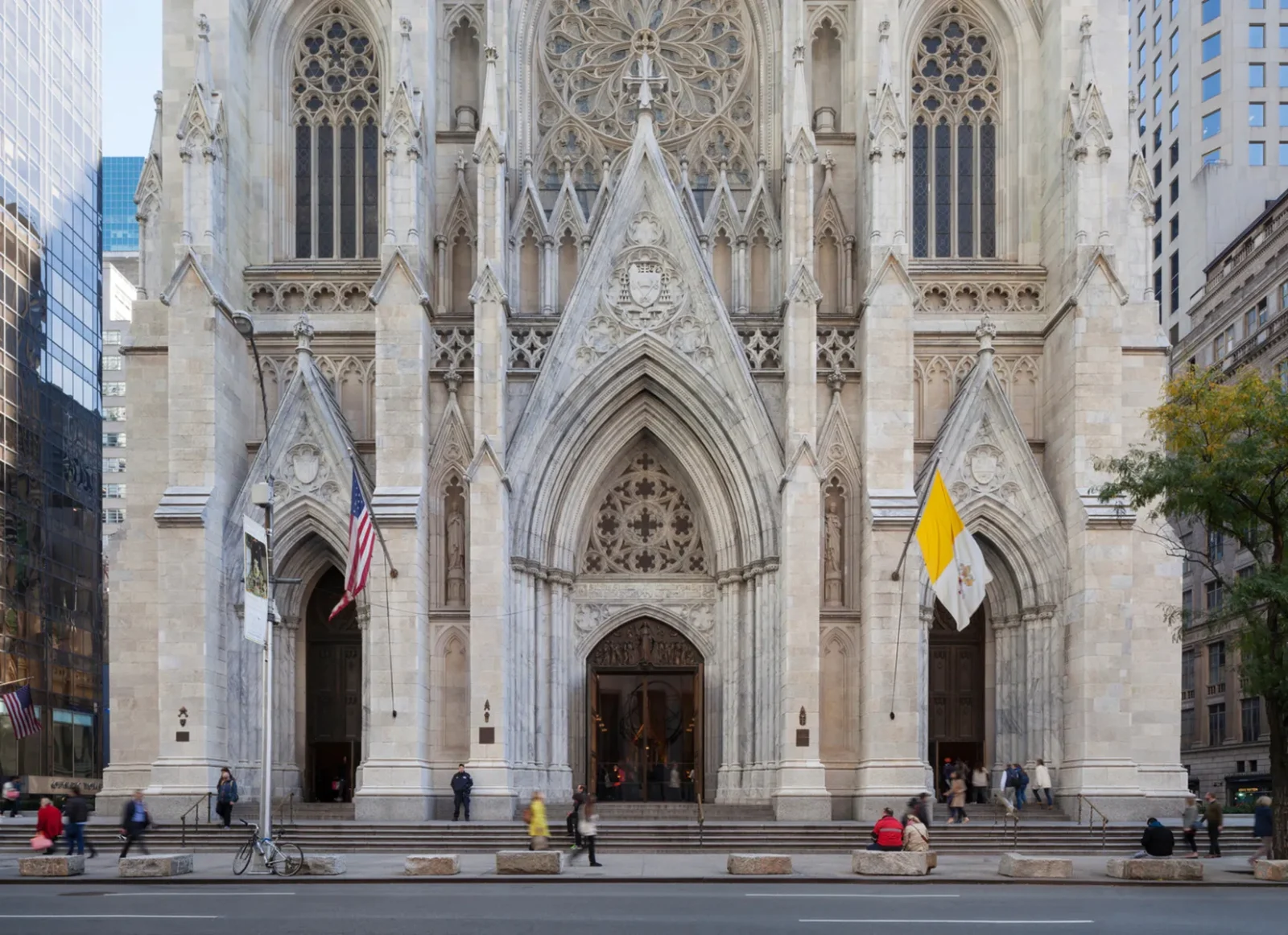
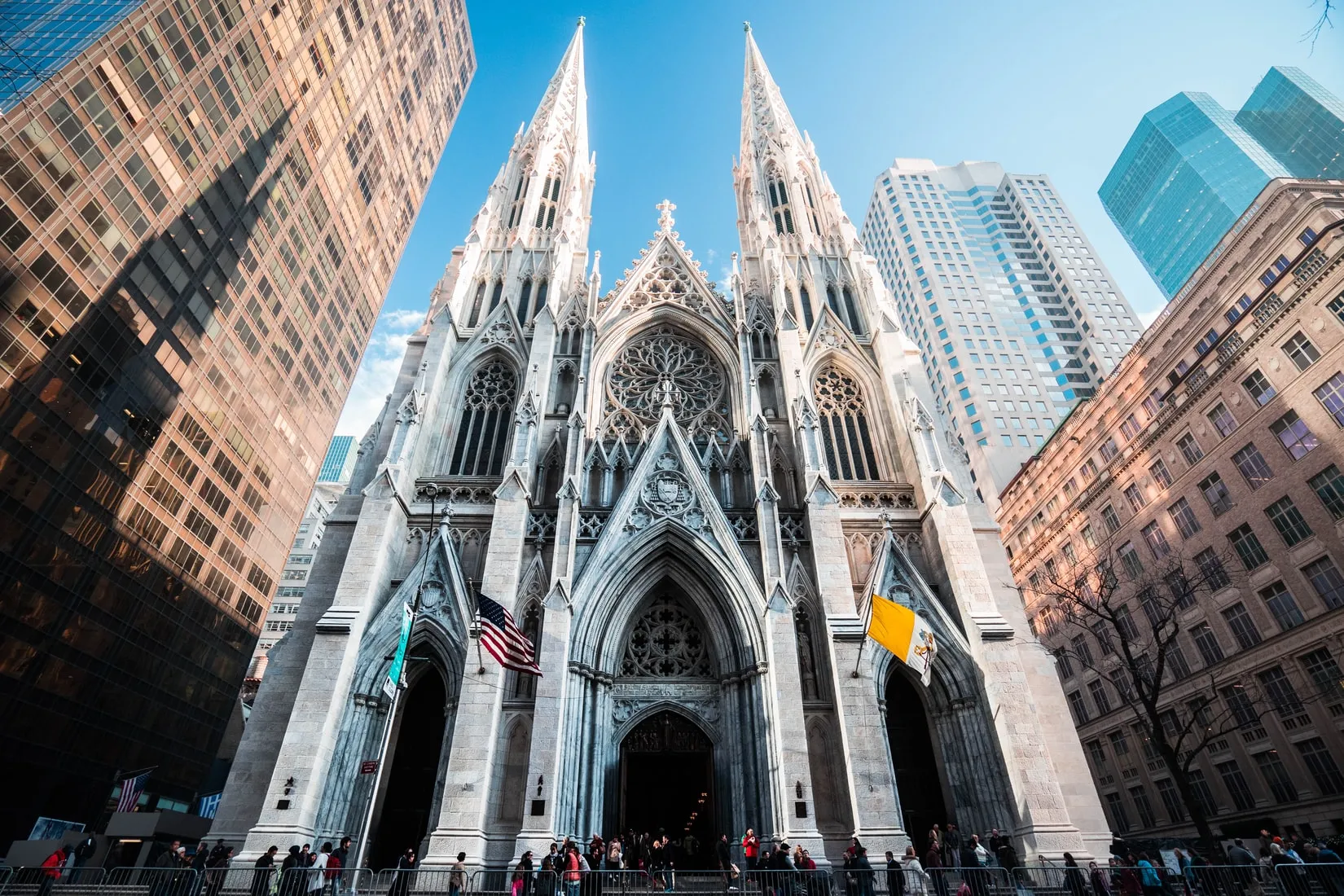
Drawing inspiration from grand European cathedrals of the Middle Ages, such as the Cologne Cathedral in Germany and the Amiens Cathedral in France, architect James Renwick, Jr., assisted by William Rodrigue, utilized the style, including pointed arches, vaulted ceilings, and buttresses, to create a light-filled functional space for worship.
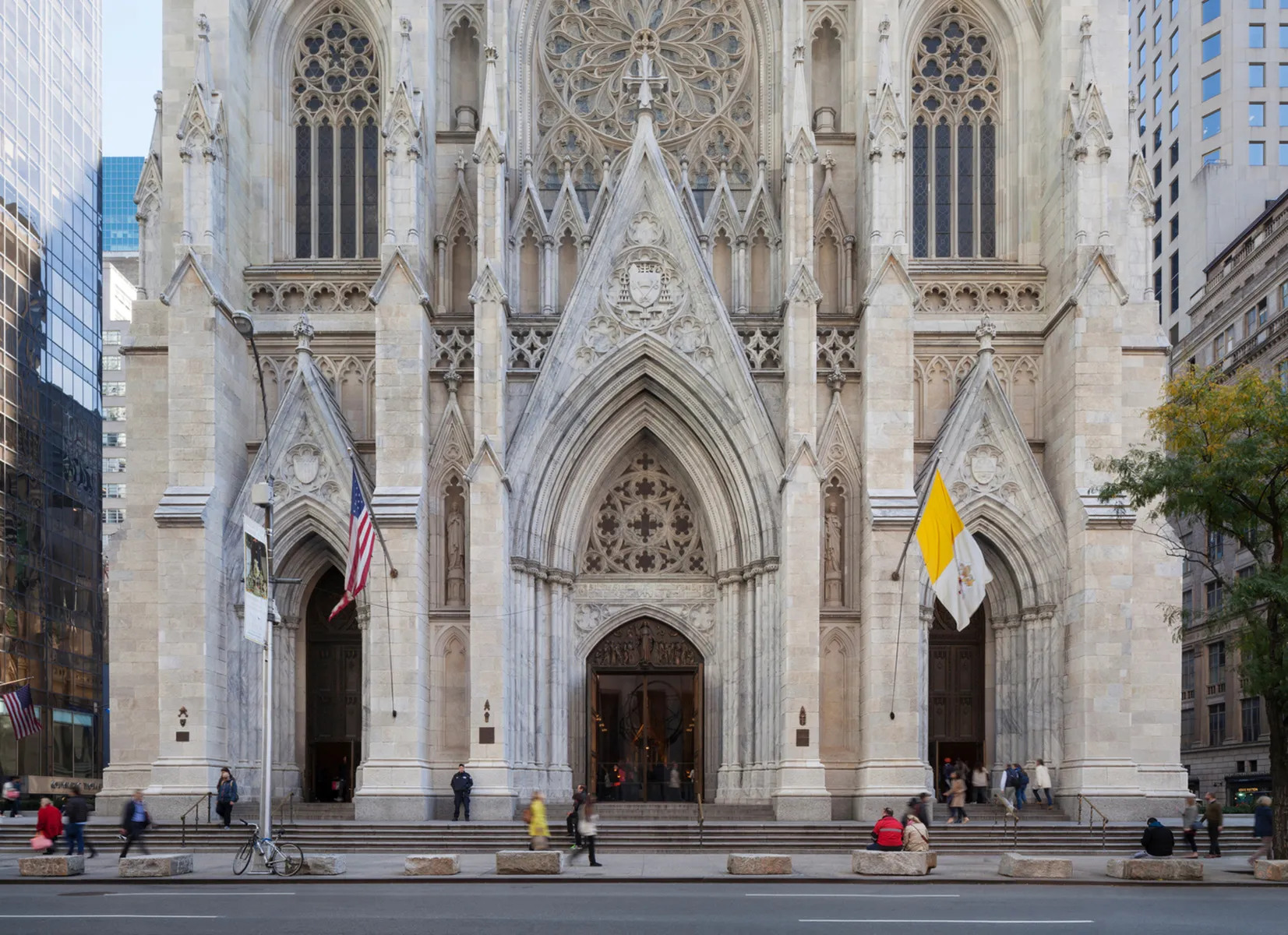
The choice of materials was thoughtfully executed, evolving the core of design itself. Renwick suggested using white marble for its durability and beauty, sourced from New York and Massachusetts, which gave the facade its unique light cream color, representing purity and light. Meanwhile, the building’s walls and structural elements were crafted from Tuckahoe marble.
Crafting a Sacred Space: Doors, Windows, and Sculptures
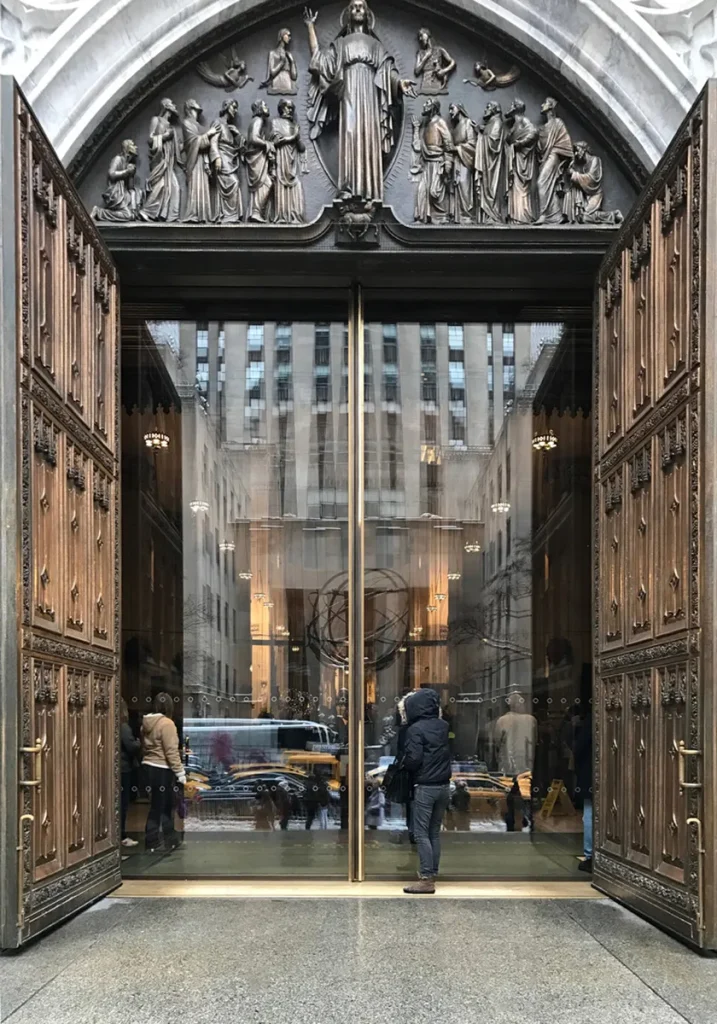
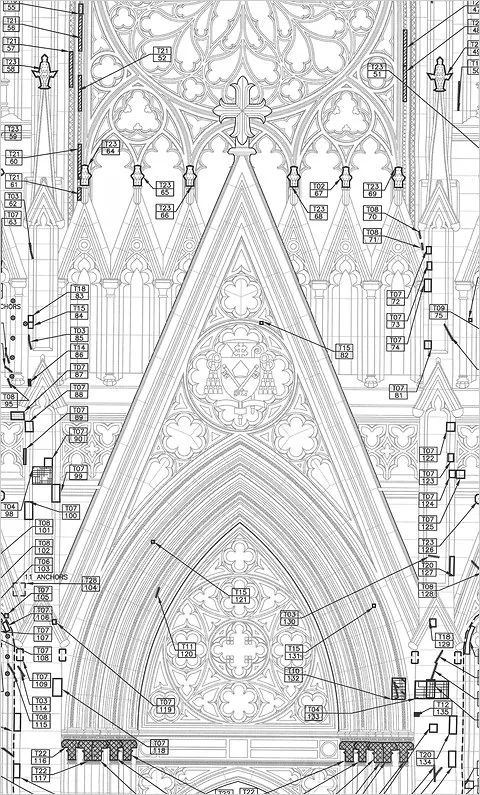
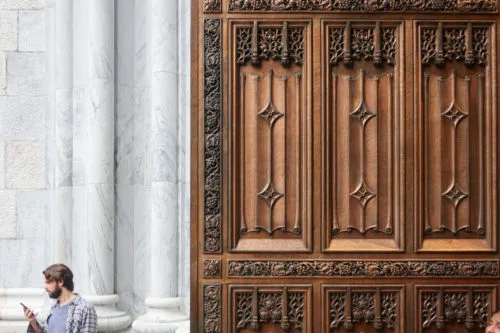
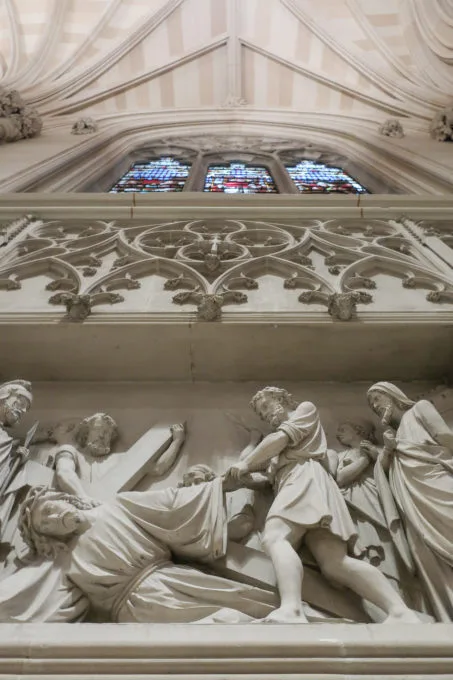
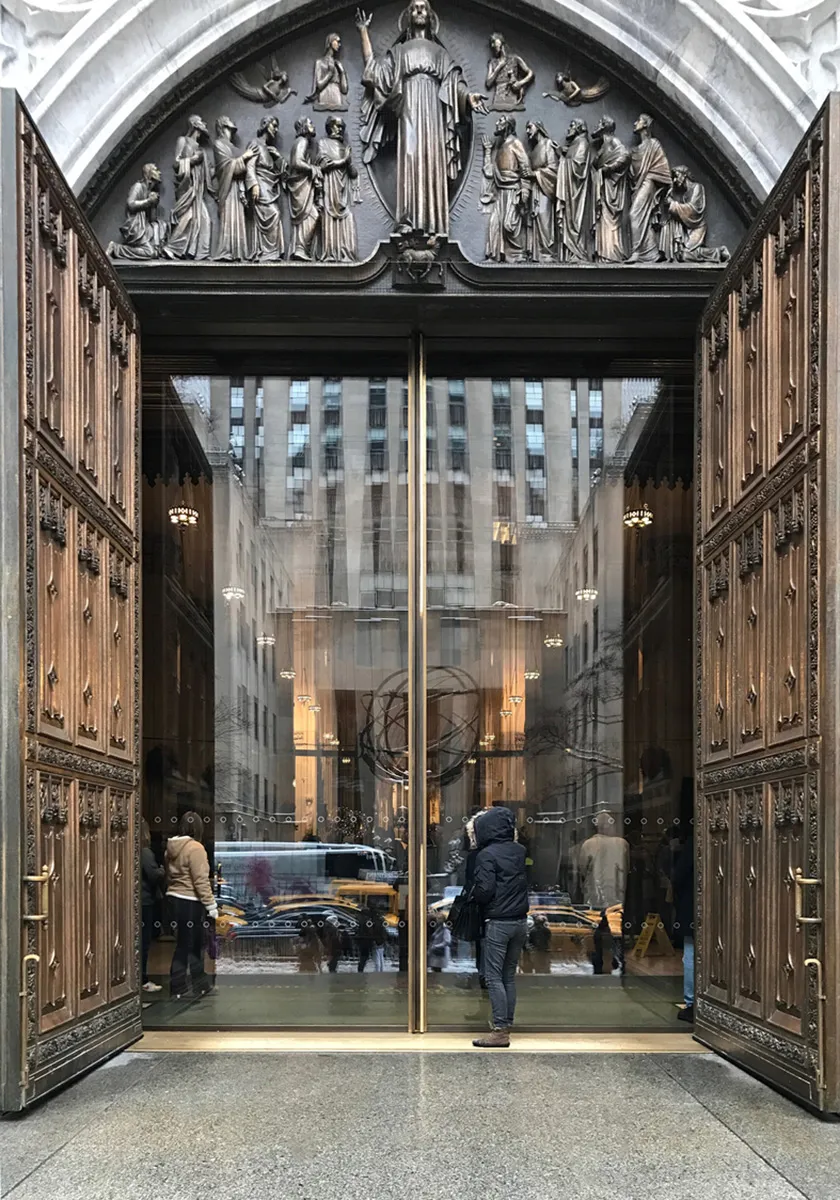
Within the architectural framework, the cathedral features artistry and symbolic elements, including three massive bronze entrance doors, each weighing 9,200 pounds. The doors were cast in Italy, adorned with sculptures of American saints that highlight the heritage of the Catholic community in America.
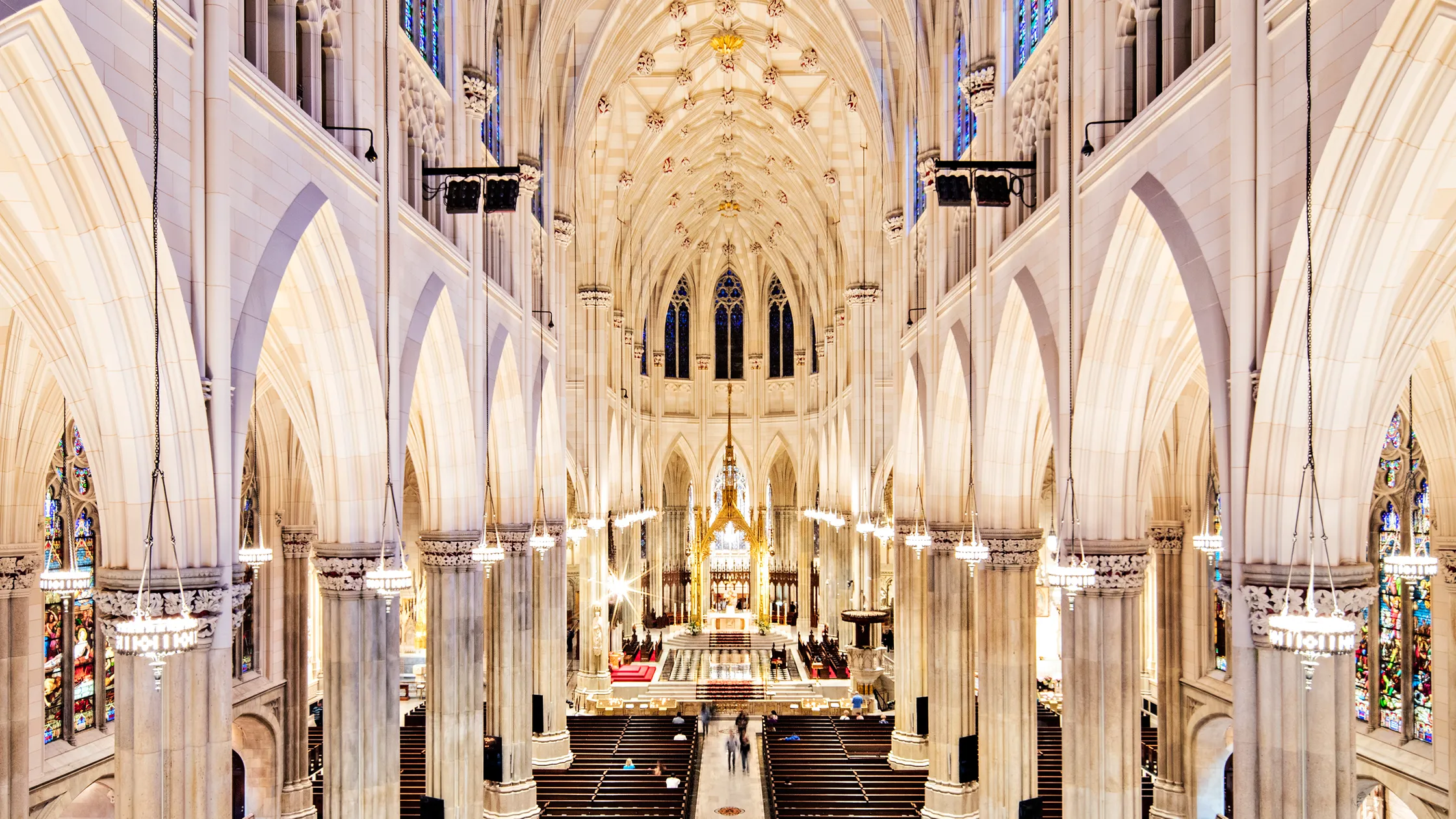
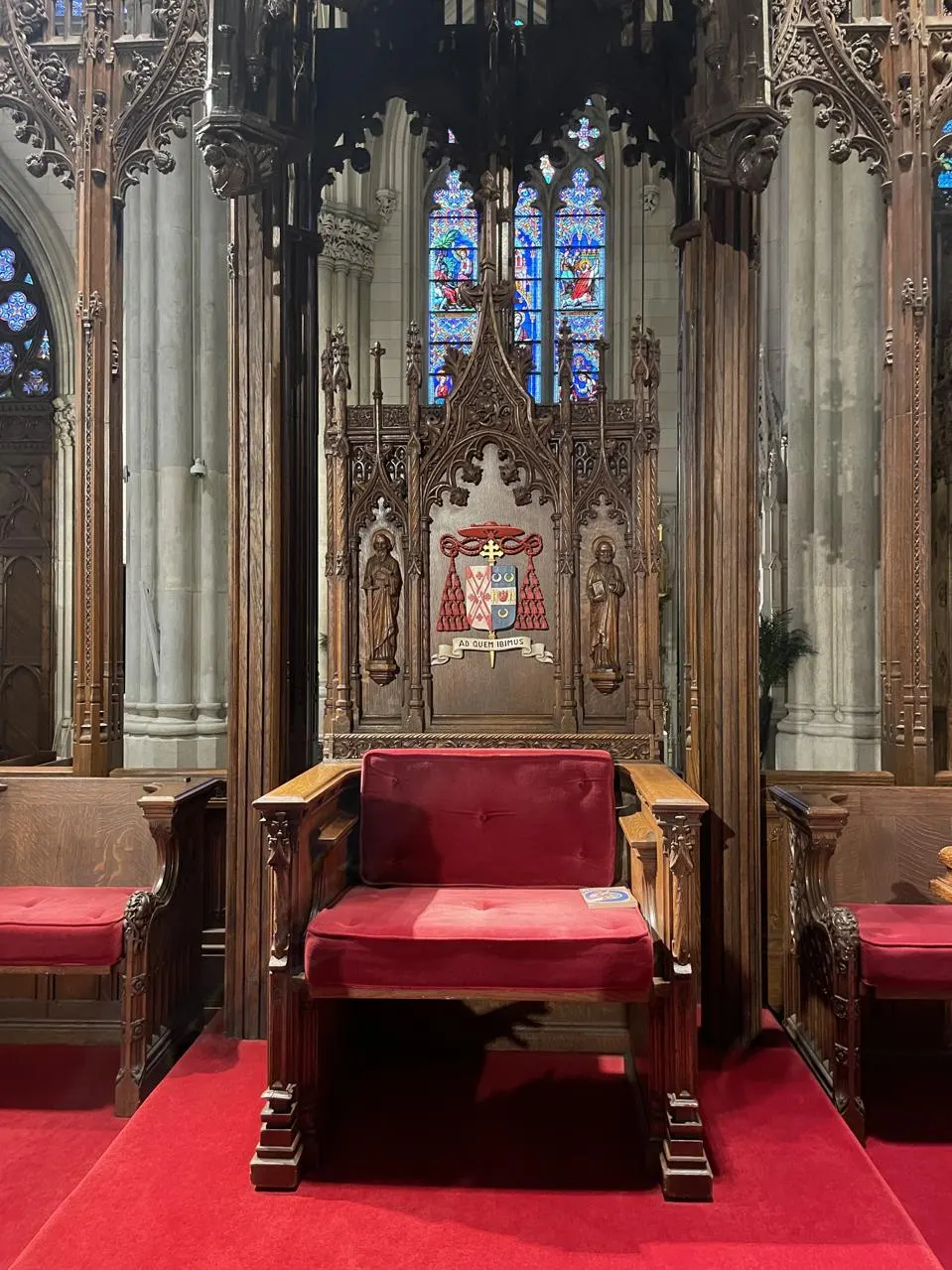
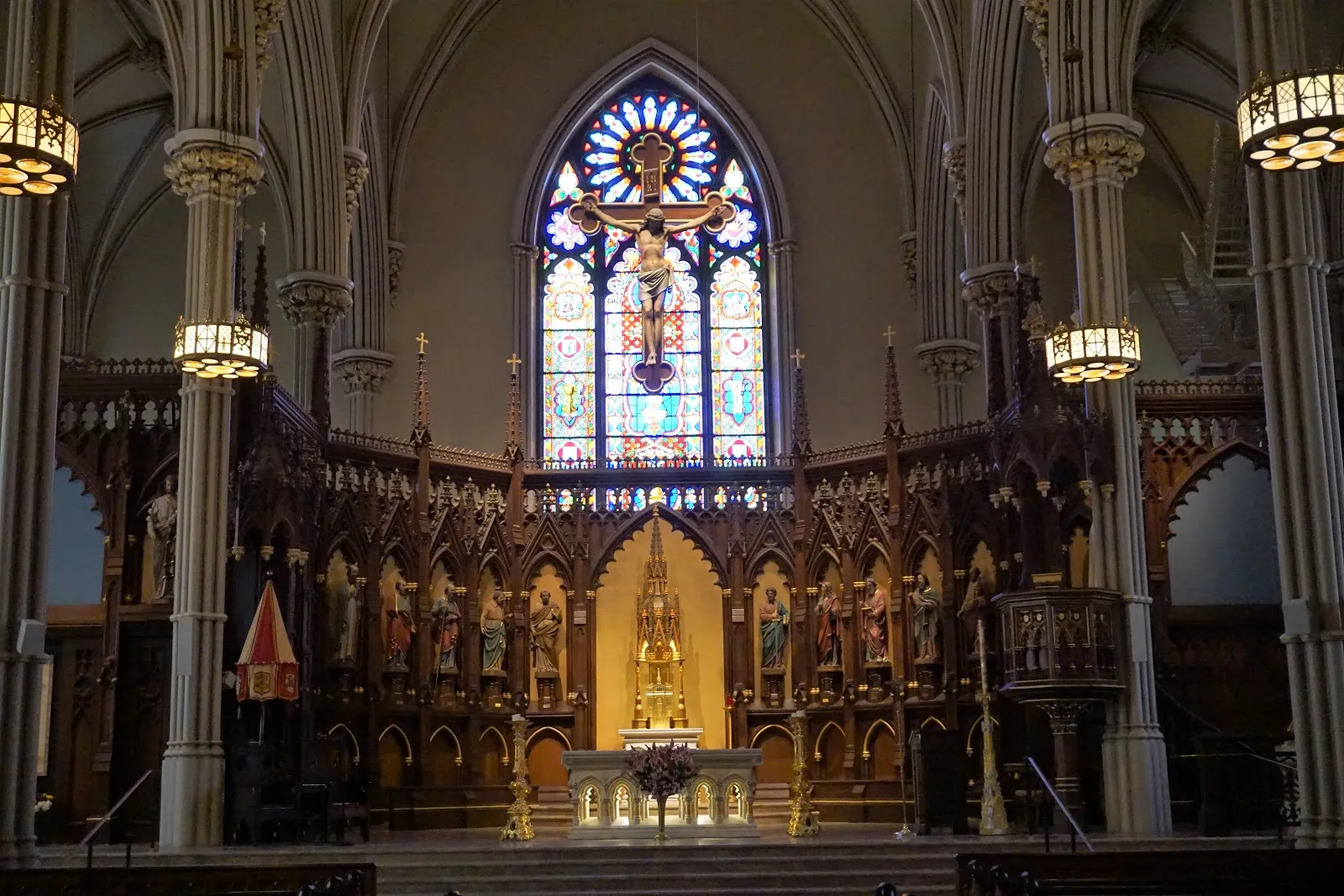
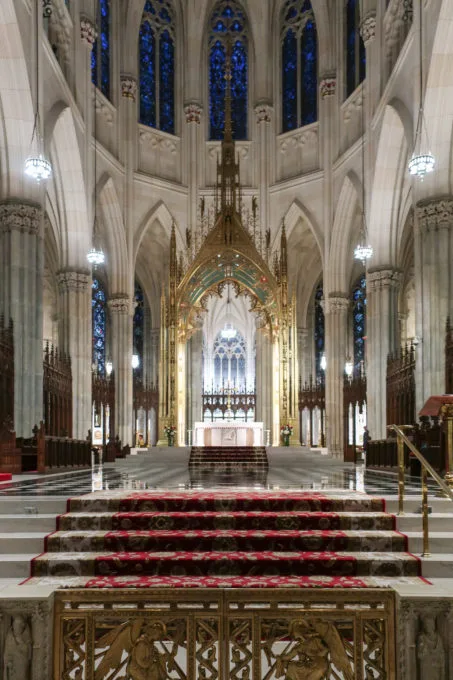
It’s the Baldacchino, covered by a 57-foot bronze canopy, which contrasts with the interior’s stained glass and marble columns. The high altar designed by Maginnis & Walsh was built in Rome in the Italian Gothic manner.
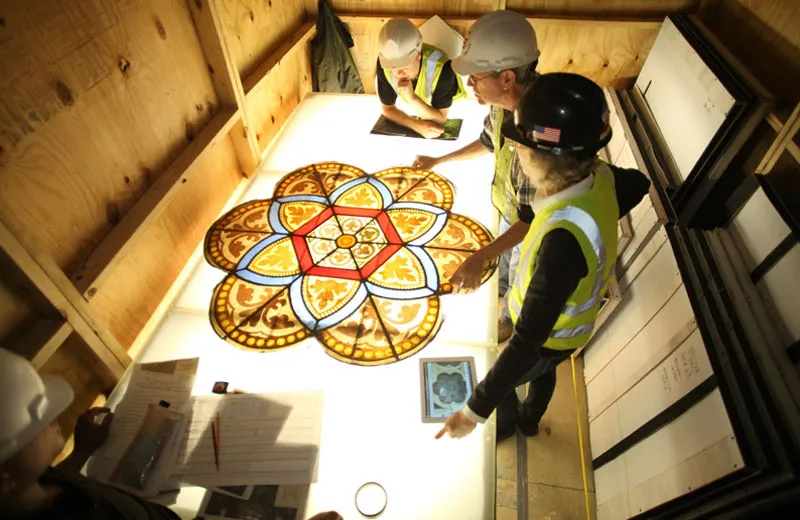
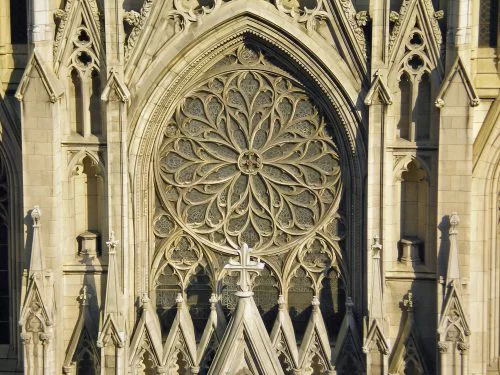
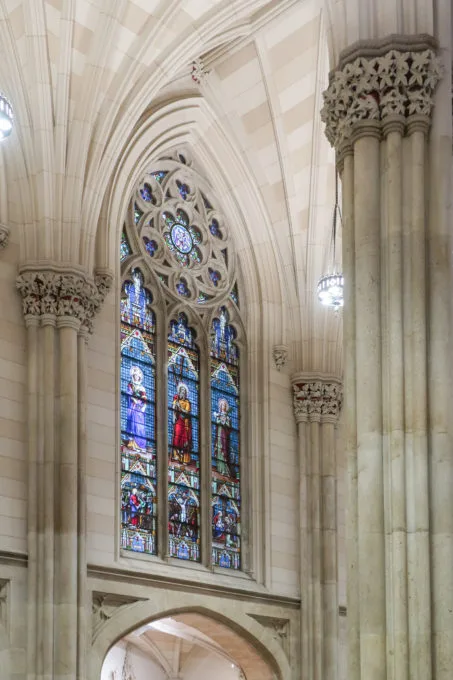
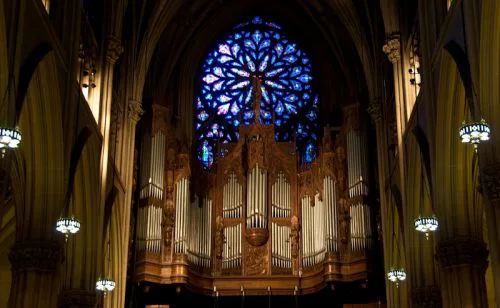
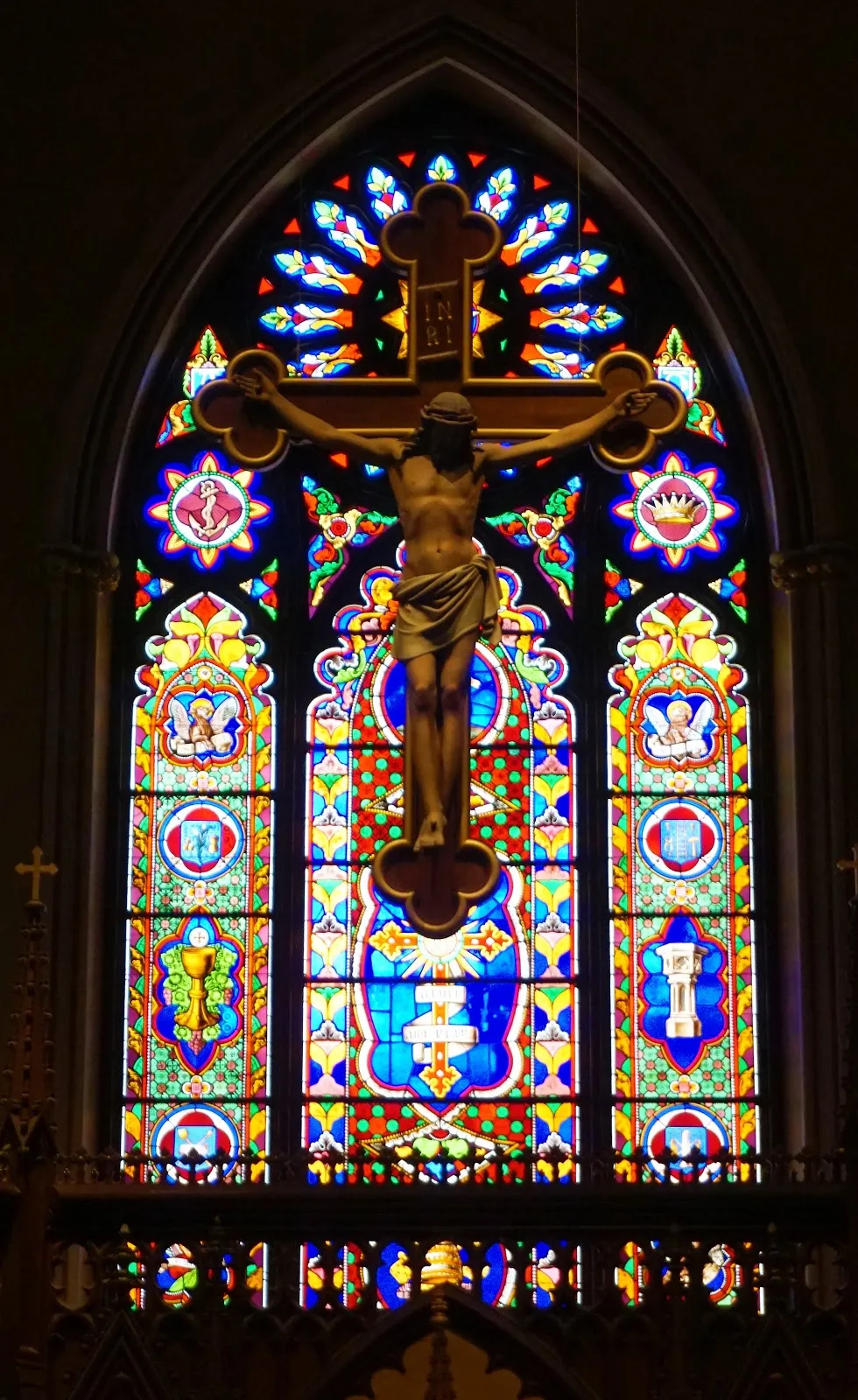
The 94 stained glass windows completed in 1940 were designed by diverse artists from Europe and America, such as Charles Connick, Henri Ely, and Paul Woodroffe. The most striking masterpiece is a 26-foot rose window, designed by Charles Connick, that contains 3,000 pieces of hand-cut glass, and another eye-catching addition was the Pietà sculpture by William Ordway Partridge.
Spatial Hierarchy: From Entrance to Altar
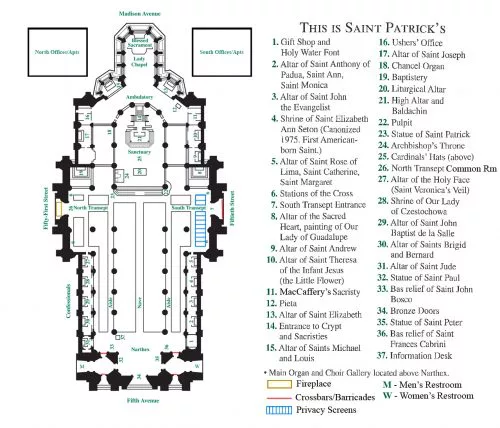
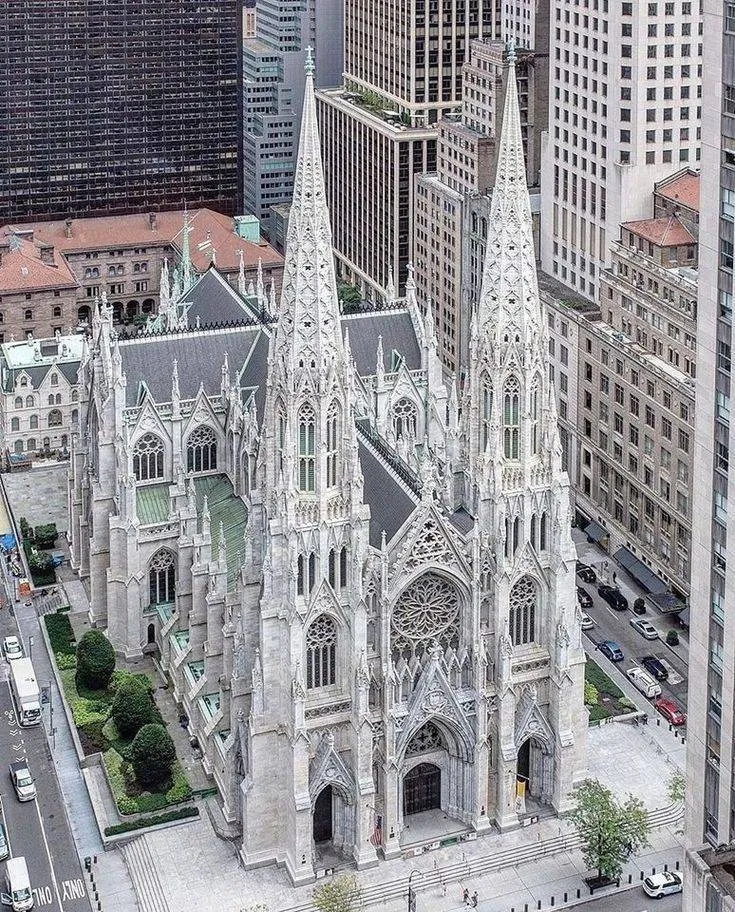
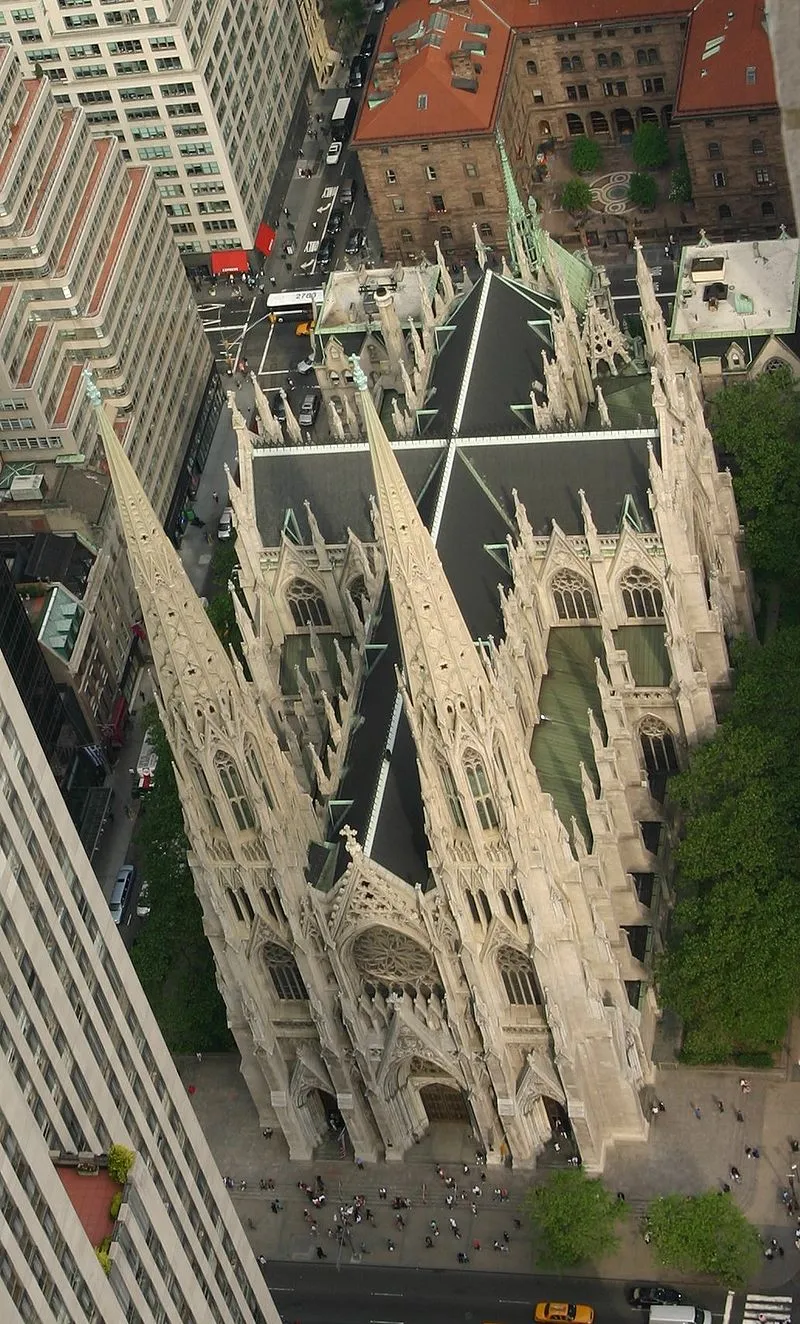
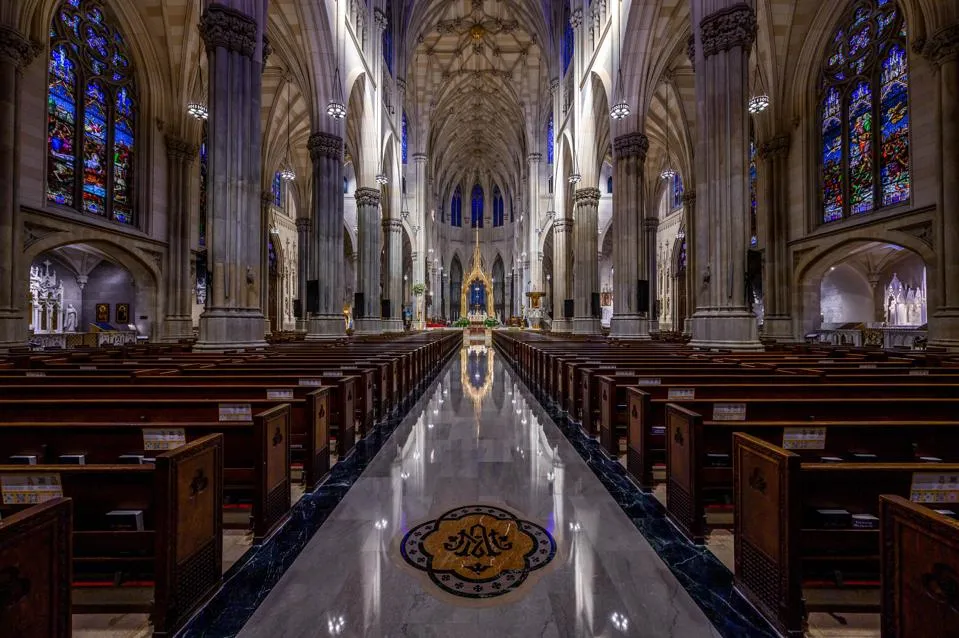
The original plan for a grand cathedral was scaled back, eliminating ambulatory and several massive buttresses to make space for clergy quarters. This was later adjusted in the final spatial layout, showcasing a practical approach to design and balancing artistic vision. The spatial layout was a cruciform plan with a long central nave, two aisles, and a prominent transept extending north and south, giving the characteristic cross shape.
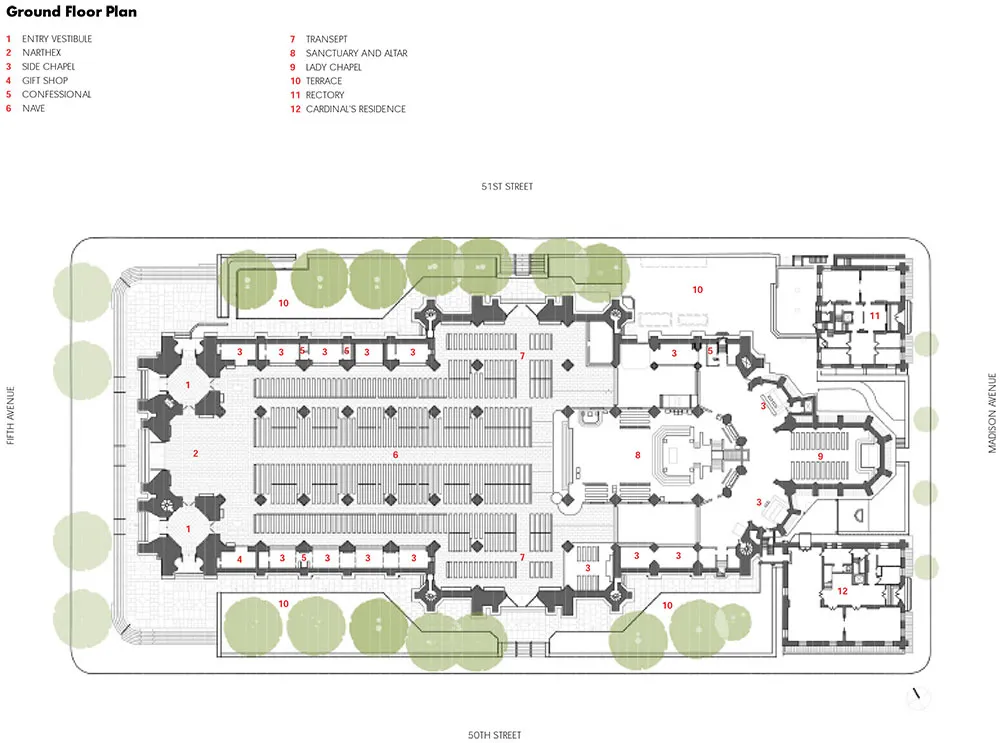
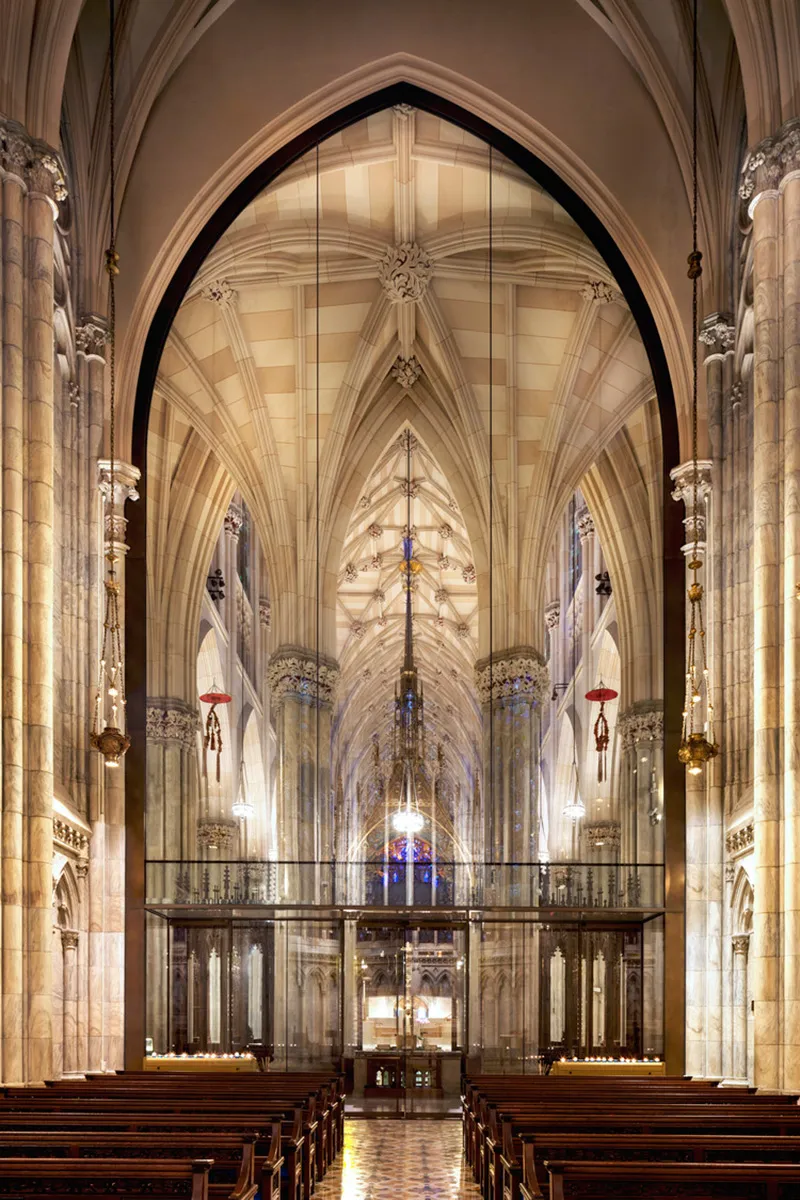
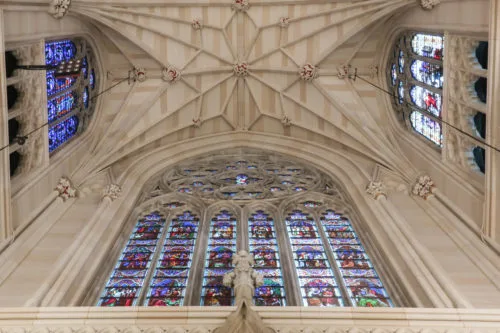
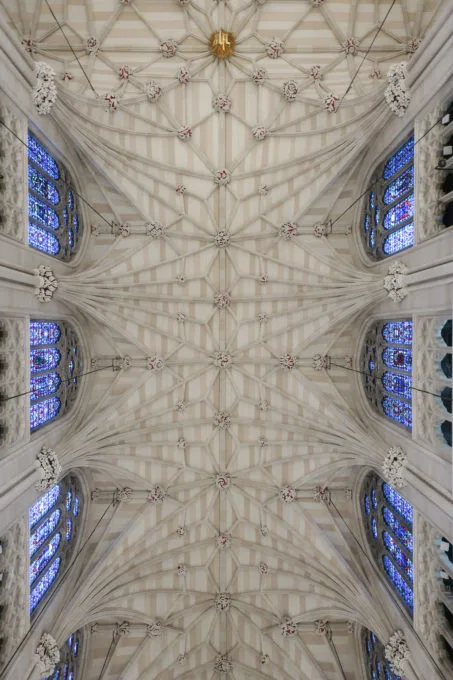
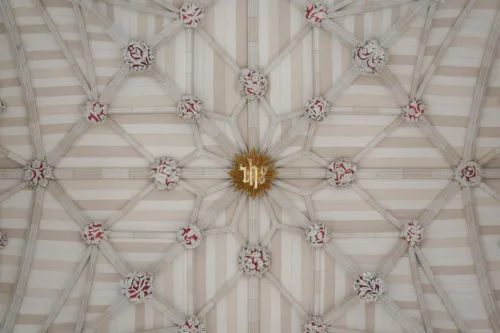
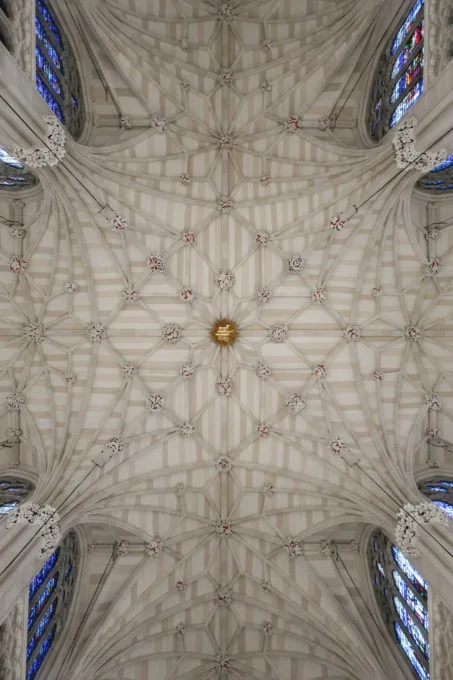
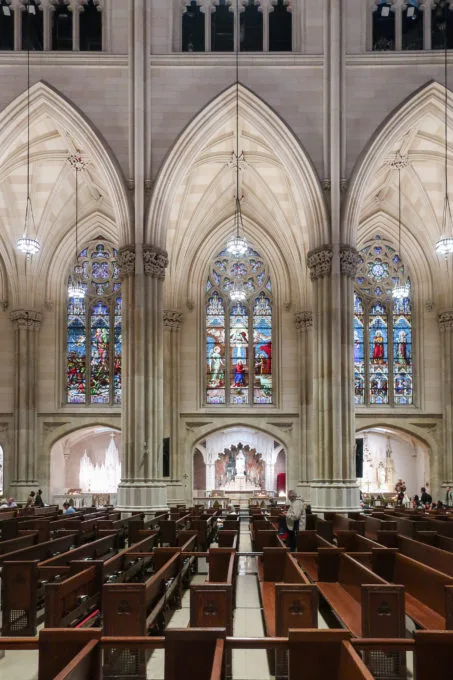
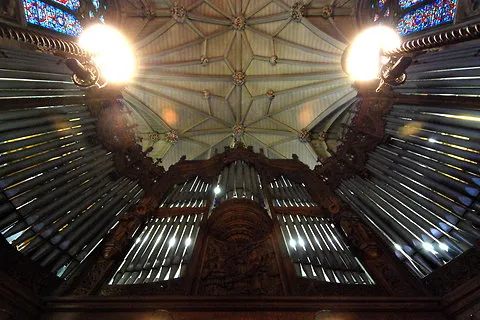
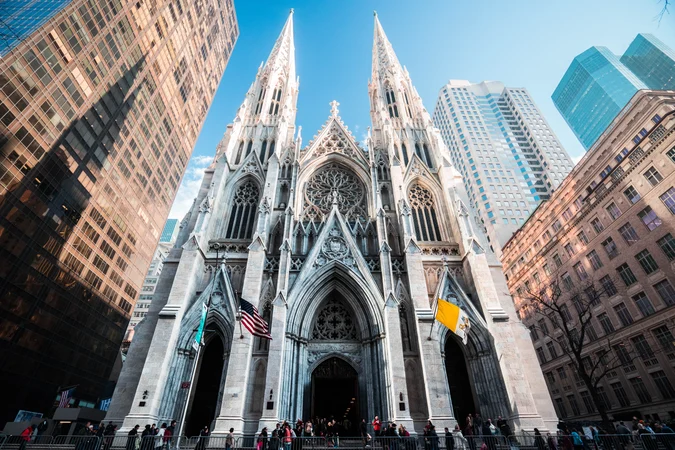
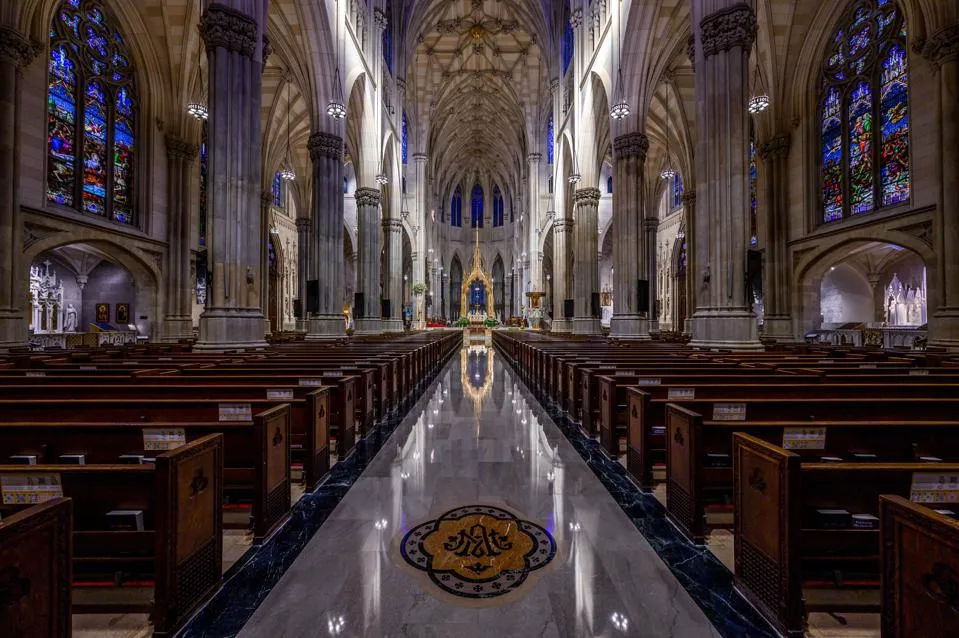
Crossing the urban entertainment epicentre of Times Square, the first thing that strikes is the verticality of St. Patrick’s Cathedral, which rises 330 feet into the sky. Entering from the Fifth Avenue facade, the nave is about 164 feet long and 96 feet wide, with thirty-two white marble columns, about 5 feet in diameter and 35 feet tall up to the arches, dividing the center aisle from the side aisles, and the ceiling height above the center aisle is about 112 feet and has groin vaults with molded ribs and foliate bosses at intersections.
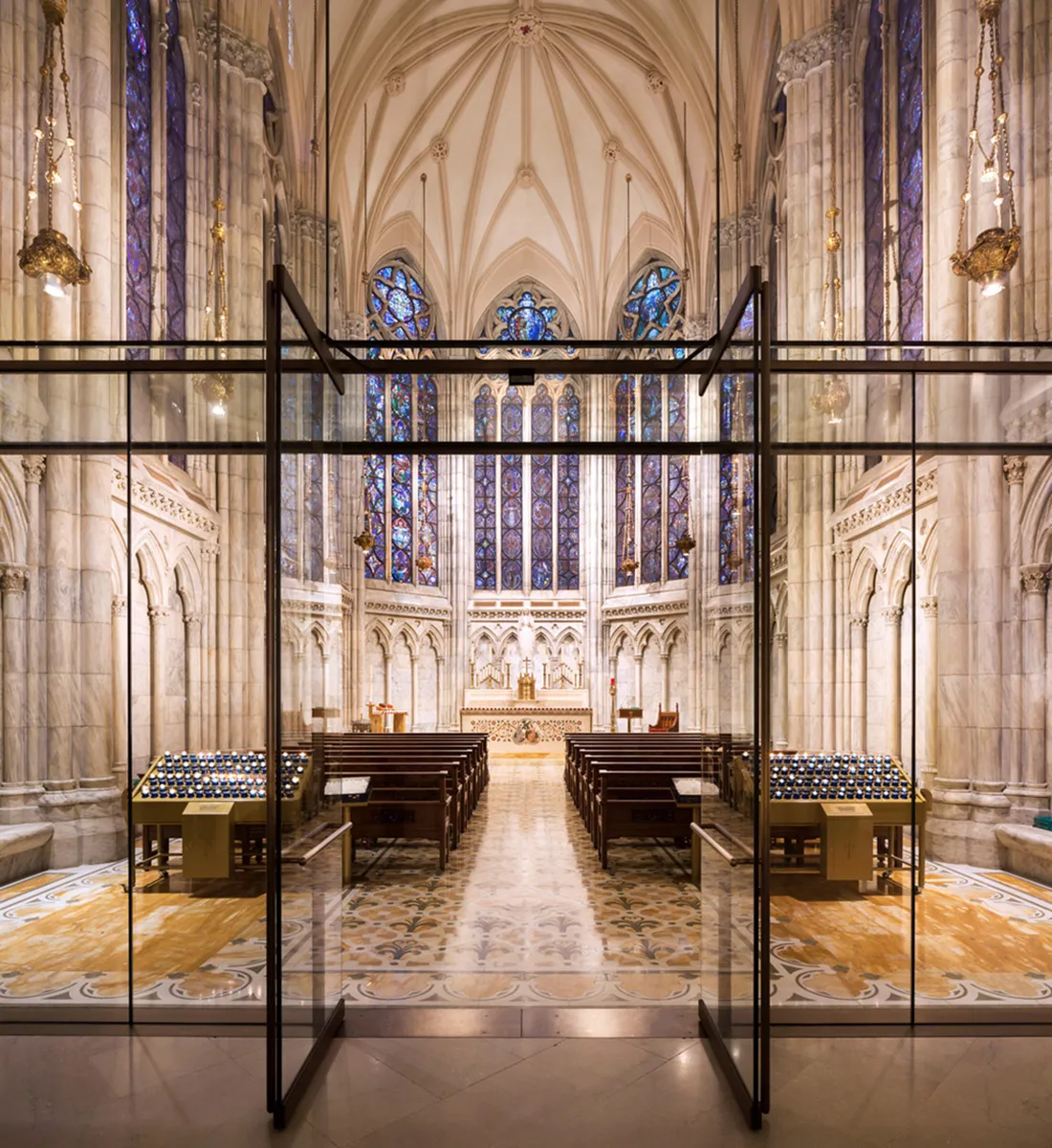
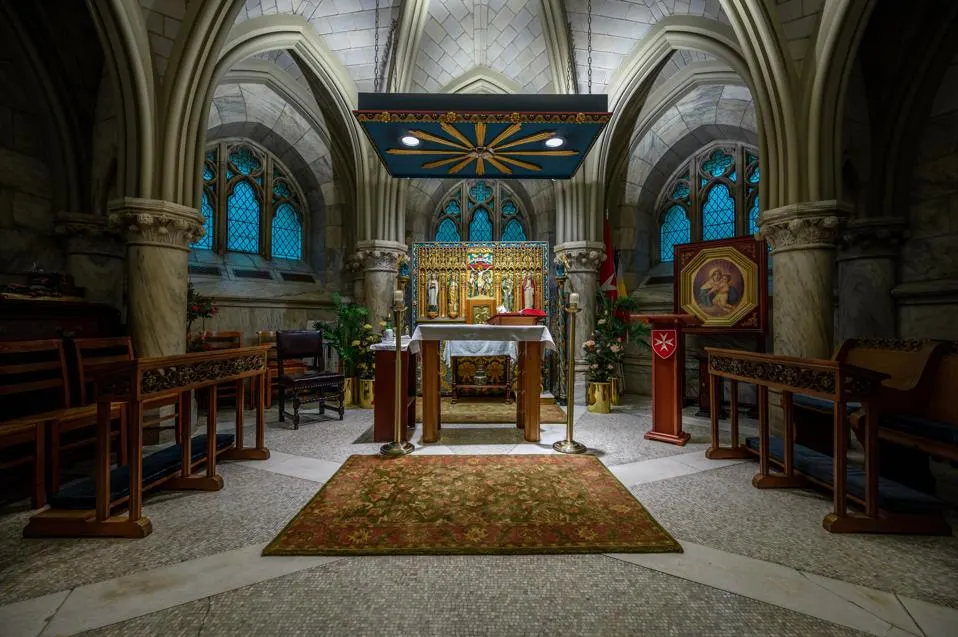
Transepts include niches, pinnacles, and large windows approximately 28 feet wide by 58 feet tall with six vertical mullions. The sanctuary is situated at the eastern end of the nave, and behind it lies the Lady Chapel, a serene space for prayer and contemplation. St. Patrick’s Cathedral houses a final resting place, the crypt located beneath the high altar, for the past nine archbishops of New York, and the subterranean chamber symbolizes a deep connection between them and their spiritual mission.
Ceiling, Verticality, and Perception of Space
The intricate vaulted ceiling, with its ribbed arches, converges at a single point of focus, while natural light floods the interior through the rose window, highlighting the cathedral’s colorful grandeur. Walking through the aisle, the enclosed columns bring the visitors closer to the high altar crafted from Italian marble, enhancing the purity and scale of the space.
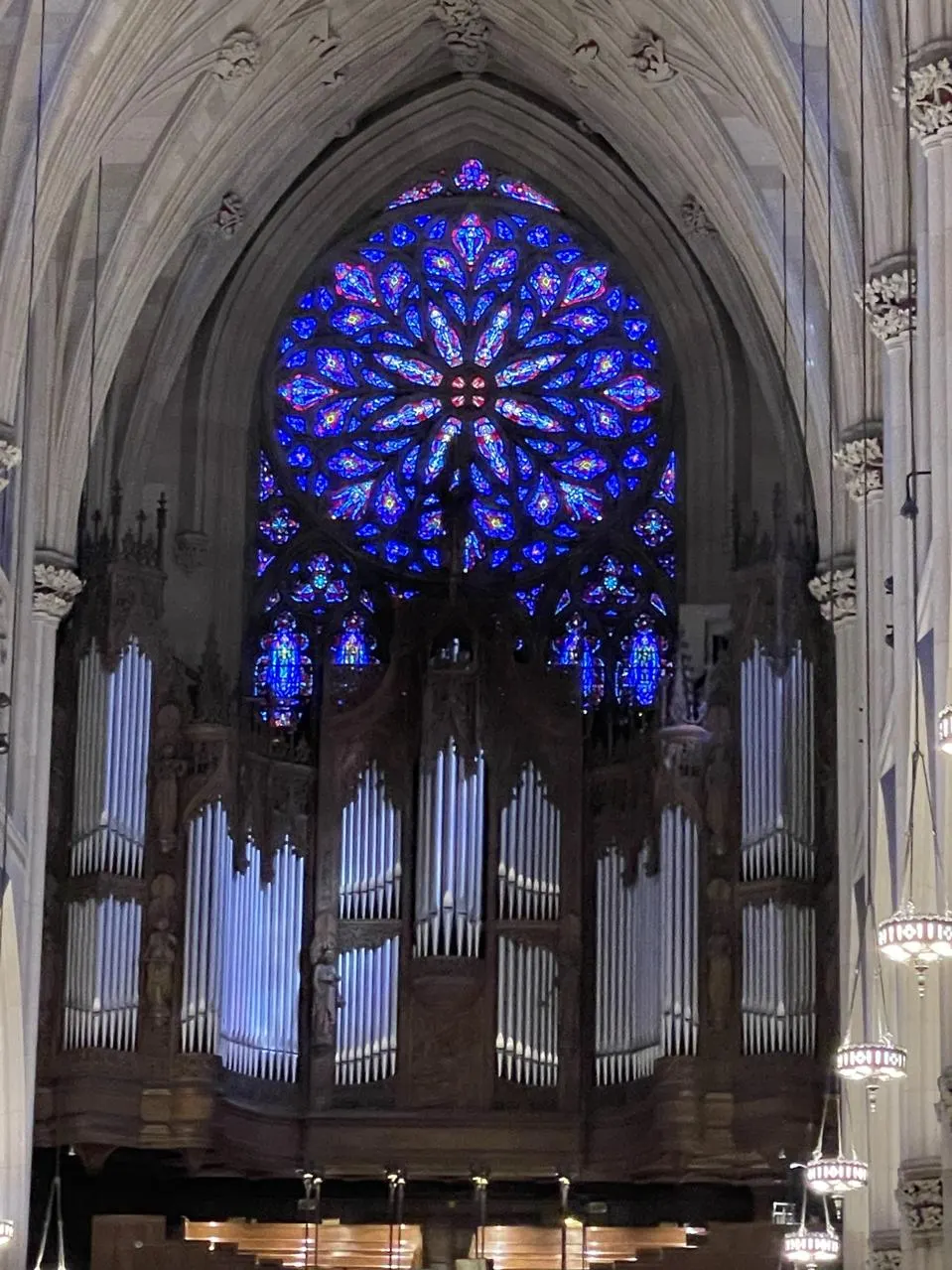
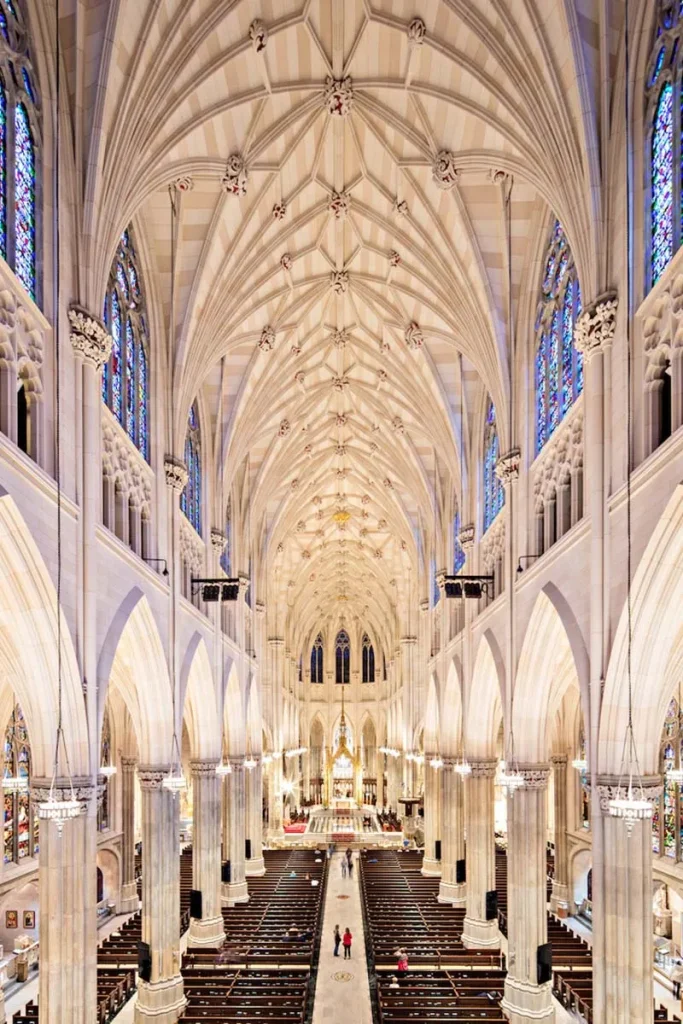
The design focused on the orchestration of light and space, deliberately designed to be filtered through stained glass windows and transforming the space into a kaleidoscope of rich hues, sapphire blues, ruby reds, and emerald greens. The flying buttresses reinforce the cathedral’s walls, ensuring that the windows with their stained glass remain an integral part of the space.
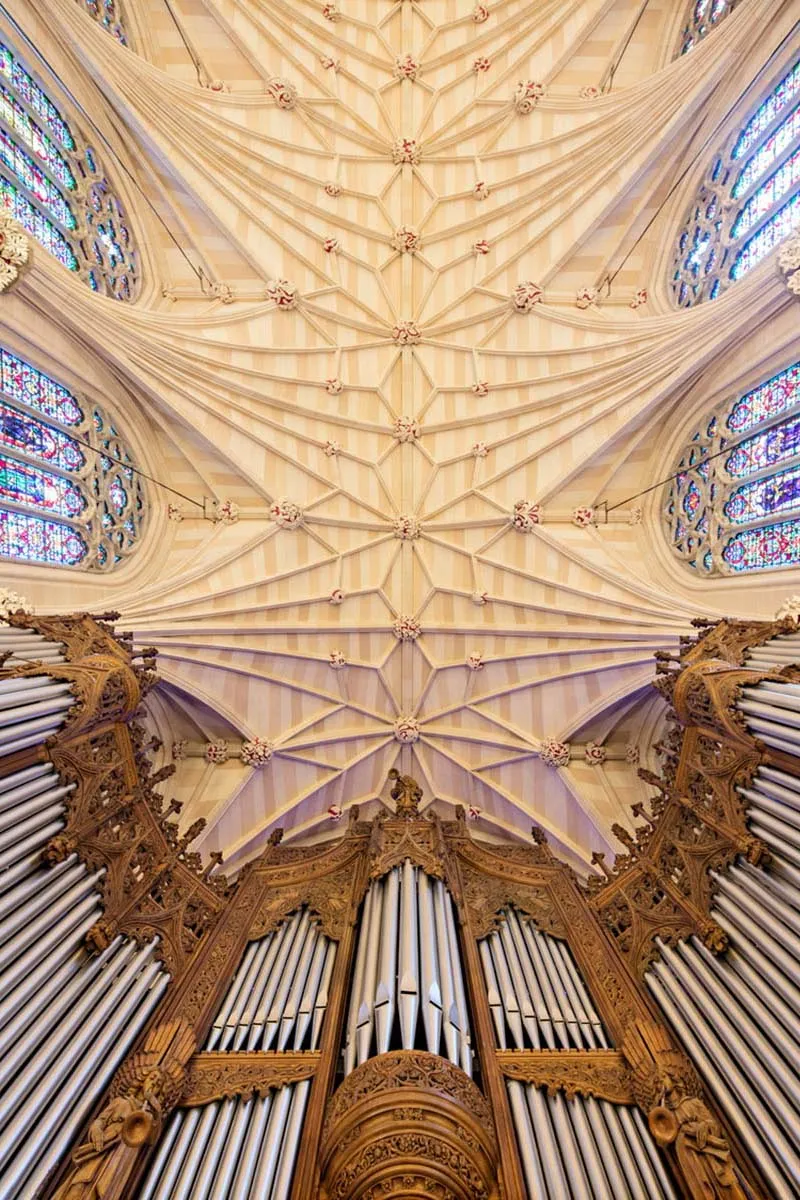
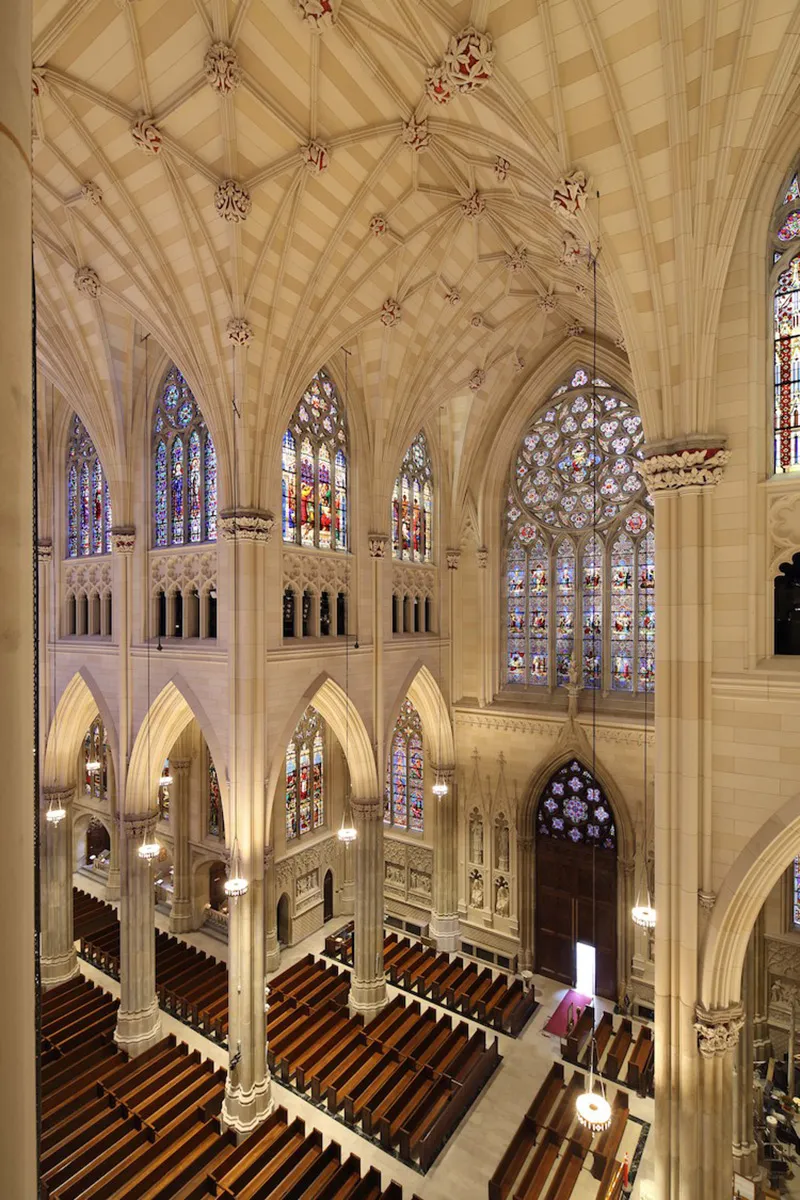
This cruciform Gothic Revival plan exemplifies spatial procession, grandness, and verticality, while side aisles with chapels, transepts, and stained glass windows create a monumental yet intimate space of worship. The fusion of form, space, and materials echoes the powerful narrative carved in stone.
Conservation and Restoration
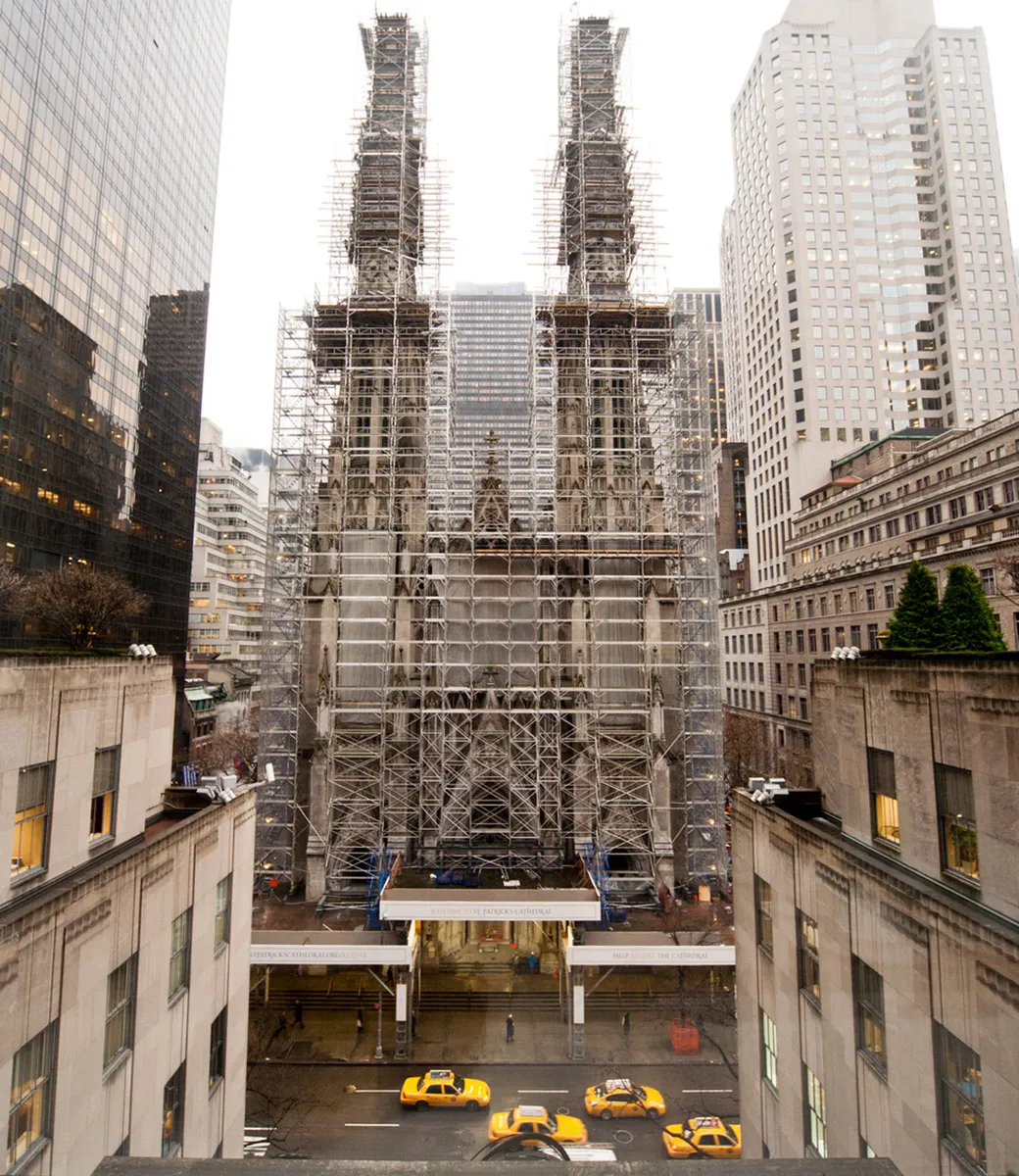
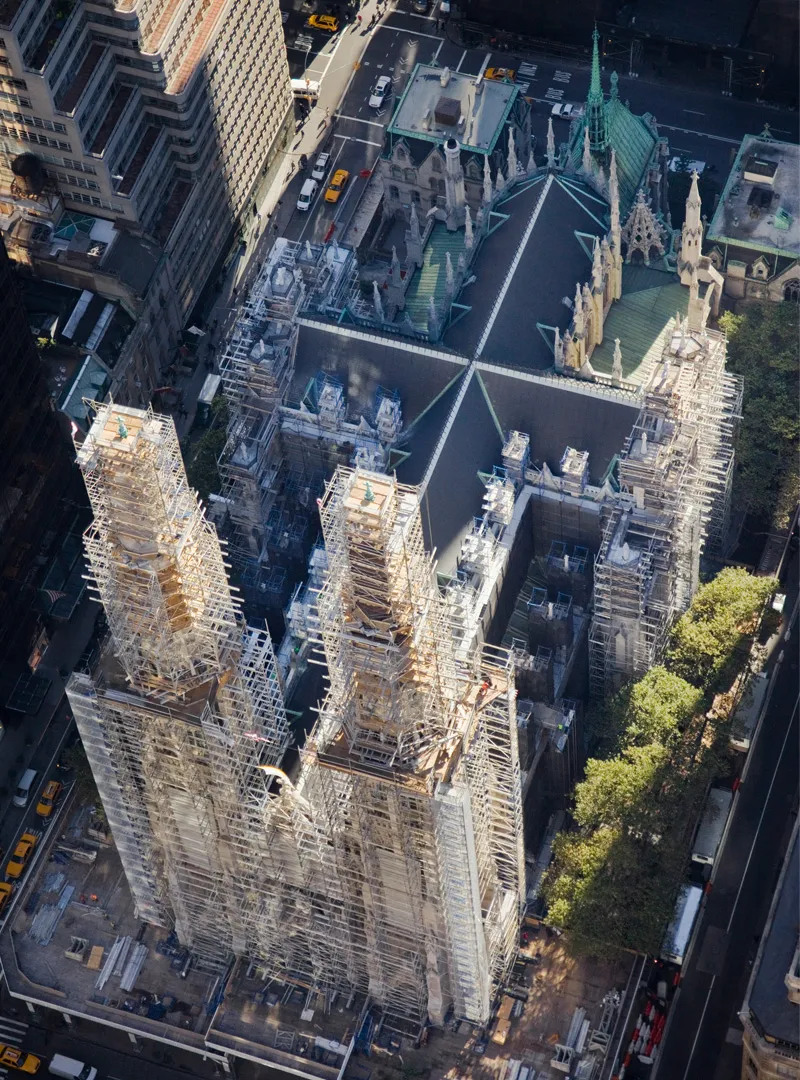
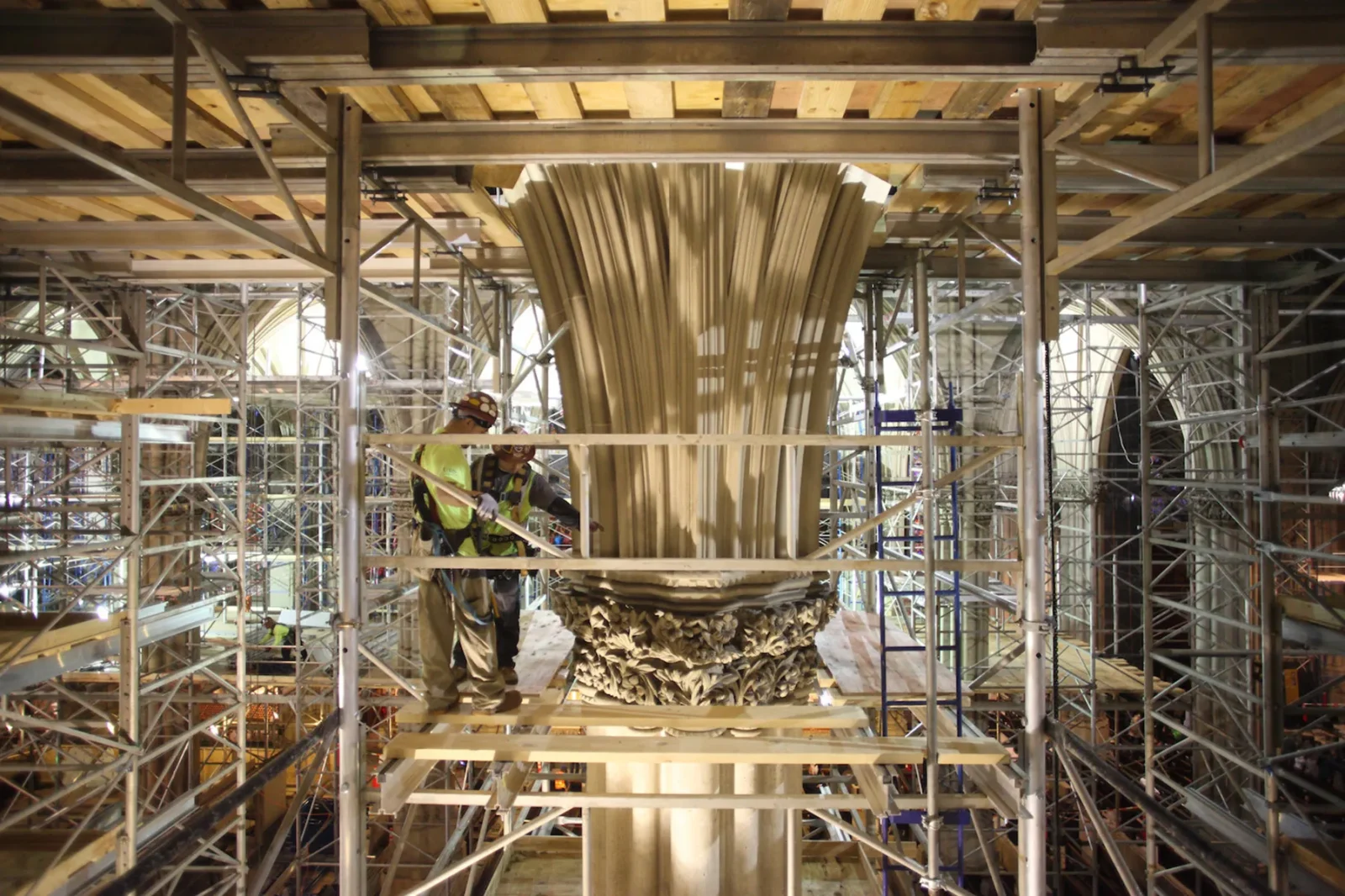
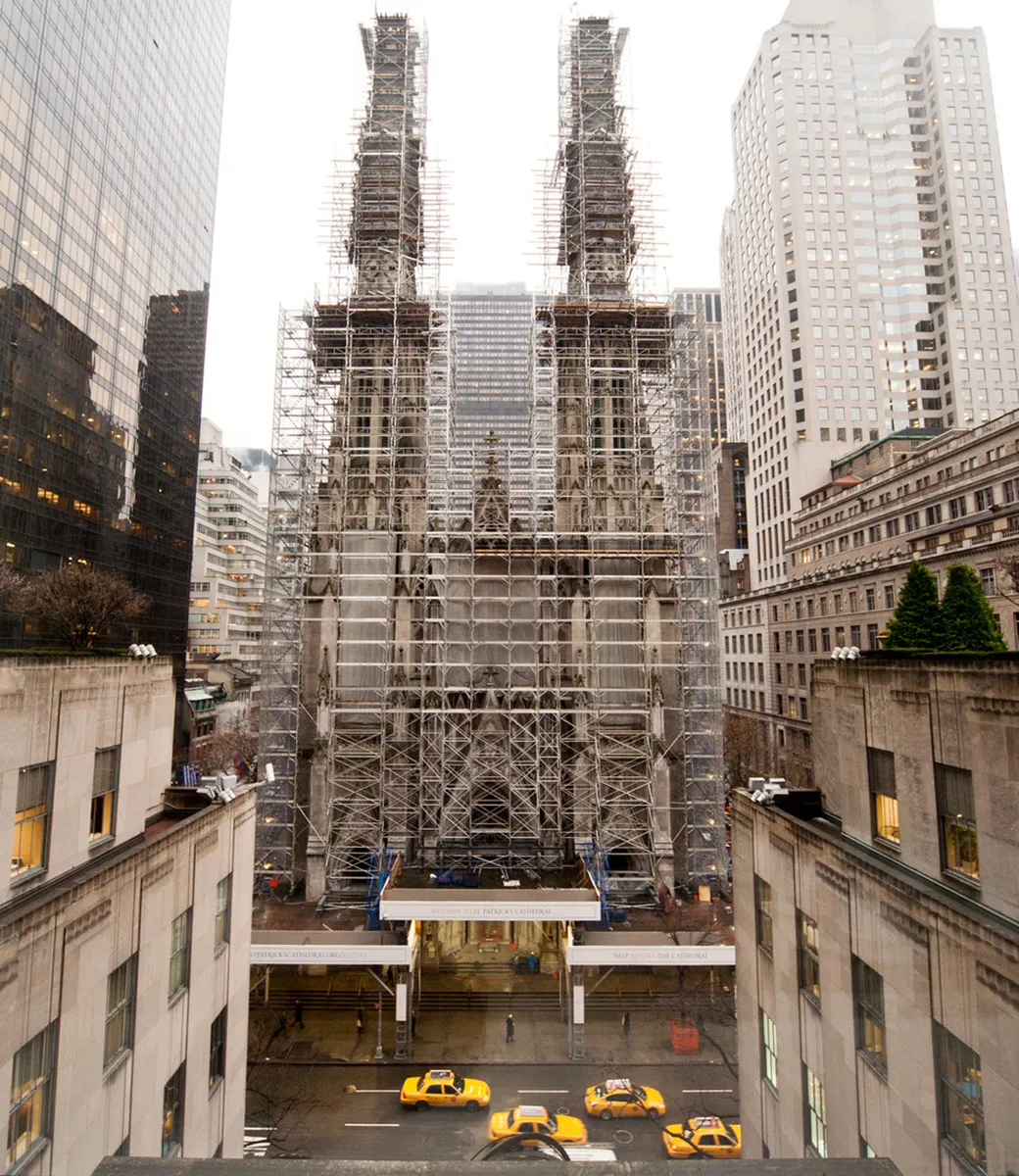
The enduring legacy of St. Patrick’s Cathedral shows continuous and comprehensive care that began in 2011 with a monumental, multi-year restoration project. Using the micro-abrasion technique, restoration specialists cleaned the exteriors and revealed the original four varieties of marble used in construction.
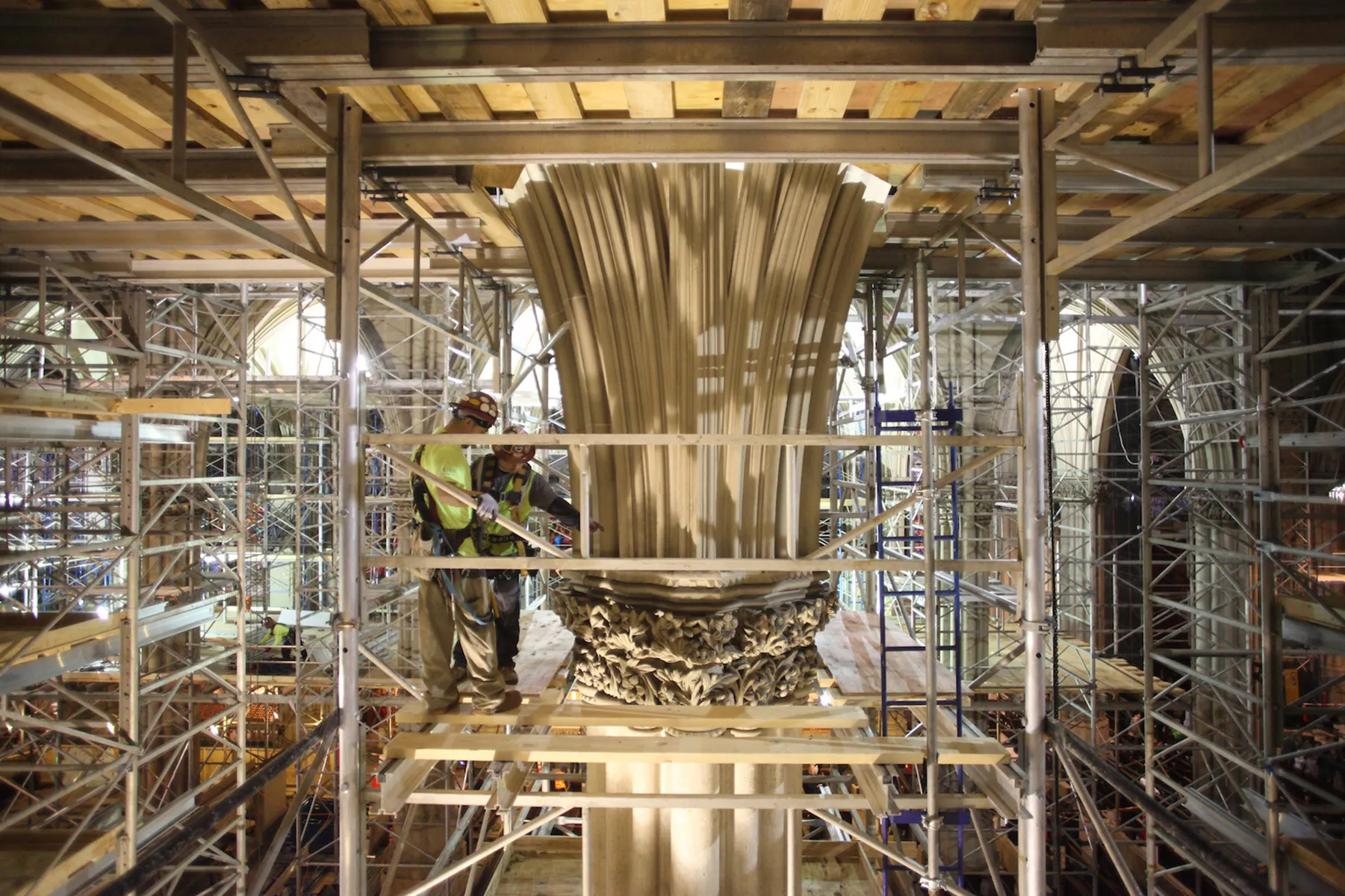
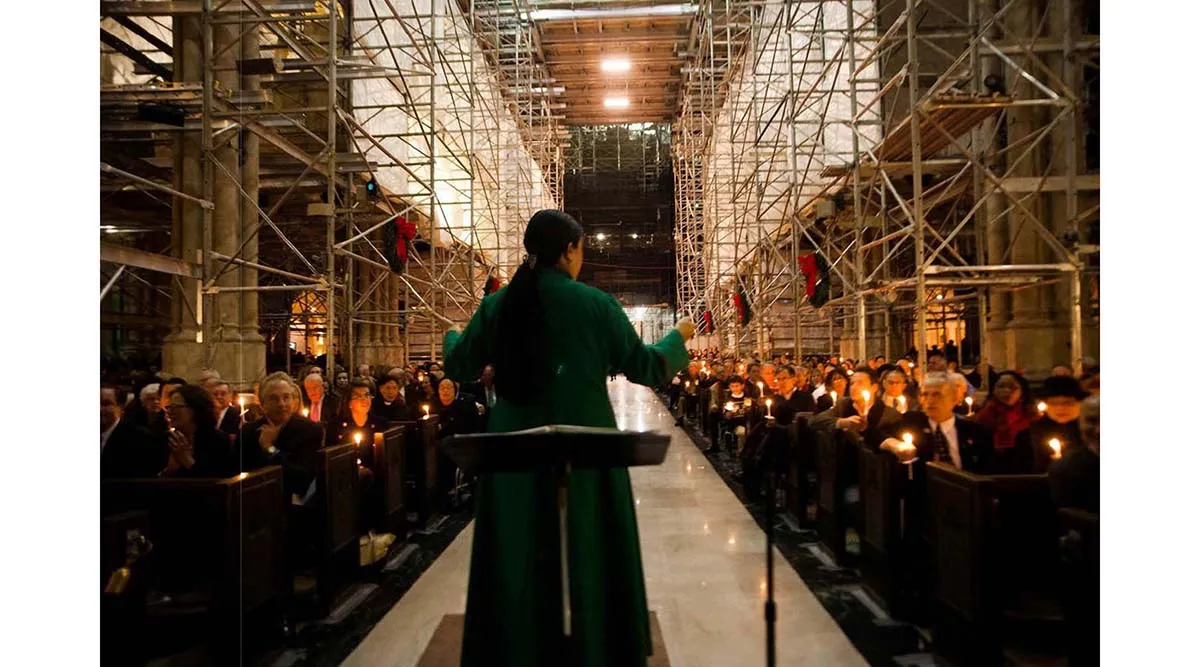
The most substantial preservation happened from 2012 to 2015, costing $177 million, led by Murphy Burnham & Buttrick, MBB Architects. The renovation focused on restoring the facade, regilding interior elements, and replacing and repairing stained-glass windows. Sustainable modular systems were integrated without compromising the building’s aesthetic integrity.
In the modern restoration, a new large-scale geothermal plant was installed, featuring an innovative system that aligns with a commitment to environmental sustainability. With this approach, the system helps to reduce the cathedral’s energy consumption by more than 30%, a significant step toward future-focused sustainability.
A Case Study in Timeless Design and Modern Intervention
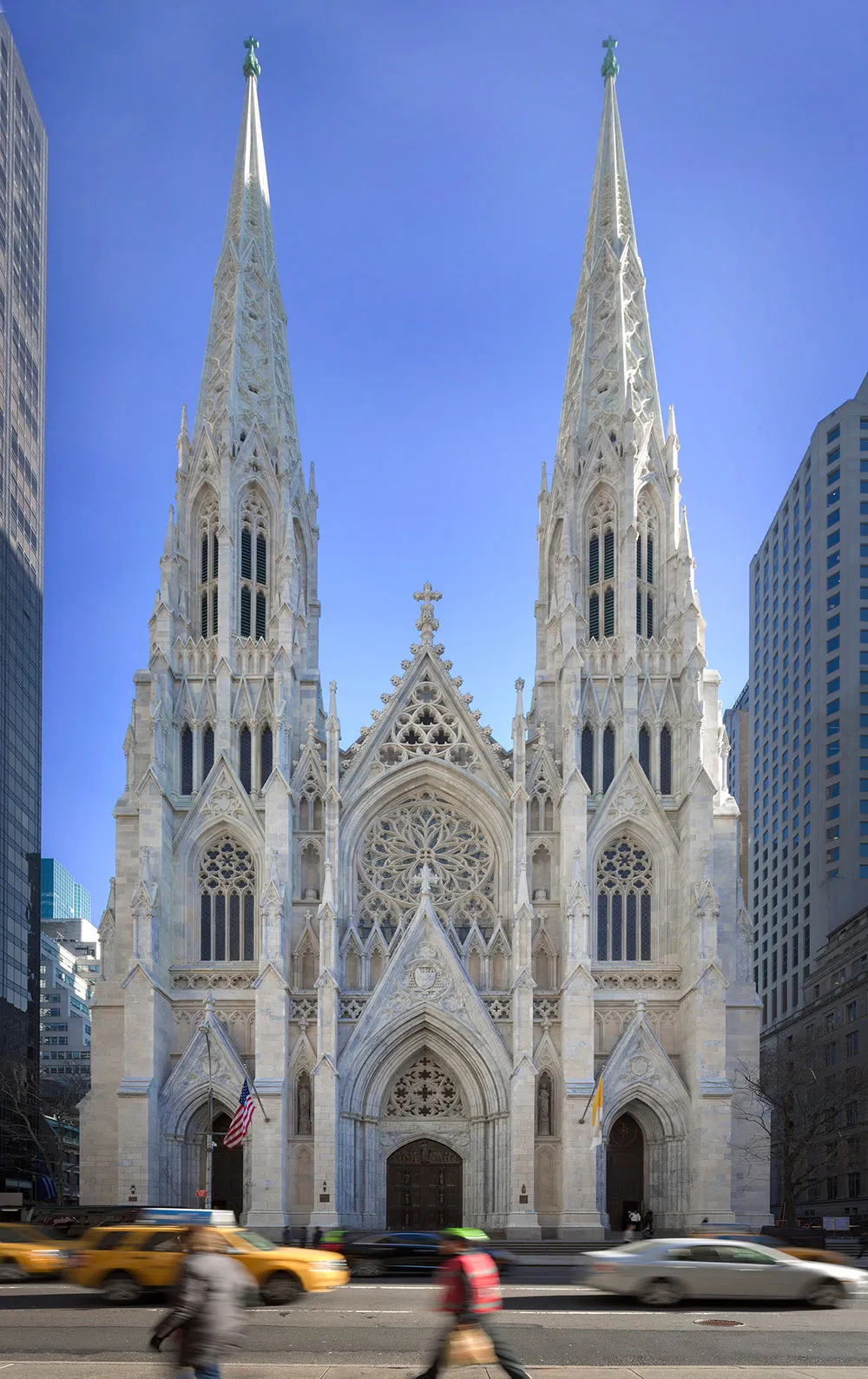
St. Patrick’s Cathedral brings together historic significance, modern engineering, sustainable innovation, and careful preservation, securing its place as one of the most renowned examples of Neo-Gothic architecture in the United States. Set within Manhattan’s dense urban grid and known as “America’s Parish Church,” it draws around five million visitors each year.
Over time, its design has evolved into a distinctly American take on the Gothic Revival, combining visual grandeur with practical ingenuity. The story of St. Patrick’s Cathedral is a continuous conversation, a sacred repository of collective memory, one that links history to modern visitors.
St. Patrick’s Cathedral Project Details:
Restoration Architects: Murphy Burnham & Buttrick Architects
Original Architect: James Renwick Jr., (1879)
Client: Trustees of Saint Patrick’s Cathedral
General Contractor: StructureTone
Explore Courses
.jpg "Ondrej Chybik - Rethinking Architecture")