

Architecture schools do not imagine refugee settlements or draw them on clean tracing paper. Panic and loss start them because people rebuild with what they carry or find after they lose homes and cross borders. In these environments, architecture serves a single goal, which is to protect life, not make a luxury out of it. The shelters turn into important settlements, courtyards hold silence during distress, and people use every available space as best as possible.
Across the world, the largest refugee settlements offer quiet lessons in improvisation, some of which have now become places of historic relevance and an epitome of courageous fortitude.
Cox’s Bazar, Bangladesh
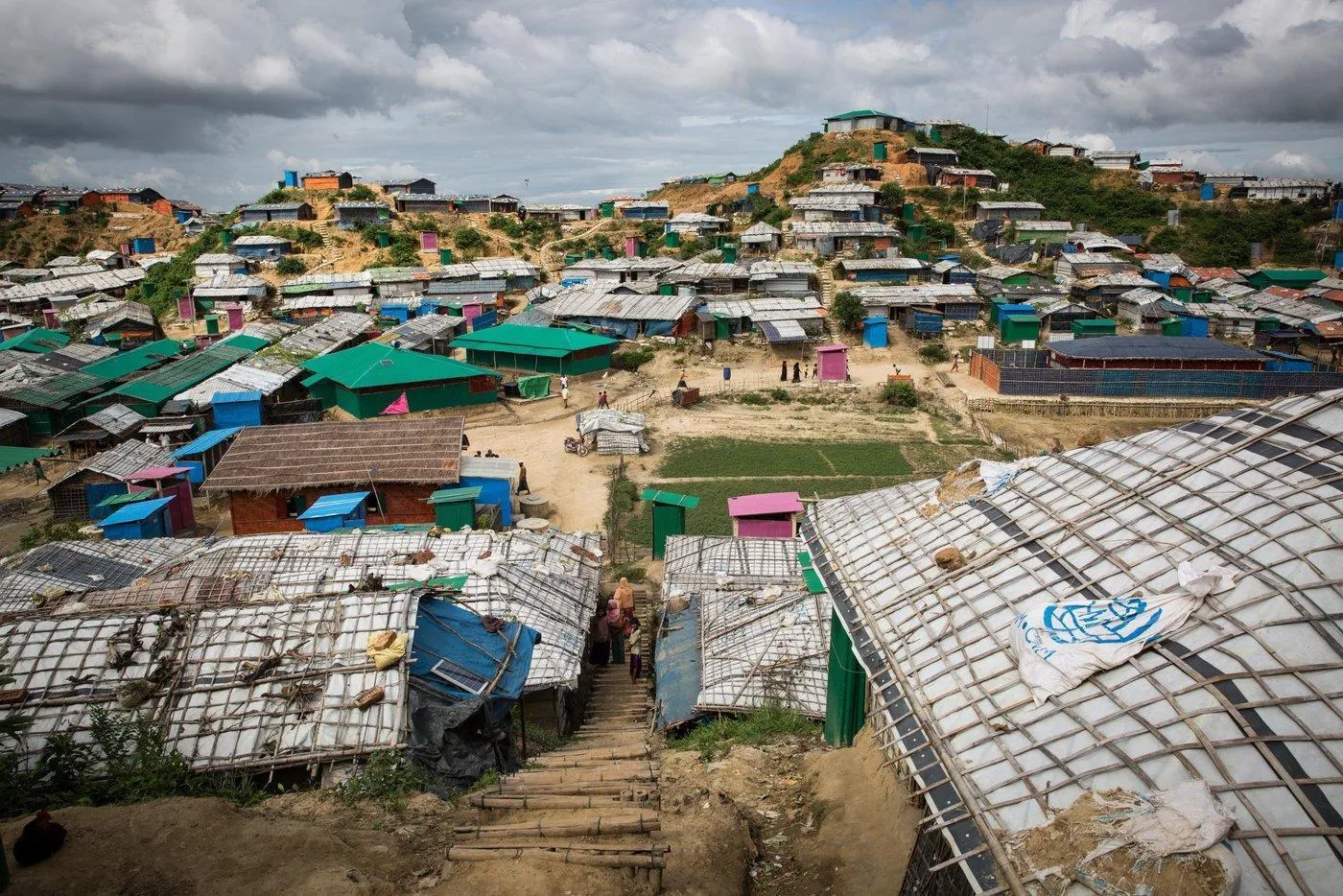
At the edge of southeast Bangladesh, almost one million Rohingya refugees live across a sprawling, flood-prone site carved from a former forest. Bamboo shelters stretch across unstable hills, clustered tightly with plastic roofs, stitched tarpaulin, and sandbag anchors to resist monsoon winds.
The paths snake between homes, widening only where families resist erosion. Drainage barely exists, and greywater flows into gullies as fires spread fast across flammable roofs, often with no warning or way to escape. However, different colors do emerge from these places, painted cloth hangs near doorways, and small gardens bloom even in such tight spaces.
Zaatari Camp, Jordan
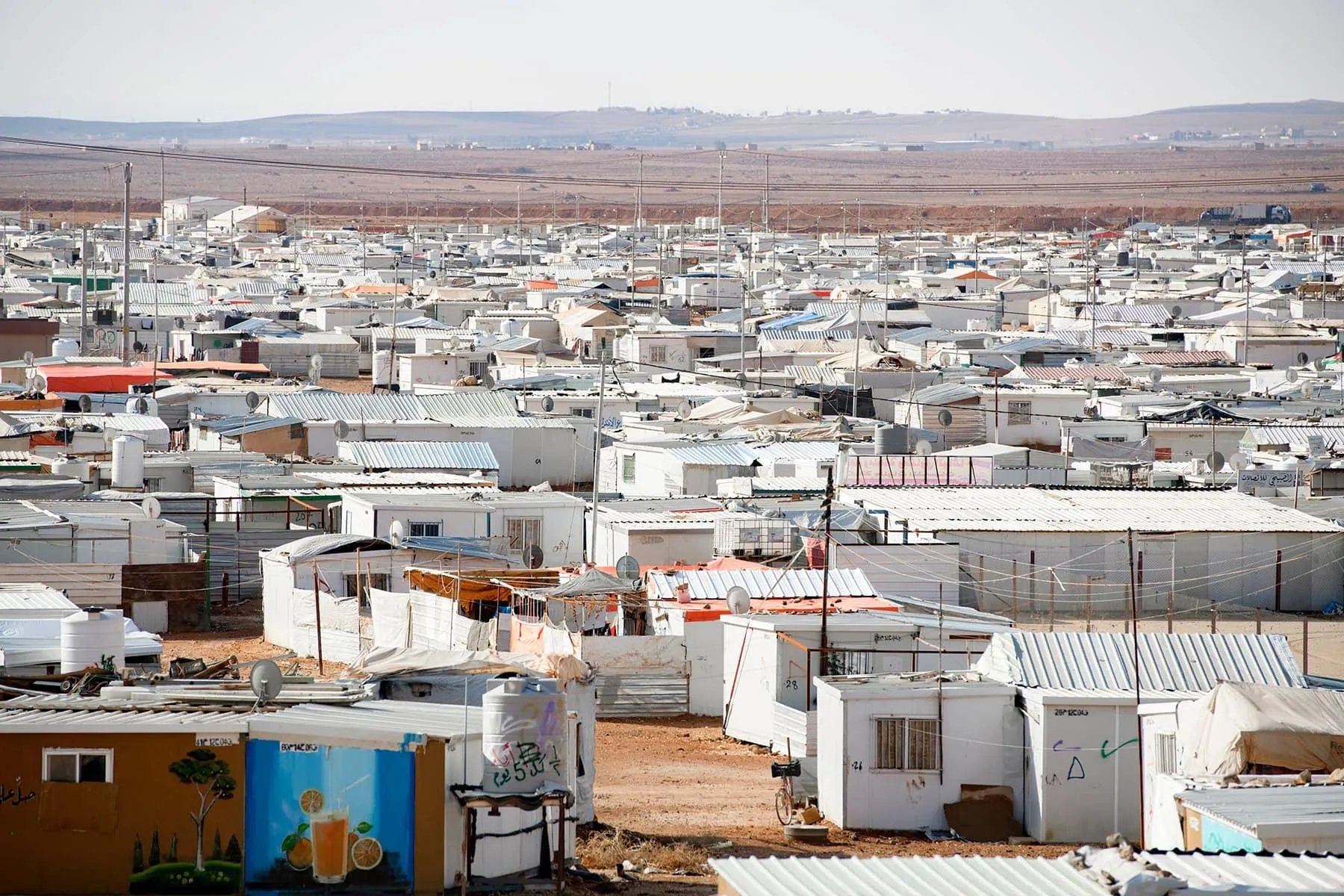
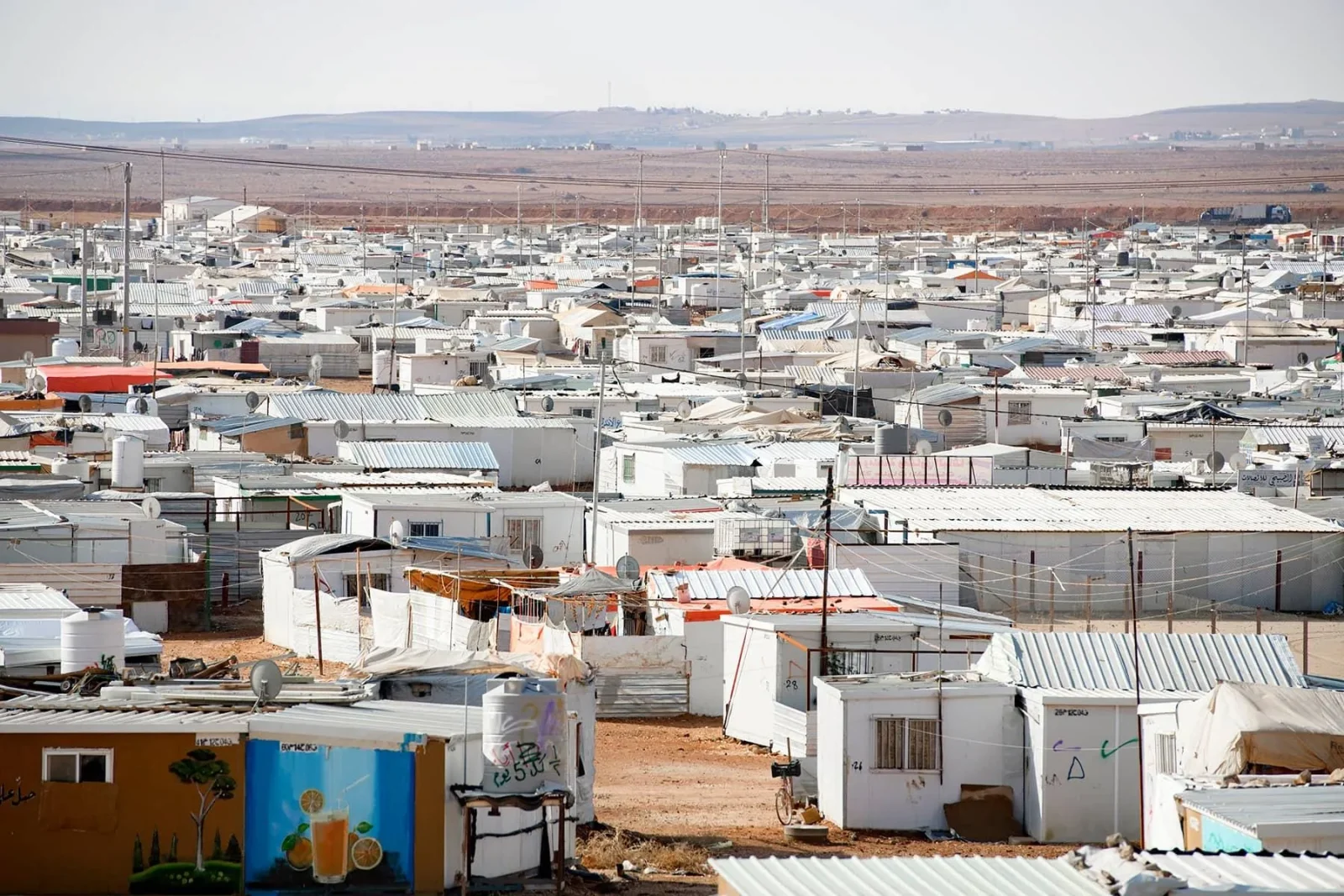
In Jordan’s desert, Zaatari began with rows of tents but quickly grew into a self-organized city housing over 75,000 Syrians. White metal shelters replaced canvas, arranged in rows on sand, bordered by water tanks, and open-air markets known as “Champs-Élysées.”
Planning intended control, but refugees made changes as blocks turned inward, walls opened, and shared courtyards replaced sterile gaps between structures. Desert heat shapes every form of architecture, whereas the shelters sit low to the ground. Narrow streets provide shade, and builders design the structures to resist the sun, not just the rain. Despite challenges, schools, mosques, and small shops stand tall, ensuring durability.
Bidi Bidi, Uganda
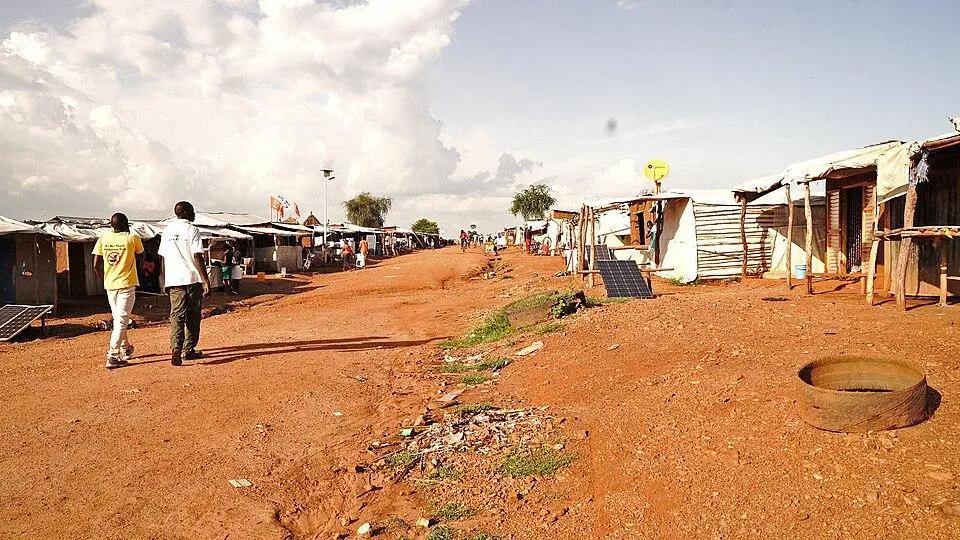
Spread across Uganda’s savannah, Bidi Bidi is a low-density settlement built from mud, straw, and timber, designed to support slow settlements. People space homes far apart and group them in circular formations that mimic rural African settlements instead of urban refugee camps.
Trees offer cooling shade, and community space grows around shared wells and cooking areas. The grass roofs cool better than tarpaulin, especially during Uganda’s harsh dry season, whereas paths allow vehicles and foot traffic. Water is solar-pumped, ensuring that Bidi Bidi feels less like a camp and more like a village learning to heal.
Kakuma and Kalobeyei, Kenya
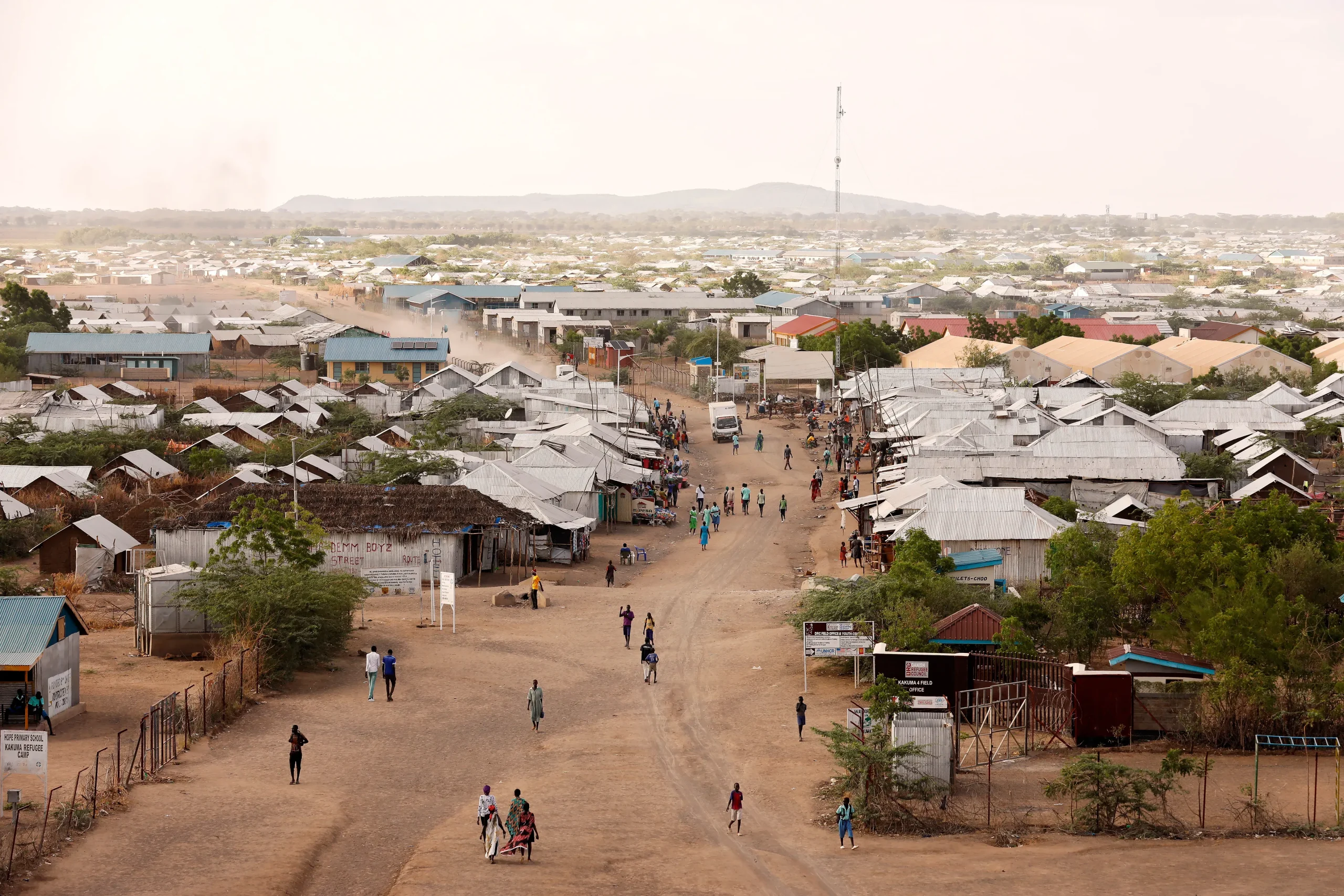
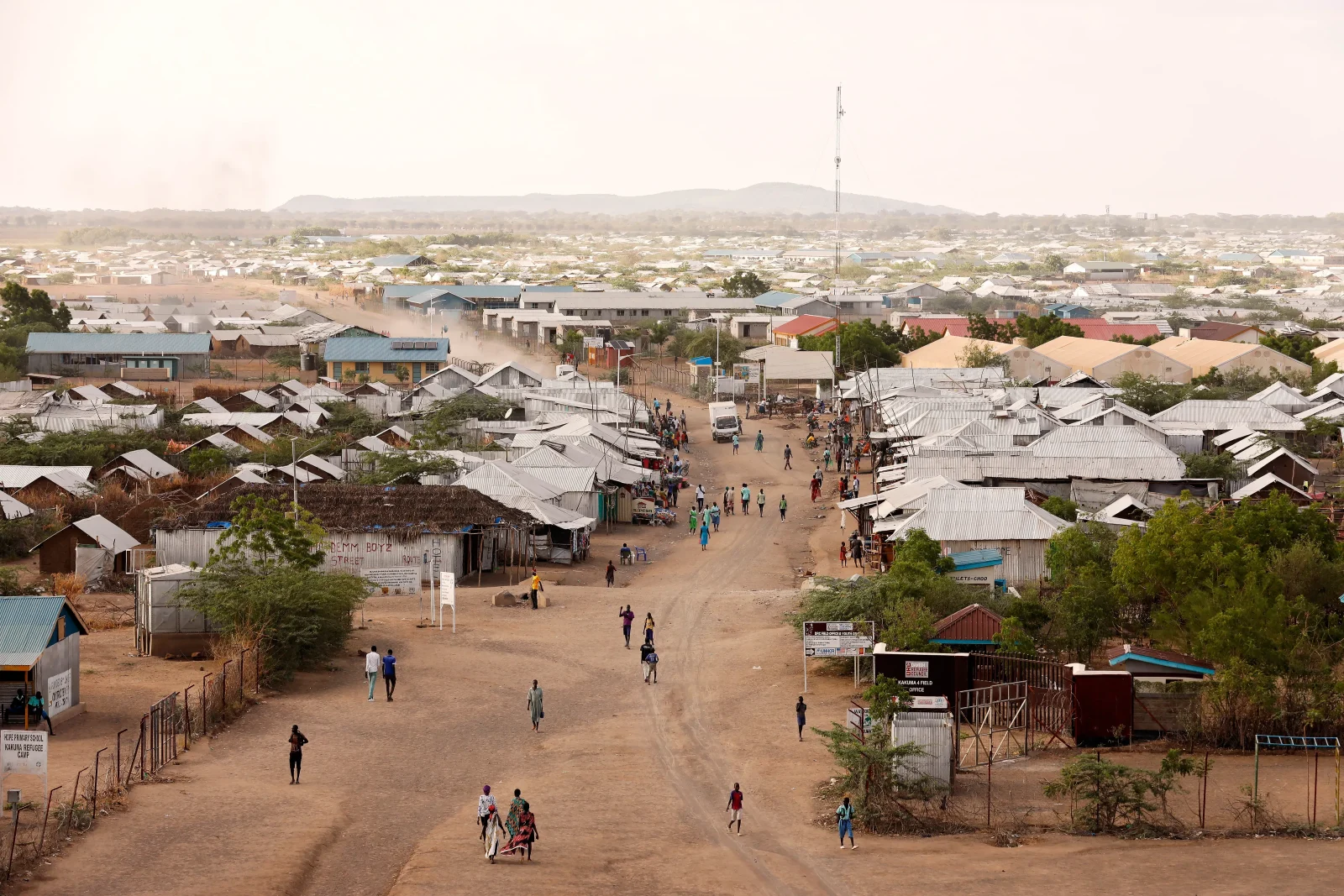
Authorities established Kakuma in 1992 as a refugee emergency shelter for those crossing into northern Kenya to offer direct protection and shelter. Over several decades, its organic growth became a chaotic settlement of tents, UN shelters, and re-purposed tin without any formal layout or infrastructure.
Planners initiated Kalobeyei in 2015 as a recalculated expansion meant to boost resilience, economic integration, and local land ownership. Trucks can move in and drop off supplies on wide roads, and the authorities can easily provide emergency services, unlike Kakuma, which has narrow and poor, improvised lanes. The comparison between the organic and widely dispersed nature of Kakuma and the careful planning of Kalobeyei contrasts how design across more resilient communities can occur as a result of community input.
Dadaab Complex, Kenya
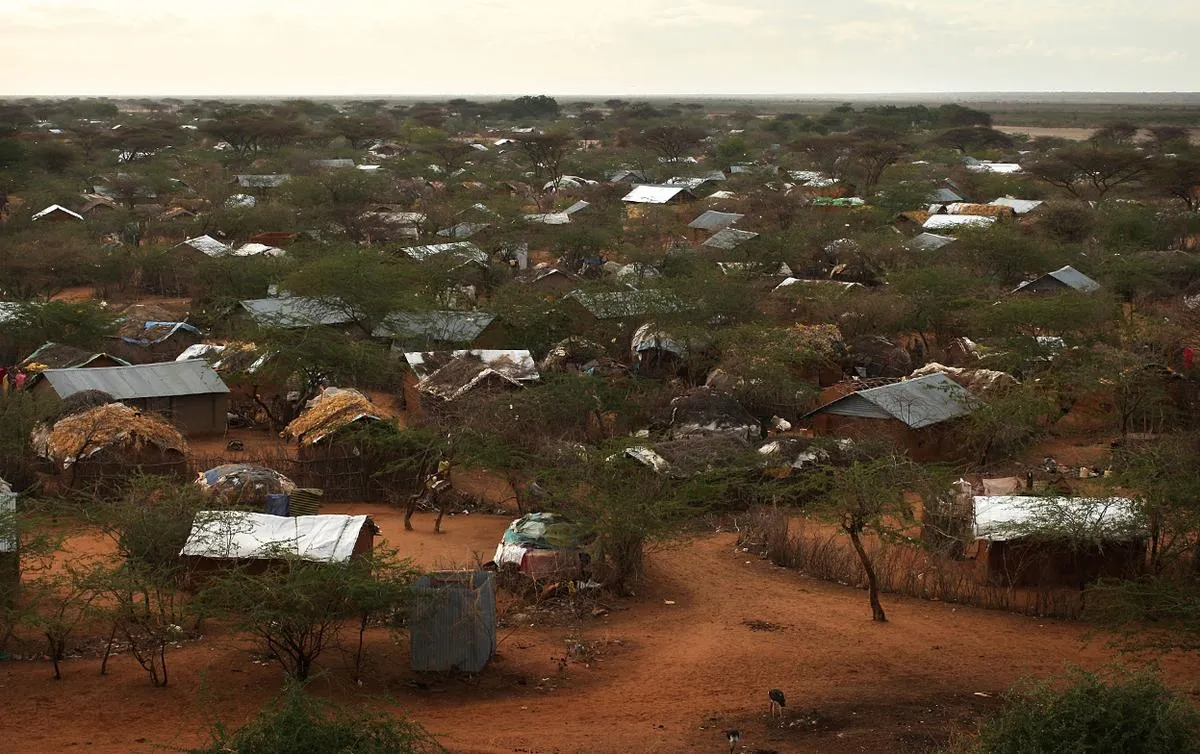
Dadaab once held nearly half a million people. Its camps remain some of the longest-running refugee settlements anywhere in the world. You won’t find high walls or formal urban structures. People build homes from mud, scrap wood, or corrugated metal and rebuild them after every storm.
The layout is informal, following goat paths, supply routes, and cultural preferences for distance, direction, and privacy between homes. The camp makes room for livestock and places of worship and learning, but sanitation struggles and water sources stay under constant pressure. Many refugee camps evolve into long-term settlements, a pattern reflected across different regions across the globe.
Al Hol Camp, Syria
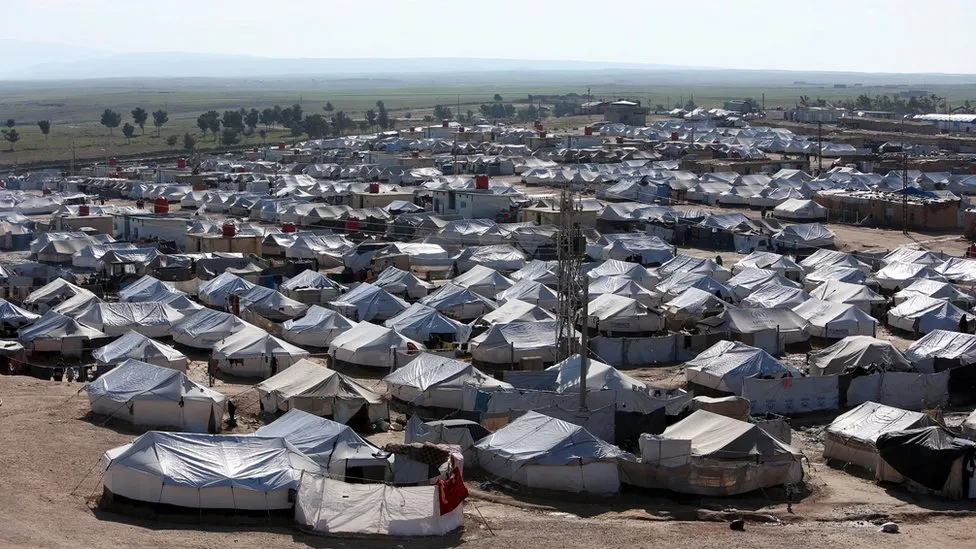
Al Hol is a refugee camp that also acts as a controlled site, monitored heavily, with fences, guards, and divided zones for each group. Shelters follow a strict layout where white tents sit on gravel lots, facing a single direction, watched from every corner by armed patrols.
The lack of marketplaces and minimal shared space limits movement among its inhabitants. Residents have fortified tents with bricks or leftover wood. Authorities closely monitor this architecture, ensuring that no one can add walls without permission or truly own any space, which in turn creates a unique type of occupancy.
Azraq Camp, Jordan
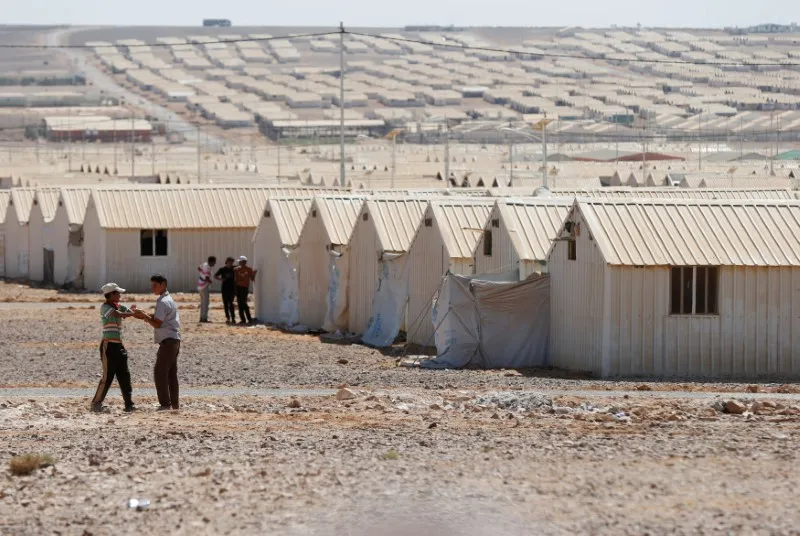
Planners designed Azraq to prevent the disorder seen in Zaatari, creating a perfect grid of identical metal shelters and unshaded open spaces. Everything faces the same way, where the roads cut clean lines between blocks and structures are distant, giving air but lacking warmth, contributing to discomfort among its dwellers.
Heat bounces off zinc walls, and the noise travels easily across the emptiness, making the camp feel deserted even when fully occupied. There are no shops on corners or trees for relief; rather, the architectural design discourages informal adaptation, freezing the camp into a kind of suspended plan. Azraq reminds us that too much order, without trust or flexibility, can erase the spirit of architecture.
Shatila Camp, Lebanon
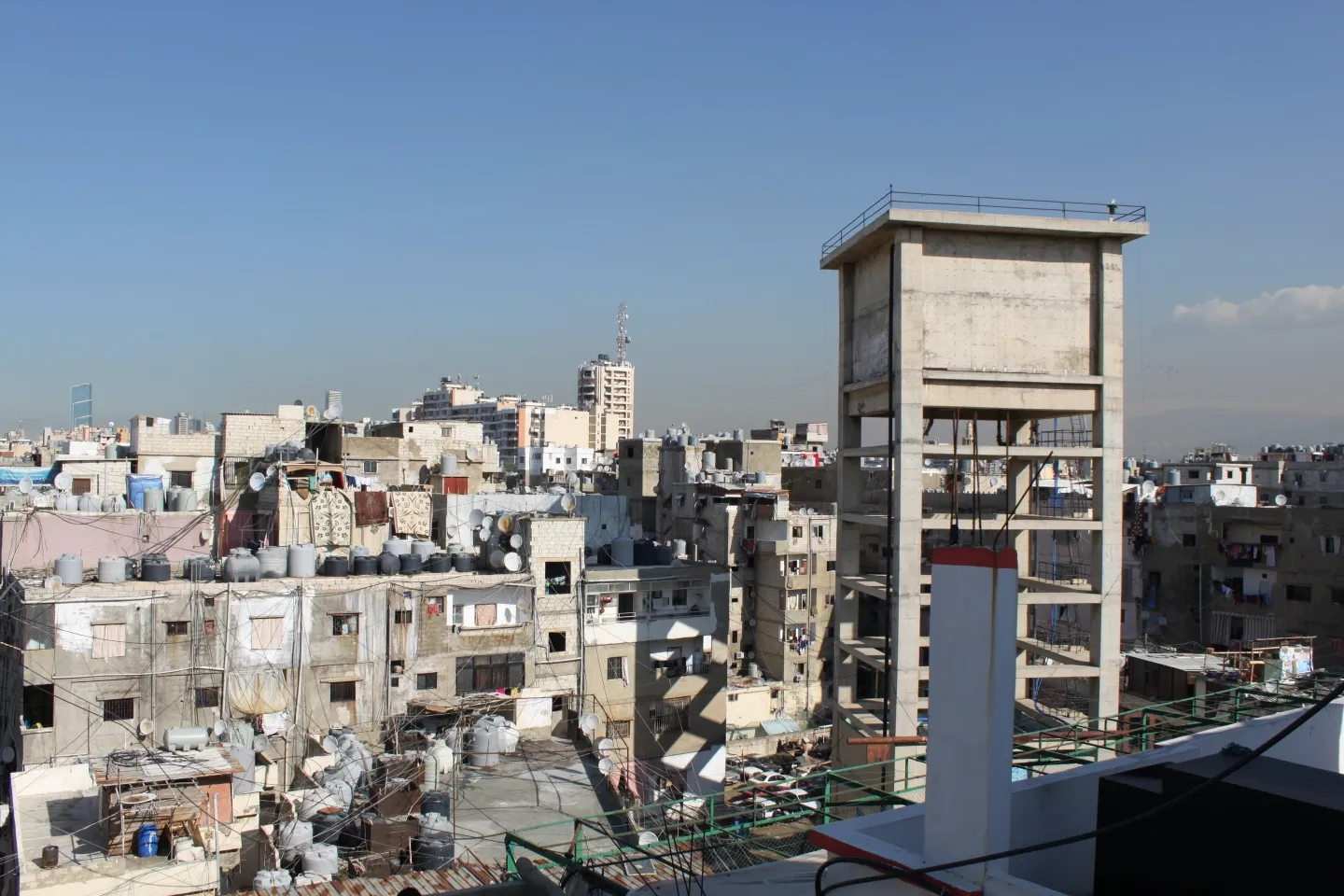
Shatila began in 1949 and never stopped growing; today, it is a vertical and concrete combination of improvised rooms, crumbling stairs, and hidden courtyards. Balconies hang over narrow alleys, and water tanks sit on roofs beside satellite dishes and tangled electric wires.
These buildings have no elevators. Narrow staircases climb past walls patched with tile, wood, or anything that seals a gap, leaving little room for ventilation. The density is suffocating. But inside, homes carry memories for these refugees as photos line shelves and colors brighten worn surfaces. Shatila shows what happens when a camp grows into a permanent city but never gains the rights or services of one.
Mae La Camp, Thailand
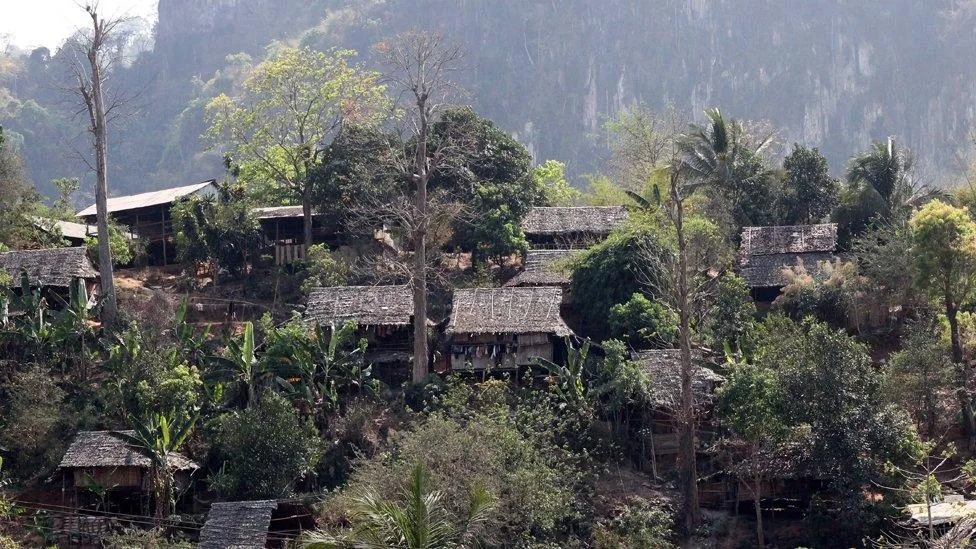
Mae La is the largest refugee settlement in Thailand, hosting Karen refugees from Myanmar since the 1980s within a narrow valley landscape. Builders use bamboo, woven palm leaves, and raised timber floors to construct shelters that avoid monsoon flooding during the long wet season.
The whole camp curves along a twisting road, houses set on terrace slopes close together or hanging to hill sides that have had the wildlife cleared out. The roofs run with the land and are not symmetrical. There is no established grid, and footpaths are rough and well-worn in places, strengthened with reclaimed boards or stone.
Concrete buildings and sealed street roads are absent, as there is an evident infrastructure shortage. Builders raise schools and clinics on stilts and construct them the same way they build houses.
Domiz Camp, Iraq
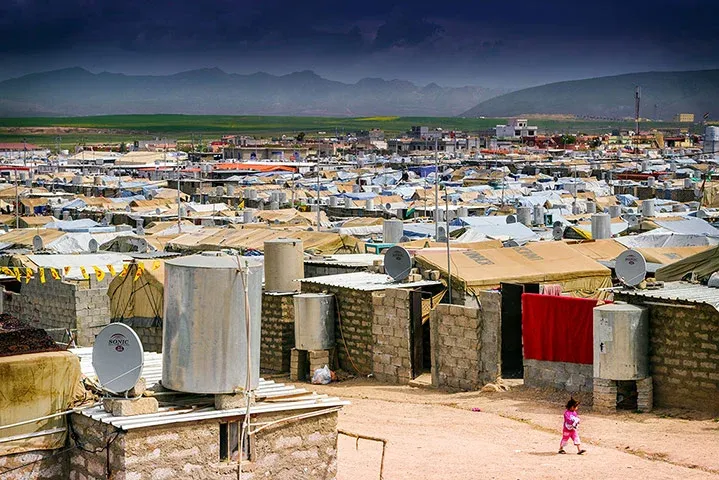
Domiz sits near Duhok in northern Iraq and has housed Syrian Kurds since 2012. It is compact, dry, and increasingly urban in appearance. Most shelters have evolved from tents into cinder block homes with tin roofs, standing along dusty, winding streets edged with informal shops. Planners created the site layout, but residents quickly outgrew it by extending homes into alleys and setting up shops inside courtyards.
Residents added vertical roofs, and electricity reaches many homes, although irregularly. Cables draped across walkways are not an uncommon sight. Despite congestion, social space remains central as shared courtyards, tea stalls, and shaded thresholds define the architecture and pause points between compact homes. Schools and clinics sit at crossroads with narrow roads, and colorful murals with personal touches bring warmth to concrete walls.
Designing Dignity Without Blueprints
Architecture in refugee settlements may not follow traditional rules, but it demonstrates adaptability, resourcefulness, and spatial intelligence under constraint. People build these environments using minimal materials and evolving needs, yet they reveal patterns of organization, communal logic, and spatial problem-solving.
In passive cooling techniques from self-built courtyards to adaptable layouts, every settlement can teach about the manner in which the approaches to design do not necessarily need blueprints. Refugee camps are a reminder that architecture does not only lie in what we design, but it is also what people create when their futures are at stake.
Explore Courses
.jpg "Ondrej Chybik - Rethinking Architecture")