


The University of Toronto has revealed the design for the Temerty Building, a major new academic and research facility set to transform the heart of its St. George campus in Toronto. Designed by MVRDV and Diamond Schmitt in collaboration with Indigenous practice Two Row Architect, the project will replace the outdated west wing of the existing Medical Sciences Building and establish a new center for health research, teaching, and campus life.
Positioned at the corner of King’s College Road and King’s College Circle, directly opposite the historic Convocation Hall, the building occupies one of the most prominent gateways to the university’s Front Campus. The existing west wing of the Medical Sciences Building, completed in 1969, no longer meets the needs of contemporary research and teaching. Its replacement aims to provide a more flexible, future-ready facility while preserving connections with the broader medical campus through existing corridor links.
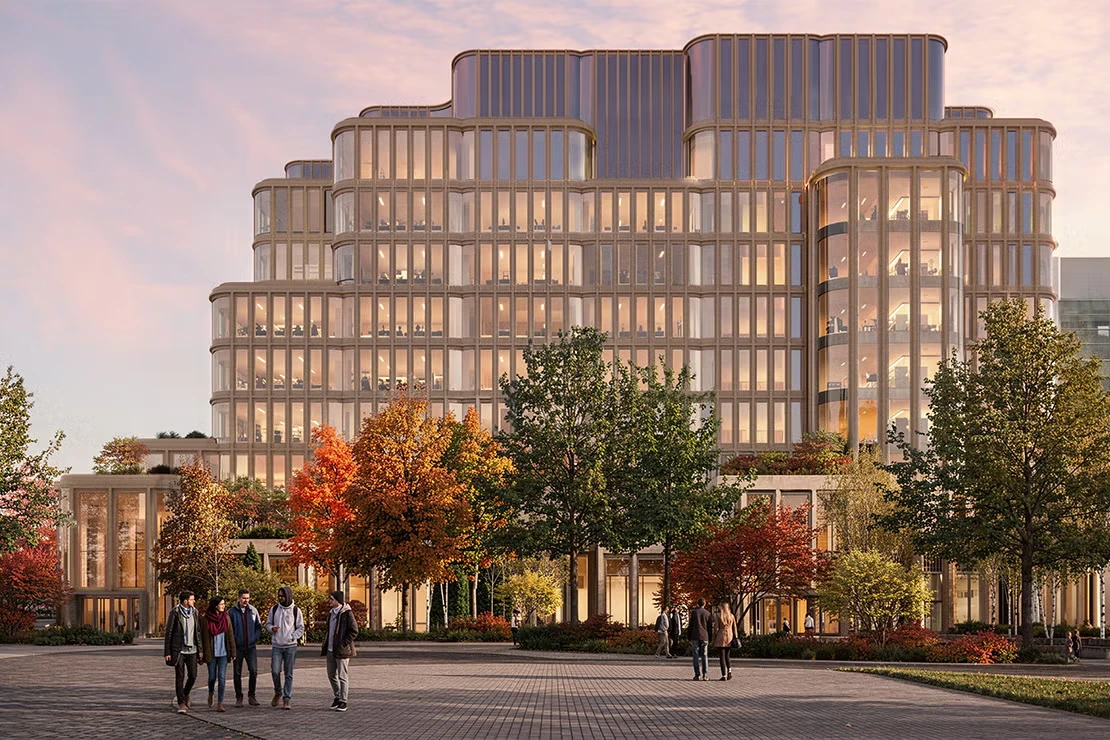
The Temerty Building is planned as a nine-storey, approximately 388,000-square-foot (around 36,000-square-meter) facility, with nearly 60 percent of its total area dedicated to research functions. It will bring together the Faculty of Medicine and the Faculty of Arts & Science, supporting specialized laboratories for infectious disease research, aquatic disease models, and advanced medical education. Alongside laboratories and classrooms, the project is designed to encourage collaboration between researchers, students, and faculty through shared spaces and informal meeting zones.
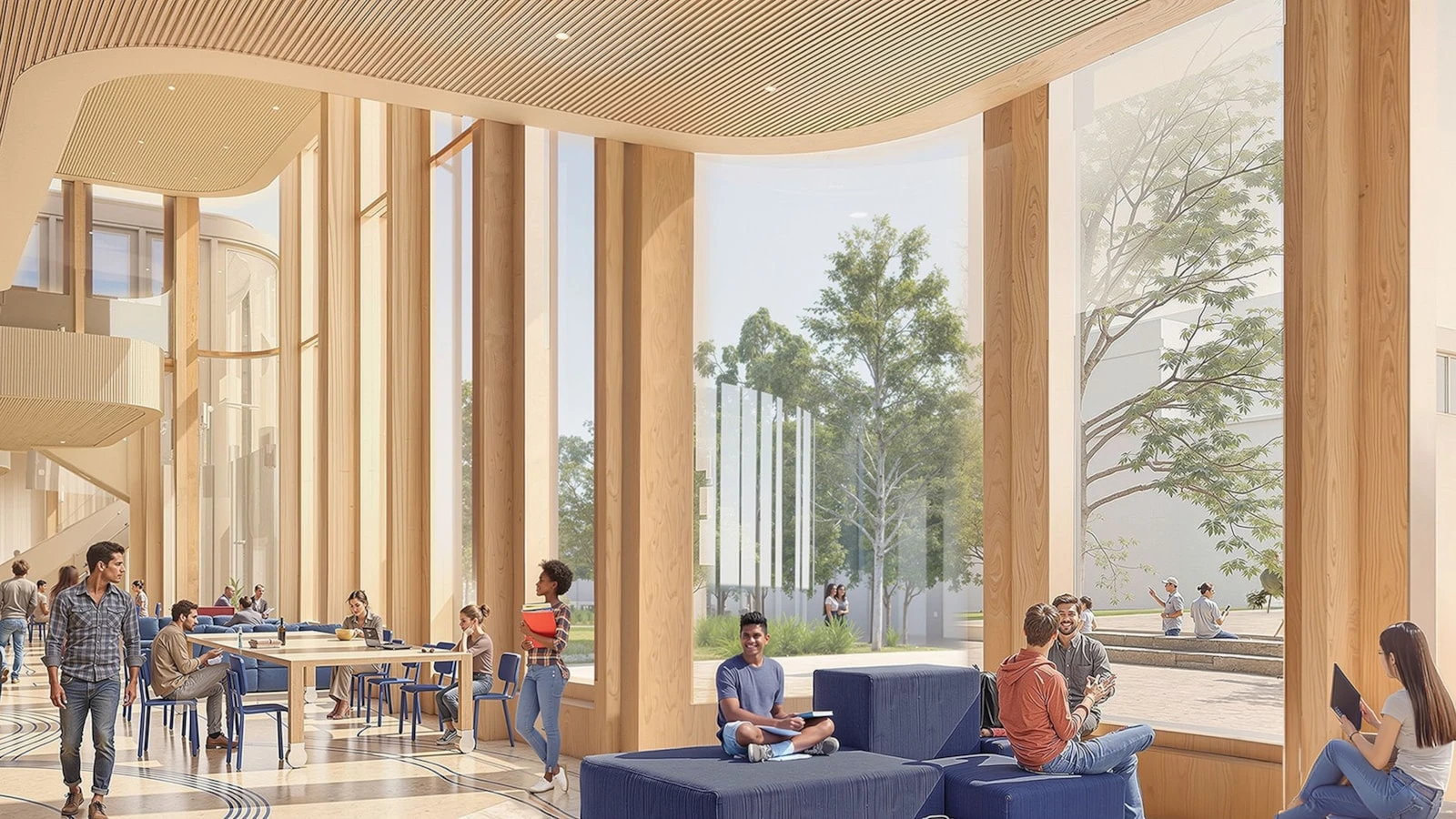
The building has been conceived as an open and socially active part of campus life. Its lower floors include flexible communal areas and multi-purpose spaces intended to support intellectual exchange, public interaction, and ceremonial university events. MVRDV founding partner Nathalie de Vries described the project as a place that creates “productive friction,” where generous communal spaces allow researchers and students to forge connections and exchange ideas.
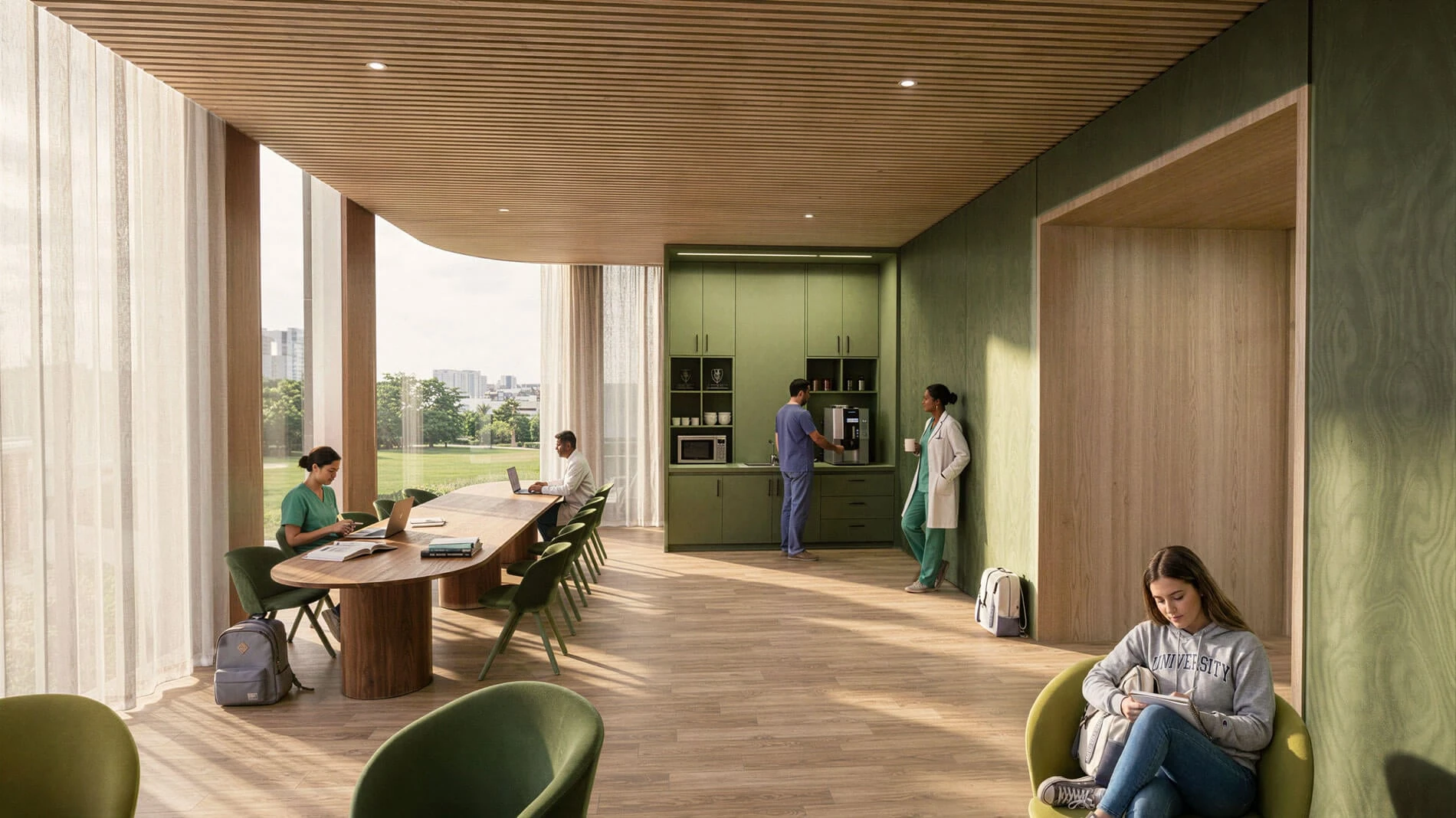
Inspired by Toronto’s distinctive escarpments, the design translates the region’s geological landscape into a sculptural architectural form. Large transparent areas and an open ground level help reconnect the building to the surrounding landscape, opening views and access that had been closed off for nearly 50 years. Diamond Schmitt principal Donald Schmitt emphasized that the design seeks to balance durability and functionality with warmth and openness, creating a building that serves both science and community.
The collaboration with Two Row Architect adds an important Indigenous design perspective to the project. Their contribution is rooted in principles of designing with the land rather than simply building on it. As noted by Erik Skouris of Two Row Architect, the project is guided by original laws and teachings that shape how communities live and care for one another, helping the building move beyond technical performance toward a deeper cultural relationship with place.
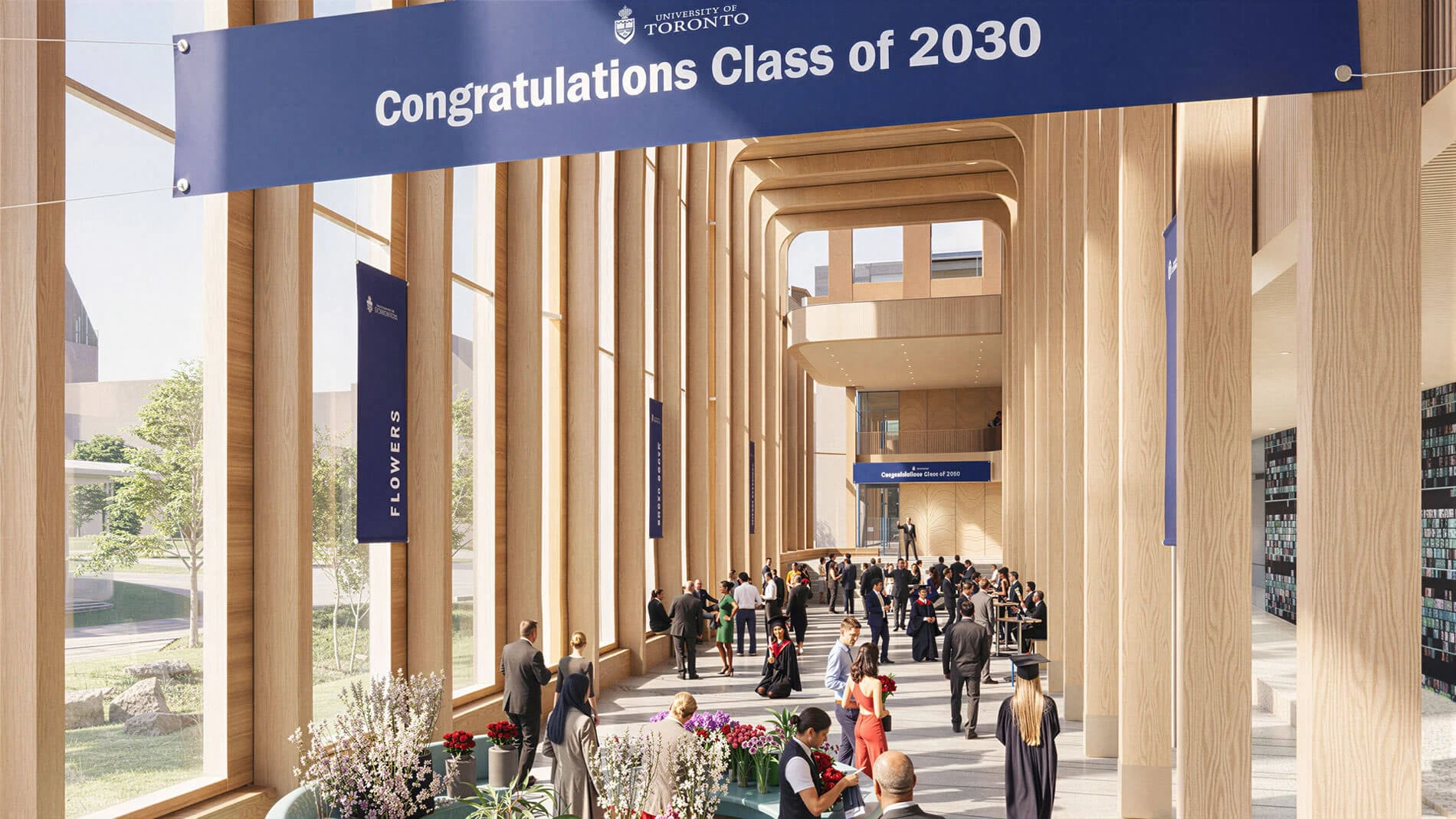
The Temerty Building also continues the partnership between MVRDV and Diamond Schmitt at the University of Toronto, following their work on the Scarborough Academy of Medicine and Integrated Health project, which is scheduled for completion in late 2026. With the new Temerty Building, the firms are once again shaping the future of health education in Canada, this time at the symbolic center of one of the country’s leading research universities.
Image credit: © MVRDV and Diamond Schmitt