









There are movies that everyone watches over and over again without getting tired of them. Some of these movies stay in our minds not only because of their stories and characters, but also because of the places where the events unfold. These movie houses, which draw us in and stimulate our imagination as we watch the film, become architectural characters that make us wish they were real, even though they are merely set decorations.
Many of us, while watching The Grand Budapest Hotel, have imagined spending even a single night in that pink hotel or wished to attend one of the extravagant parties at Gatsby’s house in The Great Gatsby.
Here are 6 iconic movie houses we wish existed in real life.
1. Grand Budapest Hotel
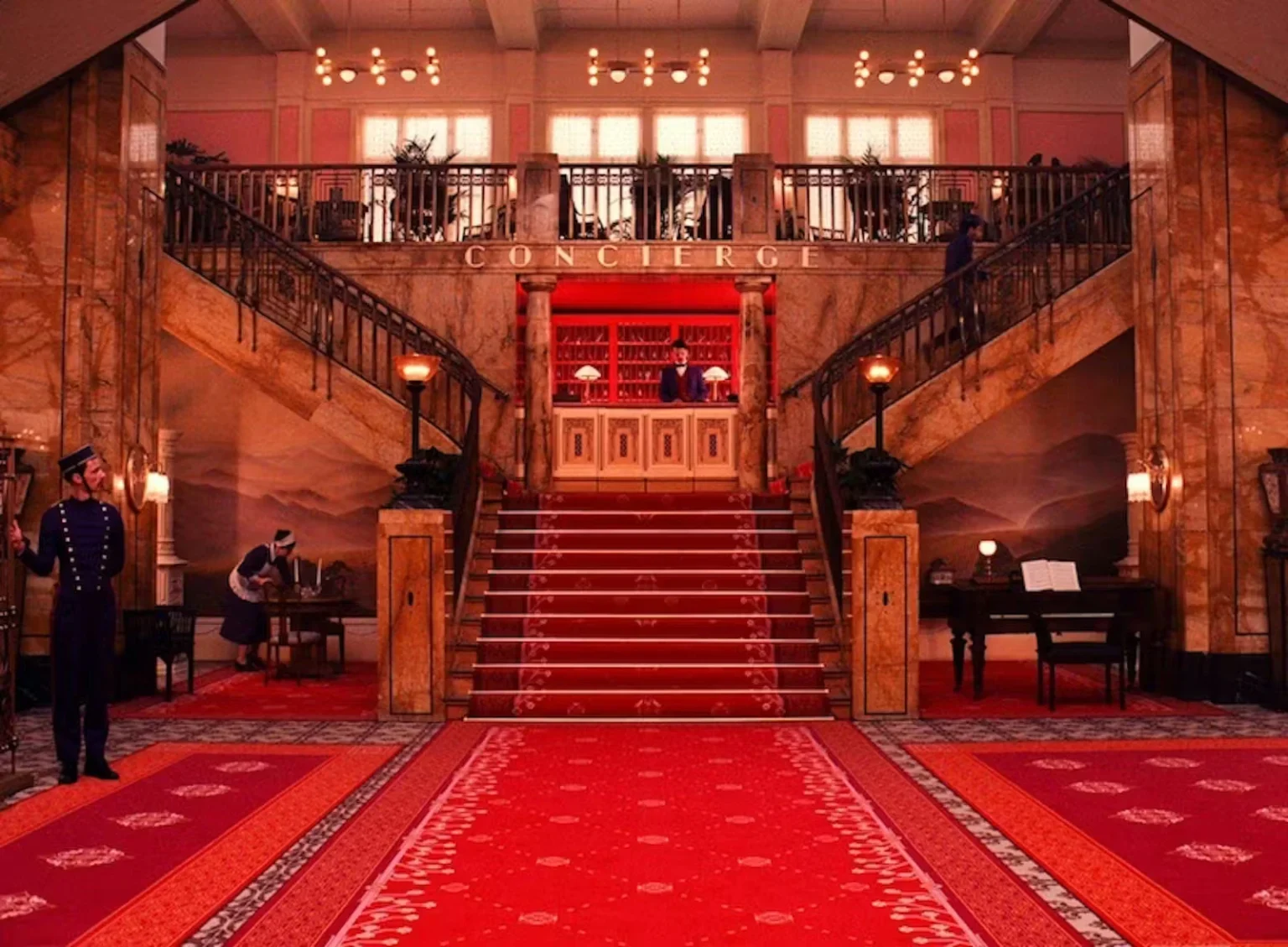
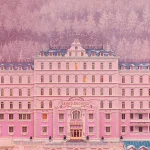
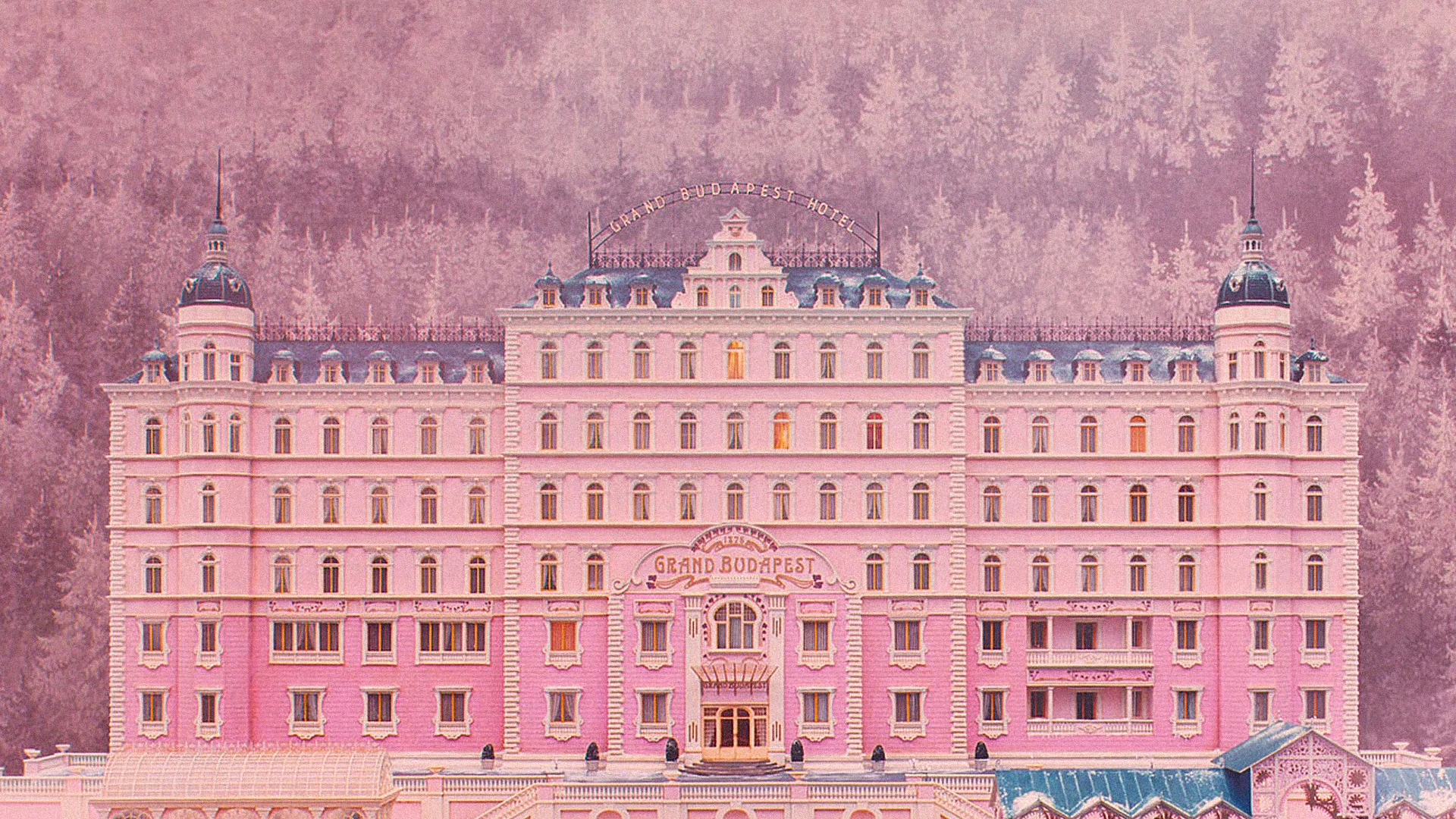
The mesmerizing hotel in Wes Anderson’s The Grand Budapest Hotel is a place many people dream of visiting and staying in. Inspired by French Renaissance architecture, Art Nouveau, and early-20th-century European design, the Grand Budapest Hotel was intentionally conceived as an eclectic composition. Its pale pink façade, towers, and mansard roof recall the elegant European hotels of the 1930s.
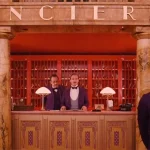
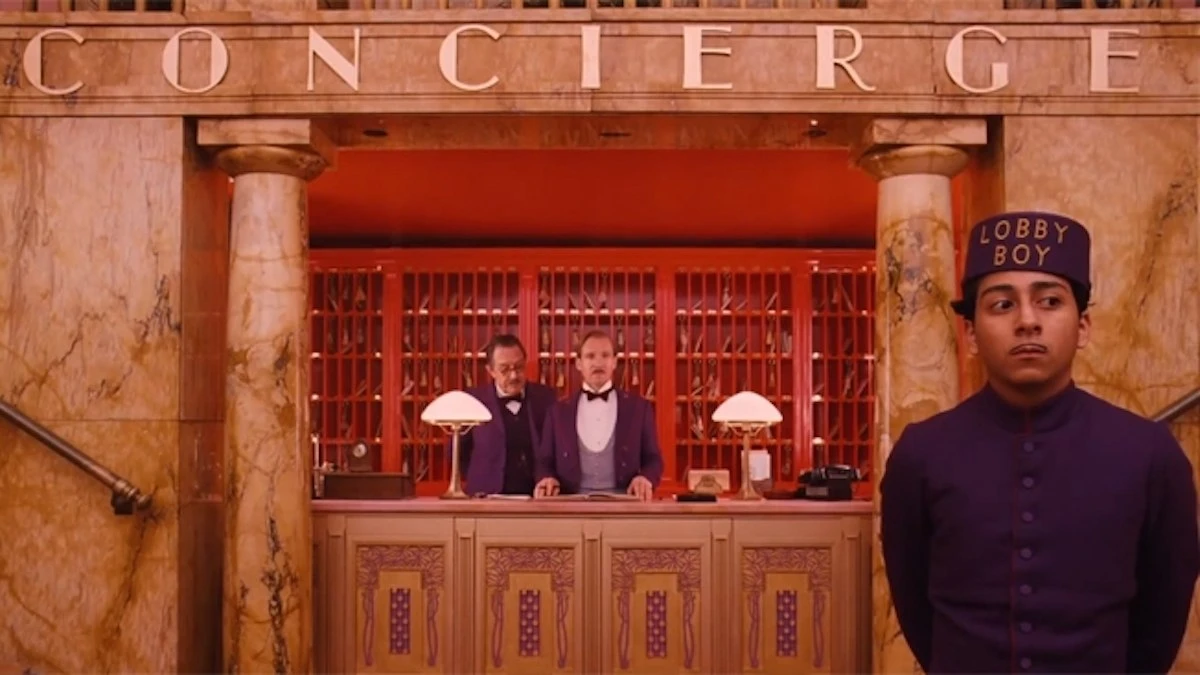
The Art Nouveau influence is also subtly present in the interior, with a vibrant color palette of warm reds, bold pinks, and golds that intensifies nostalgia and elegance against the external fear of war and authoritarianism.
The Grand Budapest Hotel, which we wished truly existed throughout the film, is actually a handcrafted miniature model. This nine-meter-tall, pinkish, palatial toy house was filmed in front of a green screen so that the background image could be added later.
2. Barbie DreamHouse / Barbie
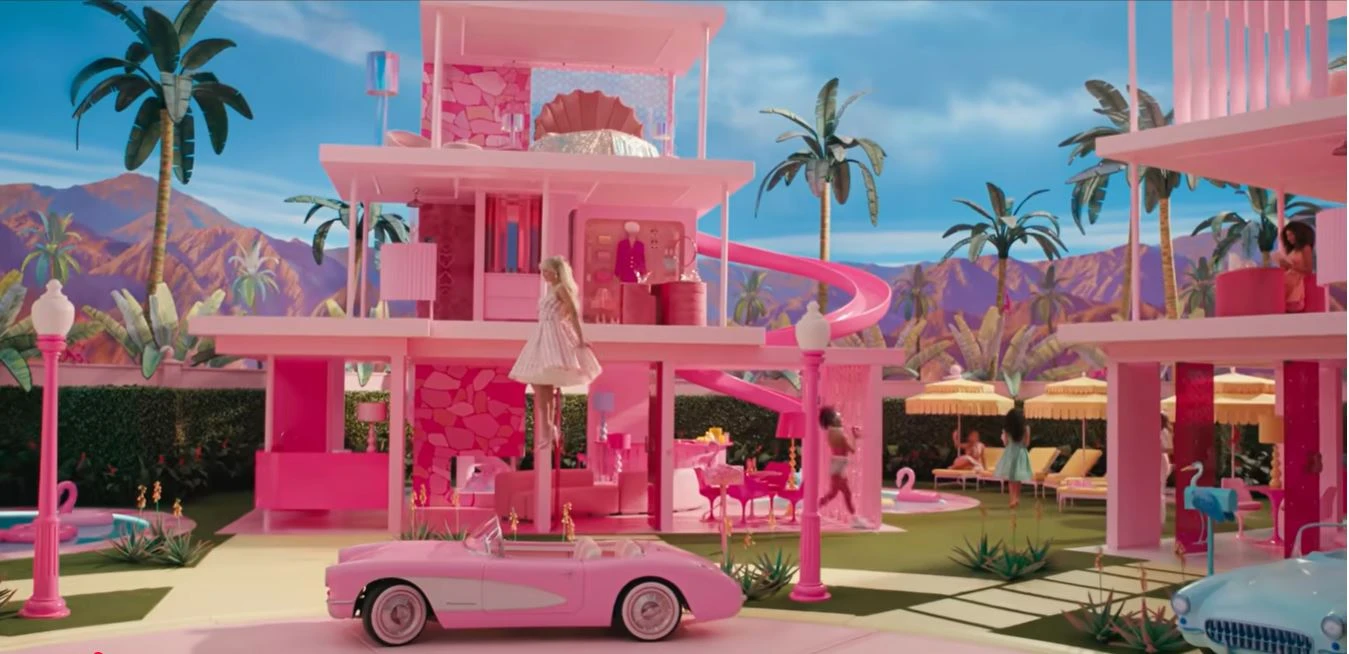
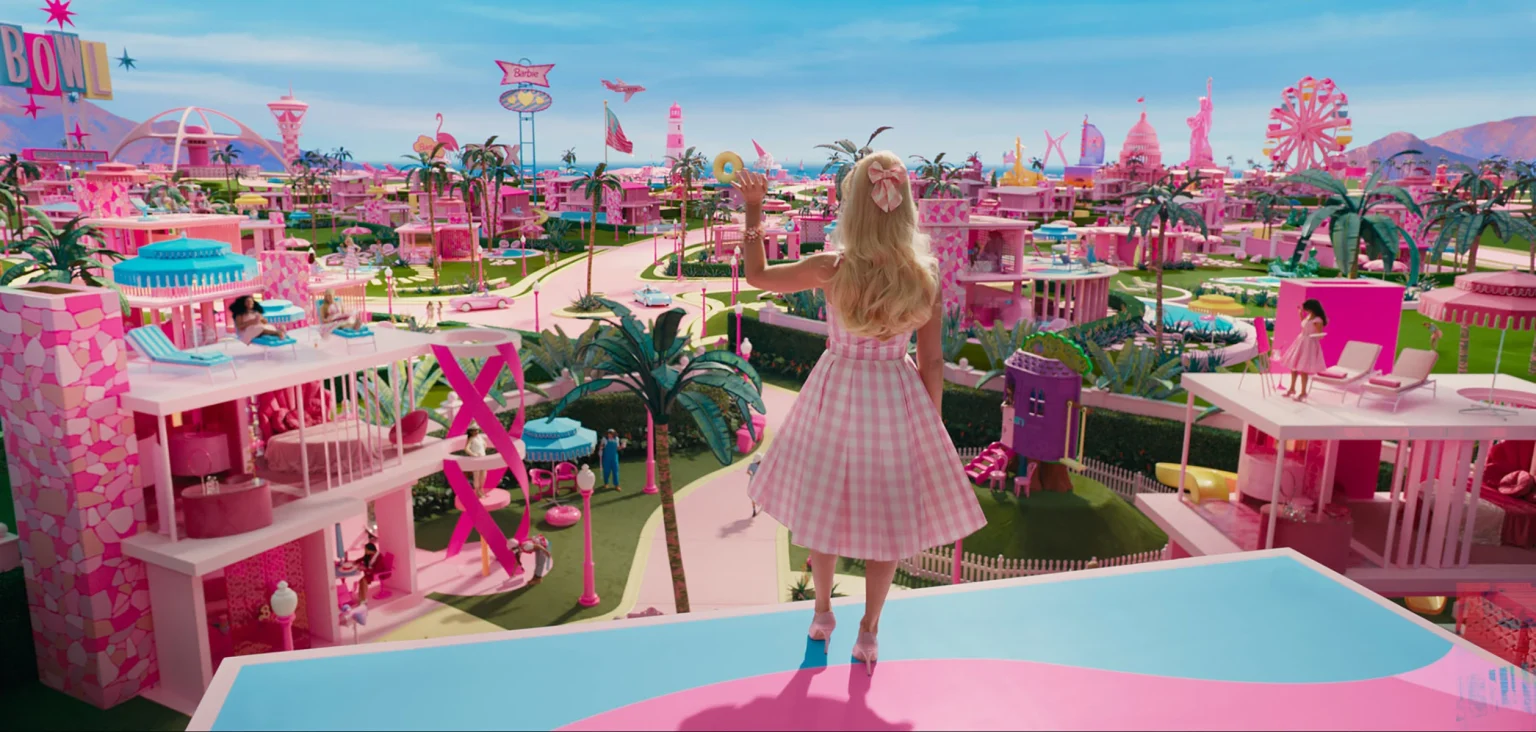
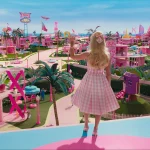
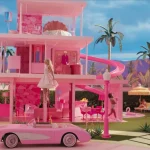
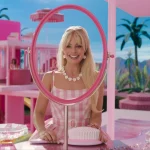
The Barbie Dream House, featured in the Barbie movie, is one of the most recognizable homes in popular culture. Inspired by the original 1960s Barbie Dreamhouse, many of the dream houses produced by Mattel, and the Kaufmann Desert House designed by Richard Neutra in 1946 in Palm Springs, this dream house is exactly the kind of place we wish could exist in real life. Lacking exterior walls, doors, or stairs, it perfectly fits into Dreamland, where privacy or security isn’t needed.
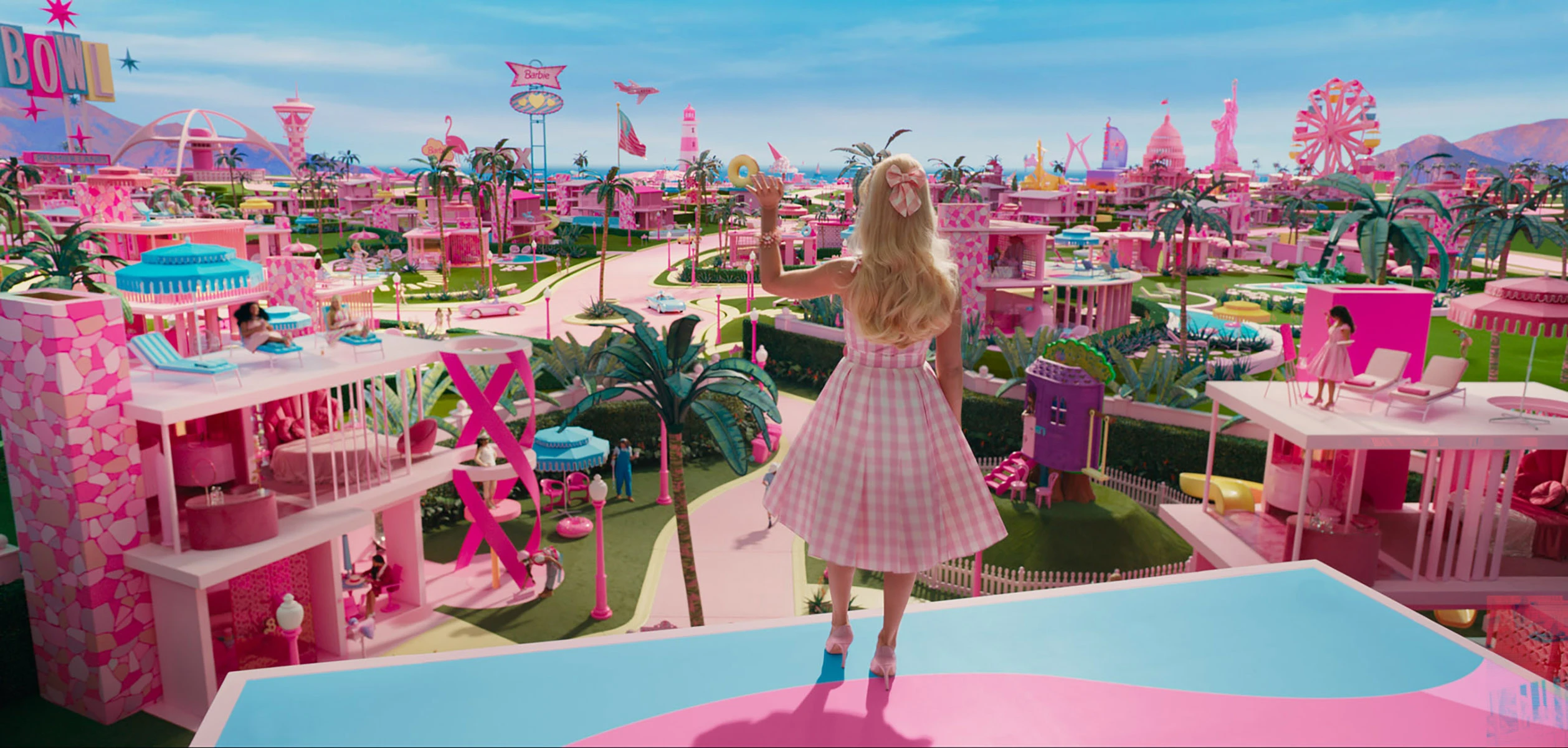
The bright fuchsia-colored dream house looks like a giant toy. Director Greta Gerwig deliberately emphasized this in the movie and designed the houses to be 23% smaller to mimic the absurdity of how the Barbie doll always appears oversized in her own home.
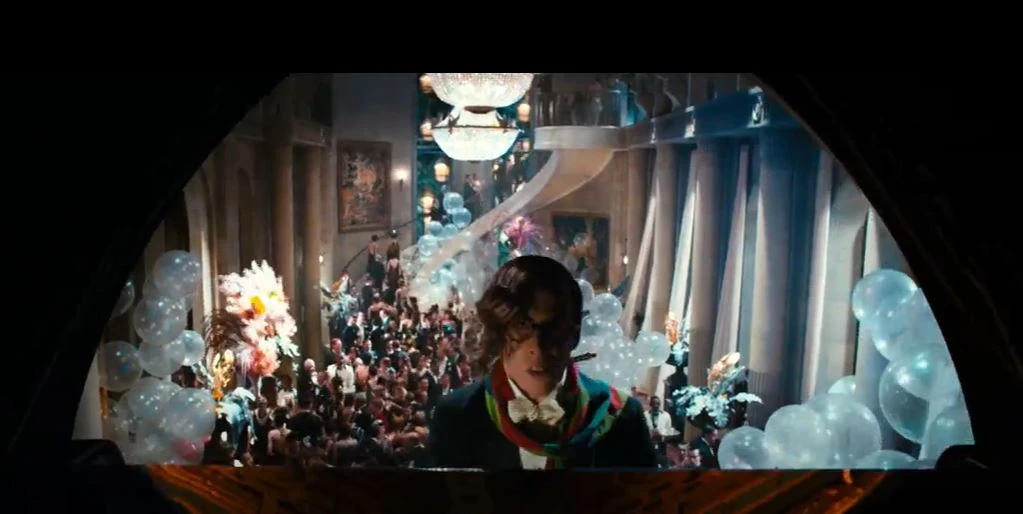
3. Gatsby’s Mansion / The Great Gatsby
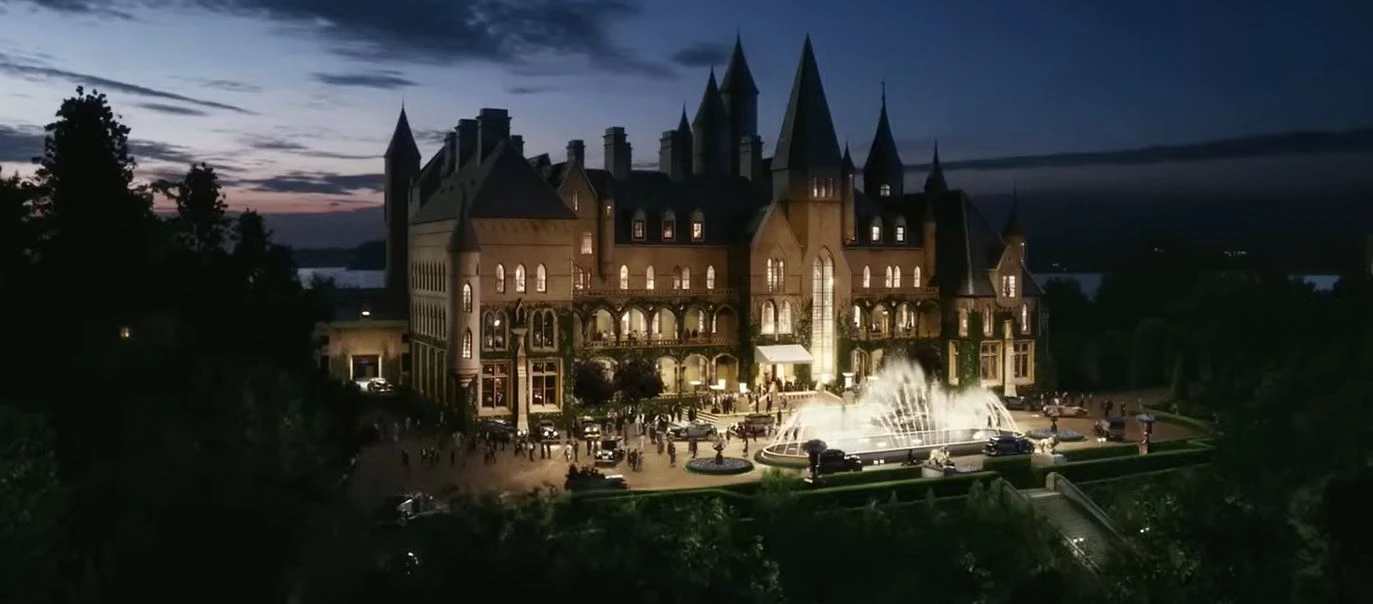
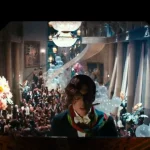
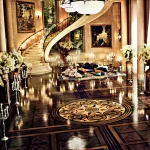
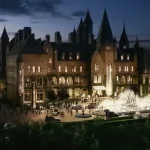
Reflecting the glamour and extravagant opulence of the Jazz Age, Gatsby’s Manor, as seen in The Great Gatsby, adapted from Scott Fitzgerald’s 1925 novel, is one of the most iconic movie houses. With its Art Deco design symbolizing the 1920s, Gatsby’s Manor reflects the aristocratic lifestyle of the era with its vast gardens, long staircases, columned facades, and opulent halls.
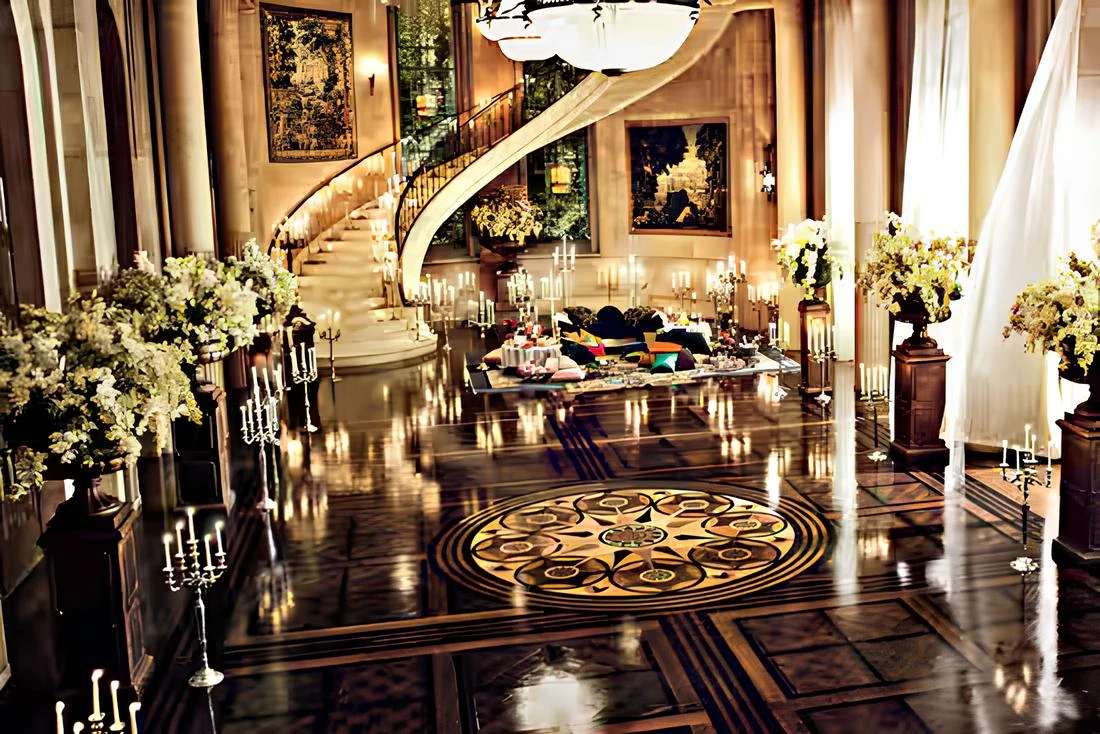
Gatsby’s Manor blends Gothic Revival with its towers, ornate facade, expansive lawns, and meticulously manicured gardens, while the interior, with its luxurious crystal chandeliers, delicate wood carvings, gold filigree ceilings, bold geometric patterns, and opulent materials, embodies Art Deco. This fusion of styles perfectly reflects his burning ambition and the extravagance of the era.
4. Rivendell / Hobbit – The Lord of the Rings
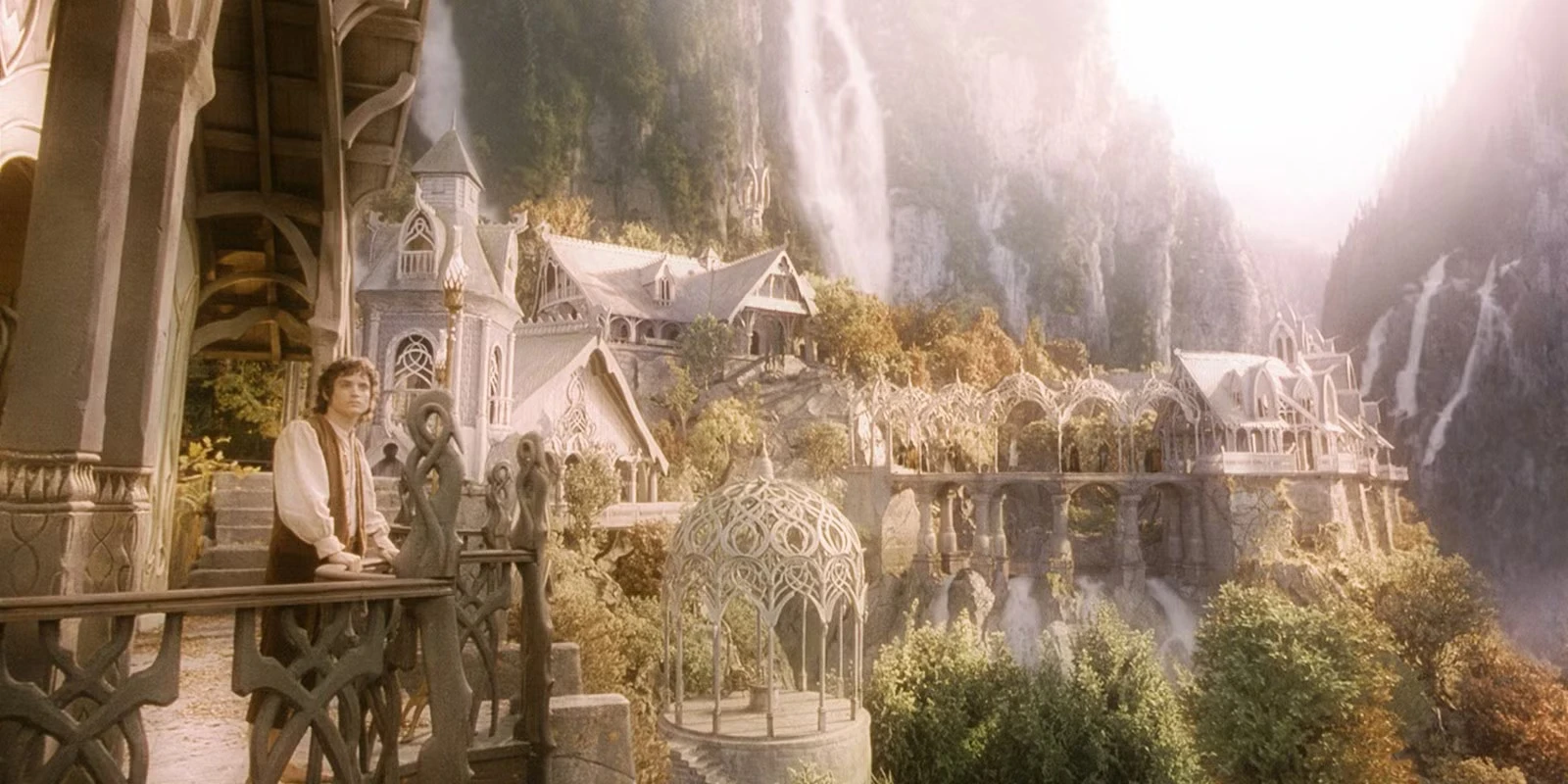
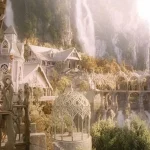
Rivendell, one of the most beautiful settlements in Middle-earth, is a fairytale valley where elves live in perfect harmony with nature, making you wish it were real. Featured in The Hobbit: An Unexpected Journey and The Lord of the Rings: The Fellowship of the Ring, this magical place is defined by a blend of Art Nouveau details and Celtic-inspired design. With its tall, muscular columns that begin to resemble trees and its curved lines that seem to reflect nature, Rivendell’s built environment is intertwined with and shaped by nature itself.
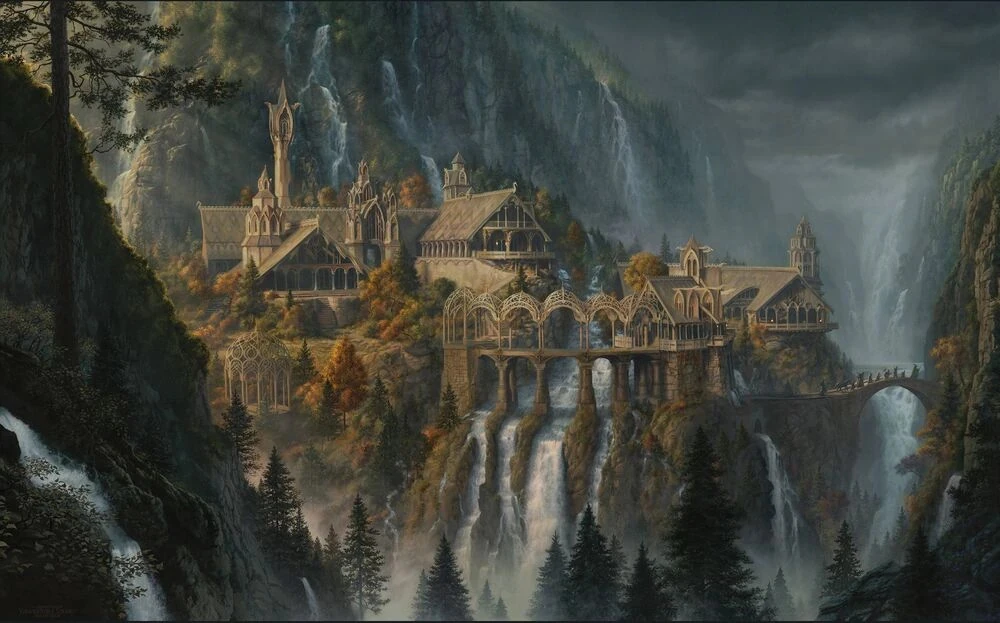
The repeating patterns seen in many of the arches and columns in the background add a sense of structural harmony to the Art Nouveau aesthetic. Feeling as if it has existed for hundreds of years with a strong sense of history, Rivendell is an Elven palace created with computer graphics.
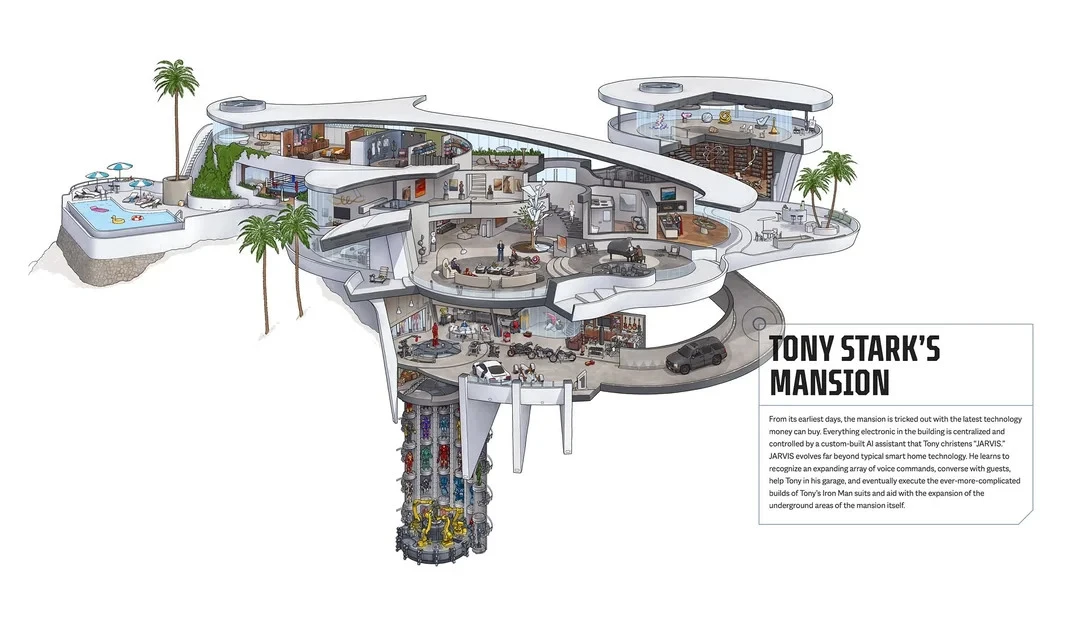
5. Tony Stark’s Malibu Mansion / Iron Man
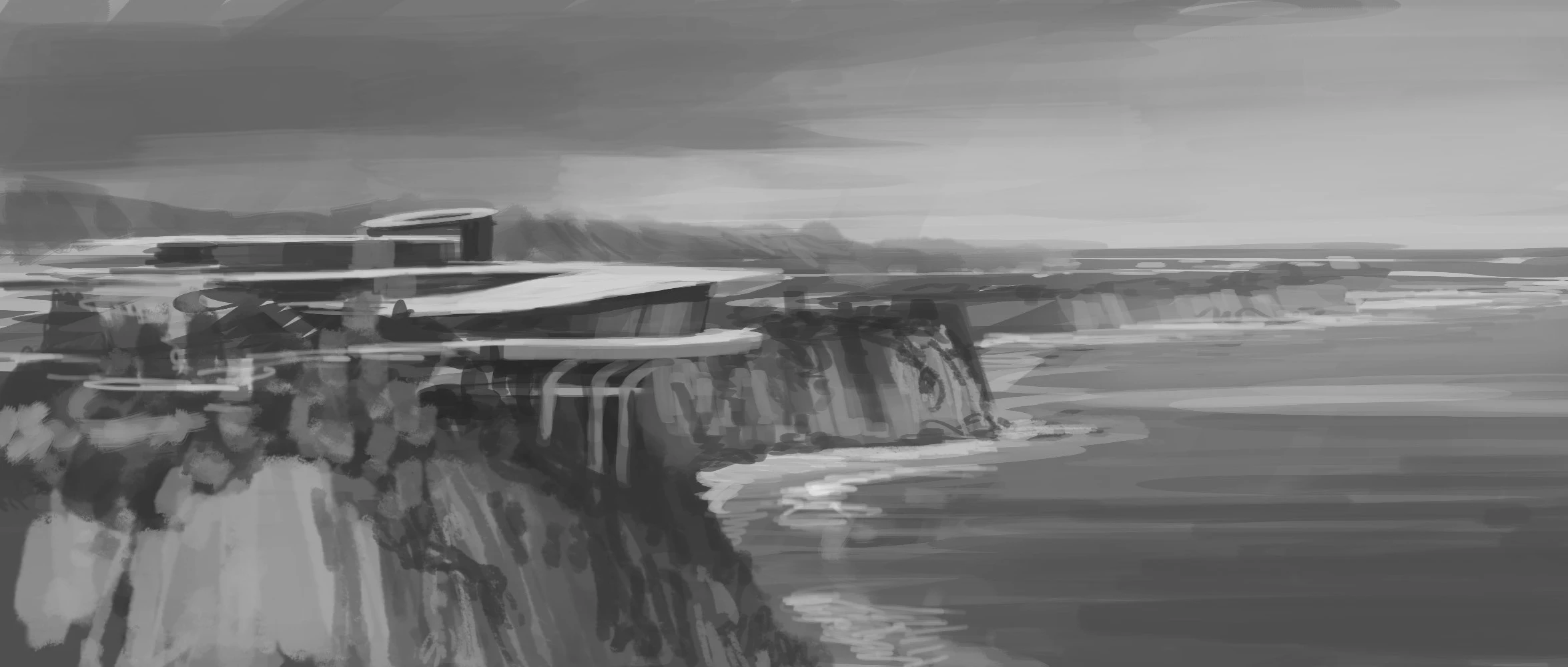
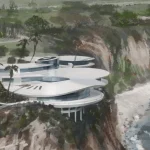
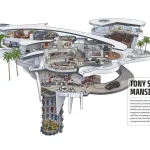
One of the houses that makes us wish it were real, the Malibu Mansion is a modern reflection of the lifestyle of Tony Stark, the character we know as Iron Man in the Marvel Cinematic Universe. Located on a sea cliff overlooking Malibu, the private residence is highly technologically integrated and equipped to be managed by Stark’s personal artificial intelligence, Jarvis. Reflecting contemporary architecture with its expansive glass facades and open-plan living spaces, the guest house in Stark Mansion is cantilevered over the driveway.
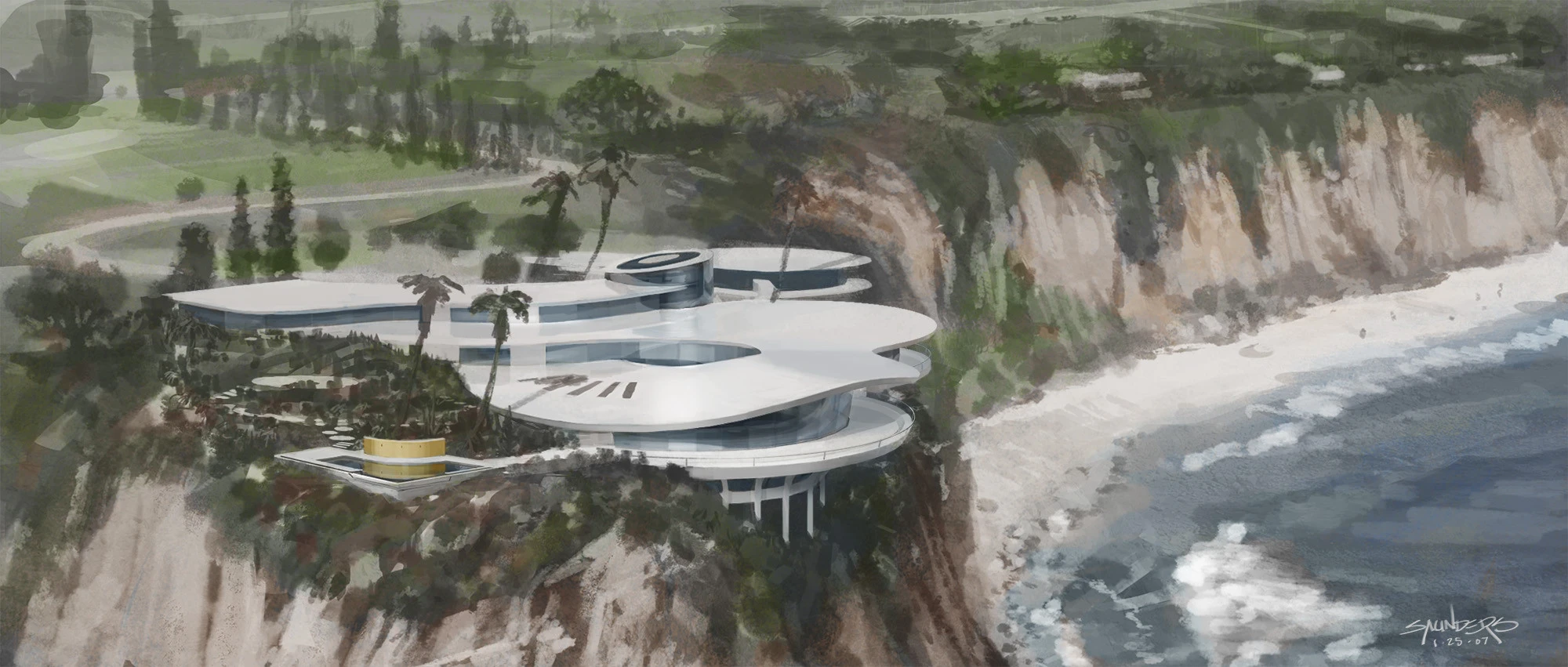
The original concept designs, inspired by the architecture of John Lautner, were brought to life under the direction of production designer J. Michael Riva, with final digital set designs by Kevin Cross. With its stepped organic forms and spiral roof lines, the first sketch perfectly captured the final look.
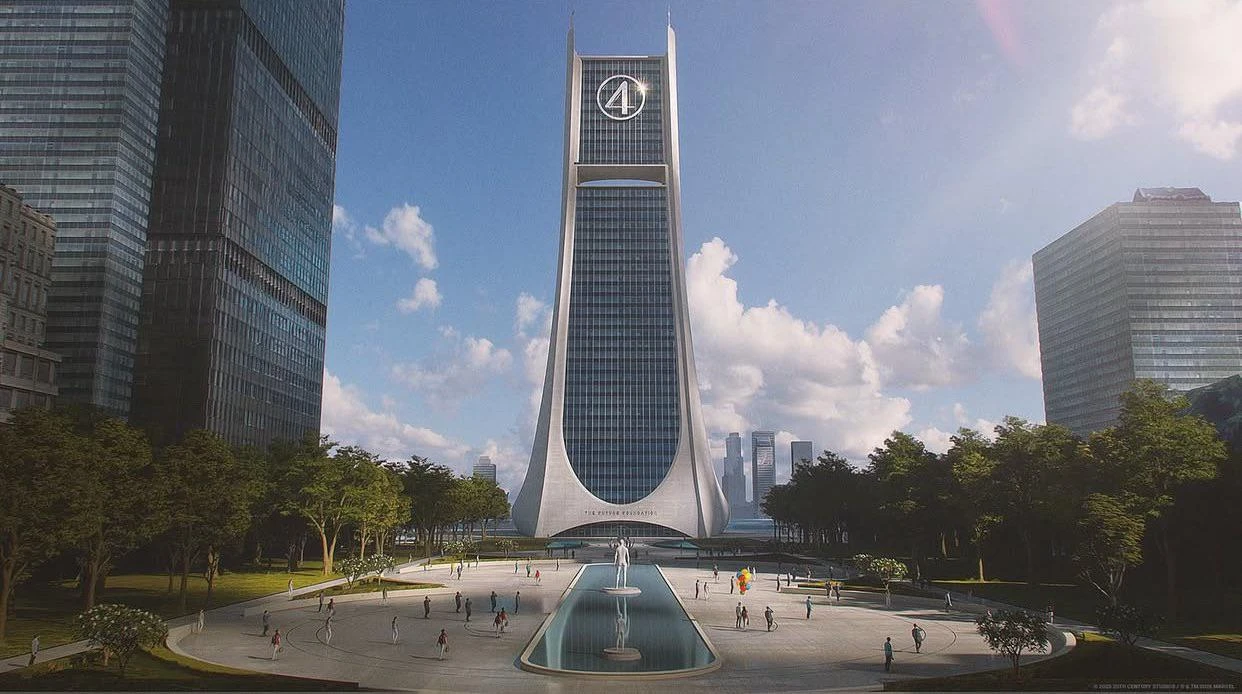
6. Baxter Buildings / Fantastic Four: First Steps
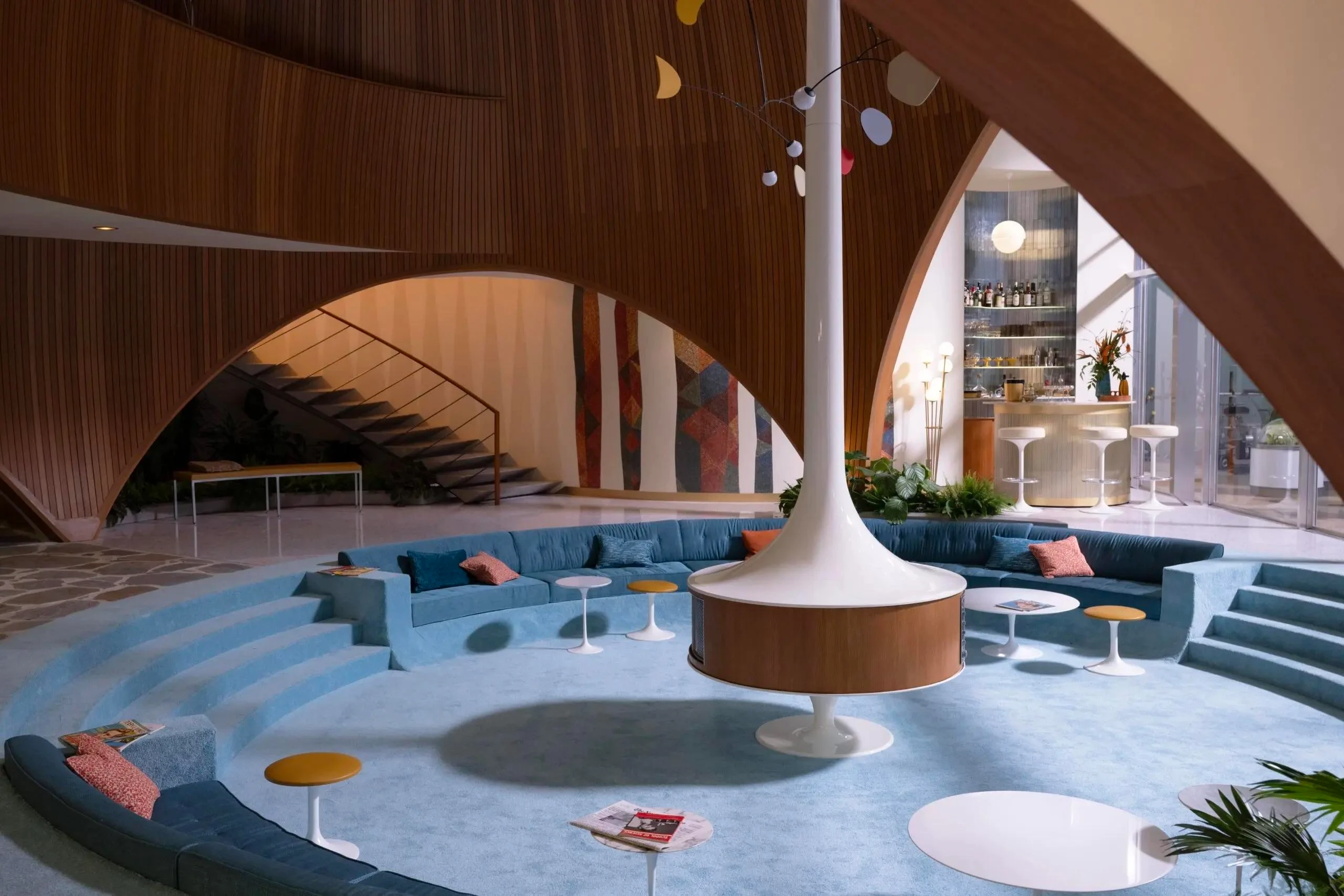
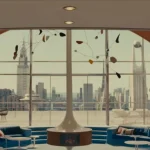
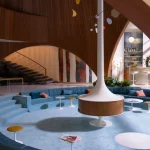
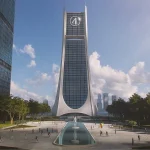
In the Marvel universe, the Baxter Building, the home and laboratory of the Fantastic Four, is the kind of building we wish actually existed. Appearing in Fantastic Four: First Steps as a true mid-century modern dream with its geometric patterns, clean lines, and vibrant warm colors, the Baxter Building is largely inspired by the futuristic and optimistic architecture of Saarinen and Niemeyer.
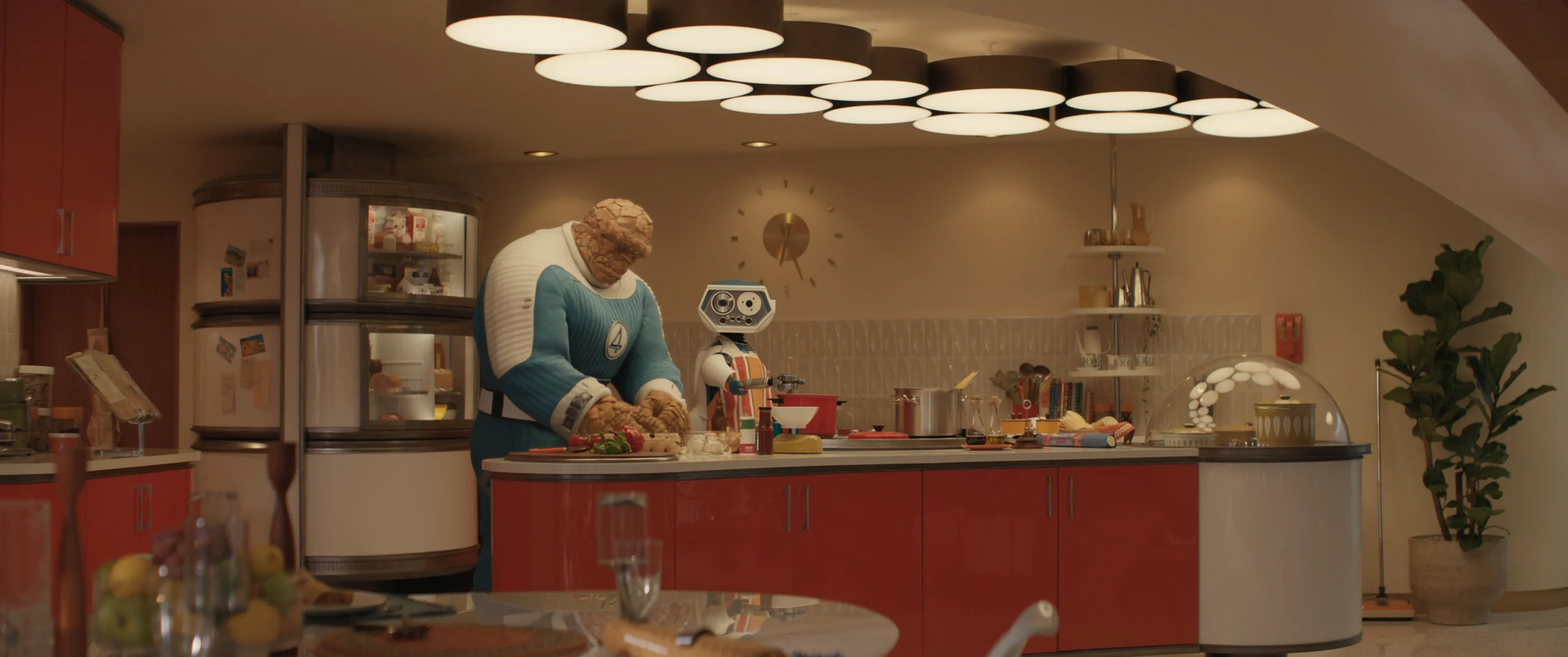
Designed with a retro-futuristic feel, the building features a circular conversation corner in the center of the living room, the color of the Fantastic Four. This carpeted room with an arched staircase is warmed by plenty of ferns, wood, and paving stones. Reed Richards’ laboratory represents a meeting point between the optimistic vision of 1950s science and the digital research laboratories of today. Defined by three brightly colored circles, the laboratory’s red-orange circle represents Reed’s prototype area, the yellow circle is his contemplation and discussion space, and the blue circle is the mission control room.
These iconic cinematic homes show how architecture can leave a lasting impression long after the credits roll. More than just backdrops, they shape emotion, build atmosphere, and invite us to dream of stepping into the worlds we usually only experience on screen.