



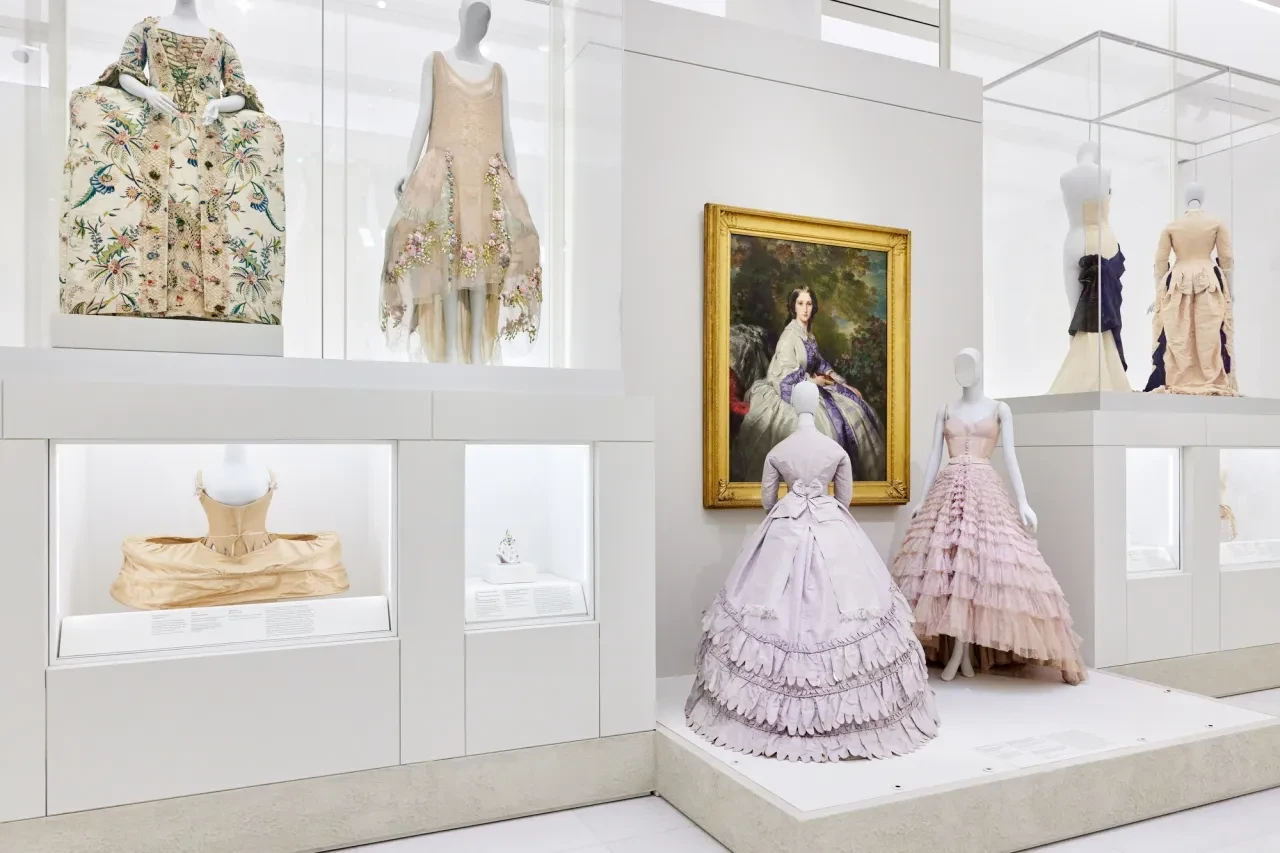


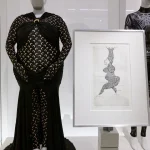
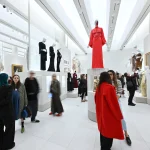

This spring of 2026, the Metropolitan Museum of Art opens Costume Art, a new exhibition that positions fashion as an enduring subject: the dressed body. This is the inaugural exhibition inside The Met’s newly unveiled 12,000-square-foot gallery adjacent to the Great Hall; the show marks a major institutional moment for The Costume Institute.
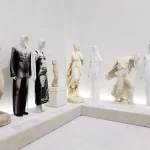
Costume Art approaches clothing through a series of thematic body types. These categories examine how bodies have been idealized, distorted, disciplined, exposed, concealed, and reclaimed across cultures and historical periods. The idea behind the show is simple yet profound: how has the human body been depicted in art and fashion throughout history? By placing Met’s famous outfits next to ancient statues, artworks, and paintings, the museum shows us that clothing is a way we tell the world who we are.
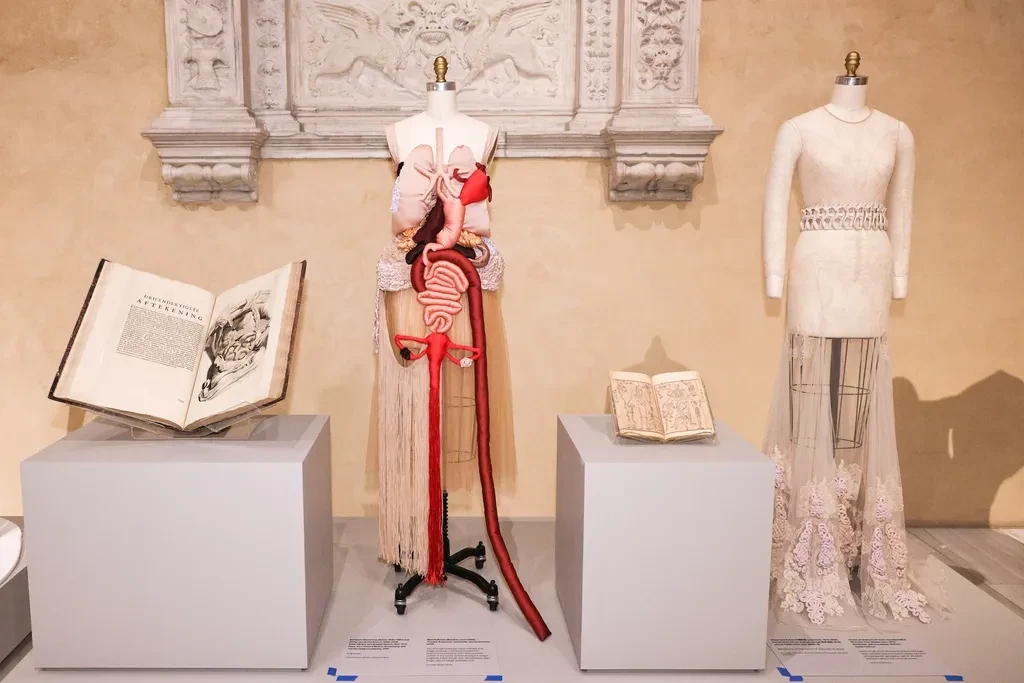
Organized around a series of body types, Costume Art positions dress as an interpretive framework through which broader questions of embodiment, representation, and identity can be reconsidered.
The Exhibition
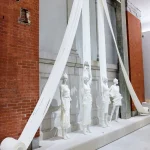
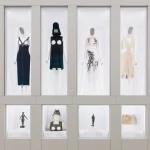
The design of ‘Costume Art’ is just as important as the objects on display. Created by architects Miriam Peterson and Nathan Rich of Peterson Rich Office, the new galleries are designed to feel open and connected.
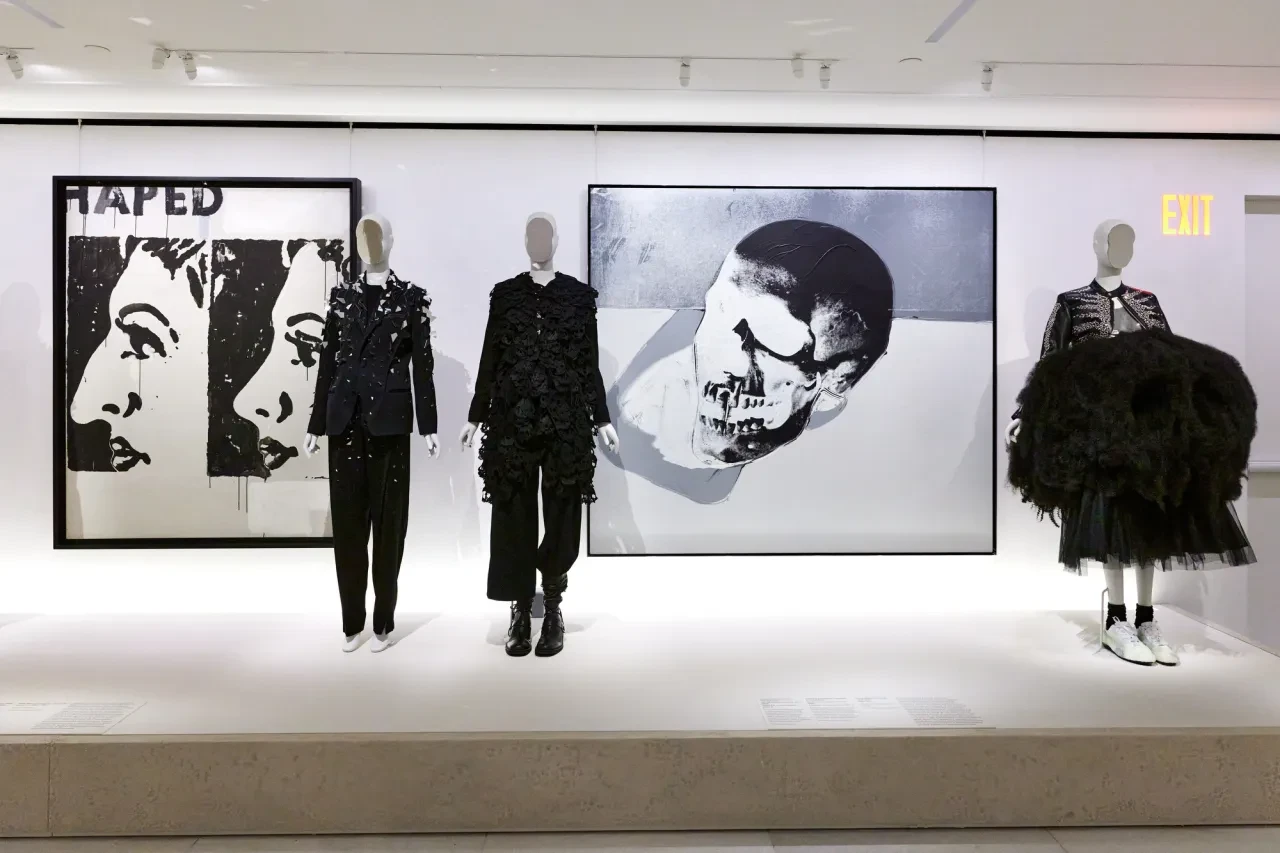
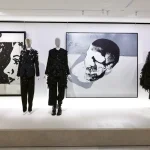
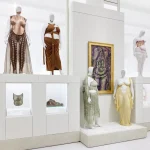
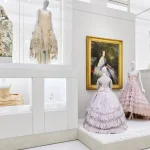
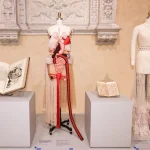
Instead of solid walls, sheer scrims separate the different body-themed sections while still allowing visitors to see across the exhibition. As people move through the galleries, garments, sculptures, and artworks visually overlap. Each object is framed within its own opening, encouraging visitors to closely observe details such as fabric, drapery, texture, and construction.
The galleries themselves shift in scale throughout the exhibition: some rooms are large and monumental, while others are lower and more intimate. Peterson Rich Office refers to these contrasting spaces as “The Cathedral” and “The Crypt,” showing how ceiling height and spatial compression change the way visitors experience the garments.
Fashioning the Body
Throughout the exhibition, the body emerges not just as a fixed biological entity but as something continuously constructed through clothing, imagery, ritual, and cultural projection.
Exposure and Resistance
Rudi Gernreich’s 1985 “Pubikini” appears beside an Egyptian nude fertility statuette from the New Kingdom, positioning selective exposure as sacred symbolism. While the ancient figure frames nakedness through ritual and fertility, Gernreich transforms the exposed body into a deliberate act of political critique.
Elsewhere, punk aesthetics collide with classical ideals through Vivienne Westwood and Malcolm McLaren’s chain-covered “Venus” T-shirt, displayed alongside the marble Venus of Capua. The pairing dismantles notions of feminine beauty and the male gaze, replacing classical sensuality with rebellion.
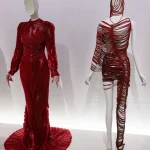
Dilara Fındıkoğlu’s “Earthly Paradise” dress, embroidered with synthetic hair across sheer tulle, references Botticelli’s Birth of Venus while challenging conventions of modesty. Nearby, Anthony Vaccarello’s transparent Saint Laurent ensemble enters into dialogue with a Mughal painting of Zaib-un-Nissa dressed in translucent muslin, demonstrating contemporary fashion.
Sculpting the Ideal Body
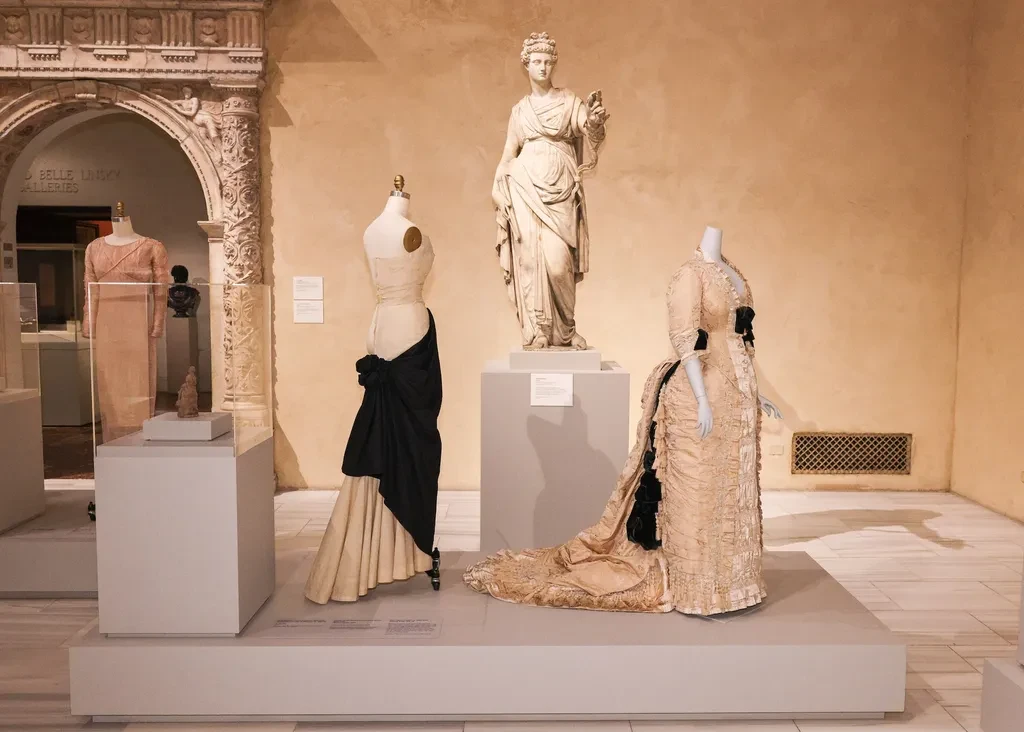
Greek and Roman ideals of symmetry, proportion, and sculptural form reappear through garments that transform fabric into architecture-like surfaces.
Dolce & Gabbana’s sequined “Eupheme” gown, positioned beside a bronze Aphrodite statuette, creates the illusion of sculpted nudity despite fully covering the body. Glenn Martens’s Y/PROJECT ensemble similarly reproduces muscular anatomy through trompe l’oeil construction, directly referencing the famous Diadoumenos sculpture attributed to Polykleitos.
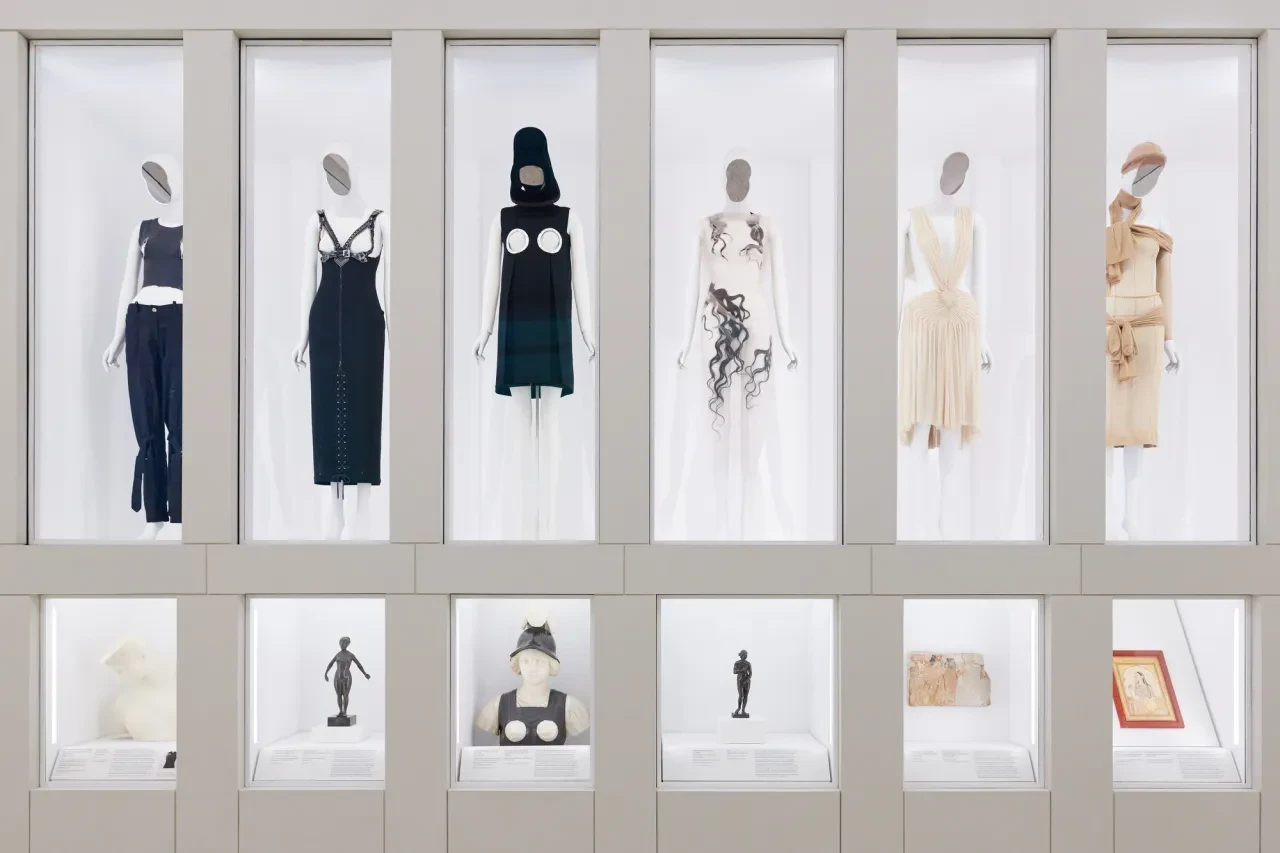
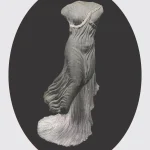
This fascination with sculptural drapery continues through works by Maison Margiela under John Galliano, Dimitra Petsa, Madame Grès, Madeleine Vionnet, and Fortuny. Pleating, bias cuts, translucent silks, and “wet drapery” effects transform garments into fluid extensions of the body itself.
Skin, Movement, and Transformation
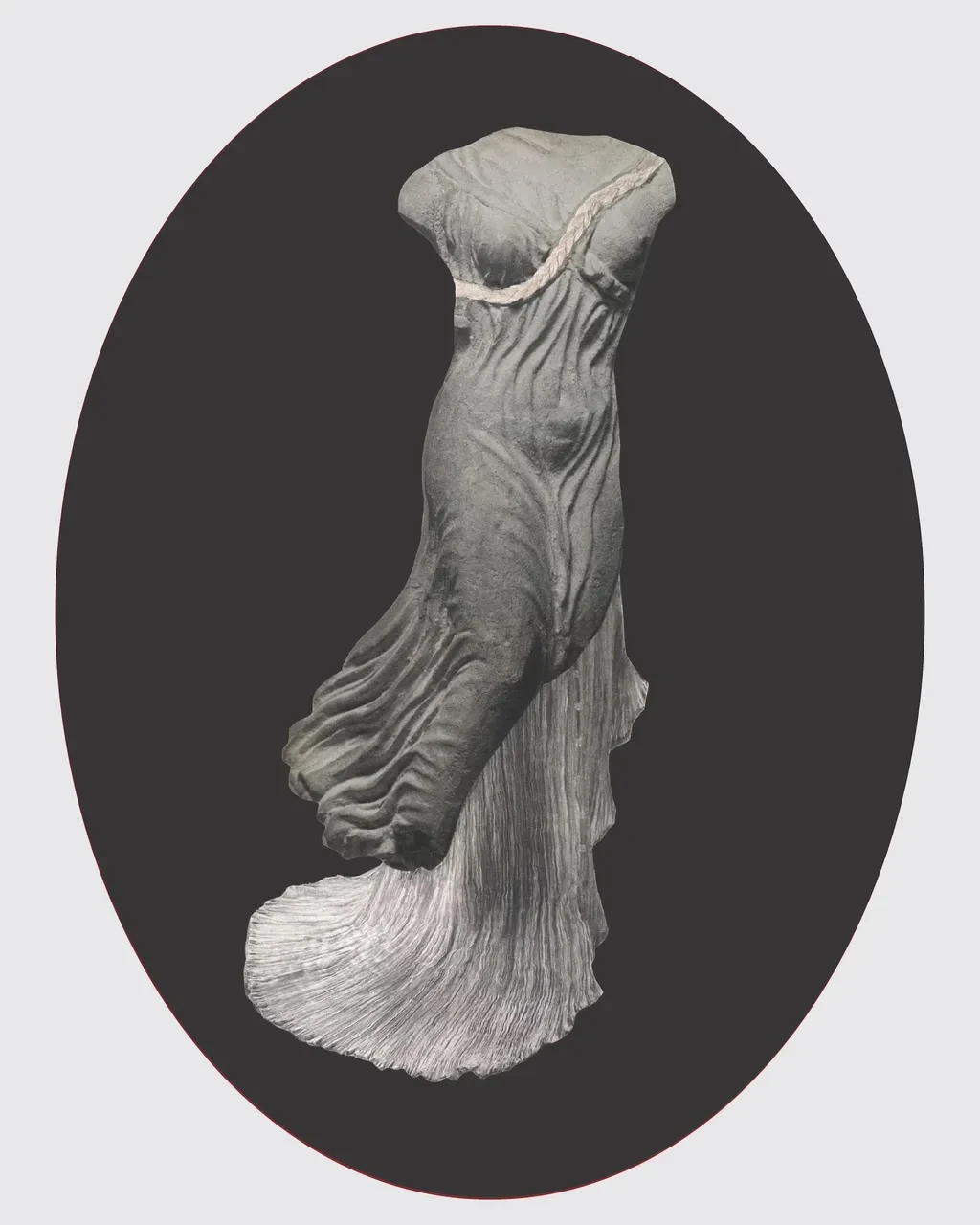
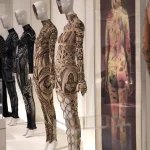
In other sections, fashion moves beyond silhouette to engage directly with the body’s surface. Trompe l’oeil prints, anatomical bodysuits, transparent textiles, and second-skin constructions merge the natural and the artificial. Walter Van Beirendonck’s printed bodysuit, inscribed with the phrase “Get Naked/Get Natural,” turns the body into a spectacle.
Movement and vitality also become central themes. Yiqing Yin’s ethereal “Nude” dress, constructed through intricate pleating and draping, appears beside an Egyptian relief depicting dancers in pleated linen garments.
Fashion and Human Vulnerability
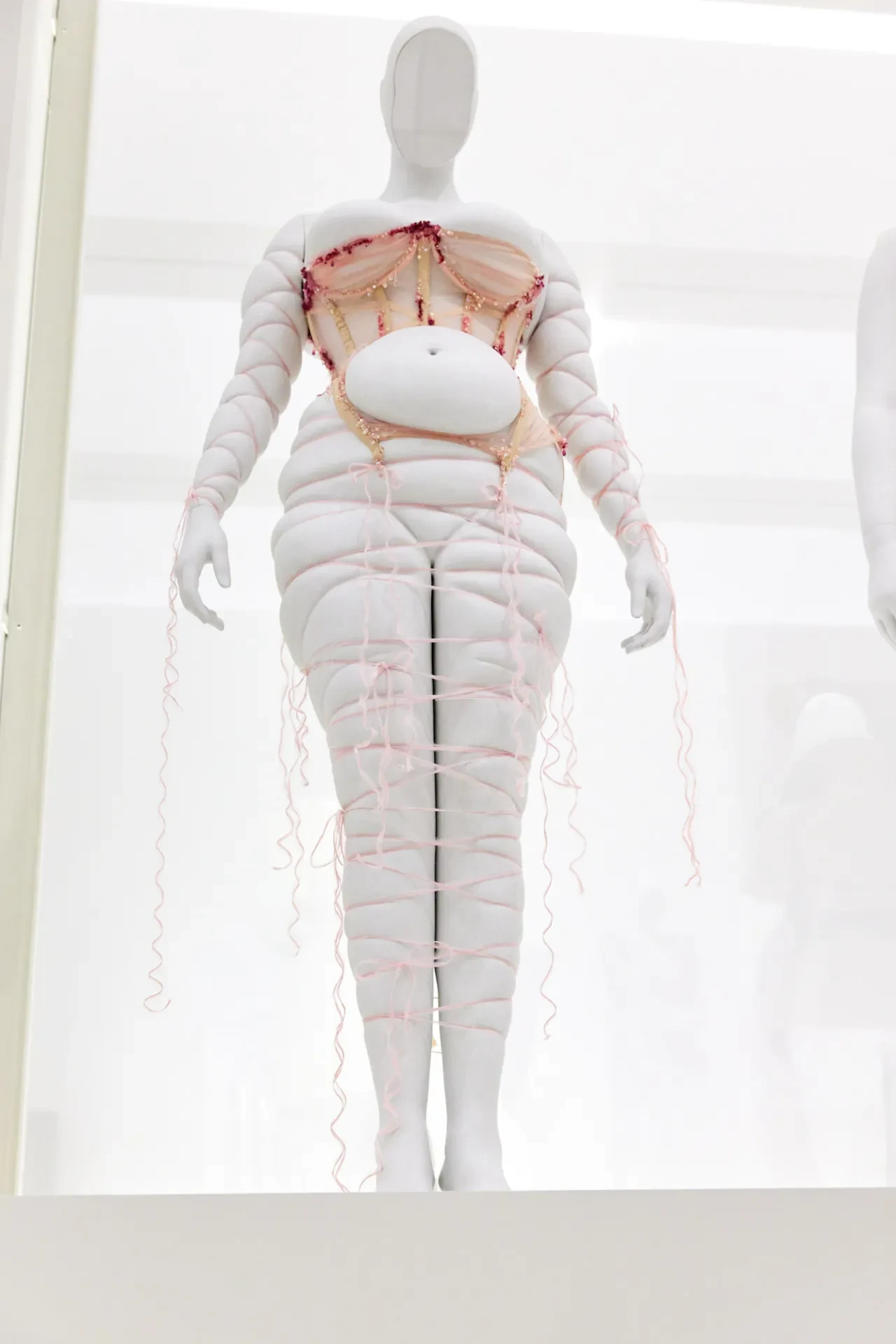
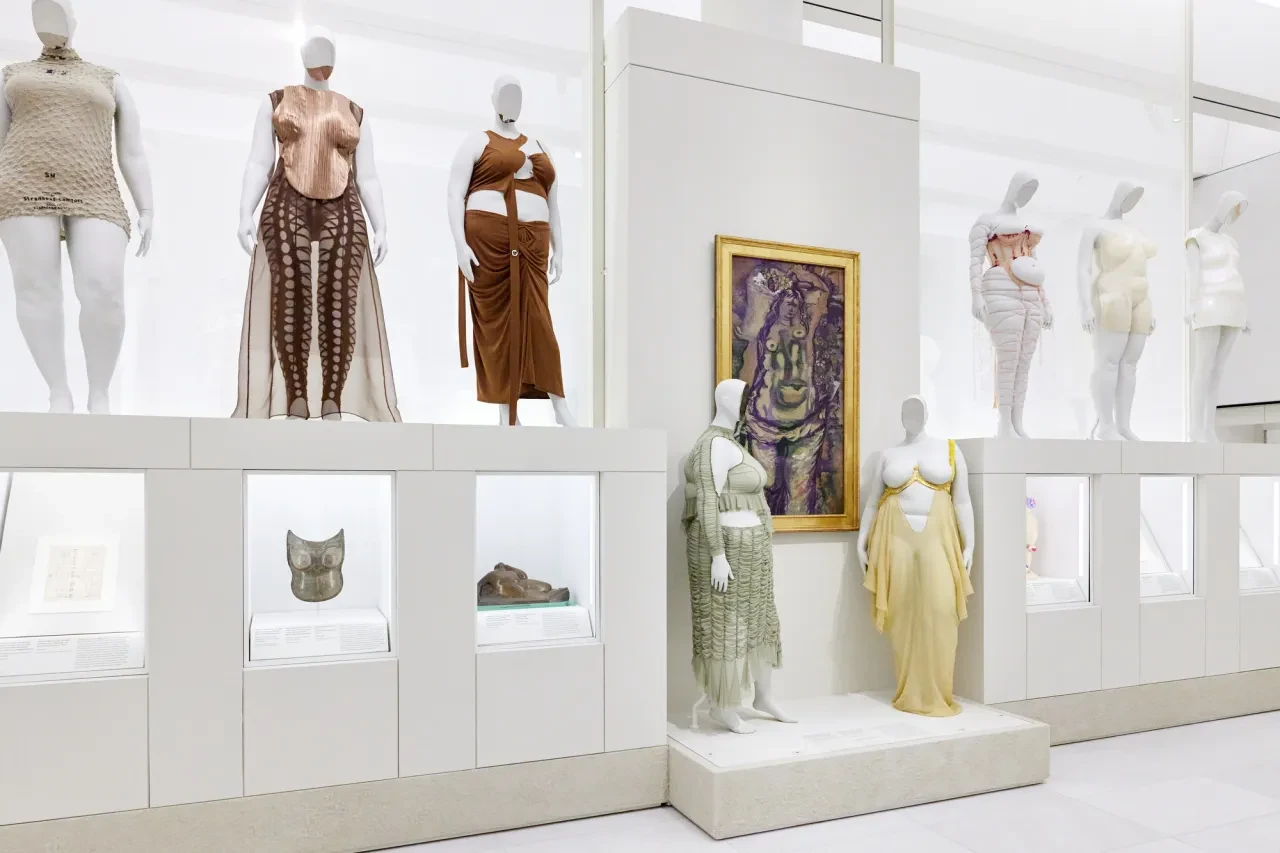
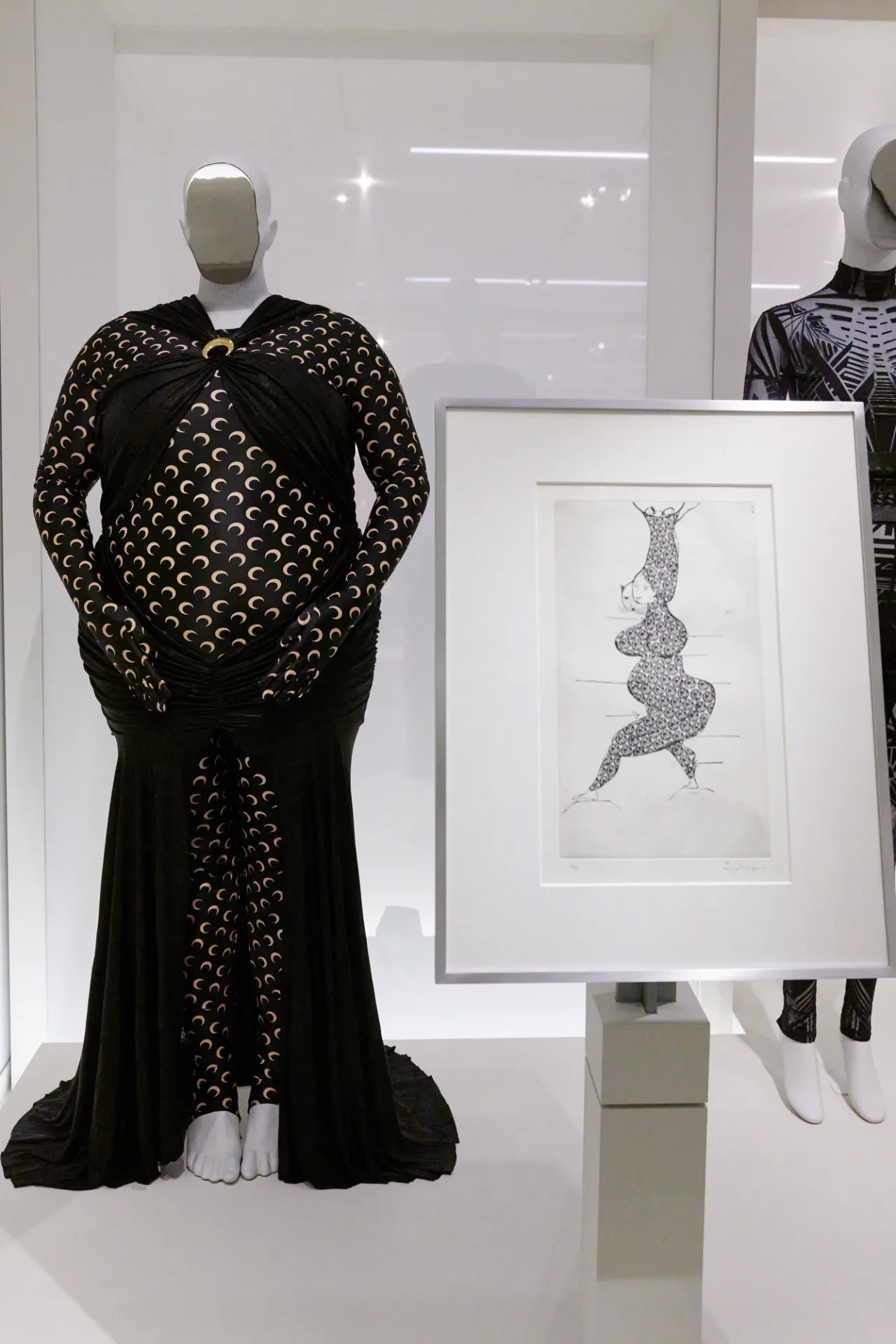
The exhibition gradually shifts toward more vulnerable reflections on aging, mortality, and bodily diversity. It doesn’t present youth as fashion’s singular ideal; garments addressing fragility, softness, memory, and transformation foreground the body as something temporal and changing.
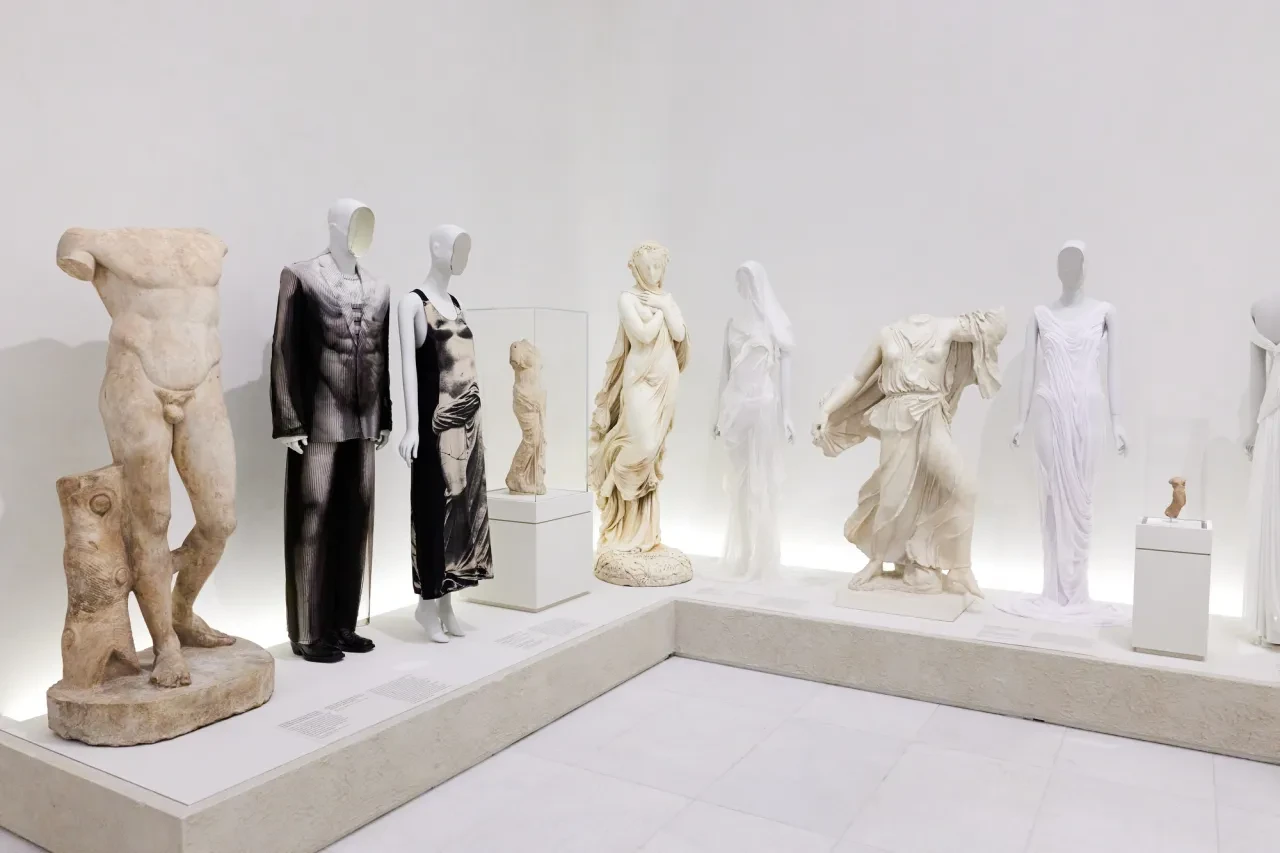
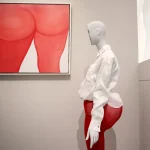
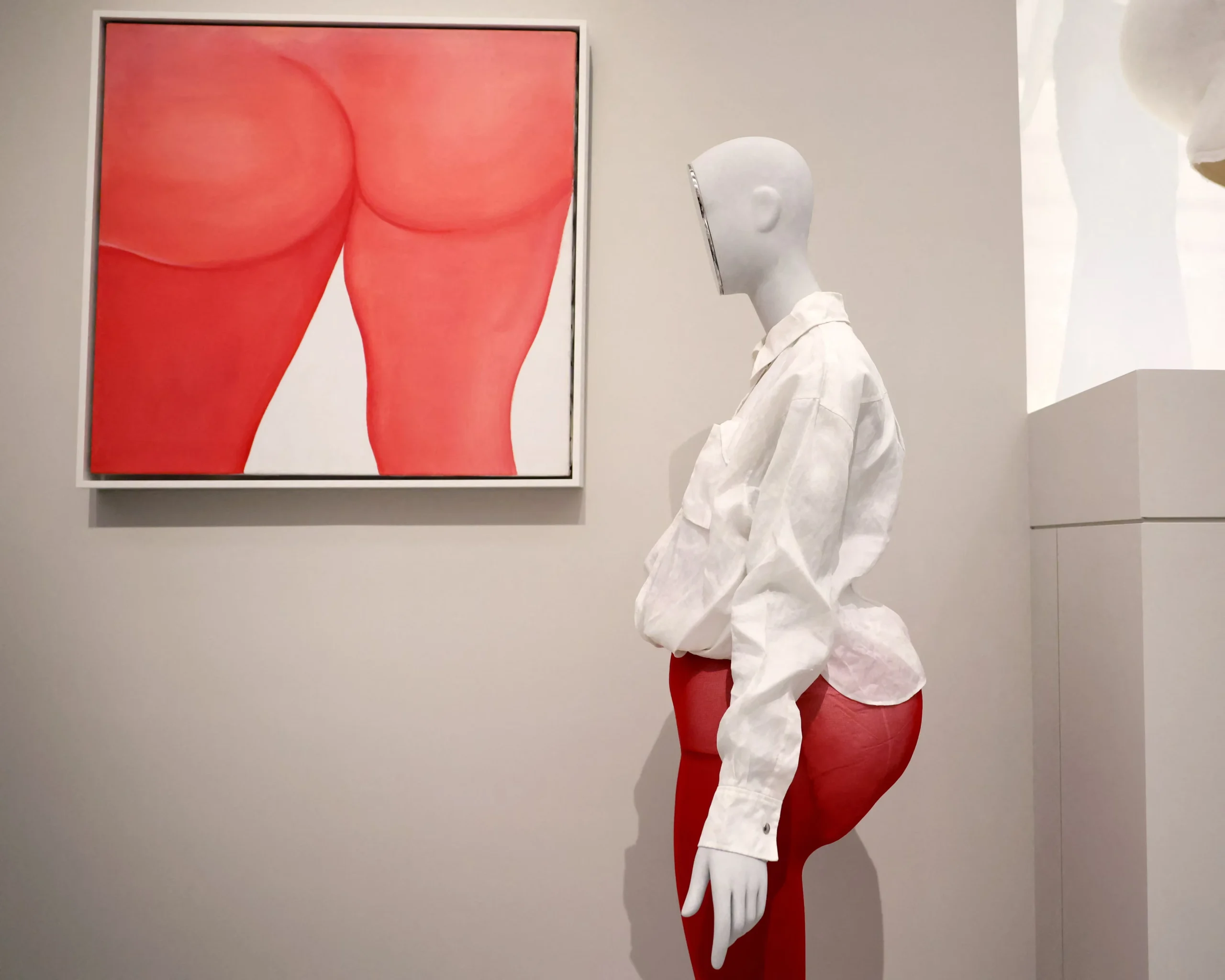
Historical mourning attire, ceremonial garments, and contemporary designs exploring disability, pregnancy, and corporeal difference collectively challenge narrow standards of beauty and representation. Across these pairings, fashion is revealed as an active participant in the construction of social identity.
Fashion Beyond Garments
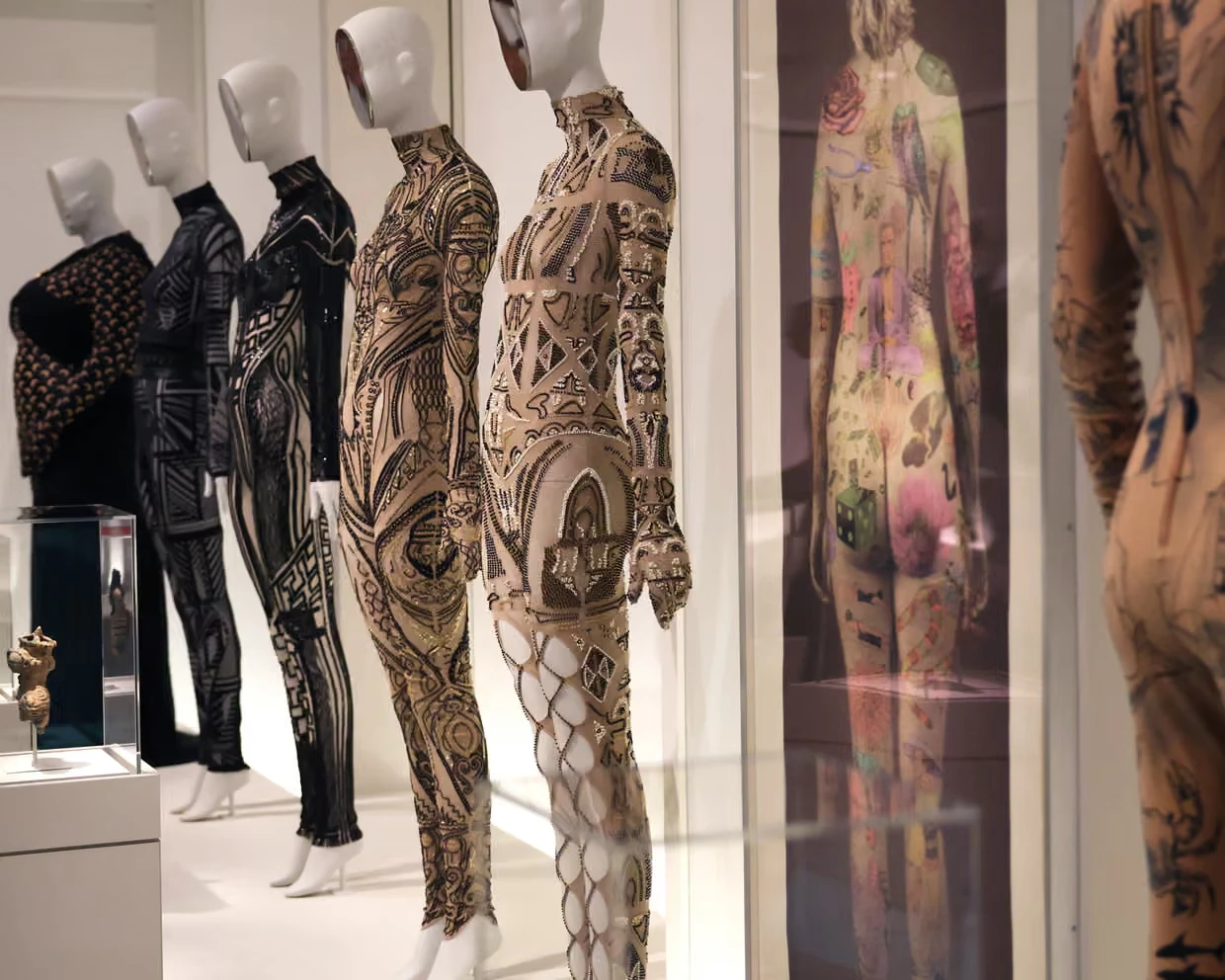
What ultimately distinguishes Costume Art is its refusal to isolate fashion from broader cultural systems. Throughout the exhibition, garments converse with sculpture, painting, mythology, religion, and political history, which is transforming fashion.
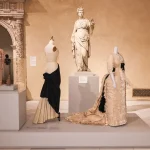
Drawing from more than five millennia of artistic production across the museum’s nineteen collecting departments, Costume Art places garments from the Costume Institute in dialogue with sculpture, painting, decorative arts, works on paper, and historical artifacts. Ancient fertility figures appear beside radical twentieth-century swimwear, punk garments confront classical sculpture, and translucent couture enters into conversation with centuries-old paintings.