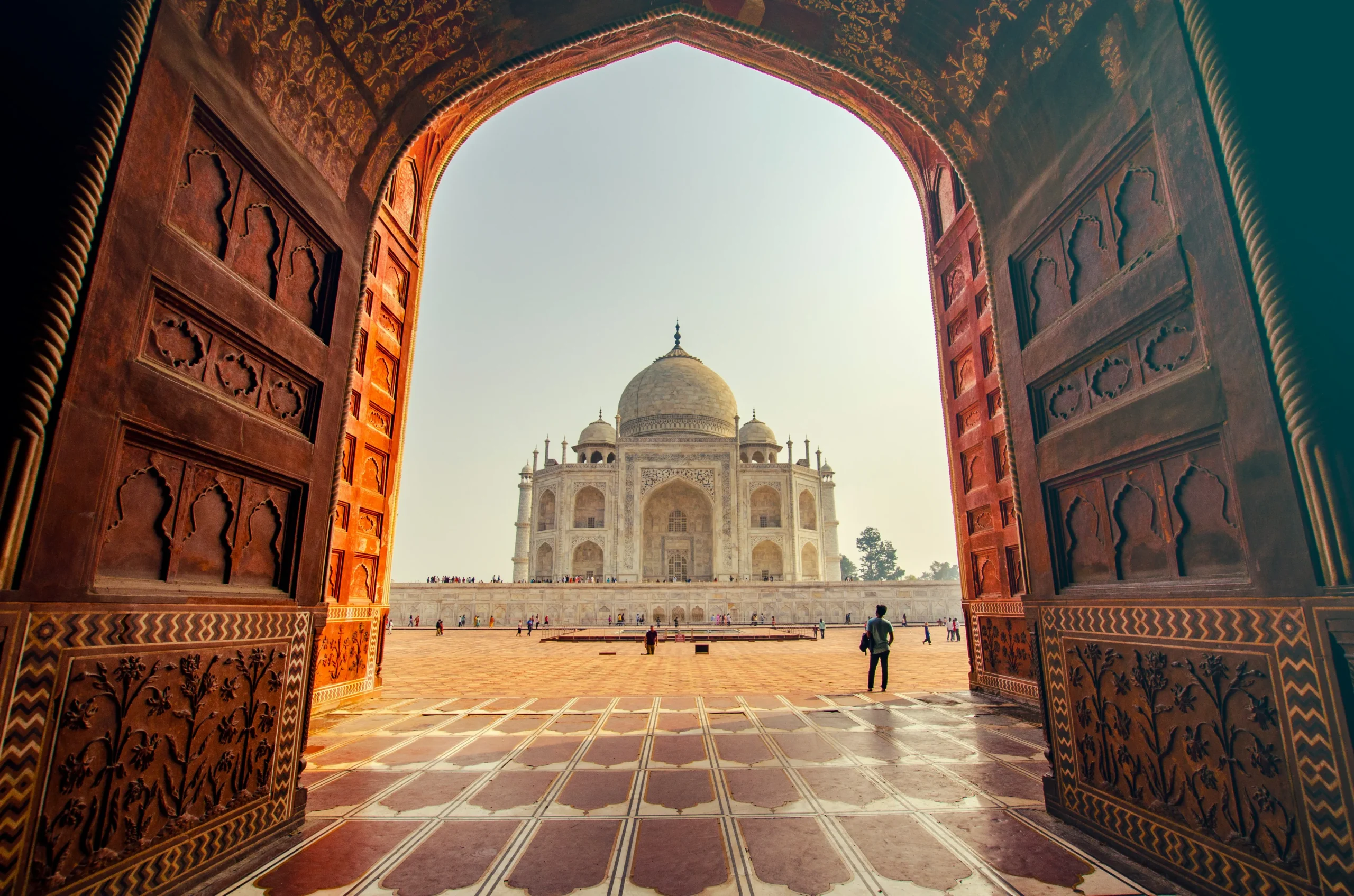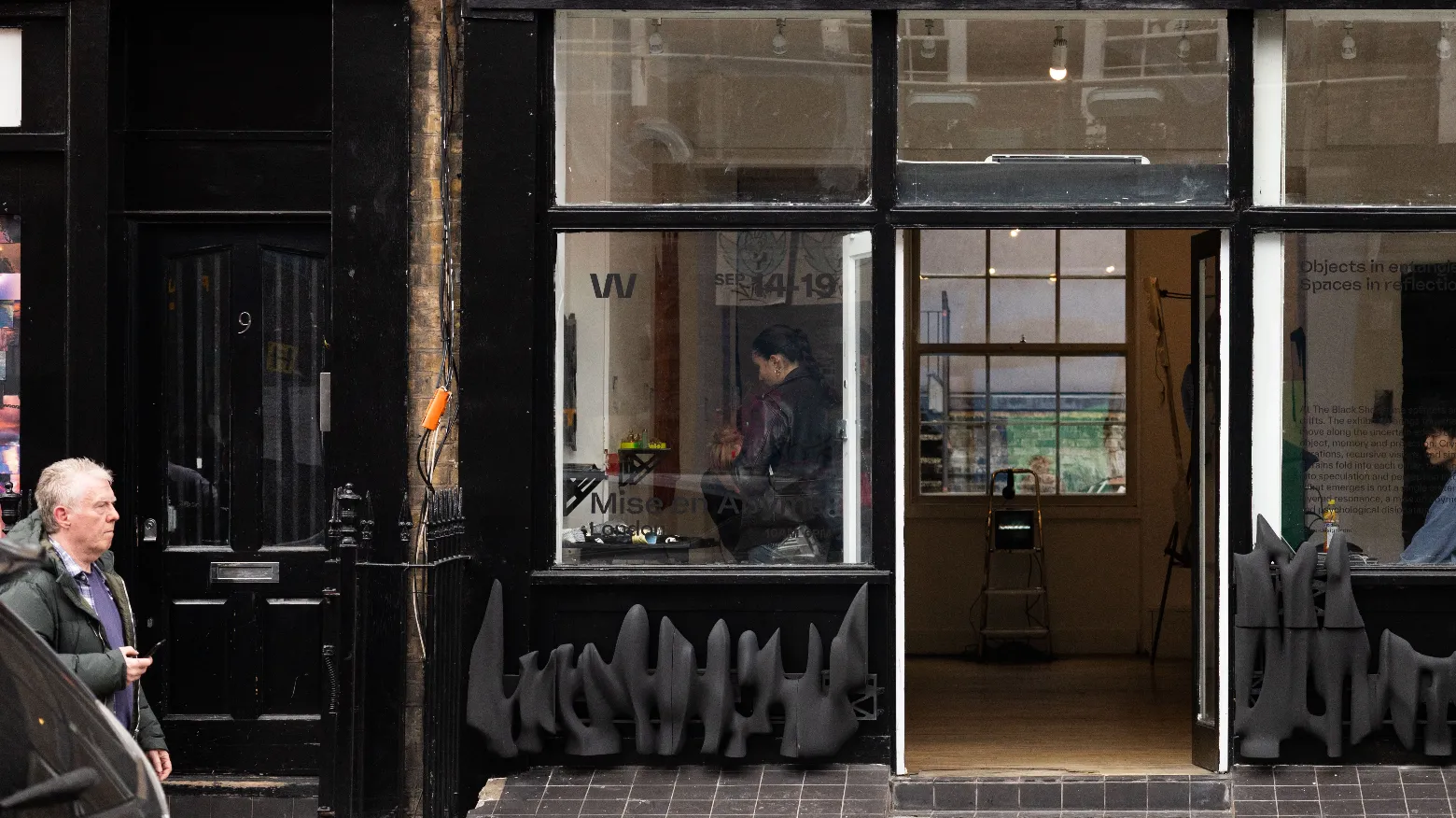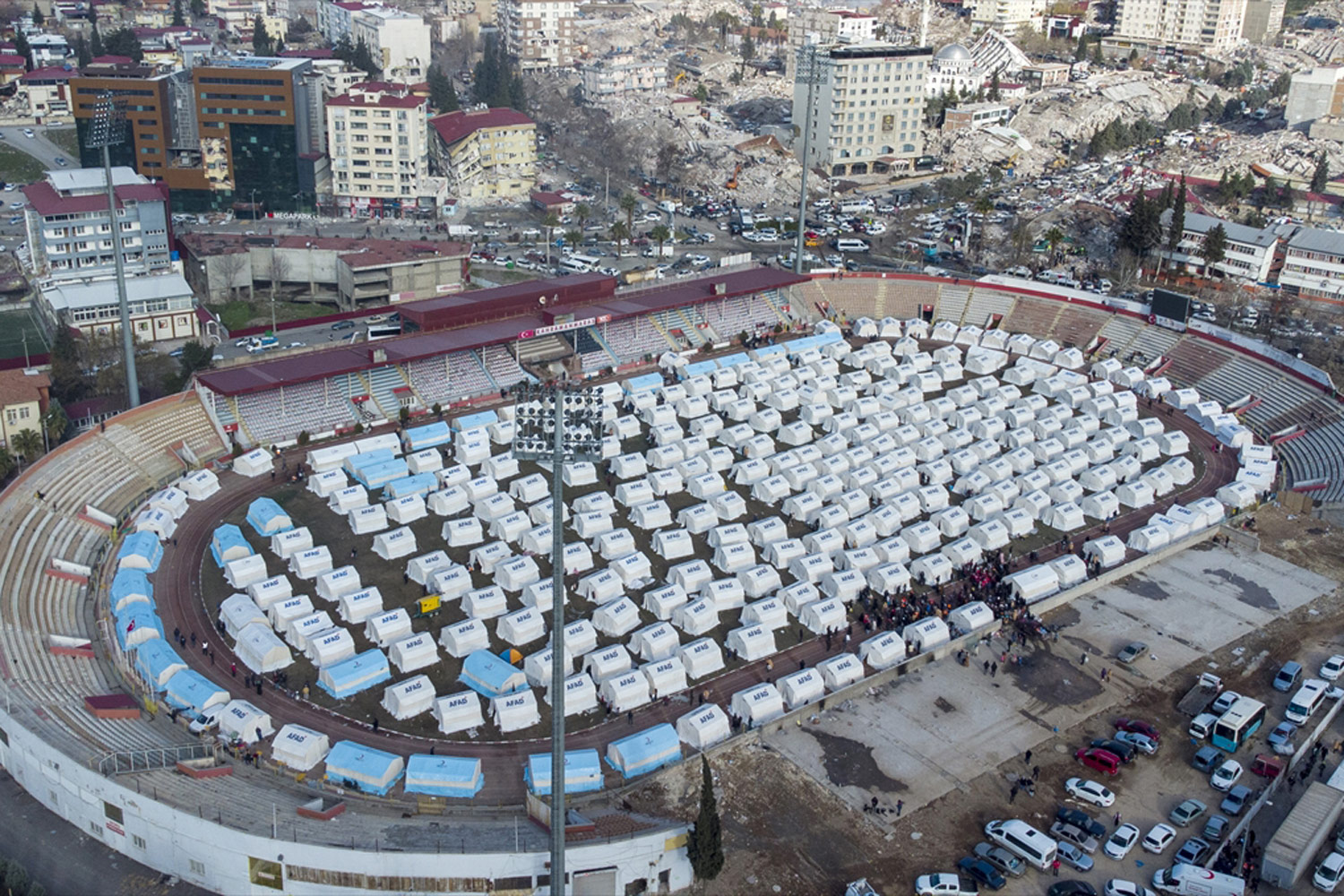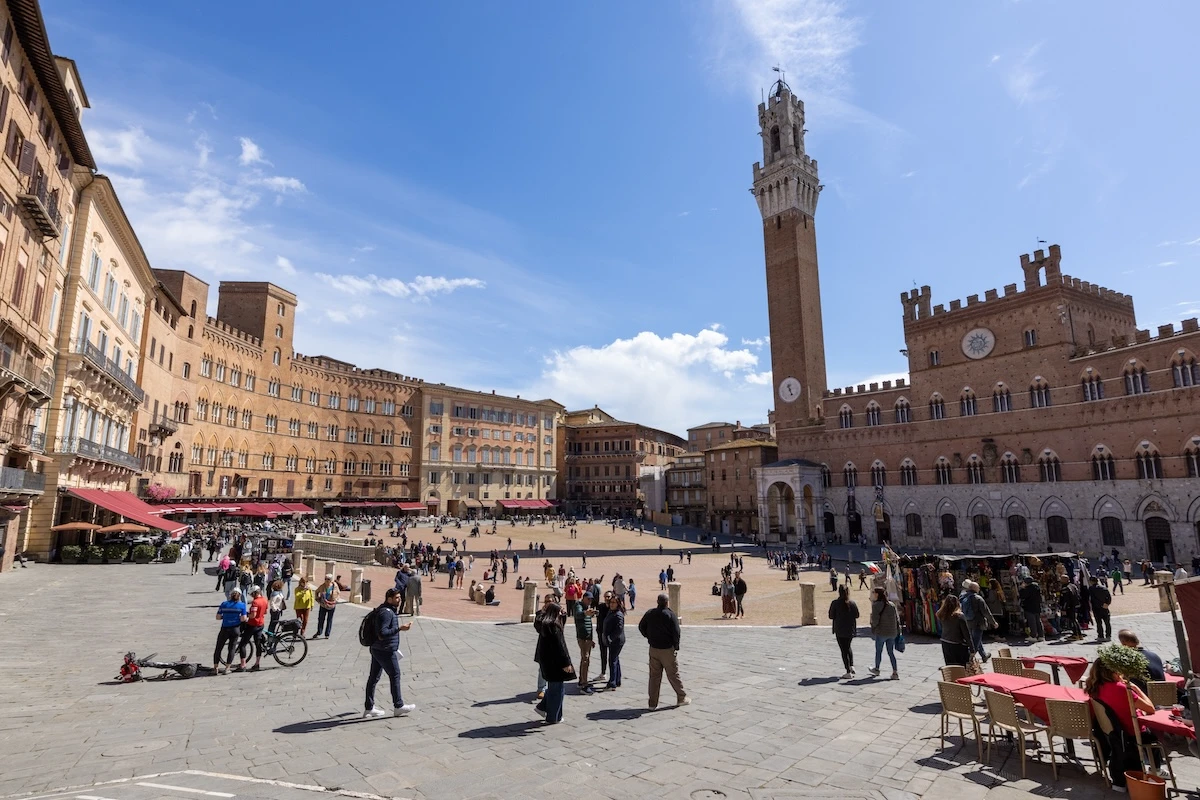










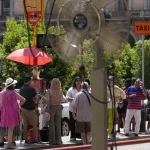


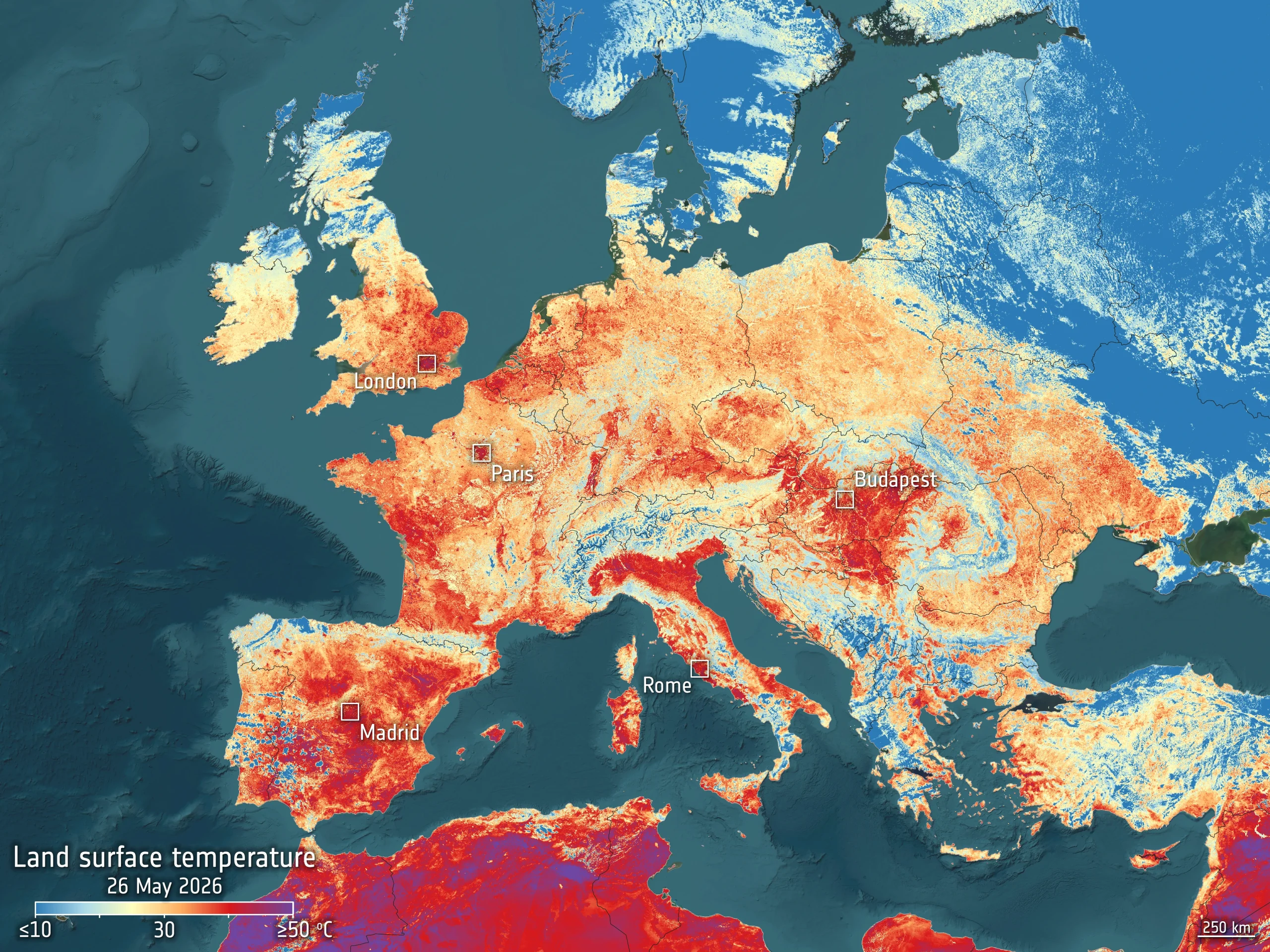
Across Europe and beyond, the heatwaves of 2026 have become an unprecedented stress test for the built environment. Record-breaking temperatures transformed streets, plazas, homes, hospitals, and public infrastructure into landscapes of thermal stress, exposing the limits of cities designed for a cooler climate.
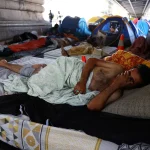
People sought refuge beneath bridges, gathered around fountains, covered windows with emergency blankets, and relied increasingly on mechanical cooling to endure conditions that many buildings were never intended to withstand.
Western Europe
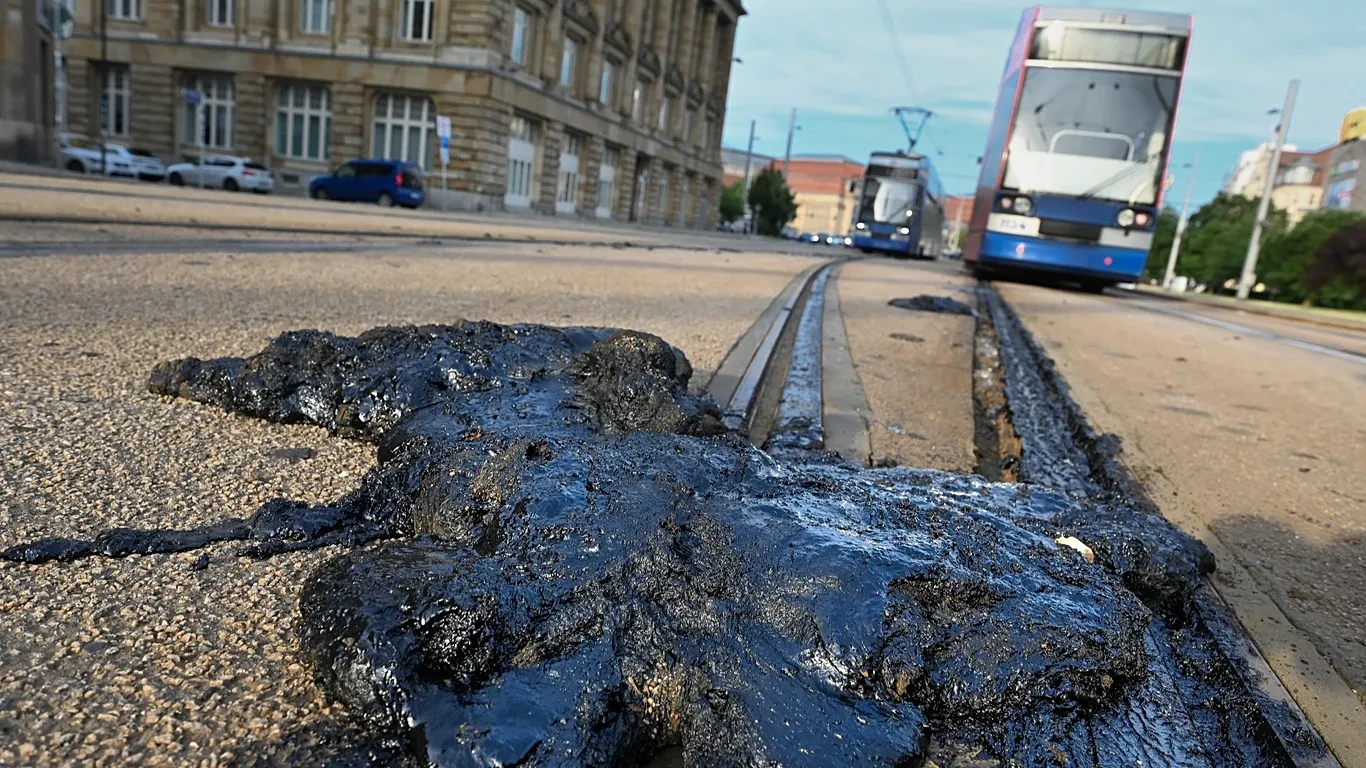
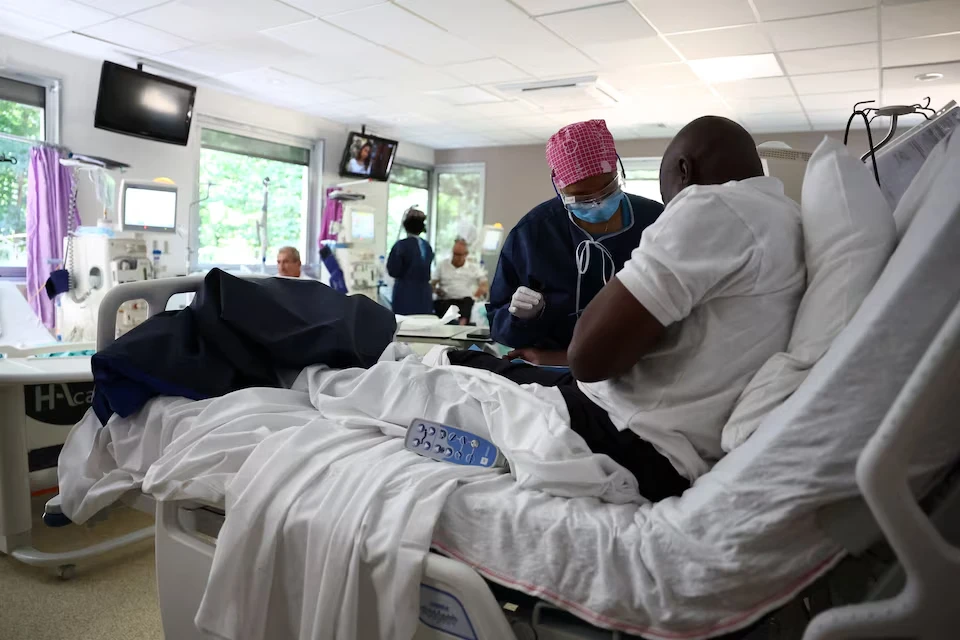
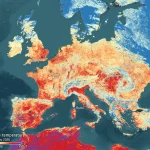
Western Europe faced one of its most severe heatwaves in recent history, with France and Spain recording temperatures above 40°C. Prolonged extreme heat disrupted transport, strained electricity grids, fuelled wildfires, reduced water availability, and placed hospitals and emergency services under intense pressure.
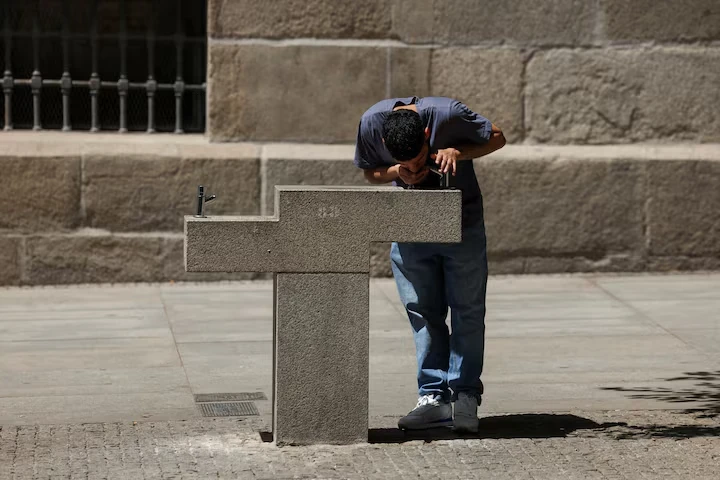
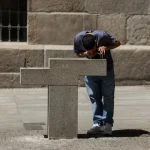
Madrid, Spain: A beautifully paved public square loses its civic value the moment temperatures soar, and basic relief disappears.
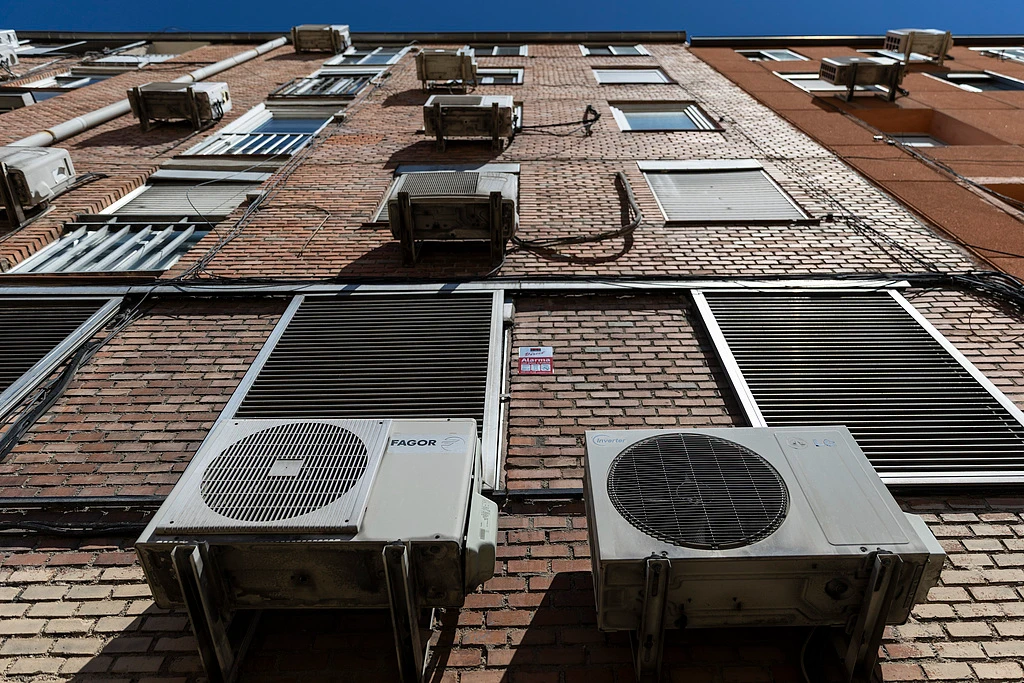
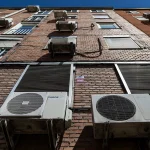
Madrid, Spain: A building that survives only through dozens of air conditioners isn’t climate resilient. It’s energy-dependent.
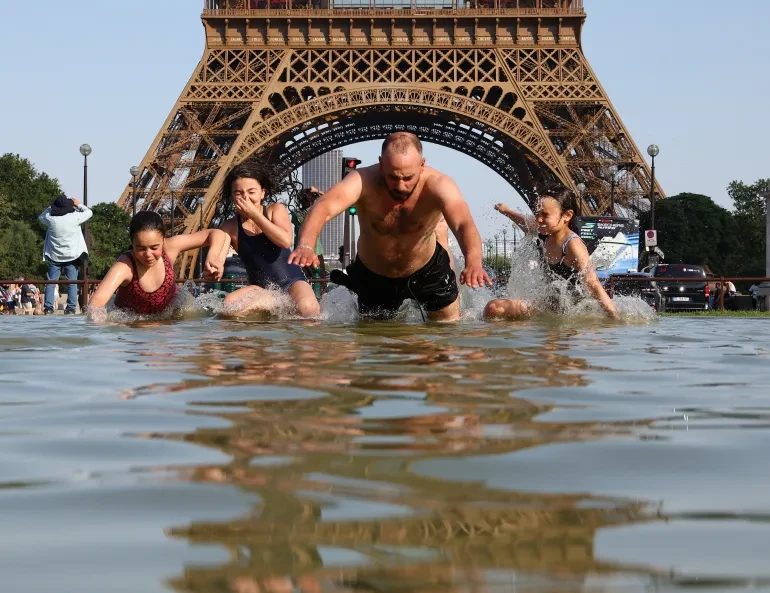
Paris, France: When temperatures peak, an iconic tourist destination becomes mere background scenery to a basic pool of water.
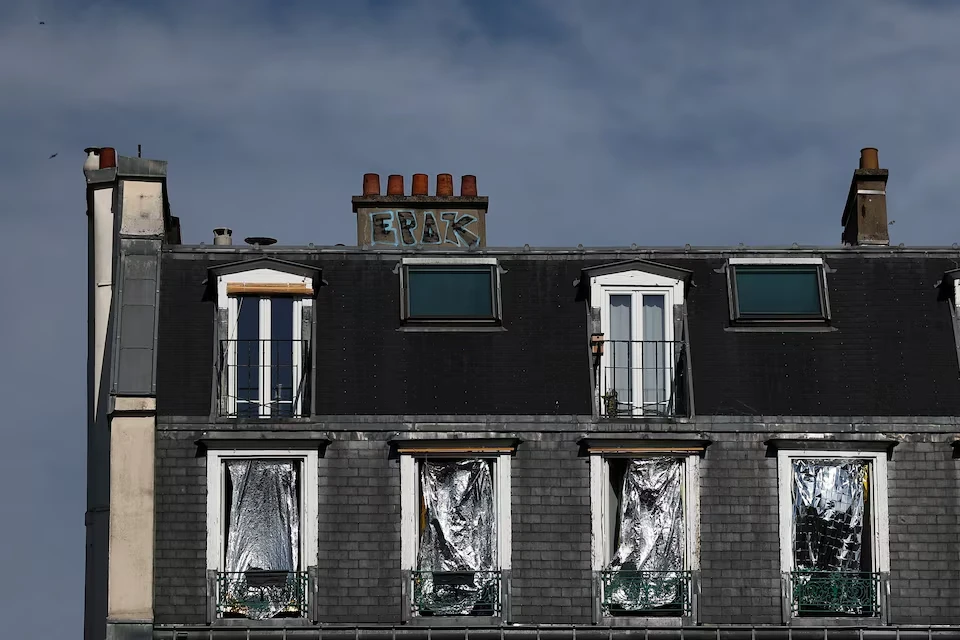
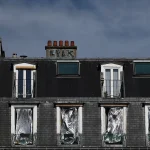
Paris, France: Emergency blankets taped over iconic Haussmann-style windows strip away all architectural fascination when the indoor reality forces residents to shield their homes like an emergency zone. Real heat defense requires building skins engineered for extreme solar radiation.
Southern Europe
Italy and Greece endured prolonged and recurring heatwaves, with temperatures soaring above seasonal averages for weeks. The relentless heat strained public spaces, disrupted transport networks, increased wildfire risks, intensified drought conditions, and highlighted the need for climate-resilient urban infrastructure and effective heat adaptation strategies.
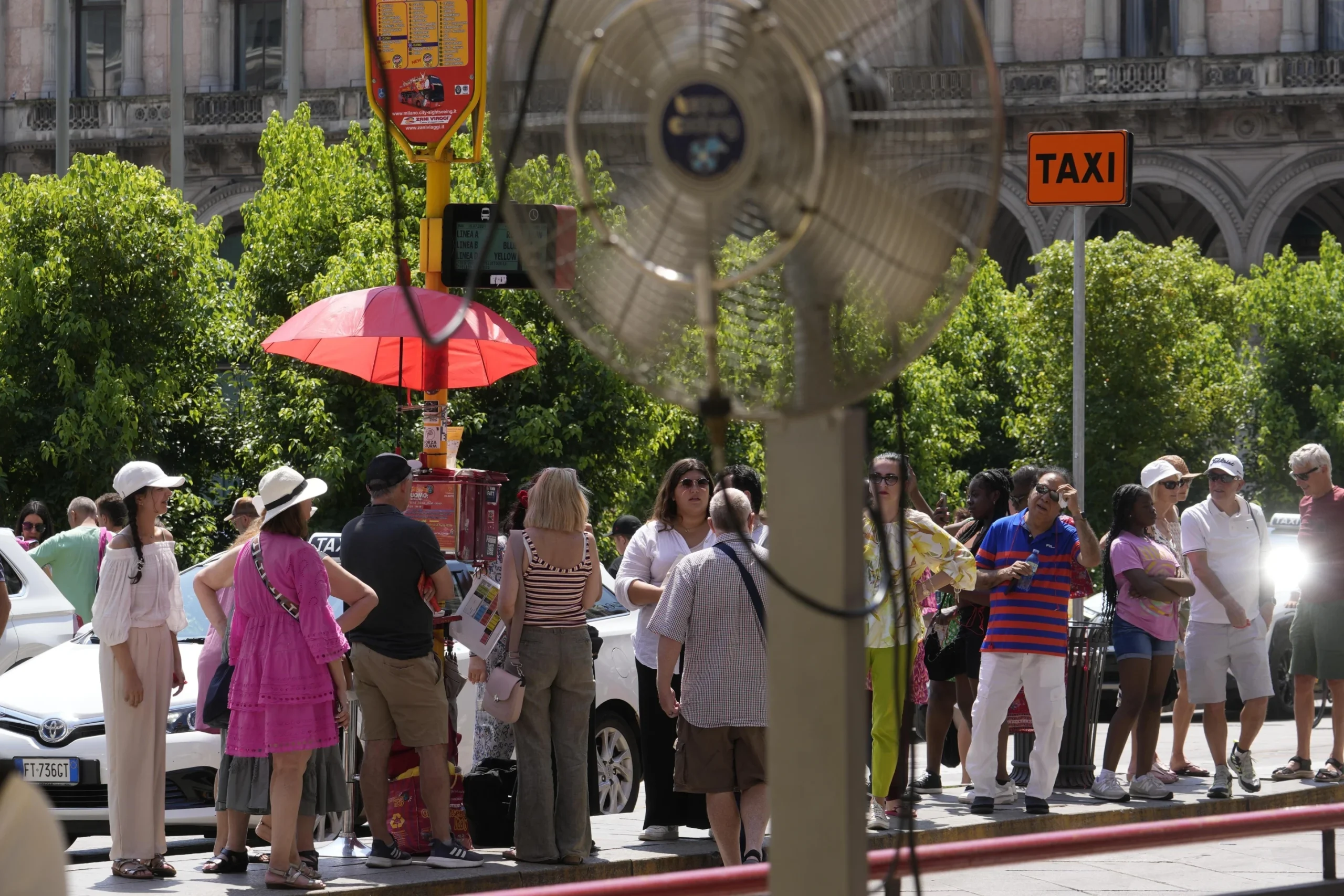
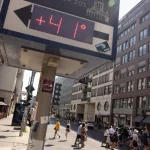
Milan, Italy: A city’s transit system cannot claim to be equitable if waiting for a bus means enduring a solar oven.
Central Europe
Germany, Switzerland, and Croatia witnessed unprecedented temperatures as heatwaves spread into regions historically adapted to milder summers. Rail networks buckled, rivers reached critically low levels, power demand surged, and buildings designed for cooler climates struggled to maintain safe indoor temperatures, exposing significant infrastructure and climate resilience gaps.
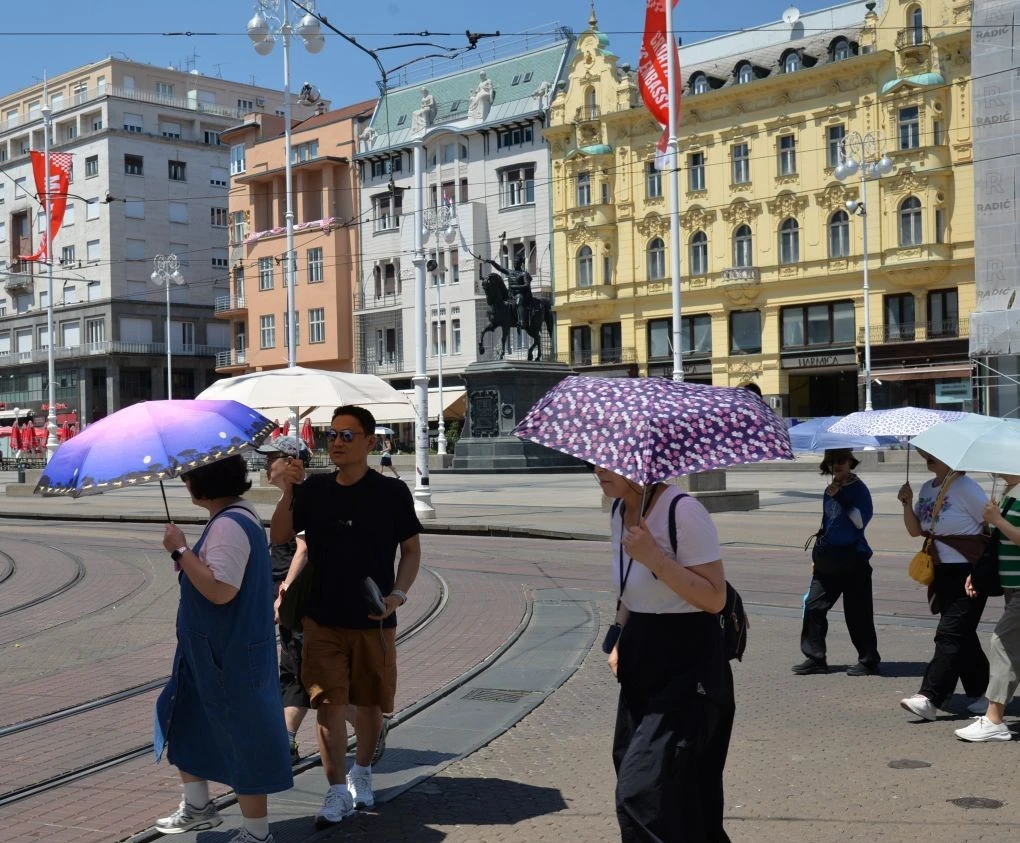
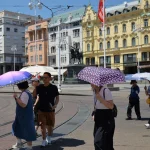
Zagreb, Croatia: Iconic civic backdrops mean nothing if the ground-level reality forces people to hide under umbrellas
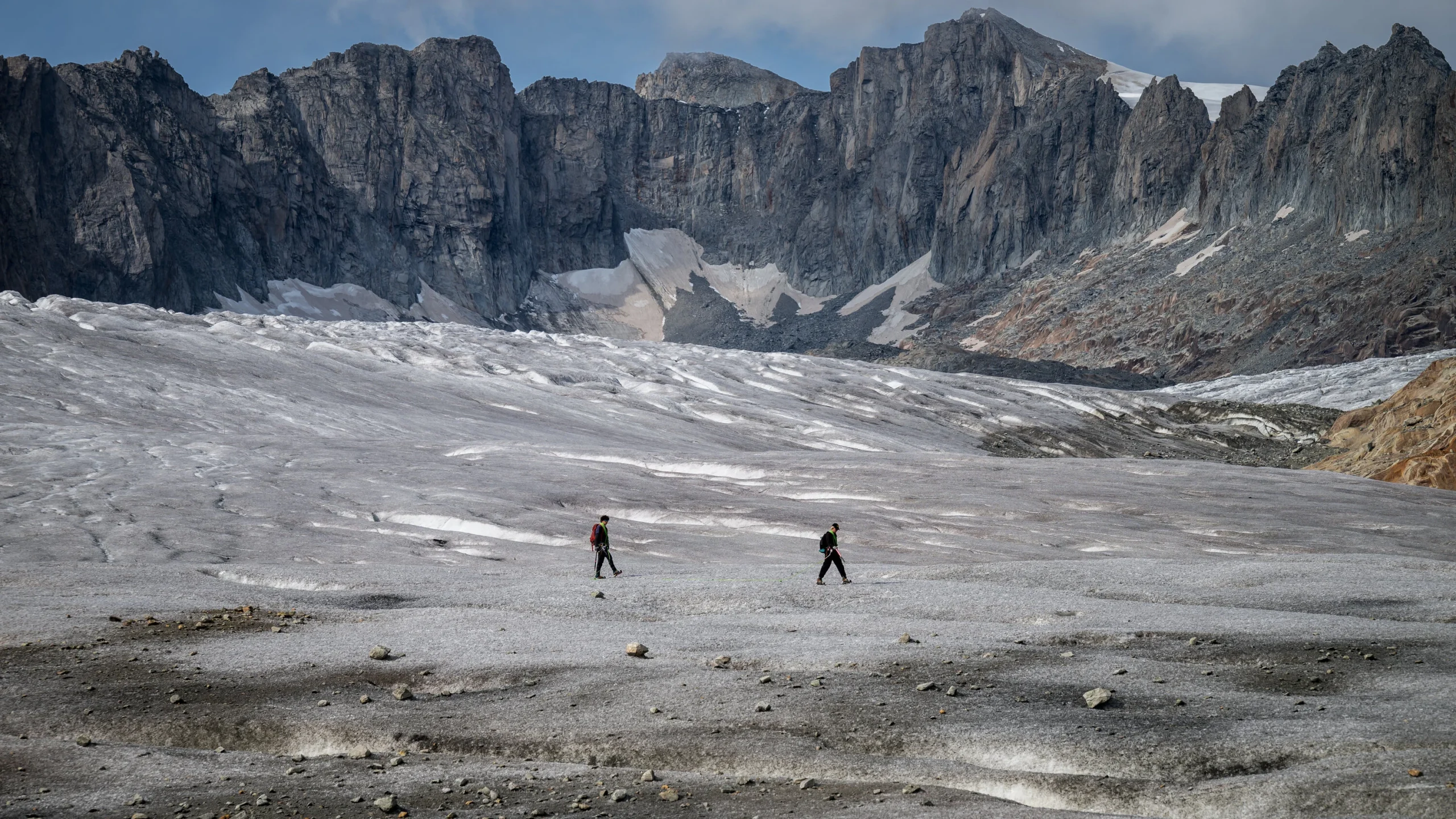
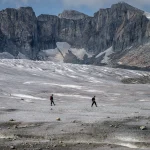
Swiss Alps, Switzerland: The retreat of the Rhône Glacier is a visible consequence of global warming and a reminder that the climate crisis begins long before cities overheat.
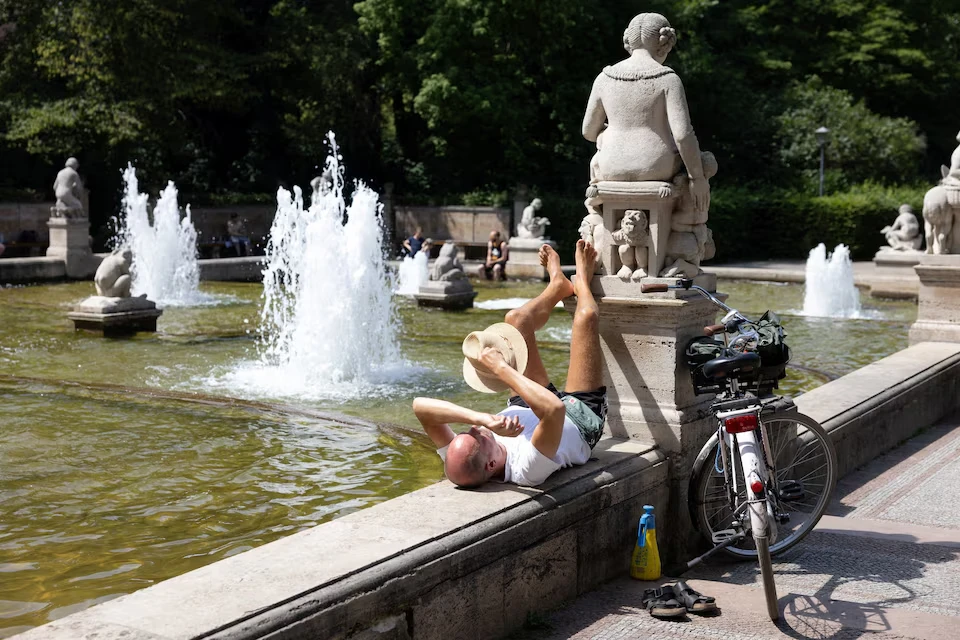
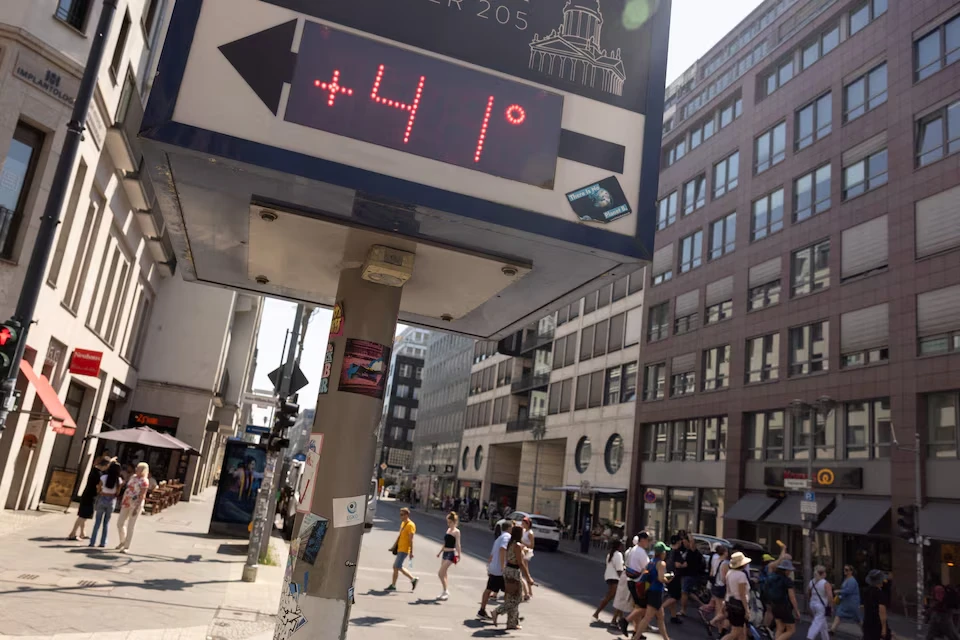
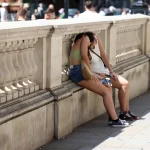
Berlin, Germany: Incorporating diverse, ergonomically designed seating shouldn’t be treated as a secondary embellishment in the streetscape. It is a fundamental pillar of inclusive urban design.
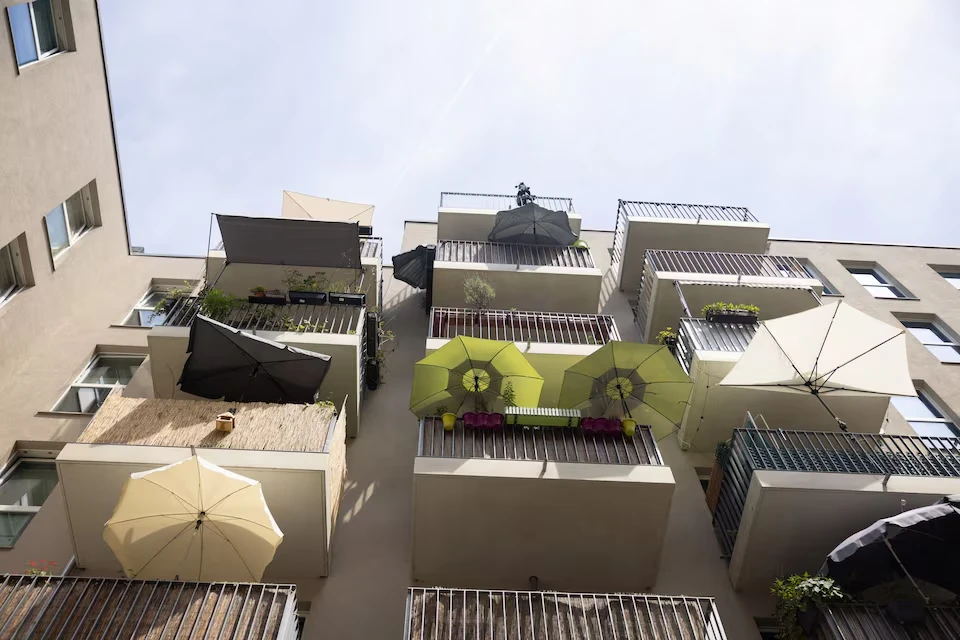
Berlin, Germany: Parasols crowding the balconies of a residential building highlight a desperate need for integrated bioclimatic design.
Eastern Europe
Hungary and Romania battled persistent heatwaves and worsening drought, with prolonged dry conditions stressing agriculture, forests, and water resources. Rising temperatures intensified wildfire risks, reduced river flows, and placed increasing pressure on urban infrastructure, ecosystems, and the resilience of the built environment.
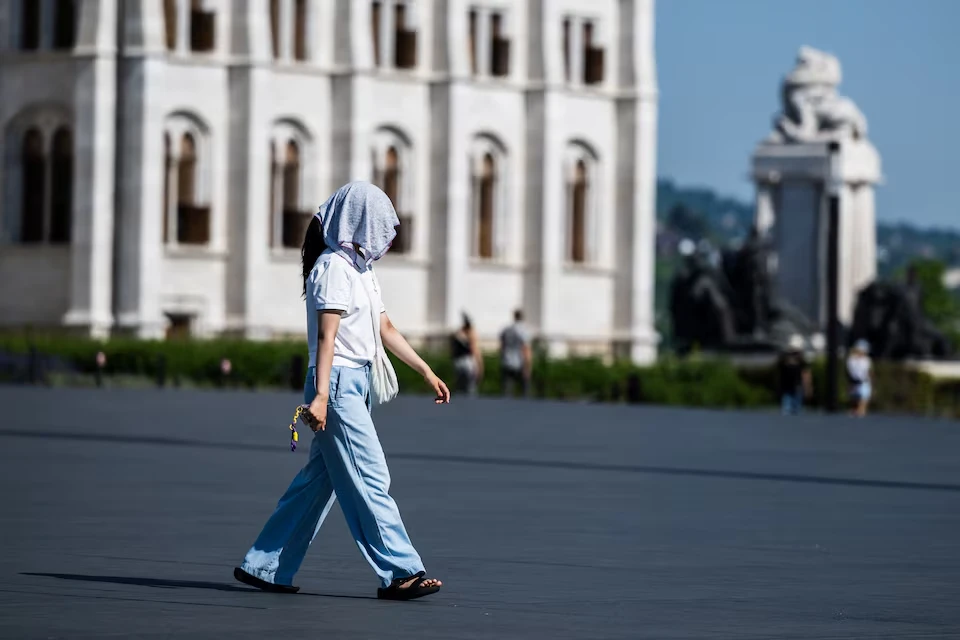
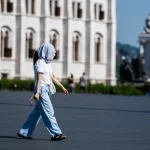
Budapest, Hungary: Expansive stretches of dark asphalt and low-albedo paving act as literal urban heat sinks, absorbing and re-radiating intense solar energy back onto pedestrians.
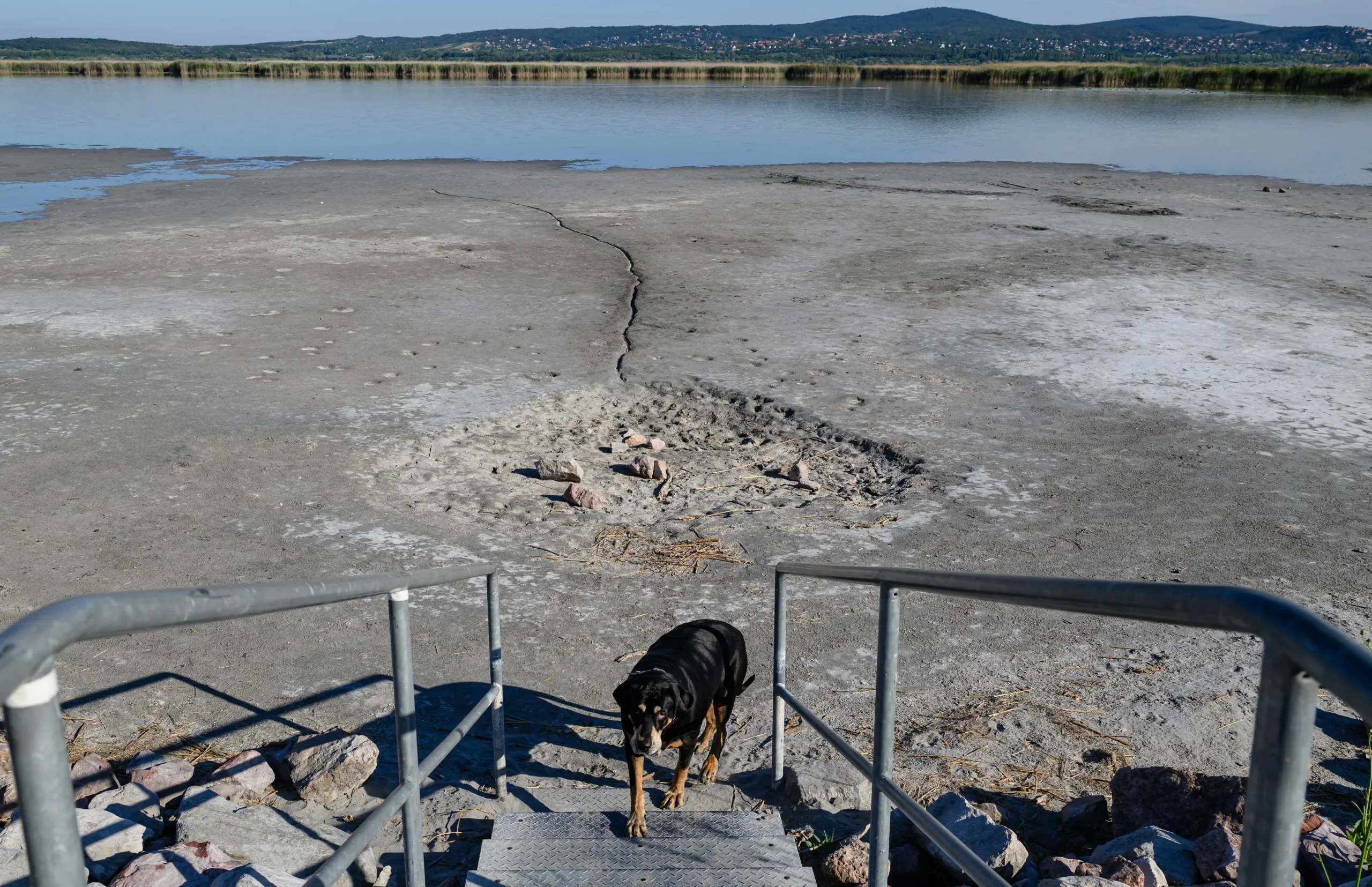
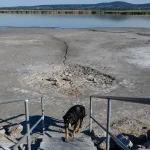
Gárdony, Hungary: Designing for the real world, not the rendering. When ecosystems dry up, the urgency for climate-resilient architecture becomes a mandate, not a choice.
Northwestern Europe
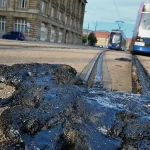
The United Kingdom and Scotland experienced unusually high temperatures, with heat reaching levels rarely seen in the region. Rail services faced disruptions, roads softened, healthcare systems issued heat alerts, and buildings lacking cooling measures struggled to cope, underscoring Northwestern Europe’s growing vulnerability to increasingly frequent and intense climate extremes.
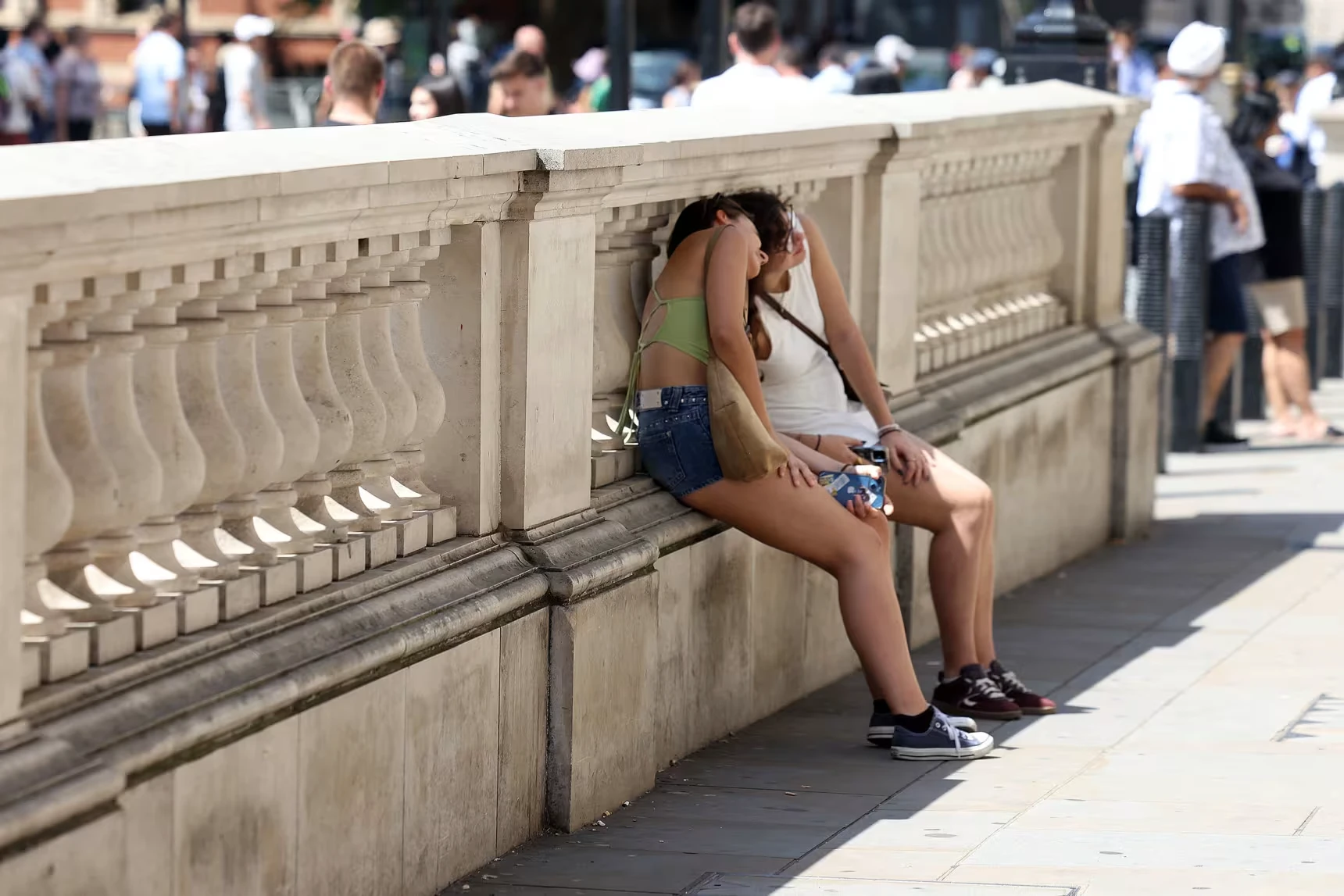
London, UK: Pedestrians shouldn’t have to compress themselves into a few inches of wall shadow just to escape the sun. Without integrated shade, pathways become entirely hostile, penalizing anyone trying to navigate the city on foot.
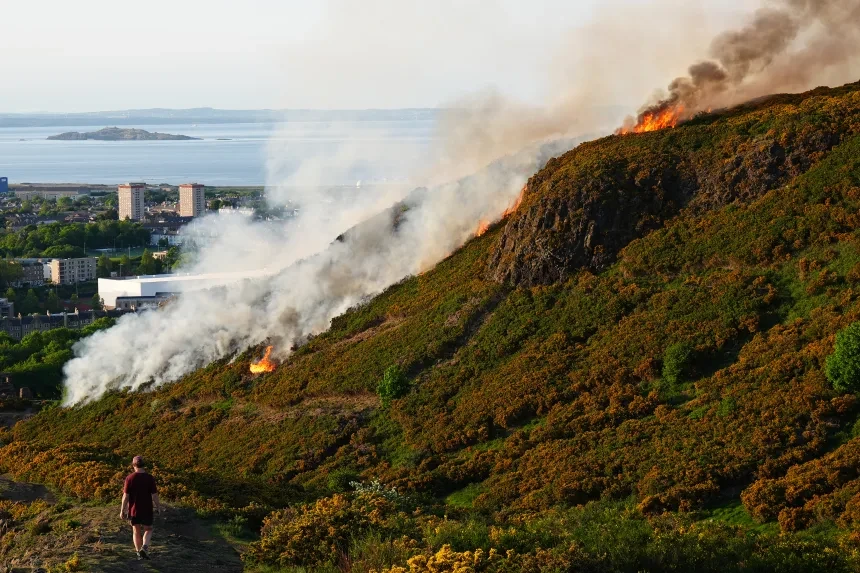
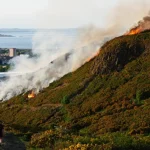
Edinburgh, Scotland: True climate resilience means architects must collaborate across ecology and forestry, designing wildfire-aware settlements that actively mitigate risk before the sirens are turned on.
For architects and urban planners, these scenes are evidence of a changing design brief. Every image reveals how decisions about materials, vegetation, public space, building envelopes, mobility infrastructure, and passive environmental strategies directly influence how cities perform under climatic pressure.