


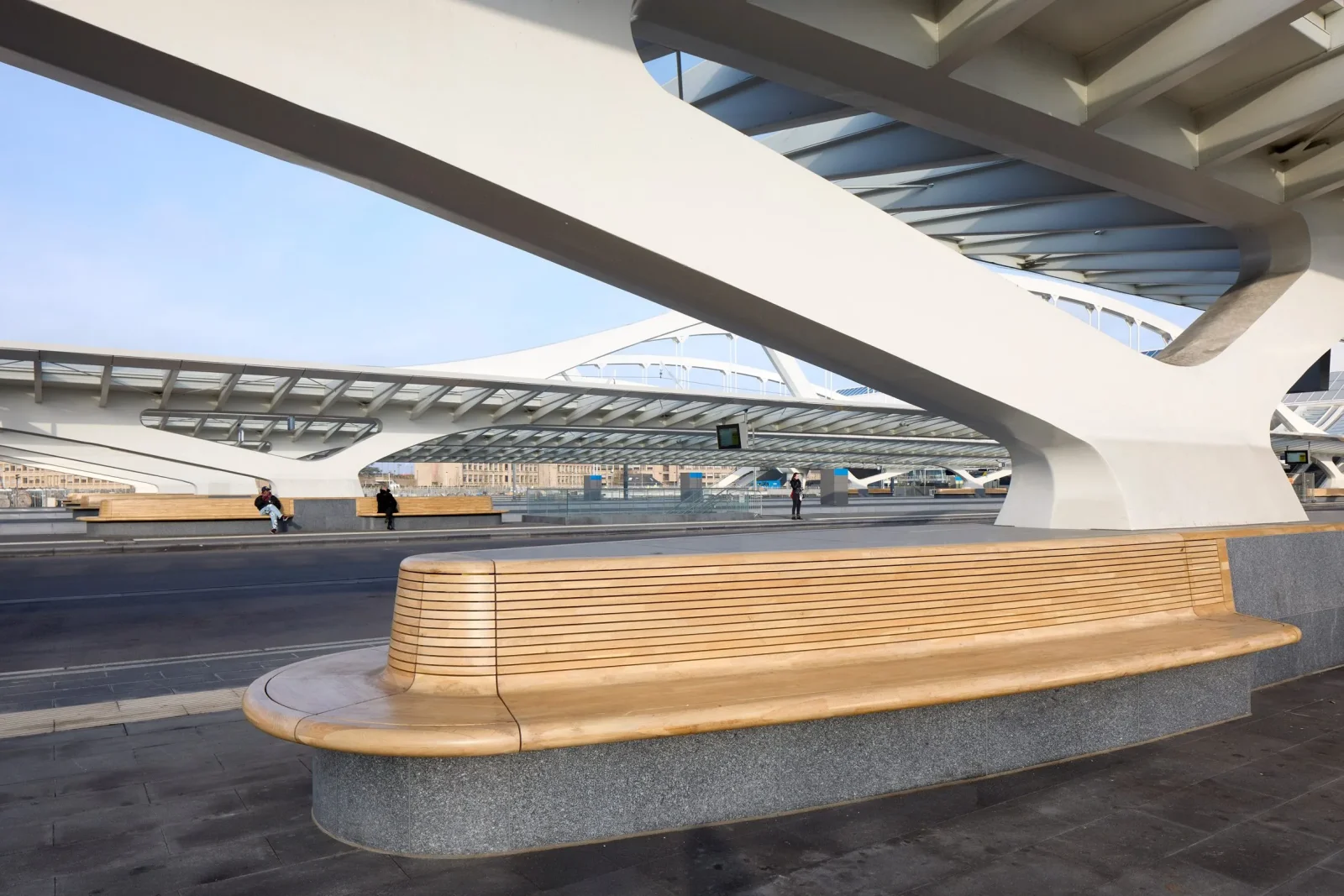
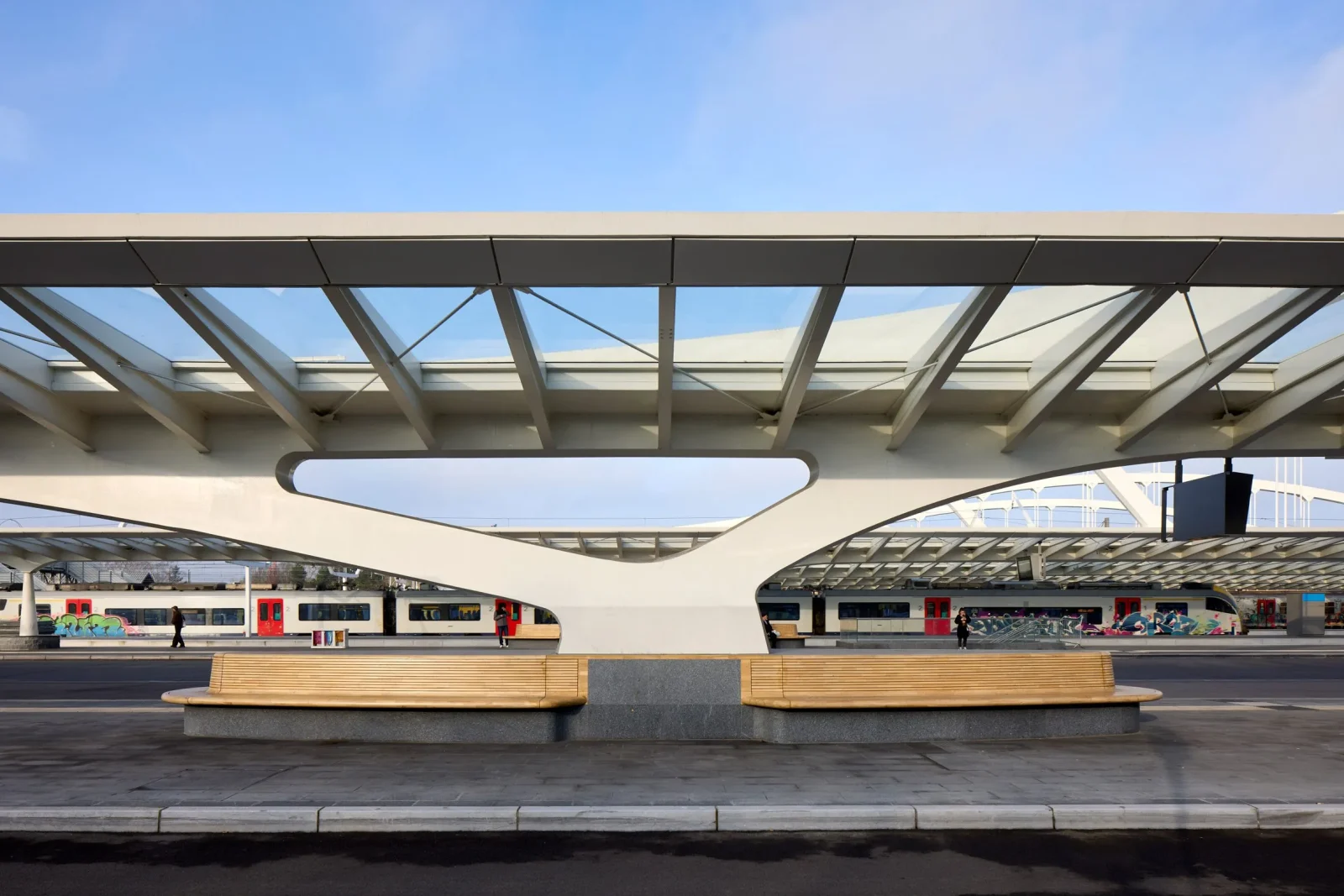
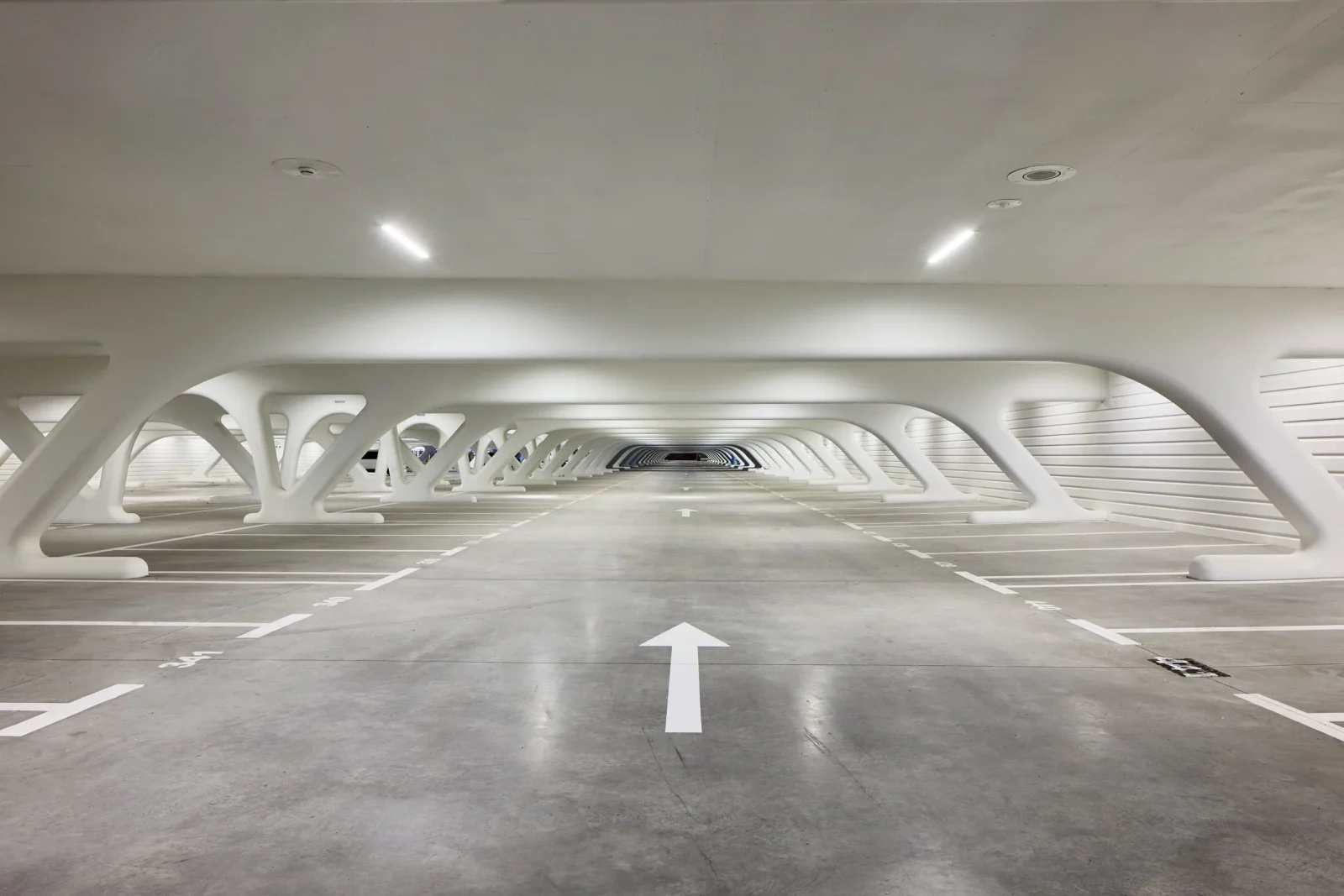
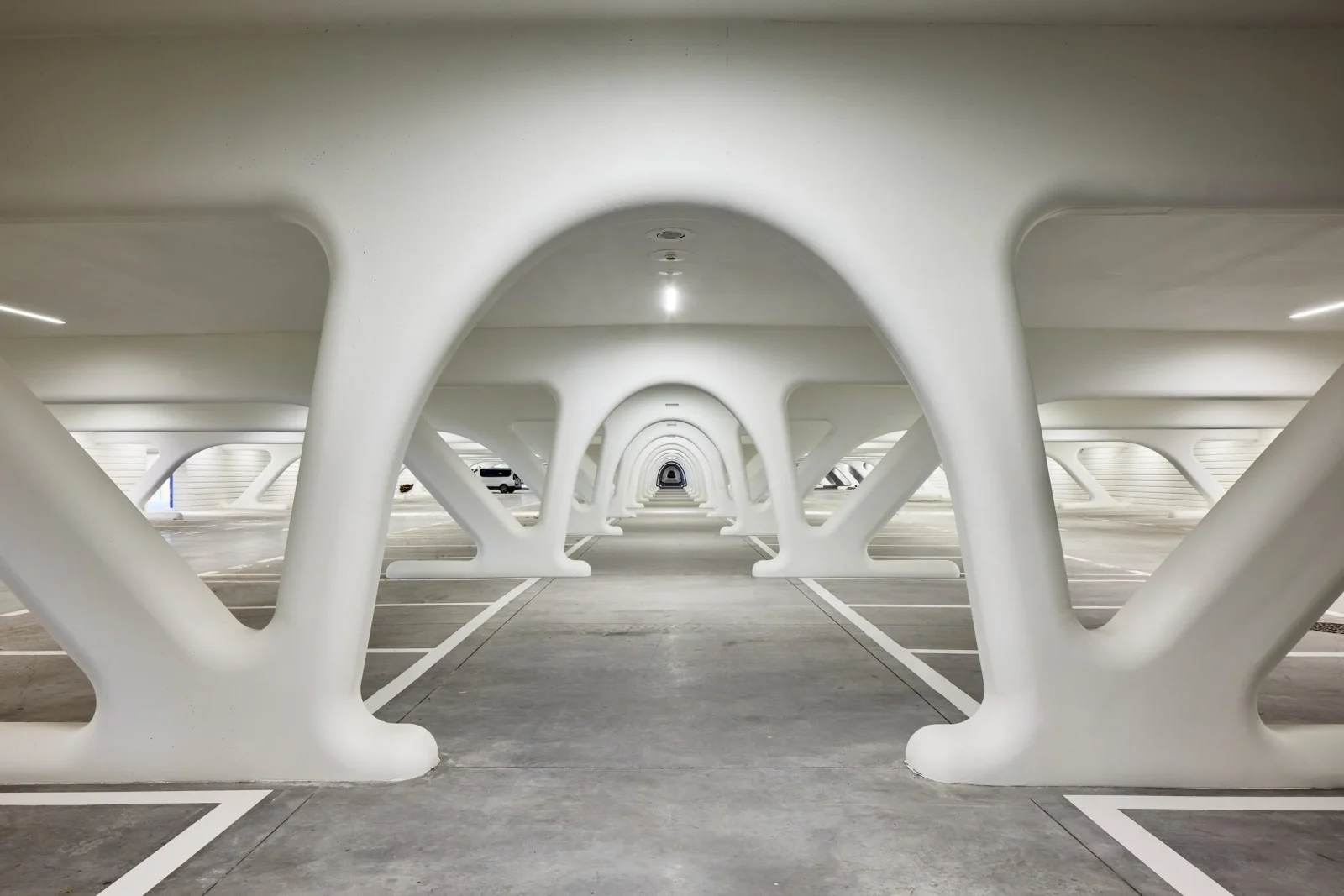
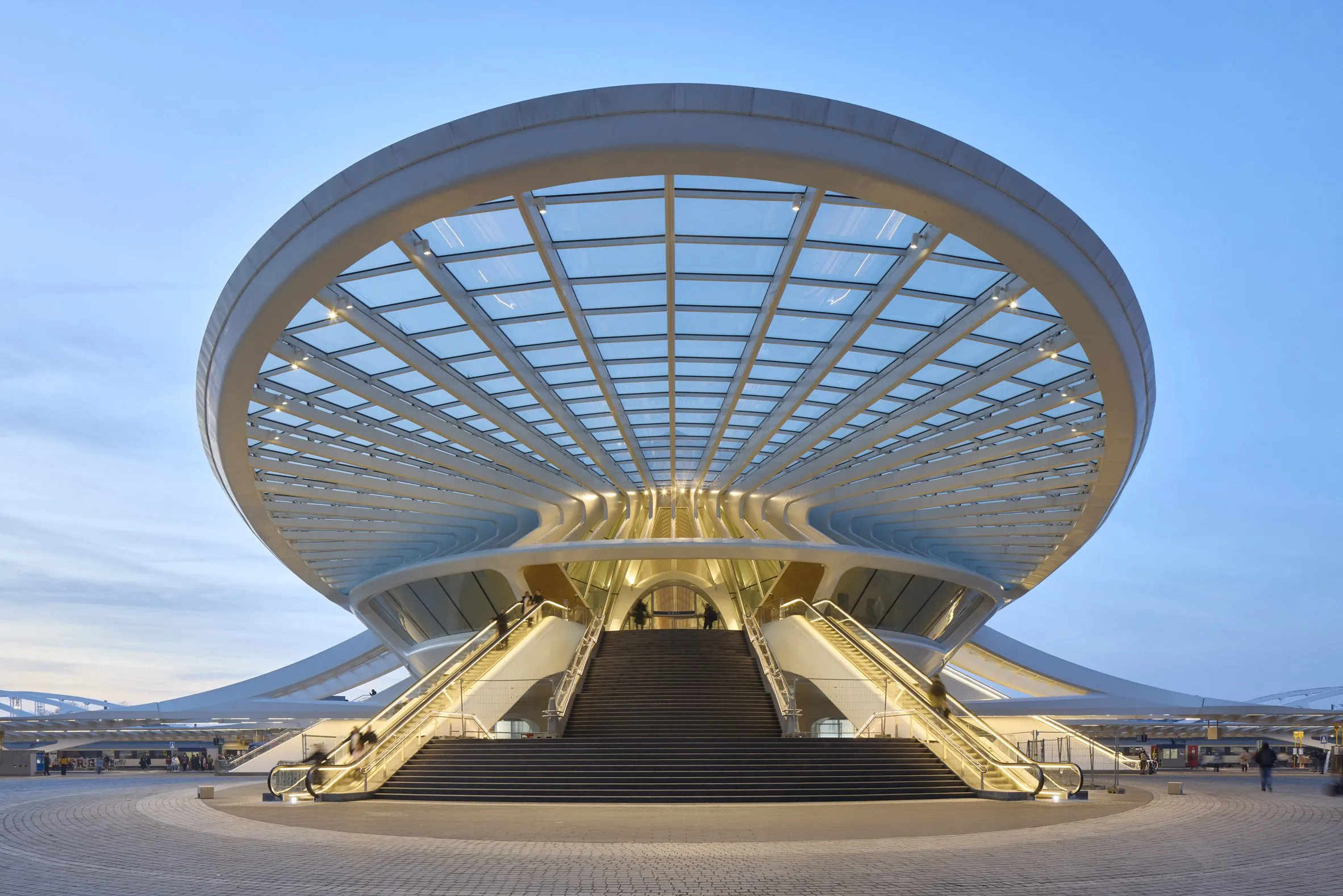
A striking new railway hub has just opened in Belgium, and it’s already grabbing attention around the world. The recently completed Gare de Mons (Mons Station) in the city of Mons has been named one of the “seven most beautiful train stations in the world” for 2025 by the Prix Versailles (an international architecture and design award established in 2015).
Designed by the architect Santiago Calatrava, the station blends a bold sculptural form with intermodal infrastructure and urban renewal aims, making it a major story for architecture, transport, and public space alike.
Santiago Calatrava’s Vision for Mons Station
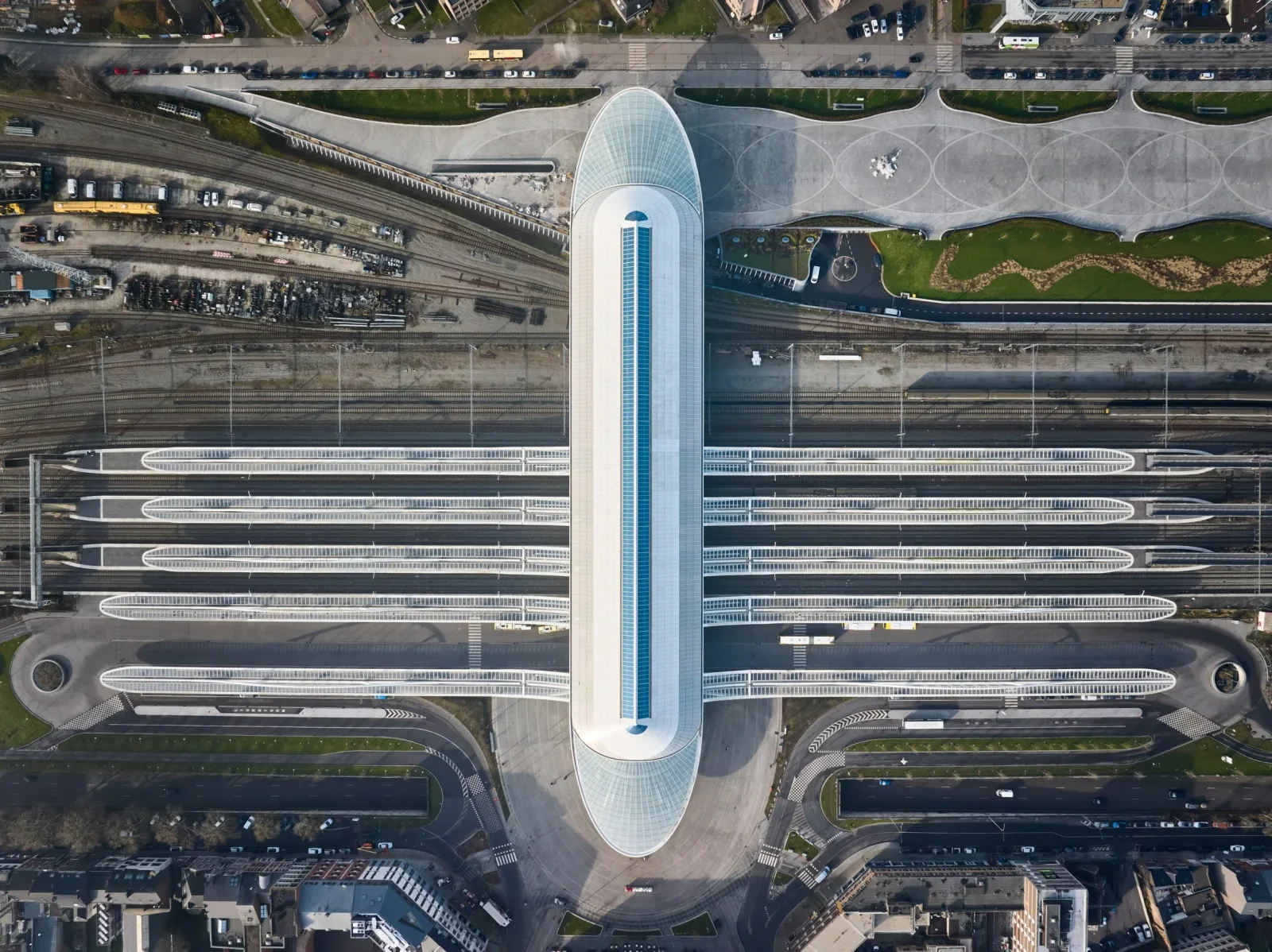
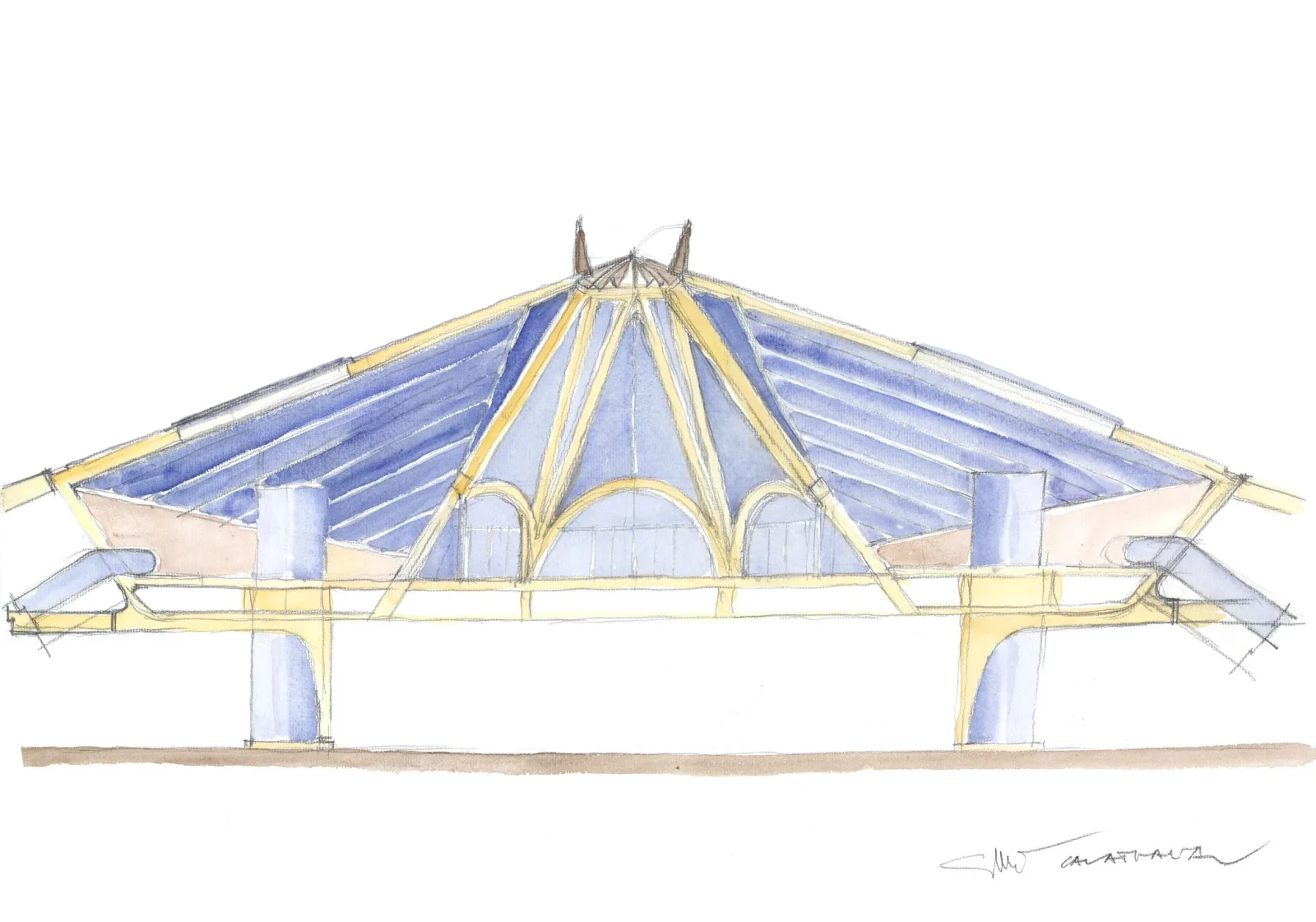
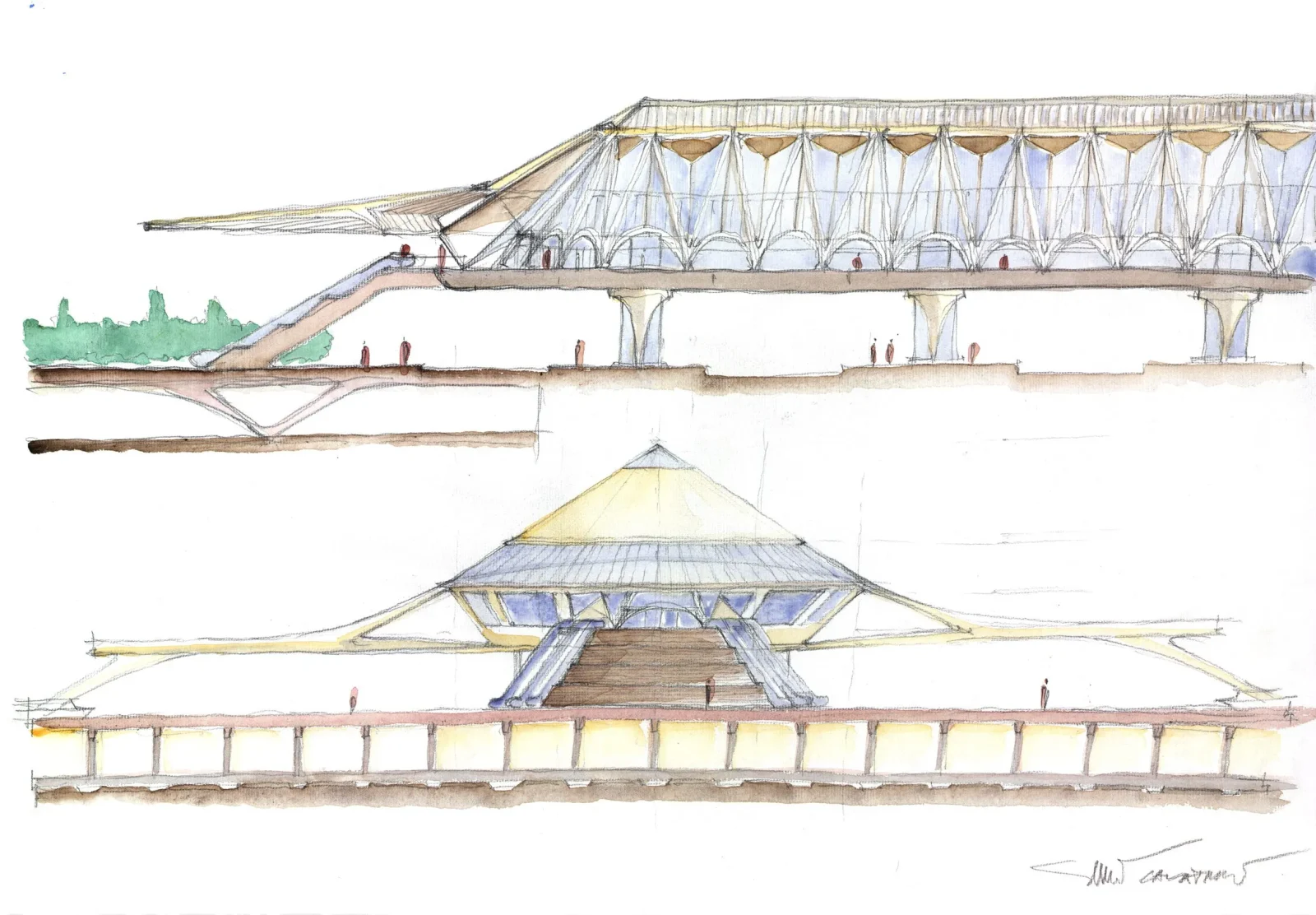
Santiago Calatrava won the competition to redesign the Mons station back in 2006. His vision was to create a “monumental bridge” traversing the tracks and linking previously disconnected areas of the city. The idea of a central gallery, about 165 meters long and 15 meters high, spans the rail lines and platforms.
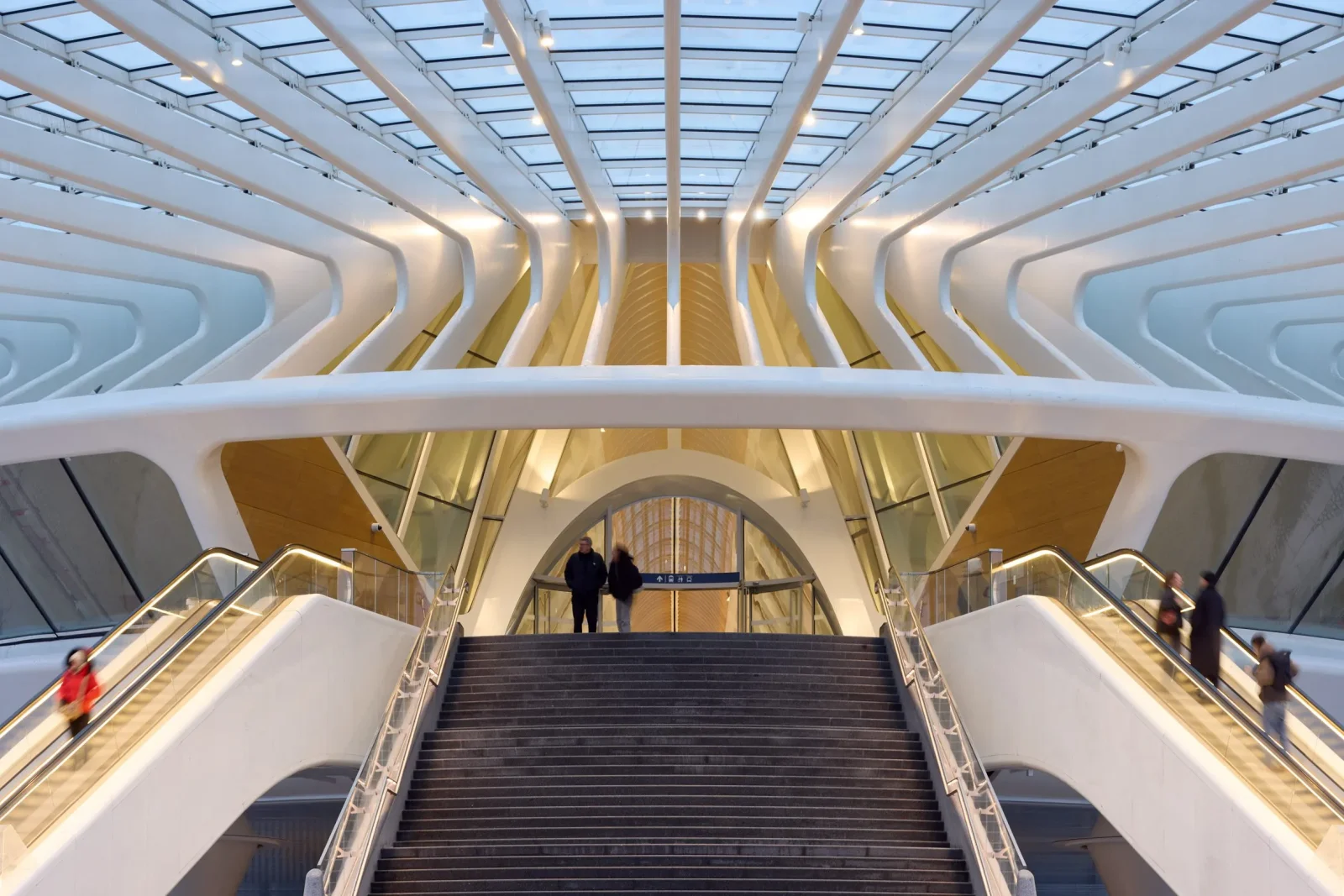
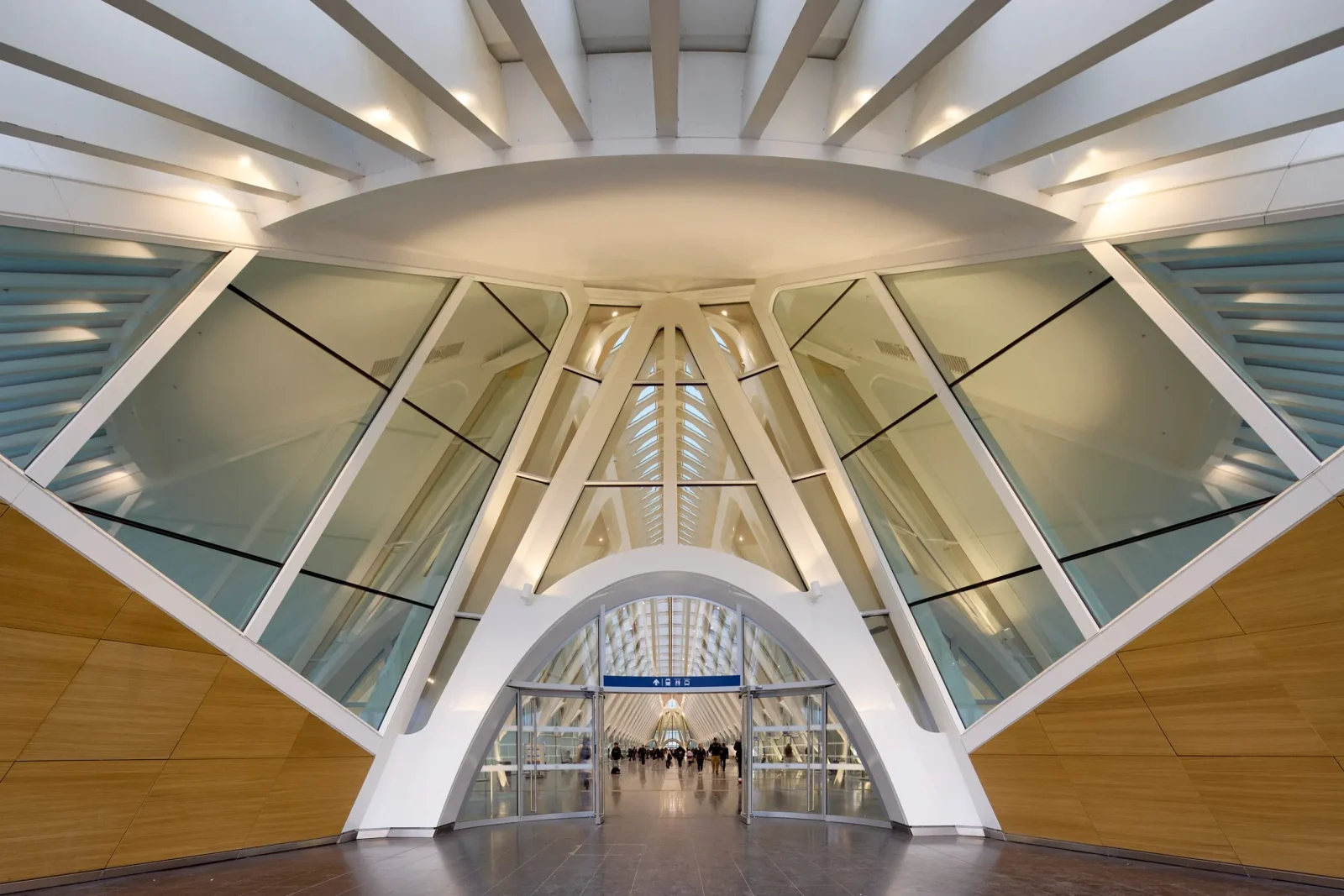
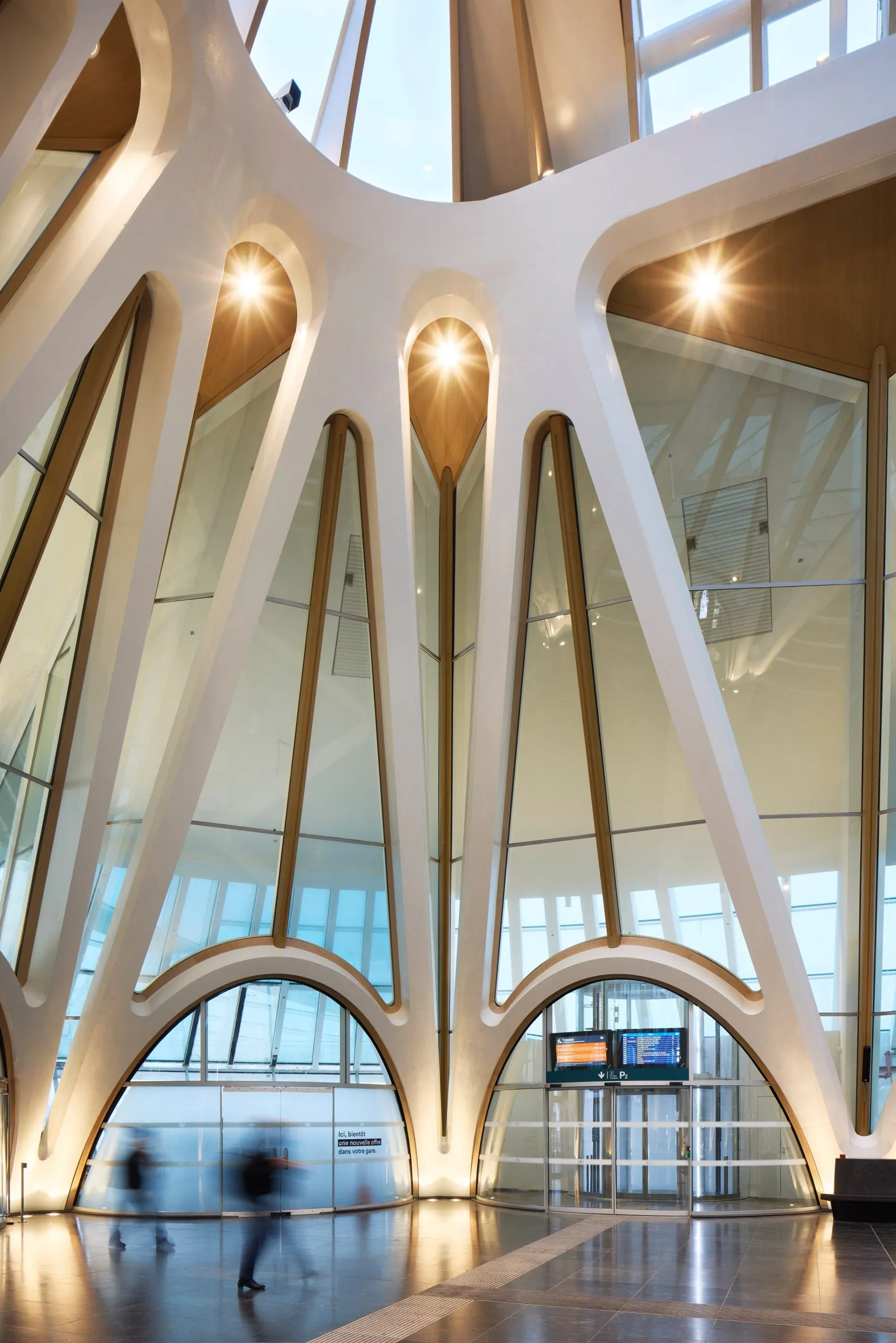
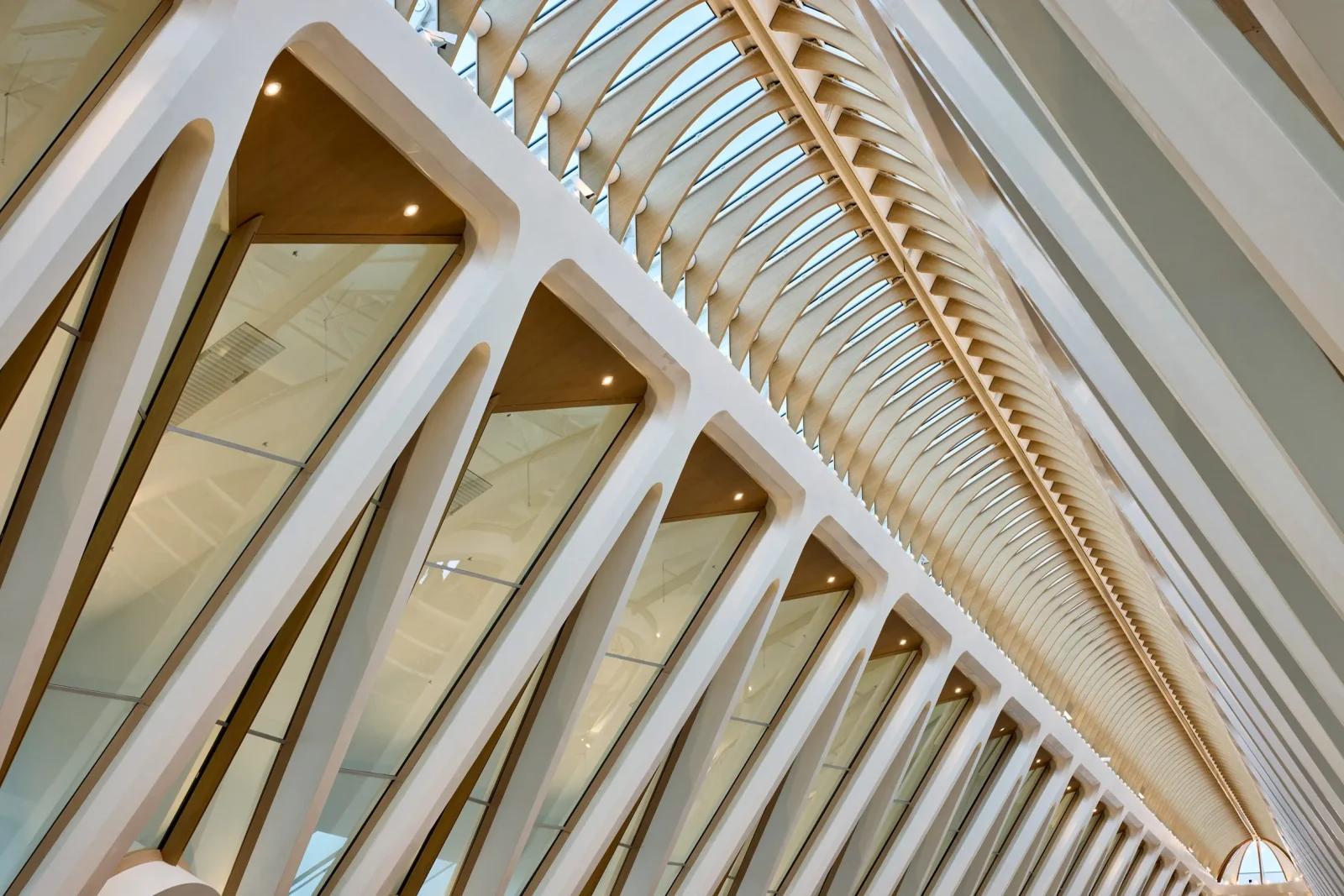
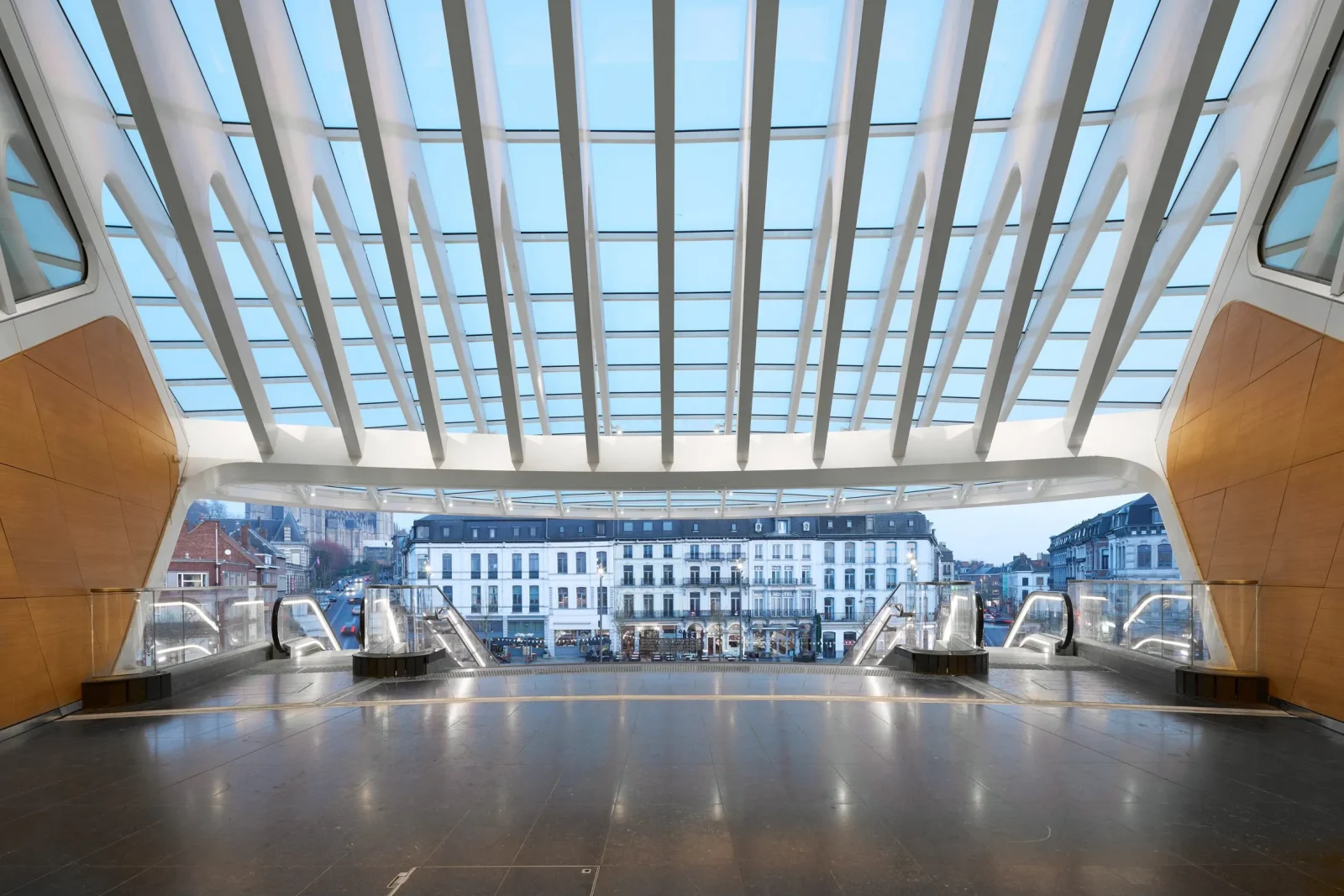
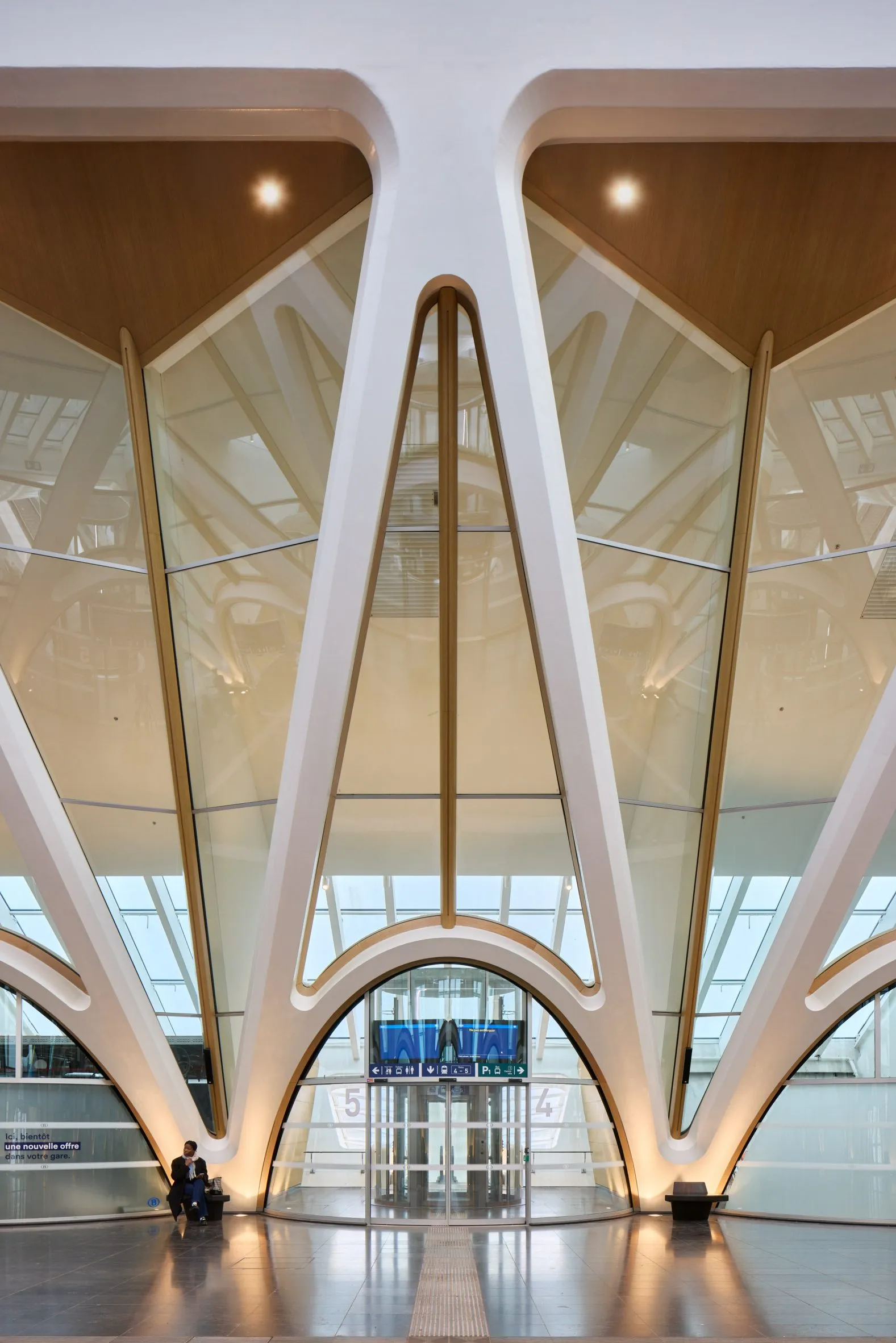
On one side lies the historic city center of Mons; on the other, a newer district to the north called Grands Prés. The station acts as both a connector and a landmark. Calatrava’s design philosophy here emphasizes structure and light, steel-ribbed forms, glass and timber elements, limestone floors, and large skylights to bring natural light deep into the concourse.
In his words: “This project transcends the challenges of constructing a new railway station.”
Architectural Highlights and Structural Innovation of Mons Station
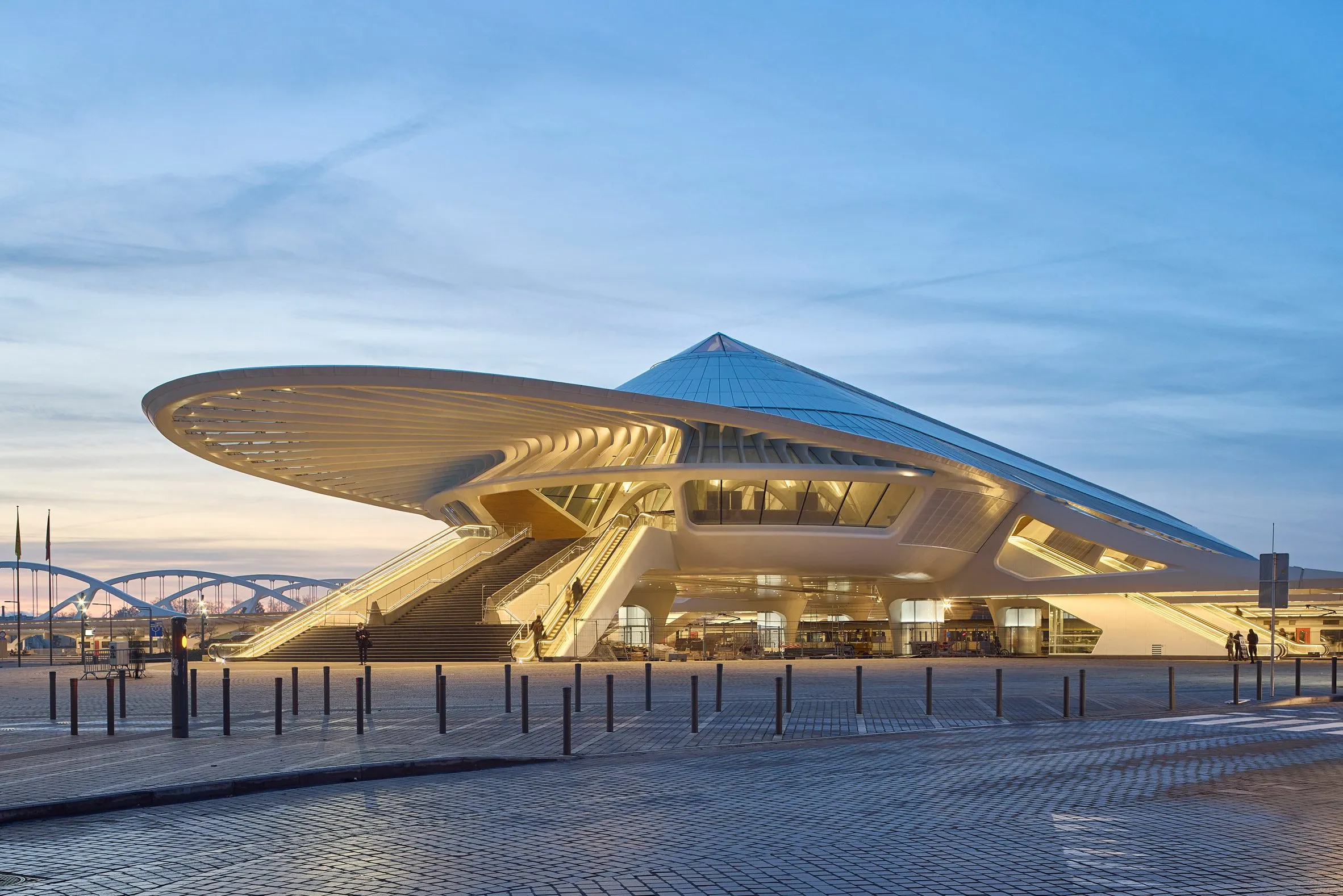
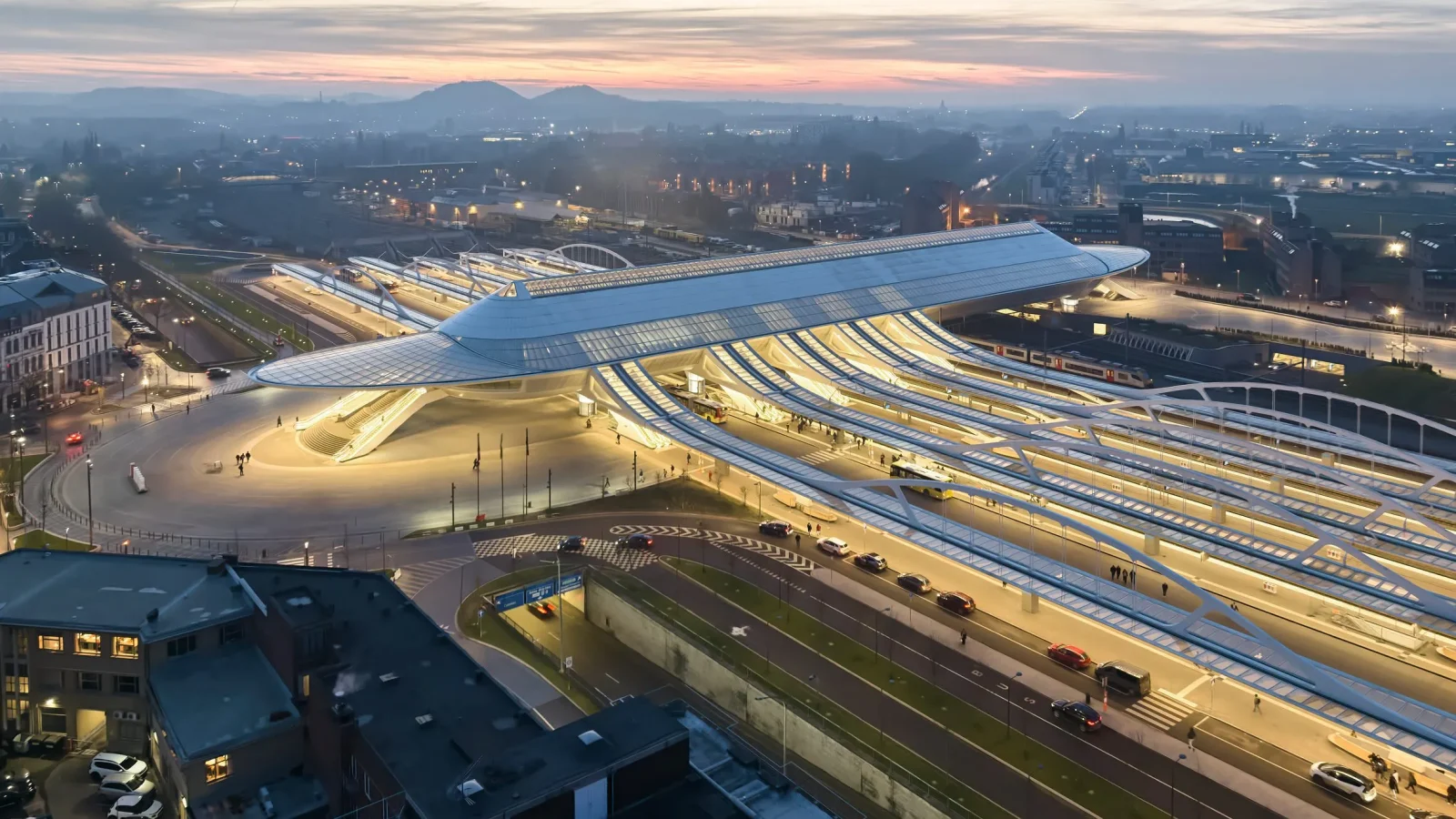
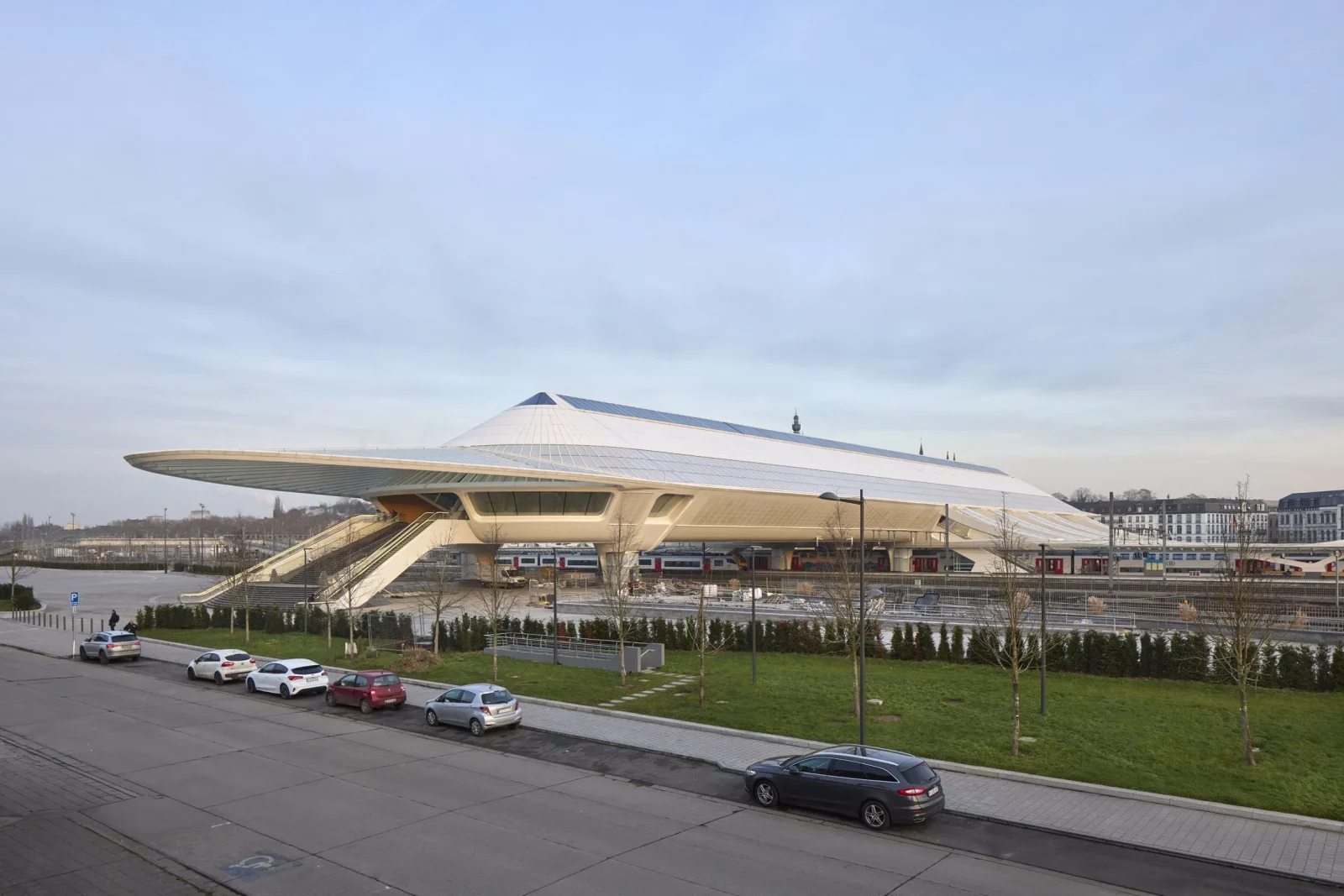
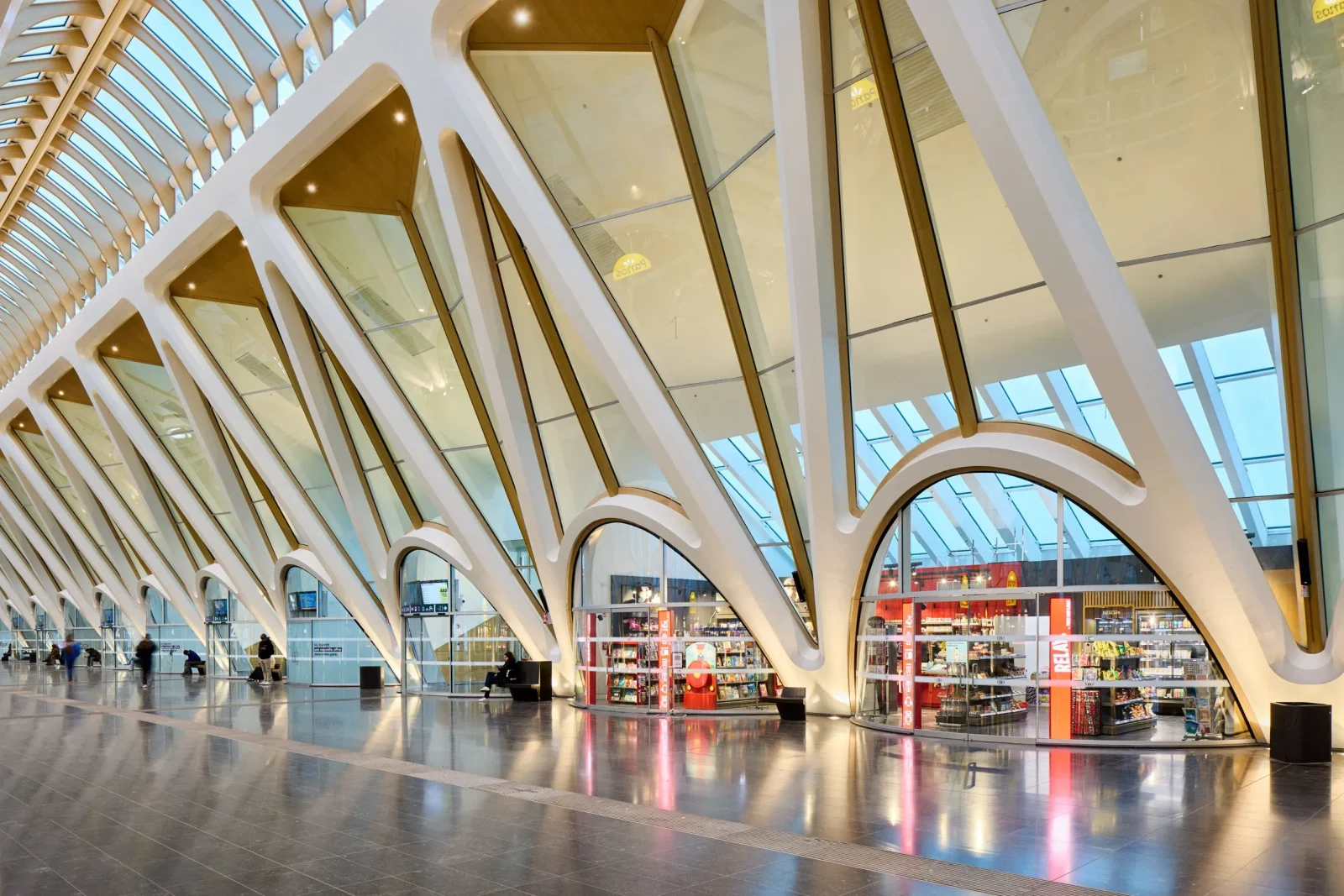
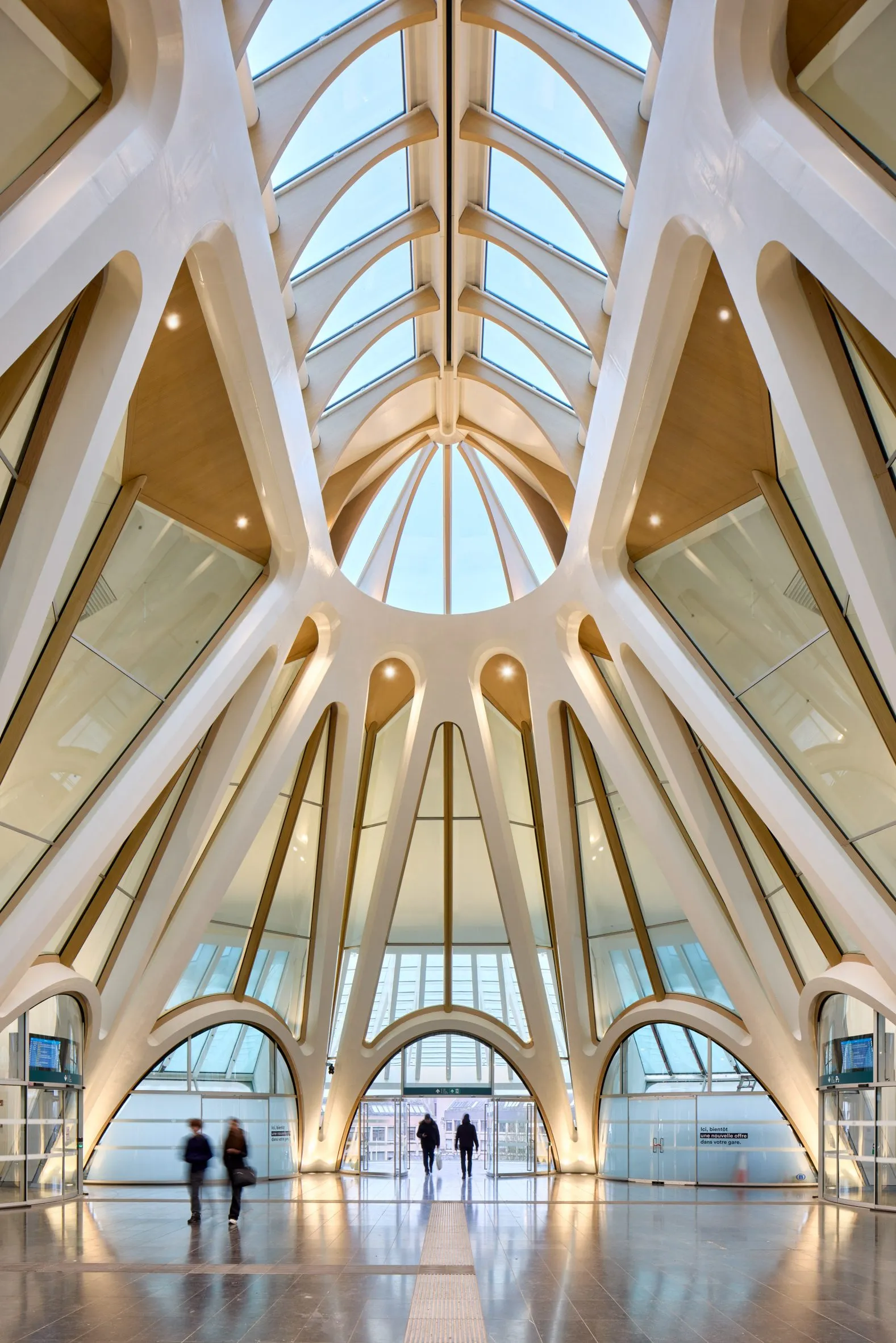
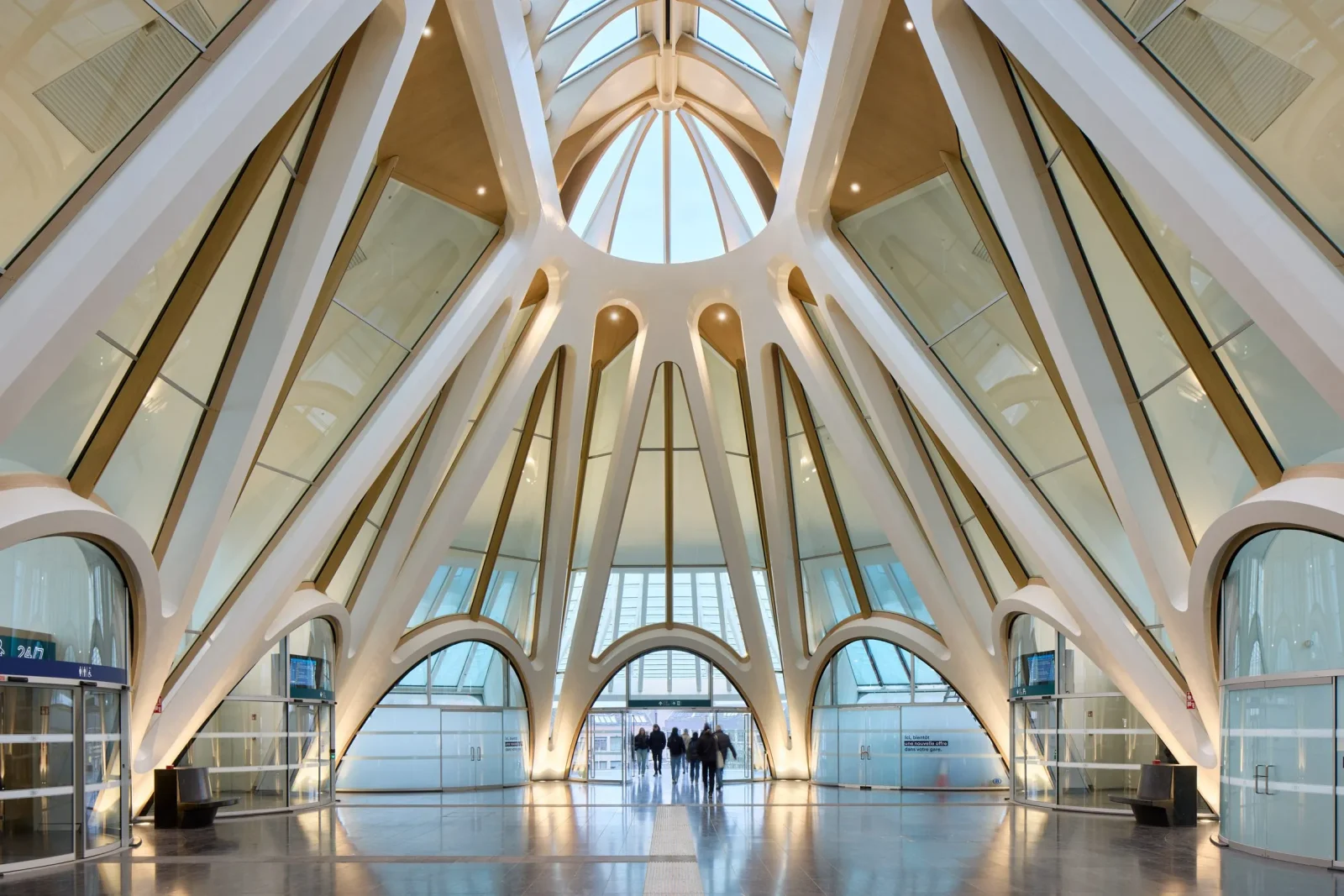
The newly opened Gare de Mons stands as a bold expression of Santiago Calatrava’s architectural ingenuity, merging artistic structure with civic function. The design centers around a 165-meter-long glass gallery, which acts as a bridge between the historic core of Mons and the newer Grands Prés district to the north. This elongated hall is a passage and serves as a civic artery, inviting light and movement through its wide steel ribs and open spatial rhythm.
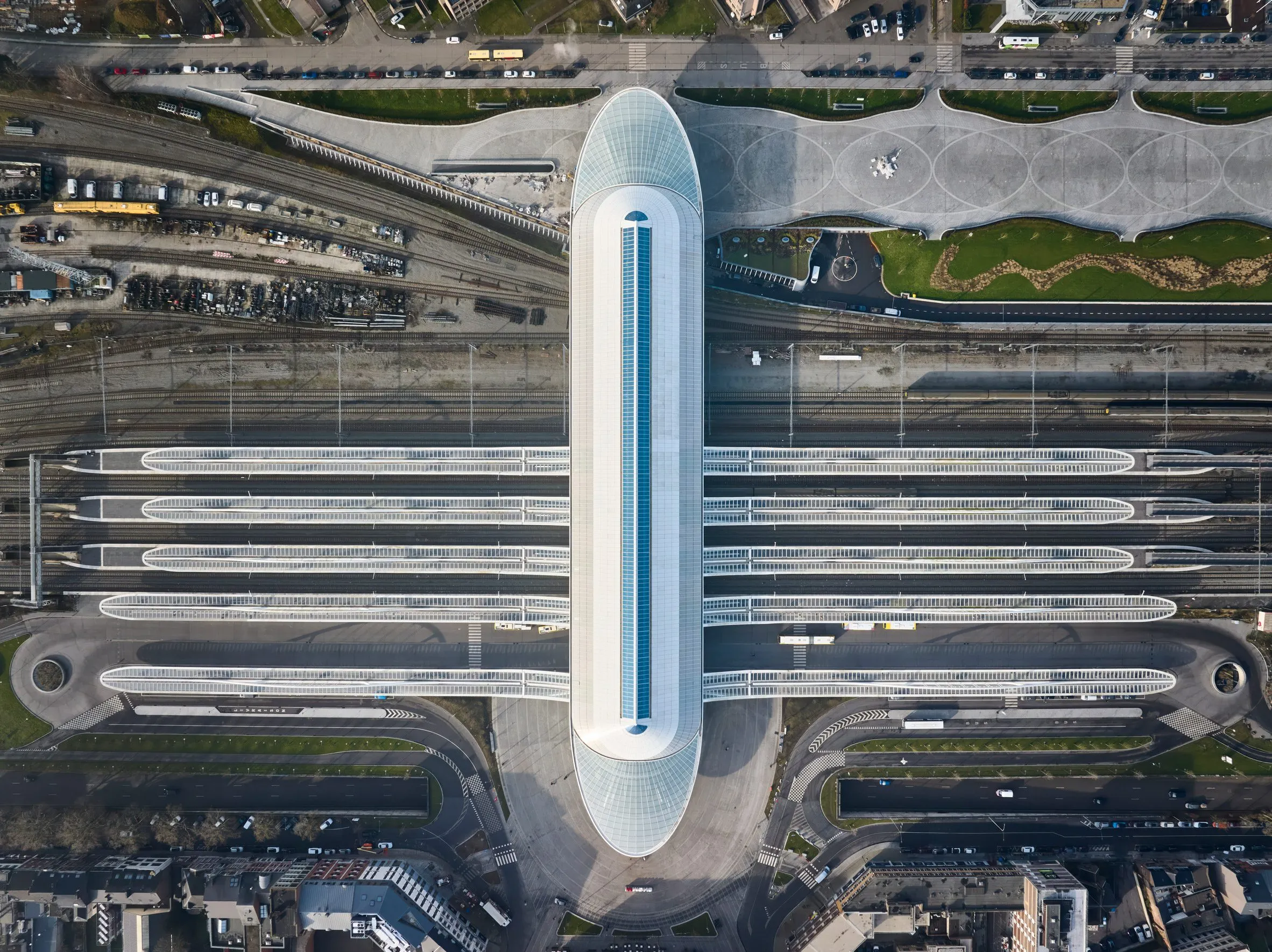
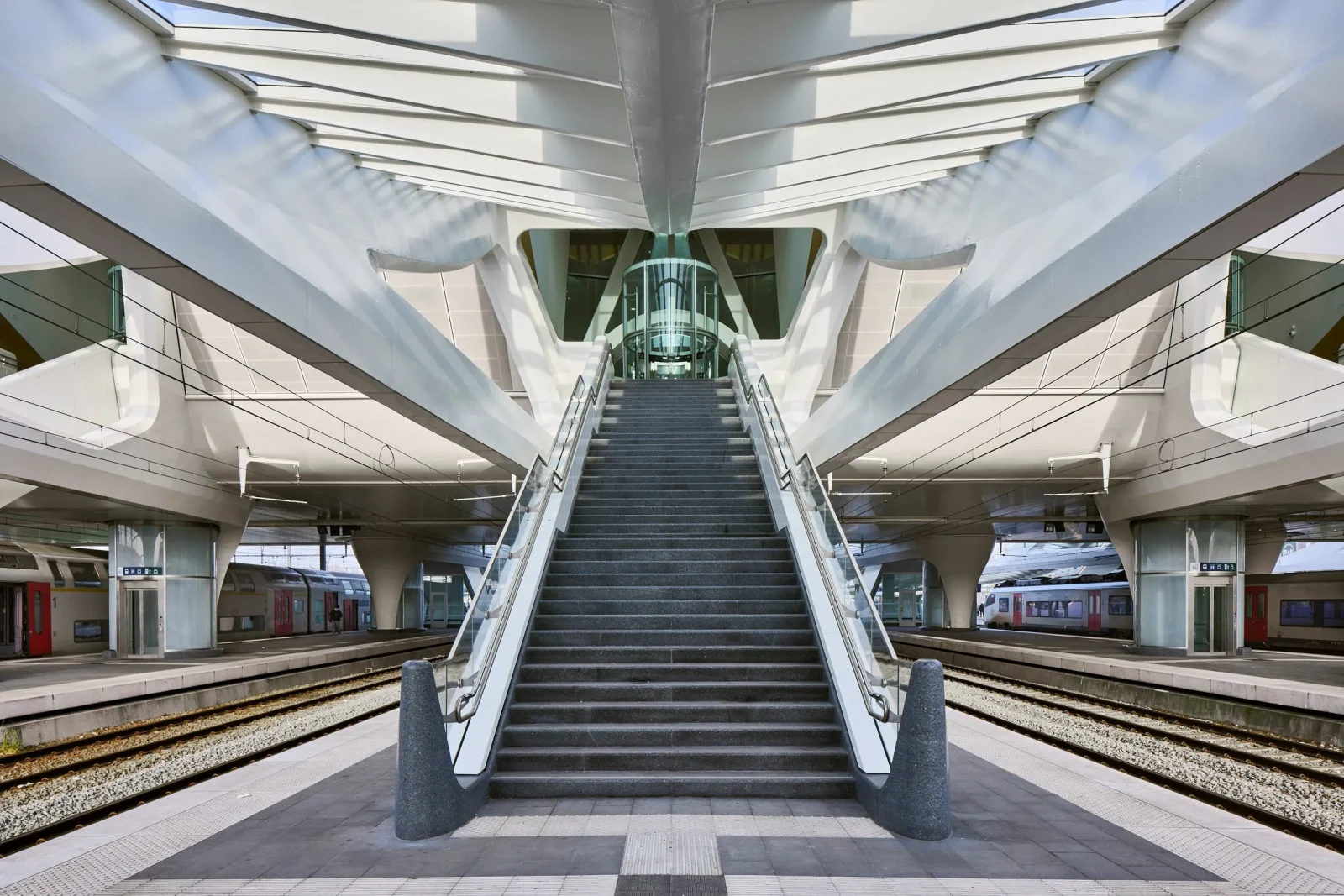
The station’s seven passenger tracks are flanked by 350-meter-long platforms, designed to accommodate regional and intercity trains while ensuring efficient passenger circulation. Calatrava developed the building as a multi-modal transport hub, integrating 29 bus bays, taxi ranks, an underground car park, and generous bicycle facilities. Together, these elements create a seamless interconnection between various modes of travel, transforming the site into a model of modern urban mobility.
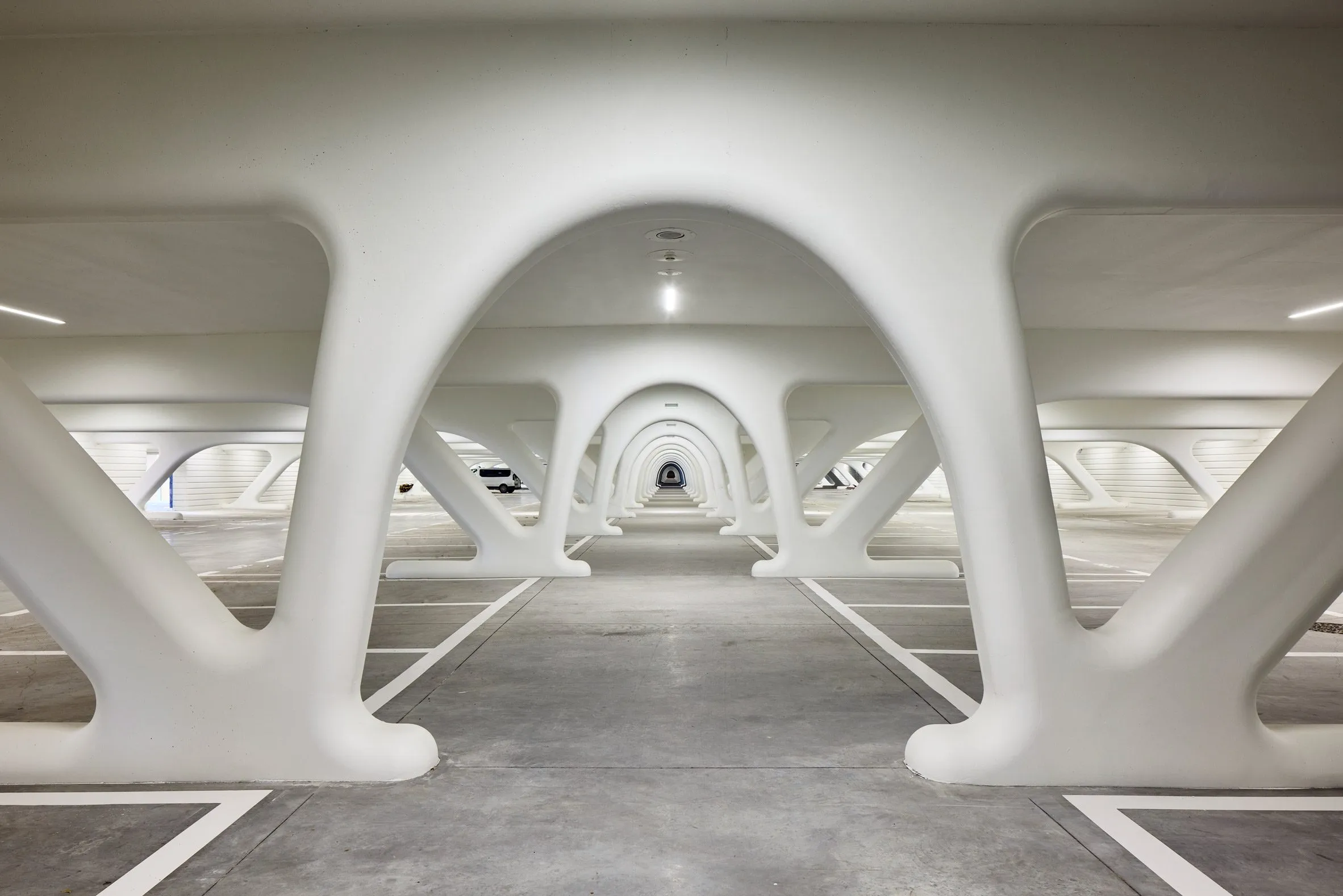
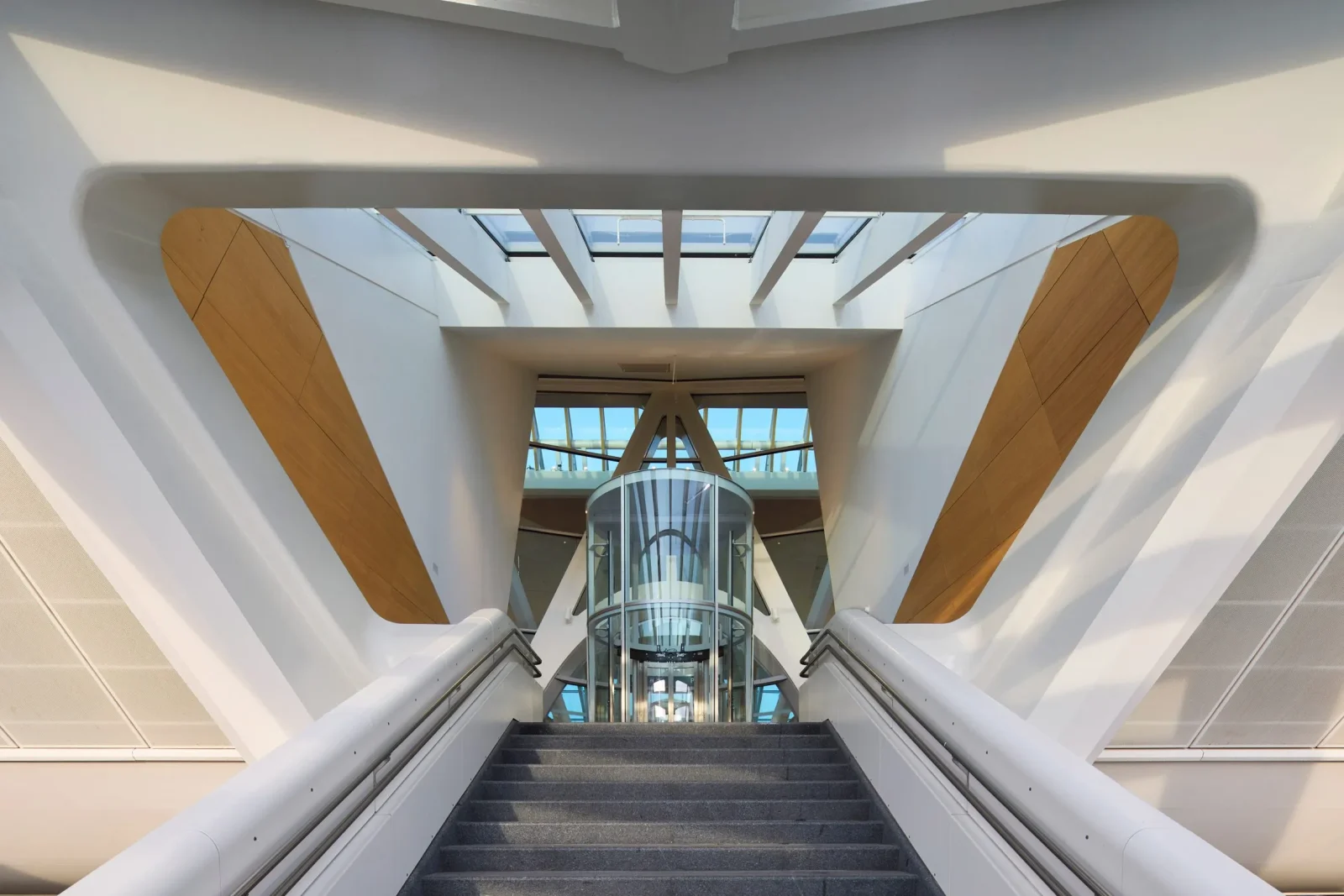
Structurally, the station reveals Calatrava’s signature fusion of engineering precision and sculptural grace. Its frame follows a sequence of triangular steel supports that rise in a rhythmic pattern beneath a luminous roof. A long central skylight, positioned along the roof’s spine, floods the concourse with daylight while naturally ventilating the interior during warmer months.
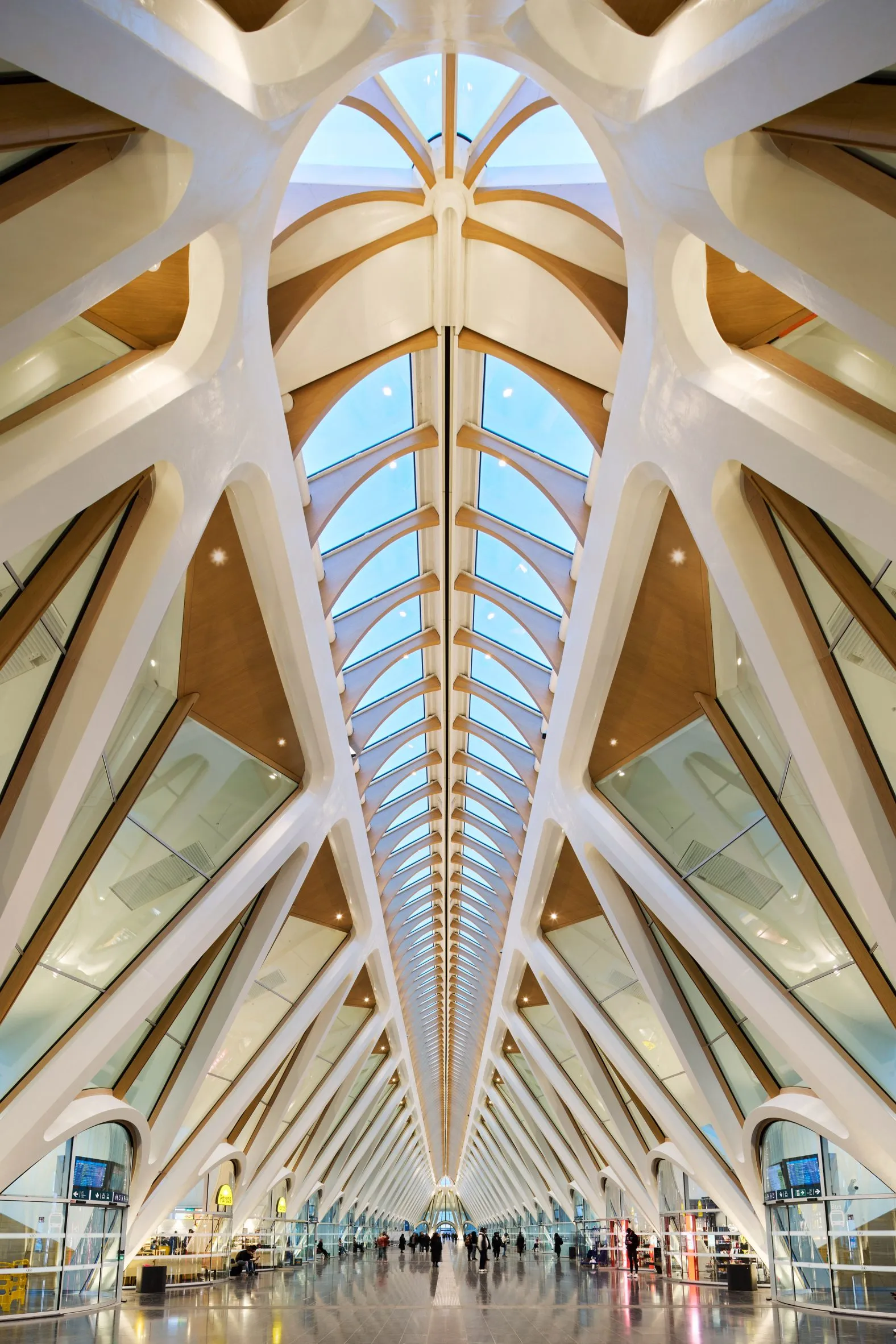
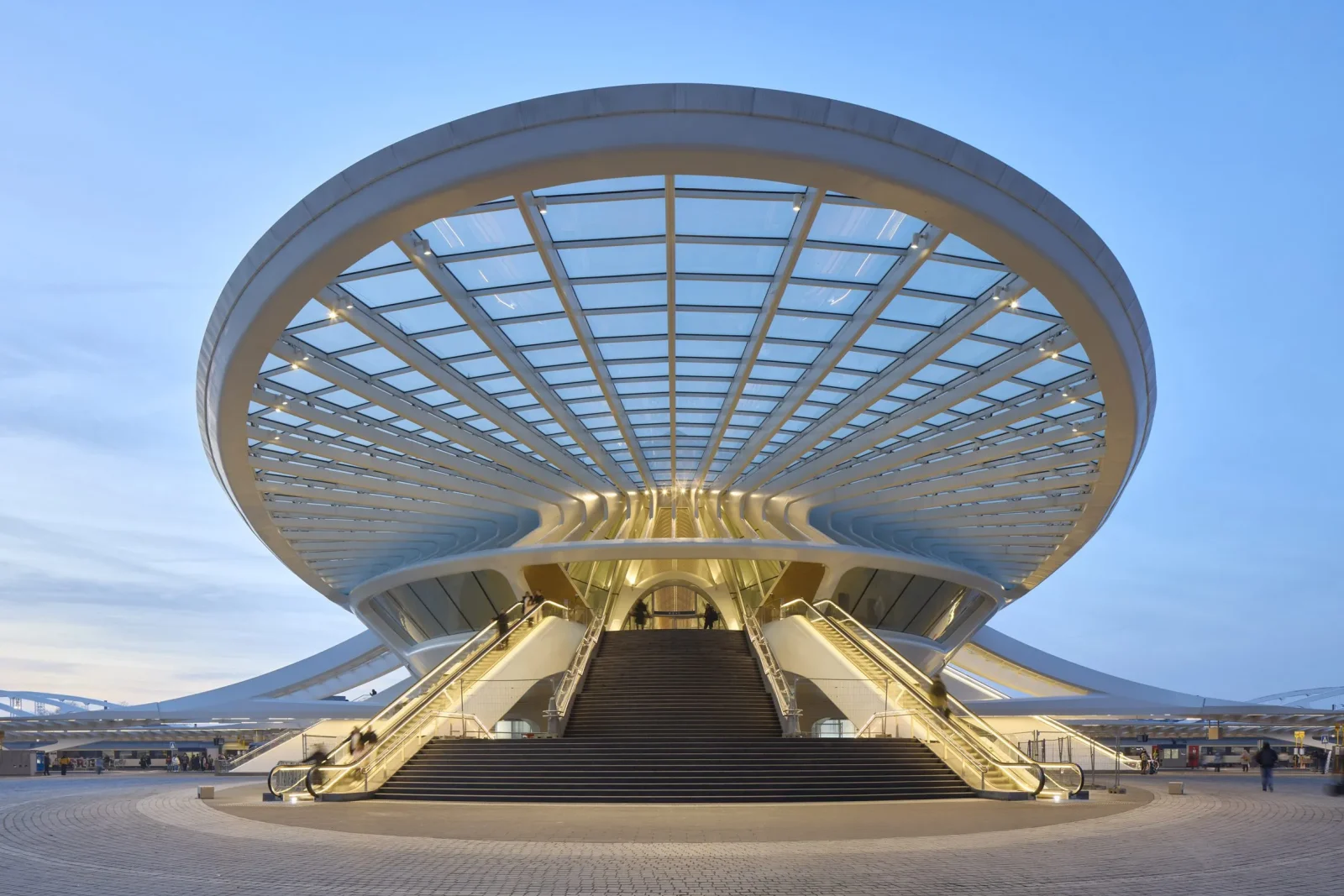
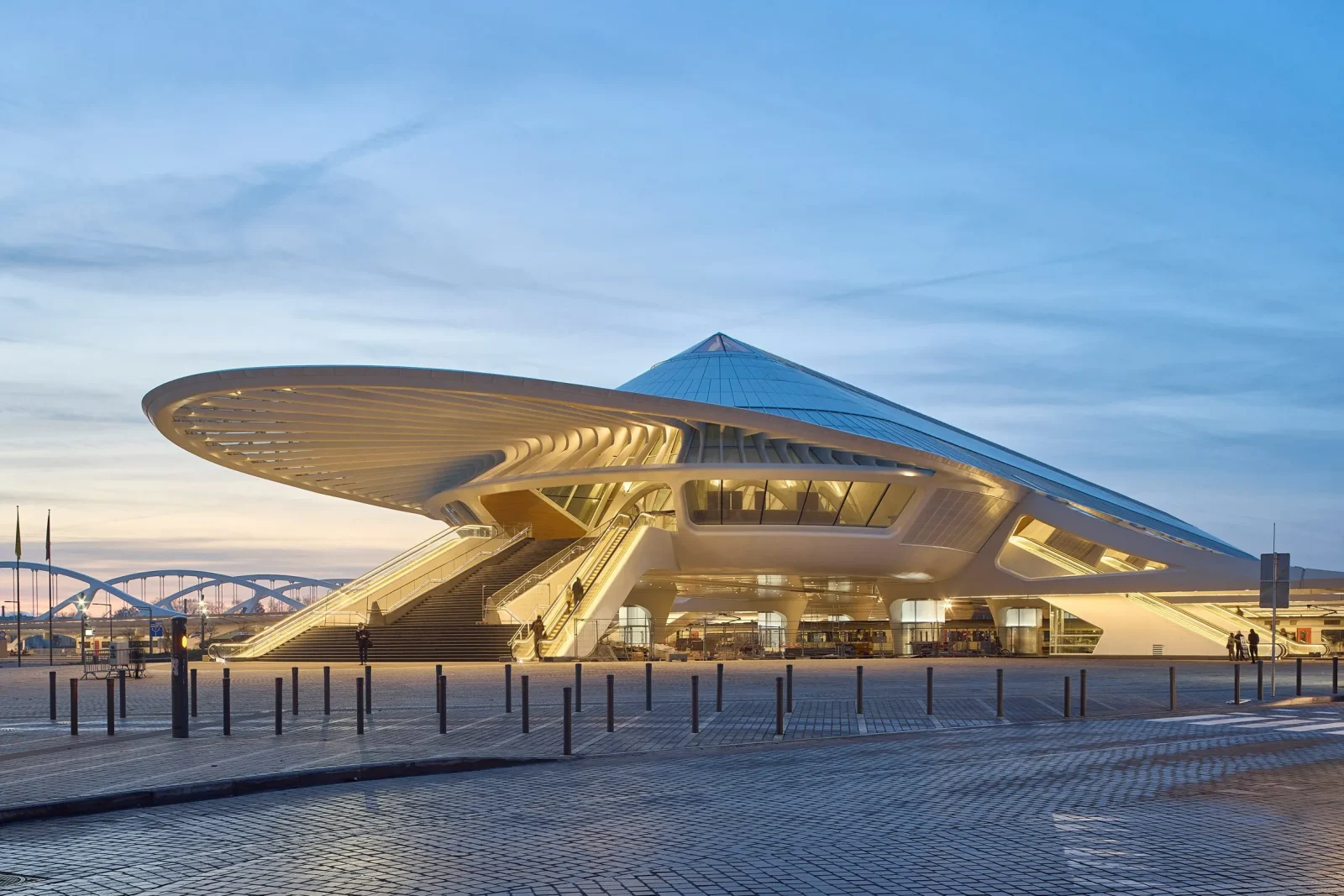
From the exterior, the Gare de Mons appears as a floating composition of glass and white steel, its gently sloping canopy echoing the movement of passing trains below. The design’s fluid curves evoke motion and balance, making the building both a piece of infrastructure and a sculptural landmark.
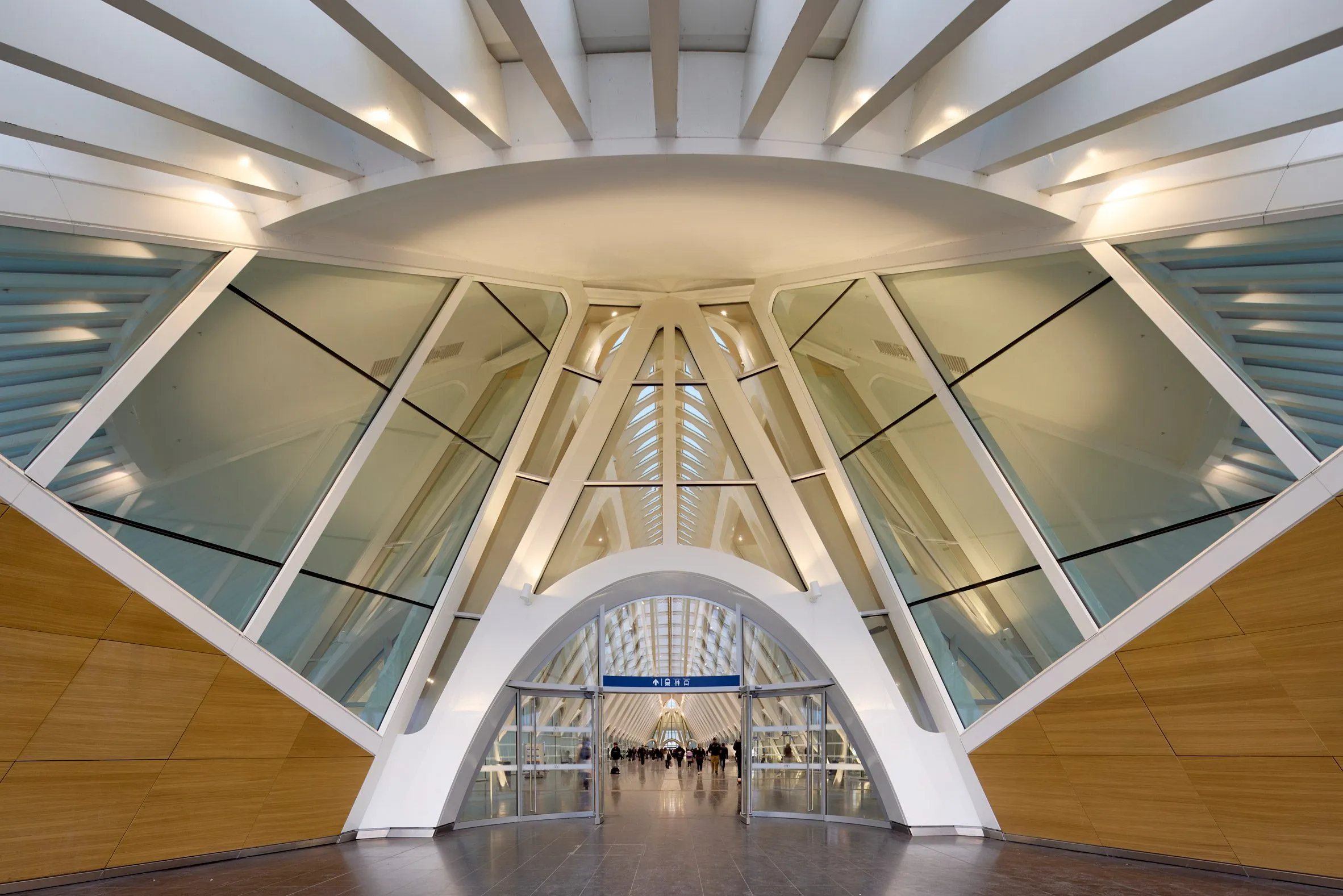
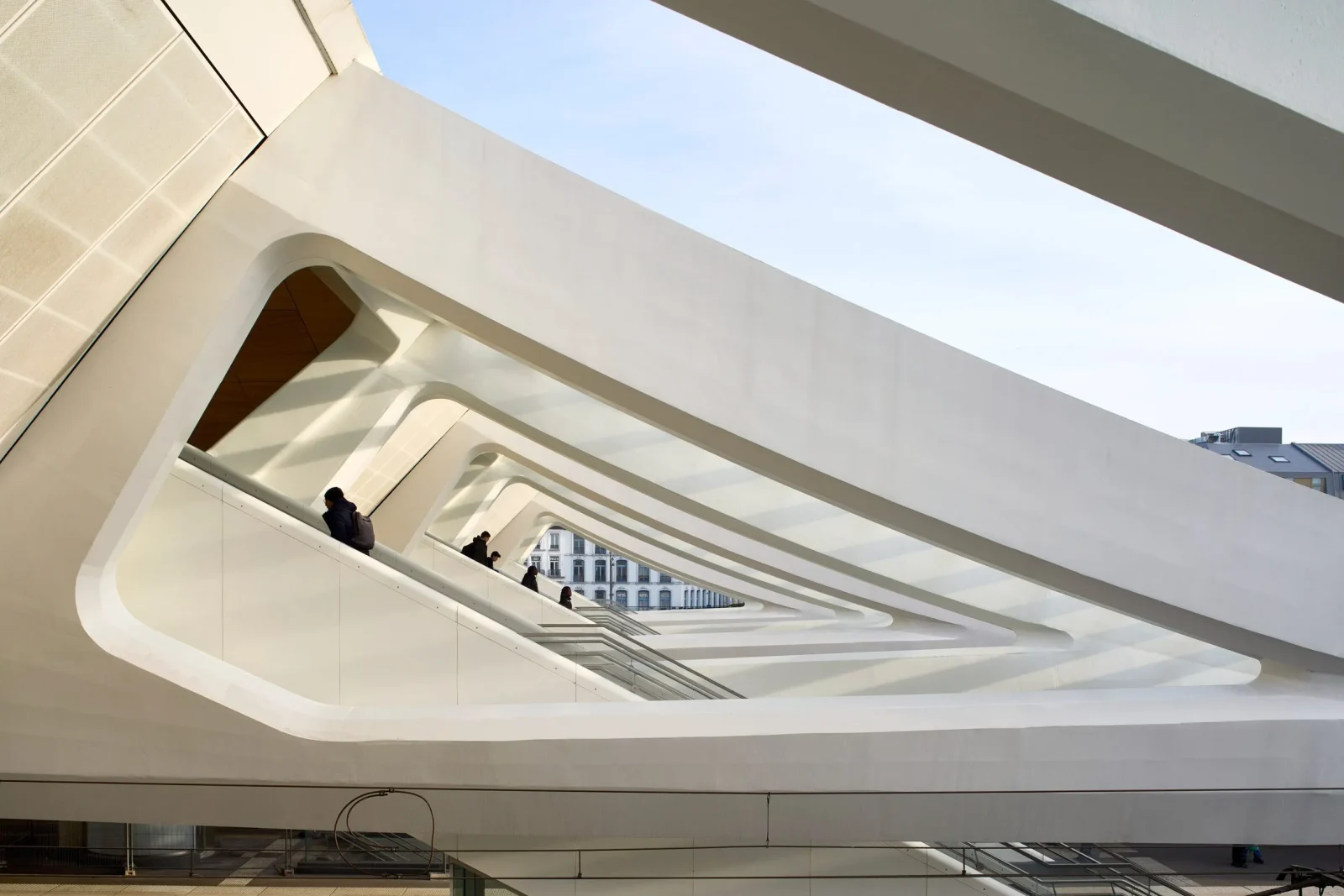
The project prioritizes accessibility and sustainability. The raised platforms and vertical circulation elements (elevators and escalators) ensure barrier-free movement throughout the building. Features such as tactile paving and intuitive wayfinding support visually impaired passengers, while passive climate control strategies reduce energy use.
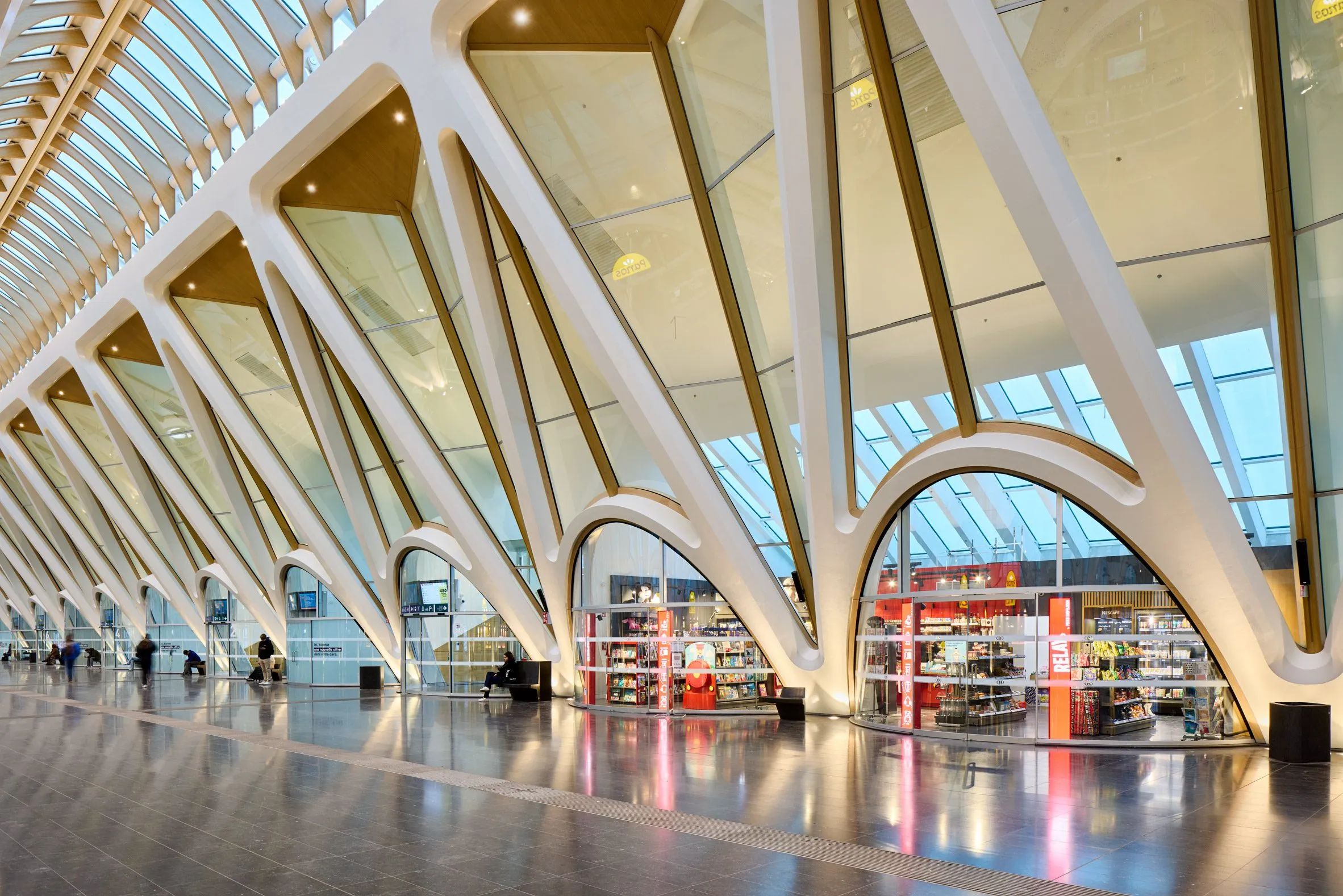
The station also plays a pivotal role in urban regeneration. Around 2,100 square meters of retail space, 3,500 square meters of offices, and roughly 12,000 square meters of landscaped public areas surround the hub. These spaces anchor a larger redevelopment effort, linking transport efficiency with economic and social revitalization.
Timeline, budget, and context
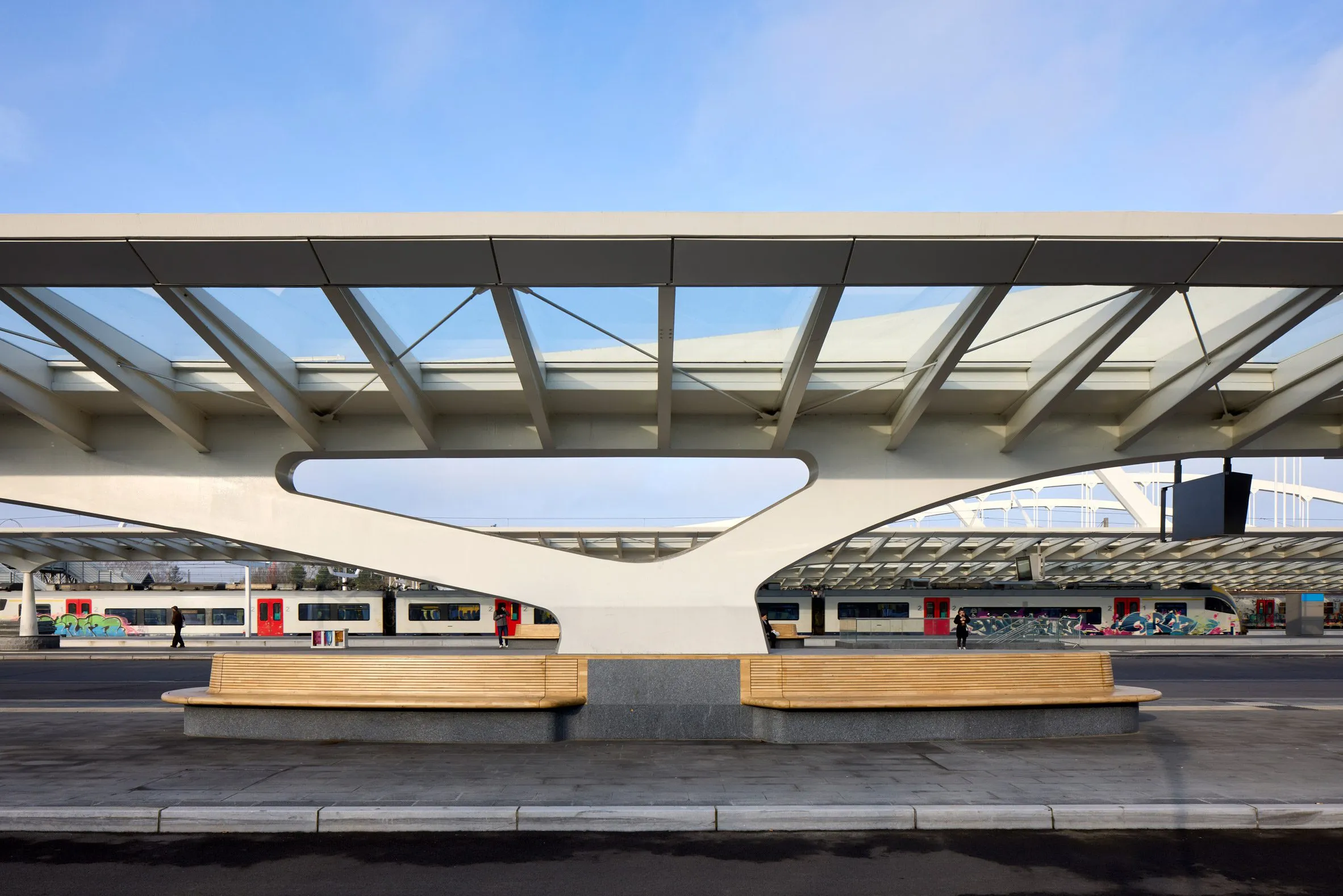
- Originally, the project began as a simpler plan: a pedestrian footbridge over the tracks, linking the historic core to the new district.
- Over time, the scope expanded into a full station rebuild.
- Construction took nearly two decades. The competition was won in 2006; passenger operations began on 18 December 2024, and the official inauguration was on 31 January 2025.
- Budget escalation: The initial budget was €37 million, but the final cost has grown to around €480 million. (by Belgian press, VRT nws)
- Delays: The station was initially targeted for completion around 2015, but was delivered much later.
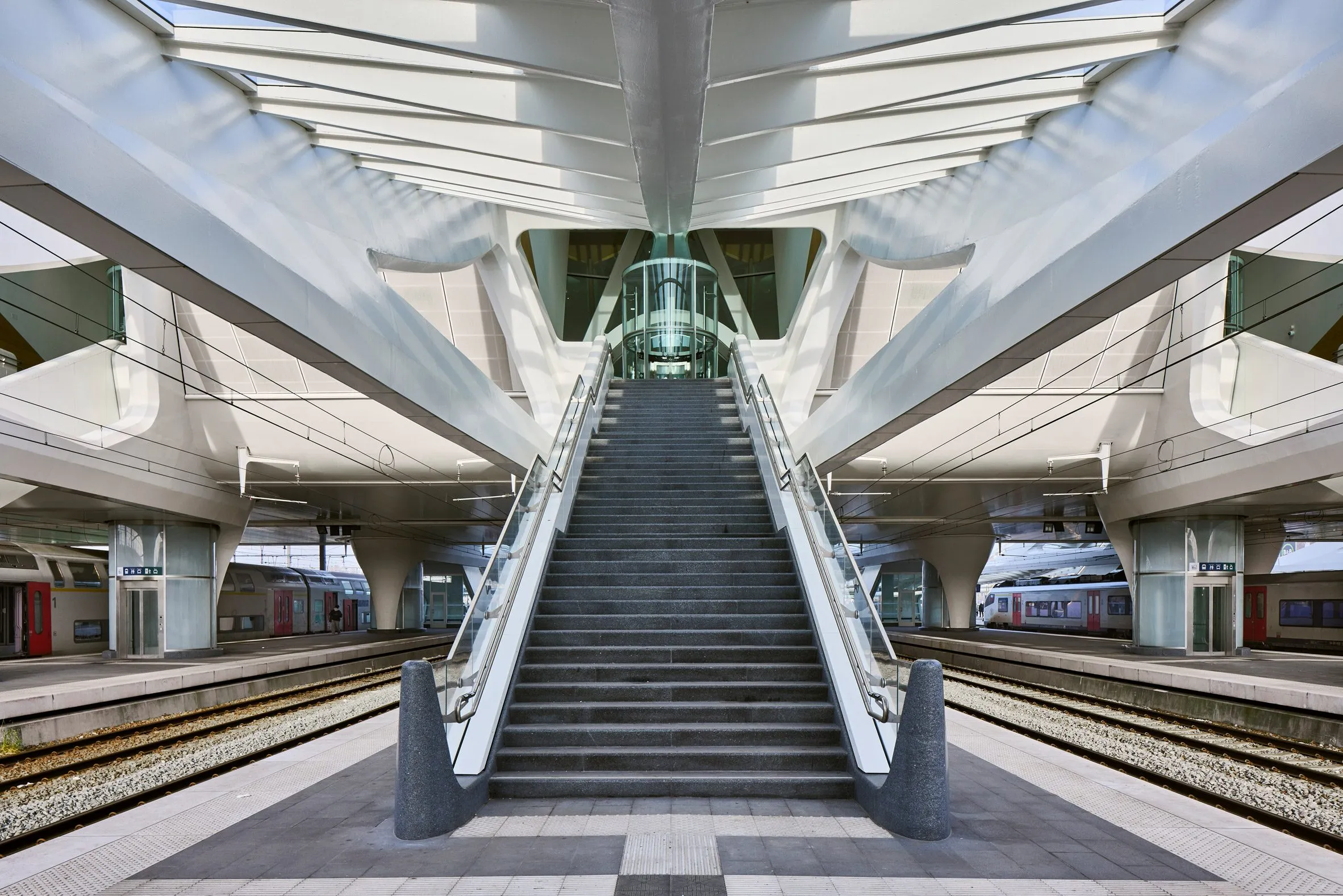
The completion of the Gare de Mons marks a new transport hub; it represents a decisive transformation in the city’s urban fabric. The station acts as a physical and symbolic bridge, seamlessly linking the historic center of Mons with the modern Grands Prés district. This new connection reshapes pedestrian circulation, improves access to regional transport, and strengthens the city’s overall spatial identity. What was once a divided area now flows together through architecture that literally and figuratively unites both sides of the tracks.
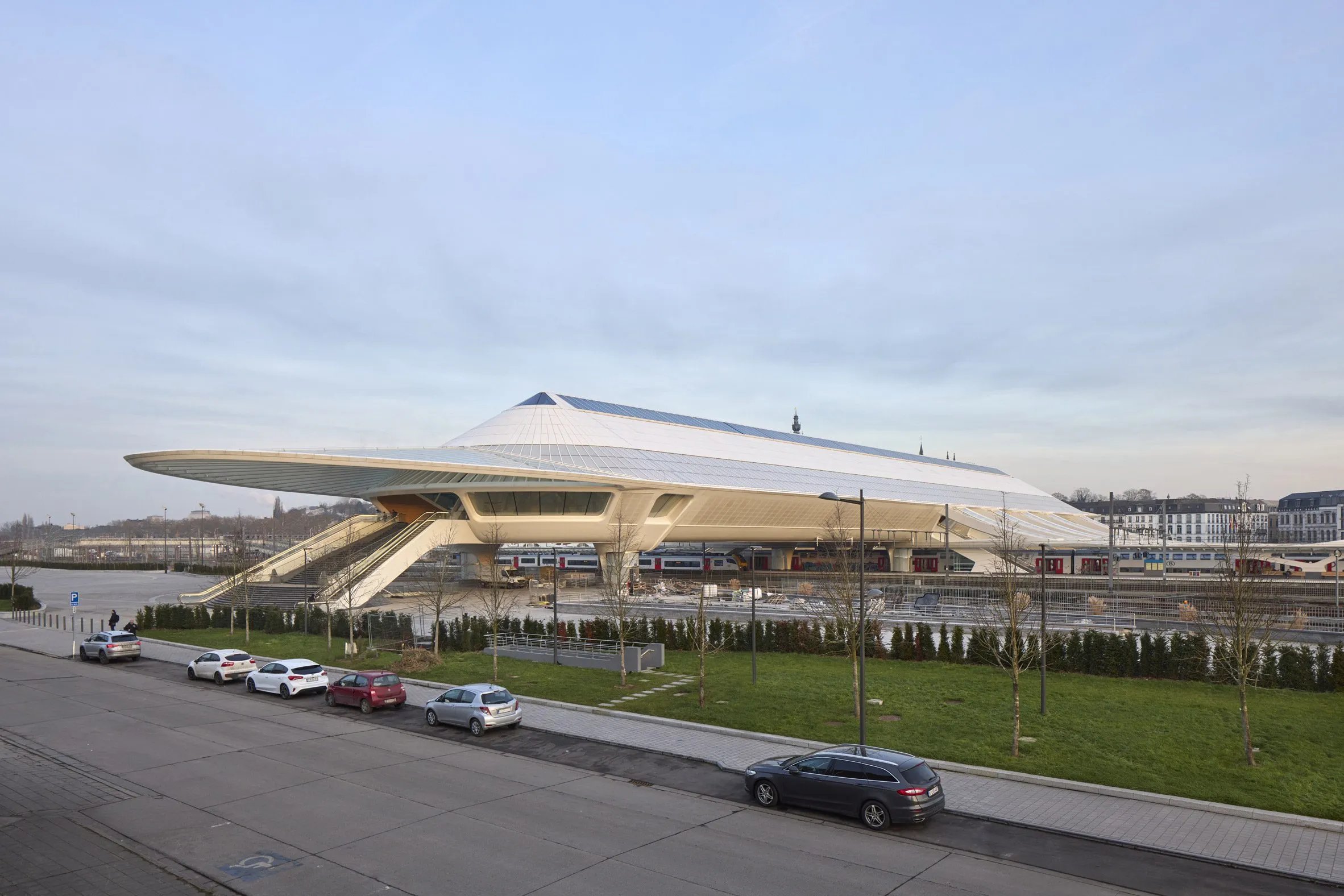
The station stands as one of Santiago Calatrava’s most ambitious Belgian projects, embodying his signature fusion of engineering and art. Its sculptural white steel canopy and cathedral-like interior create a landmark visible from across the city.
Image credit: Oliver Schuh of Palladium Photodesign.
Explore Courses

.jpg2.jpg "Carlo Ratti - Rethinking Architecture")
.jpg "Architecture Diagram Mastery: Concept to Portfolio")
.jpg%202.jpg "Building Performance with Forma & Opossum")