

Topic: GPT-Astra in Architecture: Agentic AI Modeling with Astra, Fable, Rhino and Revit
Date: October 4, 2026
Time: 14:00 – 19:00 GMT
Format: Online on Zoom
Duration: 1 Session (5 Hours)
Registration Deadline: October 3rd, 2026
Total Seats: 50 seats
Difficulty: Beginner – Intermediate
Language: English
Certificate: Yes
General Registration: 100 EUR
Join free: with Full Access membership
Fee for Digital Members: 85 EUR (15% discount available only for Digital Members)
Organized By: PAACADEMY
Tutor: Fredy Fortich
Recordings: Recordings will be available for all participants indefinitely afterward.
Introduction to GPT-Astra in Architecture: Agentic AI Modeling with Astra, Fable, Rhino and Revit:
The last three years of conceptual architecture with AI have been greatly influenced by images. Diffusion models gave us seductive pictures yet with little geometry to work with, nothing to properly measure, cost, or coordinate. That gap is now closing: AI models no longer describe the building, they operate the software that builds it.
GPT‑6 Astra & Claude Fable 5 are chosen because they are the current frontier for long-term tool use, and because they fail differently. GPT‑6 Astra is built for demanding end-to-end work with strengths in long-horizon agentic tasks involving computer and browser use. Claude Fable 5 is built for autonomous knowledge work, executing well-scoped tasks with few mistakes and self-correcting through verification loops. Running both on the same brief is the only honest way to judge them.
Why it matters to you: this is the first AI workflow that produces a file you and your project team can actually use, with layers, names, schedules and exports. It moves AI from the concept / renders and into the architectural development stage.
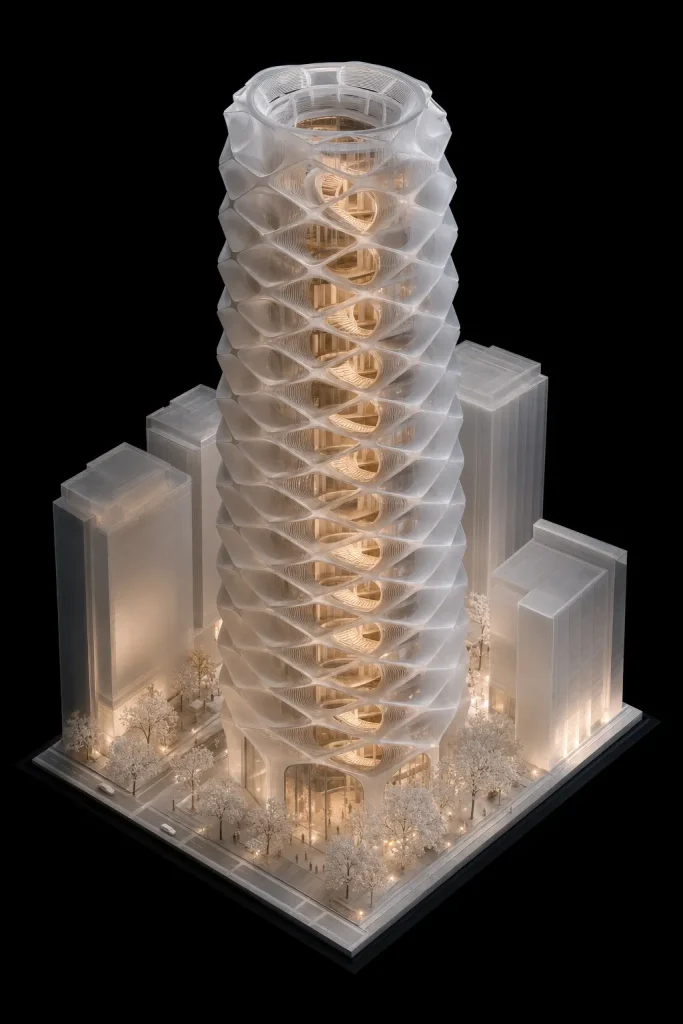
Methodology:
This workshop shifts AI-assisted architectural design from chaotic prompting to strategic execution by converting spatial briefs into explicit, parametric rule sets before any agent touches the project. Operating on a strict “read and plan first, write second” protocol, it requires every spatial connection and workflow strategy to be verified before granting write access to tools, serving simultaneously as a core safety habit and a debugging framework.
The methodology prioritizes context engineering over prompt phrasing, recognizing that curated reference data, managed token budgets, and prompt caching dictate generation quality far more than stylistic language. Under this division of labor, the AI acts strictly as the draftsman managing tedious, repetitive, and automatable tasks, while the architect steps into the role of editor defining intent and auditing spatial outputs. To ensure rigorous standards, results are continuously validated through dual-model benchmarking, subjecting identical briefs and Model Context Protocol (MCP) setups to two separate models judged against a single custom rubric.
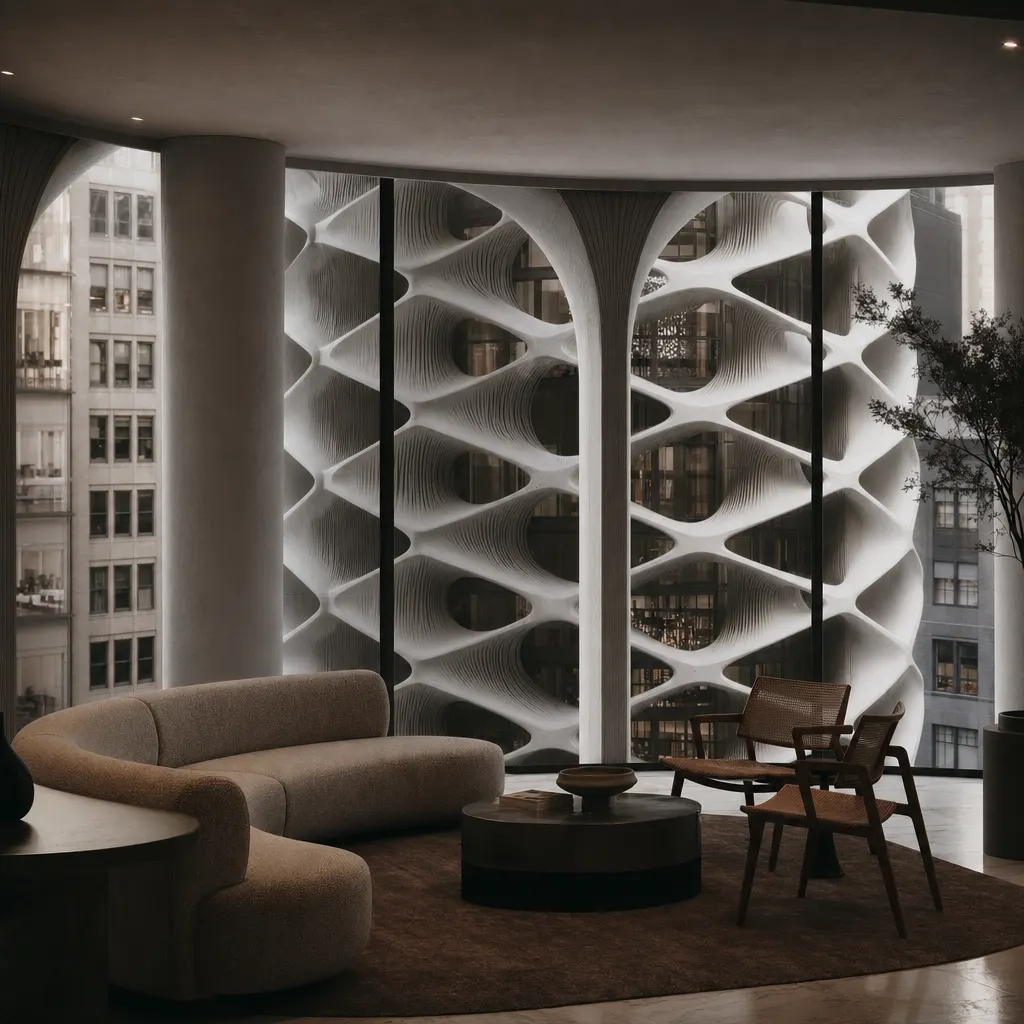
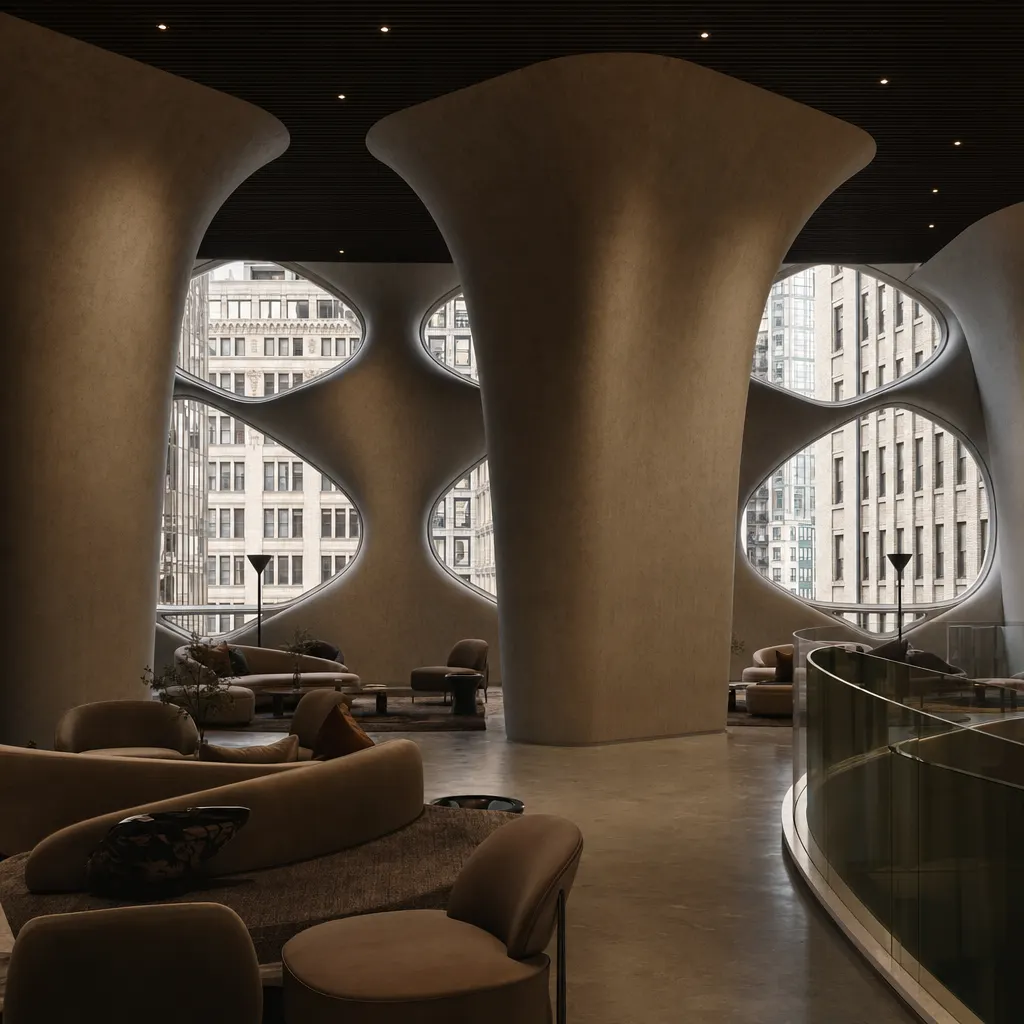
This workshop focuses on a mid-rise mixed-use housing block on a constrained plot, where spatial logic relies on legible, testable rules rather than subjective intuition. Capitalizing on the AI’s strength in consistent rule execution, participants translate constraints such as setbacks, unit mixes, cores, heights, and façade modules into deterministic scripts.
Two technical tracks demonstrate rule enforcement across design phases. The Rhino track targets massing logic, stacking rules, variant generation, and group definitions for early-stage geometry. The Revit track focuses on model interrogation, family parameters, clash detection, and data scheduling for documentation. Throughout both, the AI serves as draftsman while the architect retains strategic editorial control.
Program:
- Setup: Installing Rhino MCP and Revit MCP, client configuration
- The State of the Race: Frontier models, agentic versus generative AI, MCP as the AEC connective layer
- Methodology, Tokens, and Cache: Mapping the approach, context packs, token budgets, prompt caching
- Break Modeling with Rhino MCP: Toolsets, rule-checked massing, variants, and group definitions
- Break Modeling with Revit MCP: Toolsets, live model auditing, and parametric family modeling
- Dual-Model Benchmarking & Practice Roadmap: Model evaluation, cost comparison, and workflow implementation

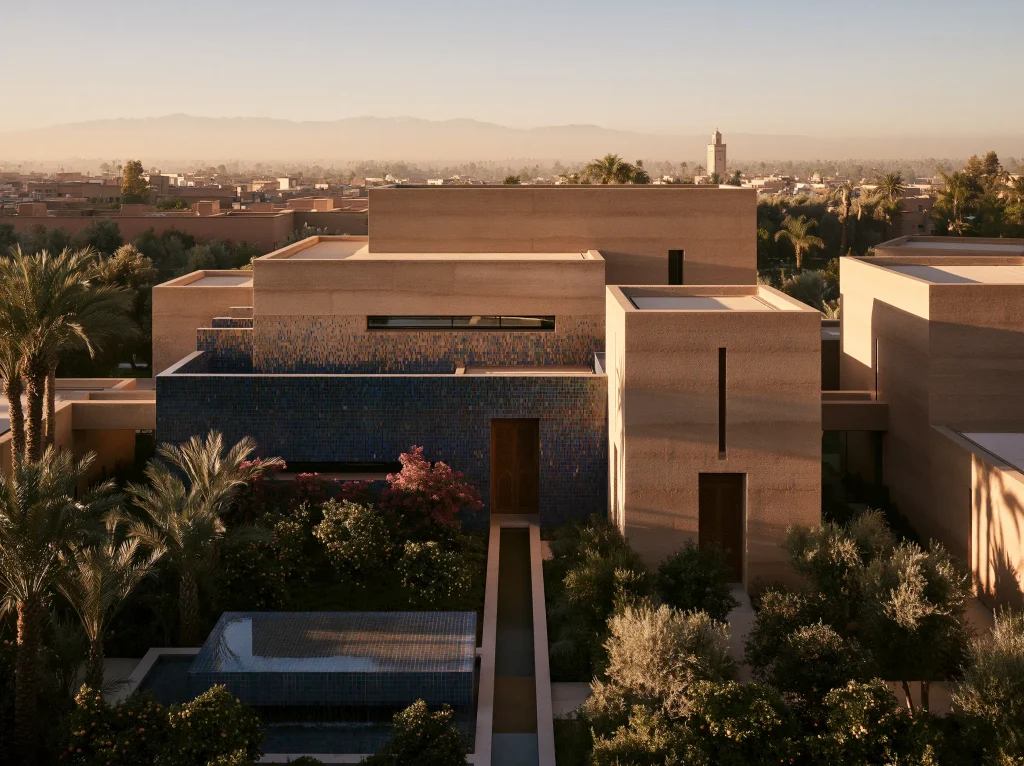
Software:
Workshop Notes:
- Prior experience with Rhino and Revit is helpful.
- A computer meeting the system requirements to run Rhino 8 and Revit 2023–2026.
- Subscriptions to ChatGPT and Claude is required.
- Rhino MCP and Revit MCP setup will be performed live.
Instructor:
Fredy Fortich
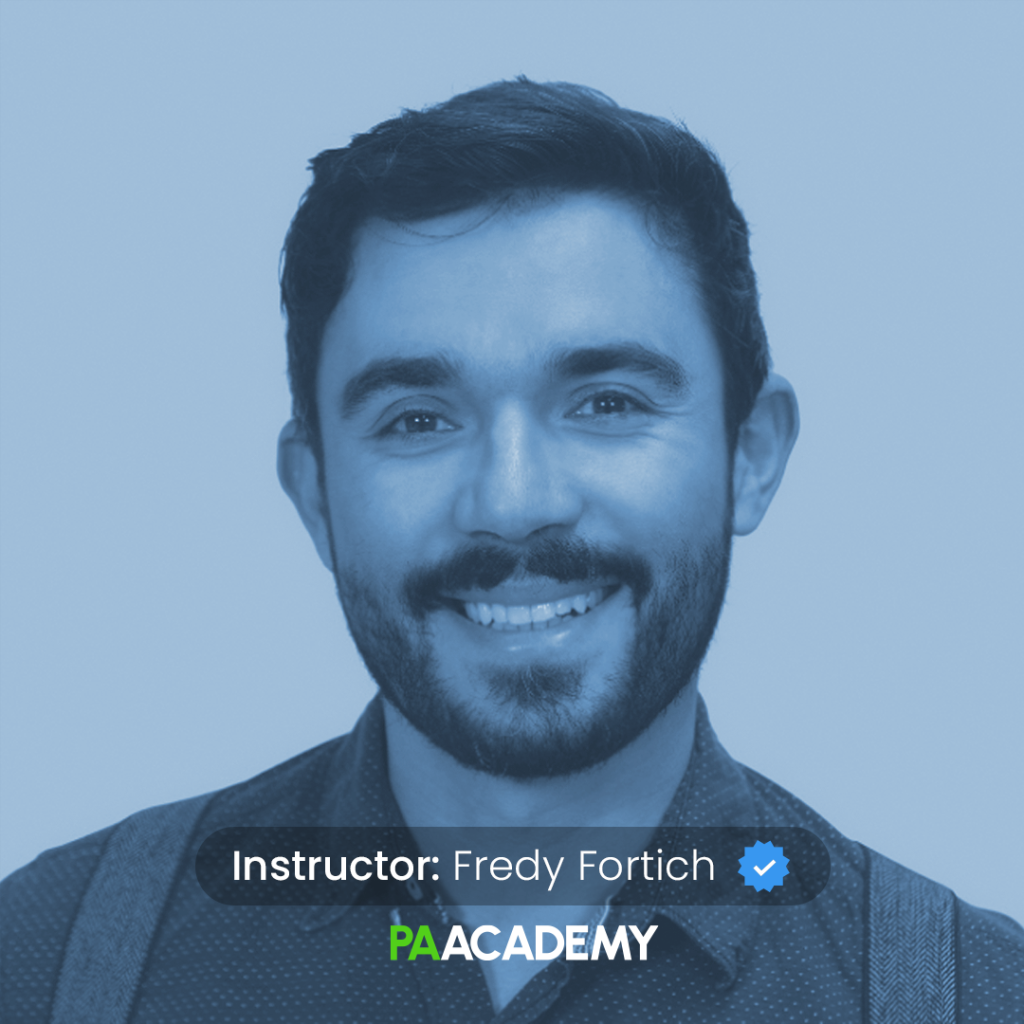
Fredy Fortich is an Architect and Engineer specializing in computational design, with a particular focus on BIM coordination in Revit, performance-based design, generative design, and machine-learning methods. He holds a Master of Science in Building Technology from TU Delft in the Netherlands and a Master of Architecture from Universidad de los Andes in Bogotá, Colombia. Currently, Fredy works as a Technical Architect at MVRDV, BIM Manager at French Studio, and an AI researcher on Diffusion Models.
Important Notes:
- The “GPT-Astra in Architecture: Agentic AI Modeling with Astra, Fable, Rhino and Revit” workshop by PAACADEMY will start at 14:00 (GMT) on Saturday, October 4th, 2026.
- Total sessions: 1 Session (5 Hours).
- The teaching duration per session will be 5 hours.
- Students will have time for a break between teaching hours.
- The workshop will be recorded, and videos will be available for participants just a day after the class for an unlimited time.
- PAACADEMY will provide a certificate of attendance.
- The studio has limited seats. Tickets are non-transferable & non-refundable. Please read carefully before you register.
Topic: GPT-Astra in Architecture: Agentic AI Modeling with Astra, Fable, Rhino and Revit
Date: October 4, 2026
Time: 14:00 – 19:00 GMT
Format: Online on Zoom
Duration: 1 Session (5 Hours)
Registration Deadline: October 3rd, 2026
Total Seats: 50 seats
Difficulty: Beginner – Intermediate
Language: English
Certificate: Yes
General Registration: 100 EUR
Join free: with Full Access membership
Fee for Digital Members: 85 EUR (15% discount available only for Digital Members)
Organized By: PAACADEMY
Tutor: Fredy Fortich
Recordings: Recordings will be available for all participants indefinitely afterward.