
Ensuring public safety is the primary goal when installing infrastructure in areas where people walk or commute every single day. Stormwater drainage grates are a common feature in pedestrian zones, yet they pose a hidden risk if they become slippery during wet weather. This article highlights seven key requirements that ensure drainage grates provide reliable traction in all types of conditions.
1. High-Friction Surface Texturing
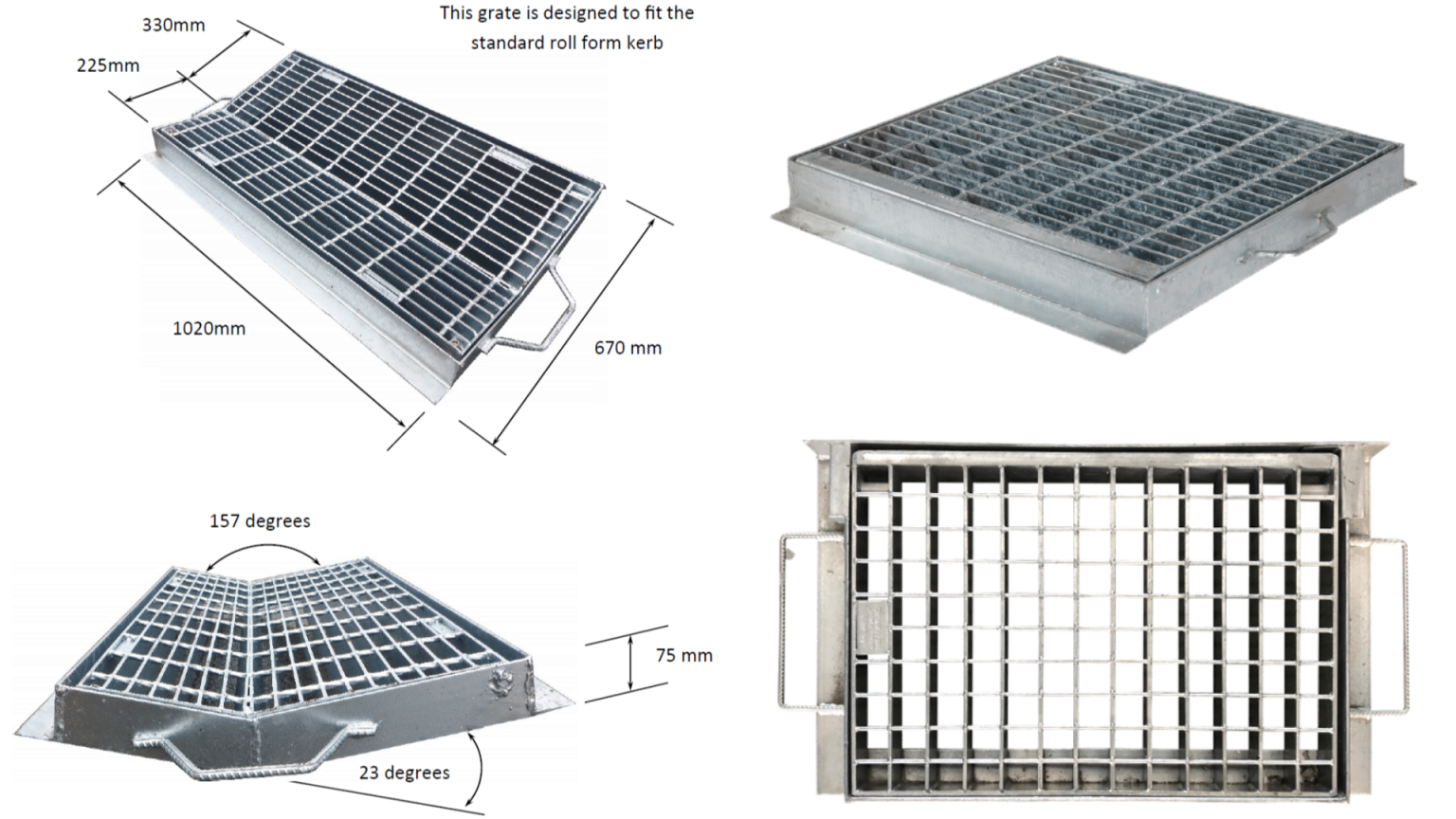
The surface of a drainage grate must have a texture that provides enough grip to prevent a foot from sliding even when the metal is wet. Engineers design these grates with raised patterns, studs, or cross-hatched ribs that bite into the sole of a shoe. You should always look for products that feature a distinct, non-smooth surface pattern specifically tested to maintain traction under high traffic.
2. Slip Resistance Testing and Certification
Every grate meant for public areas must undergo rigorous testing to receive certification that proves it meets national safety guidelines. These tests measure the coefficient of friction, which indicates how much resistance the surface offers to a moving object. Purchase stormwater drainage grates that provide clear documentation and test results confirming their performance under both dry and wet conditions.
3. Consistent Performance Across All Angles
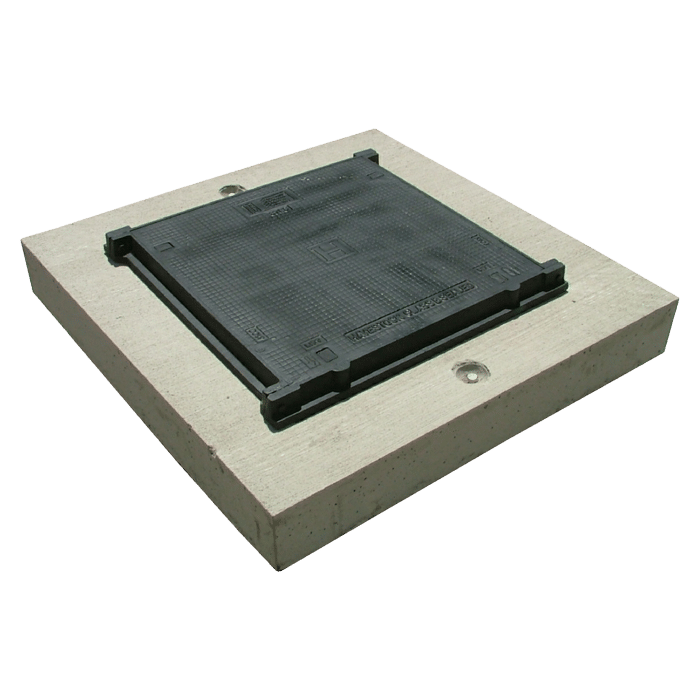
Pedestrians do not always walk in a straight line, so a grate must provide the same level of grip from every possible direction. An effective grate design uses a multidirectional pattern so that a shoe will find traction regardless of whether the person is turning or walking straight. However, if you notice that a grate is only safe in one direction, it creates a dangerous hazard for anyone moving at an angle.
4. Durability Against Weather and Wear
Smoothness caused by friction wears down the surface, eventually turning a safe grate into a slippery one. You must select materials that resist abrasion and do not lose their texture after months of use in the rain or sun. Checking the wear ratings of a grate helps you choose a product that remains safe for many years. Quality materials ensure that your investment in safety does not fade away with time.
5. Drainage Capacity Without Compromising Grip
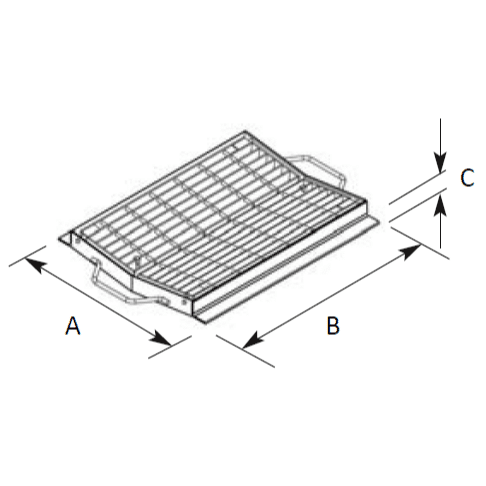
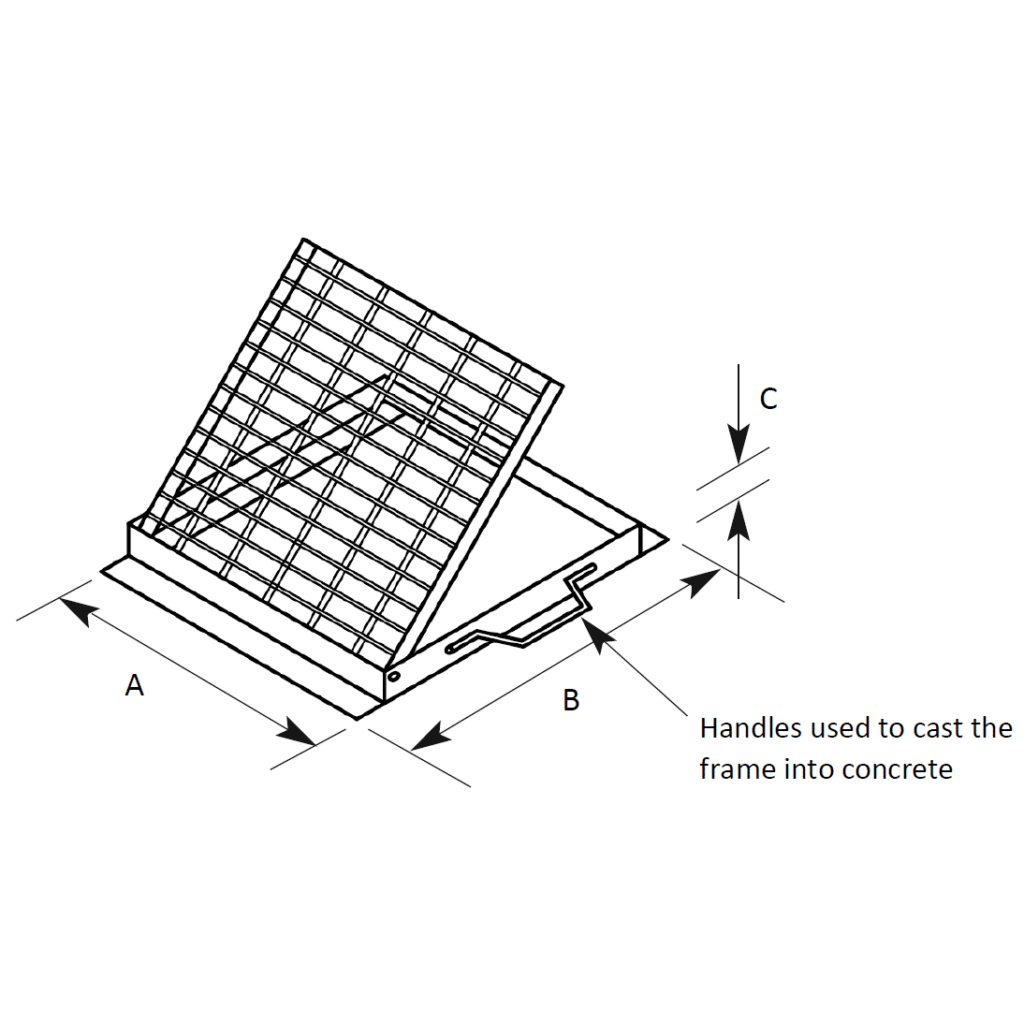
The main purpose of a grate is to let water flow through, but the holes must be designed so they do not catch heels or create large gaps. A well-designed grate balances the need for wide enough openings to catch heavy rainfall while keeping the solid surface area wide enough to walk on. But if the gaps are too large, the surface area becomes too small to provide adequate foot contact for stability.
6. Resistance to Mud and Debris Buildup
Drainage grates can quickly become slippery if they get clogged with mud, leaves, or other small debris that fills in the textured surface. Purchasing a grate with self-cleaning characteristics allows water to wash away debris, keeping the anti-slip pattern exposed and effective. Don’t forget to regularly inspect and clean your grates to ensure that the texture remains visible and capable of providing traction.
7. Visibility for Pedestrian Awareness
Sometimes the best way to prevent a slip is to make sure pedestrians are aware of where they are walking at all times. Using grates with contrasting colors or borders can help people identify the drainage area clearly, encouraging them to step carefully. While the texture provides the physical grip, visual cues act as a reminder for people to stay alert, so consider how the grate looks in its environment.
Following Safety Standards For Good Drainage
Meeting these anti-slip standards is not just a regulatory necessity but a commitment to the safety and well-being of the individuals who use your space every day. By focusing on friction, certification, and durable design, you ensure that your drainage infrastructure serves its purpose. So make sure your choices prioritize the pedestrian experience by demanding high-quality, slip-resistant materials.