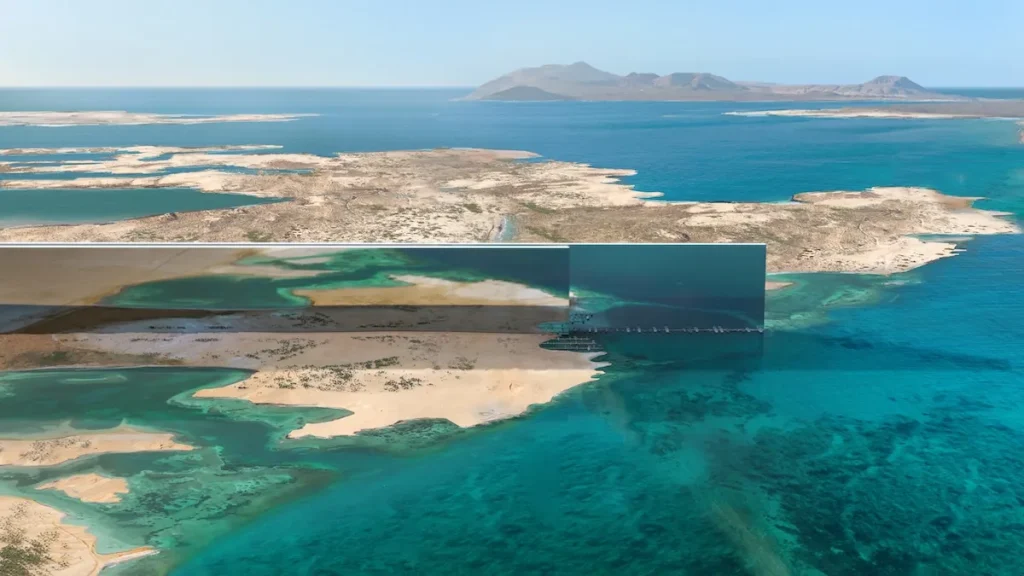
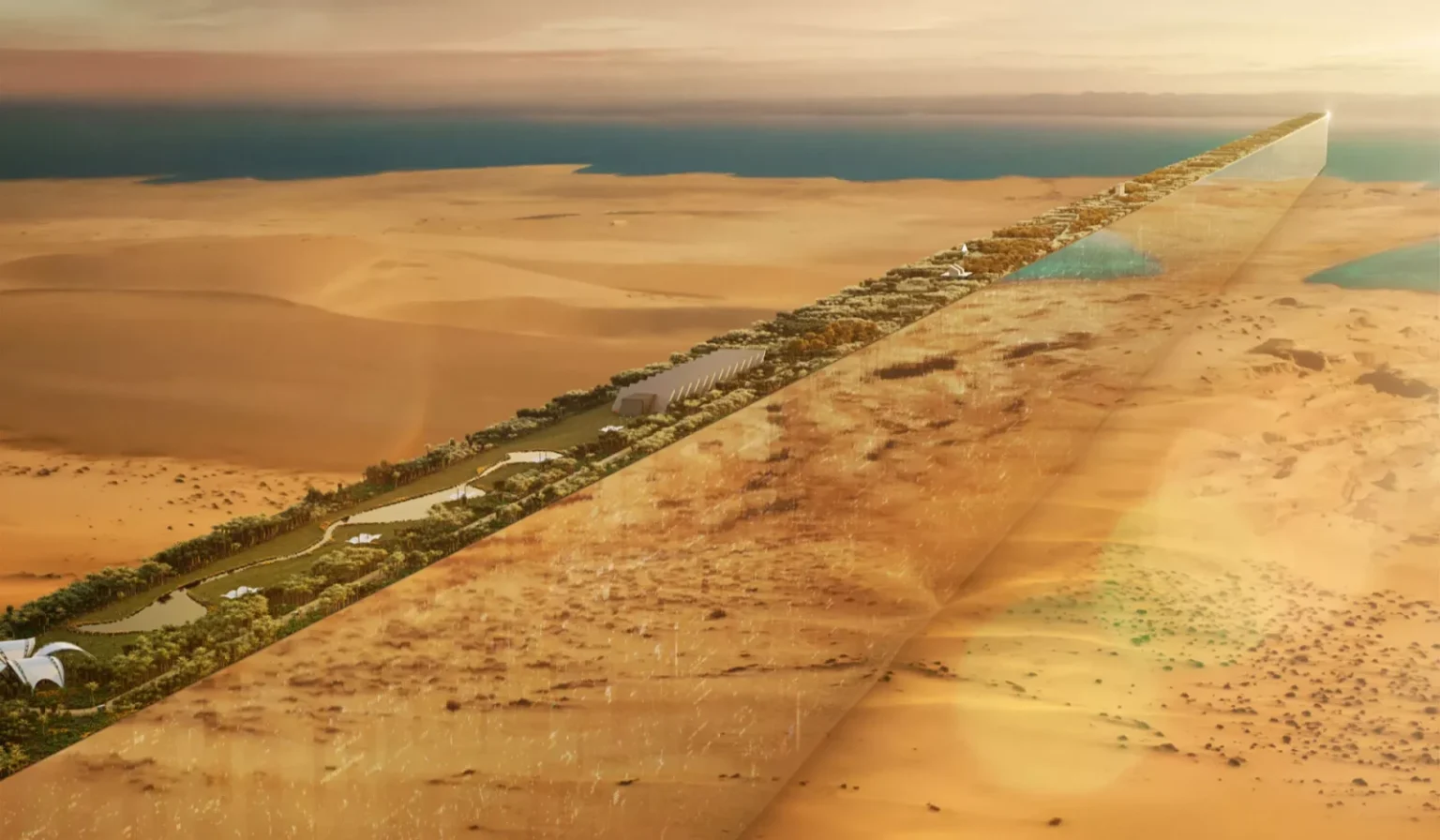


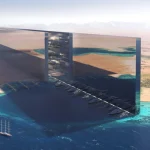
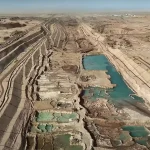
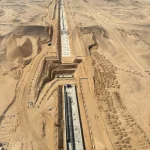
NEOM, The Line, was announced as a bold attempt to build a completely new kind of city in the Saudi desert. It promised a carbon-free future, AI-managed infrastructure, flying transport systems, and radical architectural forms meant to redefine urban living. But as the project has progressed, the gap between vision and execution has become harder to ignore.
The main challenge is not just technical or financial but the assumption that a city can be fully designed in advance and then simply constructed at scale without major compromises.
The Line and the Limits of Linear Urban Design
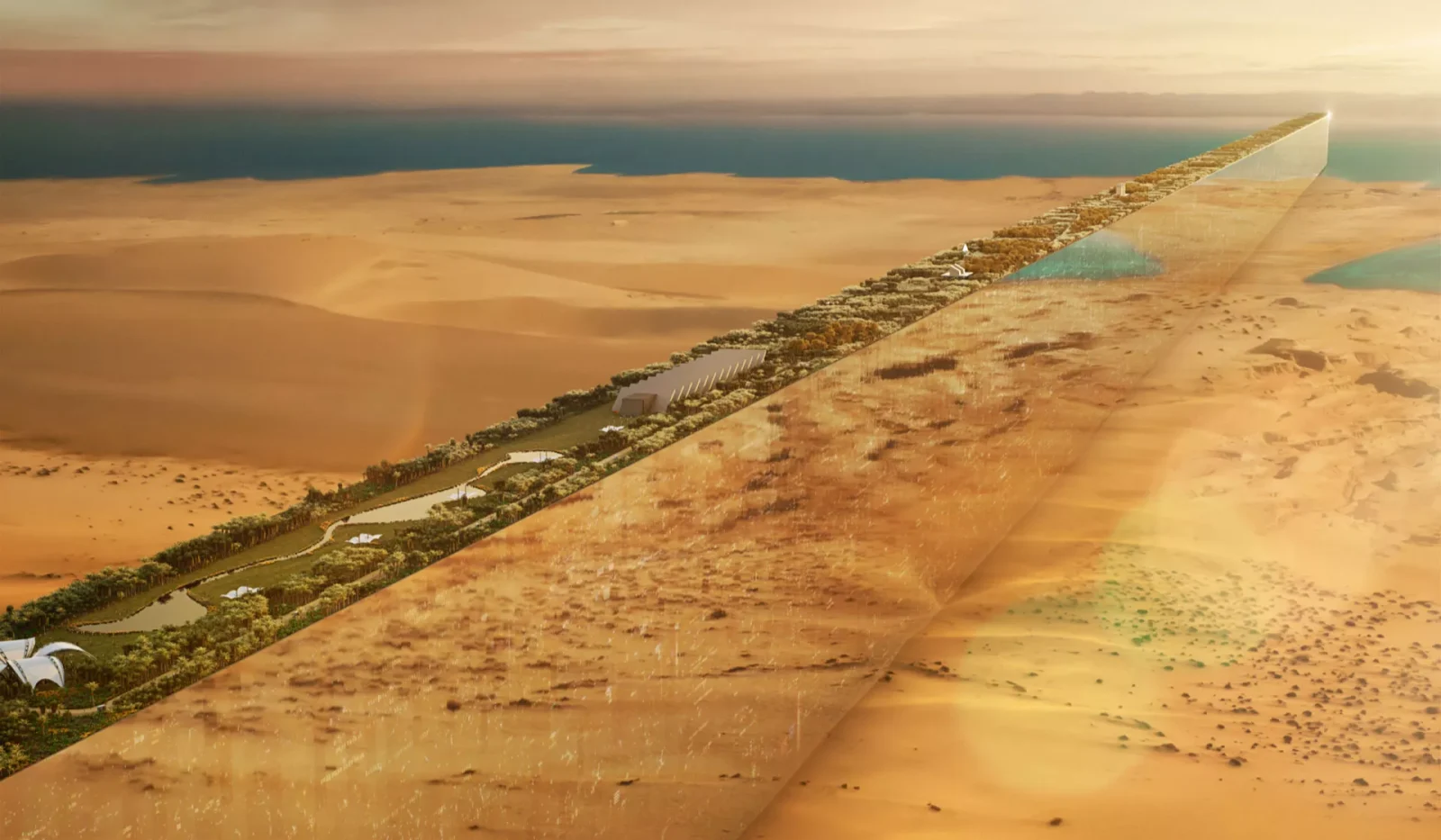
One of the most central ideas in NEOM is “The Line,” a 170-kilometre linear city designed as a single continuous structure with no traditional roads or cars. On screen, it looks efficient and futuristic. In reality, it clashes with how cities actually function. Urban systems depend on networks, not straight lines. People need flexible movement, multiple routes, and backup systems when things fail. A single continuous structure reduces redundancy, making the system more fragile and harder to adapt over time.
Renders and the Gap Between Image and Construction
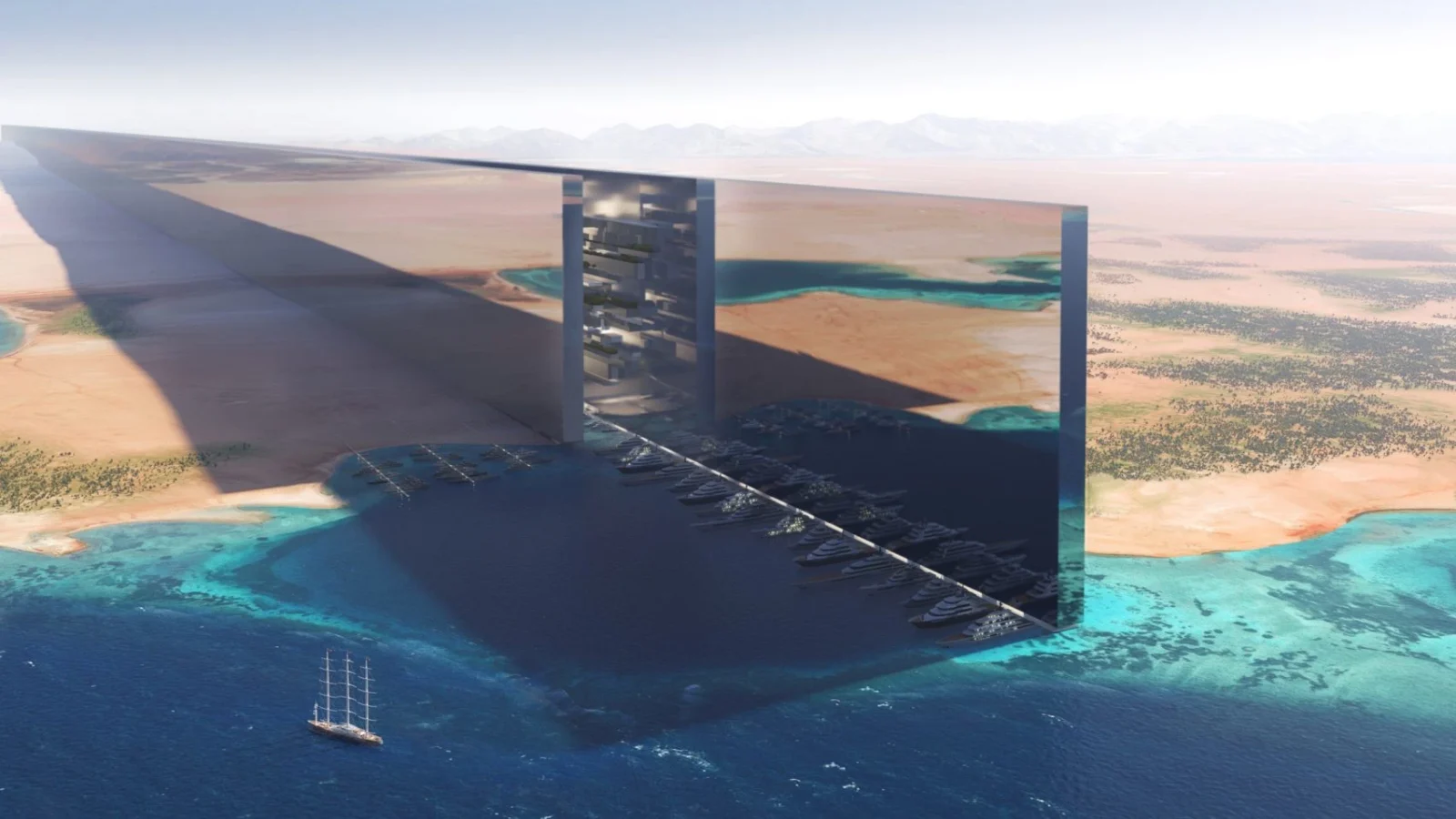
NEOM has been communicated largely through highly polished digital renderings that show seamless architecture, perfect environments, and fully functioning futuristic systems. These visuals create the impression that the city is already achievable. However, construction reality is very different. Every project must deal with material limits, engineering constraints, workforce challenges, costs, and long timelines. What looks smooth and effortless in a digital model becomes complex, expensive, and slow once it enters the physical world.
Scale and Environmental Constraints in the Desert
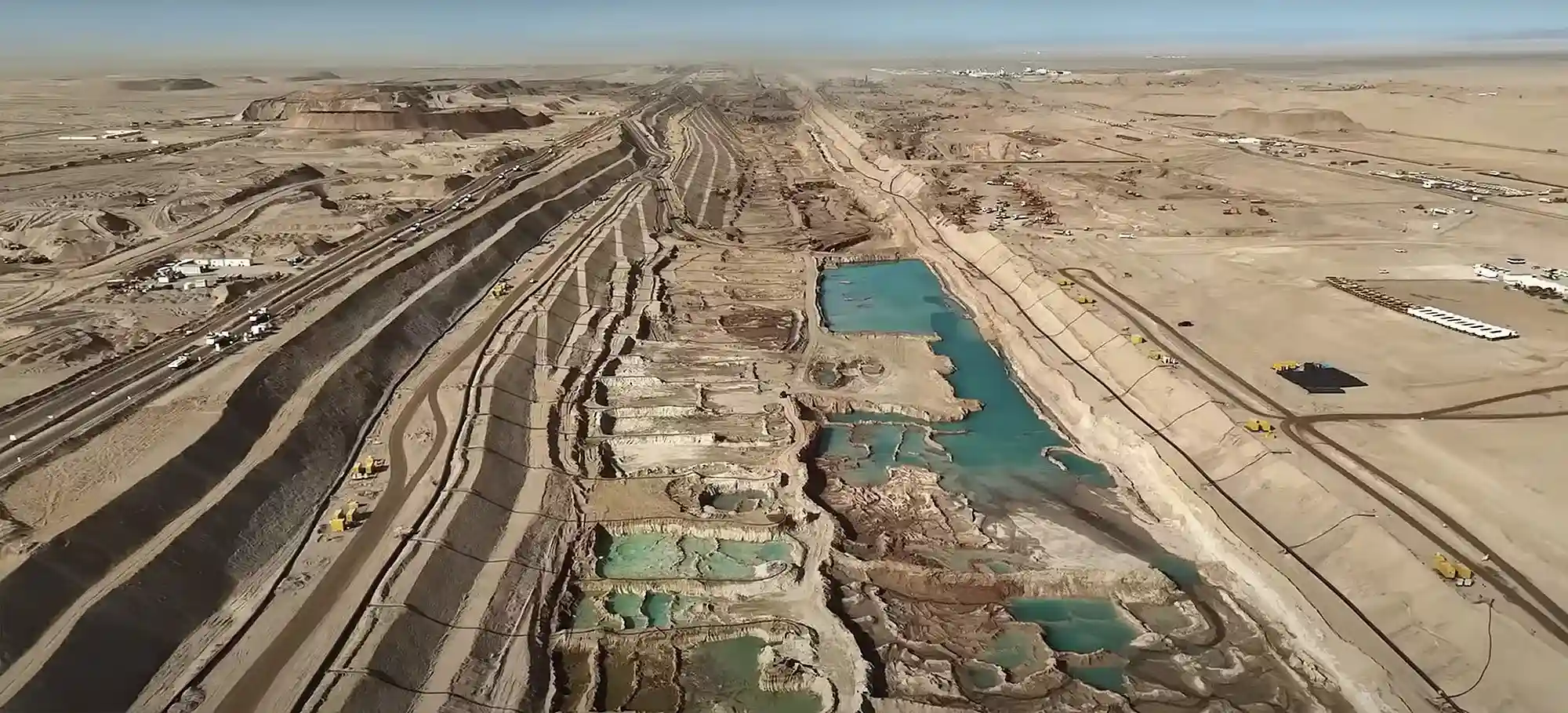
The scale of the project adds significant difficulty. It is not a single project but a collection of massive developments, each requiring coordination across infrastructure, energy, and logistics systems. As scale increases, complexity grows exponentially rather than linearly. Systems become harder to manage, and small design decisions can have large downstream effects.
The desert environment further intensifies these challenges. Extreme heat, dust, wind, and limited water supply are not background conditions as they directly shape what can be built and how it can function. Early presentations often treated the landscape as neutral, but in reality, it is one of the strongest limiting factors in the entire project.
Shift From Utopian Vision Toward 2030 Pragmatism
Over time, NEOM has begun shifting away from its most extreme futuristic ambitions toward more practical development goals aligned with a 2030 timeline. Instead of focusing entirely on fully realized sci-fi urban systems, the emphasis is increasingly moving toward buildable infrastructure such as ports, industrial hubs, tourism zones, and technology districts.
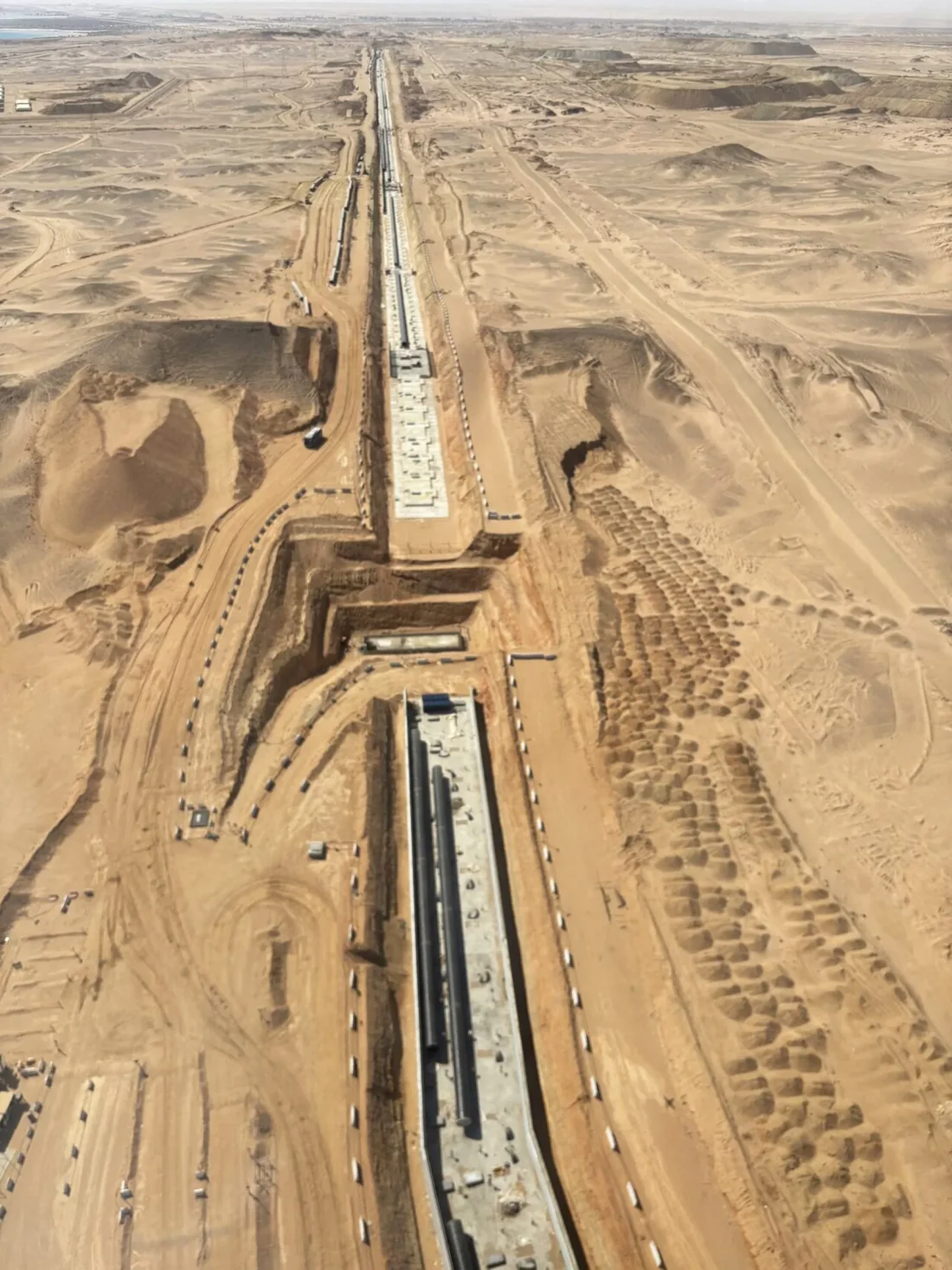
This shift reflects a broader recalibration. Some parts of the original vision appear too complex, too expensive, or too slow to deliver within a reasonable timeframe. As a result, NEOM is evolving from a fully imagined future city into a more incremental development strategy aimed at delivering visible outcomes by 2030.
NEOM highlights a simple but important lesson in urban design. Cities are not fixed objects that can be perfectly designed in advance. They are evolving systems shaped by environment, economics, technology, and human behavior. When ambition moves too far ahead of these realities, even the most advanced visions must eventually adjust to what is actually possible.