







The migration of humanity into dense urban centres marks one of the most consequential demographic shifts in history. By 2050, nearly 68 percent of the global population is expected to inhabit cities, up from 55 percent in 2018. This transition is unfolding alongside accelerating climate change, with global temperatures projected to rise between 1.5°C and 2°C above pre-industrial levels. For architecture, this convergence has fundamentally redefined the priorities of environmental design, making cooling cities one of the most urgent challenges of the twenty-first century.
Cooling is no longer a question of comfort alone. It sits at the intersection of energy security, public health, and urban resilience. As cities expand vertically and horizontally, architecture is being forced to confront a critical question: how can the built environment remain habitable in an era of rising heat?
The Thermodynamics of the Modern City
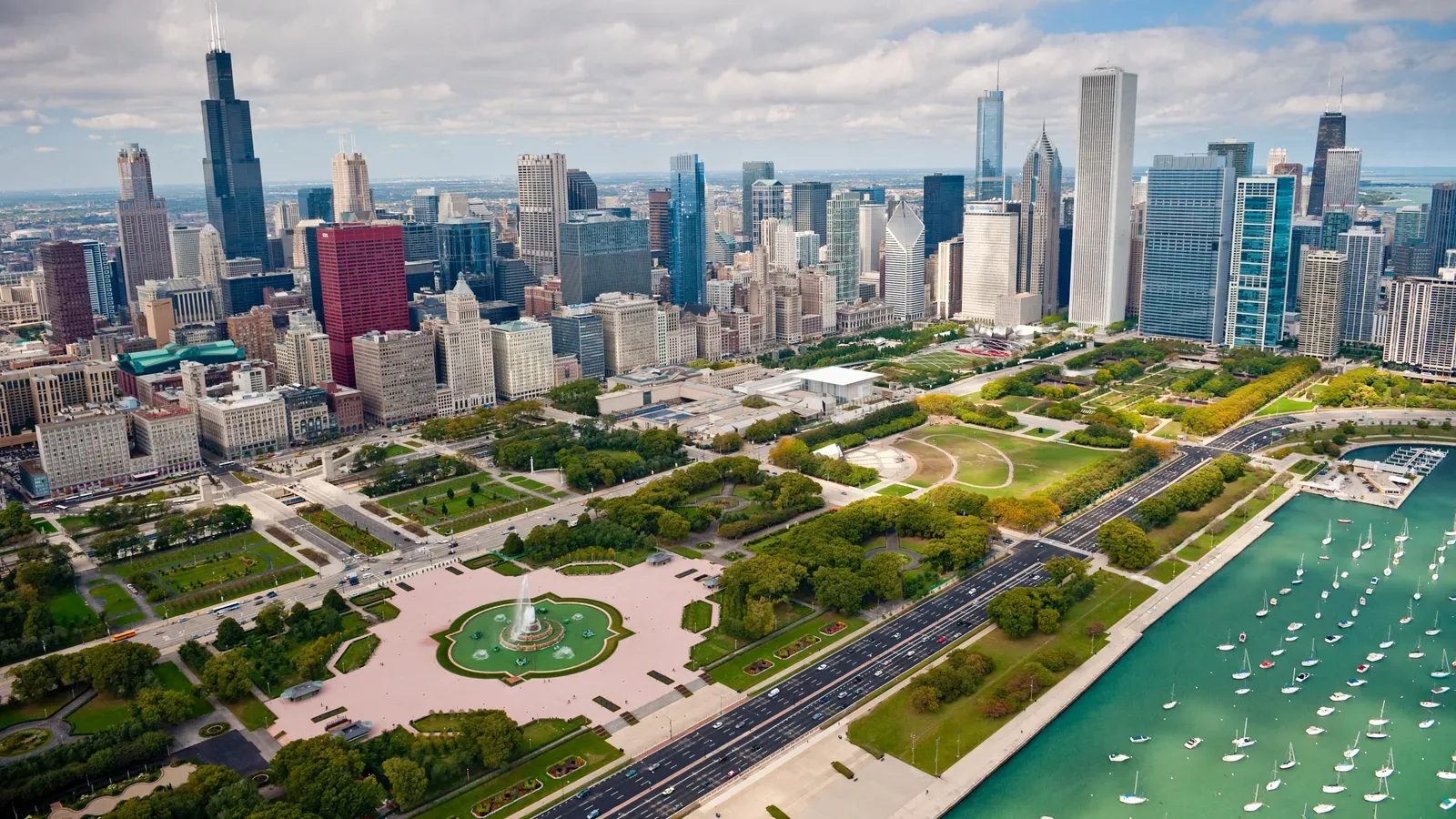
At the centre of this challenge lies the Urban Heat Island (UHI) effect, where metropolitan regions record significantly higher temperatures than surrounding rural landscapes. The phenomenon is rooted in the material reality of cities. Concrete, asphalt, brick, and glass absorb and re-radiate solar energy far more efficiently than soil, vegetation, or water bodies.
The geometry of contemporary cities compounds this condition. Narrow streets framed by reflective high-rises create urban canyons that trap heat and obstruct natural airflow. Simultaneously, anthropogenic heat from vehicles, industries, and air-conditioning systems intensifies the thermal load. A feedback loop emerges: rising temperatures increase dependence on cooling systems, which then expel more waste heat into the city, further raising ambient temperatures.
Research suggests that the average annual intensity of the UHI effect could rise from 0.55°C today to 0.63°C by 2080. While numerically subtle, the implications are significant. Cooling Energy Use Intensity (EUI) is projected to increase by 91 percent by 2050 and 154 percent by 2080, signalling a profound transformation in how buildings consume energy.
Vernacular Intelligence: Pearl Academy, Jaipur
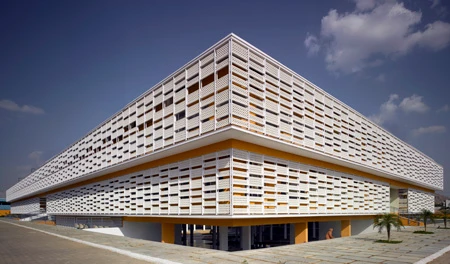
Amid this climatic urgency, architecture is increasingly returning to vernacular intelligence, not as a nostalgic gesture but as performance-driven design. The Pearl Academy of Fashion in Jaipur, designed by Morphogenesis, demonstrates how traditional climatic strategies can be reinterpreted through contemporary technologies.
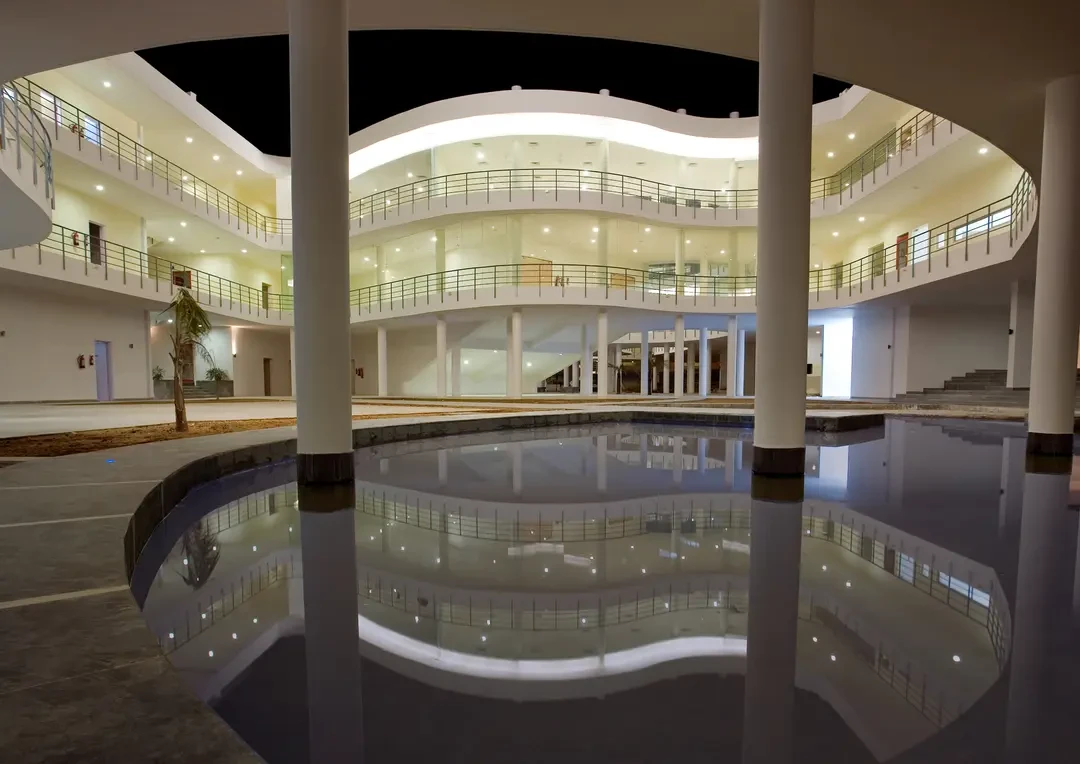
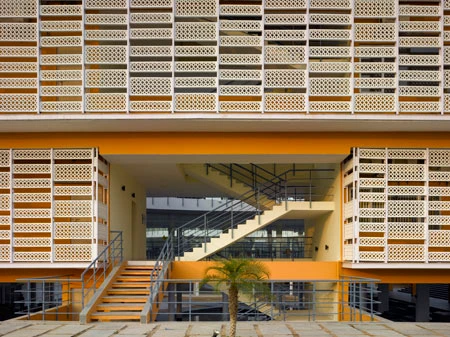
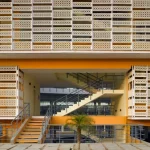
Located in Jaipur’s intensely hot and arid climate, where summer temperatures regularly exceed 45°C, the building achieves interior temperatures 10°C to 15°C lower than the outdoors without relying on conventional mechanical air conditioning. The project’s defining strategy is its scooped-out underbelly, a contemporary interpretation of the traditional Indian baoli or stepwell.
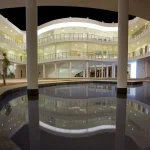
Elevated on pillars, the structure creates a shaded sunken courtyard containing a water body that acts as a thermal sink. Through evaporative cooling, the water cools the air within the undercroft, while the stack effect draws this tempered air upward through courtyards and light wells across the campus.

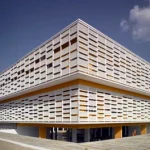
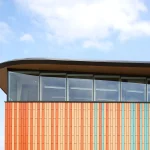
The building is further protected by a double-skin facade inspired by the traditional jaali. Perforated concrete panels, positioned 1.2 metres away from the main envelope, form a thermal buffer that filters sunlight, reduces glare, and allows diffuse daylight into studios and classrooms. Parametric modelling was used to optimise perforation density and building orientation, balancing solar protection with prevailing wind movement.
Adaptive Envelopes: Al Bahar Towers, Abu Dhabi
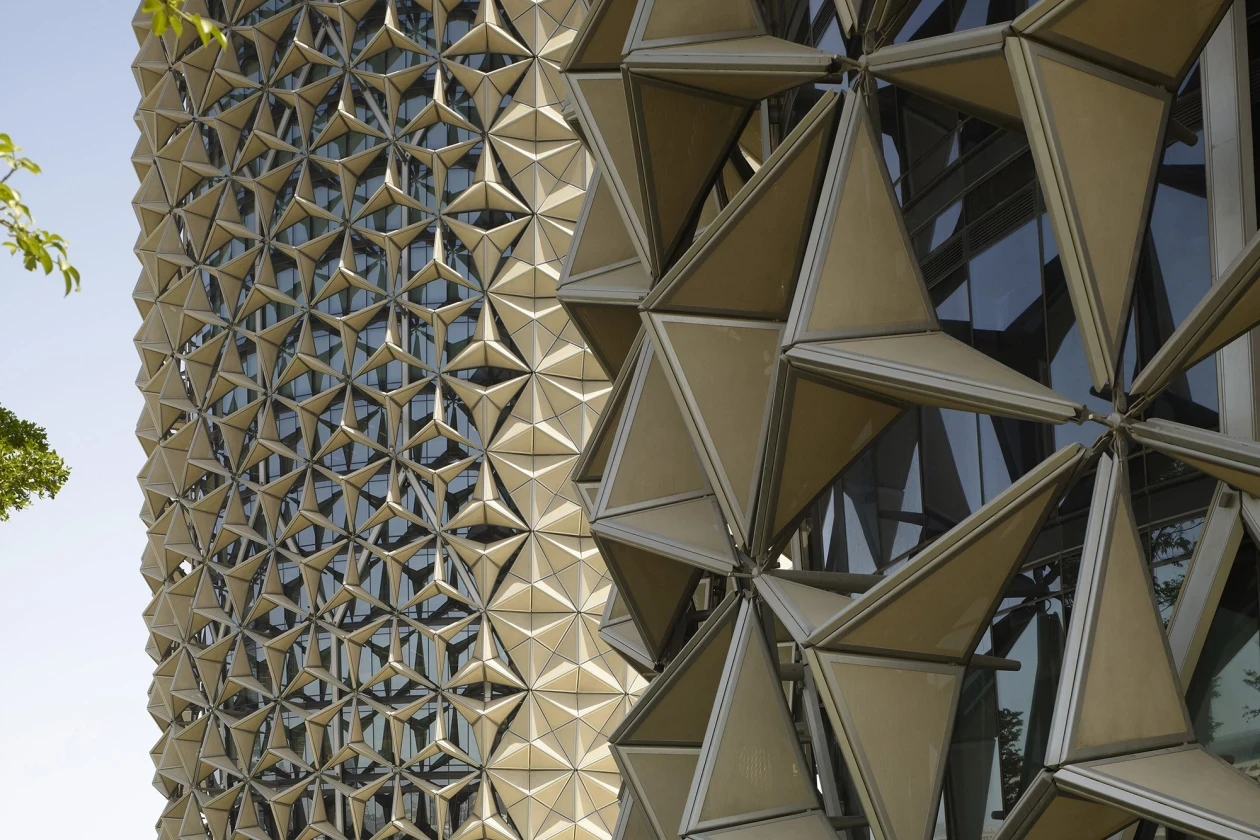
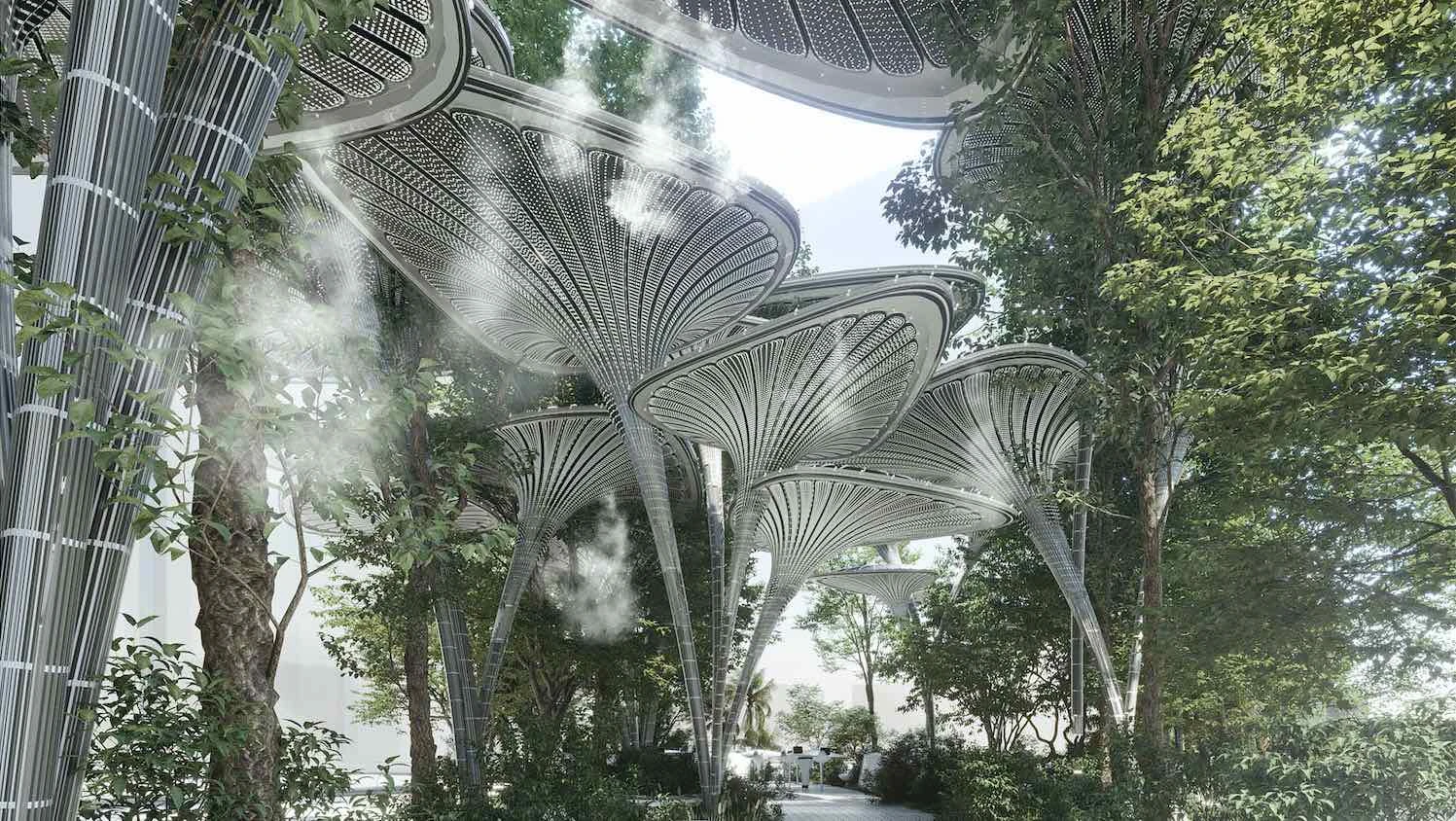
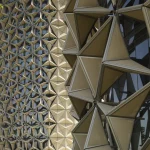
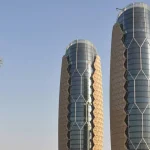
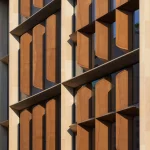
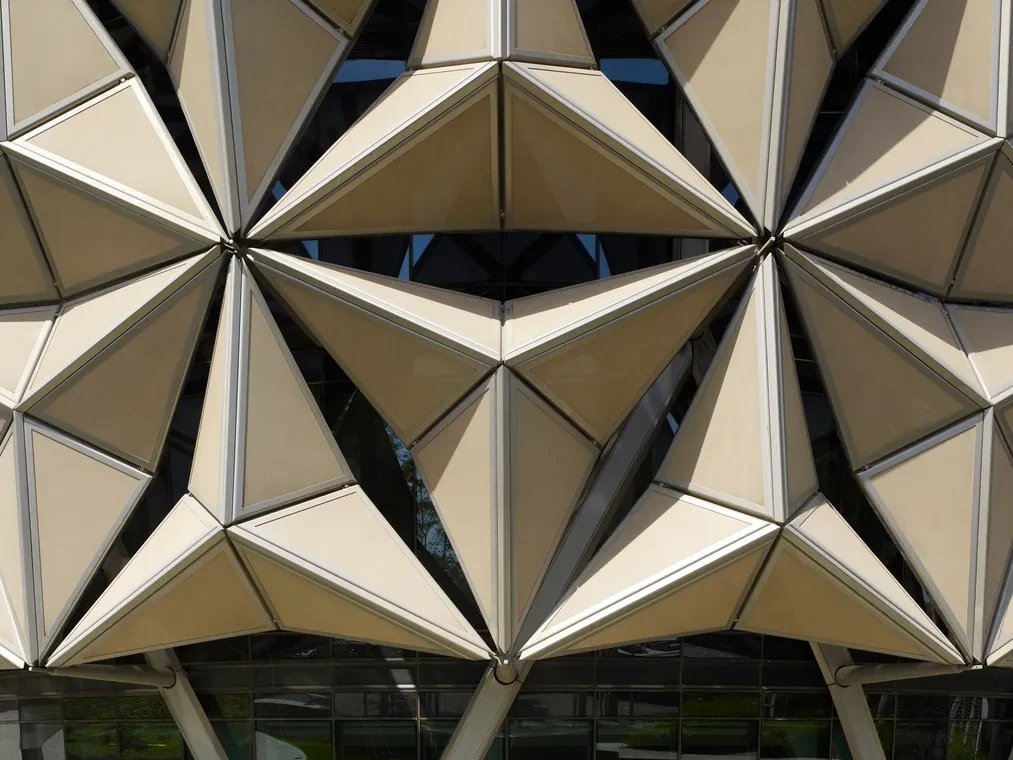
The Al Bahar Towers in Abu Dhabi demonstrate a dynamic, technology-driven response to extreme heat. Designed for a subtropical desert climate where temperatures can reach 46°C, the towers employ a responsive facade system inspired by the traditional mashrabiya. The towers are wrapped in a kinetic second skin composed of more than 2,000 umbrella-like shading modules made from PTFE-coated fiberglass. Controlled by computational systems, each unit responds to the sun’s movement in real time, closing to block direct solar gain and opening to maximise daylight and views when shading is unnecessary.
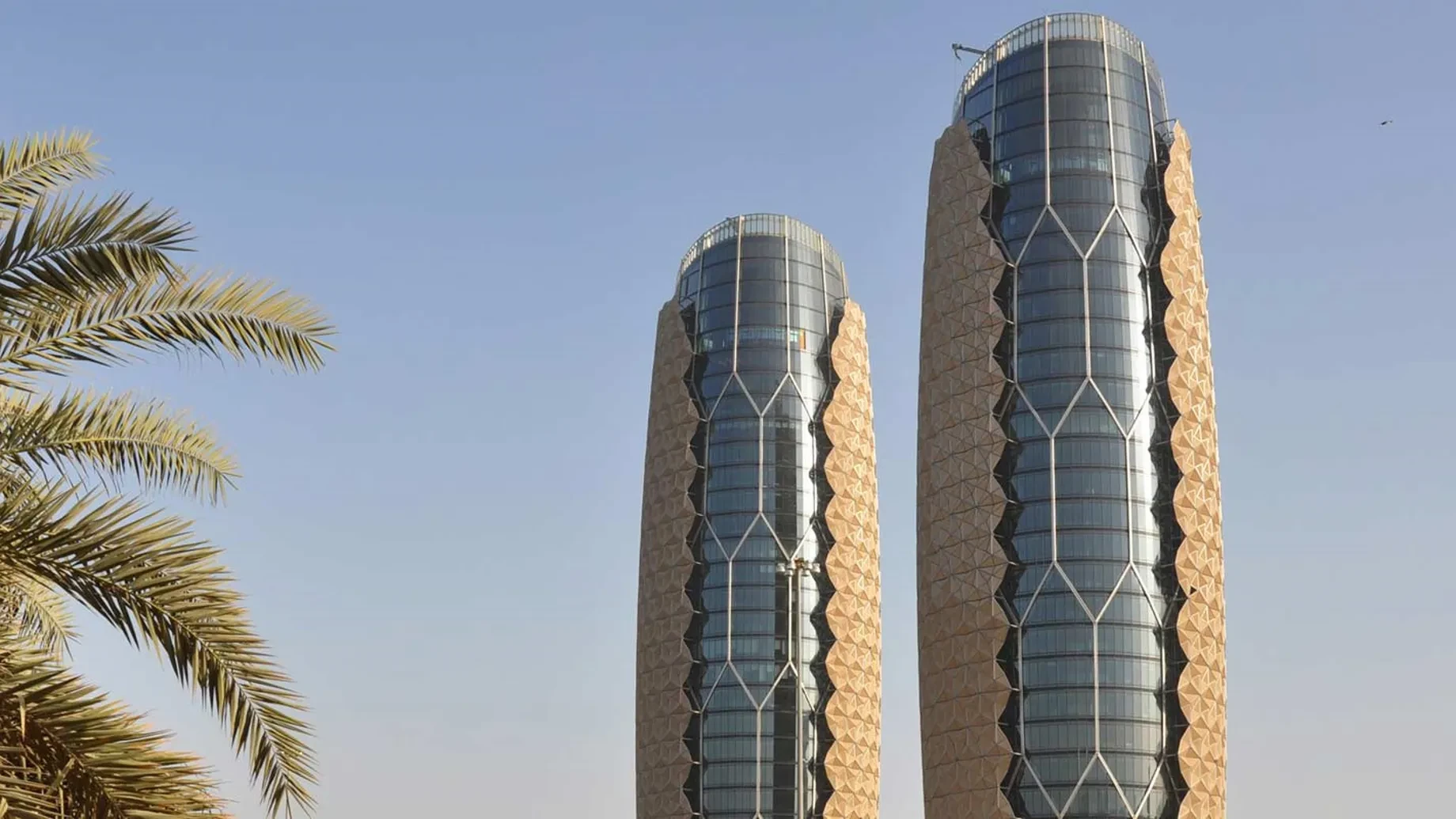
This adaptive envelope reduces solar heat gain by over 50 percent, significantly lowering cooling demand while allowing the use of highly transparent glazing. The result is a building that balances visual openness with environmental performance. Supported by a Building Management System and high-efficiency water-cooled chillers, the towers illustrate how responsive facades can transform the thermal behaviour of high-rise architecture in extreme climates.
Biophilic Mitigation: Bosco Verticale, Milan
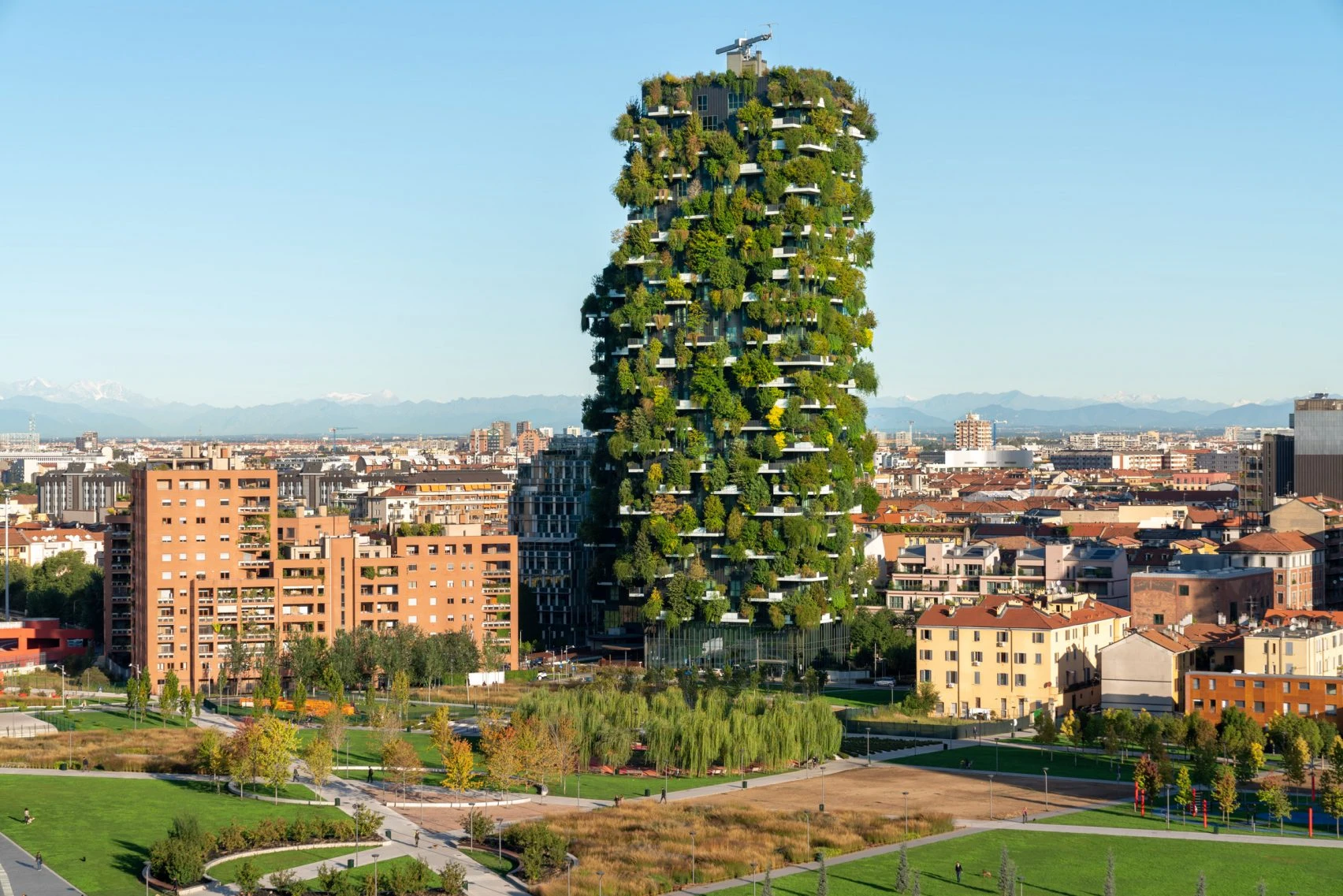
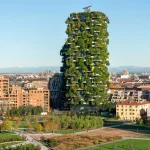
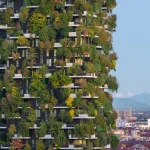
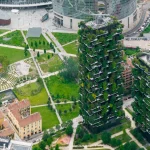
The reintroduction of vegetation into dense urban environments has emerged as another critical strategy in mitigating urban heat. The Bosco Verticale in Milan, designed by Stefano Boeri Architetti, represents one of the most influential explorations of vertical reforestation. The twin residential towers integrate more than 20,000 plants, including 800 trees and 5,000 shrubs distributed across their facades.
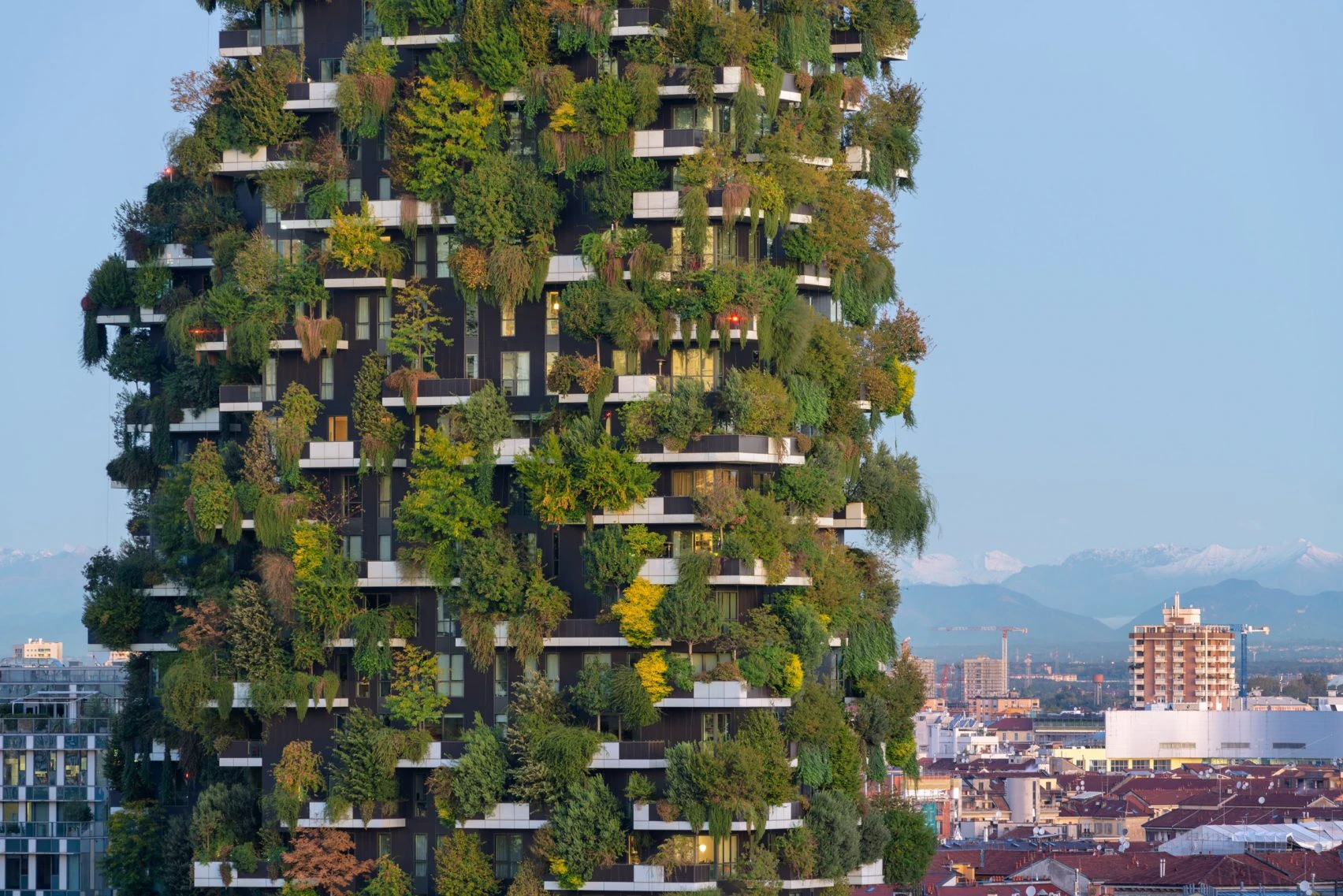
Beyond their visual identity, these living surfaces actively regulate temperature. Trees provide seasonal shading that limits direct solar exposure, while evapotranspiration cools the surrounding air and creates a moderated microclimate around the towers. The vegetation also filters pollutants, absorbs noise, and contributes to urban biodiversity. Structurally, the staggered balconies were engineered to support mature trees exceeding nine metres in height, effectively transforming the building envelope into a living ecological system.
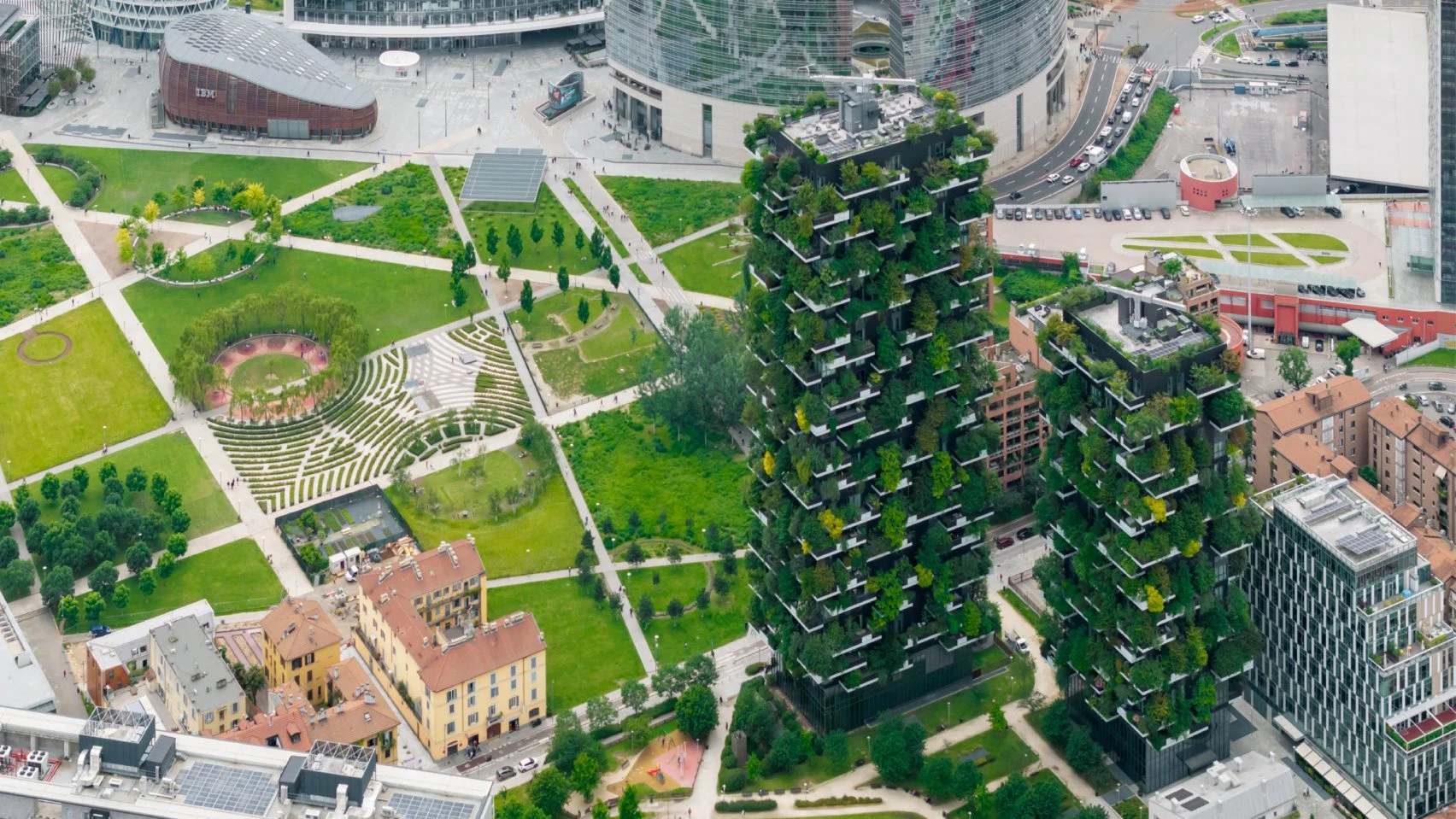
Verticale proposes an alternative model for density, one where biological systems become part of the architectural apparatus itself. Instead of relying solely on glass, metal, and concrete, the building treats vegetation as an active climatic material capable of cooling the city while restoring a connection to nature.
Urban Scale Cooling: Medellín’s Green Corridors
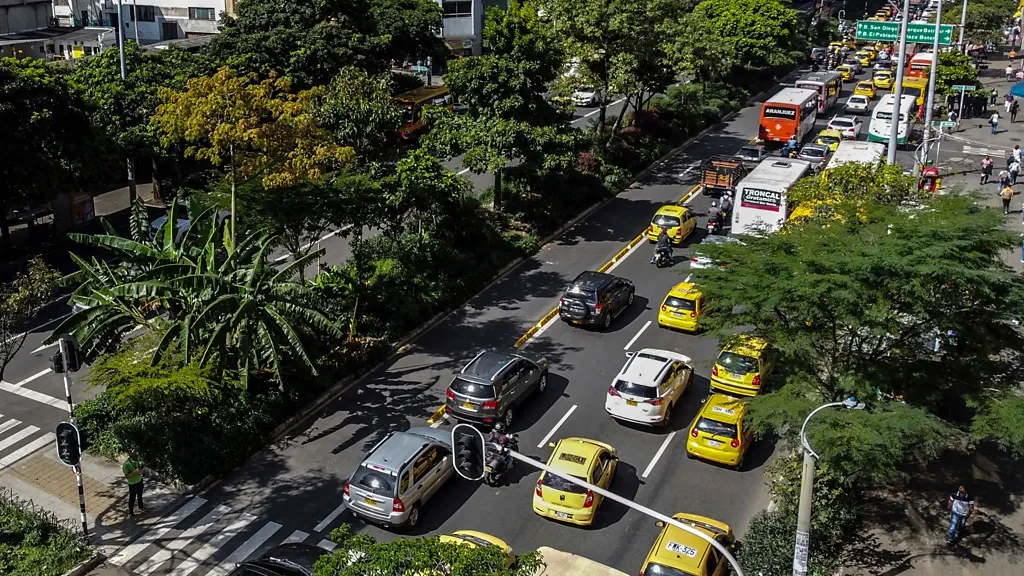
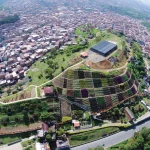
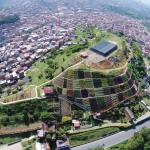
Medellín, Colombia, offers a compelling example of how urban infrastructure can be reimagined through ecological systems. Through its Green Corridors initiative, the city transformed 18 roads and 12 waterways into a 20-kilometre network of shaded pedestrian and cycling routes.
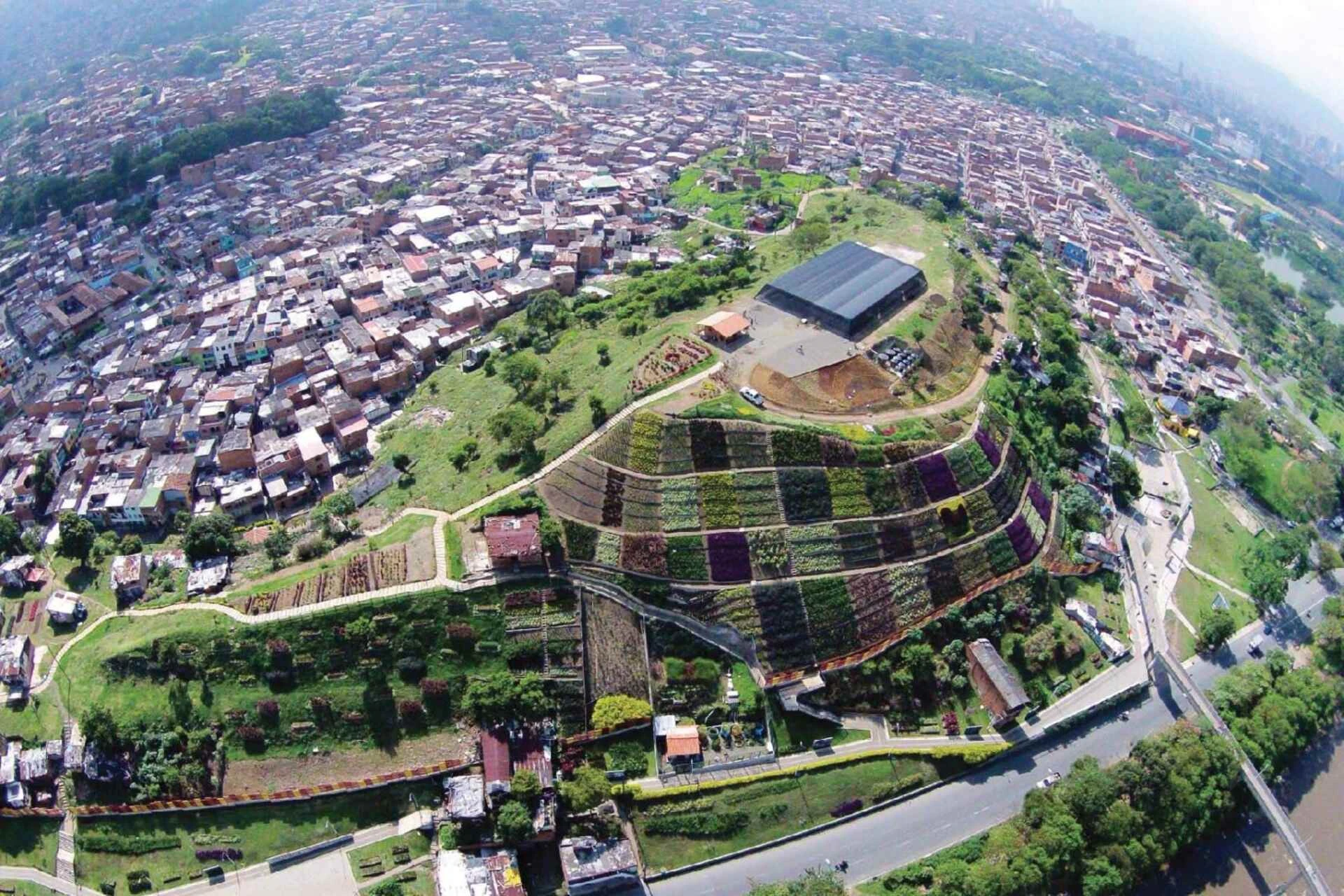
The project introduced 880,000 trees and 2.5 million smaller plants into some of the city’s hottest districts, reducing average temperatures by nearly 2°C since 2018. The intervention addressed more than heat alone. Vegetation improved air quality by absorbing particulate matter and ozone, while the maintenance programme created employment opportunities for communities historically excluded from formal labour networks.
Intelligent Systems and Radiant Cooling
In commercial architecture, the shift toward cooling-centric design is increasingly driven by smart systems and high-performance hydronics. Conventional all-air HVAC systems are inherently energy-intensive, consuming significant power simply to move air through buildings. Radiant cooling systems offer a more efficient alternative by circulating chilled water through floors or ceilings.
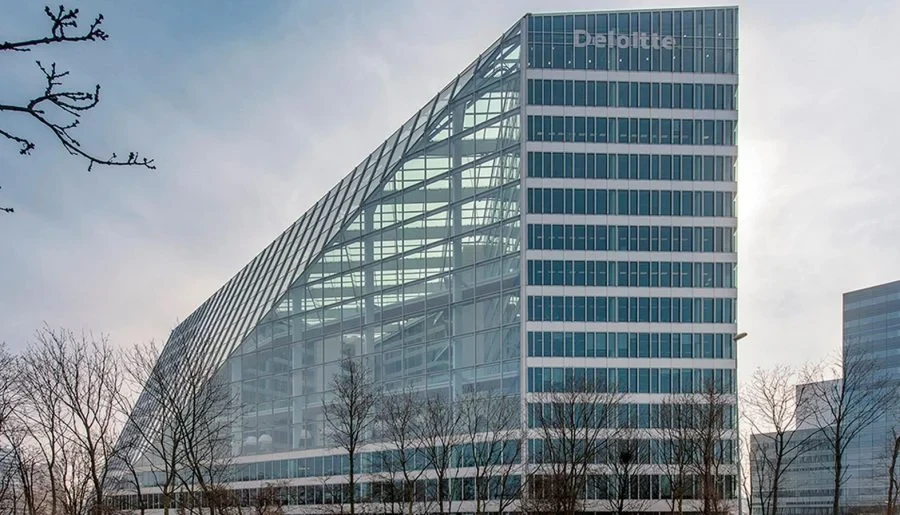
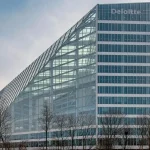
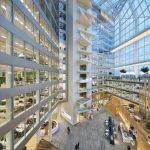
The Edge in Amsterdam, designed by PLP Architecture, exemplifies this transition. Often regarded as one of the world’s most sustainable office buildings, it employs an Aquifer Thermal Energy Storage (ATES) system that stores warm and cold water in underground wells. During summer, chilled water circulates through expansive radiant ceiling panels, absorbing heat from occupants and equipment with far lower energy expenditure than traditional systems.
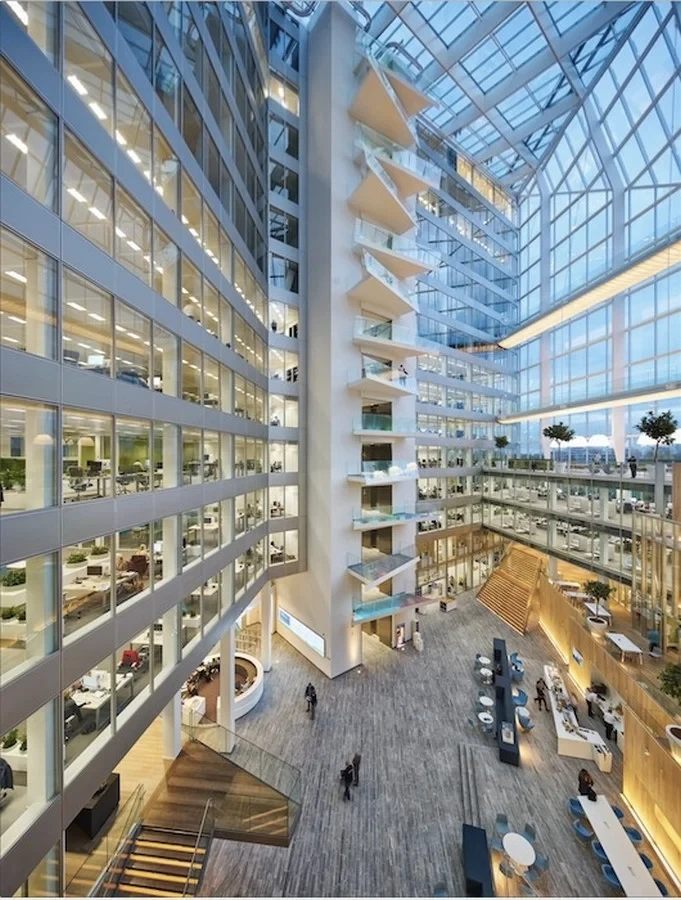
An integrated network of 30,000 sensors regulates lighting, temperature, and occupancy in real time, while employees can personalise their workspace conditions through smartphone controls. Combined with an advanced daylight-responsive lighting system, the building consumes nearly 70 percent less electricity than comparable office environments.
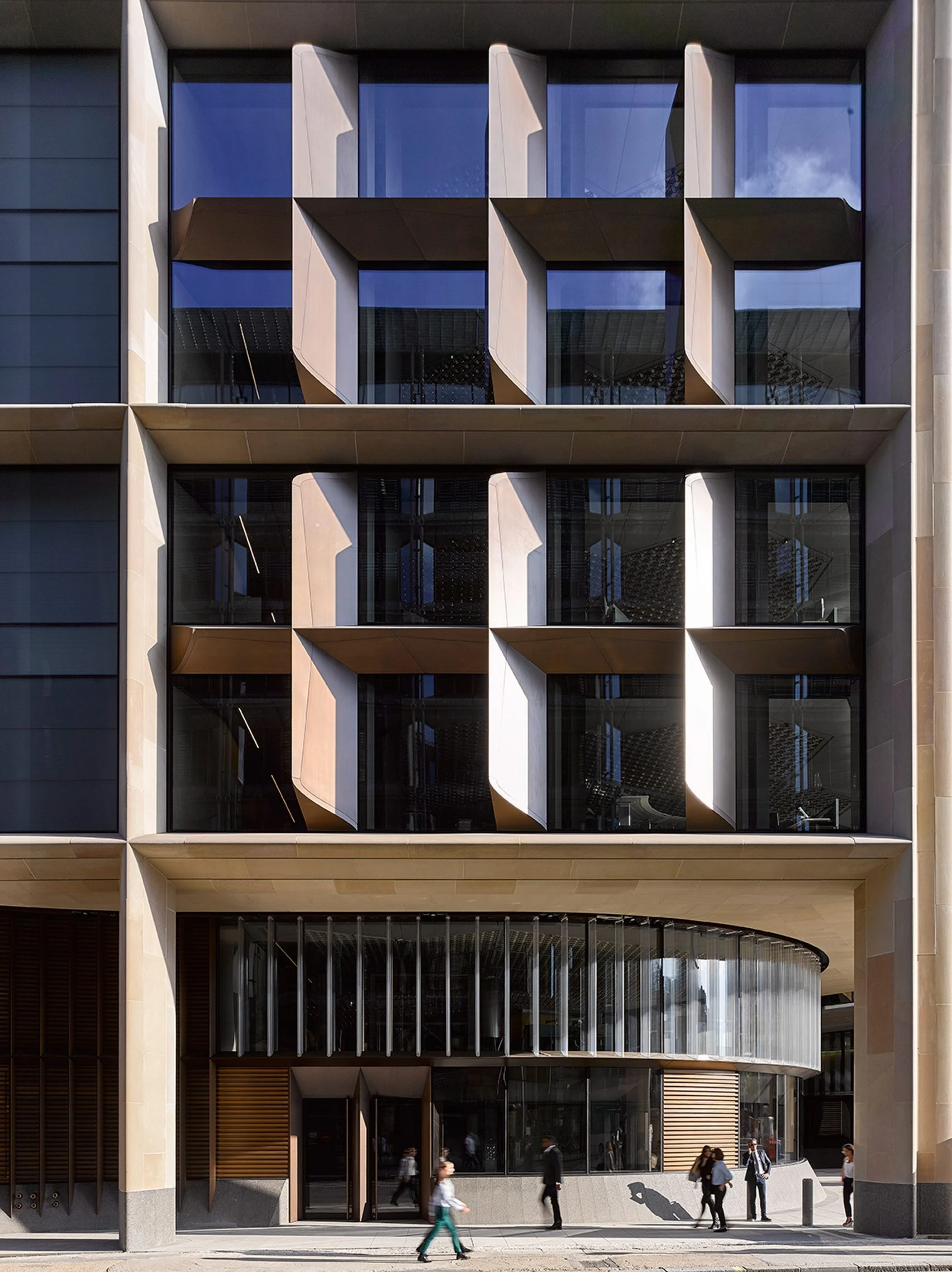
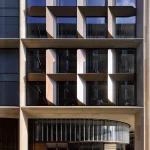
Similarly, Bloomberg’s European Headquarters in London employs a hybrid approach combining radiant cooling with natural ventilation. Its distinctive petal ceiling system integrates cooling, lighting, and acoustic functions through polished aluminium panels capable of operating at higher chilled-water temperatures, reducing refrigeration energy and preventing condensation.
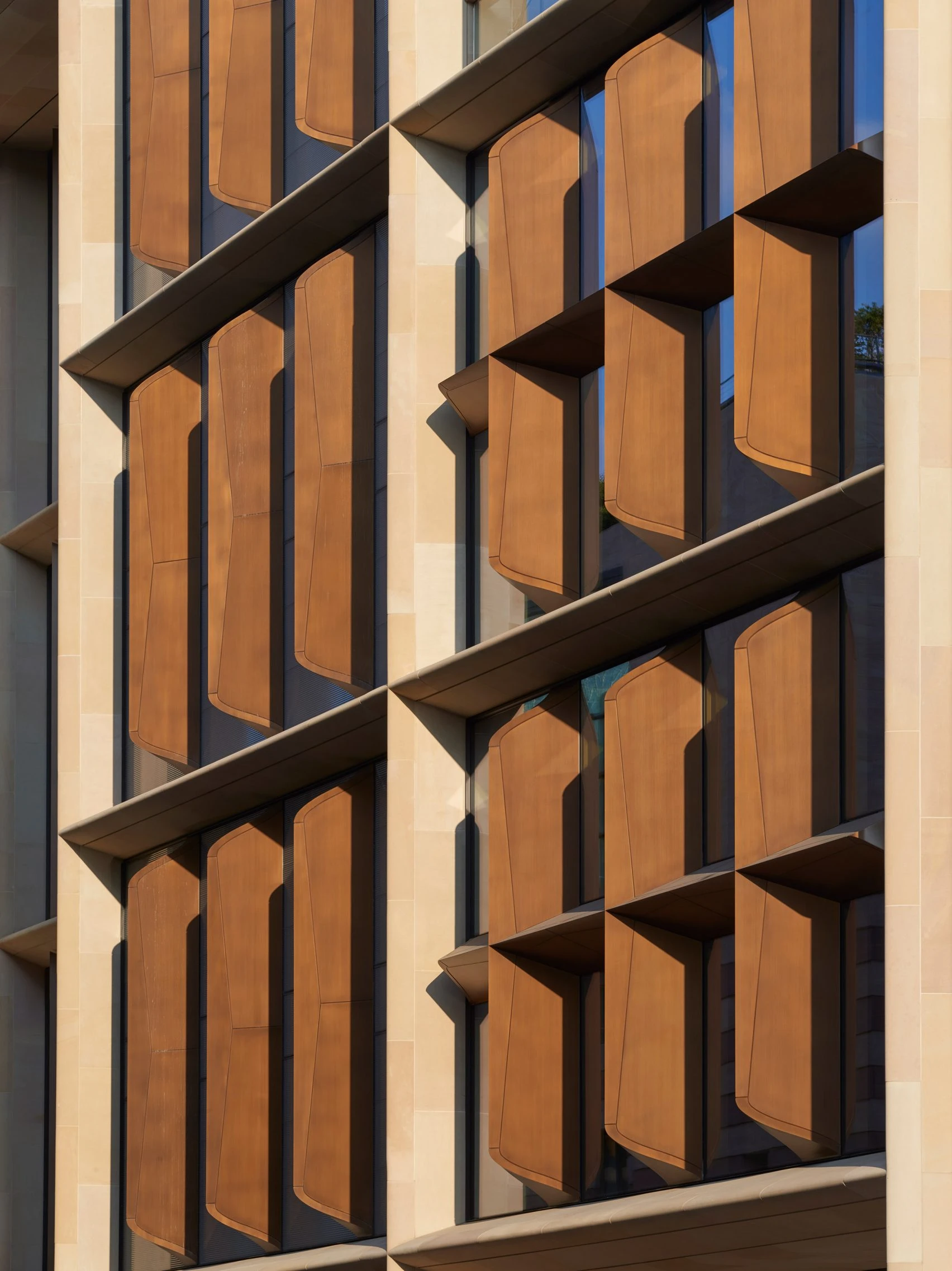
The building’s bronze facade blades open and close in response to external weather conditions, allowing fresh air to circulate when possible. This synthesis of passive airflow and intelligent mechanical systems enables the headquarters to operate substantially more efficiently than conventional office buildings.
The Passive Cooling Frontier
The future of cooling increasingly lies within materials themselves. Emerging technologies such as Phase Change Materials (PCMs) and Radiative Sky Cooling (RSC) are redefining how architecture interacts with heat at a molecular level. Rather than relying exclusively on mechanical systems, these innovations suggest a future where building envelopes can absorb, store, and dissipate thermal energy through their intrinsic material properties.
As global temperatures rise, architecture is becoming a critical tool for cooling cities through shading, ventilation, greenery, and climate-responsive materials. Recent heatwaves across Europe highlight how urgent resilient urban design has become for healthier and more livable futures.