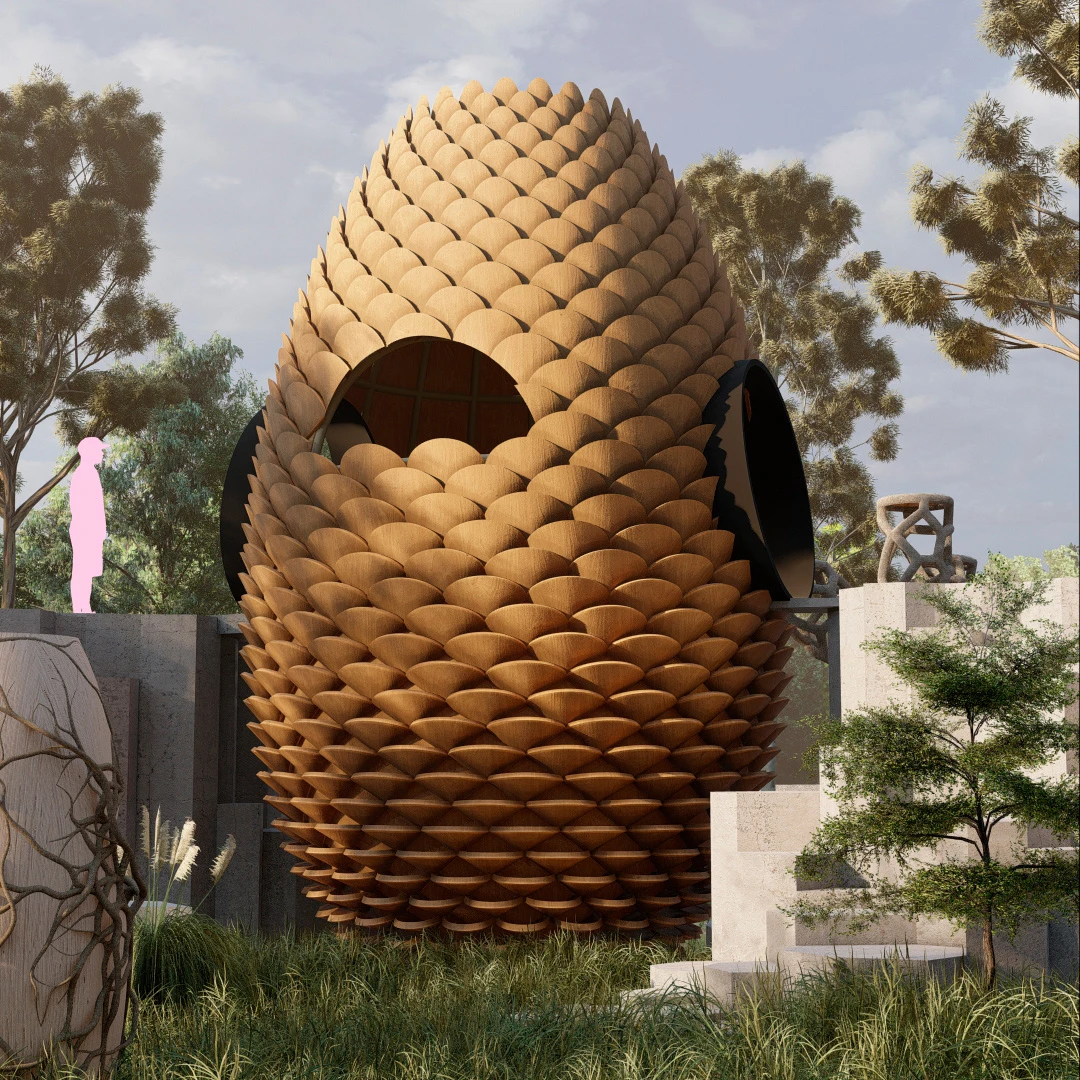

At a time when zoos are increasingly redefining their role as centers for conservation, education, and animal welfare, architecture is beginning to play a more active role in shaping environments that respond to the needs of non-human species. Moving beyond conventional enclosure design, architect and researcher Maximo Basilio Marroquin Pompa has developed Baobab Shelter, a biomimetic environmental enrichment prototype for Ring-tailed Lemurs (Lemur catta) at Benito Juárez Zoo in Morelia, Mexico.
Built in 2025, the project explores how computational design, animal behaviour studies, and low-tech fabrication methods can come together to create species-specific habitats that encourage natural behaviours while enhancing welfare. Developed as part of a postgraduate research project at the Universidad Michoacana de San Nicolás de Hidalgo (UMSNH), the installation demonstrates how architecture can become a tool for coexistence between humans and wildlife.
Reconsidering the Zoo Enclosure
The project began with an evaluation of the existing Ring-tailed Lemur enclosure at Benito Juárez Zoo. While the habitat provided the basic requirements for housing the animals, the assessment revealed several limitations affecting both animal welfare and visitor engagement.
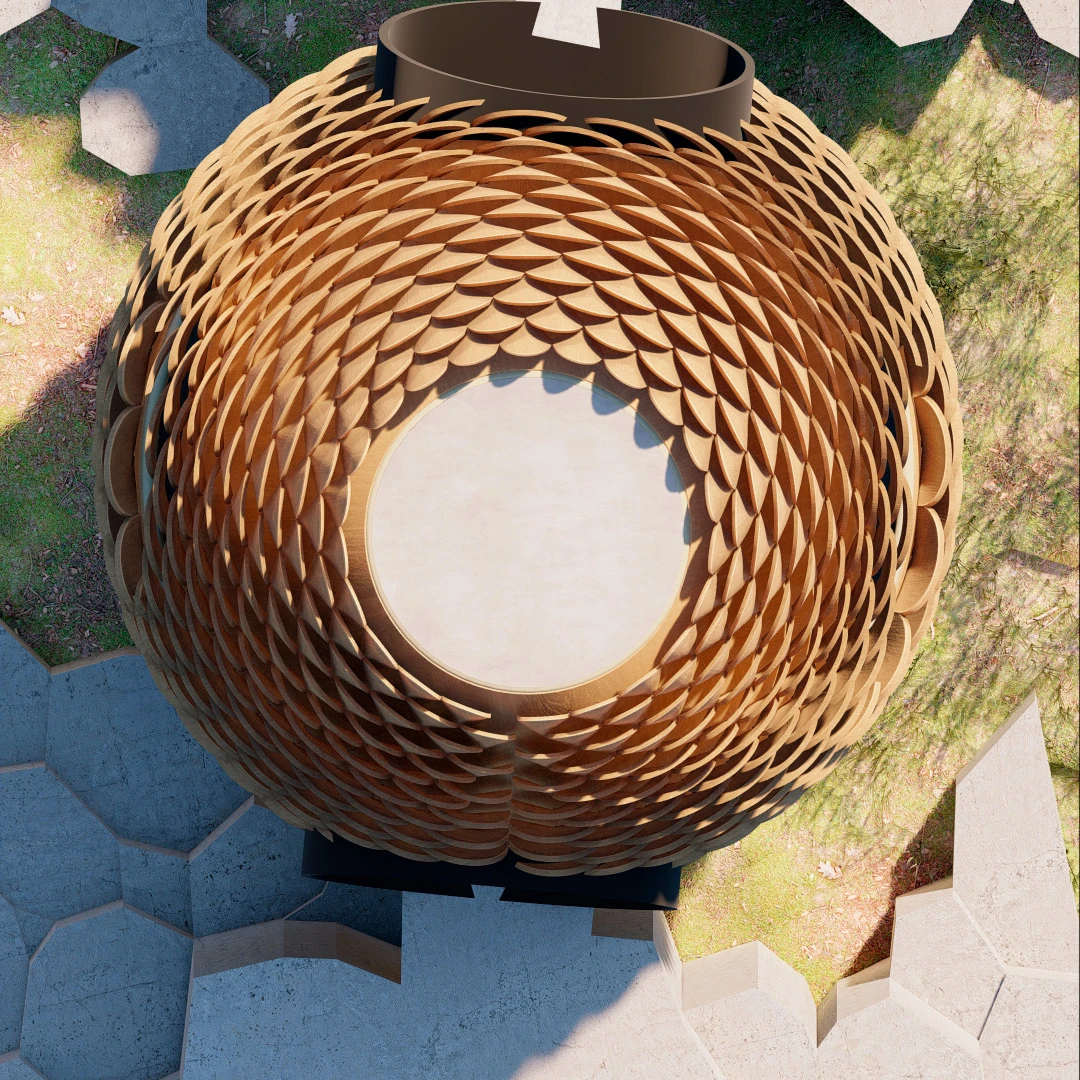
The enclosure lacked vertical complexity, climbing opportunities, privacy zones, sensory enrichment, and varied terrain. Opportunities for behaviours such as exploration, jumping, social interaction, and elevated movement were restricted. In addition, educational and interpretive elements within the exhibit were limited, reducing the potential for meaningful connections between visitors and the species.
Marroquin approached it as an ecological and behavioural system capable of supporting the biological needs of its inhabitants.
Learning from Nature Through Biomimicry
Central to the project is a biomimetic methodology inspired by natural systems and processes. The design framework was developed through a sequence of observation, abstraction, emulation, implementation, evaluation, and iterative refinement.
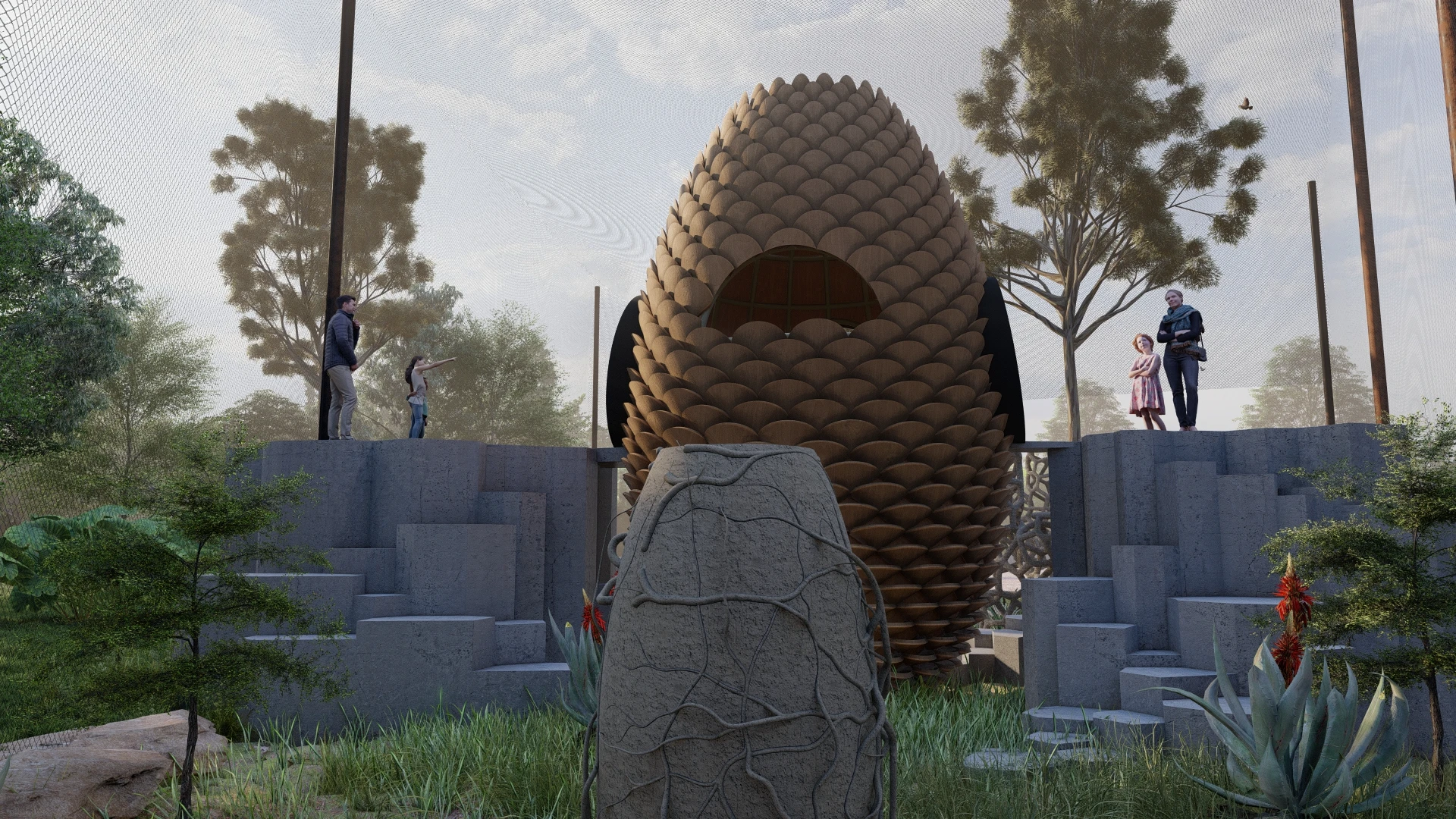
For the designer, biomimicry was not limited to reproducing natural forms. Instead, the process focused on understanding how biological systems function and translating those principles into architectural solutions.
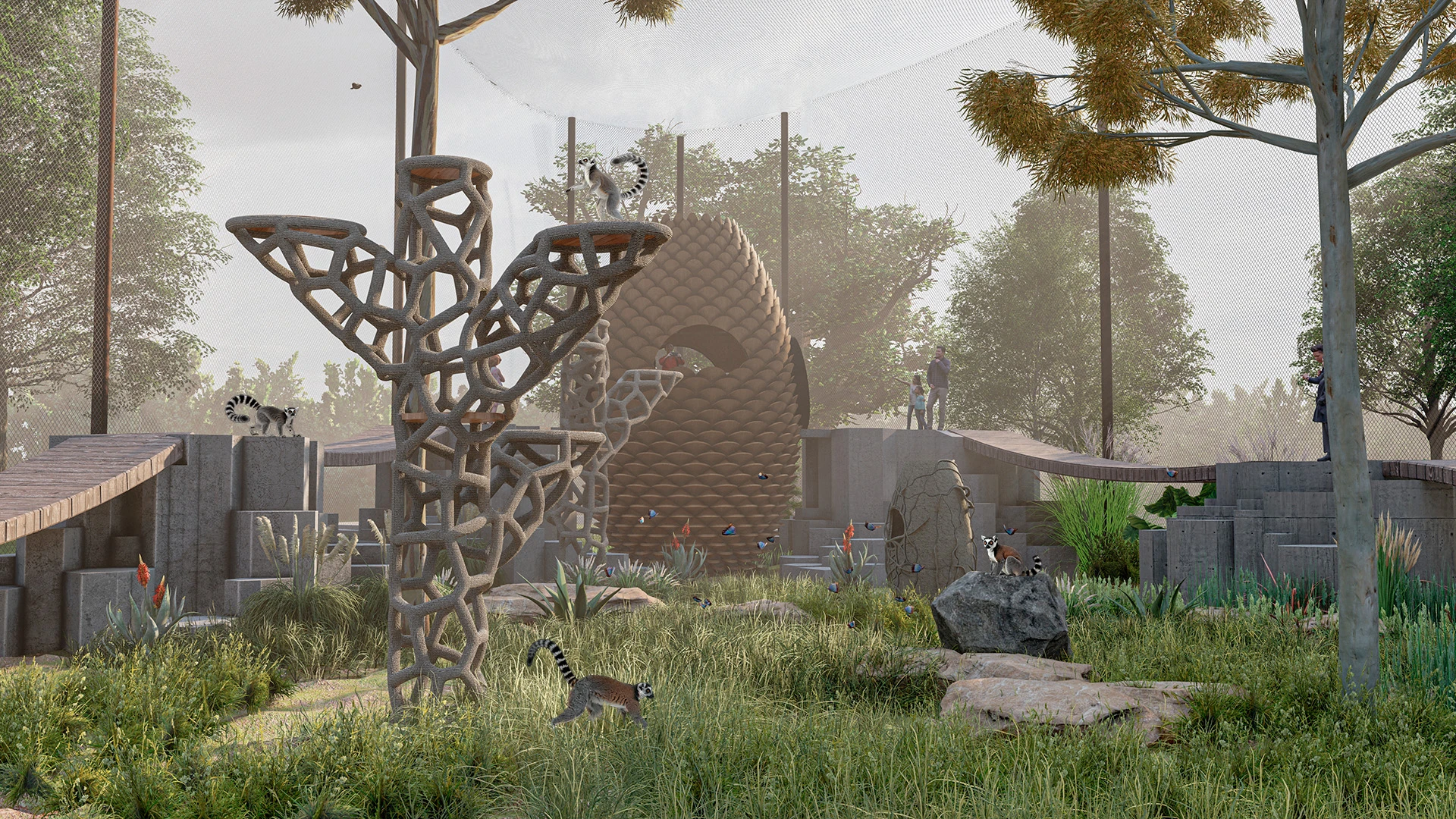
The Ring-tailed Lemur became the primary source of information throughout the design process. Research into the species’ movement patterns, climbing behaviour, resting habits, social dynamics, and environmental preferences informed every spatial decision. The resulting design seeks to encourage activities that are essential to the animals’ well-being, including climbing, exploration, resting, sun exposure, and social interaction.
The Baobab as Inspiration
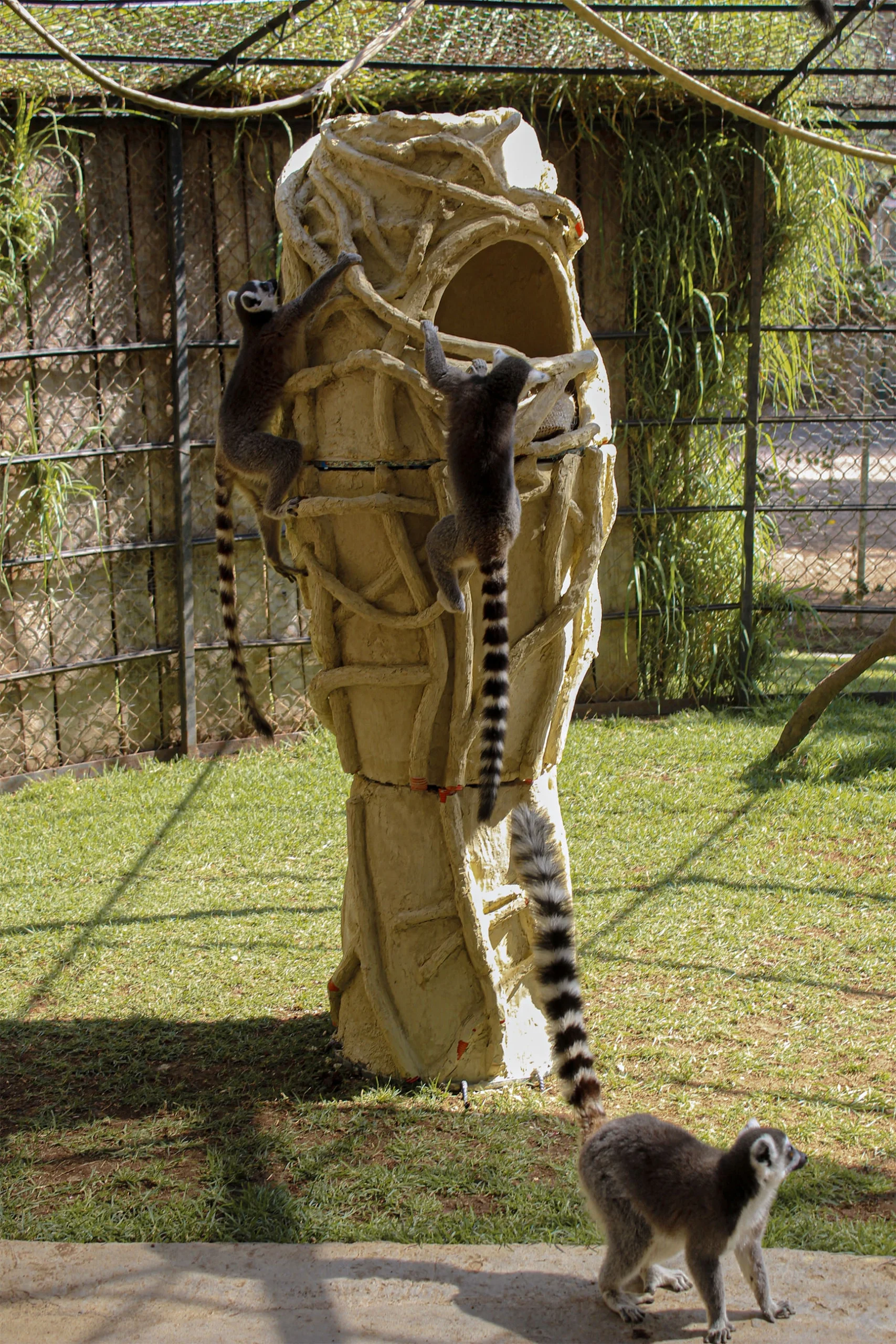
The project draws inspiration from the baobab tree, an iconic species closely associated with Madagascar, the native habitat of Ring-tailed Lemurs.
Known for its distinctive trunk and ability to store large quantities of water, the baobab served as both a symbolic and functional reference. The project interprets its spatial qualities and ecological functions through a series of architectural elements designed specifically for captive wildlife environments.
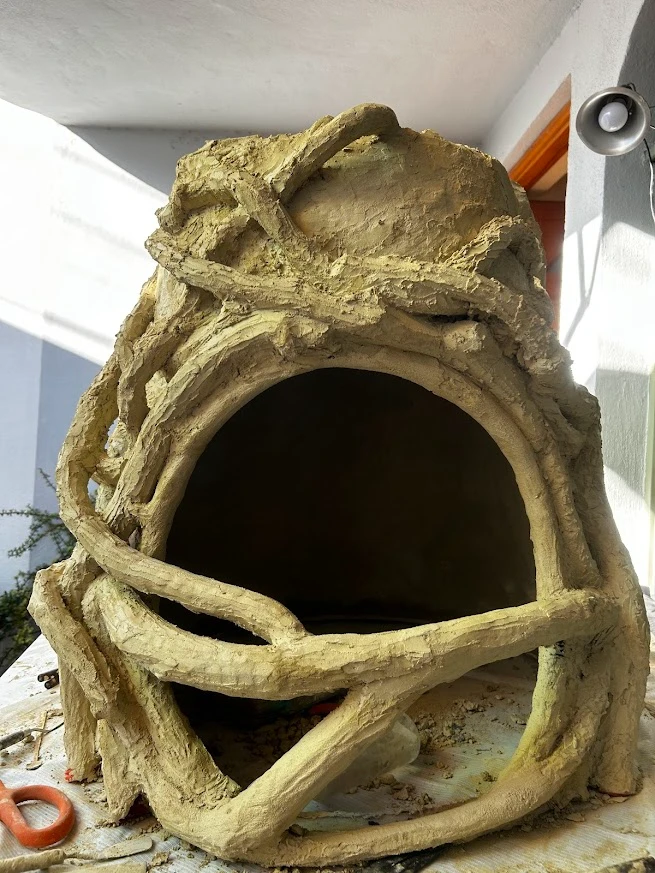
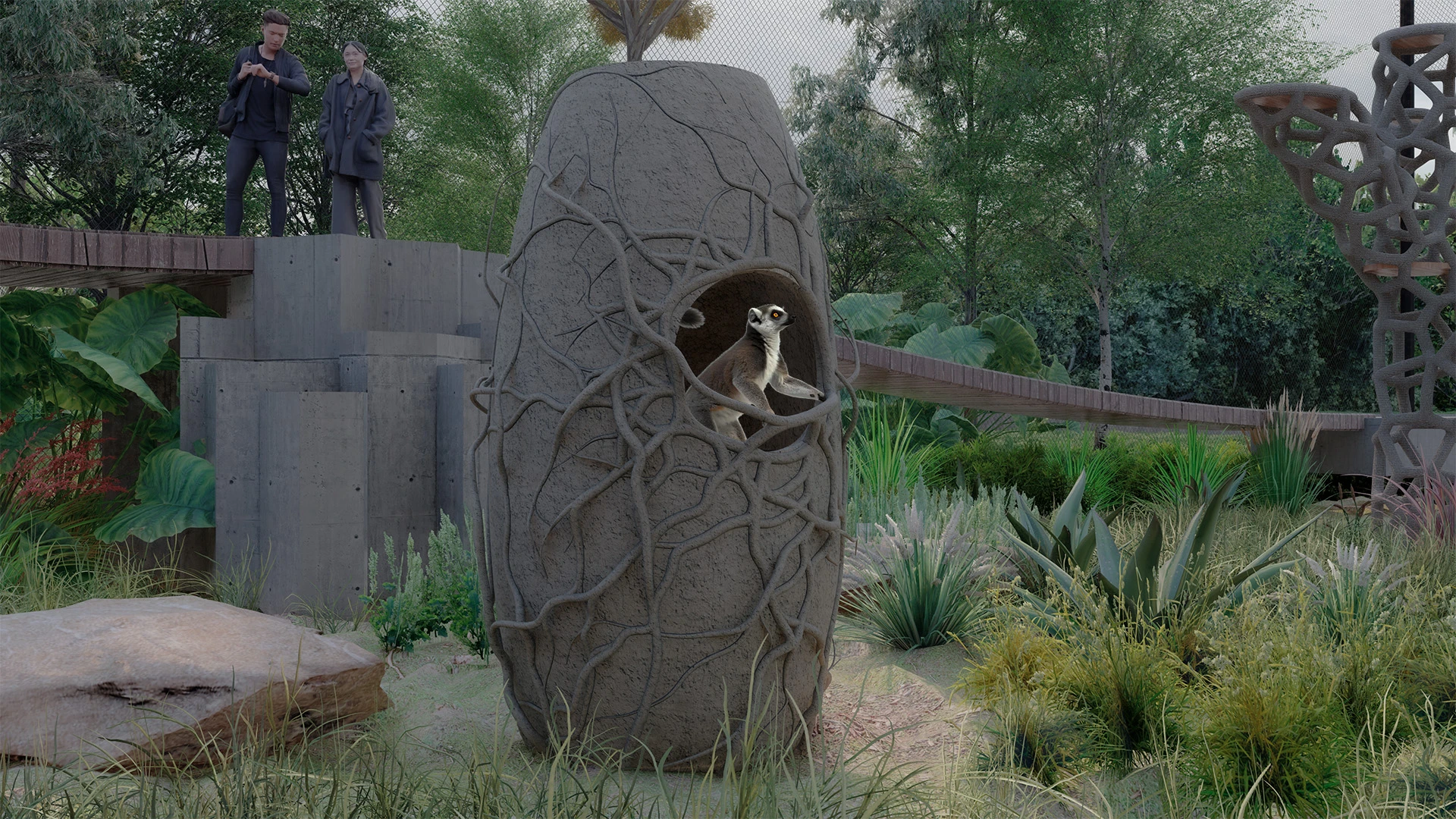
The shelter adopts the organic form of a young baobab, creating a refuge where lemurs can rest, climb, observe, and seek protection from weather conditions. The structure simultaneously functions as a behavioural enrichment device and a recognisable landmark within the enclosure.
Designing Through Parametric Tools
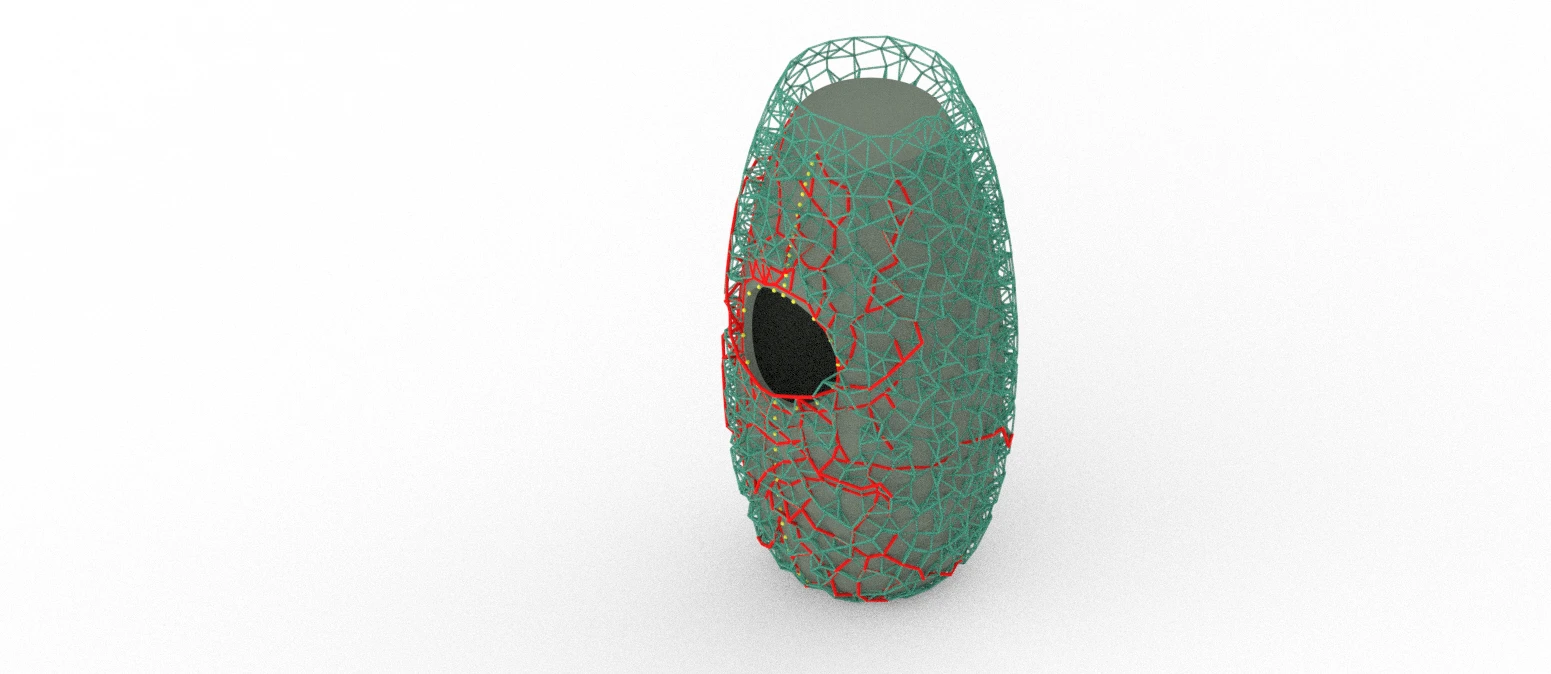
Digital design tools played a significant role in the development of the project. Using Rhino and Grasshopper, Marroquin generated a parametric model capable of responding to both behavioural and structural requirements.
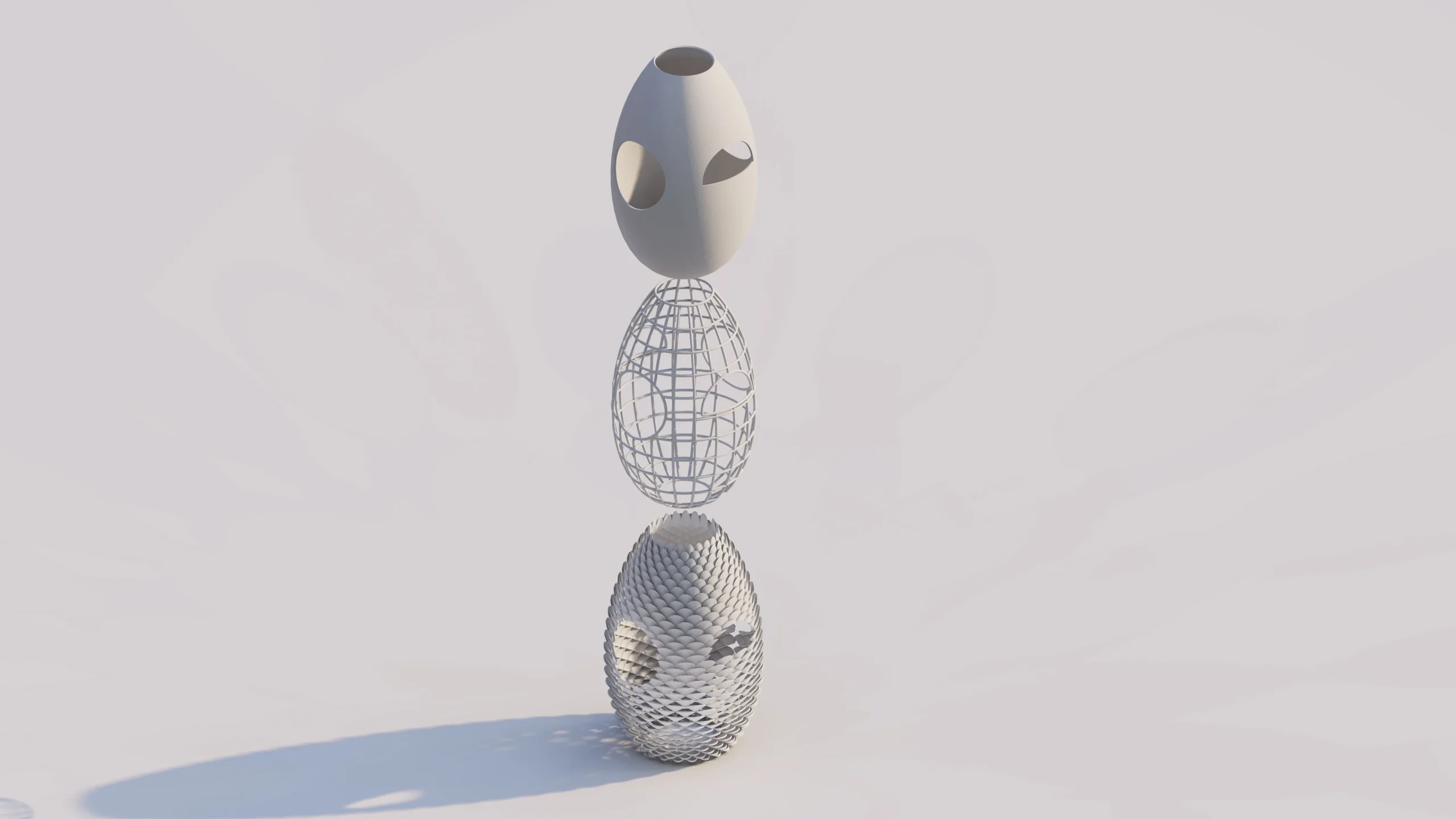
The design process began with a curved volumetric form inspired by the trunk of a baobab tree. An internal cavity was introduced to create a protected refuge space for the animals. The volume was then populated with strategically distributed points that served as generators for a network of pathways.
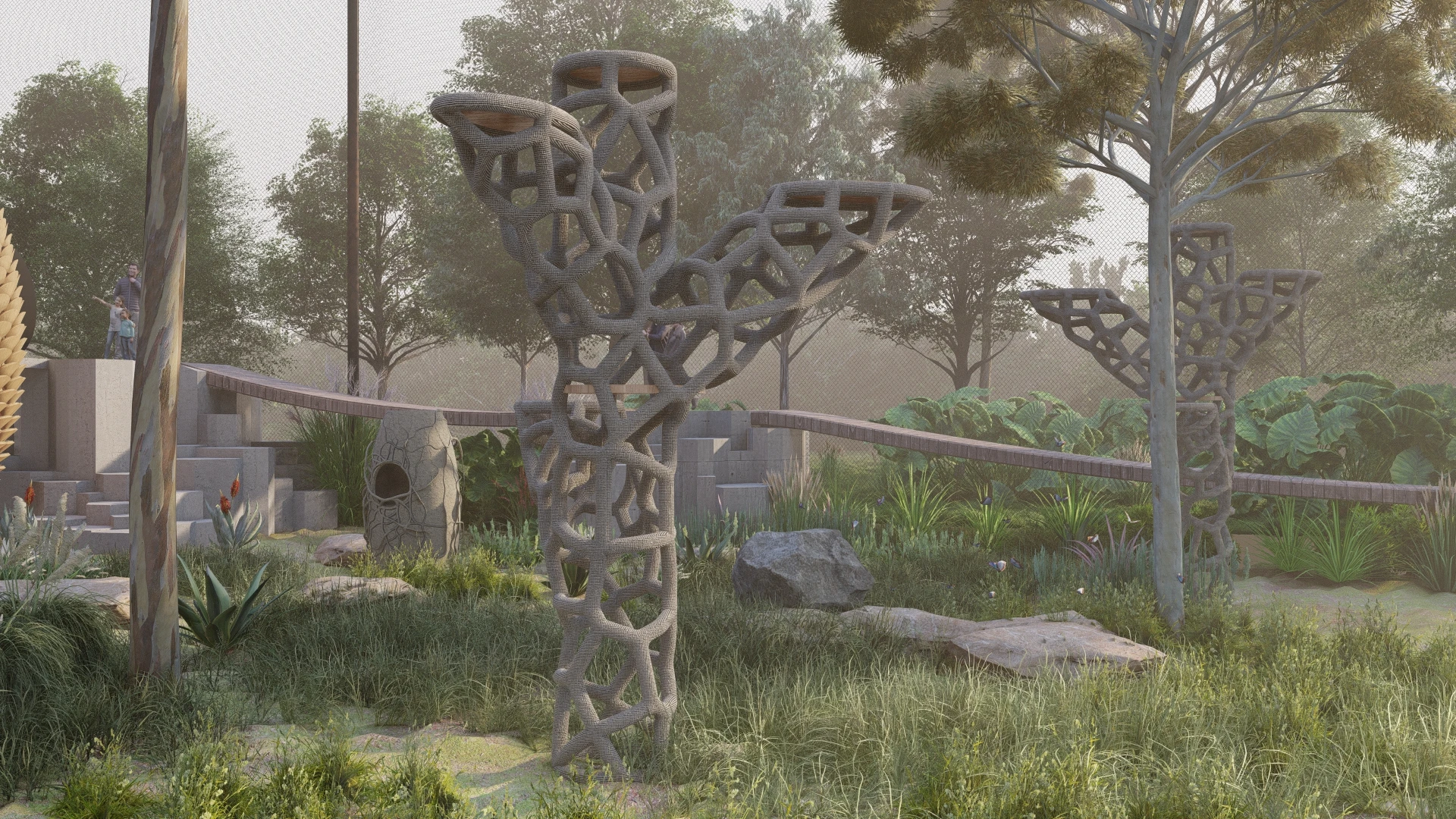
Using Grasshopper’s pathfinding tools, the shortest routes between these points were identified, producing a system of root-like elements extending throughout the structure. Some roots rise vertically from the base to the upper portion of the shelter, while others extend horizontally from the entrance toward the rear.
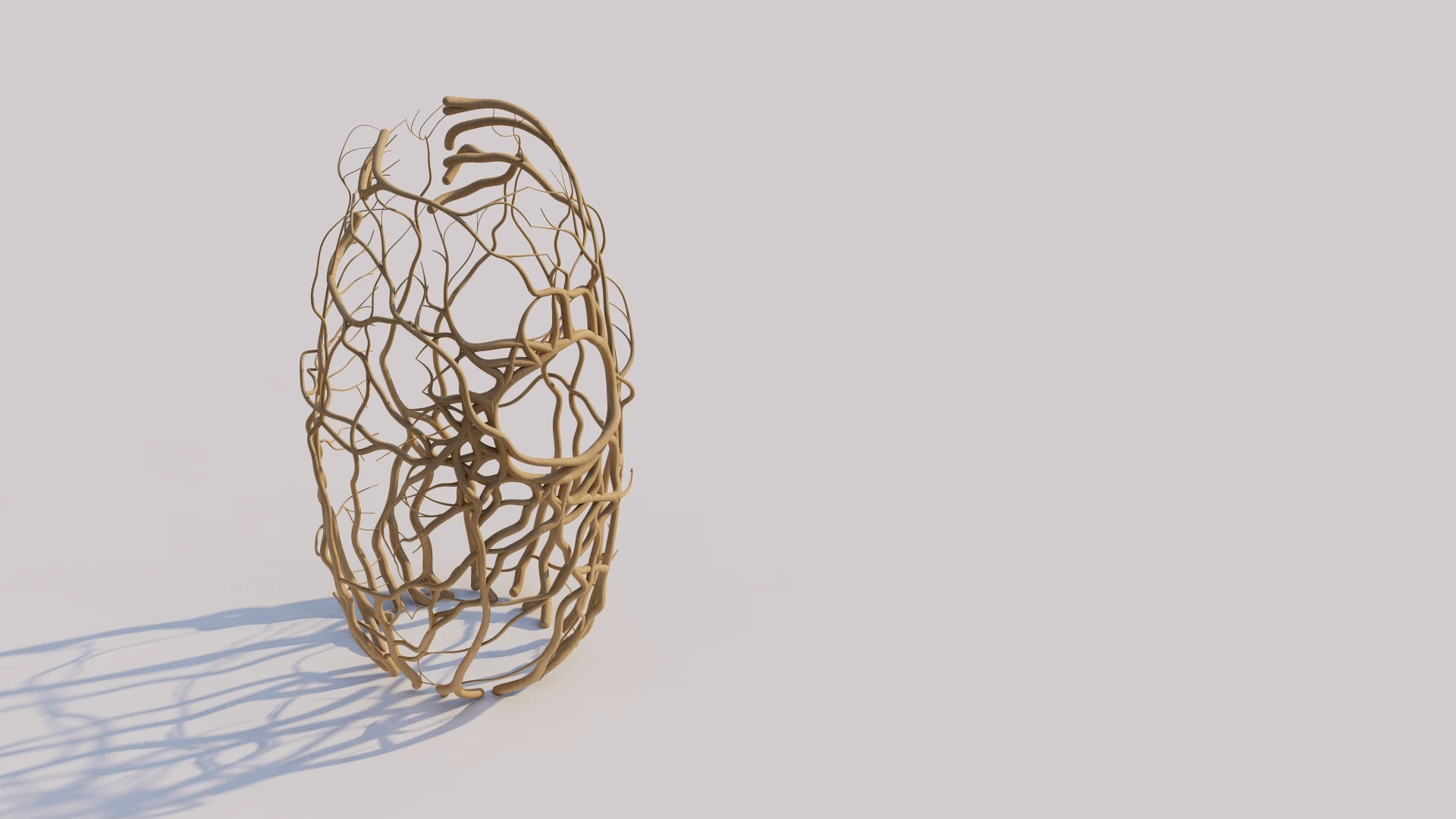
The resulting geometry creates multiple grasping points, climbing surfaces, and movement pathways that encourage natural locomotion and exploration.
A Shelter Built from Recycled Materials
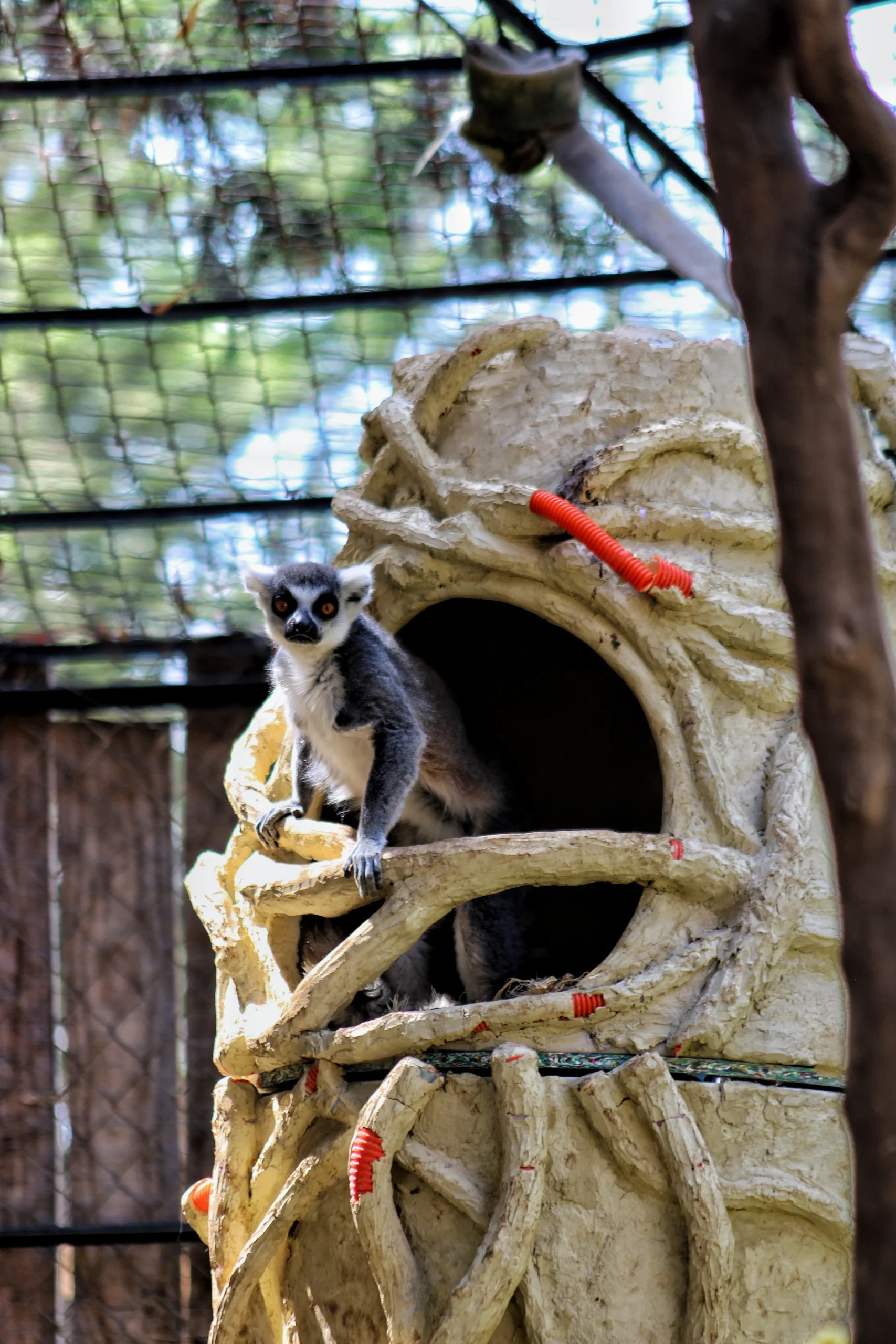
While the project employs advanced computational design techniques, its construction relies on accessible and affordable materials.
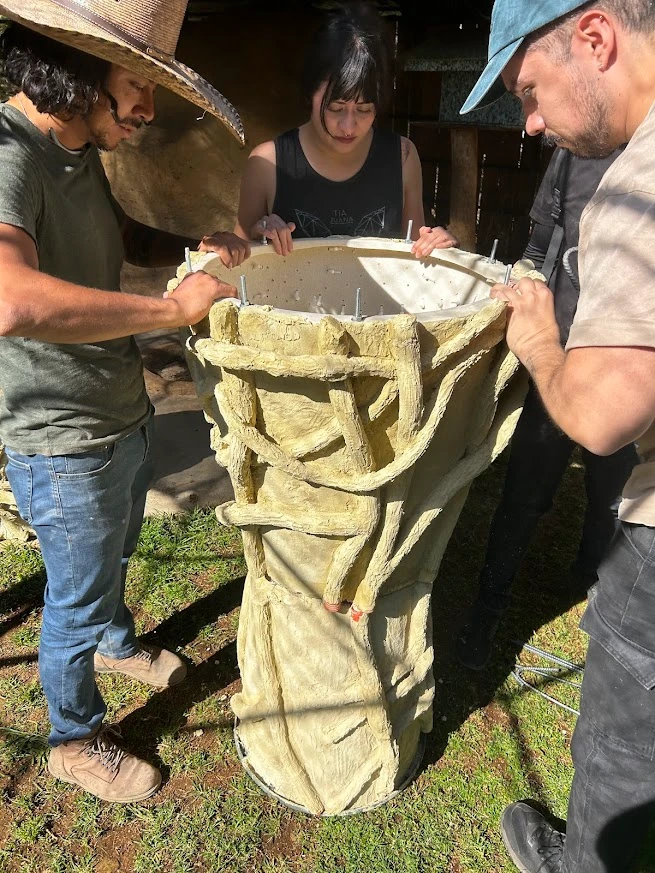
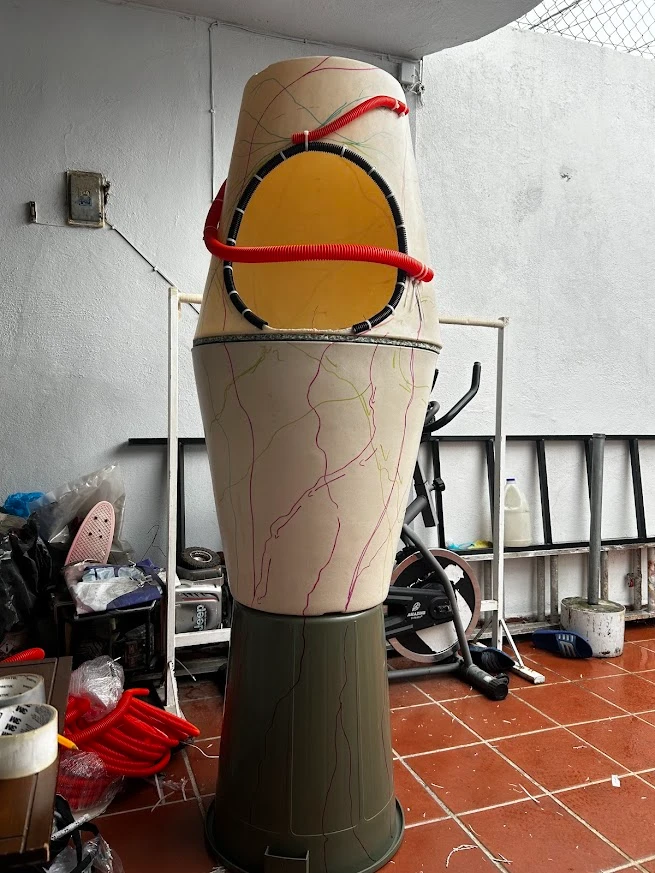
The primary structure consists of recycled plastic containers, including plant pots and a plastic bin that establishes the main volume of the shelter. Corrugated conduit pipes were attached to create the network of root-like climbing elements, while galvanised steel mesh provided reinforcement for the external surface.
The entire structure was finished with a mortar mixture composed of cement, silica sand, and yellow oxide pigment. This finish replicates the appearance and texture of baobab bark while protecting the internal components from weather exposure.
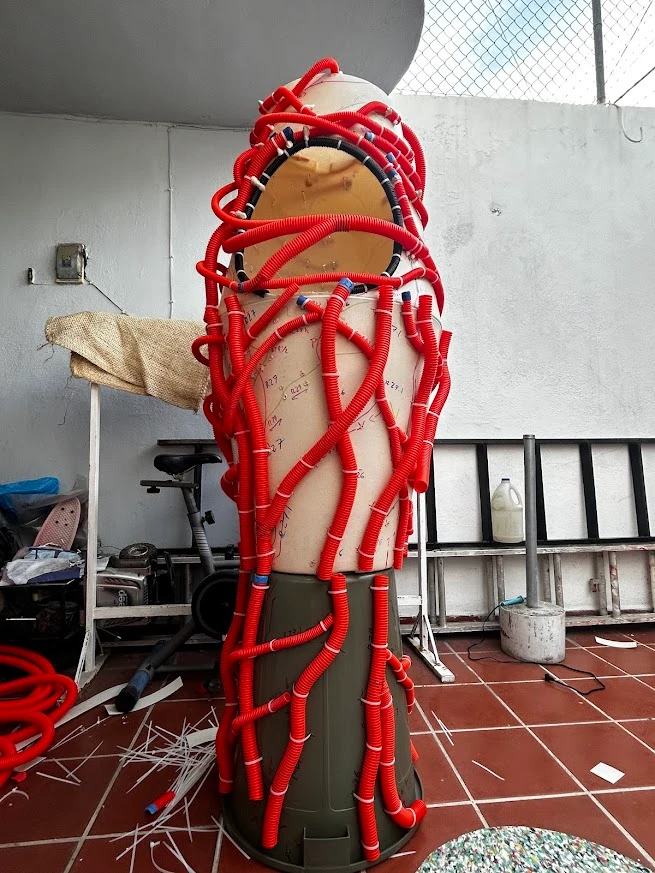
The use of recycled plastic offered several practical advantages. The lightweight material simplified transportation and installation, while its thermal properties helped maintain comfortable temperatures within the shelter throughout changing weather conditions.
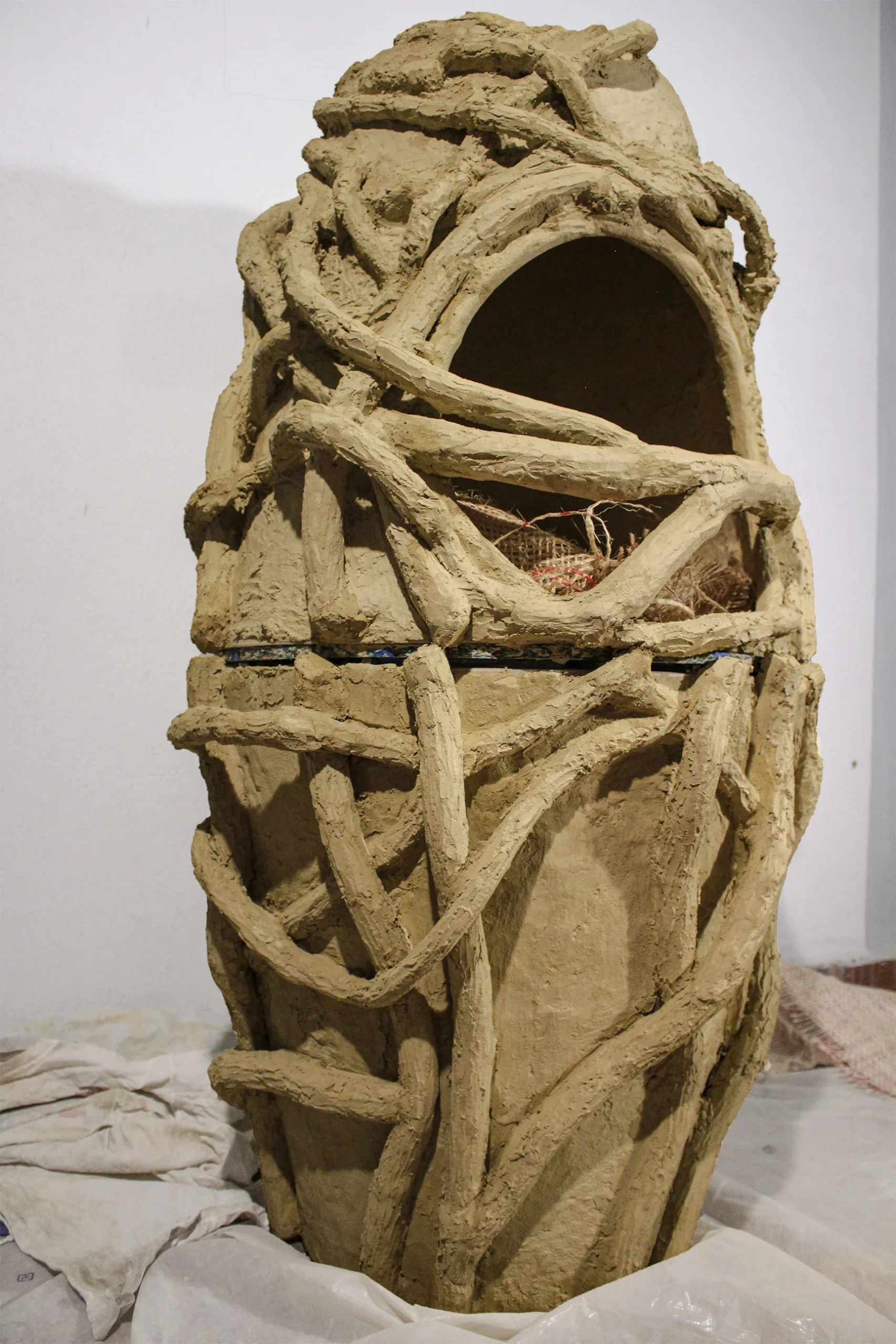
Importantly, the fabrication process avoided invasive construction activities within the enclosure. The prototype was designed for rapid assembly using mechanical fasteners rather than chemical adhesives, reducing disturbance to the animals and simplifying future maintenance.
Installation and Immediate Response
Baobab Shelter was installed at Benito Juárez Zoo on 2 April 2025 by a six-person team led by Marroquin.
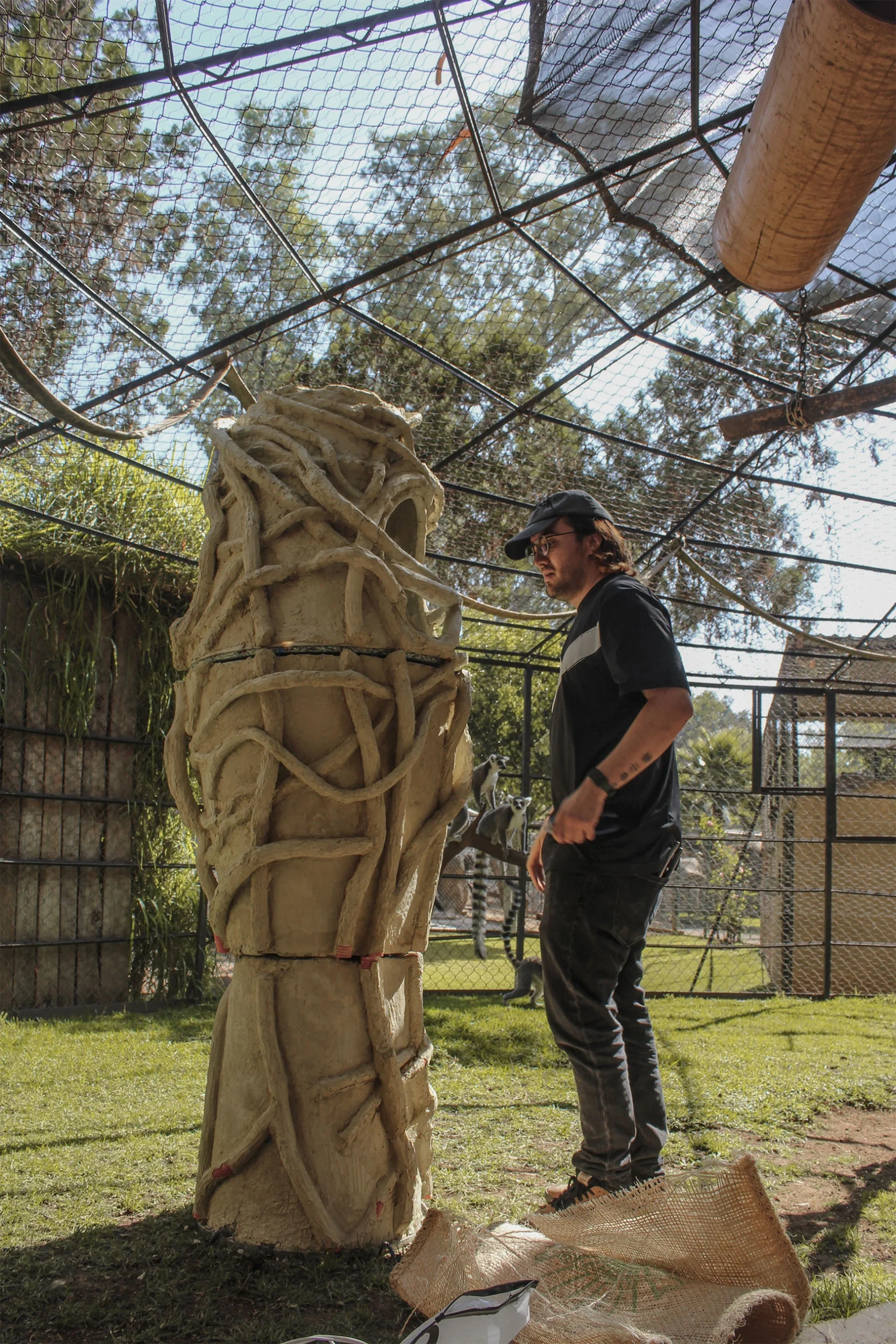
The installation required approximately forty minutes and involved securing the structure through a ground-anchoring system inspired by tent stabilisation methods. Once the installation team departed, the lemurs gradually approached the new object.
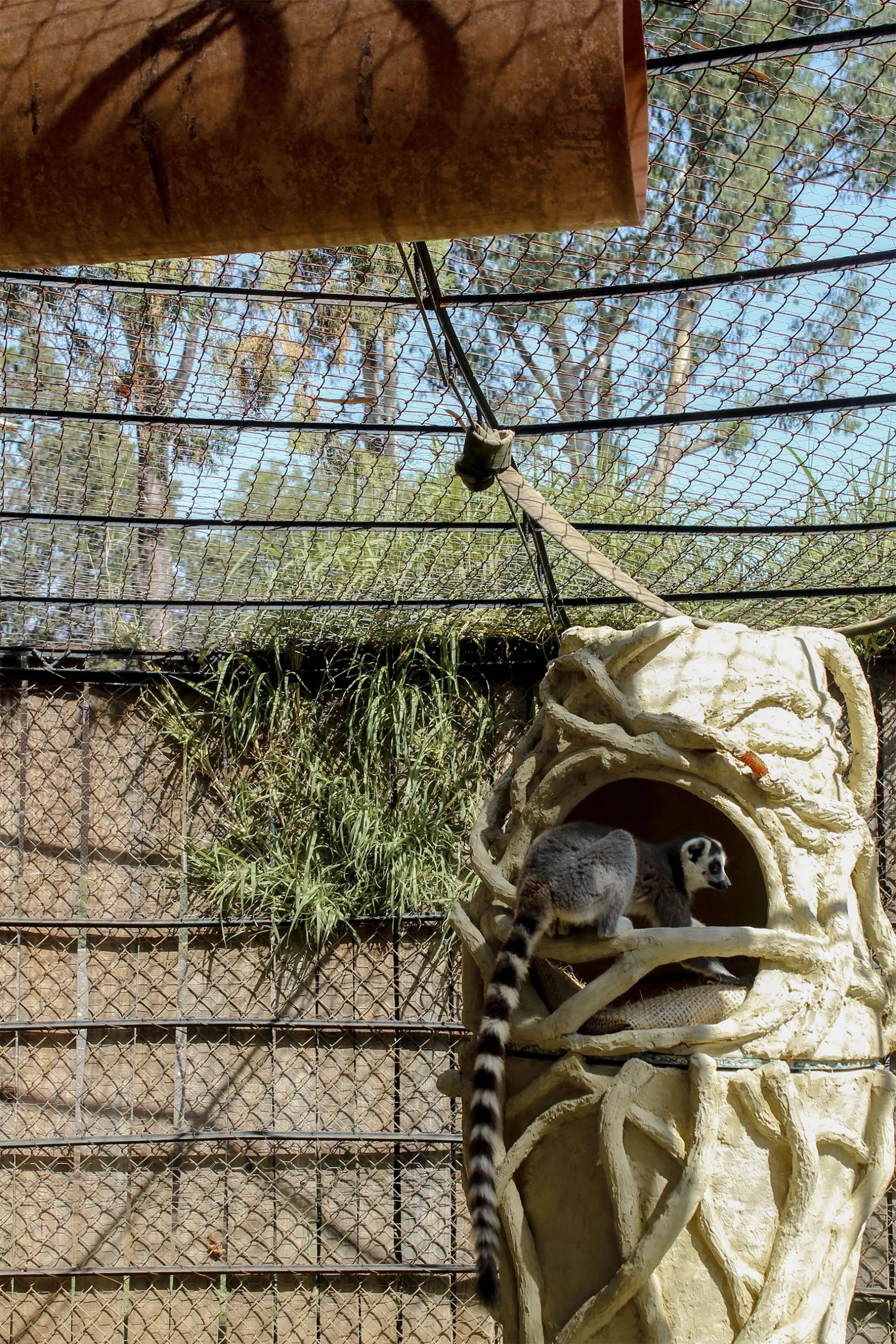
Initial interactions followed expected behavioural patterns. The animals inspected the shelter by smelling, touching, and biting its surfaces before determining whether it was safe. Within fifteen minutes, one juvenile lemur climbed onto the structure. Soon afterwards, additional members of the group began using it, indicating an early acceptance of the prototype.
These observations marked the beginning of a two-week evaluation period designed to assess the effectiveness of the enrichment element.
Evaluating Animal Welfare Through Design
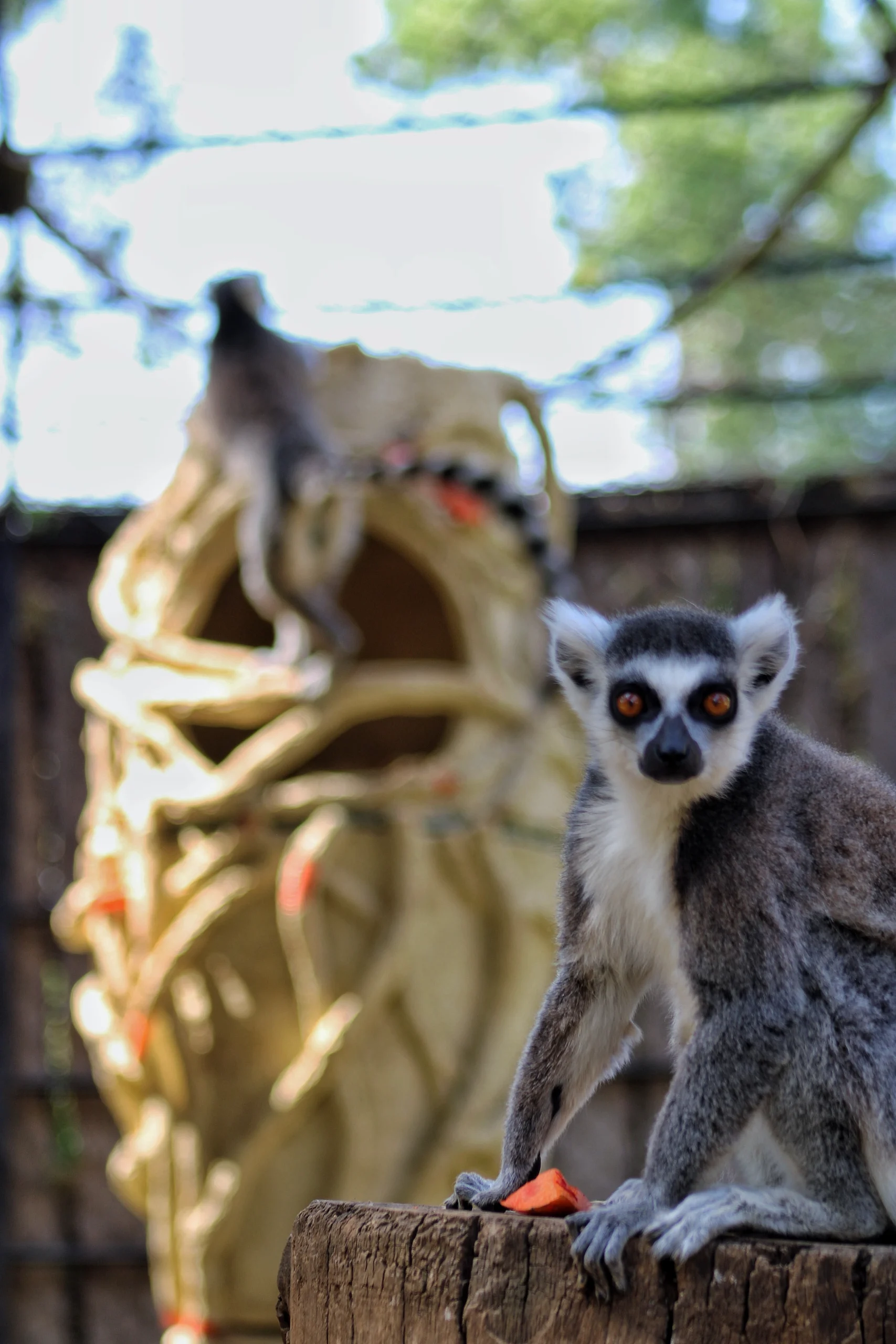
The shelter’s performance was monitored through behavioural observations and interviews with zoo staff, providing valuable insights into how the animals interacted with the structure over time.
Researchers observed that the shelter quickly became a preferred location for resting and social interaction. Multiple individuals were frequently recorded using the interior space simultaneously, often remaining inside for extended periods.
The structure fulfilled several functions beyond its original role as a refuge. It served as a climbing element, elevated platform, jumping base, social gathering point, and sunbathing area.
Zoo specialists noted that acceptance of the shelter occurred significantly faster than with previous enrichment devices installed within the enclosure. According to the staff, earlier shelters and PVC-based structures had often been ignored or rejected by the animals.
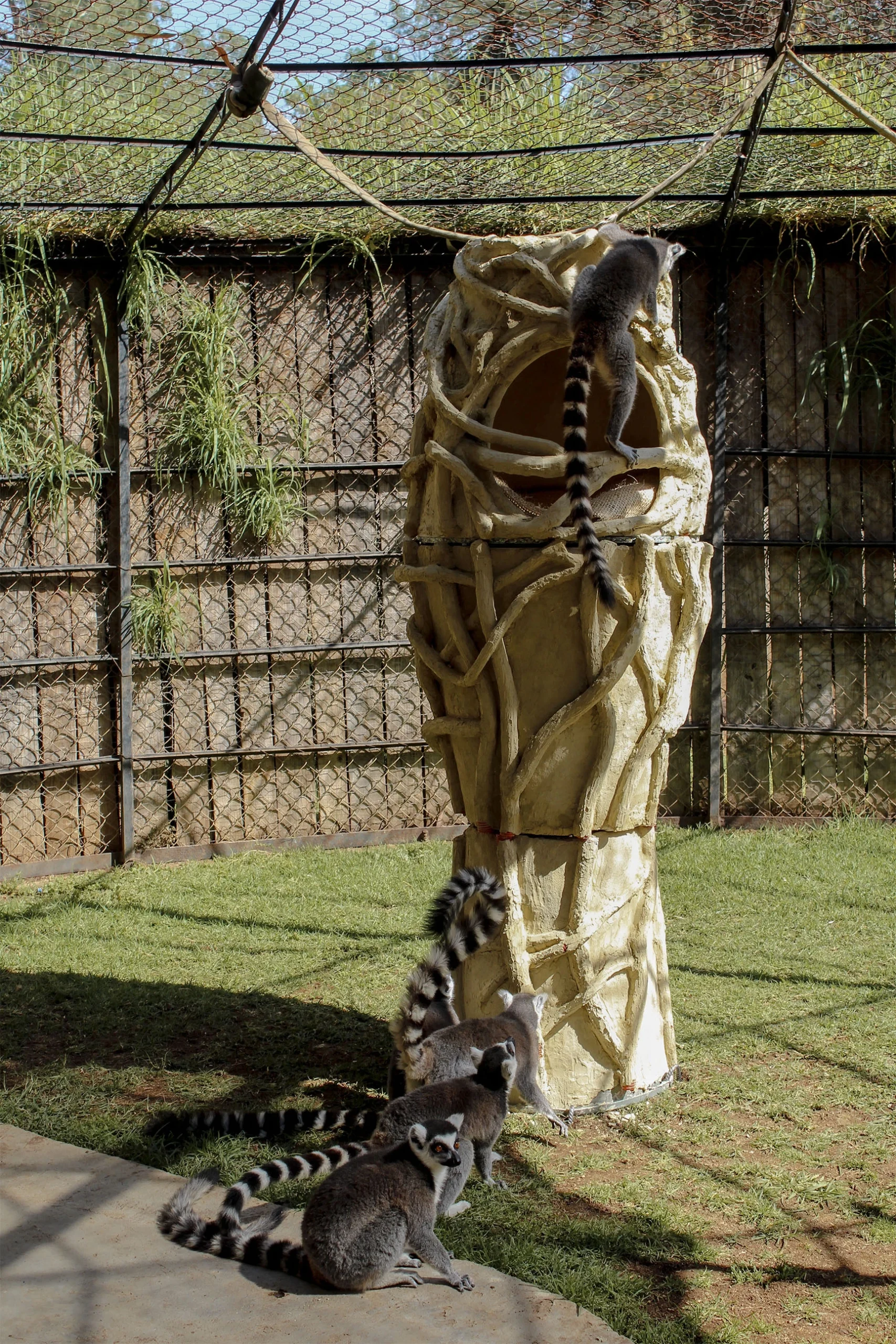
The shelter’s thermal comfort, ventilation, and textured surfaces were identified as particularly successful features. Staff members also observed that the structure encouraged exploratory and playful behaviours while providing a sense of privacy away from visitors.
While feedback was overwhelmingly positive, several opportunities for improvement were identified. Recommendations included increasing the overall height of the structure, expanding its internal capacity, improving the adhesion between mortar and plastic components, and incorporating additional visitor interpretation elements.
Beyond Human-Centred Architecture
Baobab Shelter demonstrates how architectural thinking can extend beyond human users and engage with broader ecological and ethical questions.
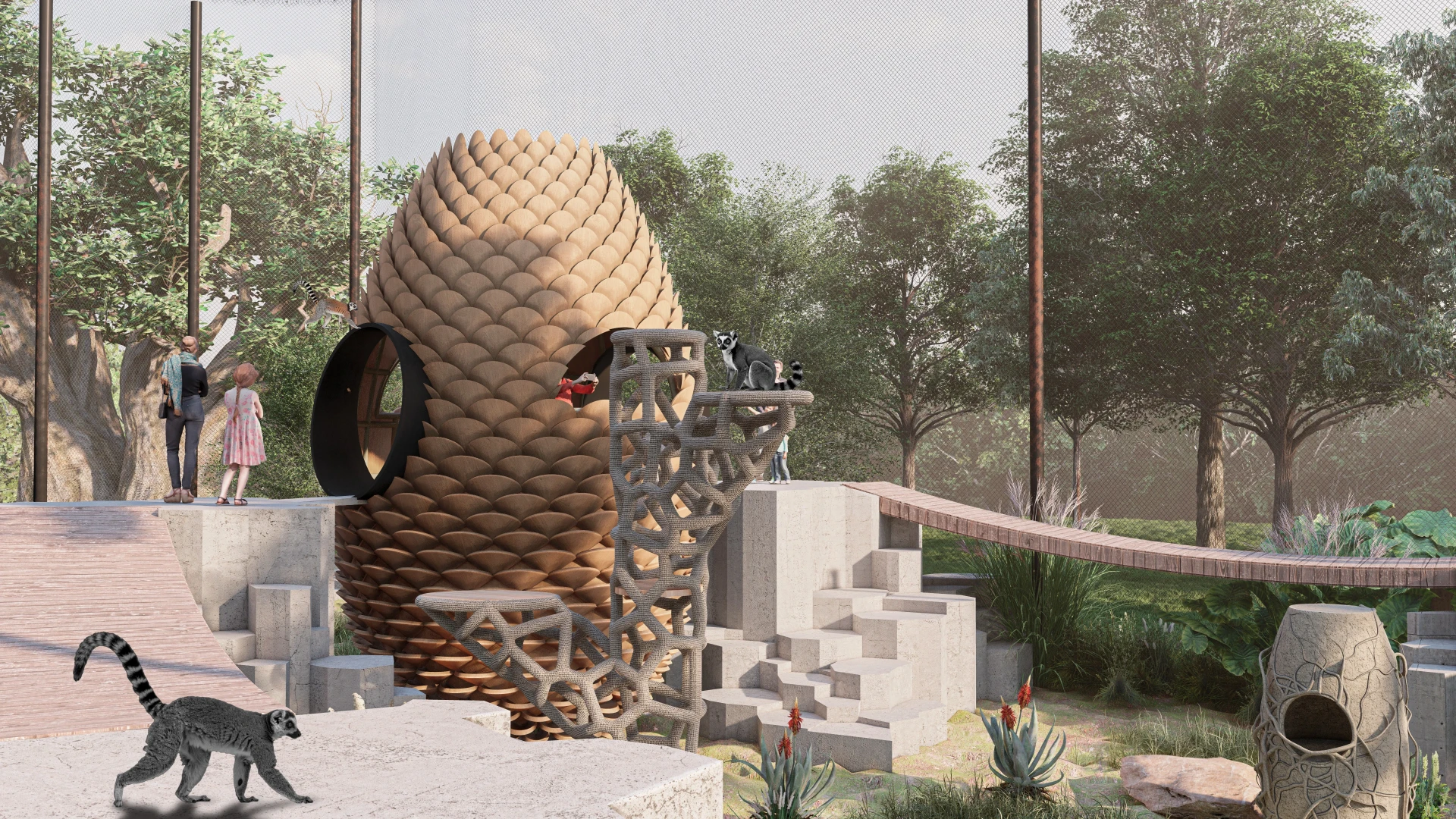
The project challenges conventional approaches to zoo design by positioning architecture as a mediator between animal welfare, environmental education, and conservation. Through the integration of biomimetic principles, computational design tools, and behavioural research, the shelter creates an environment that responds directly to the needs of its inhabitants.
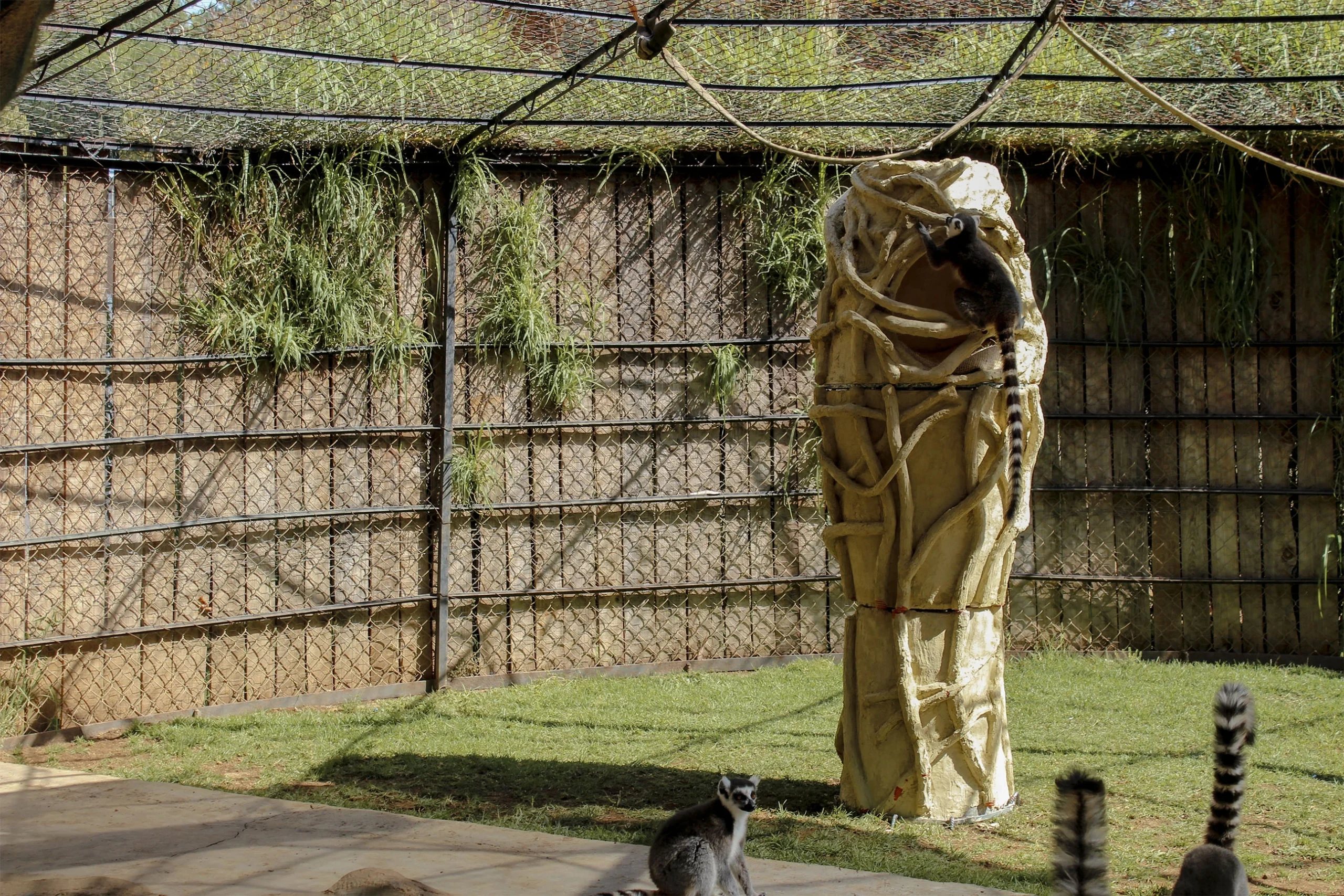
Although conceived as a prototype, the project offers a replicable framework for future wildlife enrichment initiatives. Its combination of digital design methodologies, recycled materials, and evidence-based evaluation suggests new possibilities for designing habitats that support both animal well-being and public engagement.
Baobab Shelter opens an ongoing conversation about how architecture can learn from nature and contribute to more inclusive environments. In doing so, it expands the discipline’s potential role within conservation and reminds us that design can be a powerful tool for improving the lives of species beyond our own.
Baobab Shelter Project Details
Project Name: Baobab Shelter
Typology: Environmental Enrichment Prototype
Location: Benito Juárez Zoo, Morelia, Mexico
Year: 2025
Status: Built / Full-Scale Implementation
Species: Ring-tailed Lemur (Lemur catta)
Project Type: Animal Welfare Infrastructure / Zoo Enrichment Design
Researcher and Lead Designer: Maximo Basilio Marroquin Pompa
Academic Institution: Universidad Michoacana de San Nicolás de Hidalgo (UMSNH), Mexico
Software Used: Rhino, Grasshopper, 3ds Max, Lumion Pro