




For centuries, architecture was learned through proximity. The apprentice stood beside the master. The student sat in the studio. Knowledge traveled through drawings pinned to walls, conversations around models, and critiques that stretched long into the evening. Architecture education was fundamentally physical, tied to specific institutions, cities, and geographies.
Today, that model is being challenged, not because it has lost its value, but because the world around it has changed faster than any curriculum can adapt.
Architecture is no longer defined solely by buildings. It now intersects with artificial intelligence, computational design, digital fabrication, environmental simulation, immersive visualization, robotics, data science, and emerging technologies that continuously reshape the way we imagine, design, and construct space. The architect of today operates within an ecosystem that evolves at a pace unimaginable even a decade ago.
In this new reality, online education has emerged as one of the most important infrastructures of contemporary architectural practice.
It is no longer an alternative to traditional learning. It has become its necessary extension.
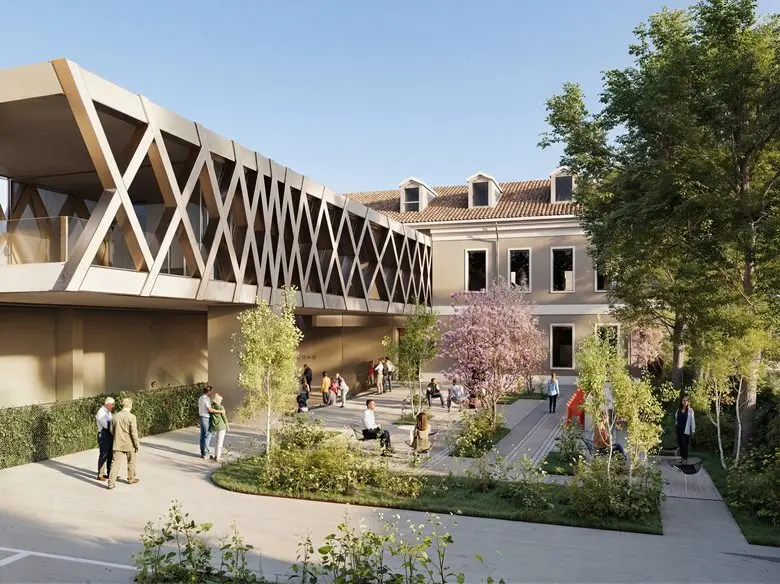
The modern architect faces a challenge unlike any generation before. Technologies that were considered experimental only a few years ago have rapidly become industry standards. Artificial intelligence is transforming ideation and visualization. Computational workflows are automating repetitive tasks while enabling unprecedented design complexity. New software platforms appear almost monthly, each promising to redefine workflows and productivity.
The question is no longer whether architects should continue learning after graduation.
The question is how.
Interestingly, this shift has also coincided with the rise of global learning communities. Platforms dedicated to architectural education have connected professionals across continents, enabling architects in Istanbul, São Paulo, Dubai, London, Singapore, and New York to participate in the same workshops, discussions, and learning experiences. As one example, PAACADEMY recently celebrated a milestone of reaching 100,000 followers on Instagram, a reflection of the growing demand for accessible, future-focused architectural education. To mark the occasion, the platform introduced the code DESIGN20, offering 20% off all courses through March 2026, a small gesture that reflects a much larger movement toward democratizing access to knowledge.
This democratization may be the most significant contribution of online education.
Historically, access to leading architectural thinkers, specialists, and technologies was limited by geography and institutional privilege. Attending lectures from globally recognized practitioners often required travel, significant financial resources, or enrollment in elite universities.
Digital learning has disrupted those barriers.
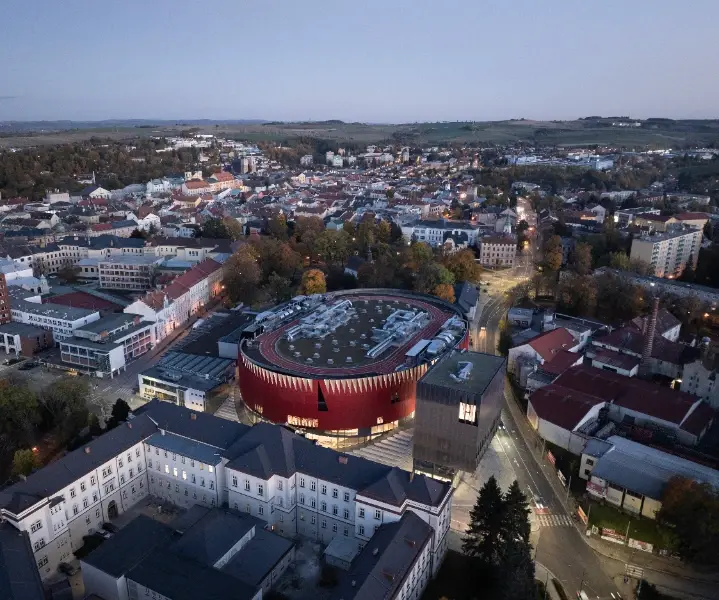
A young architect in a developing market can now learn directly from experts working at some of the world’s most innovative firms. Professionals can gain practical expertise in emerging tools without leaving their offices or interrupting their careers. Students can explore specialized topics that may never appear in their university curriculum.
Knowledge is no longer confined to the walls of a campus.
It has become distributed, global, and increasingly accessible.
Yet the value of online education extends beyond convenience.
What distinguishes the most successful architects today is not merely technical expertise but adaptability.
The half-life of professional knowledge is shrinking. Software updates arrive constantly. Design methodologies evolve. New technologies emerge and mature at unprecedented speeds. The architect who relies solely on what was learned during university education risks becoming disconnected from contemporary practice.
Continuous learning has become a professional necessity.
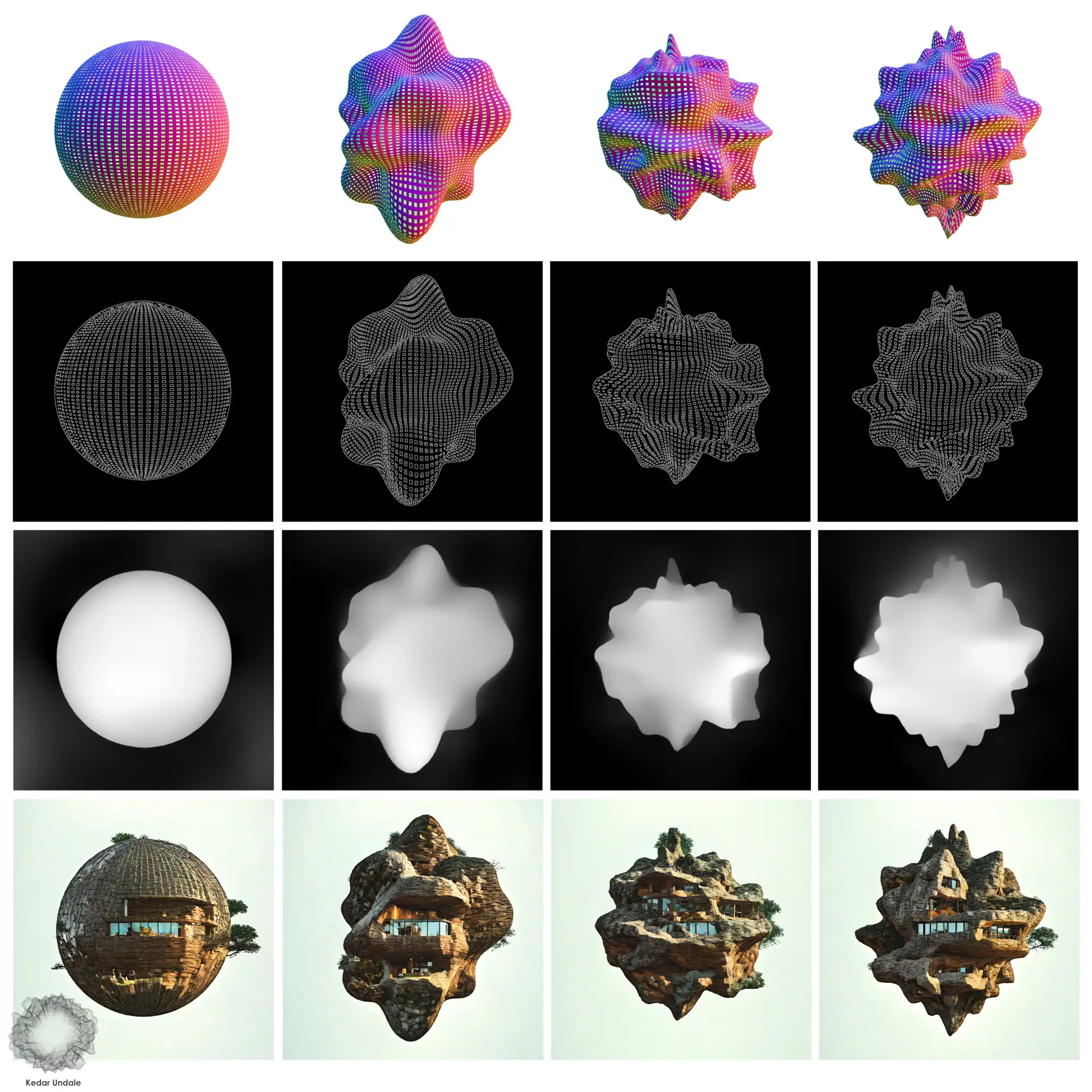
In many ways, architecture is beginning to resemble fields such as technology and medicine, where lifelong education is an expectation rather than an option. The profession’s future belongs not necessarily to those who know the most today, but to those who can learn the fastest tomorrow.
This shift has profound implications for both individuals and institutions.
Universities remain essential. They provide critical foundations in history, theory, culture, design thinking, and spatial understanding. These are irreplaceable pillars of architectural education.
However, universities were never designed to update curricula every few months in response to technological change.
Online education fills that gap.
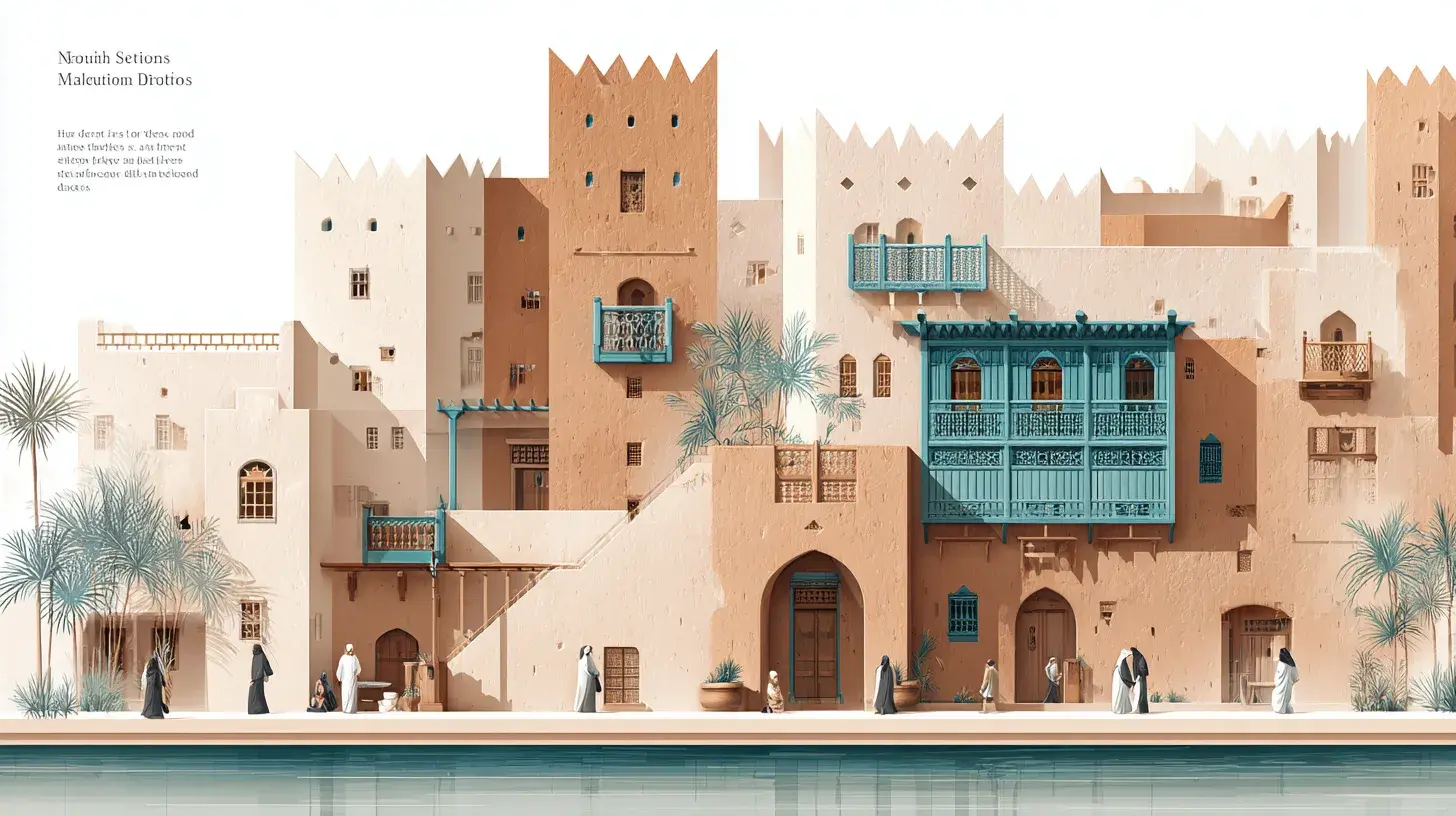
It creates a dynamic layer of knowledge that can respond to industry developments in real time. New workflows, software tools, research findings, and technological breakthroughs can be taught and disseminated globally within weeks rather than years.
This responsiveness has become one of architecture’s greatest educational advantages.
Equally important is the changing nature of professional development itself.
Learning is increasingly becoming embedded within practice rather than separated from it.
Architects no longer pause their careers to acquire new knowledge. Instead, they integrate learning into their daily routines. A designer might complete an AI visualization course while working on a competition entry. A project architect may study computational design techniques during evenings to improve office workflows. A visualization specialist may explore emerging rendering technologies while actively managing client projects.
Education and practice are converging.
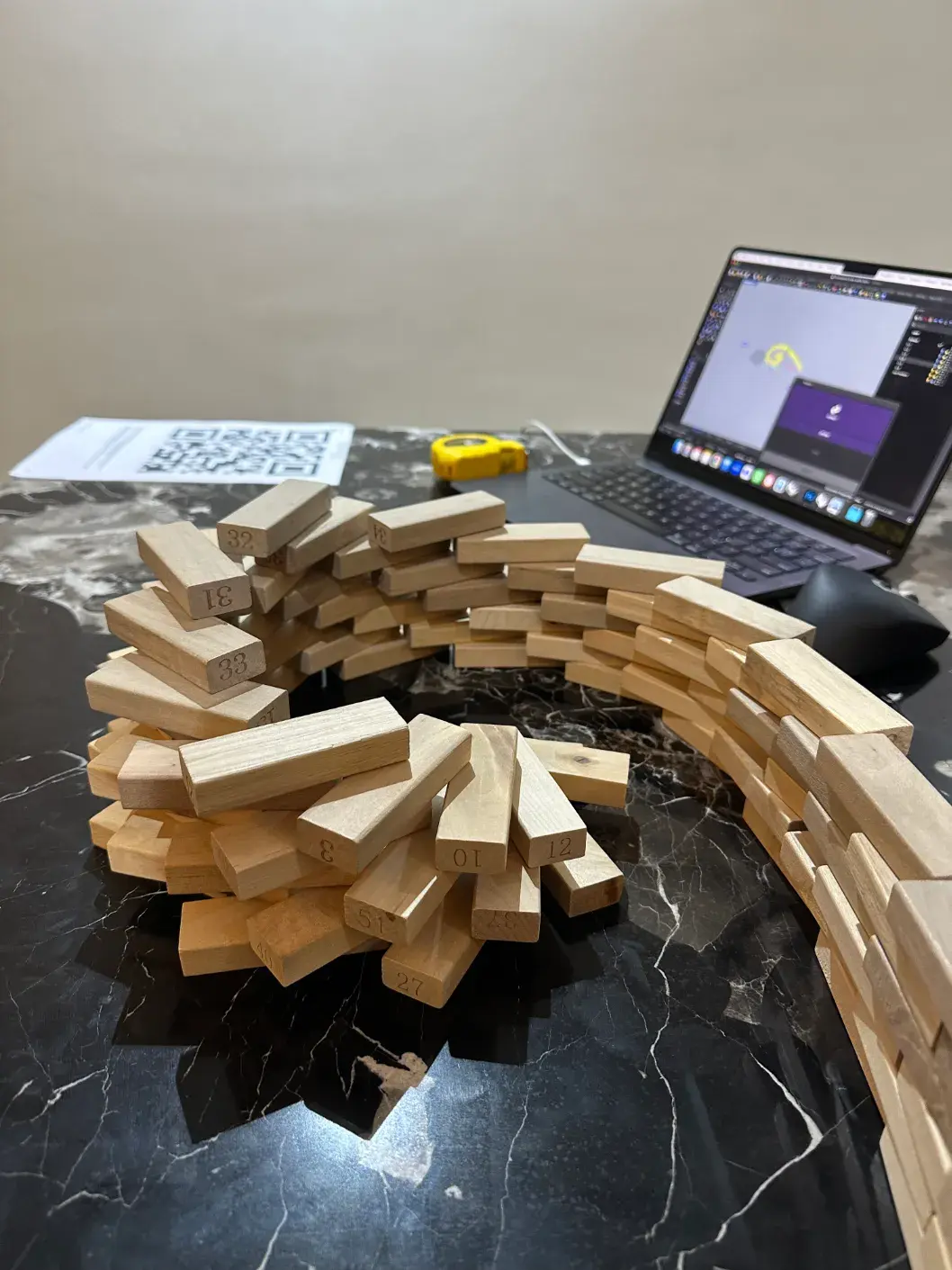
The most effective learning environments are no longer those that simply transfer information. They are those that help professionals immediately apply knowledge to real-world challenges.
This practical dimension is one reason why specialized educational platforms have gained traction throughout the architecture and design industries. Communities centered on emerging tools and technologies have become essential spaces where professionals share experiences, test new methodologies, and collectively navigate rapid industry transformation.
The broader impact extends beyond individual careers.
When architects learn faster, innovation spreads faster.
New ideas move more rapidly across offices, cities, and countries. Sustainable design strategies become more accessible. Advanced digital workflows become more widely adopted. Emerging technologies reach practitioners who may otherwise never encounter them.
In this sense, online education functions as an accelerator for the profession itself.
It increases the collective intelligence of the architectural community.
Perhaps most importantly, it encourages a mindset that architecture has always valued: curiosity.

The best architects are perpetual students. They remain open to new ideas, technologies, cultures, and perspectives throughout their careers. Online education amplifies this spirit by making exploration easier than ever before.
A lecture can be watched from another continent. A workshop can be attended across time zones. A conversation can begin between professionals who may never meet physically but share a common ambition to improve how architecture is practiced.
This interconnectedness represents something larger than technological progress.
It reflects a cultural shift in how knowledge is created, shared, and expanded.
Conclusion
Architecture is entering one of the most transformative periods in its history. Artificial intelligence, computational design, digital fabrication, sustainability challenges, and emerging technologies are redefining the profession at every scale.
In such an environment, education can no longer be viewed as a phase that ends with graduation.
It has become an ongoing process, continuous, global, and deeply integrated into professional life.
Online education is not replacing traditional architectural learning. Rather, it is extending its reach, accelerating its relevance, and ensuring that architects remain equipped for an increasingly complex future.
The firms and individuals who embrace lifelong learning will be best positioned to lead the next chapter of the profession.
And as communities such as PAACADEMY continue building global networks around emerging tools and technologies for architects and designers, the future of architectural education appears less defined by location and more defined by access, curiosity, and continuous growth.
For those looking to be part of that movement, PAACADEMY is currently celebrating its 100,000 Instagram follower milestone. Using the code DESIGN20, architects and designers can receive 20% off all courses through March 2026, a timely reminder that in an industry changing this rapidly, investing in knowledge remains the most valuable investment of all.