













The Xuelei Fragrance Museum in Guangzhou has become one of the most talked-about cultural destinations in China after earning the Guinness World Record for the world’s largest fragrance museum. Officially certified in November 2025, the museum measures 9,500 square meters, making it the largest museum in the world dedicated entirely to fragrance and perfume culture. Located in Baiyun District, the museum opened to the public in July 2025 and quickly established itself as a new landmark for olfactory tourism, combining perfume history, sensory technology, and architectural innovation in one immersive destination.
Design of the World’s Largest Fragrance Museum
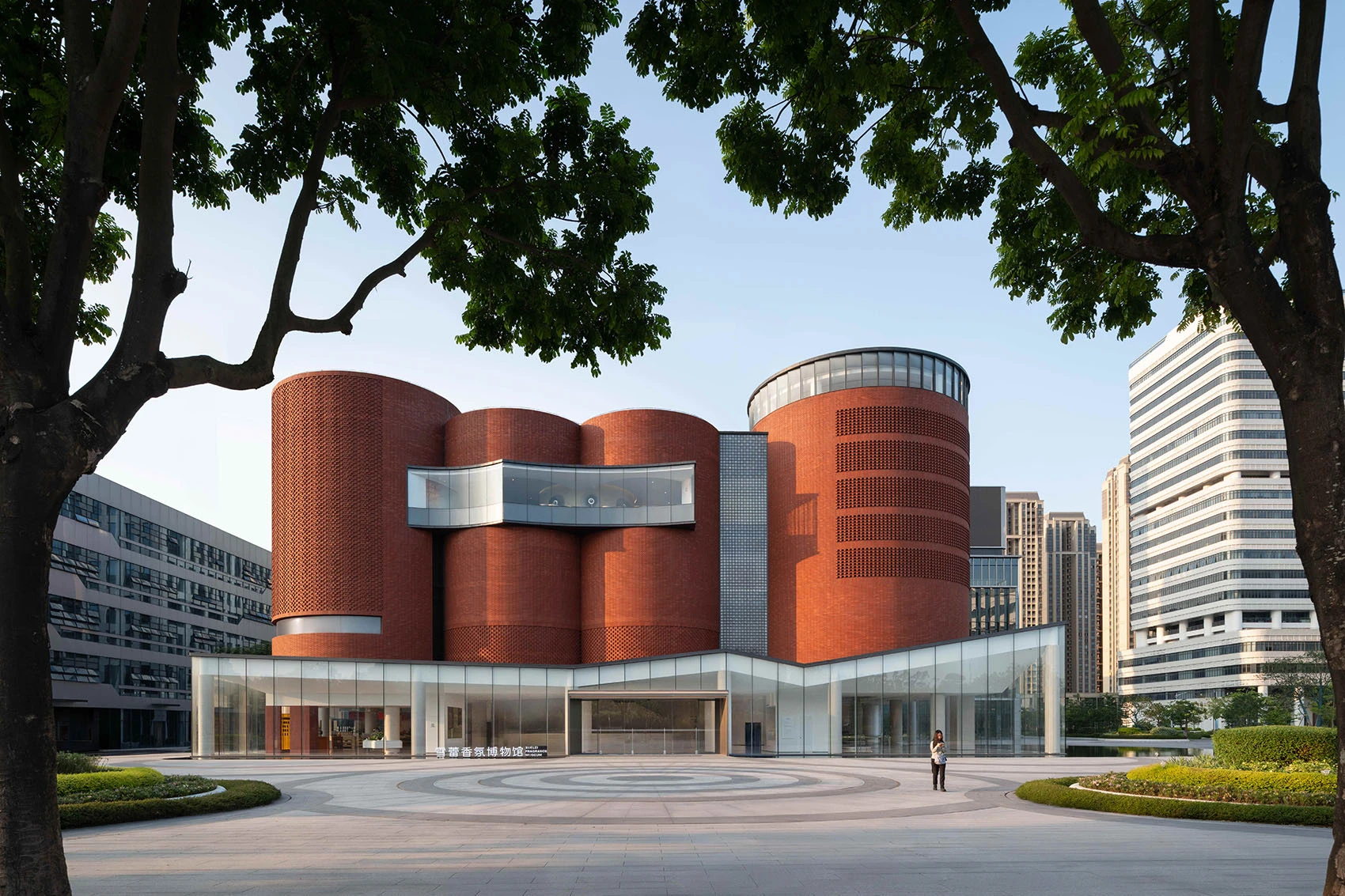
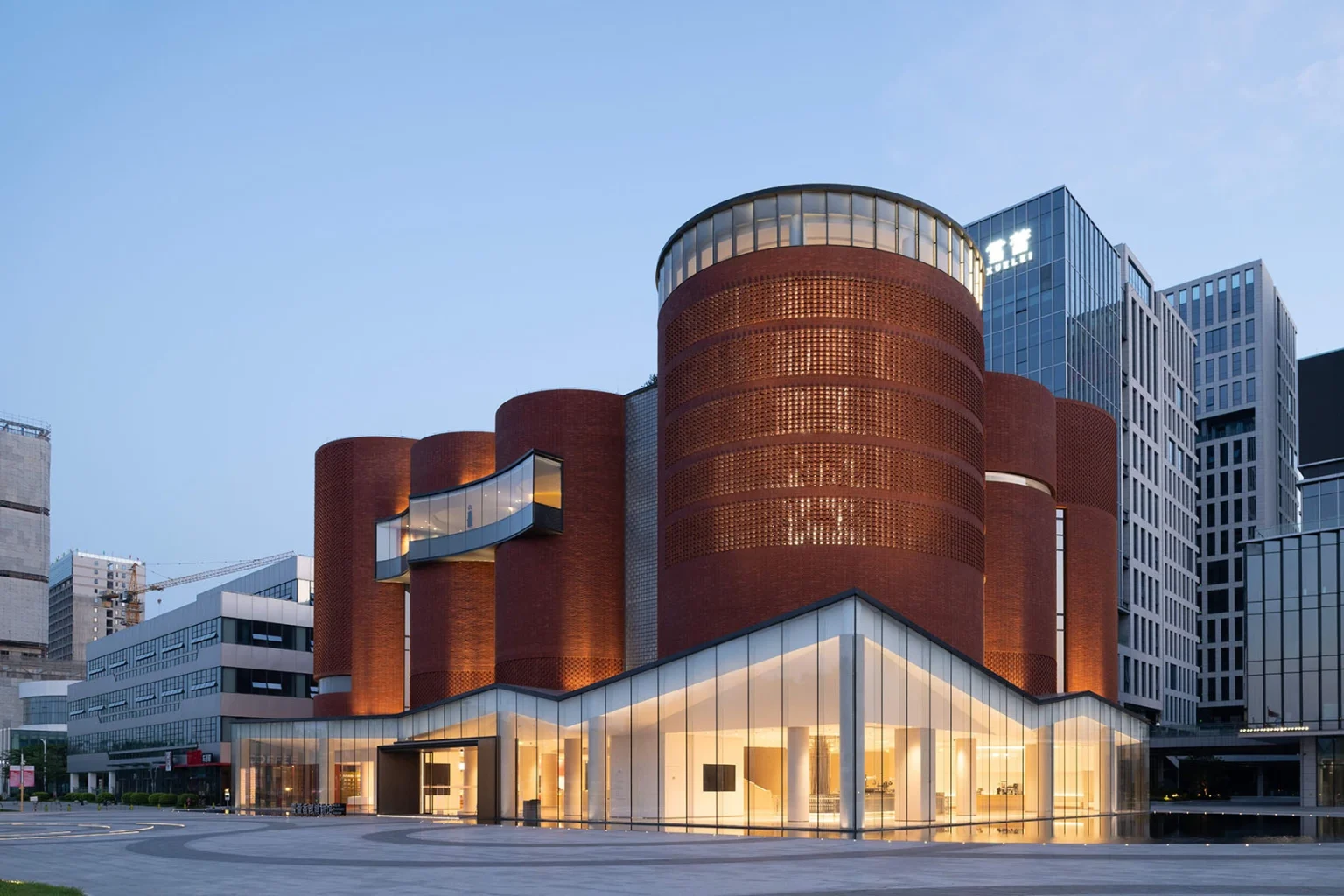
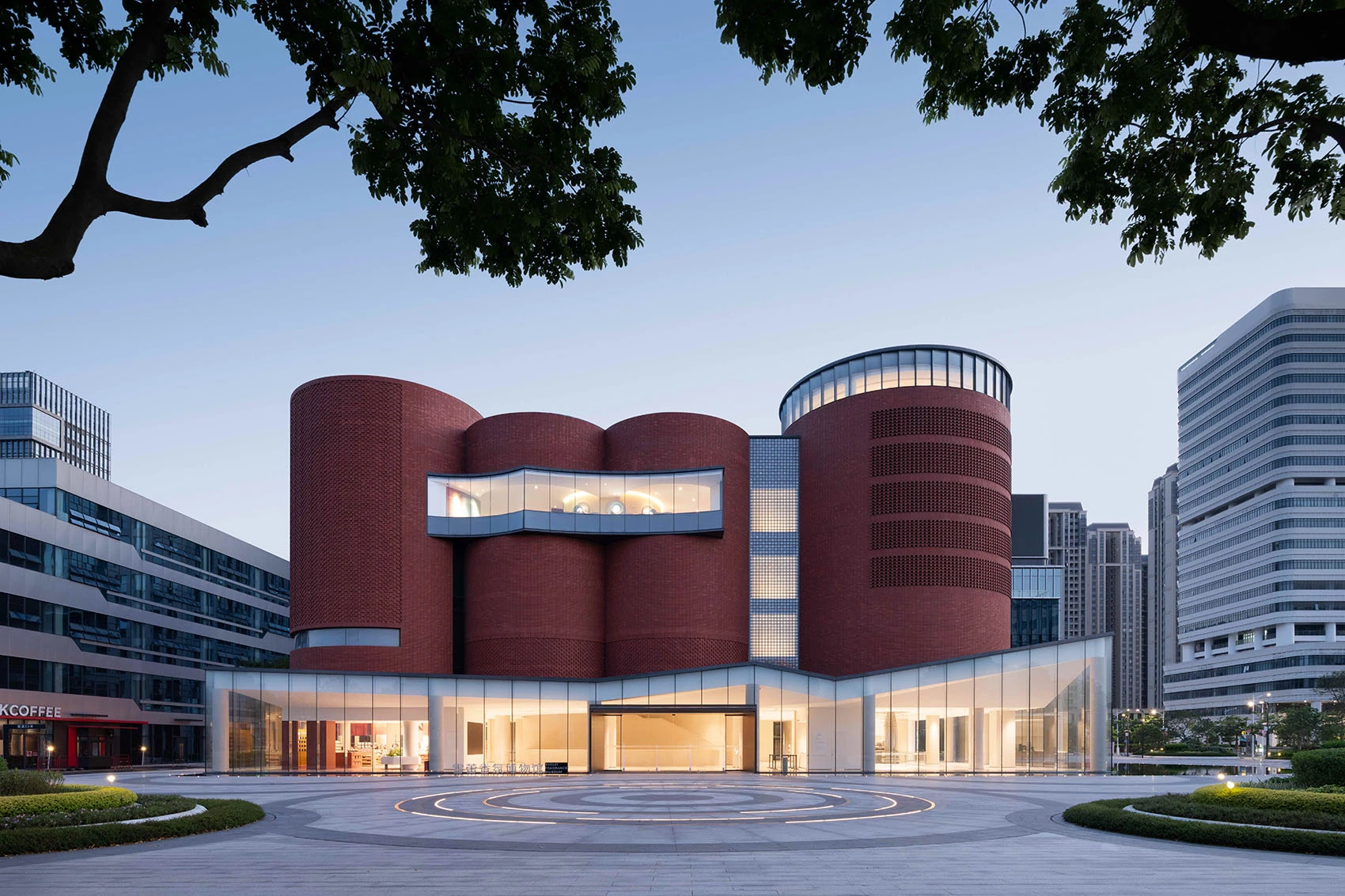
Designed by Shenzhen Huahui Design, with lead architect Xiao Cheng, the museum was designed around the idea of scent as an invisible architectural language. The architects focused on smell, memory, and multisensory perception as part of the spatial experience. The building covers approximately 9,500 square meters across six levels and uses red brick as its defining material, creating a strong and memorable identity.
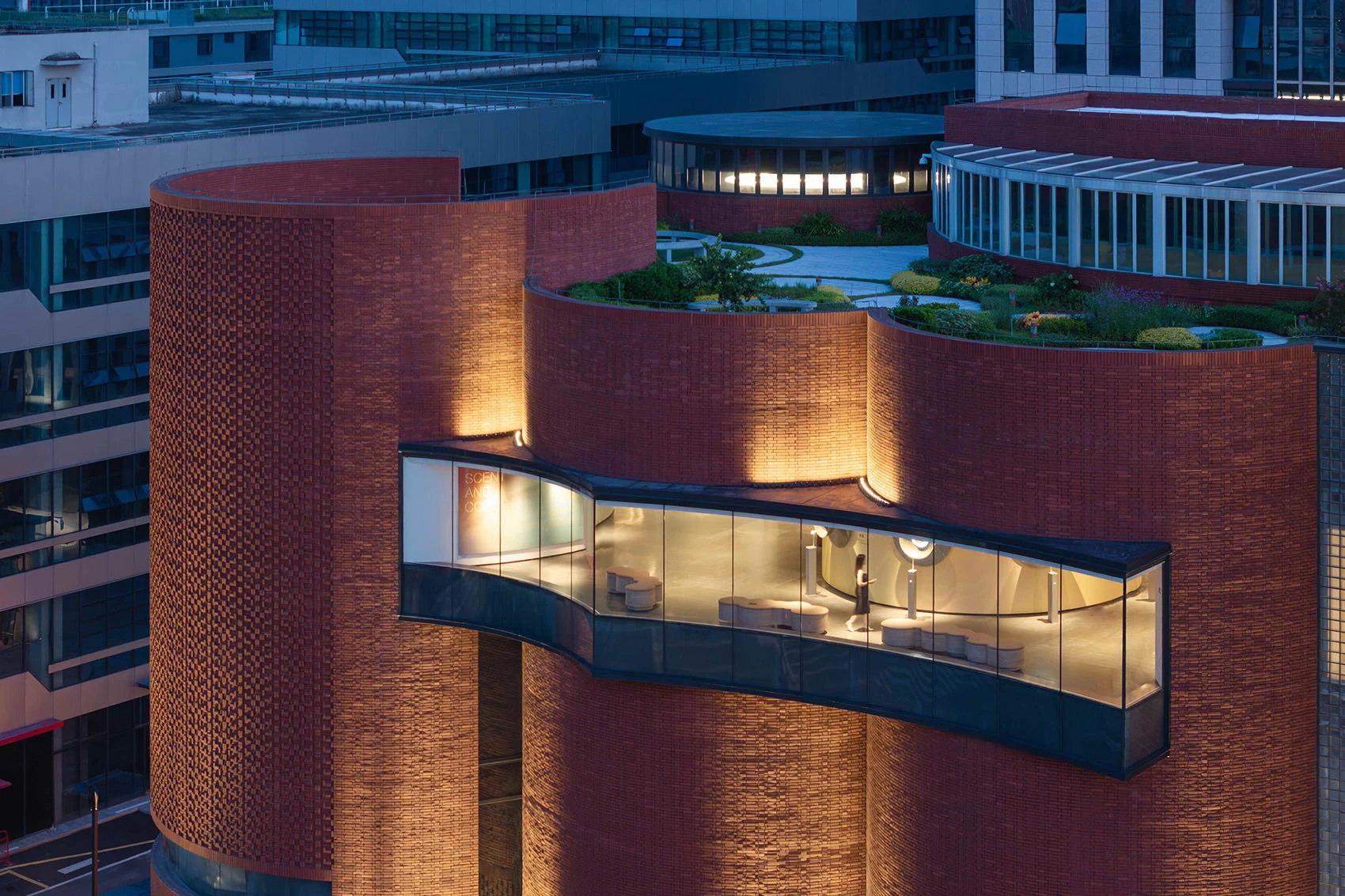
Its exterior is shaped as an abstract interpretation of perfume distillation equipment, crowned by eight cylindrical red-brick towers of different sizes that symbolize fragrance vessels and industrial craft. The hand-laid brick façade gives the museum both warmth and monumentality, while the transparent ground floor uses ultra-white glass and ceramic frit glass to create openness and public accessibility.
A Multi-Sensory Journey Through Fragrance and Design
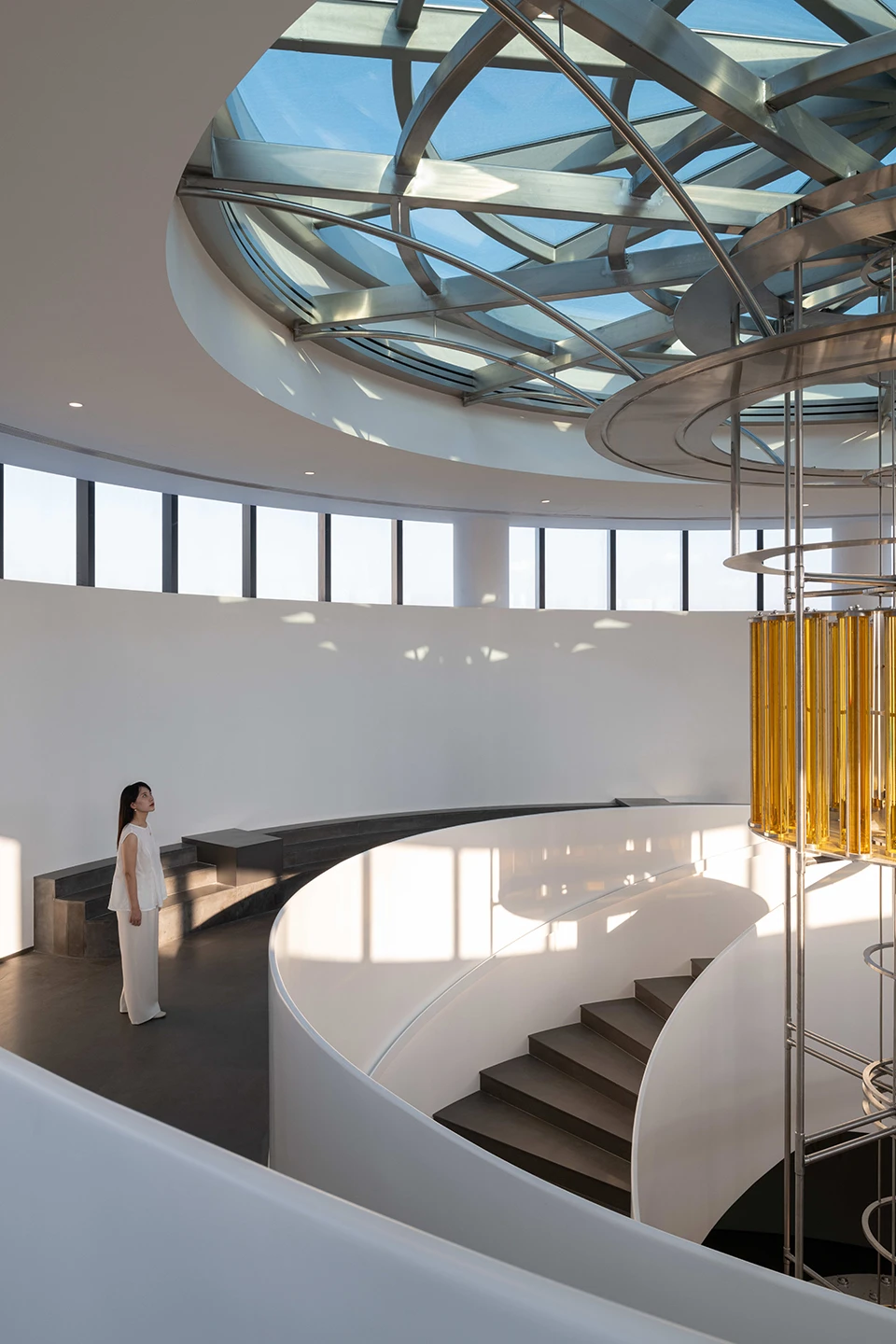
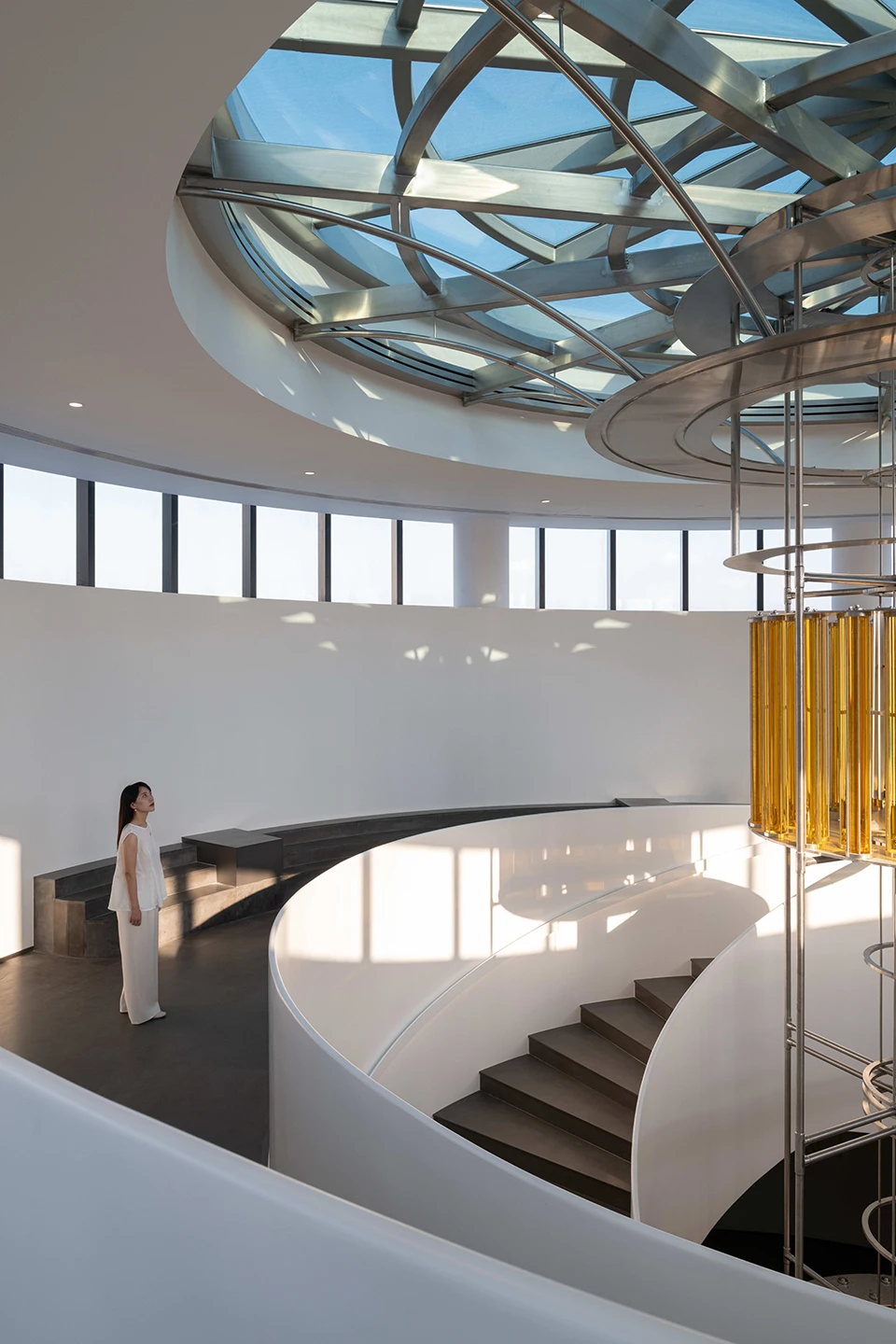
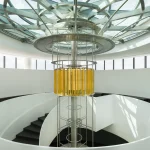
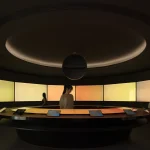
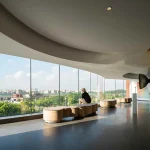
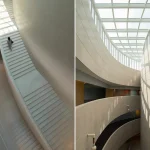
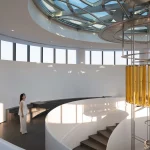
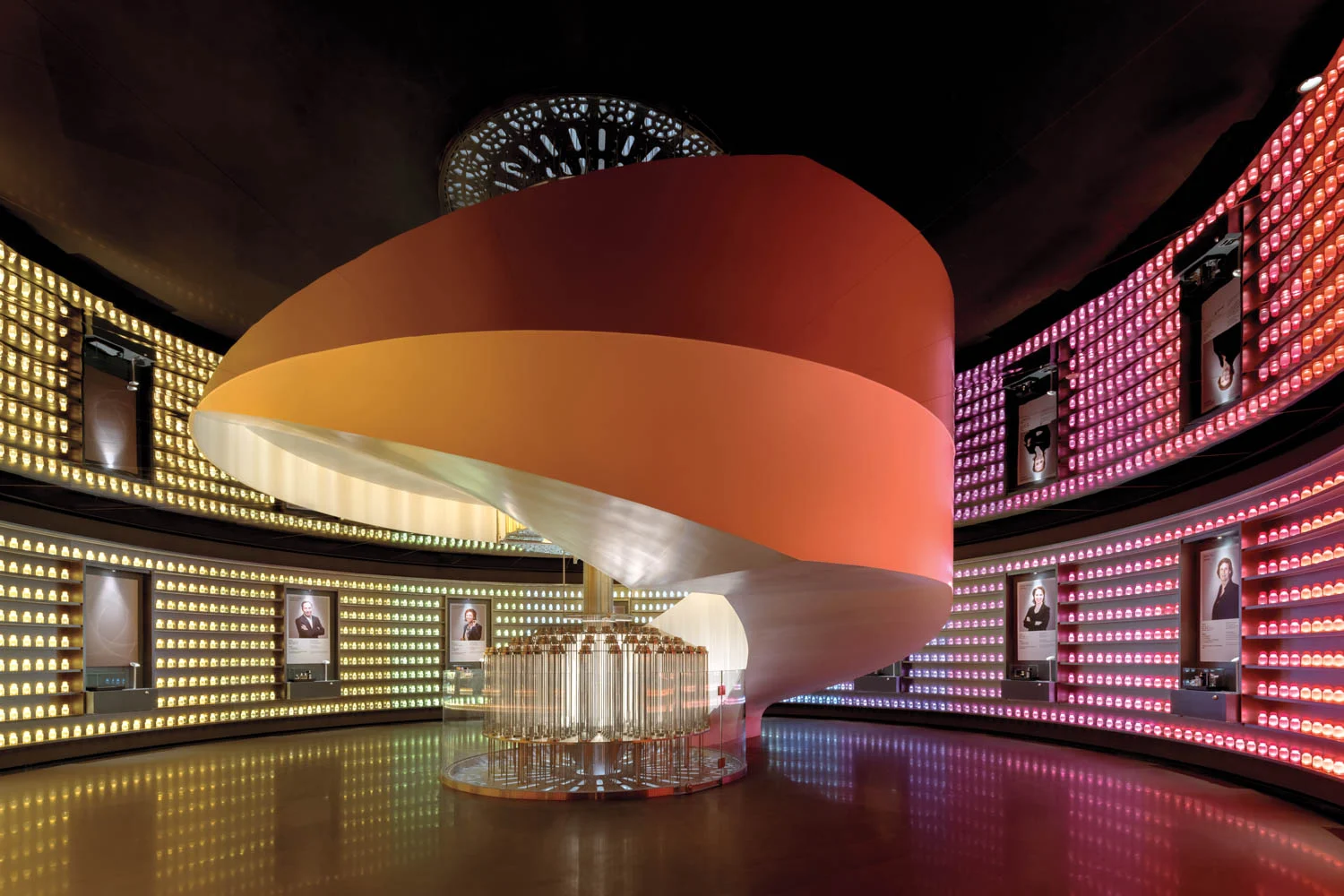
Inside, the architecture becomes more fluid and immersive. A scenic central atrium with natural skylighting forms the heart of the museum, while curved stone walls and rounded circulation spaces reinforce the soft geometry associated with perfume bottles. A winding statement staircase connects all floors and acts as both sculpture and circulation spine.
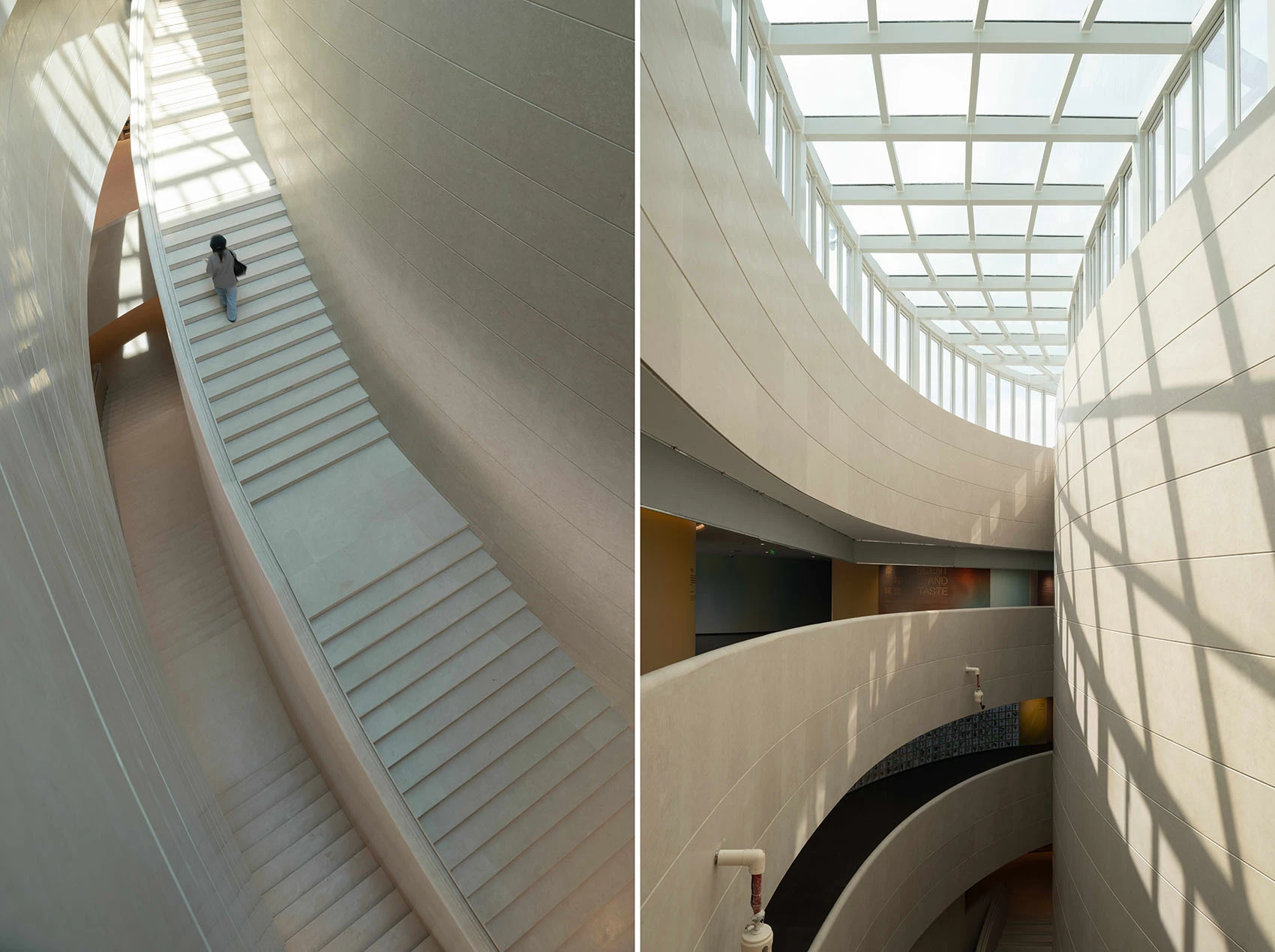
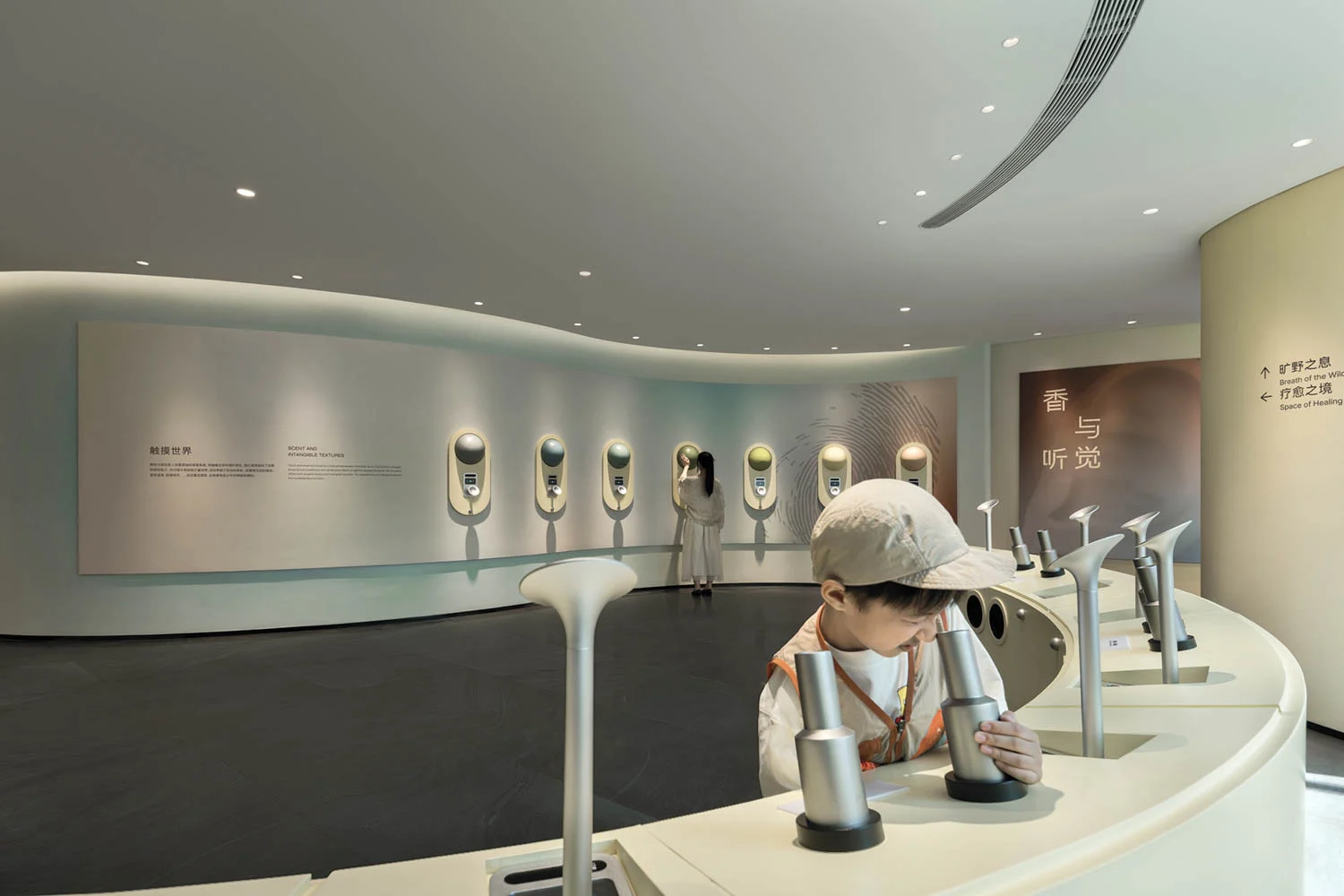
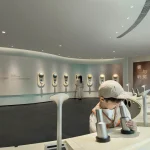
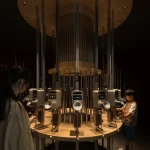
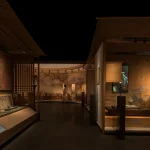
Cylindrical exhibition displays, curved partitions, and circular rooms continue this design language throughout the museum, creating a sensory journey rather than a traditional gallery sequence. The project includes more than 50 exhibits spread across thematic zones exploring the global history of perfume, incense traditions, aromatherapy, and fragrance craftsmanship. Visitors move through spaces that prioritize touch, scent, and emotional memory as much as visual display.
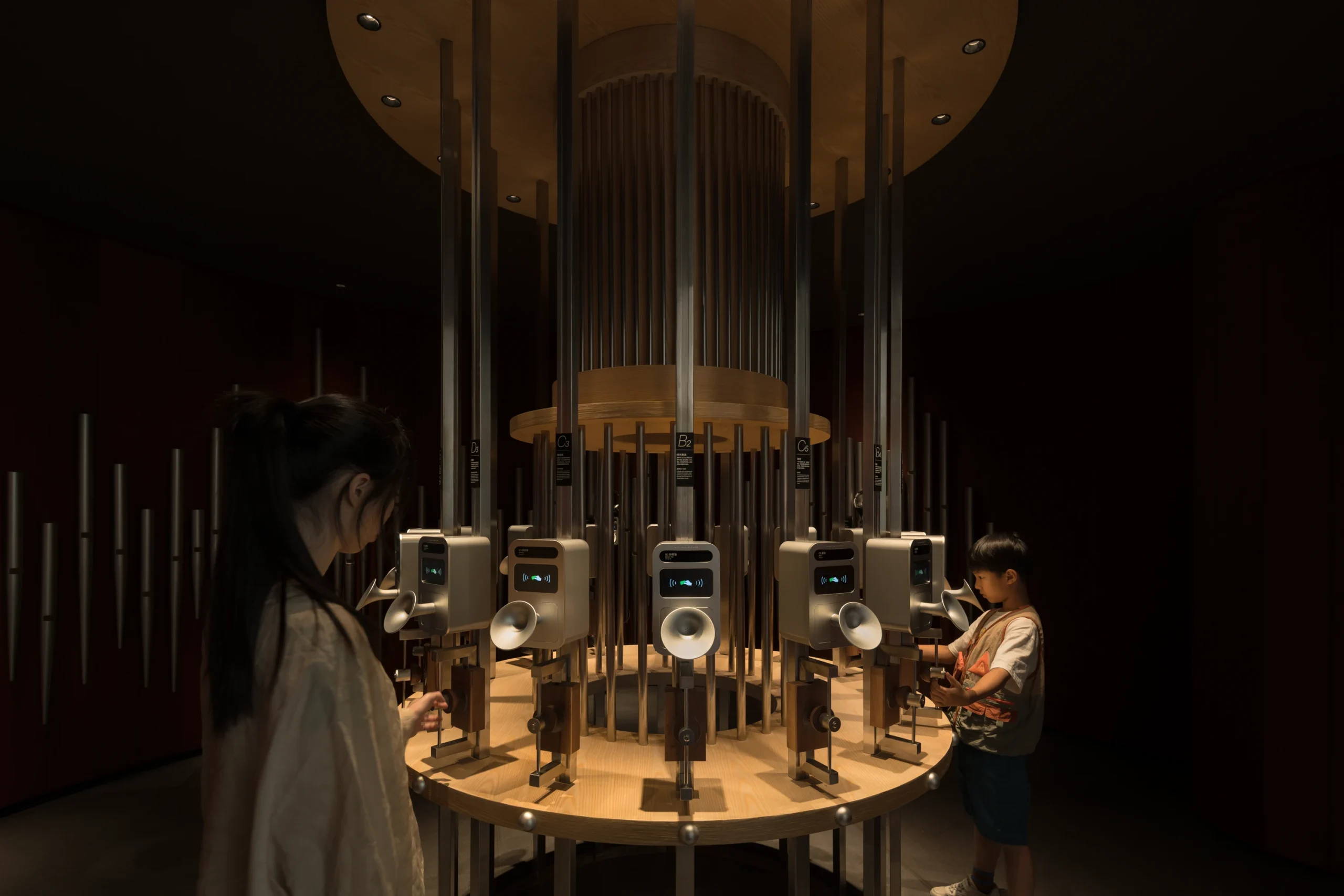
One of the museum’s most innovative features is its AI-powered fragrance personalization system. More than 300 scent profiling stations capture visitors’ reactions to different aromas, allowing an AI agent to analyze personal scent preferences and create a customized fragrance formula. This personalized perfume can then be combined and bottled in just a few minutes, turning the museum visit into a highly individual experience.
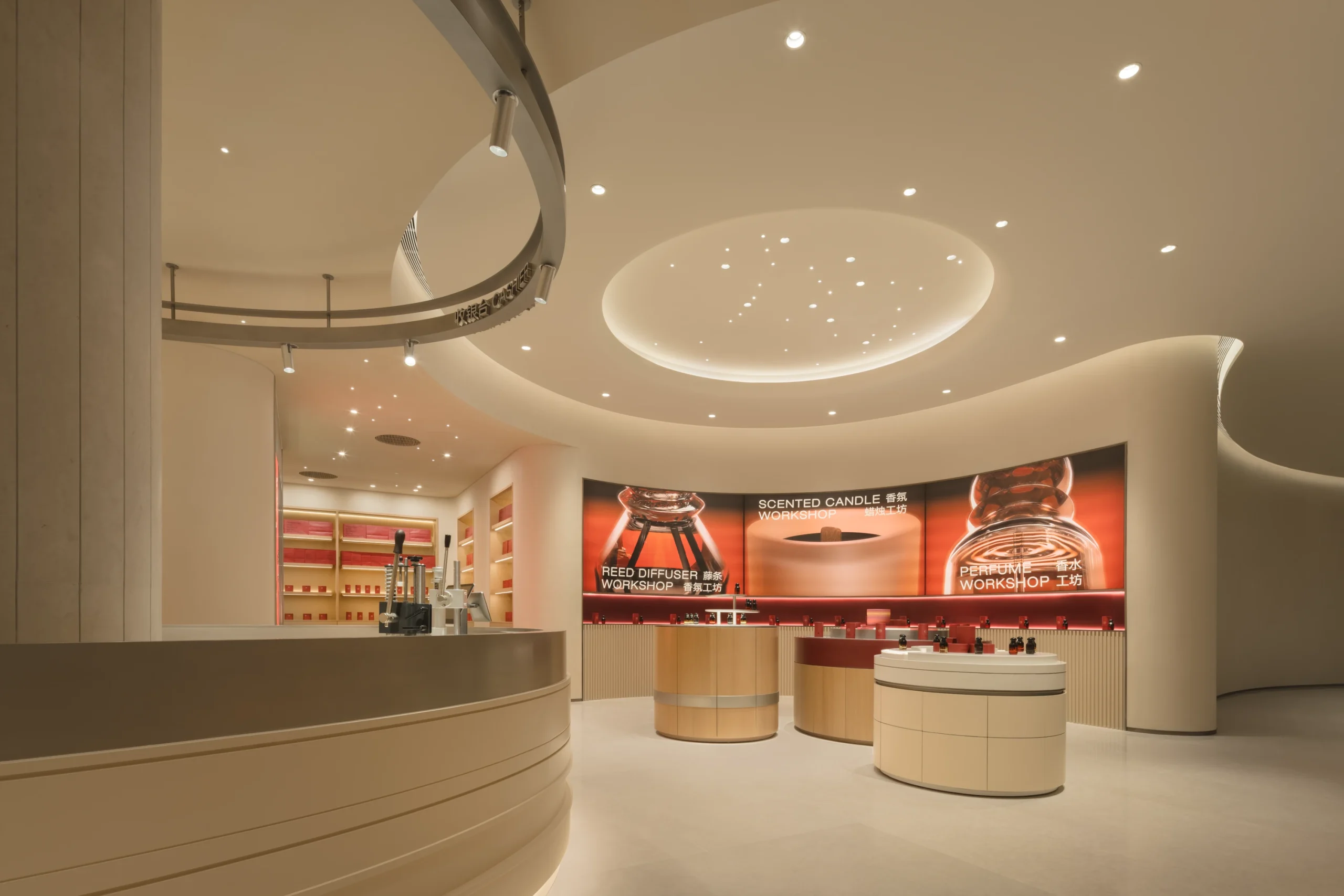
In addition to the exhibition galleries, the museum also includes DIY perfume workshops, interactive installations, and a Sky Fragrance Garden on the upper floor featuring aromatic plants and spices sourced from around the world. This combination of technology, education, and experience makes the museum far more than a display space; it functions as a living laboratory of fragrance culture

Commissioned by Xuelei, a major Asian beauty and fragrance brand with more than three decades of industry experience, the museum was created to preserve and reinterpret both Eastern incense traditions and global perfume heritage. It also serves as a platform connecting academia, craftsmanship, and fragrance innovation. Its recognition by Guinness World Records strengthened Guangzhou’s position on the international fragrance map and introduced a new model for museum architecture where scent becomes the core design narrative.
As both a cultural institution and an architectural statement, the Xuelei Fragrance Museum demonstrates how contemporary museum design can move beyond vision and become a fully immersive sensory experience.