
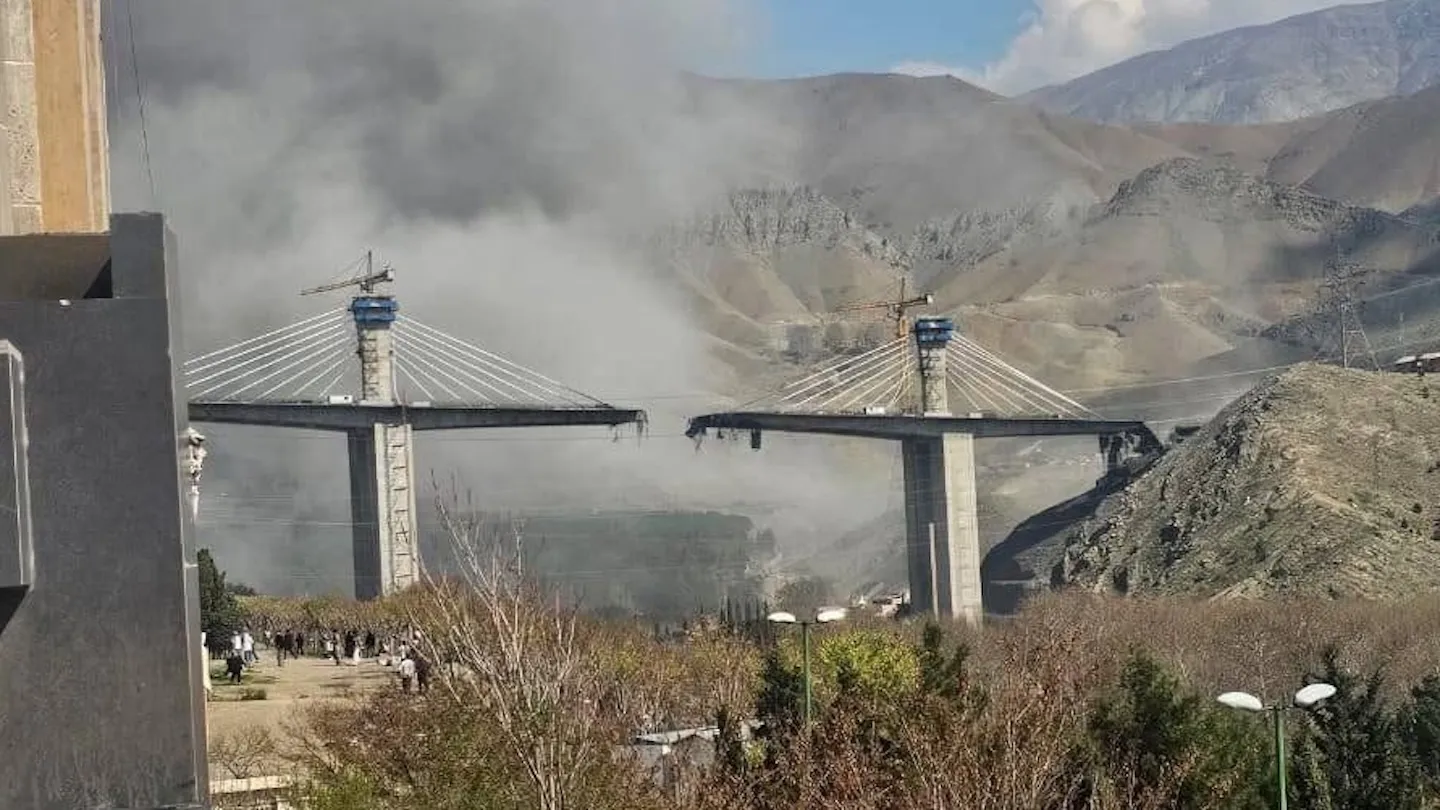

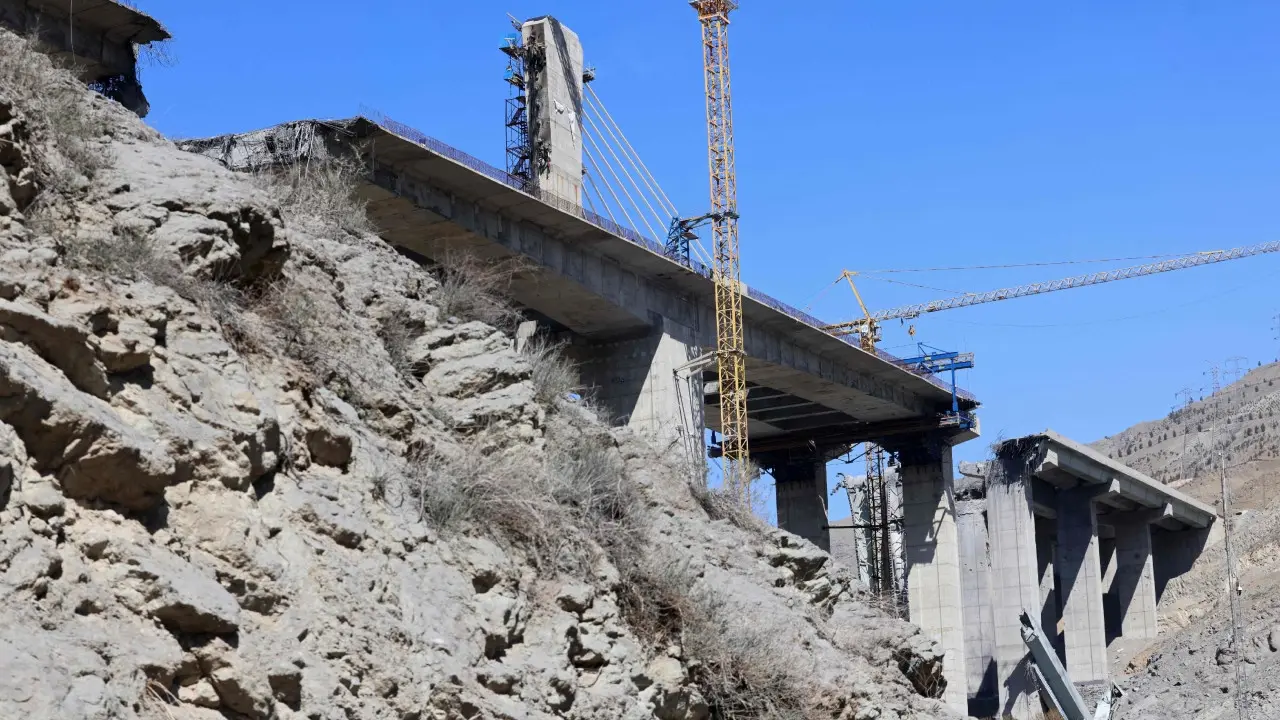
In early April 2026, the B1 Bridge, one of Iran’s most significant contemporary infrastructure projects, was struck and partially destroyed amid the ongoing conflict involving the United States and Israel. Spanning the critical Tehran–Karaj corridor, the bridge served as both a vital transportation artery and a symbol of large-scale infrastructural ambition, designed to support the rapid expansion of metropolitan Tehran and its surrounding regions.
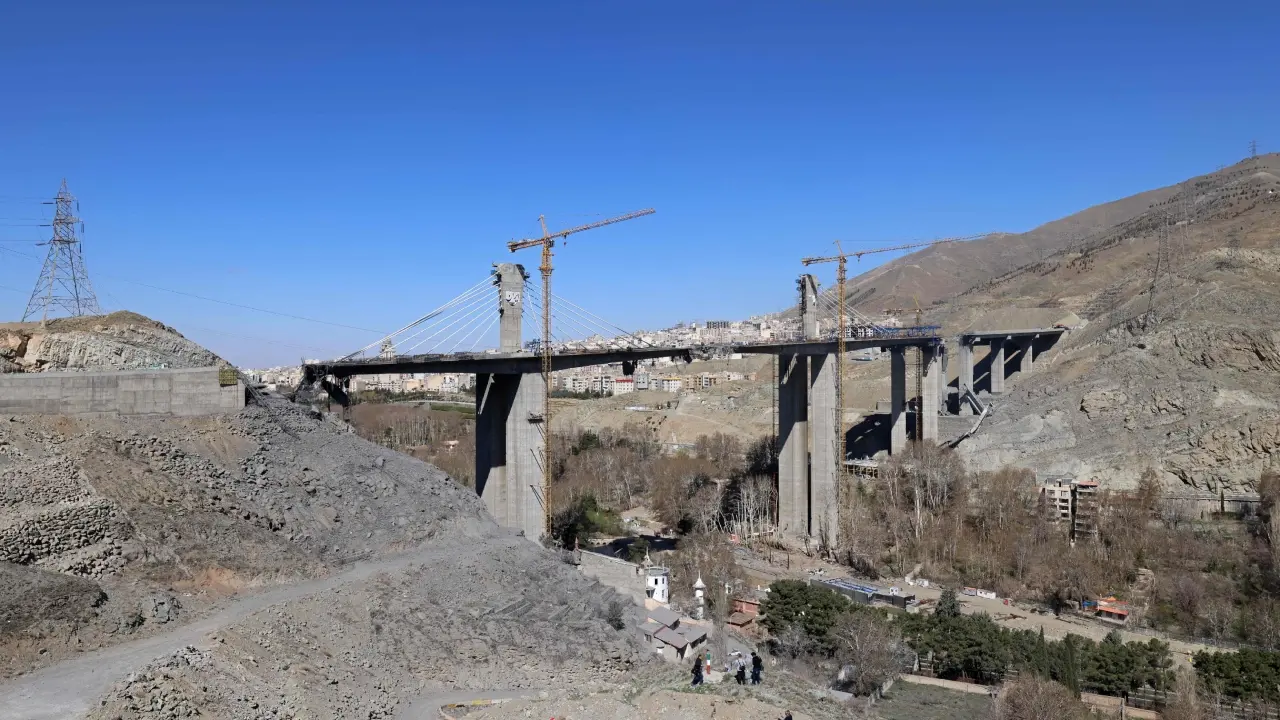
Rising prominently within the landscape, the bridge represented a new generation of engineering, integrating structural efficiency with territorial connectivity. Its sudden destruction has created not only a physical rupture in one of Iran’s busiest corridors but also a deeper fracture in the continuity of everyday life, mobility, and economic stability.
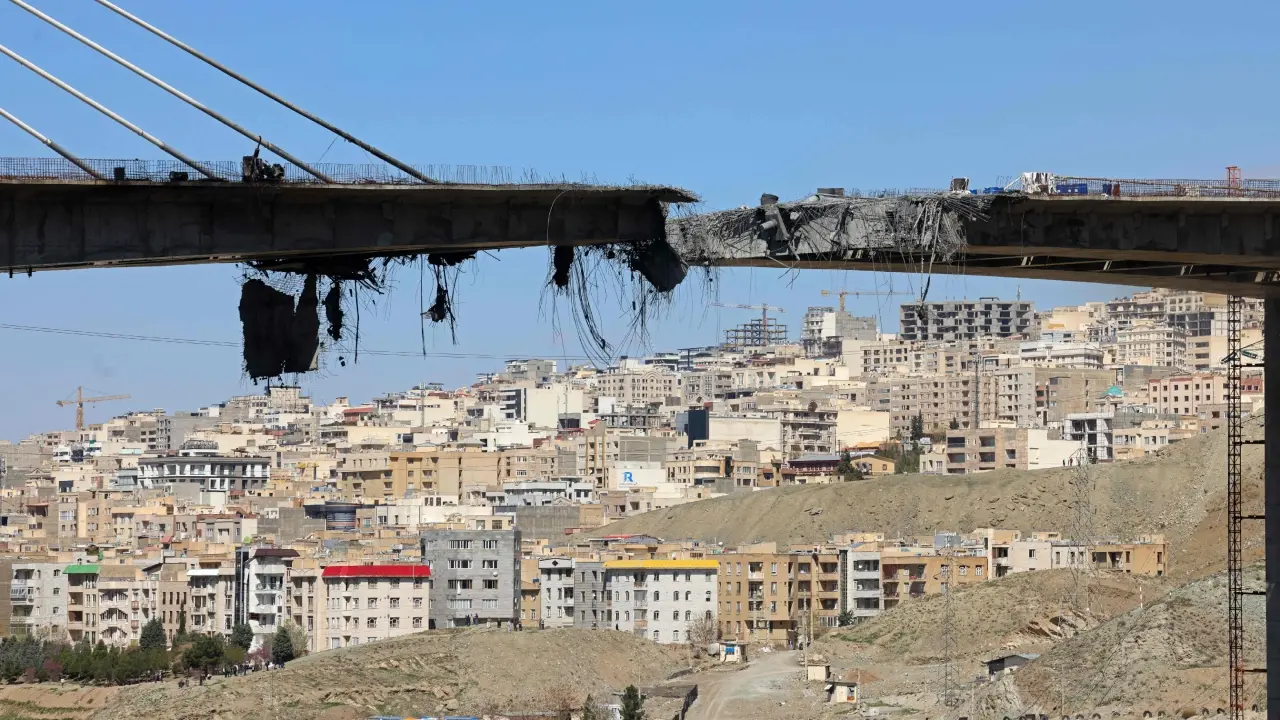
The strike, carried out on April 2, reportedly impacted the structure multiple times, leading to the collapse of key sections and resulting in civilian casualties. While U.S. officials have framed the bridge as a strategic target, Iranian authorities and many observers describe it as civilian infrastructure, raising urgent questions about the legitimacy of such attacks and the expanding scope of modern warfare.
Iranian officials and multiple international officials have characterized the attacks as an illegal act of aggression, citing the targeting of civilian infrastructure and reporting casualties among civilians, including women and children.
Beyond the destruction of the B1 Bridge, reports emerging throughout the conflict point to a wider pattern of strikes impacting the foundations of civil society, including universities, schools, and hospitals. These spaces, traditionally protected under international norms, represent the core of public life, education, care, and collective memory. Their destruction, as described by officials and observers, has intensified accusations that the campaign extends far beyond military objectives.
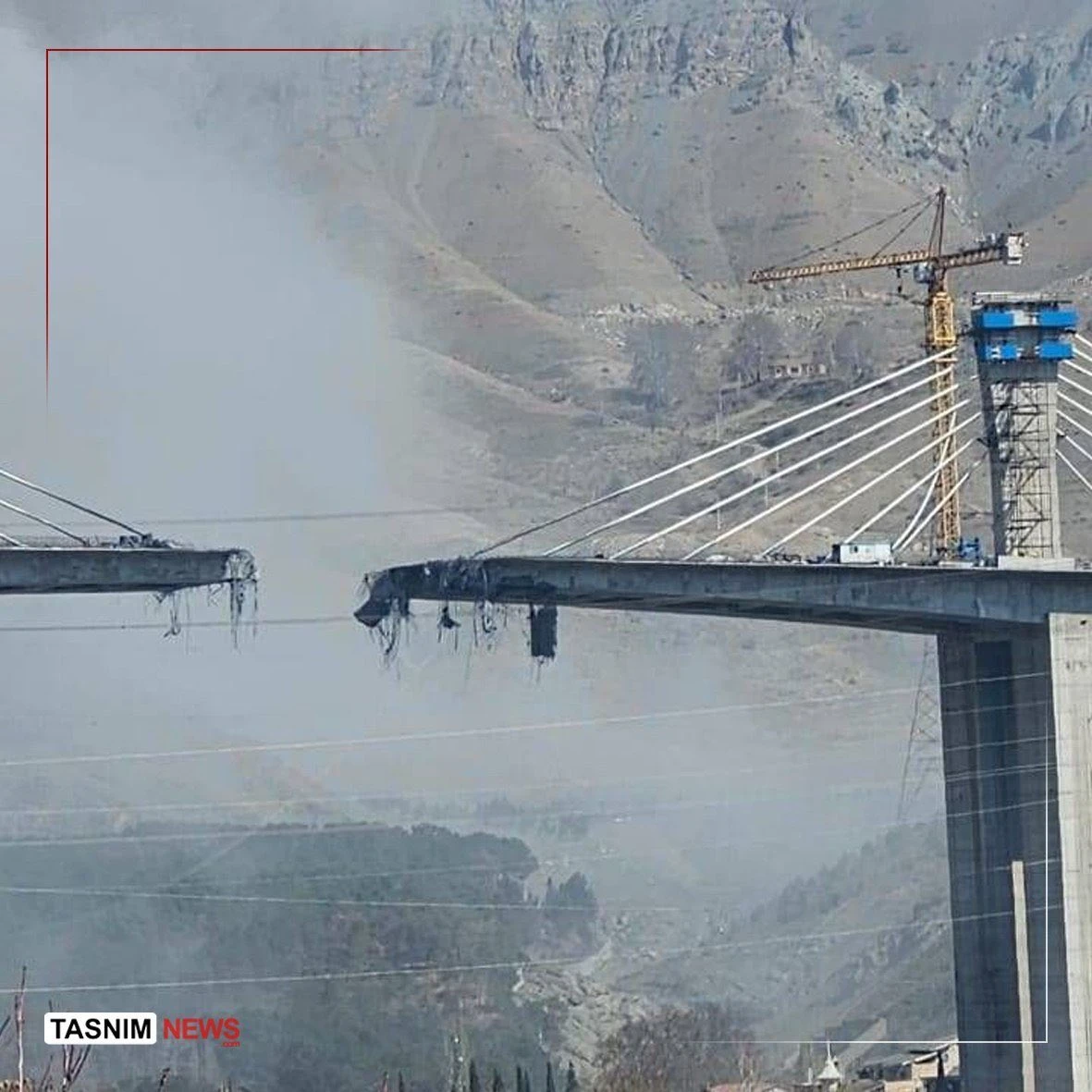
For many critics of the war, these actions constitute not only strategic escalation but a profound moral and legal failure. The targeting of infrastructure essential to civilian life, alongside reported civilian deaths, has led numerous observers to describe these acts as war crimes and to call for accountability for those responsible. From this perspective, the conflict reflects a deeply contested reality in which architecture and infrastructure are no longer neutral. Instead, they have become instruments and casualties of power, where bridges collapse not only under physical force but also under the weight of geopolitical decisions.
Iranian officials, on the other hand, say that the country is defending itself against these attacks and that its actions are based on the larger idea of national sovereignty and self-defense.
In this context, the destruction of the B1 Bridge becomes more than the loss of a major engineering work. It stands as a stark symbol of a conflict that is widely condemned by critics as an illegal war of aggression, one that is reshaping not only geopolitical boundaries but also the very meaning of the built environment in times of war.