





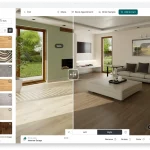


There is a moment most people recognize: you find a rug you love online, the dimensions seem right, the color looks close to what you had in mind, and you add it to your cart only to spend the next three days quietly hoping it will not look completely wrong when it arrives. Or you order a sofa that photographs beautifully, only to discover that it crowds the living room in a way the product image never suggested it would.
This is not a niche problem. It is one of the defining friction points in how people shop for their homes. And it is also why visualization tools, the kind that let you see a product inside your actual room, at scale, in the right light, have shifted from a nice extra feature into something buyers genuinely expect.
But room-level visualization is only part of the story. As those expectations have grown, they have started to extend beyond individual products and into the way people experience entire homes. The instinct is the same: I want to understand this space before I commit to it. The scale just gets bigger.
Why Flat Images No Longer Feel Like Enough
For most of shopping history, buyers worked with what they were given: a product on a white background, a listing photo taken from a flattering angle, a floor plan that required some geometric imagination to interpret. This was the deal. You made your best guess and hoped for the best.
What changed is not just technology. It is an expectation. Once people experienced seeing a piece of furniture placed inside a room their room, not a staged showroom, the abstract product photo started to feel like an incomplete answer. The bar moved. And once you have seen how a rug fills a space at its actual dimensions, going back to guessing from a centimeter measurement feels like a step backward.
The same shift has happened in property browsing. Listing photos tell you what a room looks like when it is photographed well, in good light, with a wide-angle lens that tends to make everything appear a little more spacious than it is. What they do not tell you is how the rooms connect, how circulation feels, whether the corridor between the kitchen and the living space is comfortable or awkward, or how natural light moves through the property across different times of day. Those questions matter enormously when you are deciding whether to schedule a viewing, let alone whether to make an offer.
Better visual context is not about aesthetics. It is about giving people what they actually need to decide with confidence.
How Room Visualizers Changed Home Décor Shopping
The room visualizer concept is, at its core, a straightforward solution to a real problem: help people see a product in context before they buy it.
Seeing Products in a Real Room
The keyword is context. A rug in isolation tells you its pattern and its approximate color. A rug placed in a real room, your room, with your flooring, your existing furniture, and your proportions, tells you whether it belongs there. The same applies to furniture, lighting, curtains, and wall colors. Context is where the decision actually lives.
Room visualizers work because they close the gap between imagining and seeing. Instead of asking someone to mentally project a piece of furniture into a space they have to remember from a different angle, they provide a direct preview. The cognitive work the buyer had to do before measuring, comparing, and second-guessing is replaced by something much closer to direct visual evidence.
Why Scale, Color, and Placement Matter
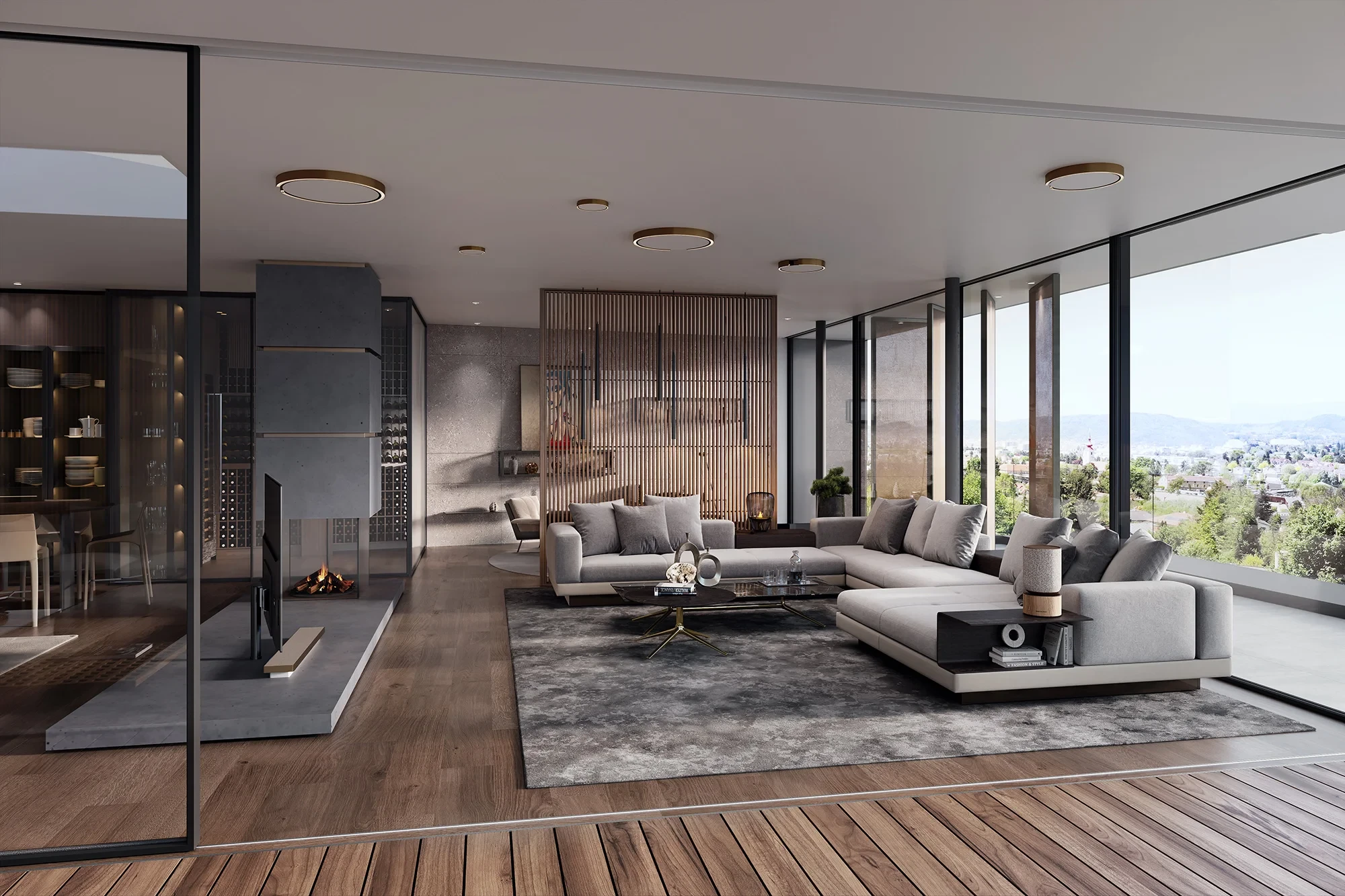
These are the three things that most commonly cause returns, regrets, and buyer hesitation in home décor shopping. Scale is misread because product photos rarely include reliable spatial references. Color shifts under different lighting conditions in ways that even good product photography cannot fully convey. Placement decisions: Does this lamp sit better on the left or the right? Does this table centred in the room look more balanced than pushed to one wall? They are difficult to reason through in the abstract.
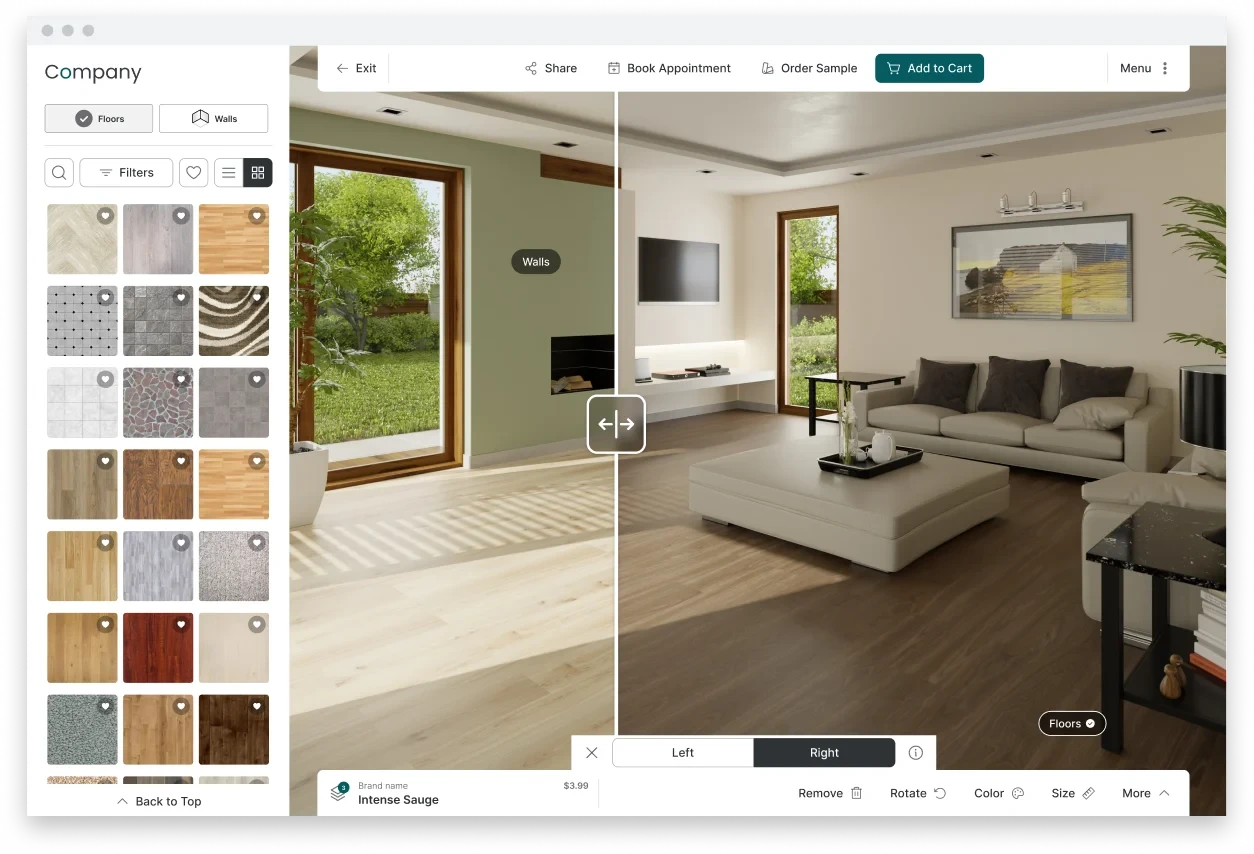
Visualization tools address each of these directly. Seeing an item at its real dimensions inside a room resolves the scale question. Seeing it under the lighting conditions of your actual space gets you closer to understanding how the color will behave. And being able to reposition it interactively turns a guessing game into a genuine preview.
How AR and Browser-Based Tools Reduce Guesswork
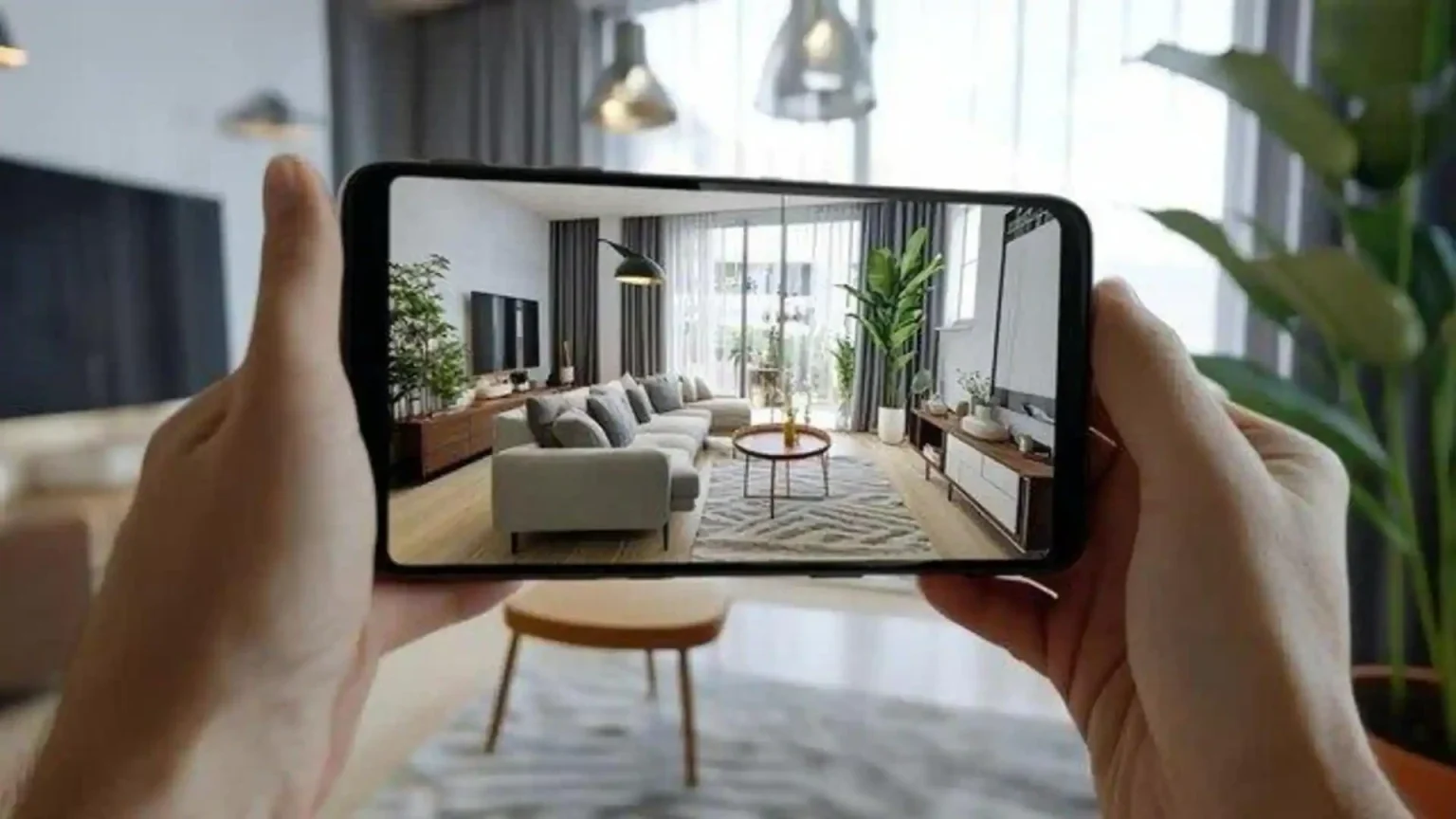
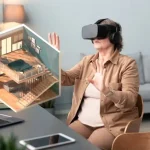
Augmented reality has extended this further. Rather than placing a product into a static photo of a room, AR tools use your phone’s camera to overlay furniture or décor items onto a live view of your space in real time. You can walk around a virtually placed sofa, check whether it clears the doorway, and see how it reads from the other side of the room, all before placing an order.
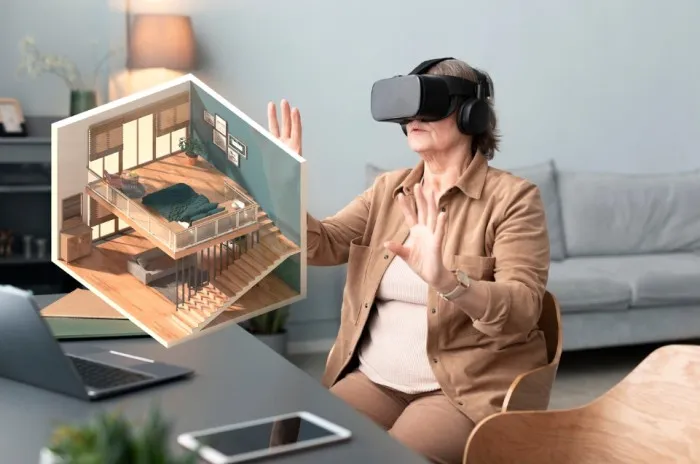
Browser-based visualizers serve a similar purpose without requiring a separate app download. Both formats share the same underlying logic: AI-assisted interior visualization reduces the uncertainty that has historically been built into home décor shopping. Fewer surprises means fewer returns, fewer regrets, and a materially better experience for the buyer.
The Next Step: Understanding the Whole Home, Not Just One Room
Room visualizers solve the item-in-context problem very well. But there is a layer of home-related decision-making where they reach their natural limit, and that is when the decision is not about a product, but about a space.
Where Static Previews Stop Being Enough
When you are deciding whether to rent or buy a property, the questions you need to answer are spatial in a different way. It is not “Does this rug fit?” It is “Does this house fit?” Do the rooms feel like the right size for how we live? Does the flow between the kitchen and the dining area work? Is the master bedroom private enough, or does it open awkwardly onto the main corridor? These are questions that listing photos, however well composed, are poorly equipped to answer.
The limitation of a static image is not that it lies. It is that it captures a moment, from a fixed position, and leaves everything else to inference. Layout, scale, circulation, and the relationship between spaces are exactly the things static photography struggles with most.
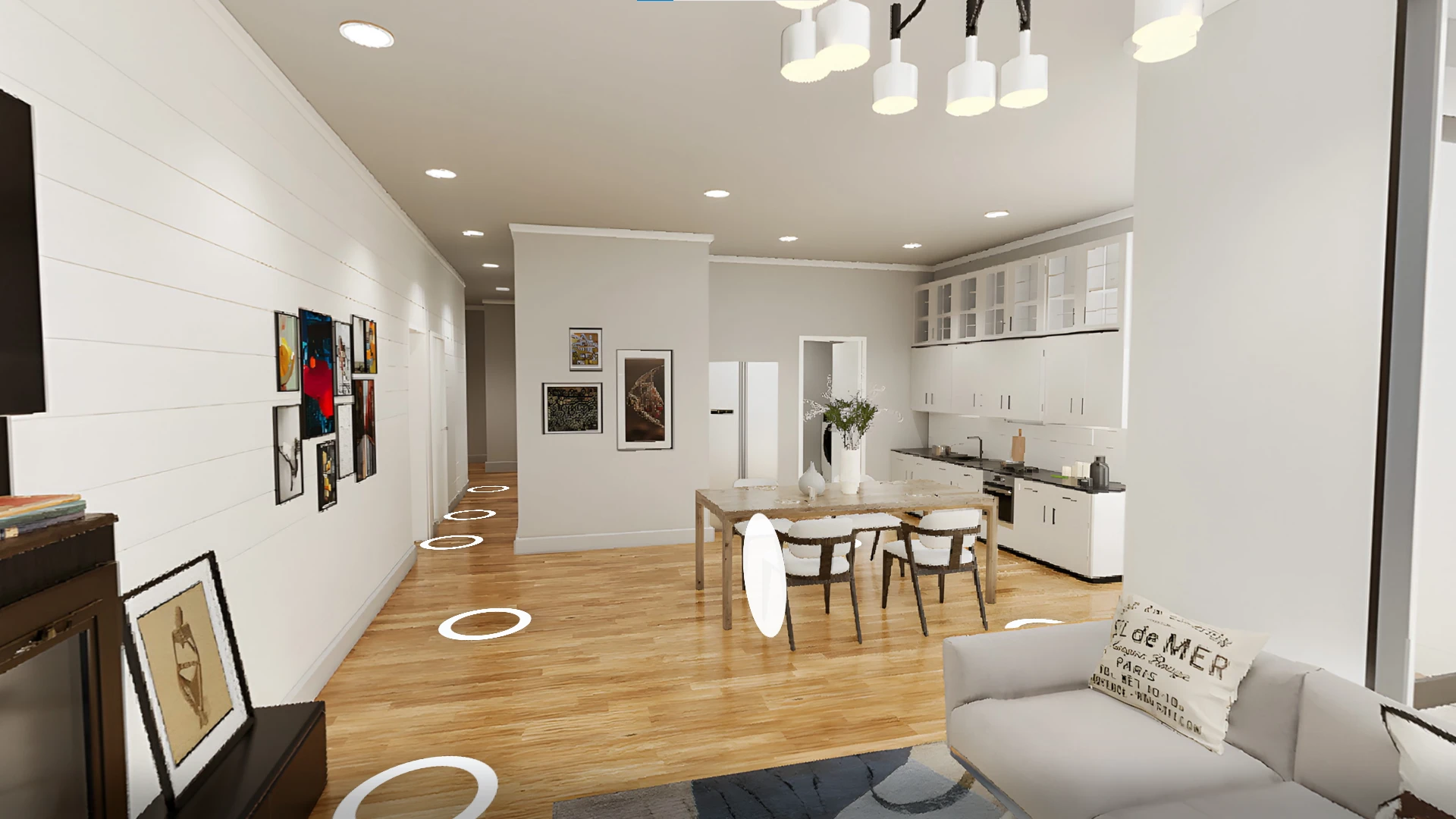
Why Layout and Circulation Matter in Bigger Decisions
Architecture and interior design professionals understand something that most buyers discover later: the way a home works is largely a function of how its spaces are connected. A kitchen that photographs well but sits at the wrong end of the house from the main entrance creates daily friction. A living room that looks generous in isolation might feel disconnected if it does not flow naturally into the dining area or outdoor space.
These functional qualities are extremely difficult to communicate through photographs alone. They require the viewer to move through a space or to have a reliable simulation of that experience.
How Immersive Viewing Helps Remote Buyers
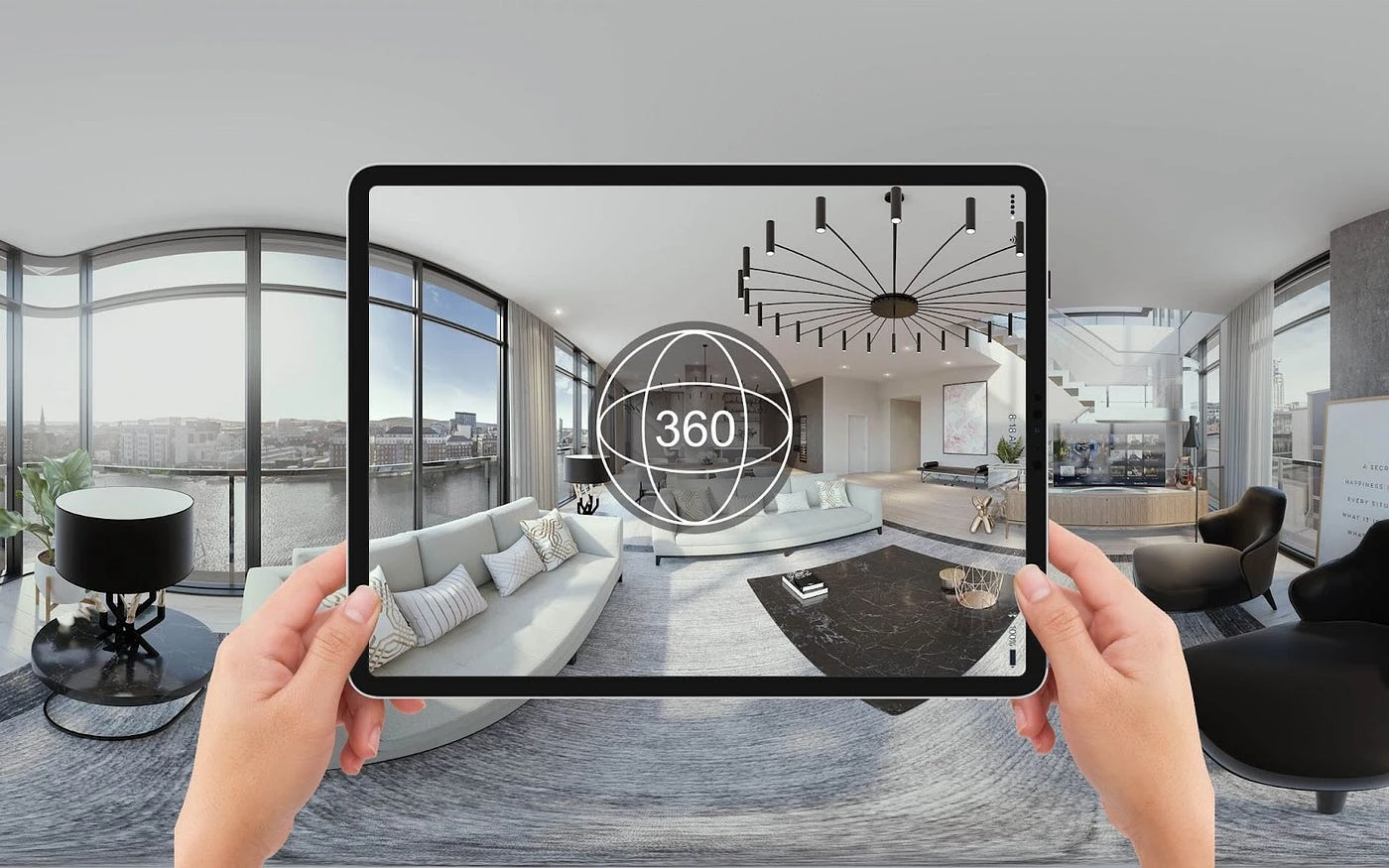
This is where the experience of home visualization, which starts with product tools and room previews, starts to extend into something more substantial. As visualization tools become more advanced, 3D rendering virtual tour offers a more complete way to understand layout, flow, and atmosphere than static images alone. You are no longer looking at a space. You are navigating it, moving from room to room, turning to take in the full view, reading the proportions of spaces in relationship to each other. That experience translates directly into better-informed decision-making.
For buyers who are not local, who are comparing multiple properties under time pressure, or who simply want to narrow down a shortlist before committing to travel, this kind of access is genuinely useful rather than just impressive.
What Virtual Tours Add That Standard Images Cannot
There is a meaningful difference between a slideshow of property photos and a navigable 3D tour, and it is worth being precise about what that difference is.
Movement Through Space
Standard photography captures a room from one position. You see what the photographer chose to show you. A virtual tour lets you move through the space along a path that you control. That freedom changes the experience substantially, not because it adds information that photographs cannot contain, but because it changes how that information lands cognitively. Movement through a space, even a digital one, activates a much more reliable spatial understanding than a collection of fixed images.
Better Sense of Proportions and Room Relationships
Proportions are consistently the hardest thing to read from photographs. A wide-angle lens compresses depth. A photograph taken from knee height makes ceilings look higher. Rooms are routinely misunderstood in their scale and their relationship to adjacent spaces. A navigable tour, in which the viewer moves between rooms at a consistent eye level and can judge doorway heights, corridor widths, and open-plan proportions through the act of traversal, addresses this much more directly.
For buyers comparing homes remotely, 3D property tours can make it easier to evaluate space, circulation, and room relationships before scheduling a visit, which is the practical value the format delivers beyond its obvious appeal as a technology.
More Realistic Property Presentation
There is also something worth noting from the presentation side. Properties presented with full virtual tours attract buyers who have already developed a genuine spatial understanding of the home before they arrive in person. Viewings become more purposeful. Questions are more specific. The gap between initial interest and committed evaluation narrows considerably. This is good for buyers, and it is good for vendors who want serious, well-prepared interest rather than speculative enquiries.
When Immersive Visualization Is Most Useful
Not every home-related decision requires the same depth of visualization. It is worth thinking about where different tools genuinely earn their place.
Buying or Renting Remotely
The most obvious case is distance. When a buyer cannot visit a property easily, whether due to geography, timing, or the pace of a fast-moving market, a detailed virtual tour replaces the viewing experience in a way that photographs simply cannot. It gives the buyer enough spatial understanding to make a considered shortlist, and in some cases, enough confidence to proceed to the next stage without visiting in person at all.
Comparing Multiple Properties
Buyers who are evaluating several properties simultaneously often find that their mental image of each one starts to blur after the first two or three. Photographs are easier to confuse. A spatial tour creates a more distinct, more durable impression of each property because the act of moving through it is a more active form of engagement. The homes you have toured feel more memorable and more valuable than the ones you have only seen in photographs.
Planning Renovations, Furnishing, or Staging
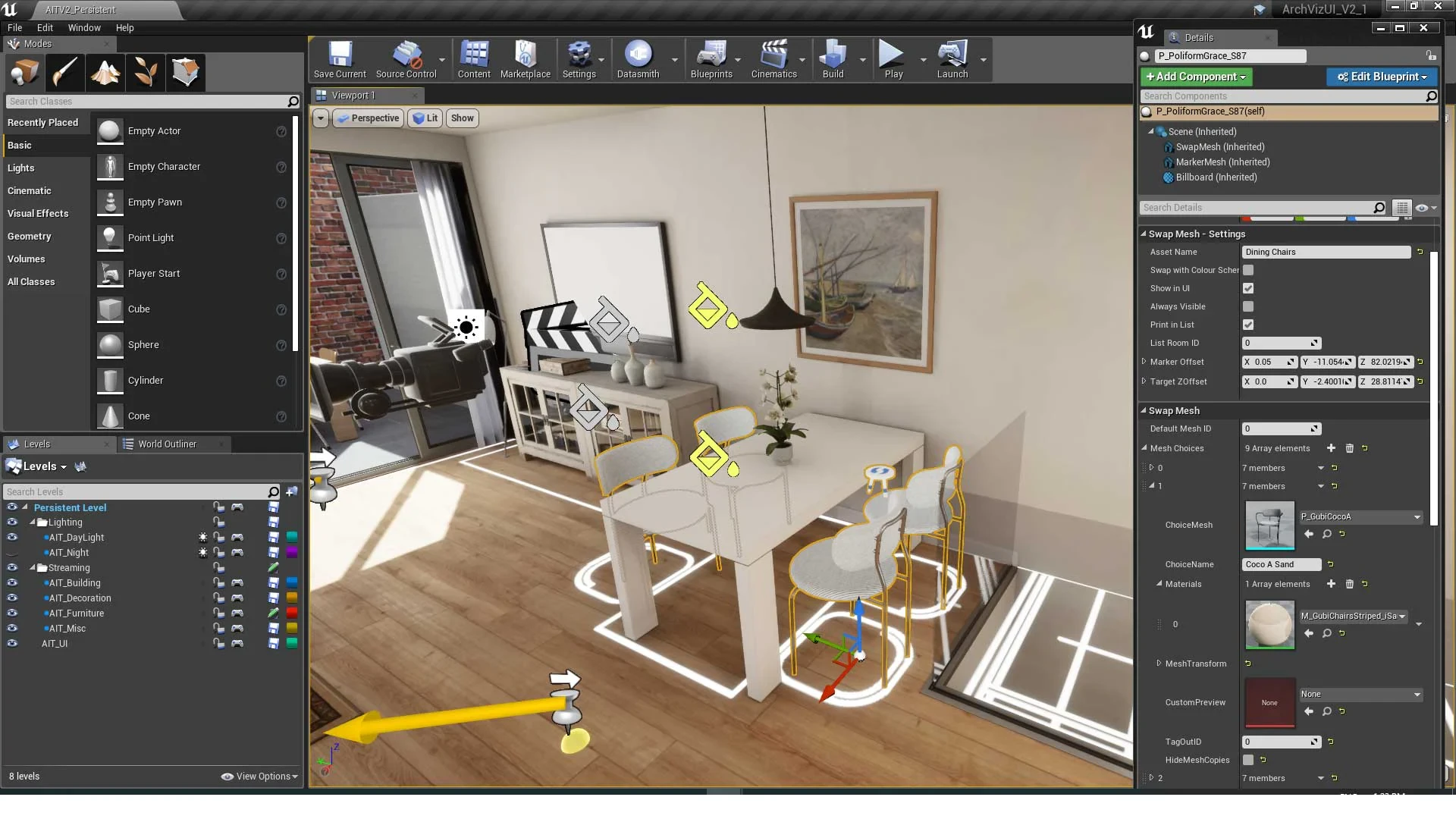
The connection back to DressMyCrib’s core territory is a natural one here. Once someone has a clear spatial understanding of a home, whether through a virtual tour of a property they are considering or through a room visualizer for a space they already live in, they are in a much better position to plan what comes next. Furniture placement, rug sizing, the question of whether to open up a wall or reconfigure a kitchen: all of these benefit from the same underlying capability. See the space clearly, understand its proportions and its constraints, and then make the decision.
Visualization as a Continuum
The broader shift here is worth naming plainly. Home visualization is no longer a single tool or a single use case. It is a continuum that runs from checking whether a rug fits in a bedroom, through previewing how a full furniture arrangement reads in a living room, to navigating a home you are considering purchasing on the other side of the country.
What connects all of these experiences is the same basic demand: people want to see home-related decisions in context before committing to them. The scale of the decision changes. The spatial complexity changes. The technology required changes. But the underlying expectation is consistent, and it is only going to grow more pronounced as better tools become more widely available.
Room visualizers built the habit. Property tours extended it. The tools in between AR, AI-assisted interior design, and browser-based preview platforms fill in the spectrum. Together, they are changing what buyers consider a minimum standard of information before they act.
That is a good thing for buyers, for the people who sell to them, and for the platforms that help make better spatial understanding possible.