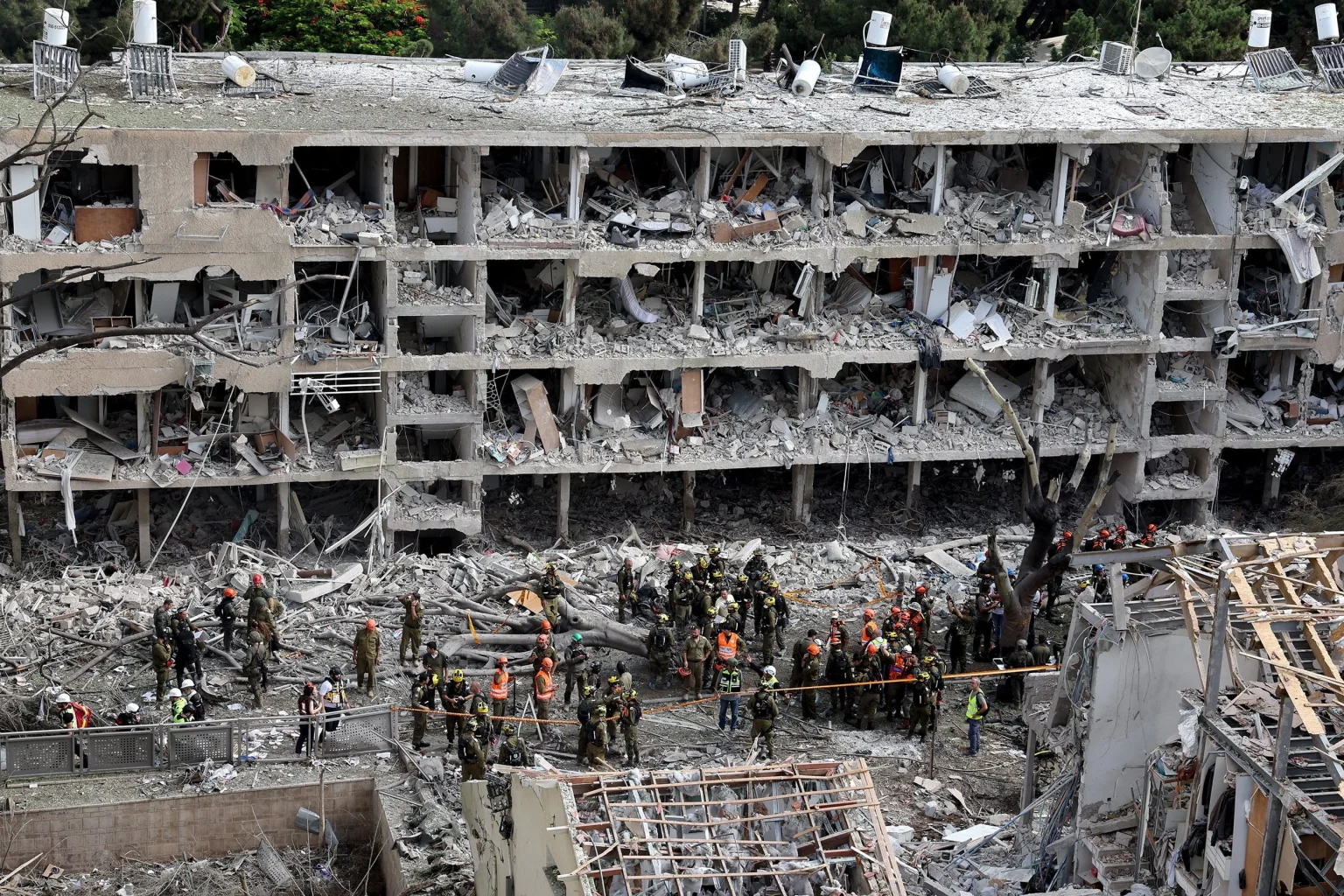
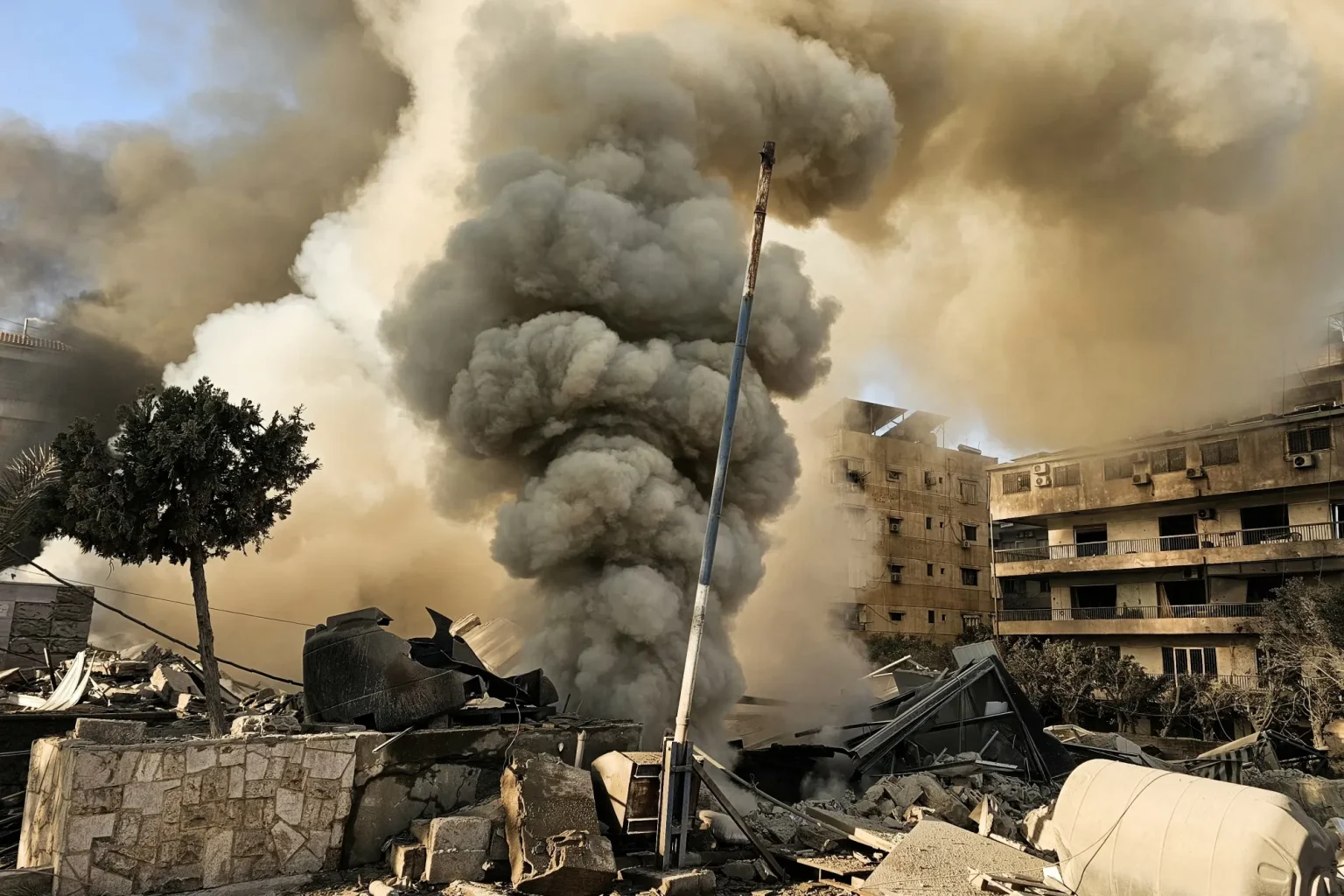


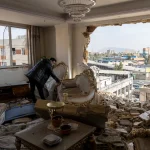
The toll of war on civilian infrastructure is stark, with thousands of homes, commercial buildings, and historic sites sustaining extensive damage. According to Iranian authorities and international reporting, more than 42,000 civilian structures across Iran have been damaged and at least 1,750 people have been killed since the start of the war that began in late February. Repeated U.S. and Israeli airstrikes have caused damage to homes, businesses, educational institutions, and medical facilities, in addition to secondary blast damage. Iranian officials have said these strikes have damaged tens of thousands of residential units and commercial sites nationwide.
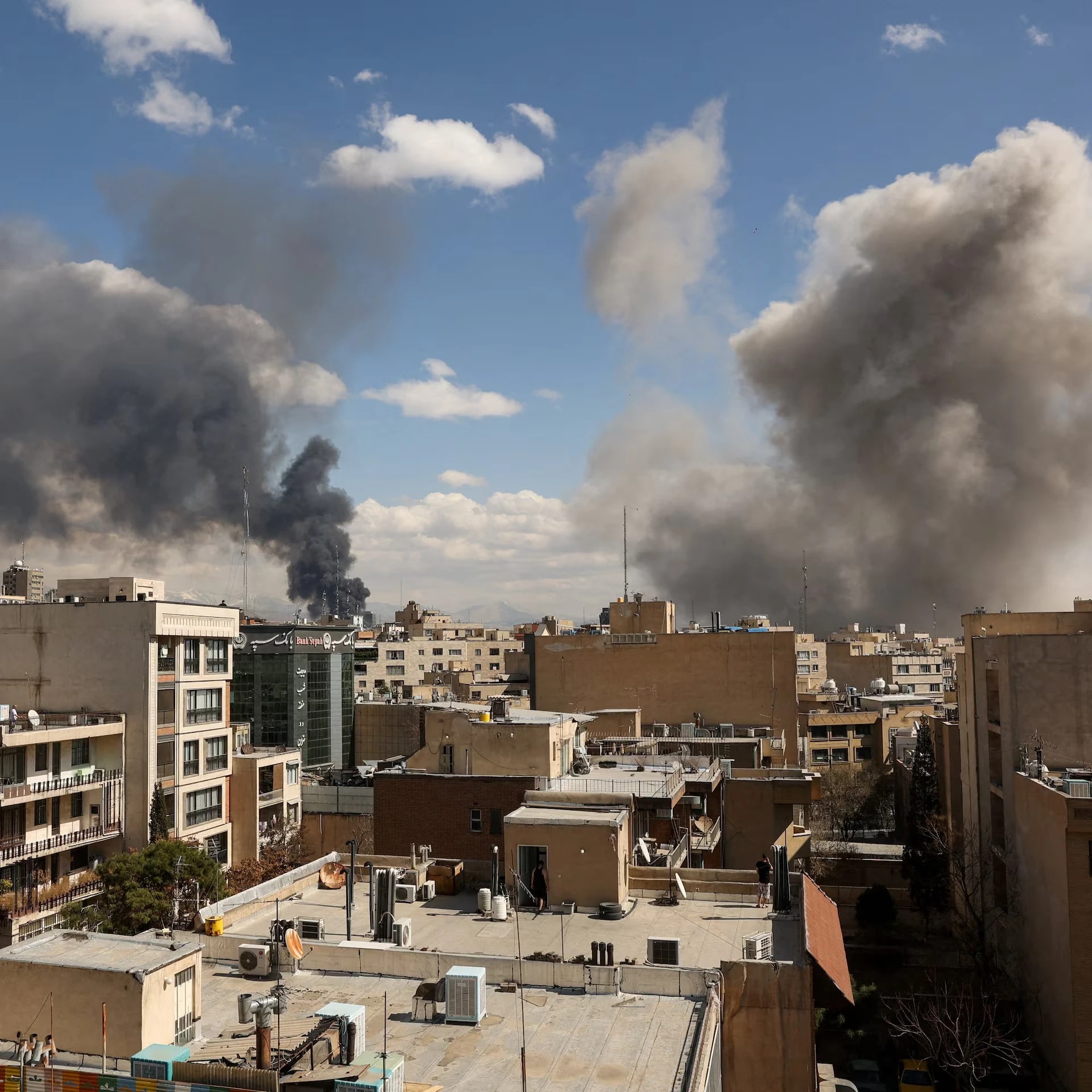
The Iranian Red Crescent and government spokespeople have reported that the damage spans multiple provinces, including Tehran, Isfahan, and southern regions. Imagery from state media and international outlets shows collapsed buildings, charred remains of structures, and rubble in densely populated neighborhoods.
Civilian and Cultural Losses
Beyond general residential and commercial damage, cultural heritage sites in Iran have also been hit. Reporting by Iran International details damage to several historic landmarks, some of which are on the UNESCO World Heritage list. These include the Golestan Palace in Tehran, where blast waves shattered windows and damaged delicate interior elements, and historic buildings in Isfahan, such as the Chehel Sotun and Ali Qapu palaces, where masonry and decorative features were cracked or displaced.
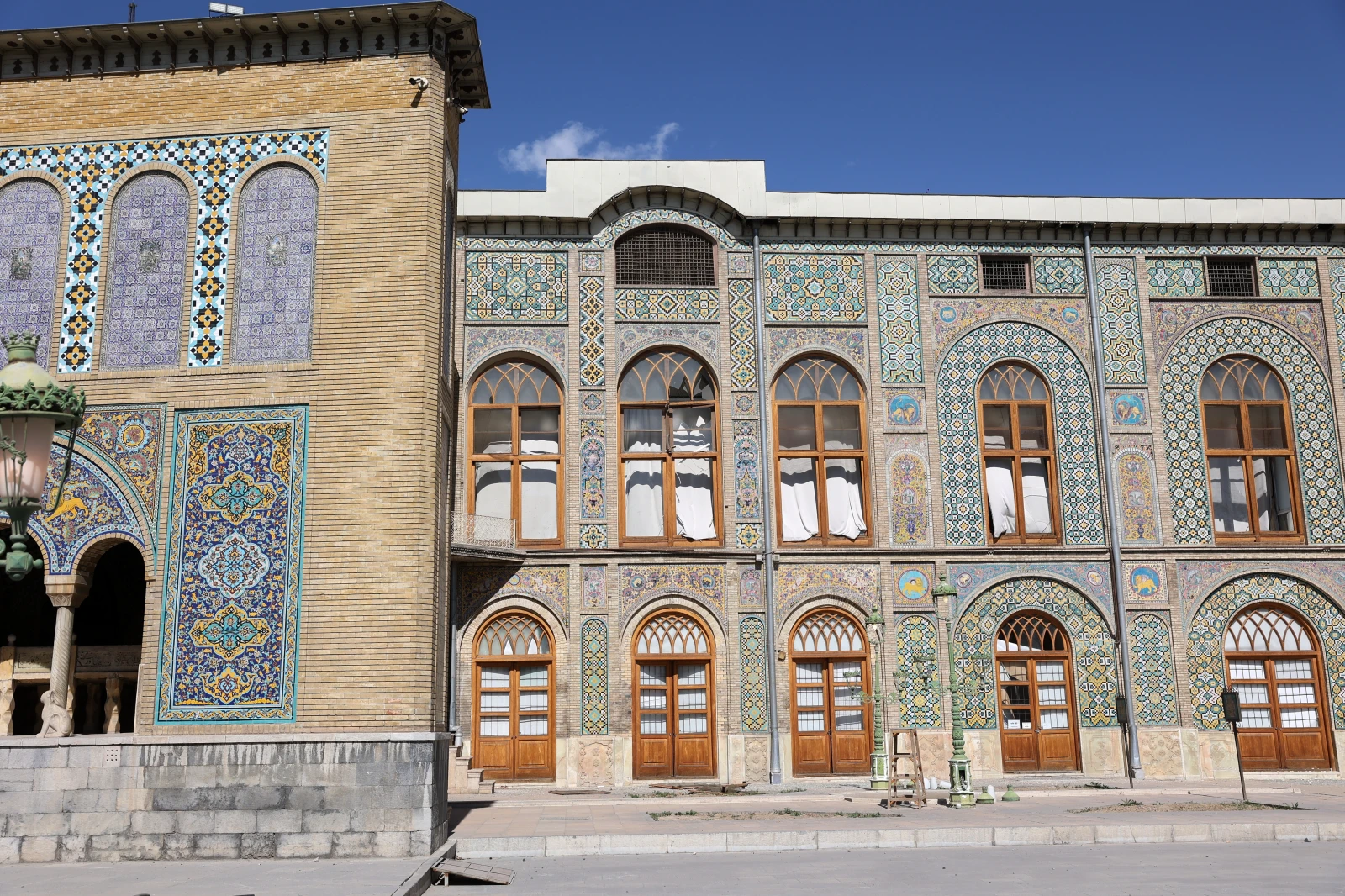
Blast effects also damaged the Grand Bazaar of Tehran, a centuries-old commercial and cultural center, along with other heritage sites like the former Senate Palace and the historic Police Headquarters. Officials and preservation experts expressed concern over the protection of cultural heritage during the conflict, noting that some buildings bore international “Blue Shield” emblems meant to indicate protected status under international law.
While precise casualty figures remain difficult to verify independently, various humanitarian reports indicate significant civilian harm. In one of the deadliest individual incidents early in the conflict, a missile strike hit a primary school in Minab, Hormozgan province, killing more than 170 students and injuring many others, according to Iranian media and subsequent investigations.
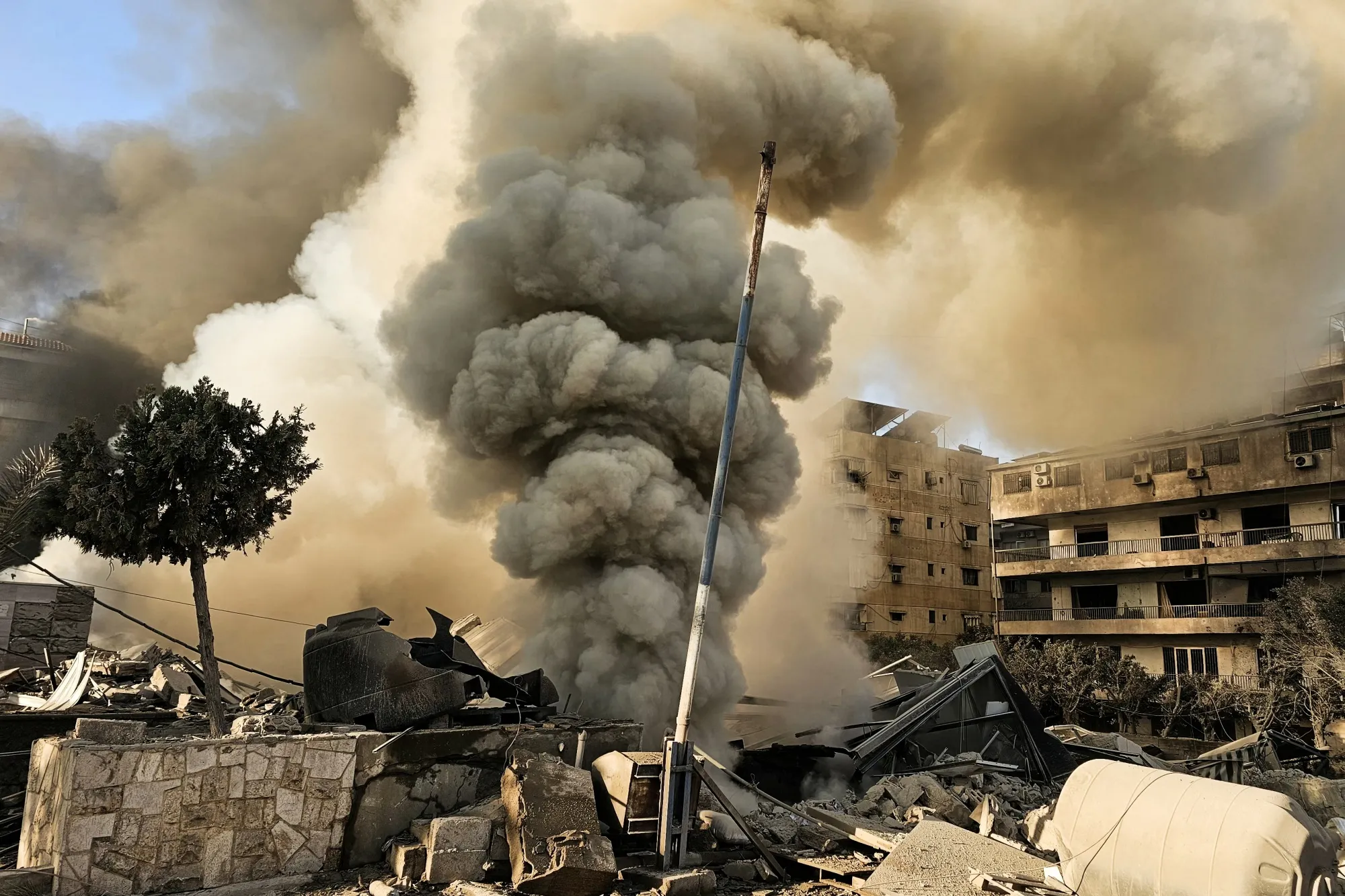
International agencies and independent observers have expressed alarm over the scale of civilian harm and infrastructure damage, which extends to schools, hospitals, and other nonmilitary sites. A separate United Nations representative reported that nearly 22,000 civilian buildings had sustained some level of damage as of mid‑March.
International Response
UNESCO and other global heritage bodies have confirmed damage to listed sites and called for respect for cultural property amid armed conflict. Iranian officials criticized the pace of international response and called for stronger safeguarding of heritage sites under the 1954 Hague Convention on the Protection of Cultural Property.
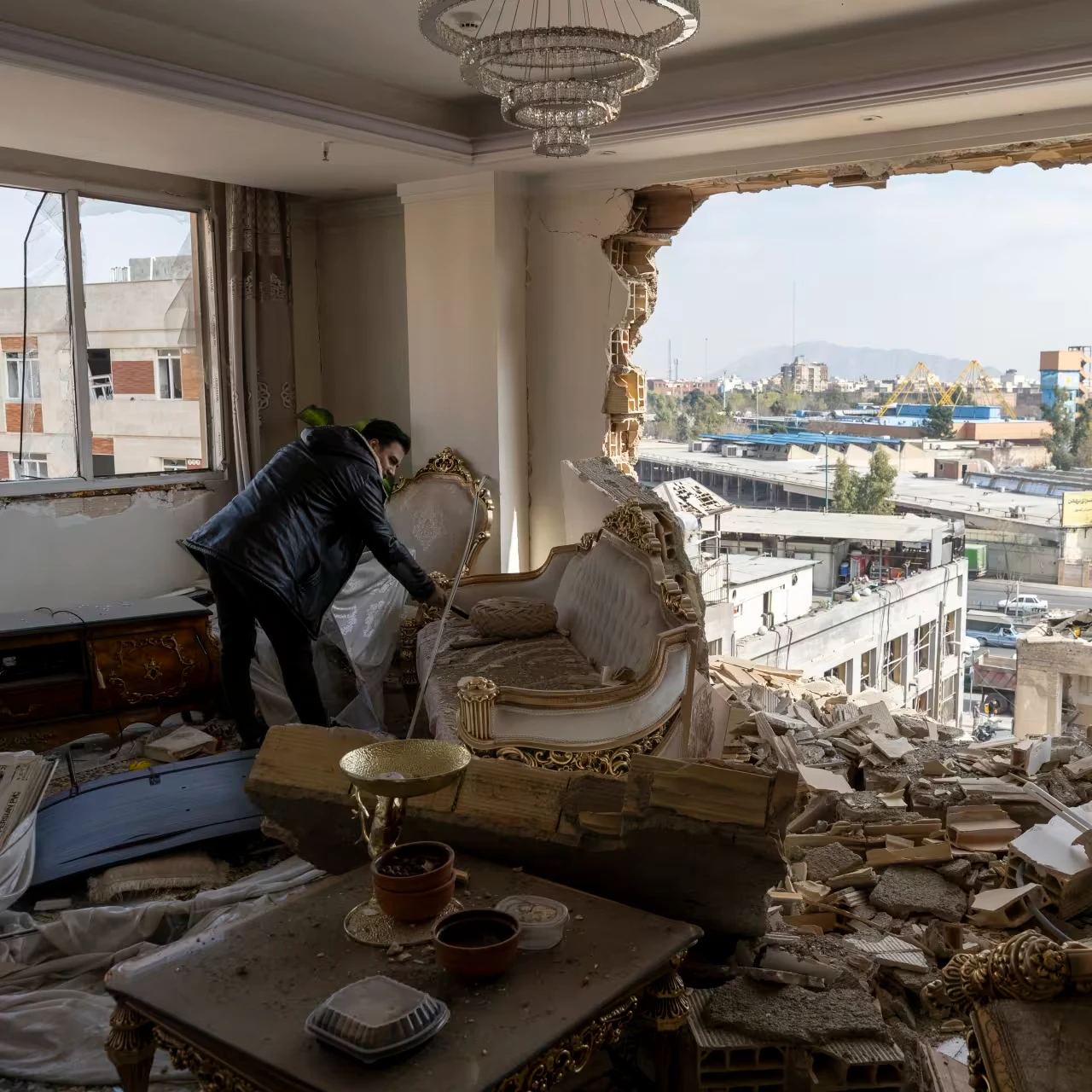
The conflict continues to affect civilian life in Iran, with reports of ongoing strikes, infrastructure disruption, and broad humanitarian needs. Active hostilities and restricted communications in many areas complicate relief organizations’ efforts to assess damage and reach affected communities.