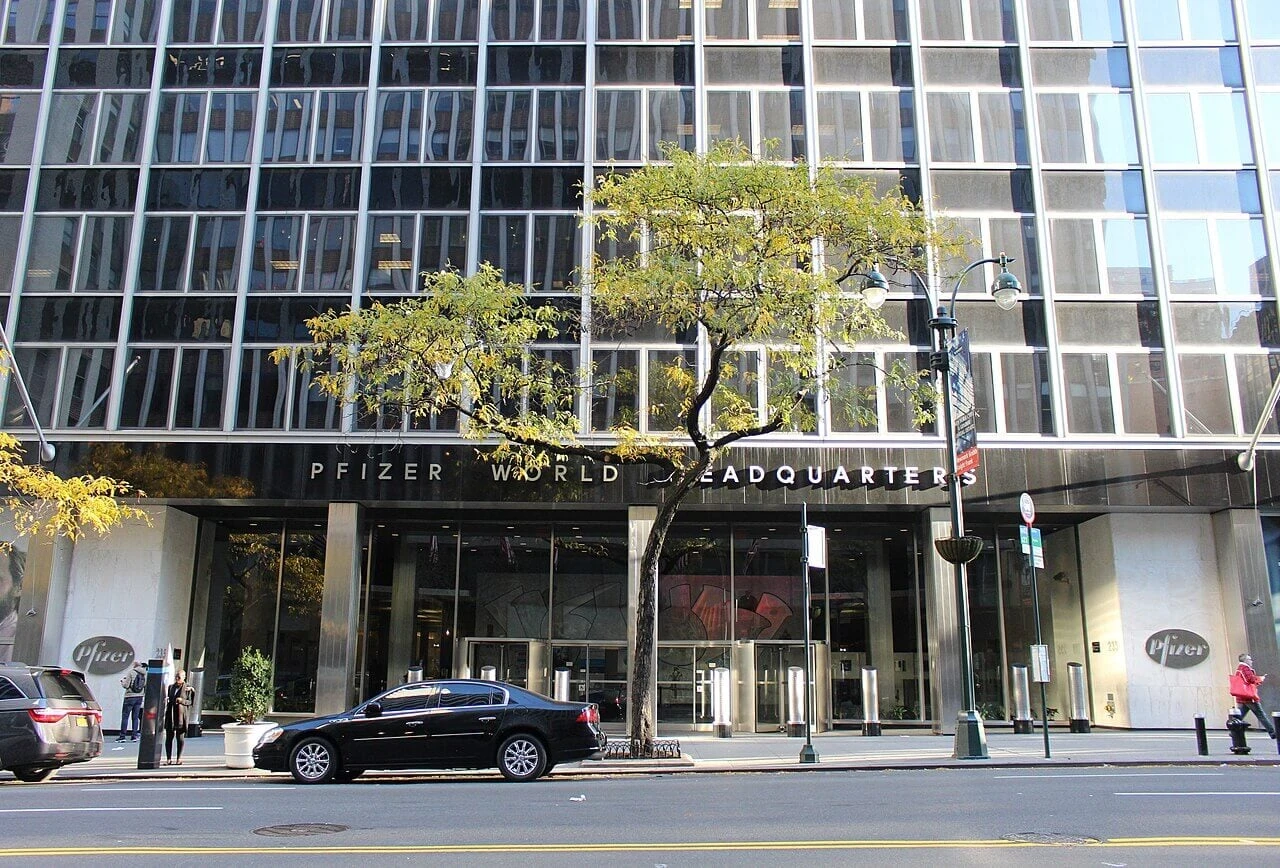

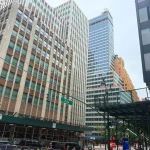
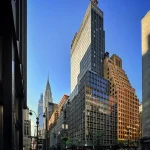
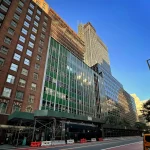
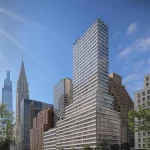
A major structural emergency has disrupted one of the most ambitious adaptive reuse projects in the United States after part of the former Pfizer headquarters in Midtown Manhattan was deemed at risk of a localized collapse. The incident forced large-scale evacuations, street closures, and an emergency stabilization operation at what is planned to become New York City’s largest office-to-residential conversion.
The building at 235 East 42nd Street, once Pfizer’s global headquarters, is currently being transformed into a residential complex with approximately 1,600 apartments, including around 400 affordable housing units. Designed by Gensler and developed by Metro Loft Management and David Werner Real Estate Investments, the project has been widely viewed as a flagship example of New York’s strategy to convert aging office towers into housing.
Structural Columns Buckled During Construction
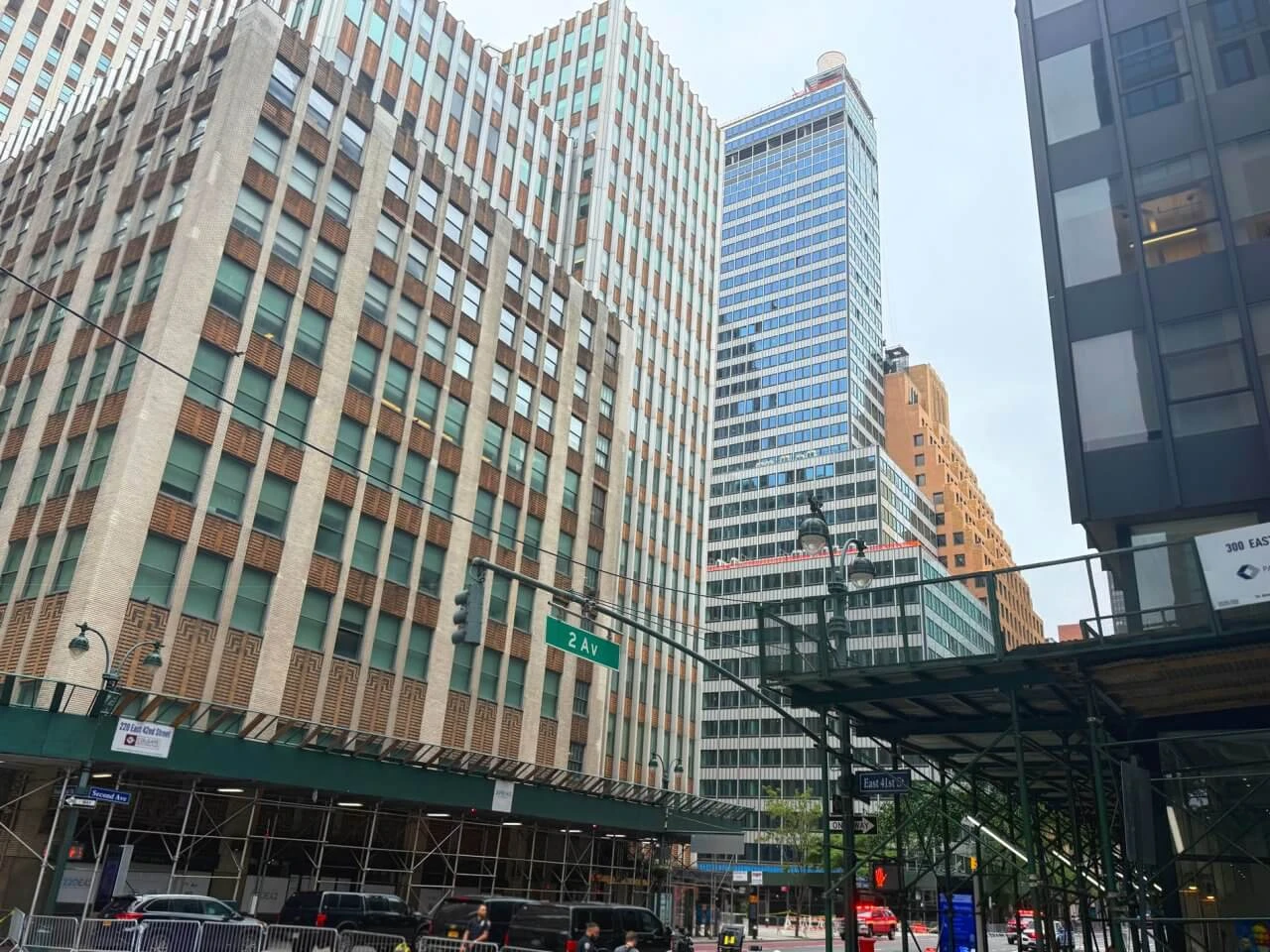
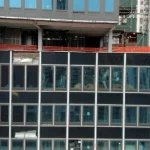
The emergency unfolded on the morning of July 7, when construction workers reported signs of structural distress inside the high-rise. According to New York City officials, two structural columns on the 21st and 22nd floors buckled, while multiple floors above began to sag.
Emergency responders also observed continued movement in one of the compromised columns after arriving on site, prompting concerns that a localized structural collapse remained possible. Officials stressed that while the affected section was unstable, the steel-frame tower was not expected to suffer a total collapse.
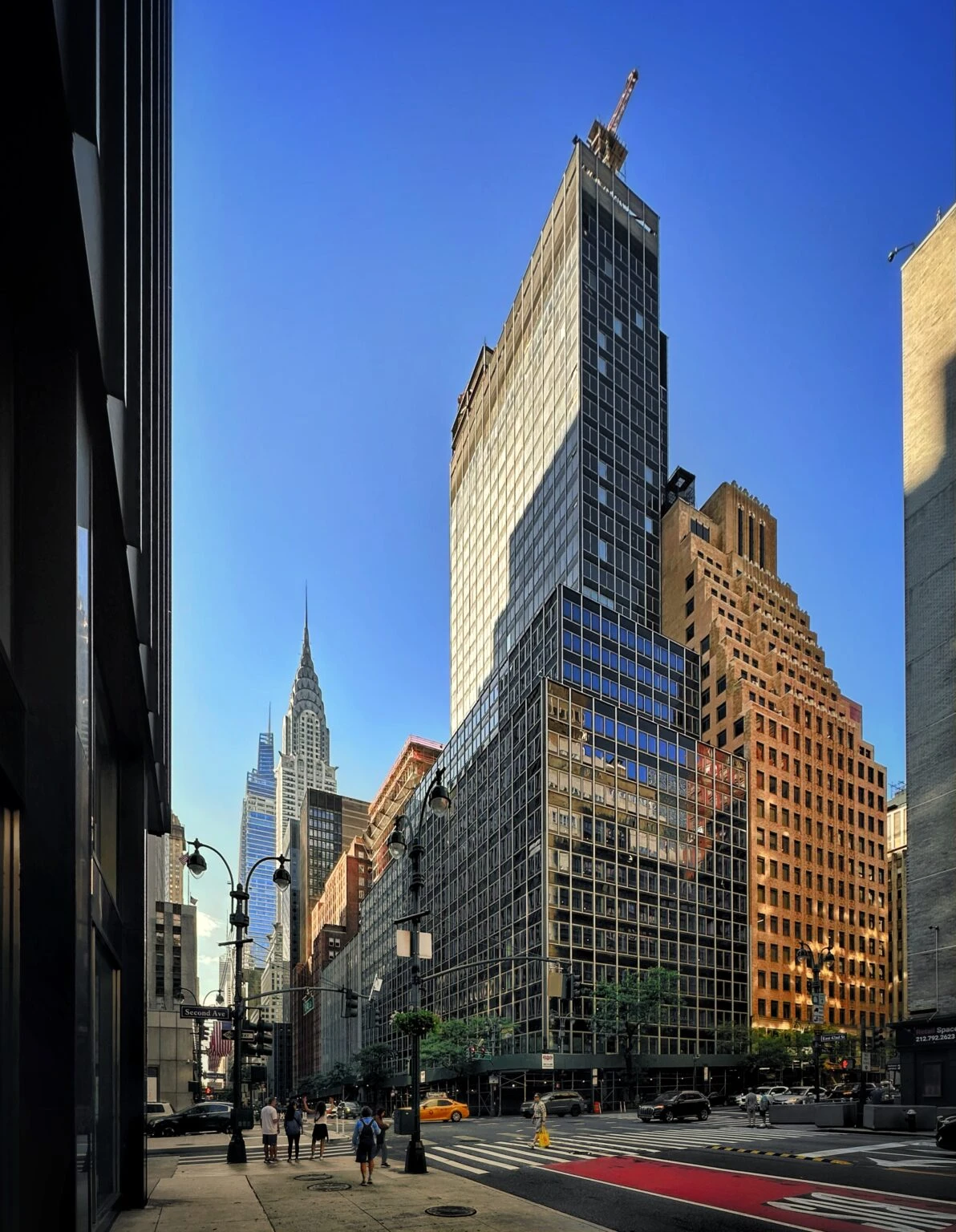
The structural damage extended upward through several floors, with reports indicating deformation reaching as high as the 26th floor. Steel beams also showed signs of bending during the engineers’ assessment of the affected area.
Massive Evacuations Across Midtown Manhattan
The incident triggered one of the largest emergency responses in Midtown in recent years.
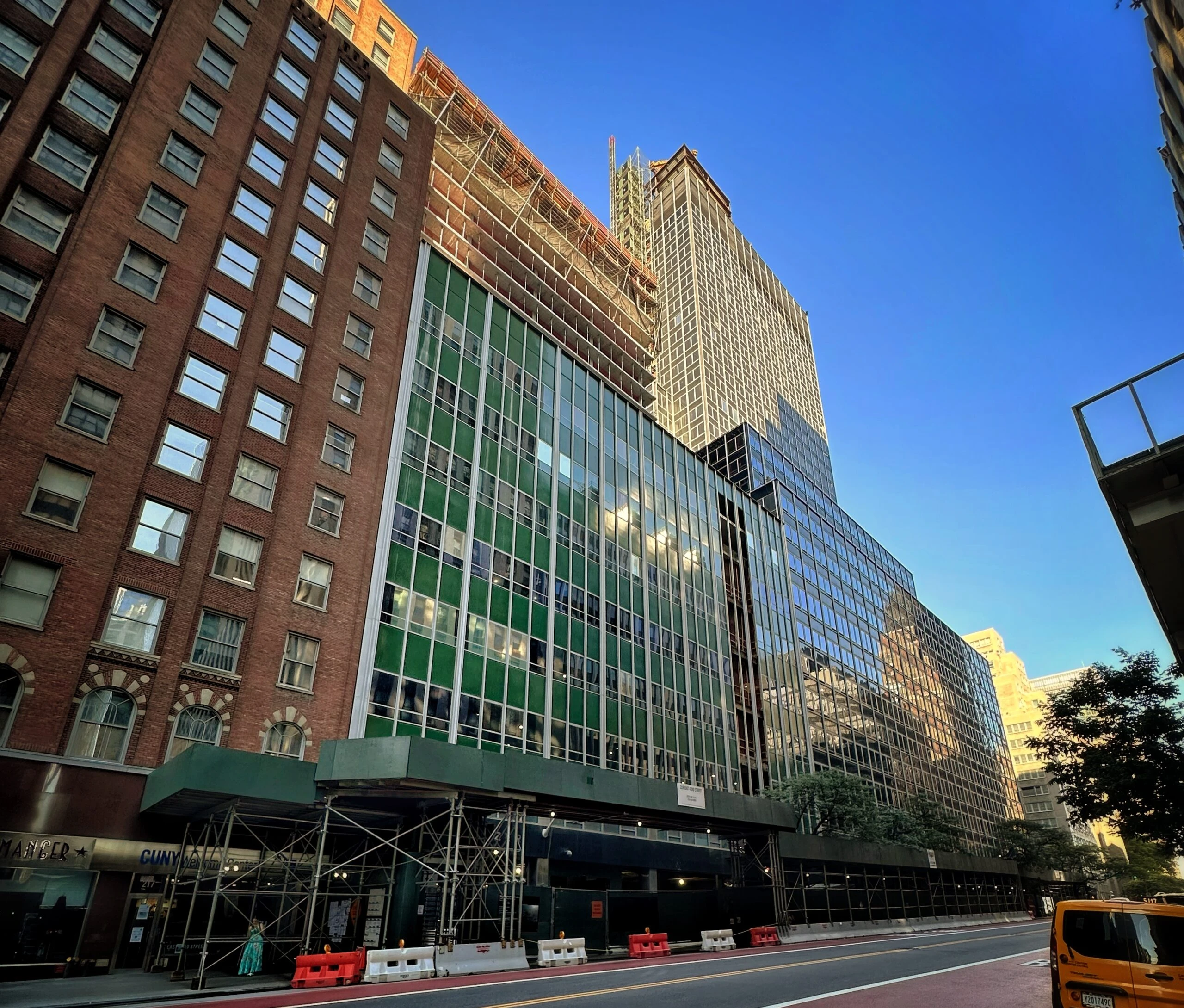
Authorities evacuated the construction site along with numerous neighboring buildings, including offices, hotels, residential properties, diplomatic facilities, and a nearby school. The New York Fire Department established a large “frozen zone” spanning multiple city blocks around East 42nd Street to protect the public while engineers evaluated the building.
Vehicle and pedestrian traffic were shut down across several surrounding streets near Grand Central Terminal as firefighters, engineers, and the Department of Buildings coordinated stabilization efforts. No injuries were reported.
Emergency Stabilization Underway
The Fire Department deployed drones to inspect the damaged structural members without exposing personnel to additional risk.
Engineers began preparing temporary shoring systems using heavy steel beams and emergency supports designed to stabilize the compromised columns before permanent repairs could be undertaken. Officials stated that the stabilization process could take several days, with structural monitoring continuing throughout the operation.
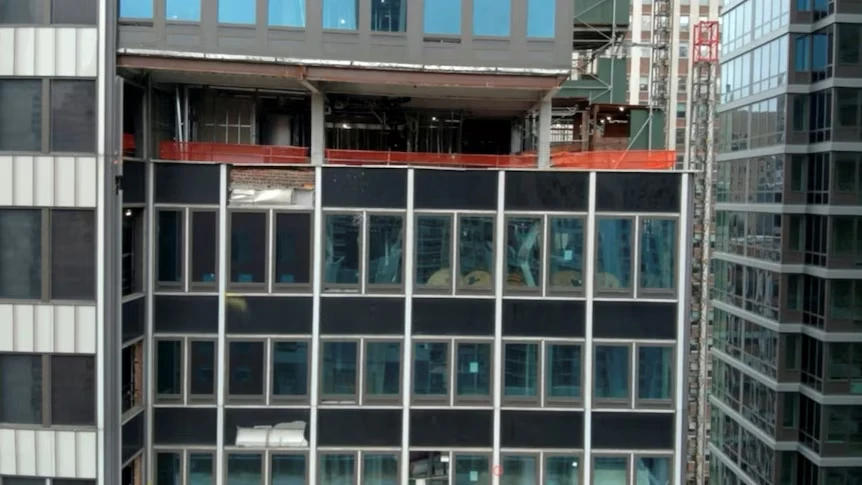
New York City Mayor Zohran Mamdani described the situation as “extremely serious,” noting that inspectors had witnessed additional movement in one of the damaged columns after arriving on site. City officials emphasized that nearby buildings would remain closed until engineers confirmed they were safe for occupants to return.
Developer Says Only a Small Portion Is Affected
Metro Loft stated that the damage is confined to a small section of one of the two interconnected buildings that make up the redevelopment site.
The developer maintained that the entire building is not at risk of collapse and said it is working closely with structural engineers, the Fire Department, and the Department of Buildings to stabilize the affected area before construction resumes.
Questions Surround Structural Failure
Although investigators have not announced a definitive cause, early findings suggest the structural distress may be linked to ongoing construction associated with the office-to-residential conversion.
The redevelopment involves significant modifications to the existing structure, including the addition of new floors and extensive reinforcement work required to adapt the commercial tower for residential use. According to reporting, the additional construction placed unexpected demands on supporting structural elements, leading to buckled columns and bent steel members. Engineers are continuing to investigate whether design, construction sequencing, or temporary loading conditions contributed to the failure.
Structural experts interviewed by multiple outlets noted that permanent repairs could require replacement of damaged columns.
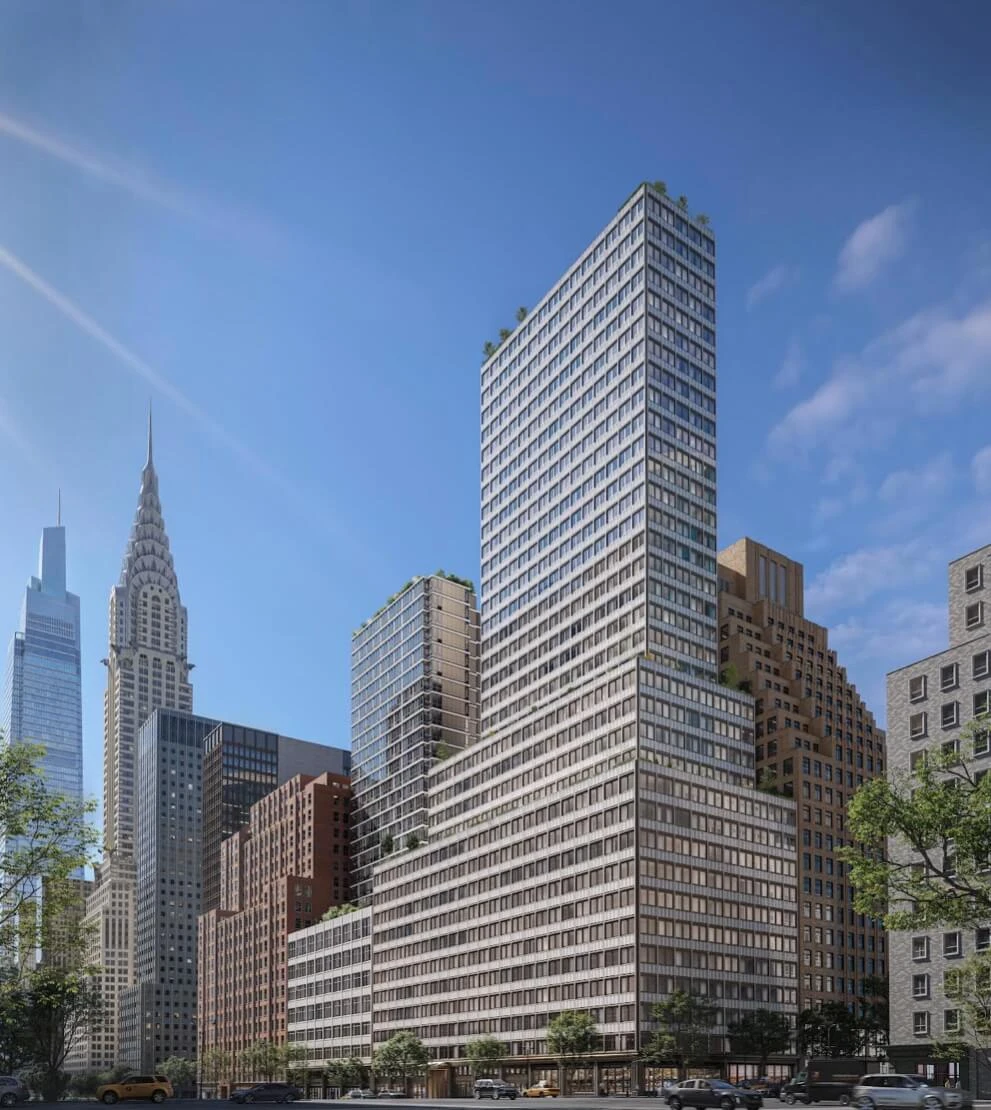
A Landmark Adaptive Reuse Project Faces a Major Setback
The redevelopment of the former Pfizer headquarters has become one of New York City’s most closely watched adaptive reuse projects.
Covering approximately 1.3 million square feet, the project aims to transform obsolete office space into a mixed-income residential development amid rising demand for housing and declining occupancy across older office buildings.
Originally scheduled for completion in 2027, the project represents one of the largest office-to-housing conversions underway in the United States. The structural emergency is expected to prompt renewed scrutiny of engineering practices involved in complex adaptive reuse projects, particularly those requiring substantial structural modifications to existing high-rise buildings.