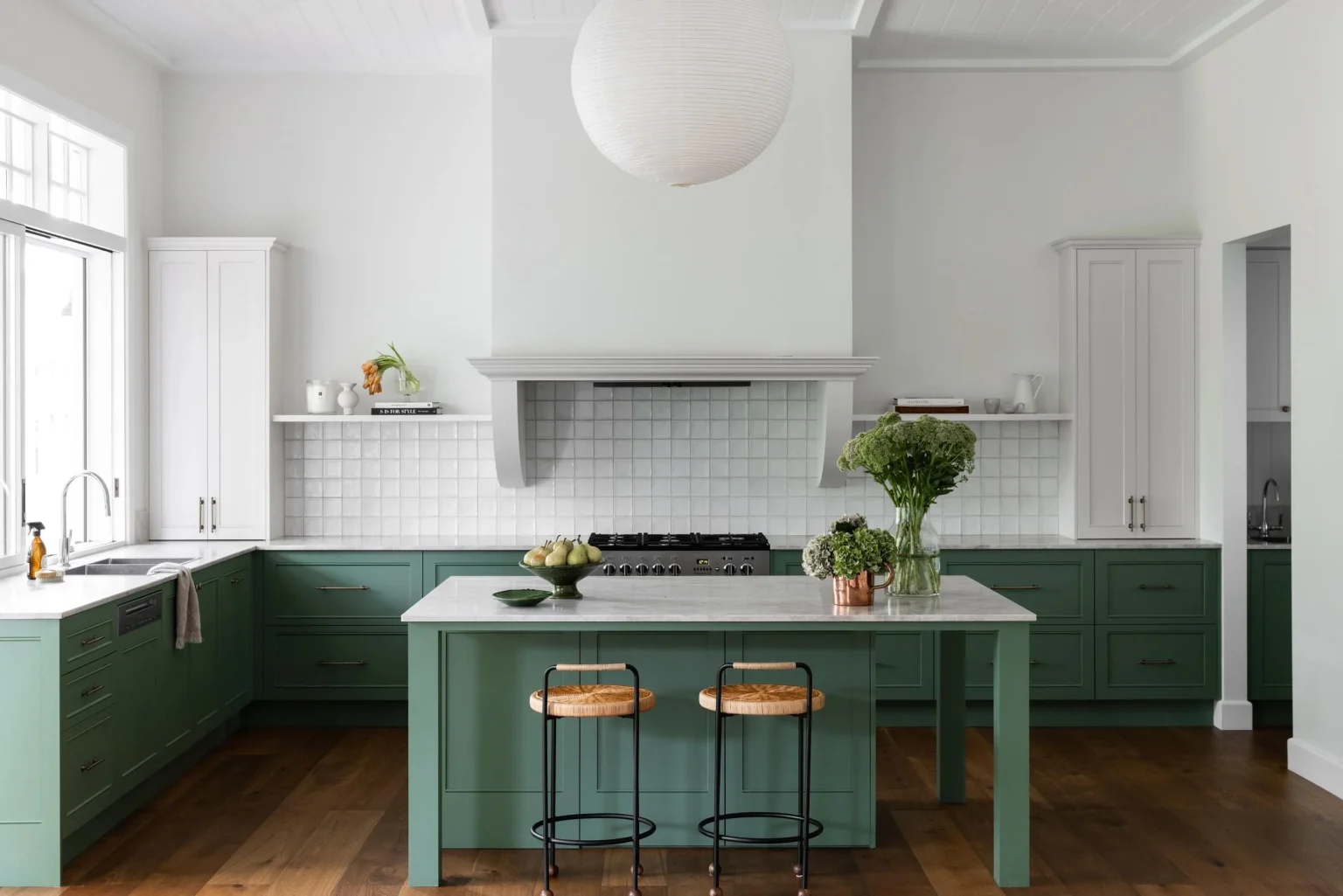

Architecture is less about spectacle and more about control. Control of light, proportion, circulation, and buildability from the very first sketch. In practice, the most successful homes are not the ones with the boldest forms but the ones that resolve constraints intelligently.
Clients often go for an Architect builder in Sydney after realising that early spatial decisions carry long-term consequences. When those decisions are handled with technical rigour from the outset, the building performs properly, both functionally and spatially, without requiring constant adjustment by the people living in it.
Planning Choices That Influence Daily Living
Before the conversation ends, architects are already shaping behaviour through layout. Orientation decides how sunlight travels across floors and how heat is absorbed or deflected. A slightly shifted window position can reduce glare in living areas while still capturing brightness.
Circulation paths are just as important. When rooms connect logically, people move naturally instead of adjusting their routines around the building. Even ceiling heights and corridor widths contribute to comfort. A few centimetres here or there can alter perception, making compact spaces feel generous and open.
Proportion and Visual Balance Create Lasting Appeal
Proportion is often the silent organiser of a project. The scale of openings against wall surfaces, the rhythm of structural elements and the visual weight of materials all shape first impressions. Experienced designers rarely chase spectacle for its own sake.
They edit, refine and sometimes remove features that compete for attention. Consistency in detailing across joinery, flooring transitions and external finishes helps the design read as a cohesive whole. When the balance is right, a building feels settled rather than overworked.
Thoughtful Storage And Everyday Practical Comfort
Practical comfort reveals whether a design truly understands its occupants. Integrated storage keeps spaces usable without constant tidying, particularly when cabinetry is built with real habits in mind. Lighting follows a similar logic. Layered schemes that combine ambient, task and accent sources allow rooms to adapt from morning to evening with ease.
Natural light remains a priority, yet artificial lighting is carefully positioned to avoid harsh shadows or uneven brightness. These adjustments seem minor individually, but together they shape the atmosphere and usability.
Material Choices Guided By Performance And Longevity
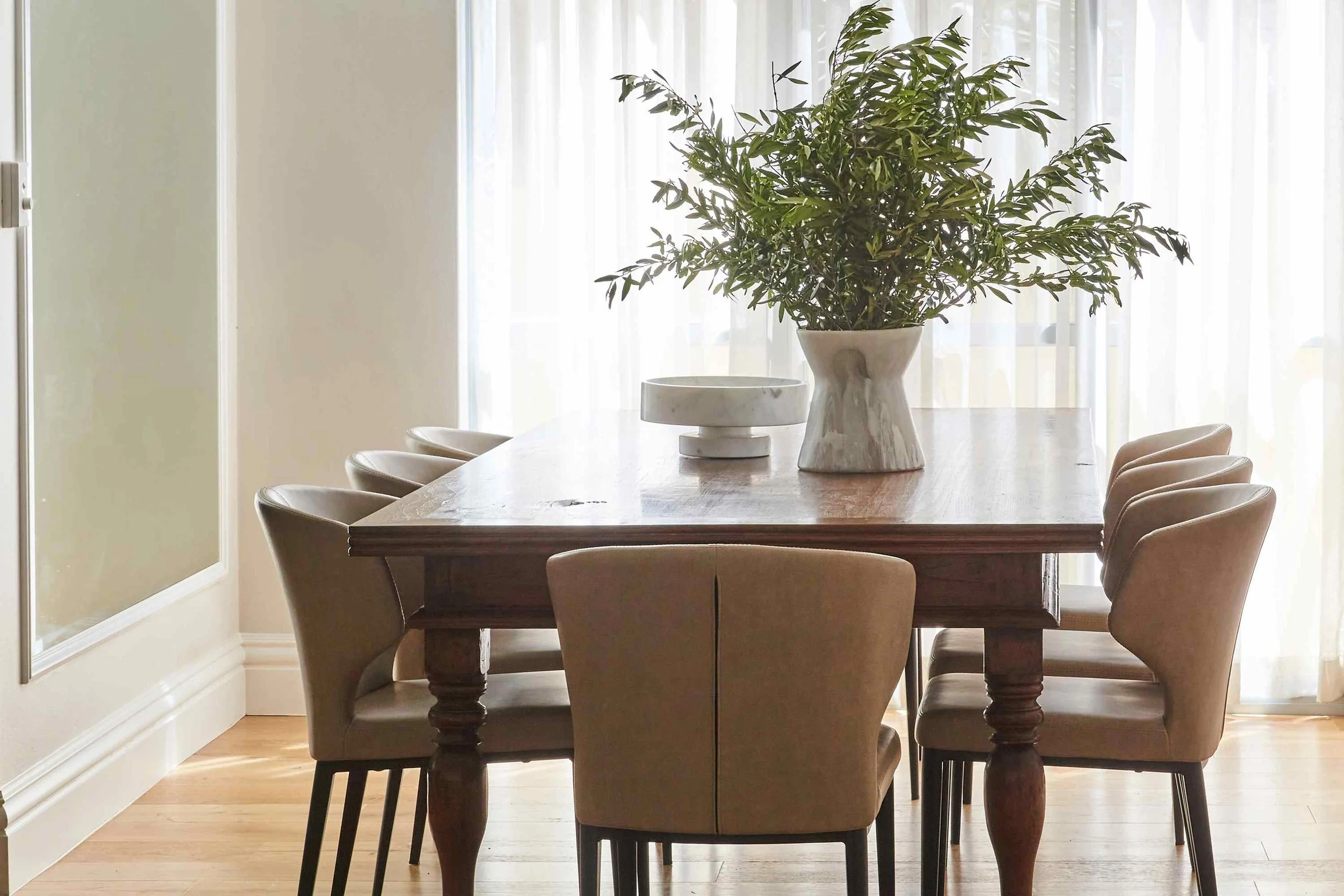
Material selection goes well beyond surface appearance. Durability, maintenance requirements and environmental response all factor into the decision process. Flooring must tolerate daily wear without losing character, while external finishes should respond sensibly to changing weather conditions.
Glazing, insulation and cladding each influence thermal stability and acoustic comfort. Architects who prioritise long-term performance specify materials that won’t degrade prematurely. The result is fewer repairs, steadier costs and a finish that retains its visual integrity for years.
Benefits Of Working With An Architect Who Is Also A Builder
There is a distinct advantage when design thinking is grounded in construction awareness. Professionals who understand buildability can anticipate sequencing challenges, site constraints and budget implications early in the process. This reduces the likelihood of revisions that disrupt timelines or inflate costs.
Communication also becomes more direct, since the intent behind drawings aligns with practical execution on site. Clients benefit from clearer expectations and fewer surprises, as decisions are informed by both creative judgement and technical feasibility.
Final Thoughts
When people experience a well-designed home, they rarely analyse individual features. Instead, they respond to a sense of ease, clarity and cohesion. Precise joinery alignment, intuitive indoor and outdoor flow and carefully positioned skylights all contribute to that impression. Each decision accumulates, influencing comfort, sustainability and long-term value in measurable ways.
Excellence in architecture is therefore a product of consistent judgment rather than dramatic gestures. The discipline lies in getting the small things right repeatedly, so the finished space feels considered, functional and enduring without needing to announce its complexity. That restraint often separates competent design from architecture that genuinely supports everyday life in ways occupants appreciate without conscious effort consistently.