

Archaeologists in central Italy have uncovered the remains of a more than 2,000-year-old public building long described in ancient texts and now confirmed to be the basilica designed by Marcus Vitruvius Pollio, the Roman architect named the “father of architecture.”
The discovery in the Marche city of Fano, northeast of Rome, has been called a “sensational finding” by Italian officials and hailed as a milestone in classical archaeology, potentially reshaping the understanding of early Roman architectural practice.
A Lost Roman Masterpiece Brought to Light
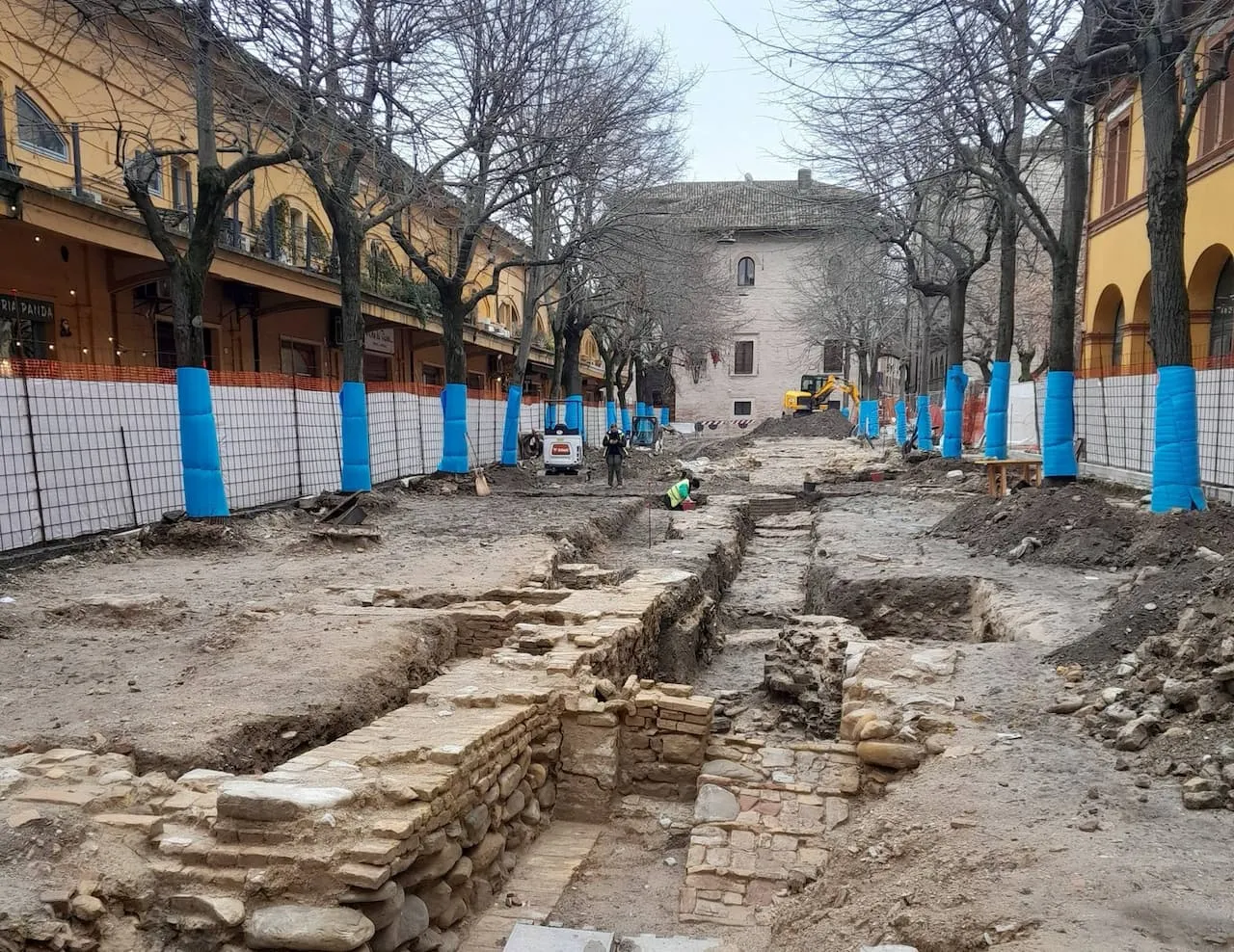
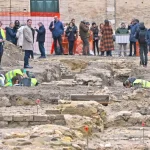
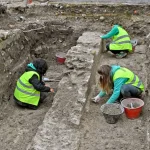
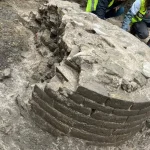
Excavations in Piazza Andrea Costa uncovered the structural remains of an ancient basilica that match the building described by Vitruvius in his foundational architectural treatise, De architectura, written in the 1st century BC.
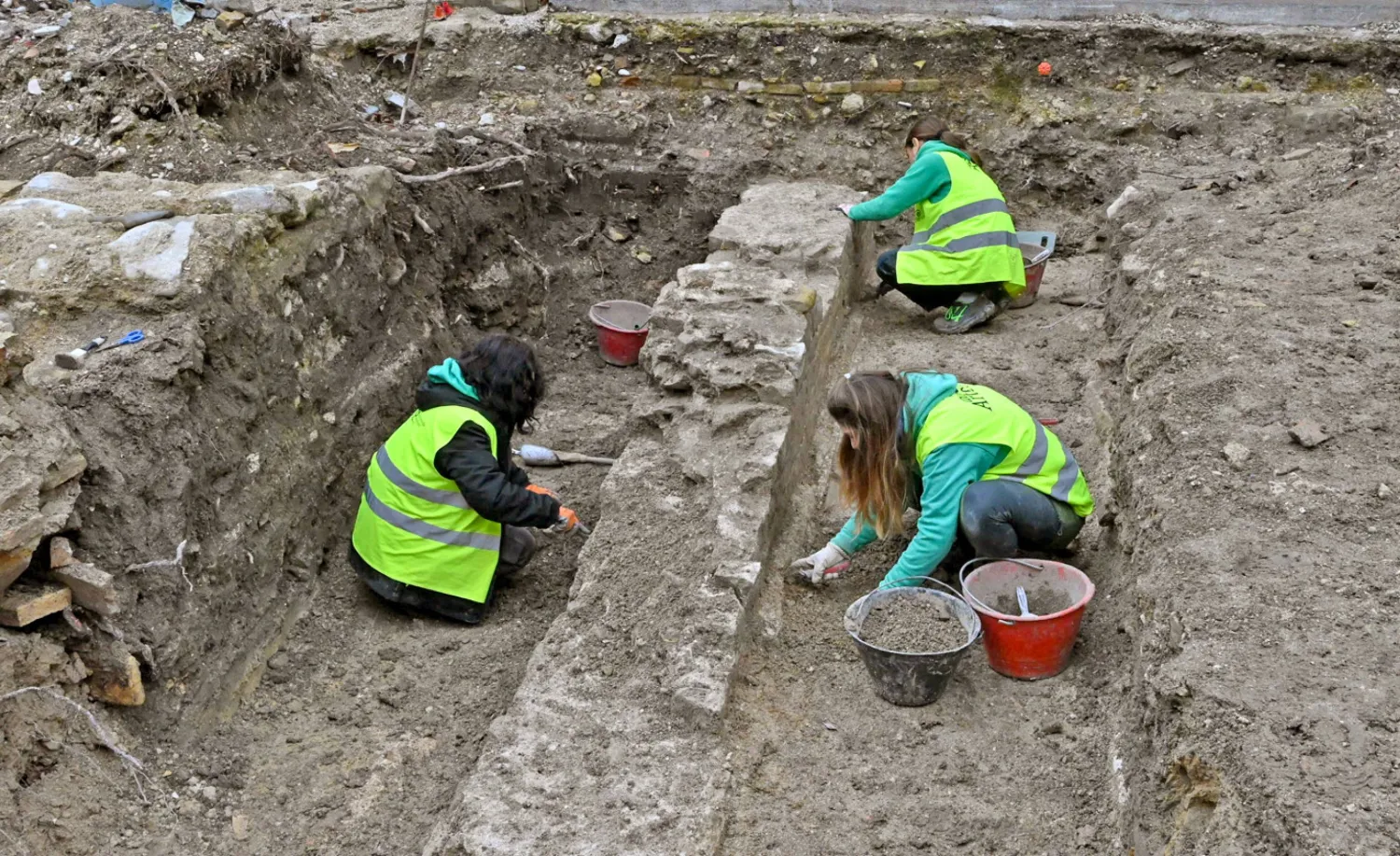
According to the regional archaeological superintendent Andrea Pessina, the layout corresponds precisely to Vitruvius’ account of a large rectangular hall encircled by columns, with ten along the long sides and four on the short sides. When archaeologists found traces of four columns, they used the ancient descriptions to calculate where the next corner column should be; upon digging, they discovered it exactly where the text predicted.
The basilica was originally completed in 19 BC in the Roman city known as Fanum Fortunae, today’s Fano, but its precise location had been a mystery for centuries.
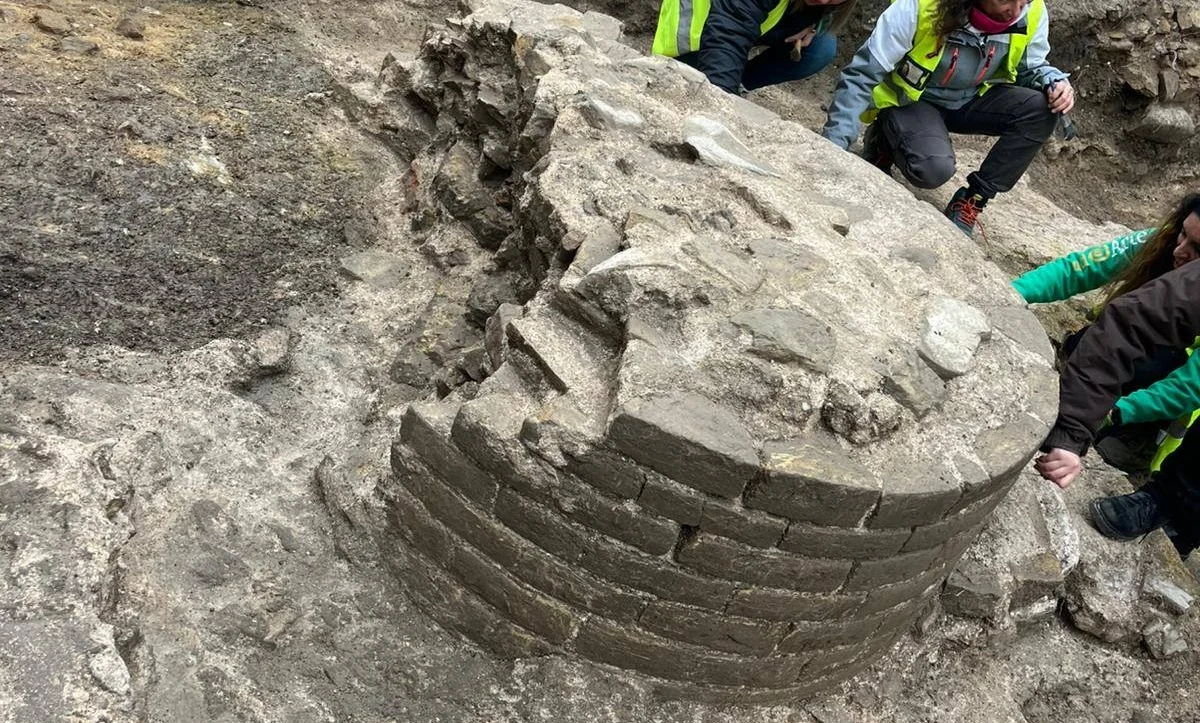
Italian Culture Minister Alessandro Giuli described the find as “the discovery of the century,” comparing its archaeological significance to the 20th-century discovery of Tutankhamun’s tomb.
Vitruvius’ Legacy as the Father of Architecture
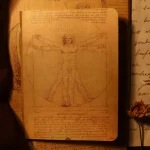
Marcus Vitruvius Pollio, who lived during the time of Julius Caesar and Augustus, was an engineer, architect, and author whose De architectura is the oldest surviving work on architecture. His writings outline principles of design, engineering, and urban planning that influenced architectural thought for centuries and inspired Renaissance figures such as Leonardo da Vinci, whose famous “Vitruvian Man” was based on Vitruvian proportion theories.
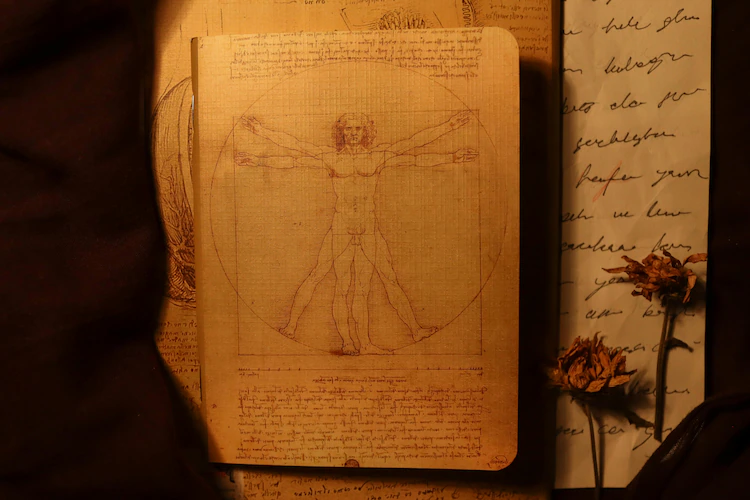
While Vitruvius’ texts have been studied for generations, this basilica is believed to be the only surviving building actually designed by him that can be directly linked to his descriptions.
Luca Serfilippi, mayor of Fano, said scientists and researchers had been searching for the basilica for over 500 years. The precision with which the excavation findings align with the ancient accounts has excited scholars, who now hope further digging will uncover more of the basilica and clarify how it functioned within the ancient urban landscape.
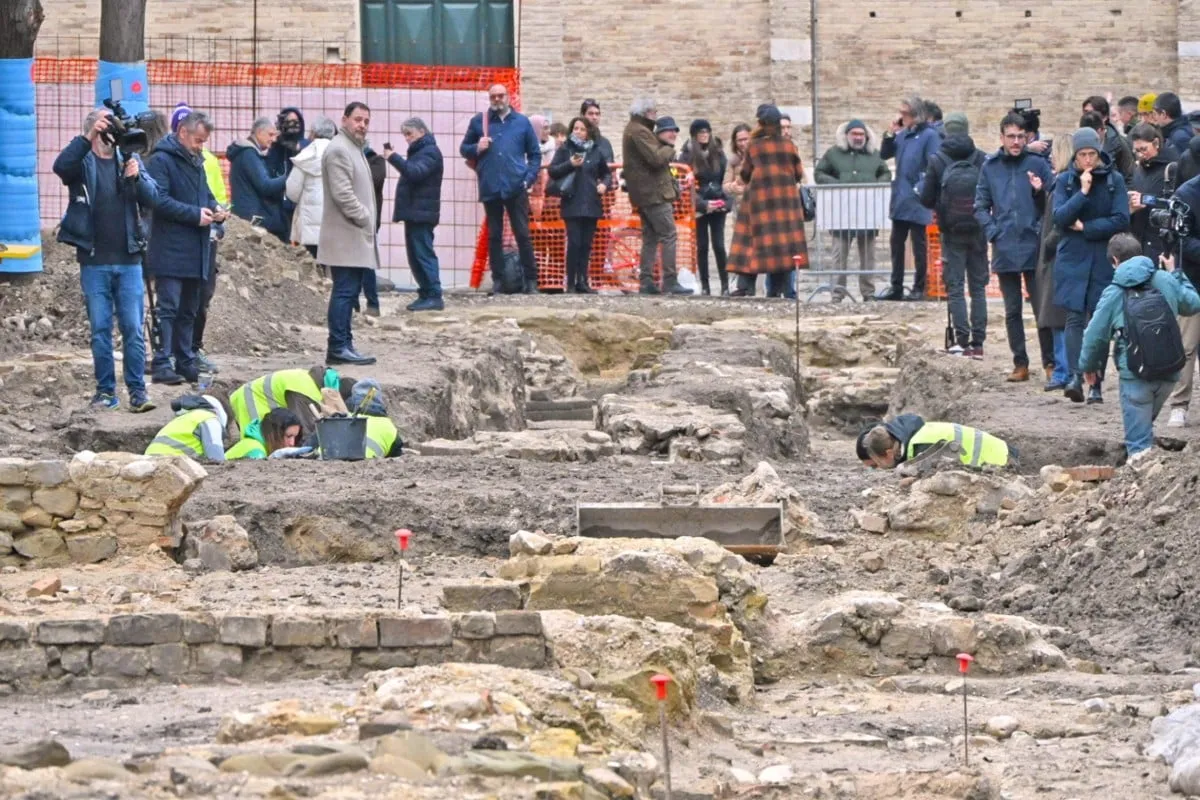
As work continues on the site, Italian authorities and archaeologists are already considering how best to protect and present the remains to the public, recognizing the long-term cultural value of unveiling a structure that bridges written ancient knowledge and physical history.