

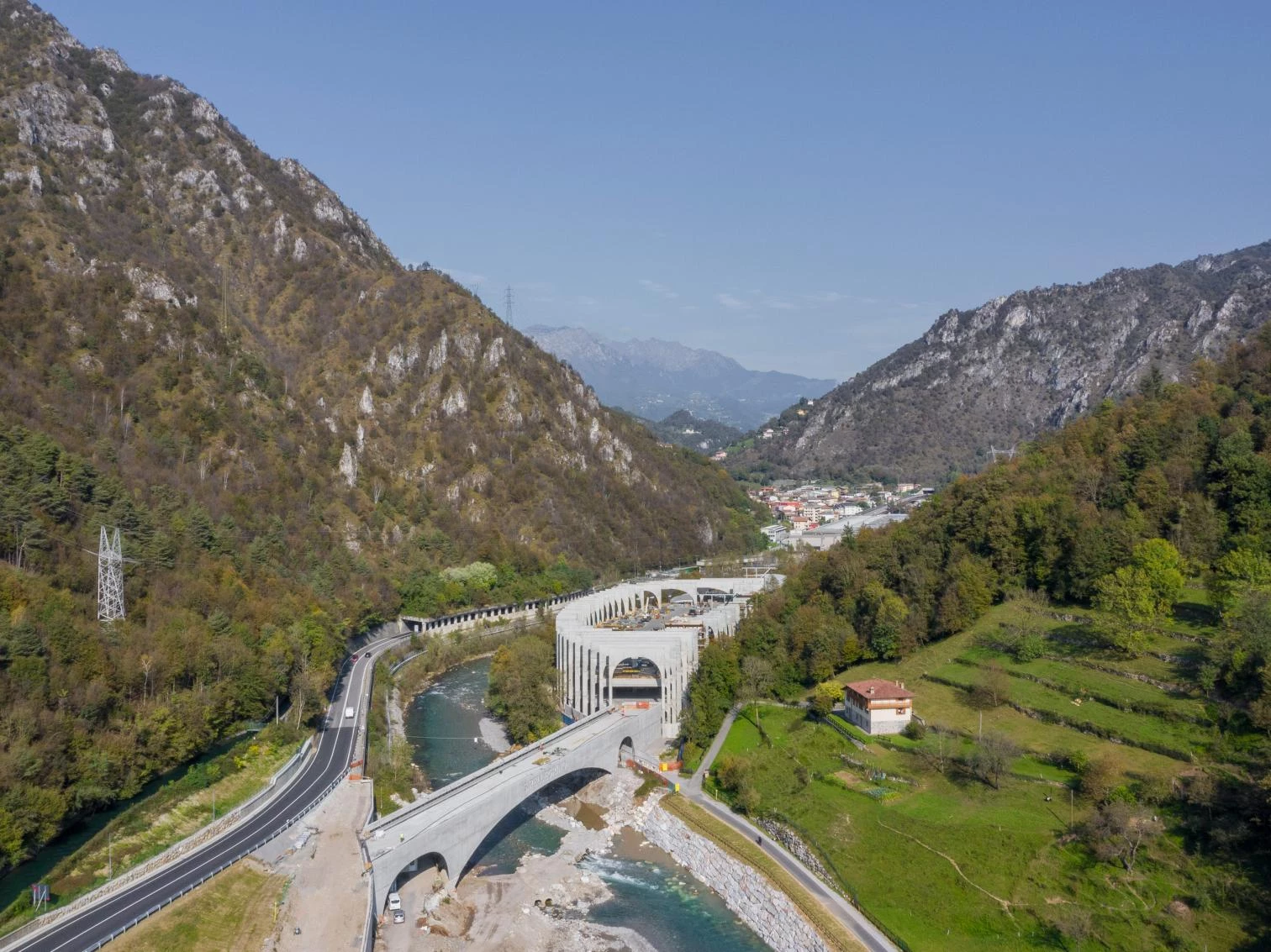
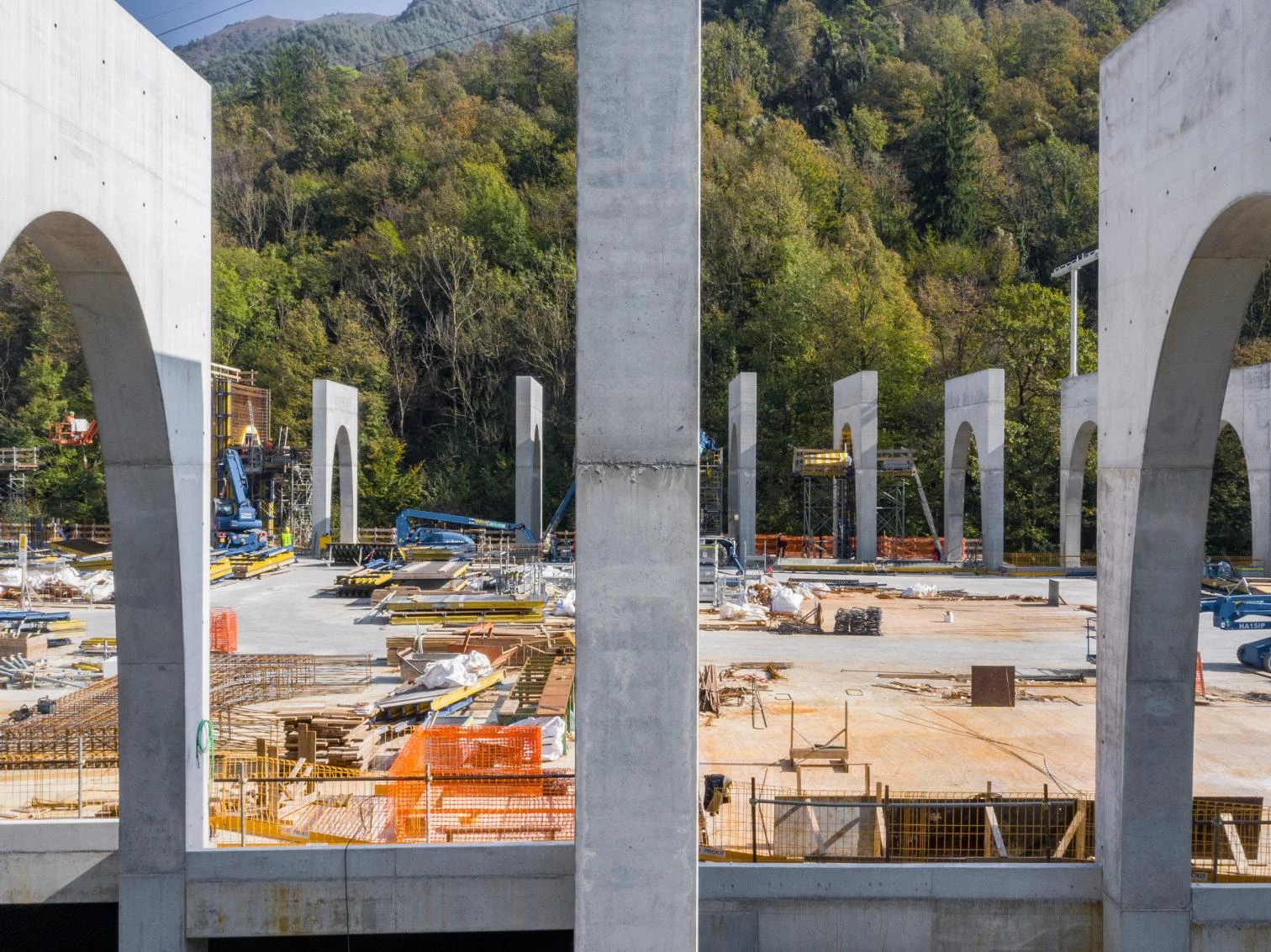
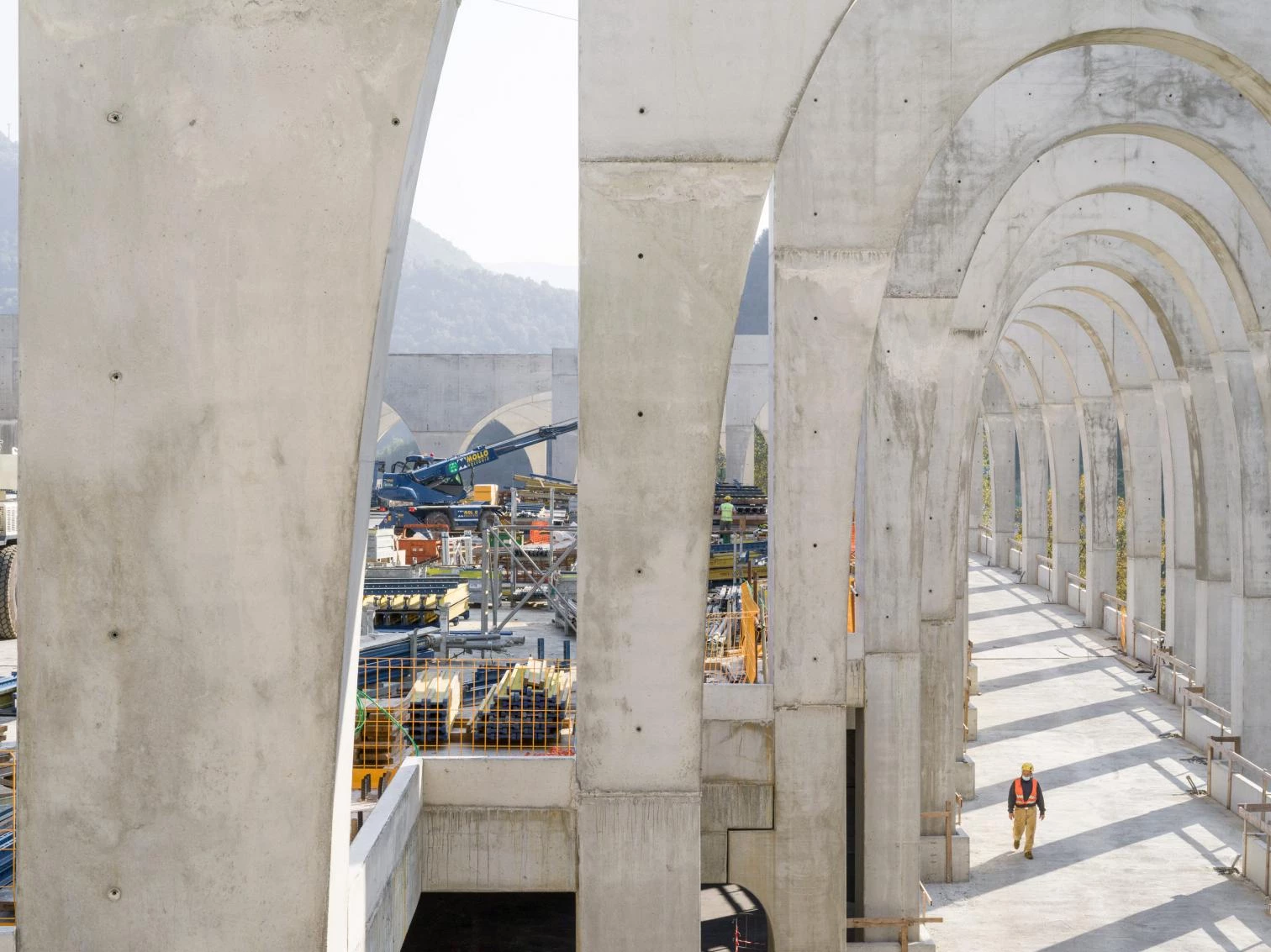
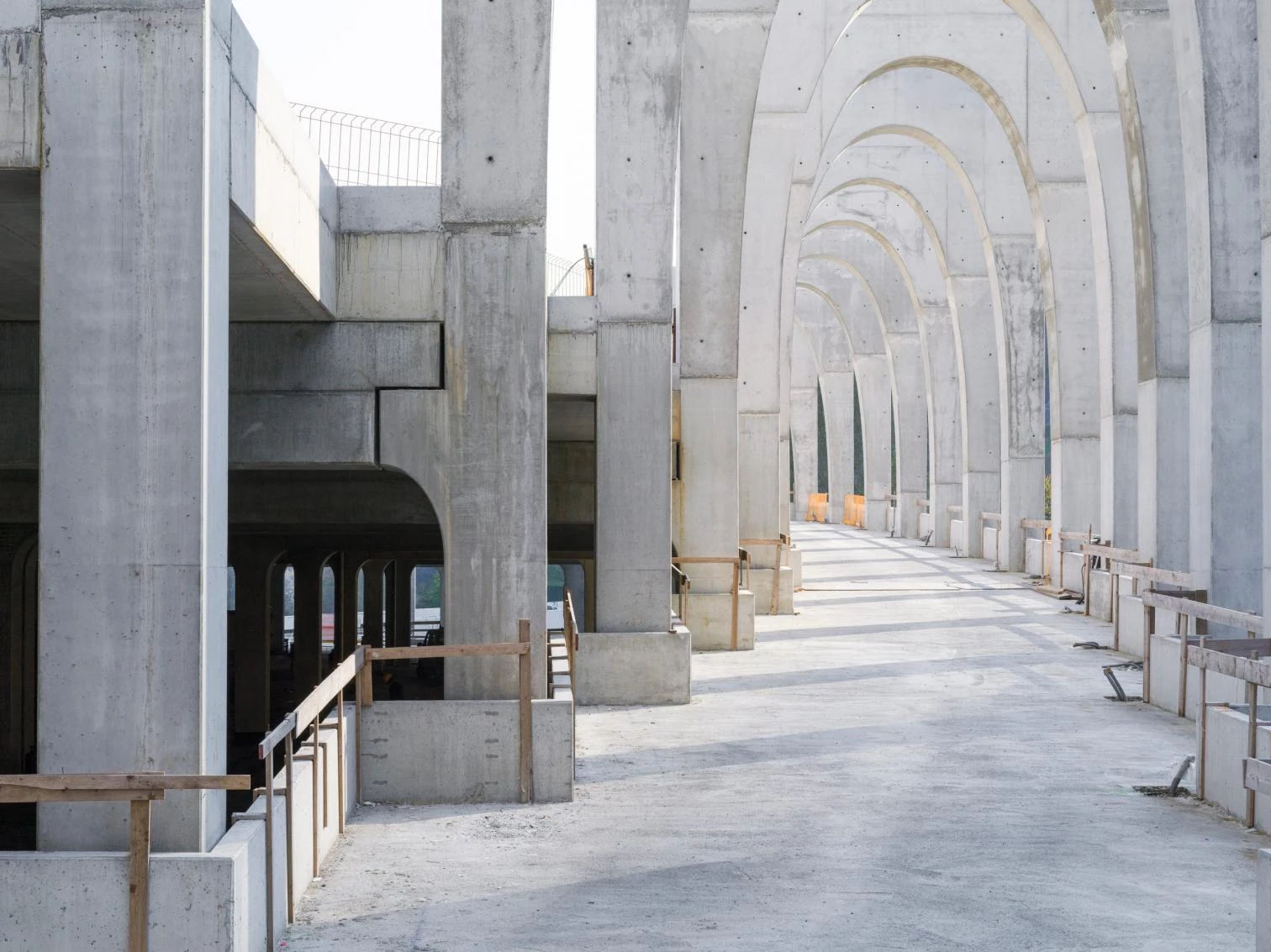



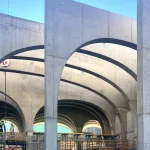
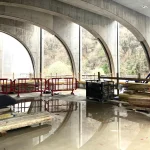
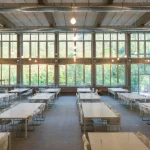
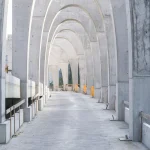
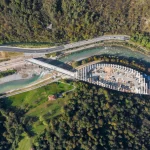

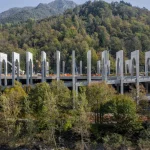

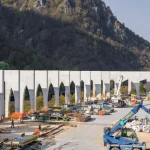
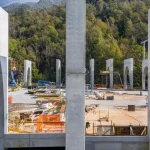
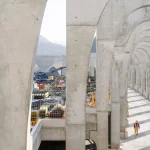

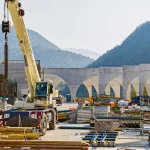
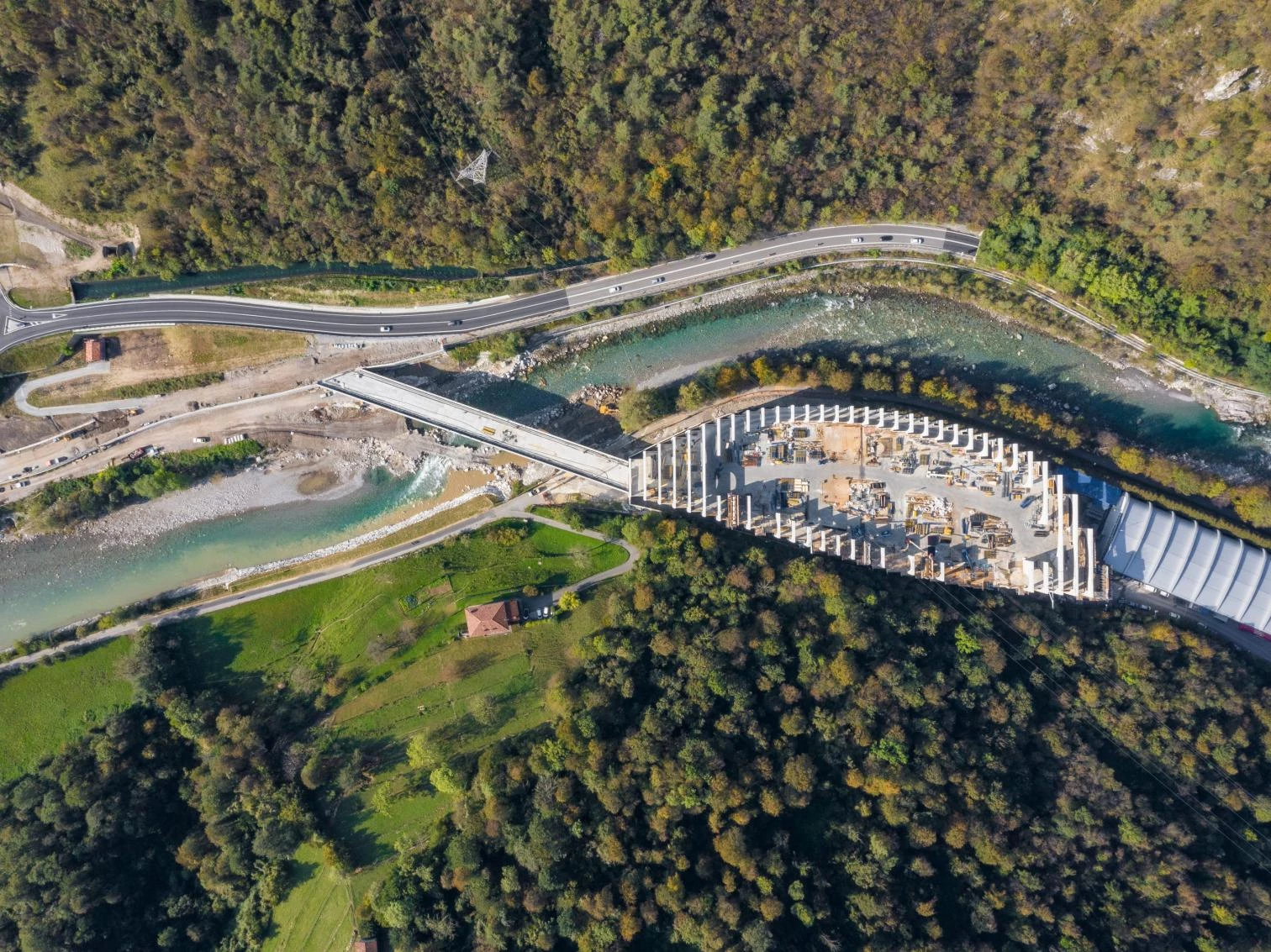
Bjarke Ingels Group (BIG) has revealed the latest construction photos of the San Pellegrino Flagship Factory, one of the most significant industrial architectural interventions of the early 21st century. Located in the Brembana Valley, Bergamo, the project represents a synthesis of historical reverence, structural innovation, and sustainable industrial planning.
Construction Milestones of 2026
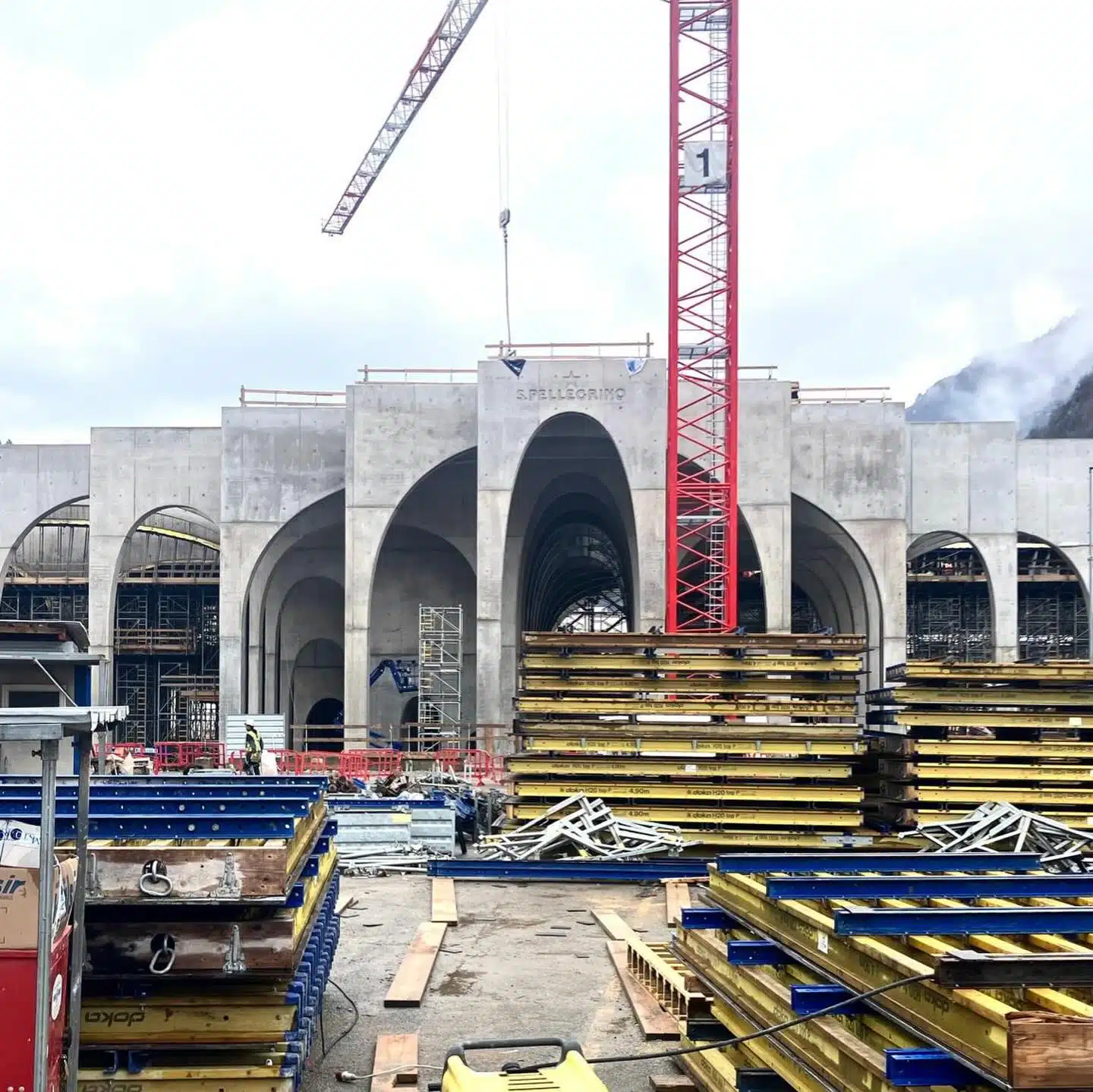
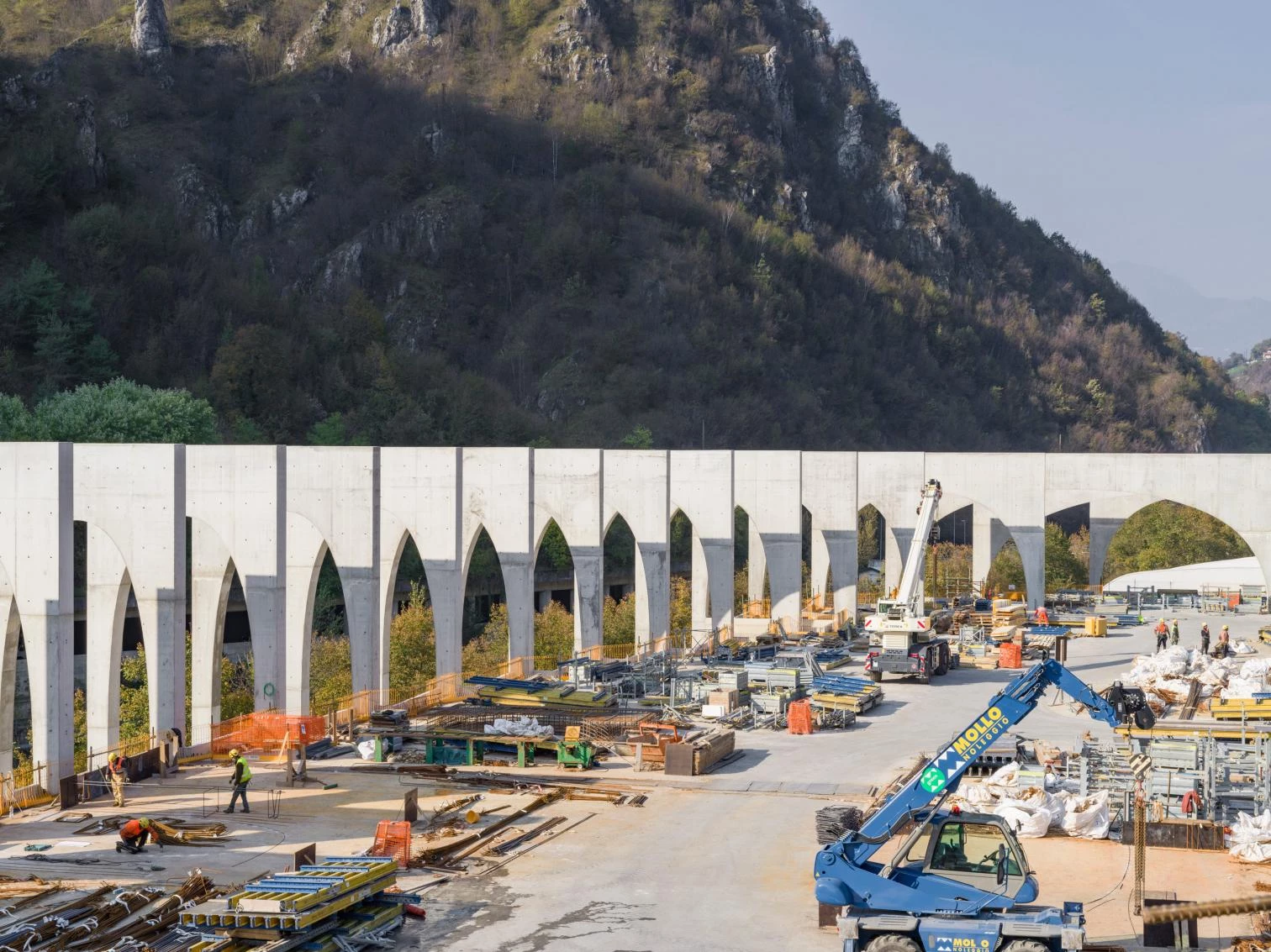
As of January 2026, the San Pellegrino Flagship Factory has entered the construction phase. In 2016, Sanpellegrino S.p.A. initiated an international design competition to select a project that would set new standards for efficiency and sustainability while conveying a compelling artistic vision. Winning the competition, Bjarke Ingels Group (BIG)’s proposed design exemplifies the thoughtful use of the existing context, utilizing the archway as a modular element repeated to create fluid continuity.
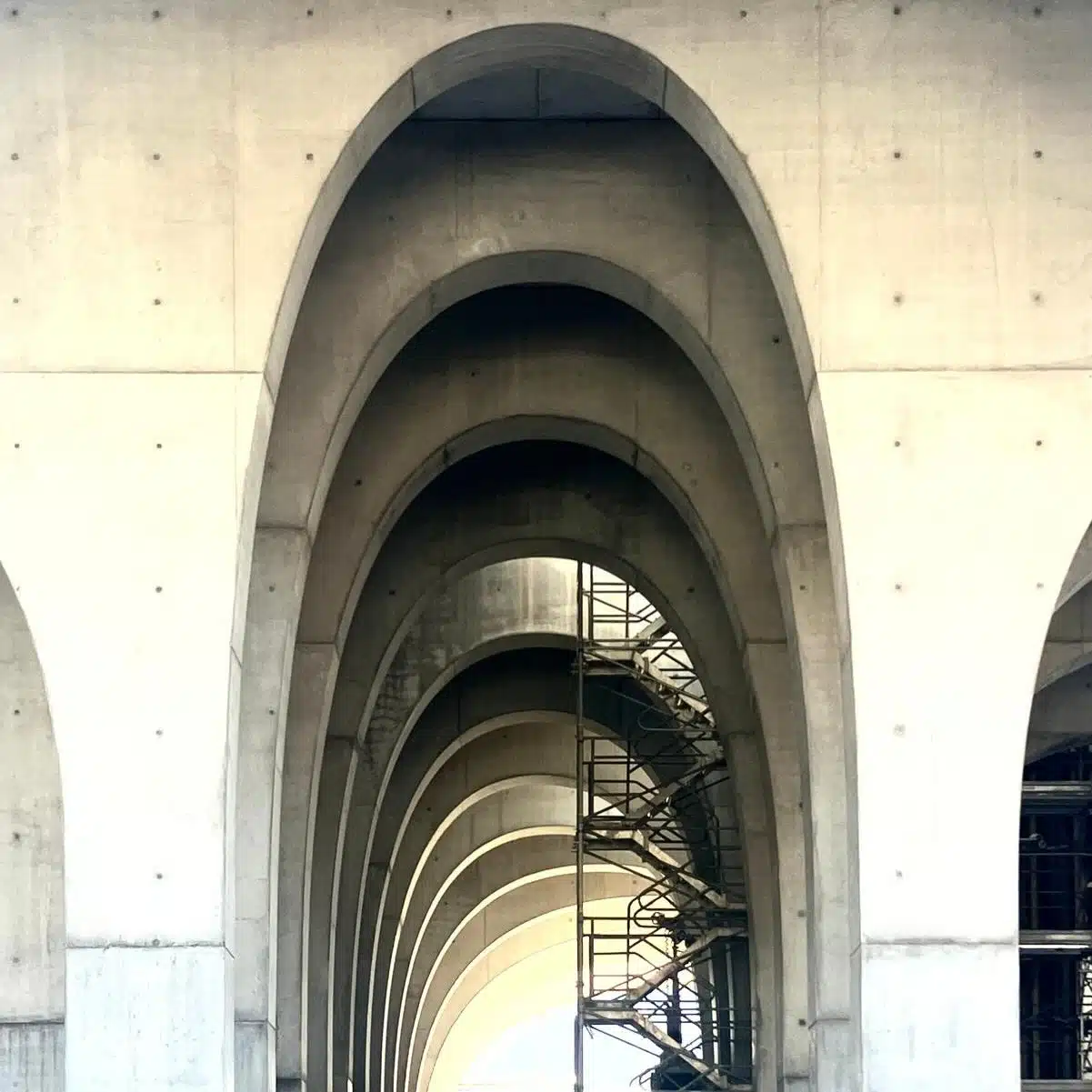
He described the vision as the aquatic equivalent of a wine cellar, where the lightness and transparency of the mineral water are reflected in the openness of the architectural vaults. The project officially began on September 27, 2017, with an initial completion target of 2022. However, due to the scale and complexity of the civil works, combined with global logistical shifts, the construction schedule was extended.
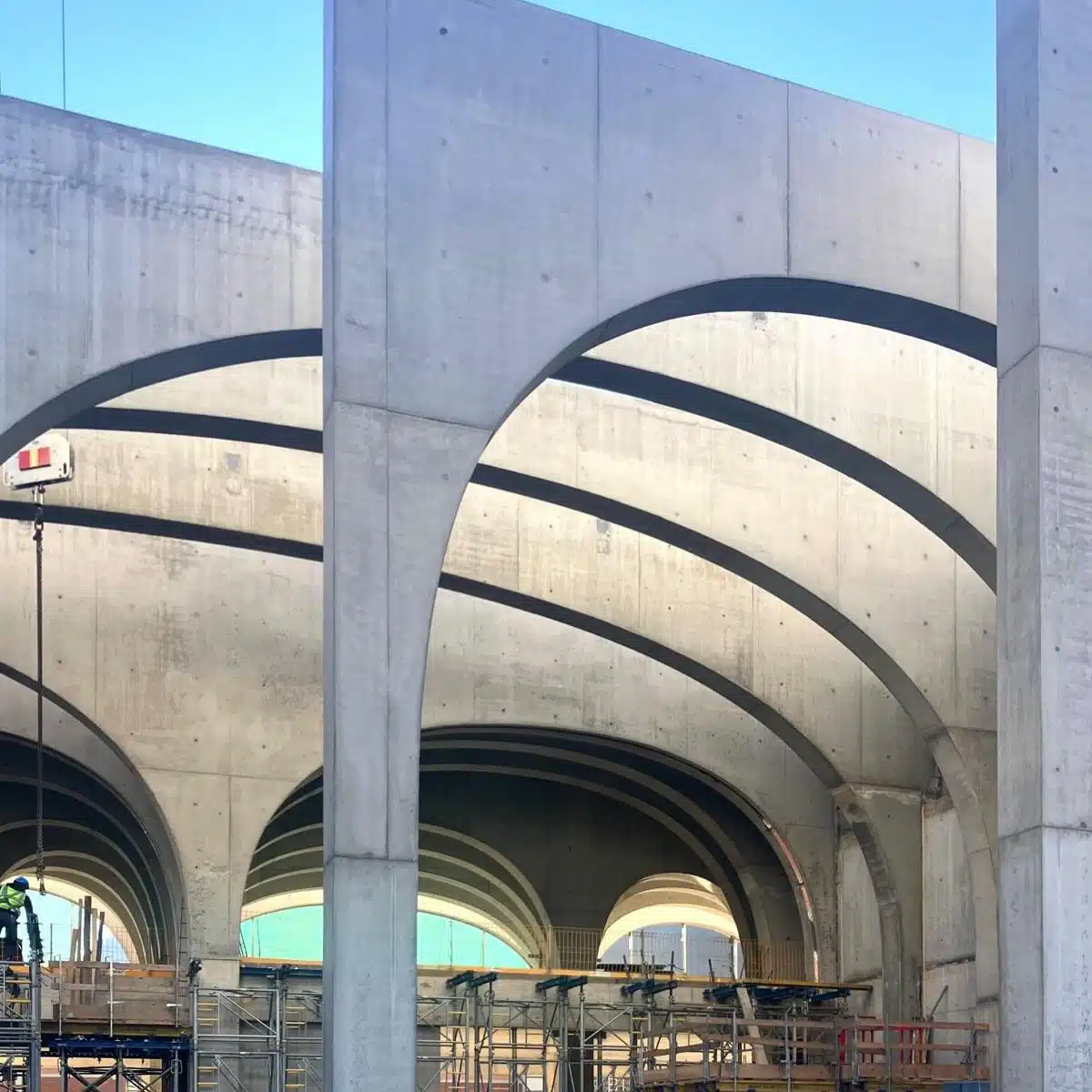
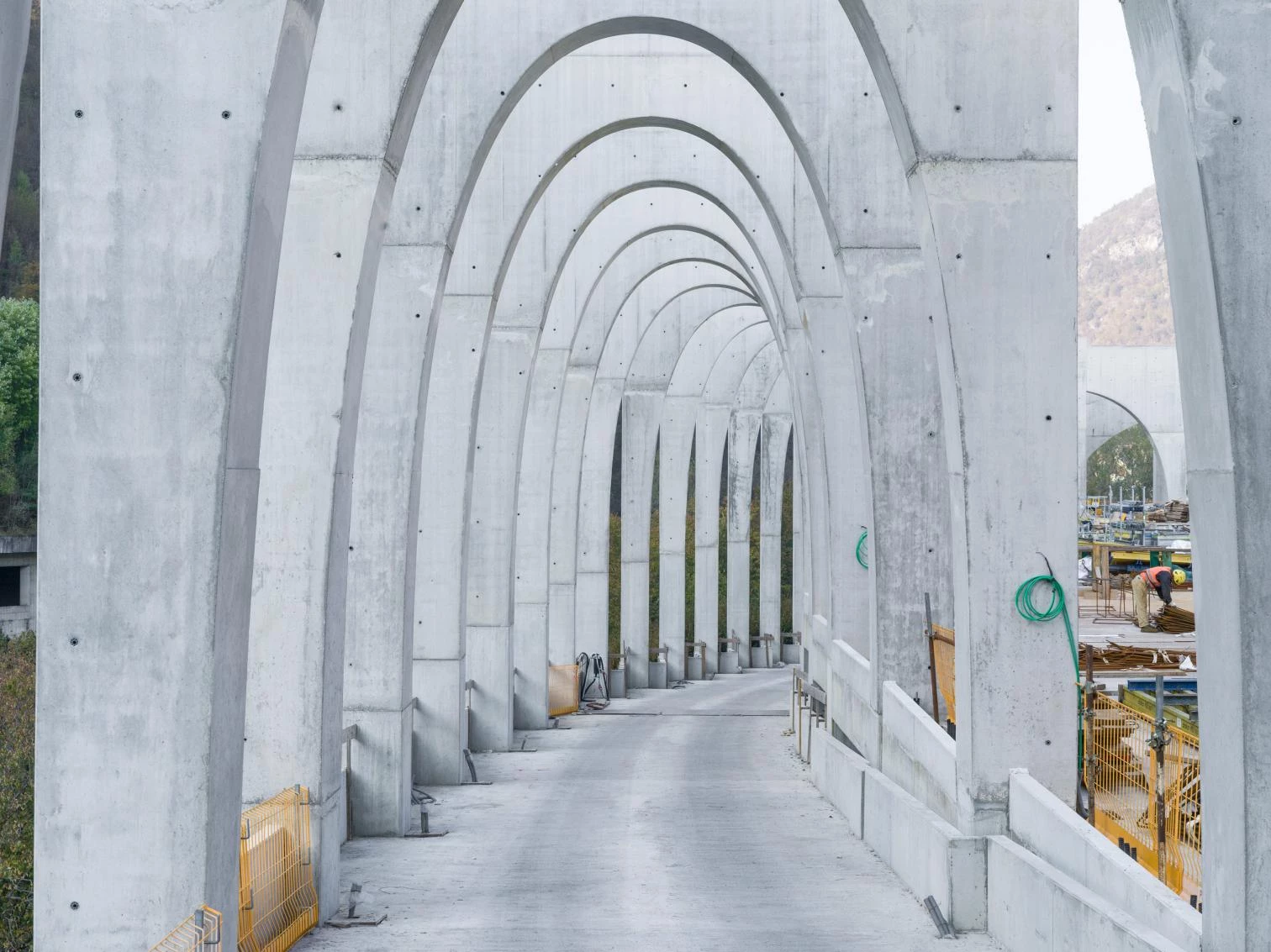
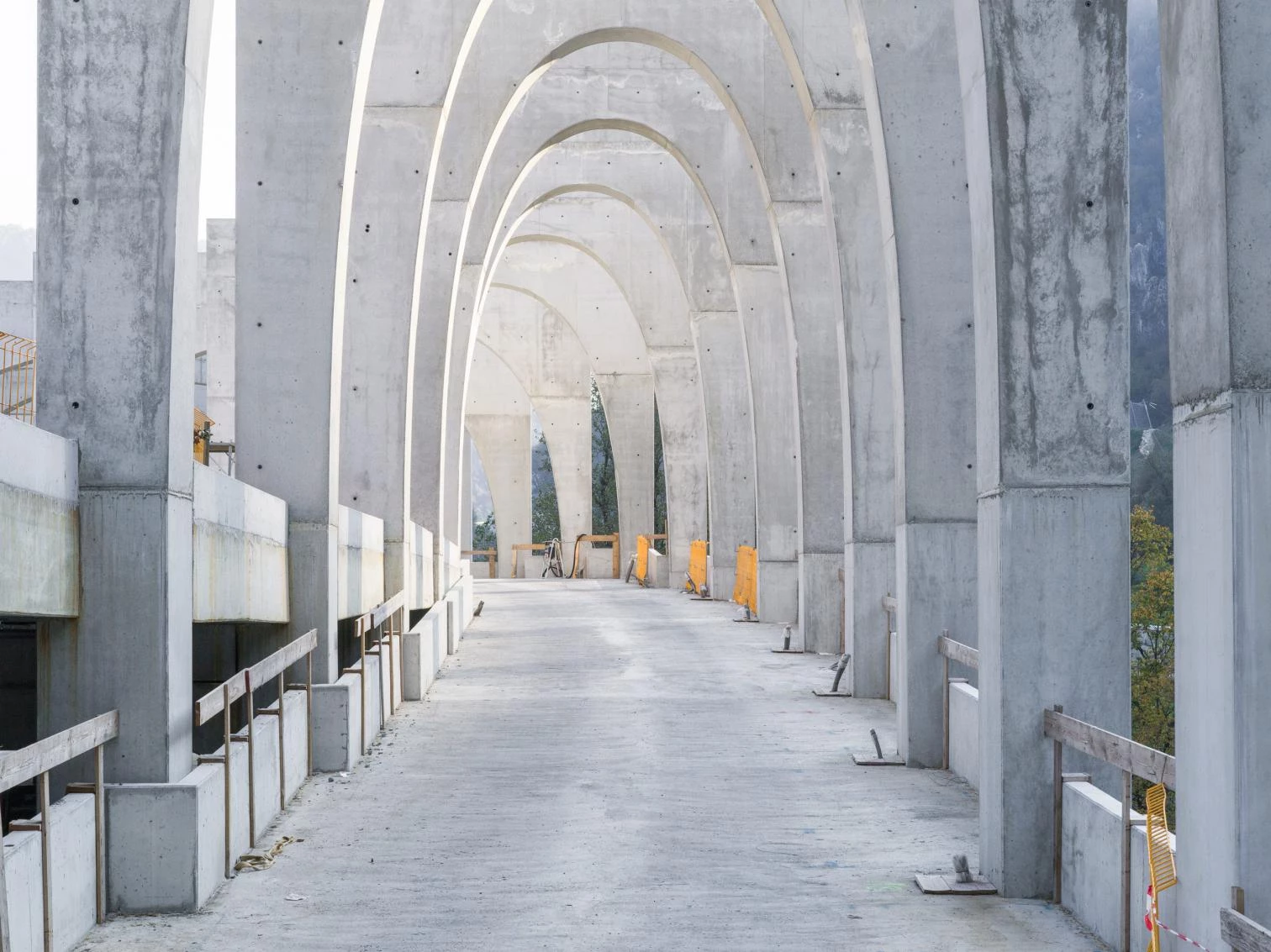
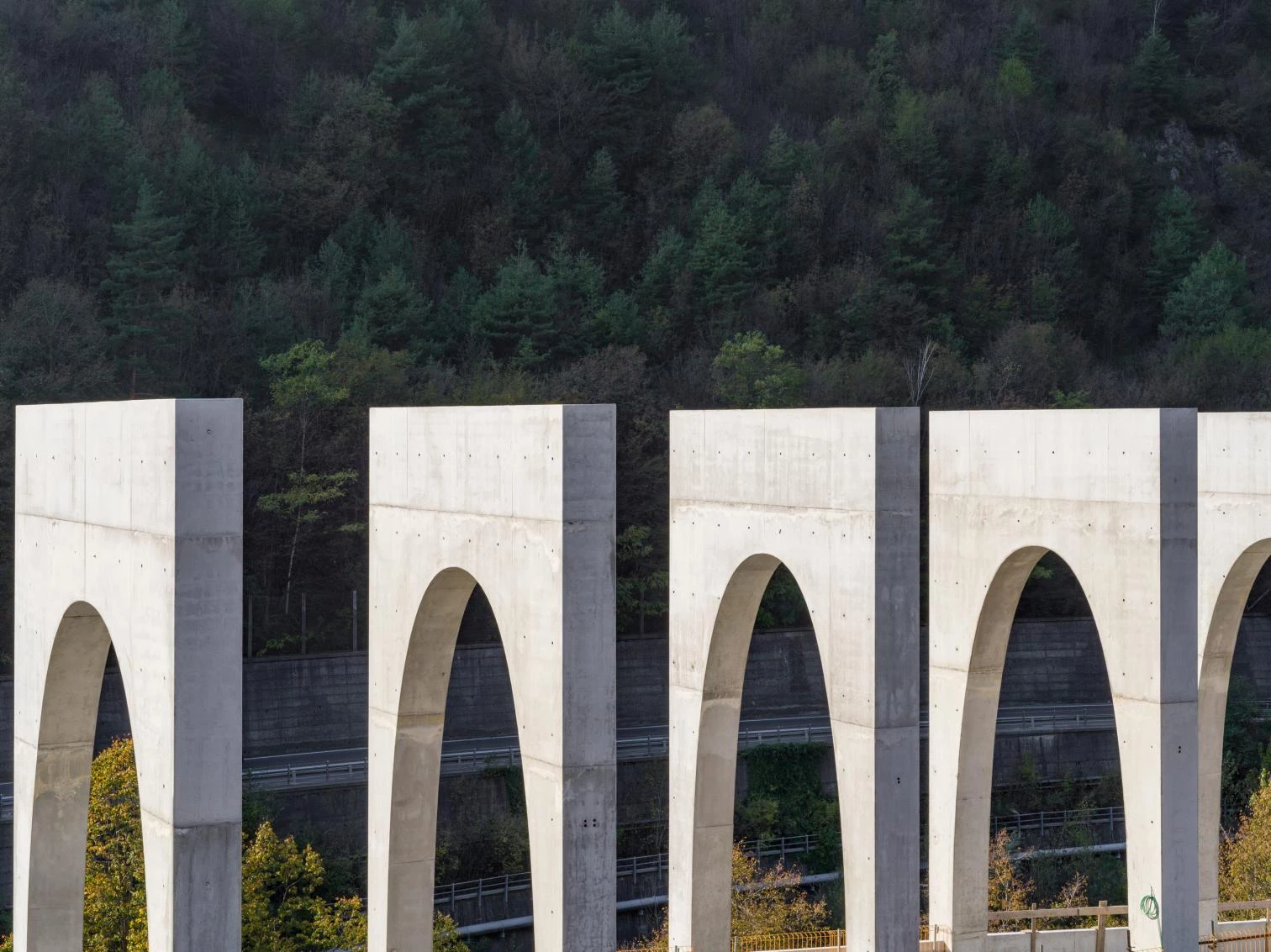
Recent site documentation from early January 2026 confirms that the project is in an advanced stage of active construction. Photographs reveal structural concrete arches that frame views of the Orobie Alps, with distinct dark bands on the arches, enhancing the rhythmic quality of the arcade.
Structural Engineering and Materiality
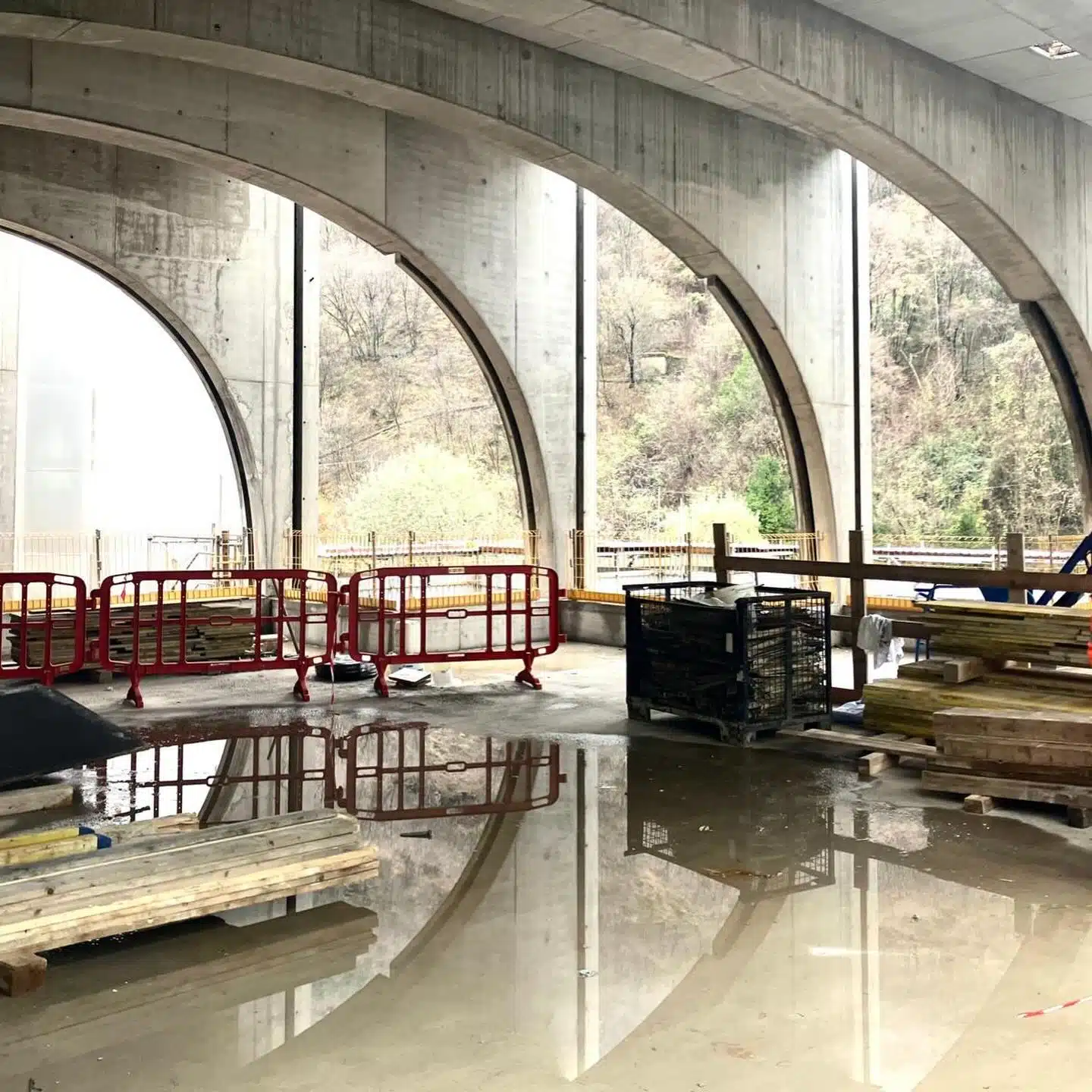
The project encompasses both new construction and adaptive reuse, covering approximately 38,000 square meters of gross floor area. Its structural identity is defined by the extensive use of layered concrete, which functions as both the load-bearing skeleton and the primary aesthetic finish.
The use of layered concrete represents an innovative technology that integrates insulation directly into the structural mass, offering a slender profile of arches without the need for additional cladding. This design approach exemplifies hedonistic sustainability, efficiently spanning large spaces while leveraging the high thermal performance of the concrete mass.
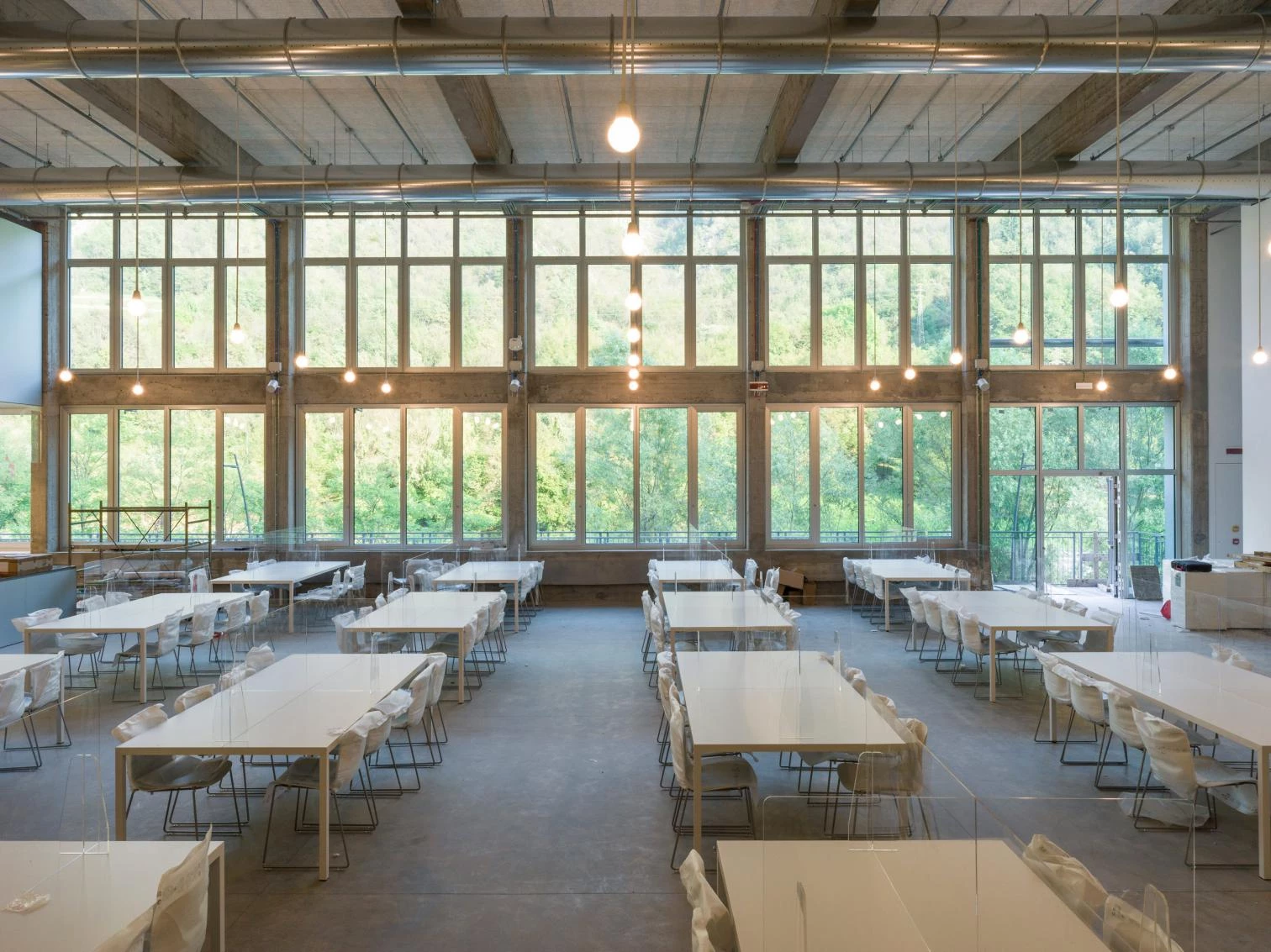
The Factory of the Future serves as an Experience Lab, transforming a functional industrial hub into a platform for exploration and guiding visitors through the scientific and historical journey of San Pellegrino water. At the center of the Experience Lab sits a giant geological biopsy, a core sample of the mountain that visualizes the 30-year journey the water takes as it filters through the rock strata to acquire its unique mineral balance.
Sustainability and Resource Management
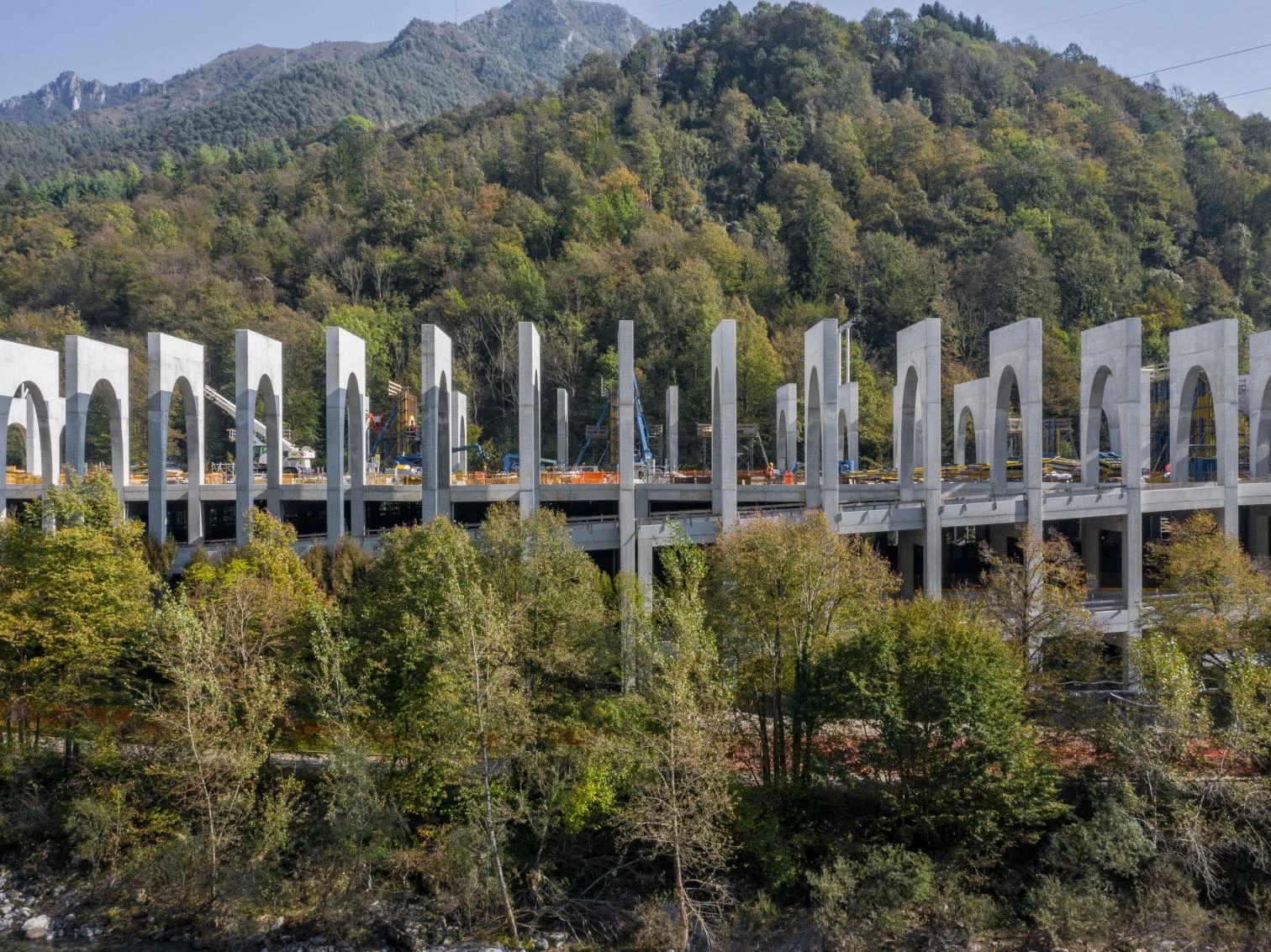
The project is designed to achieve a zero-water impact model, integrating the recovery of rainwater and process water for irrigation and building services, ensuring that every drop used in the facility is either bottled or recycled. The integration of high-efficiency energy systems, along with the installation of photovoltaic panels on the roof of the northern extension, further aligns the project with the Lombardy Region’s green manufacturing hubs. Through the repeated use of the concrete arch, BIG has created an architectural language that is both contemporary and deeply rooted in Italian architectural tradition.
Image credit: © Bjarke Ingels