

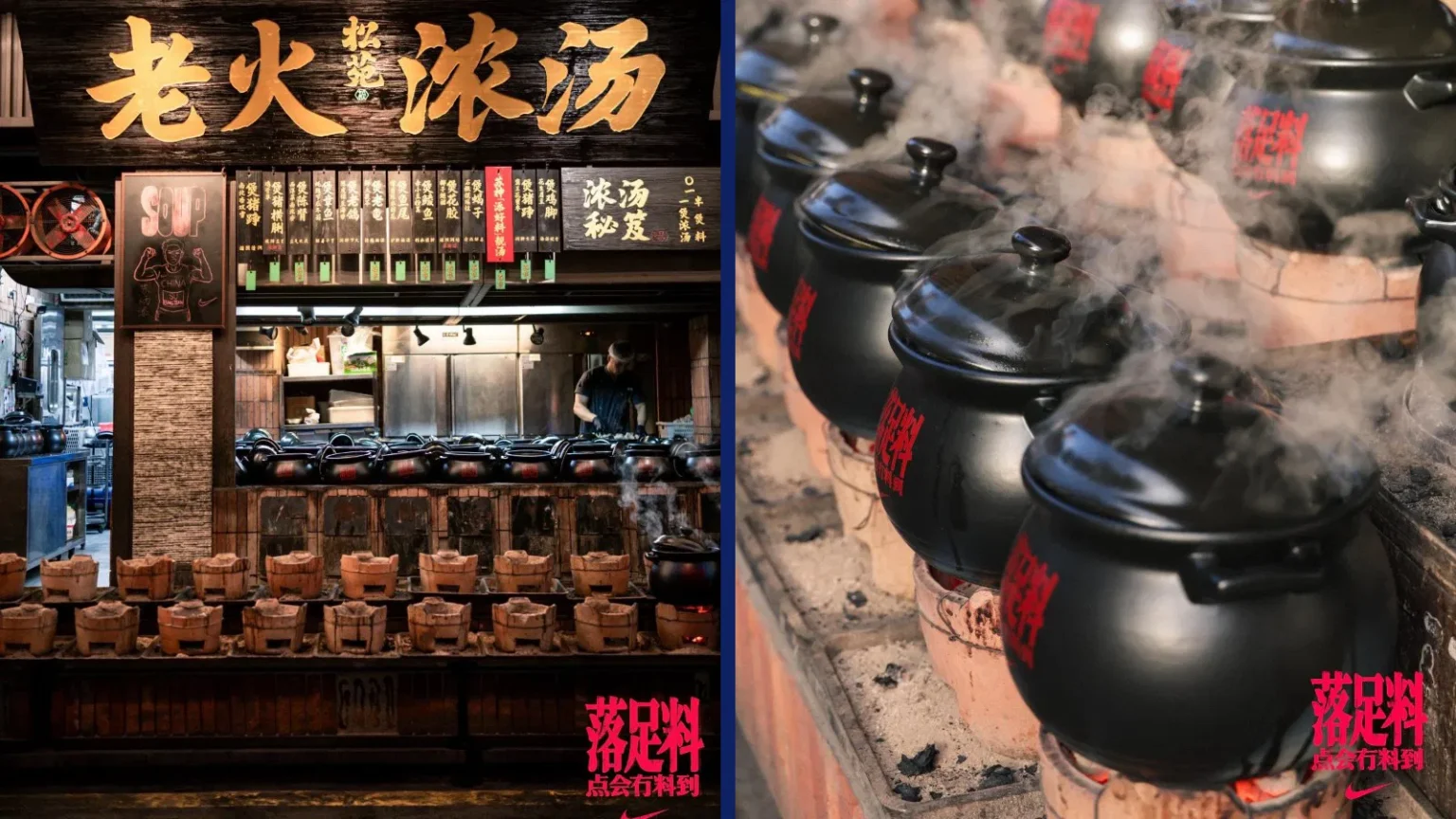
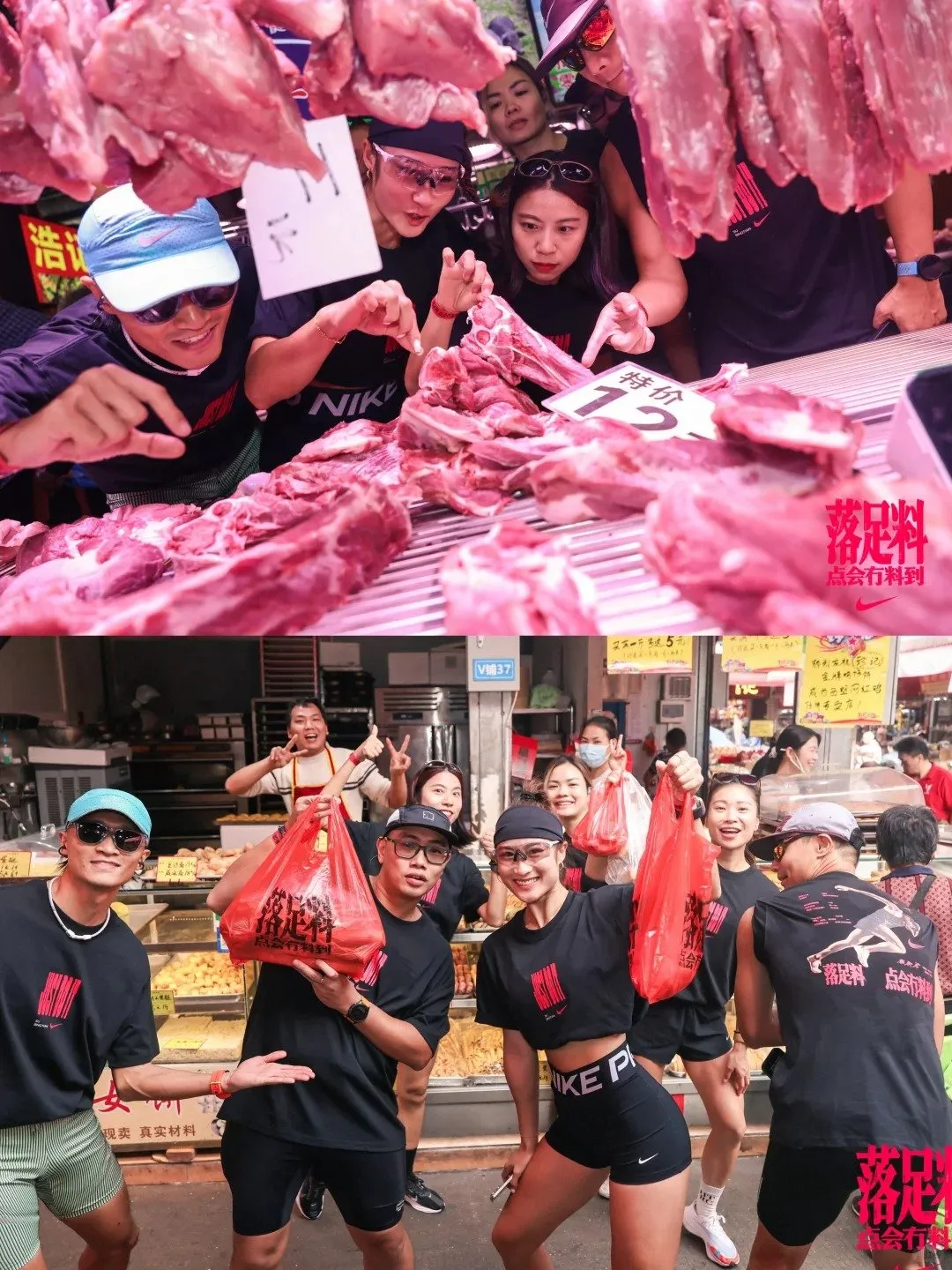
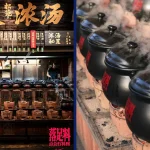

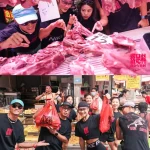
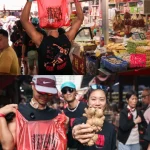
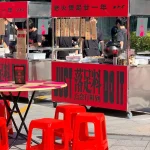
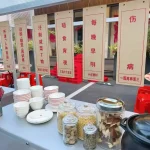
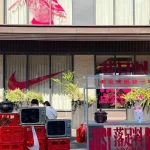
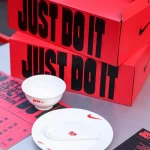
Nike’s pop-up soup stall, Cantonese Songyuan (廣式湯苑), has turned heads in Guangzhou by blending traditional Cantonese herbal soup culture with the city’s strong running community. The temporary shop sits on Ersha Island, a favorite route for local runners, and serves slow-cooked, charcoal-heated soups designed to help athletes refuel and recover.
Nike Soup Shop
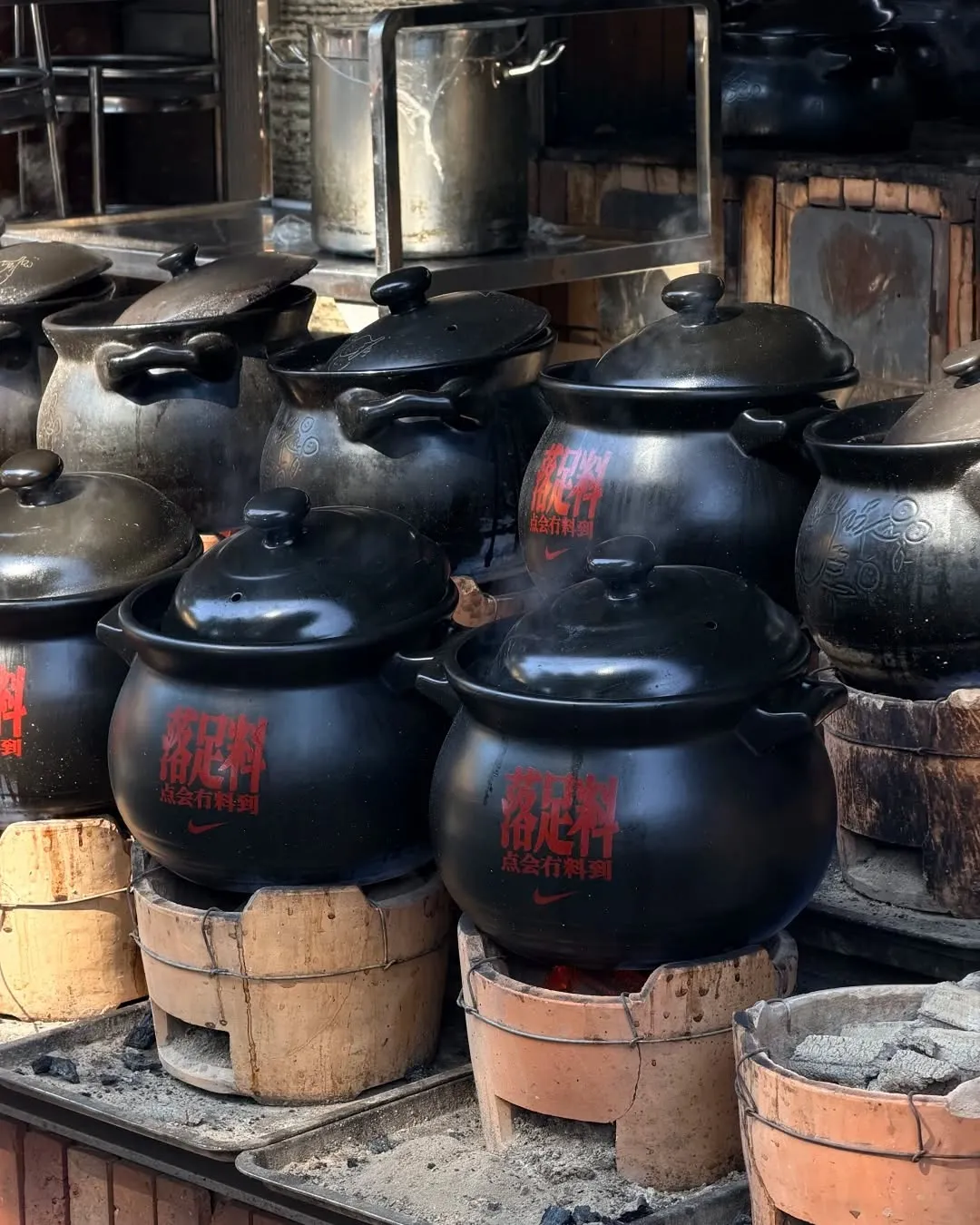
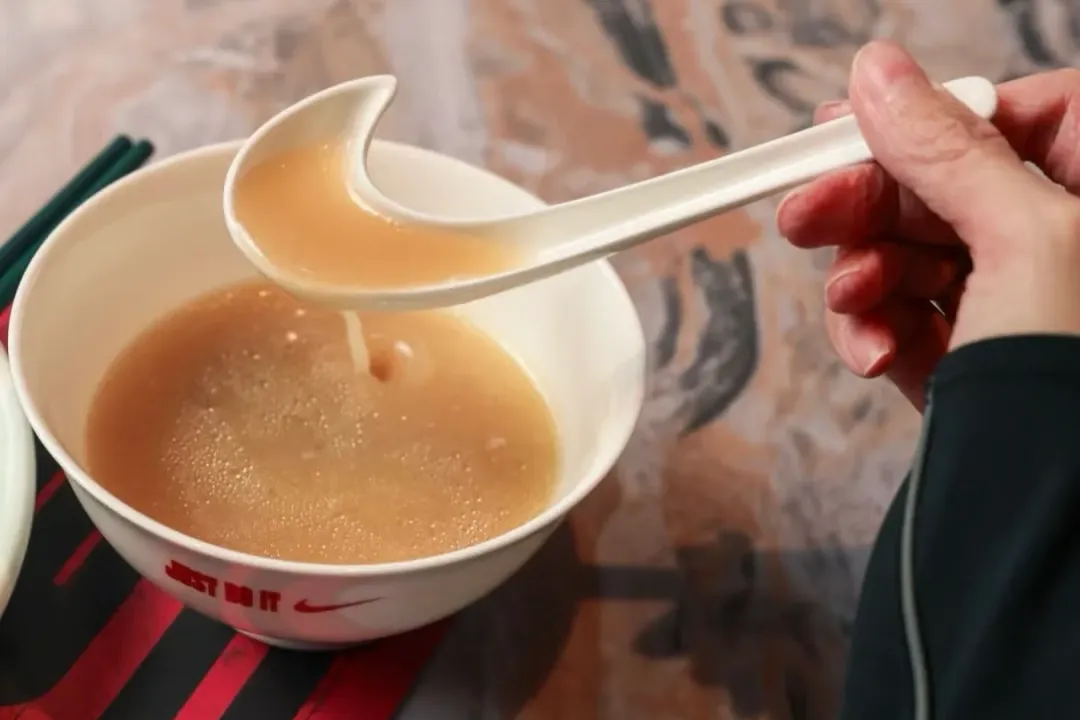
Rather than unveiling another sneaker or hype-driven product, Nike chose to open a humble soup stall called Cantonese Songyuan (廣式湯苑) on Ersha Island, a well-known haunt for local runners. The concept is simple but powerful. After a run, you can grab a bowl of hot herbal soup to replenish energy and soothe your body.
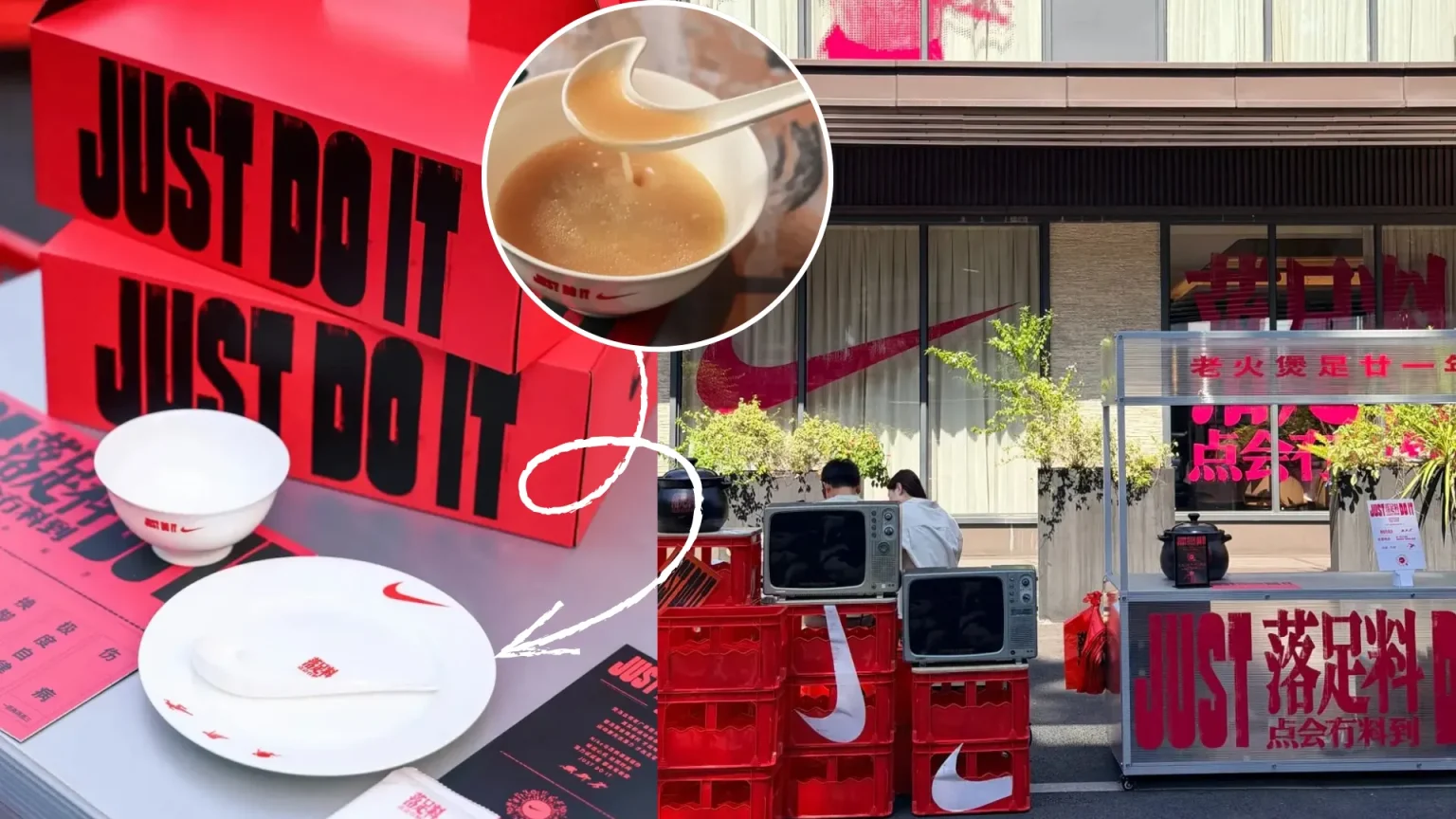
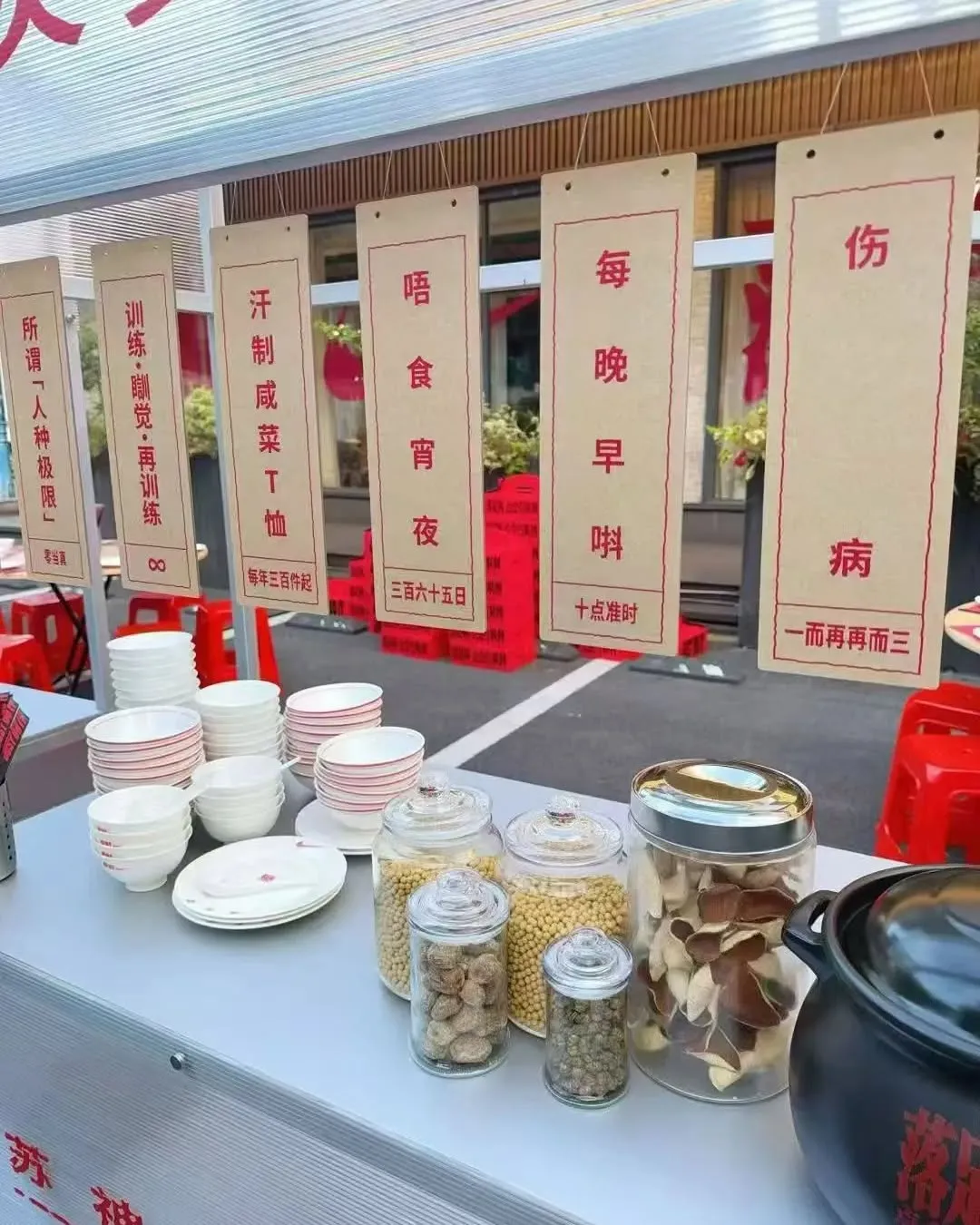
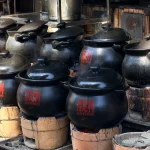
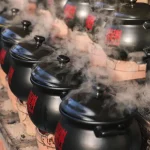
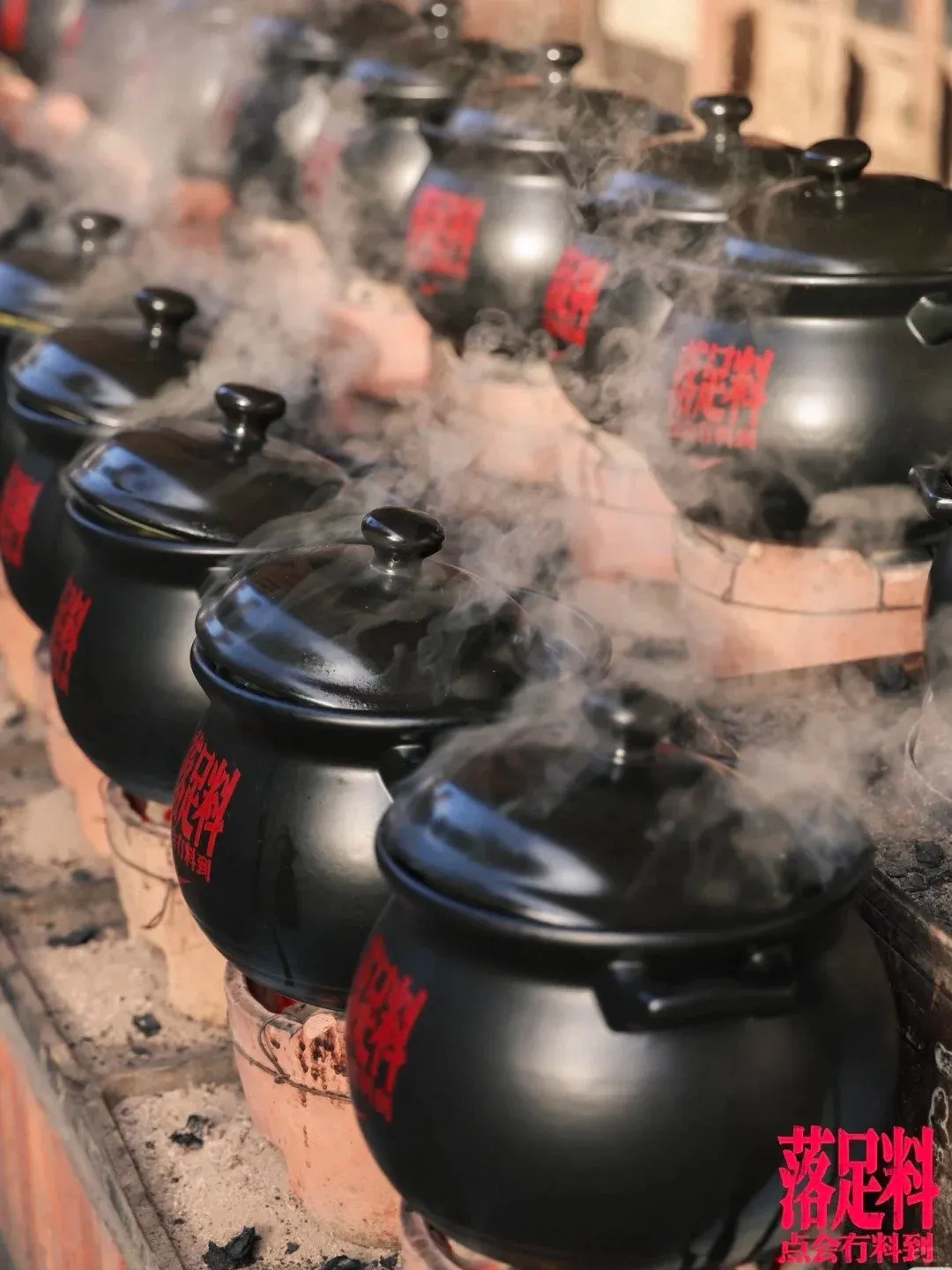
The soup is authentic Cantonese, slow-cooked with traditional ingredients like dried tangerine peel, bitter melon, dates, and pork ribs, and is served in clay pots above charcoal burners, creating a sensory experience that is more than just a brand activation.
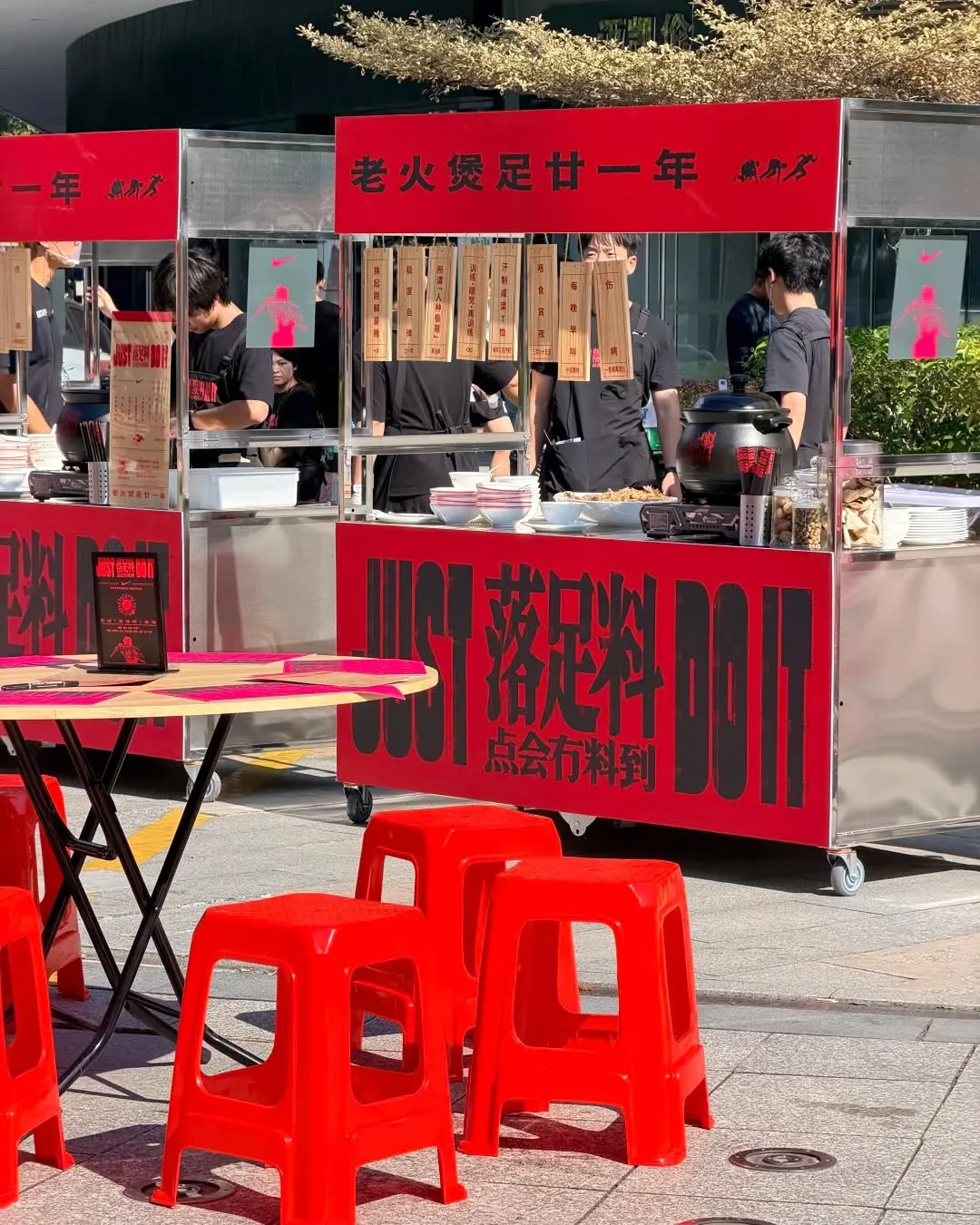
Melding Local Culture with Athletic Spirit
The pop-up food is a clever exercise in cultural storytelling. The tagline “落足料 点会冇料到,” roughly meaning “if you give your all, you’ll be rewarded,” ties together the notion of putting in effort, whether in training or in simmering a rich soup. Partnering with Guangzhou’s own Olympic sprinter Su Bingtian builds a genuine emotional connection. This is a remote celebrity endorsement, hometown pride, performance, and tradition wrapped together.
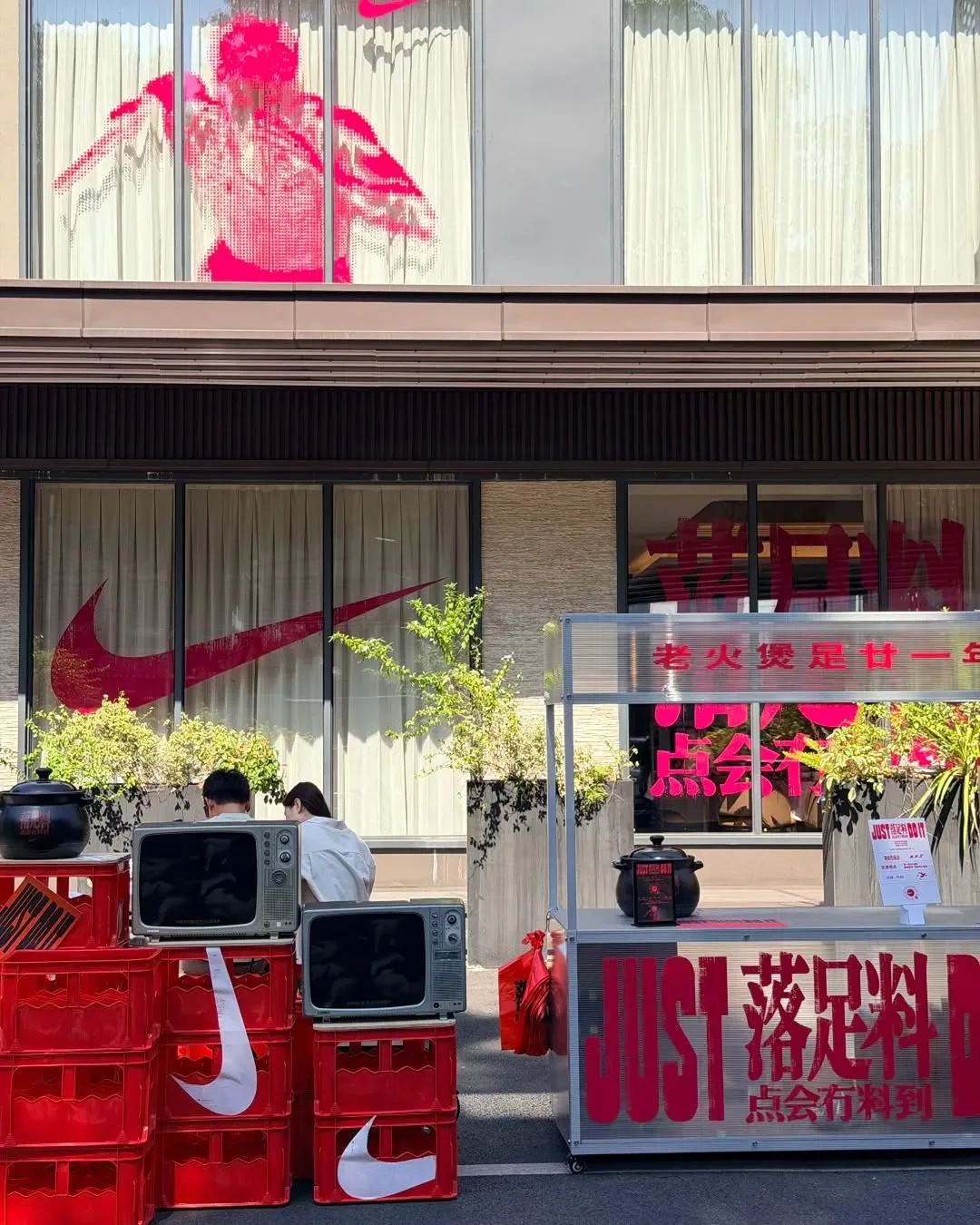
A Strategy for Gen Z Engagement
Nike’s soup shop resonates particularly with younger, experience-oriented consumers. As RADII observes, Gen Z in China craves authenticity, cultural relevance, and “postable” moments. Instead of shouting “buy our shoes,” it chose to embed itself in a ritual, the after-run recovery. The steam, the clay pots, and the branded spoon all become part of an experiential story. This kind of activation generates organic engagement.
Brand and Visual Design That Feels Local
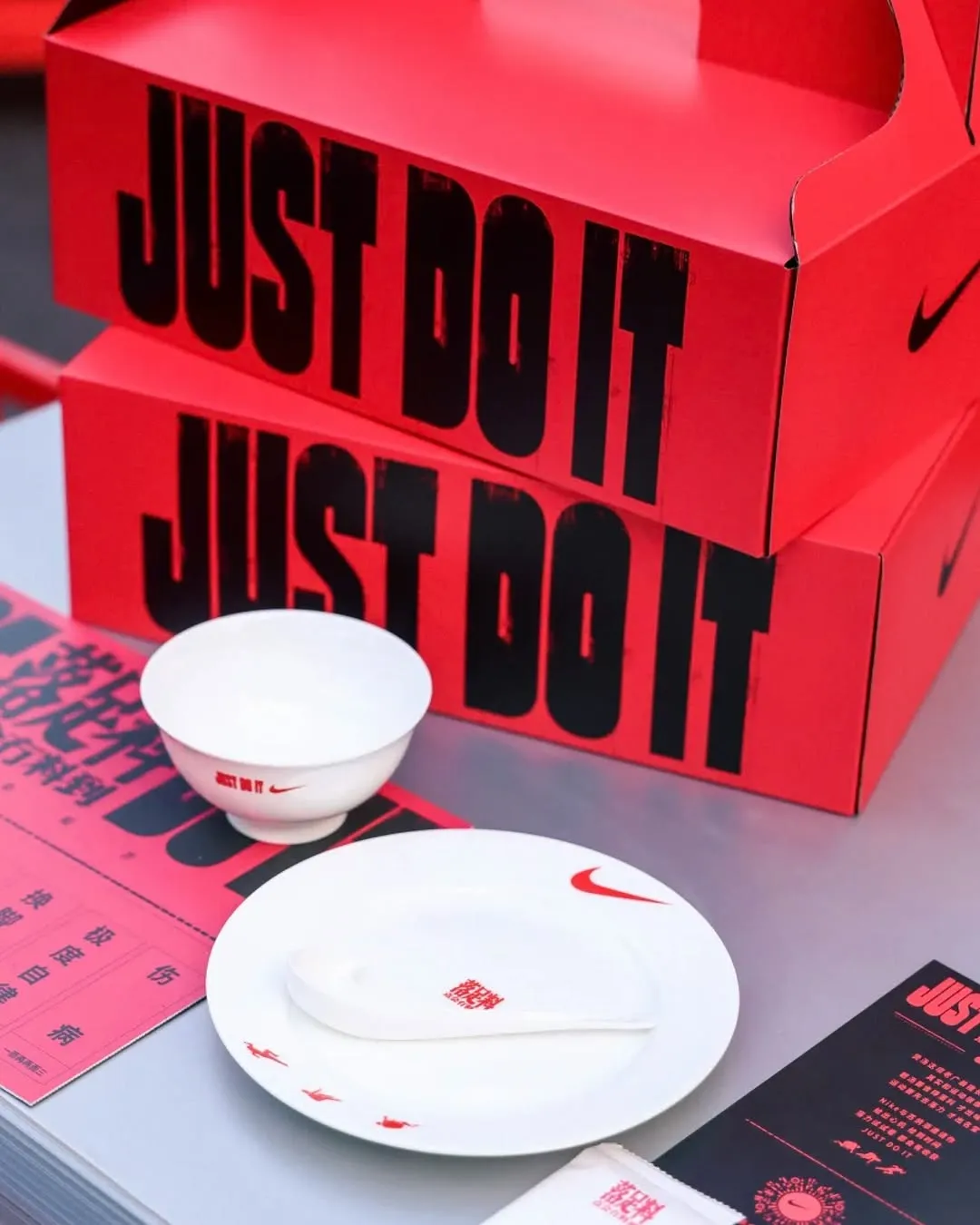
Visually, the shop is an elegant marriage of Nike’s bold design language and traditional Cantonese aesthetics. Matte-black clay pots, red typography, and Nike-branded elements (like soup spoons and “Just Do It”-style boxes) all converge to create a space that feels both familiar and novel. The repetition of clay pots over burners evokes the discipline and rhythm of athletic training. Steam rising from each pot becomes a metaphor for recovery and release.
Mechanics of the Campaign: Participation & Reward
Nike is asking people to walk, incentivizing participation. Runners who complete at least a 3 km run between November 15 and 23 can present proof (a screenshot) to get a free bowl of soup, capped at 50 servings daily. For those more ambitious, running 9.83 km grants access to a customization workshop and a lottery, a clever way to deepen engagement with the brand.
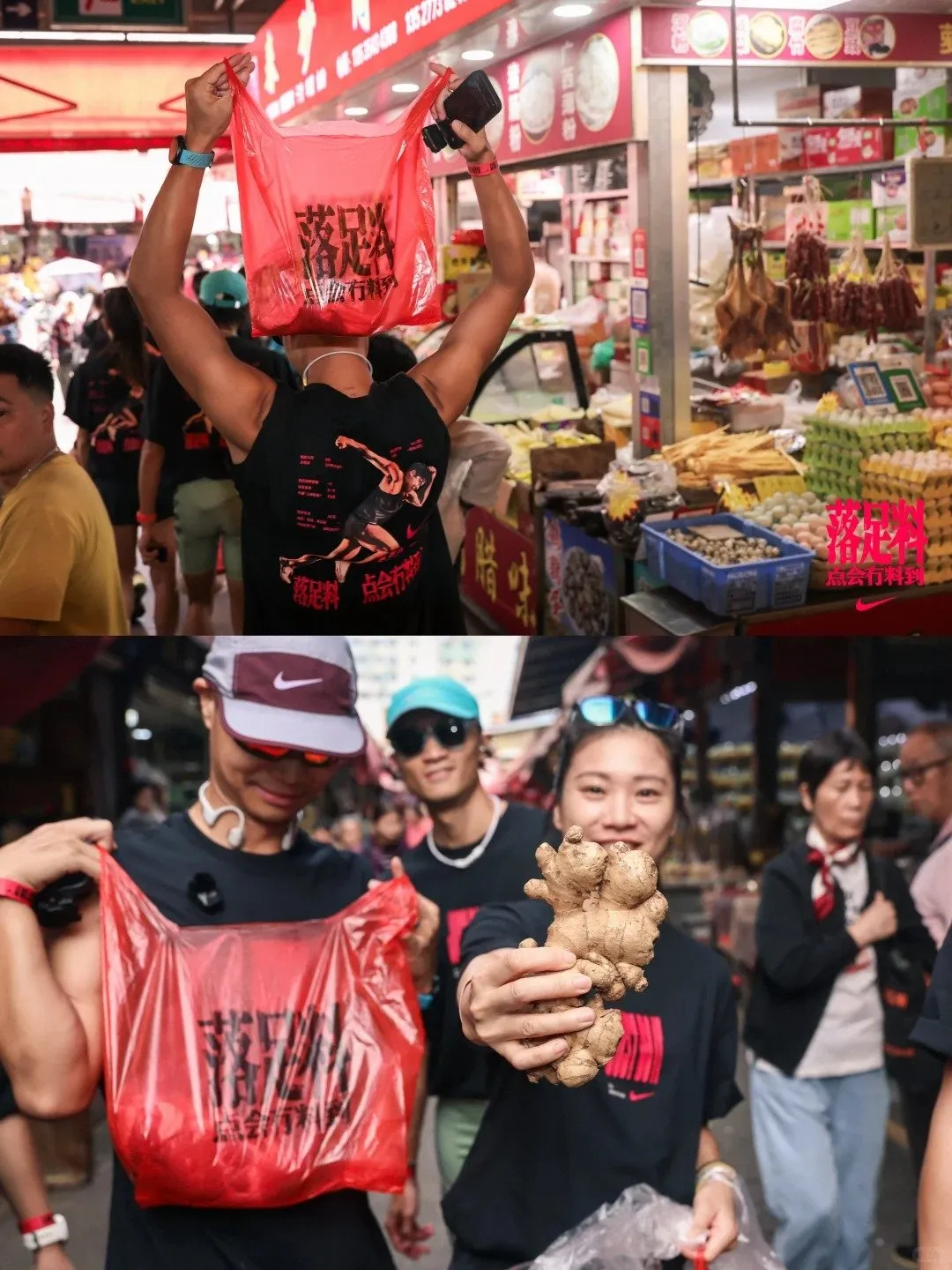
At first glance, a soup pop-up by a sportswear brand might feel like a quirky gimmick. But dig deeper, and it’s a strategic masterstroke. Nike is tapping into the wellness ritual of herbal Cantonese soups, a form of food-as-medicine deeply embedded in southern Chinese culture. By doing so, Nike is redefining recovery as a physiological process and a cultural moment.
Positioning Nike for the Future
This campaign reflects Nike’s broader localization strategy in China, especially in how it reaches younger consumers. Instead of relying solely on product releases or global imagery, Nike is embedding itself in everyday rituals.
It’s also aligned with a global shift; recovery matters just as much as training. For Nike, stepping into the world of food and wellness is an expansion of how the brand supports athletes through community, comfort, and care.
Nike’s Guangzhou soup shop is a culturally fluent brand moment that bridges sport, tradition, and community. By fusing Cantonese herbal soup culture with athletic recovery, Nike is selling a message, creating an experience.
Image credit: Xiaohongshu