

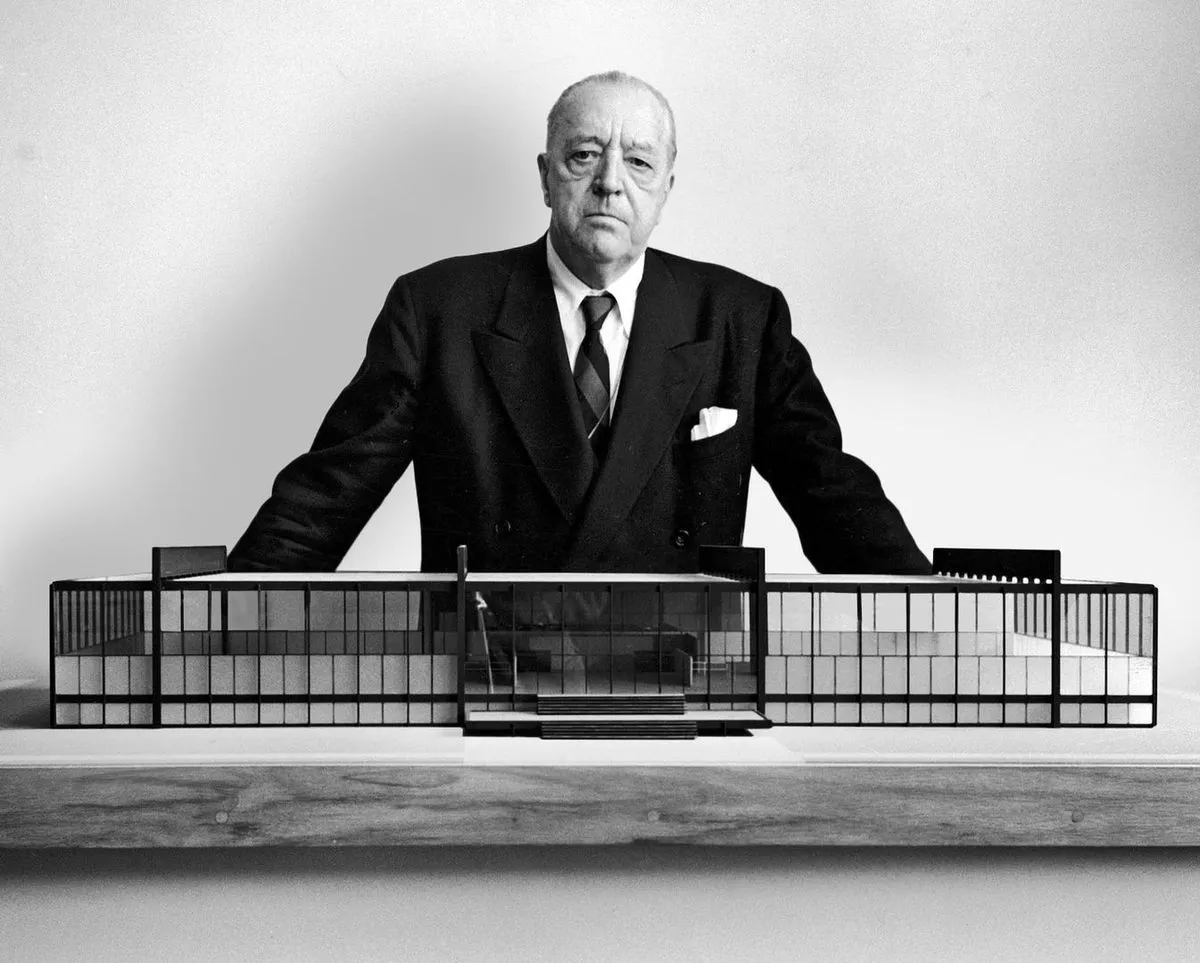























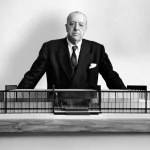
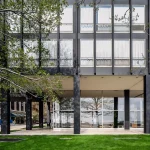
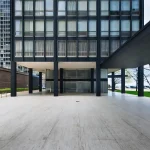
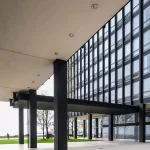




























Ludwig Mies van der Rohe, one of the most influential architects of the 20th century, continues to shape the way the world perceives modern design. Renowned for coining the timeless phrase ‘Less is More,’ Mies redefines modern architecture through his designs, showcasing simplicity and elegant modern designs.
His works are composed of pure lines, open spaces, and honest materials that embody a rare elegance where simplicity overshadows ornamentation. Beyond the realms of steel and glass, Mies’s legacy endures as a reminder that restraint can be the most powerful expression of design.
Ludwig Mies van der Rohe’s Design Philosophy and Early Life
Ludwig Mies van der Rohe was born on March 27th, 1886, in Aachen (Germany). Upon completion of his education, he worked with his father (Master Mason), who laid the foundation for his understanding of construction techniques. He later moved to Berlin, where he joined the office of the renowned architect Peter Behrens, which helped shape his design principles. The Bauhaus movement emphasized the union of art, craft, and technology, which Mies embraced throughout his career.
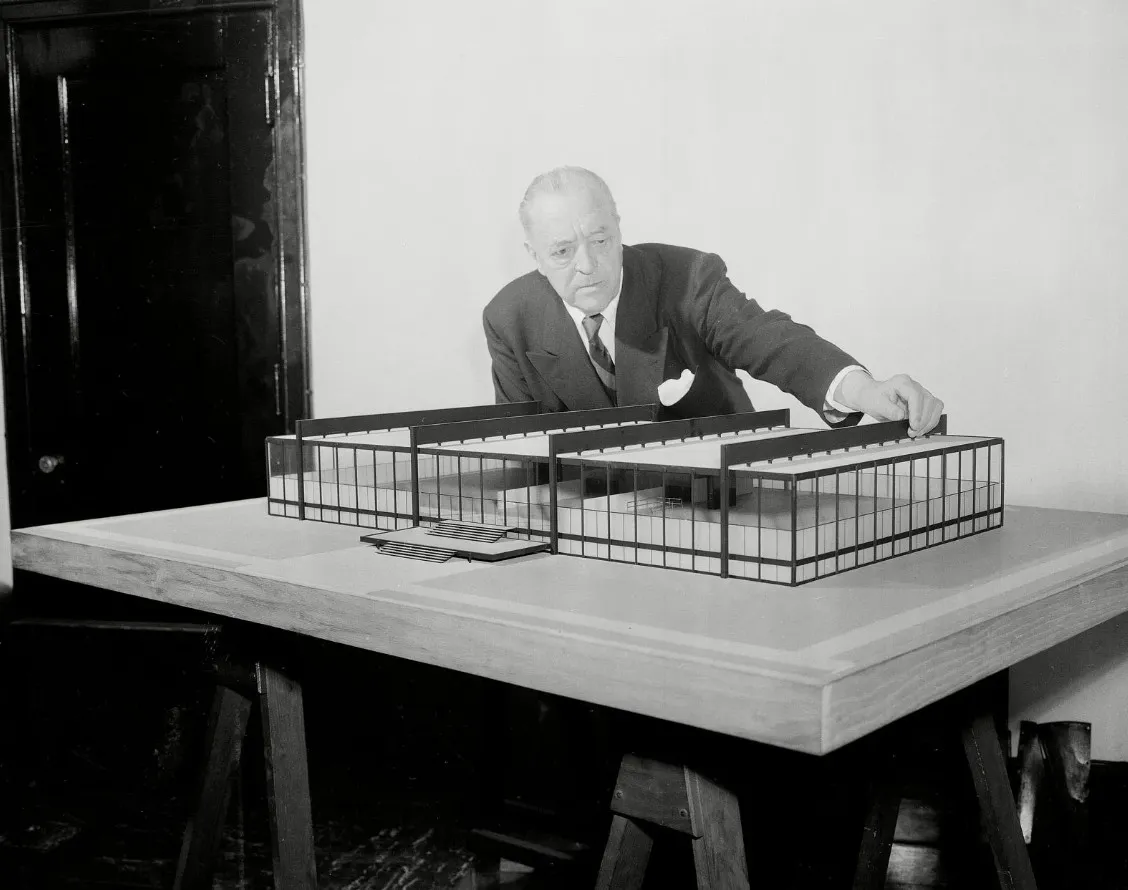
Mies van der Rohe’s iconic philosophy, “Less is More,” continues to define the essence of modern architecture. He believed in the importance of eliminating unnecessary ornamentation, and his works celebrate simplicity and purpose, with every line and material holding a purpose.
Rejecting unnecessary ornamentation, Mies embraced restraint and clarity, creating spaces that speak through proportion, light, and structure. His belief in the honesty of materials and construction became his signature style, which is revealing rather than concealing. Mies has transformed the simplicity of architecture and design into a timeless language of elegance.
1. Seagram Building, United States
Location: New York City, United States
Typology: Office
Completed: 1958
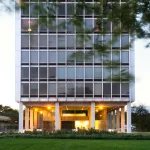
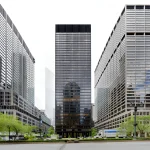
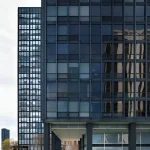
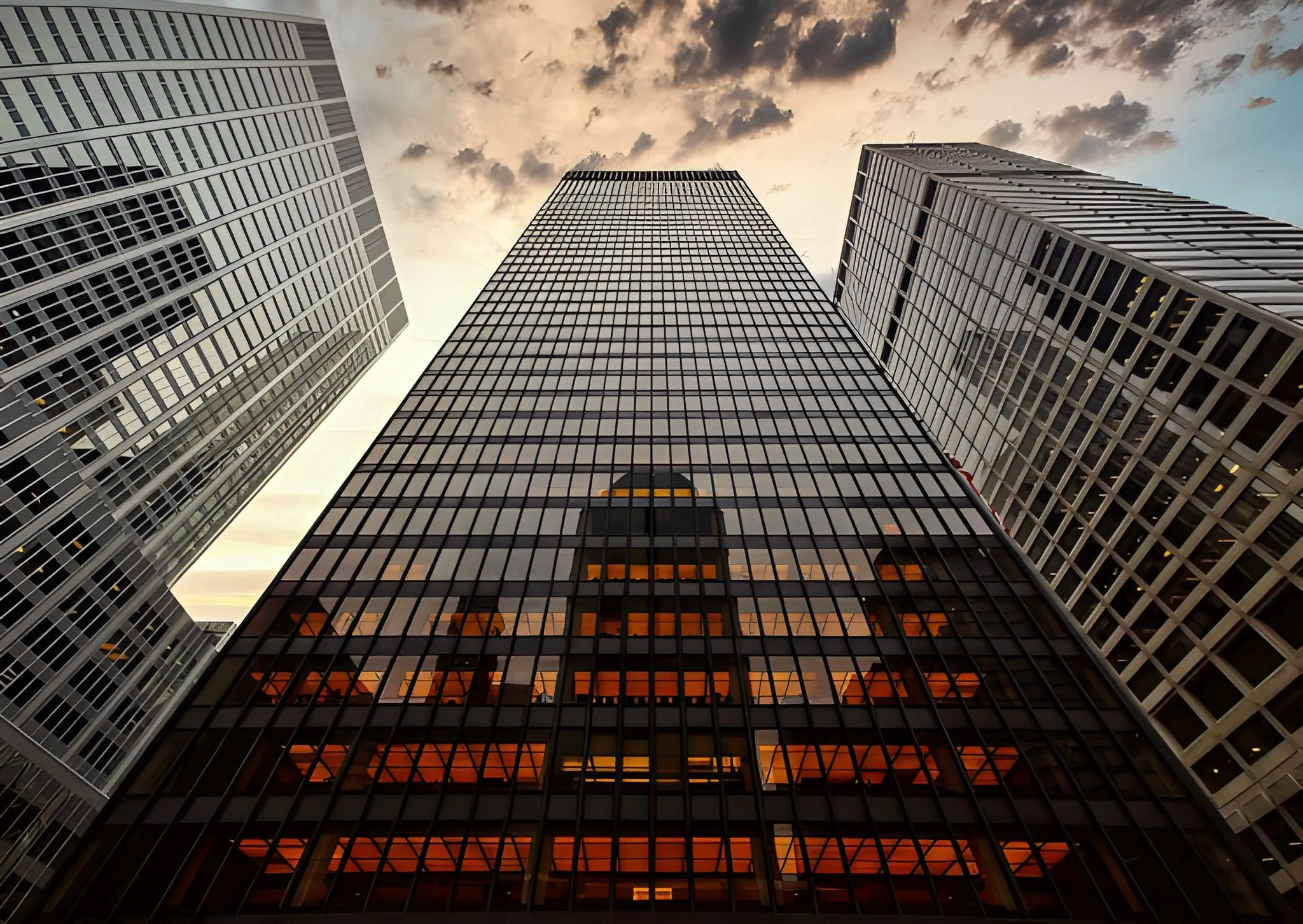
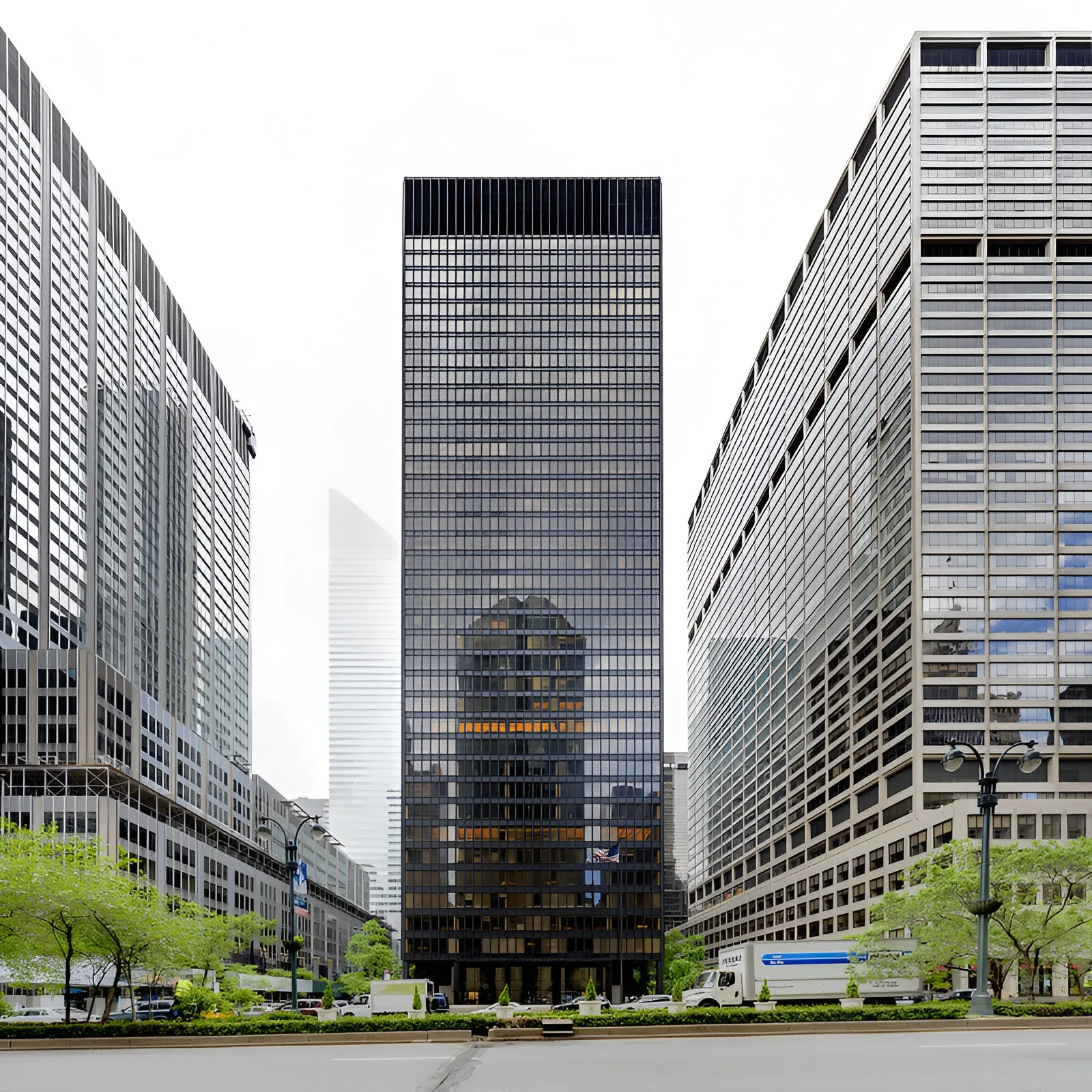
The Seagram Building, designed by the visionary architect Ludwig Mies van der Rohe, was completed in 1958. Situated at 375 Park Avenue in Midtown Manhattan, it stands as a timeless testament to modern architecture’s quiet power. The office architecture is celebrated for its minimalist, elegant design, with functionalistic aesthetics.
This shimmering glass tower redefined what a skyscraper could be, a simple, honest, and deeply human in its restraint. The characteristic sleek glass façade skyscraper, rising to 515 feet high, is composed of 38 stories, which harmonizes with New York City’s skyline.
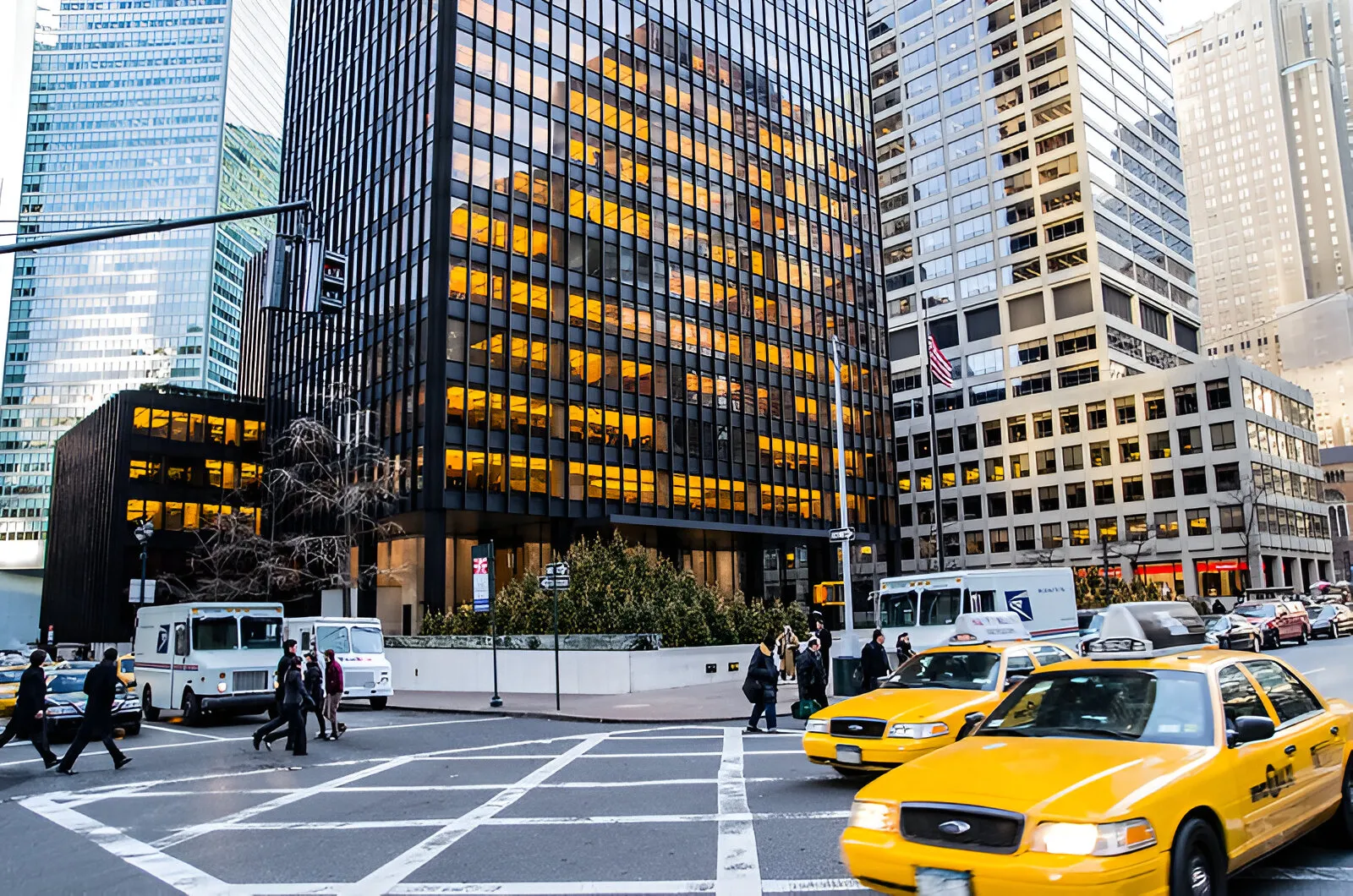
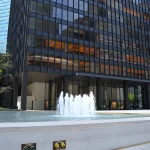
The Seagram Building is captivating with its bronze-tinted glass curtain wall, where vertical bronze mullions and horizontal Muntz metal spandrels are used. The skyscraper structure is primarily composed of a sleek steel frame and non-structural glass walls, embodying Mies van der Rohe’s vision of simplicity and elegance. The architecture is set back from the street, creating an open public plaza offering social interaction. Designed as more than just an office tower, it stands as a masterpiece of modernism, continuing to inspire generations of architects and designers.
2. Barcelona Pavilion, Barcelona
Location: Barcelona, Spain
Typology: Pavilion for Exhibition
Completed: 1929, Reconstruction 1983-86
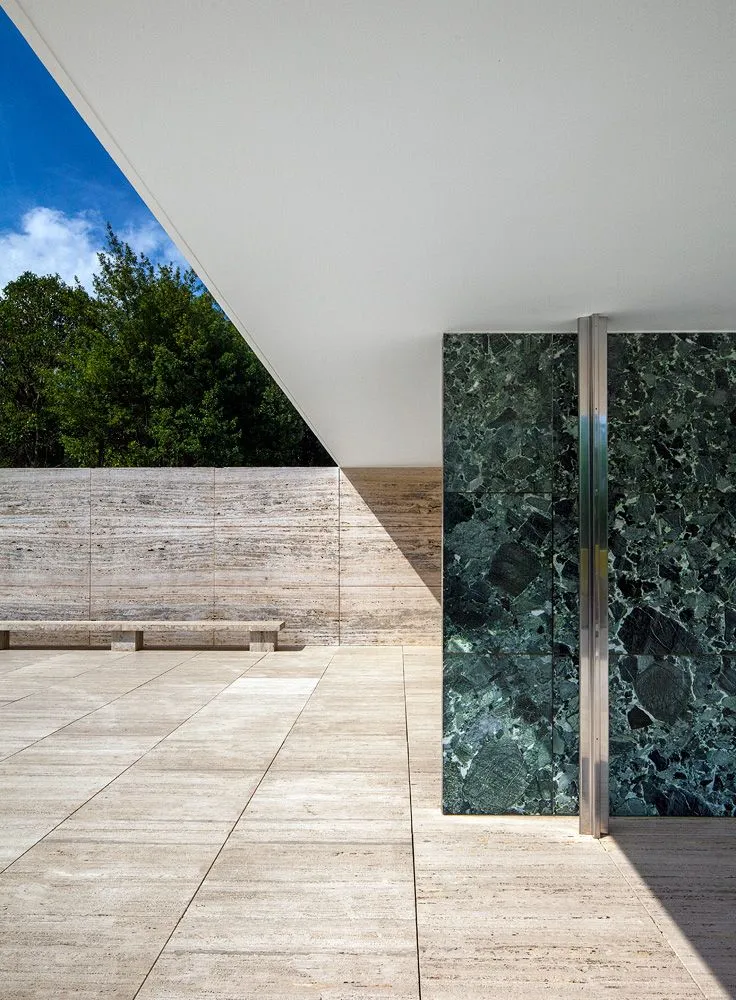
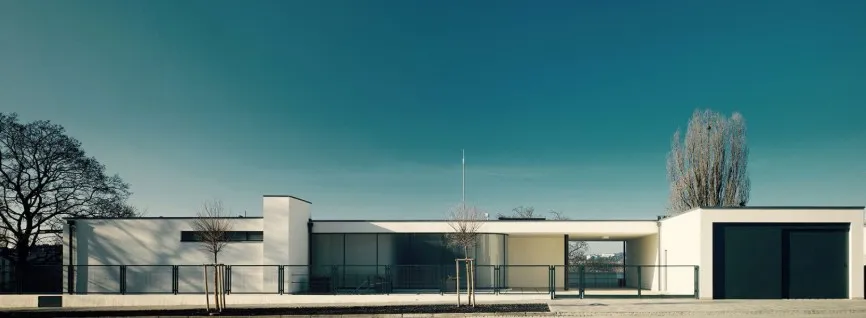
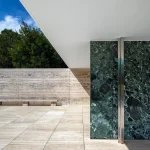
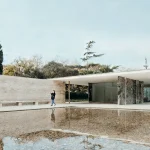
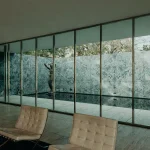
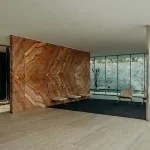
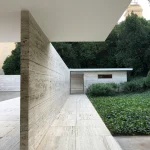
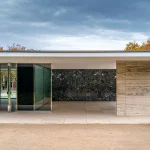
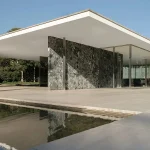
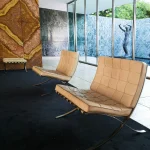
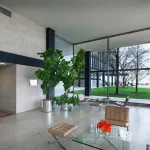
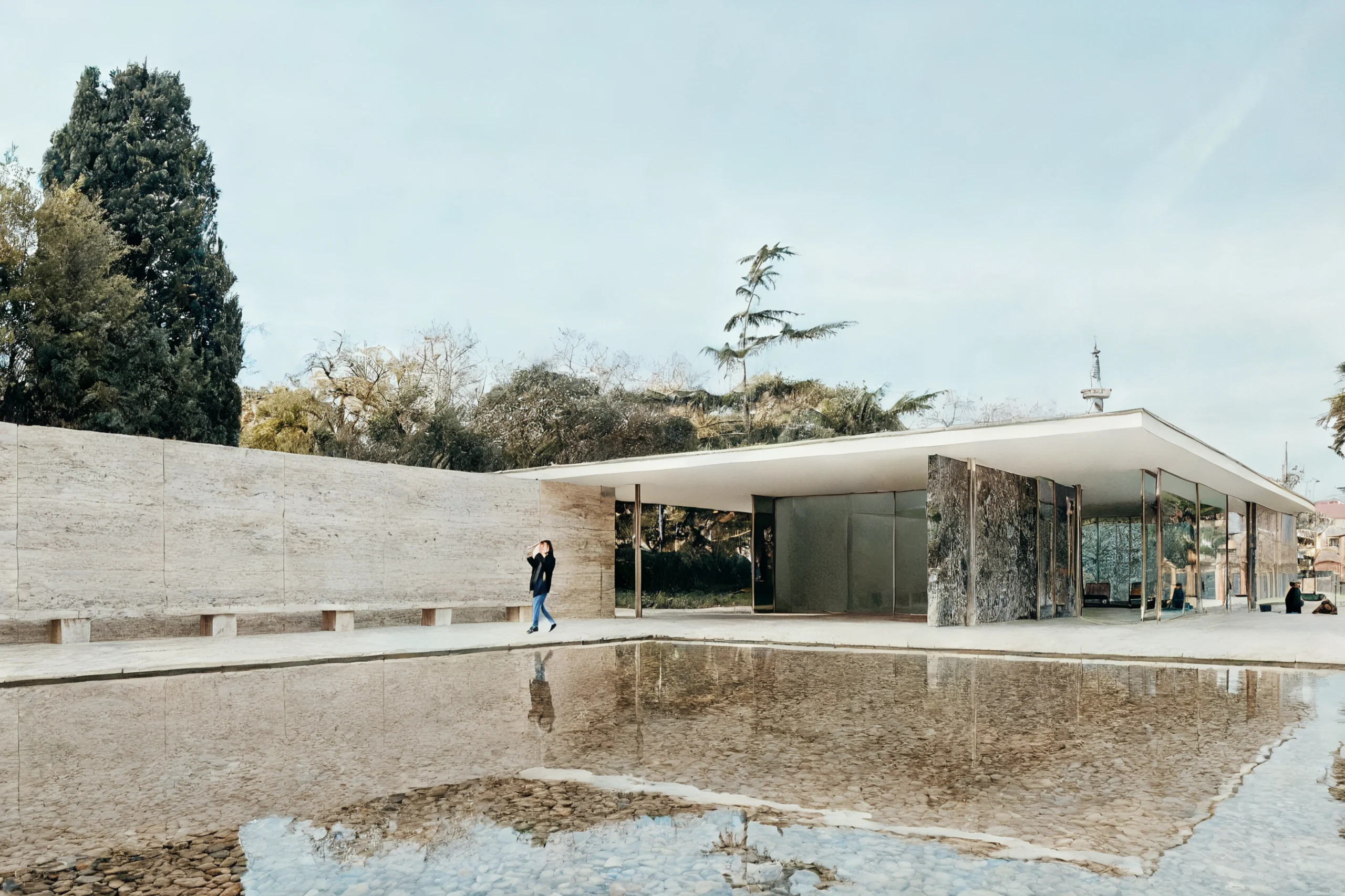
The Barcelona Pavilion, designed by Mies van der Rohe for the 1929 International Exhibition, stands as a defining masterpiece of modern architecture. The architecture, celebrated for its radical spatial clarity and minimalist elegance, redefined how space, light, and material could coexist in perfect harmony. The pavilion is designed as a timeless modern statement, featuring characteristic horizontal architecture with an open plan, refined proportions, and minimalist detailing. The exquisite use of materials, including marble, onyx, and glass, transforms simplicity into art.
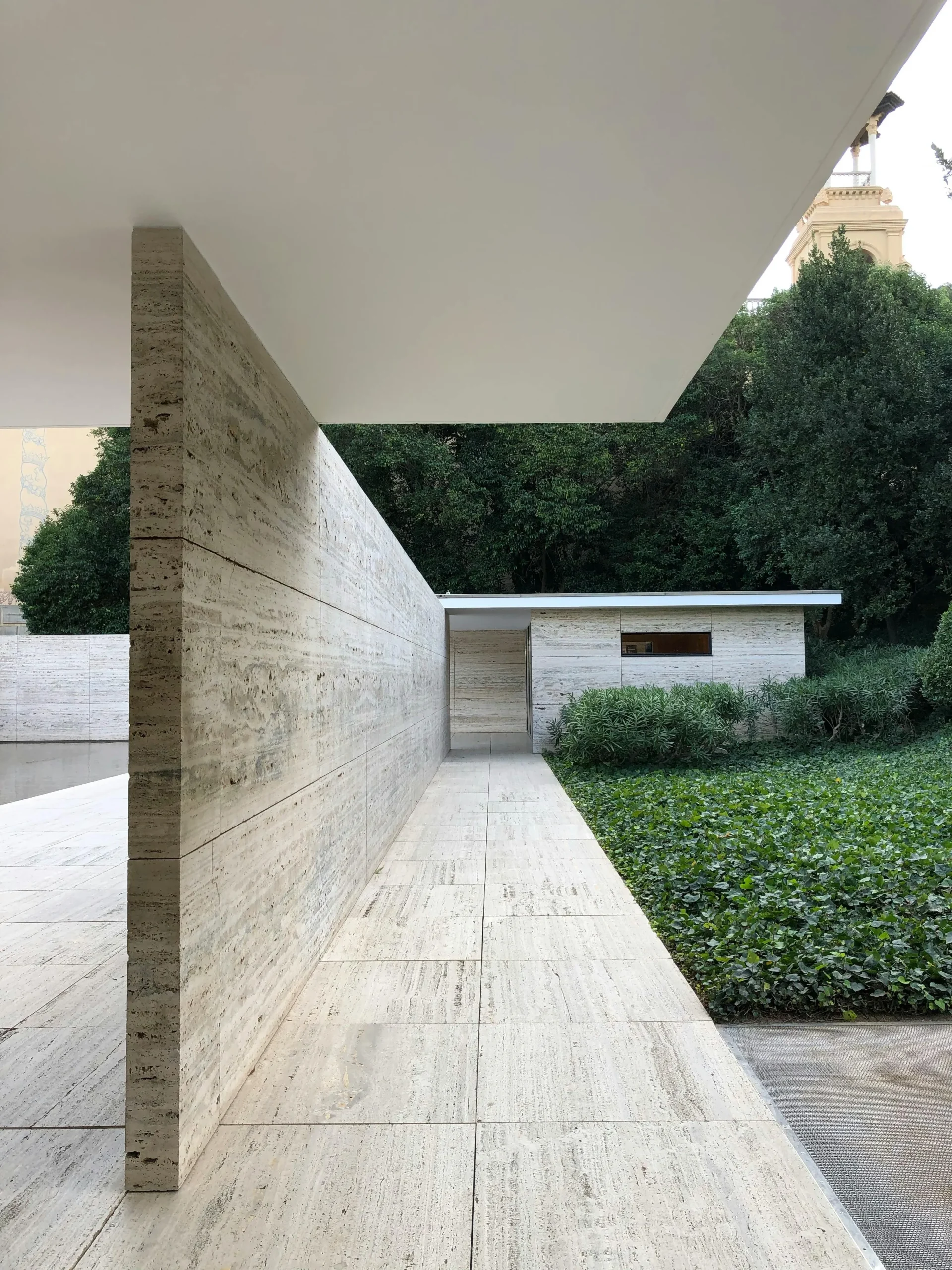
The pavilion embodies minimalism from the architecture to the furniture, elevated by a palette of exquisite materials from opulent marble to sleek glass and polished steel. The design and material application celebrate the art of contrast, where monumental marble slabs harmonize with delicate glass partitions and tranquil reflecting pools.
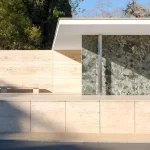
Roman travertine forms the elegant plinth, its soft yellow tones complementing the rich marbles, while a striking golden onyx wall forms the primary feature, anchoring the space with quiet grandeur. Supported by eight slender steel columns and layered with varying transparencies of glass, the pavilion stands as a perfect balance between the architecture, structure, and materials.
3. Farnsworth House, United States
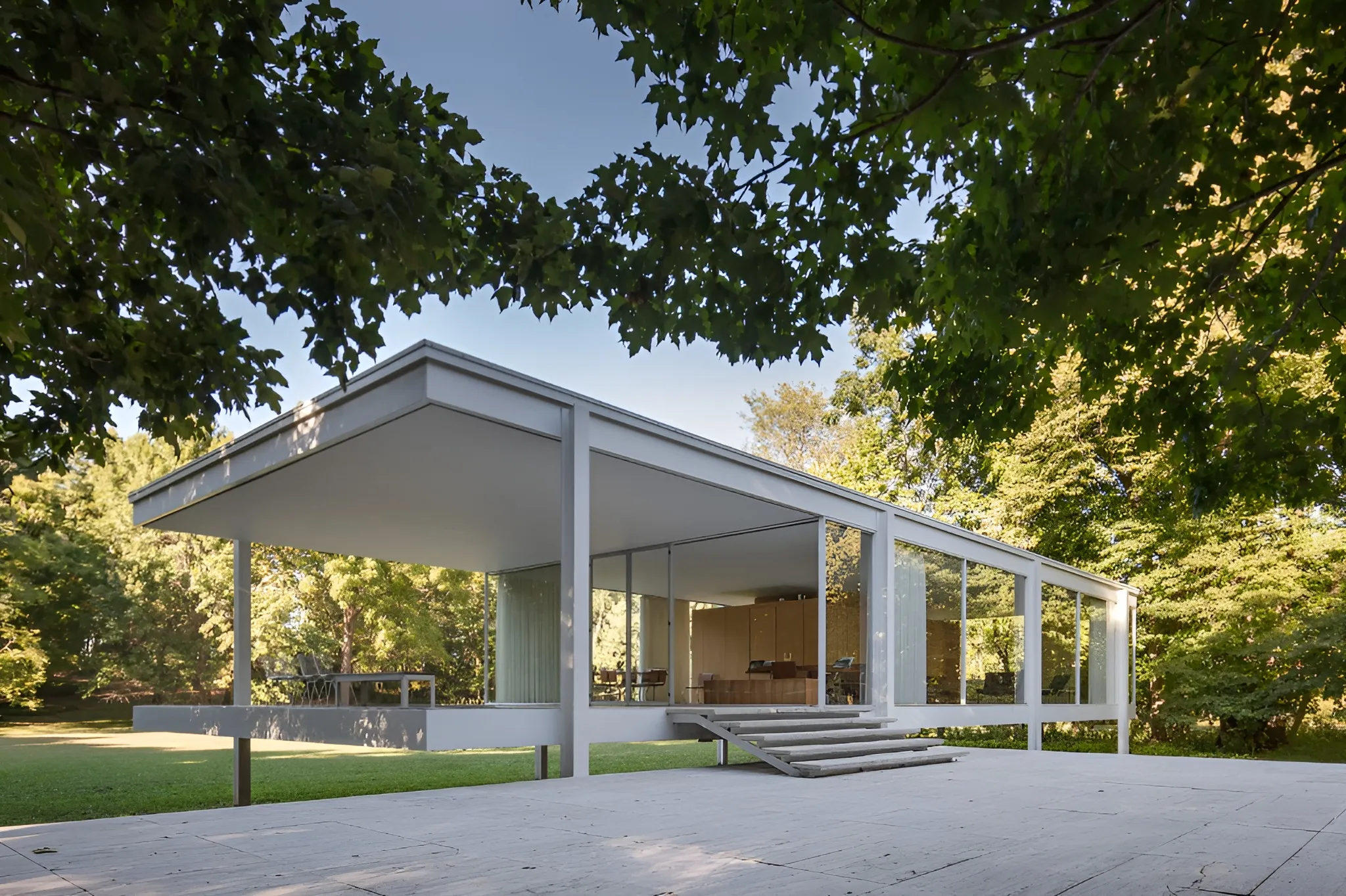
Location: Illinois, United States
Typology: Residence
Completed: 1951
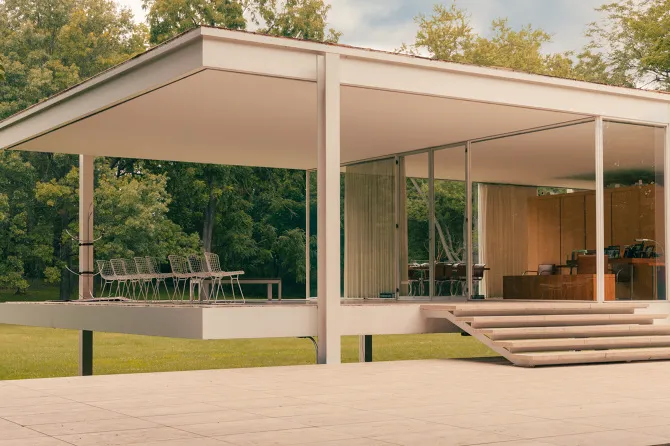
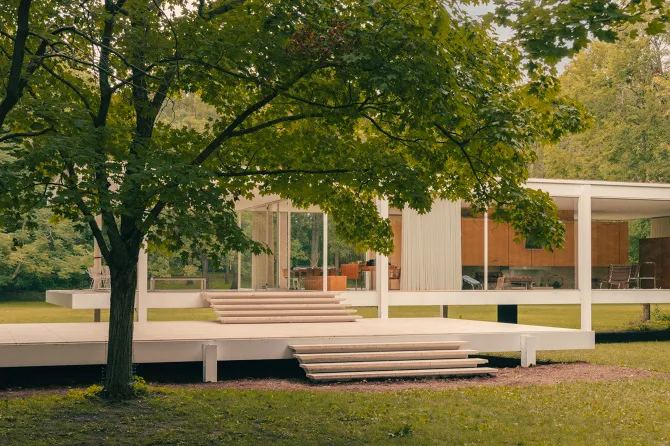
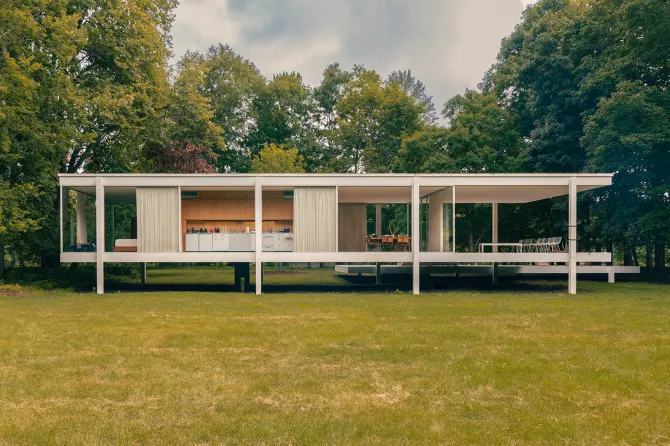
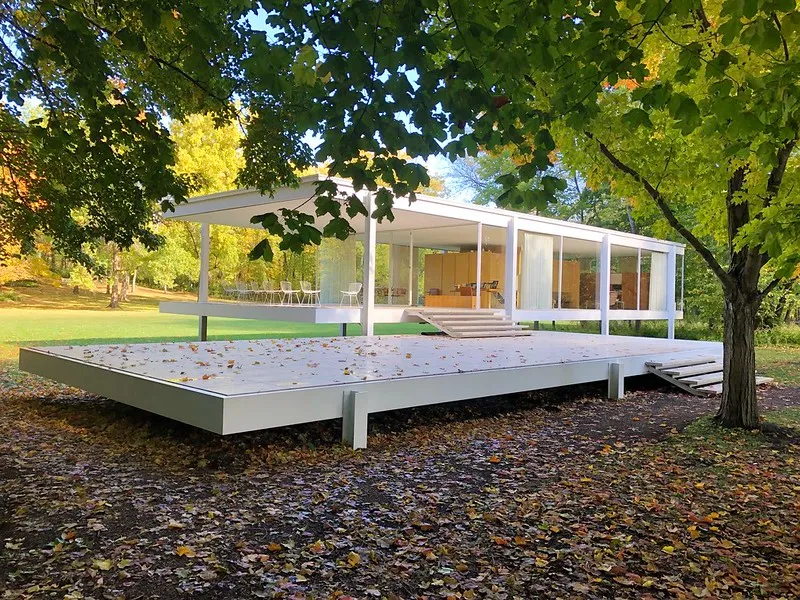
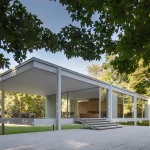
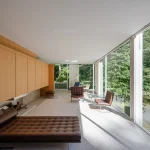
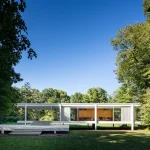
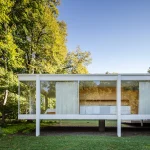
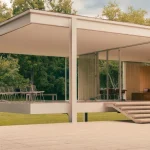
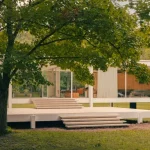
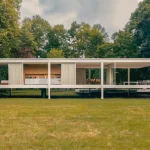
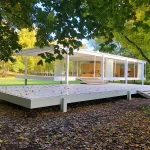
The Farnsworth House, completed in 1951 in Plano, Illinois, stands as an iconic example of modern architecture where simplicity meets serenity. Designed by Mies van der Rohe for Dr. Edith Farnsworth as a weekend retreat, the glass and steel house perfectly embodies his “Less is More” philosophy. Elevated gracefully 5 feet 3 inches above the ground on eight slender steel columns, the house blurs the boundary between indoors and nature, celebrating light, proportion, and pure architectural honesty.
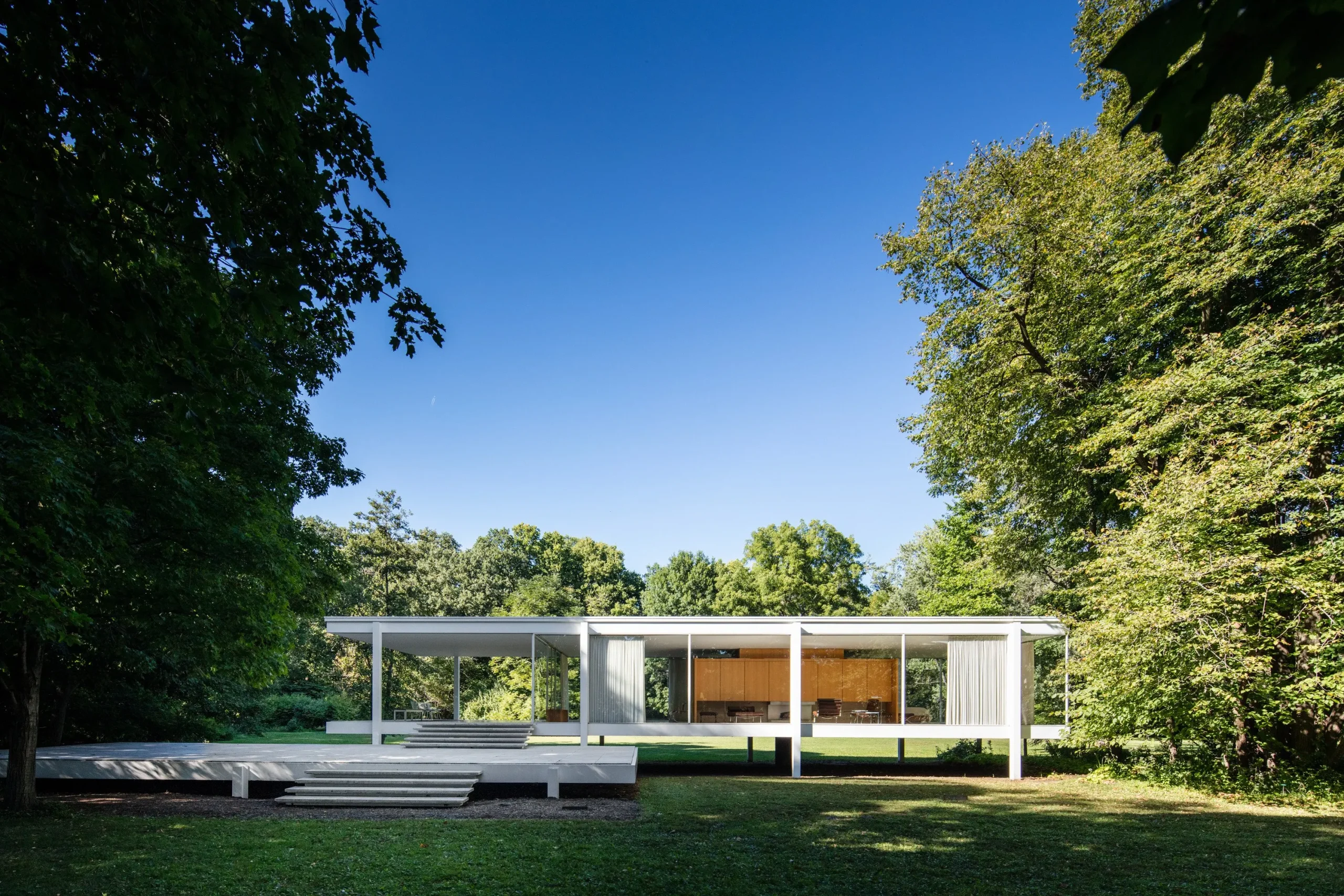
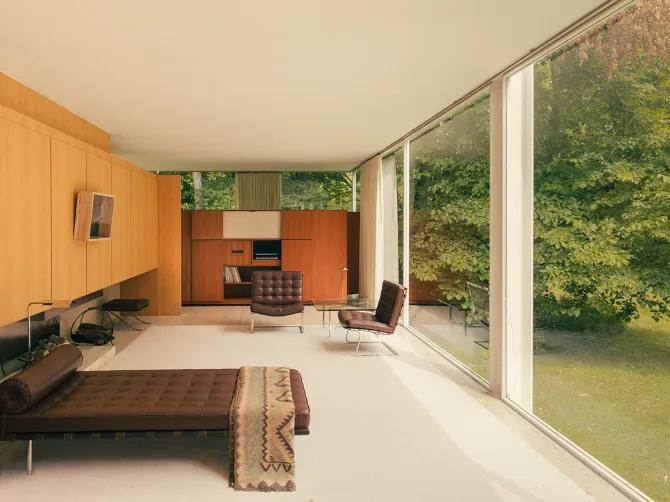
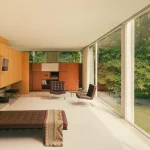
Mies van der Rohe aimed to create a seamless and harmonious relationship between architecture and environment. He believed architecture should reflect modern technological advancements, while connecting to nature. The Farnsworth House demonstrates Mies’s mastery of proportion, precision, and material honesty. Built with glass and steel, the design is composed of two horizontal slabs that form the roof and floor, supported by steel columns, with an open floor plan providing flexibility within the house. The open plan is free of walls, defined by the placements of functional elements such as the central core that consists of utilities and storage.
4. Crown Hall, United States
Location: Illinois, United States
Typology: Institution
Completed: 1956
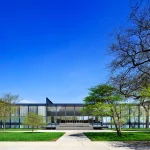
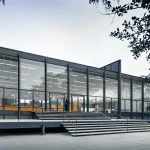
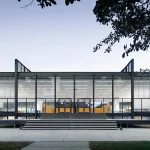
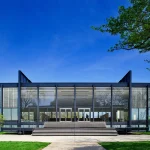
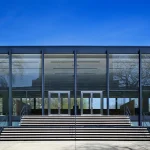
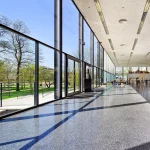
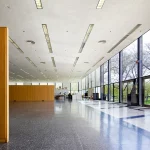
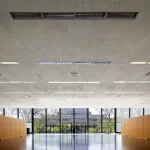
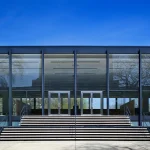
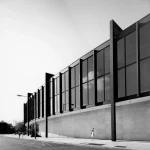
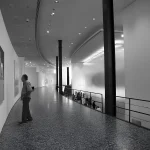
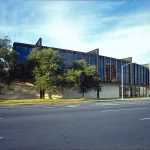
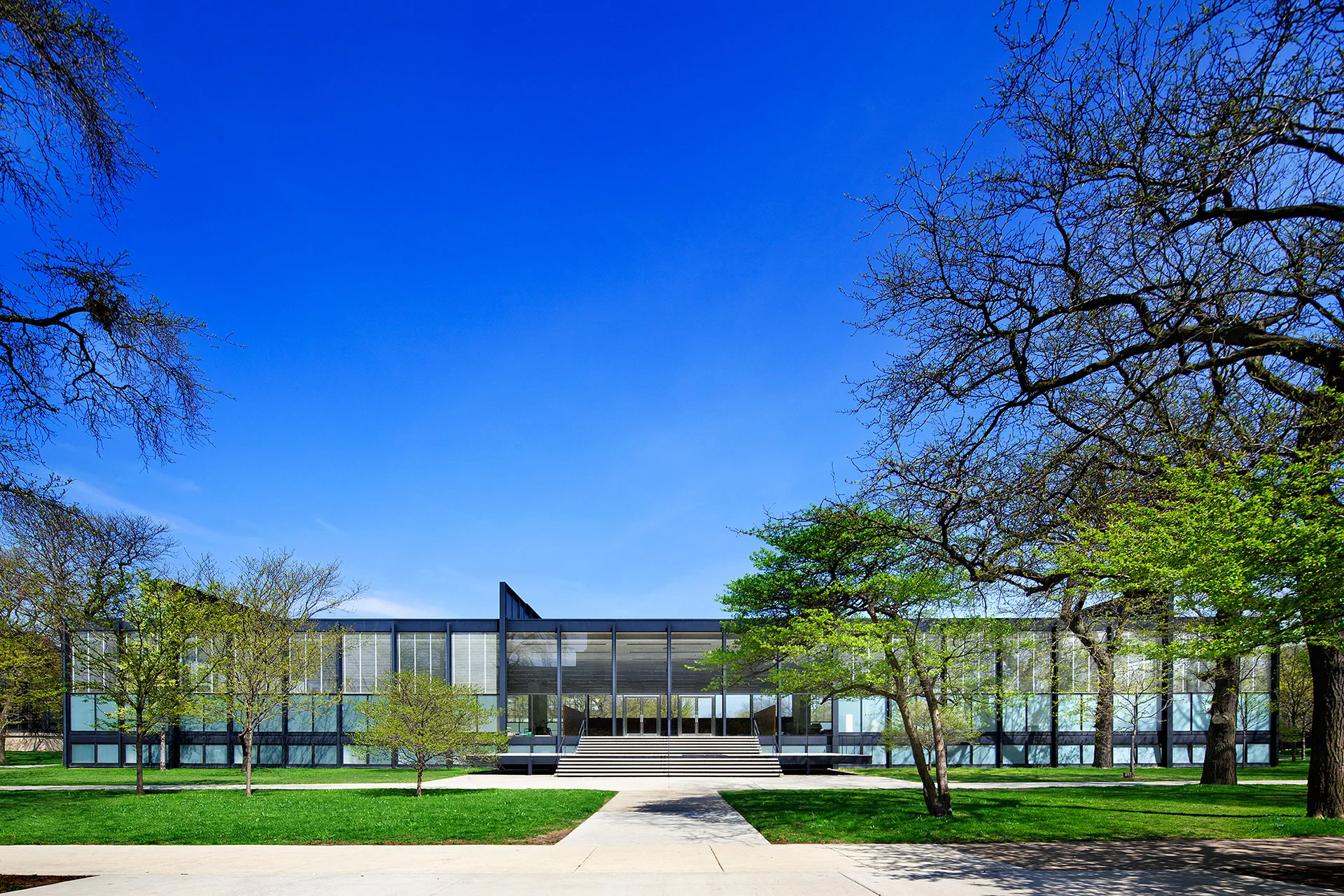
Completed in 1956, the Crown Hall stands as the centrepiece of Mies van der Rohe’s IIT campus master plan, a well-renowned landmark of 20th-century modern architecture. Located just two miles south of downtown Chicago, Crown Hall houses the IIT College of Architecture and remains a timeless symbol of modernist excellence and innovation. Covering approximately 50 hectares, it embodies Mies’s mastery of space, structure, and material, transforming the campus into a global destination for design enthusiasts. Stands as one of the finest modern architectural examples, and Mies designed it with an innovative and daring approach.
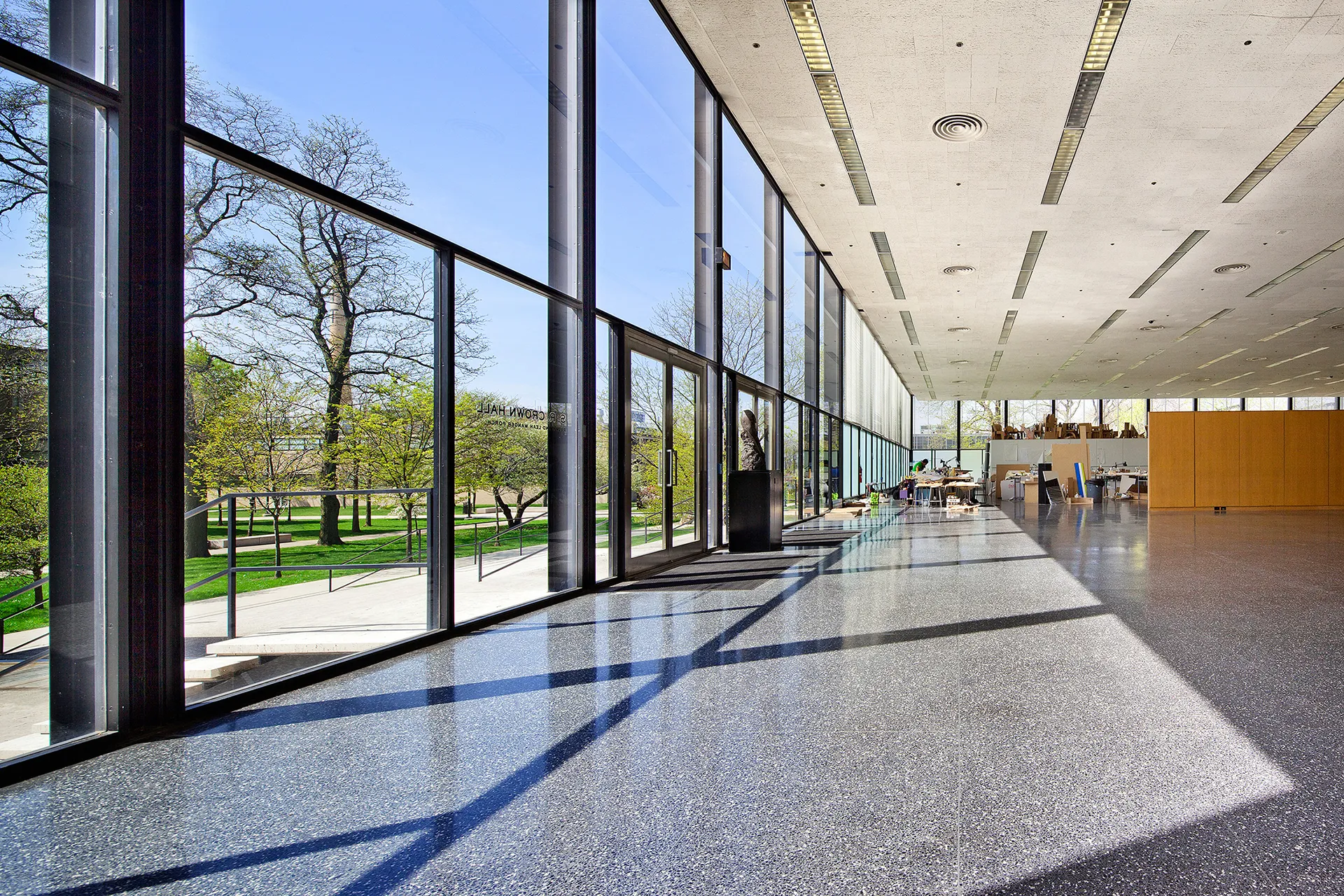
Crown Hall was Mies’s innovative design approach, aimed at diverging from his standard steel and glass structures and creating a visually column-free architecture. The design results in a ‘Universal Space,’ that is a flexible, open area that can adapt to ever-changing requirements of its occupants. Spanning 120 by 120 feet with an 18-foot-high ceiling, the open layout fosters creativity and collaboration in an educational environment, free from traditional constraints. Its roof, suspended from four massive steel girders supported by exterior columns, creates a seamless, unobstructed interior, a perfect blend of structural innovation and architecture.
5. Chicago Federal Complex, United States
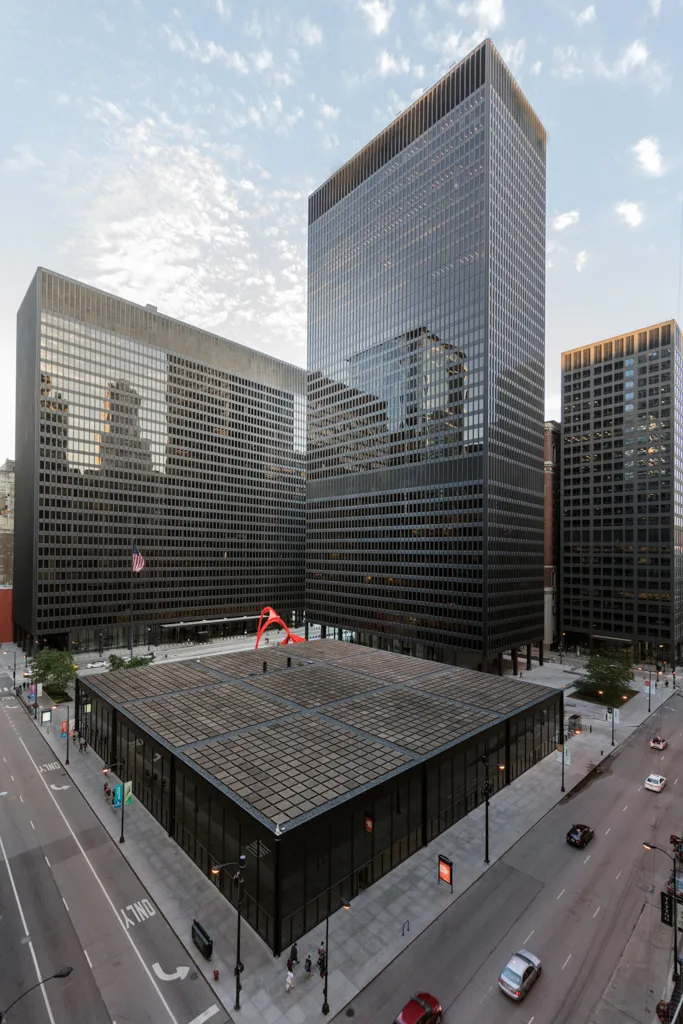
Location: Chicago, United States
Typology: Mixed use
Completed: 1974
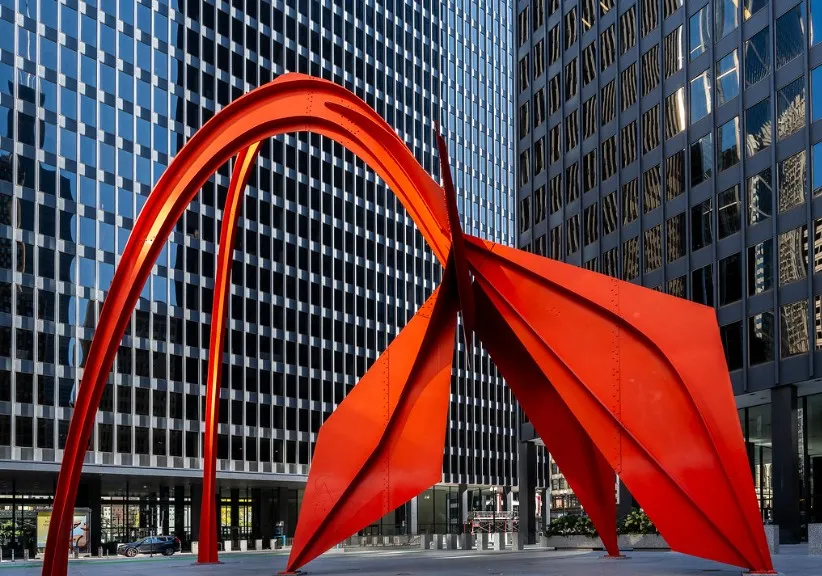
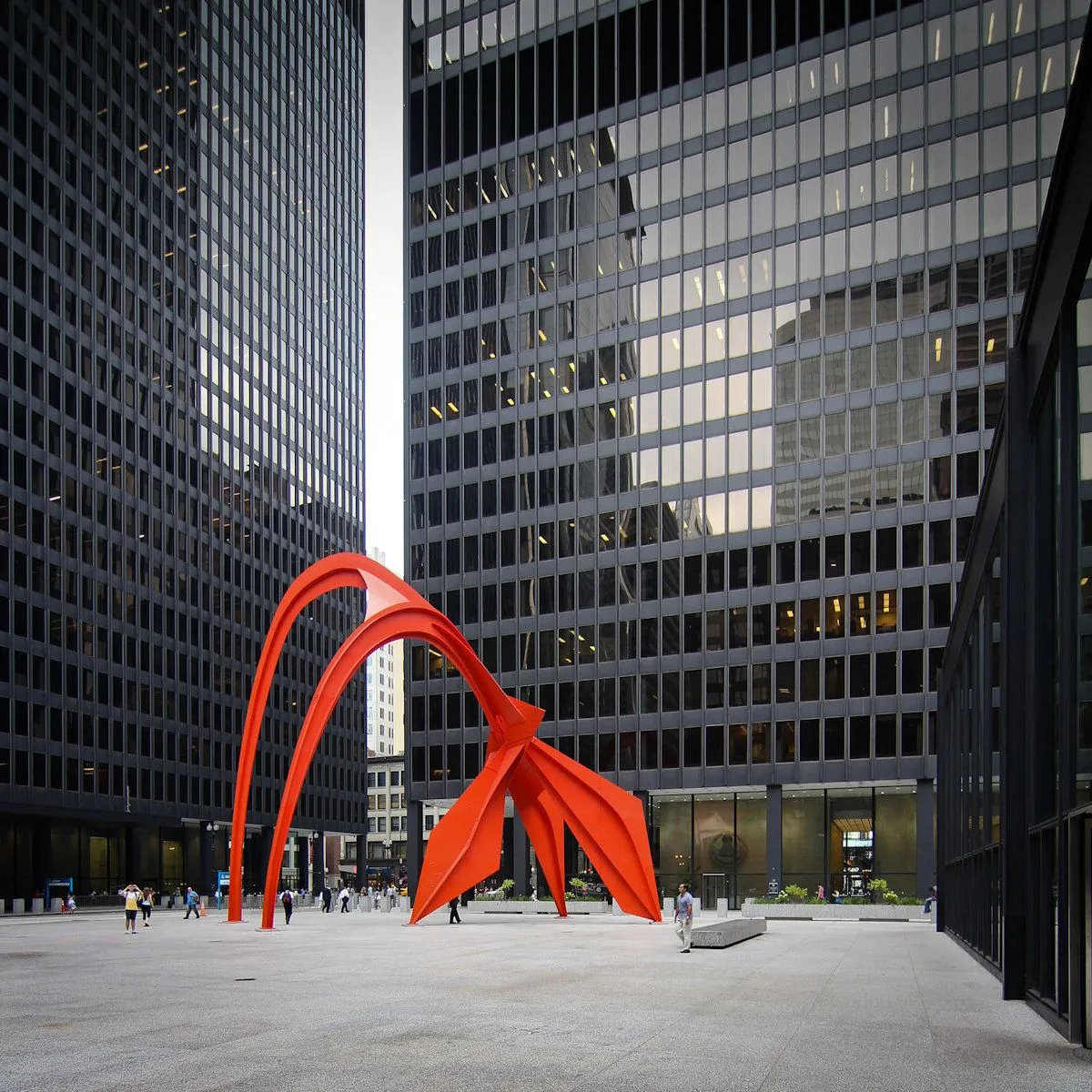
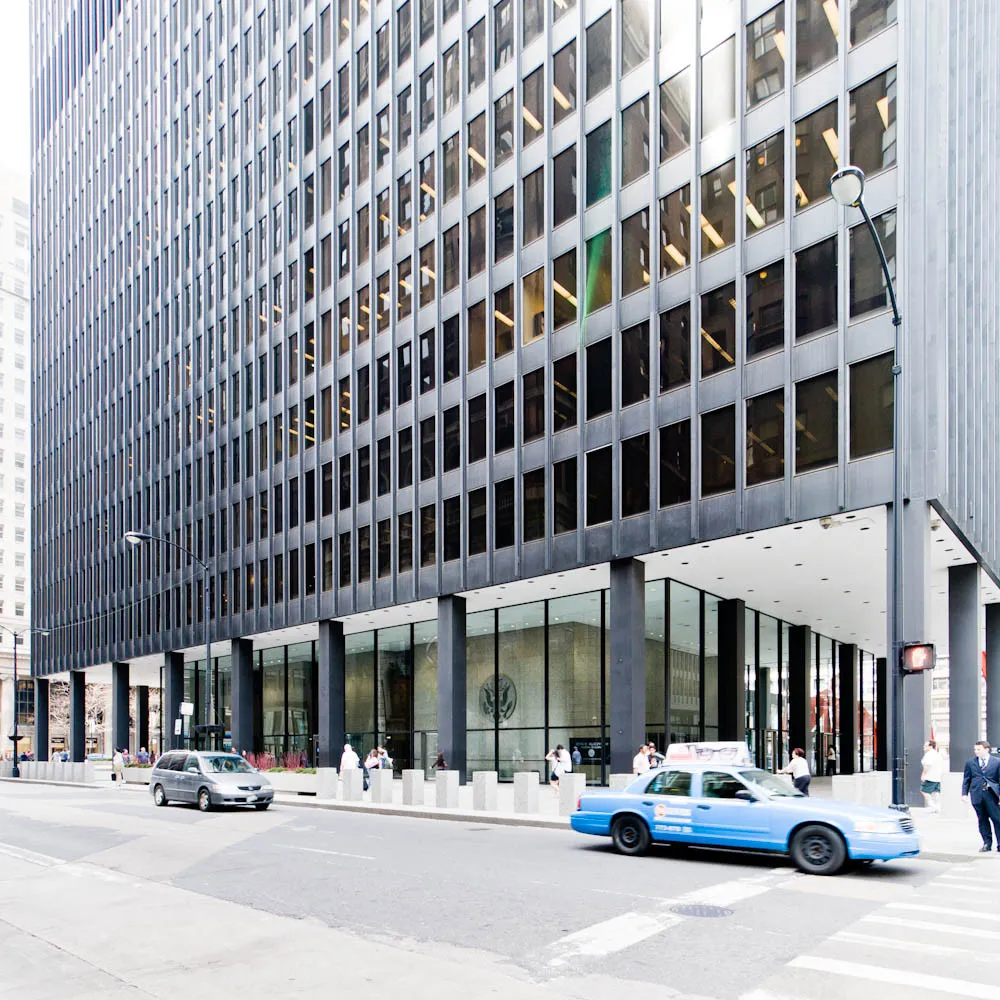
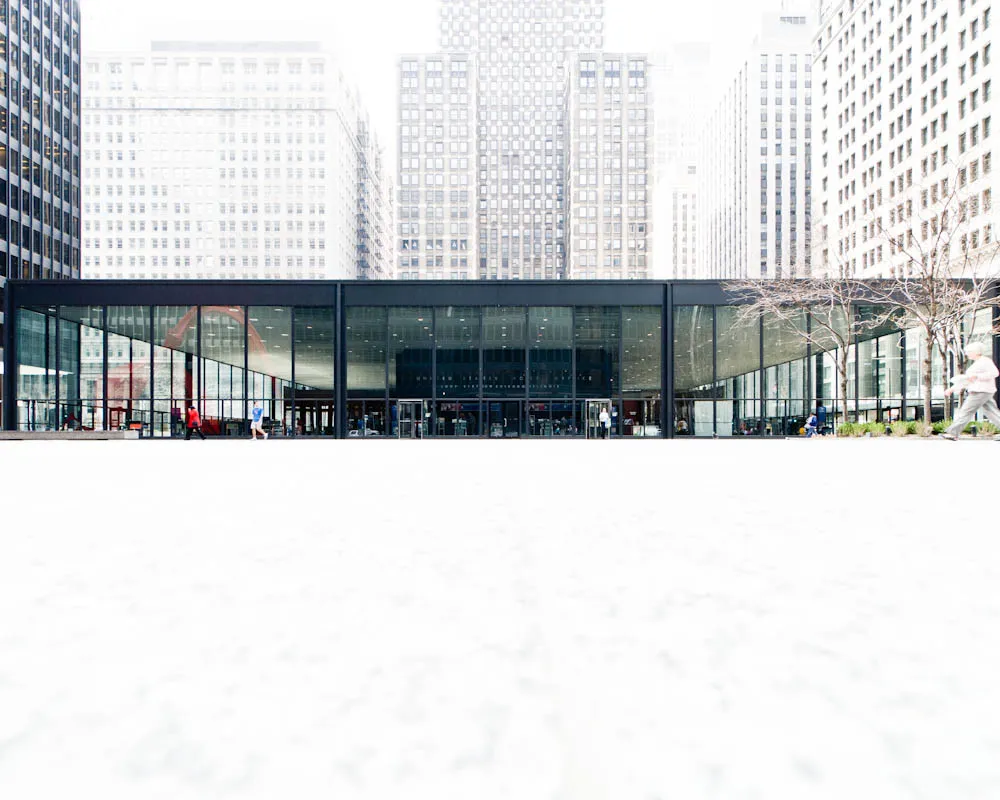
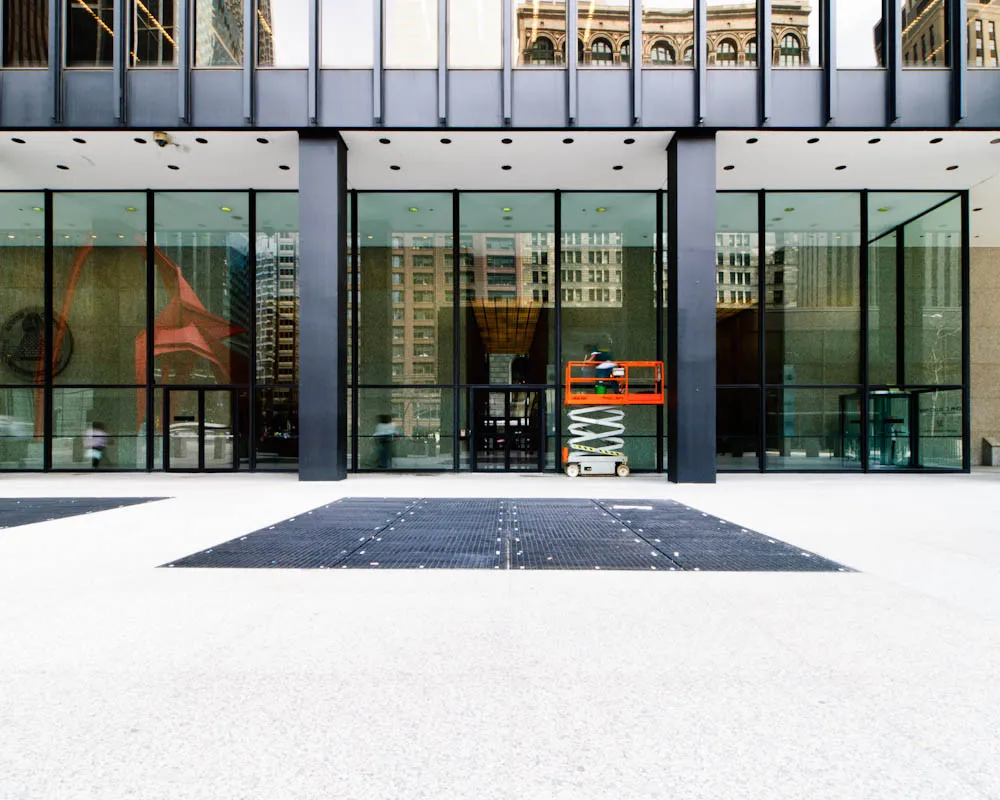
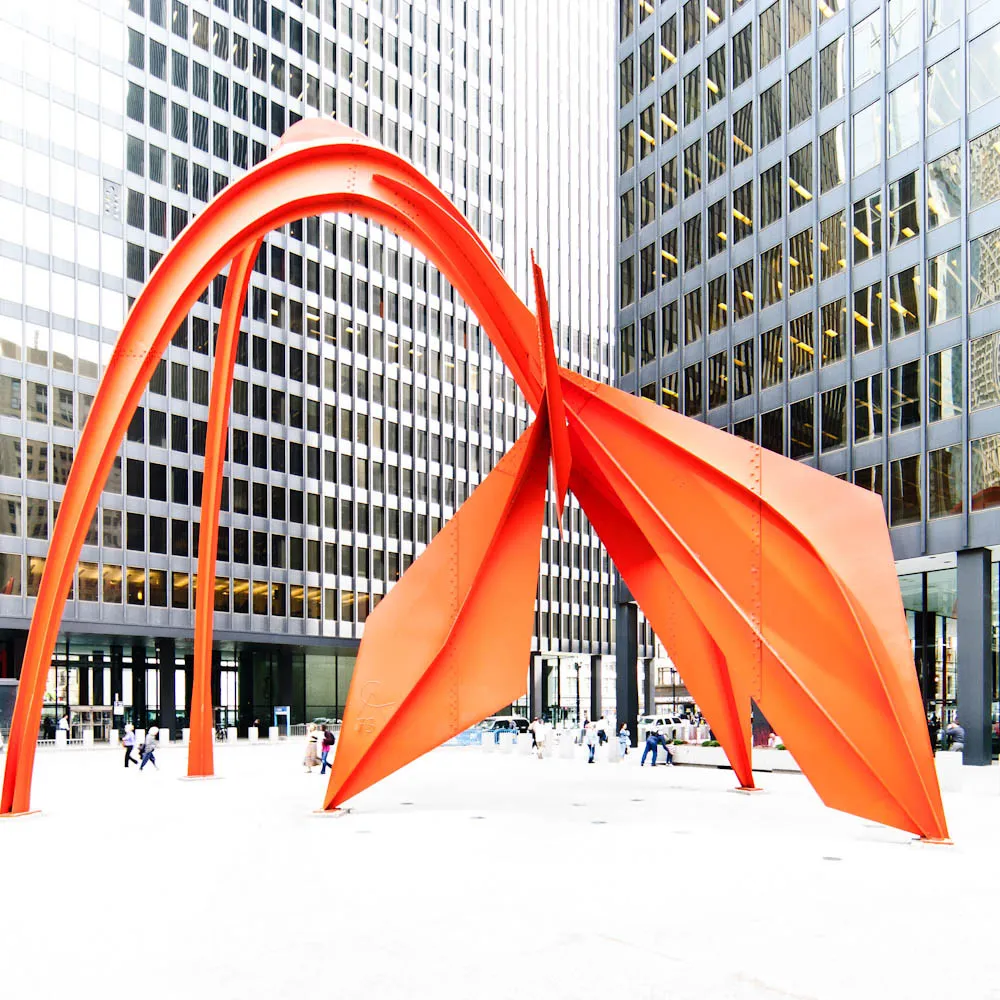
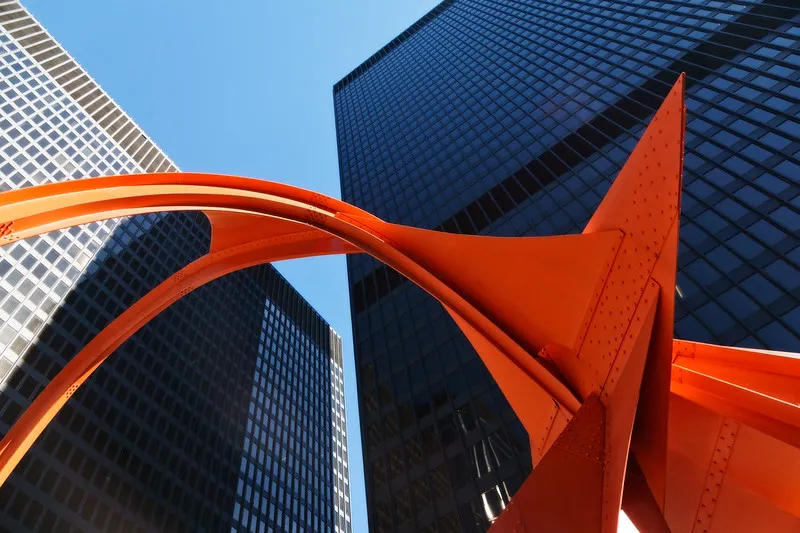
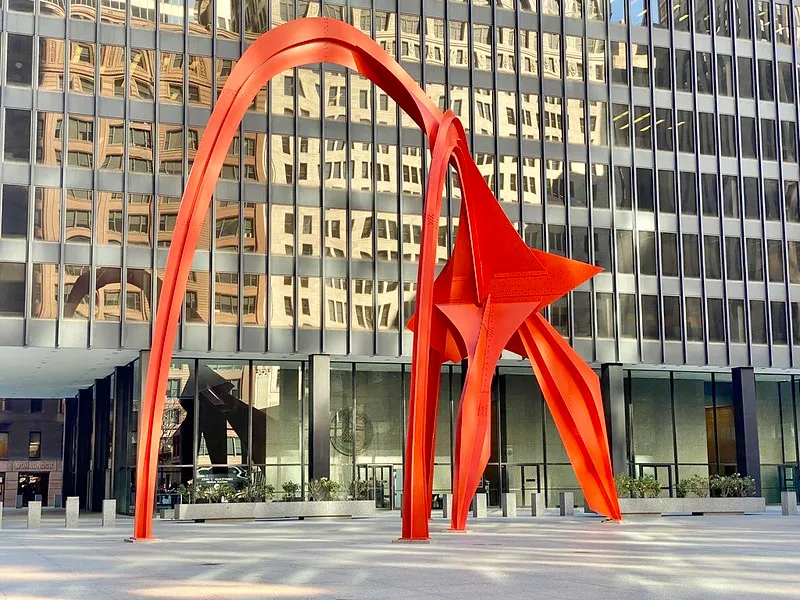
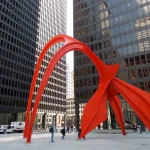
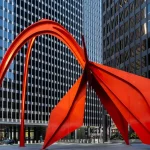
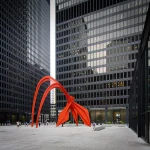
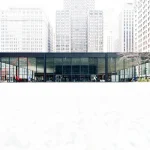
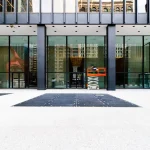
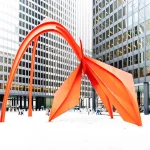
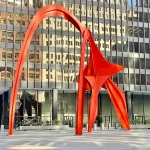
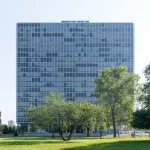
The Chicago Federal Centre, designed by Mies van der Rohe, is a timeless modern architectural landmark located on Dearborn Street in Chicago. Commissioned in the 1950s by the U.S. General Services Administration to modernize federal administrative and judiciary facilities. Completed in 1974, the office complex comprises three elegant structures arranged around the open expanse of the Federal Plaza with a bold art feature, the Flamingo, designed by artist Alexander Calder.
The 42-story office tower embodies Mies’s philosophy of simplicity and order, refined minimalism, and masterful use of proportion, which shaped not only the plaza’s identity but also the architecture’s impact on an urban context.
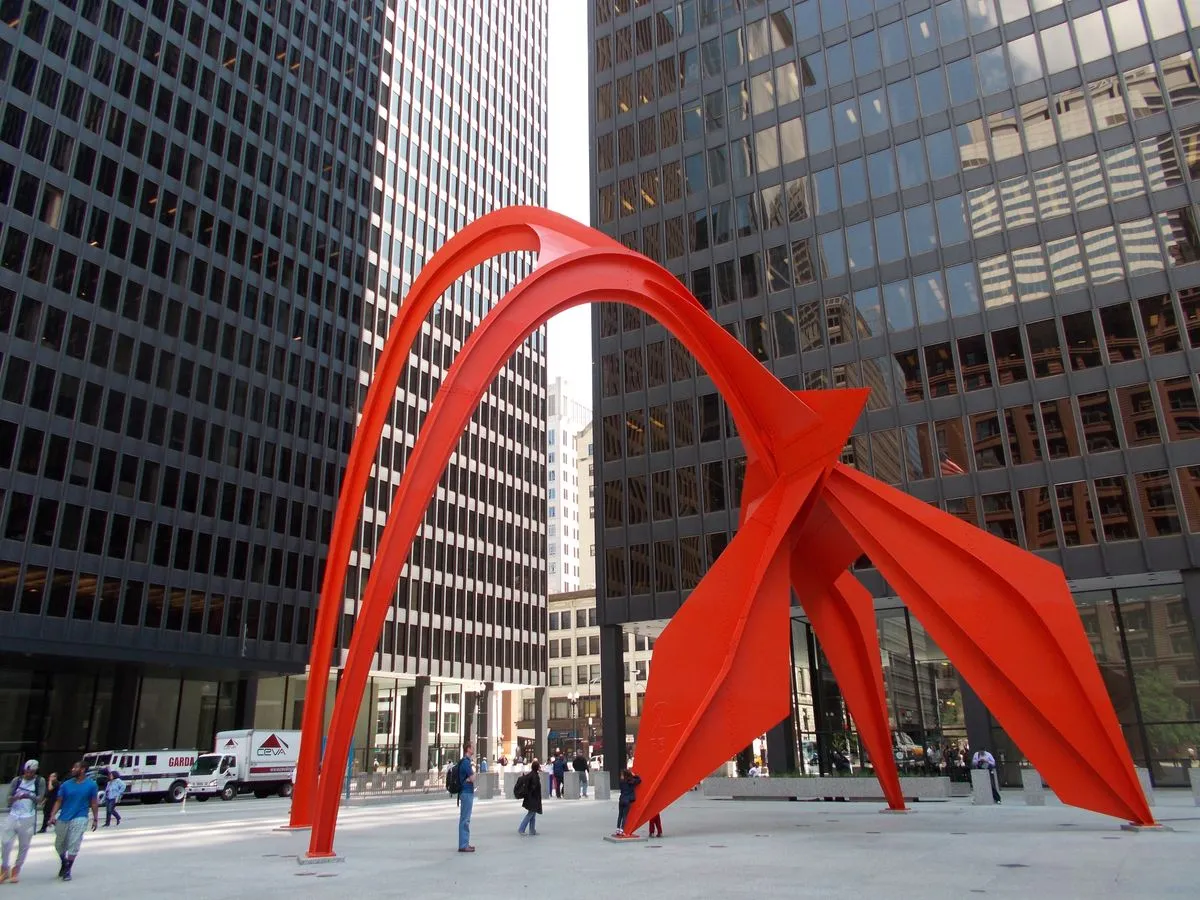
Mies’s design of the centre celebrates open spaces, creating a seamless dialogue between interior and exterior that defines his timeless modernism. The iconic steel and glass façade allows natural light to flood in while framing uninterrupted city views.
The grid-like structure accentuates the tower’s vertical rhythm, while cantilevered roofs and terraces create an inviting sense of arrival. Through these thoughtful principles, Mies crafted an architectural masterpiece that continues to inspire generations.
6. Cullinan Hall – Museum of Fine Arts, United States
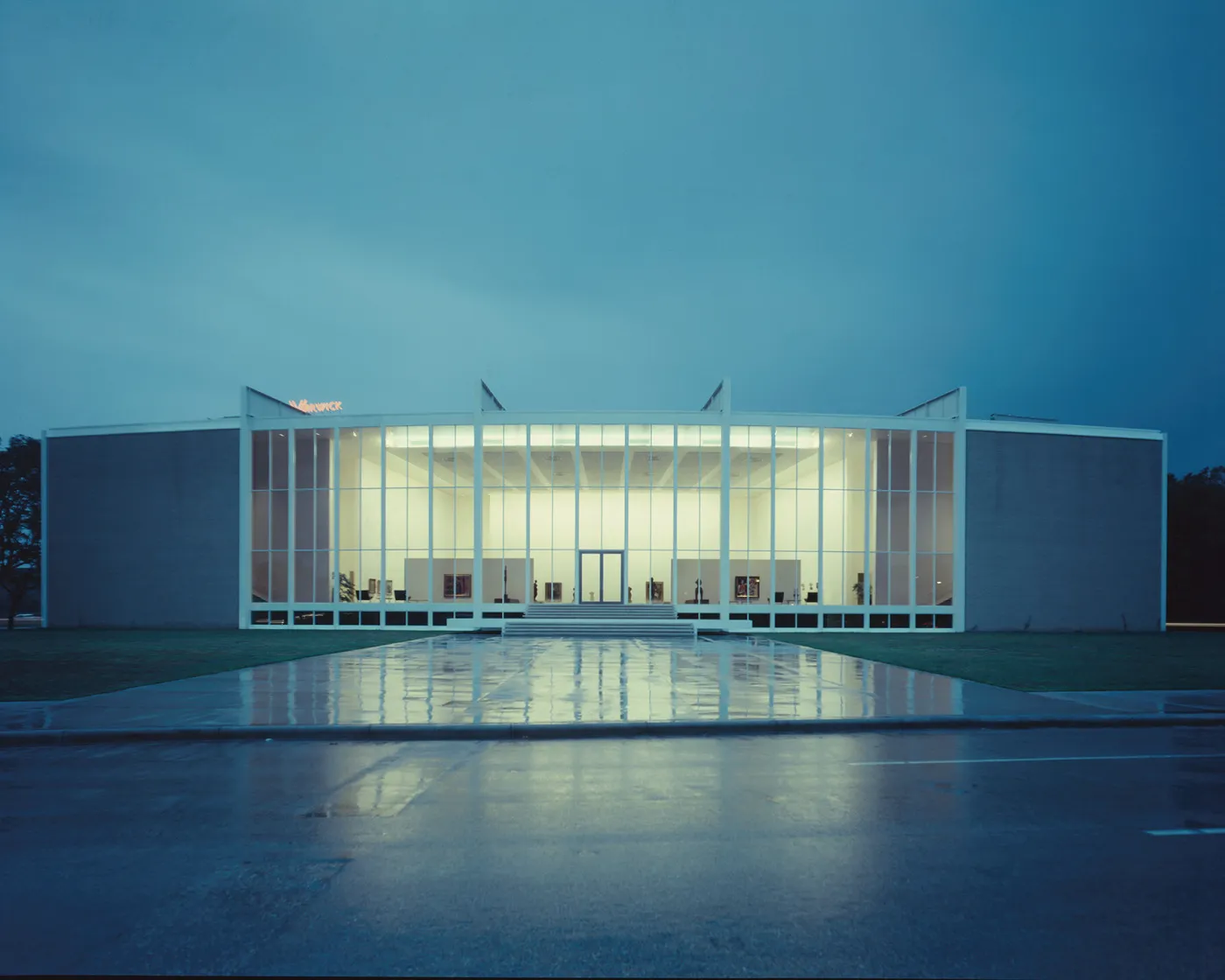
Location: Houston, United States
Typology: Museum
Completed: 1974
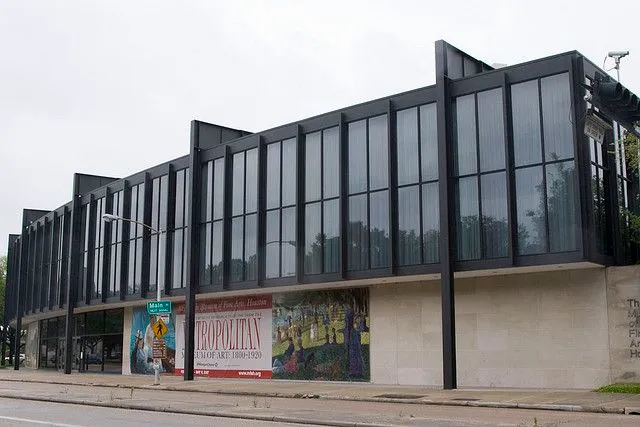
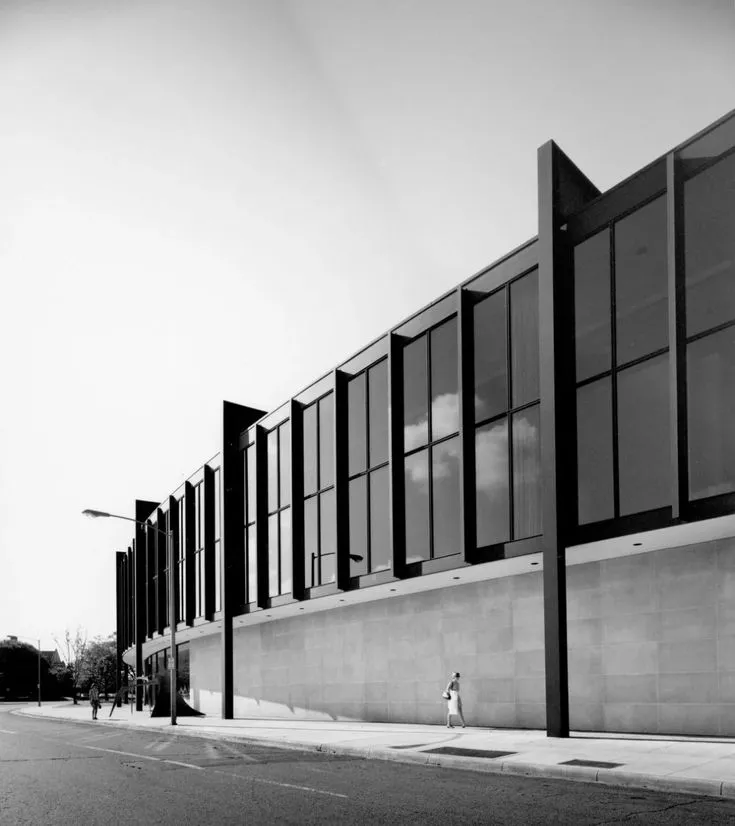
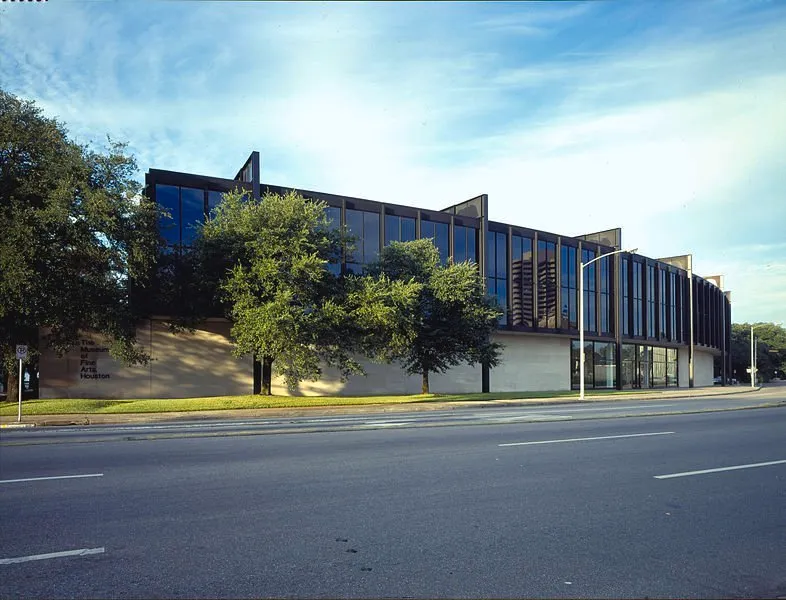
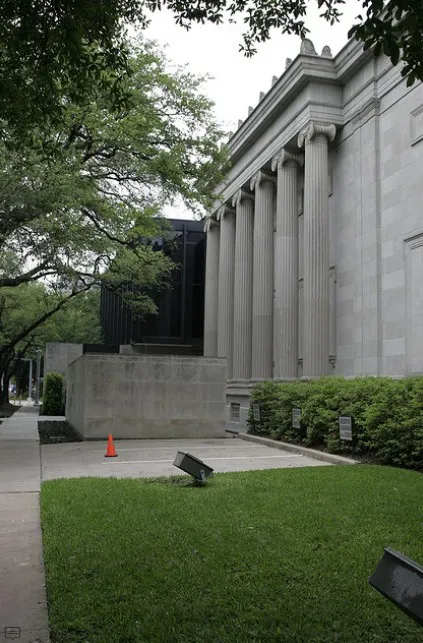
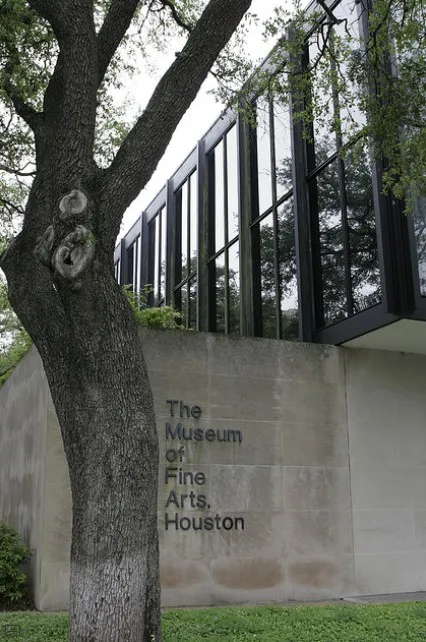
Mies van der Rohe was commissioned by the Museum of Fine Arts Houston to design two additions to Caroline Weis’s Law Building, Cullinan Hall, and Brown Pavilion. Mies introduced a bold contrasting structure from the museum’s original Neoclassical structure by William Ward Watkin, with its grand Greek columns and formal symmetry.
On the museum’s north side, his modernist additions embraced international style built with glass, steel, and integrated with light, creating spaces that felt open, timeless, and deeply human in their quiet elegance.
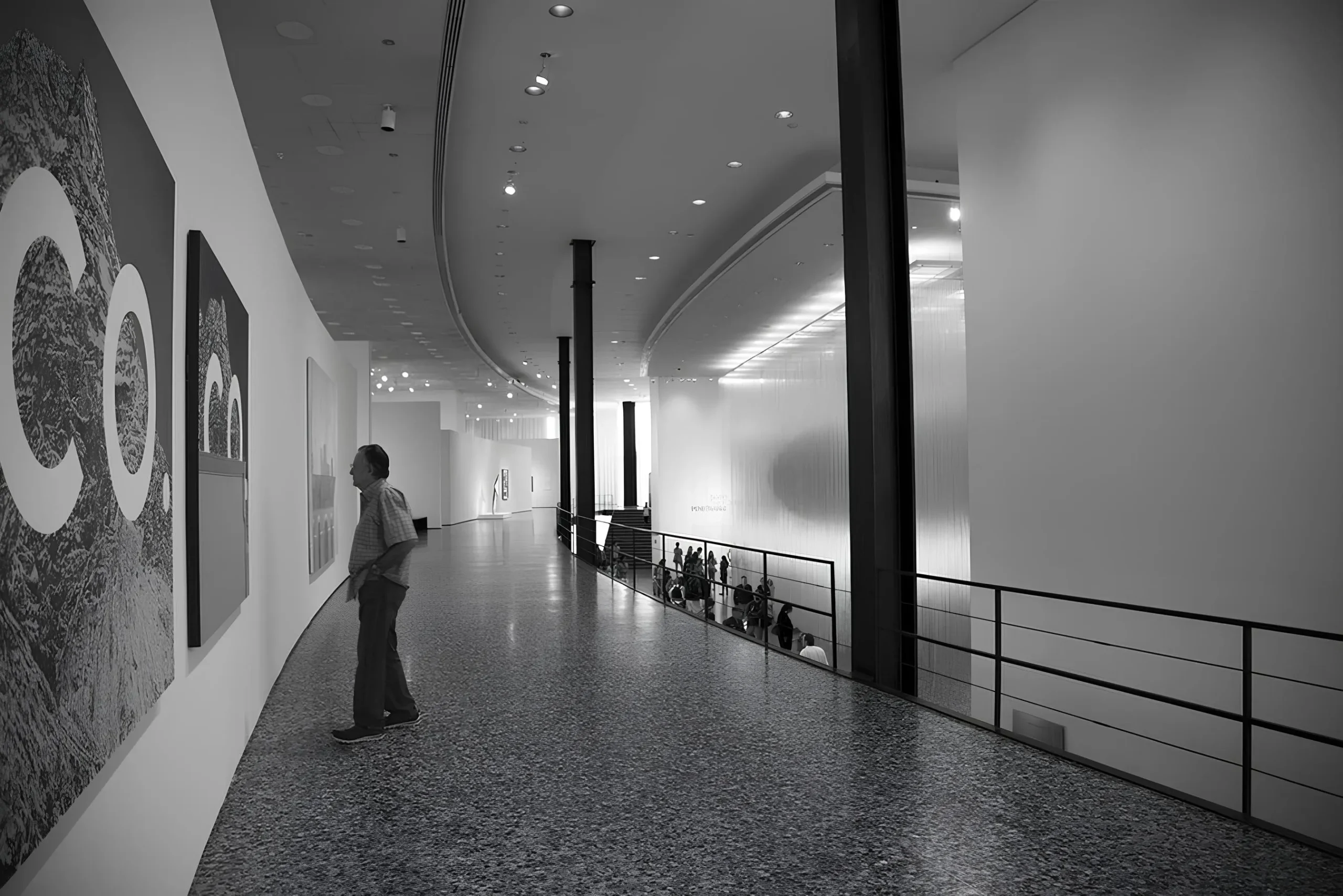
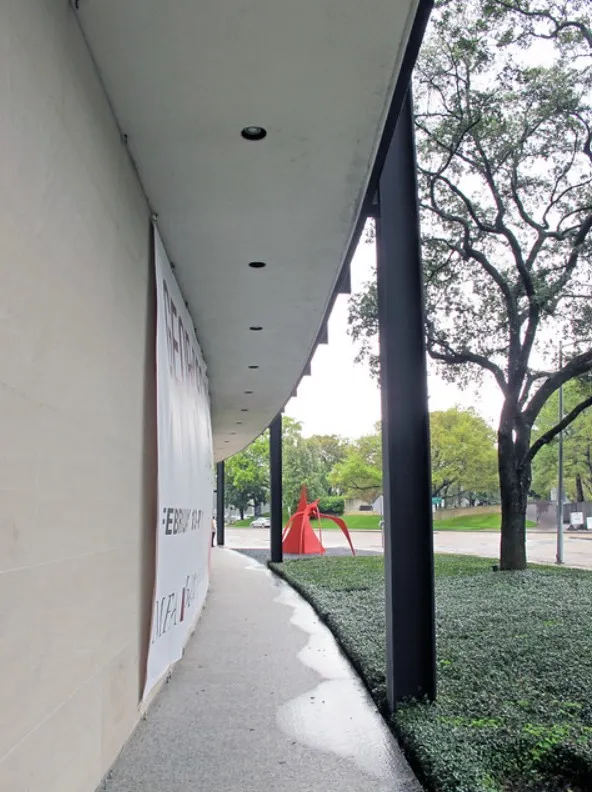
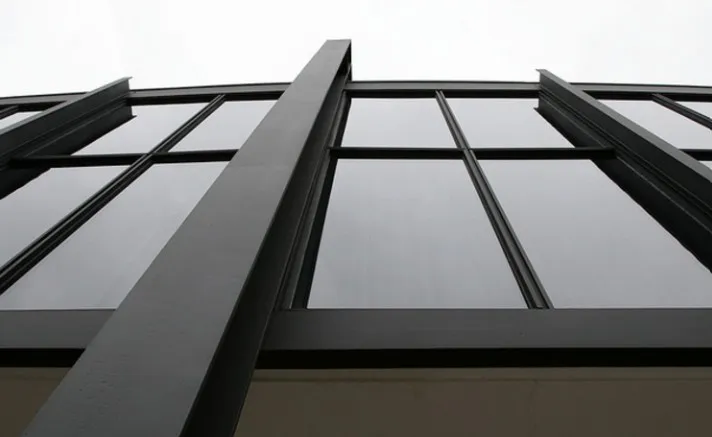
The Cullinan Hall and Brown Pavilion together form a 10,000-square-foot expanse of galleries and gathering spaces. The sweeping, fan-shaped architecture of the Cullinan Hall, with its radial steel frame and glass curtain wall, stands as the museum’s most open and flexible space.
Crafted from industrial steel and glass, the structure reflects Mies’s iconic “Skin and Bones” philosophy, where form, light, and material come together to create a space that feels open, fluid, and alive within the heart of the museum.
7. Villa Tugendhat, Czech Republic
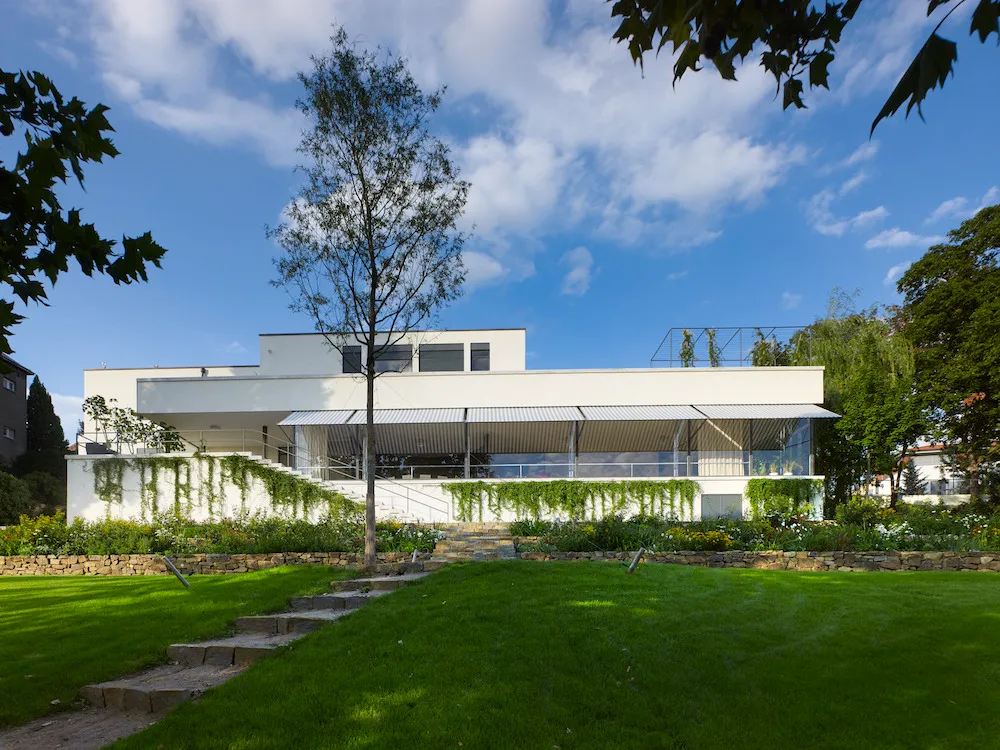
Location: Brno, Czech Republic
Typology: Residence
Completed: 1930
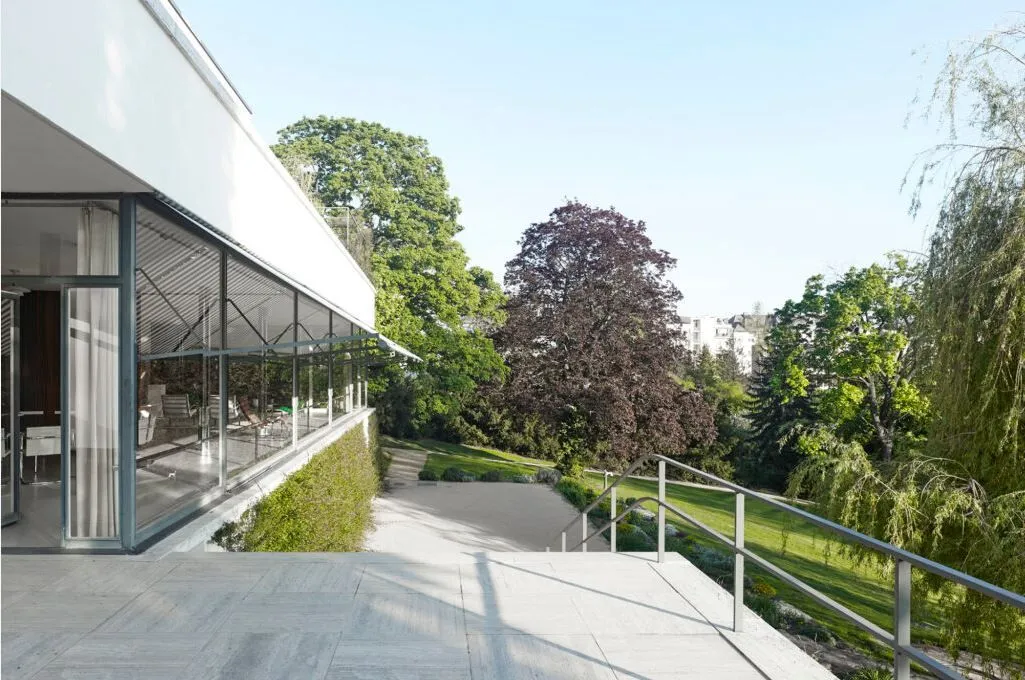
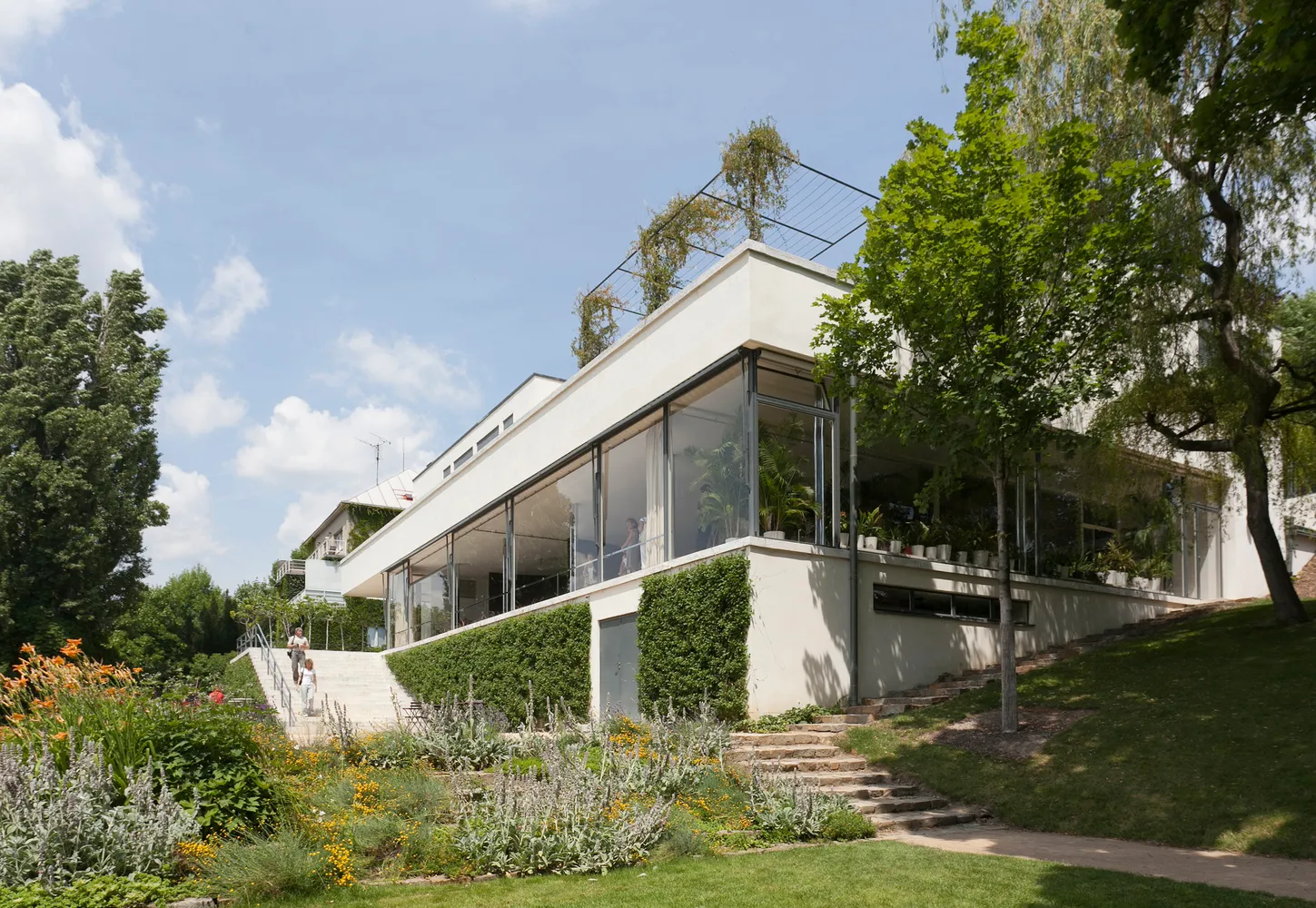
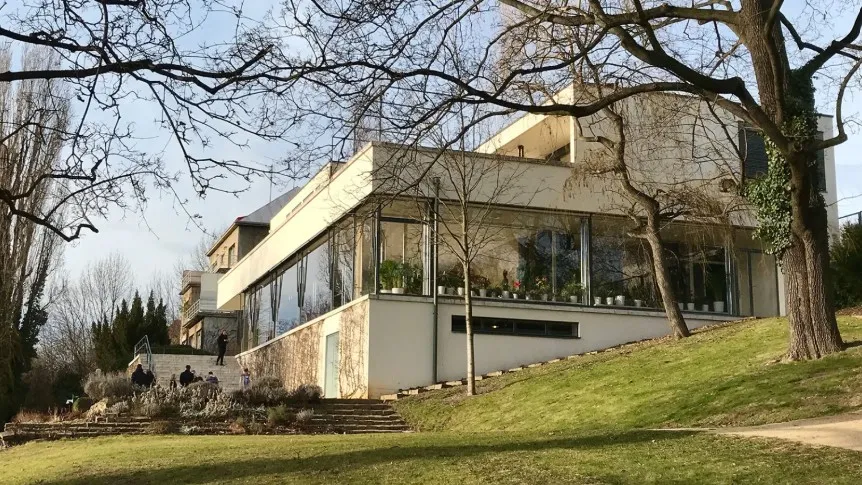
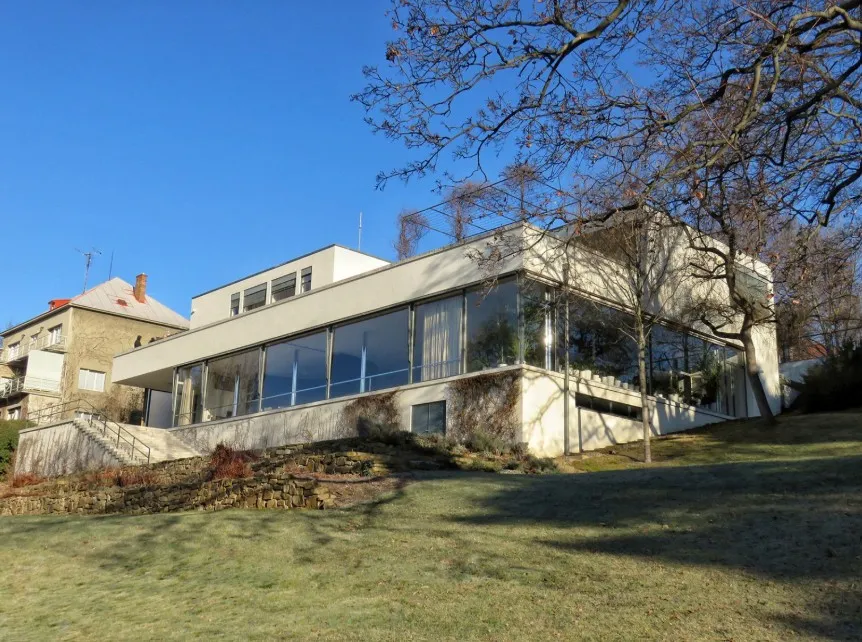
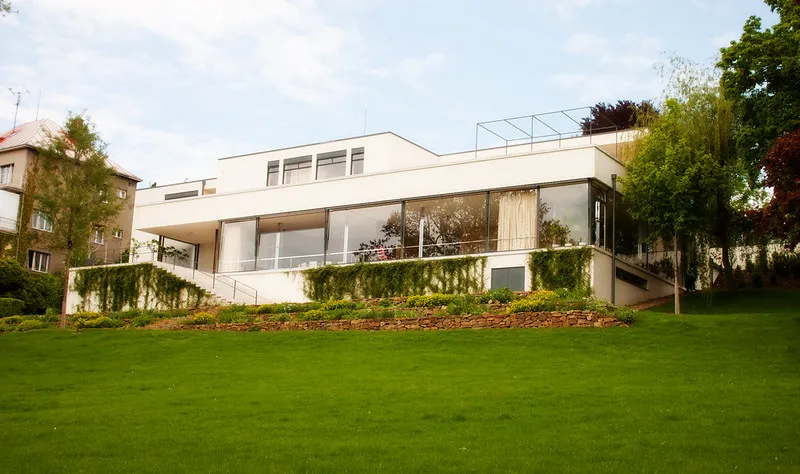
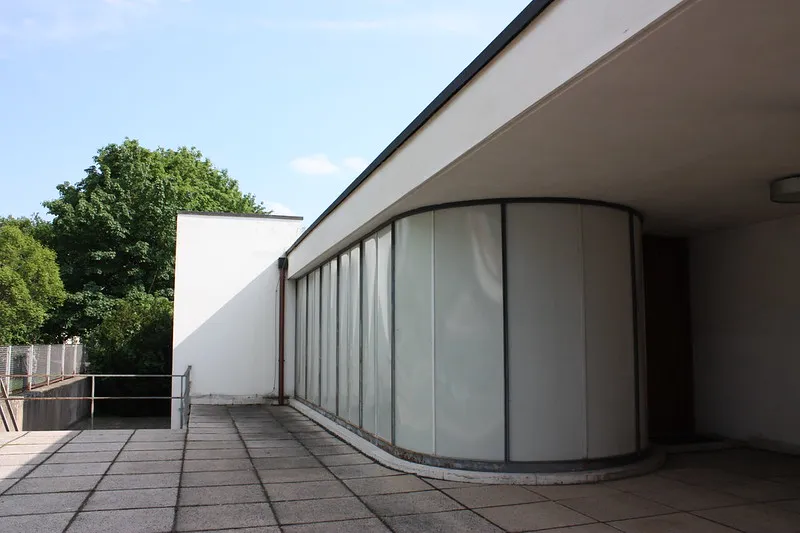
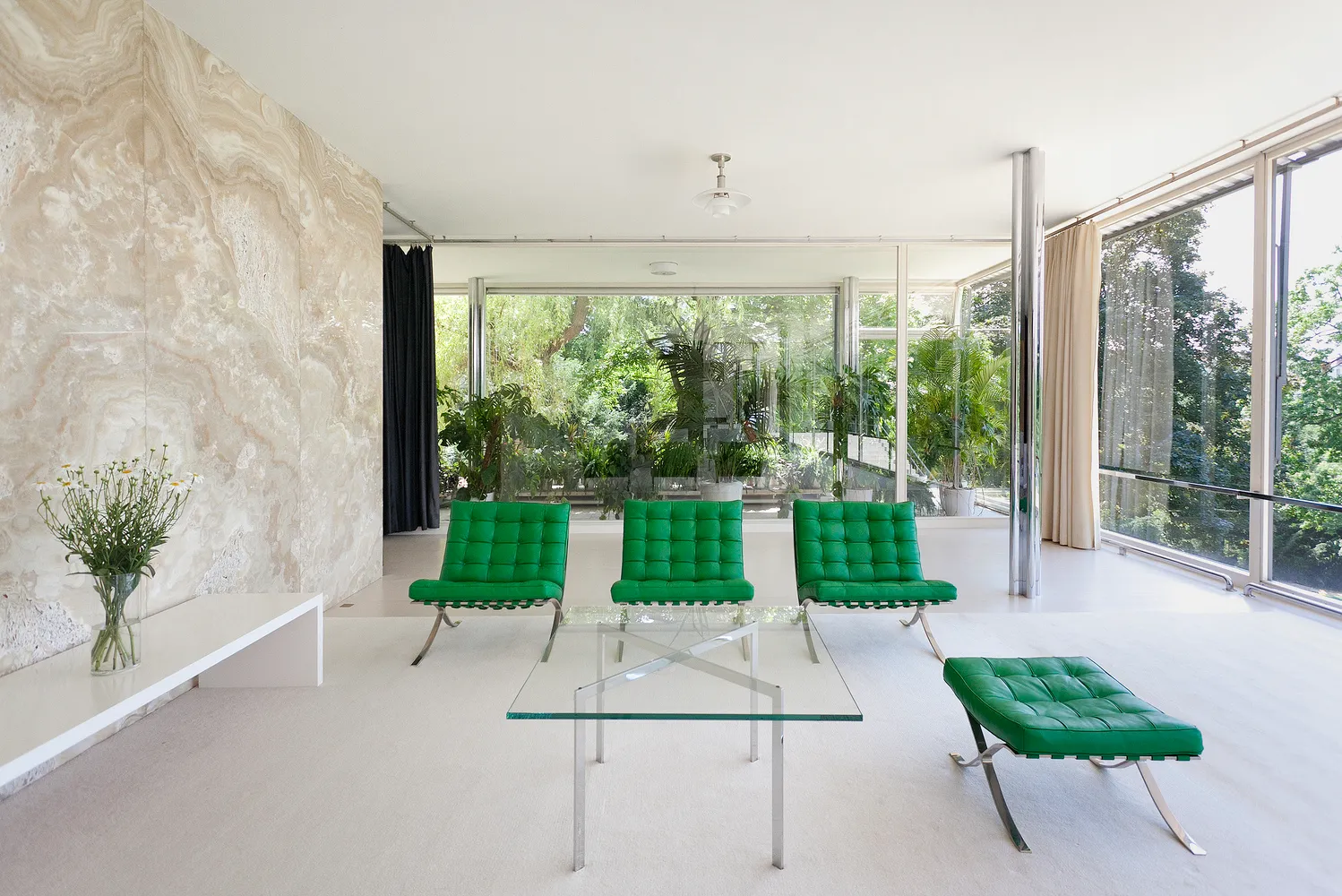
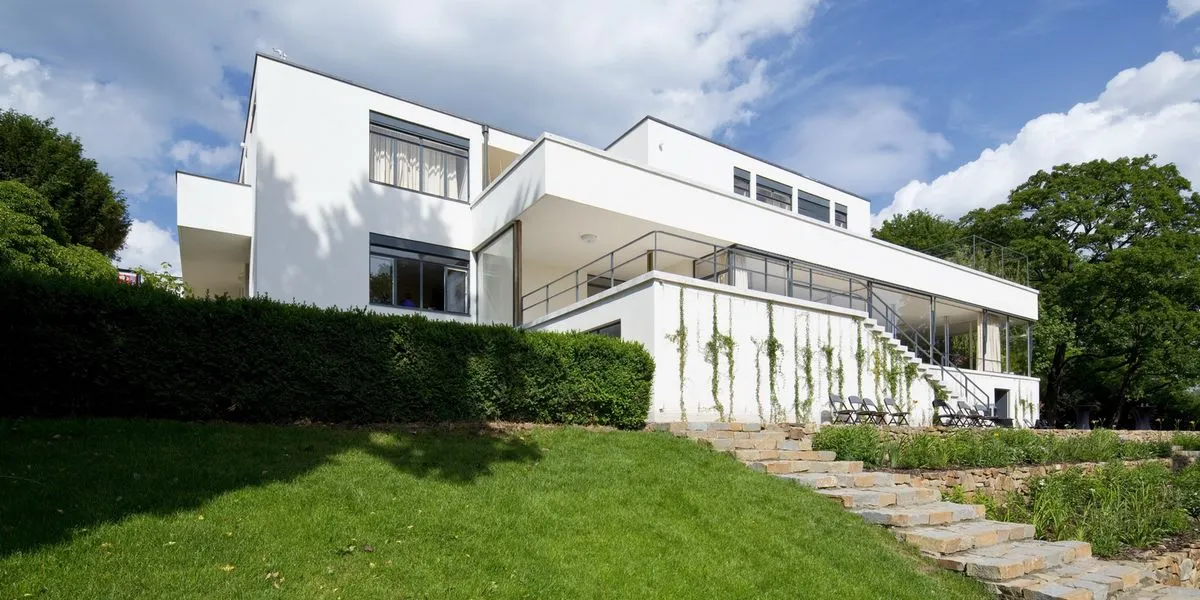
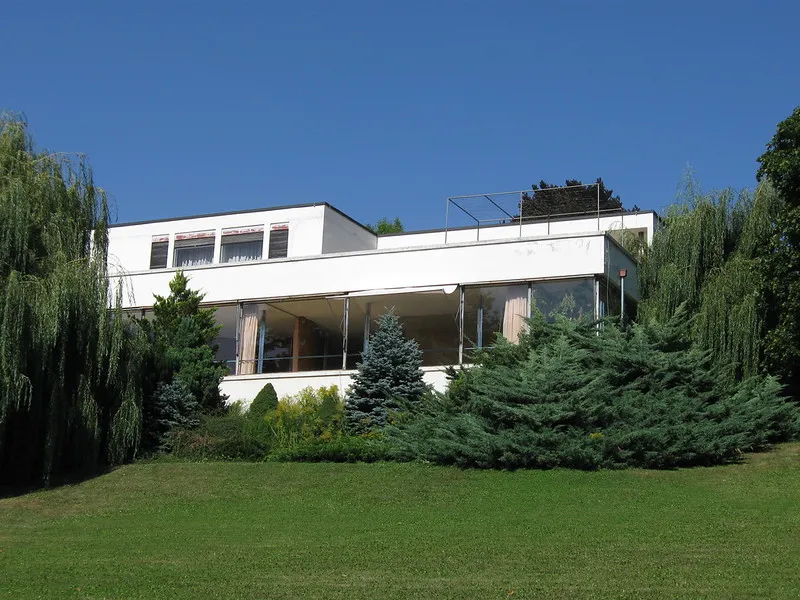
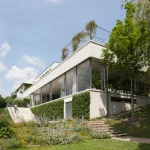
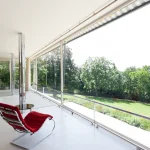
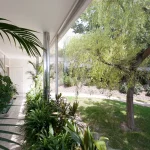
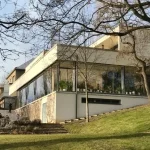
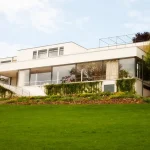
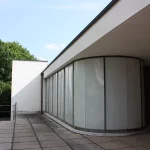
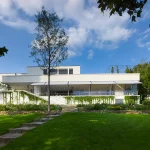
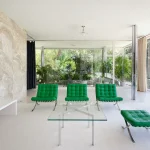
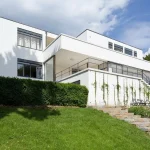
The Villa Tugendhat stands as one of the most remarkable private homes of the 20th century, a living expression of Mies van der Rohe’s belief that beauty lies in simplicity. Completed in 1930 in collaboration with interior designer Lilly Reich for Fritz and Greta Tugendhat, a member of an influential Jewish Tugendhat family.
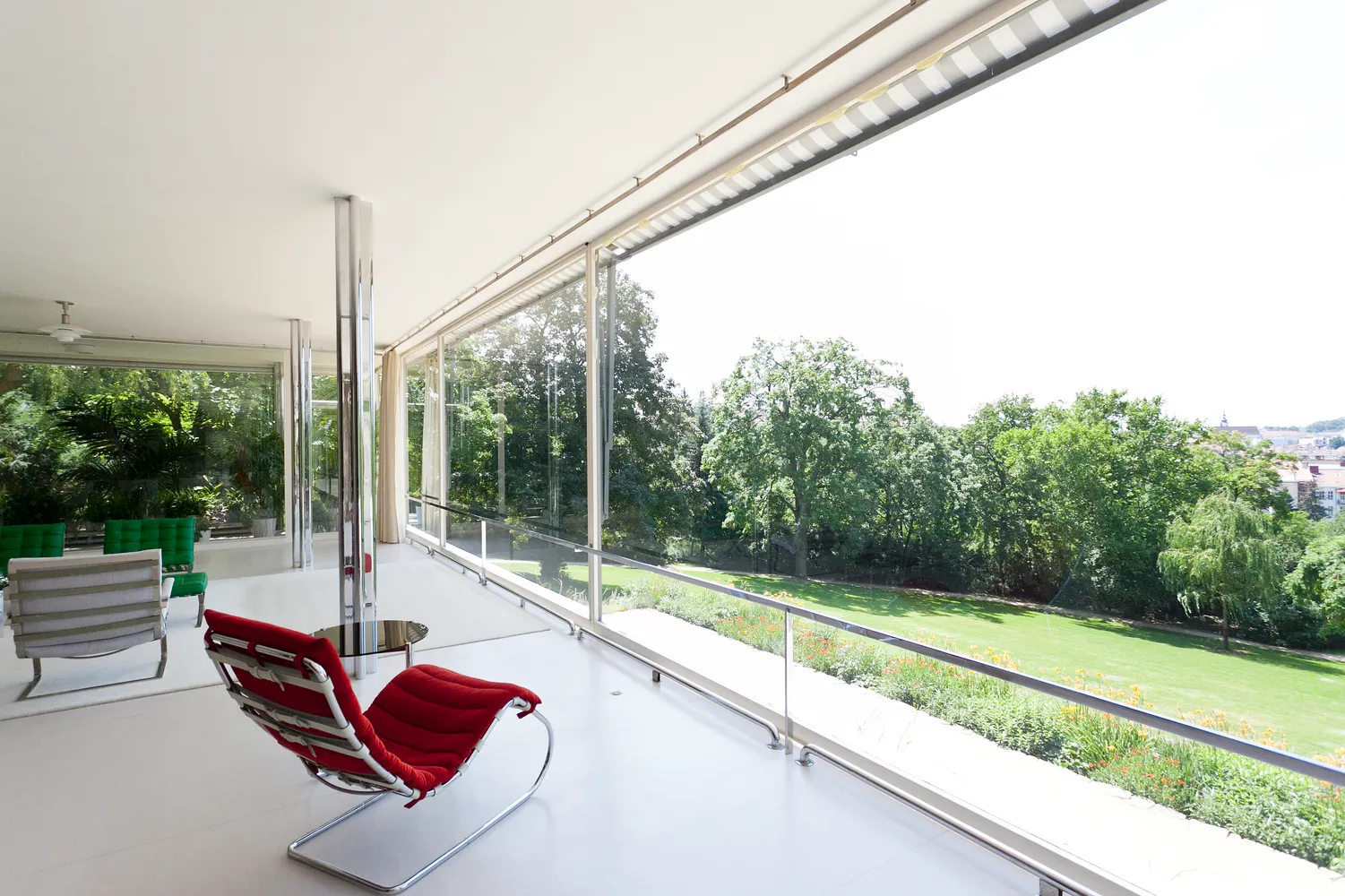
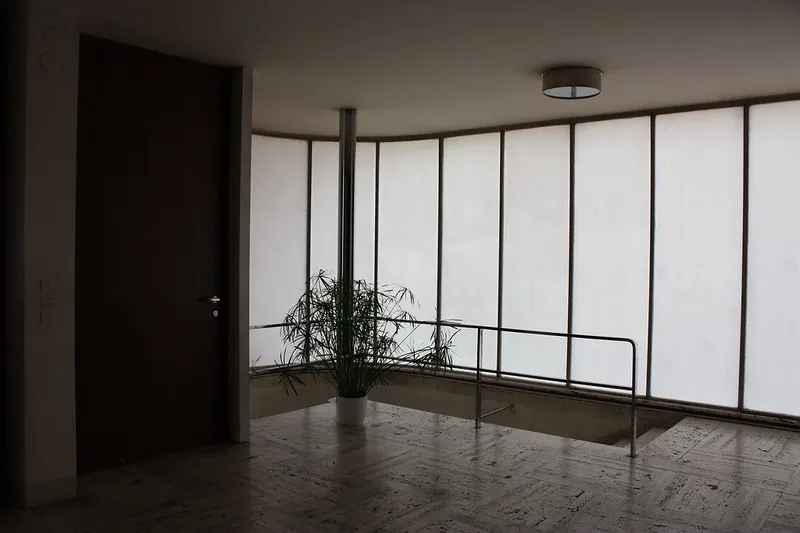
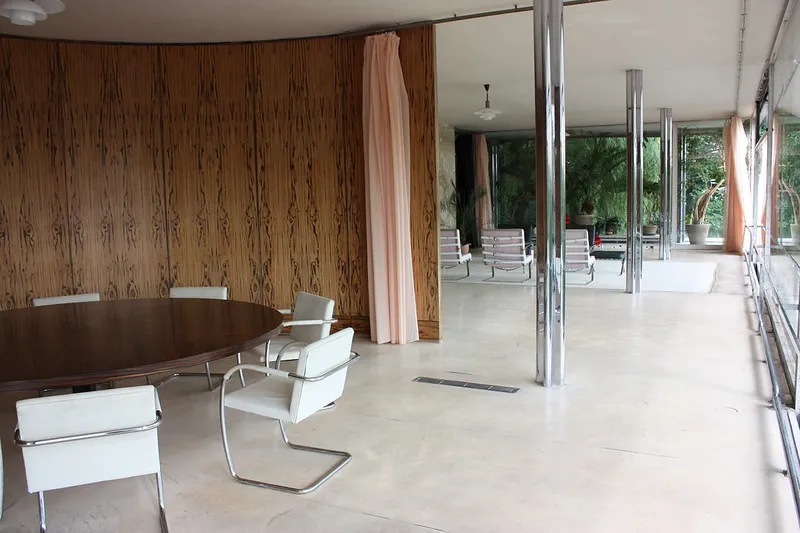
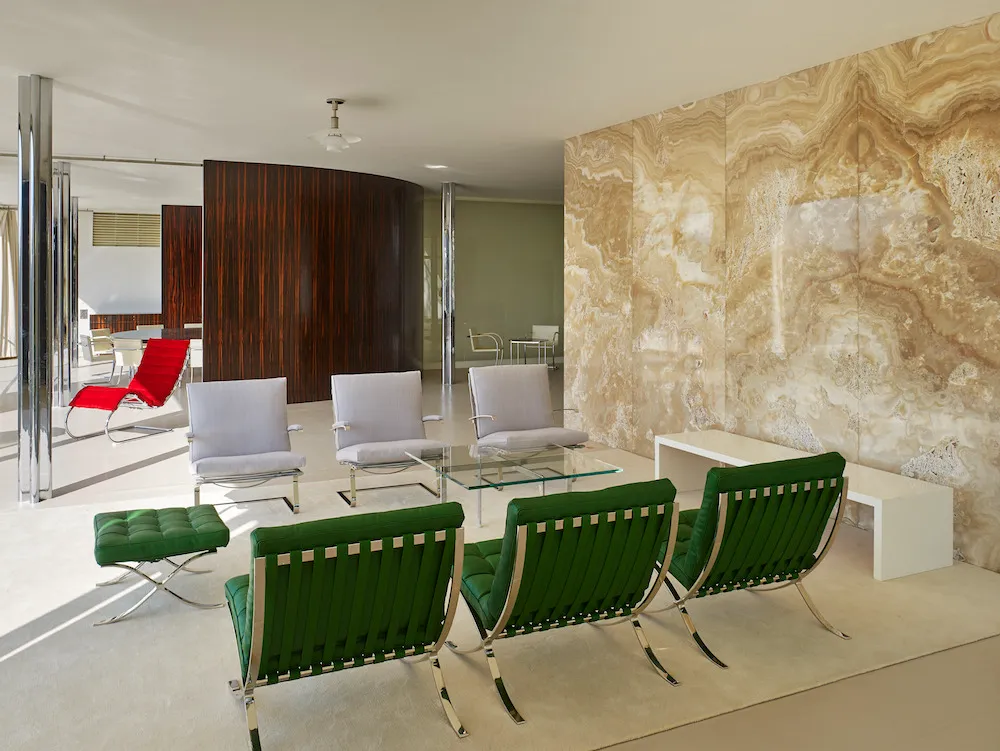
The villa combines steel, stone, and glass in a composition that is both modern and timeless. With its flowing, open spaces and sweeping views of the city below, it echoes the spirit of Mies’s Barcelona Pavilion, offering a serene harmony between structure, light, and the landscape beyond.
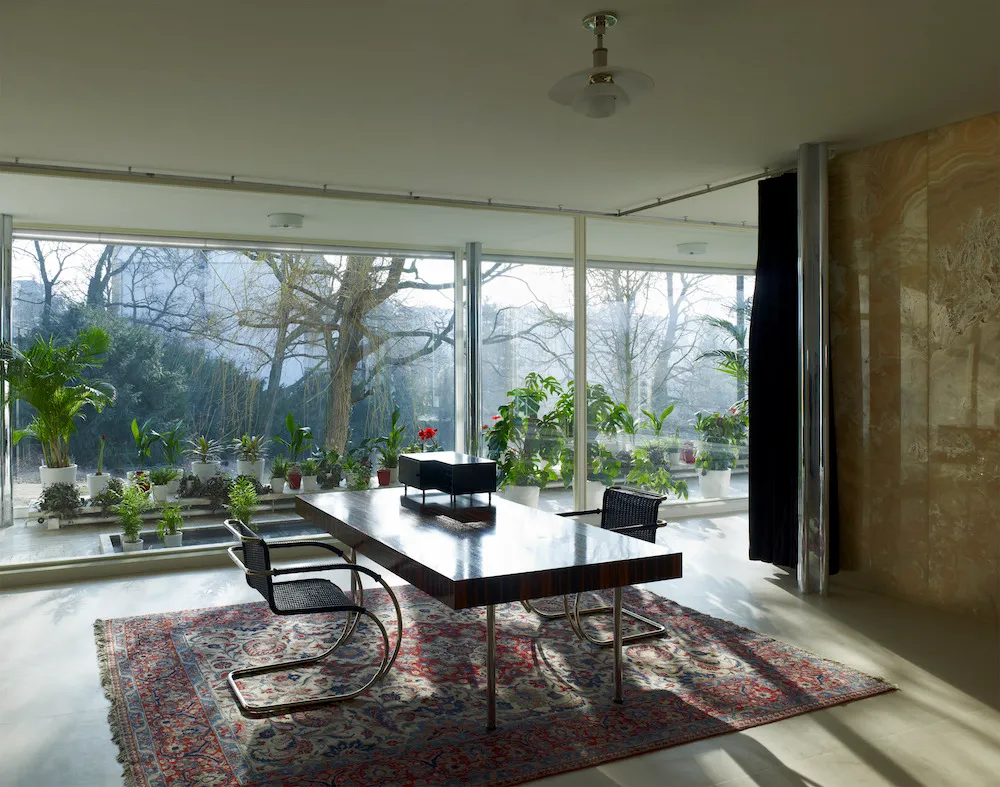
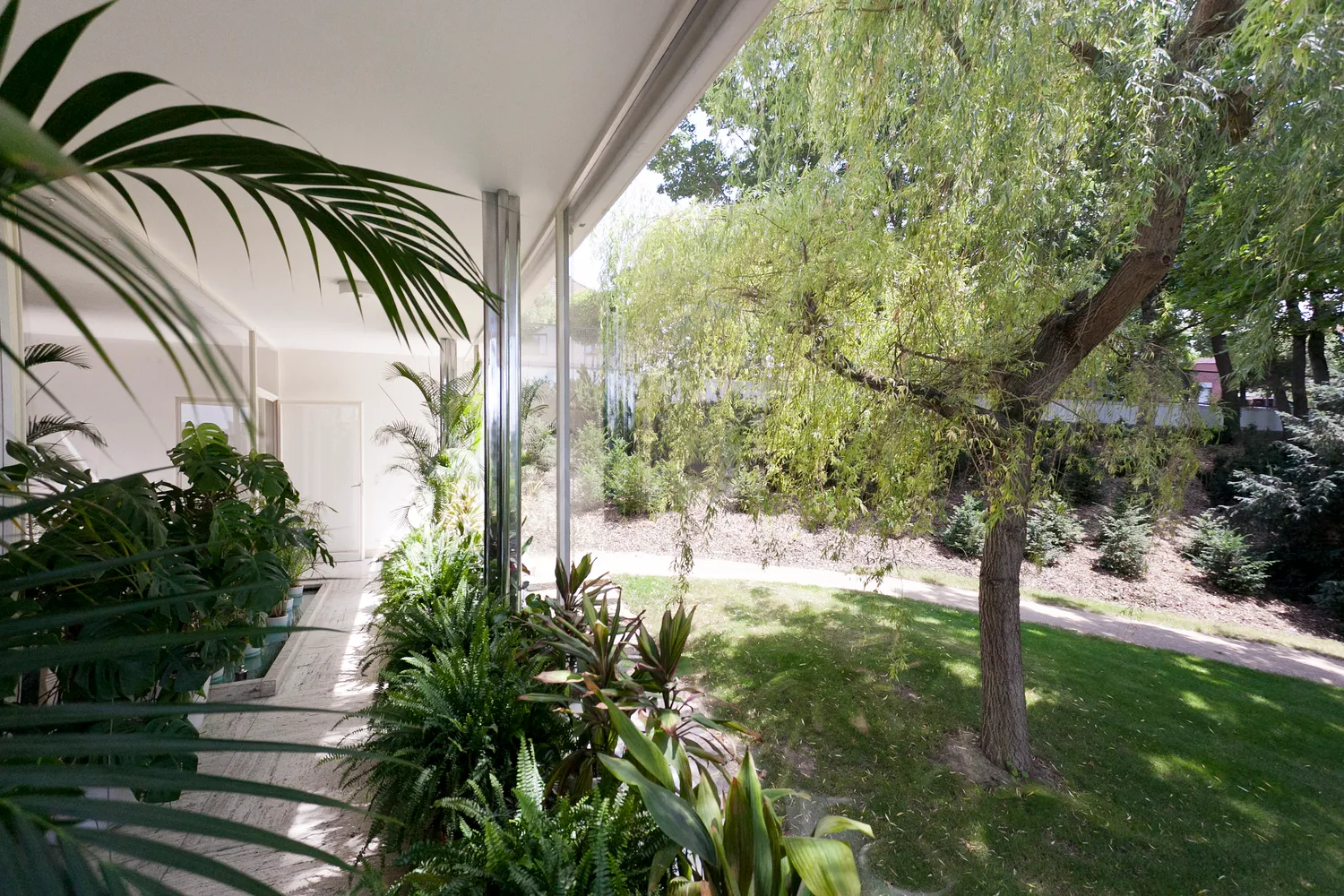
Constructed from concrete and industrial materials, the Villa Tugendhat stands as a timeless symbol of modern architecture and earned its place on the UNESCO World Heritage List in 2001. Facing southwest, the three-story home beautifully blurs the boundaries between indoors and out, with expansive living areas, terraces, and light-filled rooms flowing seamlessly across its levels.
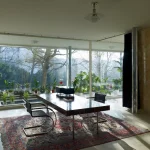
Mies van der Rohe’s innovative iron framework removed the need for supporting walls, creating an open, airy space enriched by natural materials, lustrous onyx, tropical woods, and glass. Designed in collaboration with Lilly Reich, every detail, from the iconic Tugendhat and Brno chairs to the play of sunlight across the onyx wall, reflects a rare harmony of craftsmanship, comfort, and modern elegance.
8. Neue National Gallery, Germany
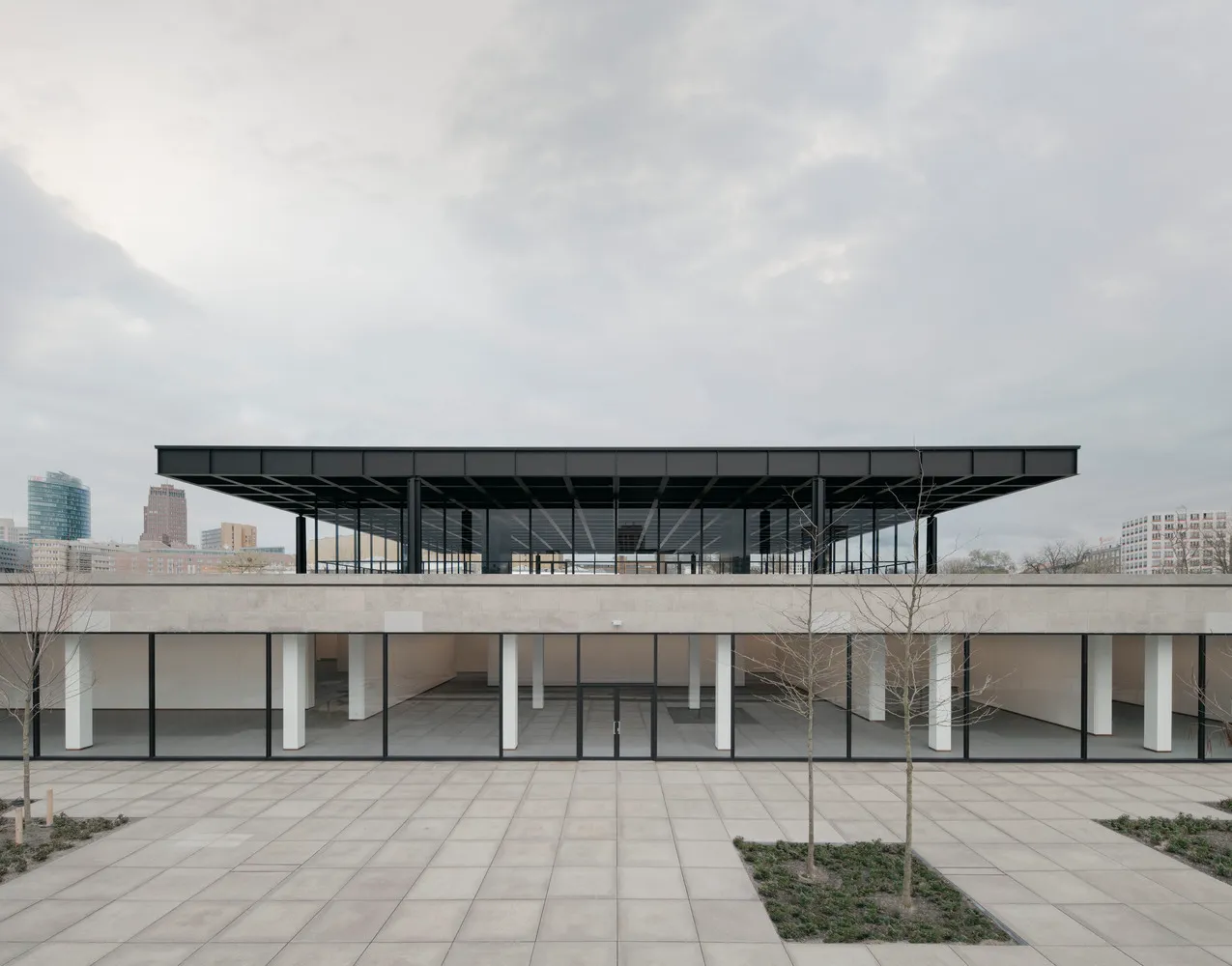
Location: Berlin, Germany
Typology: Gallery
Completed: 2021
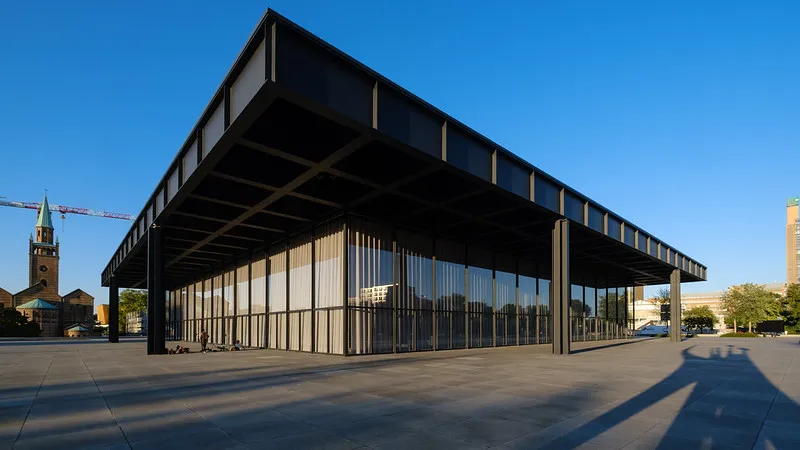
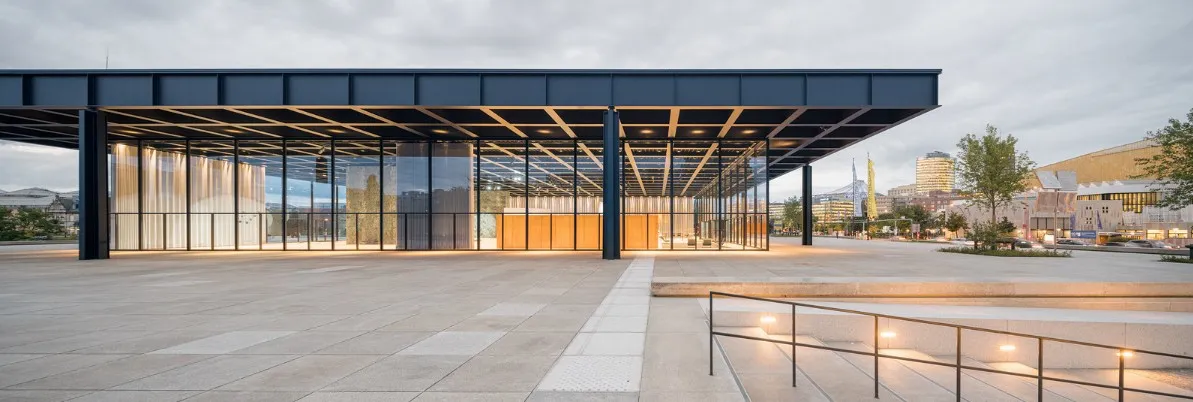
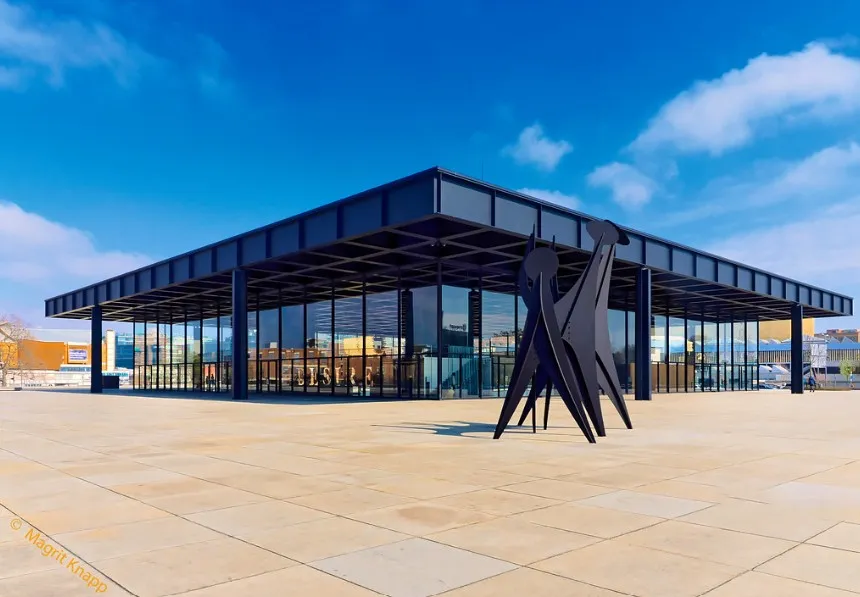
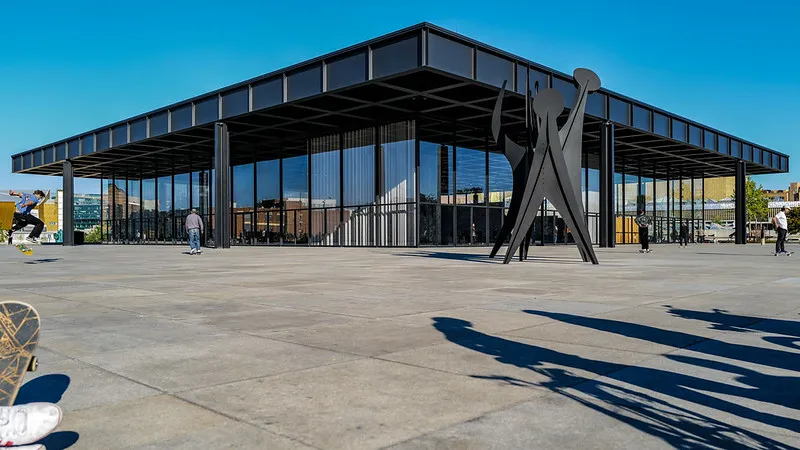
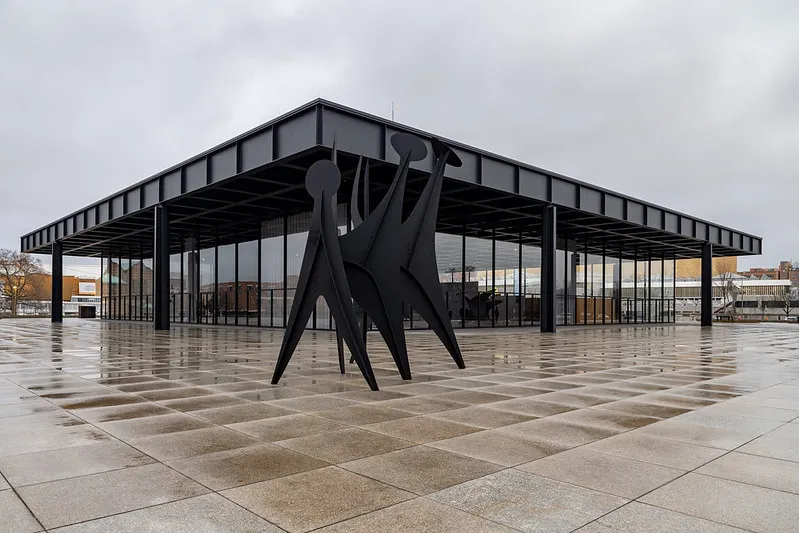
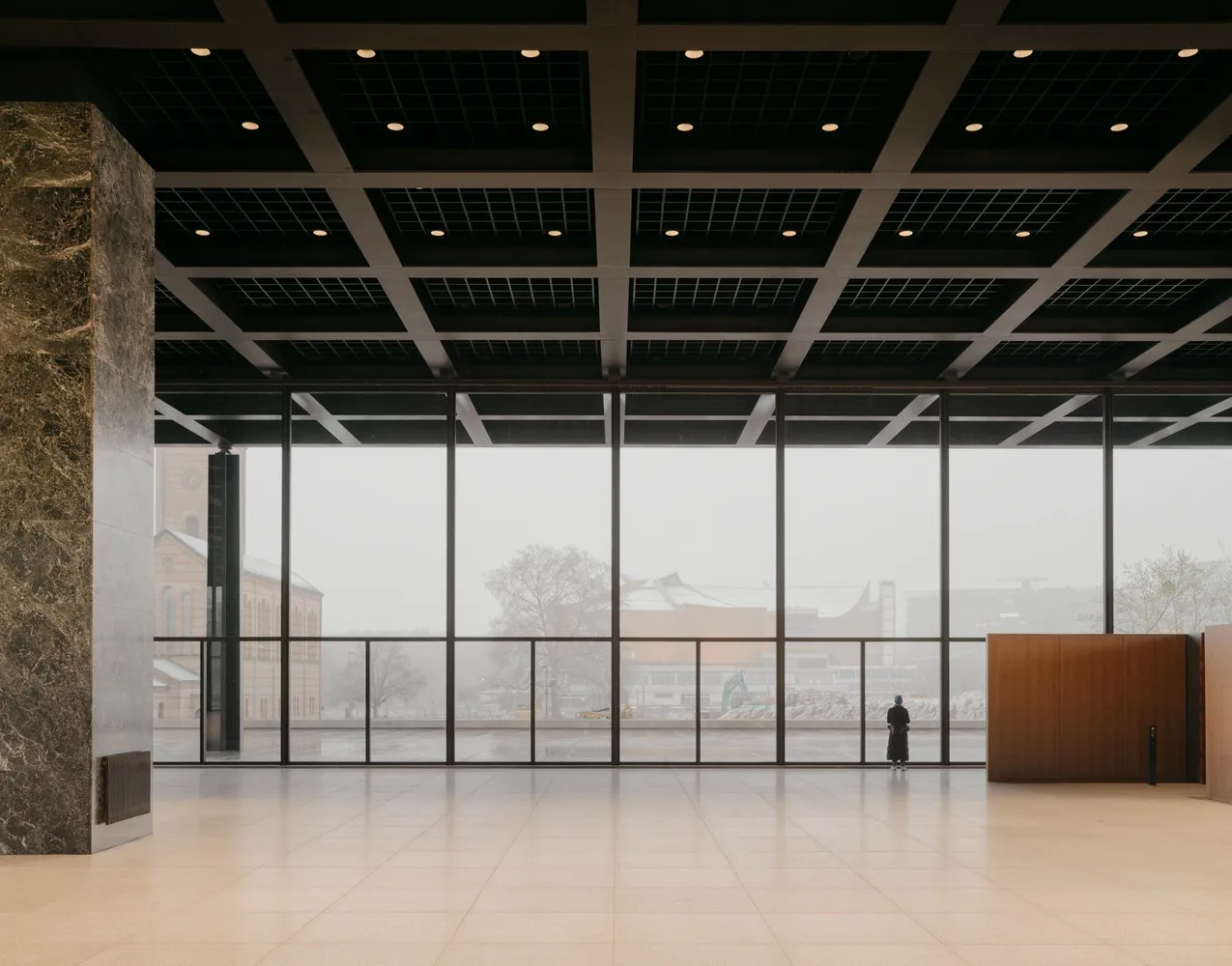
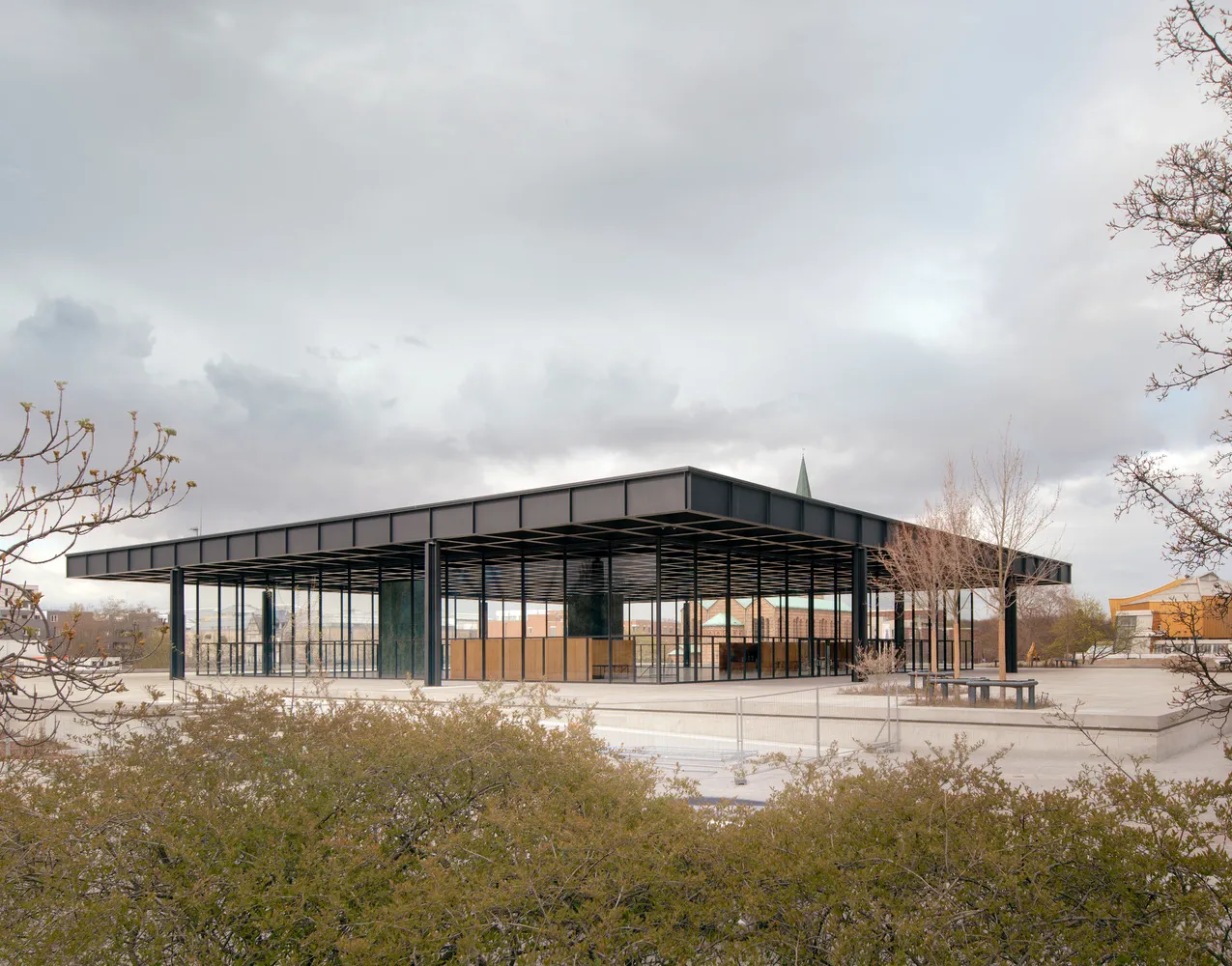
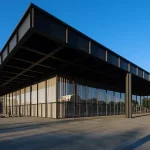
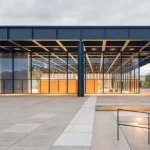
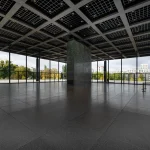
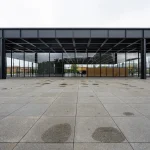
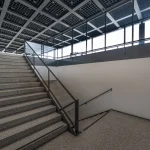
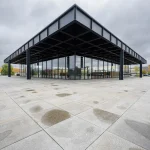
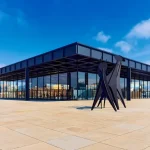
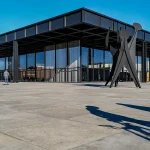
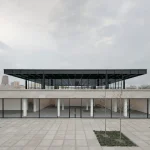
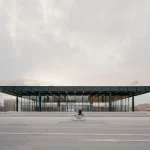
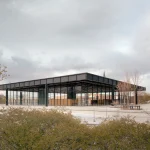
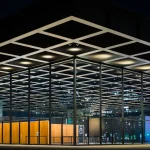
Situated in the heart of Berlin, the Neue Nationalgalerie embodies the ‘Less is More’ design philosophy of Mies van der Rohe’s architectural genius. Completed in 1968, it was commissioned to help restore Berlin as a vibrant cultural capital after the war.
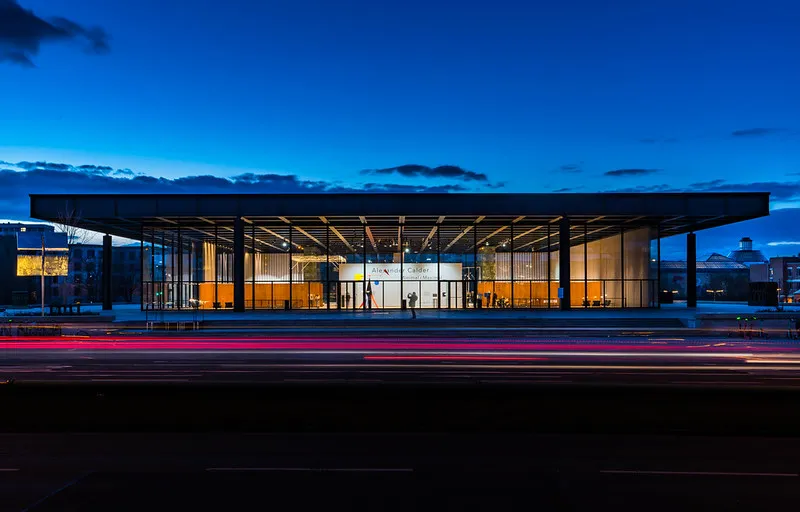
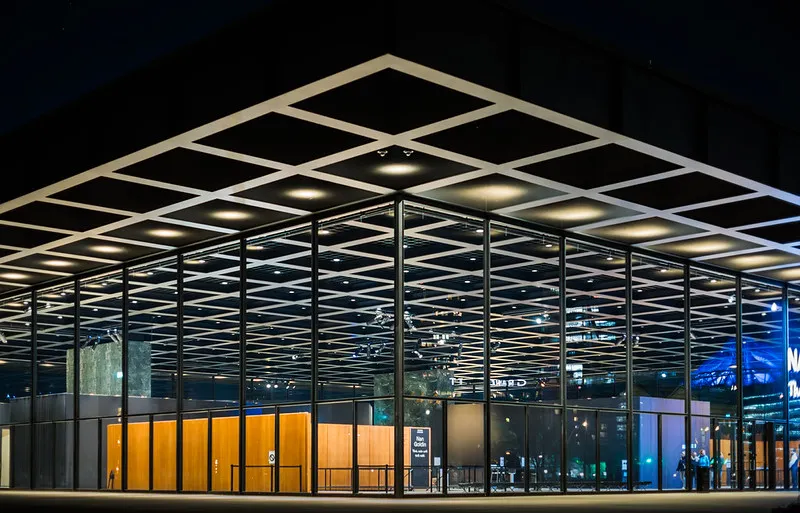
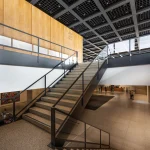
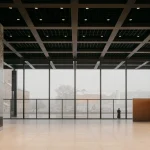
With its soaring steel roof and transparent glass walls, the museum feels both monumental and weightless, designed as an architectural “temple for art.” Divided into two distinct vertical levels, the design celebrates openness and continuity, allowing art and architecture to breathe together in harmony.
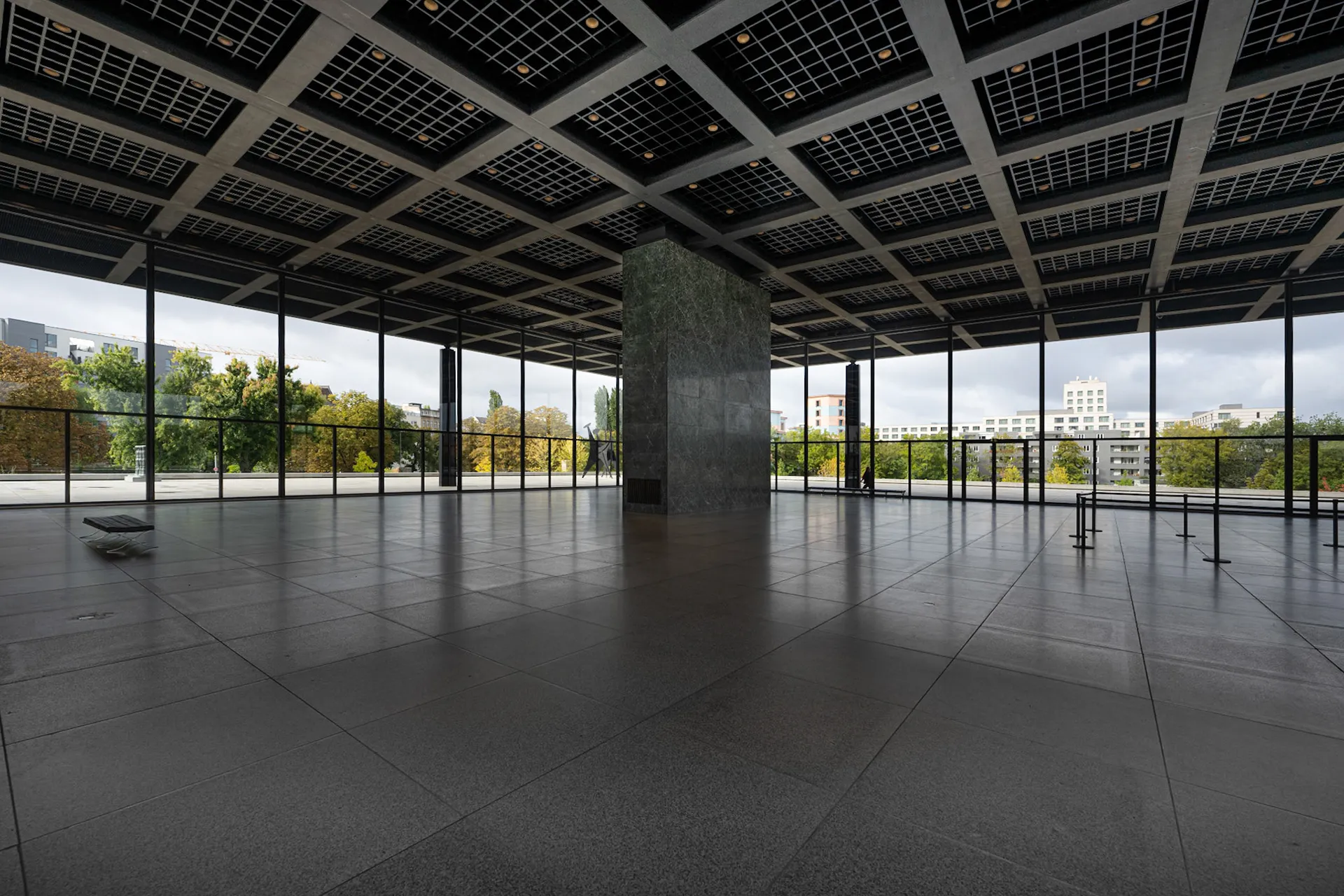
The 2 distinct stories of the gallery, the upper story serves as an entrance hall as well as the primary exhibit gallery covering 2683 square metres. The exhibition pavilion stands boldly elevated from the street level, only accessible through three flights of stairs.
The raised plinth also serves as a platform and boundary that defines the museum and its context. The fully glazed facade not only visually and structurally lightens but also establishes a seamless connection between interior and exterior, enhancing openness and continuity. The open-plan pavilion exemplifies Mies’s commitment to architectural philosophies, allowing for flexible exhibition designs.
9. Lafayette Park, United States
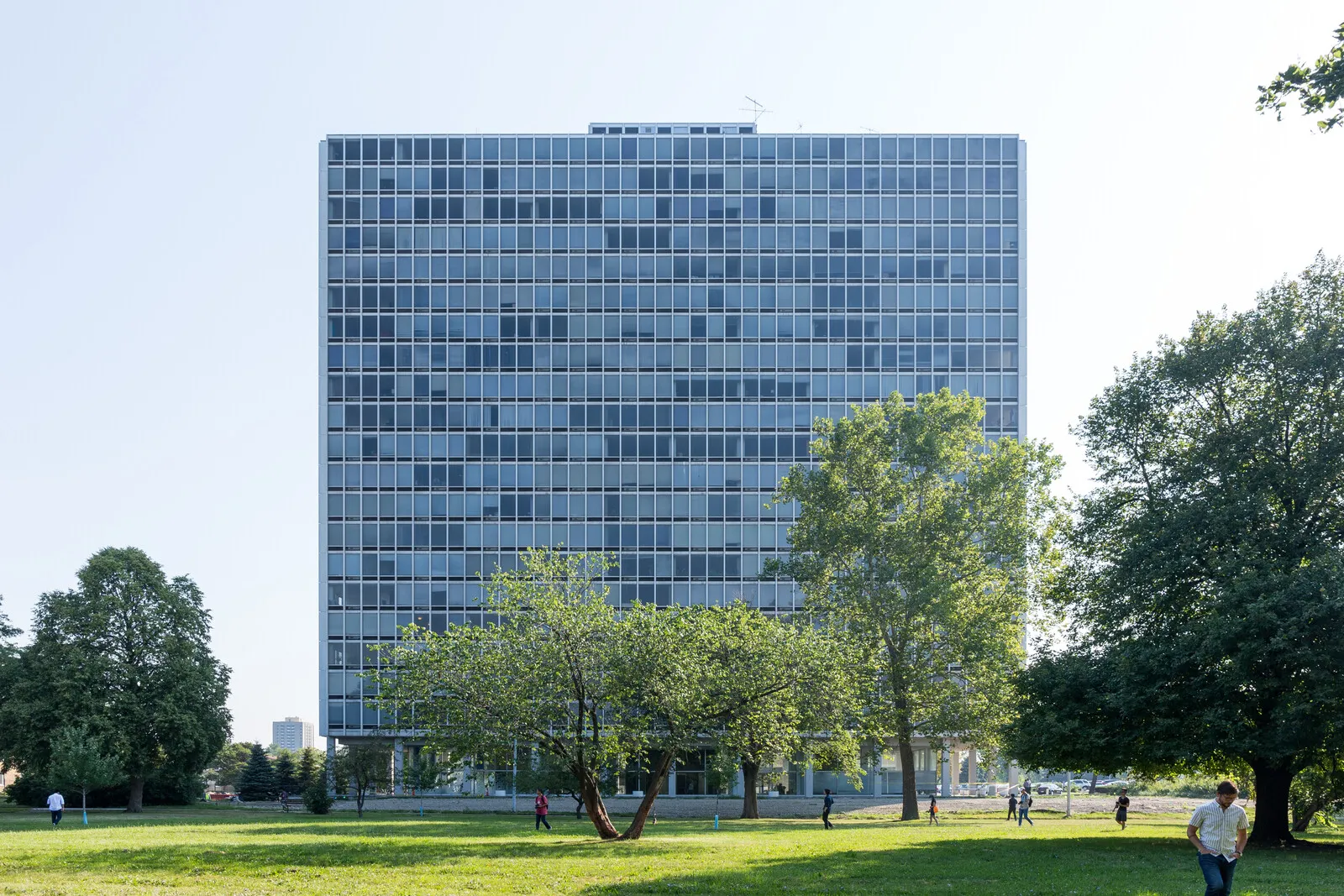
Location: Detroit, United States
Typology: Apartment Complex, Housing
Completed: 1959
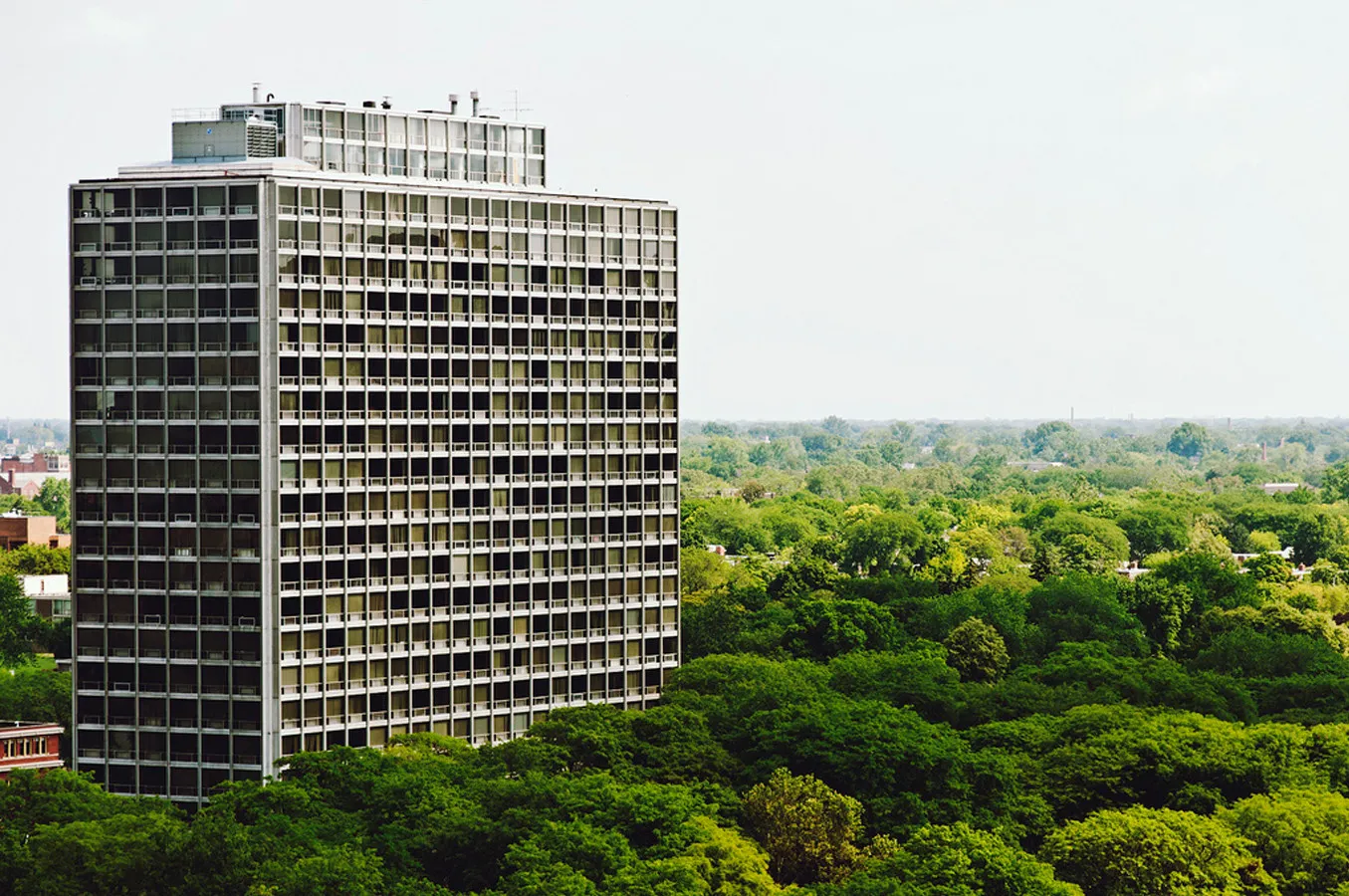
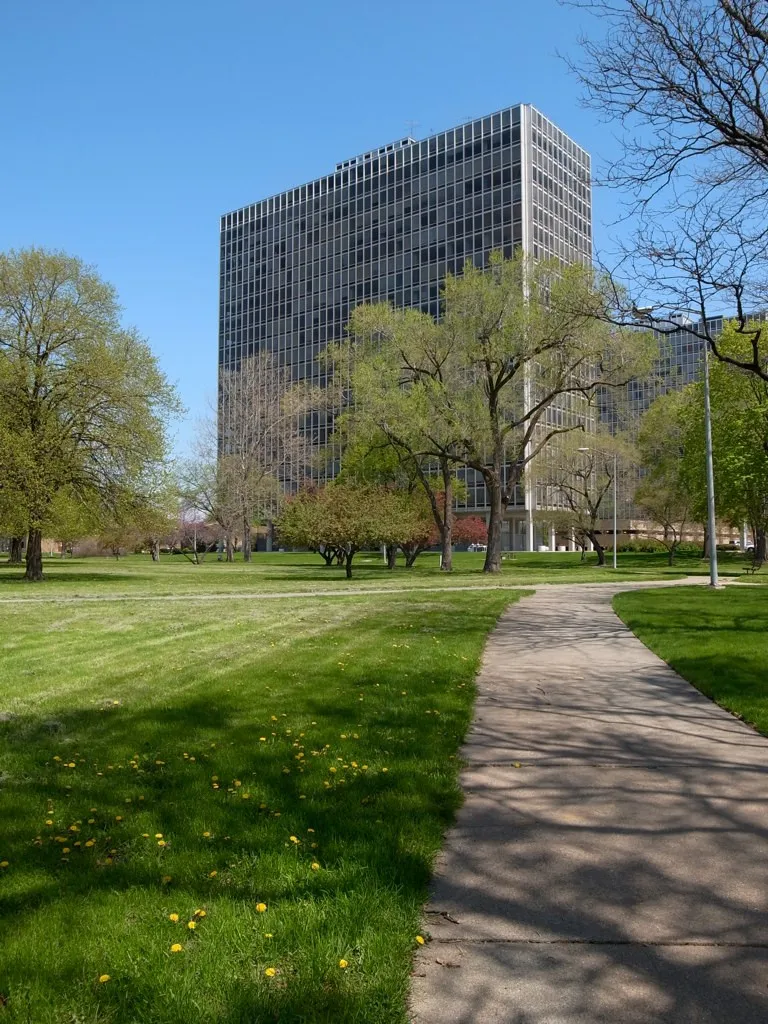
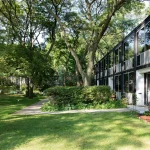
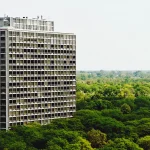
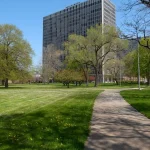
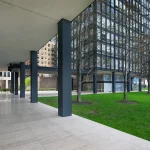
Completed in 1959, Lafayette Park in Detroit stands as the world’s largest collection of Mies van der Rohe’s residential architecture, a living testament to the Bauhaus vision of modern community living. Designed in collaboration with Ludwig Hilberseimer and Alfred Caldwell, the 78-acre neighbourhood blends industrial glass and steel structures with serene green spaces, creating seamless harmony between urban life and nature. Lafayette Park remains a remarkable example of thoughtful urban renewal, still vibrant, liveable, and inspiring more than half a century later.
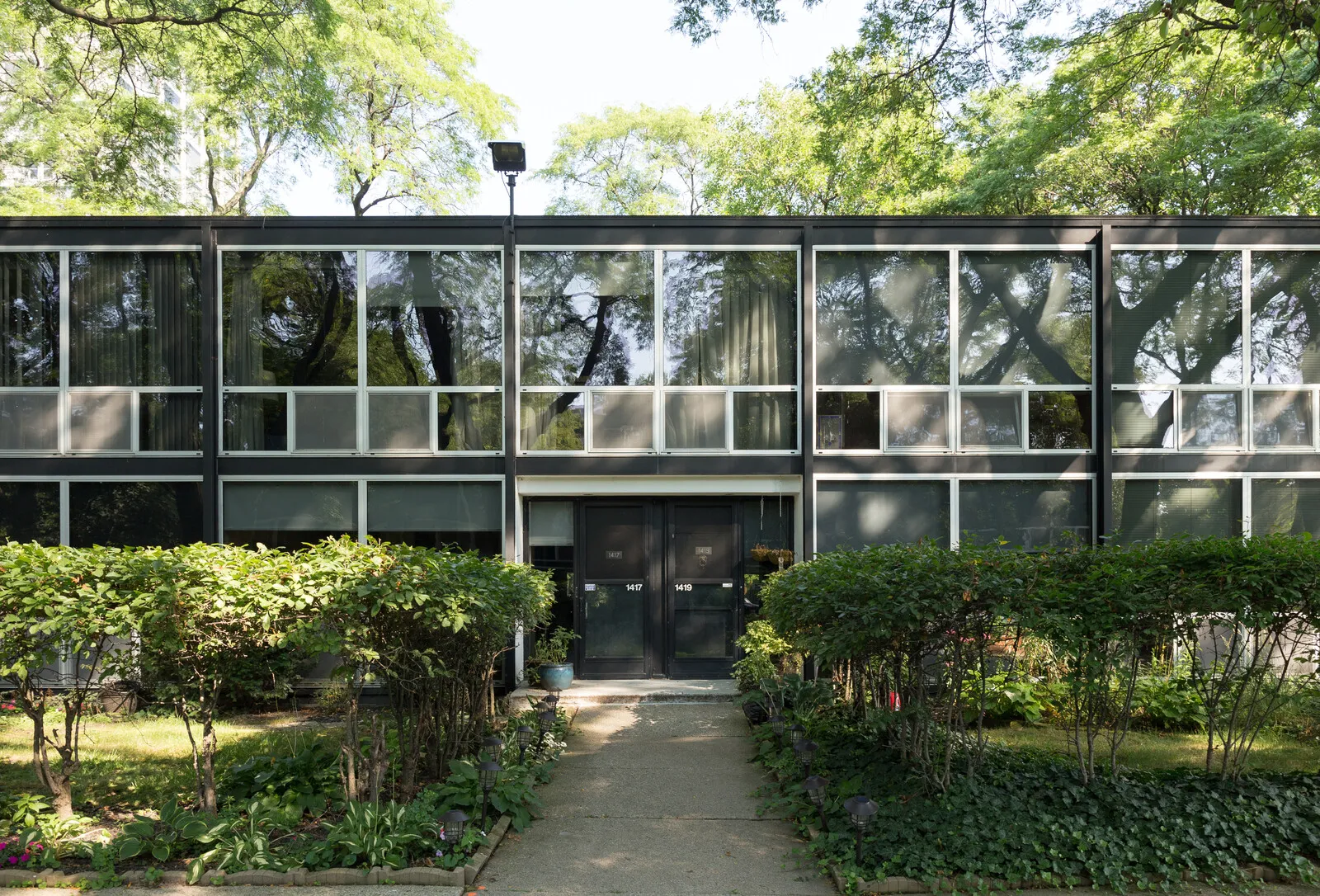
The master plan seamlessly integrates architecture into the lush, park-like setting, where open green spaces and pedestrian pathways create a sense of community within the urban environment. The architecture of the structures reflects Mies’s ‘Less is More’ ideology, which seamlessly balances simplicity and functionality.
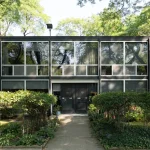
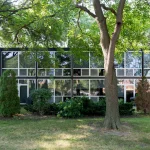
The residential towers and townhouses are characterized by Mies van der Rohe’s signature use of steel and glass, resulting in minimalist architecture that emphasizes light, openness, and a connection to nature. The townhouses feature floor-to-ceiling glass walls blurring the lines between interior and exterior, gracefully above the landscaped grounds.
10. 860-880 Lake Shore Drive Apartments, United States
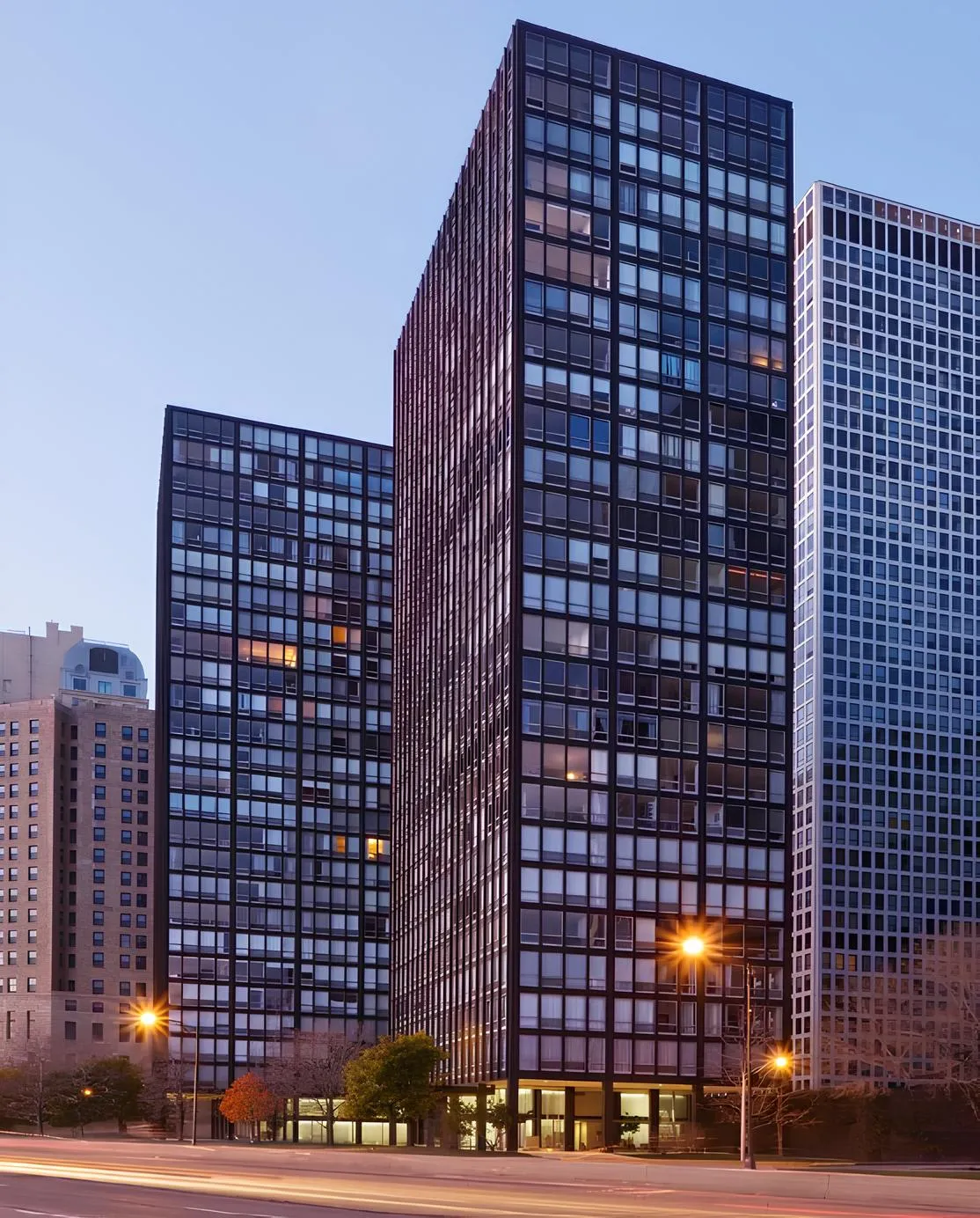
Location: Chicago, United States
Typology: Apartment Complex
Completed: 1951
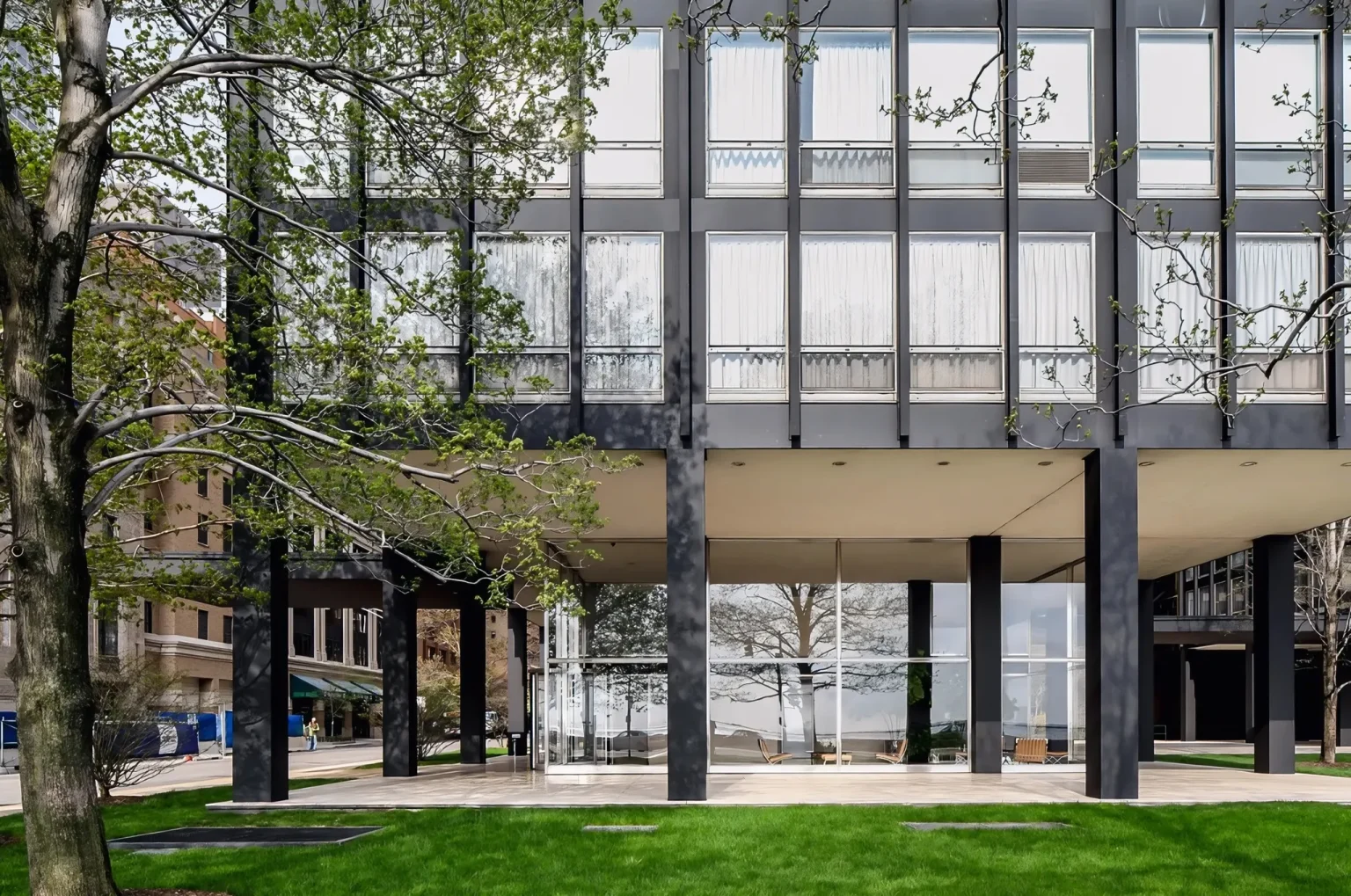
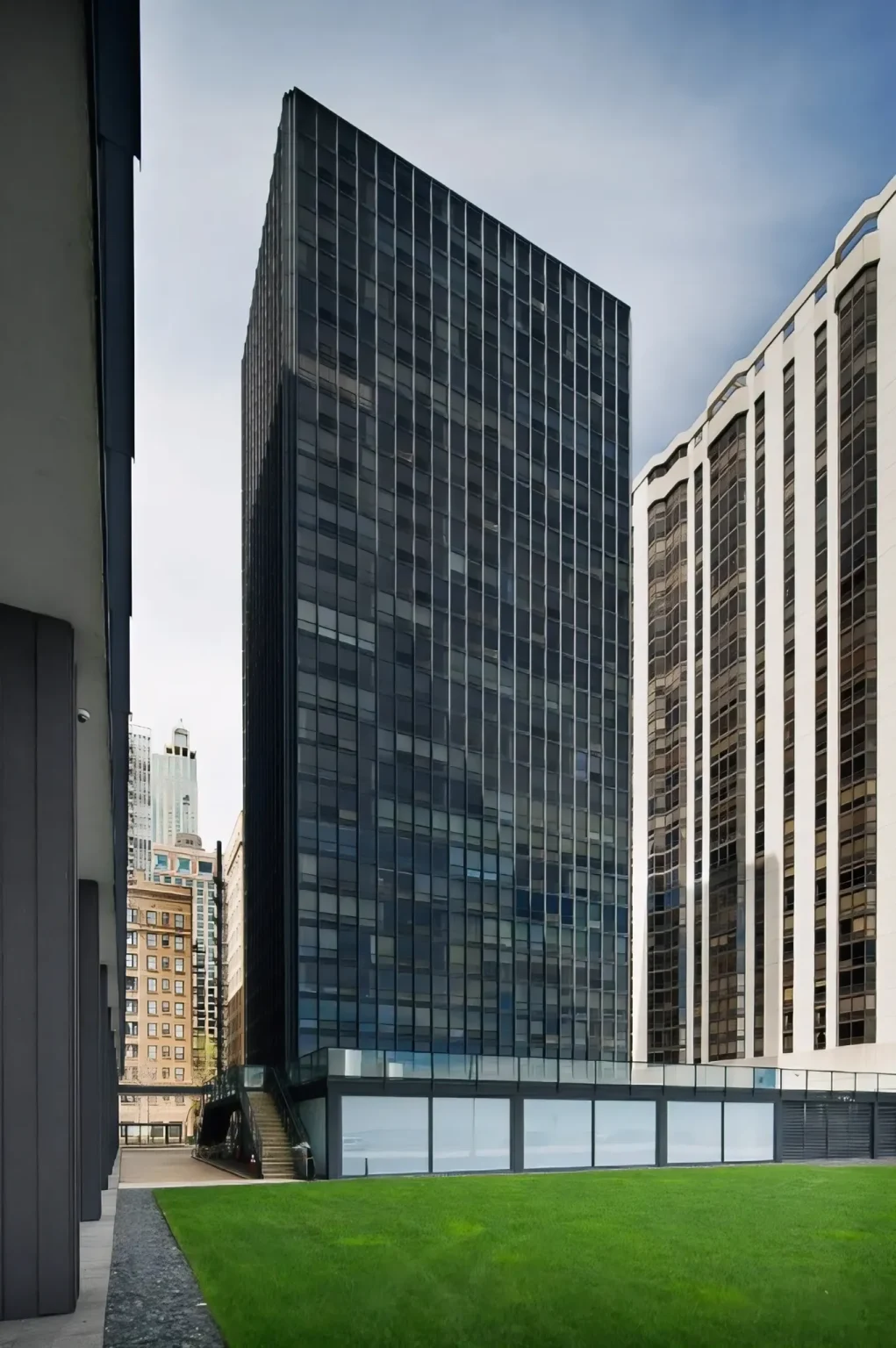
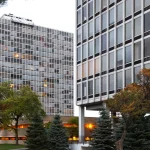
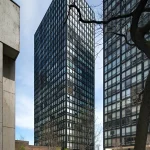
Mies van der Rohe’s 860-880 Lake Shore Drive Apartments have become one of the most memorable icons of Chicago’s architectural landscape. Situated on N Lake Shore Drive, along Lake Michigan in the Streeterville neighbourhood of Chicago.
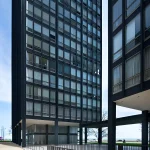
Completed in 1951, the iconic twin towers of glass and steel marked a significant shift in high-rise living and inspired architects to date. The twin towers consist of two 26-story high-rise towers, built using exposed steel and glass, and the towers are set at right angles in an irregular travertine plaza.
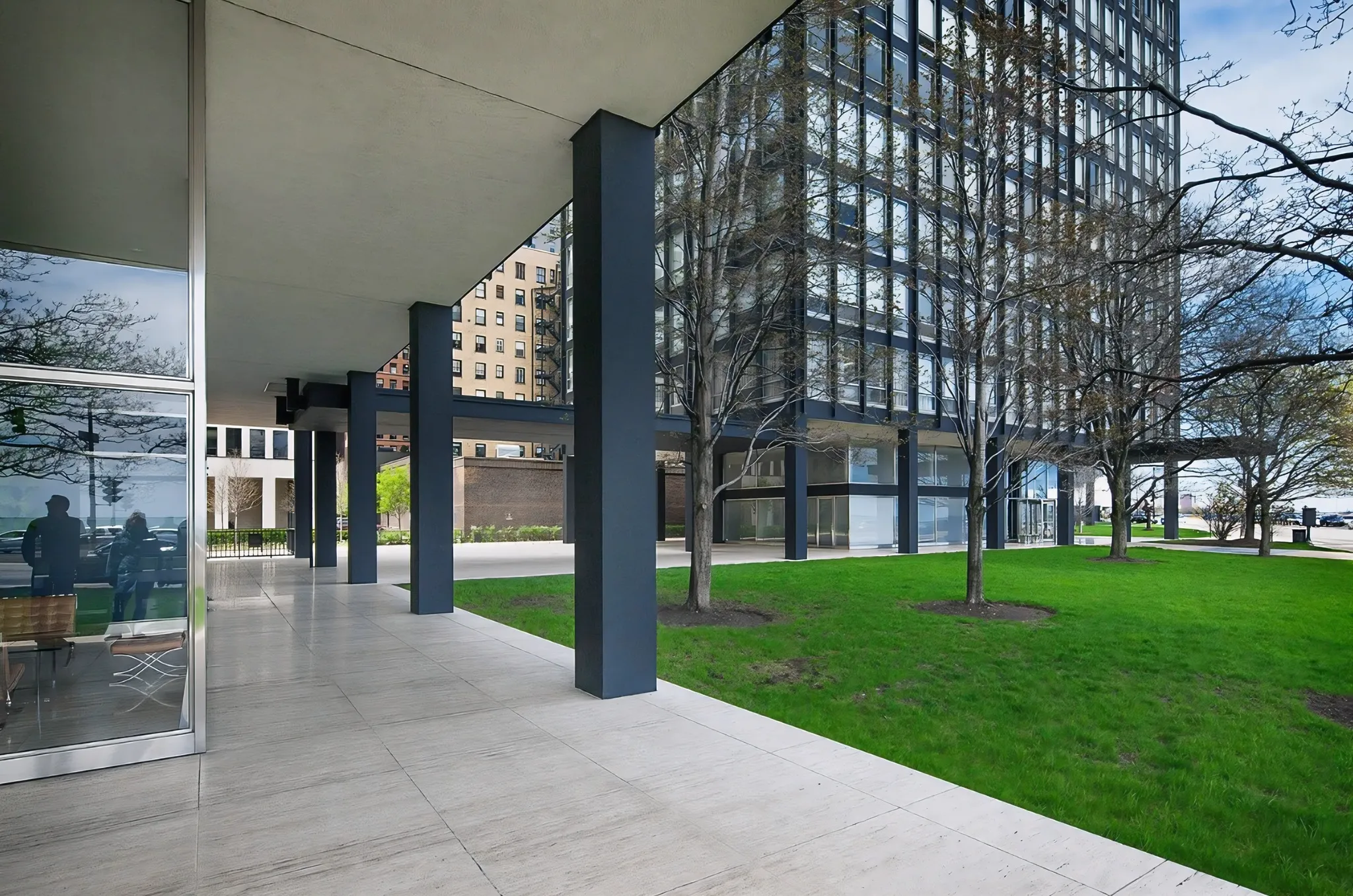
The architecture of the towers has embraced the principles of modernism, a true testament to Mies’s’ Less is More’ philosophy. The concept of the towers, along with minimalism, revolved around skins and bones. The minimal façade is captured in the streamlined facades, where floor-to-ceiling glass is juxtaposed against the exposed steel grid frameworks.
Structural elements have been embraced, representing a shift from the ornamental trends of the time. The layout plan is also a result of careful consideration for Mies’s functionality and minimal design; the central core, which utilises services, helped open flexible interiors.