

The Musée du Louvre, the world’s most visited museum, has launched an international architectural competition as part of its sweeping “Nouvelle Renaissance” transformation, a five-year initiative aimed at tackling overcrowding, modernizing infrastructure, and rethinking how art is experienced in the 21st century. At the core of this transformation is a €270 million design competition focused on two critical upgrades: a new public entrance through the historic Perrault Colonnade and a standalone subterranean gallery for Leonardo da Vinci’s Mona Lisa.
The full scope of the Nouvelle Renaissance program, however, extends beyond these centerpiece projects. With a total projected budget of approximately €400 million, the broader overhaul will include structural restoration, energy-efficient systems, accessibility upgrades, and improvements to the museum’s public realm, such as the Tuileries and Carrousel Gardens.
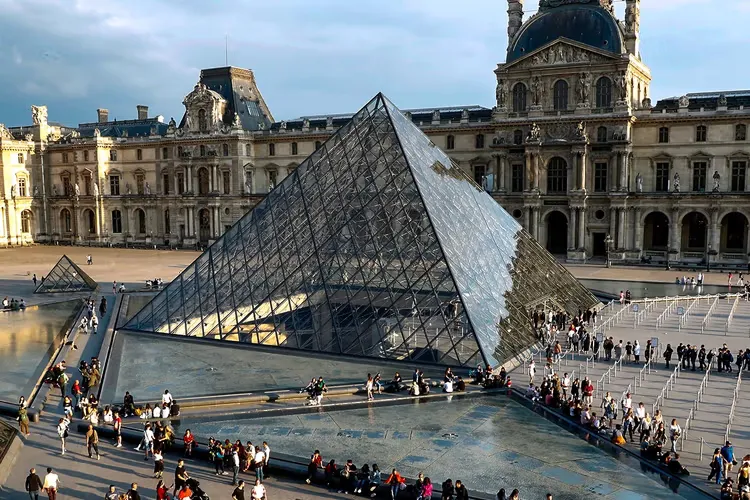
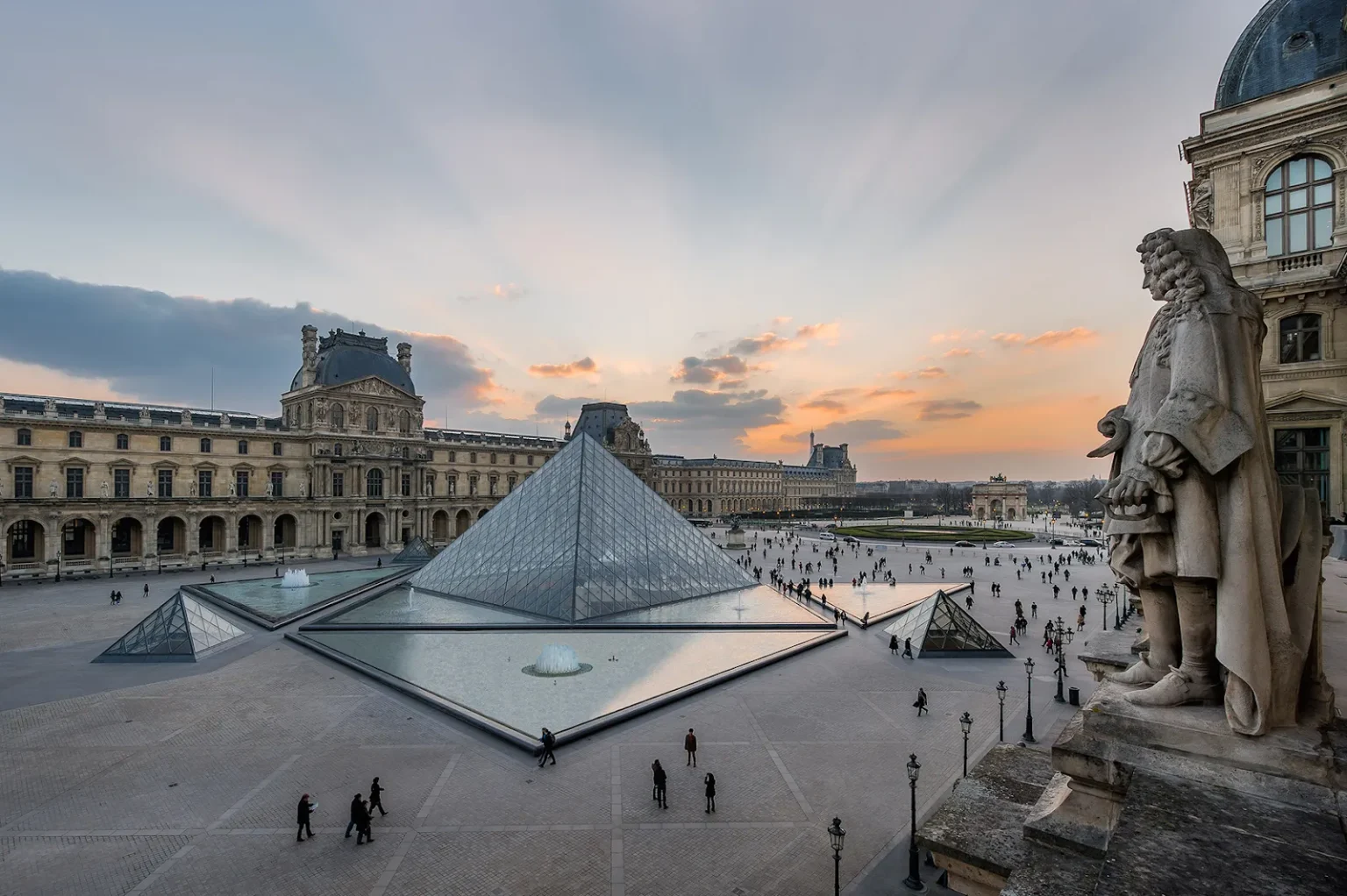
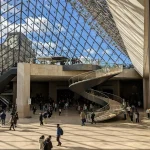
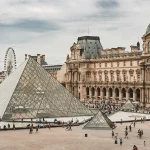
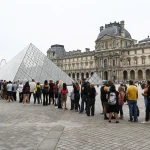
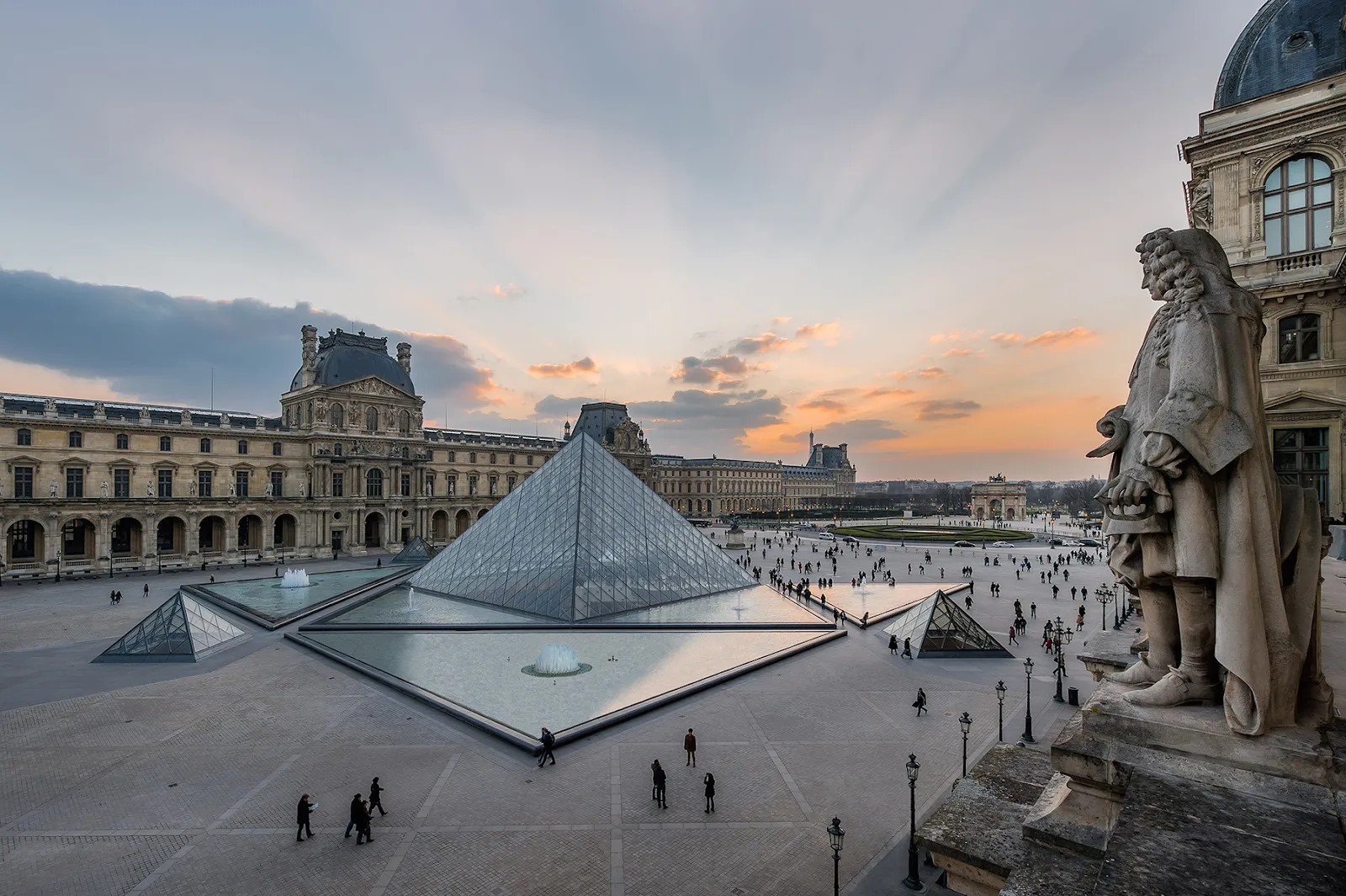
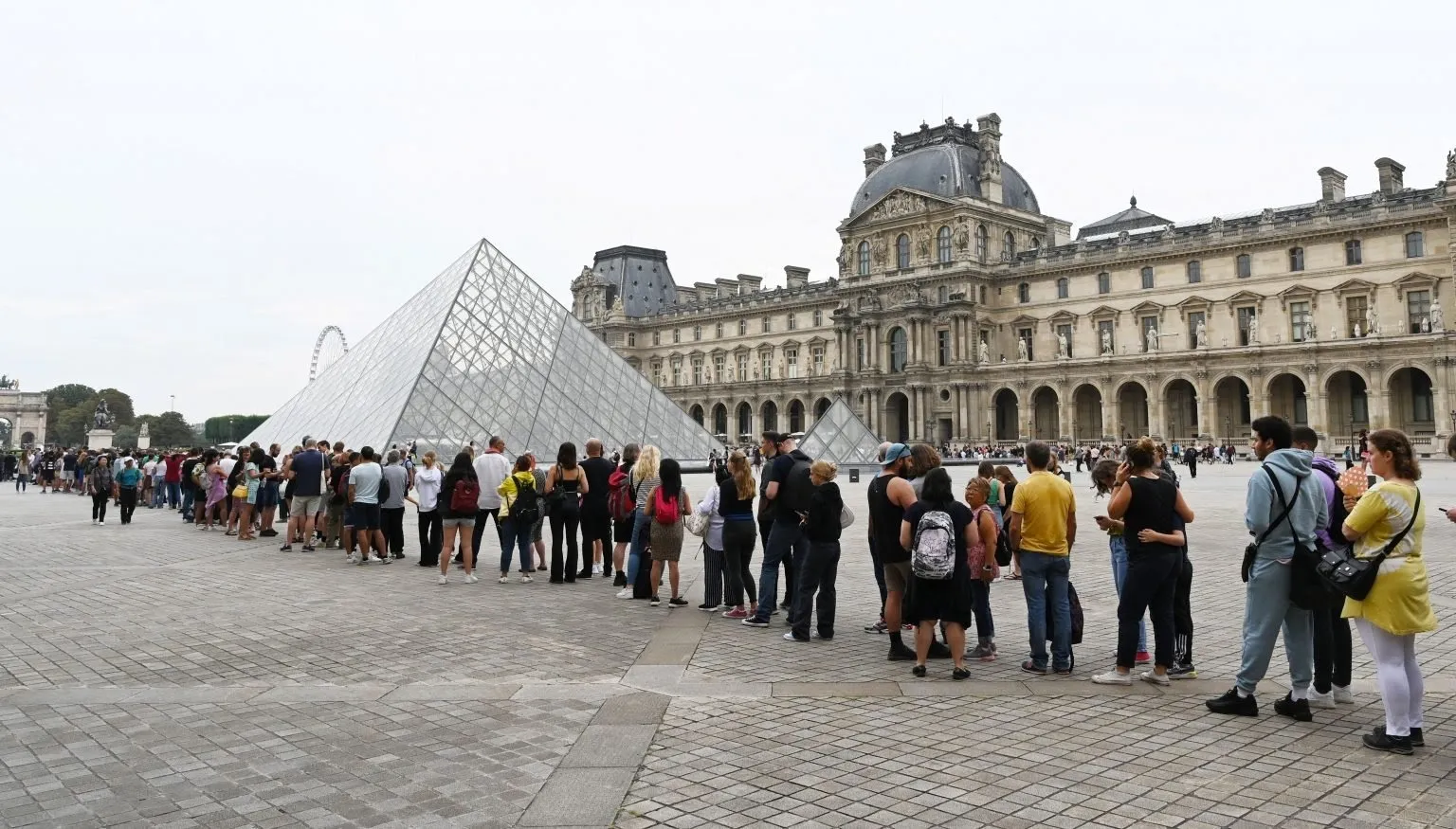
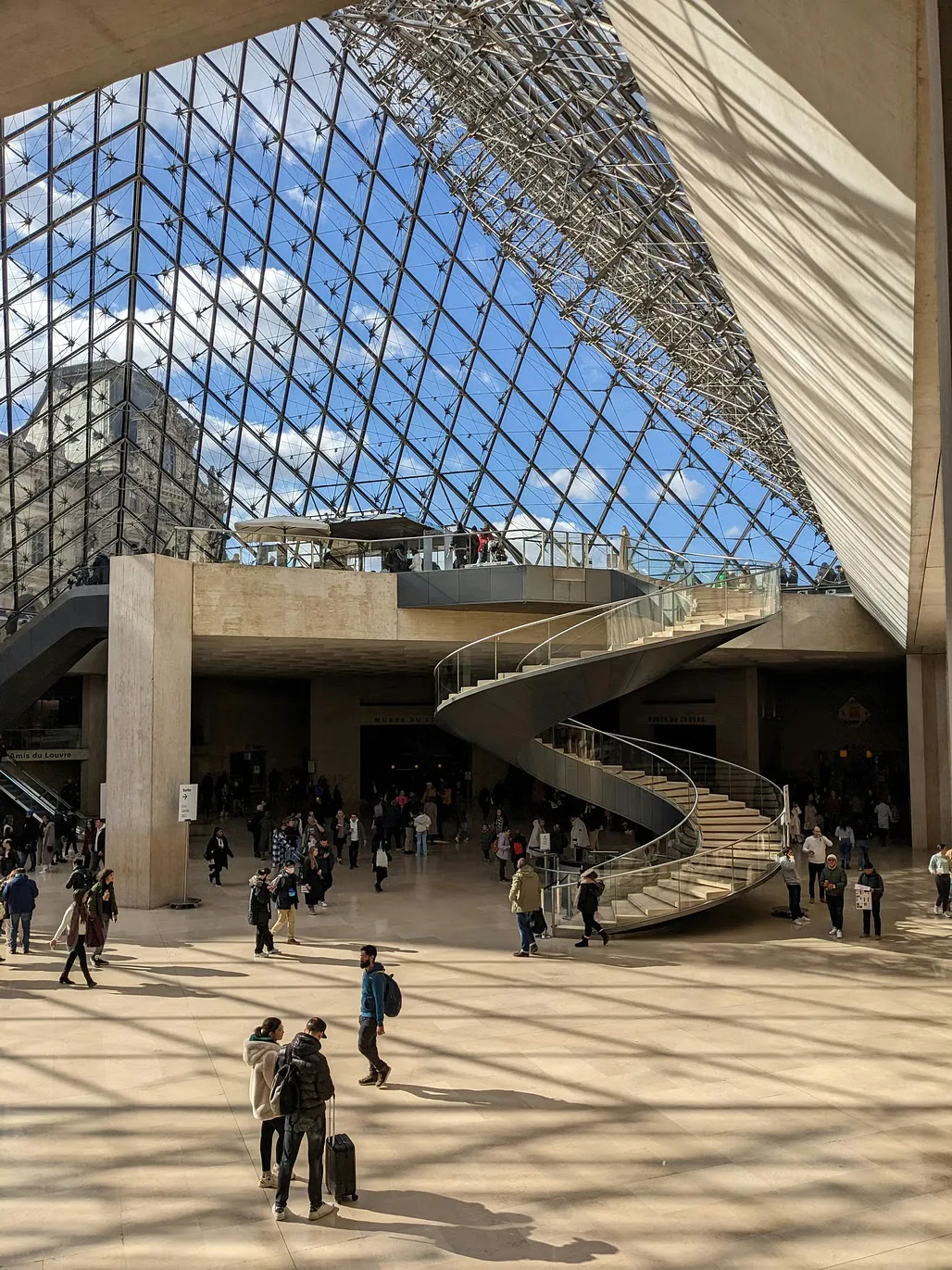
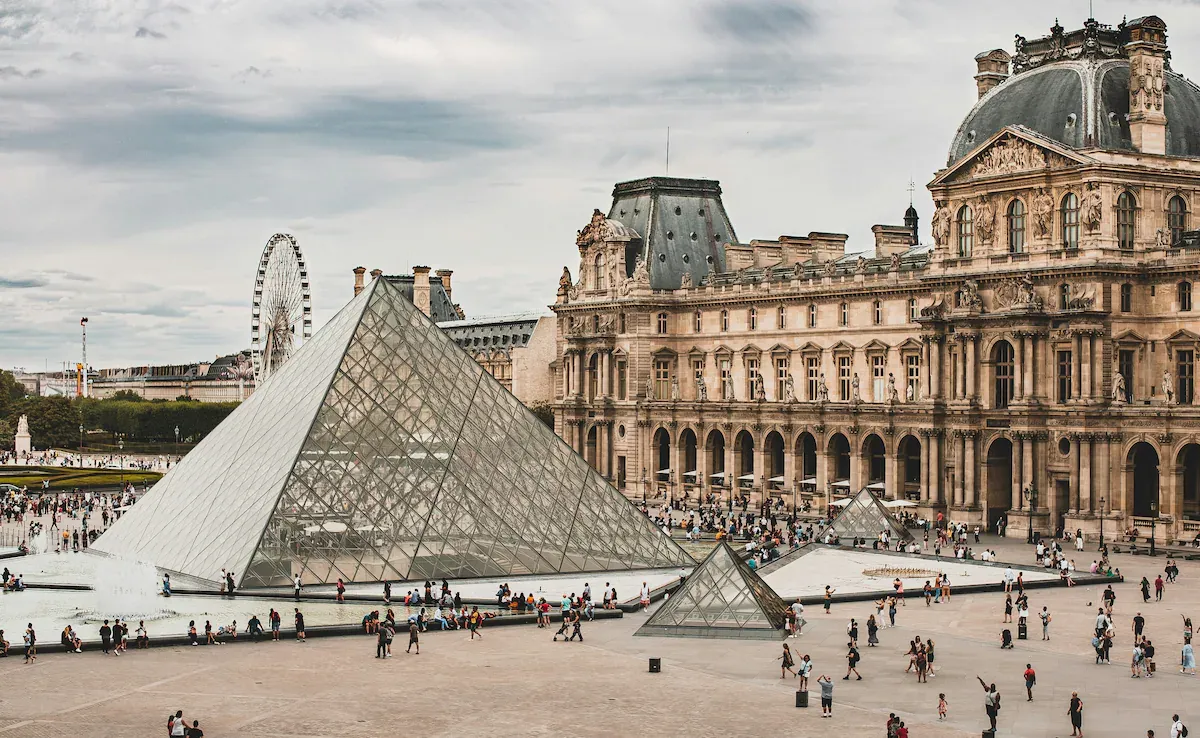
With annual attendance now approaching 10 million, the Louvre is struggling under the sheer volume of visitors, particularly at I.M. Pei’s iconic Pyramid entrance, which was originally designed for half that number. Announced by President Emmanuel Macron in January 2025 in front of the Mona Lisa herself, the initiative seeks to rebalance visitor flow and preserve the museum’s integrity while embracing sustainability, education, and national outreach.
Key Features of the Nouvelle Renaissance Plan
1. A New Entrance Through the Perrault Colonnade
The international design competition invites architects to reimagine the Louvre’s 17th-century eastern facade, the Perrault Colonnade, as a new entrance to relieve pressure from the Pyramid. The challenge: seamlessly integrate modern circulation systems while respecting the classical grandeur of Claude Perrault’s Baroque architecture.
Unlike Pei’s high-contrast glass structure, this new entry point must blend with the building’s original language. The competition opened on June 27, 2025. Five finalists will be shortlisted by a 21-member jury in October, with the final winner set to be announced in early 2026. The full transformation is projected for completion by 2031.
2. A Standalone Gallery for the Mona Lisa
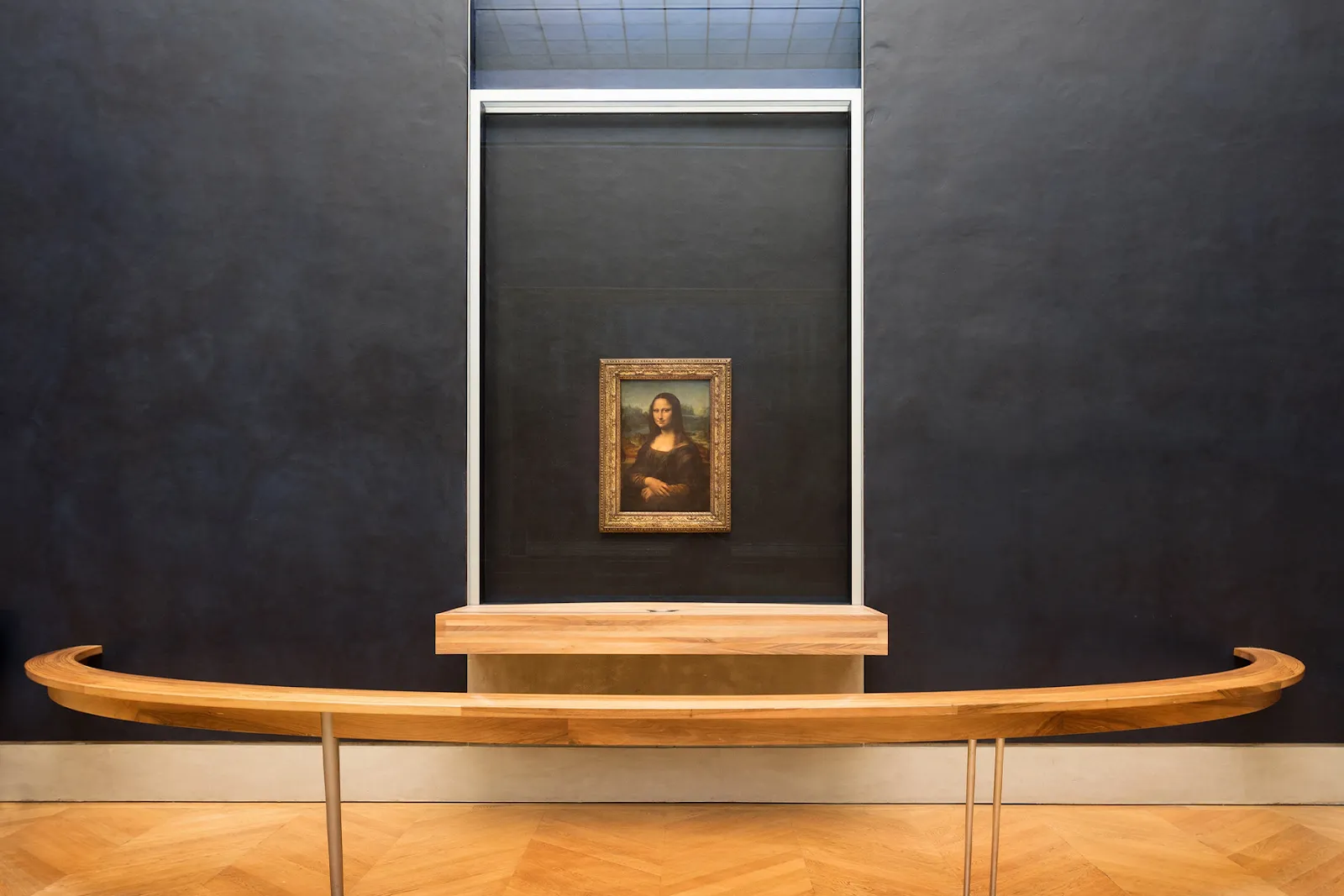
In perhaps the most dramatic change, the Mona Lisa will move to a new subterranean 33,000-square-foot gallery beneath the Cour Carrée courtyard. The independent space will have its timed-entry access point and dedicated climate controls to protect Leonardo’s fragile masterpiece while easing crowd congestion.
The decision comes amid mounting concerns over the museum’s capacity. Staff strikes earlier this year highlighted deteriorating conditions, with an internal report leaked to Le Parisien citing water leaks, poor air circulation, and fragile climate systems threatening the safety of the Louvre’s priceless collection.
President Macron’s announcement framed the overhaul as a cultural rebirth, “Nouvelle Renaissance,” aiming not only to restore the building but to reposition the Louvre as a more inclusive, sustainable, and educational institution.
Sustainability, Education, and National Engagement
Beyond visitor flow, the project emphasizes sustainability, accessibility, and national outreach:
- Subterranean Axis: A new east-west underground corridor beneath the Cour Carrée will improve wayfinding and reduce surface congestion.
- Greener Public Spaces: The Tuileries and Carrousel Gardens will be redesigned as climate-resilient landscapes.
- Art Education Reform: In partnership with the Ministry of Education, the Louvre will double student visits (targeting 900,000 annually) and train teachers on-site to integrate art history into France’s national curriculum.
- National Art Sharing: A rotating art-sharing program will bring masterpieces to regional museums across France, expanding access beyond Paris.
The €400 million initiative will be financed through a mix of museum-generated revenue, private patronage, and new pricing strategies. Notably, a differentiated ticketing model will see non-European Union visitors paying €10 more per ticket, a policy first reported by Le Monde. This measure, while controversial, is projected to help fund the renovations without placing further strain on public funds.
A Cultural Moment on Social Media
Macron and the Louvre’s social media teams also embraced the public dimension of the transformation. A viral meme campaign featured a somber Mona Lisa under the caption “when the state of the Louvre deteriorates,” followed by a cheerful version labeled “le projet Louvre Nouvelle Renaissance.” The approach aimed to humanize the project and resonate with younger audiences.
Culture Minister Rachida Dati has billed the architecture competition as “the world’s largest architectural call for a museum project.” It invites firms to reshape a building and the way global audiences engage with art and heritage. The next few months will be pivotal as design teams submit proposals that must meet the complex demands of legacy, innovation, and practicality.