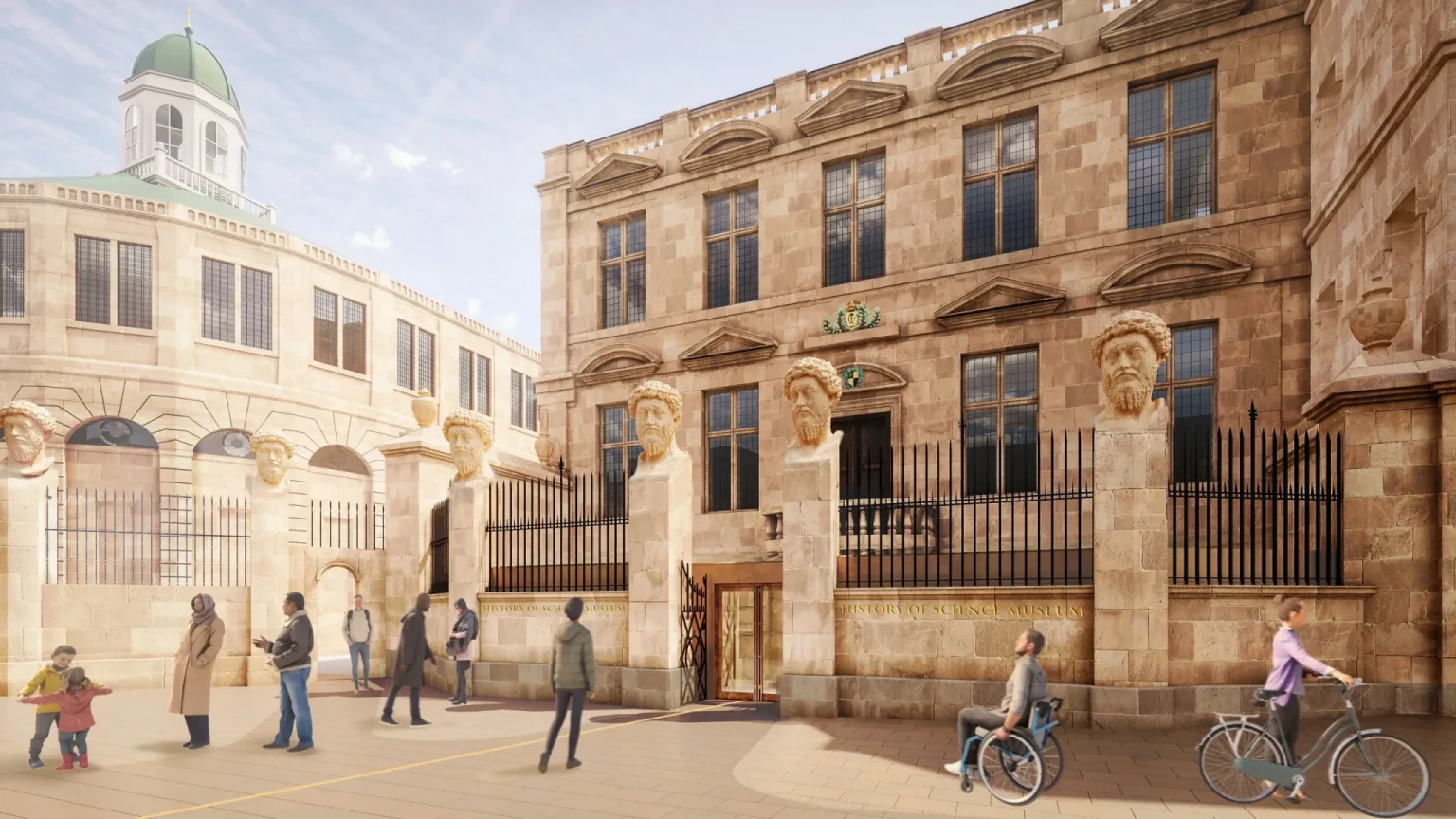

Oxford’s History of Science Museum has recently secured both planning permission and listed building consent to embark on a significant transformation, balancing the modern accessibility and museum-scale infrastructure with deep respect for its historic fabric.
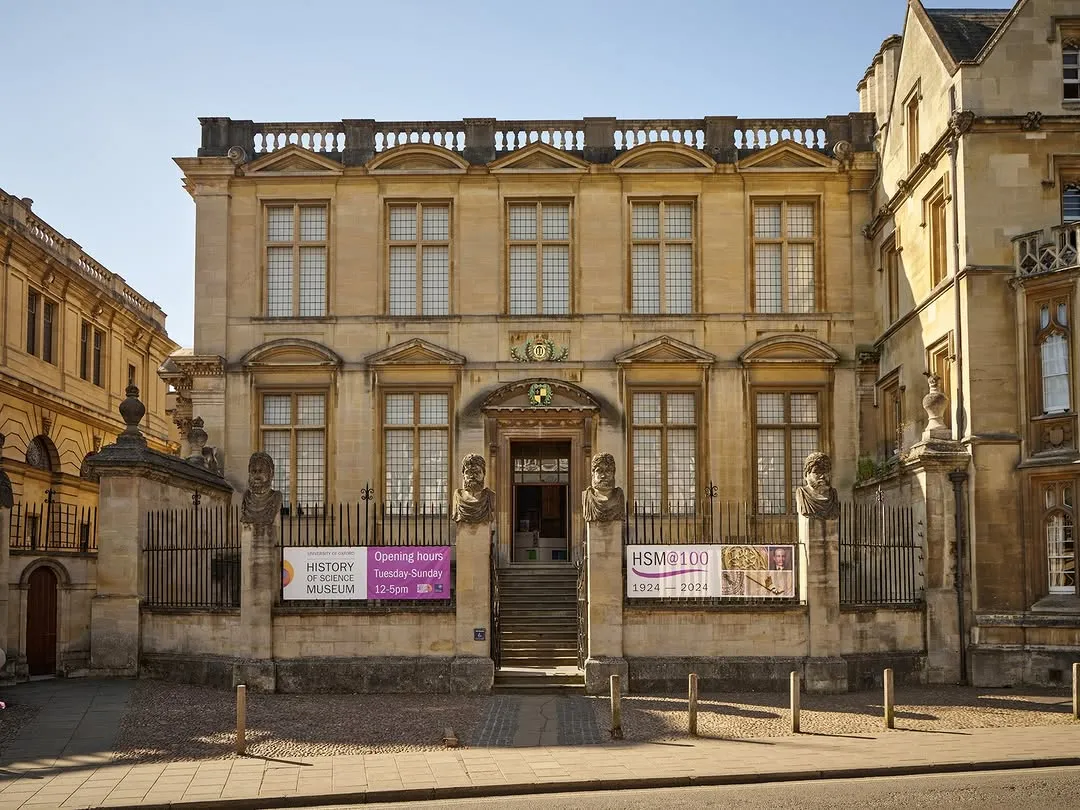
The museum occupies a storied building on Broad Street, originally completed in 1683 as the first home of the Ashmolean Museum and now designated Grade I listed. Over time, additions such as steps installed in 1957 and limited internal infrastructure have restricted accessibility and the modern visitor experience. The building’s integrity and upgrading its functionality are at the heart of the architectural brief. The plan seeks not to “overwrite” but to insert carefully scaled interventions.
Key Architectural Interventions at the Oxford History of Science Museum
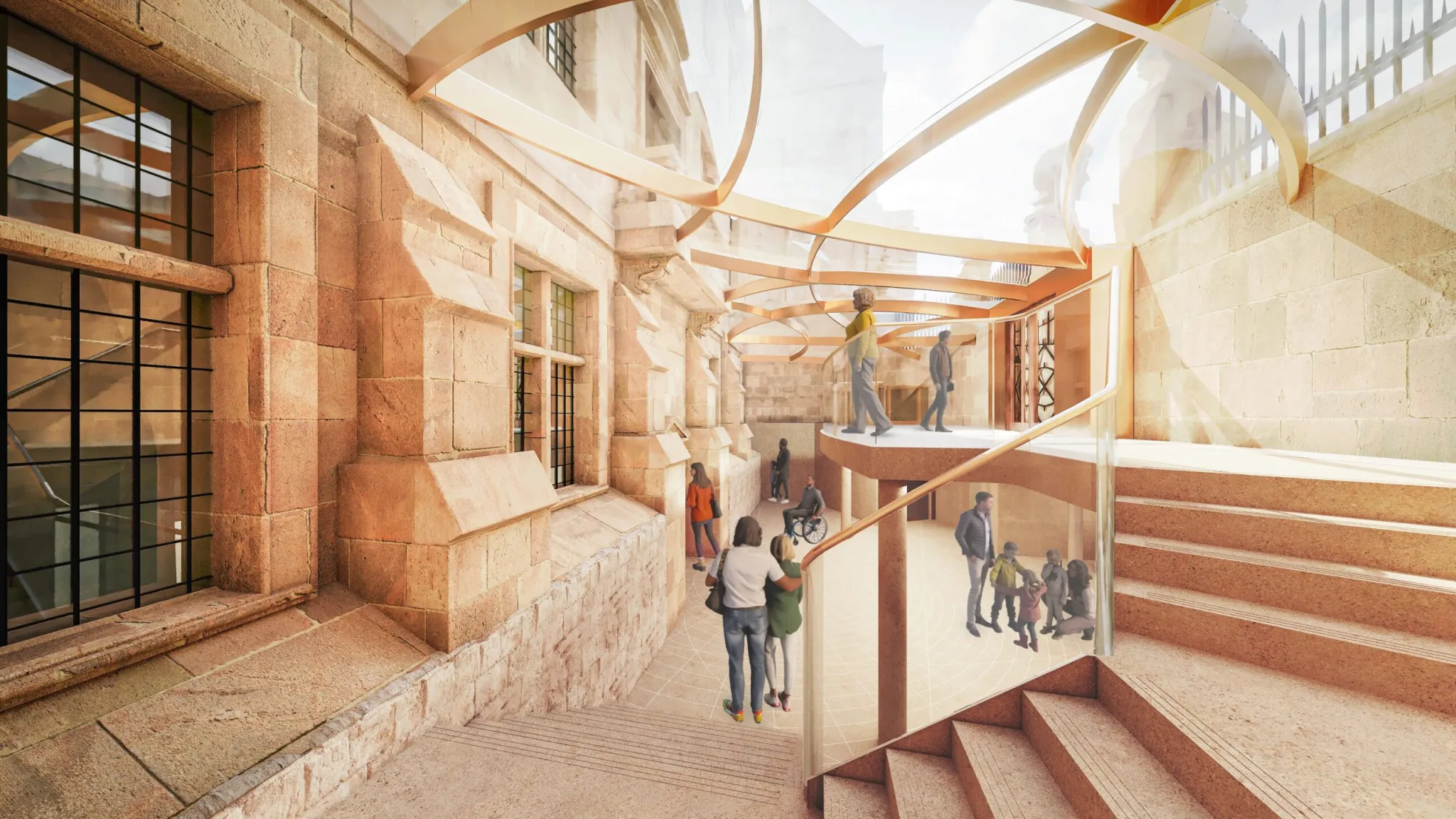
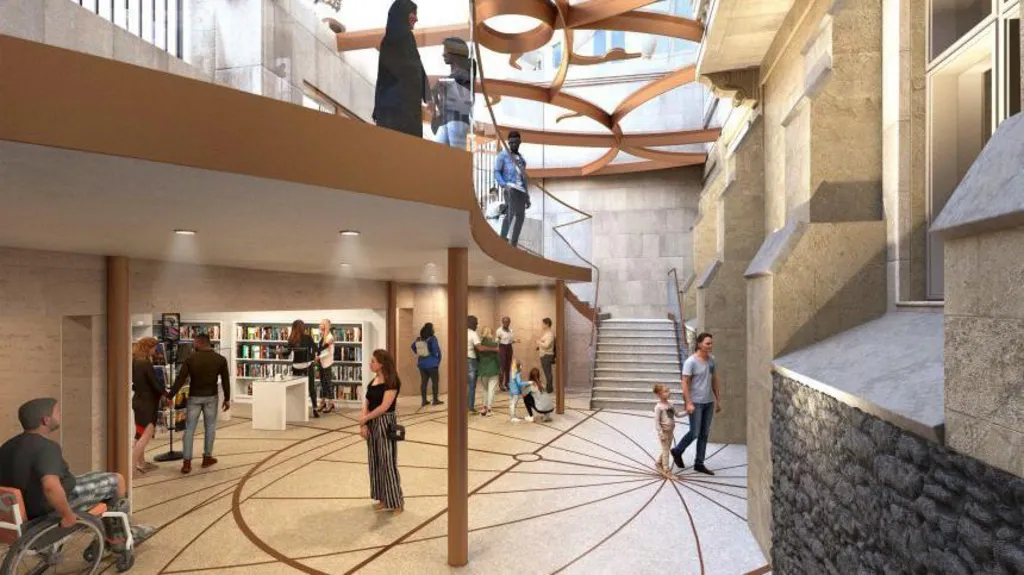
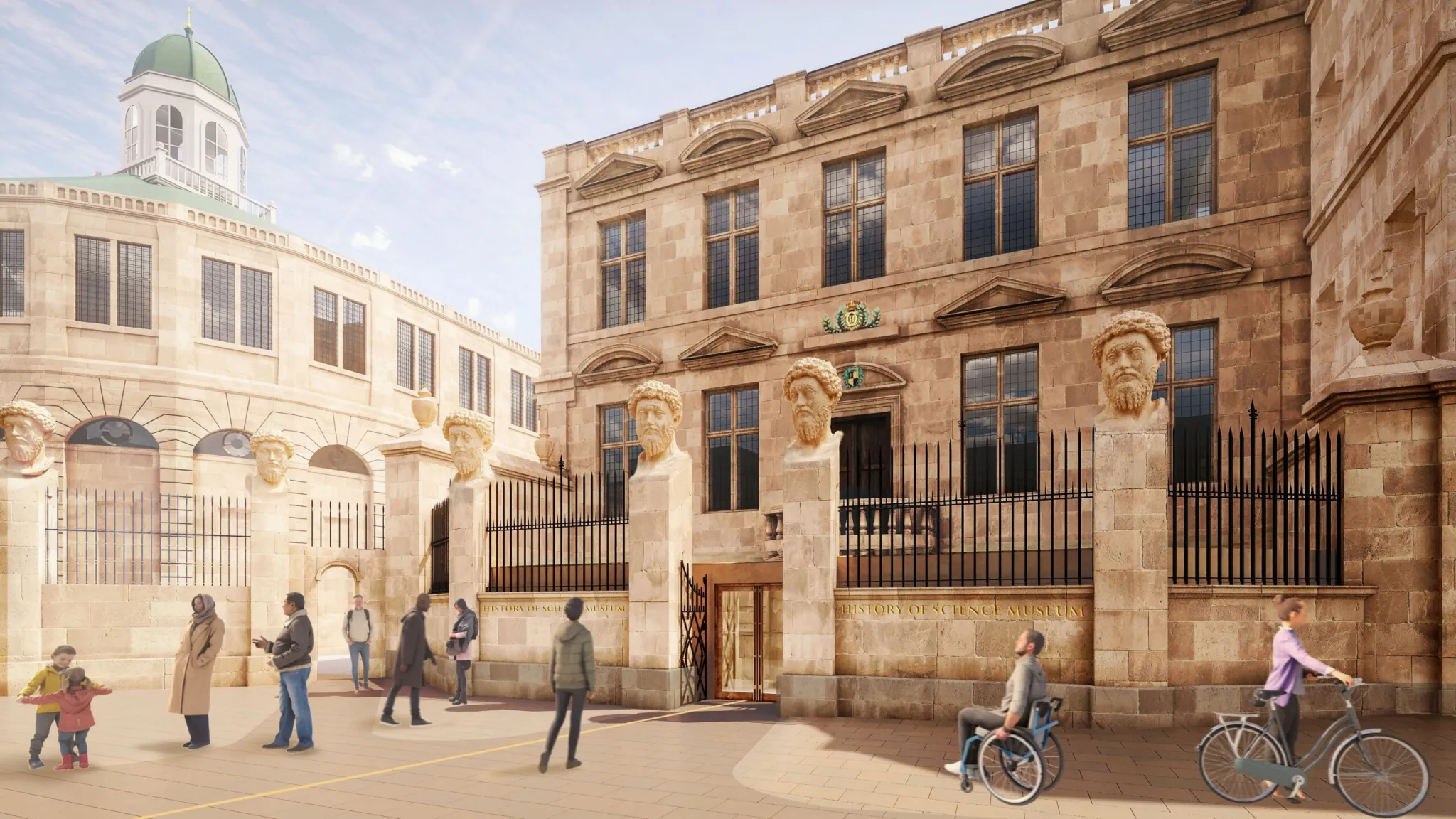
A new covered entrance will be forged by converting and glazing over the existing light well at the front, replacing the 1957 exterior steps, and enabling level access directly from Broad Street.
The canopy design draws inspiration from astronomical circles, offering a visually light but expressive gesture that marks arrival.
A new lift, positioned toward the rear of the building, will provide step-free access to all public floors, a first in the museum’s history. Alongside this, the project will overhaul mechanical, electrical, and service systems and install secondary glazing to improve climate control and reduce strain on the historic fabric.
A new studio and research support space are planned, situated between the museum and a remaining medieval city wall segment. Internally, staff, conservation, curation, and interpretation facilities will be upgraded to align with current sector standards.
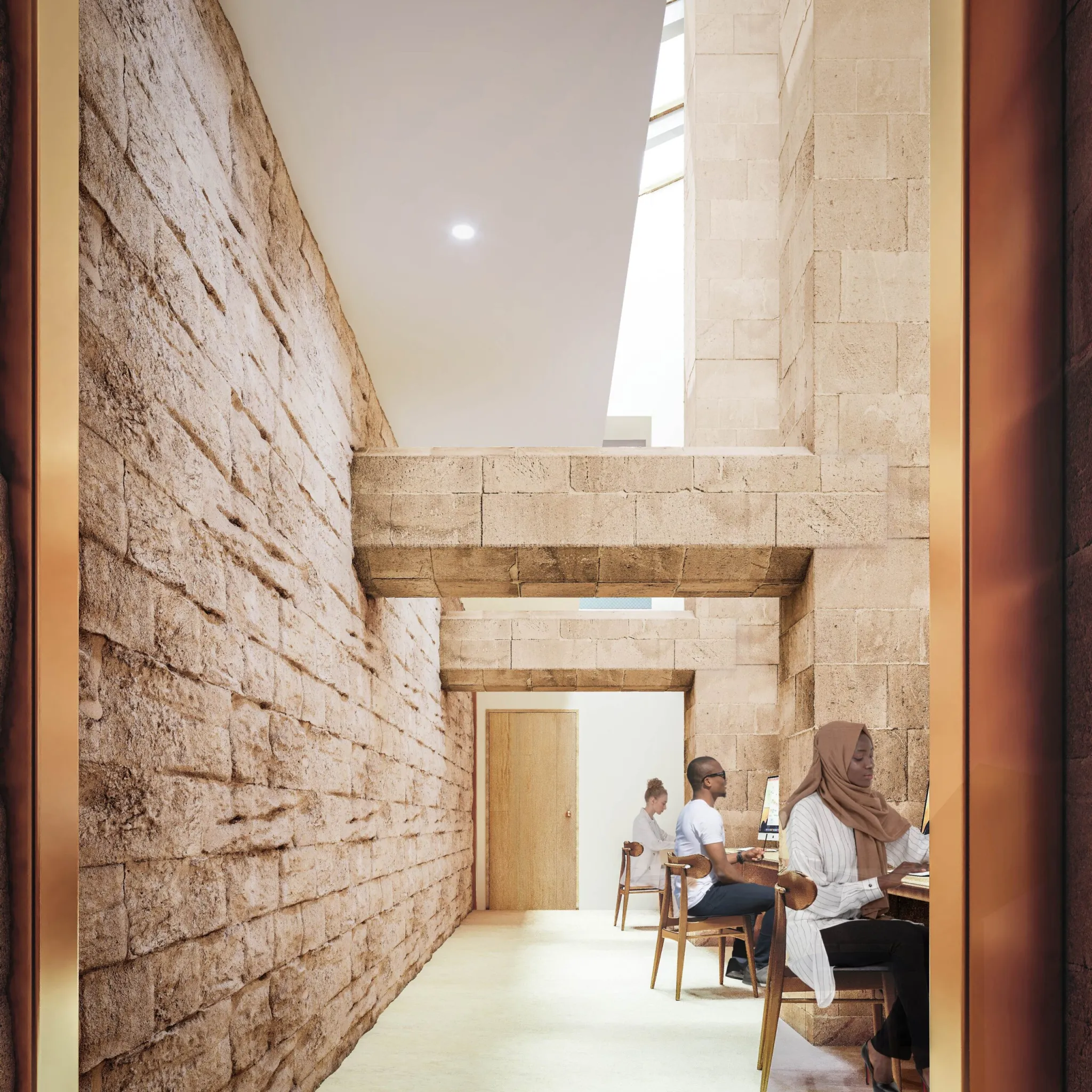
Repair works will address the building’s historic fabric, maintaining original masonry, window details, and internal features. Where new interventions touch historic fabric, they will be designed to be reversible and sympathetic.
Stakeholder Process & Endorsements
This proposal is the culmination of nearly five years of design development, stakeholder engagement, and iterative refinement.
Key participants included Oxford City Council, Historic England, the Oxford Design Review Panel, the Oxford Preservation Trust, the Society for the Protection of Ancient Buildings, immediate neighbors, and local schools. Public consultations and feedback from community and educational users showed strong support for enhanced accessibility and the proposed interventions.
Dr. Silke Ackermann, Director of the Museum, observed that obtaining both consents represented “a dream come true” for securing the building’s future and offered a template for other Grade I heritage sites. She also thanked the project team, stakeholders, and funders, notably the EPA Cephalosporin Fund, for support.
Purcell’s Charlotte Robinson reflected that the process had been a pleasure: the team’s sensitive interventions would help create a fully accessible and welcoming museum, respecting the building’s heritage while preparing it for a new era.
Professor Russell Foster, Chair of the Museum’s Board of Visitors, remarked that the approval was a huge achievement by Dr. Ackermann and the museum team, and now the path is open to fundraising and delivery.
With consents secured, the museum is moving into detailed design, fundraising, and phased delivery. The institution intends to remain operational during planning and early works, continuing to offer exhibitions, tours, and education programming. As design narratives for the new galleries and interpretive schemes develop, further stakeholder input and funding milestones will shape the full build.