

In 2013, the theme for Earth Day was ‘The face of climate change’, an attempt to showcase the various faces of people and animals affected by climate change and those taking honest action against it. It was a serious effort to rally people to take united action.
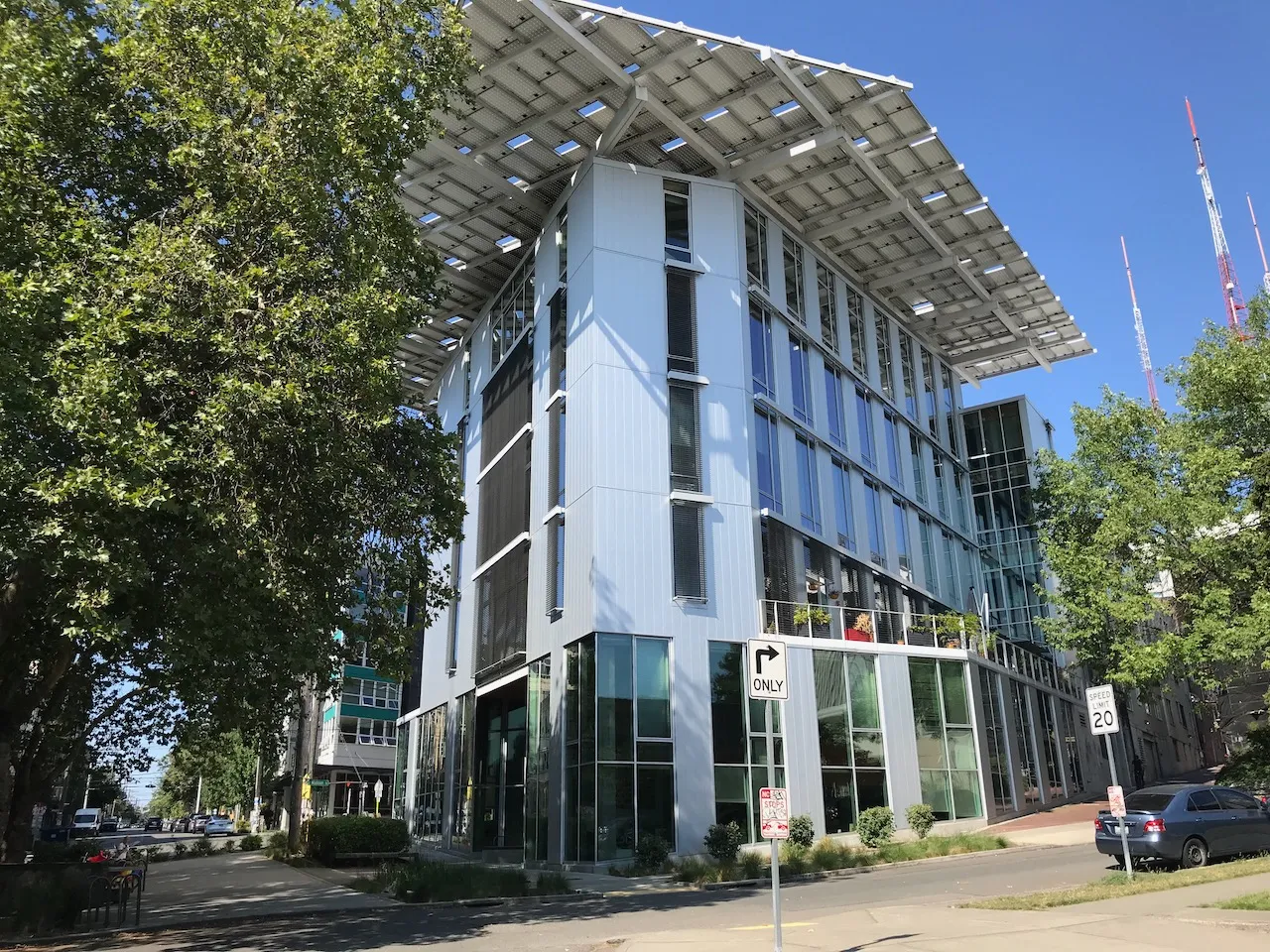
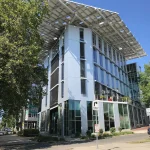
On this day, the Bullitt Center was unveiled to the world as the world’s first green commercial structure and has remained the greenest commercial building in the world ever since. And it was fitting that the coordinator of the first-ever Earth Day in 1970, the one who was responsible for spreading it to 180 countries, orchestrated the opening.
Denis Hayes, a strong advocate for environmental and energy policy, has been serving as the president of the Bullitt Foundation since 1992. The mission of the foundation is to ‘safeguard the natural environment by promoting responsible human activities and sustainable communities in the Pacific Northwest.’ They strive for a healthy, equitable, sustainable, and flourishing environment within natural ecosystems.
This structure is physical proof of the foundation’s commitment to promoting responsible human activities, and it was initiated with an integrated design concept rooted in sustainability. The resulting design by Architects Miller Hull was a green building with an efficiency that aided the structure to receive the Living Building Challenge Certificate in 2015.
Integrated Design to achieve LBC
With clients whose work focuses on promoting healthy and sustainable environments, their workspace needed to embody their values and principles on sustainability. The Bullitt Foundation not only wanted a green building, but also for the building to become a beacon of sustainability standards in the construction industry. For this purpose, accomplishing all seven petals or performance areas as set forth by the Living Building Challenge (LBC) and achieving certification seemed the best approach.
LBC shared its philosophy of fostering a symbiotic relationship between humans and nature, and creating healthy environments. The Bullitt Center’s structure topped the charts on every requirement, showcasing that architectural design need not be expensive to incorporate cutting-edge technology and create a sustainable and profitable building that is an environmental, social, and economic asset, even more than a decade later.
The Bullitt Center was built using an integrated design approach, whereby all stakeholders collaborated from the very first step, with clear communication and coordination. An integrated design approach aims to get every stakeholder on board so they can contribute their experience and insights from the beginning, which would help optimise goals, values, and purpose, minimise waste, time, and mistakes, and maximise efficiency and system strategies from the design phase to the demolition phase.
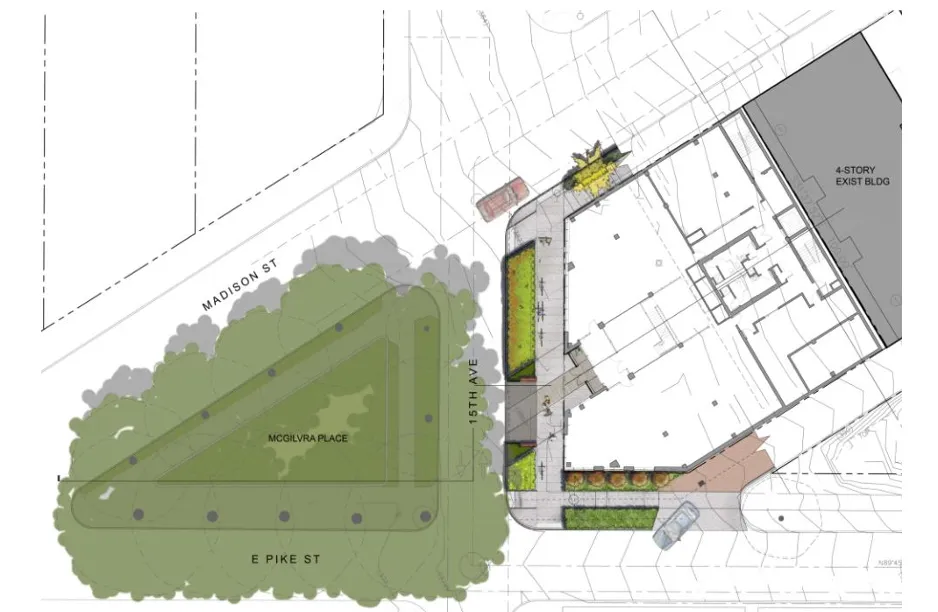
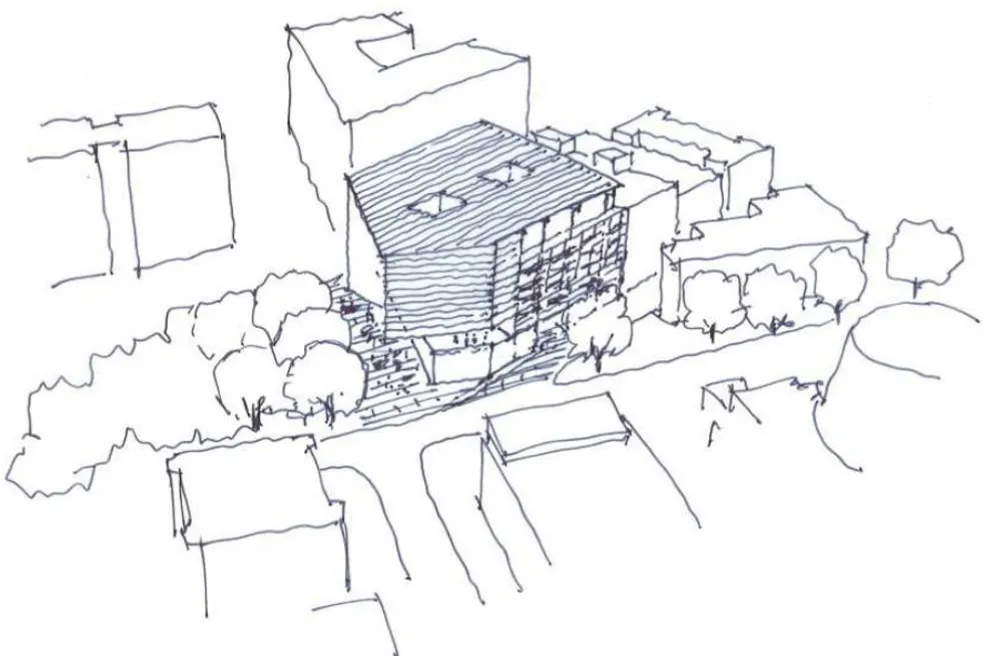
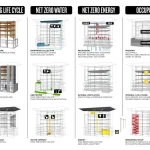
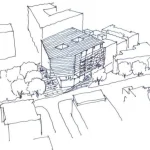
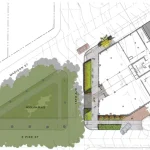
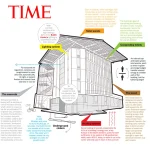
Drawings illustrating how the integrated design approach helped create spaces and elements that enhanced energy efficiency and sustainability. Image © Miller Hull
And when every stakeholder gets involved, they take ownership of every single detail to create a masterpiece of the client’s vision. In the case of the Bullitt Center, every decision was made with a performance-based design in mind, one that was measured for optimal performance in terms of energy, water, materials, aesthetics, and budget. With the LBC as the basis for defining the performance areas and the ‘petals’ defining the framework for the design, all involved professionals had clarity on what needed to be accomplished.
Want to know how to incorporate integrated design concepts effectively? One of the easiest ways to leverage software like BIM is that it can be shared across all stakeholders. Check out PAACADEMY for courses that can facilitate learning and using relevant technology to equip oneself better in today’s world.
A specimen for duplication
Only 4000 square feet of the six-story Bullitt Center is occupied by the Bullitt Foundation. The remaining 48,000 square feet is leased to tenants who are keen to occupy and function in sustainable and healthy environmental settings.
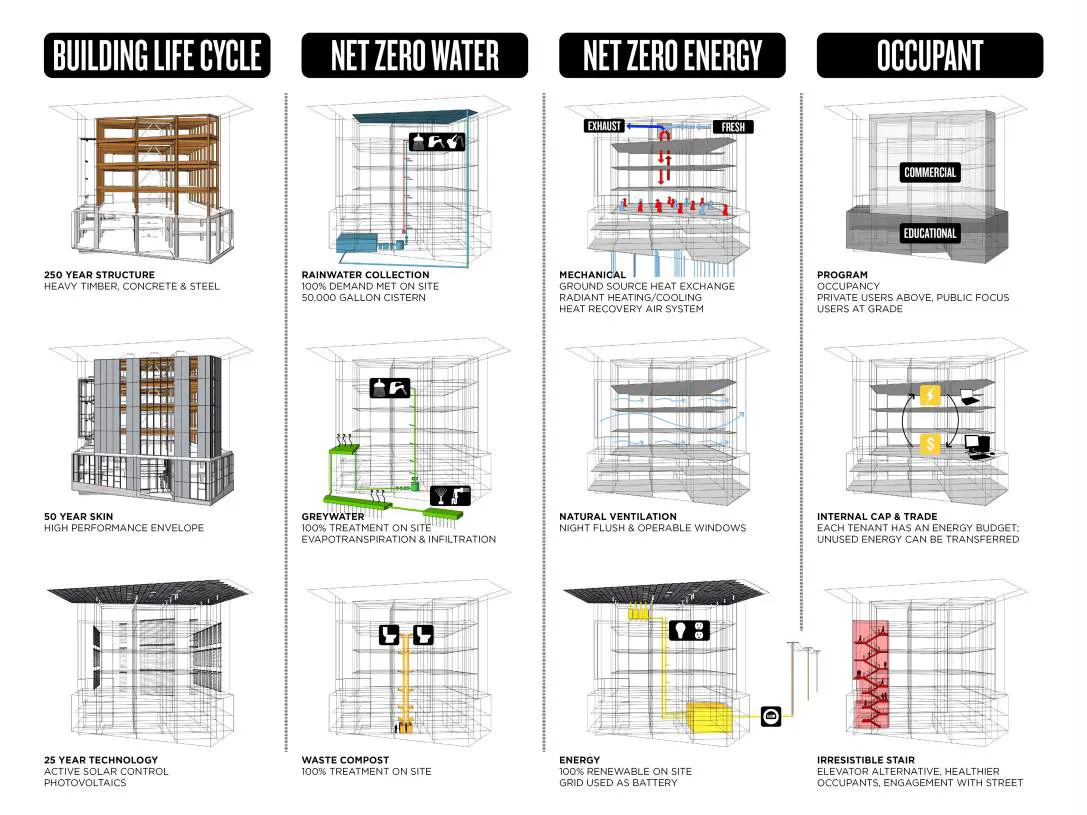
The systems used within the premises are not only unique and innovative, but they are also displayed behind glass, allowing everyone to view and learn from them. Designed and built to last 250 years, the architects chose heavy timber for the majority of the structure because of its sustainability, durability, local accessibility, and eco-friendly nature.
Every design decision was a conscious one, leading to net-zero results and serving as a model, whether it was the size of the openings, the placement of the desks, the landscaped pocket to increase community interaction, the provision of bike parking, or even the well-thought-out decision to educate the local community and the construction industry.
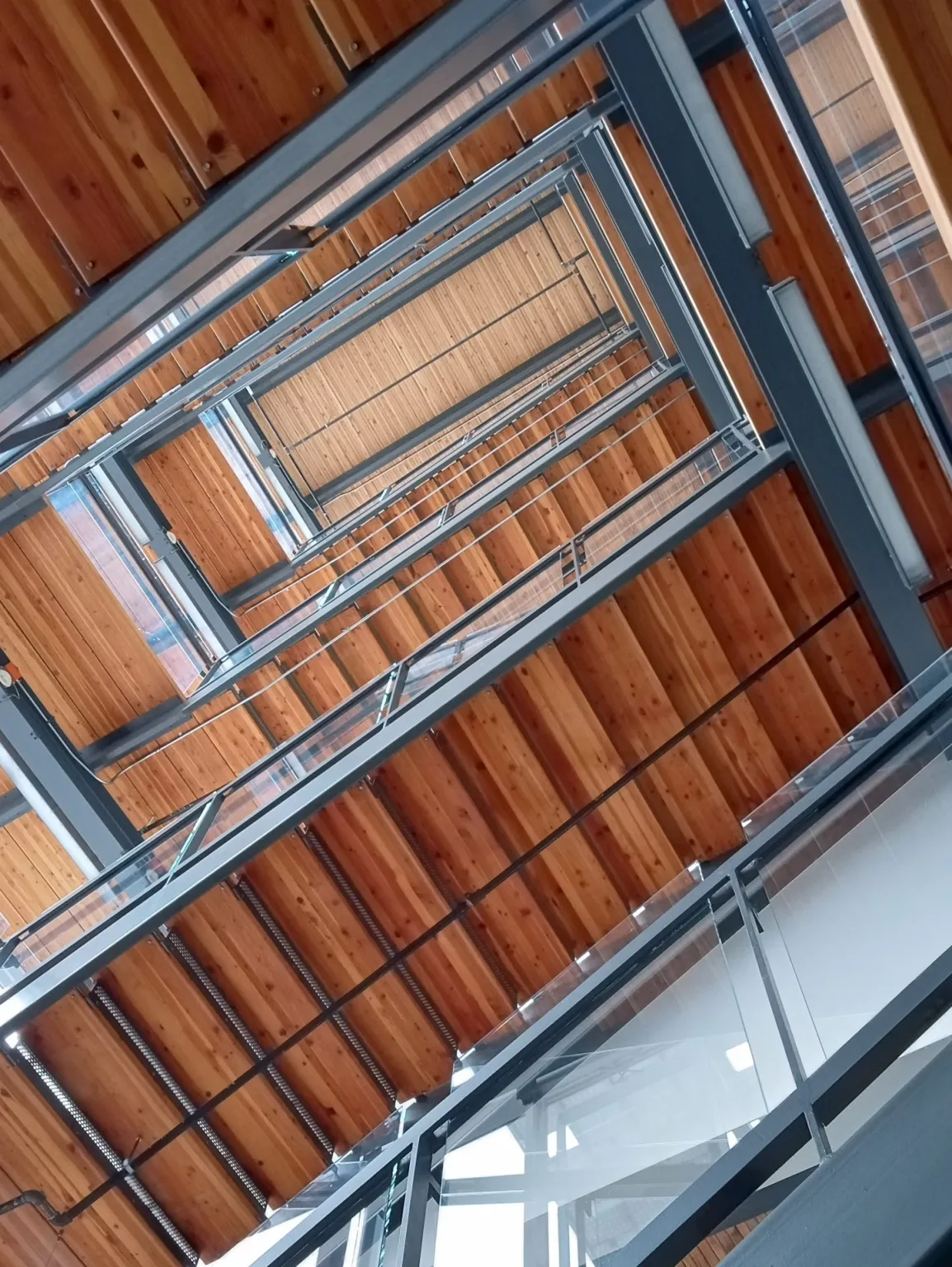
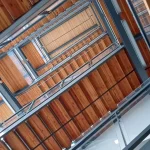
Even the glass-walled ‘irresistible staircase’ that encouraged people to engage in physical activity was intentionally designed to facilitate optimizing energy consumption and enhancing the health of the occupants.
Achieving the Petals – What Makes the Building Sustainable?
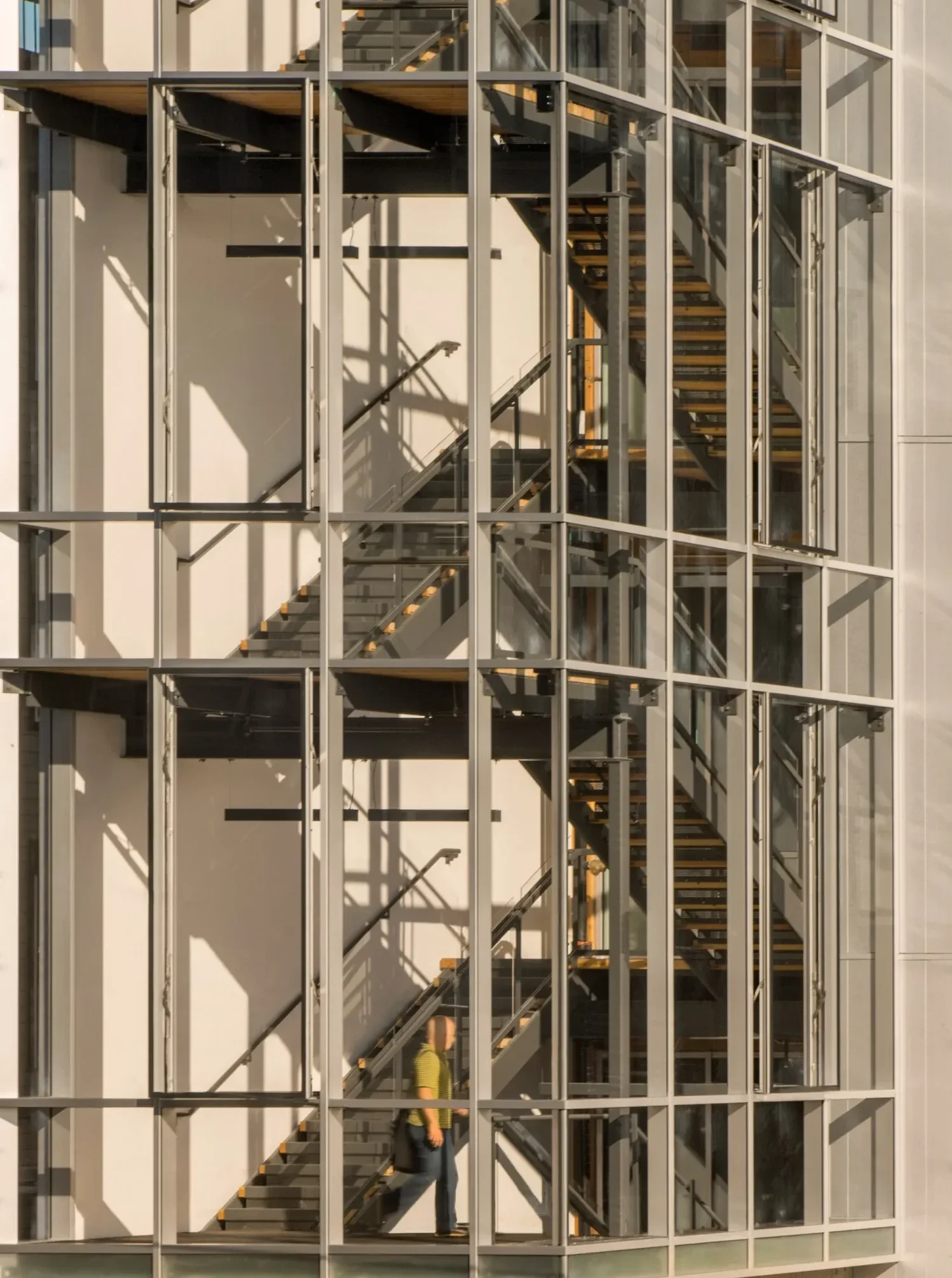
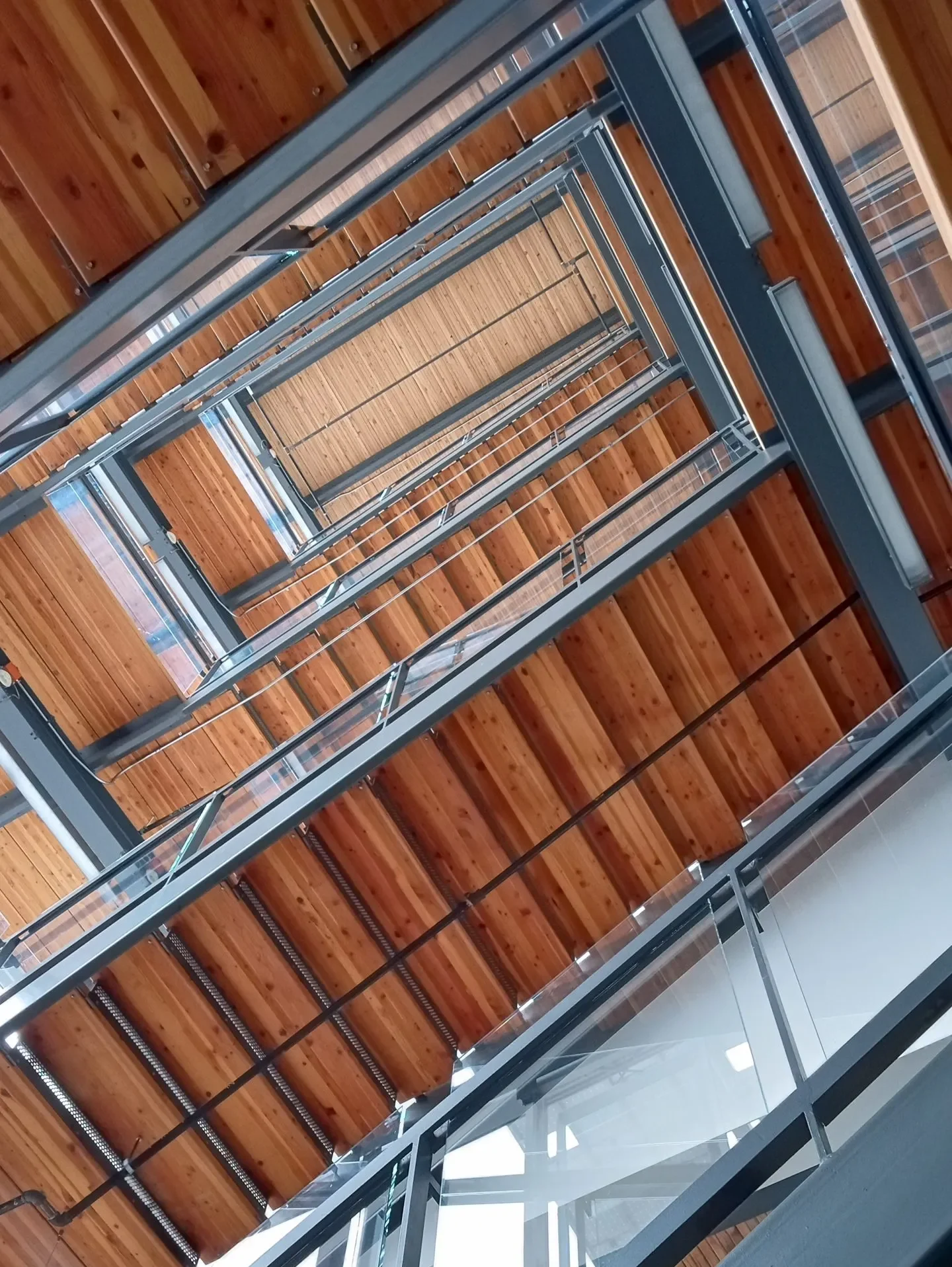
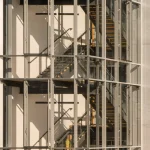
The ‘irresistible stairway’ in the Bullitt Center is a key element that brings in daylight, encourages physical activity, and provides appealing views. Images © Andrew Engelson and Nic Lehoux
The Living Building Challenge is a holistic standard that is awarded after evaluating the performance of the structure in operation for at least 12 consecutive months. This makes not only the client and architects responsible, but the occupants are equally accountable for the decisions they make when they live, work, and play within the structure and the ecosystem.
The design was assessed for the value it places on environmental regeneration, and the feather in its cap is the emphasis on timelessness, designed to last 250 years, embracing sustainability and resilience.
The seven performance criteria or ‘petals’ that are evaluated for the LBC certification are: Place, Water, Energy, Health + Happiness, Materials, Equity, and Beauty. For the Bullitt Center, the certification was awarded on these factors:
- Place Petal – The Center was specifically built to revitalise a previously developed site in the Central Area in Seattle. The Bullitt Foundation acquired the necessary permissions to demolish and reuse the materials from the previous site, ensuring recycling and minimizing waste. The space continues to utilize existing infrastructure that fosters environmentally friendly transit, such as walking and biking, and enhances it by providing a bike garage and showers. The architects also included the revitalization of a landscaped area on site as part of their design, an endeavor towards positive community impact.
- Water Petal – A rainwater harvesting system is incorporated into the underground cistern to filter and convert the water into potable water for various uses, with the sole aim of making the site a net-zero water structure. Moreover, greywater is treated and used to irrigate the site’s landscape, and blackwater is treated to produce fertilizer, which is then used on the landscaped areas. Thus, the Center relies less on other water sources. All these strategies demonstrate that, with careful planning, waste can be converted into resources, and a site can become self-sufficient through effective execution.
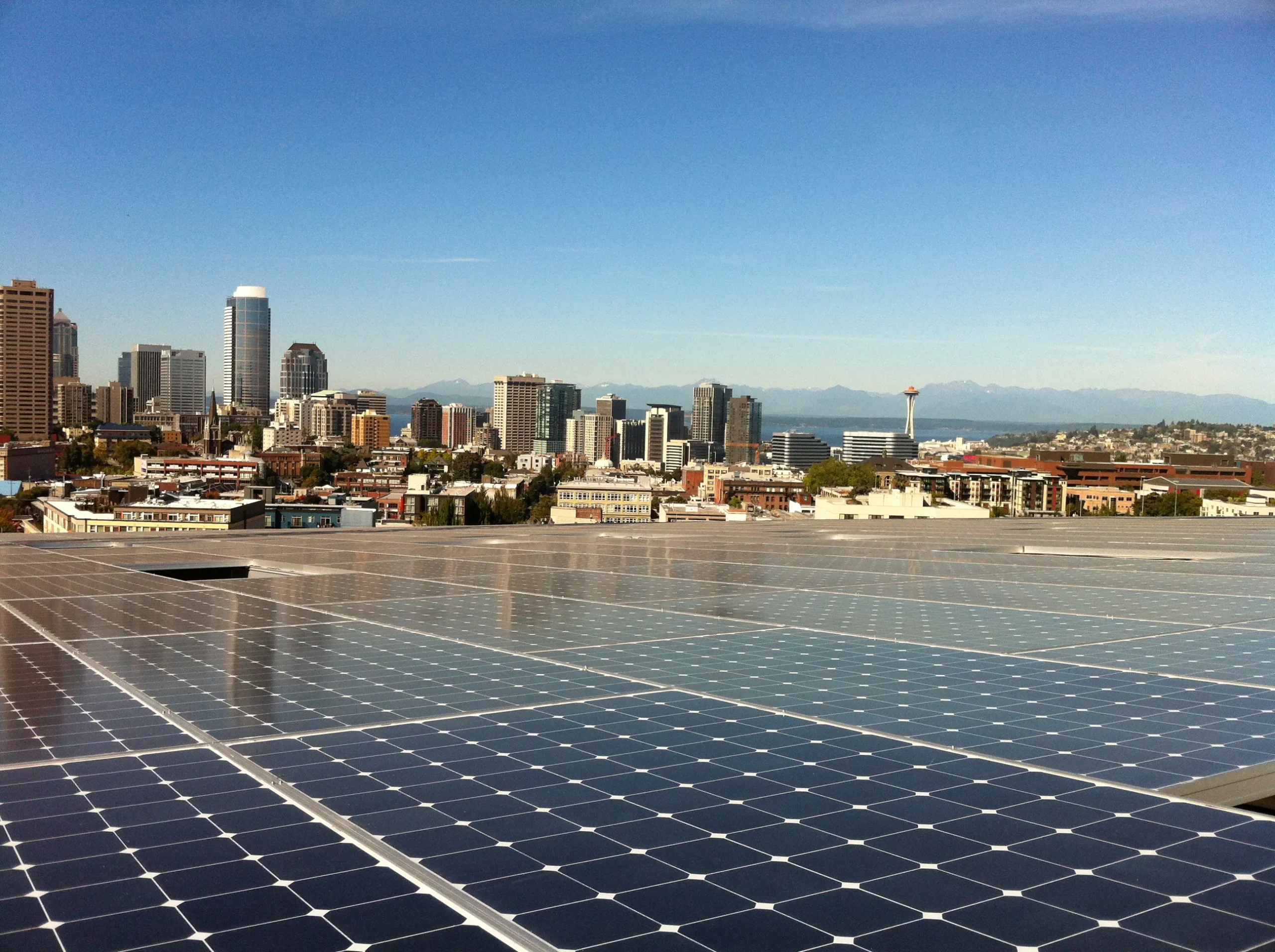
- Energy Petal – Various tactics were incorporated into the integrated design of the Bullitt Center to optimize energy efficiency and renewable energy utilization. The building utilizes a highly insulated envelope while also incorporating large openings to allow for abundant natural lighting and ventilation, enabling the structure to minimize energy loss and rely less on artificial systems. Energy-efficient systems help to monitor and optimise energy consumption. The roof is equipped with solar panels that generate more electricity than the building requires, and the geothermal system regulates the indoor atmosphere of the structure.
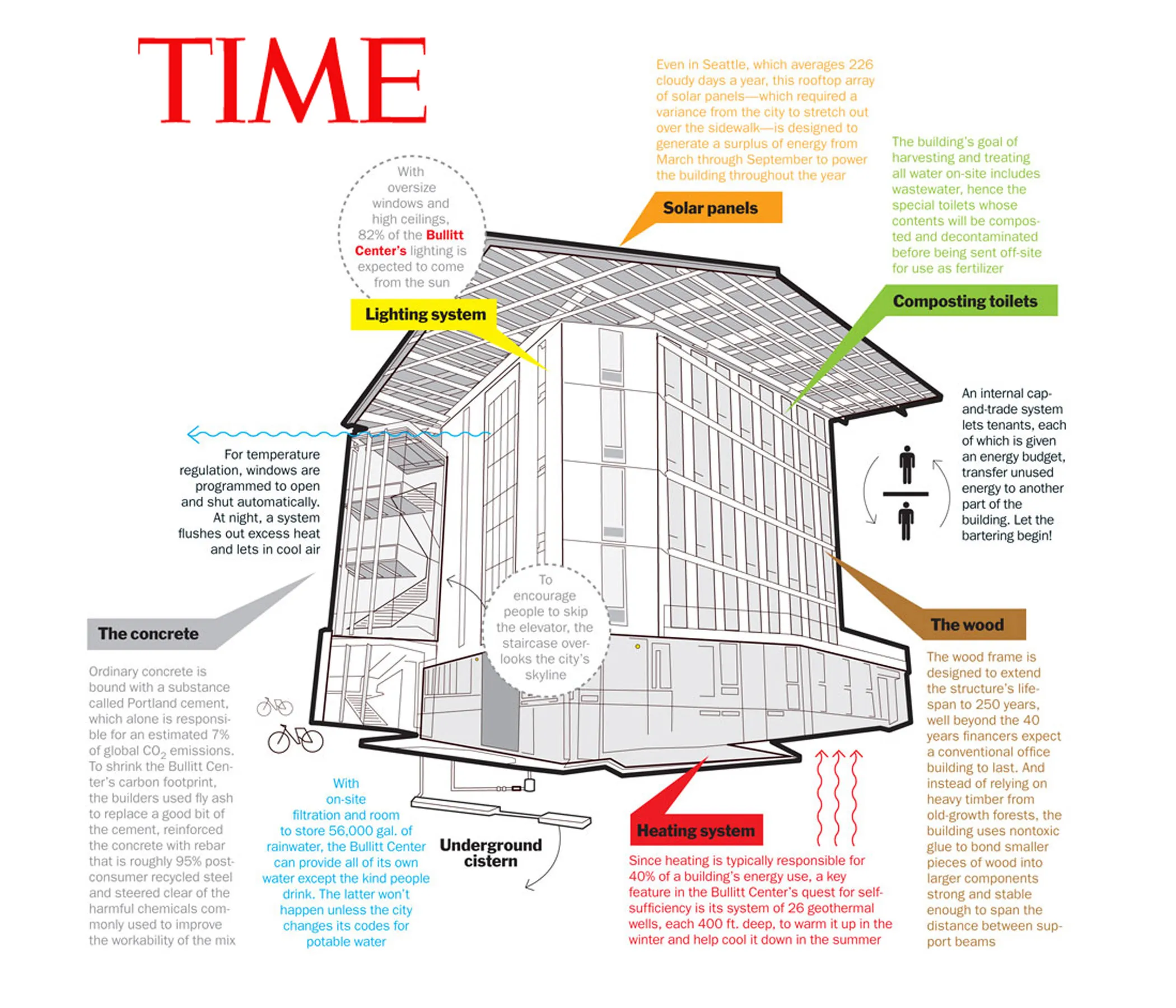
- Health and Happiness Petal – The Bullitt Centre maximizes access to natural daylighting and ventilation to enhance the comfort levels of indoor spaces, leading to increased productivity. Visual and physical access to landscaped areas helped occupants connect with nature, ensuring emotional happiness. Revitalising the site encouraged the use of sustainable transit modes to support a healthy lifestyle further. The construction materials used were also finished to improve the indoor air quality. All these steps created a positive impact on the users.
- Materials Petal – The Center salvaged materials from the previous site and reused them, which helped reduce embodied carbon. They were also careful to use only locally sourced materials, which helped support the local economy and reduce the impact of long-distance transportation. Apart from this, all materials were screened and vetted by contractors and developers for potential ingredients from the Red List, which contains harmful substances, and substituted 350 common toxic materials with eco-friendly alternatives, ensuring responsible construction.
- Equity Petal – As an exemplar of green building design, it becomes imperative that the lessons learned and the techniques incorporated are accessible to others, so that lessons on green architecture and urban sustainability reach a broader audience. Through community outreach, education, and public tours, the Bullitt Foundation provided knowledge with equitable access to its resources. They also promote inclusivity by making the building and its resources accessible to people of all backgrounds. The foundation also extends its charity beyond the requirements of the LBC Certification.
- Beauty Petal – An aesthetically appealing building inspires and increases productivity. The ‘Beauty’ petal focuses on delivering a biophilic design, one that connects man to nature, which has proven to have positive emotional and social impacts. The built structure pays homage to the cultural influences of the space and embraces community engagement on its site. The design itself facilitates natural light, ventilation, and views of nature, motivating people and enhancing their comfort in a safe environment.
Spearheading as a Sustainability Paradigm
“The era of harm reduction, half steps, and lesser evils is behind us. As a society, we need to be bold in ways that were once unimaginable. Luckily, in the building sector, we can now imagine where we need to go. In fact, we don’t need to imagine it. We can touch, experience, learn from, and replicate it.” – Denis Hayes.
With this mindset, the Bullitt Center was conceived not only to combat climate change but also to demonstrate and replicate it globally. And that is probably where all education on green buildings should begin.