






The Royal Institute of British Architects (RIBA) unveiled the winners of the first-ever RIBA Middle East Awards, a new regional program that celebrates architectural excellence across the Middle East and North Africa. The announcement, made ahead of Dubai Design Week, spotlights nine transformative projects that redefine how architecture can shape resilient, human-centered, and culturally grounded communities in the region.
From adaptive reuse of heritage structures in Sharjah to groundbreaking sustainability experiments in Dubai, each winning project represents a unique response to the Middle East’s evolving identity, one balancing rapid urban growth with environmental stewardship and social inclusivity.
Here are the nine projects honored in the inaugural RIBA Middle East Awards 2025:
1. The Serai Wing, Bait Khalid Bin Ibrahim – Sharjah, UAE
Architect: ANARCHITECT
Category: Adaptive Reuse
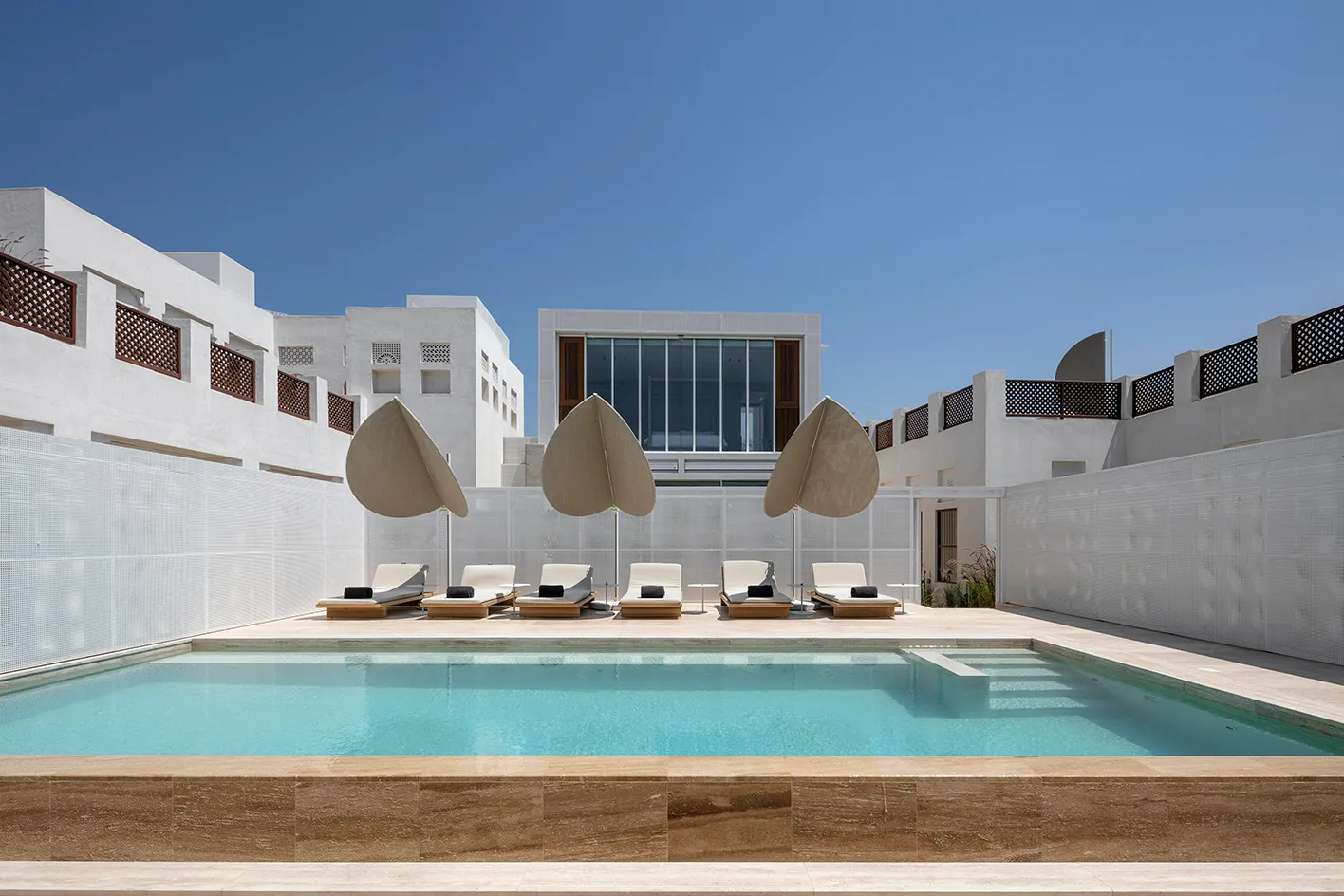
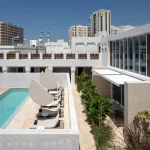
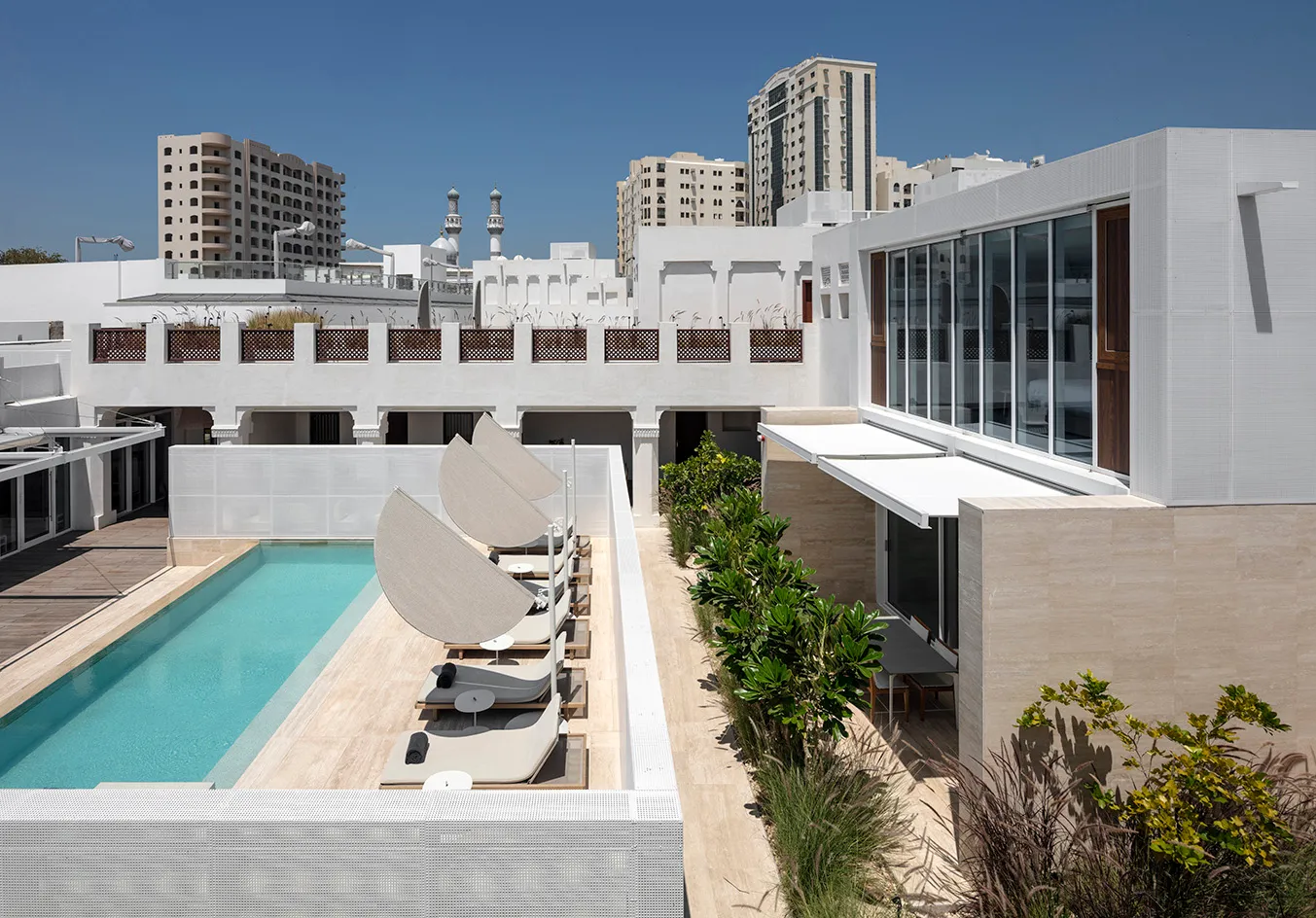
The Serai Wing, Bait Khalid Bin Ibrahim project breathes new life into two 1950s pearl-merchant homes in the heart of Sharjah, transforming them into a boutique hotel while preserving their original coral and lime-mortar walls, teak-wood frameworks, and courtyard typology. The design carefully layers contemporary interventions such as travertine surfaces and white perforated metal additions in contrast to the heritage fabric, making the old and new visibly distinct yet harmonized.
2. Al Wasl Plaza – Dubai, UAE
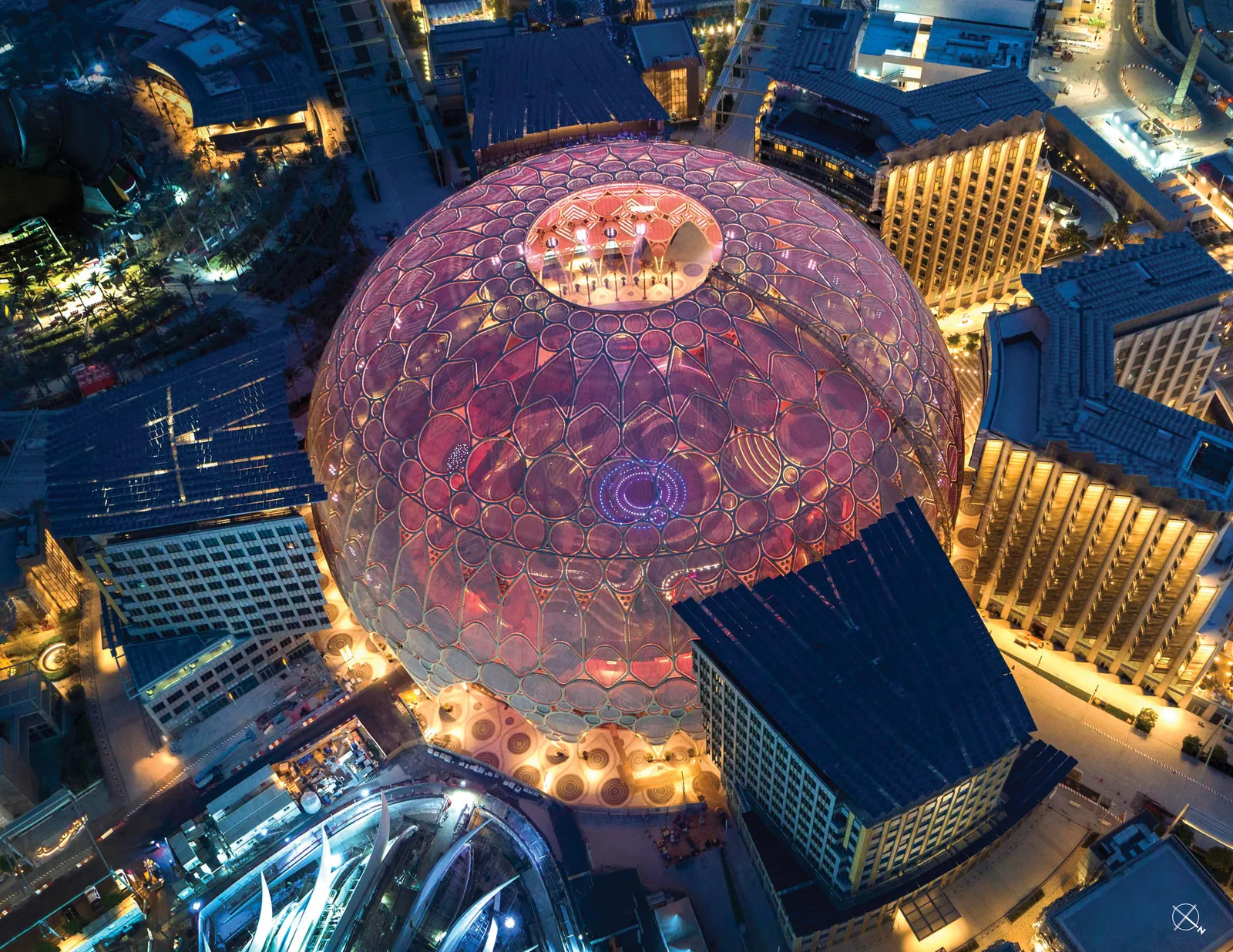
Architect: Adrian Smith + Gordon Gill Architecture
Category: Design for Living
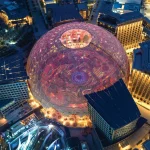
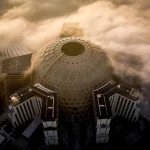
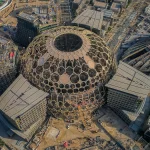
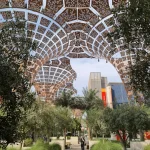
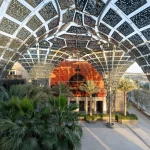
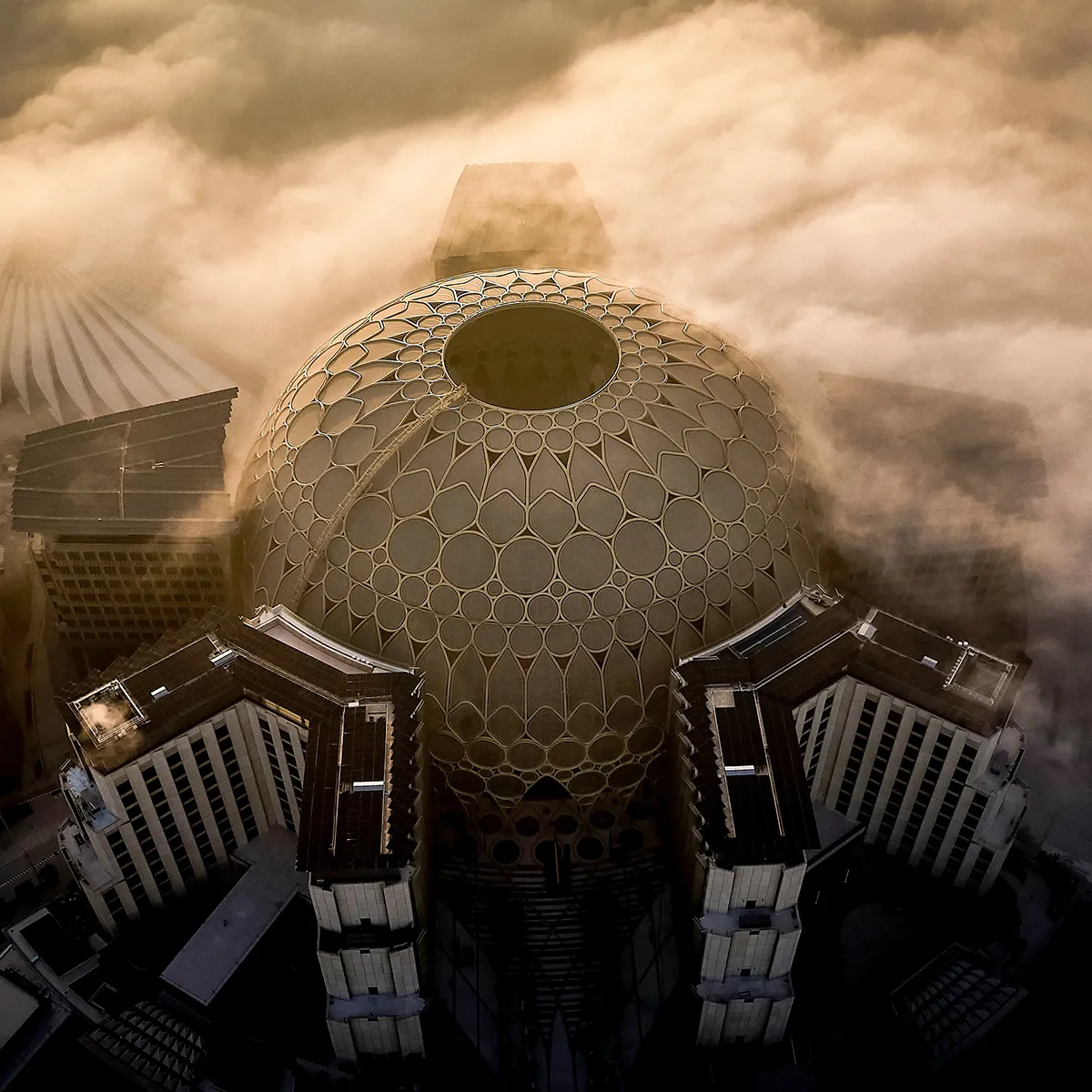
Originally the central gathering point of Expo 2020 Dubai, Al Wasl Plaza has evolved into a vibrant community hub in Expo City Dubai. The iconic domed steel trellis supports year-round events and immersive 360° evenings. Its inward-sloping geometry creates a human-scaled ground level and supports multiple uses, from concerts and exhibitions to everyday public life. The fabric trellis also provides shade and reduces outdoor air temperatures, demonstrating a commitment to comfort and sustainability.
3. King Salman Park – Riyadh, Saudi Arabia
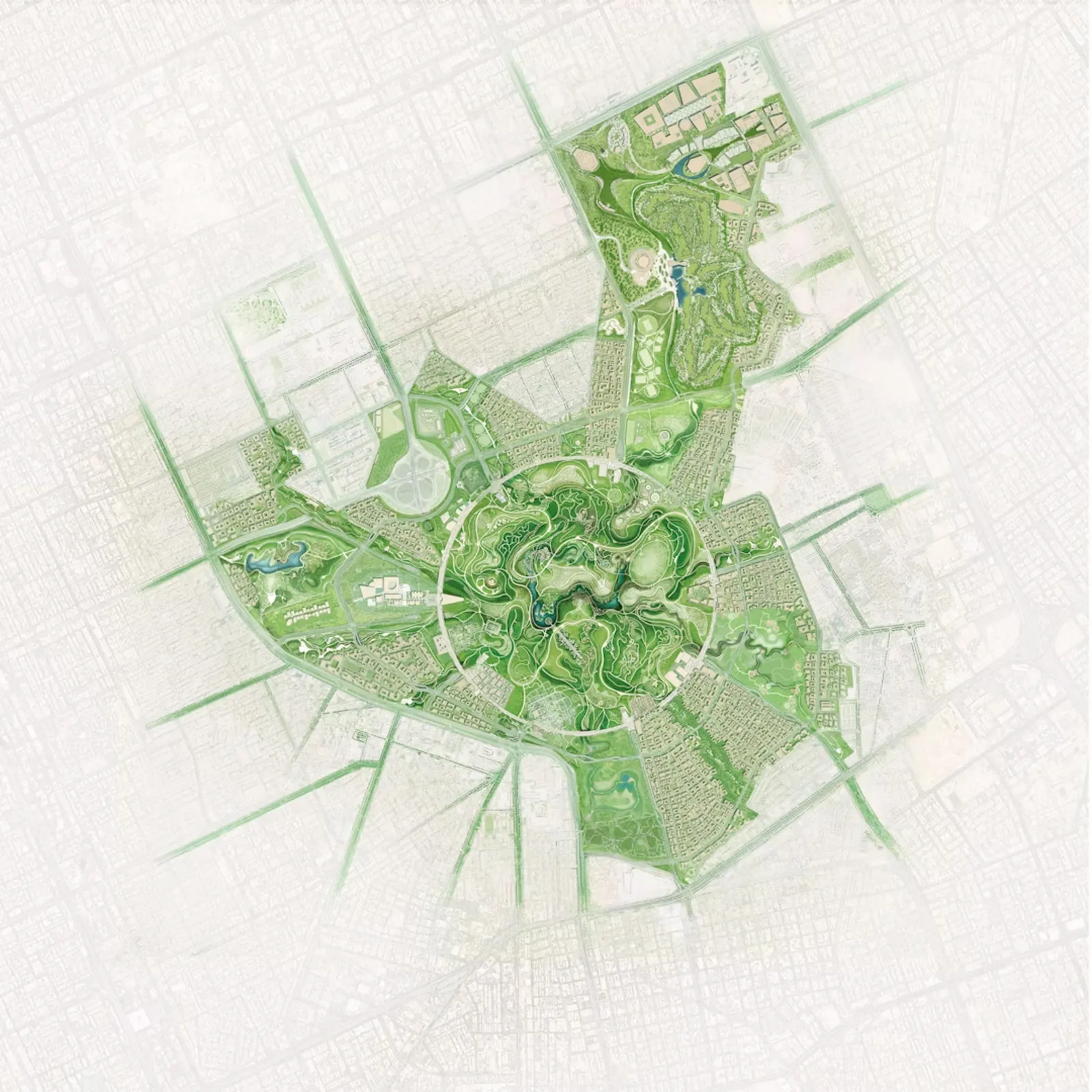
Architect: Gerber Architekten (with Buro Happold & Setec)
Category: Future Projects
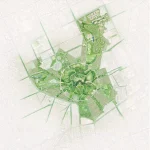
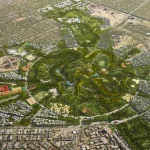
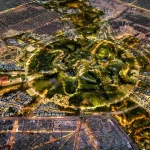
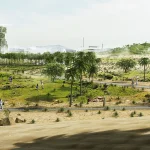
King Salman Park’s master plan repurposes a former air base into what aims to become the world’s largest urban park. Designed to enhance biodiversity, air quality, and active, healthy living in Riyadh. While unbuilt, the proposal showcases how large-scale urban regeneration in the Middle East is tackling climate, health, and legacy issues in bold new ways.
4. Buhais Geology Park Interpretive Centre – Al-Madam Plain, UAE
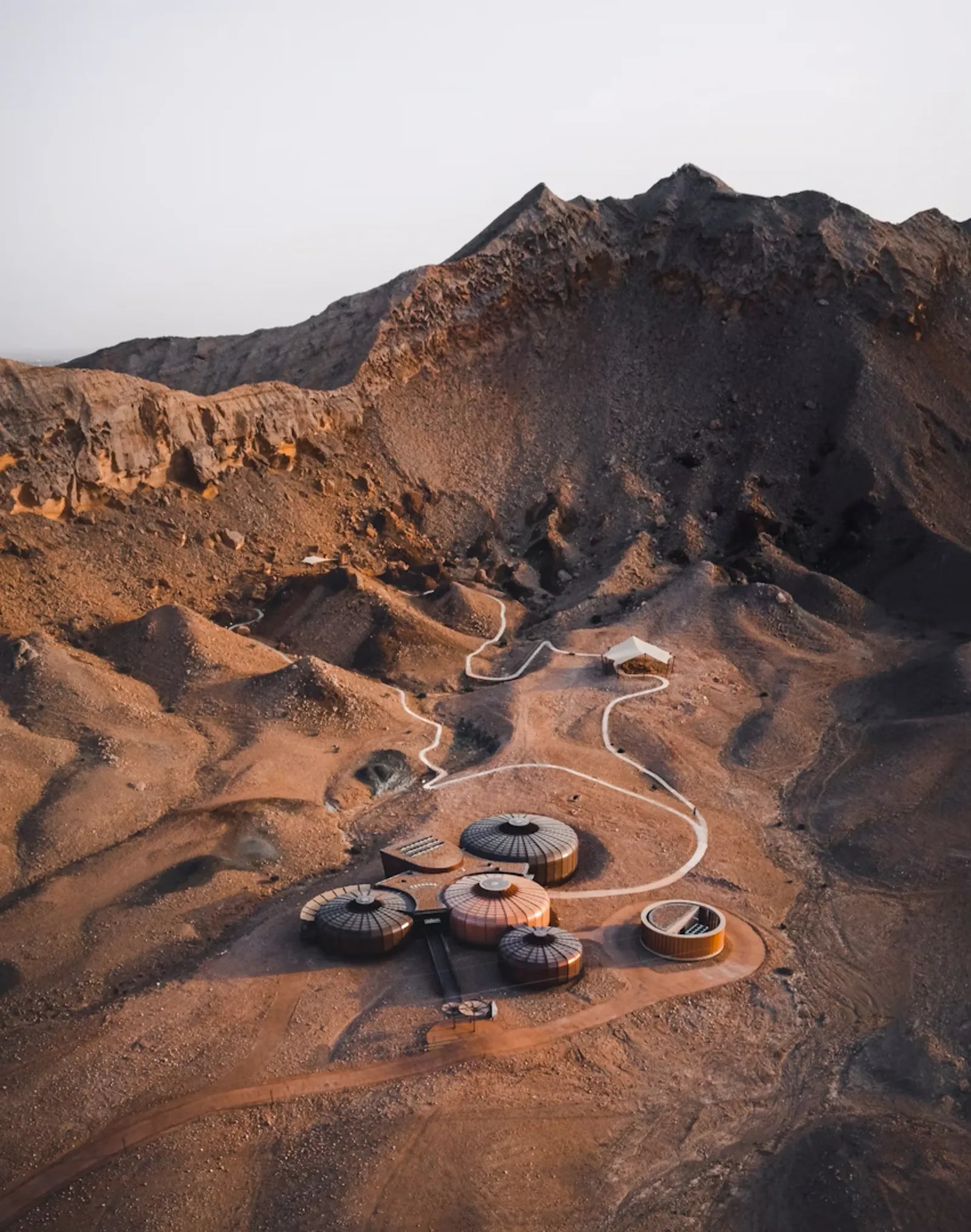
Architect: Hopkins Architects
Category: RIBA Member (built)
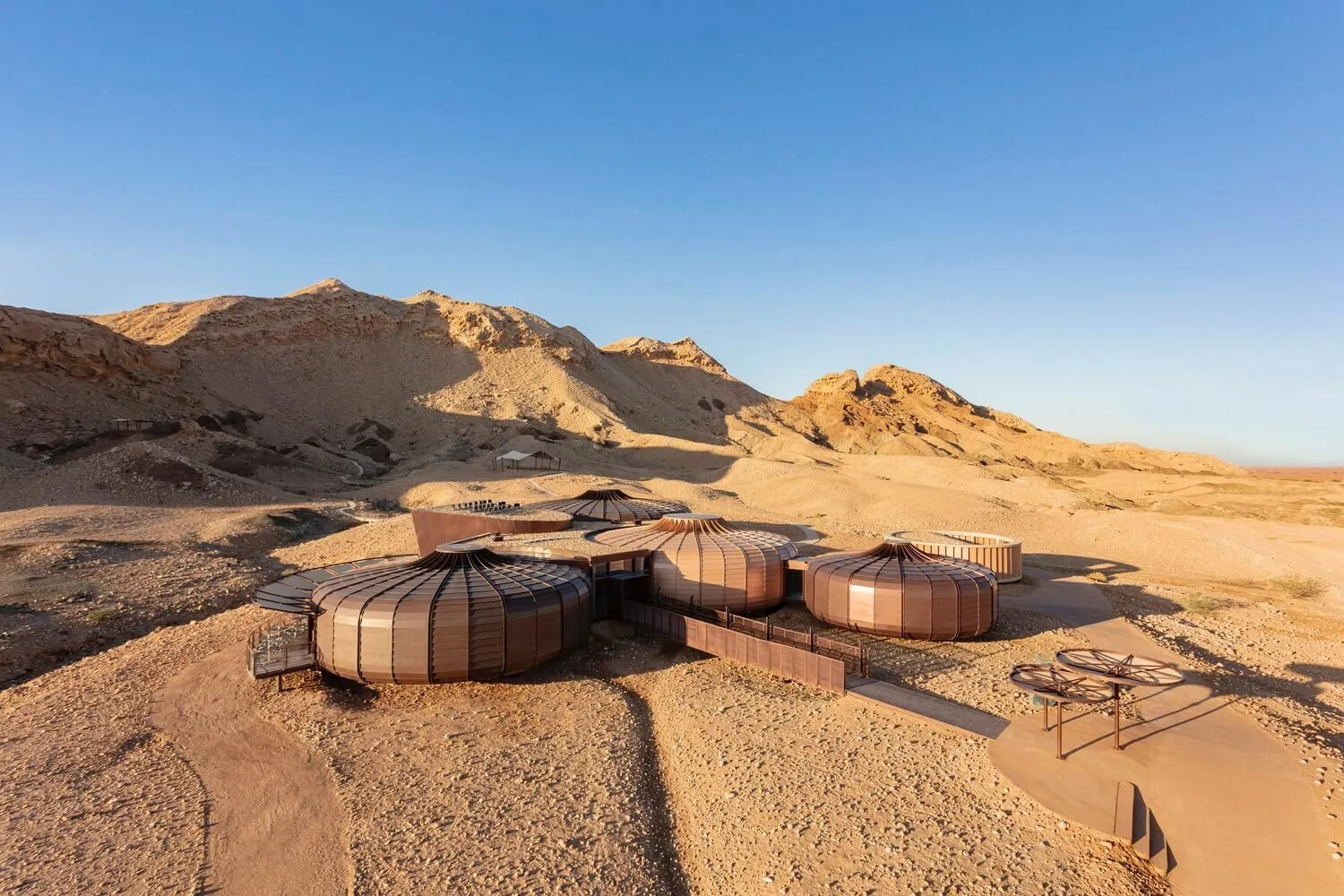
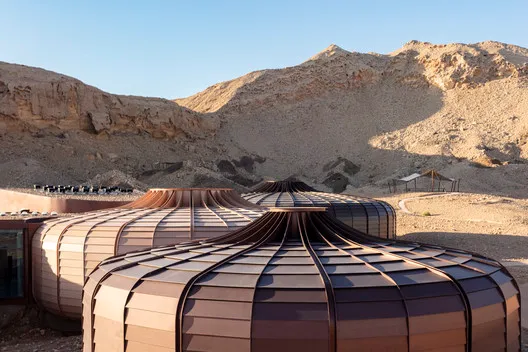
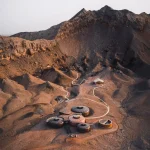
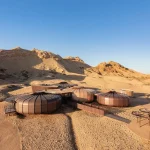
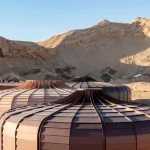
Located in a sensitive desert landscape, the design of five interconnected pods draws on the formal inspiration of fossilized sea urchins found on site. The building gently touches the terrain, minimally disturbing the surroundings while offering educational visitor spaces. Its capacity to combine geological storytelling, visitor experience, and environmental restraint sets a benchmark for low-impact cultural architecture in the region.
5. Expo 2020 Thematic Districts – Dubai, UAE
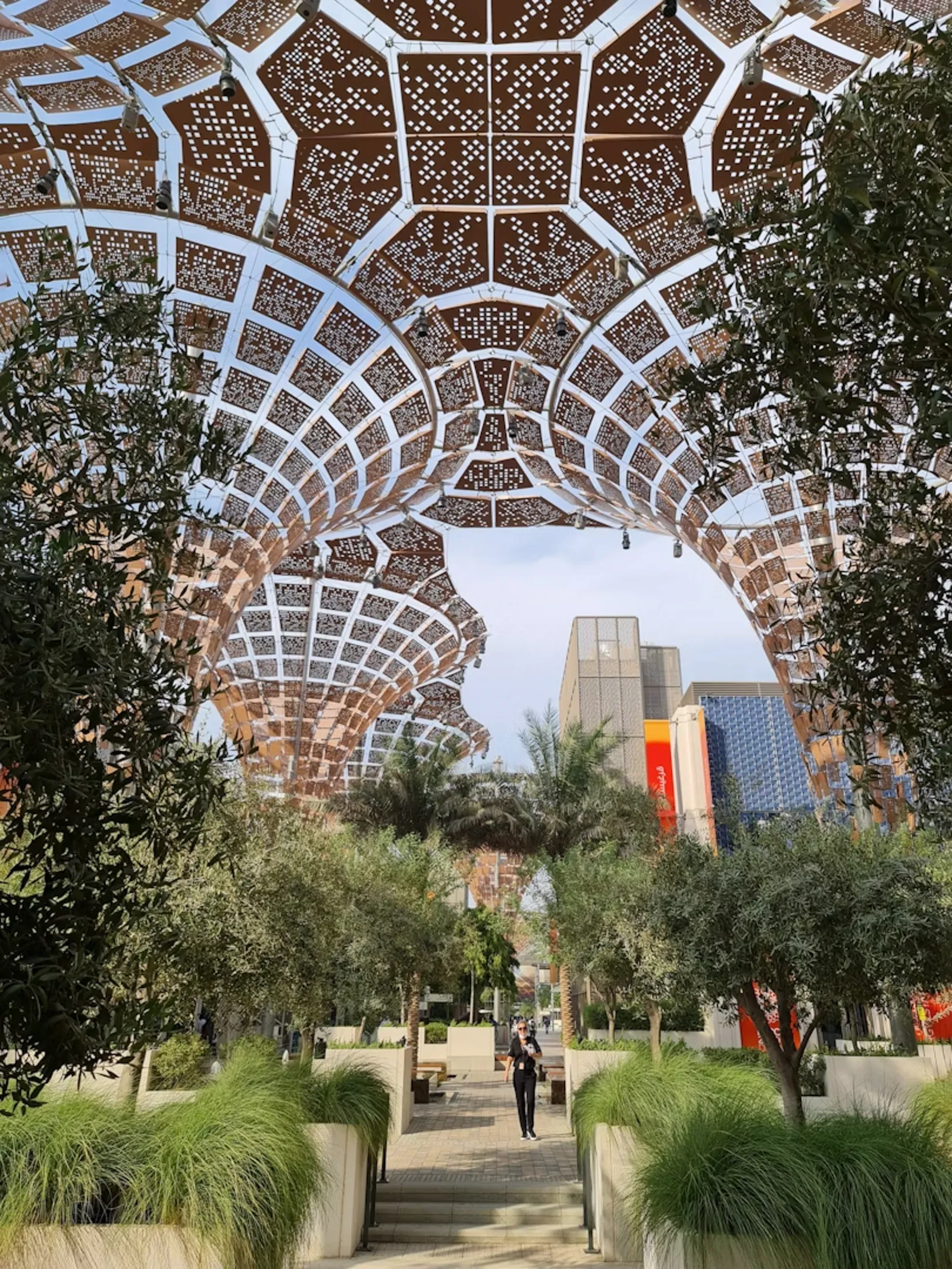
Architect: Hopkins Architects
Category: RIBA Member (built)
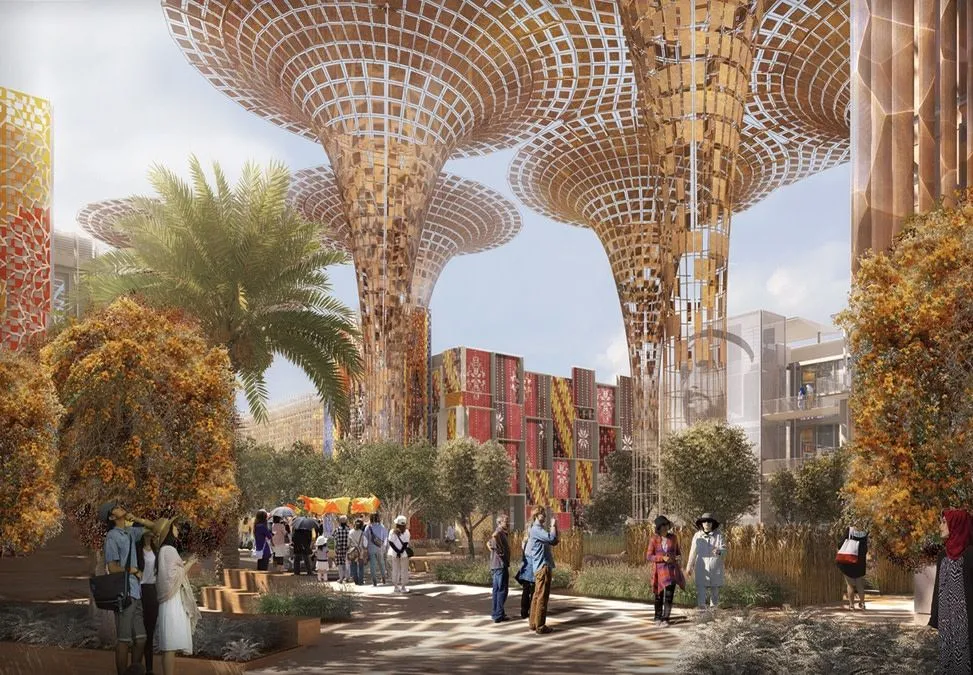
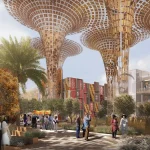
The Expo 2020 Thematic Districts project transformed a desert site into a walkable, human-scaled urban quarter inspired by traditional Arab urbanism, shaded courtyards, tree-lined avenues, and the reuse of Expo structures. It demonstrates how large-event infrastructure can transition into lasting mixed-use districts, deeply rooted in cultural context rather than being ephemeral.
6. Al‑Mujadilah Center & Mosque for Women – Doha, Qatar
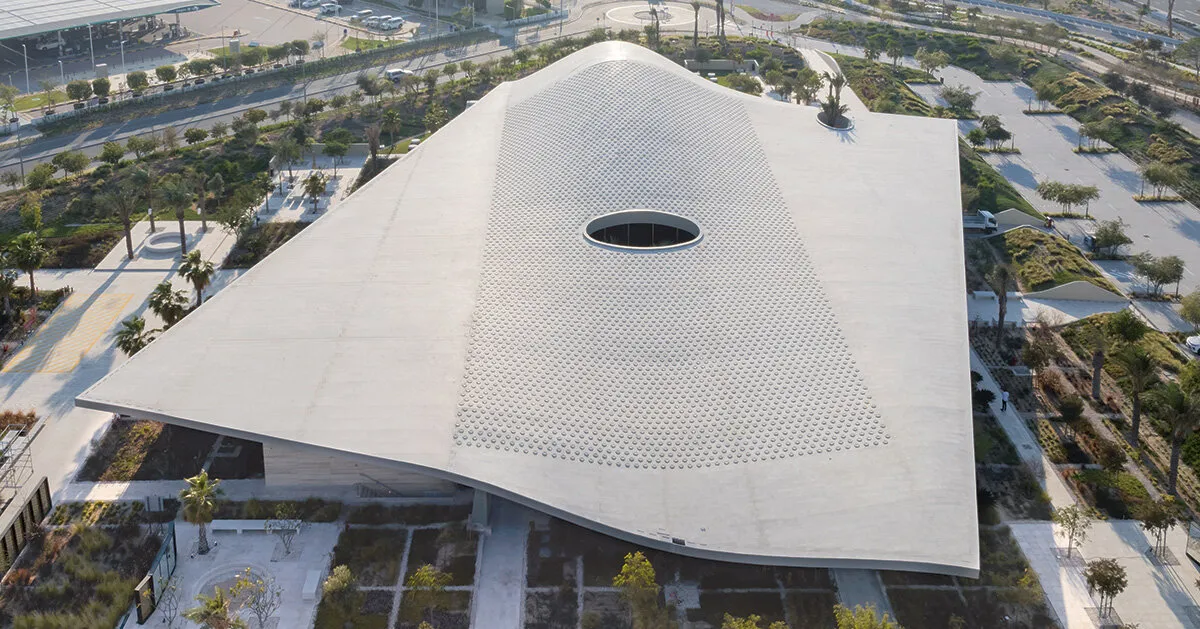
Architect: Diller Scofidio + Renfro (conceived by Sheikha Moza bint Nasser)
Category: Social Architecture
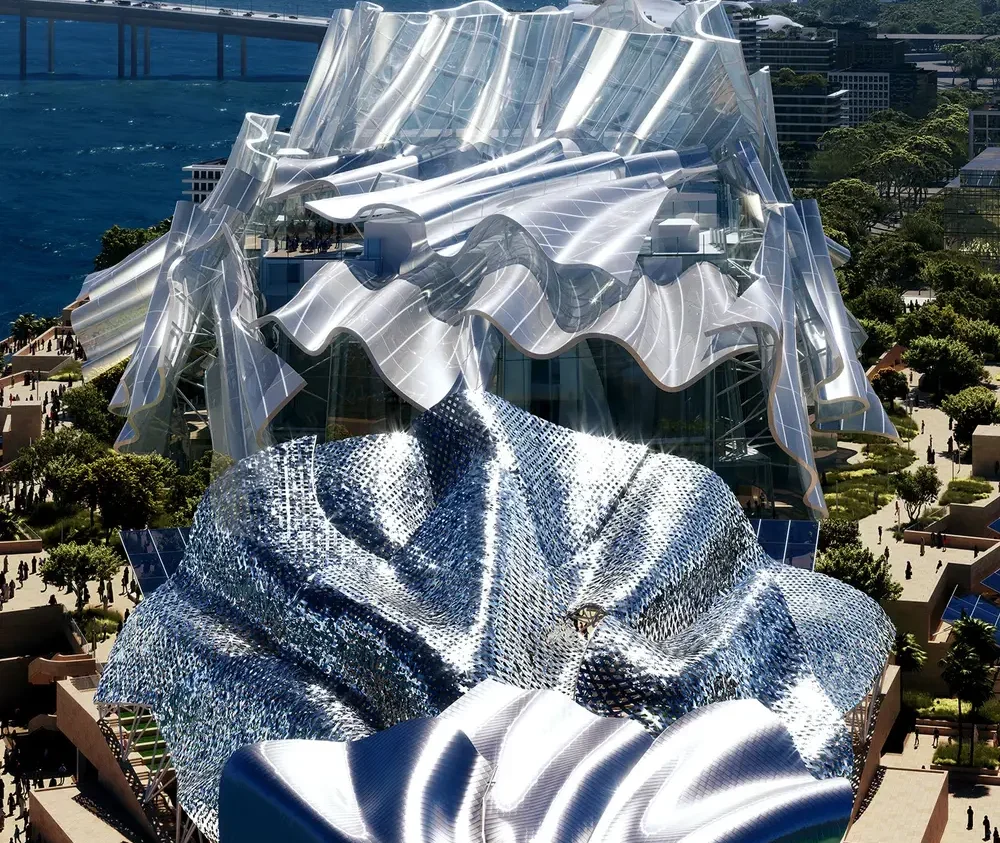
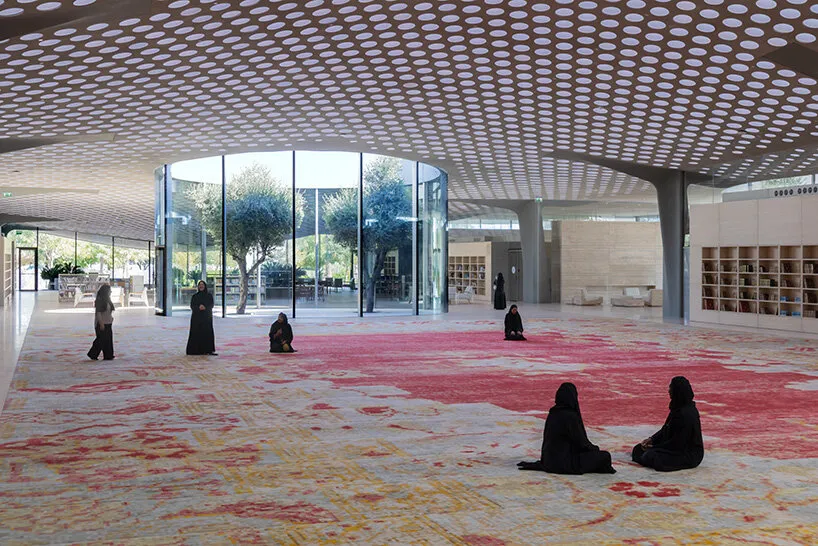
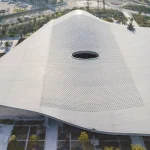
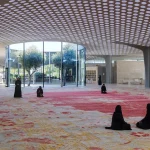
Al‑Mujadilah Center & Mosque for Women is the world’s first contemporary women’s mosque. It includes a prayer hall, classrooms, a courtyard, and flexible gathering spaces under an undulating roof with over 5,000 light wells. Beyond architecture, it signals social transformation, designing religious, educational, and communal spaces specifically for women in the region in a new way.
7. Jafar Centre, Dubai College – Dubai, UAE
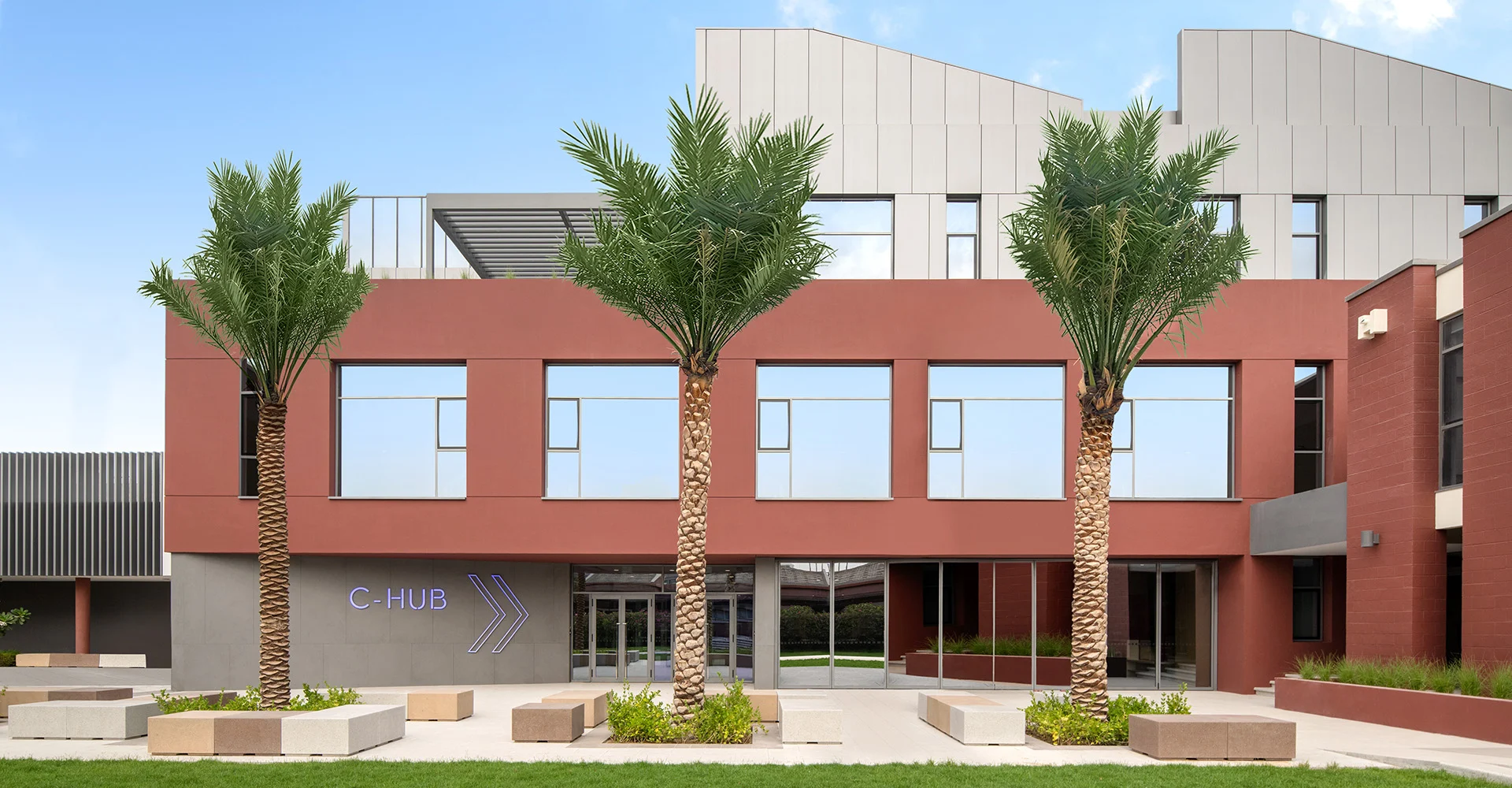
Architect: Godwin Austen Johnson
Category: Sustainability & Resilience
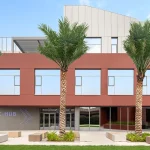
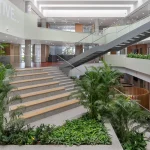
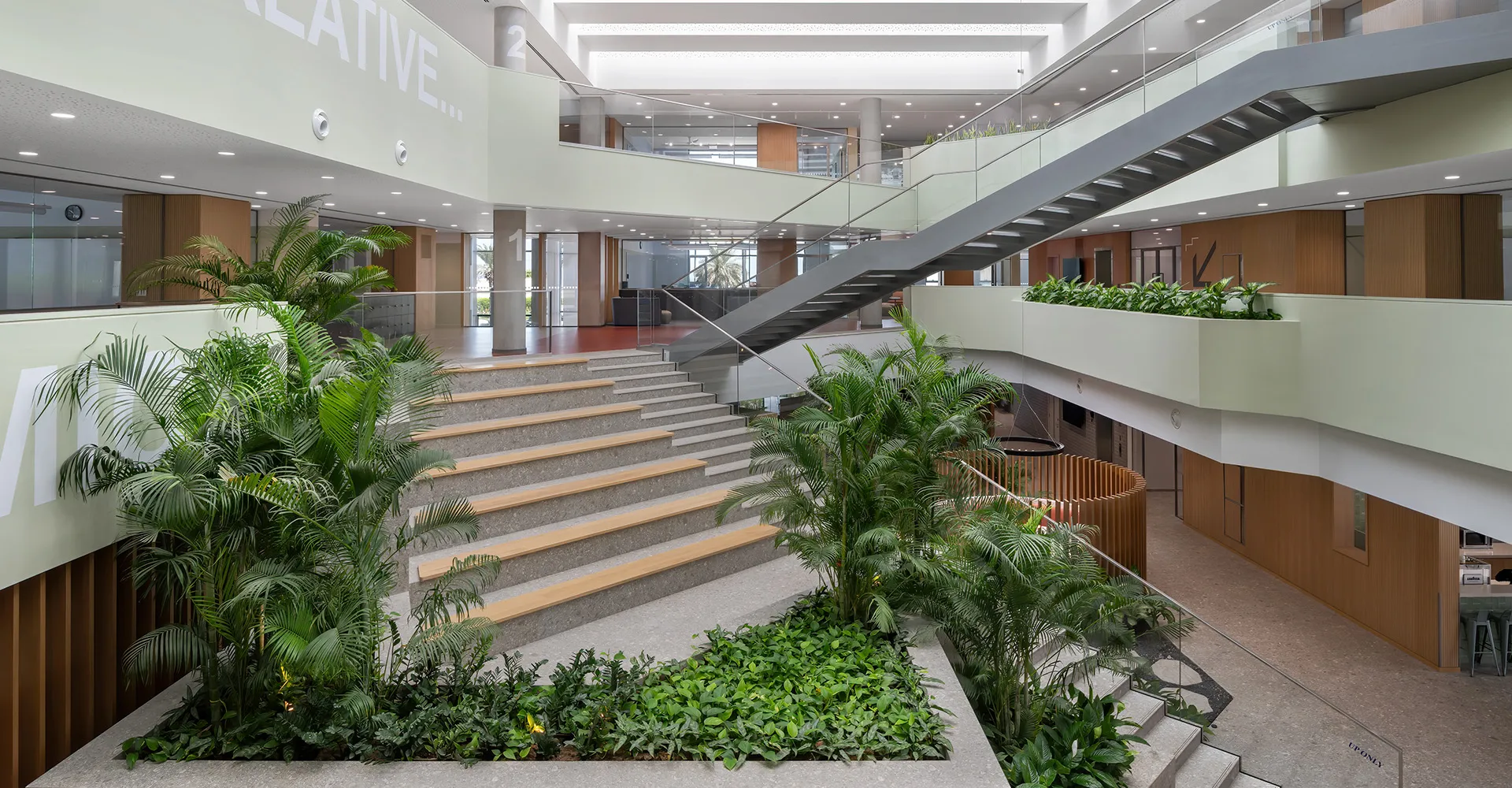
A purpose-built STEM facility on a live school campus, delivered with minimal disruption. Prioritizing daylight, acoustics, thermal comfort, and seeking LEED Gold certification, in fact, this building achieved one of the highest scores in the MENA region for its type. It stands as a leading example of how educational architecture in the region can meet high sustainability, well-being, and flexibility standards.
8. Singapore Pavilion, World Expo 2020 – Dubai, UAE
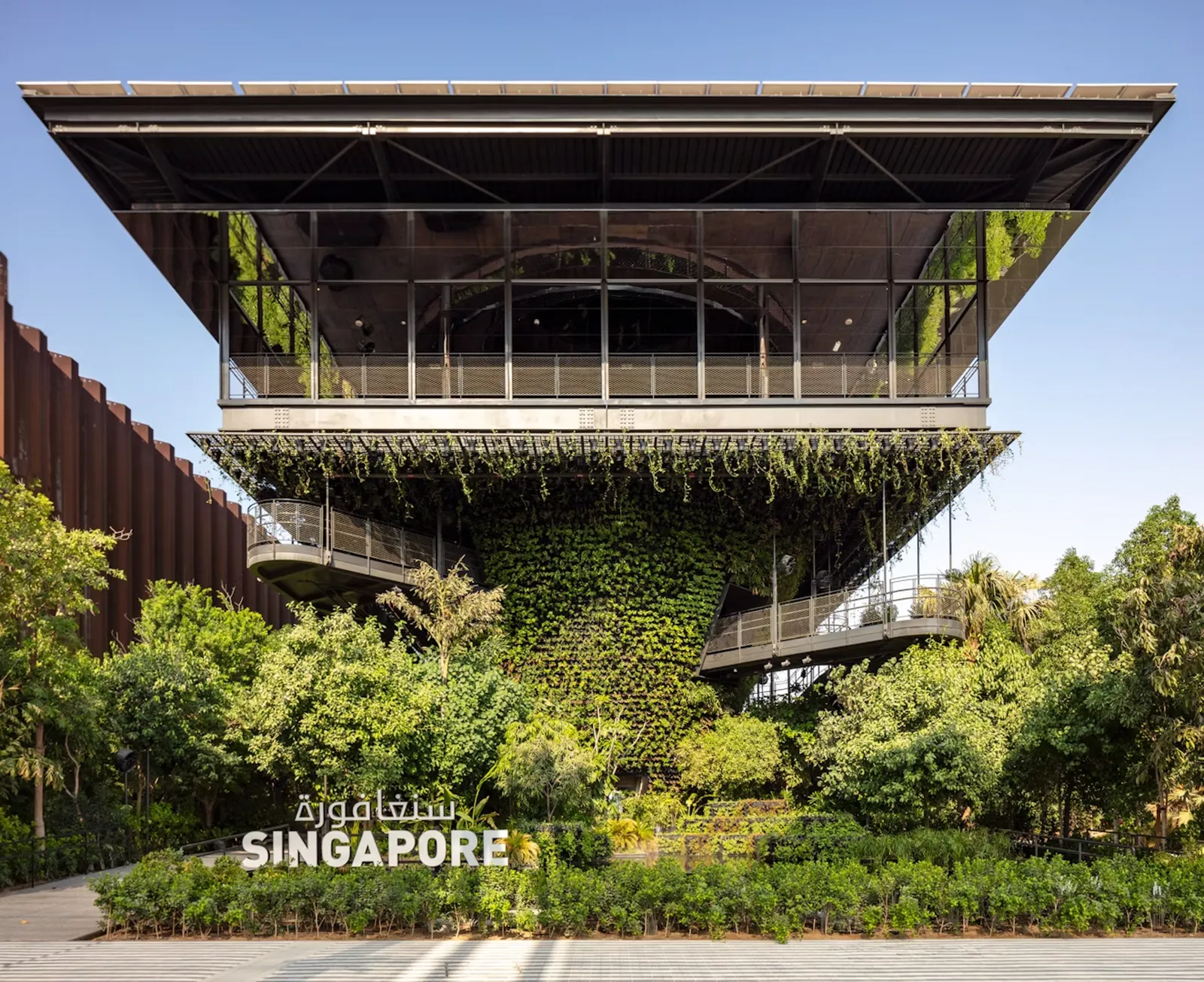
Architect: WOHA
Category: Temporary Architecture
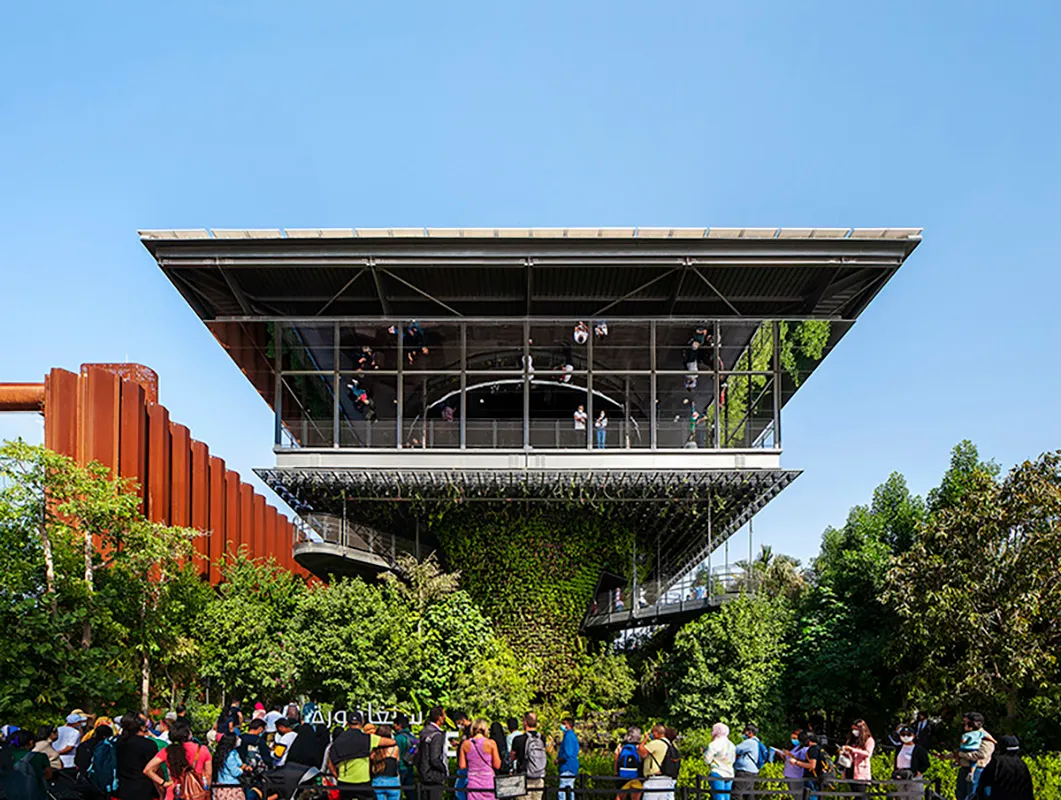
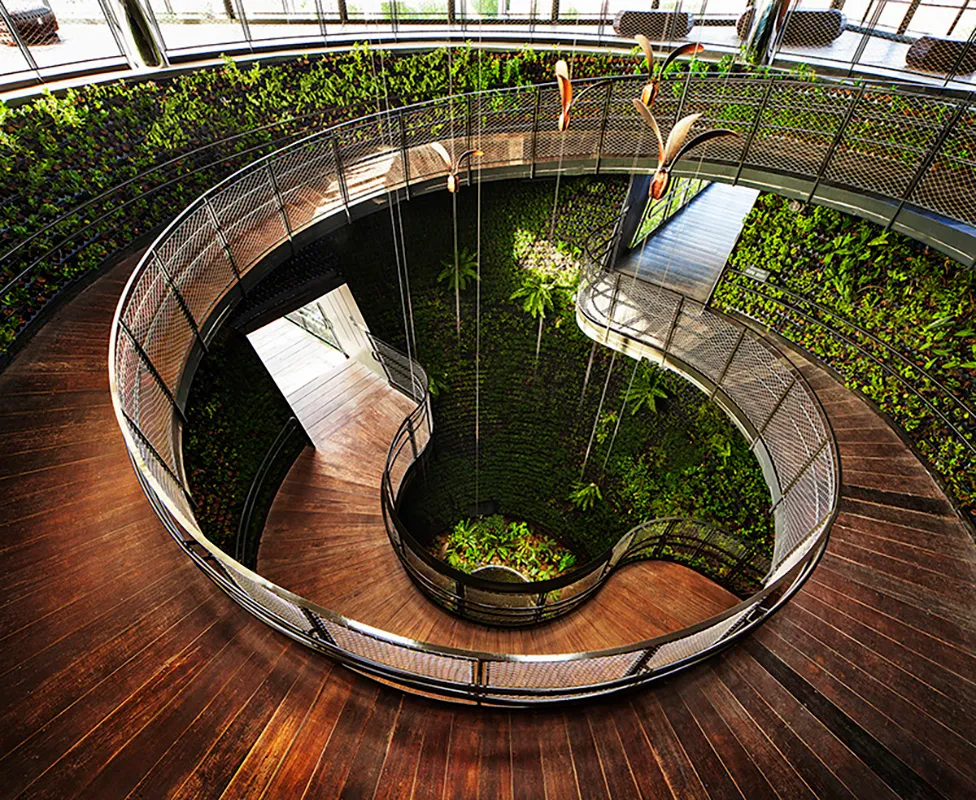
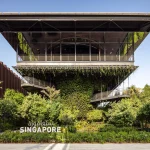
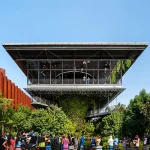
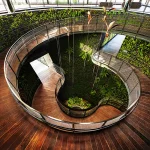
In the Sustainability District of Expo 2020, this pavilion transformed the desert into a lush oasis with vertical gardens, three cone-shaped volumes, solar panels, and a desalination system, achieving net-zero water & energy for its six-month run. The pavilion demonstrated how a temporary structure can still deliver powerful environmental and experiential design while engaging a mass audience with climate discourse.
9. Arabi‑an – World Food Waste Teahouse – Dubai, UAE
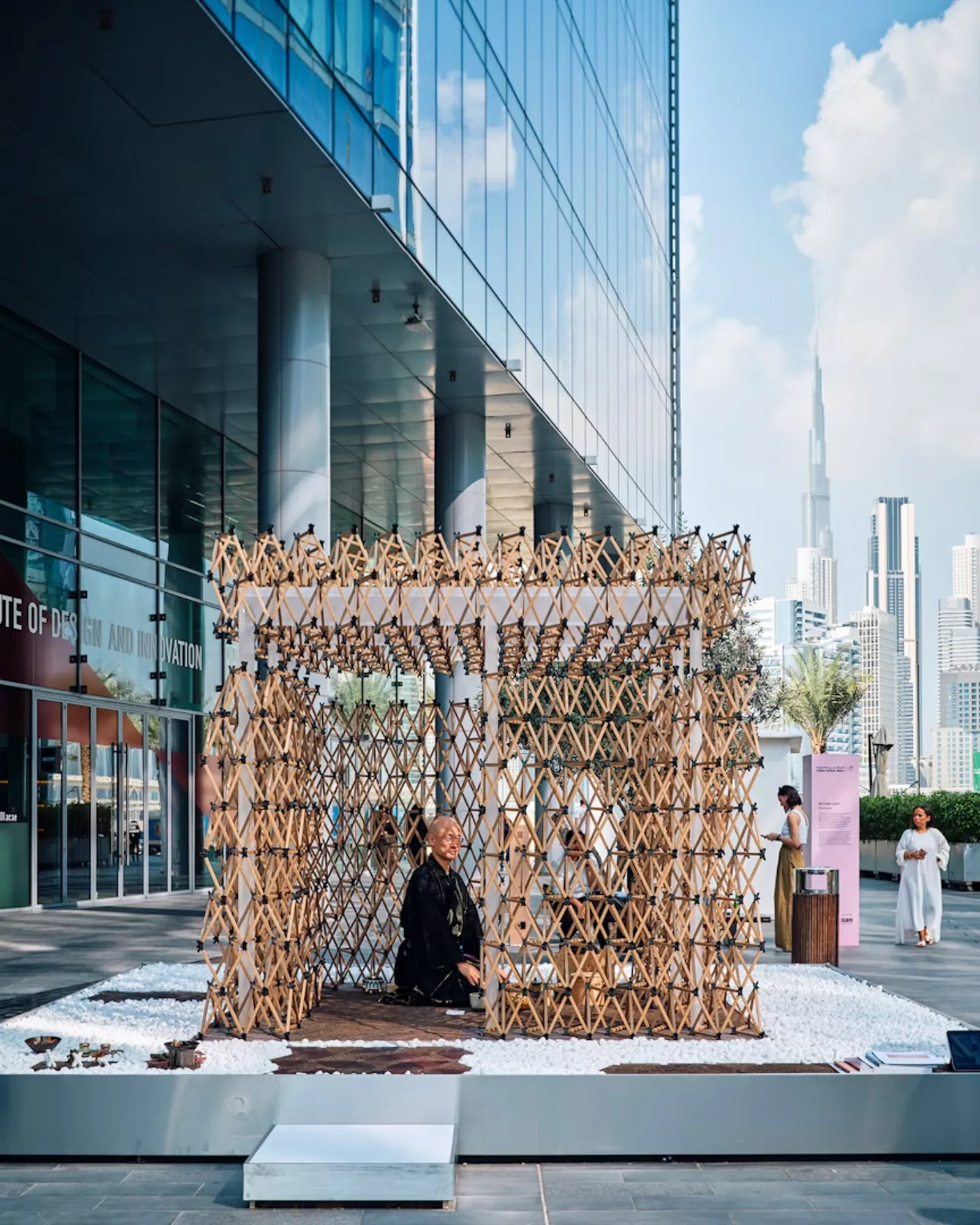
Architect: Mitsubishi Jisho Design
Category: Temporary Architecture
Arabi‑an – World Food Waste The Teahouse pavilion used tea leaves and dried fruit to create the world’s first “food concrete” structure. Fully biodegradable and climate-adaptive, it can be dismantled and repurposed as an exemplar of circular architecture in a temporary form. It pushes the boundaries of materials, reuse, and cultural narrative, harnessing food waste as building fabric in a region that is rethinking sustainability.
The RIBA Middle East Awards 2025 mark a defining moment for the region’s architecture, one that moves beyond spectacle to address resilience, identity, and inclusivity. These nine winners together illustrate a region confident in its past yet eager to build a sustainable, human-scaled future.