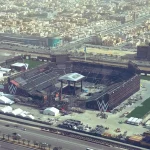


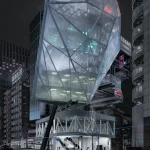
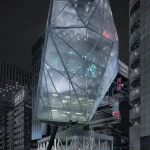
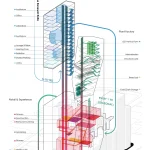
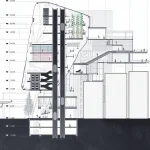
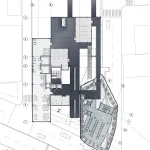
Agri Hub is a conceptual mixed-use project designed in Apr 2022. It is a vertical farm/food infrastructure that reinterprets architectural metabolism through a closed-loop urban food system.
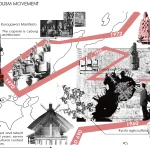
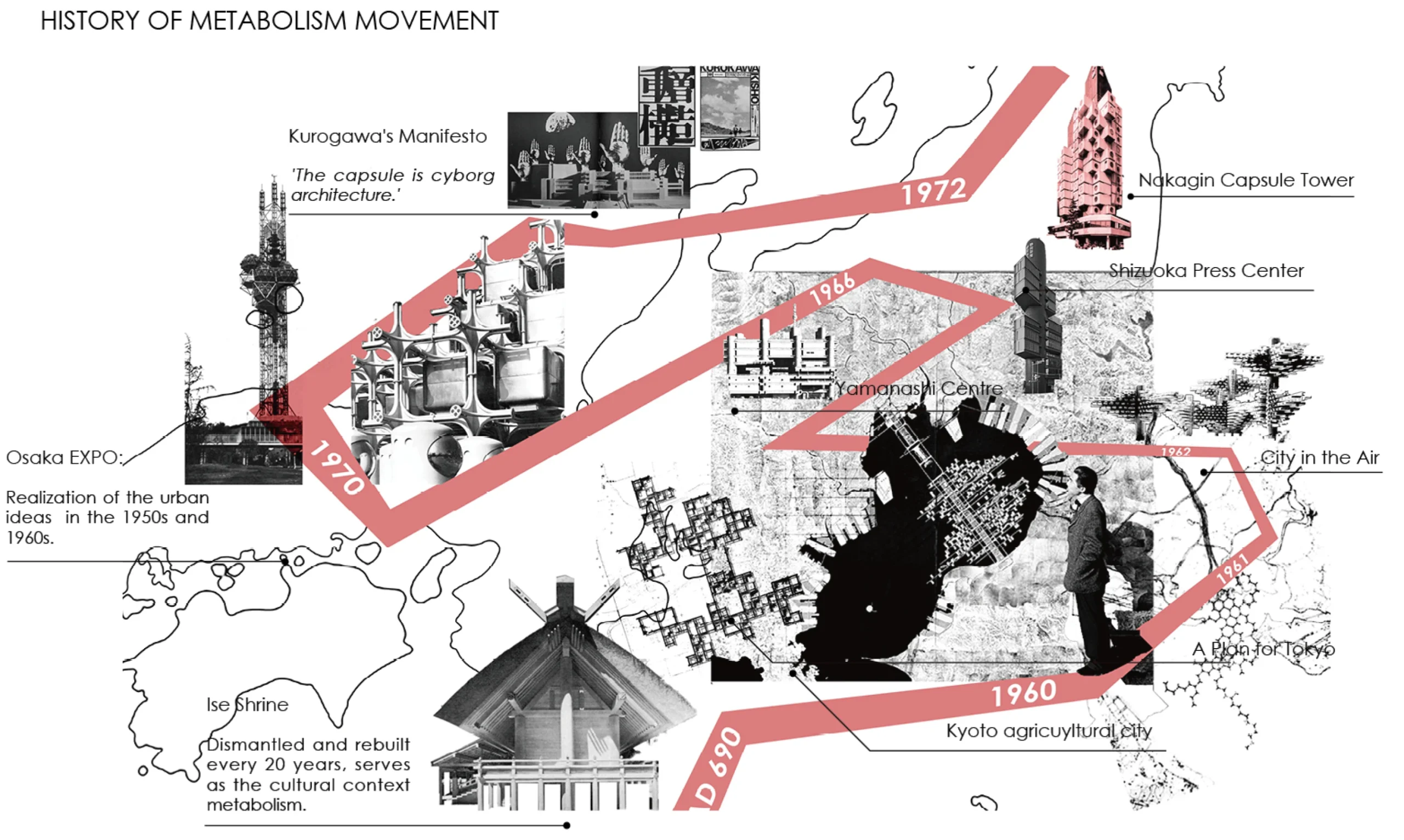
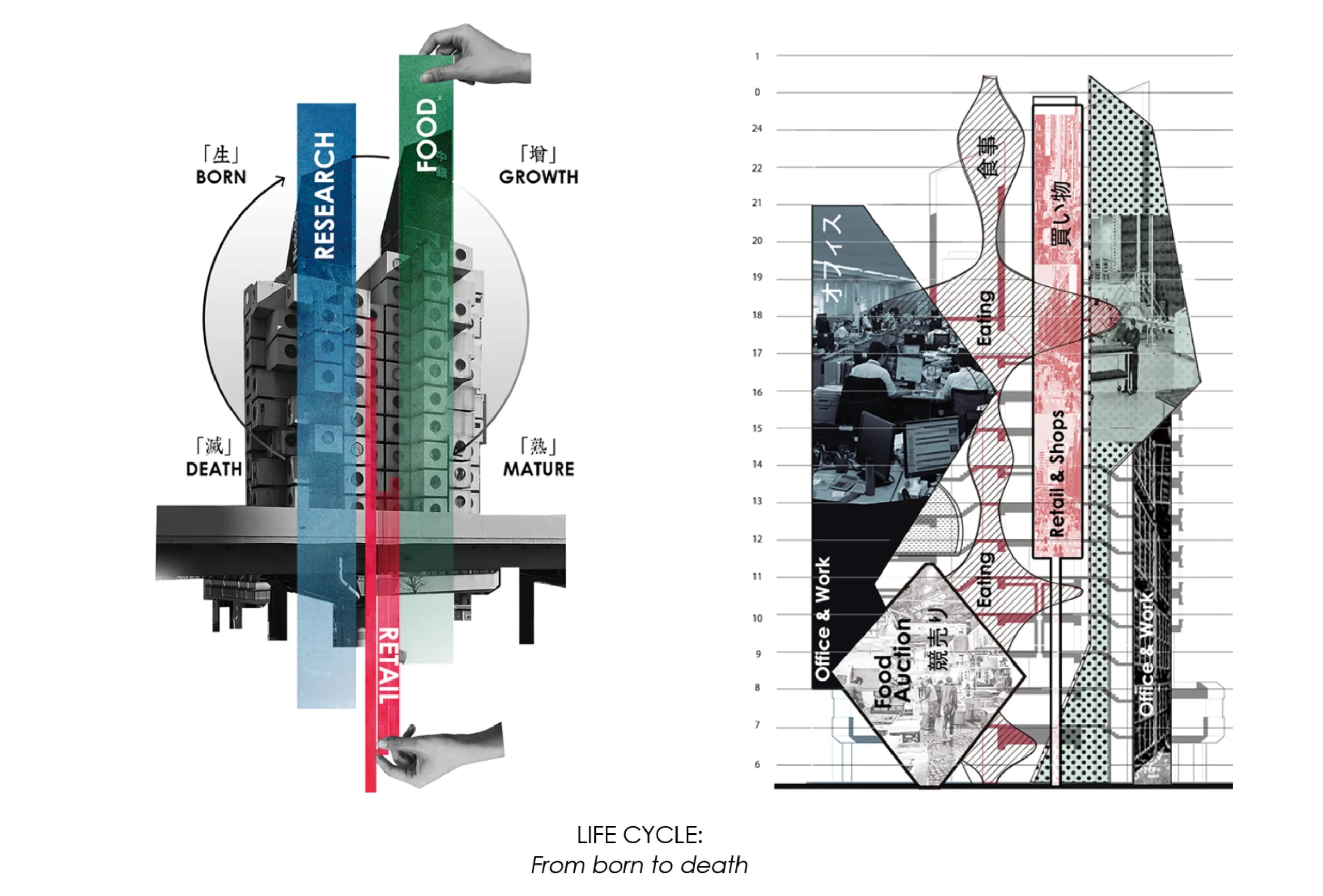
This project proposes a contemporary reinterpretation of architectural metabolism, moving beyond its historical association with the post-war Japanese Metabolist movement. Rather than treating metabolism as a system of replaceable building components, the design reframes it as a dynamic and reciprocal process. It will become the one that nourishes, regenerates, and feeds back into the social and urban environment.
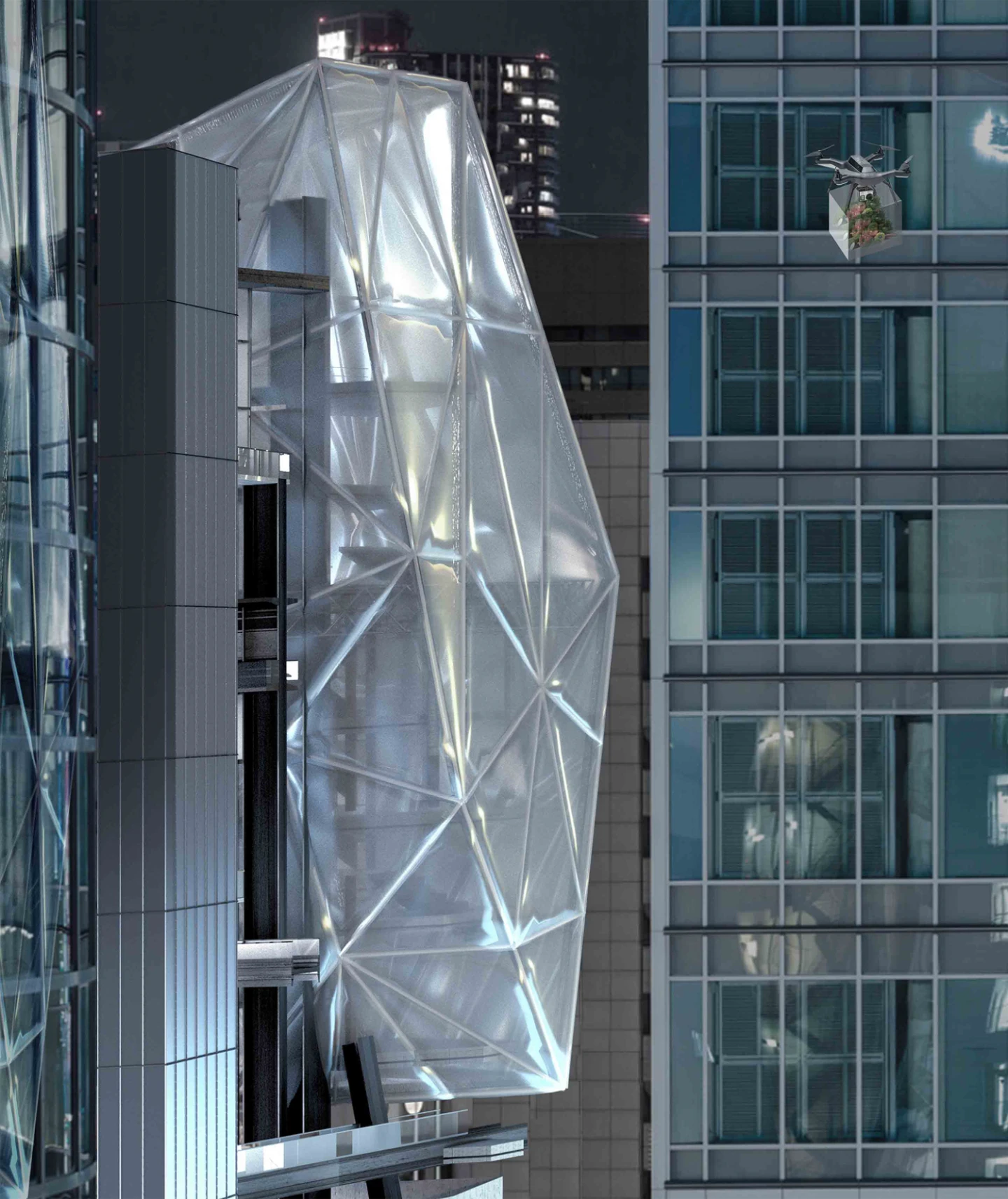
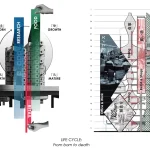
At the core of the proposal is a closed-loop, hybrid agriculture hub that bridges agri-food research, food production, and urban consumption. Positioned as an active piece of urban infrastructure, the project operates simultaneously as a research platform, a production facility, and a public-facing food hub, reconnecting the cycles of knowledge, cultivation, and consumption within the city.
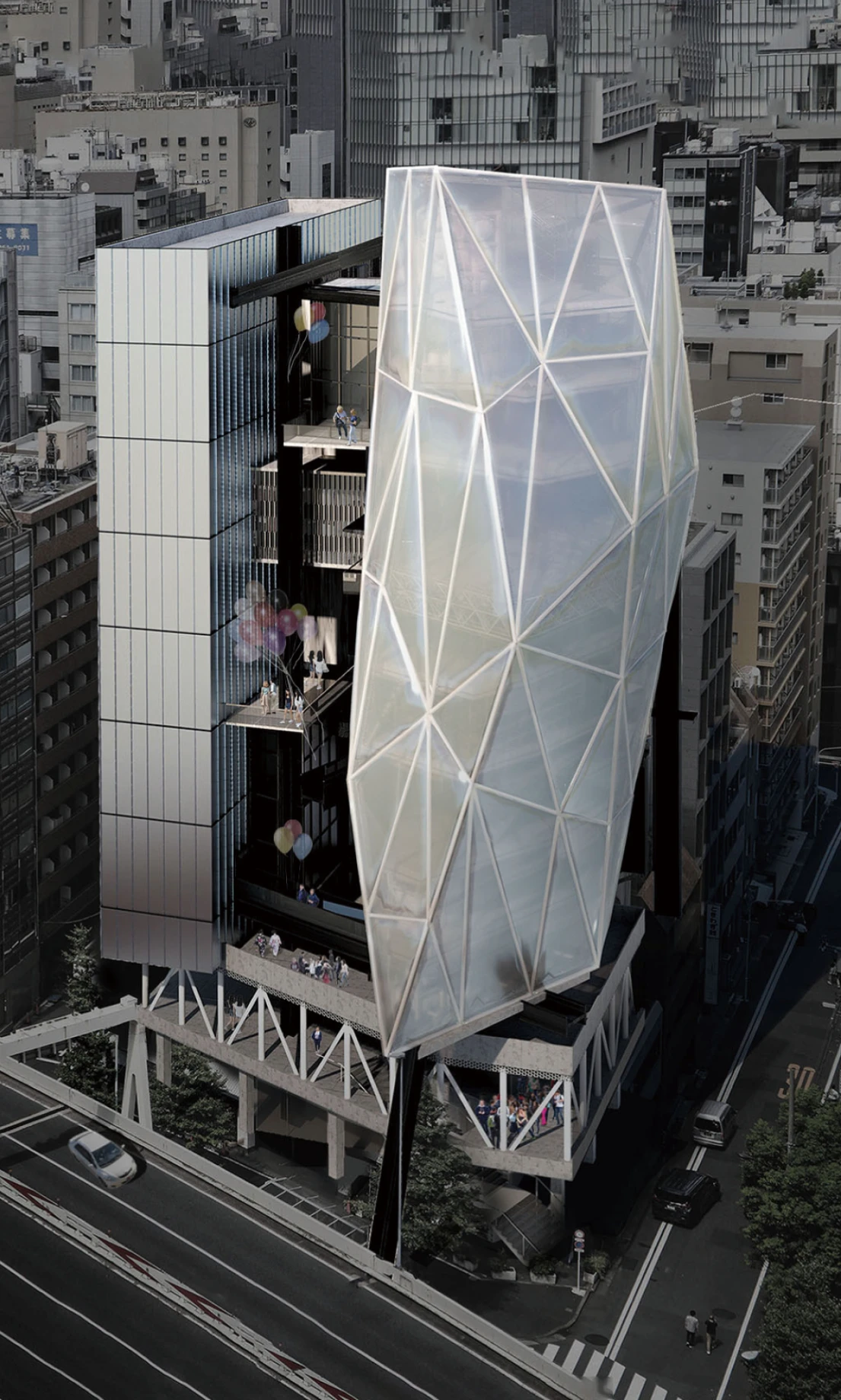
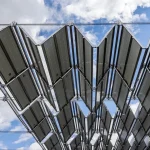
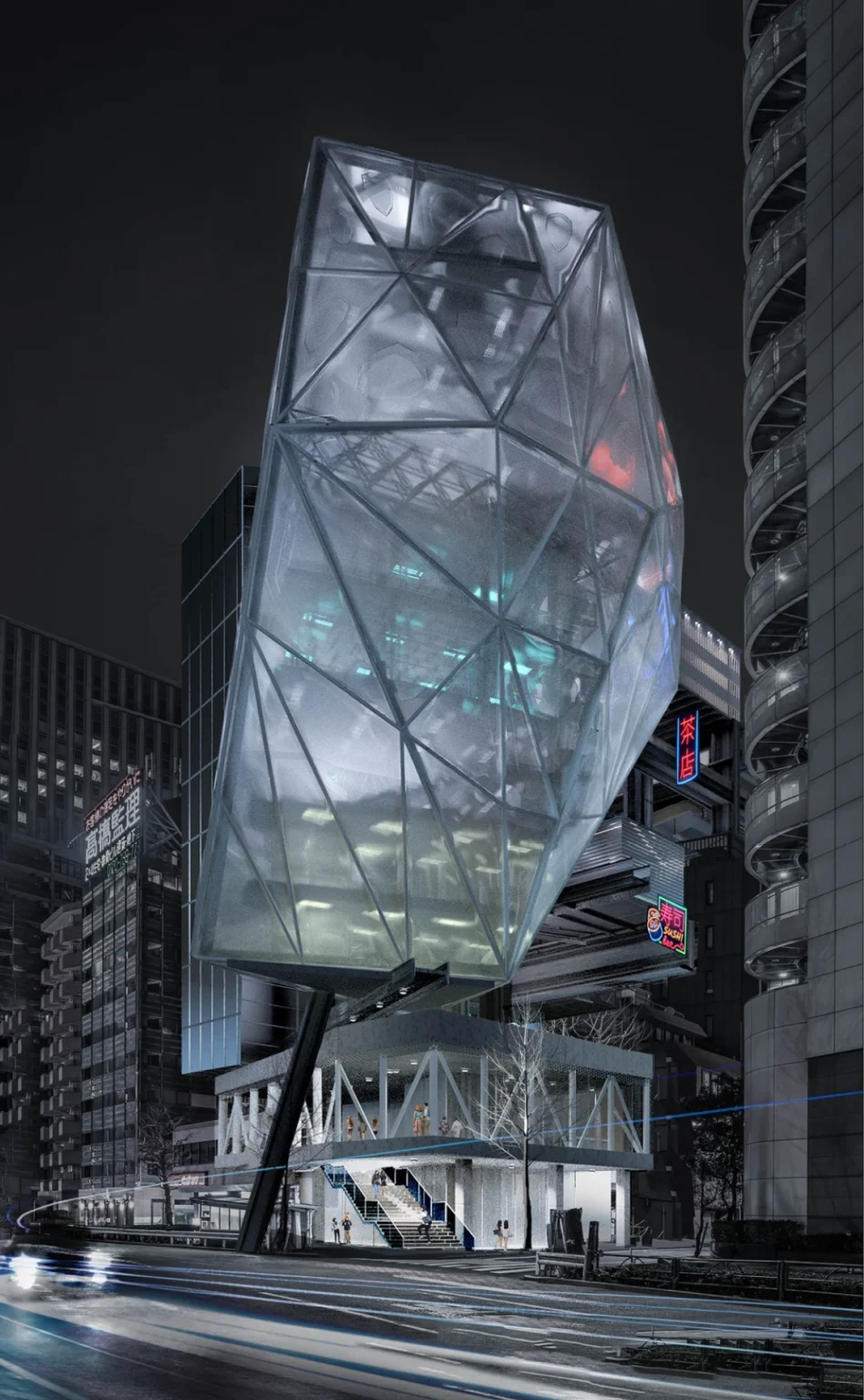
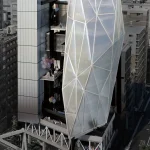
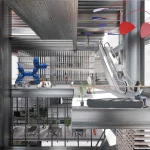
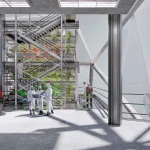
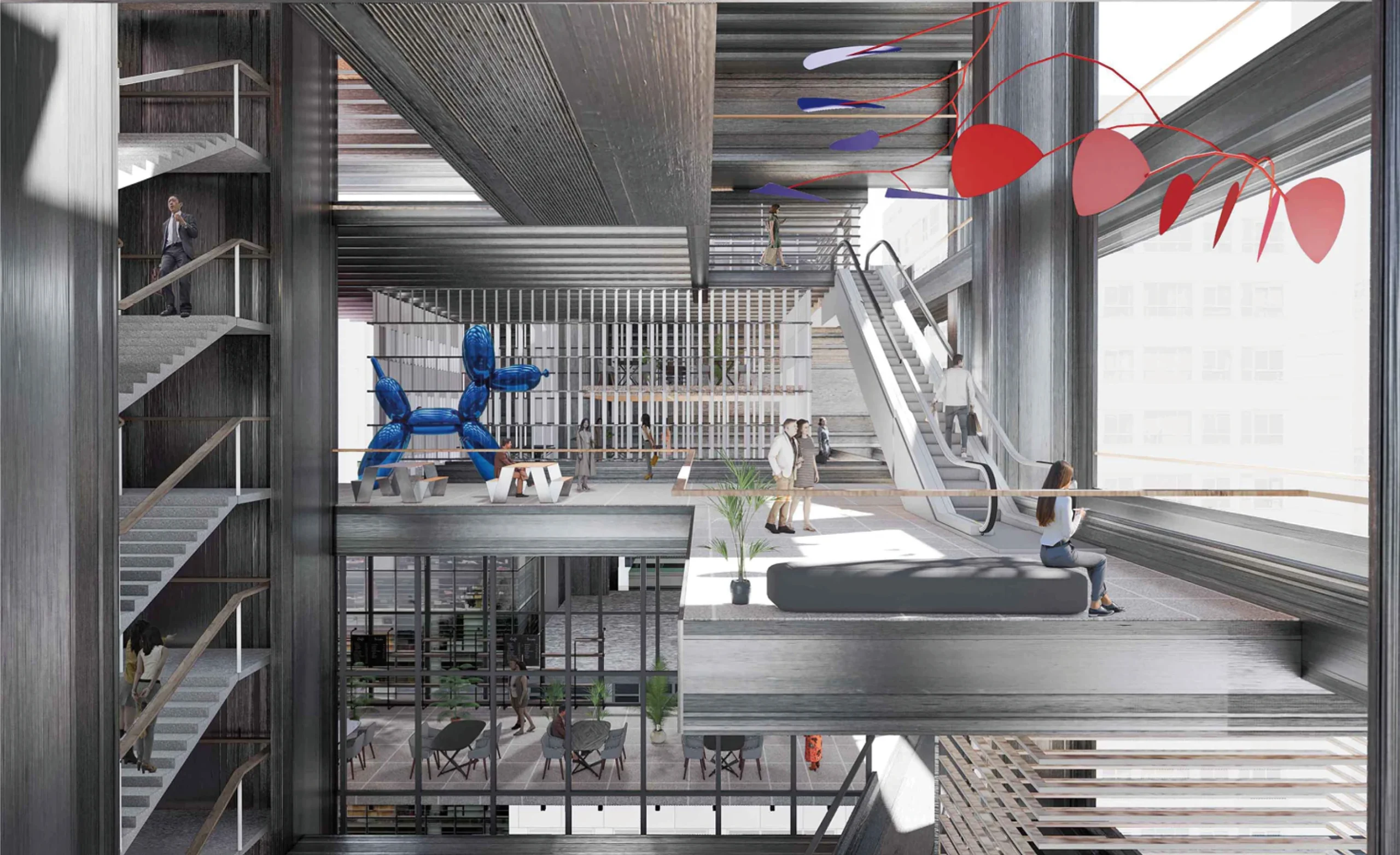
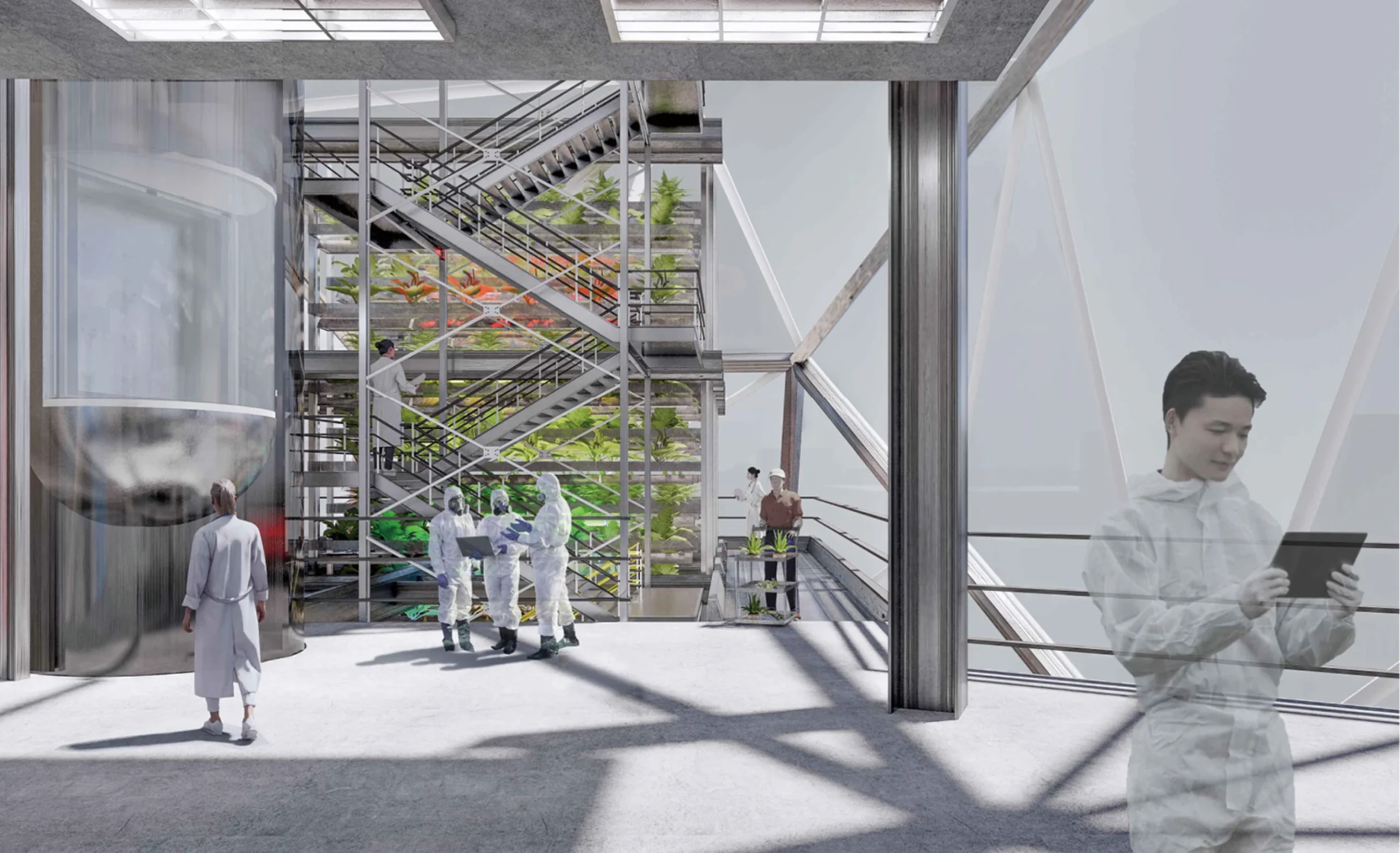
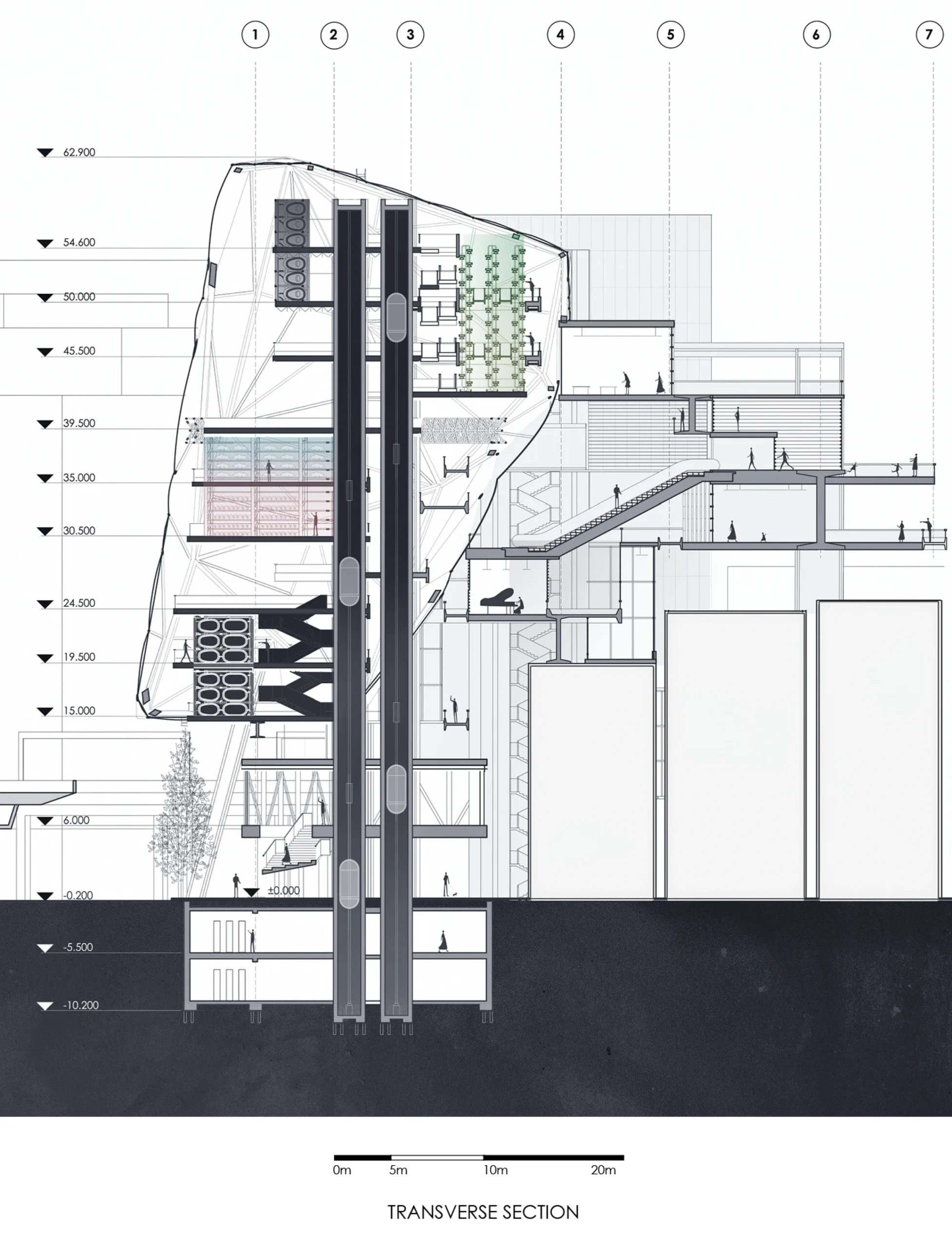
The architecture is organized into three primary programs, each expressed through a distinct form and material strategy. Agri-food research spaces are housed in rigorous column-and-beam volumes, emphasizing structural clarity and fostering collaboration and experimentation. Agricultural production zones are conceived as soft, expansive, and highly transparent environments, optimized for efficient food growth while remaining visually open to the city. In contrast, the farm-to-table retail component is designed as a dynamic and inviting interface, activating the ground plane and engaging directly with the surrounding urban fabric.
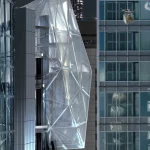
Materially, the building employs the ETFE as its primary façade system. Lightweight and flexible, the ETFE envelope provides high transparency while enabling future expansion and adaptation. This choice reinforces the project’s metabolic logic, allowing the architecture to grow and transform over time in response to changing urban demands.
Angled volumes are suspended from an exposed I-beam structural skeleton, integrating the building with adjacent highways and retail zones. This structural strategy not only accommodates infrastructural constraints but also creates a layered relationship between movement, production, and public space. Through its adaptable structure and closed-loop logic, the Agri Hub envisions architecture as a living system. In the future, it will continuously evolve while sustaining and regenerating its urban context—Tokyo, the endless city.
The project is designed by Studio Wei Yu (SWY), a sustainability-driven, research-based design practice exploring the intersection of architecture, ecological systems, and urban infrastructure. Founded by Weiyu Xu, the studio explores how green building strategies and environmental research can be integrated into spatial systems that promote regeneration, resource circulation, and social resilience.
Grounded in post-anthropocentric design thinking, the practice’s work focuses on optimizing green building strategies. With integrated design approaches, the studio focuses on addressing energy and water efficiency, material selection, waste reduction, and indoor environmental quality. Environmental performance has been integrated into spatial organization, structural systems, and material assemblies, enabling architecture to function as an active ecological mediator that supports healthier, more efficient, and more adaptable urban environments.
Projects by SWY have received international recognition, including the gold winner of the 2024 London Design Awards, silver winner of the 2024-2025 NY Architectural Design Awards, winner of the DNA Paris Design Award, and honorable mention of the Architecture MasterPrize Award. Through research-driven projects such as Agri Hub, the studio positions sustainability as a spatial and operational logic embedded within architectural form.
Agri Hub Project Details
Project Name: Agri Hub
Architecture Studio: Studio Wei Yu
Project Type: Urban Agriculture / Food Infrastructure
Program: Vertical farming, food processing, community spaces
Design Approach: Closed-loop urban food system
Image credit: Studio Wei Yu