





The question of whether a mirrored structure can be built and sustained in a desert environment has moved from theory to real-world testing in Saudi Arabia. While unconfirmed reports continue to circulate about The LINE being scaled back or potentially halted, the engineering challenge it represents remains relevant. The proposal of a 170-kilometer mirrored urban form raises practical concerns about heat exposure, material durability, maintenance, and cost at an unprecedented scale.
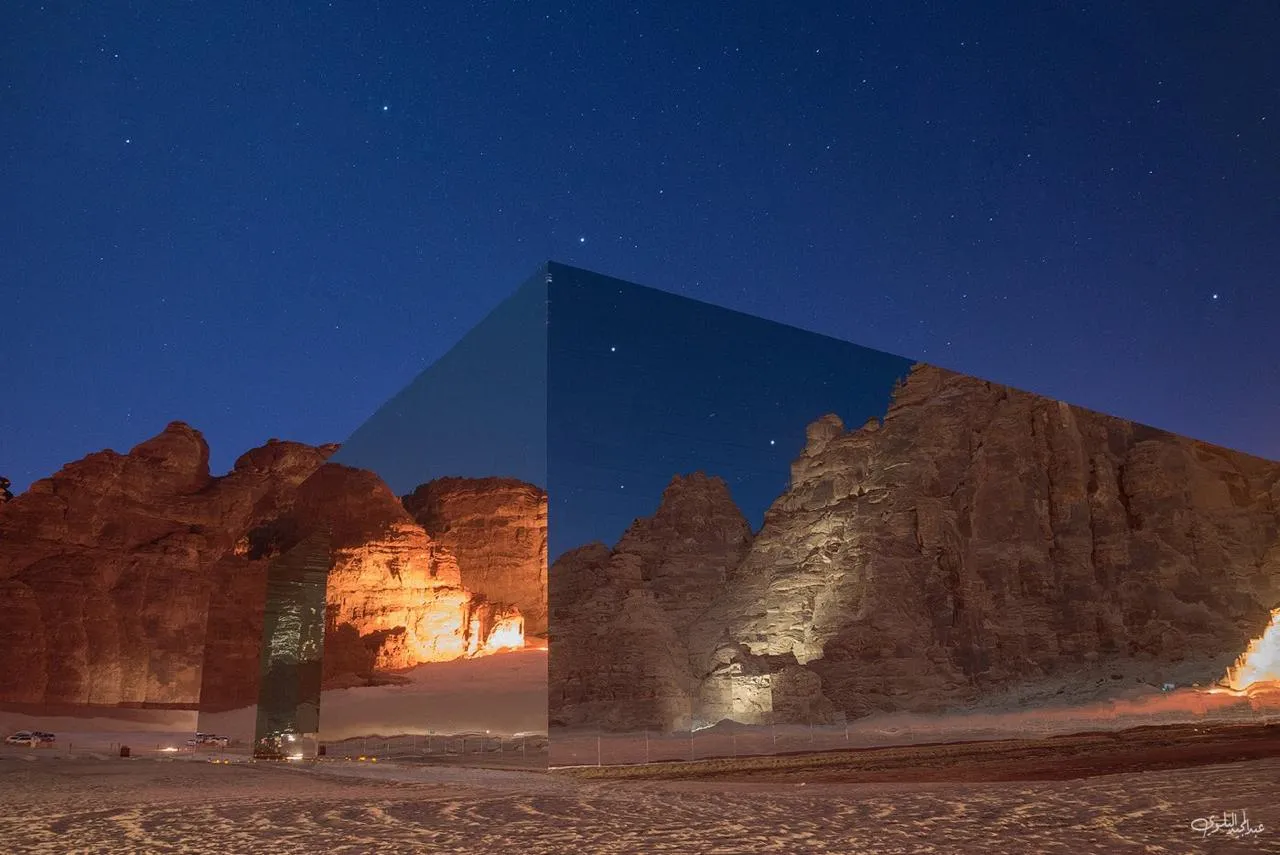
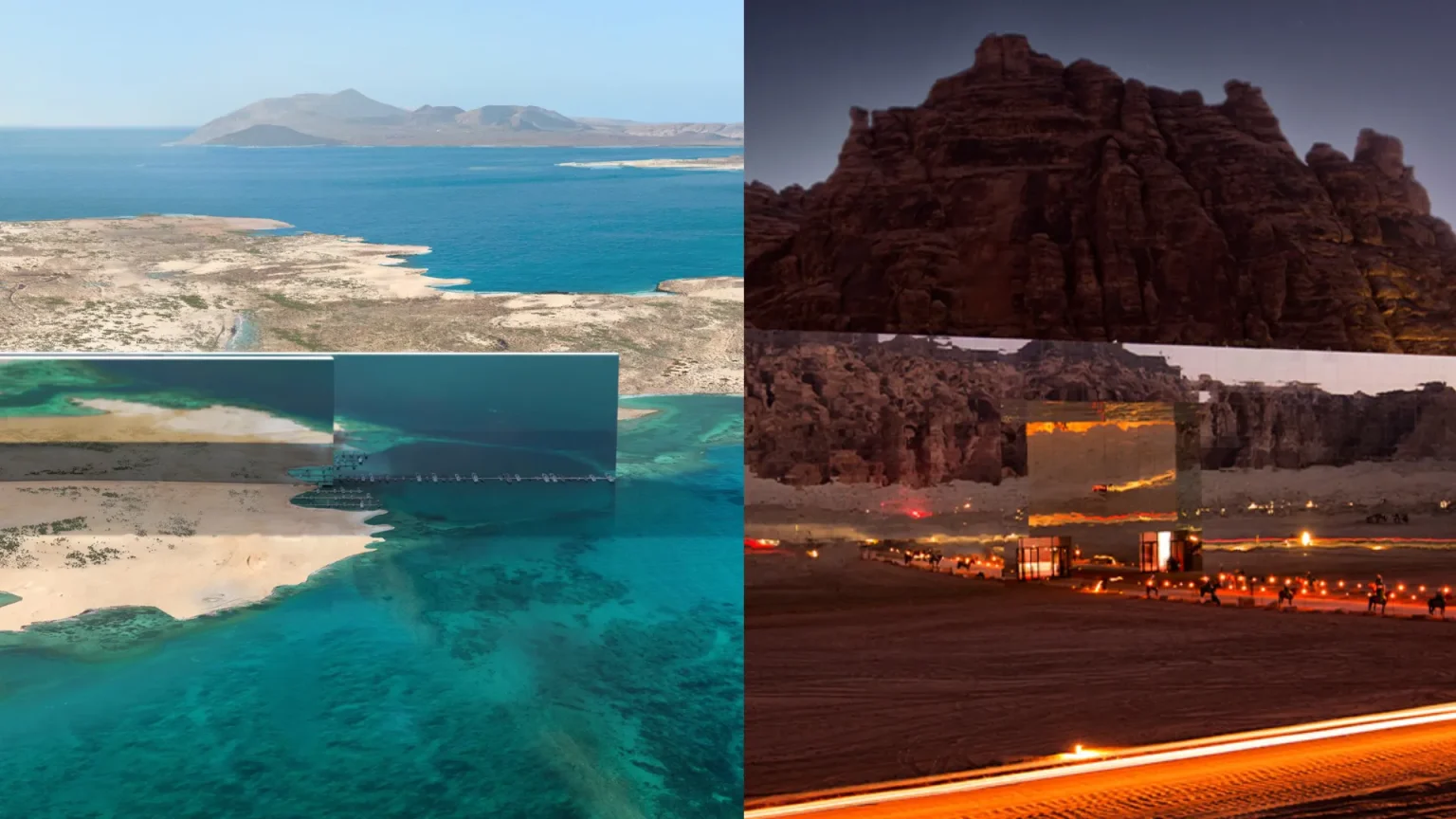
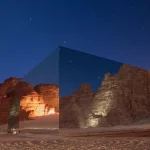
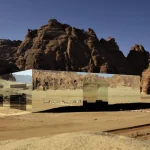
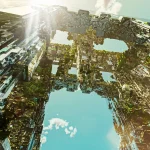
In the northwest of Saudi Arabia’s AlUla region stands Maraya, a polished, mirror building that proves the raw desert can support surprising architecture. With its entire exterior covered in 9,740 square meters of reflective panels, Maraya holds the Guinness World Record as the largest mirrored building on Earth. It functions as a 500-seat concert hall and event venue where internationally recognized performers and cultural gatherings take place against the backdrop of the surrounding sandstone canyon.
Its name, Maraya, literally means “mirror” or “reflection” in Arabic, and that describes both its form and function. The structure reflects the sky, rock faces, and desert sands so precisely that at certain times of day it visually dissolves into its environment.
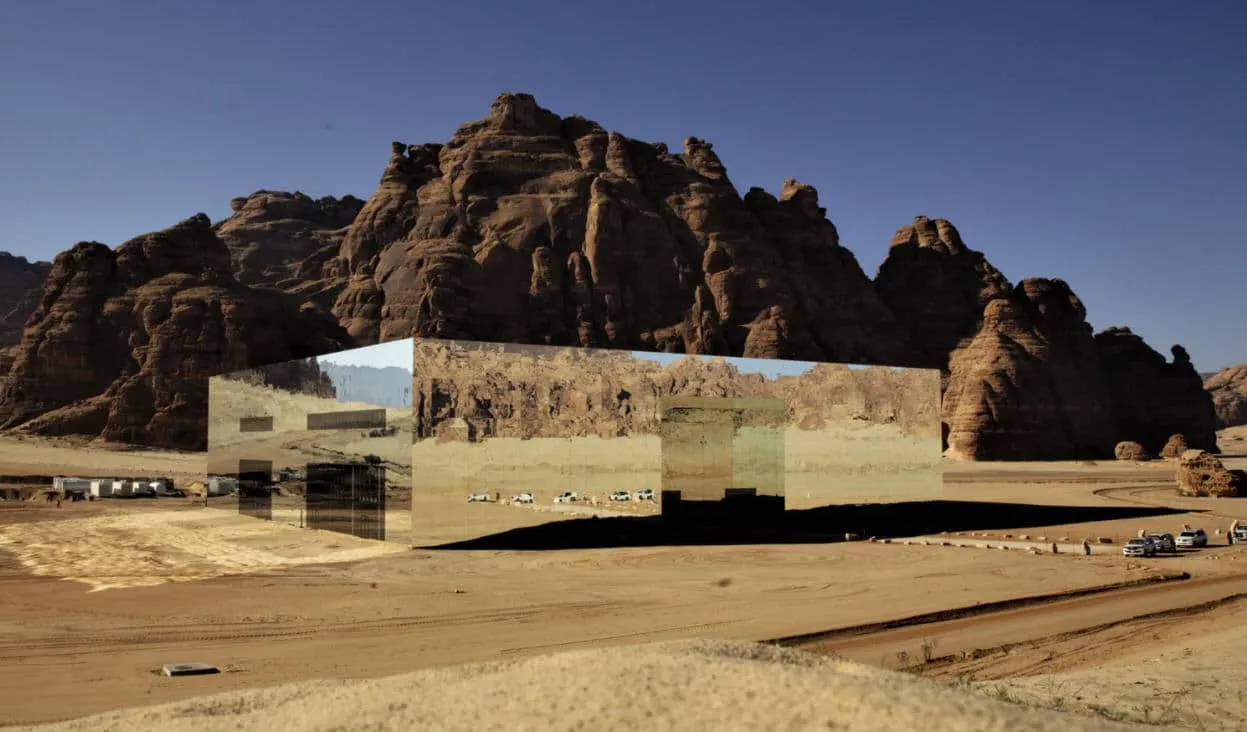
Maraya was completed as part of AlUla’s cultural development initiative, aiming to bring international tourism and events to a historically rich but previously lesser-known part of Saudi Arabia. Designed by Gio Forma and realized in partnership with engineering teams, its mirrored exterior was specifically designed to integrate with the environment. That practical design choice also serves an experiential purpose. Visitors often describe the hall as seeming to disappear against the desert landscape, a kind of architectural facade that turns the building into a dynamic interface between built form and nature.
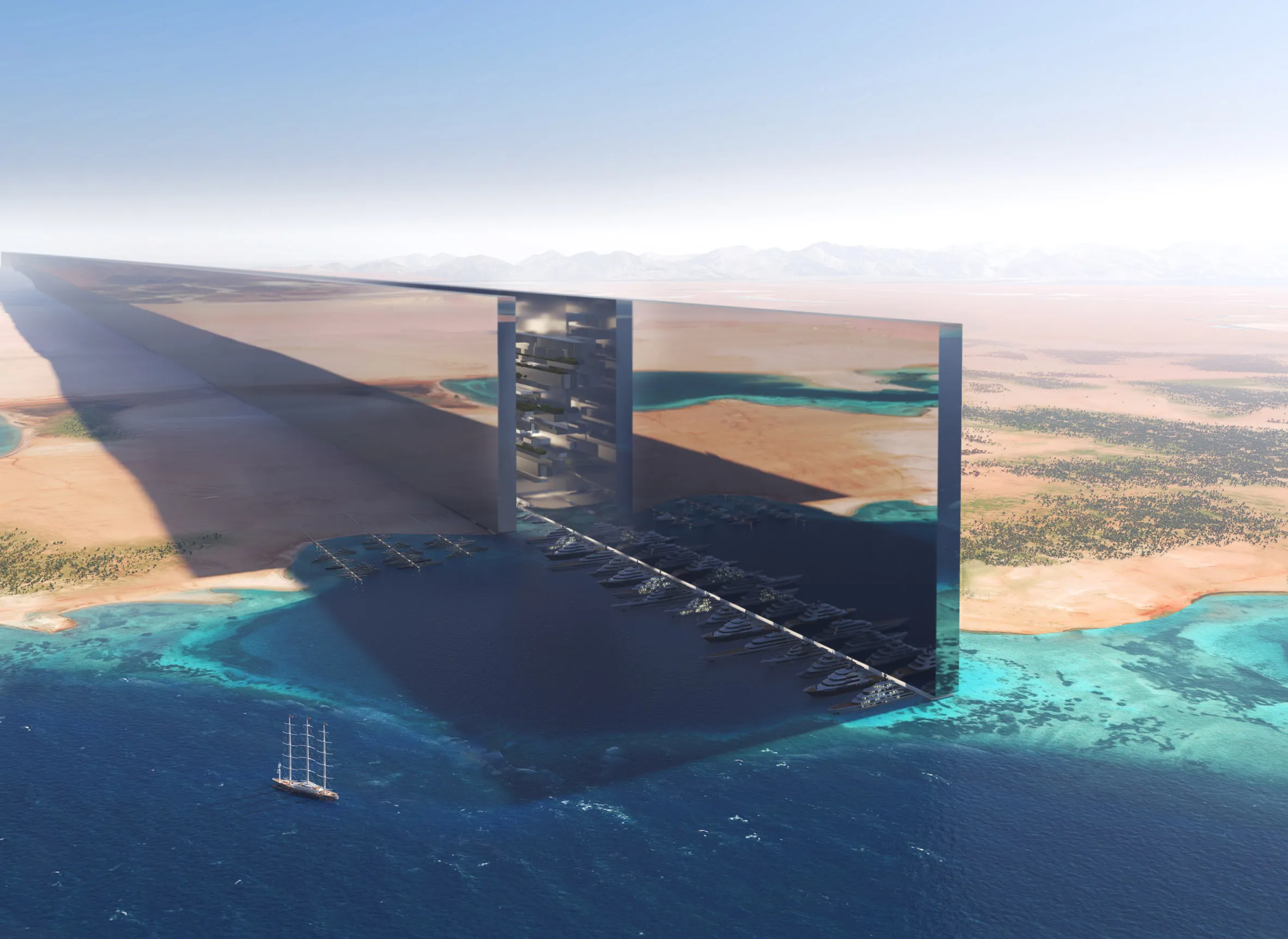
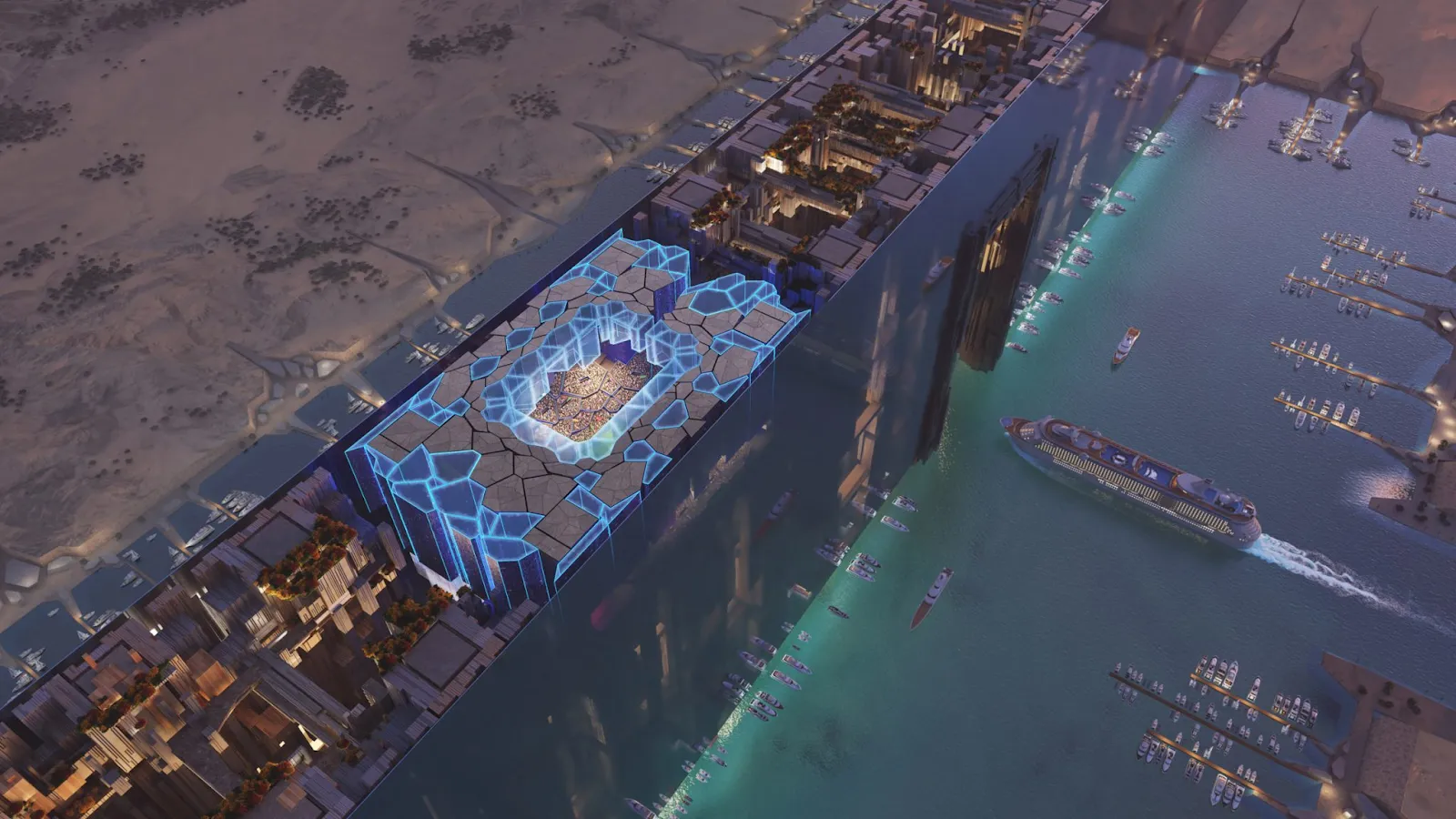
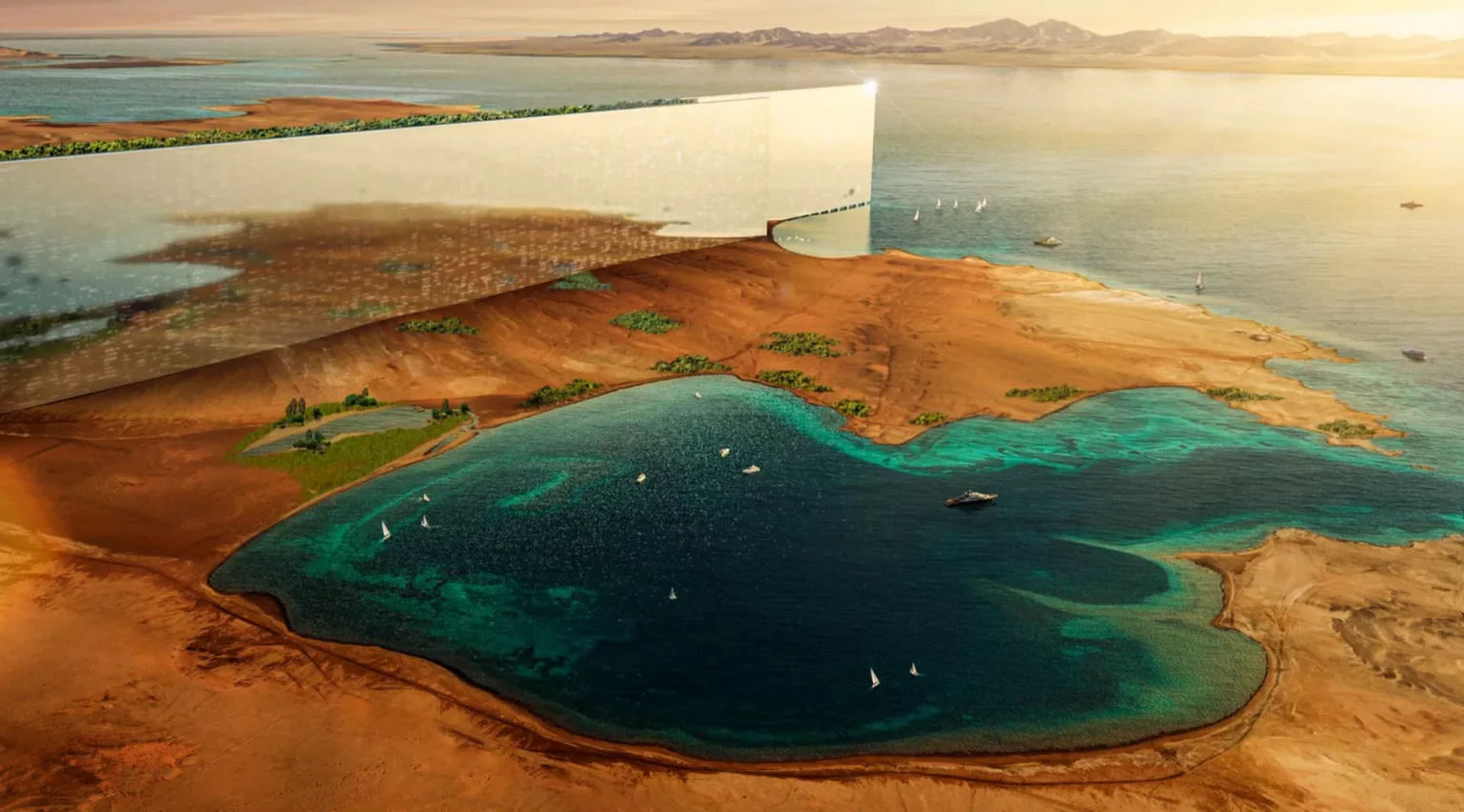
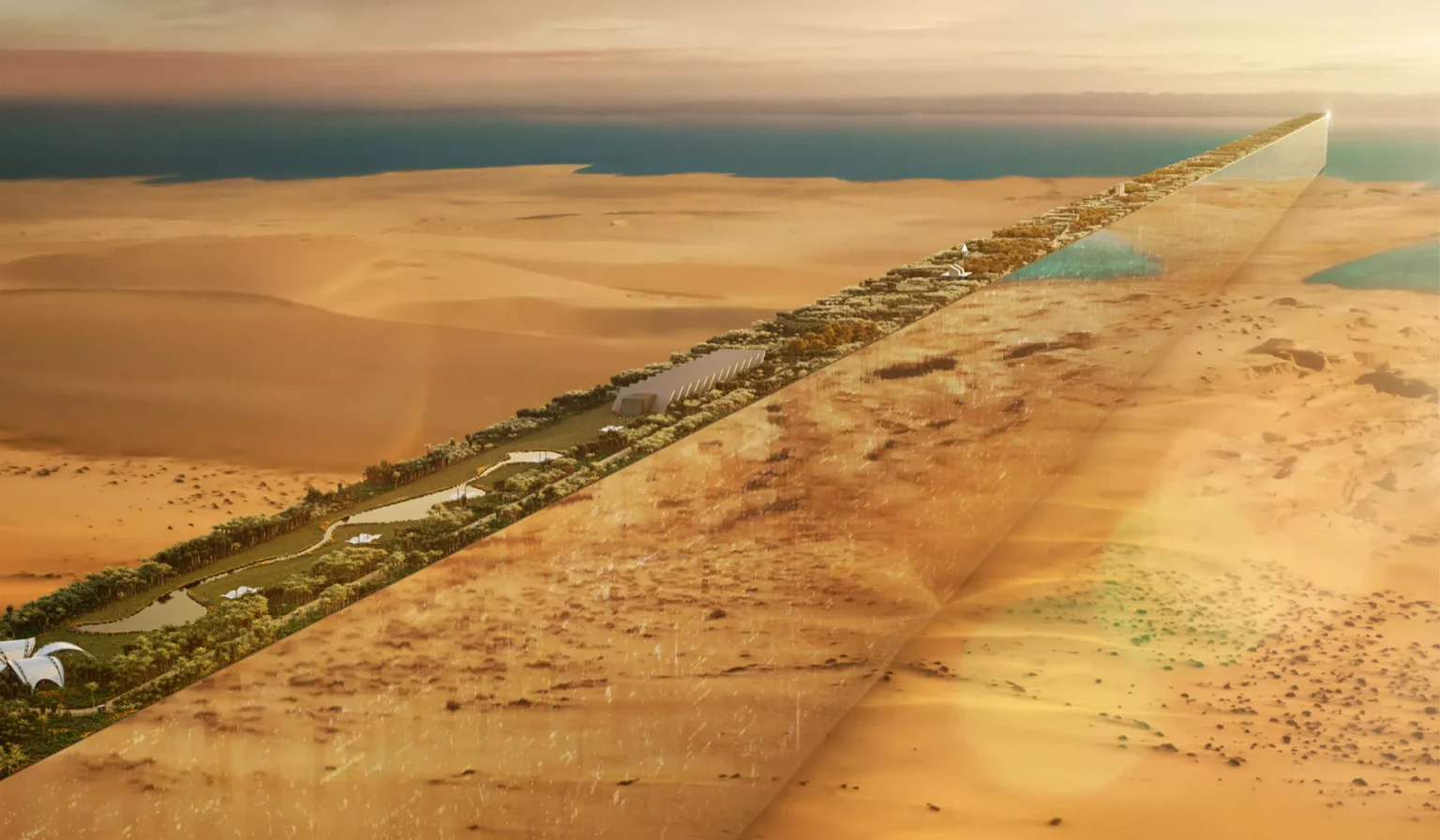
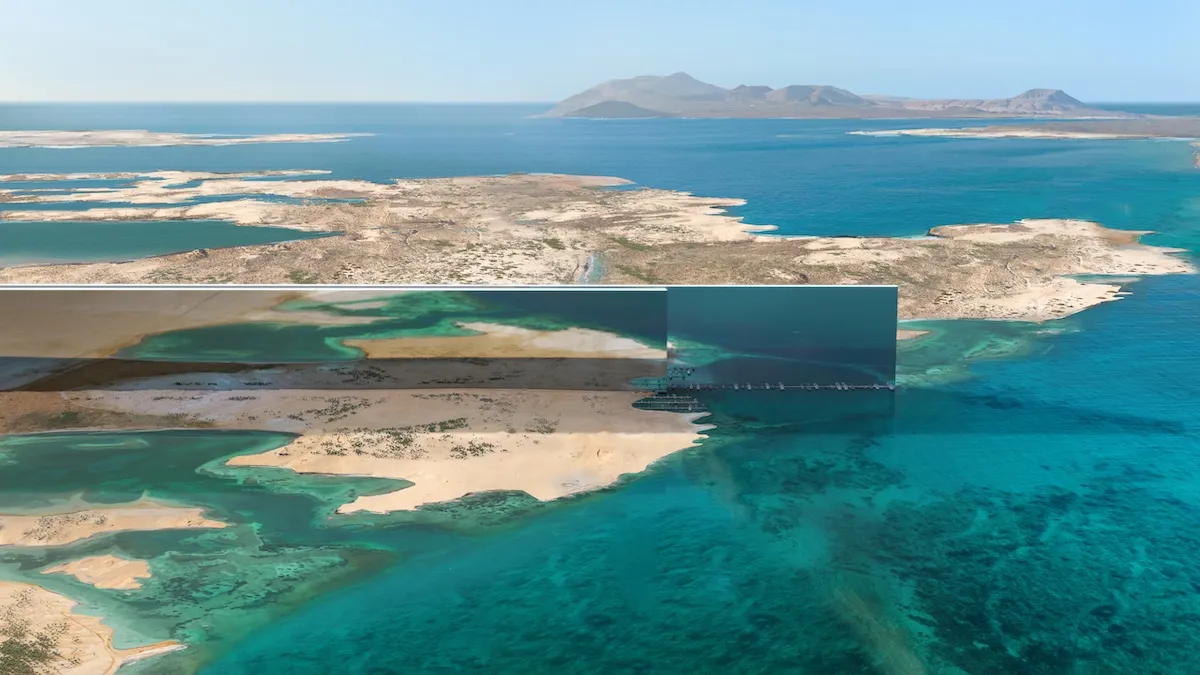
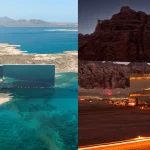
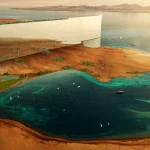
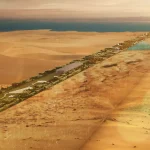
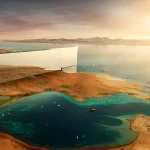
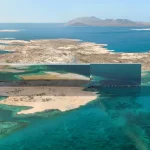
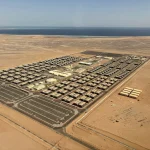
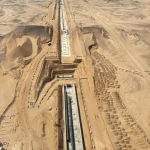
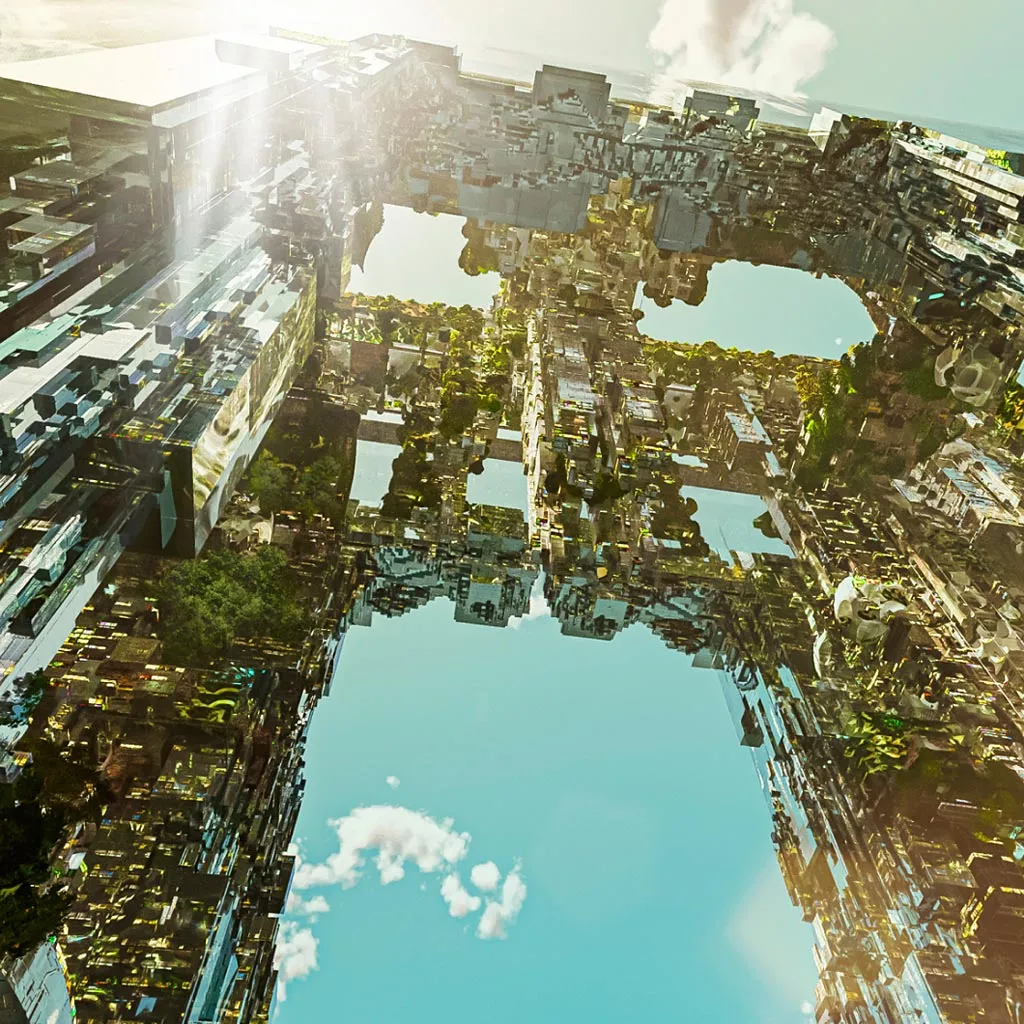
In contrast, the LINE has been one of Saudi Arabia’s most widely publicized and controversial megaprojects. Announced as part of the Neom development and Saudi Vision 2030, The LINE was created as a 170-kilometer-long vertical city with mirrored facades slicing through the desert, promising walkable access to all services, zero cars, and reliance on renewable energy. Detailed renderings showed mirrored surfaces intended to reflect the environment, on a scale thousands of times larger than Maraya’s.
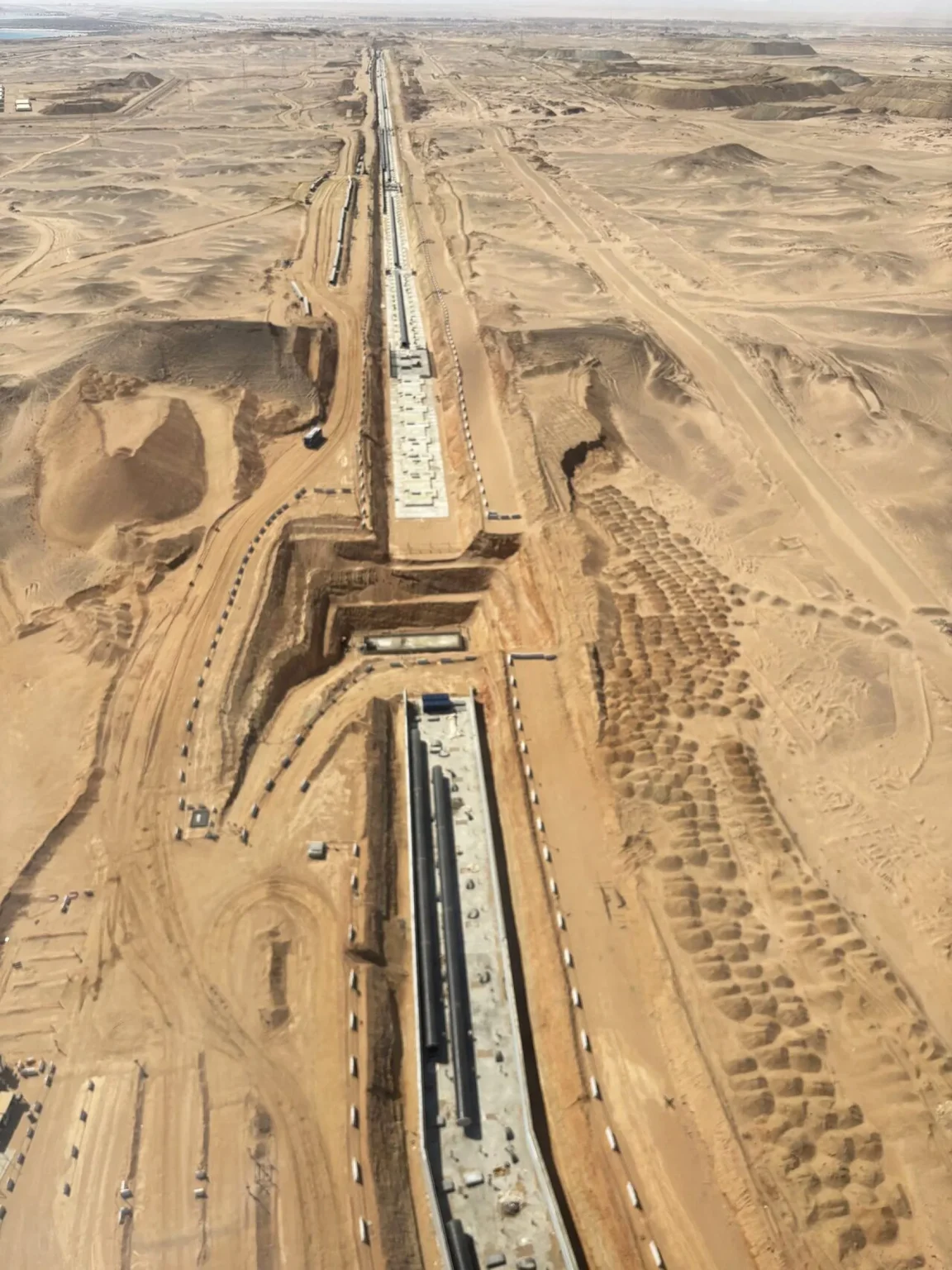
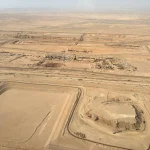
However, by late 2025, that vision had shifted significantly. Independent reporting and analyses indicate that The LINE’s full buildout has been scaled back drastically, with only a far smaller central segment expected to be completed in the coming decade, and even that remains subject to funding, logistical, and engineering challenges. Reports from multiple sources indicate cost increases, delays, and reduced scope compared to the initial promotional plans.
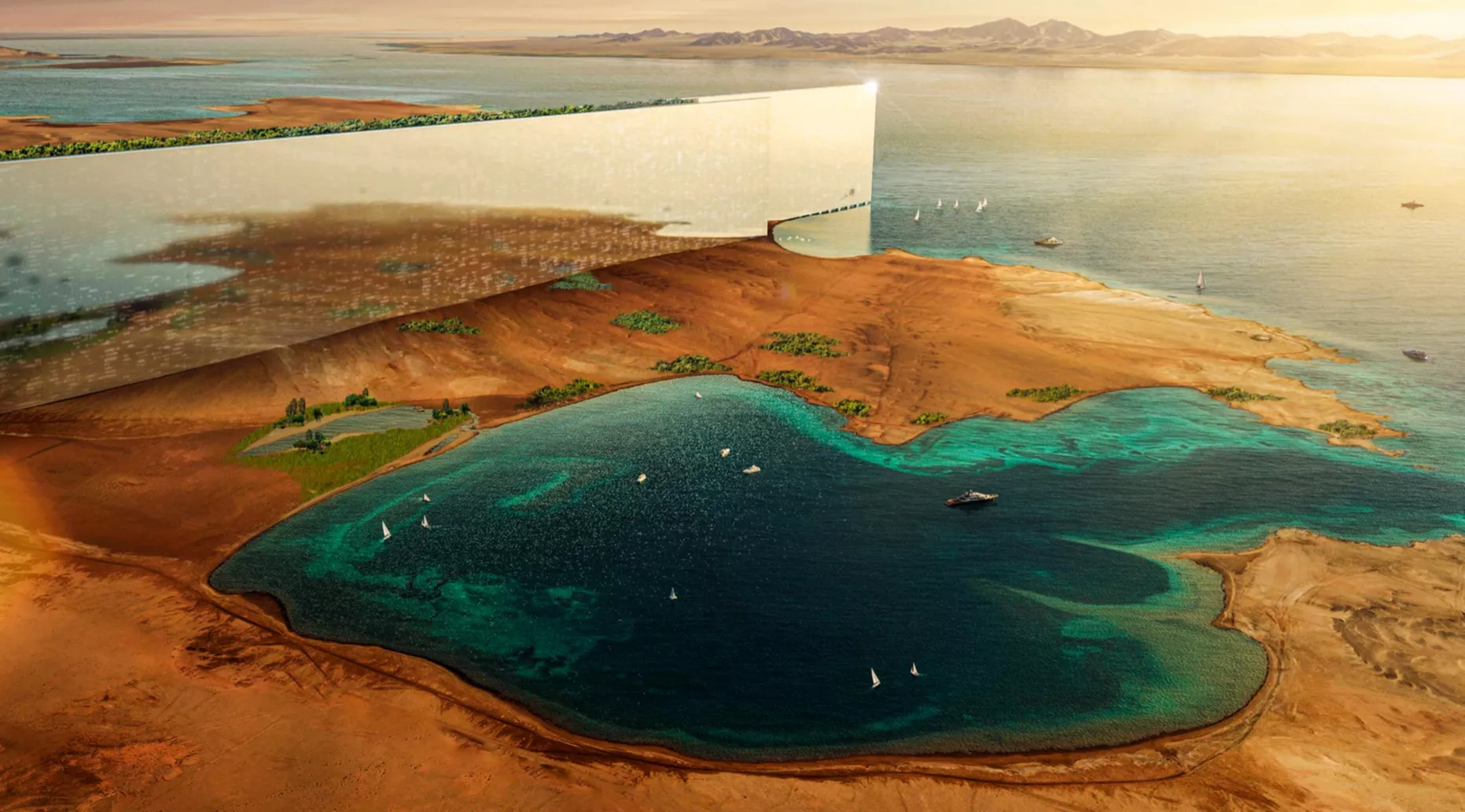
This contrasts a completed mirrored building that functions today vs. a theoretical mirrored city stuck between ambition and feasibility, highlighting a practical lesson in large-scale desert construction. Building a mirror surface into a desert environment is possible, as Maraya shows, but scaling that concept into a functioning urban megastructure introduces challenges of cost, engineering complexity, sustainability, and human inhabitation that remain far from resolved.
Maraya’s success lies in its clarity of purpose: a single, structurally straightforward venue using reflective materials to enhance experience and site identity. By contrast, The LINE’s broad set of goals of urban life, infrastructure integration, and massive scale intersect with physical and economic constraints that have slowed progress.
For engineers, planners, and policymakers watching these developments, Maraya offers a grounded example of how mirrored architecture interacts with harsh desert conditions, from thermal considerations to visual integration with the landscape. Whether aspects of its design can influence future desert megaprojects remains an open but important question. In any case, Maraya stands today not as an echo of a speculative future, but as a real demonstration that well-executed design can thrive in the desert even as larger purposes like The LINE scuffle with the practical limits of what can be built.