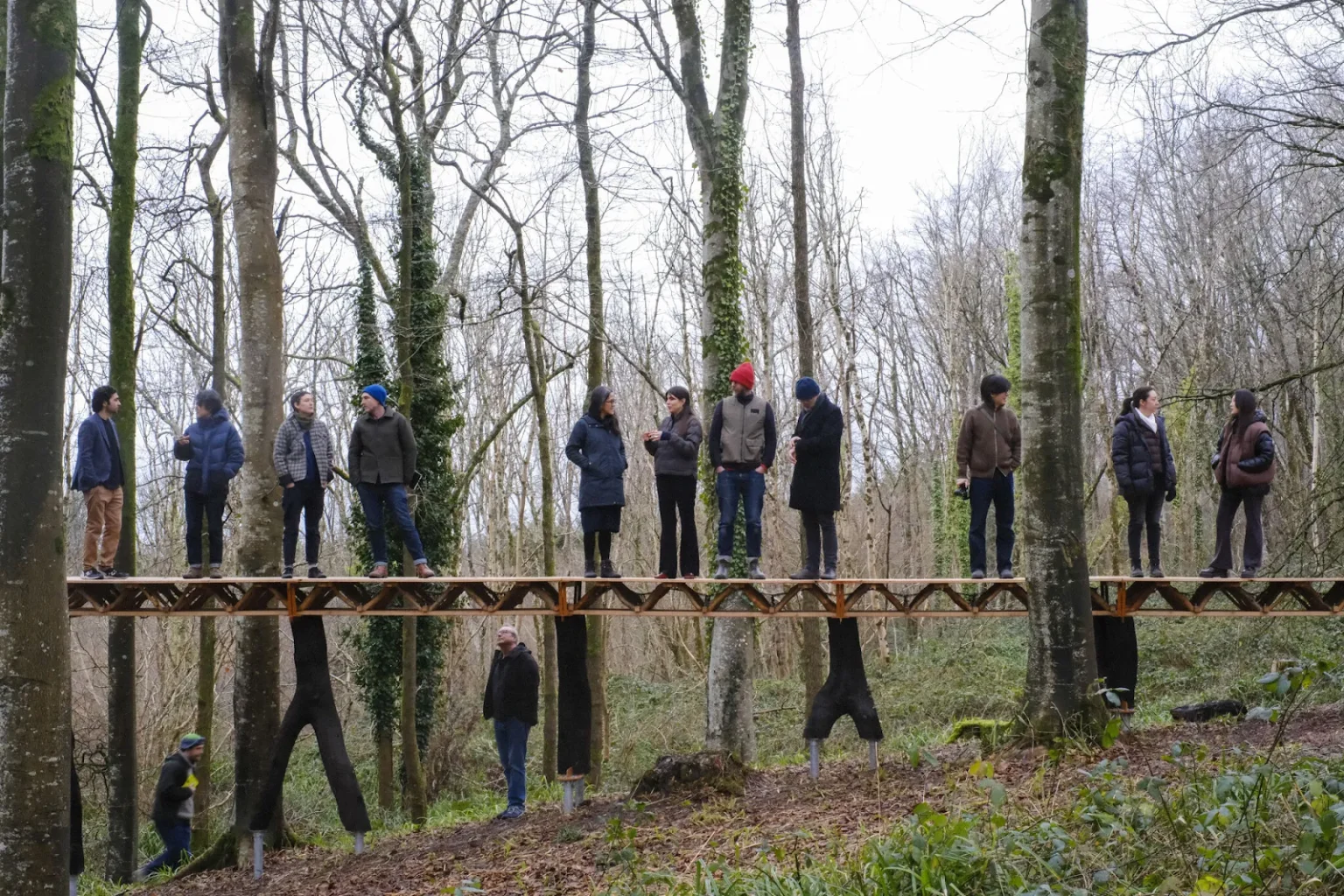
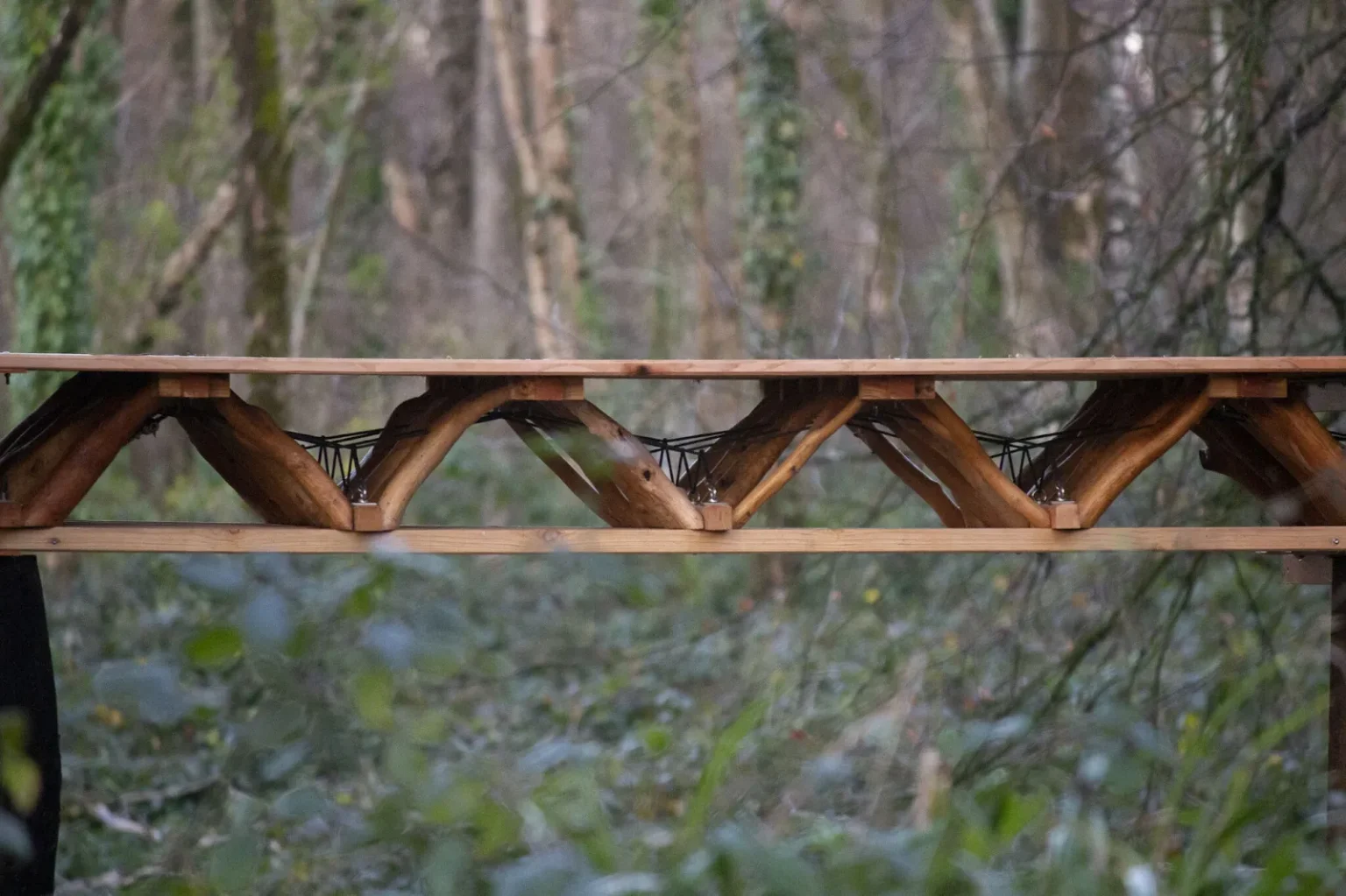


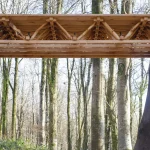
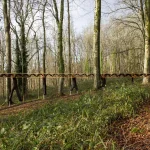

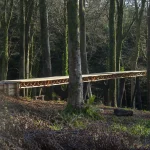
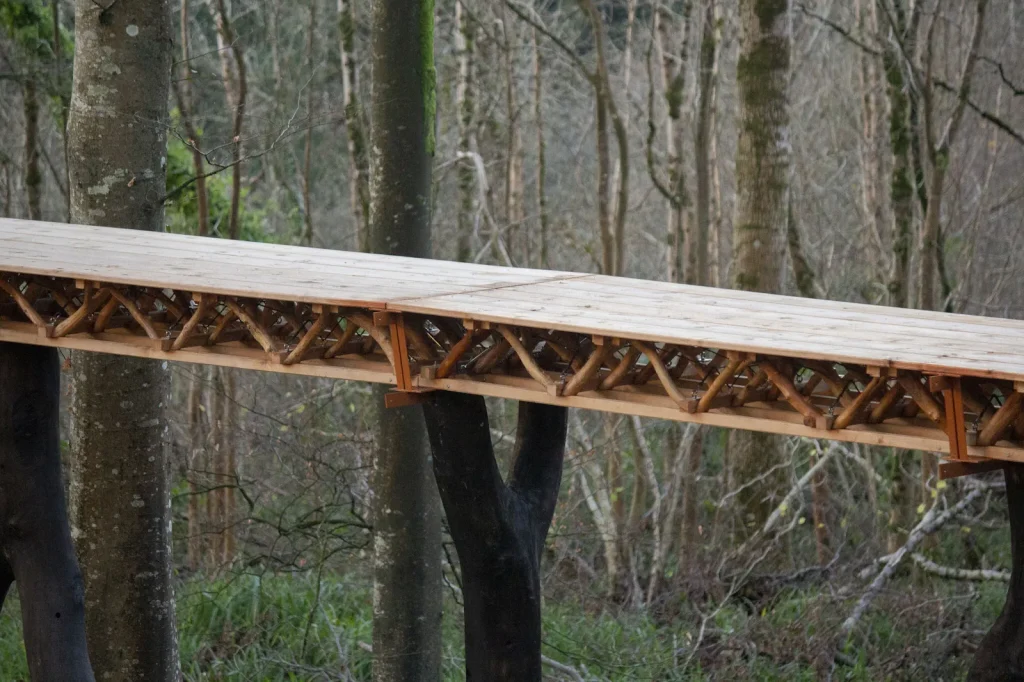
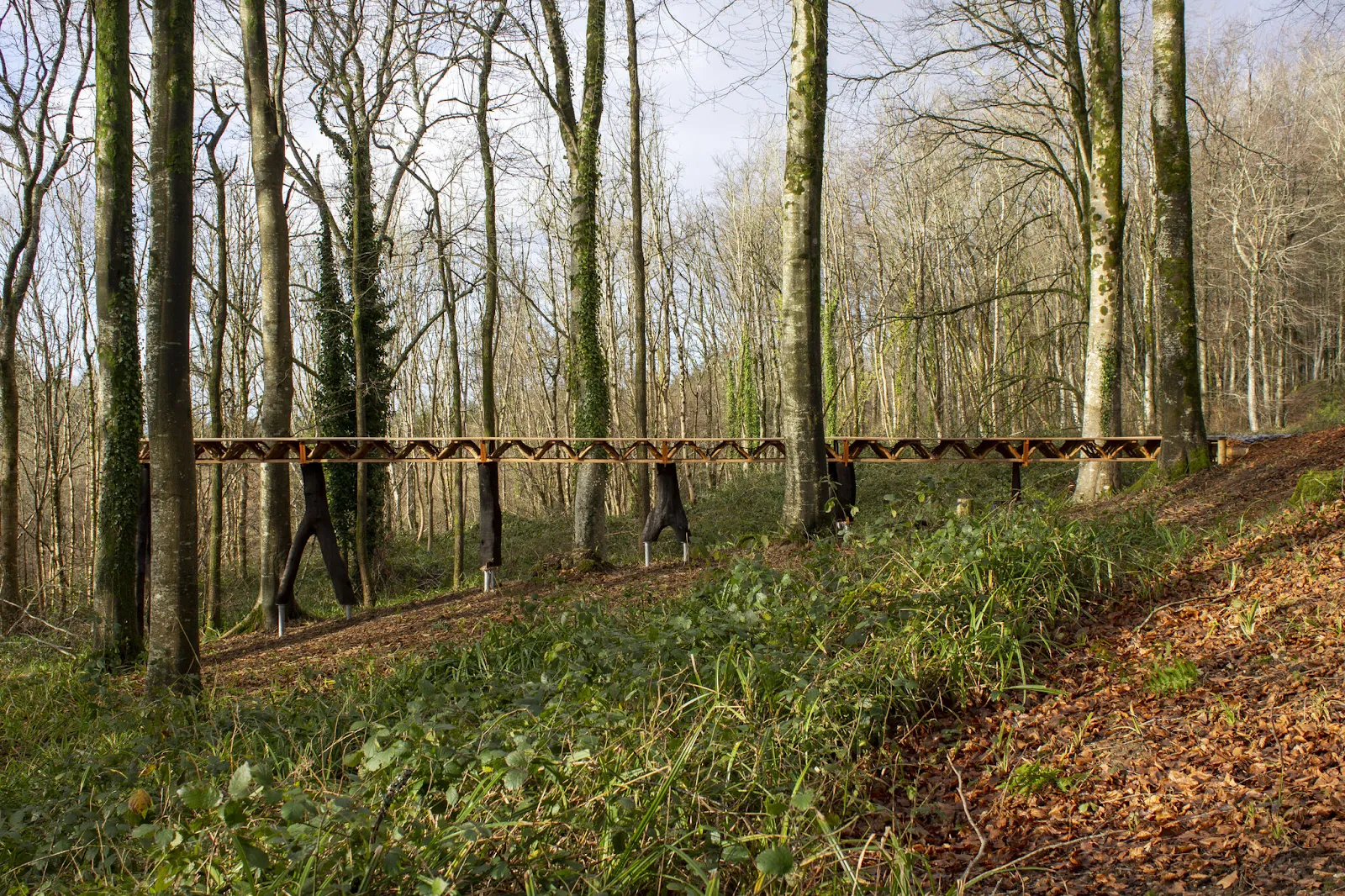
The Datum emerges as a compelling exploration of how materials often overlooked can be harnessed with precision, care, and social conscience. Spearheaded as part of the Design and Make program at the Architectural Association, this project rethinks timber by focusing on the small-diameter, branching wood typically discarded in forestry and tree-pruning operations, a resource both plentiful and underutilized.
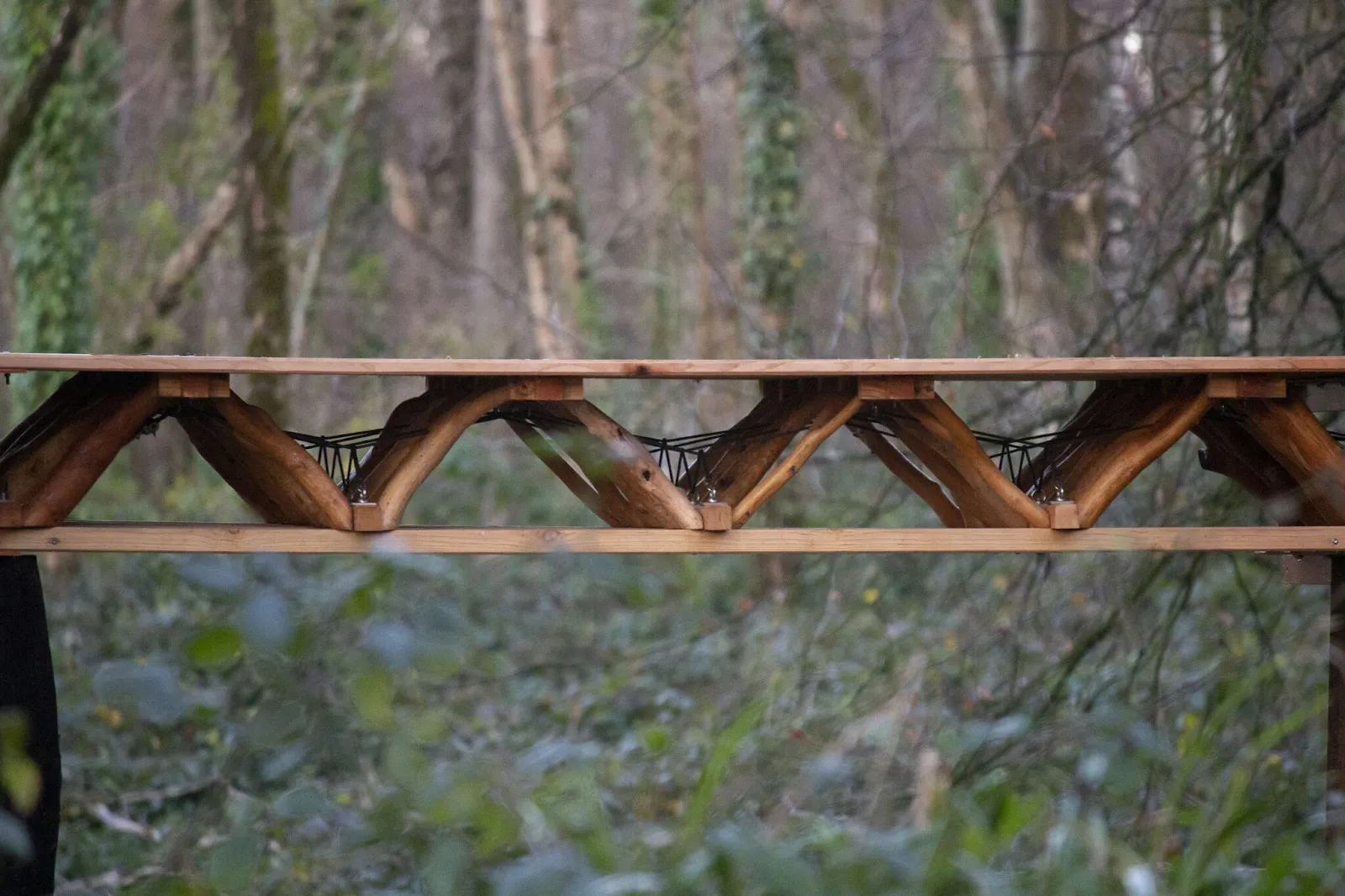
What sets The Datum apart is its dual commitment: first, to environmental responsibility through material choice, and second, to technological inclusivity. Branches with forked or forking forms, usually considered waste, are salvaged and analyzed. Using simple tools, namely, 2D photographs and video, the team measures and models these branches to determine proportions that match the available stock.
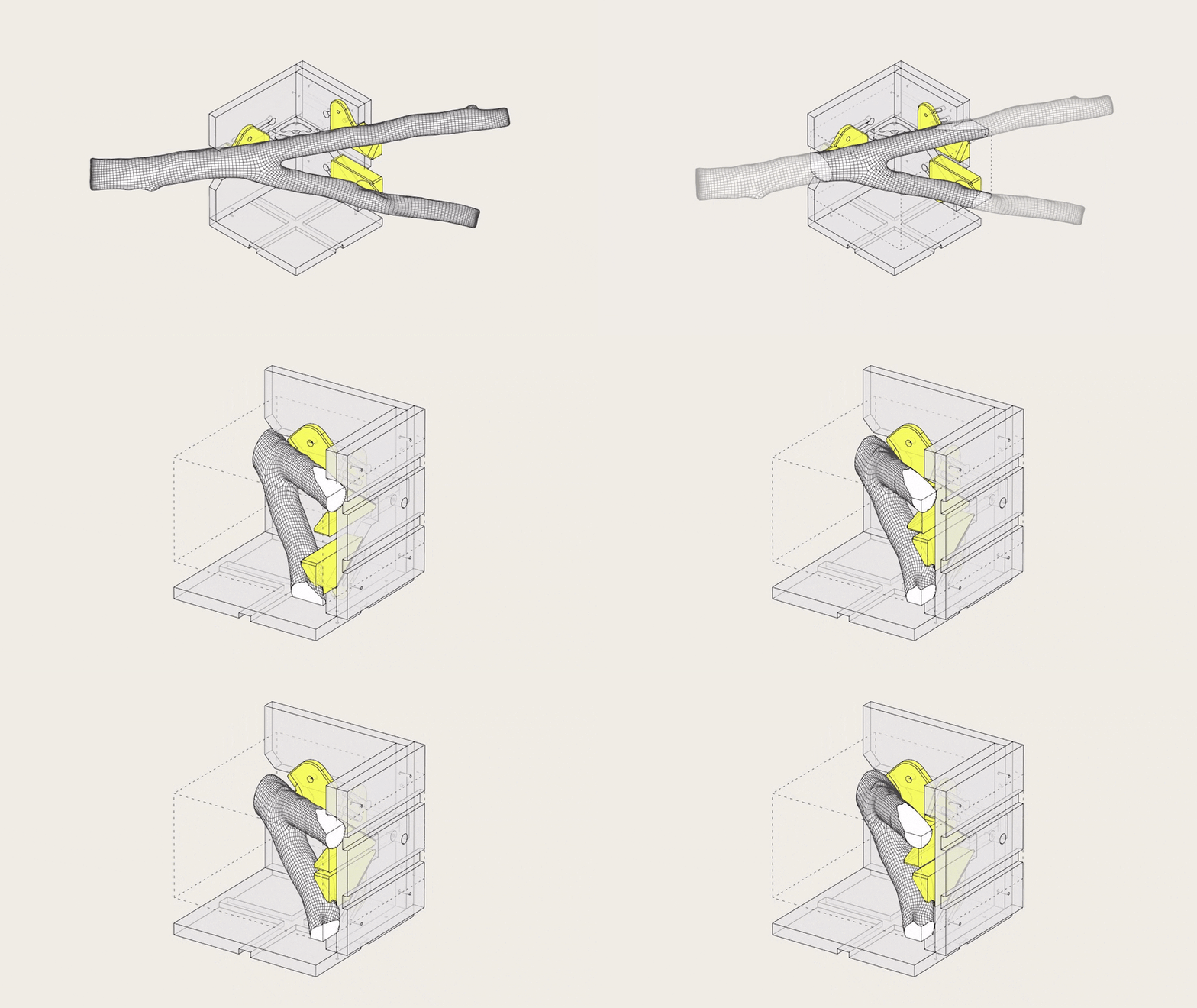
These dimensions then guide the fabrication of bespoke cutting jigs, tailored to standard workshop equipment such as the bandsaw. Consequently, makers need neither exotic machinery nor vast resources; with modest tools and thoughtful design, they can transform overlooked wood into crafted artifacts.
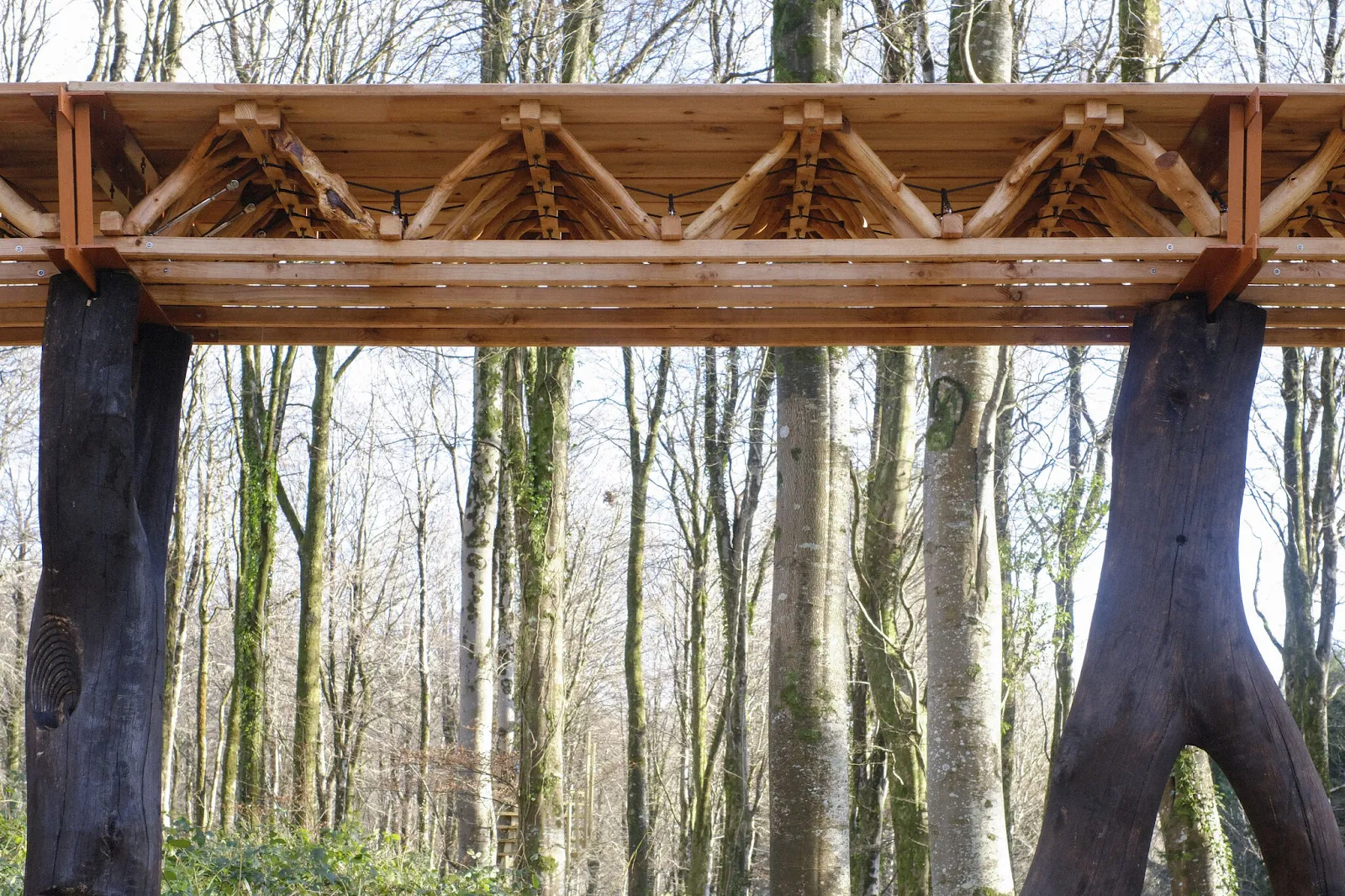
This framework not only repurposes what might otherwise be thrown away but also invites wider participation. By aligning material accessibility with familiar fabrication techniques, the Datum broadens the scope of who can engage in making, whether in school workshops, community studios, or individual practice.
The initiative was led by the Architectural Association under the oversight of Program Directors Kate Davies and Emmanuel Vercruysse, with full support from tutors Sam Turner-Baldwin, James Solly, Charlie Corry Wright, and Will Gowland. The research team included Yan Chen, Yonger Chen, Paola Gonzalez Ferreiro, Seongsoo Han, Alejandra Marcovich, Kavana Irappa Pujar, Ramtin Taherian, Mingxin Yang, and Ramsey Young. Structural expertise came from Francis Archer of Arup; forestry guidance from Jim Jaggard and Chris Sadd; and fabrication support from David Balaam and Stefan Nikolov.
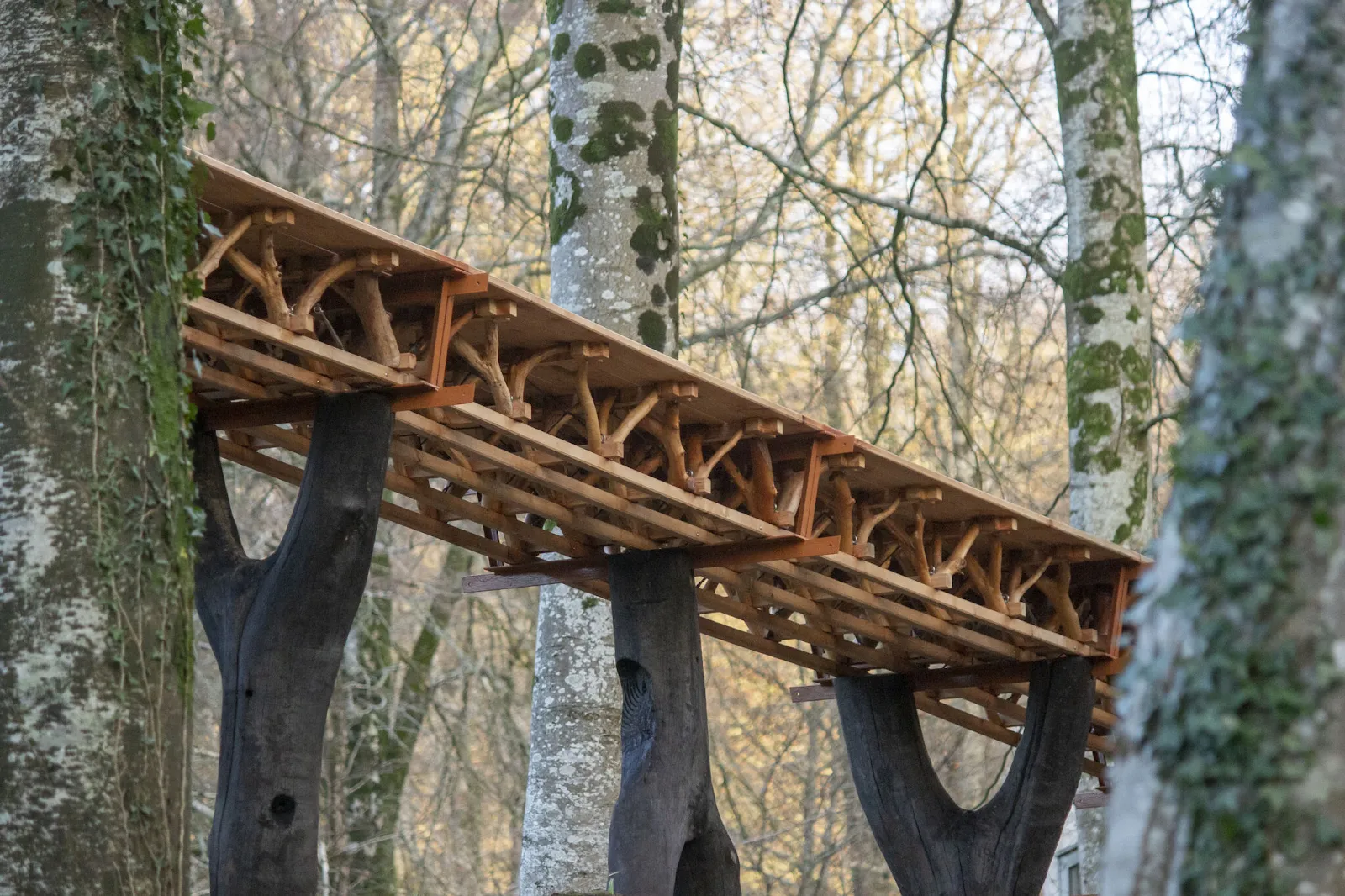
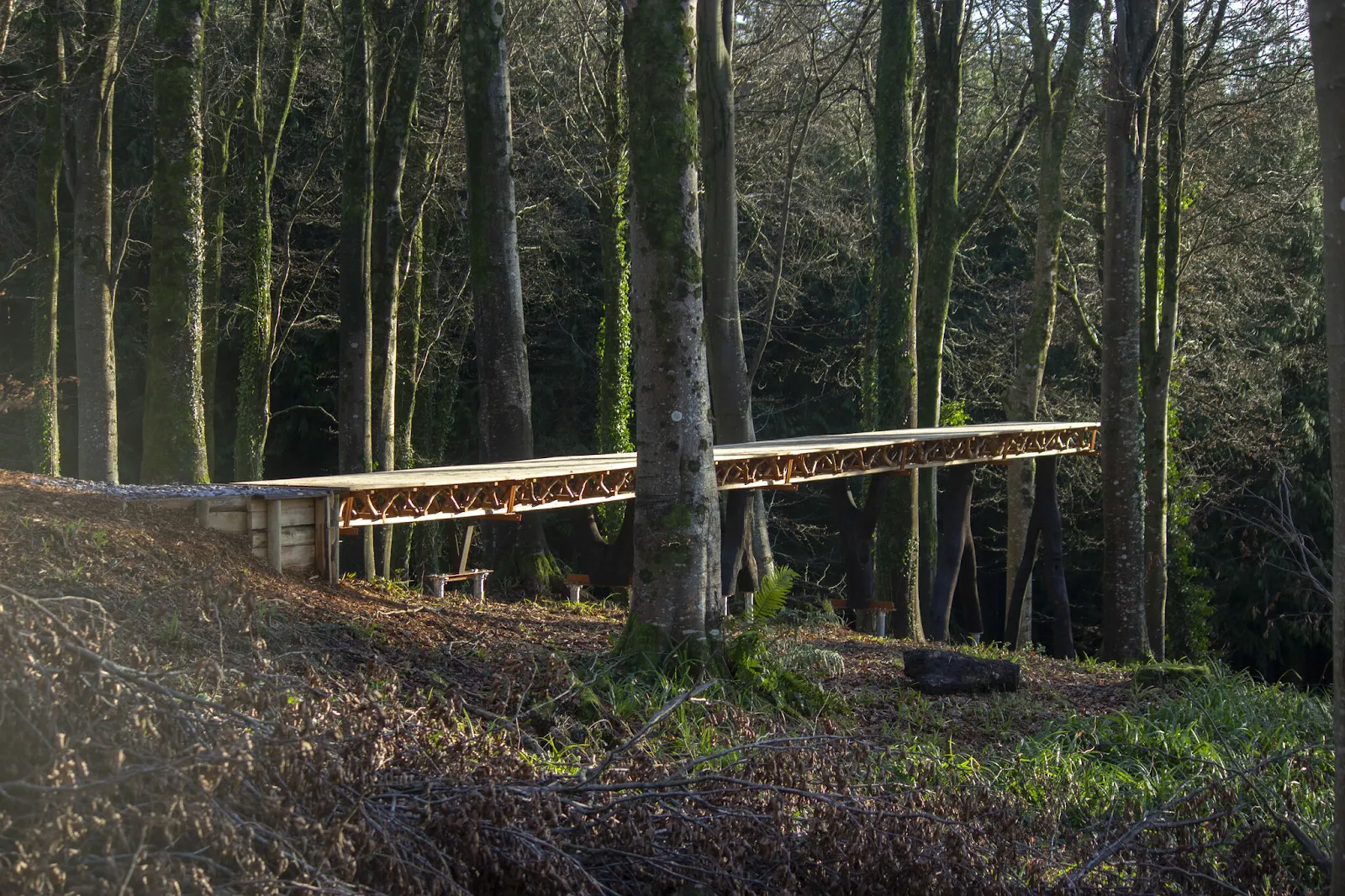
The Datum illustrates how thoughtful design, grounded in local material flows and accessible tools, can challenge established norms in making. It is a reminder that innovation sometimes dwells not in the new but in the neglected and that inclusion in fabrication can go hand in hand with sustainability.