



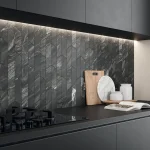
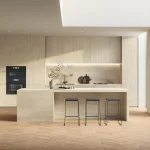
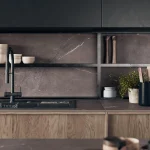
Today, the kitchen is one of the most important spaces in the contemporary home. Once conceived primarily as an area for meal preparation, it now plays a much broader role, becoming a place for gathering, sharing, and socializing.
Changing lifestyles and the growing popularity of open-plan layouts have profoundly reshaped how this space is designed. No longer treated as separate from the rest of the home, the kitchen has become an integral part of a fluid, continuous living space.
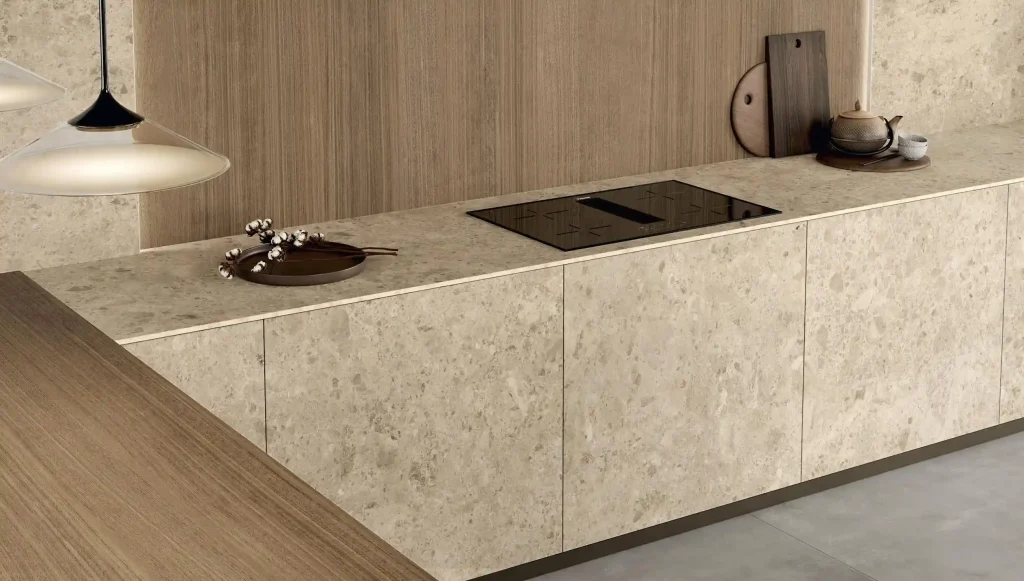
This shift has pushed architects and interior designers to pay ever-closer attention to the balance between form and function. A kitchen needs to be practical, efficient, and durable, but it also needs to work in harmony with the living room and the rest of the home, helping to build a coherent stylistic identity. Every element, from cabinetry to countertops, from surfaces to wall coverings, plays a part in shaping a cohesive whole where form and function come together seamlessly.
Designing a kitchen therefore calls for a careful selection of materials, colors, and finishes that enhance the room while meeting the demands of everyday life. Islands, peninsulas, countertops, and backsplashes are no longer purely functional elements; they’ve become central to the overall look, helping define the character of the entire living area. The kitchen is now used throughout the day: for cooking, working remotely, dining, and entertaining friends and family.
As a result, every detail carries greater weight and must be considered with an eye toward long-term comfort, practicality, and aesthetic quality. Among the many solutions available for designing contemporary kitchens are Atlas Concorde’s kitchen worktops in porcelain, which combine outstanding durability with exceptional aesthetic freedom.
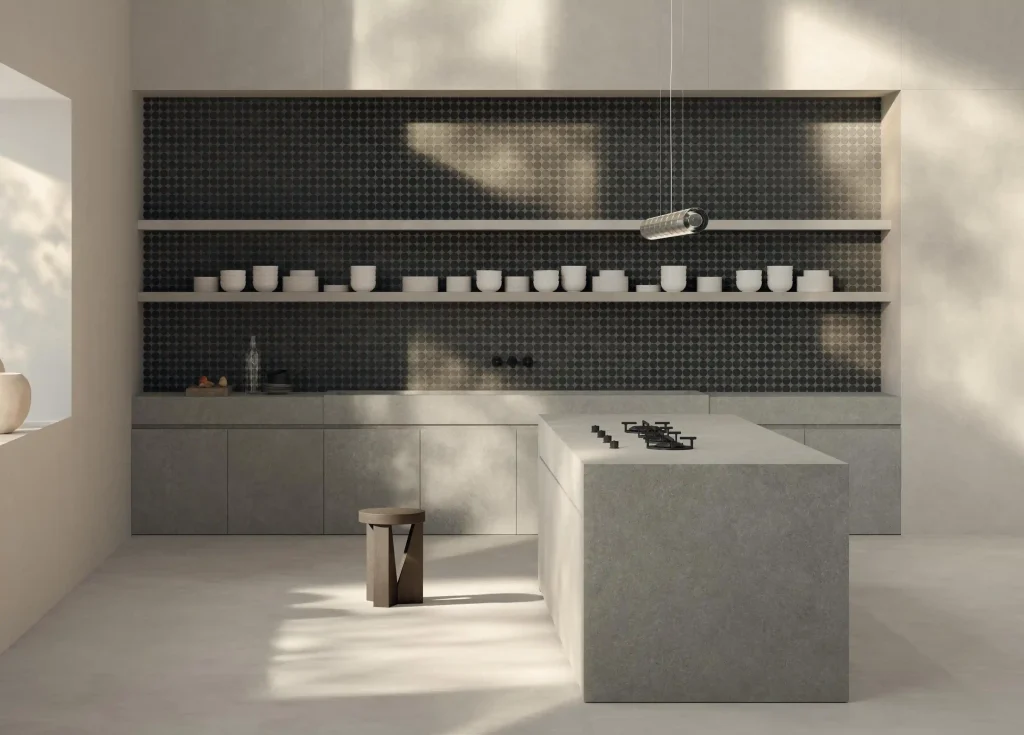
Innovative Materials for the Demands of Everyday Life
The requirements for shaping kitchen design today have grown increasingly complex. Beyond aesthetics, it’s essential to choose materials that deliver strong technical performance, especially in a room that’s under constant strain day after day.
Surfaces need to hold up to:
- Heat
- Humidity
- Impacts
- Abrasion
- Staining
- Contact with food
They must retain their original appearance and performance over time while keeping maintenance to a minimum.
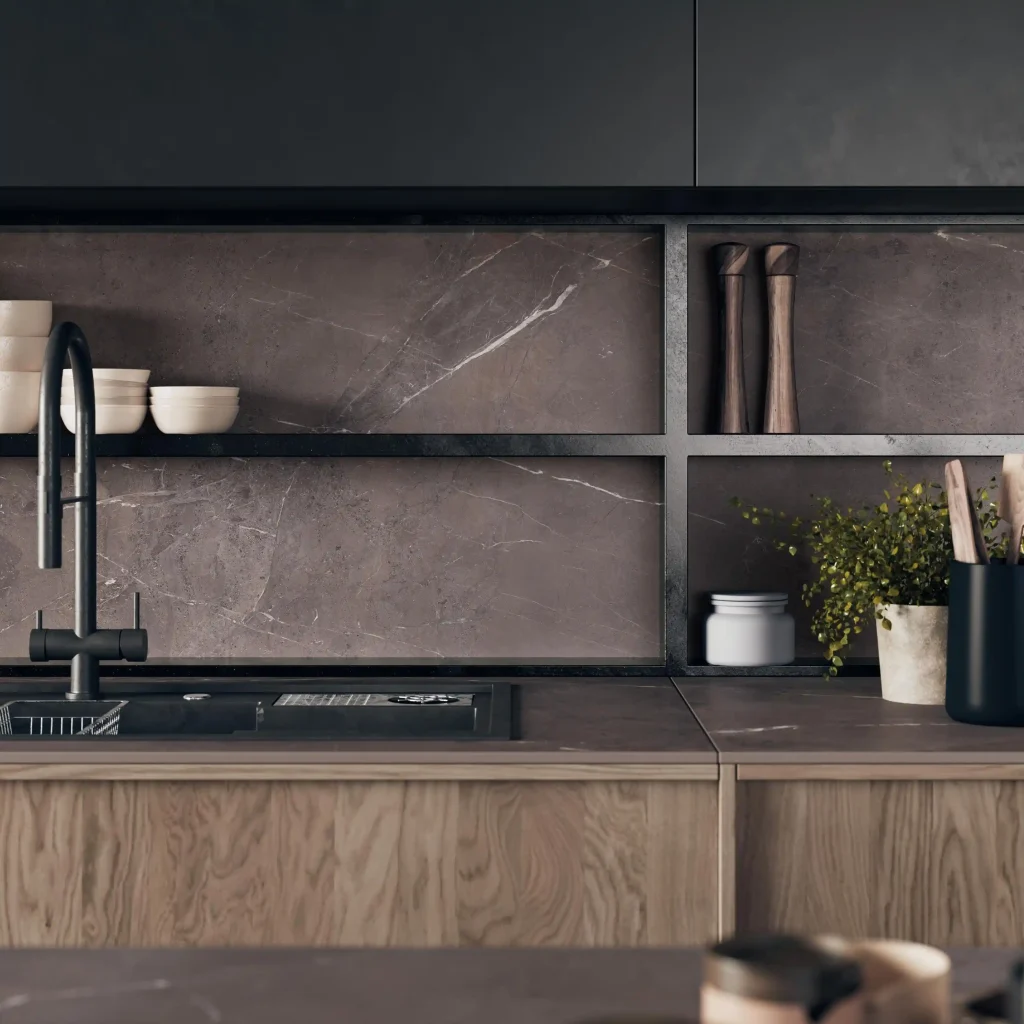
Ease of cleaning is another key factor. A well-designed kitchen should allow for simple, efficient surface upkeep while upholding high hygiene standards. That’s why material selection isn’t just about looks; it also comes down to practicality and long-term value.
In recent years, advances in manufacturing technology have significantly expanded the possibilities available to professionals. Innovation has led to ever more high-performance surfaces that combine durability, aesthetic quality, and application versatility. Architects and designers now have access to an extensive range of finishes, textures, and colors, allowing them to explore different stylistic languages without compromising on the performance demanded by today’s homes.
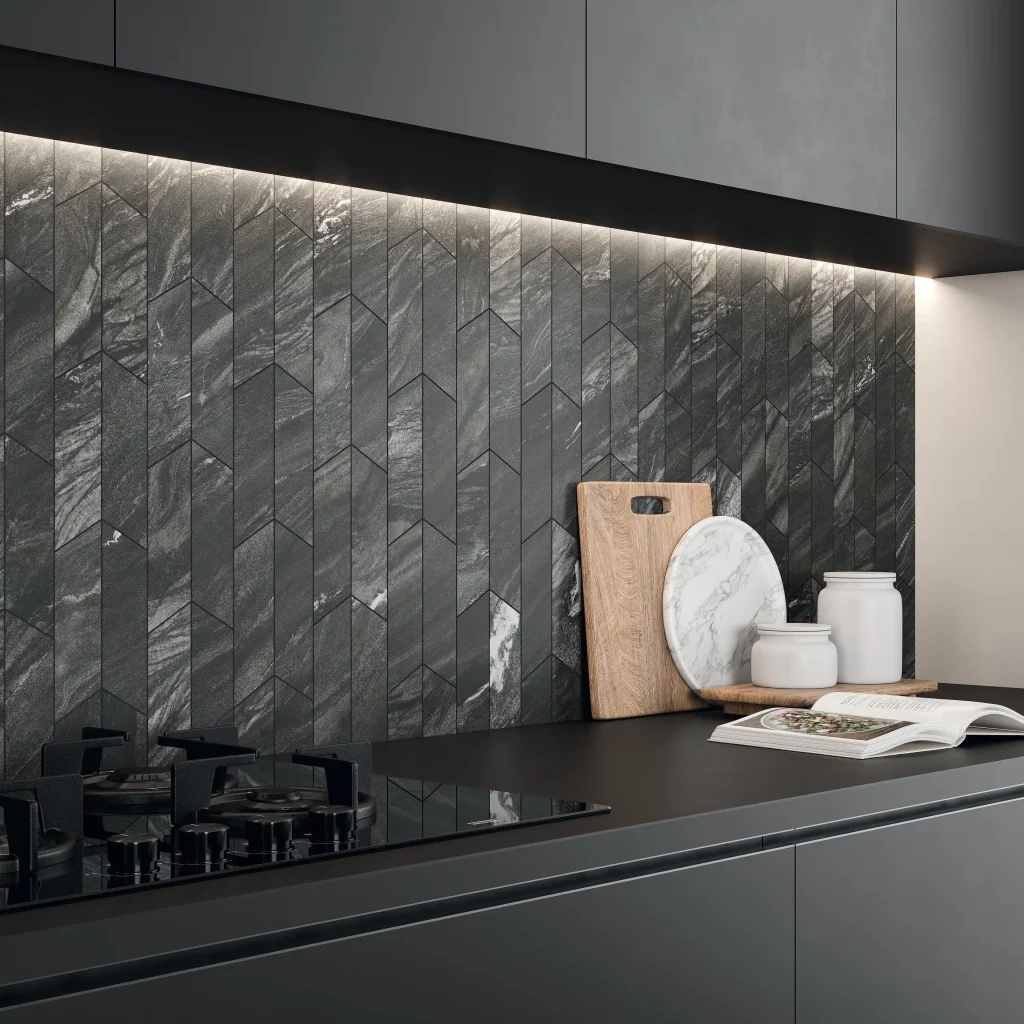
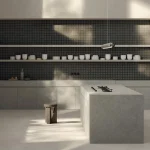
Among the most innovative solutions are surfaces that reinterpret the relationship between material, light, and visual perception. Tiles from the OneWork collection, developed through parametric design and featuring shifting, iridescent effects made possible by Sensitech technology, illustrate how contemporary research is expanding what’s expressively possible with surface coverings. As color and surface perception shift with changes in light and viewing angle, these materials create dynamic environments where the surface itself becomes part of the spatial experience.
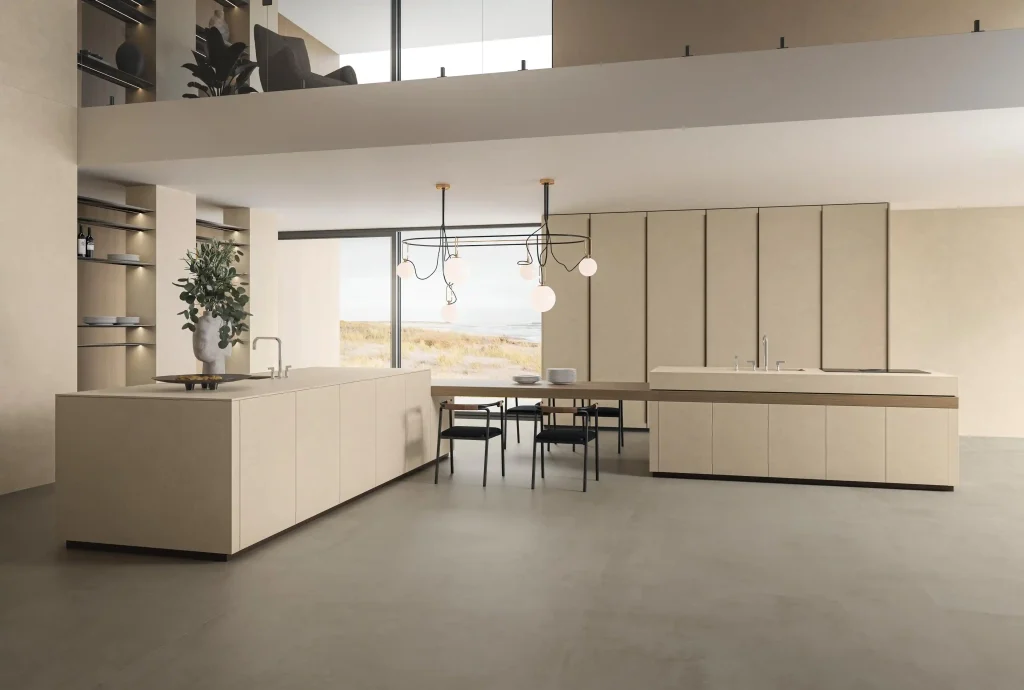
The ability to create custom-made elements has also helped turn the kitchen into a highly personalized room. Countertops, kitchen islands, integrated tables, and wall coverings can now be designed as a continuous whole, adapting to the room’s dimensions and to the specific needs of the people who use it every day. This approach makes it possible to make the most of both large and more compact layouts, optimizing every available surface.
At the same time, sustainability is playing a growing role in material choice and production processes. Designers and clients alike are placing greater value on solutions that combine strong technical performance with environmentally responsible manufacturing, helping create homes that are both more efficient and longer-lasting.
Visual Continuity and Personalized Spaces
Creating a Seamless Dialogue Between Rooms
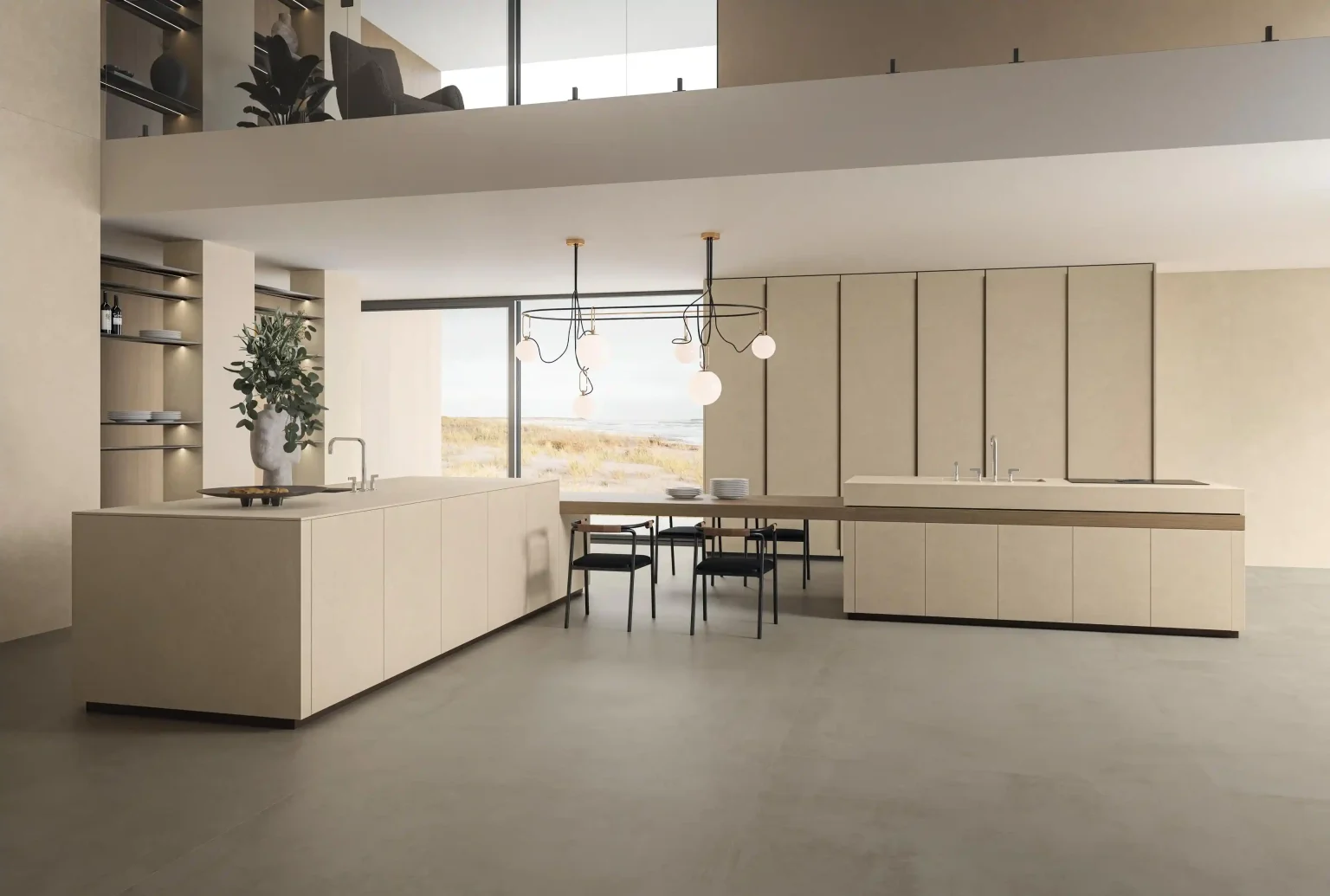
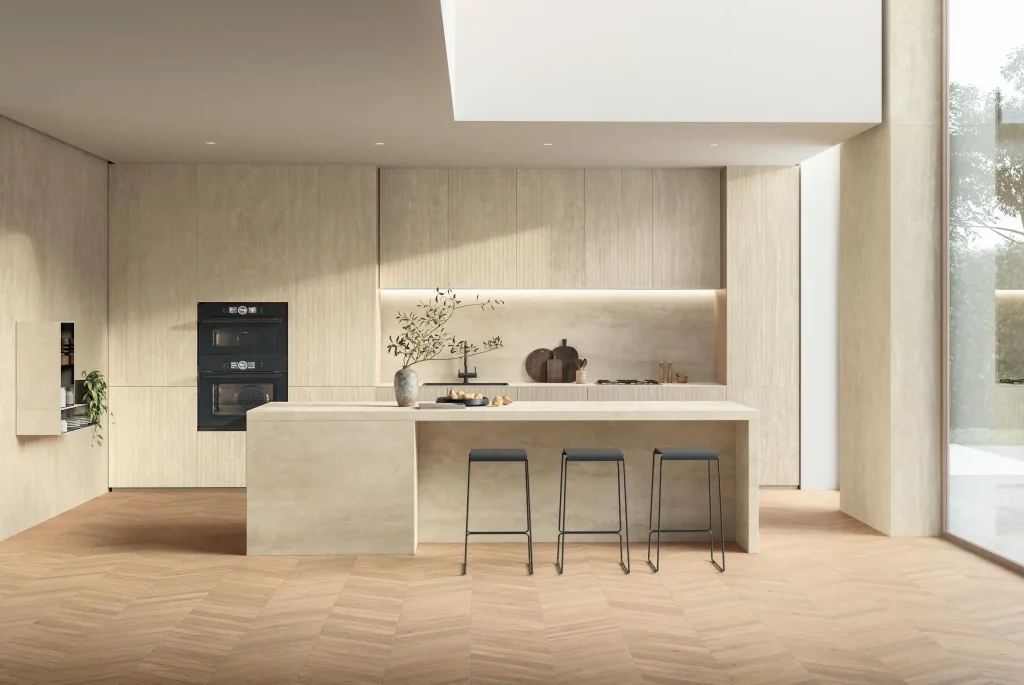
One of the defining traits of contemporary interior design is the pursuit of visual continuity between the kitchen and the living area. As the physical boundaries between rooms continue to disappear, designers increasingly need to create environments that speak to one another through coordinated materials, colors, and finishes. The goal is a cohesive whole, where every element reinforces the home’s overall identity.
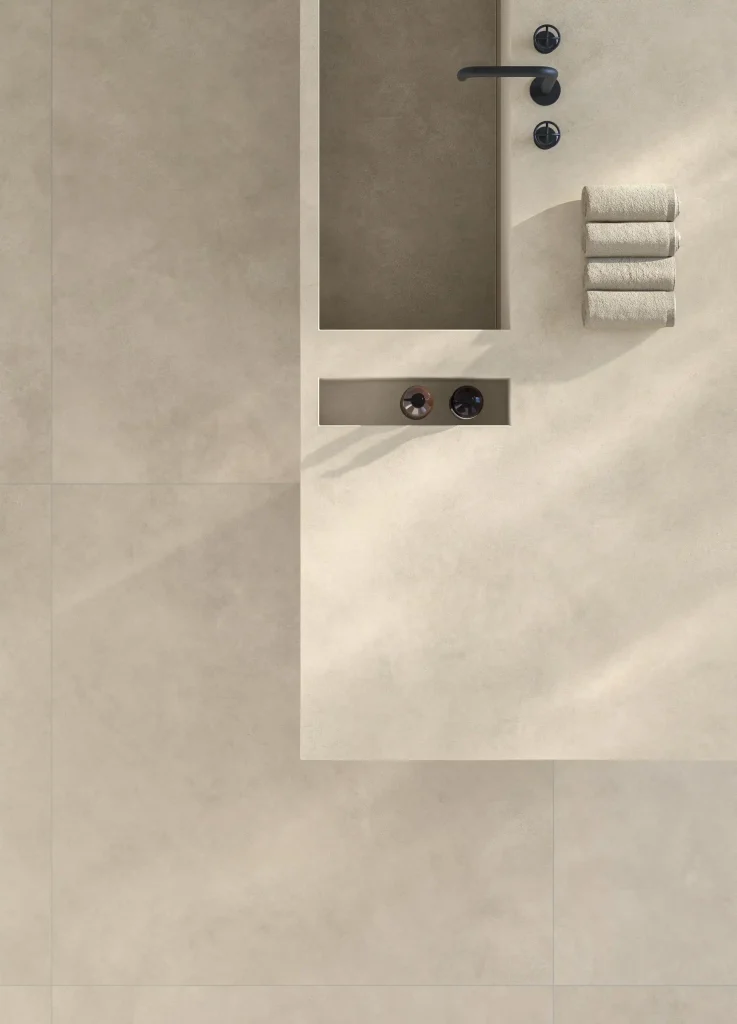
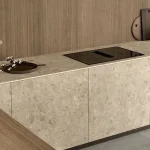
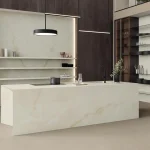
The use of large-format coordinated surfaces has become one of the leading trends in this field. Using the same material for the countertop, table, backsplash, and, in some cases, vertical wall surfaces creates strong visual uniformity, minimizing breaks in the eye’s flow and enhancing the perception of space. This approach works especially well in open-plan layouts, where the kitchen and living room share the same environment and need to relate to one another naturally.
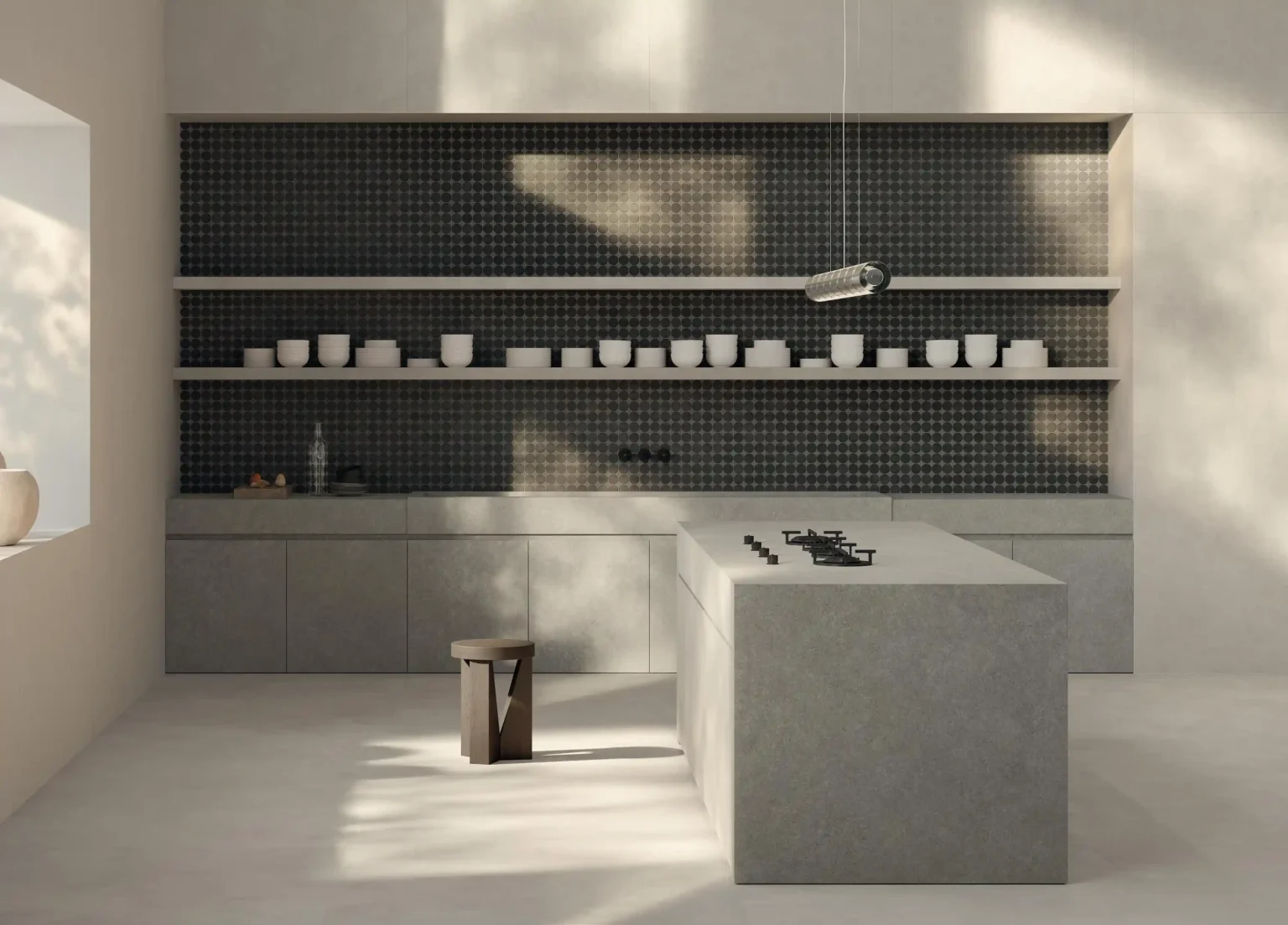
The choice of finishes is equally central to defining the overall style. Surfaces inspired by natural stone, marble, and concrete, among other materials, make it possible to explore a range of stylistic languages, from minimalist and essential to warmer, more textural looks. The wide availability of textures and colors also allows for a high degree of personalization, resulting in rooms that reflect both the functional needs and personal taste of the people who live in them.
Beyond Style: The Long-Term Value of Cohesive Design
Visual continuity, however, is more than a stylistic choice. A cohesive design also improves how space is perceived, boosting brightness, highlighting proportions, and contributing to a greater sense of order. The result is a kitchen that goes beyond its practical function to become an integral part of the home’s identity; one that balances design, comfort, and functionality in a way built to last.
With the growing availability of innovative materials and increasingly versatile solutions, it’s now possible to create truly personalized environments, where every detail helps shape a contemporary space that feels welcoming and seamlessly integrated with the rest of the home.