

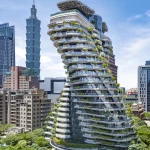
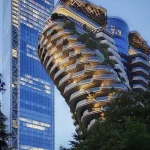
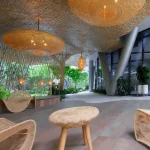
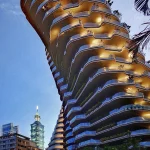
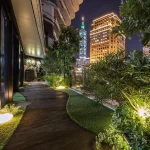
In the center of Taipei’s Xinyi District, a new kind of skyscraper rises above the urban skyline as a living ecosystem. Designed by Vincent Callebaut Architectures, TAO ZHU YIN YUAN redefines what a residential tower can be in the age of climate urgency.
Twisting upward in a 90-degree spiral inspired by the double helix of DNA, the tower merges architecture, ecology, engineering, and philosophy into a single visionary statement. It stands as a model for the future city: carbon-absorbing, energy-conscious, biologically integrated, and deeply connected to nature.
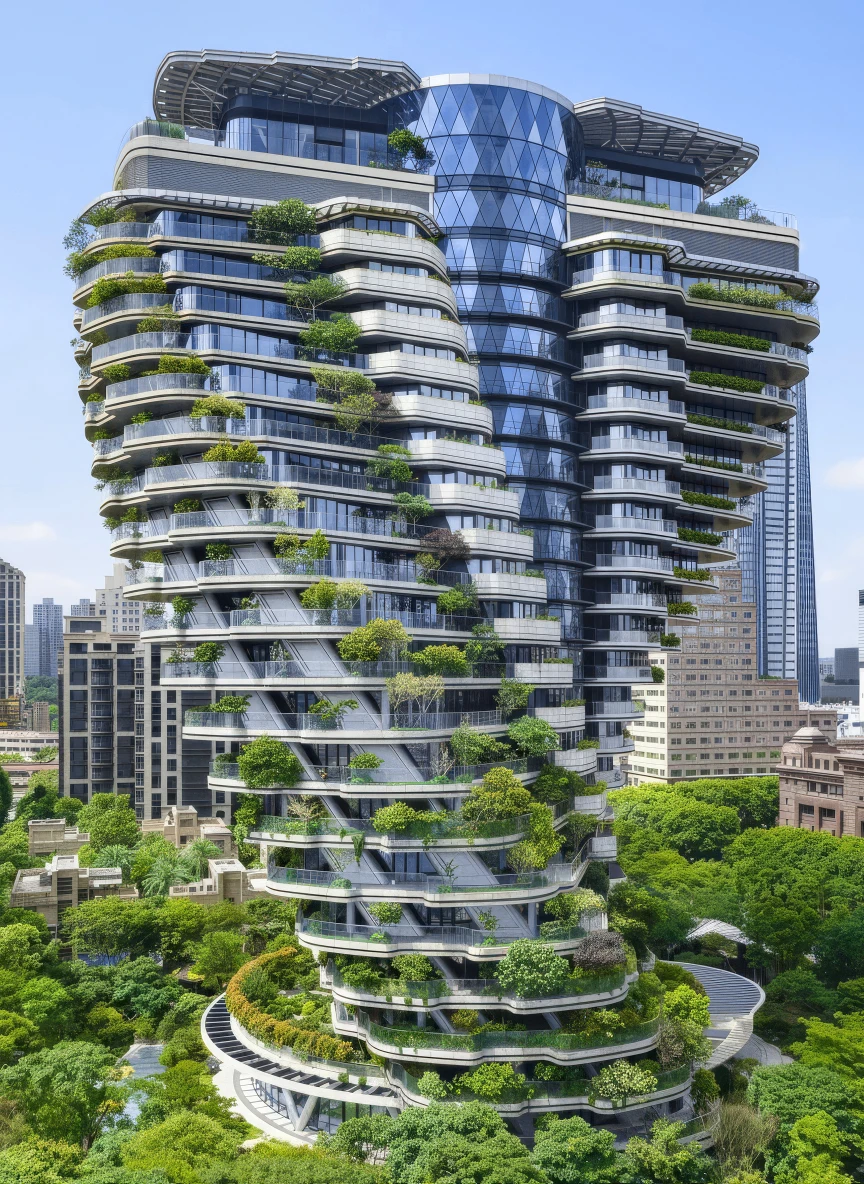
Located at the intersection of Song Gao Road and Song Yong Road in Taipei, Taiwan, the 21-story residential tower is one of the world’s most ambitious vertical forest projects. Recently awarded LEED Platinum Certification and internationally recognized for its environmental innovation, the project demonstrates how high-density urban living can coexist with biodiversity, wellness, and long-term ecological responsibility.
A Tower Inspired by DNA and the Philosophy of Life
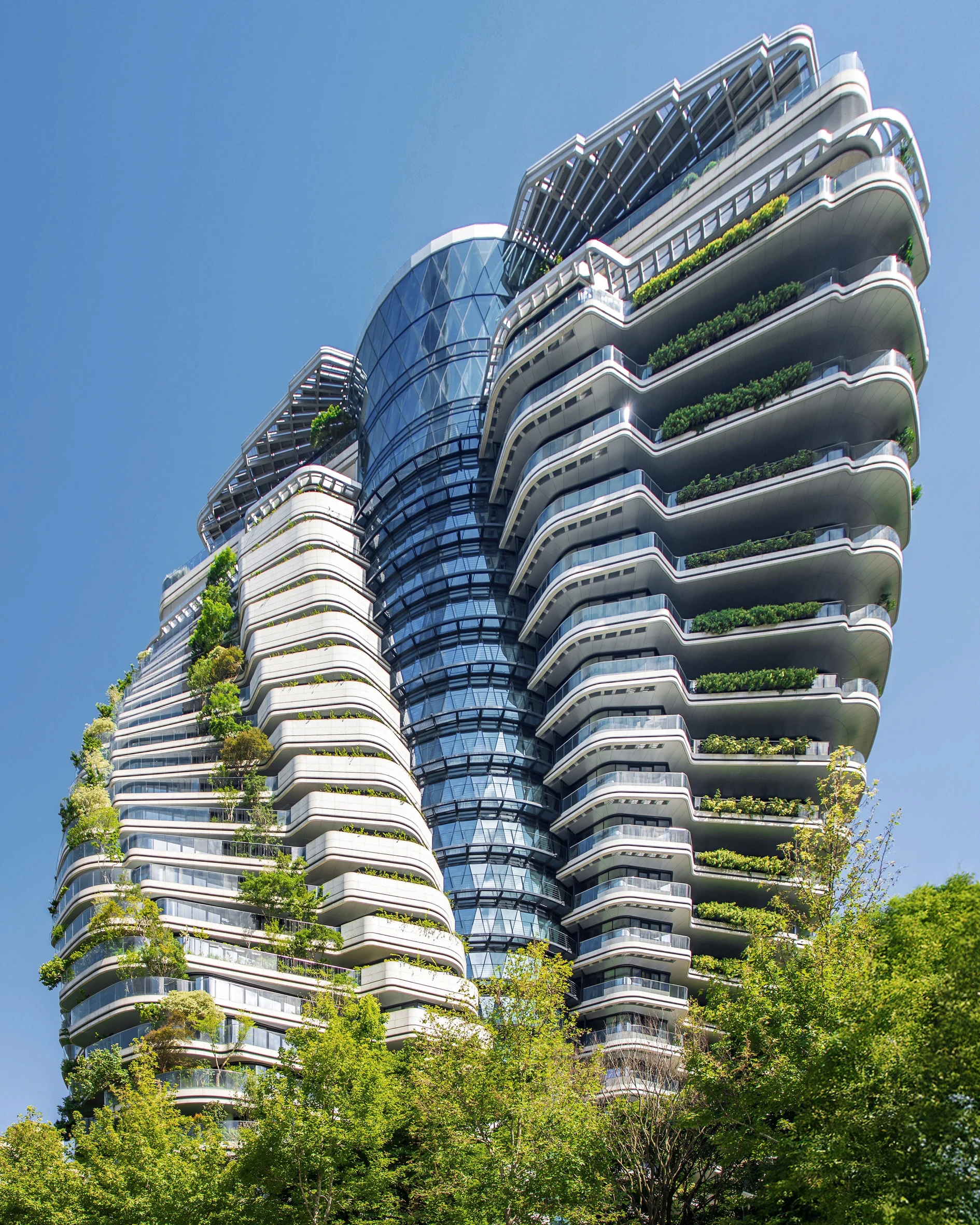
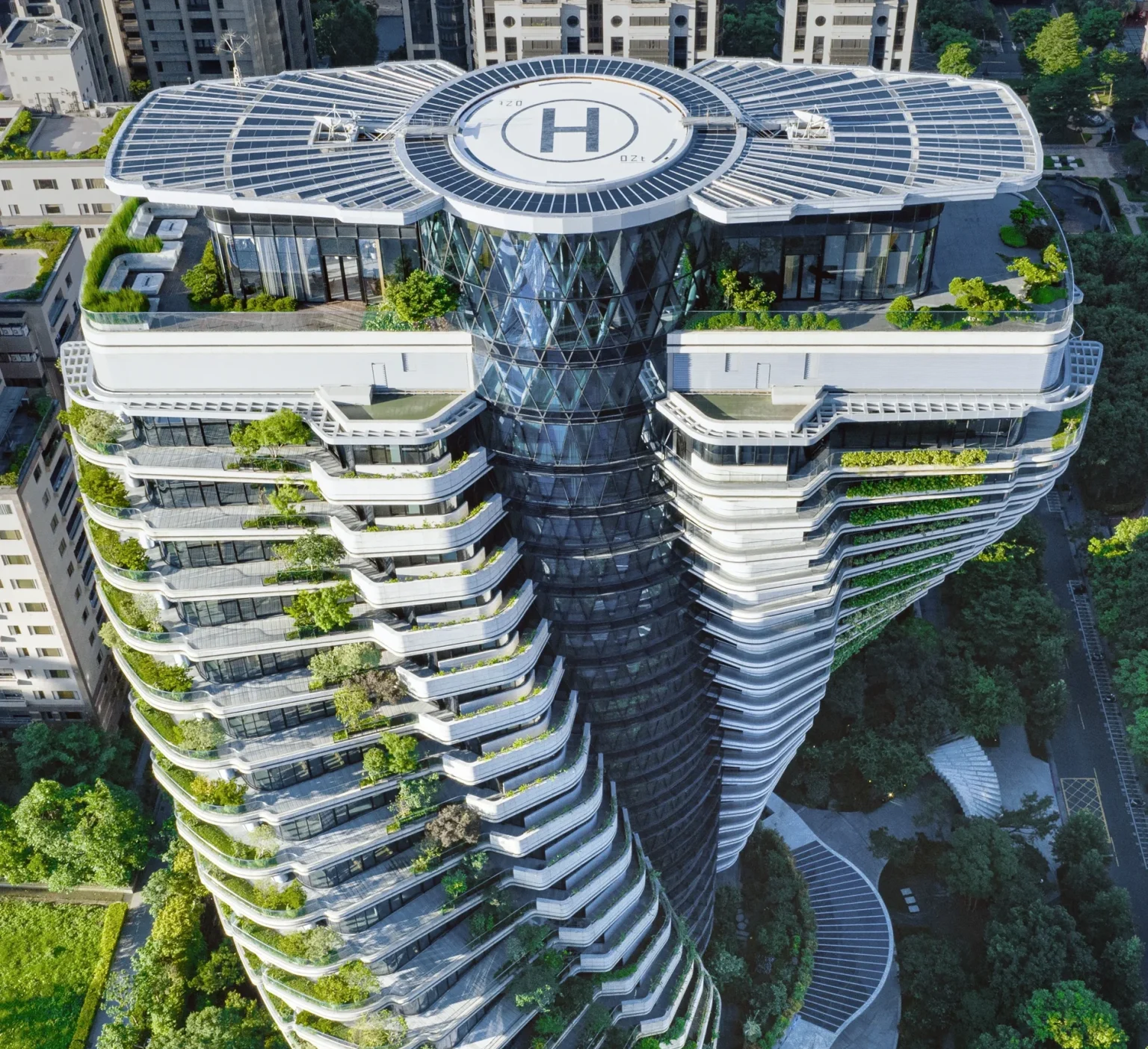
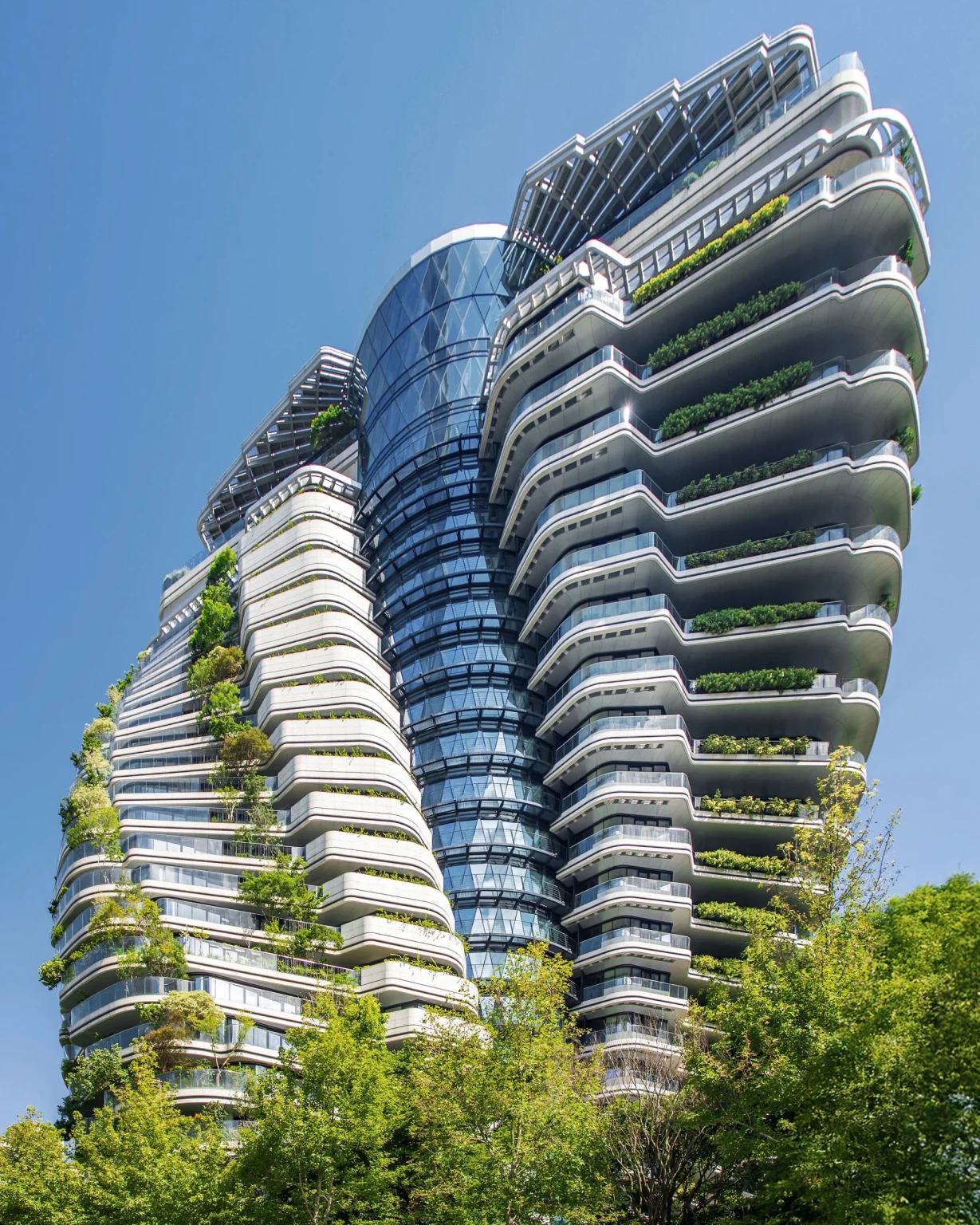
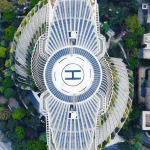
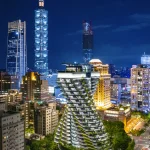
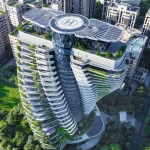
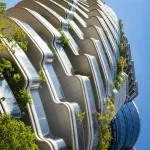
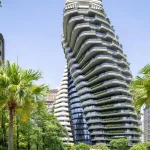
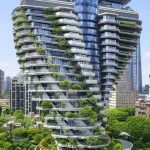
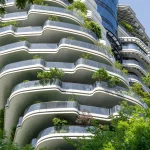
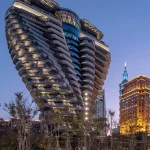
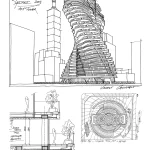
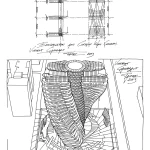
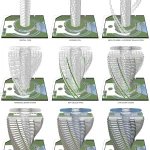
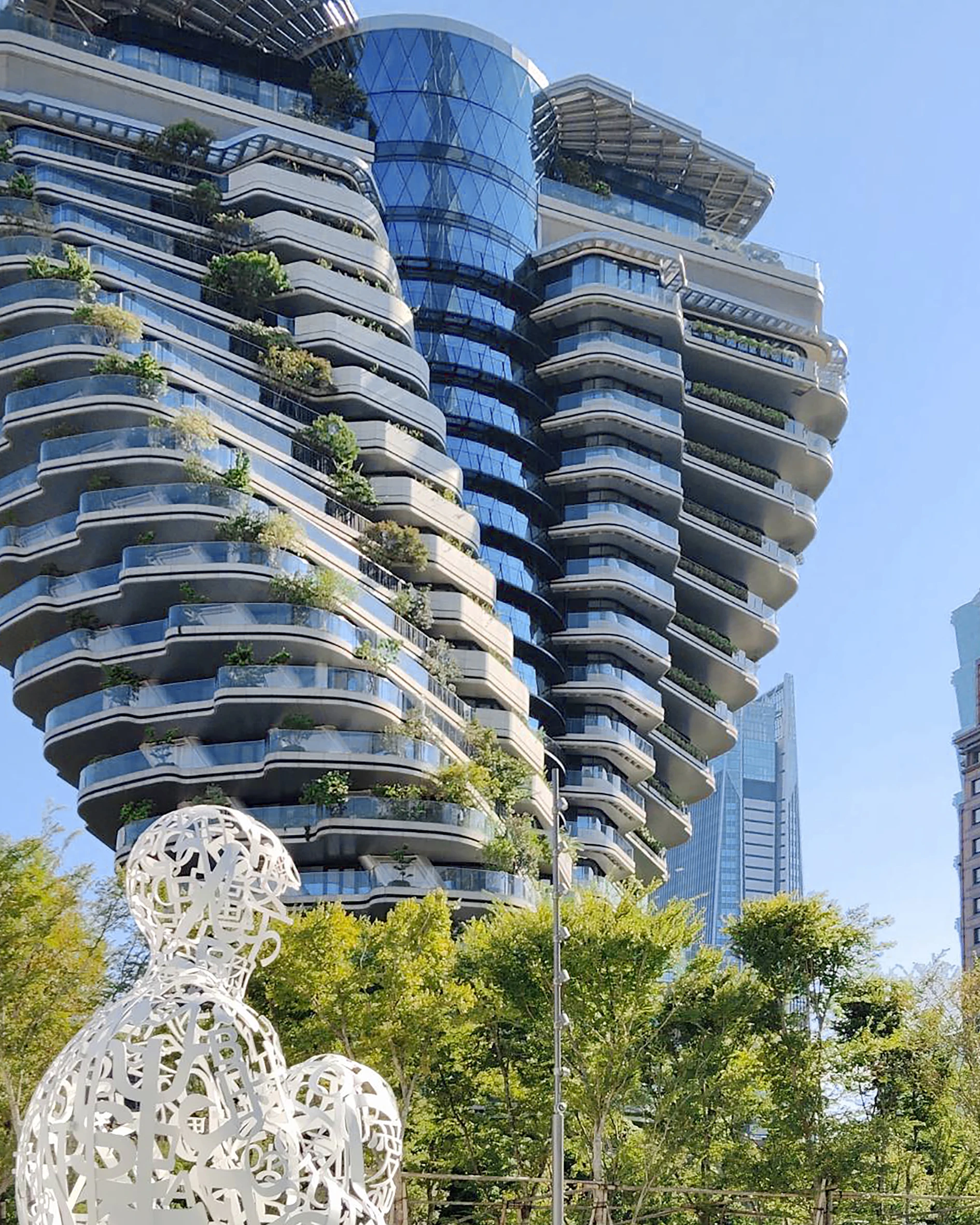
The conceptual foundation of TAO ZHU YIN YUAN begins with the structure of DNA itself, the universal code of life. Every inhabited level rotates 4.5 degrees clockwise, creating a total twist of 90 degrees from base to crown. This continuous spiraling movement generates a dynamic architectural form that changes appearance from every angle, transforming between pyramid, ellipse, reverse pyramid, and cross-like geometries throughout the day.
The design draws inspiration from science and the philosophy of Fan Li, known as Tao Zhu Gong, whose ideals emphasized harmony, generosity, and the interconnectedness of human society. The building becomes a spatial interpretation of these principles, proposing an architecture that gives back to the environment rather than extracting from it.
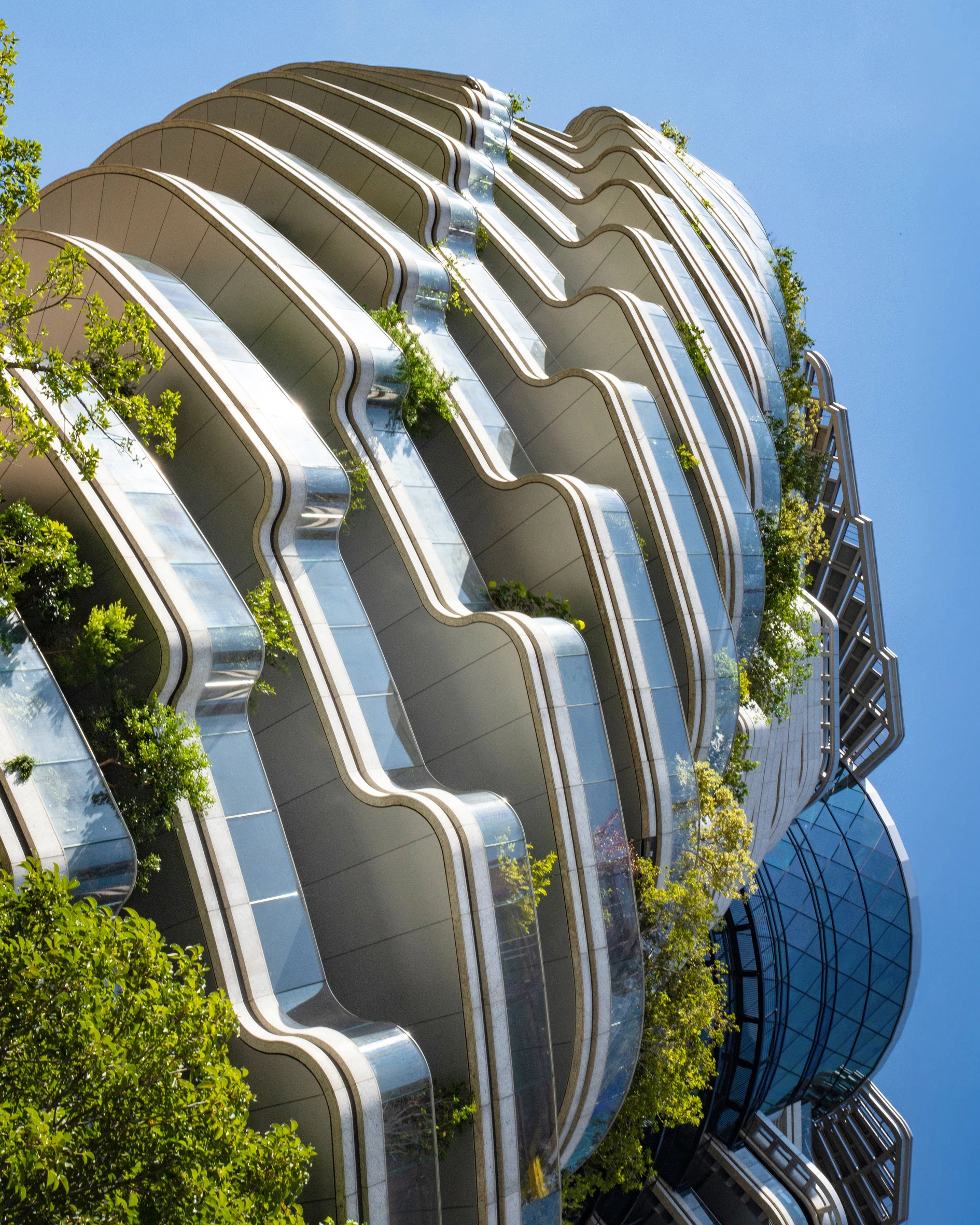
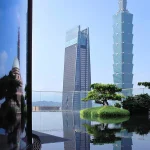
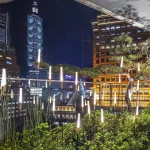
The twisting geometry serves multiple functions simultaneously. It maximizes sunlight exposure and natural ventilation, creates expansive suspended gardens, enhances privacy between residences, and offers uninterrupted panoramic views across Taipei, particularly toward the nearby Taipei 101 skyline.
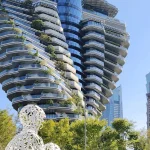
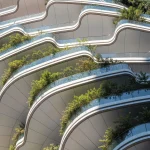
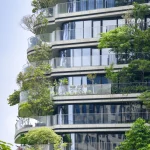
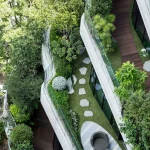
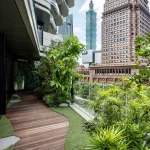
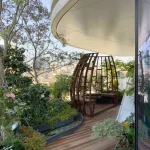
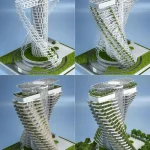
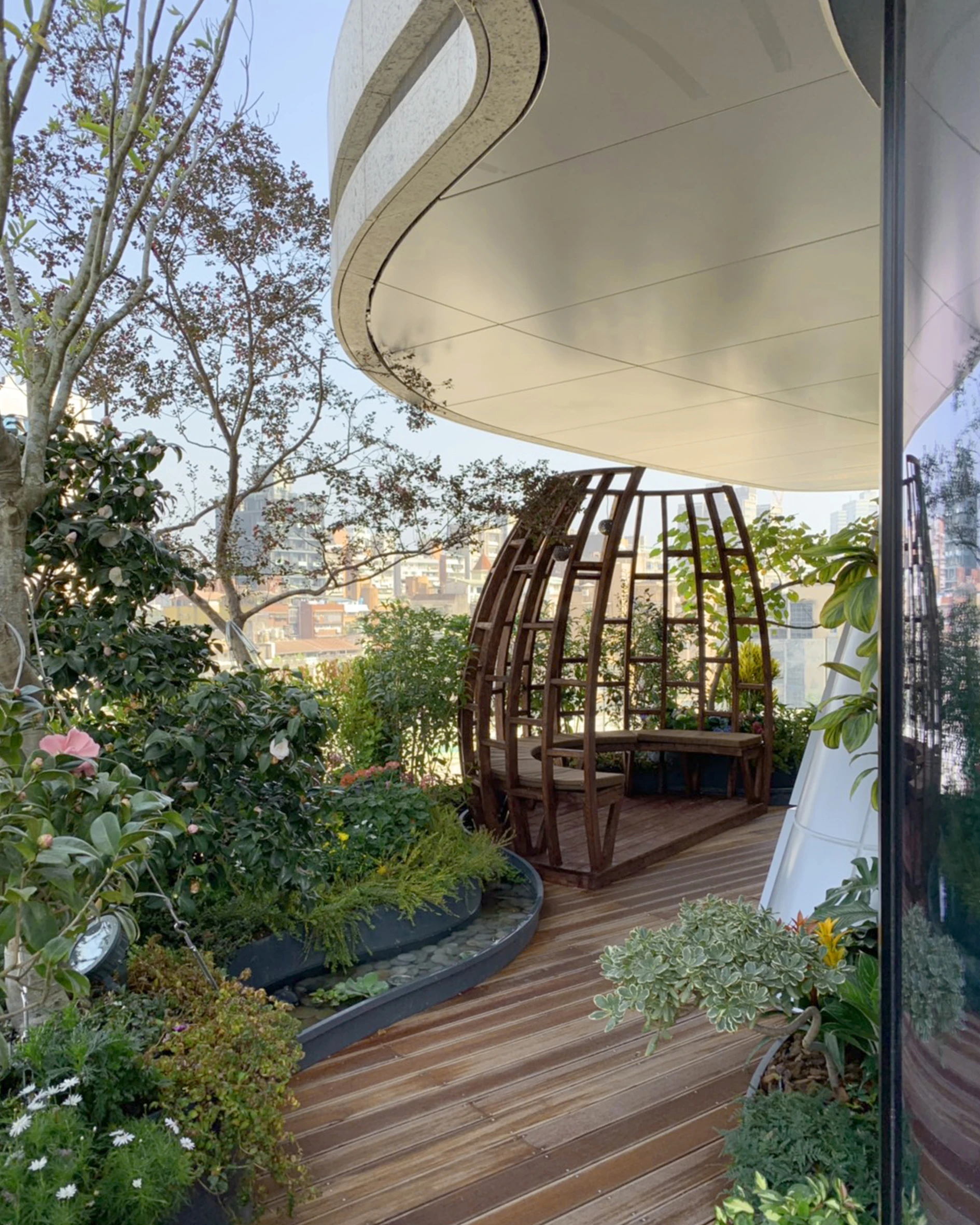
Each residence is surrounded by lush terraces designed as elevated landscapes. The result is an inhabited vertical forest where architecture dissolves into vegetation.
A Carbon-Absorbing Vertical Forest
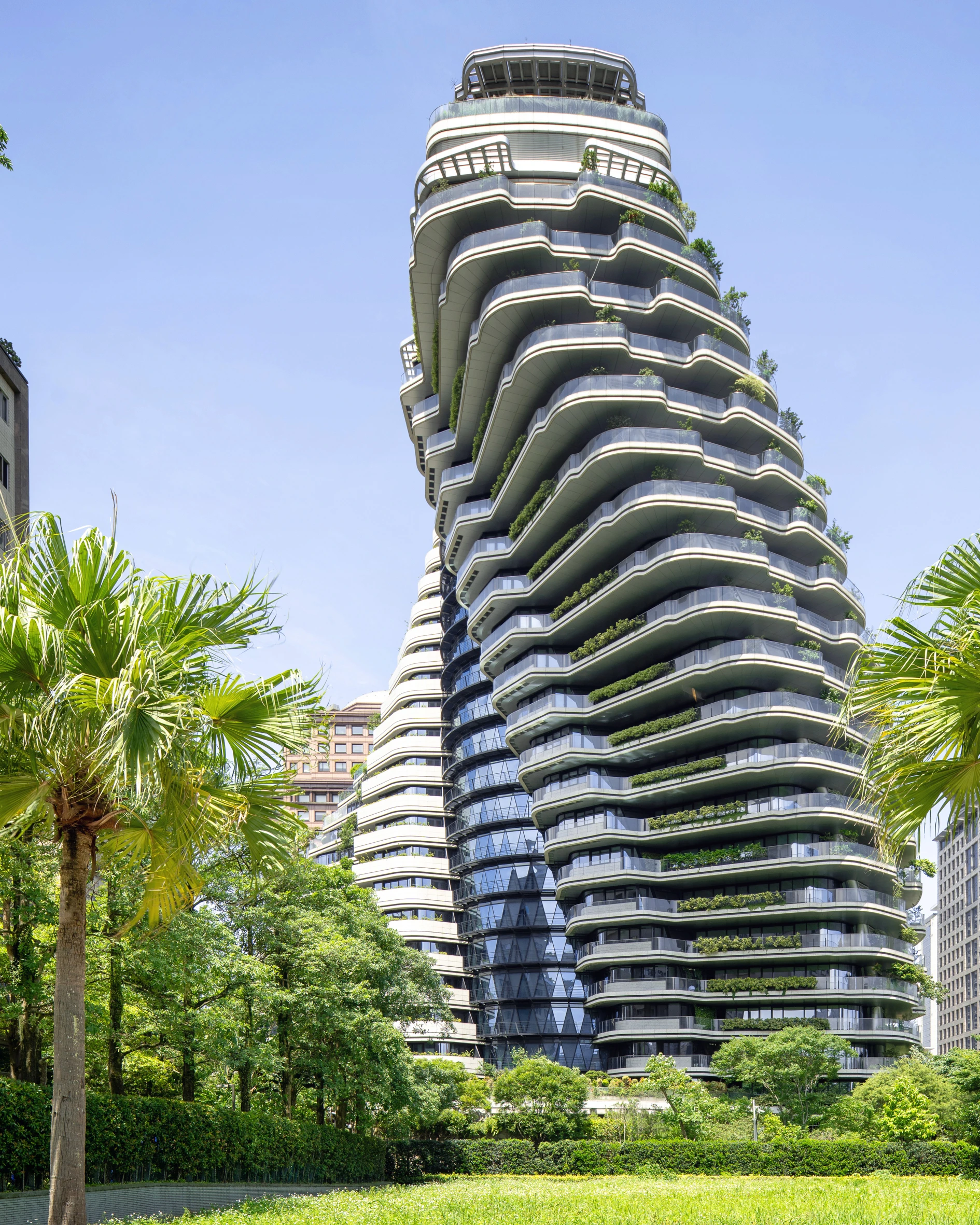
At the heart of the project is an urgent environmental mission: combating global warming through architecture.
TAO ZHU YIN YUAN integrates approximately 23,000 trees, shrubs, and plants throughout the site, terraces, and open-air sky gardens. The vegetation is designed to absorb an estimated 130 tons of carbon dioxide annually, creating a green coverage ratio nearly five times higher than local regulations require.
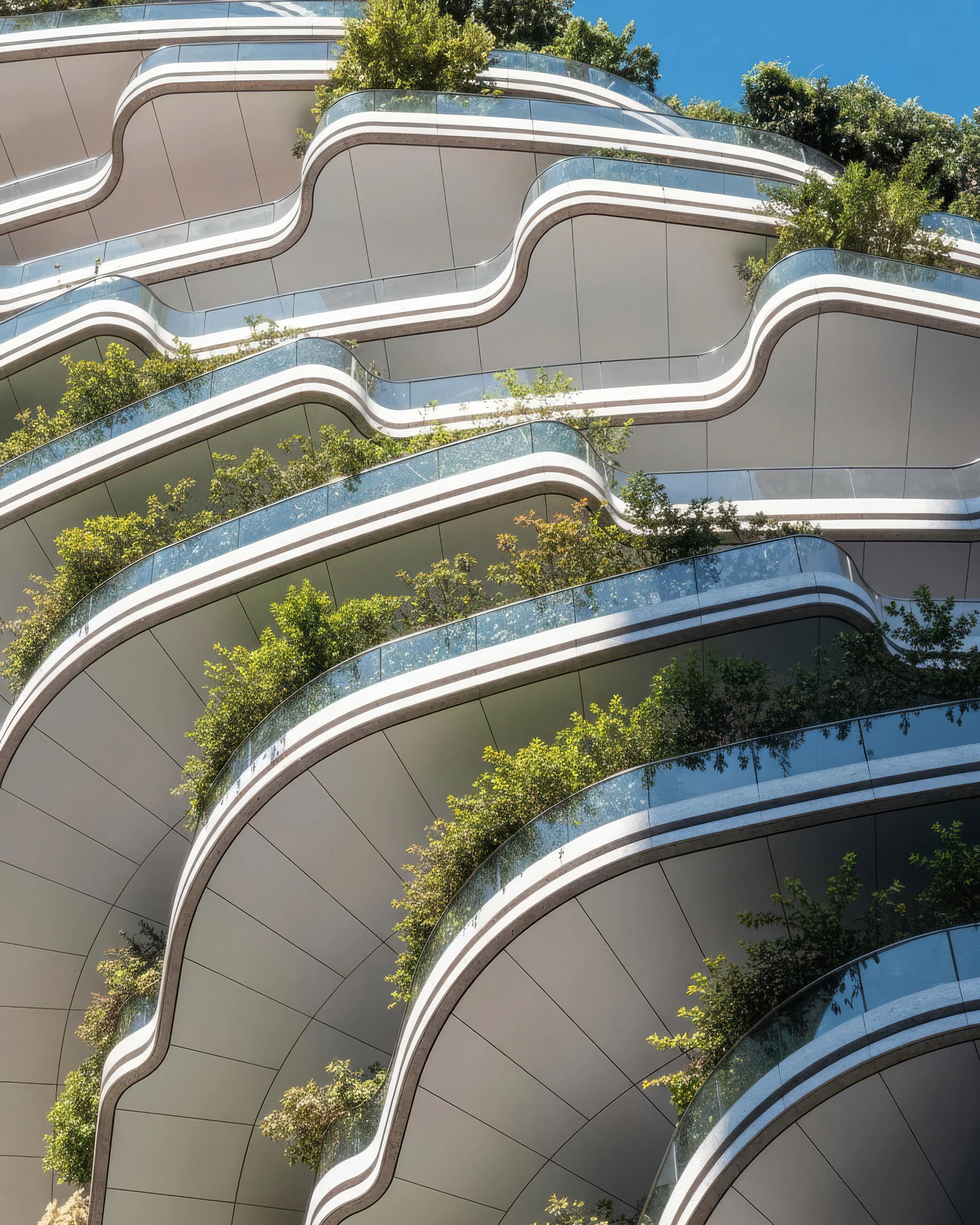
The tower’s extensive planting strategy transforms the building into a functioning urban ecosystem. Trees and vegetation provide natural cooling, improve air quality, absorb noise pollution, regulate humidity, and create seasonal environmental variation across the façade.
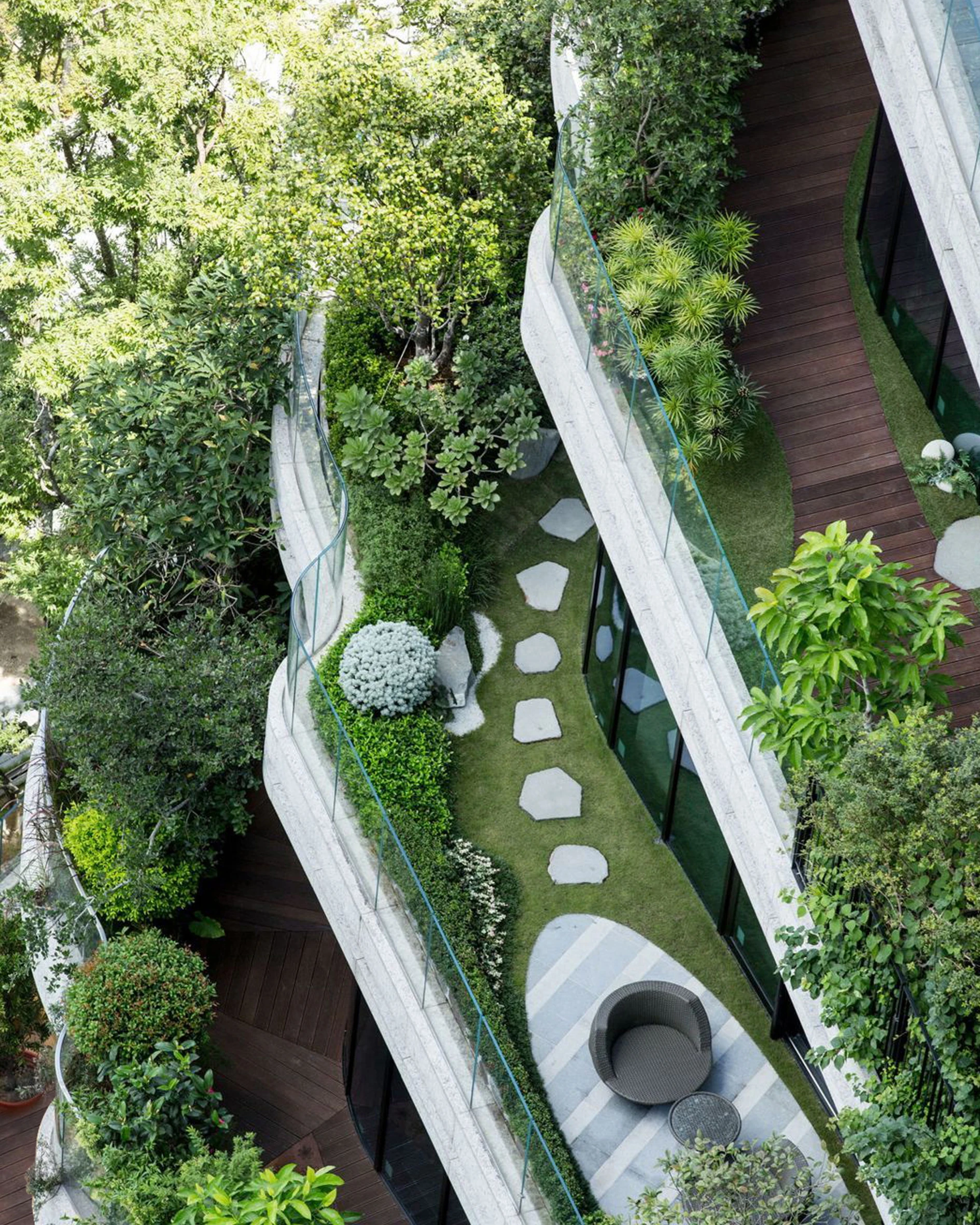
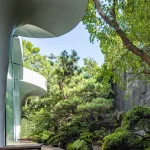
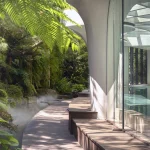
Each residential level at TAO ZHU YIN YUAN is conceived as a private sky garden suspended within the city. Every unit is surrounded by approximately 165 square meters of open-air landscaped terraces, offering expansive 270-degree panoramic views across Taipei and toward Taipei 101. Large-scale trees and dense planting are integrated directly into the architecture, while deeply planted balconies are carefully engineered to support long-term ecological growth at high altitudes. The project positions vegetation as an essential architectural and environmental system. The tower functions simultaneously as a habitat, living infrastructure, and an “air purifier city forest,” bringing biodiversity, cleaner air, and a renewed connection to nature into one of Asia’s most densely built urban environments.
Architecture as Environmental Infrastructure
Beyond its visual identity, the building integrates a comprehensive range of passive and active environmental technologies aimed at reducing energy consumption and improving occupant wellness.
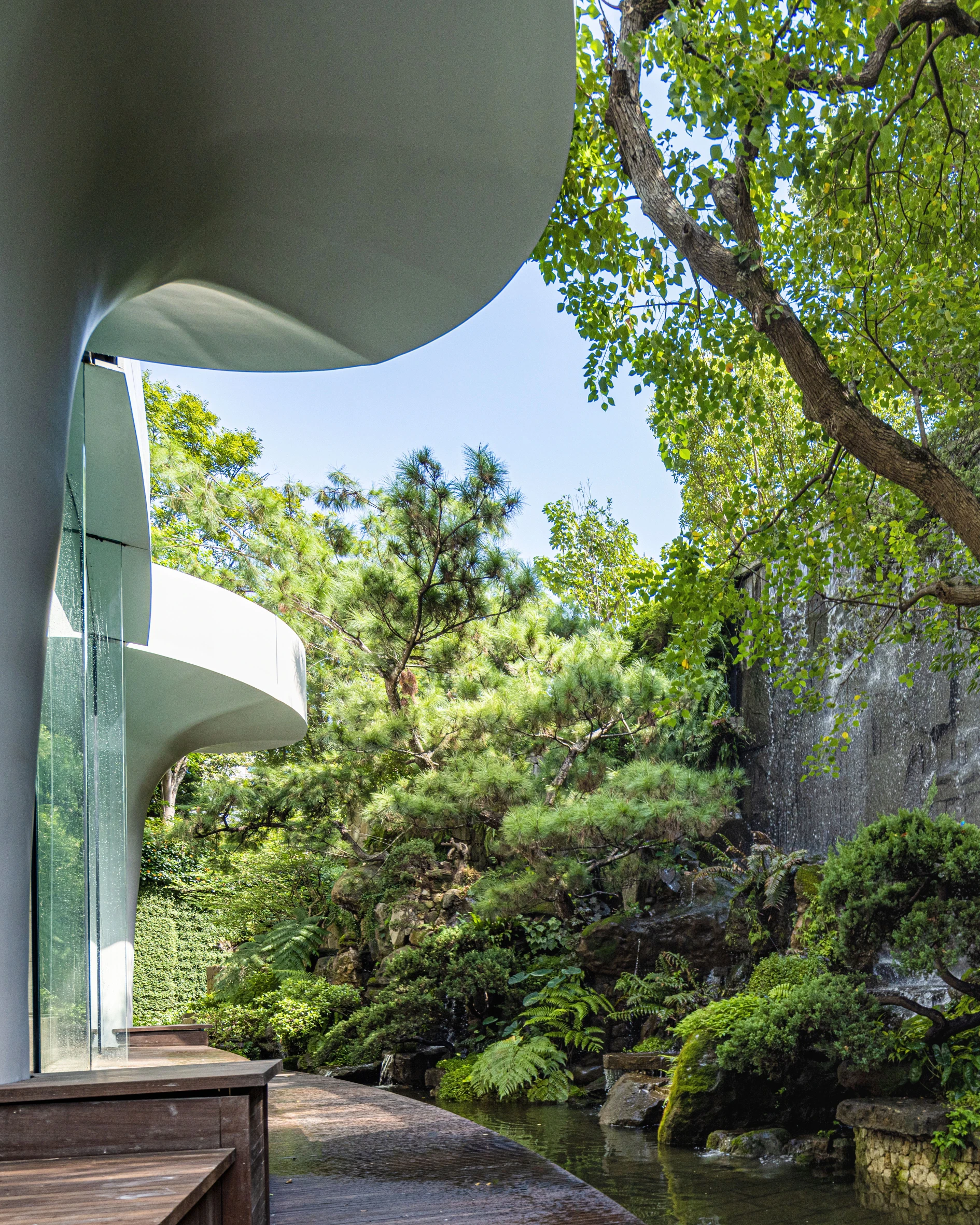
Key sustainable systems include the following:
- Double-skin façade systems for natural ventilation
- Solar and wind energy integration for public-area electricity usage
- Rainwater harvesting and recycling systems feeding irrigation and waterfalls
- Regenerative elevators and high-efficiency air conditioning systems
- LED smart-lighting controls with wireless monitoring
- Light-guiding systems that maximize natural daylight penetration
- Water-saving systems throughout residential and public areas
The central core of the tower functions as a natural ventilation chimney, drawing air upward through the structure. Inspired by anti-smog tower concepts, air is heated using solar energy at the base, filtered through the building, and released cleaner at the top.
The tower, therefore, operates as a residential building and as an environmental machine designed to reduce ecological footprint while improving urban air quality.
Engineering a New Structural Language
The structural innovation behind TAO ZHU YIN YUAN is as groundbreaking as its environmental agenda.
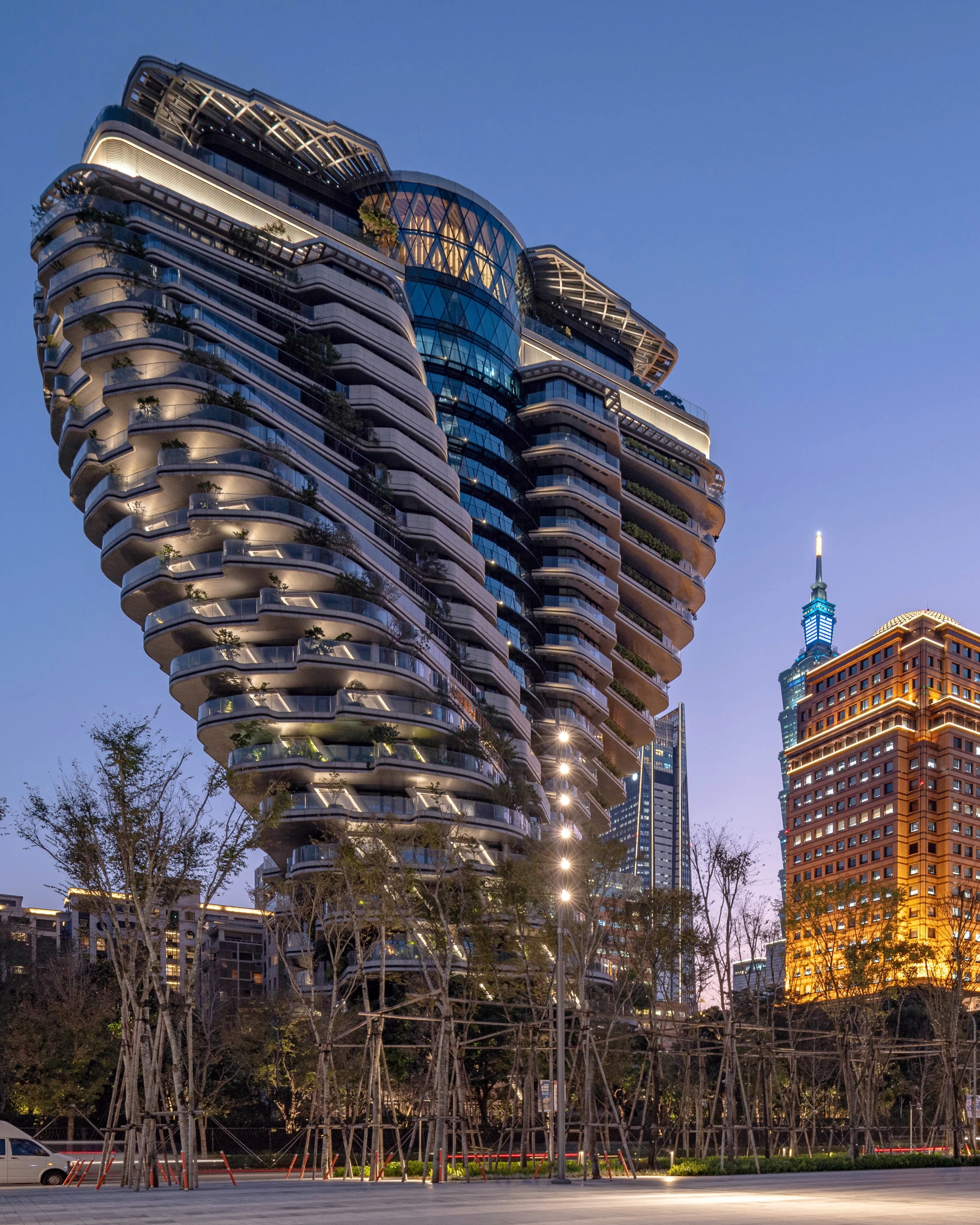
Inspired by the movement and balance of a skier, the building’s engineering system combines megacolumns, suspended structures, and Vierendeel trusses to create vast column-free interior spaces with exceptional flexibility for residents.
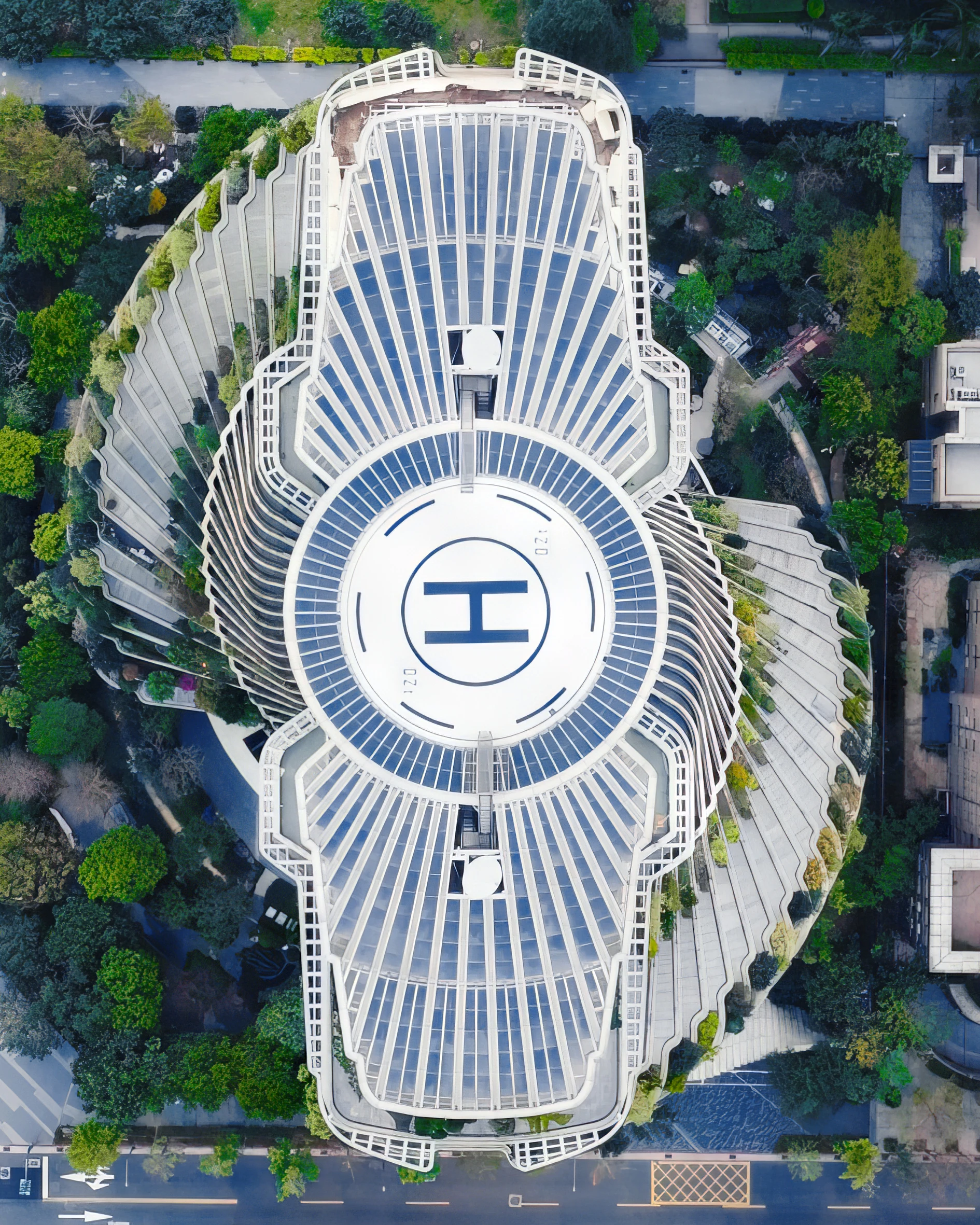
The structure was engineered to withstand severe seismic activity, incorporating nuclear-grade earthquake protection technologies developed by EPS Inc. Seismic isolation systems integrated beneath the basement levels enable the tower to resist earthquakes reaching PGA 0.40g standards, exceeding the highest local seismic requirements.
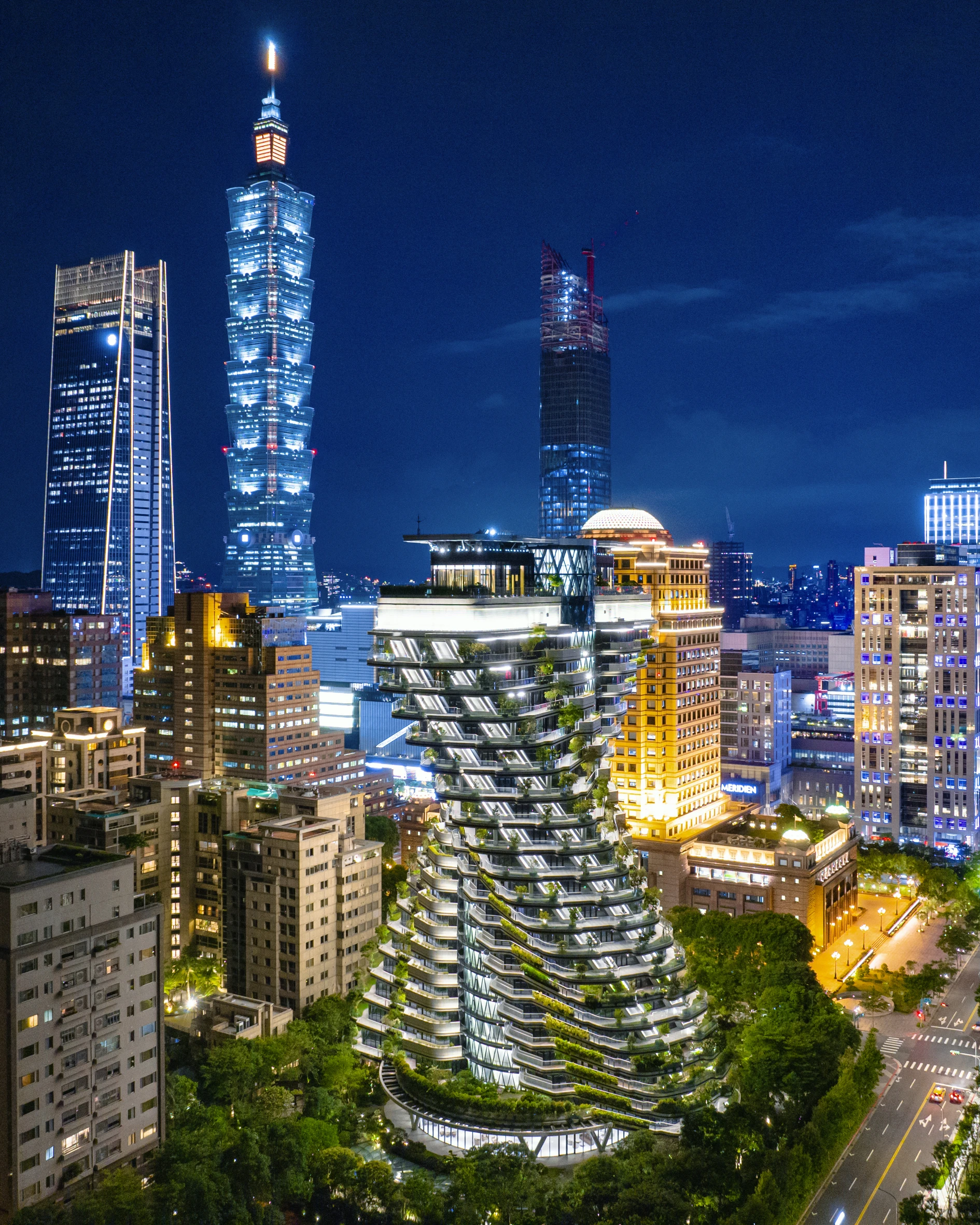
The tower’s engineering strategy achieves multiple goals simultaneously:
- Exceptional earthquake resistance
- Completely column-free interior planning
- Flexible future renovation capability
- Expanded window openings and uninterrupted views
- Integrated drainage and planting systems within balcony slabs
The result is a residential tower where advanced mechanics and architectural elegance work together seamlessly.
Designing a Living Ecology in the Sky
Creating a true vertical forest at high altitudes required years of environmental analysis and botanical collaboration.
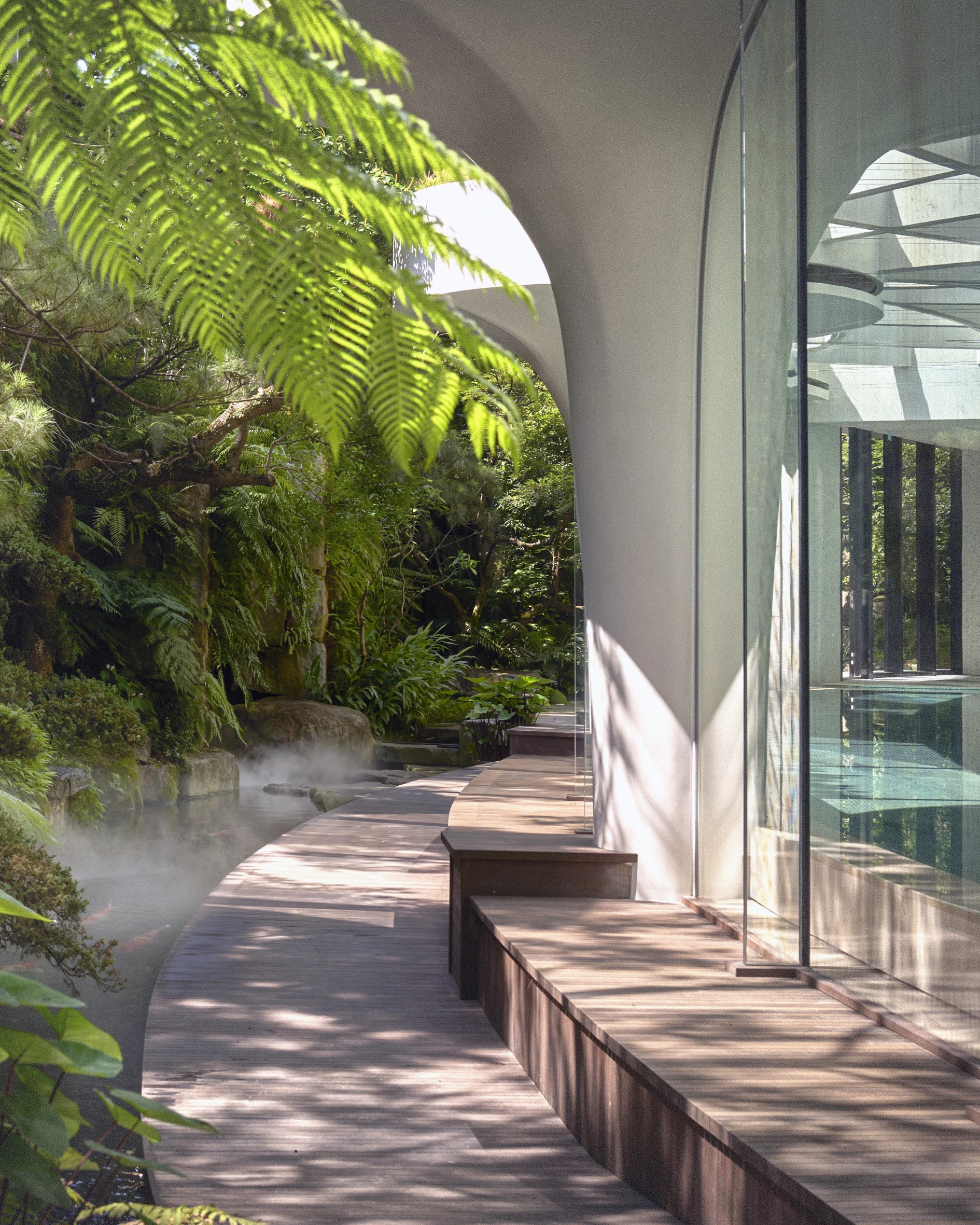
Wind studies, typhoon simulations, sunlight analysis, and thermal testing were conducted to ensure the long-term survival of plant life across the tower’s spiraling terraces. Specialized planting systems, integrated drainage, root-protection technologies, and custom maintenance strategies were developed specifically for the project.
A key contributor was renowned Japanese “Tree Doctor” Dr. Zhang Fong-Chun, whose expertise in urban forestry and micrometeorology helped shape the tower’s planting strategy. Her work focused on selecting species capable of adapting to Taipei’s subtropical climate while maximizing ecological performance and carbon absorption.
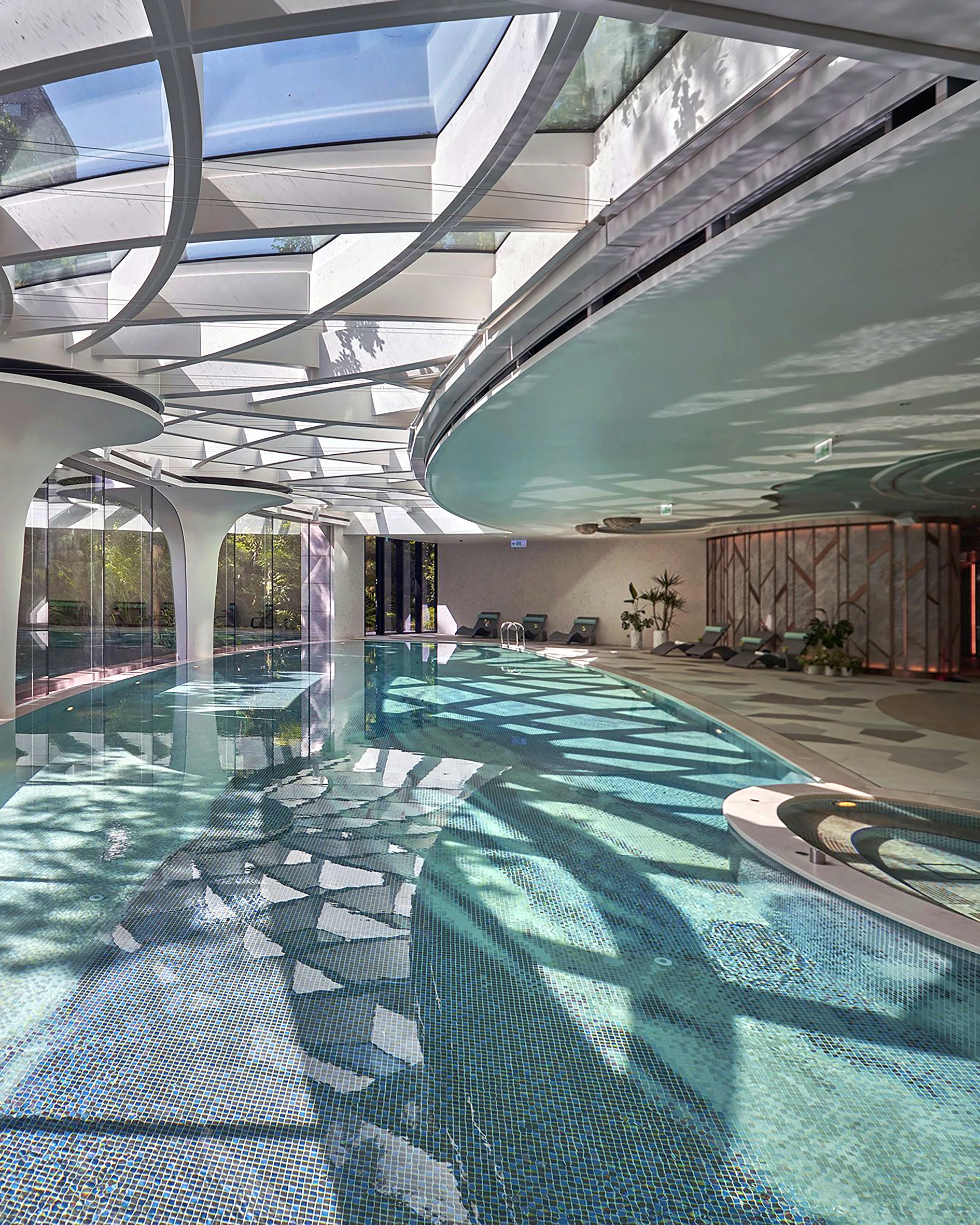
The vegetation, therefore, becomes inseparable from the building’s architectural identity. Over time, the tower is intended to mature biologically, evolving season after season as a living organism within the city.
The Rise of Taipei’s Vertical Forest Redefining Sustainable Urbanism
Since its conception, TAO ZHU YIN YUAN has become one of the most internationally celebrated examples of ecological architecture.
The project has received major global recognition, including:
- LEED Platinum Certification
- CTBUH Innovation Award for Best Tall Building
- International Architecture Award by the Chicago Athenaeum
- German Design Award
- iF Design Award for Sustainable Cities
- Green Good Design Sustainable Award
- Asia Pacific Property Awards Five-Star Recognition
Its influence extends beyond architecture into broader conversations about climate resilience, urban density, and the future of sustainable cities.
At a time when cities face rising temperatures, air pollution, biodiversity loss, and accelerating climate instability, TAO ZHU YIN YUAN proposes a radically optimistic alternative. It suggests that skyscrapers can evolve beyond glass-and-steel monuments into living systems that actively heal the urban environment.
TAO ZHU YIN YUAN Project Details
Project Name: TAO ZHU YIN YUAN
Location: Xinyi District, Taipei, Taiwan
Project Type: Residential Vertical Forest Tower
Site Area: 8,160 m²
Total Floor Area: 42,705 m²
Structure: 21 Floors + 4 Basement Levels
Credits:
International Architect: Vincent Callebaut Architectures
Local Architect: LKP Design
Client: BES Engineering Corporation
Contractor: Taiwan Kumagai Co., Ltd.
Structural Engineer: King Le Chang & Associates
MEP Engineering: Sine & Associates
Green Consultant: Enertek
Structural Engineer: King Le Chang & Associates
MEP Engineering: Sine & Associates
Green Consultant: Enertek
International Interior Architect: Wilson & Associates
Local Interior Architect: Metro Space Design
International Landscape Architect: SWA
Local Landscape Architect: Horizon & Atmosphere
International Lighting Designer: L’Observatoire International
Local Lighting Designer: Unolai Design