
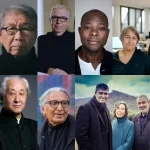
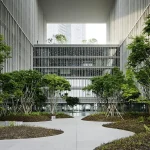
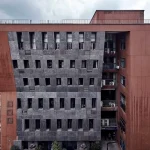

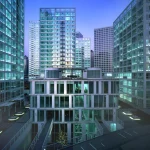


The architectural narrative behind the building demonstrates thoughtful design strategies and tangible fabric of experiences. Visionary Architects transform the simple art of living into an imaginary world that influences the mental well-being of the people. Founded in 1979 by Jay A.
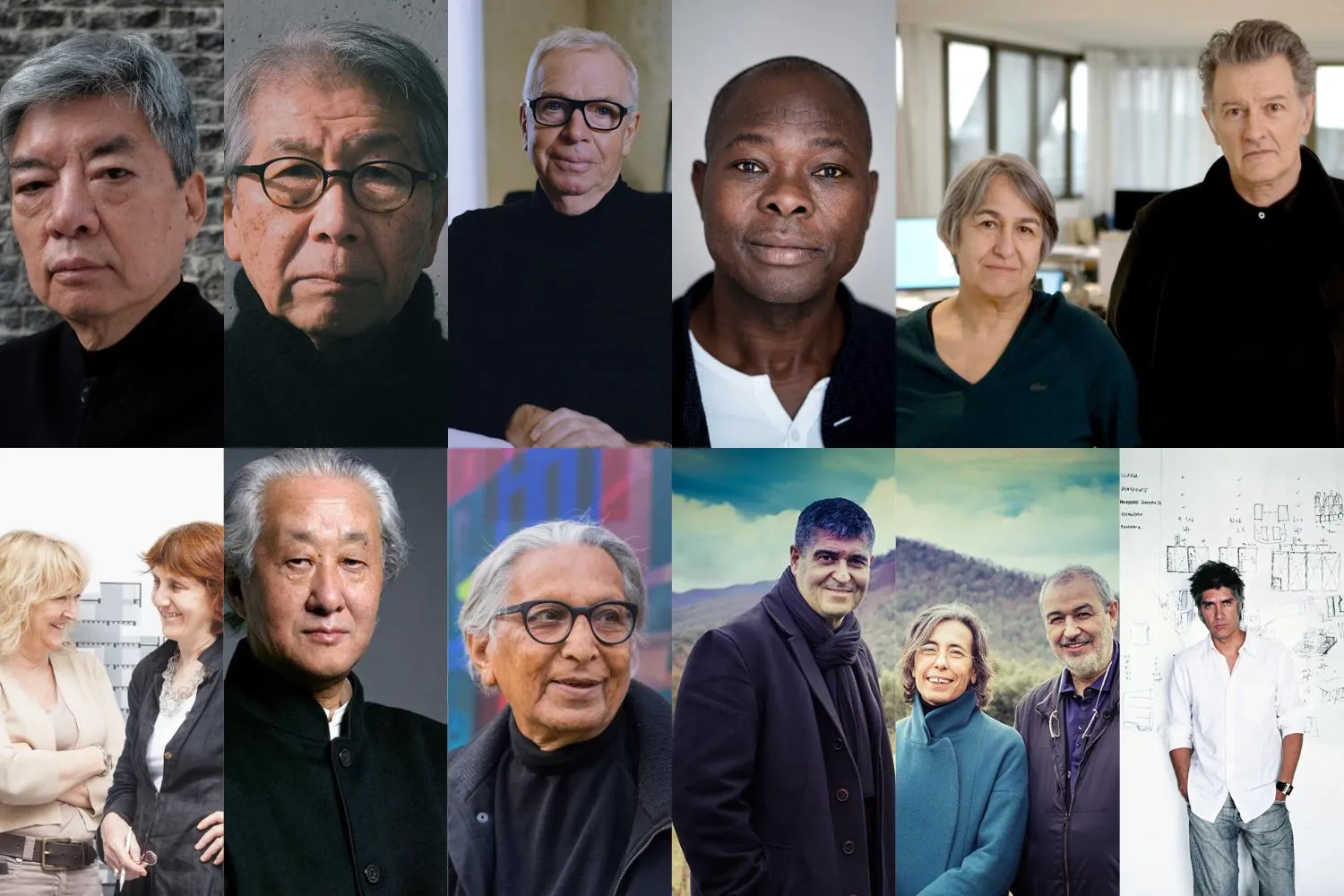
Pritzker and his wife, Cindy Pritzker, Architecture Prize honours a living architect who showcases their talent, creativity, courage, and innovation, contributing to humanity and the built environment. Defined as the Nobel of Architecture, let’s delve into the philosophy of the extraordinary designers’ work from the last 10 years, who found consistent practical solutions to human challenges and influenced the global architectural movement.
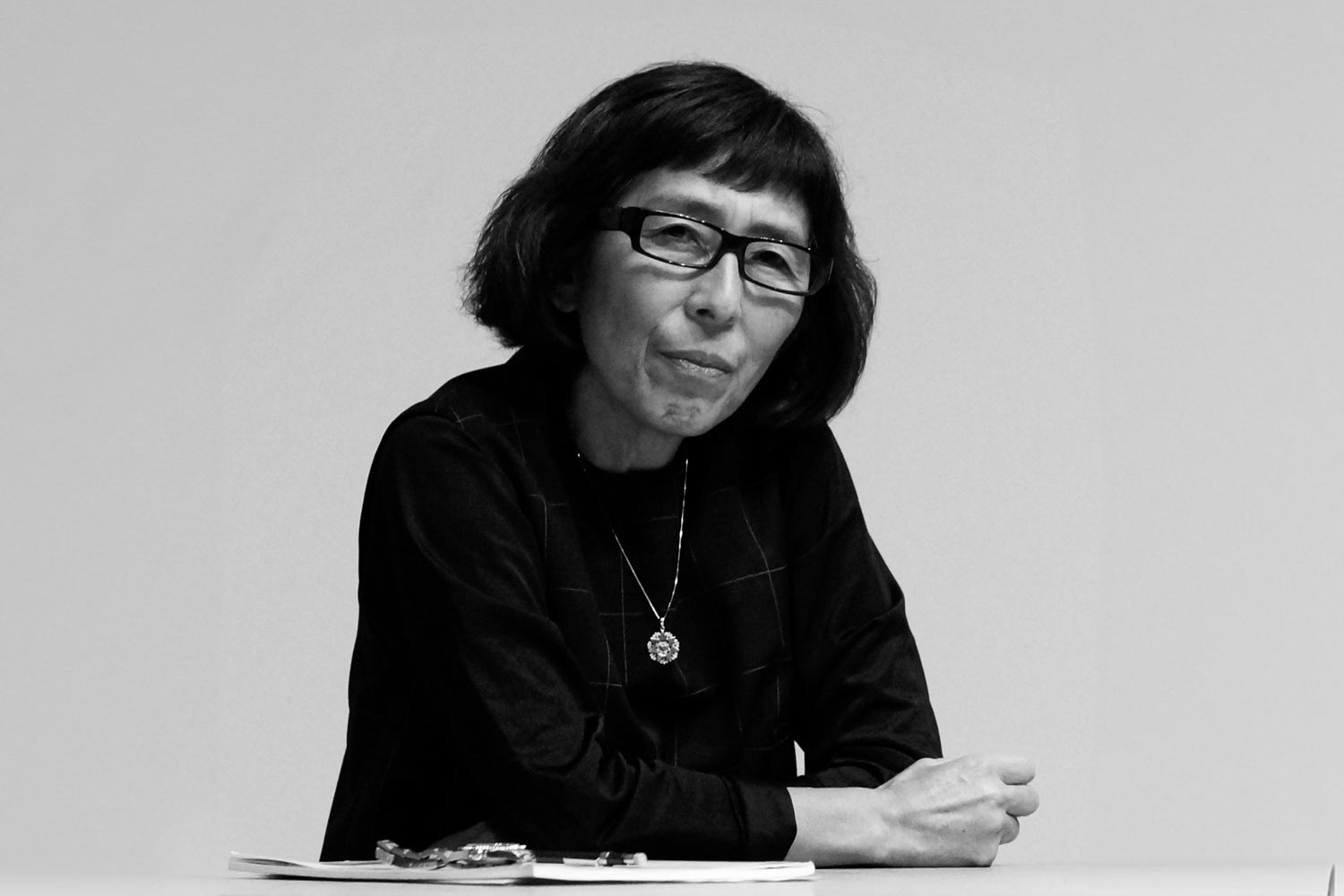
1. Liu Jiakun: 2025, Pritzker Laureate
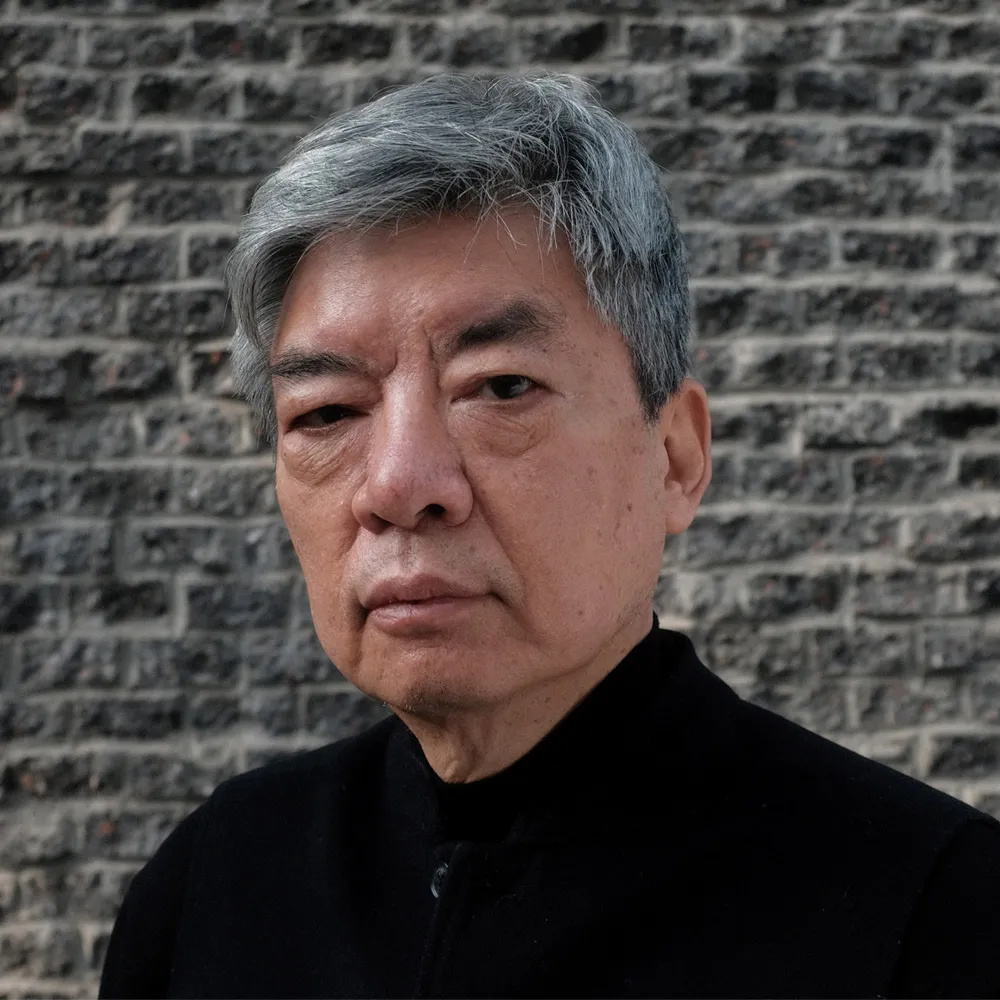
Liu Jiakun, founder of Jiakun Architects in Chengdu, was born in 1956, China. Raised in the halls of a Christian hospital, he learned the notions of care, tolerance, and introspection. Unsure of becoming an Architect, he sought the true values of life and listened to his own voice. After graduation, he worked in Tibet and Chengdu, balancing architecture with writing and painting, exploring the power of conscious and transformative design.
As noted by the 2025 Pritzker Prize jury, Liu approaches traditions and culture not with nostalgia but as a hope for innovation, crafting new architecture reflecting memory and modernity. Building on the philosophy of water, he explains how a place without carrying a fixed form seeps into the local environment, gradually solidifying, transforming into architecture, while retaining the essence of that place.
The Unconventional Path of Designing
Liu Jiakun fosters the idea of revelation in architecture, which can be abstract, pure, or unconventional. Not working on a fixed design style, he bridged the gap between utopia and daily life, tradition and creation, individual needs and collective essence.
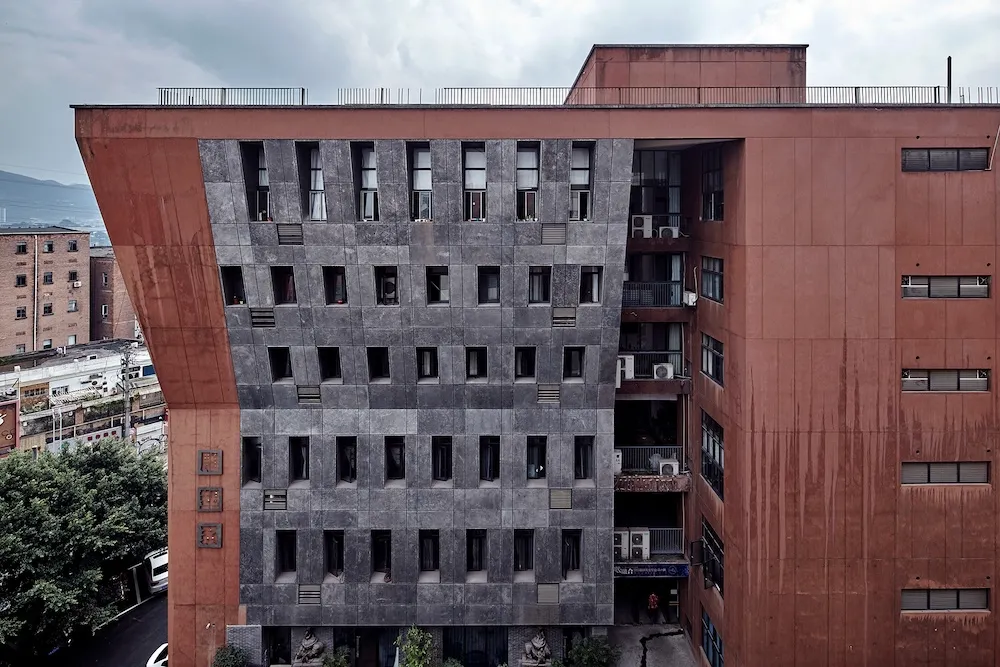
Projects like West Village, China, a multi-story block with integrated cultural and business activities, and the Sichuan Fine Arts Institute Department of Sculpture maximize space with cantilevered upper levels, exemplifying his creation of vibrant, multi-functional civic spaces.
His extraordinary works include Suzhou Museum of Imperial Kiln Brick, Lancui Pavilion, and Luyeyuan Stone Sculpture Art Museum, where he blends modern sensibility with Chinese wisdom, often incorporating wilderness, plants, or open structure to connect outside and inside spaces that offer a space for reflection, a sense of belonging in everyday life.
2. Riken Yamamoto: 2024, Pritzker Laureate
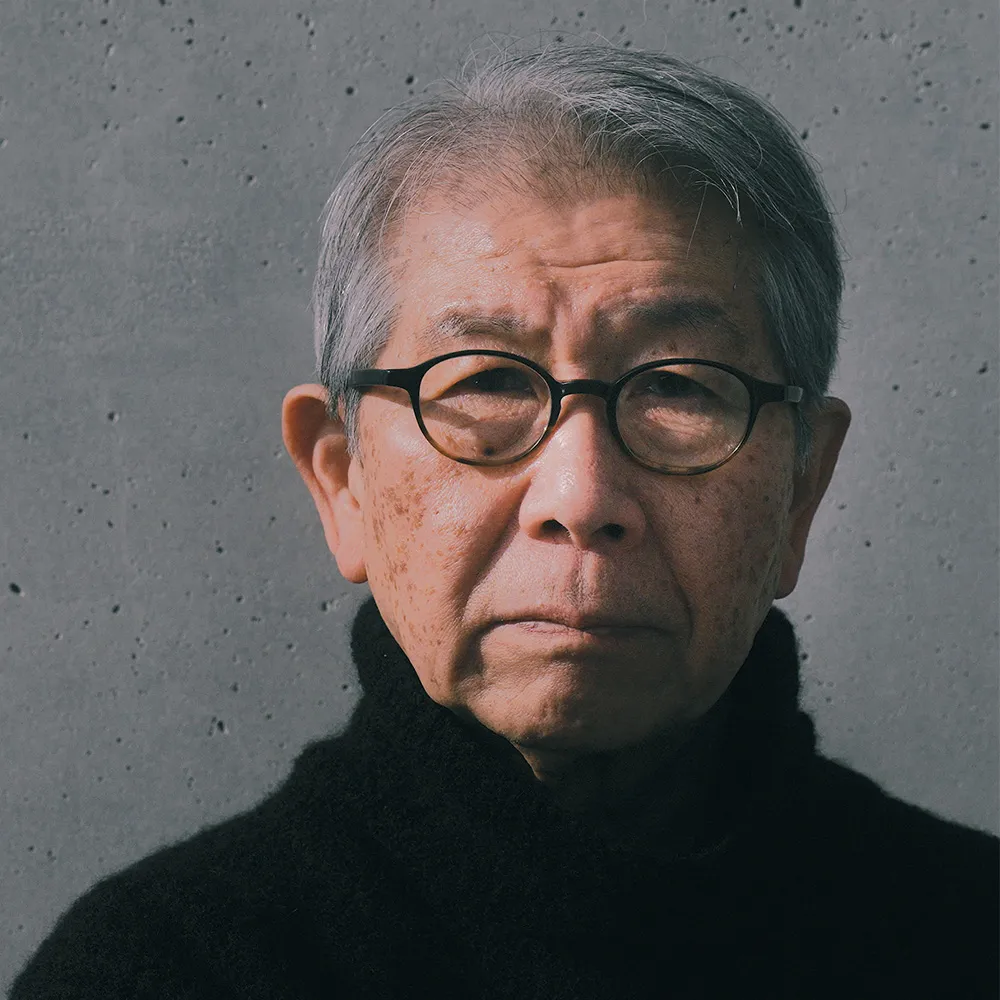
Relocating to Yokohama, Japan, after WWII, Japanese Architect Riken Yamamoto experimented with the domain of boundaries between public and private spaces. Living in a traditional machiya home, where his mother’s pharmacy was at the front and the living space was behind it, he deeply understood the meaning of thresholds, the in-between, making it the central philosophy of his outstanding work.
He founded Riken Yamamoto & Field Shop in 1973, exploring the diverse communities and cultures, blending natural and built environments, and creating open and welcoming spaces.
Designing the Space Between Public and Private
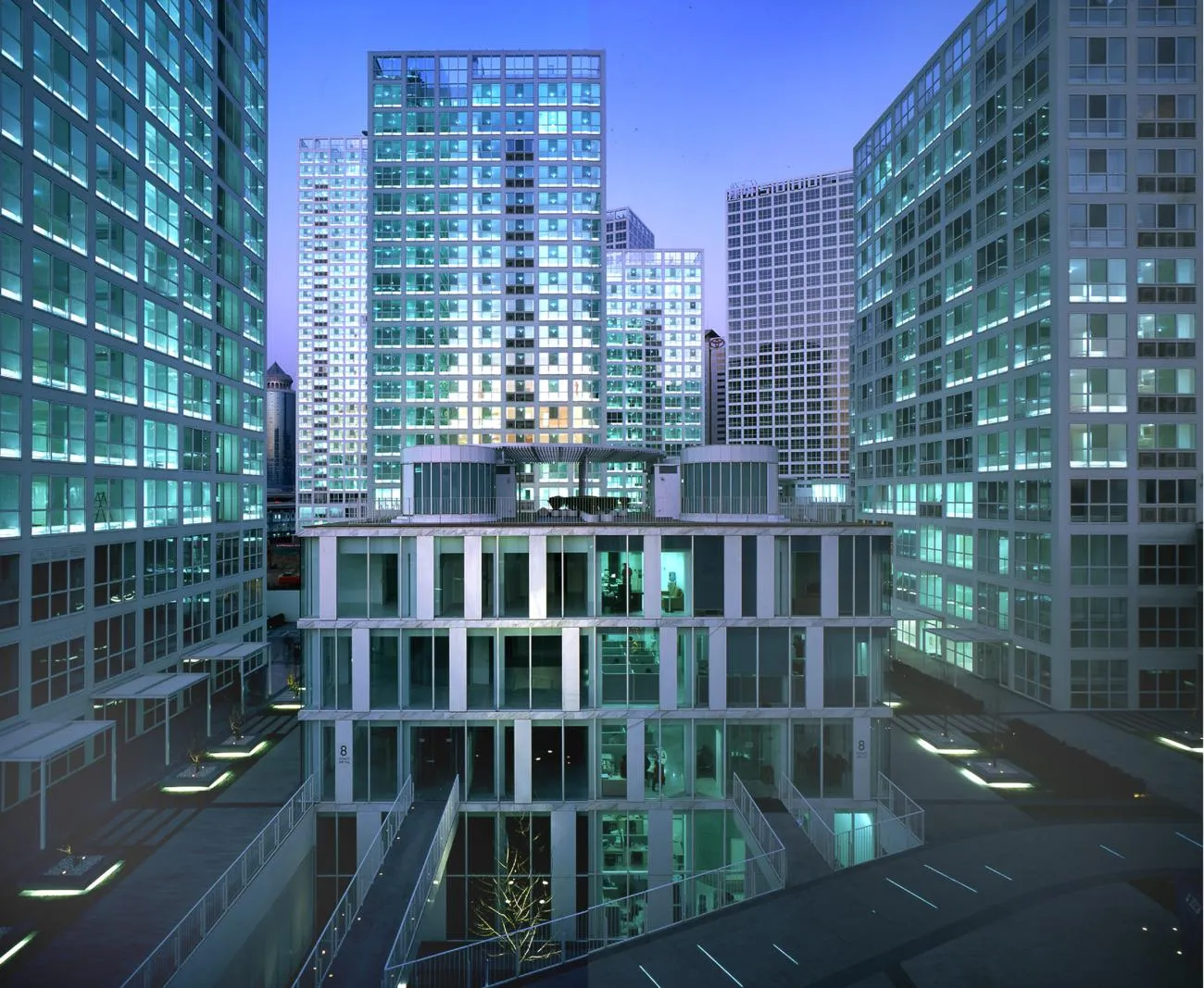
Yamamoto’s work challenges conventional notions of thresholds, and his design speaks the language of openness and connection. Blending inside and outside spaces in Yamakawa Villa, he extended to social housing in the Hotakubo Housing project, offering relational living across cultures and generations.
The unique design of Ryokuen-toshi, Inter-Junction City, where neighbourhood connects adjacent plots to craft public places in between and create pause points for social interaction. He adapts the language of context, surroundings, and blurring the boundaries to shape meaningful spaces with elegance, functionality, and joy.
3. Sir David Alan Chipperfield: 2023, Pritzker Laureate
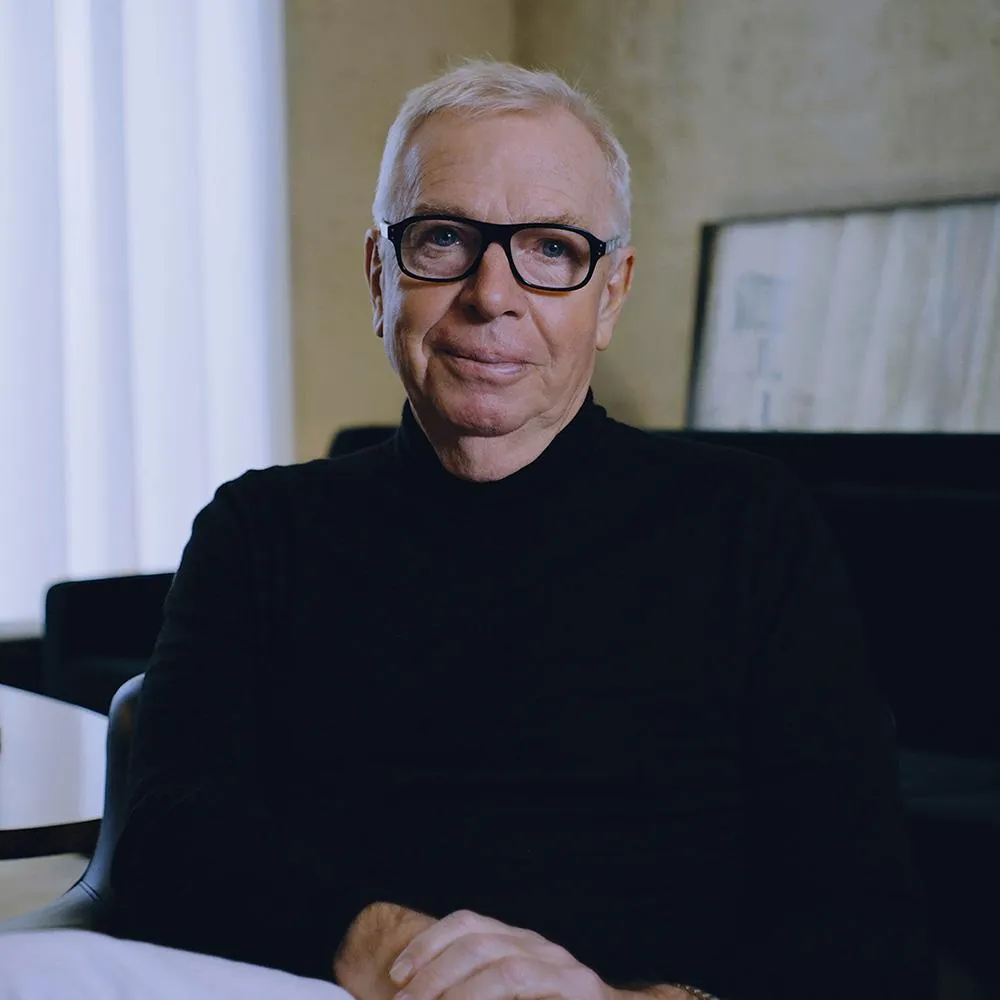
Sir David Alan Chipperfield CH, founder of David Chipperfield Architects, aspires for simplicity in his work. Initial impressions from barns and outbuildings of his childhood, he believes that architecture should support, not overpower.
Expanding globally with offices in Berlin, Shanghai, Milan, and Santiago de Compostela, he was acquainted with renowned architects like Douglas Stephen and Pritzker Laureates Norman Foster and the late Richard Rogers. Collaboration is the most important aspect of the studio, where he considers that good process doesn’t mean good work, but engaging and collaborating offers space for experimentation and exploration.
Architecture with Quiet Strength and social impact
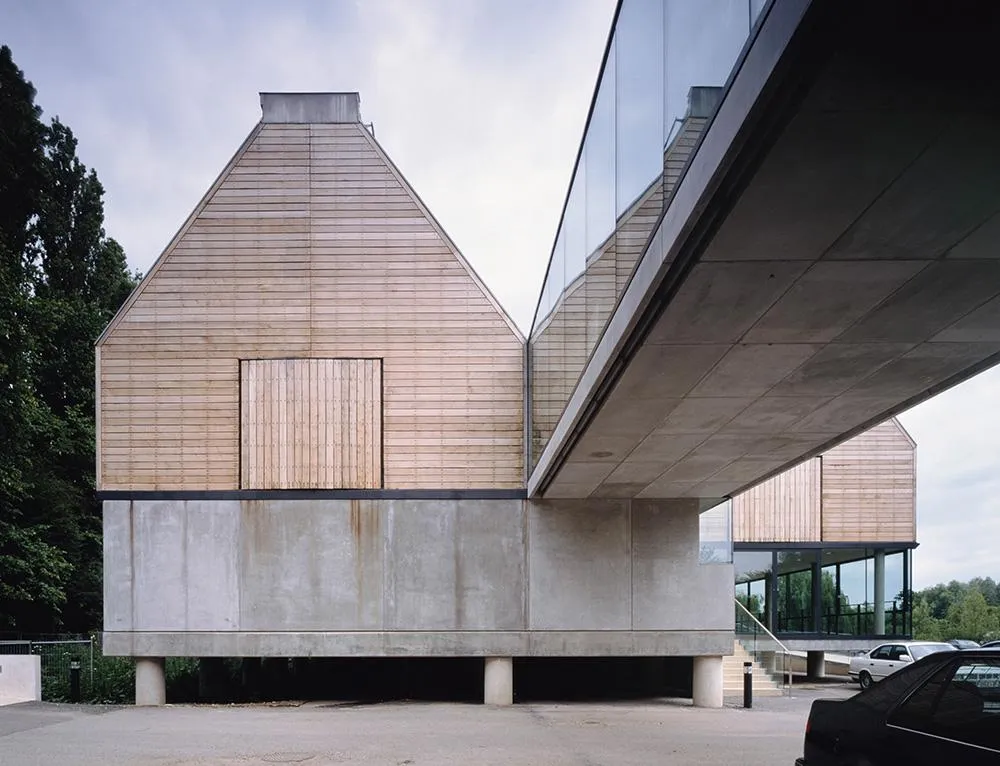
His works define the modern sensibility and clarity, evident in the River and Rowing Museum and the reconstruction of Berlin’s Neues Museum, a collaborative approach connecting people, places, and functionality.
He supports the community work in Spain, where he established Fundación RIA, which provides opportunities to promote ideas for sustainable local development and helps in research addressing global challenges. Appointed as Order of the Companions of Honour in 2021, Sir David Chipperfield remains quite forceful in shaping the built form with respect, collaboration, and social impact.
4. Diébédo Francis Kéré: 2022, Pritzker Laureate
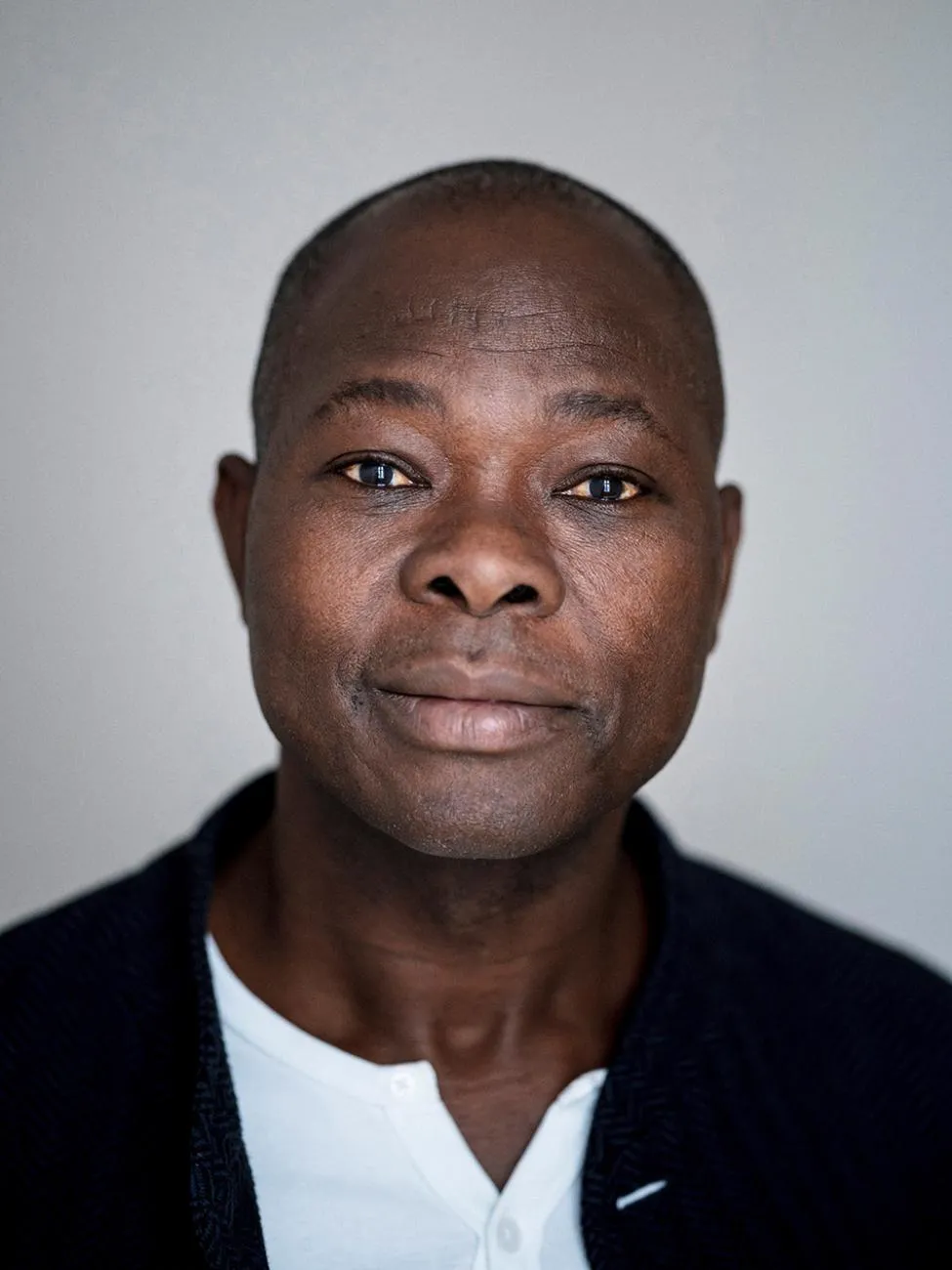
Grown up in a remote village without electricity, clean water, or schools, Diébédo Francis Kéré understood the challenges of life and an empathetic sense of community. Experiencing from an early age, his philosophy of design developed from simple moments, like listening to his grandmother’s stories by lamplight, inside mud structures that offered shelter, warmth, and connection. Attending overcrowded schools with a lack of infrastructure and comfort, he decided to design schools and public buildings that empower the community.
Architecture Rooted in Community
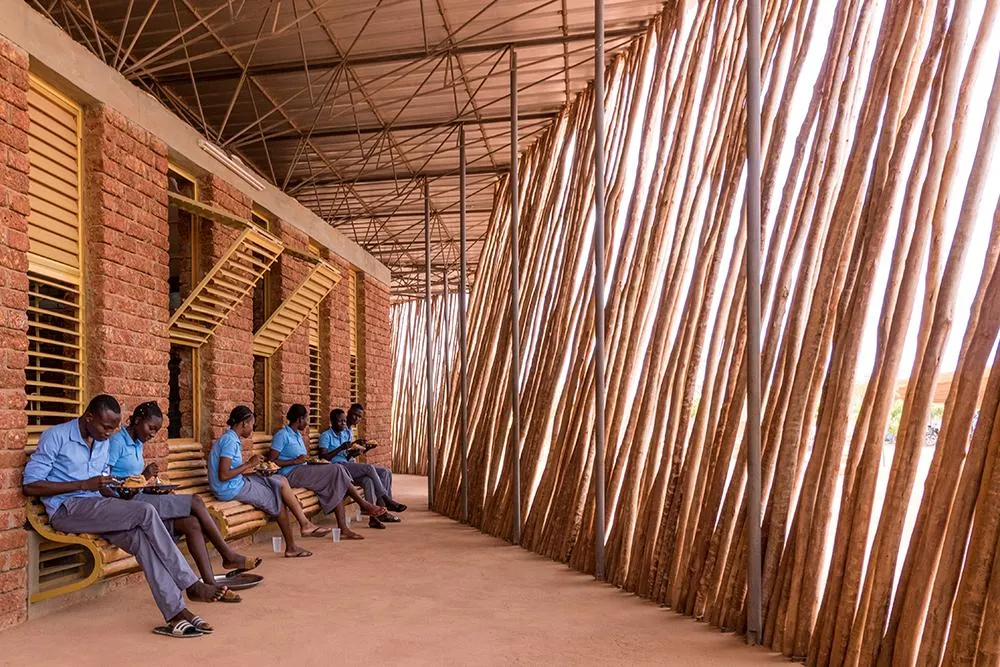
He founded Kéré Foundation and received his first Aga Khan Award for Architecture in 2004 for Gando Primary School, built from local materials and craftsmanship, celebrating the collaborative design approach. His work includes numerous educational and medical facilities across Burkina Faso, Kenya, Mozambique, and Uganda, empowering the community and providing vocational and training skills. He considers architecture a vehicle to establish dignity, culture, empowerment, education, and collective strength to improve people’s lives.
5. Anne Lacaton and Jean-Philippe Vassal: 2021, Pritzker Laureate
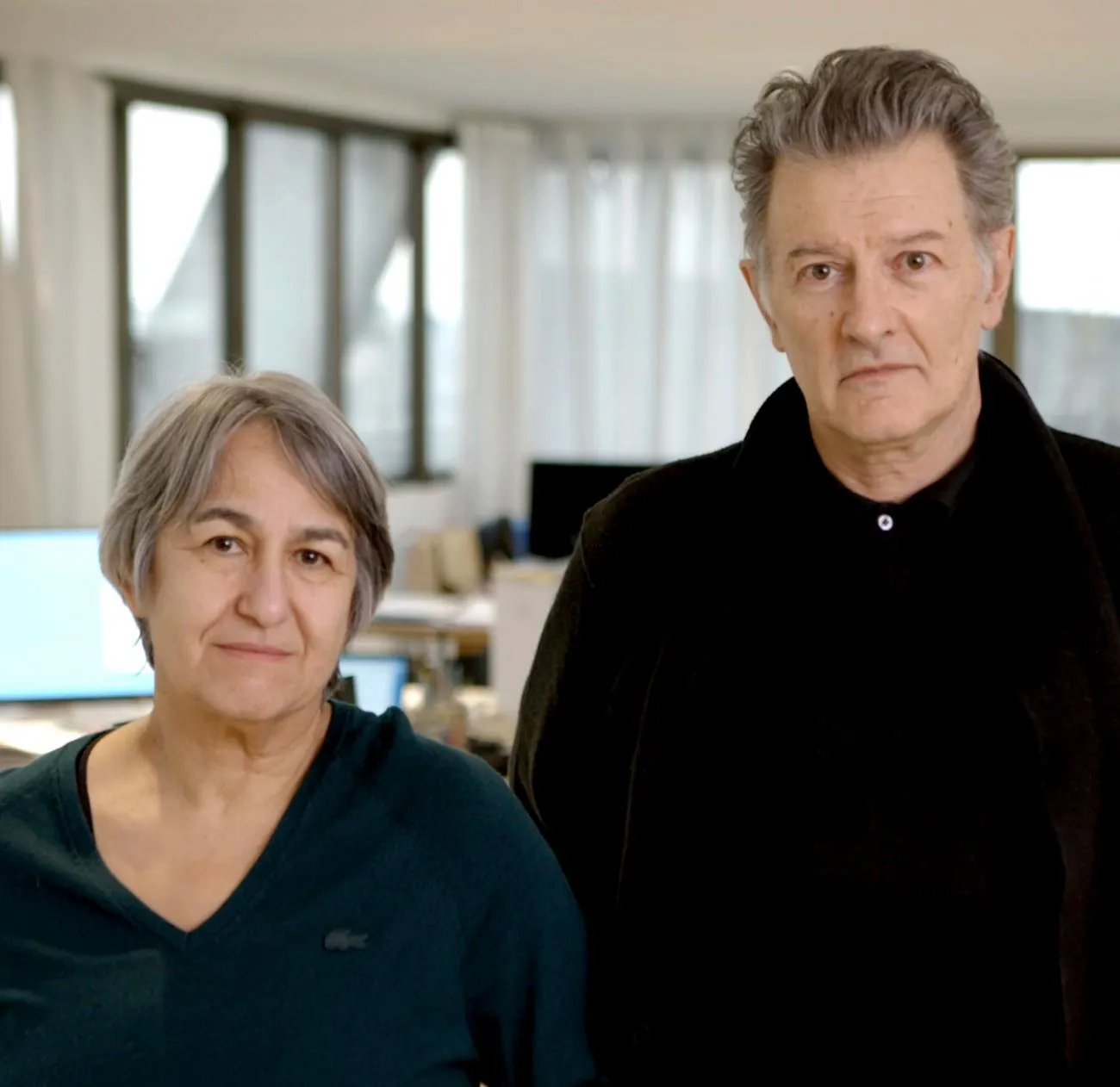
Anne Lacaton and Jean-Philippe Vassal, partners in life and architecture, envisioned their architectural philosophy from the resourceful communities of West Africa. They observed how in the field, people with nothing do everything and are optimistic, a profound lesson in life influenced their design style and commitment to sustainability. Known for bold designs and transformative architecture, they founded Lacaton & Vassal in Paris, building sustainable projects with the use of local materials and ecological strategies.
Adaptable designs that embrace the existing
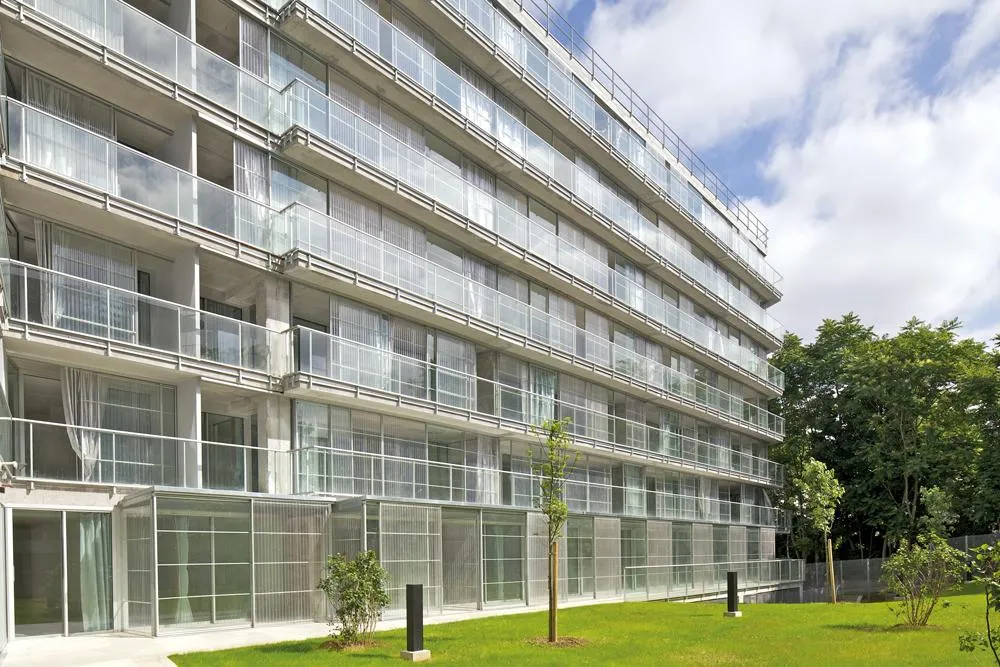
Their first project, a straw hut in Niamey, which was destroyed by wind within two years, taught them a deep lesson that never demolish what could be redeemed and instead, make sustainable what already exists. In Latapie House, they incorporated greenhouse techniques to craft bioclimatic conditions, bringing delicacy to the architecture, while transformation in Grand Parc Bordeaux fosters openness, flexible space that fosters the well-being of residents.
Masters of building affordable social housing, in Mulhouse and Chalon-sur-Saône, they crafted intelligent spaces through the selection of local materials, sustainable strategies, and emphasised economy and humanity.
6. Yvonne Farrell and Shelley McNamara: 2020, Pritzker Laureate
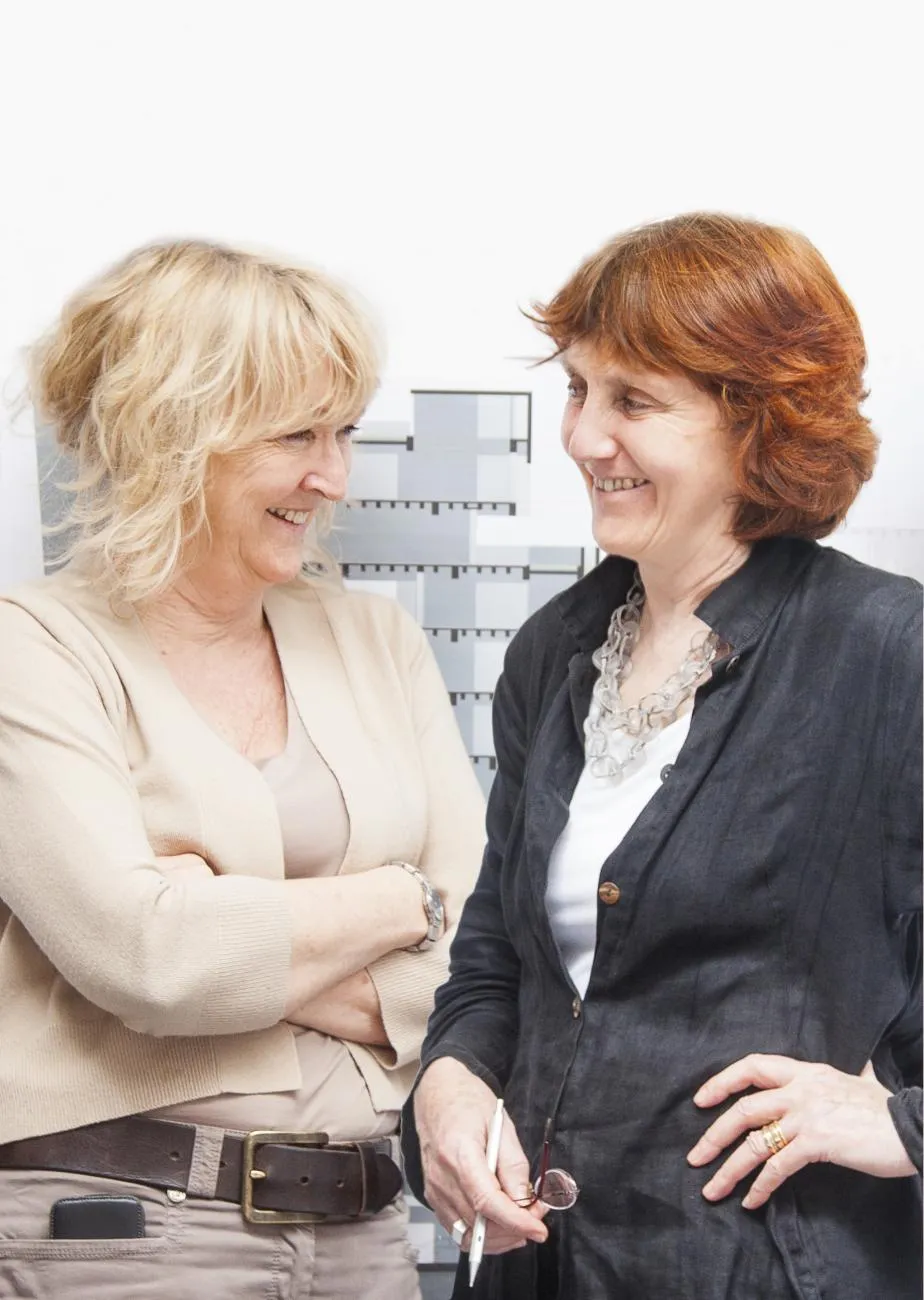
Offering a humble experiential journey, Yvonne Farrell and Shelley McNamara founded Grafton Architects, named after a famous street to emphasise the significance of location over individual ego. Influencing educator Farrell states that teaching is for us, a two-way thing; we learn from students, and students do the same. They are silent storyteller, radiating a deep respect for place, light, and human experience through their unique architectural projects.
Architects of Place, Light, and Learning
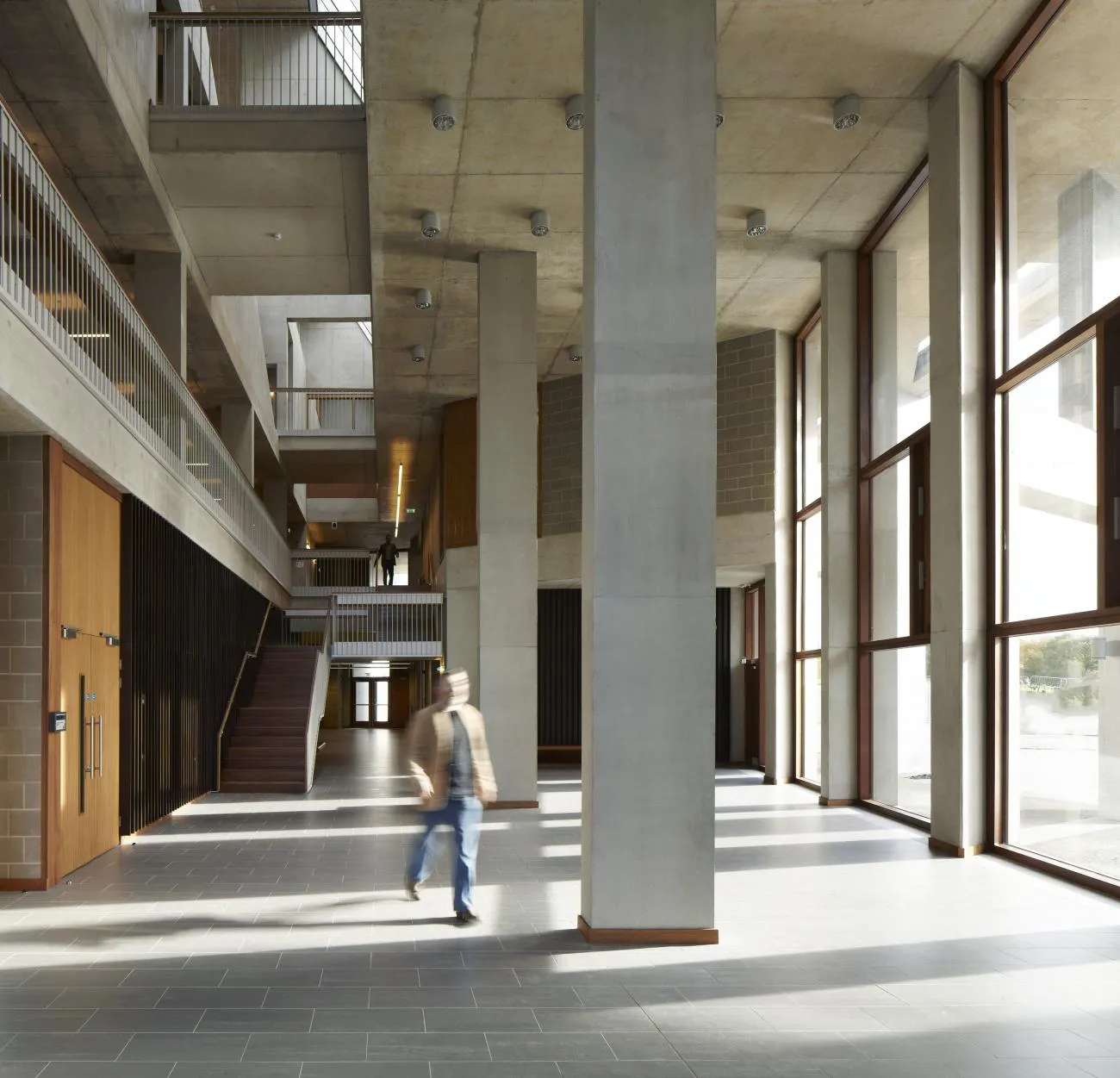
Yvonne Farrell and Shelley McNamara curated the 2018 Venice Architecture Biennale on the theme of freespace, where architecture is a gift; it is more than a function and enhances our lives by simple observation and moments.
Università Luigi Bocconi in Milan won World Building of the Year, and it symbolises their work and design language – mass, void, rhythm and light. Taught at Harvard, Yale, and ETH Zurich, their practice is grounded in teaching, where they explore architecture as a cultural act, shaped through dialogue and sensory experience.
7. Arata Isozaki: 2019, Pritzker Laureate
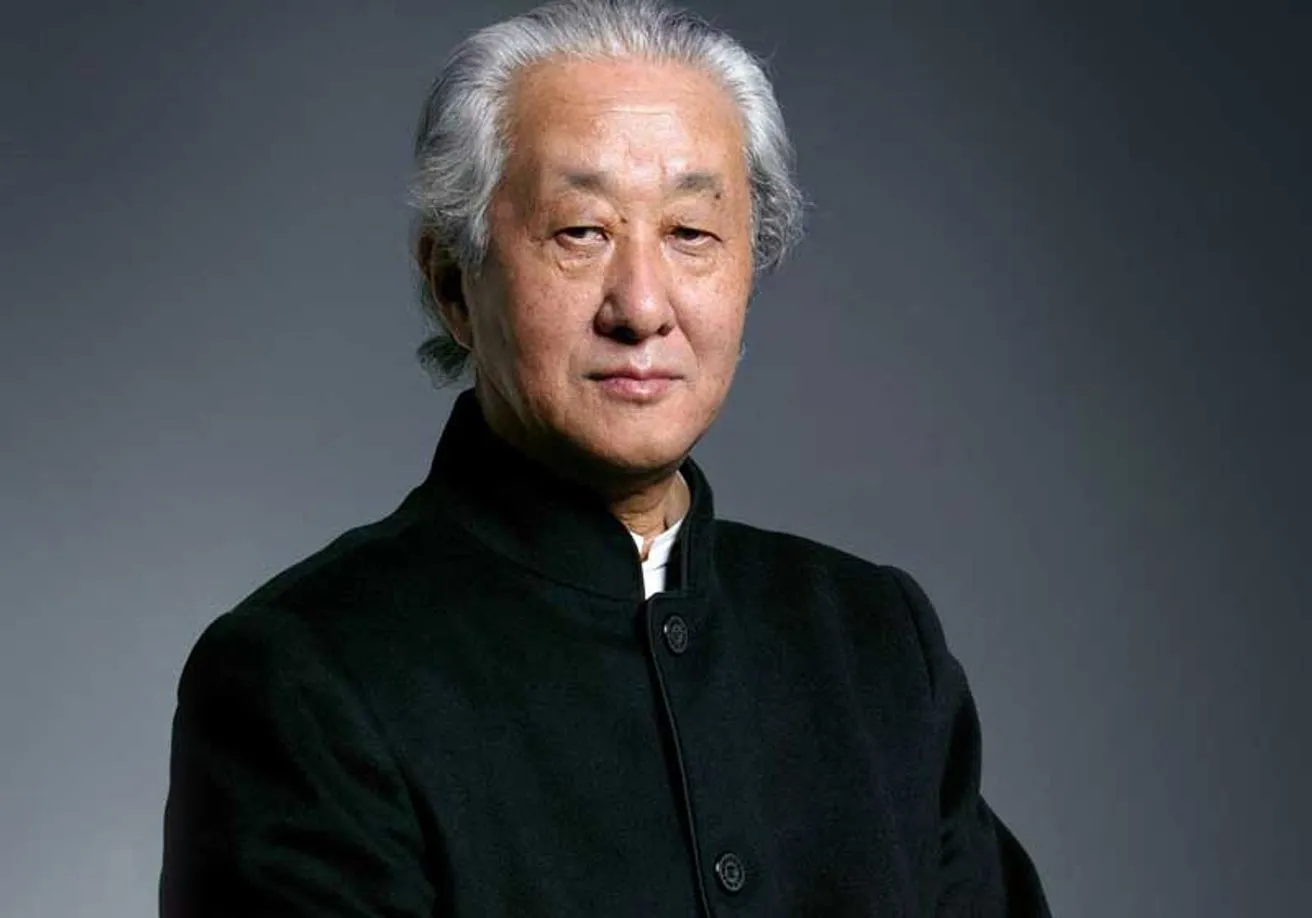
Arata Isozaki founded Arata Isozaki & Associates in 1963, mentored by Kenzo Tange, and deeply understood architecture through emptiness and absence. His design philosophy is rooted in a void in architecture, resulting in impermanence, adaptability, and the essential sensory experience of space. Embracing change, his work describes the symbolism of fluidity to the evolving needs of time, culture, and place, not defining any single style but his own style of experiencing.
Response to the void of architecture
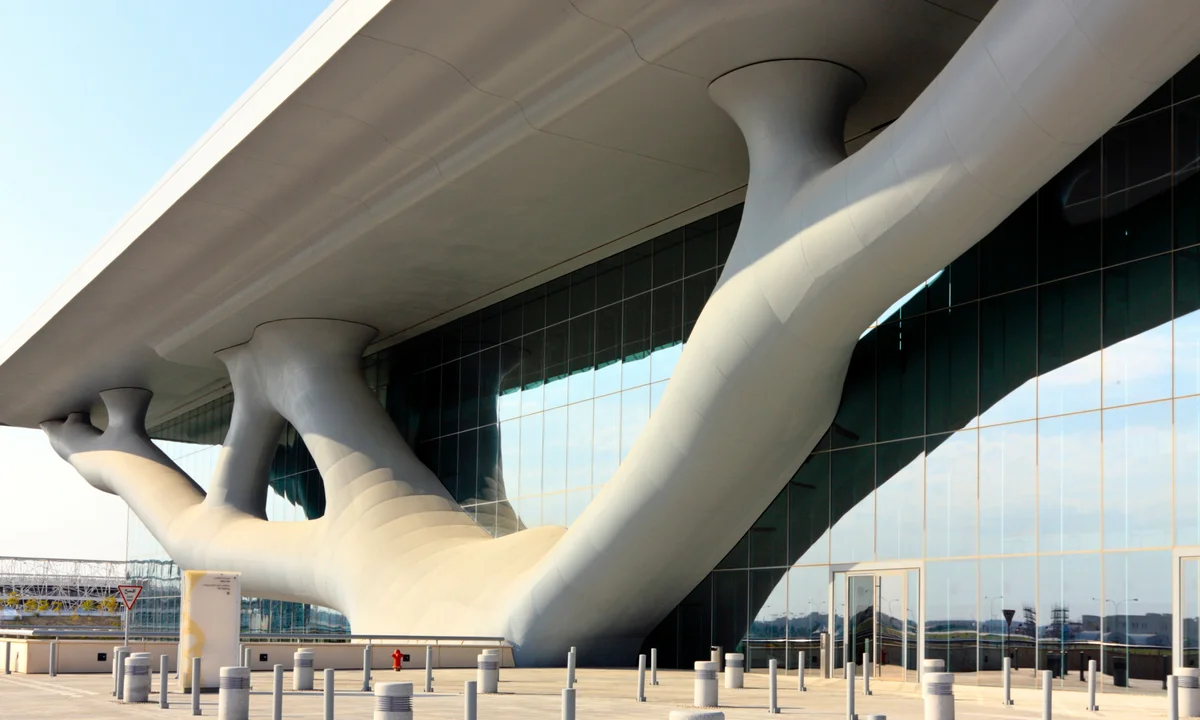
Arata Isozaki became the first Japanese architect to connect east and west, achieving international recognition for design sensibilities. He designed the famous Museum of Contemporary Art in Los Angeles, Palau Sant Jordi in Barcelona, Qatar National Convention Center in Doha, and the Shanghai Symphony Hall, and adapted his constant change style to blend with diverse cultural and functional contexts.
He demonstrated his skills to merge philosophy, futurism, and functionality in the high structure of the Allianz Tower in Milan or the poetic rhythms of the Central Academy of Fine Arts Museum in Beijing, often collaborating with Jasper Johns and Zaha Hadid.
8. Balkrishna Doshi: 2018, Pritzker Laureate
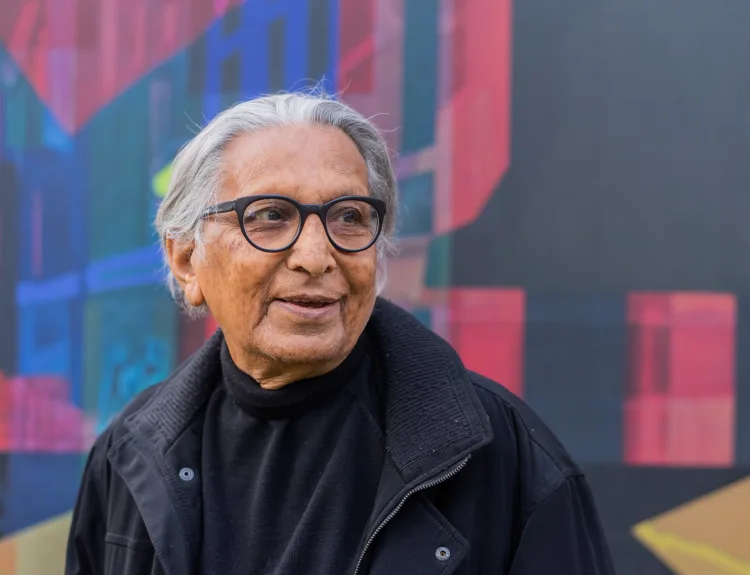
Balkrishna Doshi, a storyteller of weaving life and space together, merged memory, culture, and nature into every structure. Born into the family of furniture makers, he was introduced to carpentry, scale and proportion, volumes, craft from an early age, and that shaped his unique architectural language that feels resonating and personal. His works manifest a synchronicity of modernism and culture, reinterpreting the foundational understanding of principles through cultural wisdom.
Architecture Rooted in Life
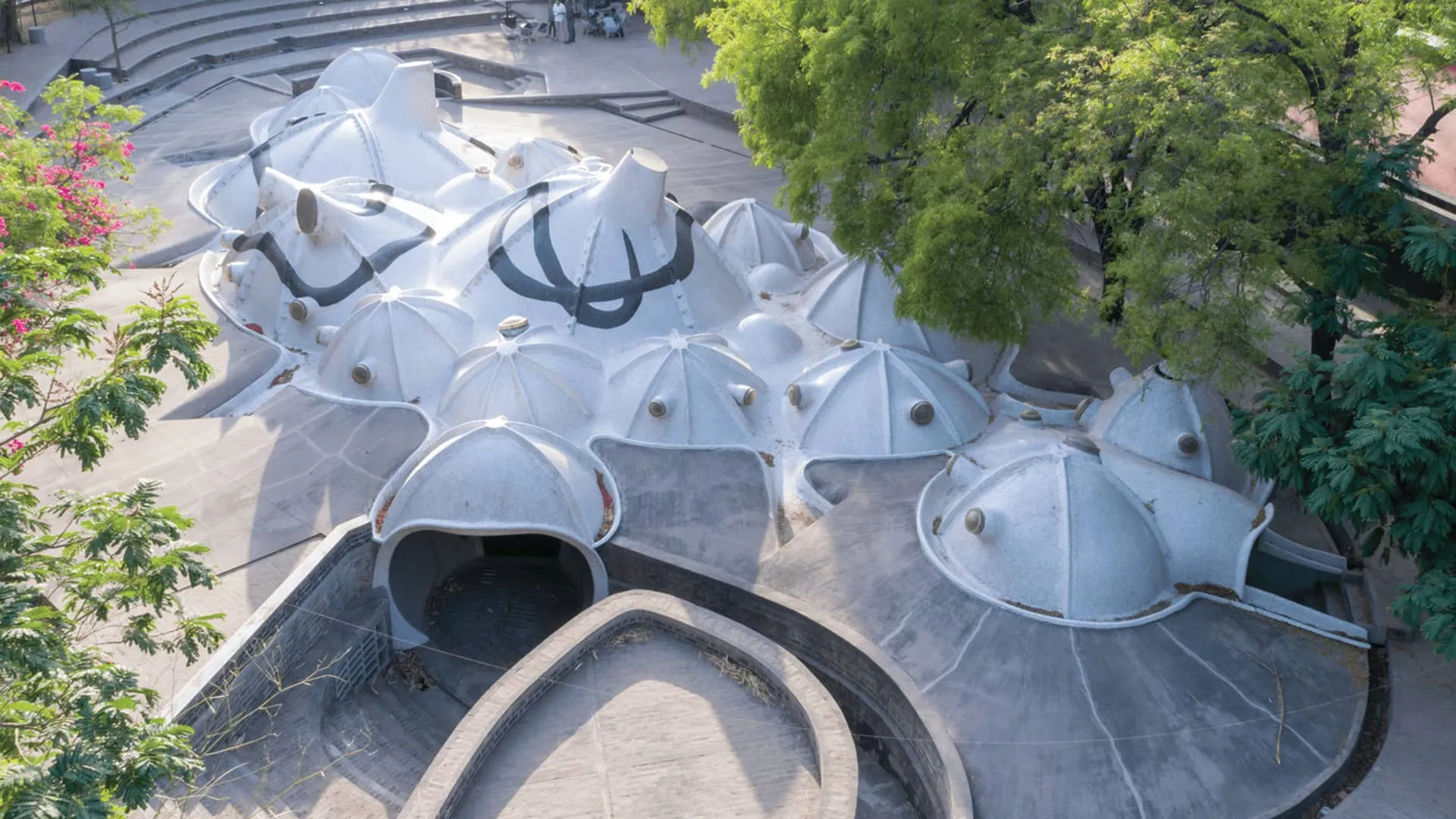
Founder of Vastushilpa Consultants, he collaborated with Louis Khan and Le Corbusier’s iconic projects in Chandigarh and Ahmedabad, blending Western learnings into artistic eastern culture. Among his diverse body of work, he designed Sangath, his architectural design studio, where culture, art, and sustainability are fostered to celebrate life in all its forms.
Working on a human scale, climate sensitive, and community engagement, he designed Aranya Community Housing with a belief that architecture must serve people. Doshi was not just a designer but a learner, educator, and thinker who inspired many students through his writing and teaching strategies.
9. RCR Arquitectes: 2017, Pritzker Laureate
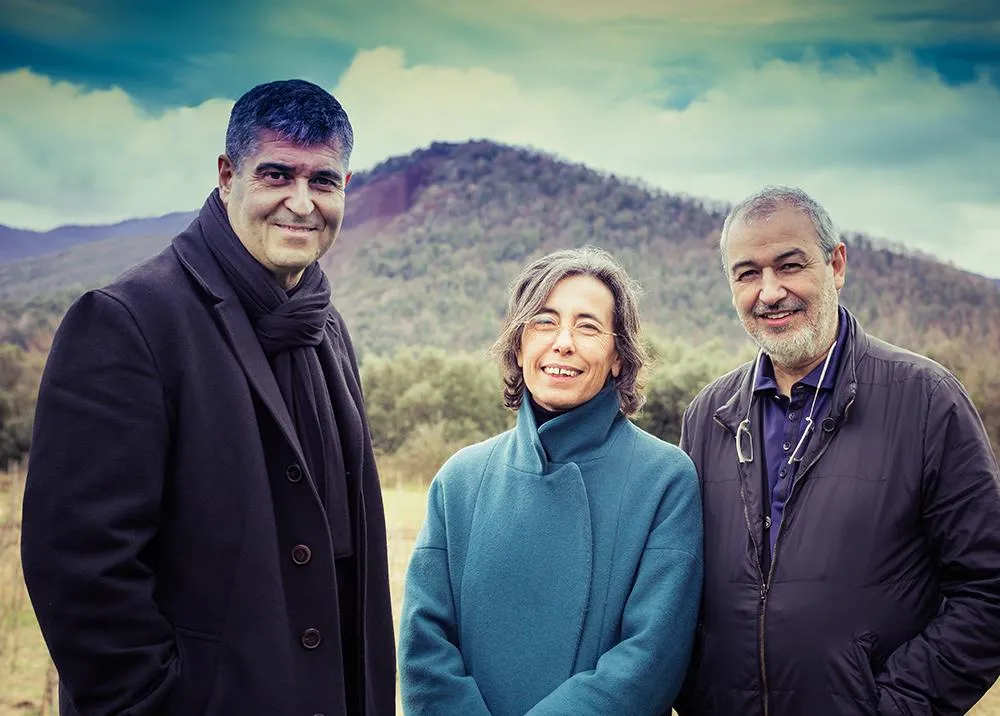
The Spanish architectural trio behind RCR Arquitectes, Rafael Aranda, Carme Pigem, and Ramon Vilalta, has carved a distinctive path in the global architectural realm with their unique design ideas and contemporary design.
Understanding the essence of typology, their approach of designing for each project’s core connects to the context through abstraction, materiality, and landscape composition. RCR’s architecture evolves from the landscape, shaped by rhythms and colours, and their designed buildings enrich the connection between abstraction and nature.
Architecture as Place, Memory, and Imagination
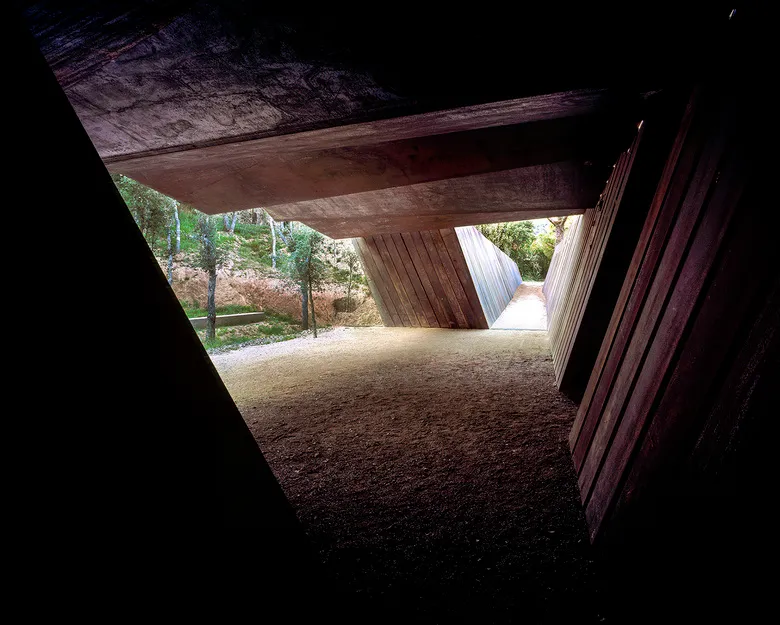
RCR’s work redefines the language of light, texture, and material, forming a dialogue between man and nature, tangible and intangible. Their unique use of weathered steel, stone, and glass allows structures to age and evolve with their surroundings. Appeared in Venice Biennale of Architecture (2000-2016), MoMA’s On-Site: New Architecture in Spain (2006), and RCR Arquitectes.
Shared Creativity in Barcelona and Madrid (2015, 2016), they ask a profound question, and invite us to discover architecture that doesn’t shout. Worked as a consulting designer to the Natural Park in the Volcanic Zone of La Garrotxa, showcasing their commitment to sustainability and ecological practices.
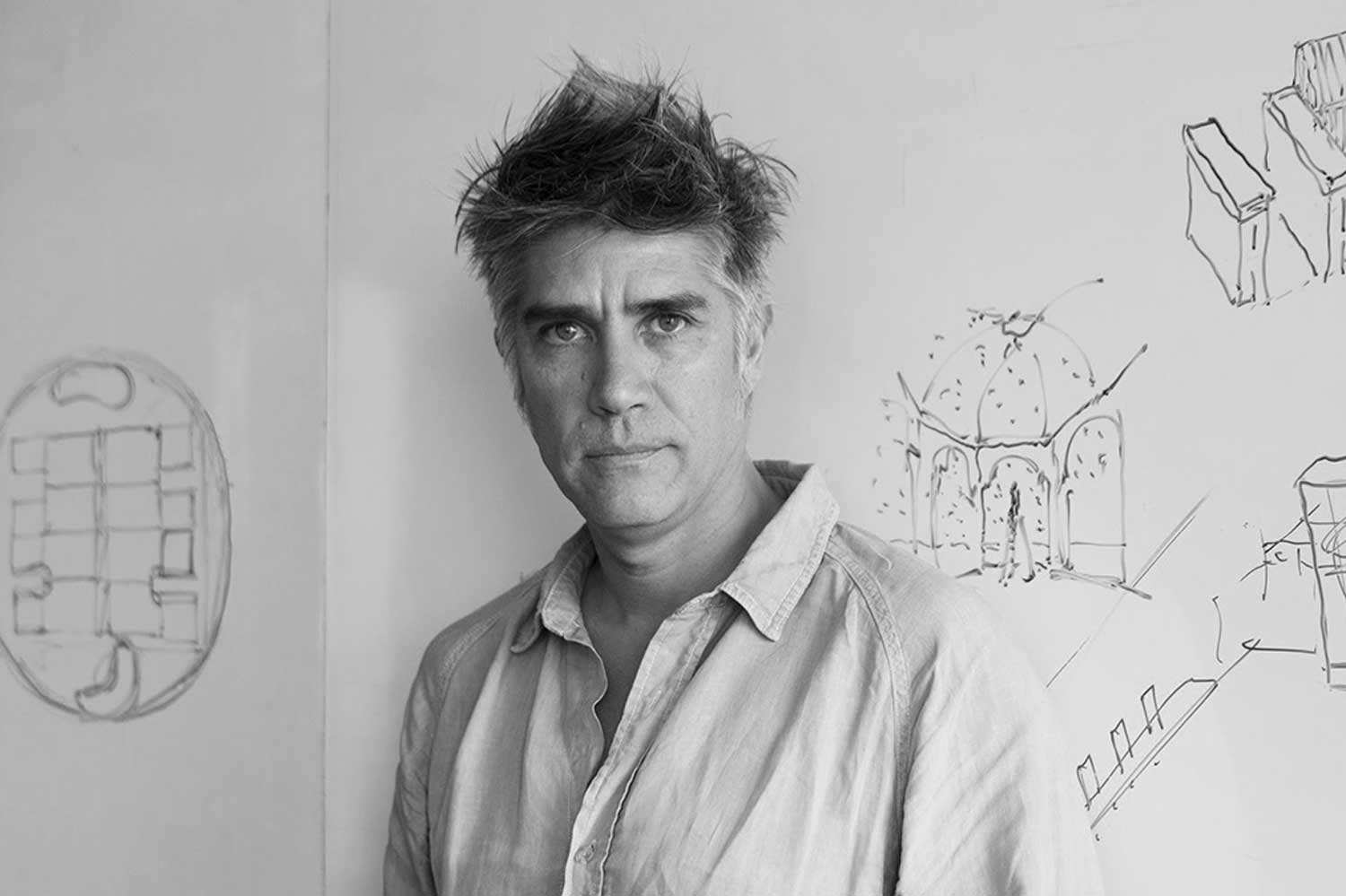
10. Alejandro Aravena: 2016, Pritzker Laureate
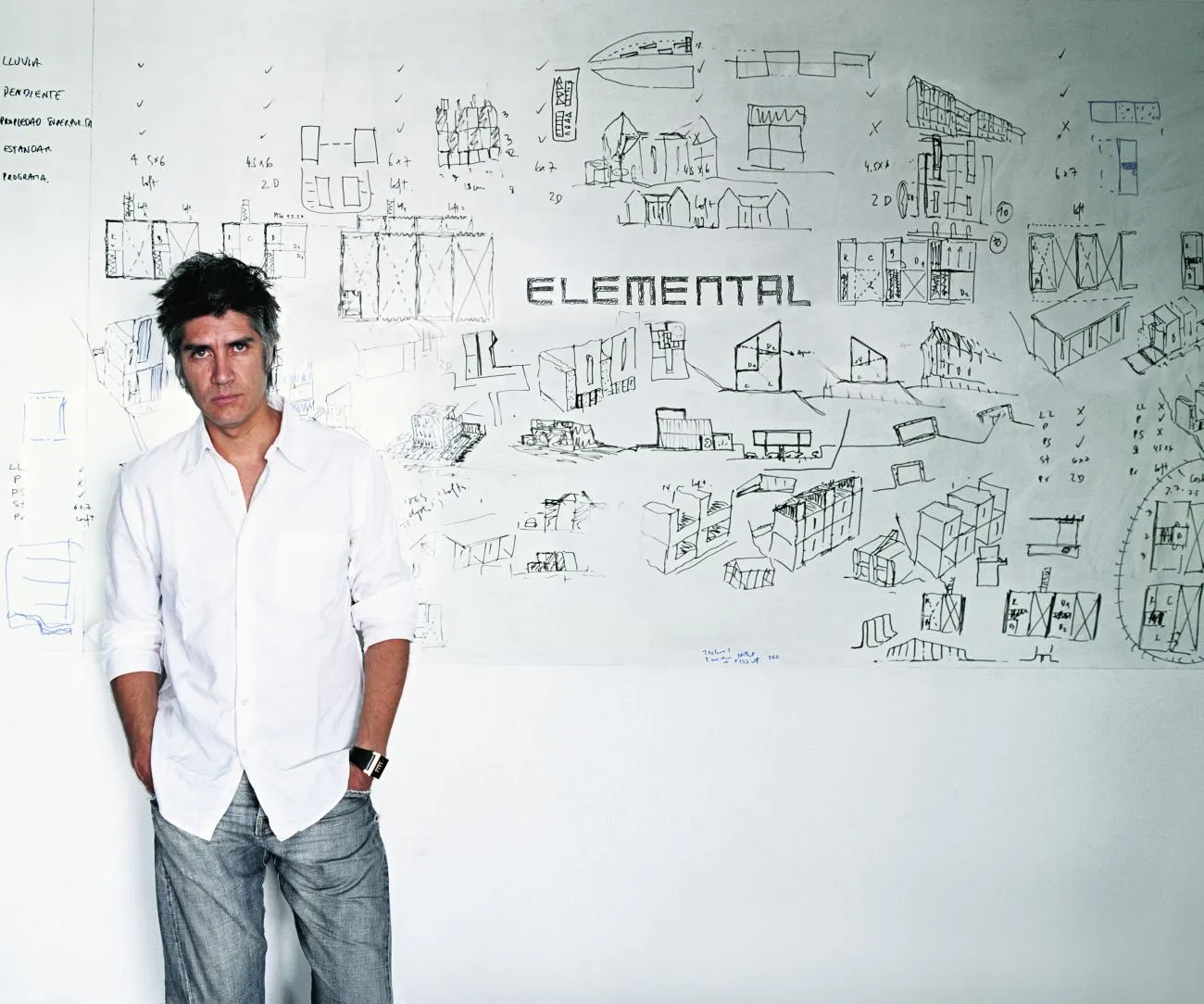
A Chilean Architect, Alejandro Aravena, addresses global design challenges, particularly focusing on social housing and public interest projects. Founder of Alejandro Aravena Architects and ELEMENTAL in 2001, he focused on finding practical solutions for public spaces and infrastructure. Aravena’s partners in ELEMENTAL include Gonzalo Arteaga, Juan Cerda, Victor Oddó, and Diego Torres, highlighting a collaborative approach to design.
Architecture is about giving form to the places where people live. It is not more complicated than that. But that simple sentence requires understanding reality.”
— Alejandro Aravena
Socially conscious design
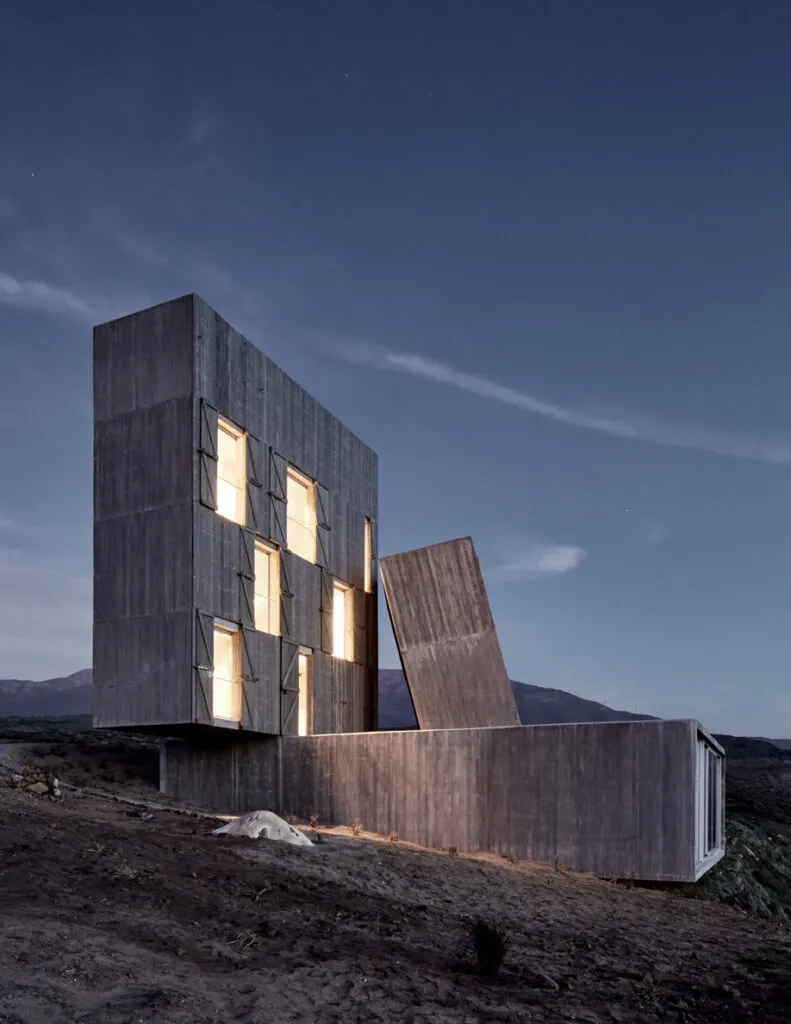
The ELEMENTAL team worked directly with the local communities affected by the 2010 earthquake and tsunami in Chile to listen to their problems before designing any structure. He focuses on using practical solutions in a poetic way to form flexible spaces, especially acclaimed in incremental housing projects. Diving deep into the society fabric of lifestyle, he believes that architecture must be transparent, inclusive, and replicable.