






• Submit Project
  • Advertise
  • NewsLetter
PA | Architecture and Technology
Courses
  • Articles
    • Archipreneurs
    • Technology
    • Bim / Aec
    • 3D Printing
    • Architects
    • Artificial Intelligence
    • Robotics
    • Sustainability
    • Tools
    • Case Study
    • City Guide
    • Opinions
    • Interviews
    • Architecture & Design
      • Urbanism
      • Metaverse
      • Space Architecture
      • Geography
  • Projects
    • Architecture
    • Interior
    • Design
      • Fashion
      • Pavilion
      • Installation
      • Digital Art
      • Landscape Design
    • Products
  • News
  • Workshops
  • PA Talks
  • Videos
  • Books
  • More
    • PA+ Membership
    • Competitions
    • Courses
    • Events
    • Jobs
    • About Us
    • Contact Us
Font ResizerAa
PA | Architecture and TechnologyPA | Architecture and Technology
Search
  • Articles
  • Projects
  • News
  • Workshops
  • PA Talks
  • Videos
  • Books
  • Advertise
  • Submit Project
  • NewsLetter
  • Contact Us
Have an existing account? Sign In
Follow US

Home - Articles - Architecture & Design - 10 Must-Know Postmodern and Contemporary Styles Transforming Architecture

Architecture & Design

10 Must-Know Postmodern and Contemporary Styles Transforming Architecture

Last updated: October 30, 2025 8:46 am
Priyanshi Shah
Priyanshi Shah
ByPriyanshi Shah
Priyanshi Shah, is an architectural content writer who sees architecture as a reflection of life itself. She blends her love for reading, traveling, and poetry to...
Follow:
Share
10 Must-Know Postmodern and Contemporary Styles Transforming Architecture
Postmodern and Contemporary Styles © Zaha Hadid
10 Must-Know Postmodern and Contemporary Styles Transforming Architecture
MidJourney exploration © Arturo Tedeschi
10 Must-Know Postmodern and Contemporary Styles Transforming Architecture
Spaceport America © Foster + Partners
10 Must-Know Postmodern and Contemporary Styles Transforming Architecture
Circular Timber Stadium © VUILD
10 Must-Know Postmodern and Contemporary Styles Transforming Architecture
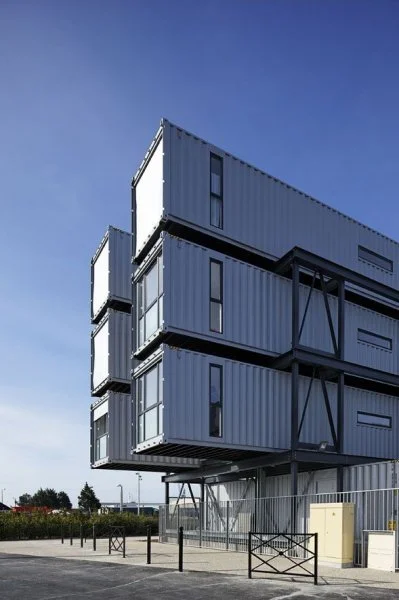
Cite A Docks – Le Havre © Cattani Architects
10 Must-Know Postmodern and Contemporary Styles Transforming Architecture
Tiny House © Boxabl
10 Must-Know Postmodern and Contemporary Styles Transforming Architecture
Apple Park © Foster + Partners
10 Must-Know Postmodern and Contemporary Styles Transforming Architecture
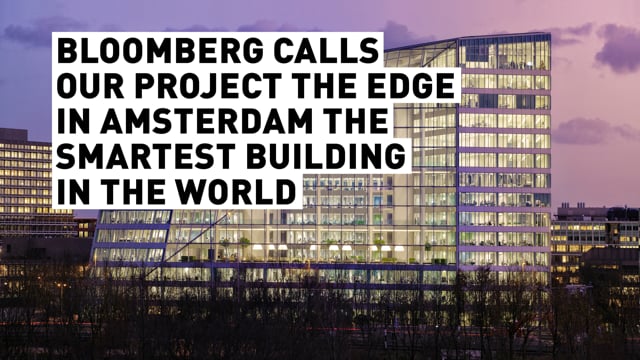
The Edge © PLP Architecture
10 Must-Know Postmodern and Contemporary Styles Transforming Architecture
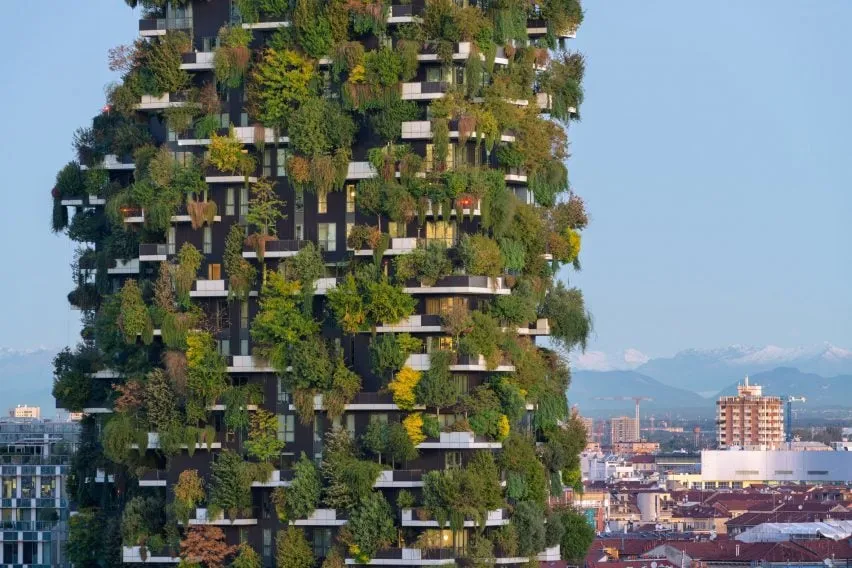
Bosco Verticale © Boeri Studio
10 Must-Know Postmodern and Contemporary Styles Transforming Architecture
Capital Spring Tower (Singapore) © Bjarke Ingels Group (BIG)
10 Must-Know Postmodern and Contemporary Styles Transforming Architecture
Al Janoub Stadium for FIFA World Cup © Zaha Hadid Architects
10 Must-Know Postmodern and Contemporary Styles Transforming Architecture
Dongdaemun Design Plaza © Zaha Hadid Architects
10 Must-Know Postmodern and Contemporary Styles Transforming Architecture
City of Arts and Sciences © Santiago Calatrava
10 Must-Know Postmodern and Contemporary Styles Transforming Architecture
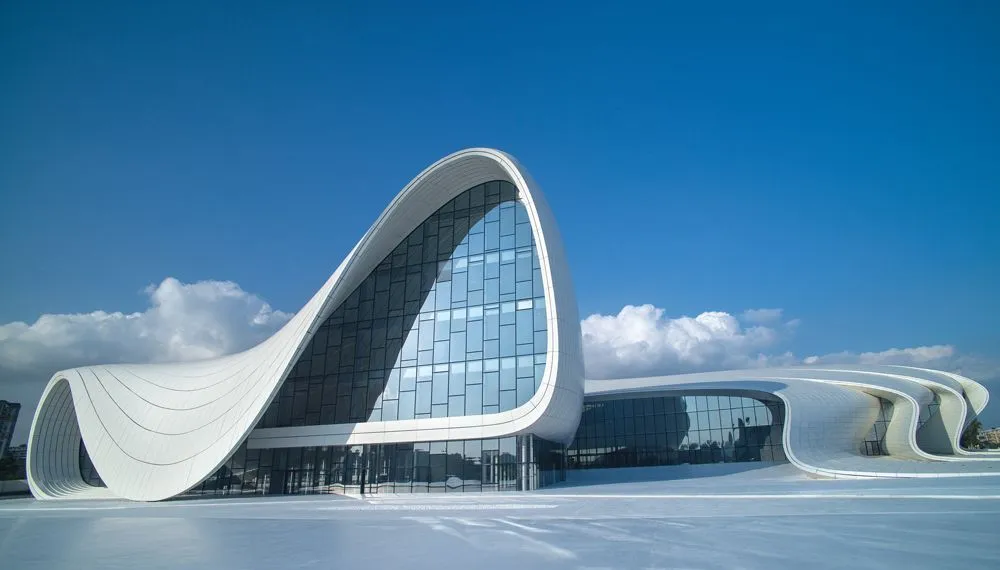
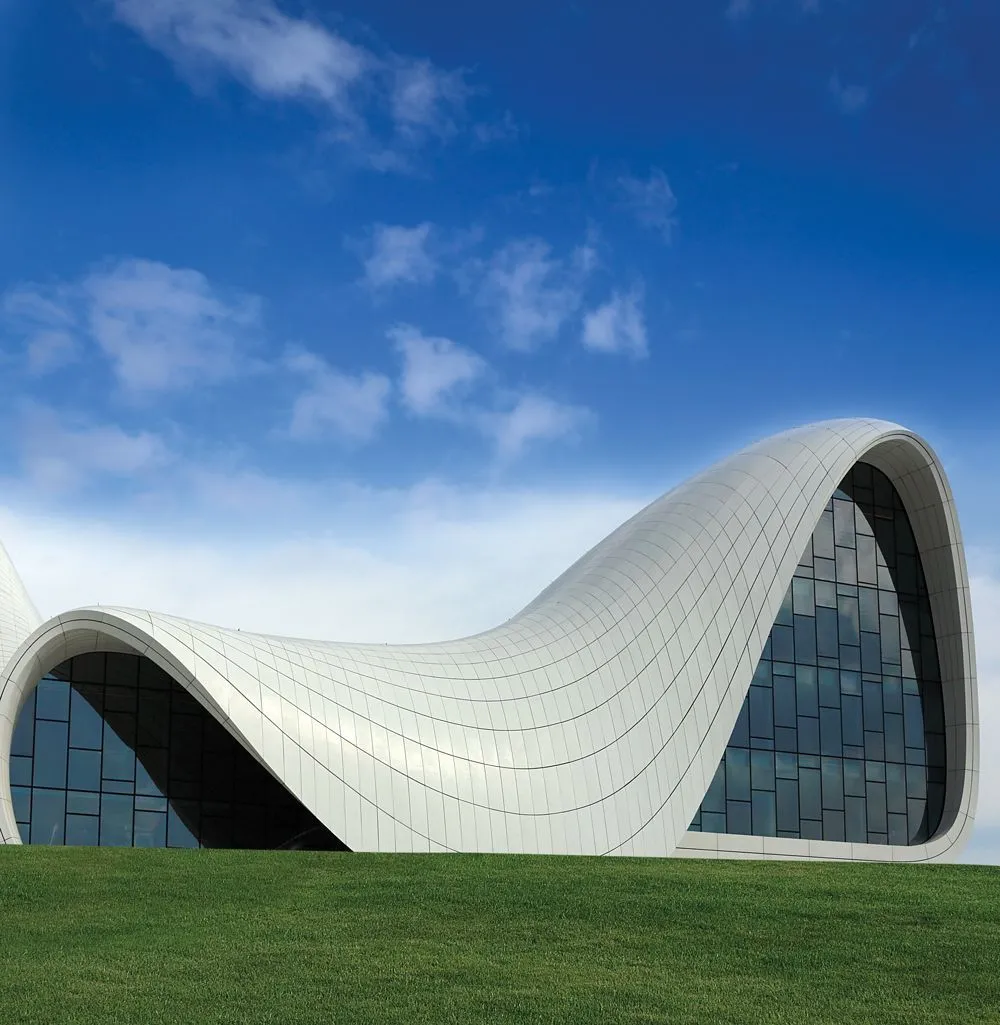
Heydar Aliyev Center © Zaha Hadid
10 Must-Know Postmodern and Contemporary Styles Transforming Architecture
Reichstag Dome © Norman Foster
10 Must-Know Postmodern and Contemporary Styles Transforming Architecture
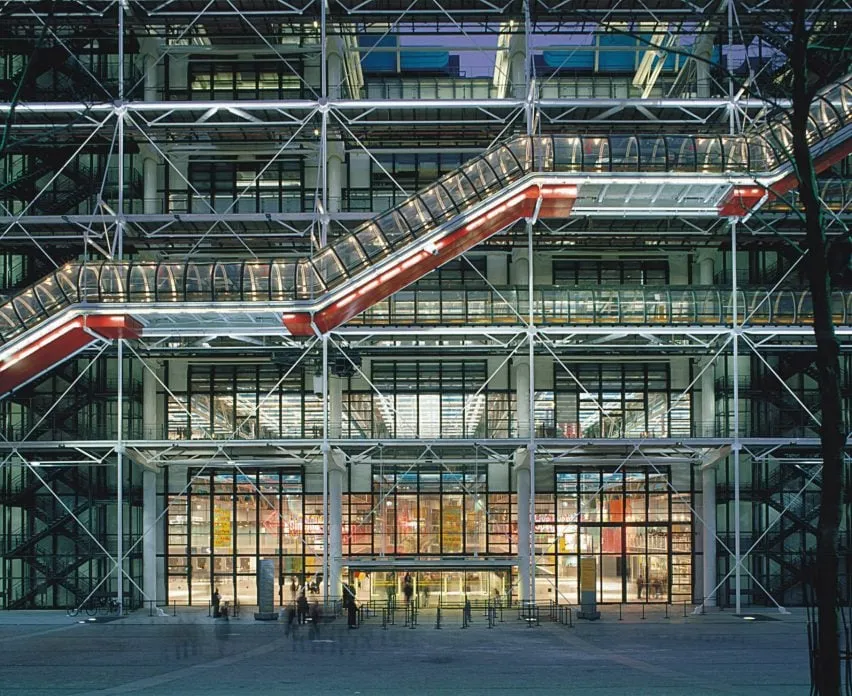
Centre Pompidou © Michel Denancé, Richard Rogers & Renzo Piano
10 Must-Know Postmodern and Contemporary Styles Transforming Architecture
Jewish Museum © Denis Esakov, Studio Libeskind
10 Must-Know Postmodern and Contemporary Styles Transforming Architecture
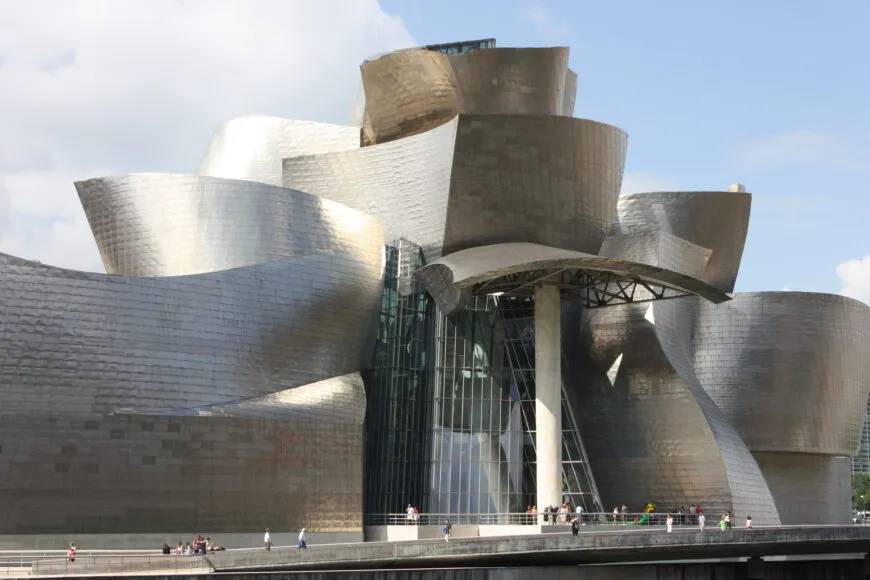
Guggenheim Museum Bilbao © Ardfern
10 Must-Know Postmodern and Contemporary Styles Transforming Architecture
AT&T Building / Philip Johnson + John Burgee © Flicker
10 Must-Know Postmodern and Contemporary Styles Transforming Architecture
Piazza d'Italia by Charles Moore © The Cultural Landscape Foundation
10 Must-Know Postmodern and Contemporary Styles Transforming Architecture
List of Images 1/57
10 Must-Know Postmodern and Contemporary Styles Transforming Architecture
SHARE

Architecture has always evolved in dialogue with its time, reacting to culture, technology, and the human need for meaning. When modernism’s glass boxes began to feel too sterile, a new generation of architects rebelled with color, irony, and complexity.

Contents
  • 1. Postmodernism
  • 2. Deconstructivism
  • 3. Structural Expressionism
  • 4. Neo-Futurism
  • 5. Parametricism
  • 6. Biophilic Design
  • 7. Sustainable Architecture
  • 8. Smart/IoT-Integrated Architecture
  • 9. Modular and Prefabricated Construction
  • 10. Retro-futurism
  • The Next Wave of Architectural Style

Today, that spirit of reinvention continues. From parametric expressionism and eco-futurism to deconstructivist forms and digital minimalism, contemporary architecture is once again expanding the boundaries of how we build and why. These ten styles tell the story of that transformation, how architecture moved from rebellion to reinvention, and how each approach is reshaping the way we experience space in the 21st century.

1. Postmodernism
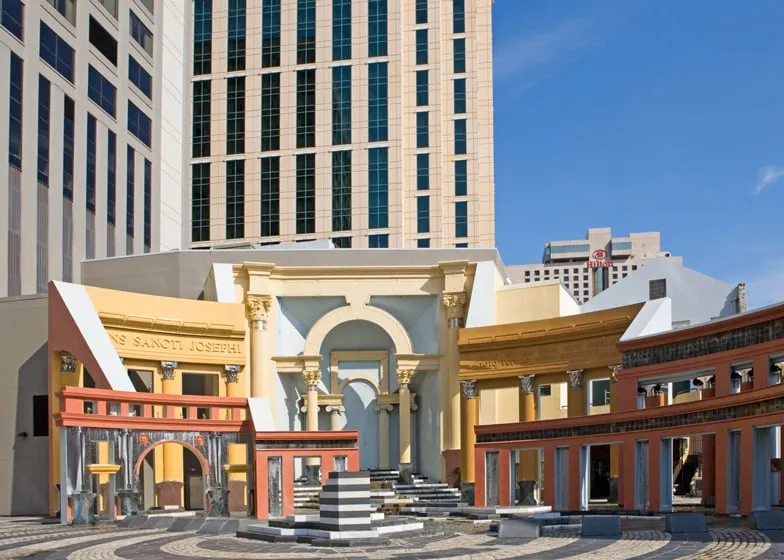
10 Must-Know Postmodern and Contemporary Styles Transforming Architecture
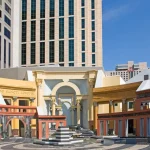
Piazza d’Italia by Charles Moore © The Cultural Landscape Foundation

Started in the late 20th century, postmodernism is a design movement that emerged as a result of a reaction against minimalism and the functional style of modernism. The postmodern architectural style focused on bold aesthetics, historical significance, and playful spatial design, reintroducing ornamentation, symbolism, and complexity to built form, embracing diversity, eclecticism, and decorative detail.
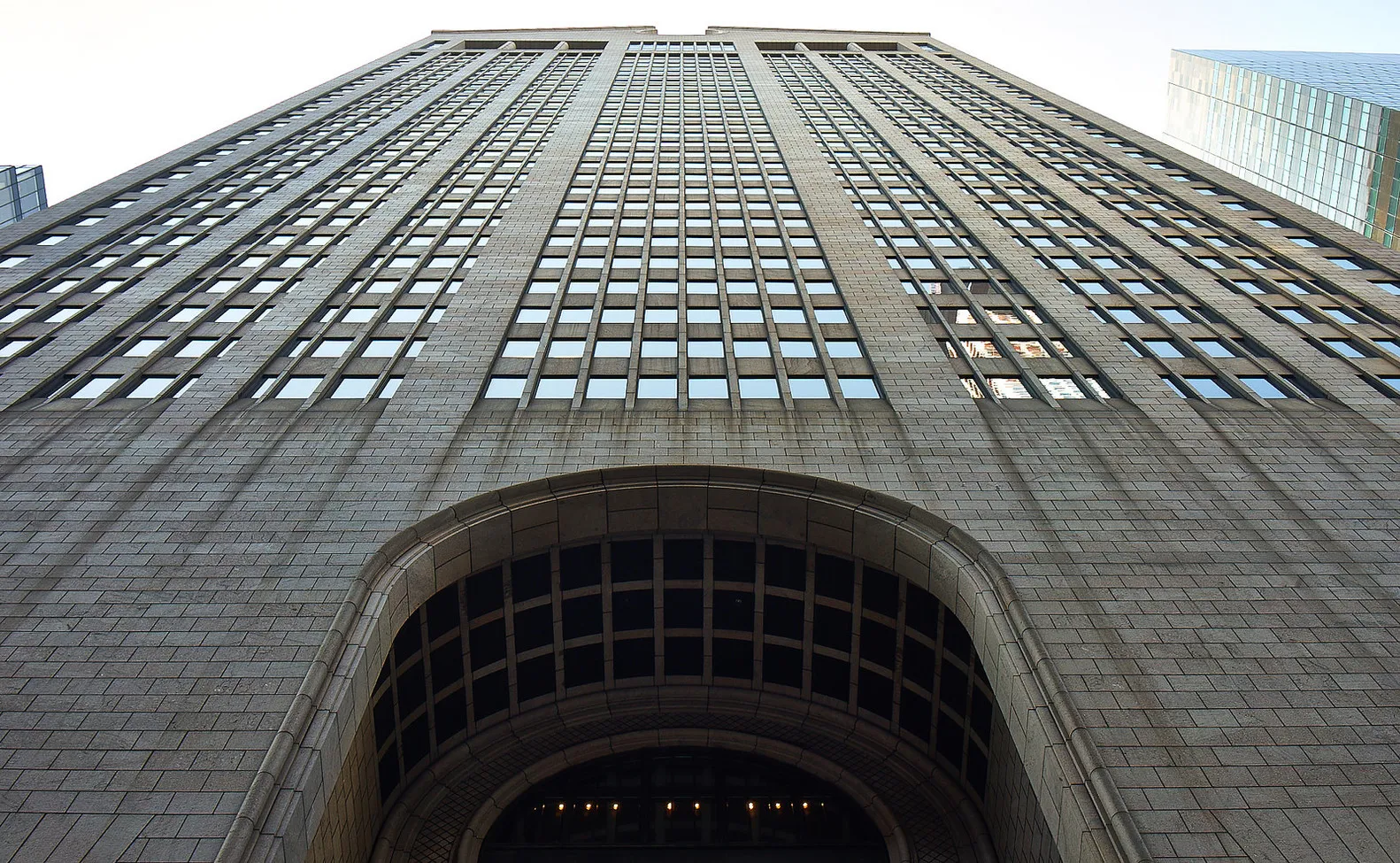
10 Must-Know Postmodern and Contemporary Styles Transforming Architecture
AT&T Building / Philip Johnson + John Burgee © Flicker

It began in the late 1960s and gained popularity in the 1970s and 1980s. It was widely adopted by architects like Robert Venturi, Michael Graves, and Philip Johnson, who challenged the uniformity and expressive aesthetic. Complexity and Contradiction in Architecture, a book by Robert Venturi, is often considered the starting point of the postmodern movement.

Key Features of Postmodernism

  • Ornamentation: Focuses on the creative use of decorative elements that carry symbolic meaning.
  • Historical References: Blends elements from classical, Gothic, Renaissance, or Art Deco styles.
  • Eclecticism: A mix of materials, colors, and styles that challenge architectural norms.
  • Spirited: Designs often include whimsical or unconventional features.
  • Complex Structures: Emphasis on asymmetry, fragmentation, and unexpected shapes.

2. Deconstructivism
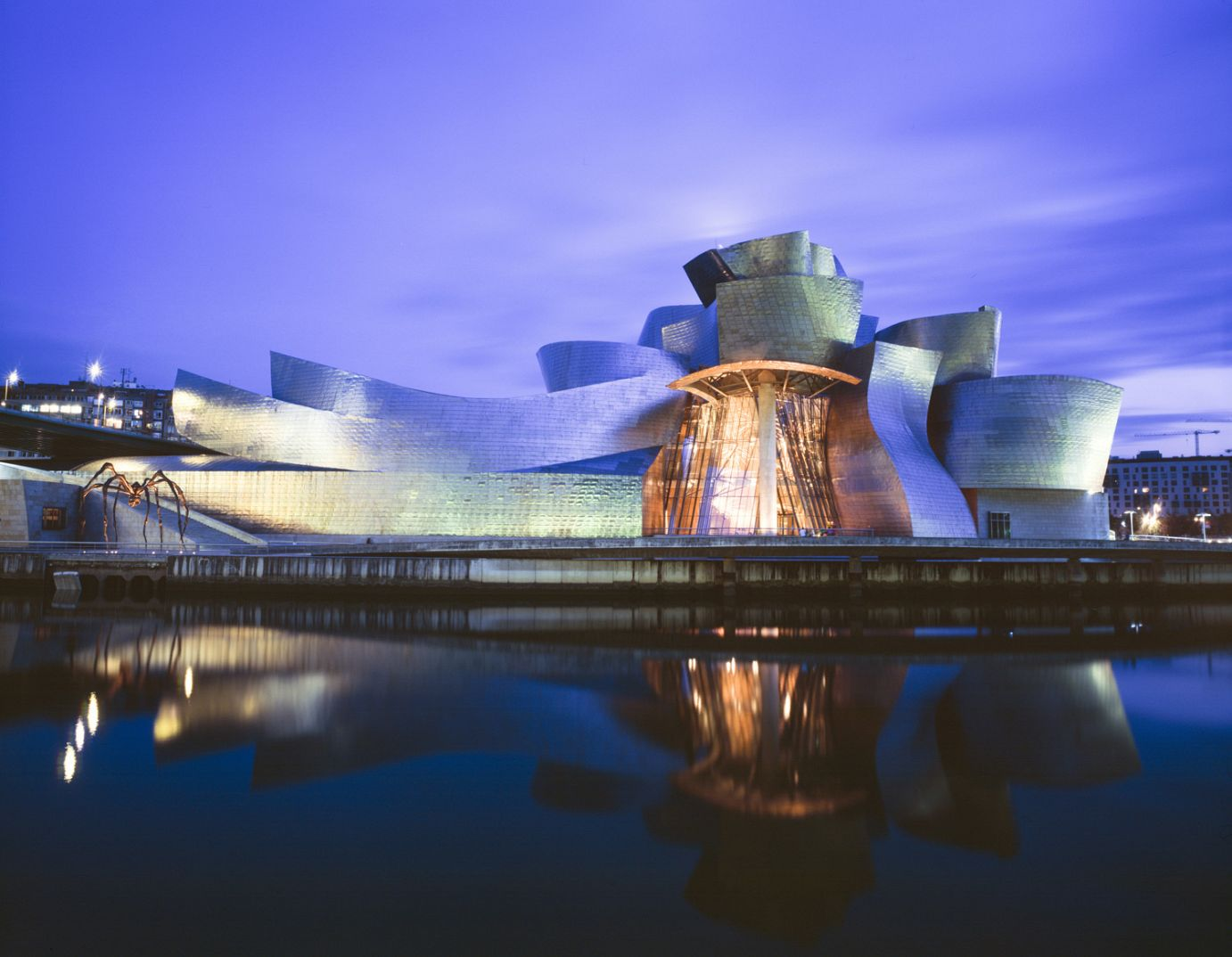
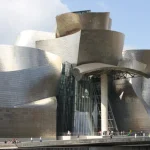
Guggenheim Museum Bilbao © Ardfern

Deconstructivist architecture is a radical style characterized by fragmentation, asymmetry, curvilinearity, or disordered forms that represent the sense of unpredictability and disrupt symmetry, harmony, and clarity. It pursues form following function, blending structure, functionality, and perception to decipher emotive spaces.
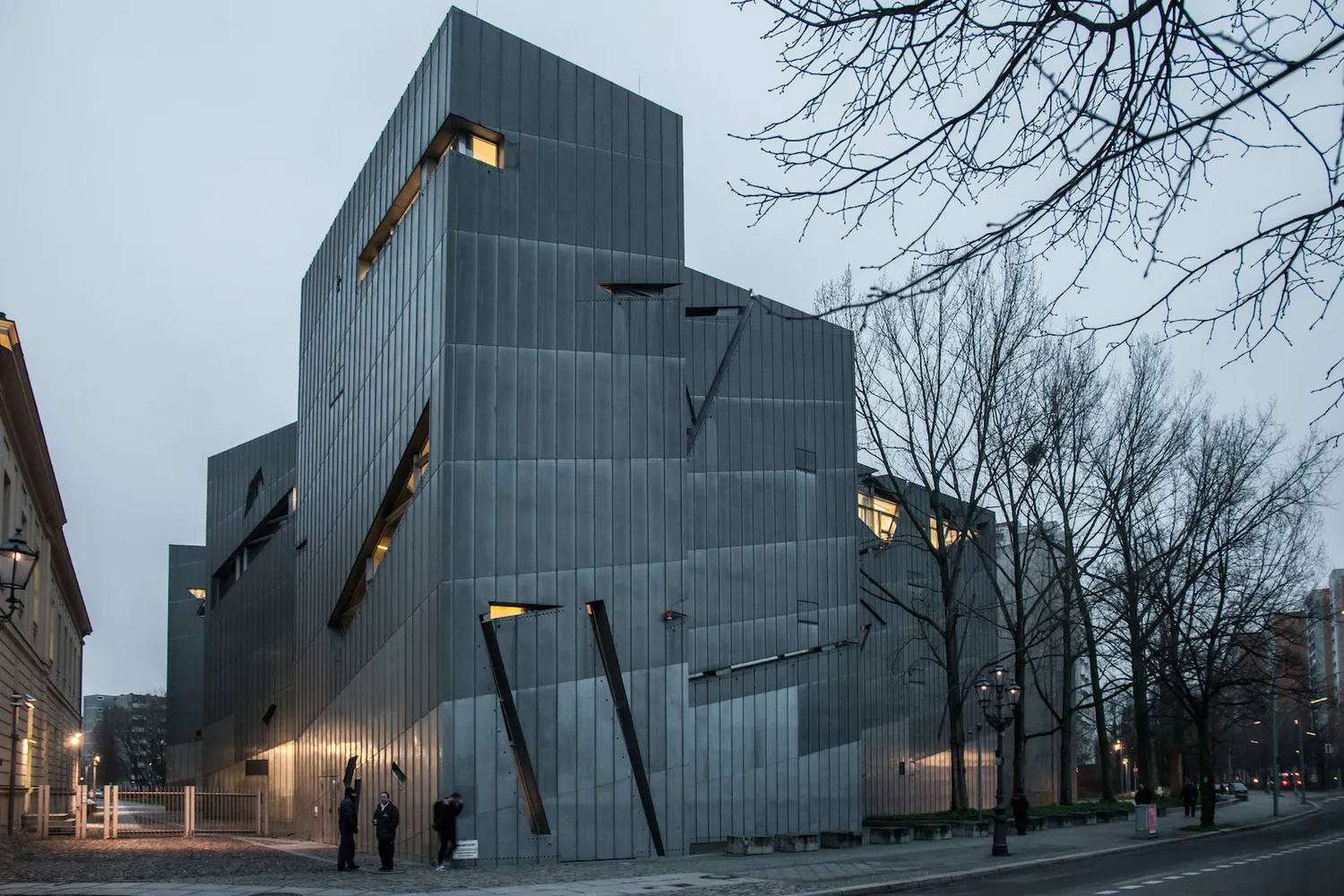
10 Must-Know Postmodern and Contemporary Styles Transforming Architecture
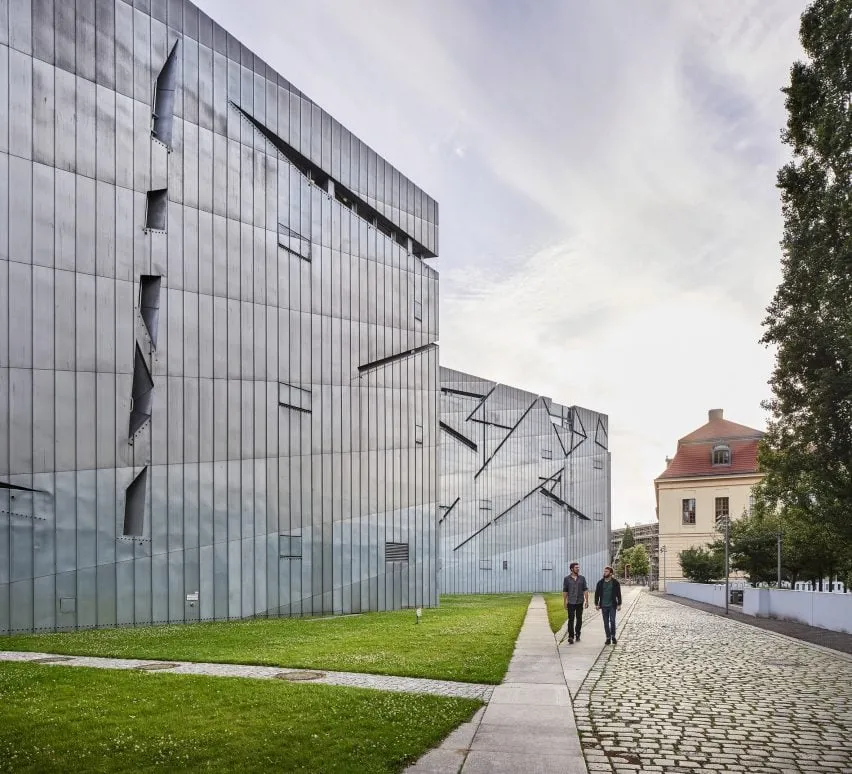
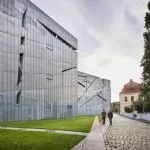
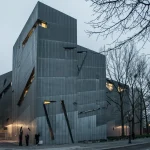
Jewish Museum © Denis Esakov, Studio Libeskind

Emerging in the 1980s, it aims to create design that rejects logic, order, and structural aesthetics, instead focusing on creating expressive, provocative built forms that question traditional norms. The 1988 Museum of Modern Art (MoMA) exhibition Deconstructivism in Architecture introduced the style to a broad audience, showcasing architects like Frank Gehry, Zaha Hadid, Daniel Libeskind, and Bernard Tschumi.

Key Features of Deconstructivism

  • Fragmentation: Buildings are made to look as if they are being pulled apart, deconstructed into parts.
  • Non-linear shapes: Use of warped, tilted, or dislocated forms.
  • Unconventional materials: a mix of glass, metal, concrete, and exposed frameworks.
  • Disruption of logic: Rejection of symmetry, order, and traditional arrangement.
  • Dynamic appearance: Buildings often appear as playful and bold contrasts

3. Structural Expressionism

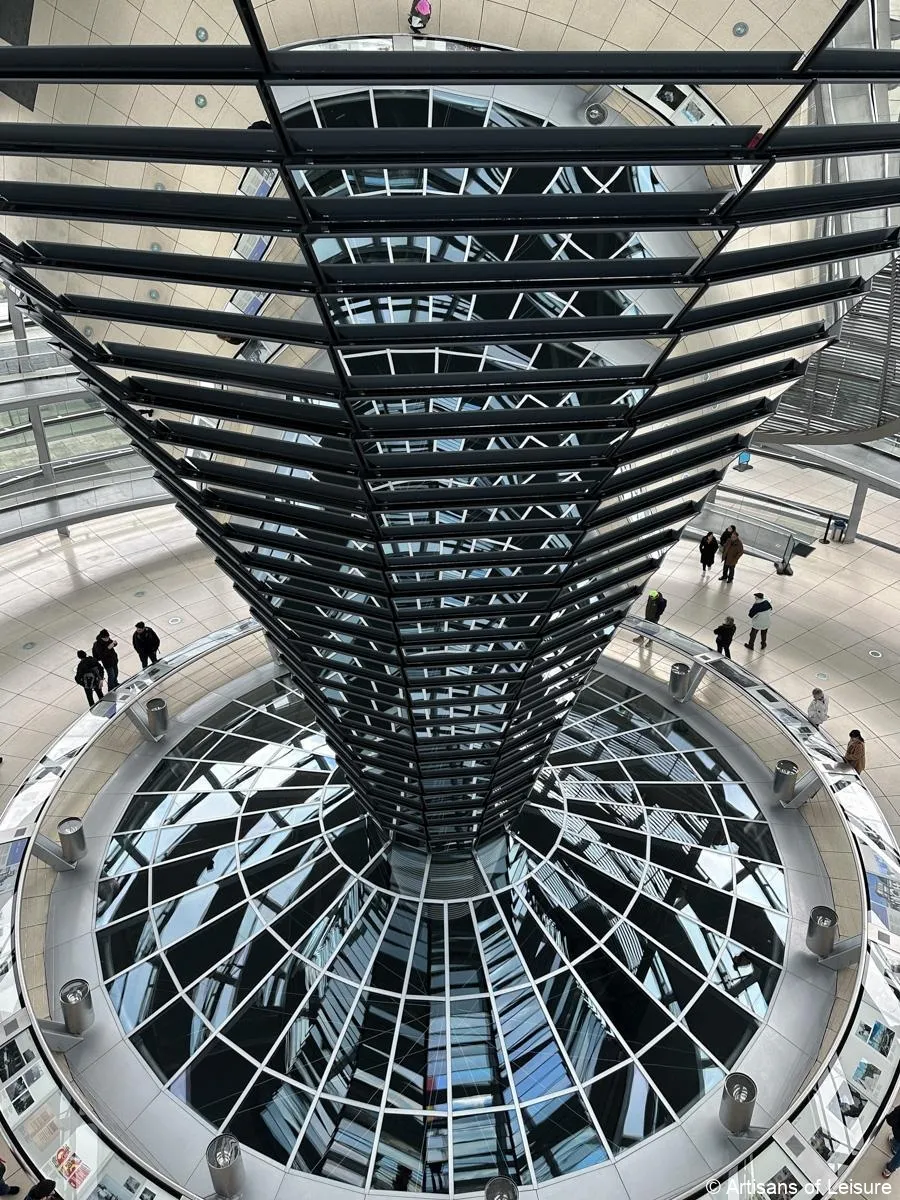
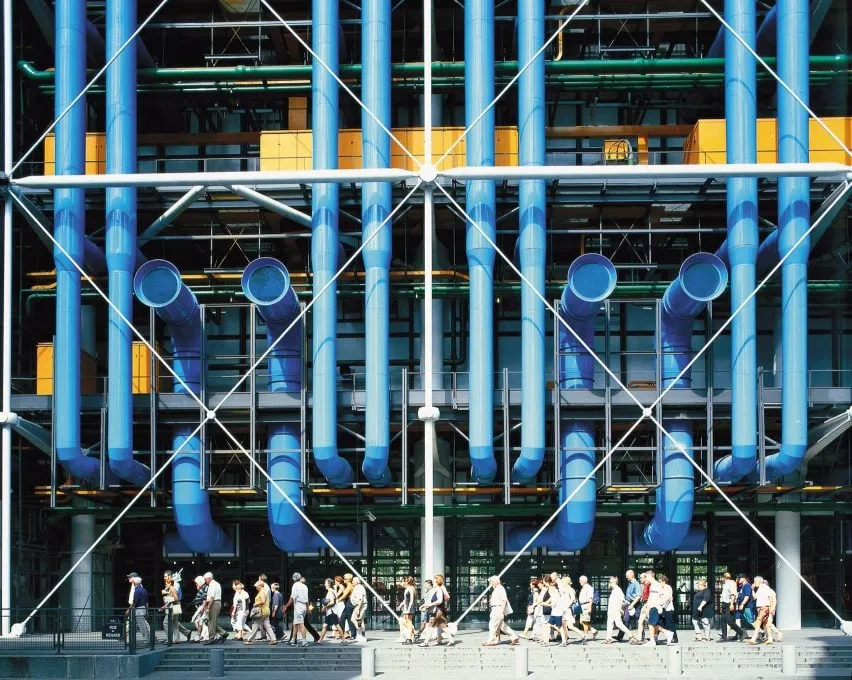
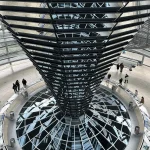
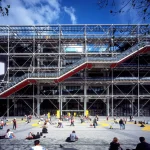
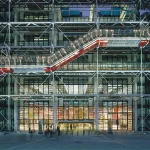
Drawing inspiration from high-tech technology, Structural Expressionism emerged in the 1970s, integrating both function and form. It emphasizes exposed structural and mechanical systems, like elevators, steel frames, and ventilation ducts, which are visible industrial design elements and not hidden behind the wall.
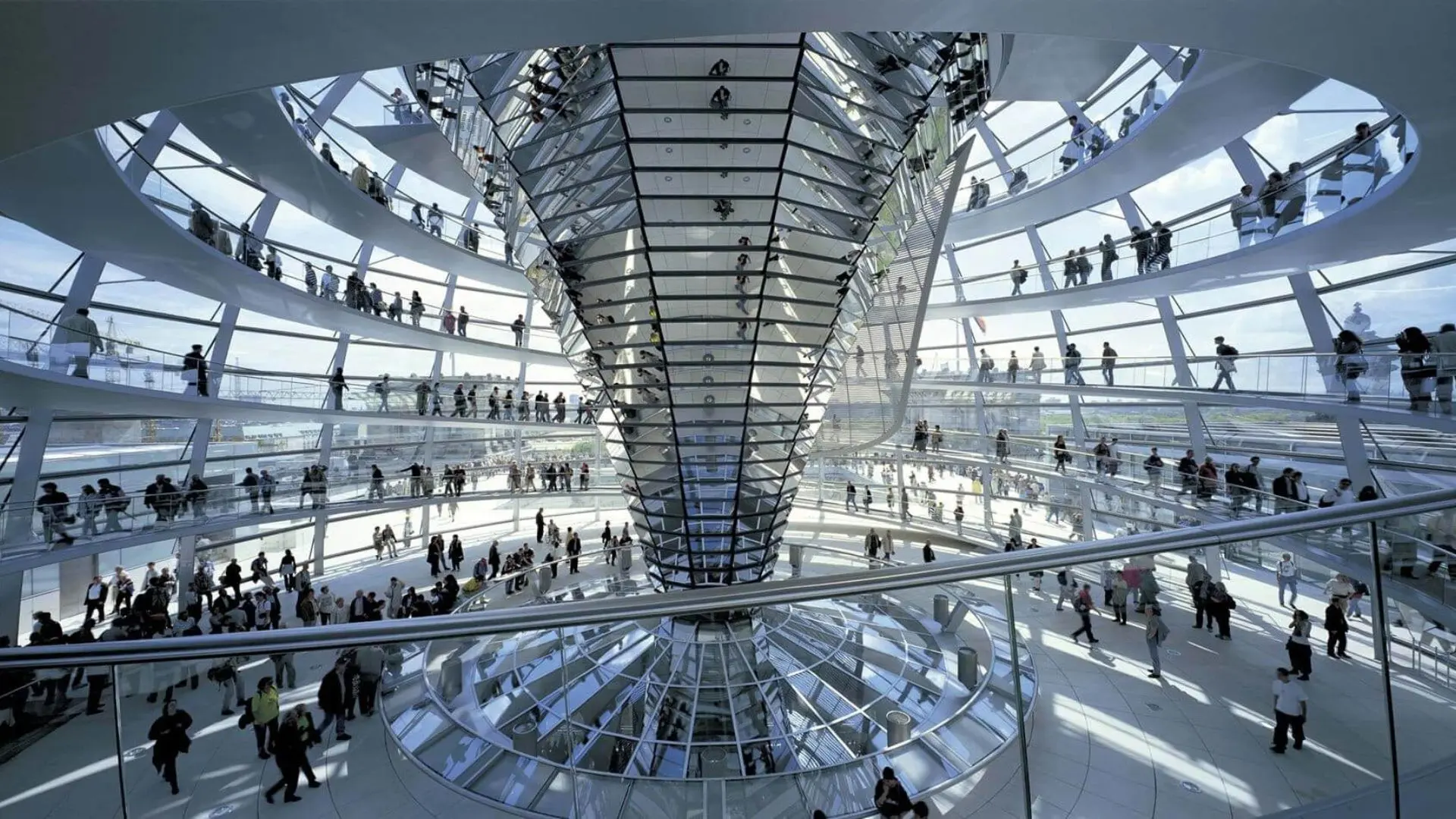
10 Must-Know Postmodern and Contemporary Styles Transforming Architecture
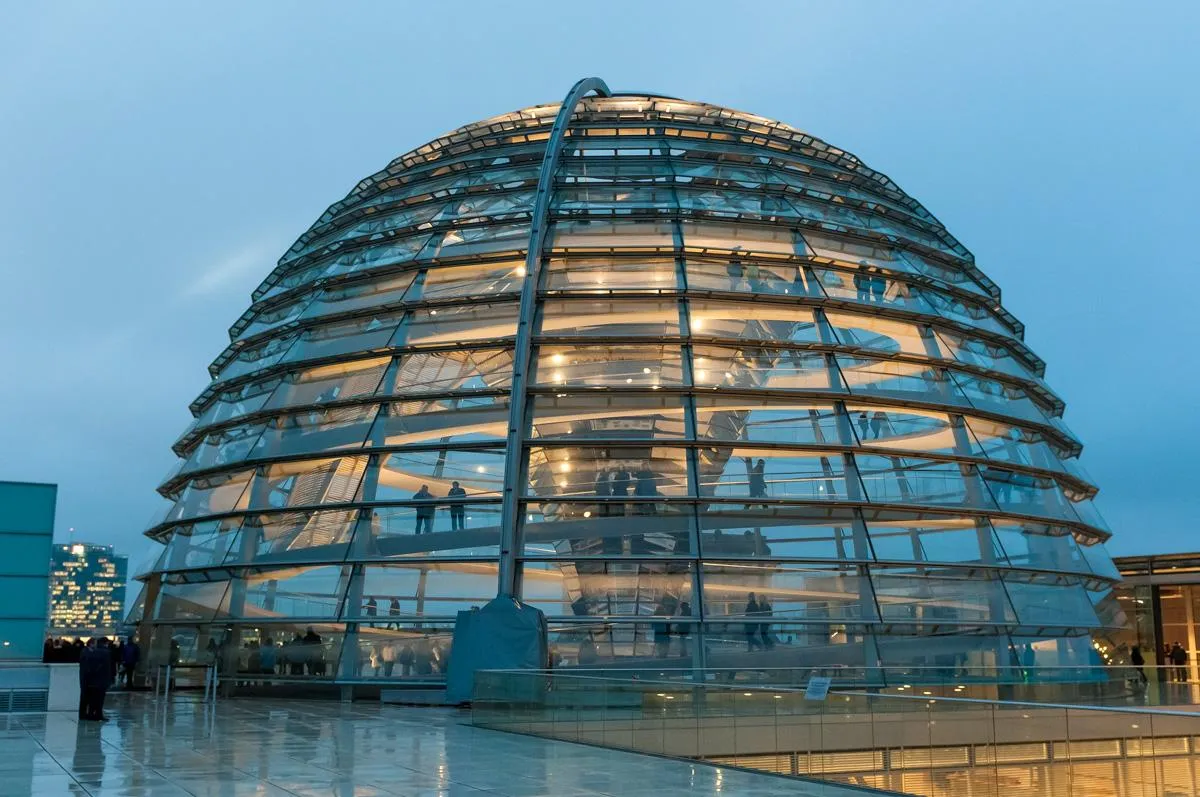
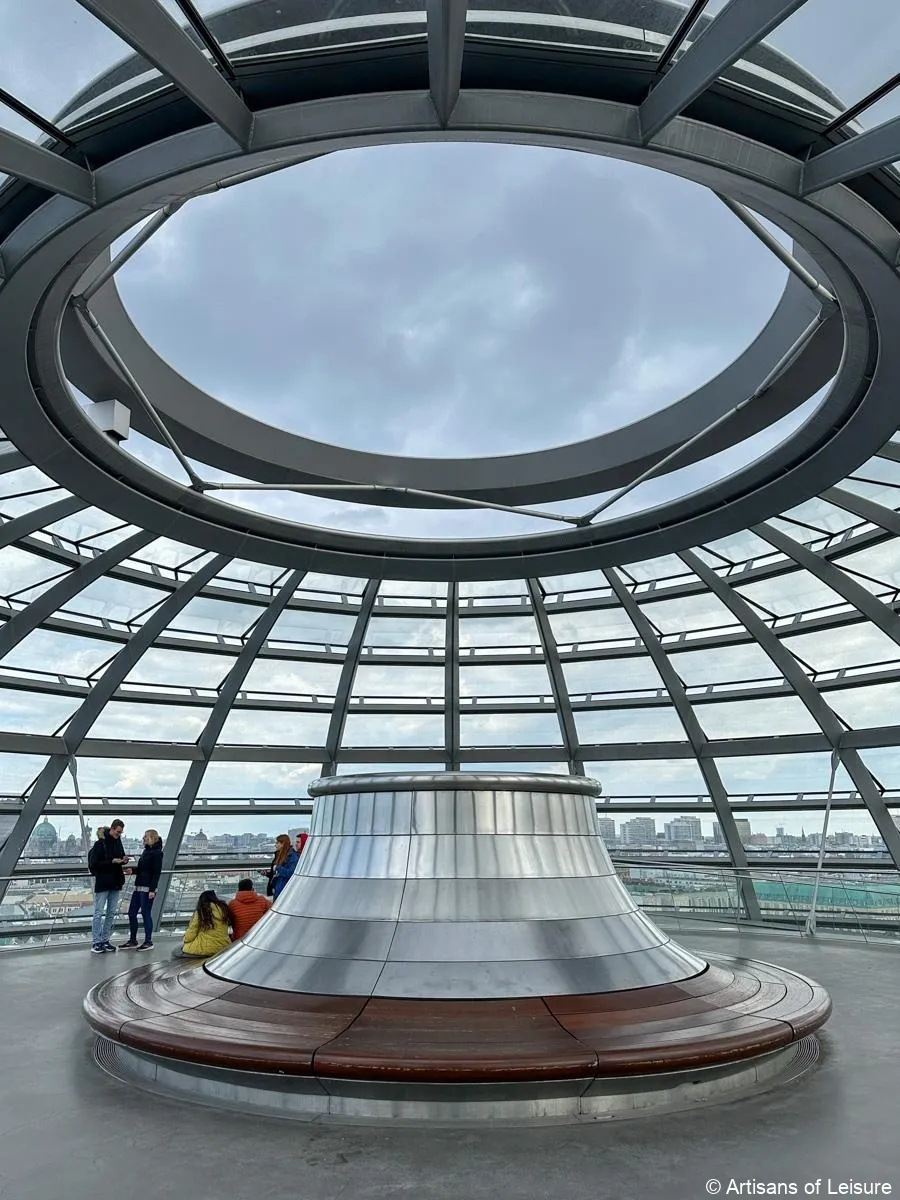
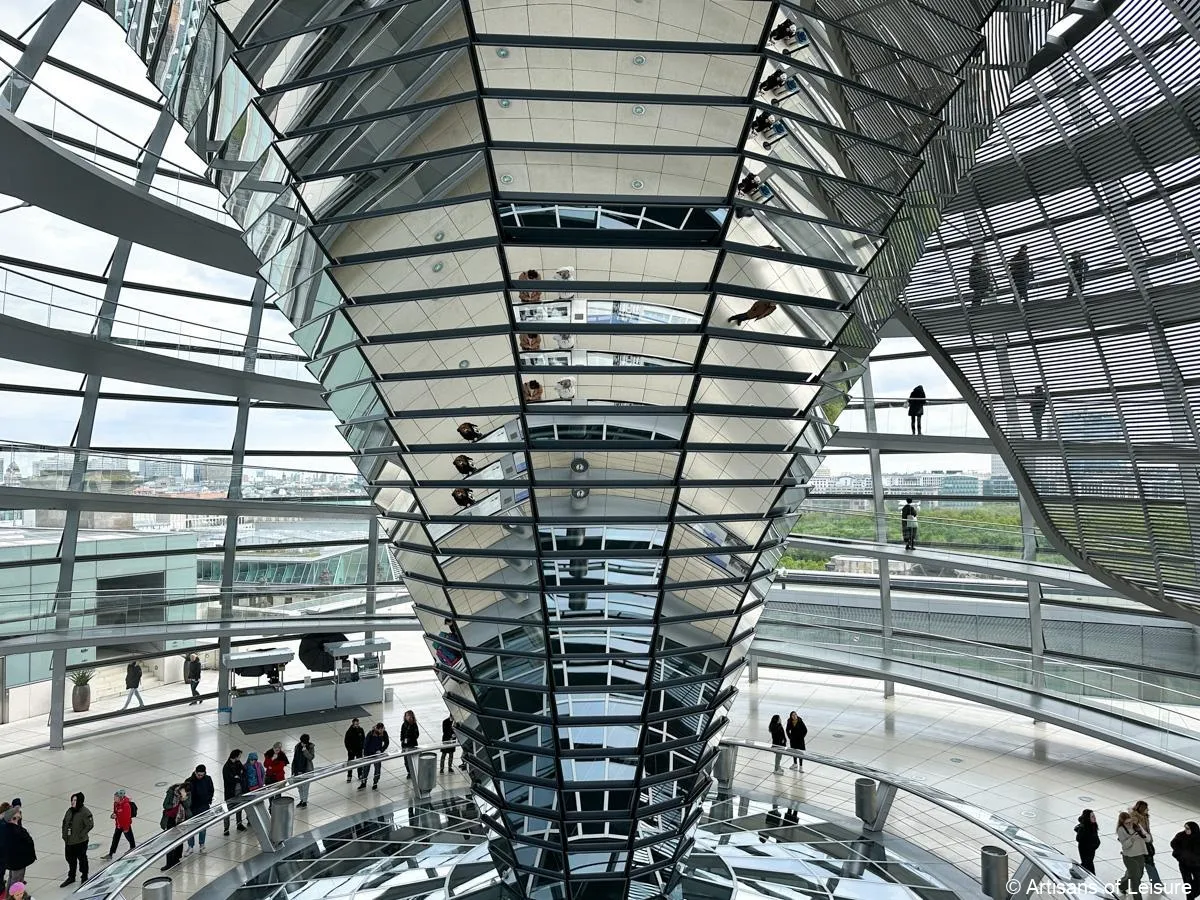
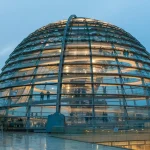
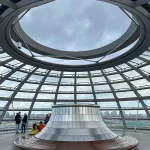
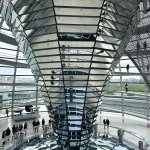
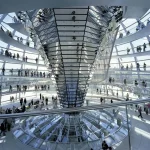
Reichstag Dome © Norman Foster

Visionary high-tech architects, such as Norman Foster, Richard Rogers, and Renzo Piano, emphasized the structural expressionism in their work. Advancements in building construction, innovations in prefabrication, and computer-aided design (CAD) influence this style’s functionality and adaptability in a visually compelling way.

Key Features of Structural Expressionism 

  • Exposed Structure: Steel or concrete skeletons are visible, often externally.
  • Visible Mechanical Systems: Pipes, air ducts, and elevators are highlighted as aesthetic features.
  • Industrial Materials: Heavy use of glass, steel, concrete, and aluminum.
  • Flexible Design: Components are often prefabricated or modular, allowing adaptability.
  • Technological Aesthetic: The building often looks like a machine or futuristic structure.

4. Neo-Futurism
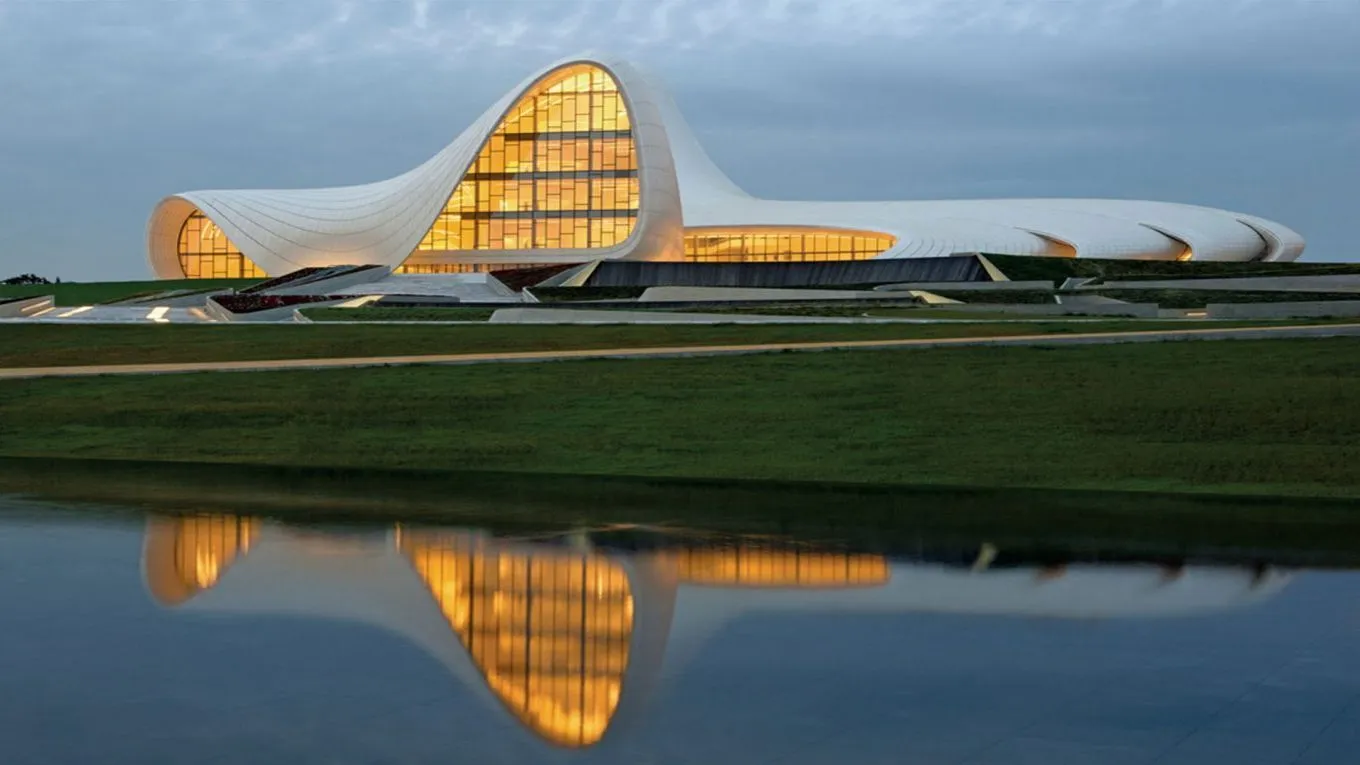
10 Must-Know Postmodern and Contemporary Styles Transforming Architecture
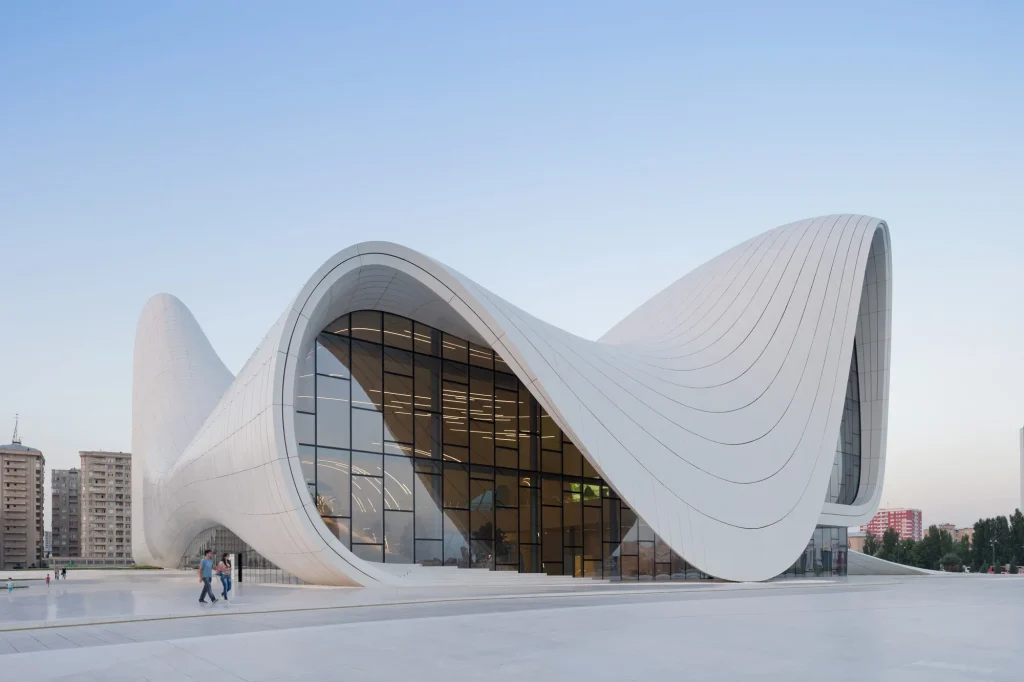
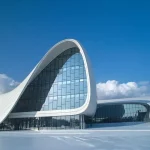
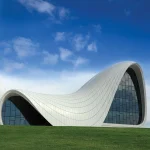
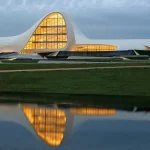
Heydar Aliyev Center © Zaha Hadid

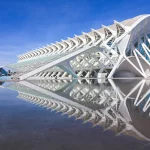
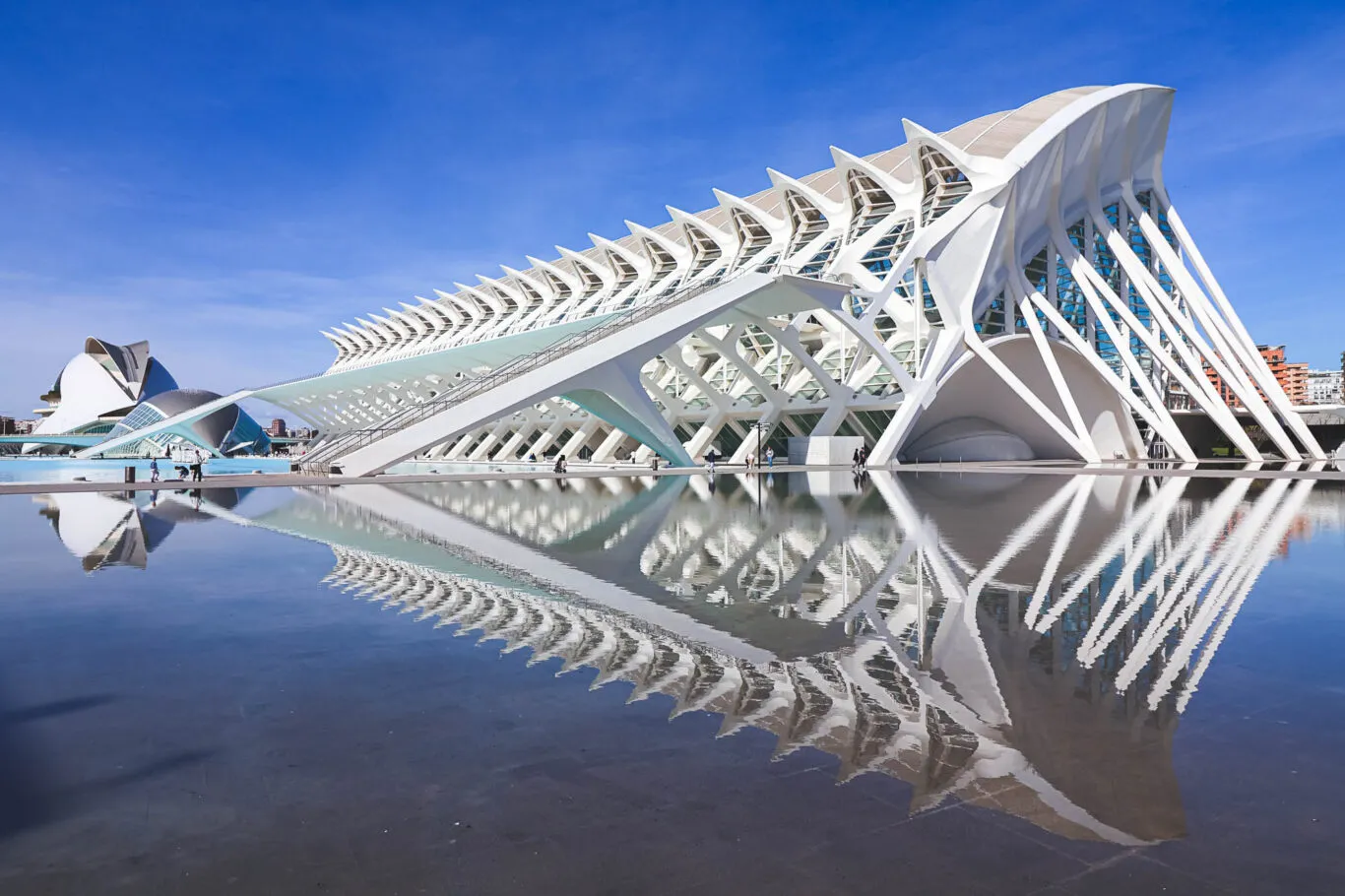
Inspired by science fiction, digital art, and organic forms, Neo-Futurism embraces sustainability, innovation, and aesthetics.  It is a contemporary style that evokes the future, integrating modern technology and fluidity to foster sustainable, eco-conscious, and innovative designs. Neo-Futurist architecture adopts flowing lines, dramatic forms, eco-conscious materials, and smart technologies. Enhancing human experience, it rethinks expressive forms and functionality, aiming to respond to modern urban challenges like rapid growth and ecological impact.
10 Must-Know Postmodern and Contemporary Styles Transforming Architecture
City of Arts and Sciences © Santiago Calatrava

Key Features of Neo-Futurism

  • Futuristic Aesthetics: Sleek, curved, or aerodynamic forms inspired by space, technology, and science fiction.
  • Organic Shapes: Designs mimic nature, waves, or living organisms.
  • Sustainability: Uses green tech like solar panels, recycled materials, and passive energy systems.
  • Human-Centered Design: Spaces are designed with well-being, functionality, and interaction in mind.
  • Innovative Materials: Use of carbon fiber, ETFE, advanced composites, and dynamic facades.

5. Parametricism
10 Must-Know Postmodern and Contemporary Styles Transforming Architecture
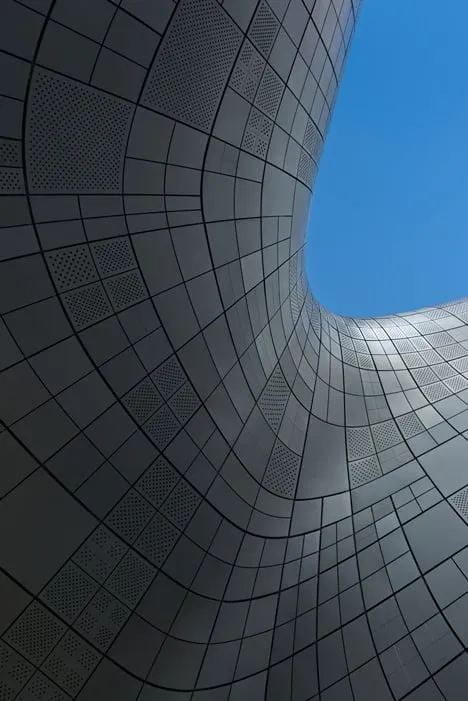
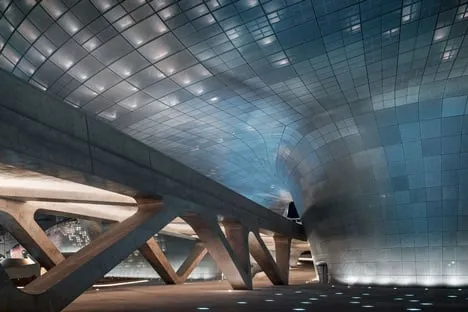
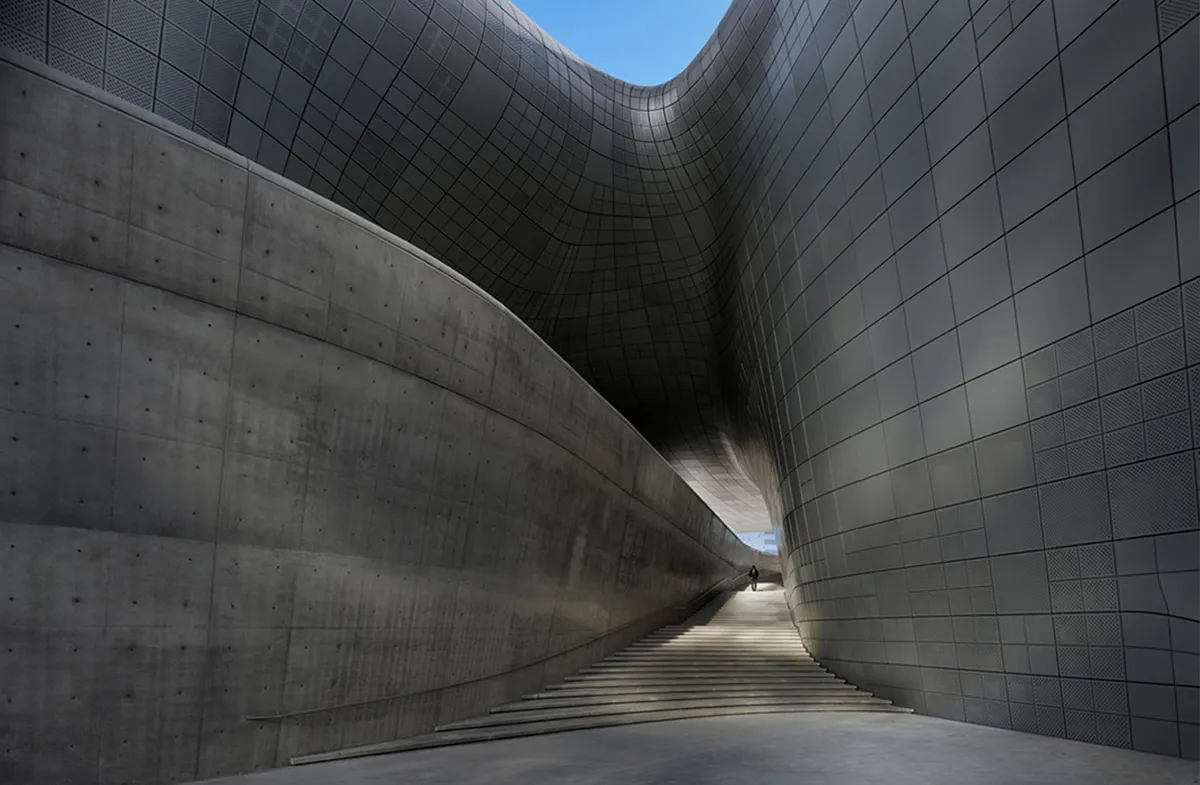
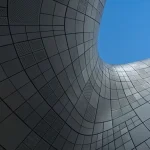
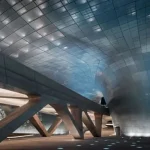
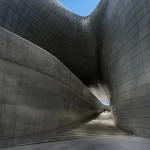
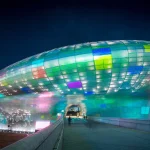
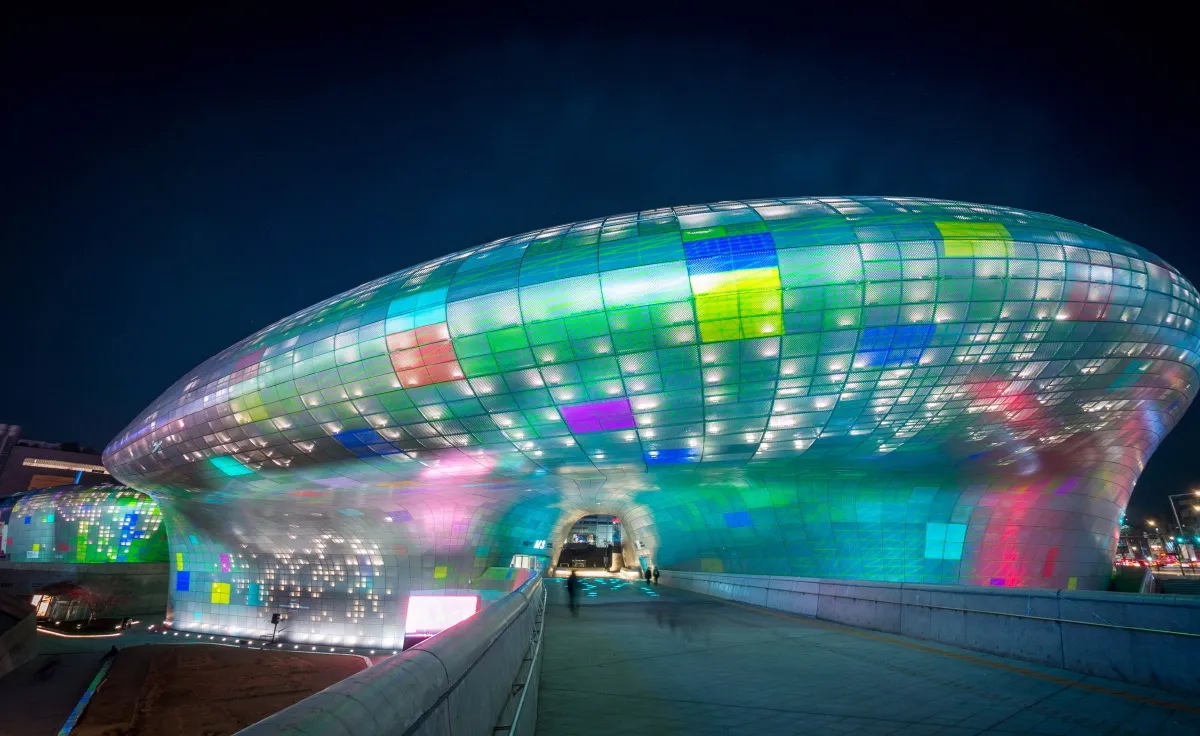
Dongdaemun Design Plaza © Zaha Hadid Architects

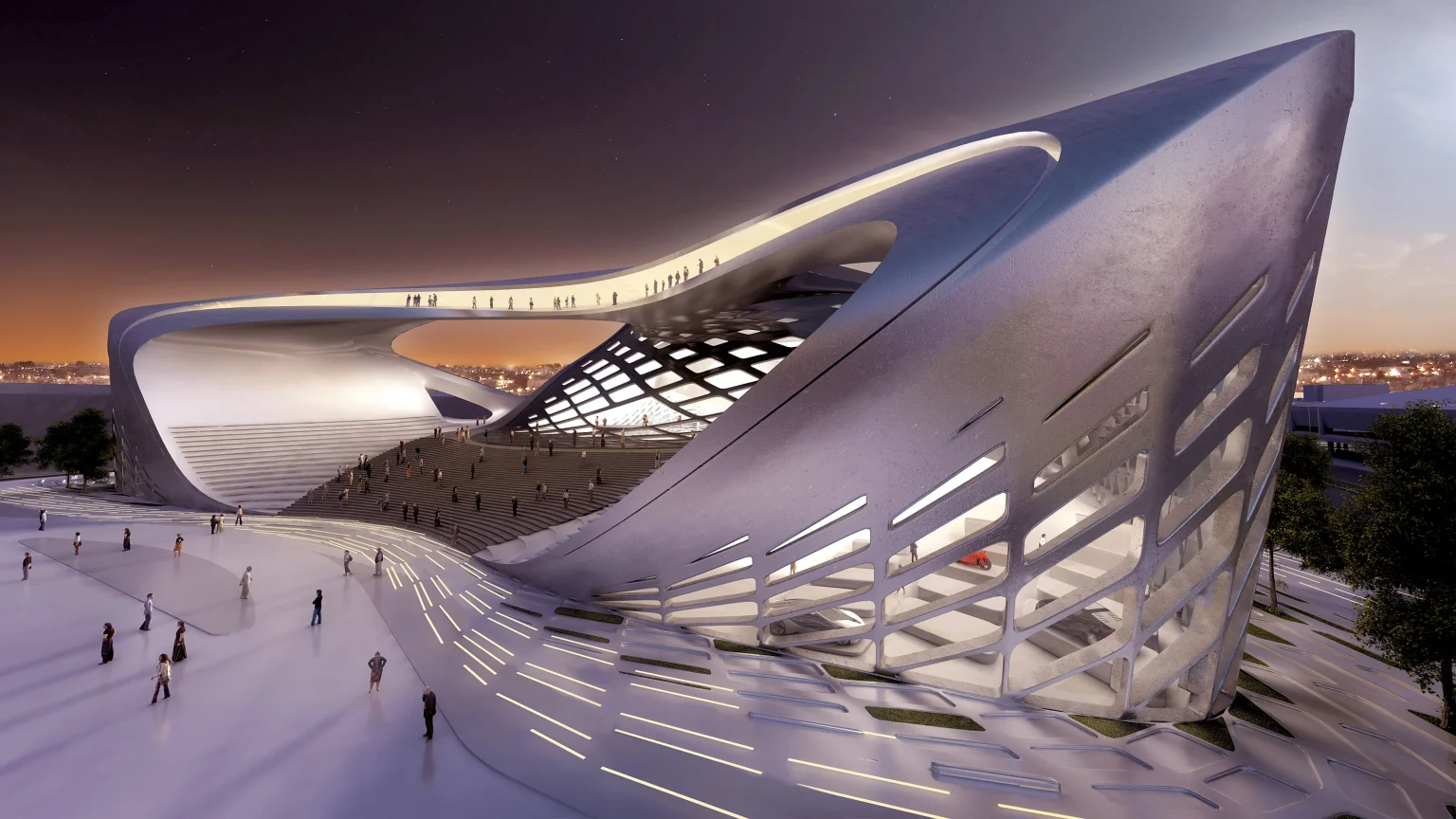
An advanced architectural style that employs algorithms and computational tools to generate complex designs. Parametricism, rooted in digital innovation, helps to define parameters to create fluid, curvilinear, and adaptive forms that are intricate and dynamic in nature. It pushes architecture into a new realm by empowering computational power for form generation, sustainability, and spatial complexity.
10 Must-Know Postmodern and Contemporary Styles Transforming Architecture
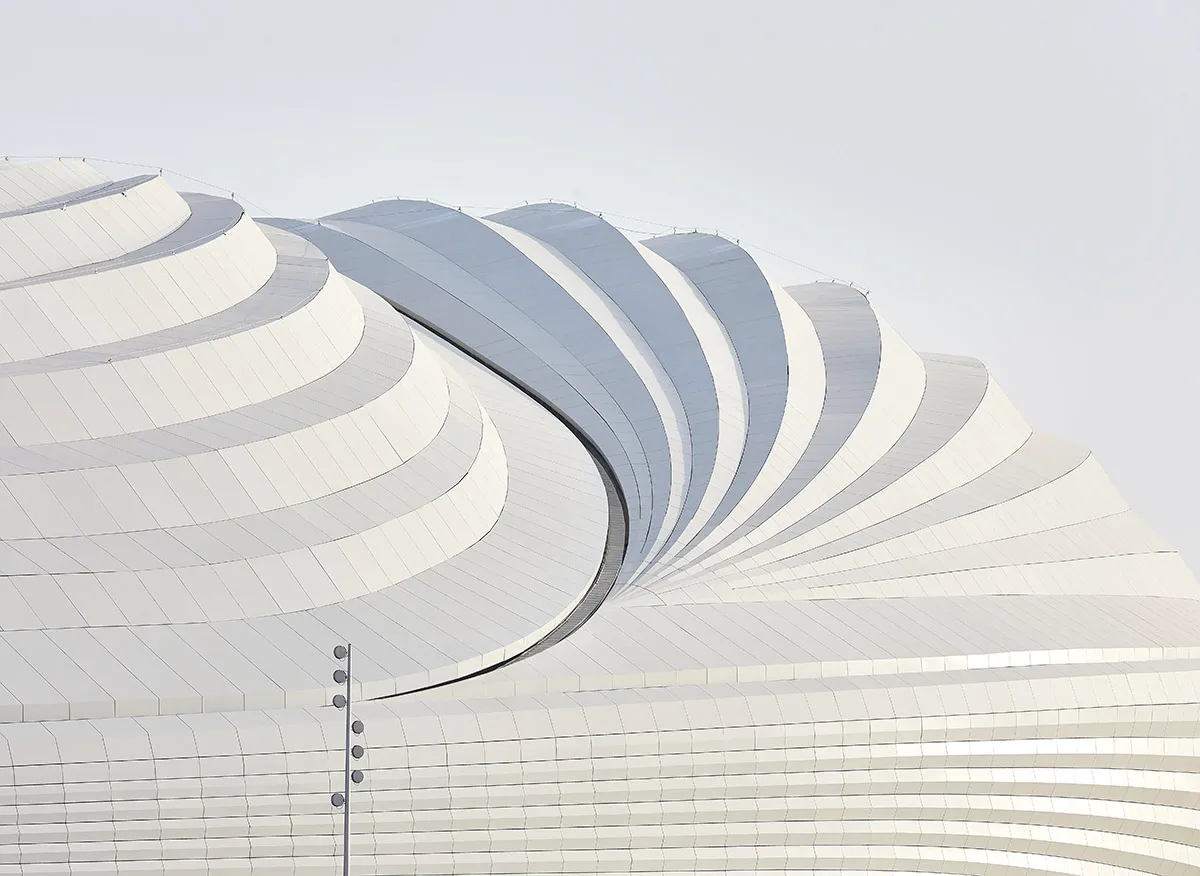
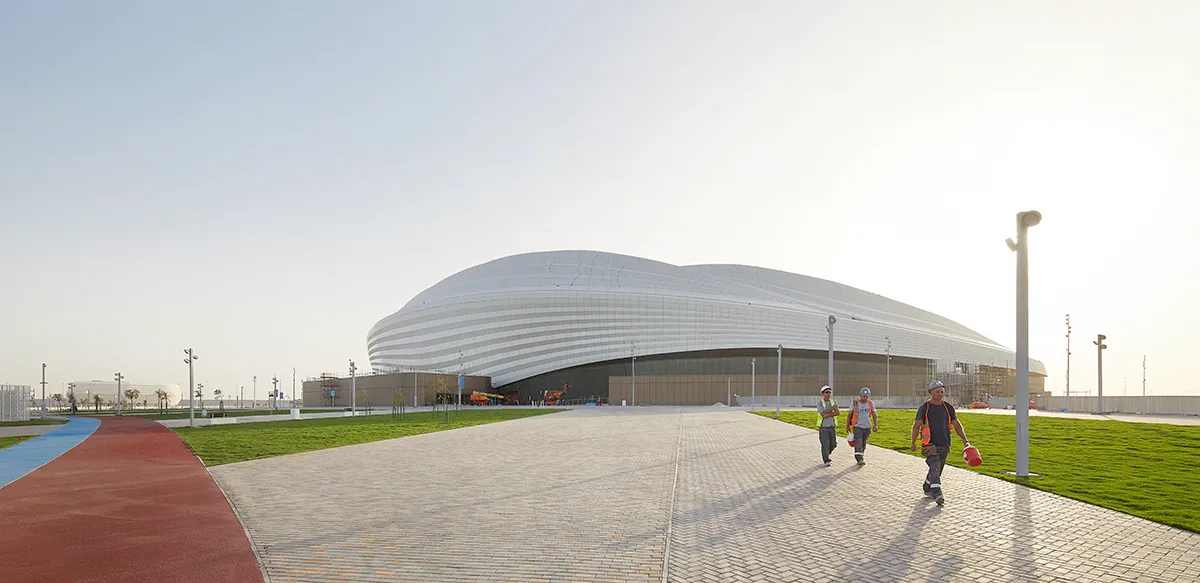
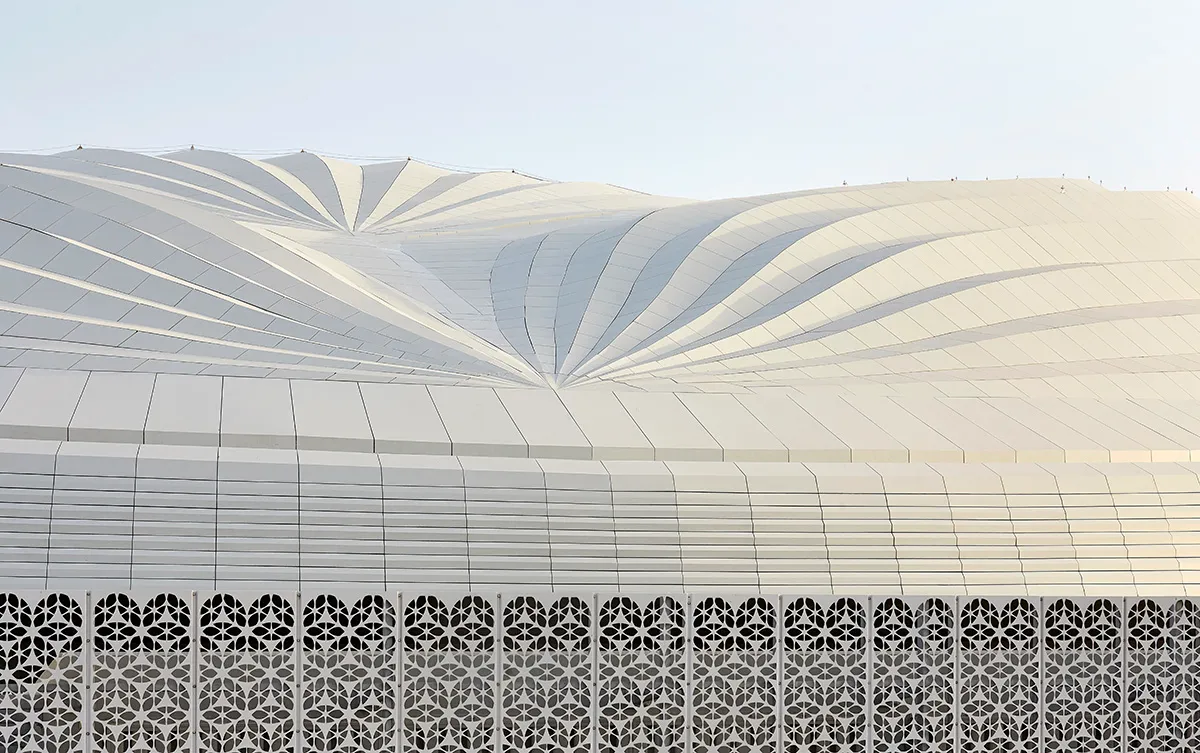
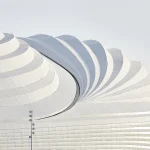
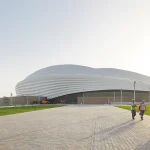
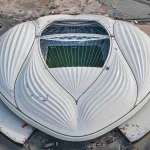
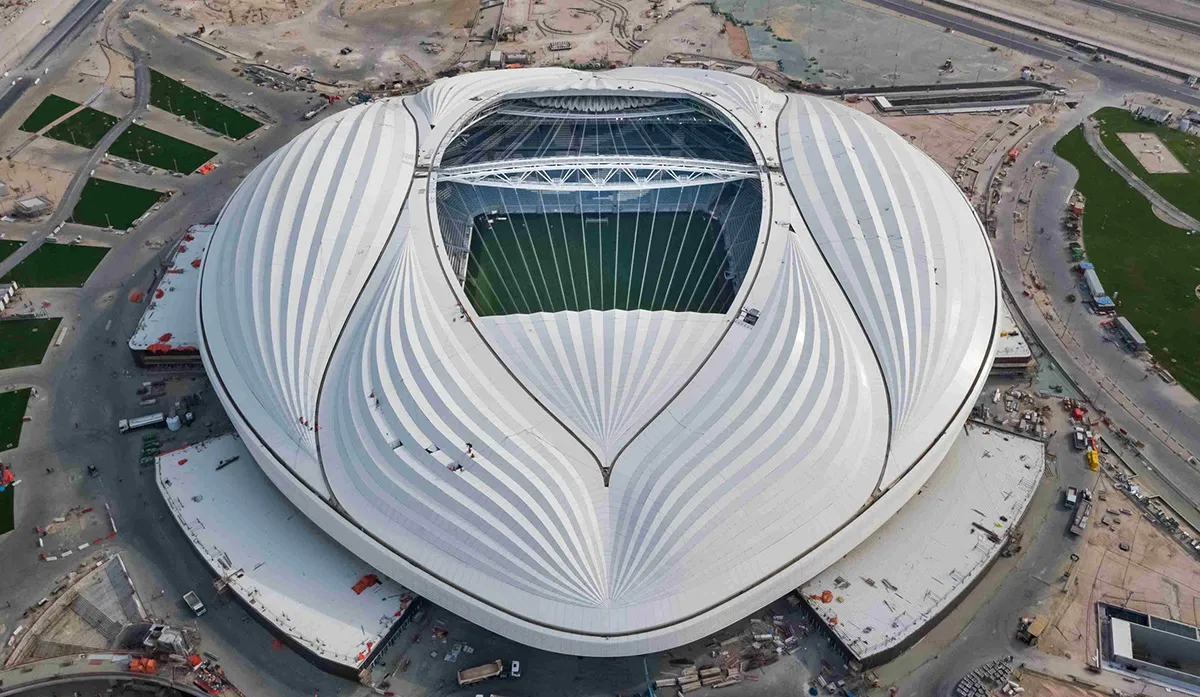
Al Janoub Stadium for FIFA World Cup © Zaha Hadid Architects

Computational software with AI integration often resembles defined variables with mathematical algorithms, making it a data-driven responsive design. It blends flexibility, fluidity, and sustainability among design elements, producing buildings that appear organic and highly responsive to context. Design change in real time influences designers to create responses and efficient designs according to the site conditions. 

Key Features of  Parametricism

  • Algorithmic Design: Forms are generated by computer algorithms based on input variables.
  • Adaptability: Designs respond to environmental, functional, or spatial data.
  • Complex Geometry: Use of non-Euclidean geometry—twists, warps, folds, and smooth gradients.
  • Digital Fabrication: Relies on 3D printing, CNC machining, and other advanced construction technologies.

6. Biophilic Design
10 Must-Know Postmodern and Contemporary Styles Transforming Architecture
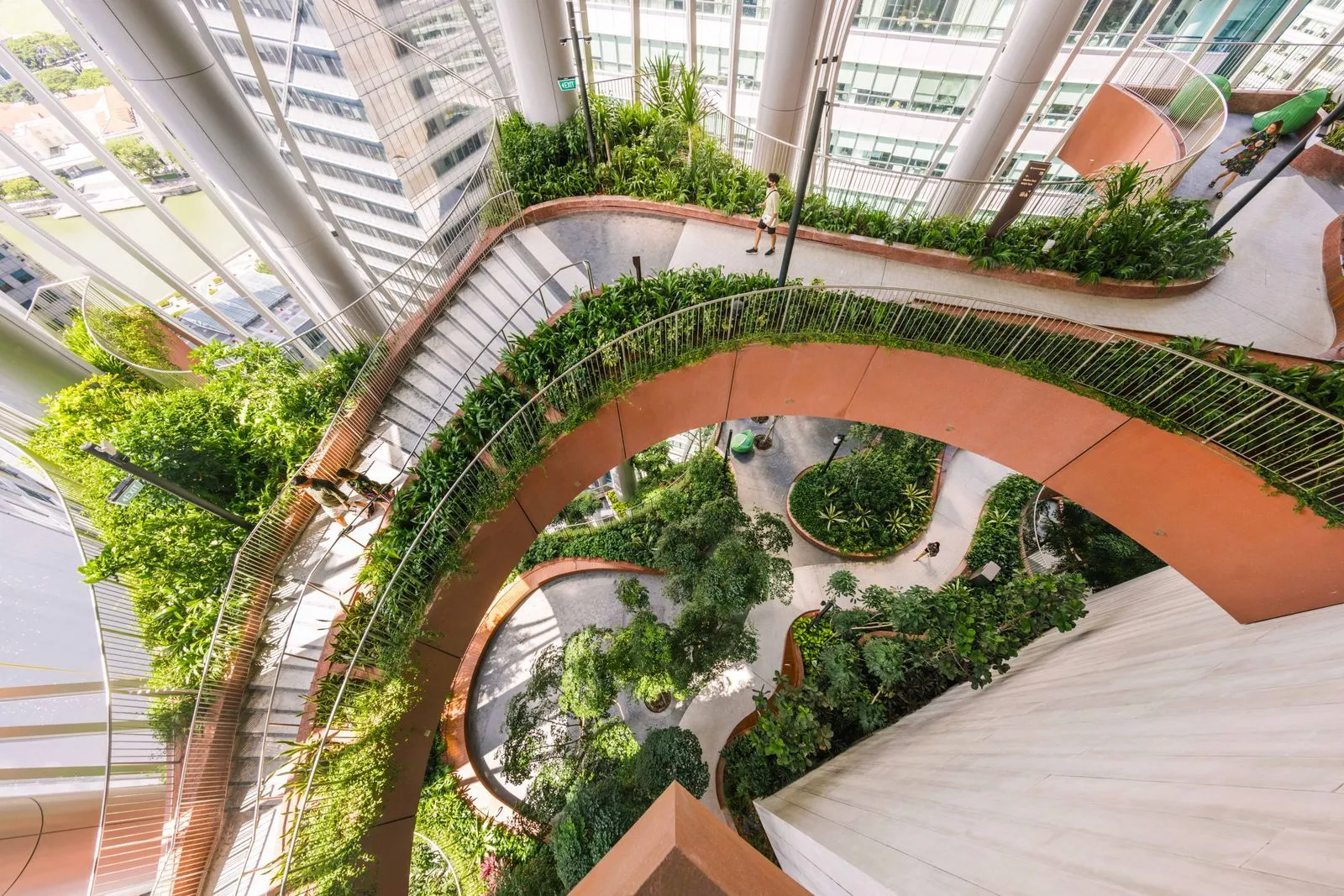
Capital Spring Tower (Singapore) © Bjarke Ingels Group (BIG)

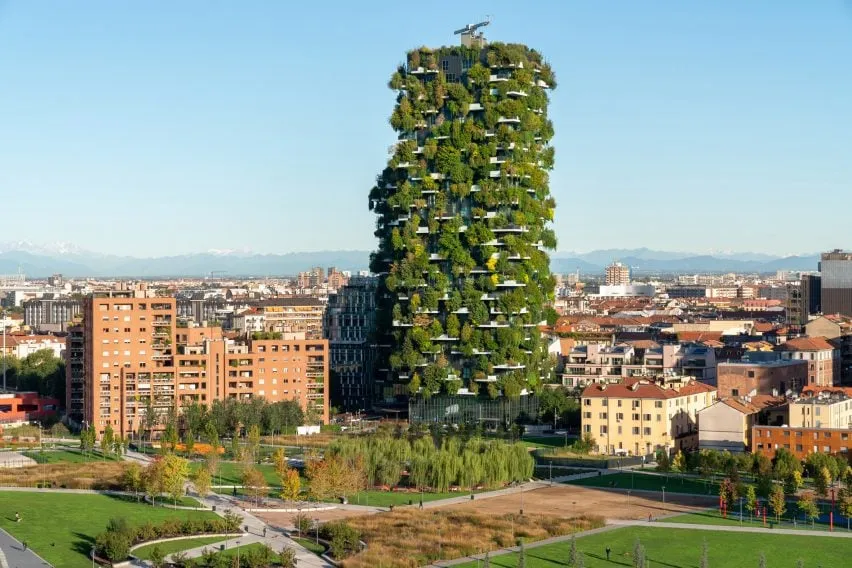
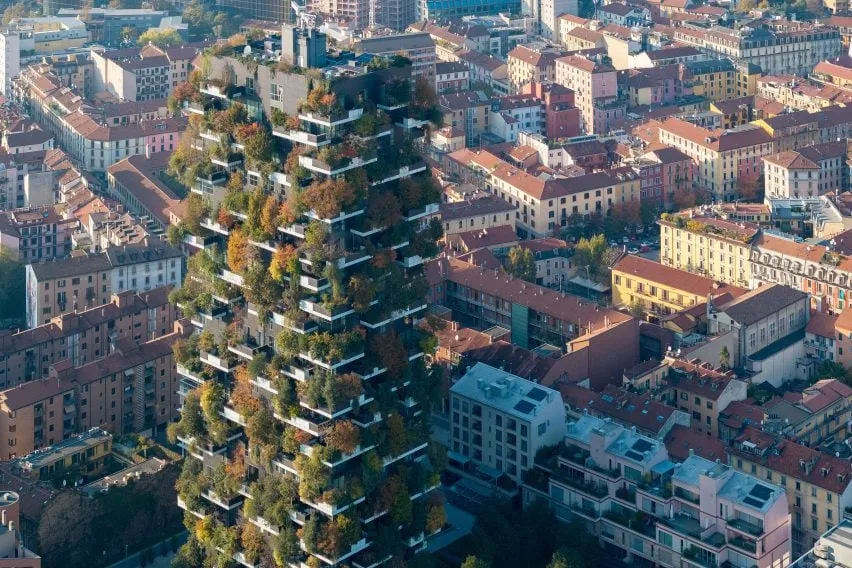
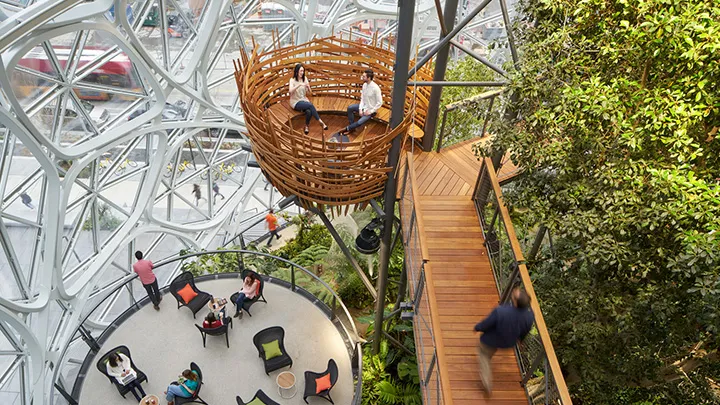
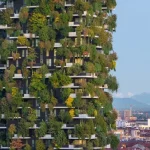
Popularized by the biologist Edward O. Wilson, biophilic design comes from the term “biophilia,” meaning “love of life or living systems”. It is a thoughtful approach that connects inside and outside spaces, bringing nature into the built environment. The multisensory strategy incorporates natural elements into the design to enhance well-being and productivity. Plants, water, daylight, organic materials, and natural forms are key design features of biophilic design that help to create spaces that mimic natural systems and stimulate the senses.

Key Features of Biophilic Design

  • Natural Elements: Use of indoor plants, green walls, gardens, and water features.
  • Light & Ventilation: Maximizing sunlight, views, and airflow.
  • Organic Materials & Textures: Wood, stone, clay, wool, and other raw or recycled materials.
  • Nature-Inspired Forms & Patterns: Curves, fractals, and biomimicry in architecture and design.
  • Physical Connection to Nature: Views of landscapes, access to outdoor spaces.
  • Multisensory Design: Incorporation of natural sounds, smells, and tactile surfaces.

7. Sustainable Architecture
10 Must-Know Postmodern and Contemporary Styles Transforming Architecture
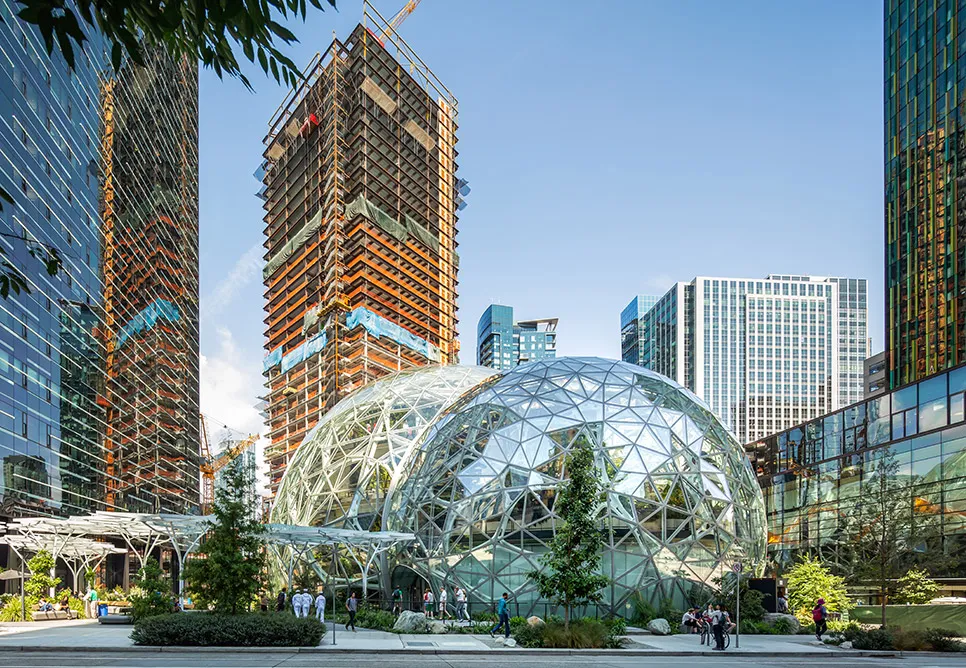
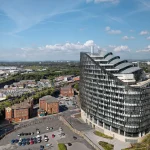
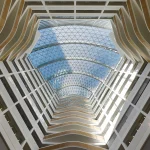
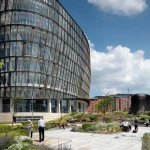
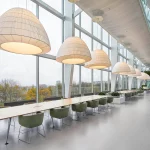
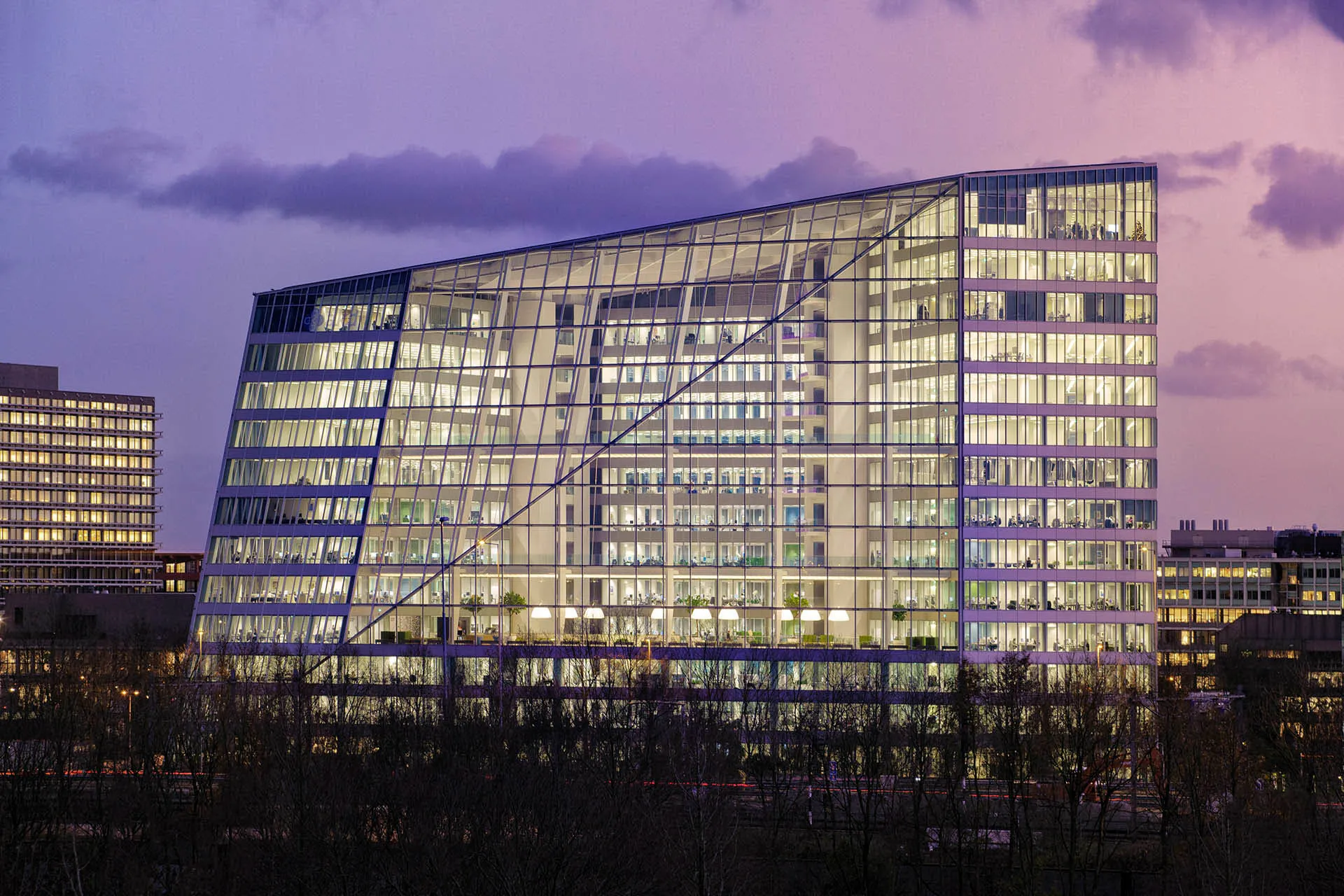
The Edge © PLP Architecture

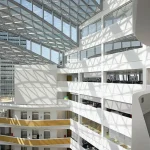
The green architecture focuses on design and construction with minimal environmental impact, a smaller carbon footprint, minimized resources, conserved natural ecosystems, and promoted long-term ecological balance. This approach to designing aims to consider the full life cycle of a building, from site consideration, materials, and energy use to the end of disposal and reuse.

With advanced computational tools and AI integration, sustainable architecture blends innovation and technology to create structures that are environmentally responsible, energy-efficient, and healthy for occupants. With rapid urbanization, climate change, and resource depletion, sustainable architecture is no longer optional, it’s essential to support future generations. 

Key Features of Sustainable Architecture

  • Water Conservation: Use low-flow fixtures, rainwater harvesting, and greywater recycling.
  • Sustainable Materials: Recycled, local, non-toxic, and renewable building materials.
  • Passive Design Strategies: Optimize natural light, ventilation, and thermal mass.
  • Integration with Nature: Incorporate green roofs, landscaping, and biophilic elements.
  • Waste Reduction: Design for durability, disassembly, and recyclability.
  • Site Responsiveness: Minimize disruption to local ecosystems and topography.

8. Smart/IoT-Integrated Architecture
10 Must-Know Postmodern and Contemporary Styles Transforming Architecture
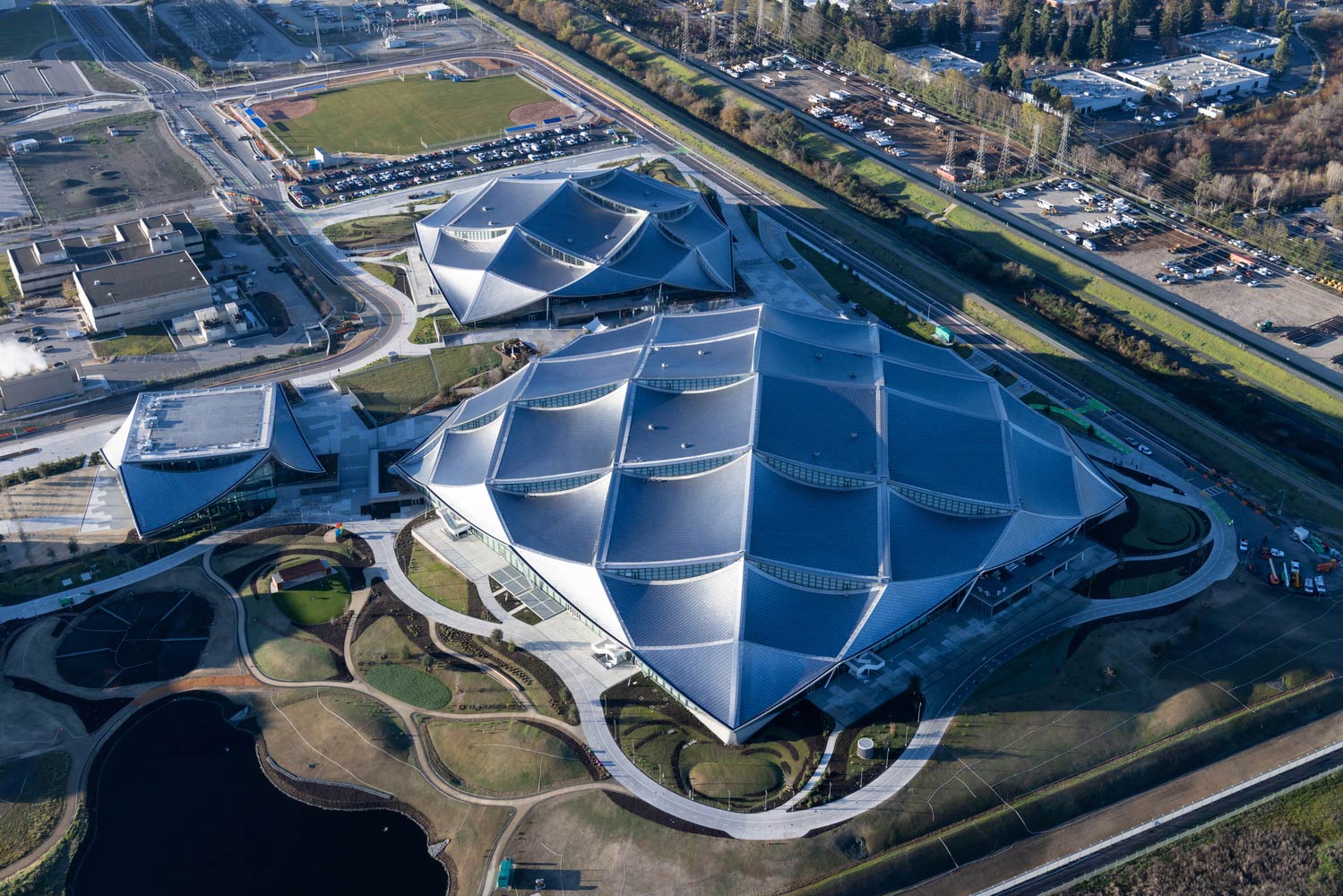
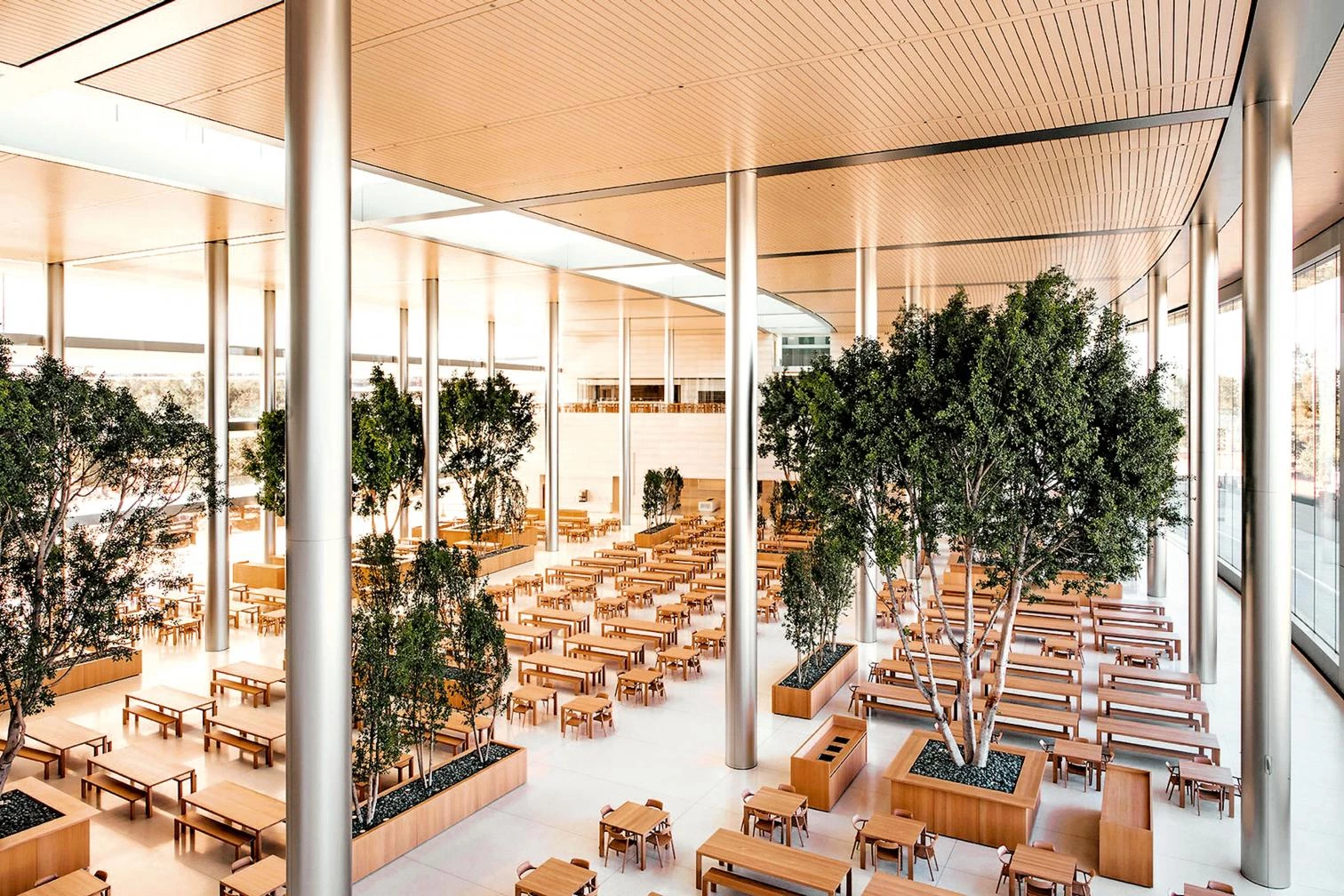
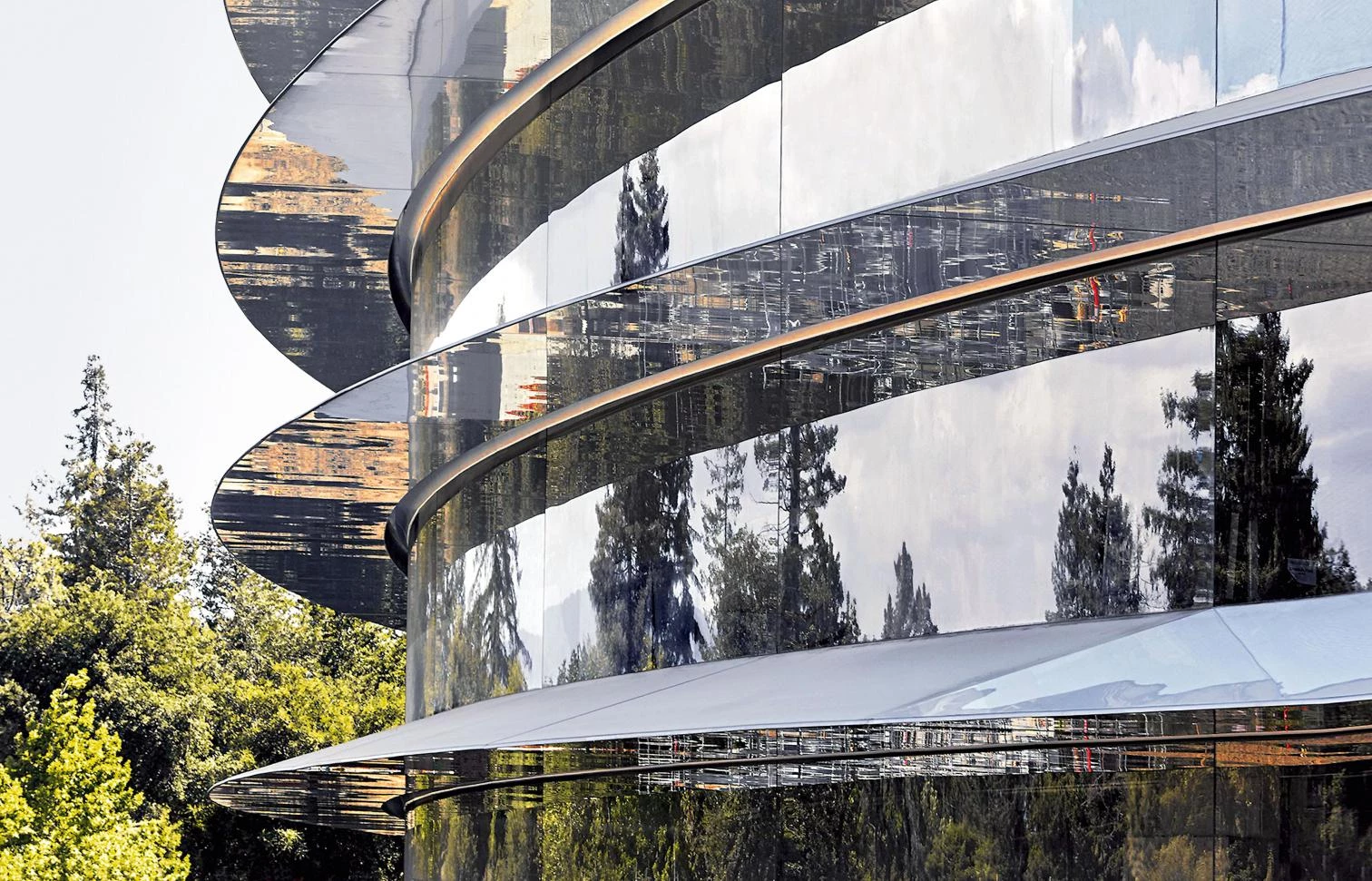
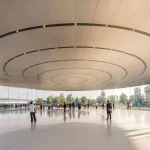
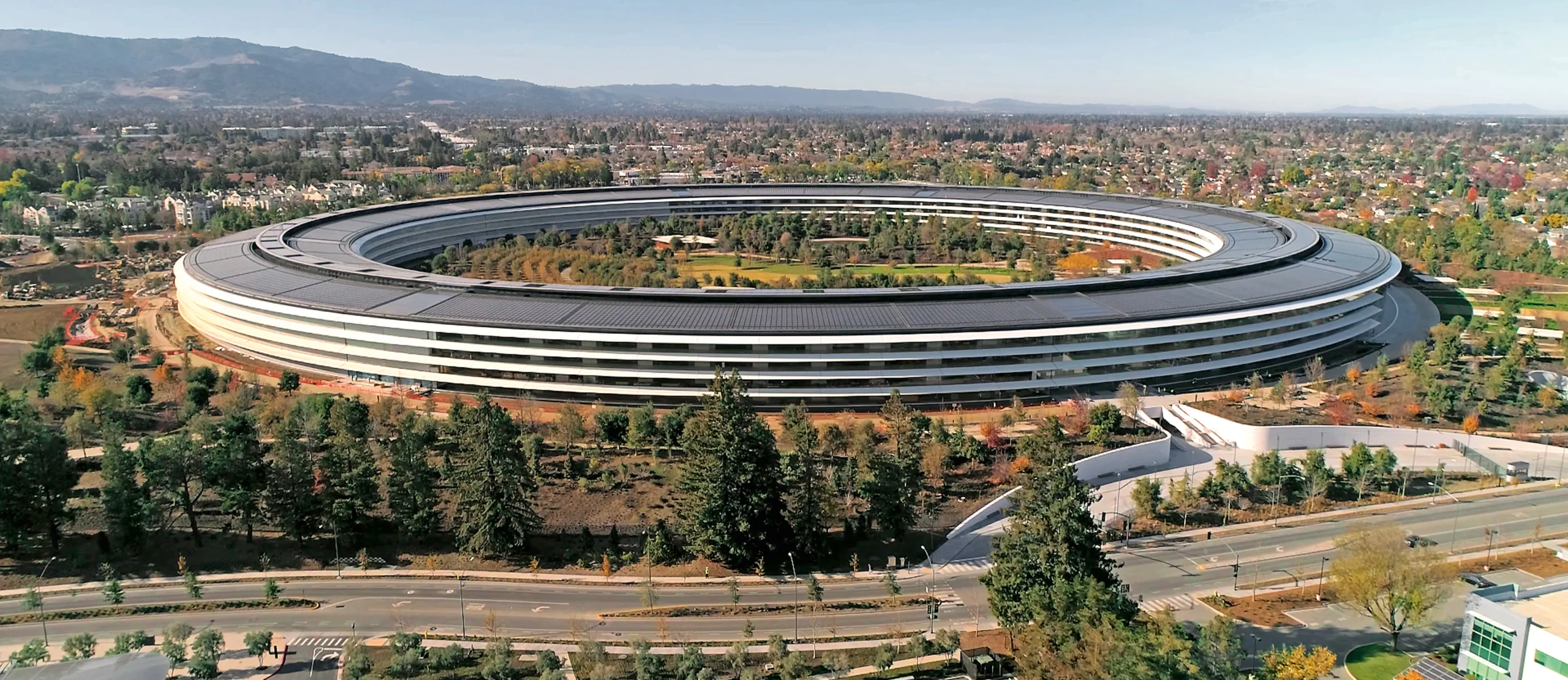
Apple Park © Foster + Partners

A fusion of technology with sustainability gave rise to Smart Architecture, also known as IoT-Integrated Architecture, which incorporates Internet of Things (IoT) technology, automation, and digital systems to enhance the building’s efficiency, adaptability, and user experience. Understanding advanced data analytics, AI, and cloud technology, architects can create buildings that are efficient, adaptive, and user-centric for comfort.
10 Must-Know Postmodern and Contemporary Styles Transforming Architecture
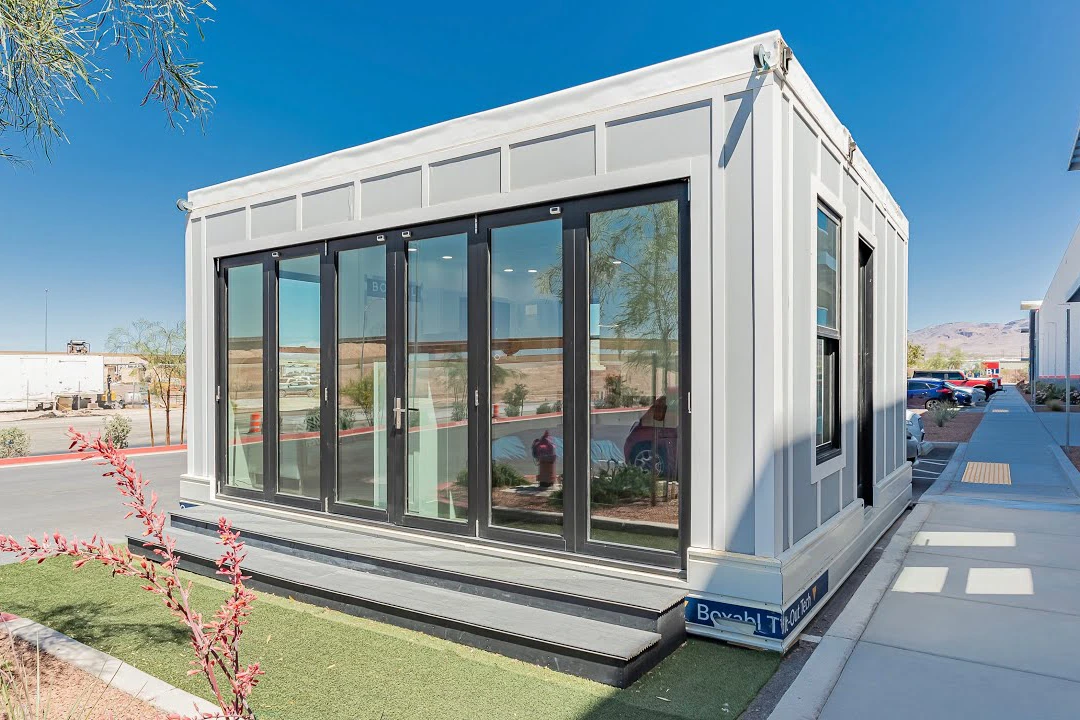
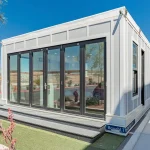
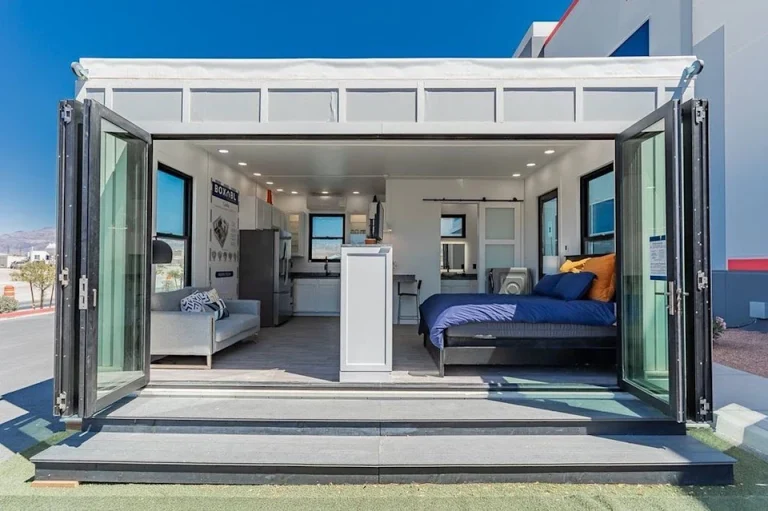
Tiny House © Boxabl

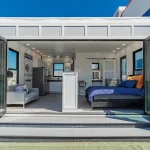
In smart buildings, systems such as lighting, HVAC, security, energy management, and occupancy tracking are interconnected and controlled via smart sensors, AI, and real-time data, creating intelligent, responsive environments. Today, smart architecture is a pillar of smart city development, sustainable design, and future-forward real estate.

Key Features of Smart / IoT-Integrated Architecture

  • Automated Systems: HVAC, lighting, blinds, and appliances operate automatically based on user behavior or environmental data.
  • Sensor Networks: Real-time data from temperature, light, motion, humidity, air quality, and occupancy sensors.
  • User Control & Personalization: Remote control via mobile apps or voice assistants like Alexa, Siri, or Google Assistant.
  • Energy Optimization: Systems adjust energy use based on demand, weather, or occupancy.
  • Smart Security: Biometric access, motion detection, smart locks, and surveillance integration.

9. Modular and Prefabricated Construction
10 Must-Know Postmodern and Contemporary Styles Transforming Architecture
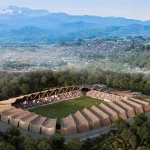
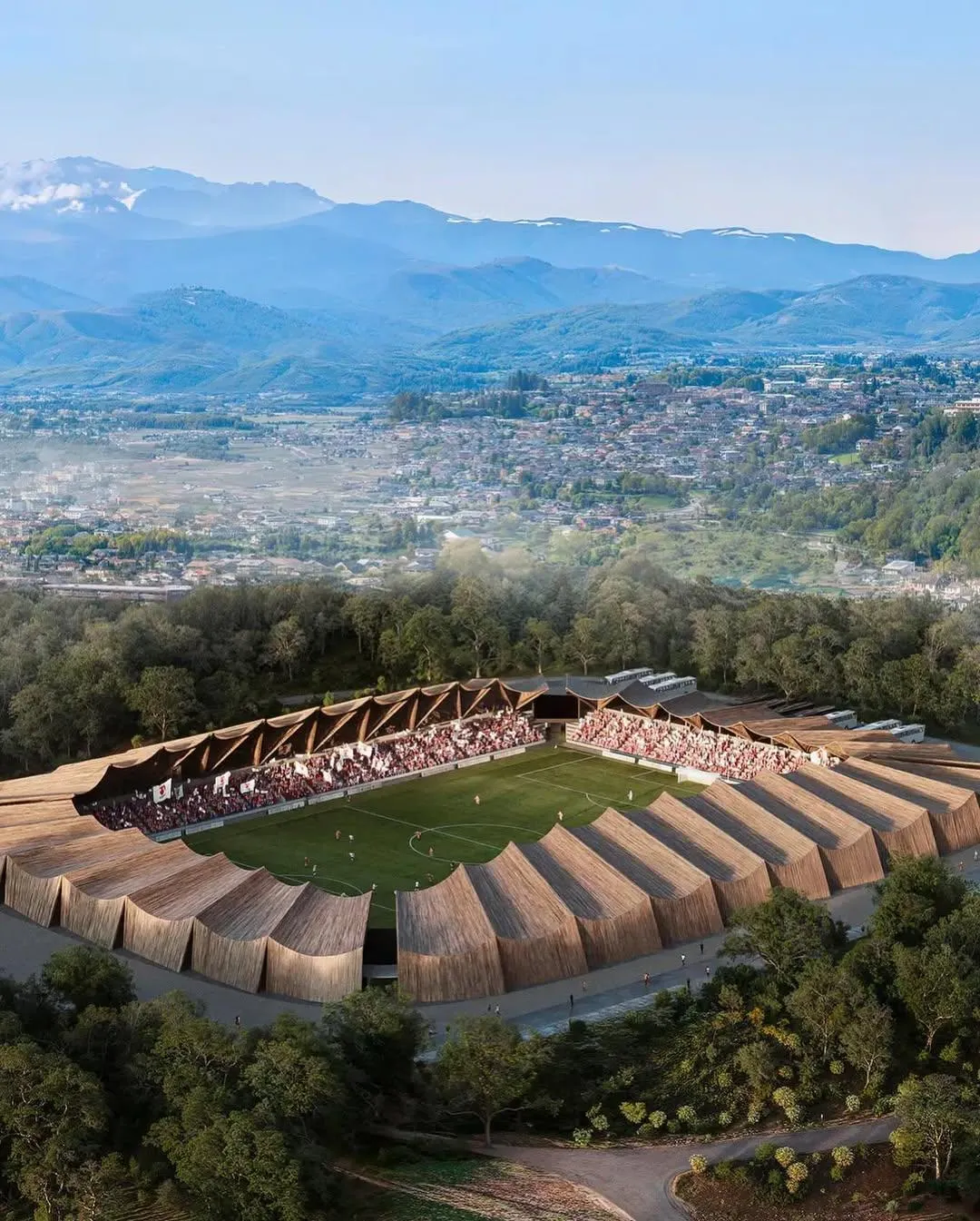
Circular Timber Stadium © VUILD

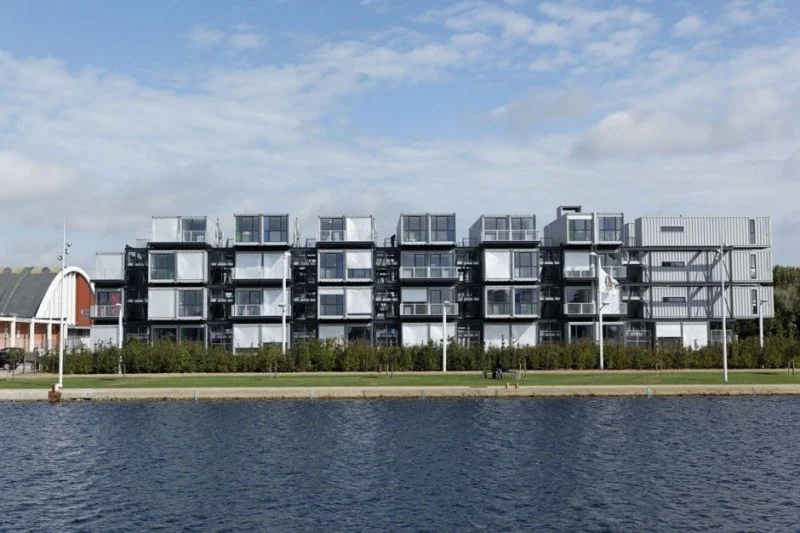
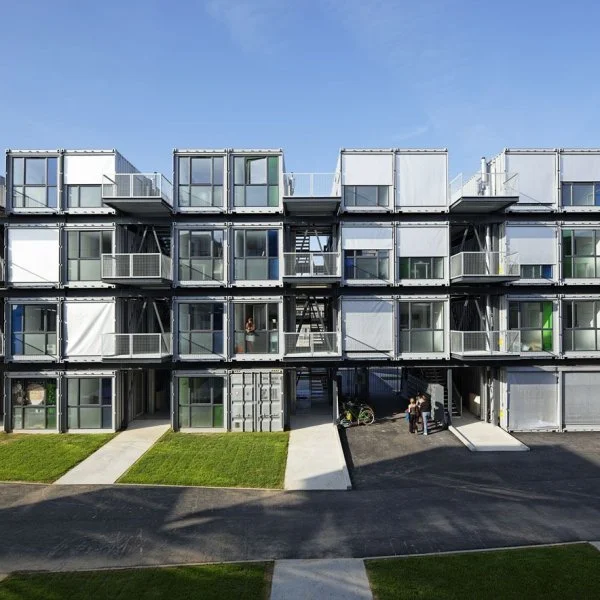
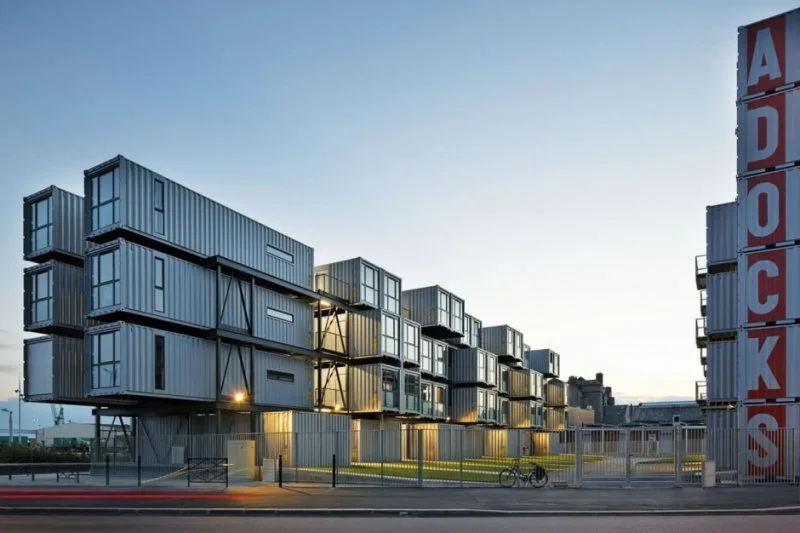
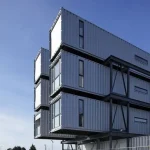
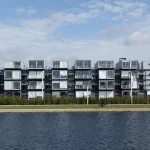
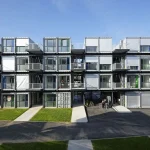
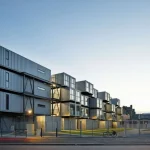
Modular building construction is an advanced technique that uses components or parts of the structure, fabricated off-site in controlled factory environments and then transported on-site for assembly. Modular construction involves precision in the manufacturing of modules, such as rooms or floors, and prefabrication includes components such as wall panels, stairs, and bathroom pods built off-site and then assembled like building blocks. This technique differs from traditional construction styles, offering speedy and efficient structures. 

Key Features of Modular & Prefabricated Construction

  • Off-Site Fabrication: Components are produced in a controlled factory environment.
  • On-Site Assembly: Units or components are transported and rapidly installed.
  • Standardization: Designs follow repeatable, scalable modules.
  • Reduced Waste: Efficient material use, recycling, and minimal site disruption.
  • Flexible Design: Can range from temporary shelters to high-end custom homes and skyscrapers.

10. Retro-futurism
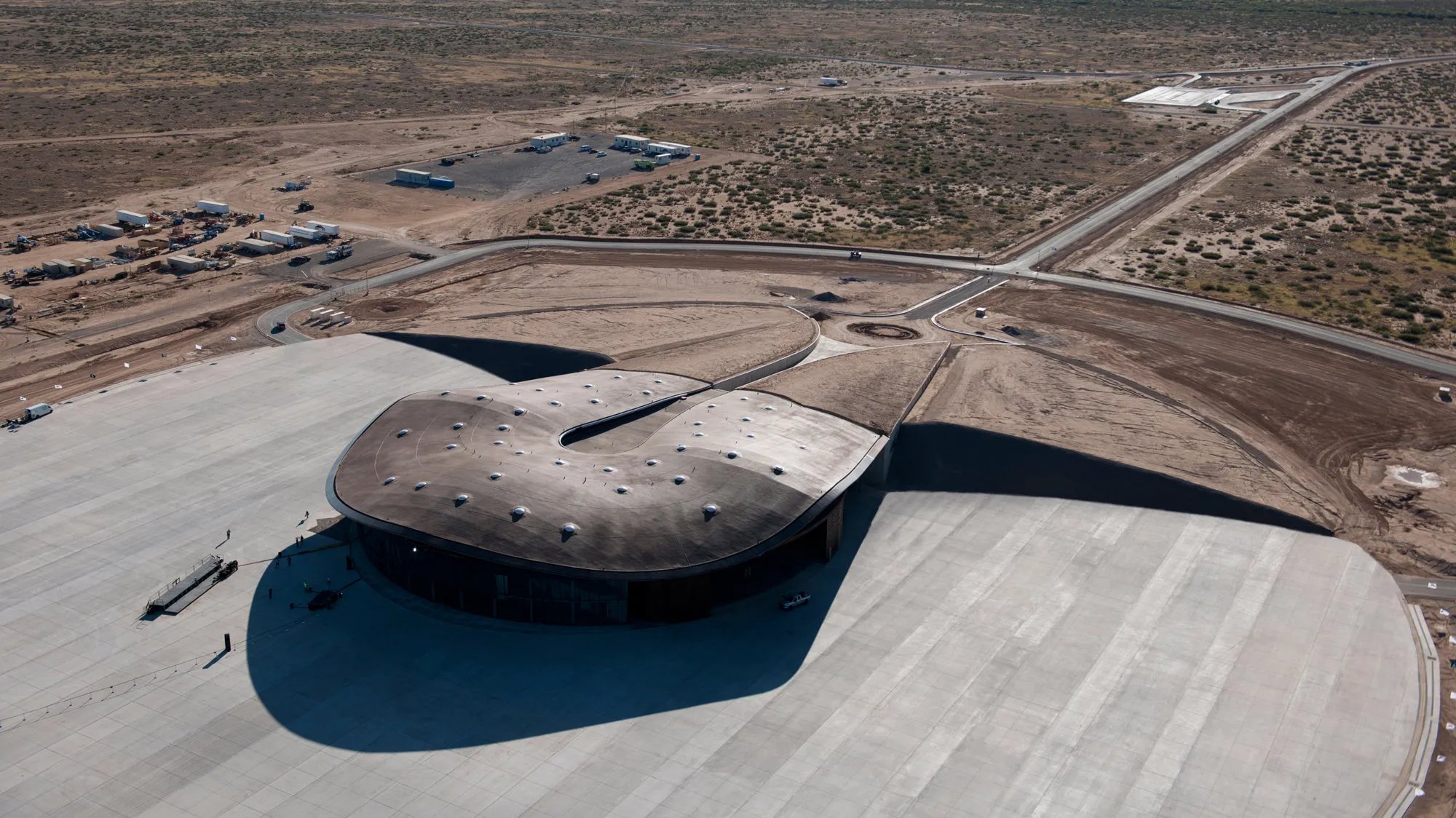
10 Must-Know Postmodern and Contemporary Styles Transforming Architecture
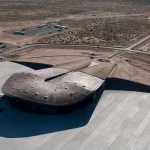
Spaceport America © Foster + Partners

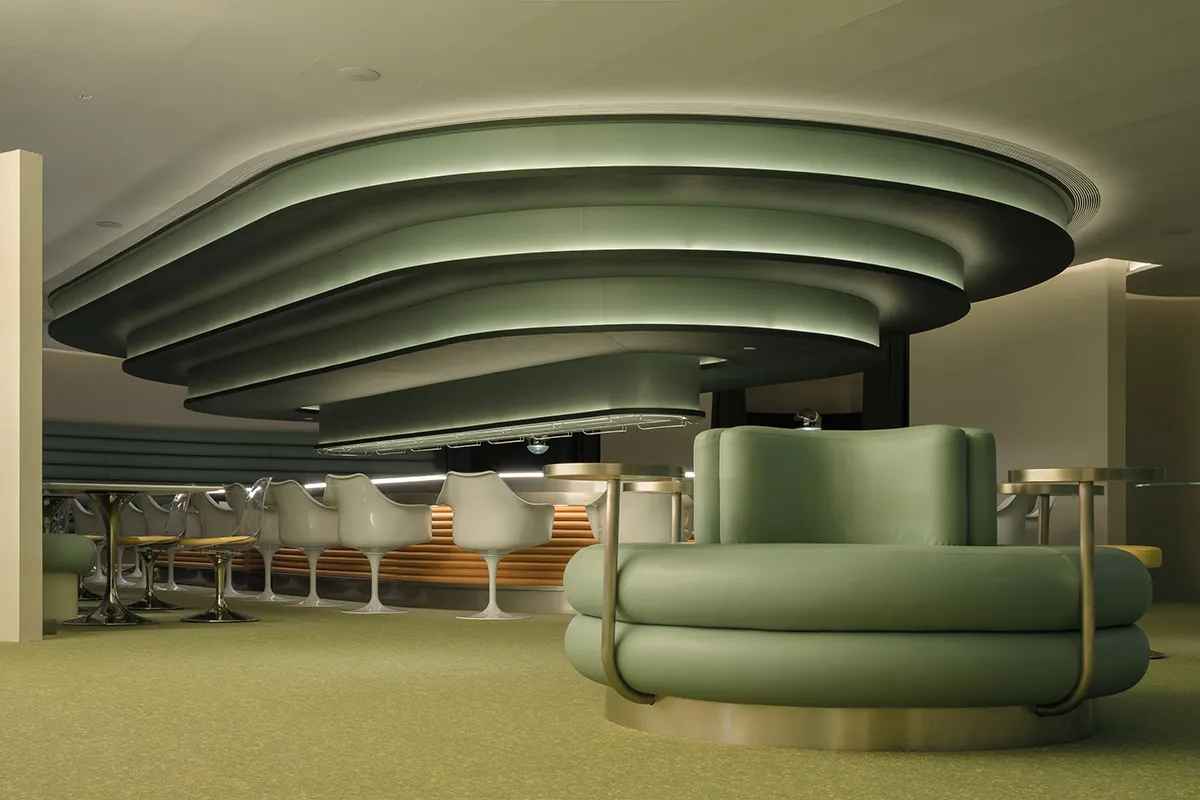
Retro-futurism in architecture integrates futuristic vision with design styles and aesthetics from the past. It’s an imaginative representation of bold, whimsical forms in the designs that combine sci-fi visions with vintage styles. Retro-futurism, an artistic and design movement that focuses on thematic and visually pleasing aspects rather than functional ones, is often used in pop culture, kiosks, entertainment spaces, and conceptual designs. These science fiction-inspired futuristic elements, such as rockets, robots, and flying cars, reflect how people in the past imagined the future.

Key Features of Retro-futurism

  • Space Age Inspiration: UFO-like forms, rocket ship shapes, orbiting elements.
  • Streamlined Geometry: Curves, domes, parabolic arches, fins, and bold cantilevers.
  • Neon & Glowing Lights: Lighting that creates a futuristic, techy feel.
  • Bold Colors: Often mixes chrome, metallics, white, red, turquoise, and atomic orange.
  • Futurism Based on Outdated Tech: Vacuum tubes, analog dials, ray guns, bubble domes.

The Next Wave of Architectural Style
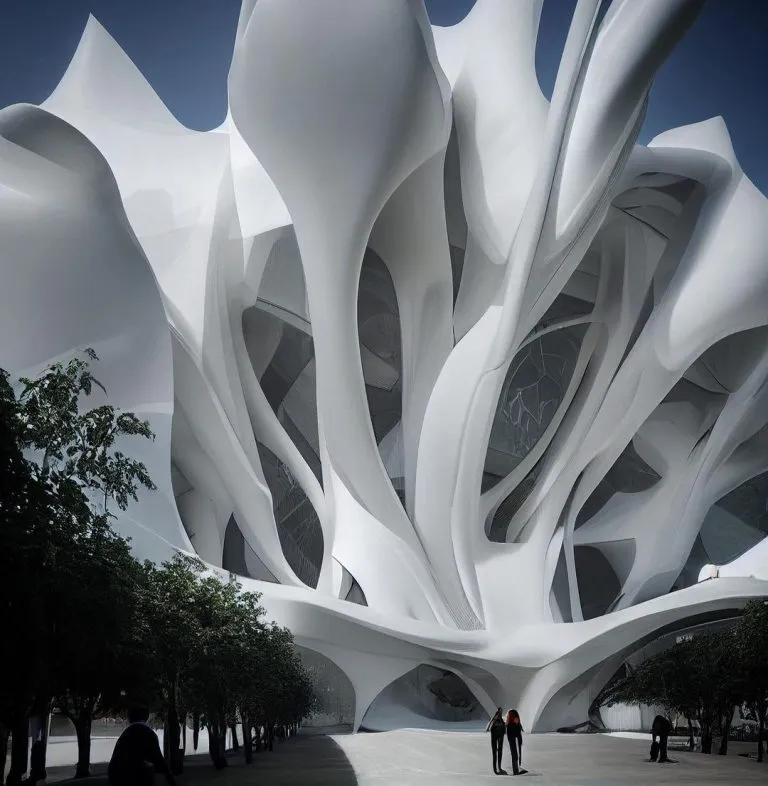
10 Must-Know Postmodern and Contemporary Styles Transforming Architecture
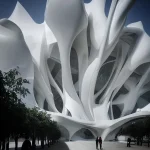
MidJourney exploration © Arturo Tedeschi

Beyond technological advancement, the most compelling aspect of the next wave is its focus on human experience. From kinetic facades to smart infrastructures, the future spaces are being designed on a foundation of neurodiversity, generative AI integration, computation skills, digital fabrication, material science, and bio-integration to create structures that are intelligent, adaptive, and responsive to occupants and the natural ecosystem.

 

TAGGED:Biophilic DesignContemporary StylesdeconstructivismparametricismPostmodernsustainable architecture
Share This Article
Facebook LinkedIn Email Copy Link Print
ByPriyanshi Shah
Follow:
Priyanshi Shah, is an architectural content writer who sees architecture as a reflection of life itself. She blends her love for reading, traveling, and poetry to explore how spaces shape the way we live, think, and feel. Curious about the human-centric design, she dives into philosophy, psychology, and neuroarchitecture to better understand the deep connection between people and places. For her, every city is a story waiting to be told - and writing is how she brings those stories to life. She believes that learning never ends and hopes her work sparks new ways of seeing the world through profound architectural narratives.
Previous Article World’s Largest Museum-Based Skyspace by James Turrell Set to Open in 2026 World’s Largest Museum-Based Skyspace by James Turrell Set to Open in 2026
Next Article Project Primrose by Adobe: The Future of Fashion Takes Shape Adobe’s Project Primrose, a Digital Dress That Changes Patterns in Real Time
Leave a Comment Leave a Comment

Leave a Reply Cancel reply

You must be logged in to post a comment.

Most Popular

The Duality of Architectural Landscape of Saudi Arabia

Architecture & Design

8 parametric and innovative pavilions of 2023

Articles
Wright’s Guggenheim in New York ,Guggenheim Museums

The Top 7 Guggenheim Museums

Articles

A Guide to FIFA World Cup 2026 Stadiums

Architecture & Design
the architecture of happiness - must read architecture books

10 Books Every Architect Should Read

Articles

Midjourney Guide: From Beginner to Advanced

Articles
Designing the Future with Wood Architecture

Designing the Future with Wood Architecture

Articles

How does the emergence of AI influence game design?

Articles

Top 10 Podcasts For Creators

Articles

Germany economy lagged behind in GDP, PPP

Articles
Previous Next
L’île Folie Pavilion by Marc Fornes/THEVERYMANY

Subscribe to our newsletter

L’île Folie Pavilion by Marc Fornes/THEVERYMANY

Subscribe Newsletter

- Advertisement -
Ad image

You Might Also Like

Architecture & Design

The Architecture of Adaptation: Diana Salamaga’s Vision for Responsive Facades

December 29, 2025
© illustrarch
Architecture & Design

Why Students Choose to Study Architecture

July 9, 2025
Egyptian Architecture, Great Pyramid of Giza
Architecture & Design

6 Timeless Icons of Egyptian Architecture Spanning Millennia of Design

August 30, 2025
ArticlesArchitecture & Design

An immersive exhibition space that blurs the lines between the physical and digital worlds

July 2, 2024
PA | Architecture and Technology

© All rights reserved. Parametric Architecture (2018-2026) – ISSN 3023-7564

Parametric Architecture (PA) is a leading global architecture and design platform connecting millions of architects, designers, and students through innovative projects, industry insights, and educational initiatives.

Instagram Facebook X-twitter Youtube Linkedin Pinterest Tiktok

Get in touch​

  • About Us
  • PA+ Membership
  • Contact Us
  • Submit Project
  • NewsLetter
  • Advertise
  • Cookie Policy
  • Distant Sales Agreement
  • PA+ Membership Agreement
  • Privacy Policy

Explore More

  • Articles
  • Projects
  • Videos
  • Books
  • PA Talks
  • Jobs
  • Subscribe

Subscribe Newsletter

Subscribe to our newsletter to get our newest articles instantly!

© 2026 ParametricArchitecture. All Rights Reserved. By utilizing this website, you are consenting to our User Agreement, Privacy Policy, and Cookie Statement. In compliance with the privacy laws of Turkey and the United States, we recognize and respect your rights. Please be aware that we may receive commissions for products bought through our affiliate links. Unauthorized reproduction, distribution, or transmission of any material from this site is strictly forbidden without prior written permission from ParametricArchitecture.

Welcome Back!

Sign in to your account

Username or Email Address
Password

Lost your password?

Not a member? Sign Up