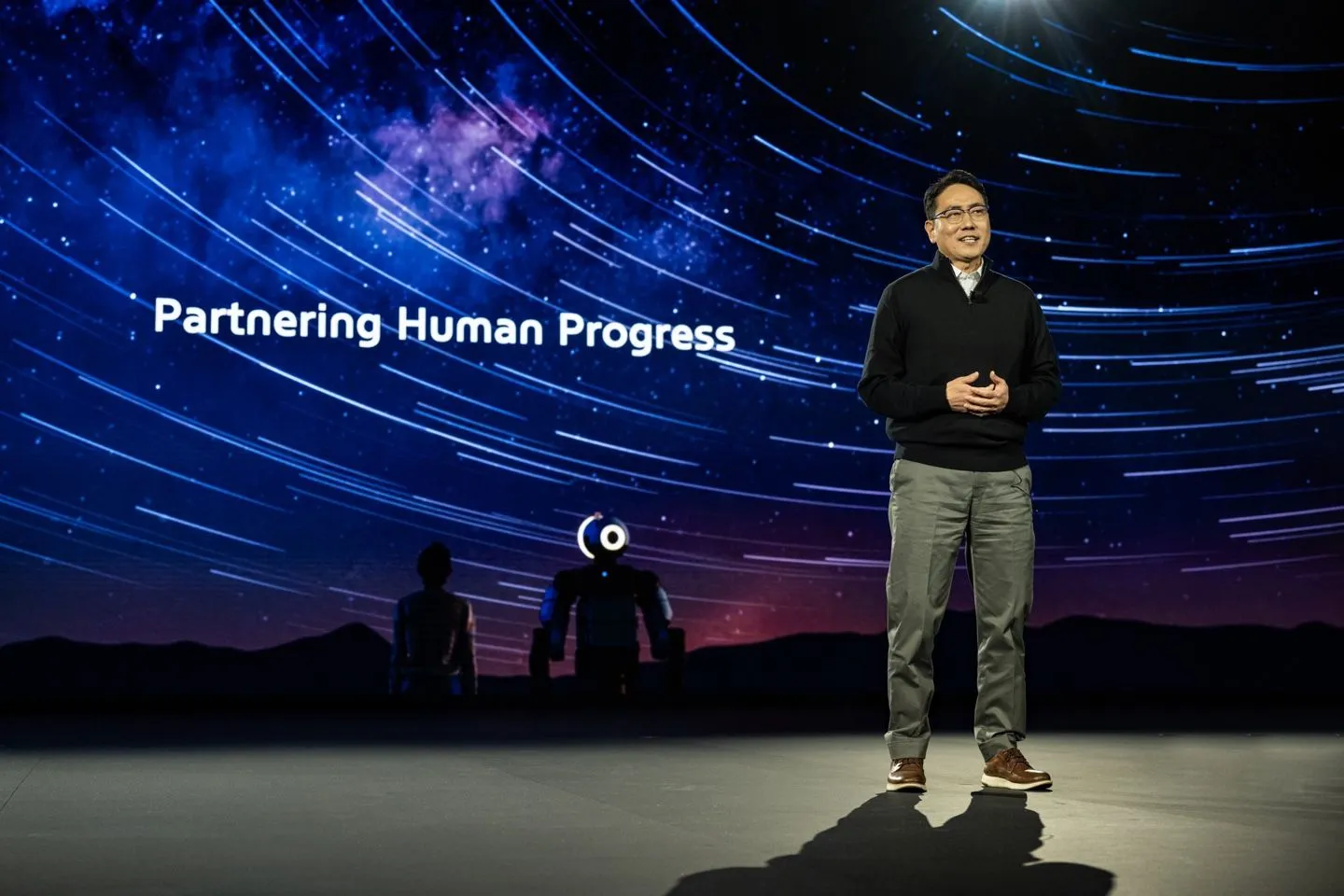

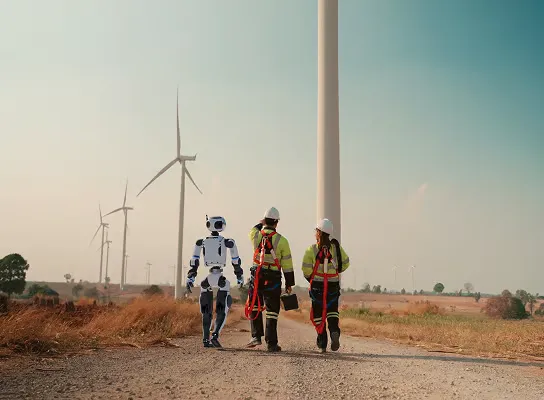
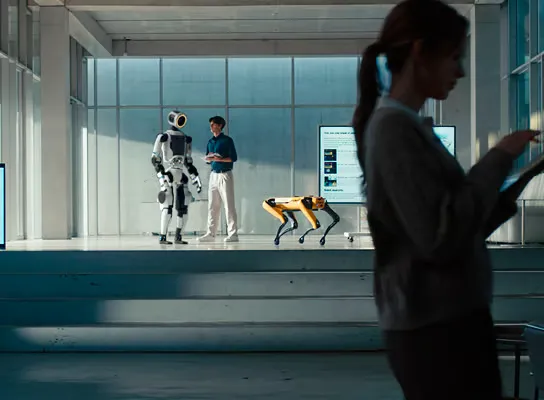
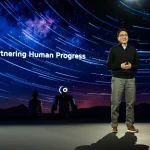
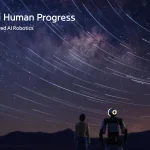
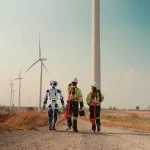
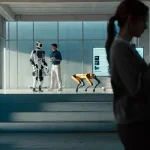
At CES 2026 in Las Vegas, Hyundai Motor Group outlined a major expansion of its robotics strategy that directly involves Google AI expertise and Boston Dynamics’ advanced humanoid robotics technology. Hyundai’s goal is to transition from traditional manufacturing automation to AI-driven, human-centered robotics machines that work alongside people safely and efficiently in real industrial environments.
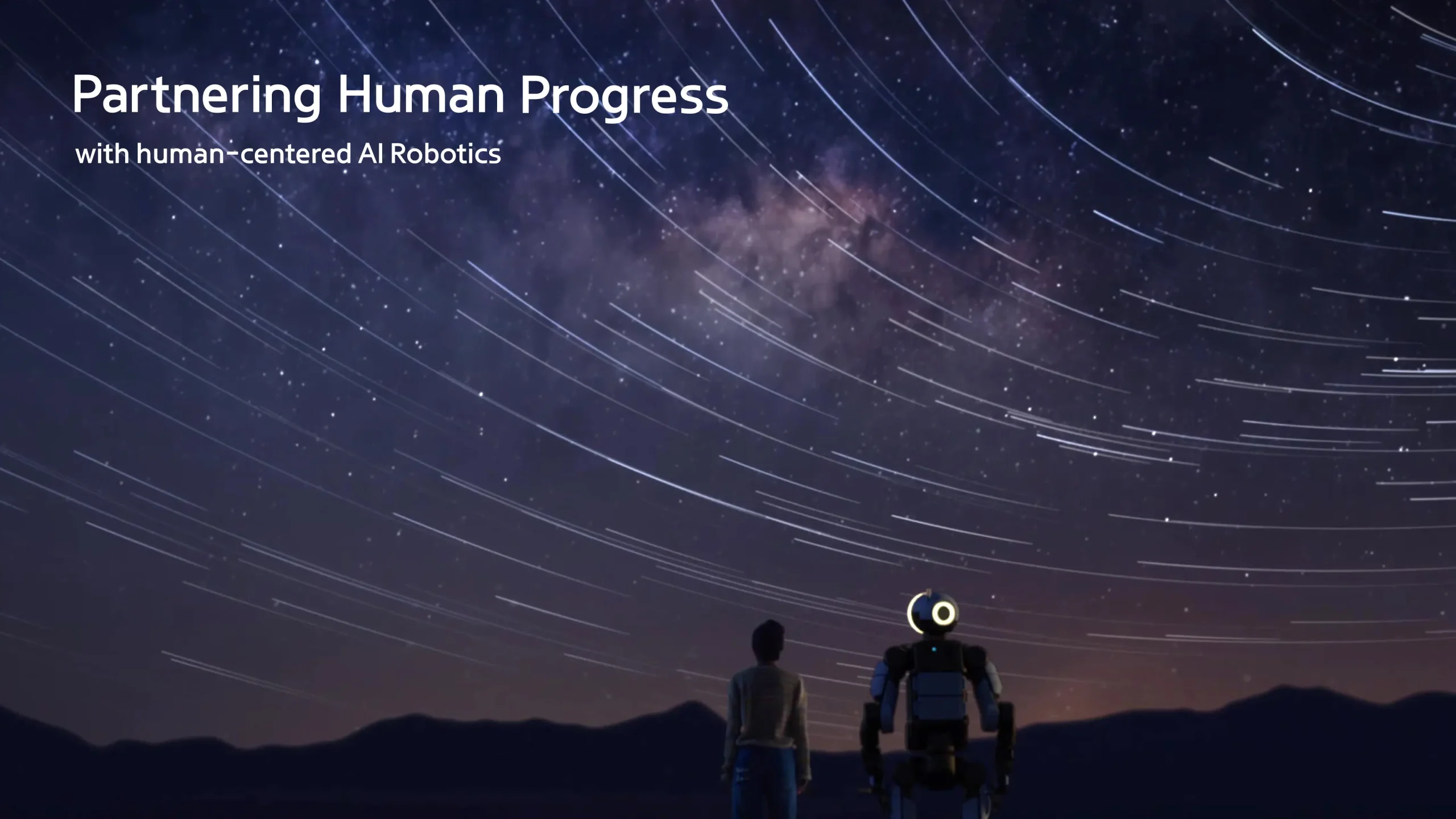
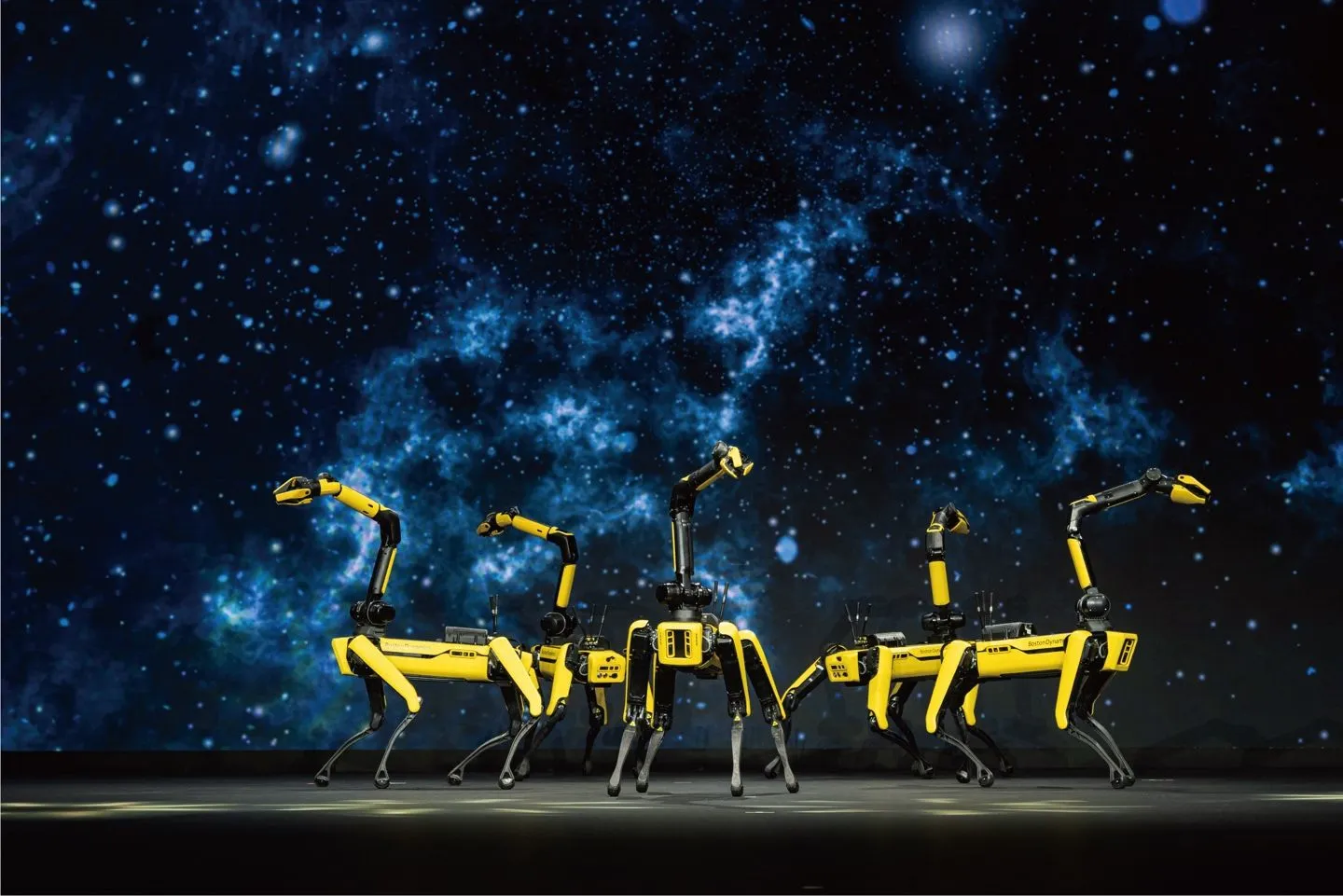
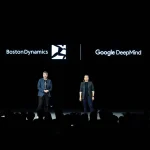
Hyundai Motor Group has built its AI Robotics Strategy around three core pillars: collaborating humans with robots, scaling the Boston Dynamics robotics lineup across production lines, and bringing in AI leadership from global technology companies. A key component of that last pillar is Google DeepMind partnering on AI technology for robots such as Atlas.
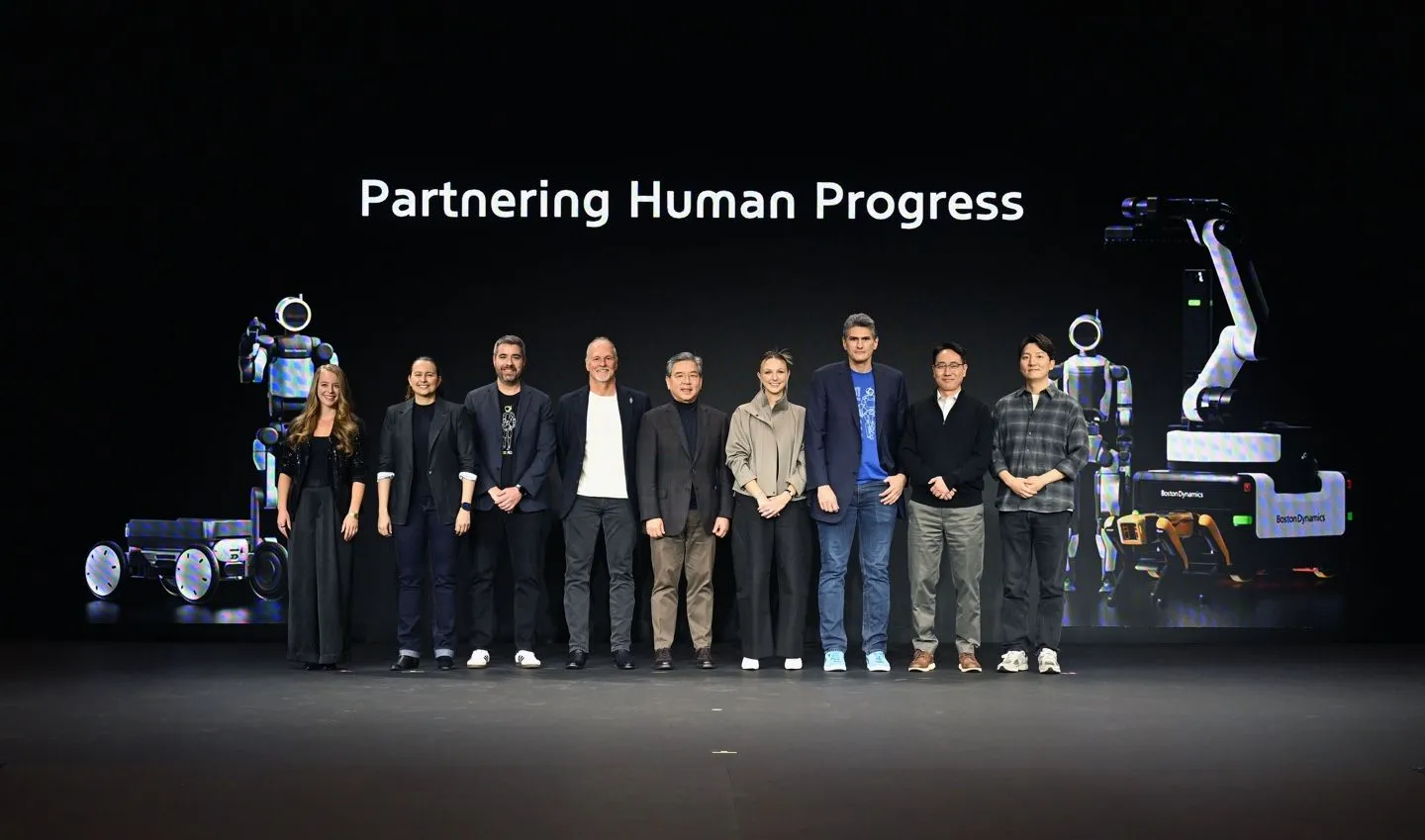
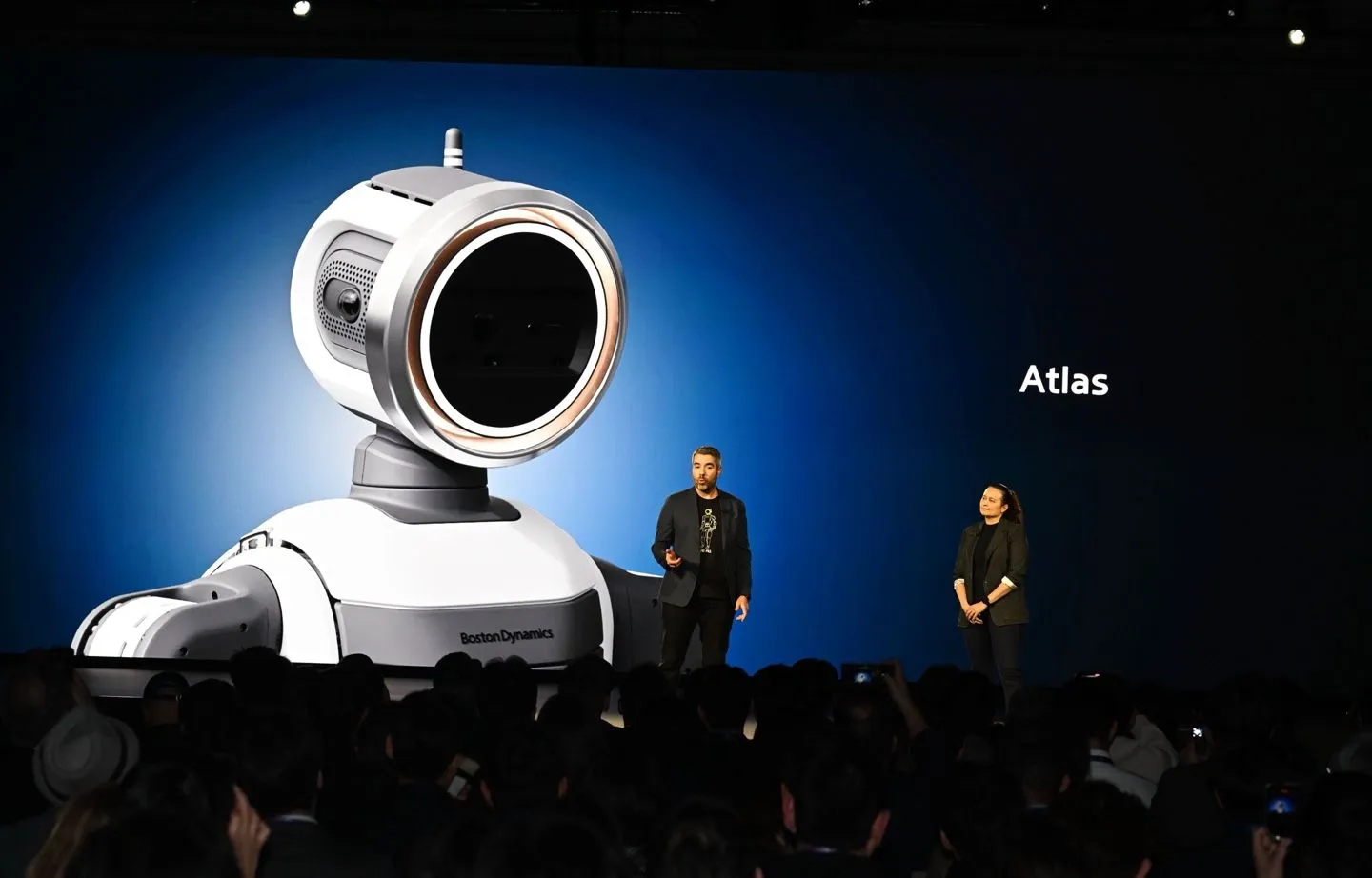
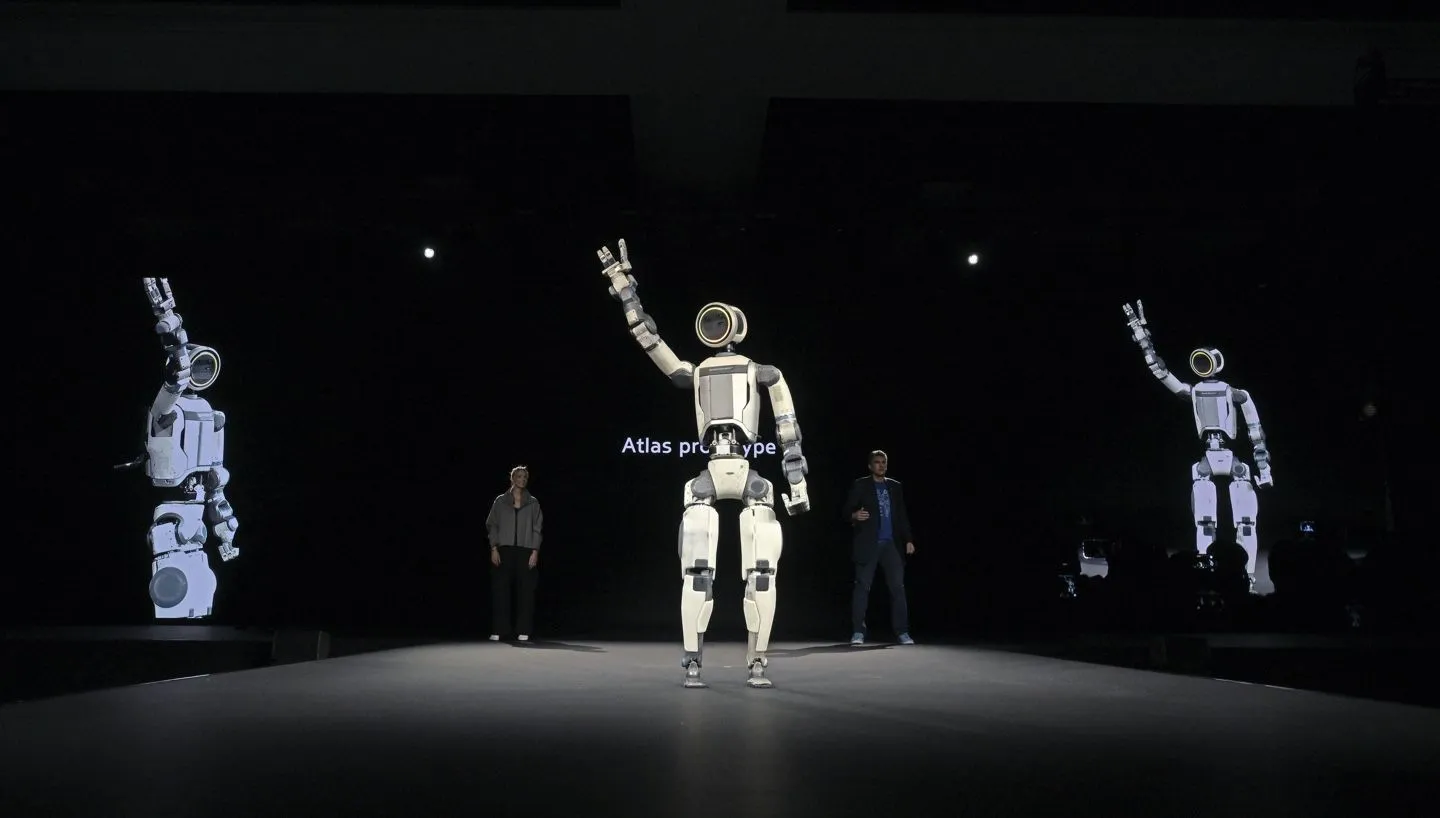
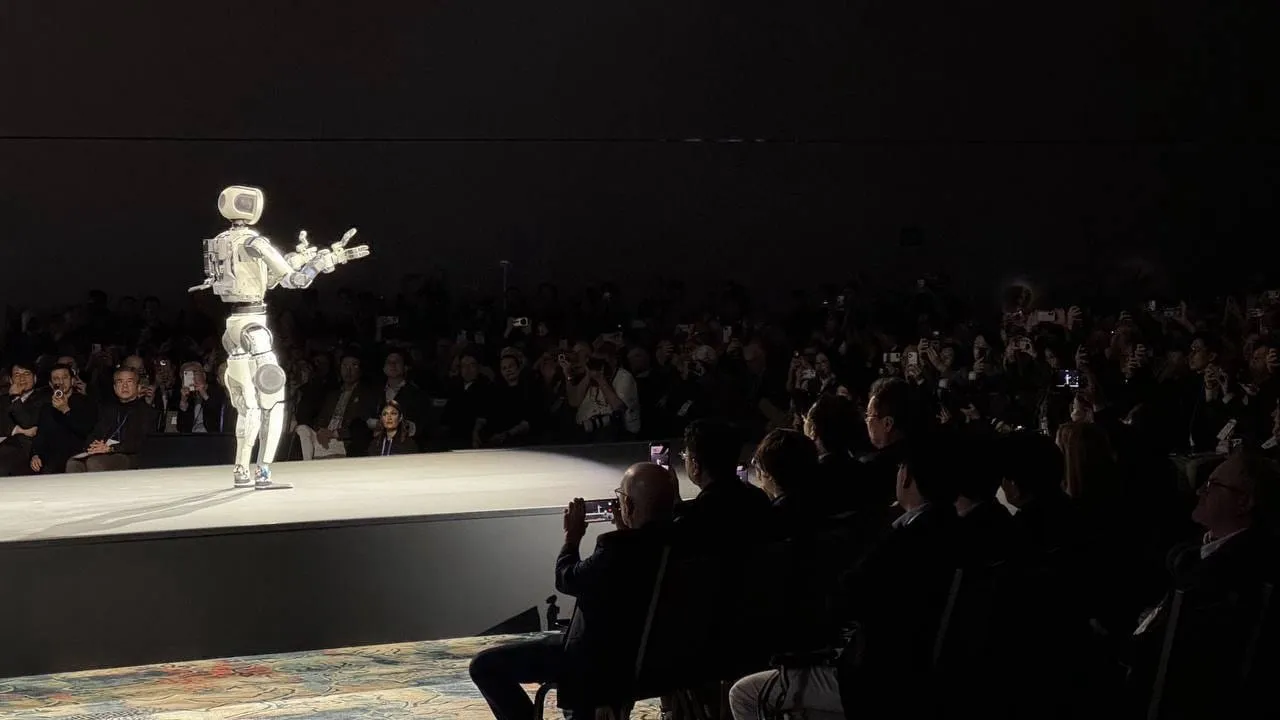
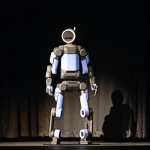
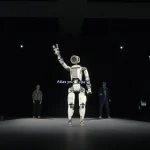
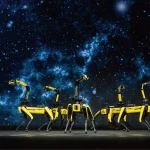
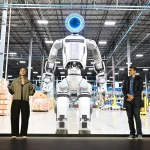
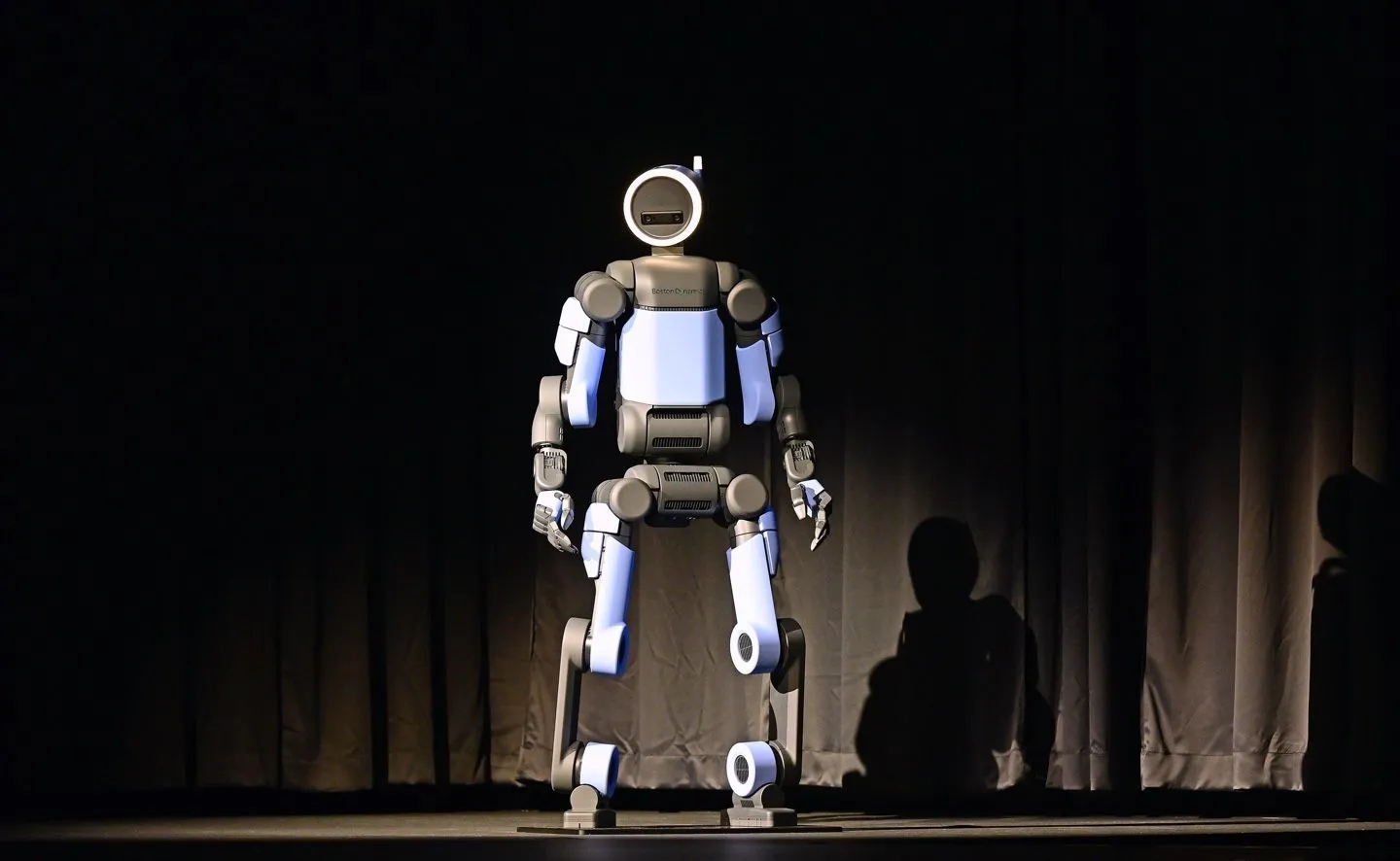
Hyundai owns a controlling stake in Boston Dynamics, and this acquisition underpins much of the robotics push. At CES 2026, Boston Dynamics showcased the Atlas humanoid robot live for the first time in public, a significant milestone. The demo at Hyundai’s stand featured Atlas walking and moving with fluid, human-like motion, indicating real progress toward practical usability.
The Hyundai and Google AI partnership Means
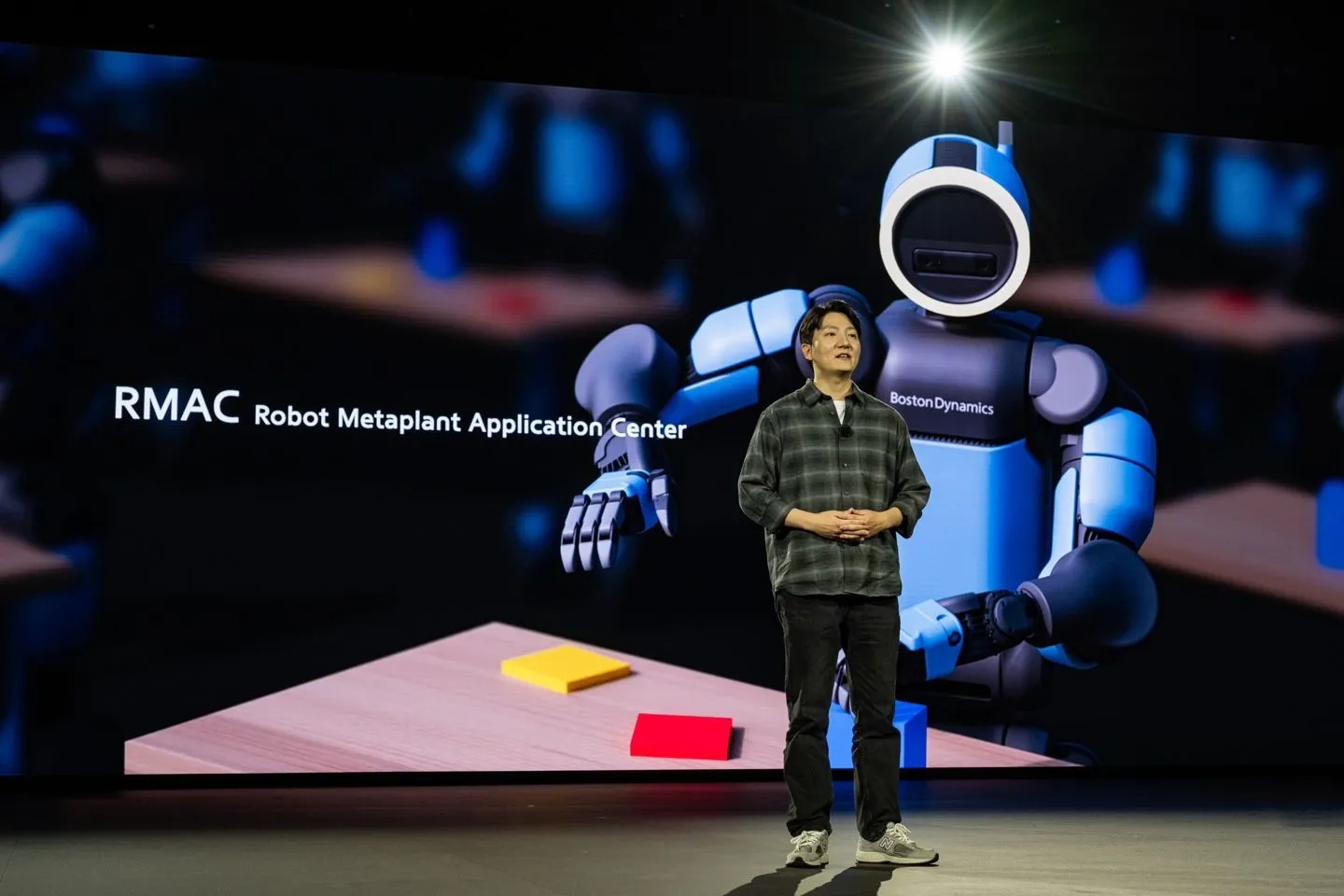
Google DeepMind’s role centers on supplying AI models that help robots understand and react to their environments. These models go beyond simple scripted movements. Instead, they allow robots like Atlas to perceive, plan, and adapt to complex tasks, especially tasks that weren’t hard-coded ahead of time. This capability is essential for robots to operate in real factory settings where things change from one moment to the next.
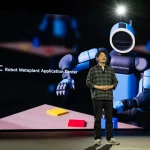
For Hyundai, the immediate focus is on industrial applications rather than consumer robots. The CES strategy announcement highlighted plans to integrate Atlas at its Metaplant manufacturing facility in Savannah, Georgia, starting in 2028. Initial deployment will focus on tasks like parts sequencing, with more advanced functions such as assembly expected by 2030. These robots are built to handle repetitive, high-risk, and physically demanding work, relieving human workers from strain while keeping them in supervisory and training roles.
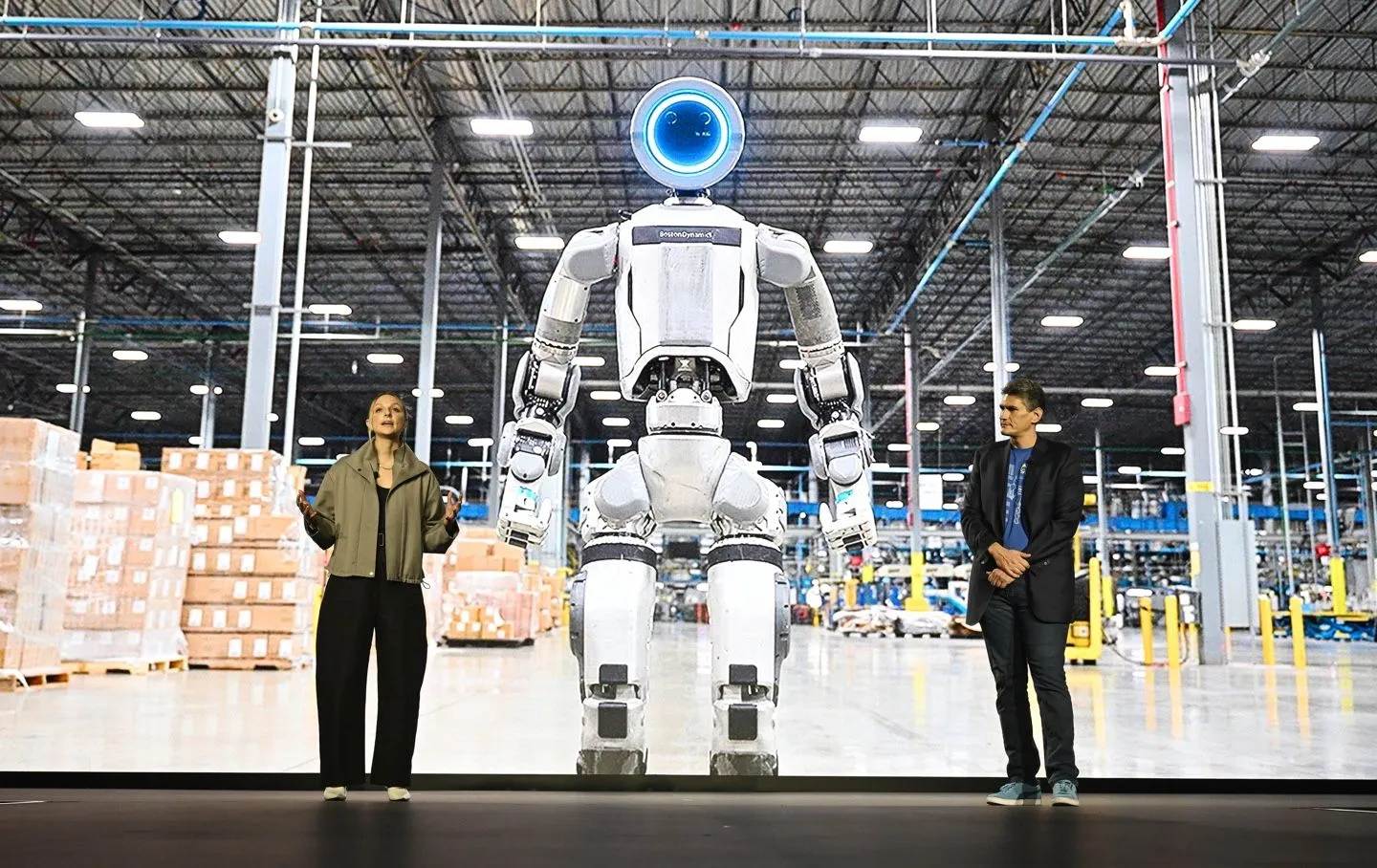
The design of Atlas itself reflects this direction:
- Human-scaled body and tactile hands capable of interacting with physical objects.
- 56 degrees of freedom for wide movement flexibility.
- Autonomous features like automatic battery swaps and adaptation to changing conditions.
- Capability to lift substantial loads and operate in industrial environments.
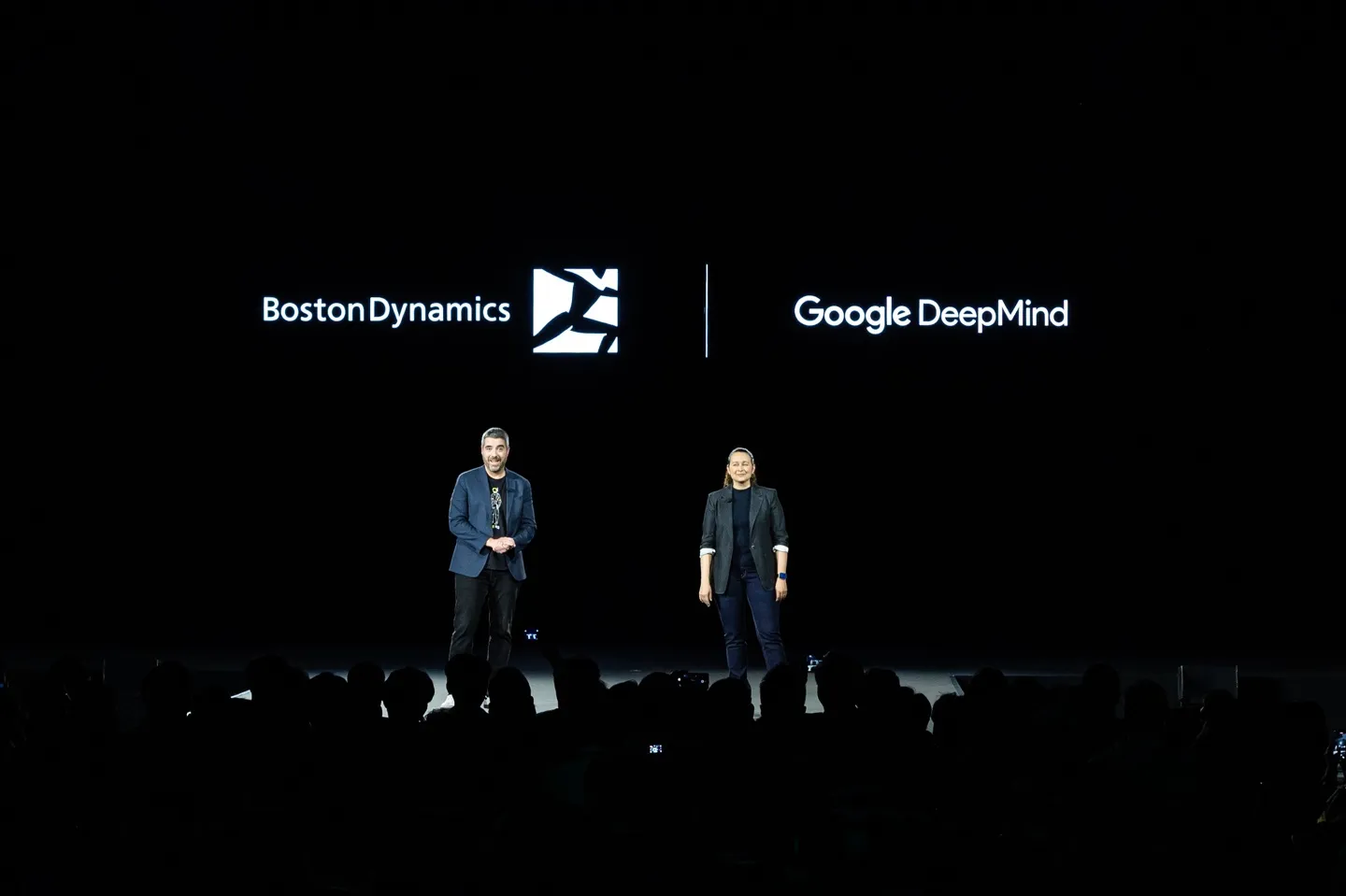
By tying together Hyundai’s mass-production ecosystem, Boston Dynamics’ mechanical robotics expertise, and Google DeepMind’s advanced AI models, this partnership aims to accelerate the real-world usefulness of humanoid robots. Hyundai envisions scaling Atlas deployment across many factory sites globally and eventually expanding into logistics, energy, construction, and other sectors.
The Hyundai-Google AI association represents a strategic alignment of manufacturing strength with next-gen AI robotics. Hyundai’s push to commercialize robots like Atlas stands apart from simple proofs-of-concept; it signals a concrete plan to embed AI-driven robots in everyday industrial work over the next several years. Hyundai is working with Google DeepMind; the company wants AI at the core of its robots, from environmental awareness to task learning and eventual autonomous action.
Credits: Hyundai Motor Group