








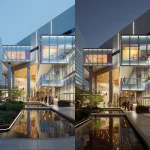
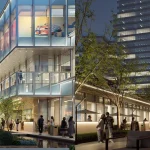





For much of the past decade, advances in architectural visualization have been measured by image quality. Physically accurate lighting, increasingly sophisticated material systems, and real-time ray tracing have narrowed the gap between rendering and photography. What was once considered exceptional has become an industry expectation.
Yet, while rendering technology has evolved rapidly, one part of the workflow has changed surprisingly little.
Design reviews still rely largely on static images, pre-rendered animations, or predetermined camera paths. They document design decisions effectively, but they rarely participate in the discussion itself. When conversations shift toward alternative materials, different lighting conditions, or revised design options, the presentation often pauses while new visuals are prepared elsewhere.
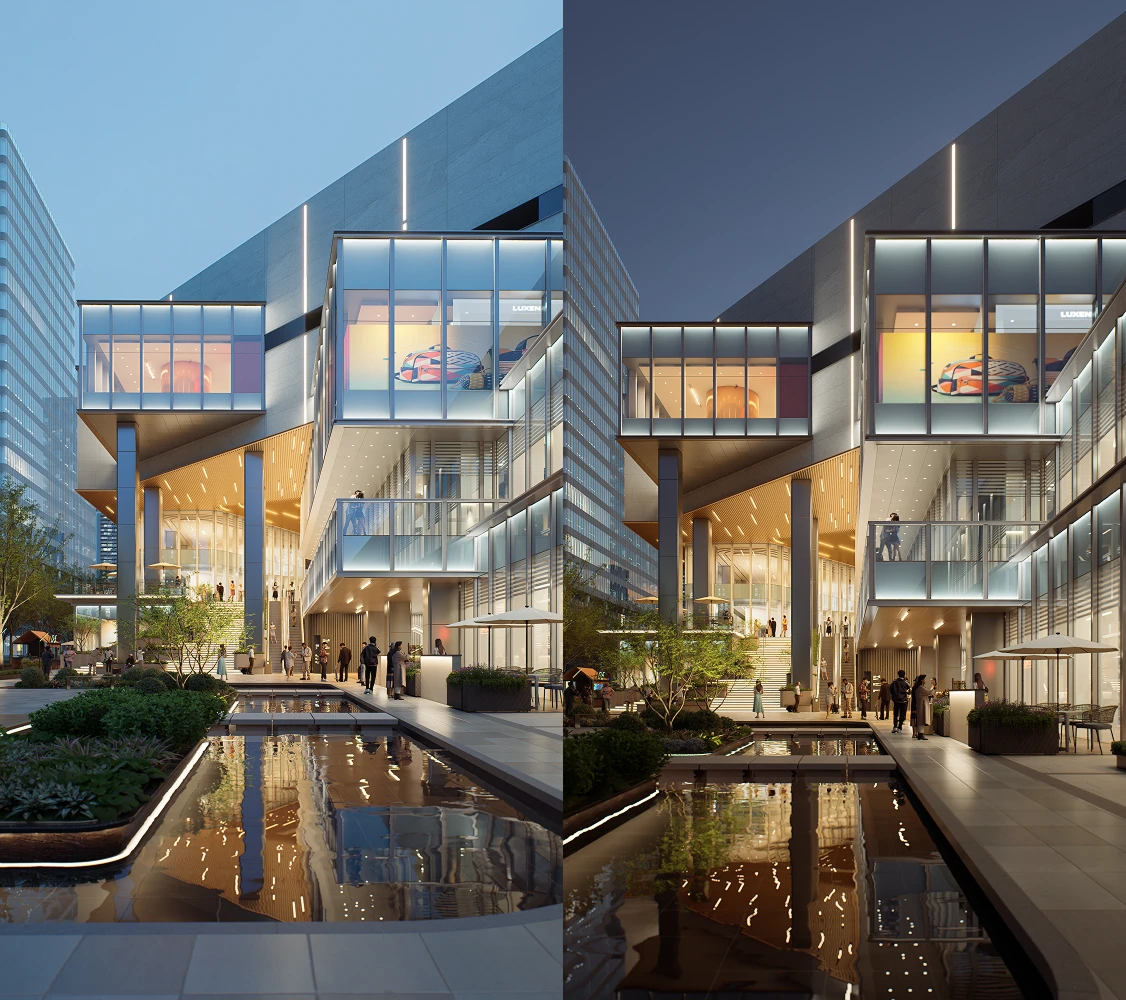
As architectural practice becomes increasingly collaborative, this limitation becomes more apparent. Clients, consultants, engineers, and developers now contribute throughout the design process rather than only at its conclusion. Meetings are becoming working sessions where decisions evolve in real time, creating new expectations for how architecture should be communicated.
Visualization is therefore beginning to serve a different role. Rather than functioning solely as a final representation, it is becoming an active medium for discussion, comparison, and decision-making.
The next evolution in architectural visualization may not be realism alone, but interaction.
Rethinking the Design Presentation Workflow
This industry shift is the foundation behind D5 3.1.
Rather than asking how rendering could become more realistic, the release addresses a different question: How can visualization remain useful once the meeting begins?
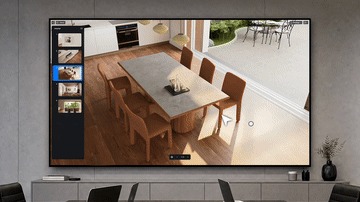
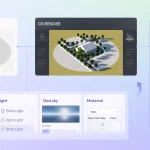
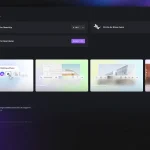
D5 responds with Interactive Presentation, a workflow that allows architects to organize presentations like slides while maintaining access to the live project.
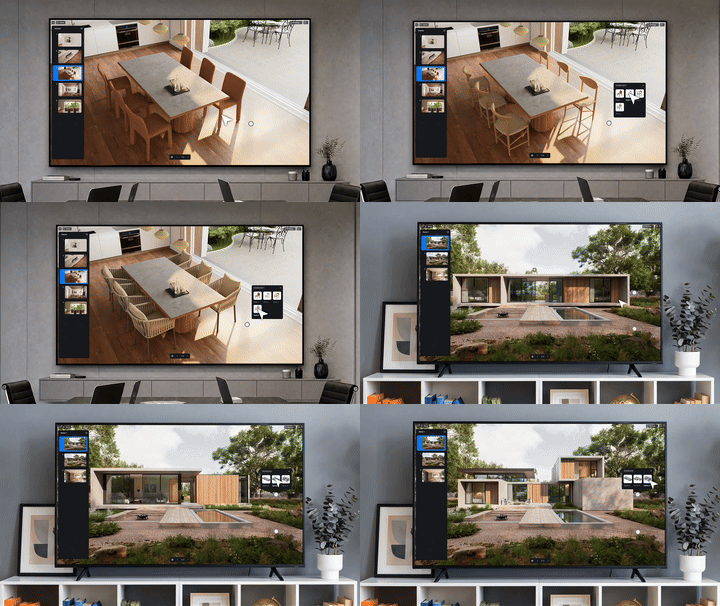
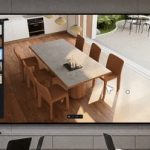
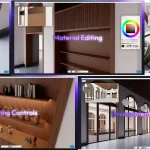
Instead of preparing multiple image sets or separate animations, teams can move between design schemes, materials, lighting conditions, weather settings, viewpoints, and object visibility within the same presentation. Questions that once interrupted the review can now be explored immediately.
The presentation becomes less like a sequence of predetermined visuals and more like a collaborative design workspace.
More Ways to Experience Design
Interactive Presentation sits within a broader set of tools aimed at making architectural review more immersive and adaptable.
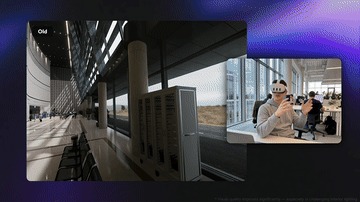
Stereoscopic Panorama introduces depth-aware panoramic experiences for VR, helping clients and project teams better understand scale, materiality, and spatial relationships. Improvements to VR navigation and controller interaction make immersive walkthroughs practical for routine design reviews rather than occasional demonstrations.
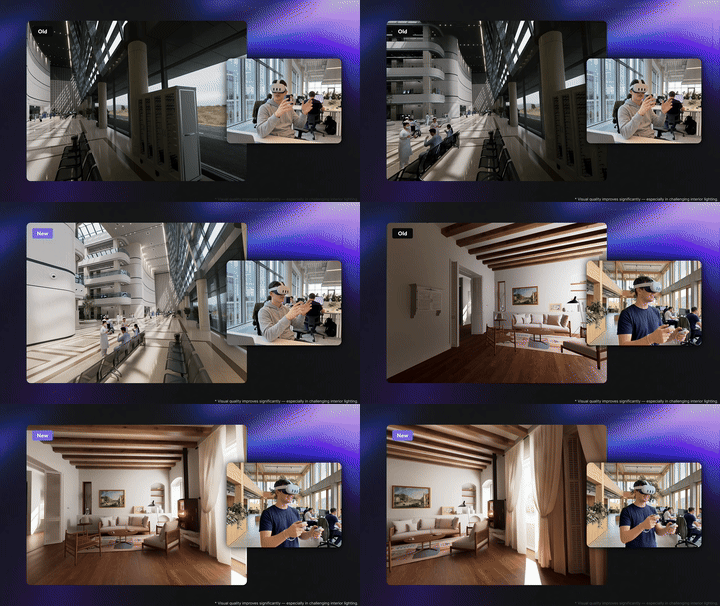
Spatial Tour has also evolved with faster scene generation, smoother transitions between indoor and outdoor spaces, and dollhouse views that simplify navigation through complex projects.
Rather than replacing still renderings or animations, these technologies broaden the ways architecture can be explored depending on the audience, project stage, and review objective.
Presentation Starts Long Before the Client Meeting
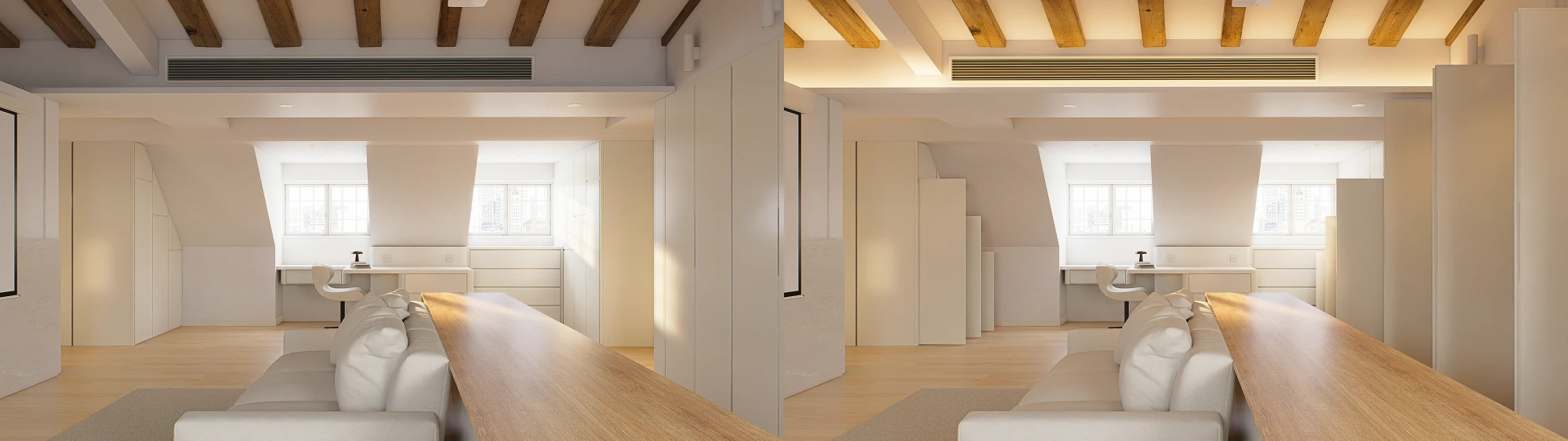
The quality of a presentation depends on everything that happens before it.
As visualization becomes more deeply embedded within design workflows, architects increasingly expect to evaluate ideas while they are still evolving, rather than waiting until documentation is complete. Presentation, in this sense, no longer begins when slides are prepared. It begins when a design team first tests form, light, material, atmosphere, and spatial experience.
This continuity extends beyond D5 Render itself.
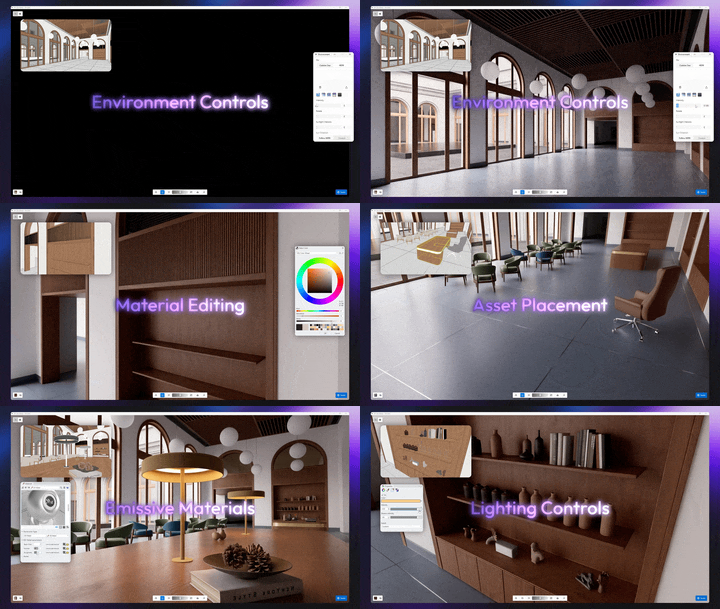
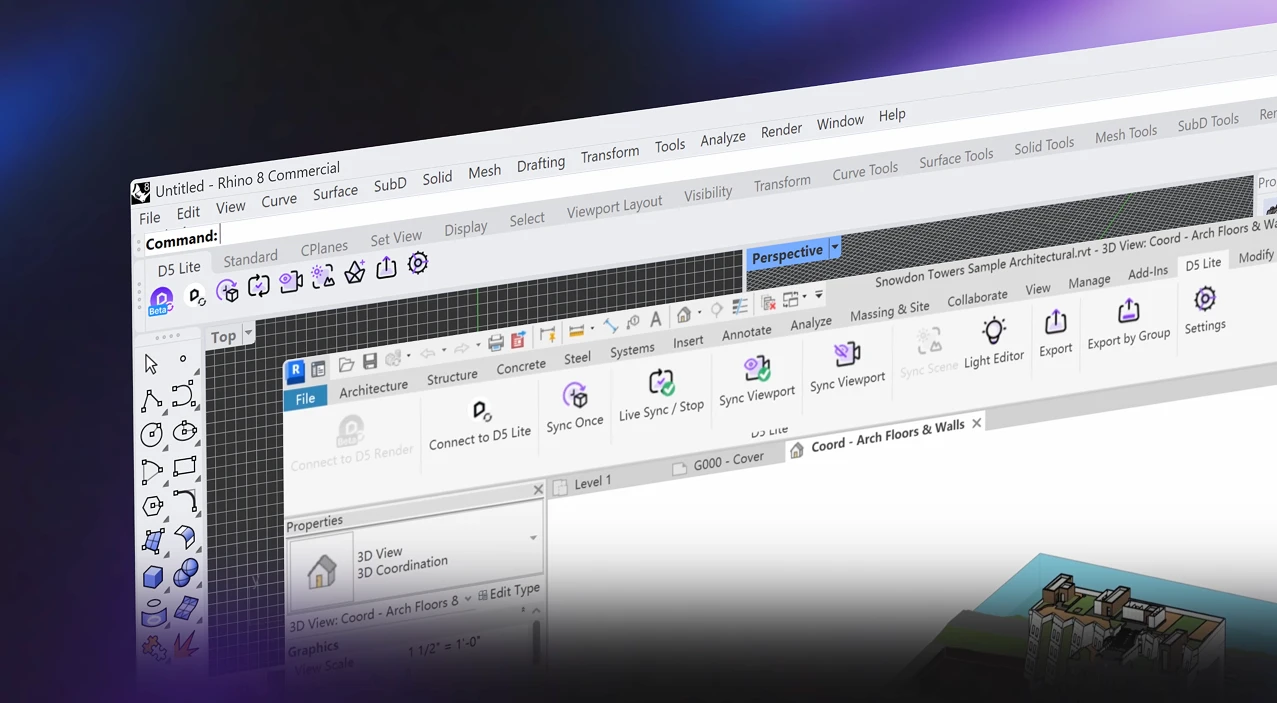
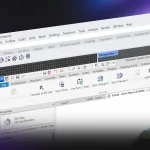
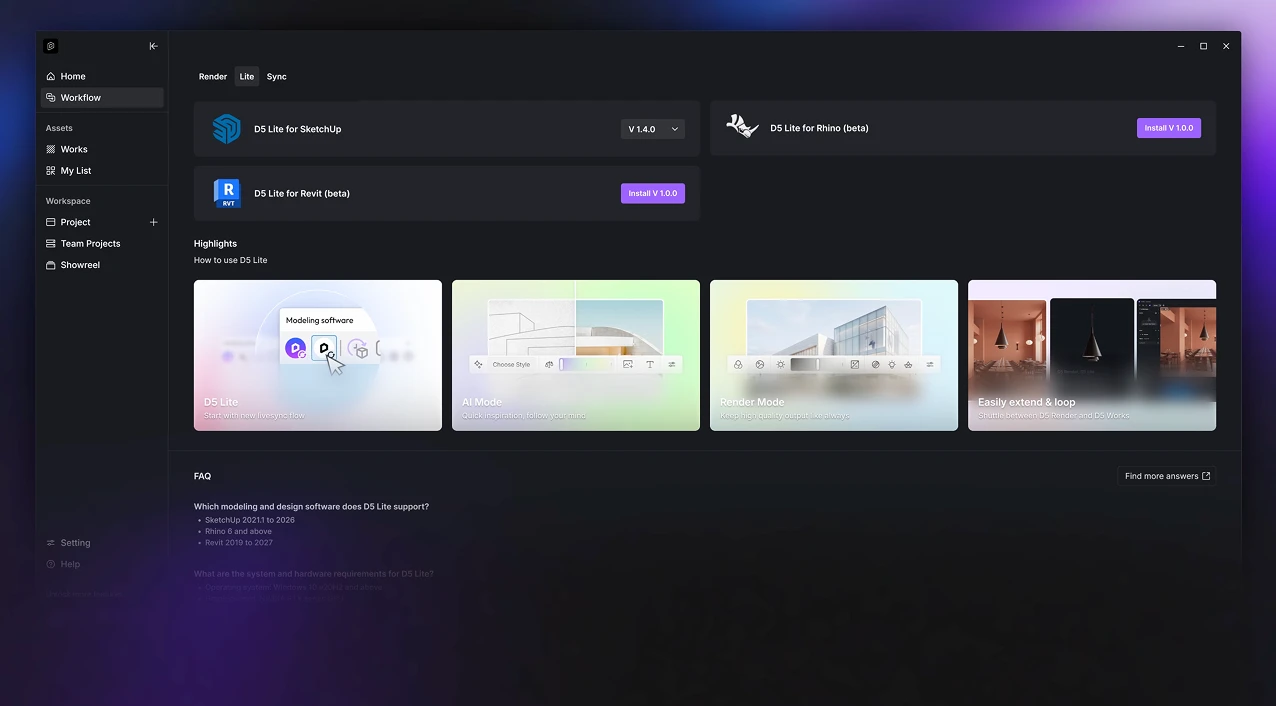
Following its earlier release for SketchUp, D5 Lite now expands to Rhino and Revit, bringing real-time visualization directly into more of the tools architects already use. Designers can preview materials, lighting, and visual direction without leaving the modeling environment, supporting faster exploration during conceptual design, massing studies, façade development, and iterative testing.
D5 Lite is not intended to replace the final presentation power of D5 Render. Its role is earlier in the process: to make design decisions more visual from the start. When projects require high-end imagery, animation, or interactive presentation, the workflow can continue into D5 Render for more advanced output.
Combined with Cloud Collaboration, distributed teams can review, refine, and share work with less reliance on manual file exchanges or local infrastructure, creating a more continuous workflow from concept development through client review.
Rendering Still Matters
As presentations become more interactive, the visual quality behind them becomes even more important.
D5 Render 3.1 introduces a series of production-focused improvements that strengthen realism while preserving real-time responsiveness.
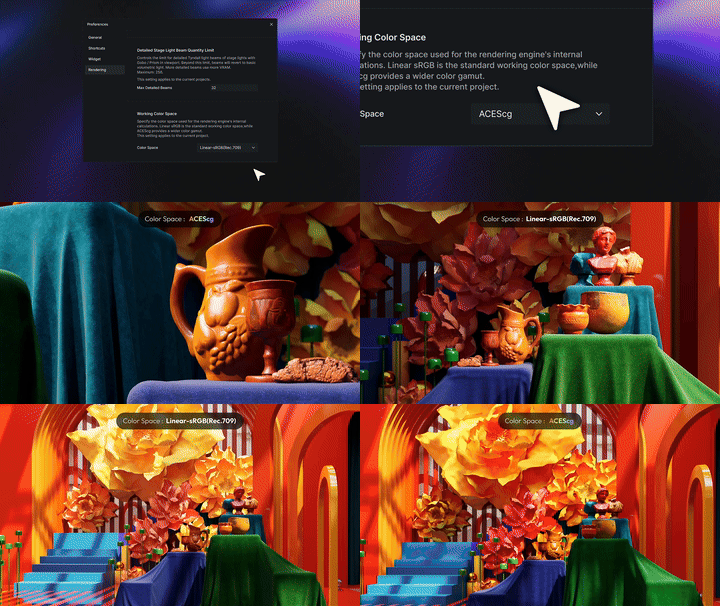
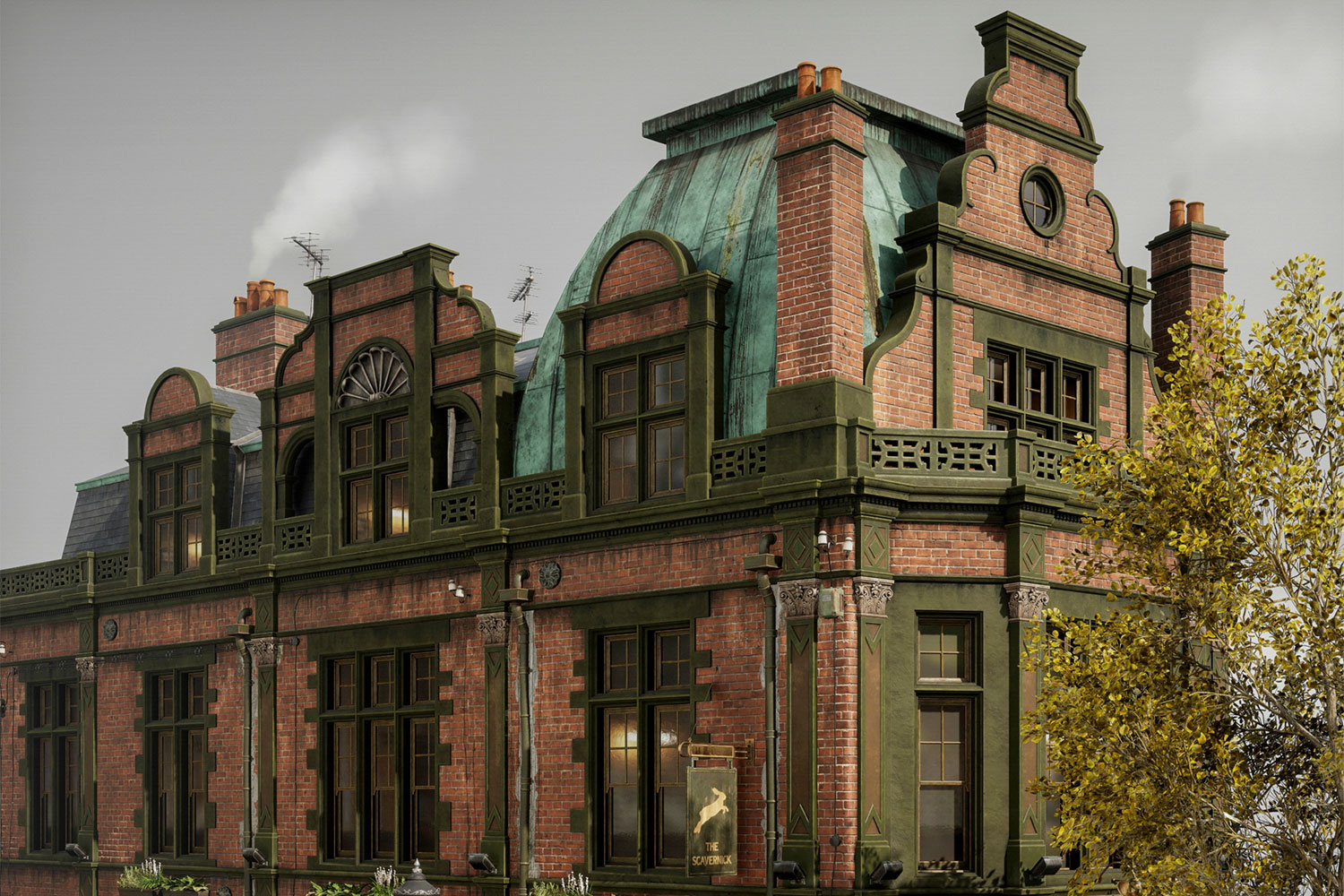
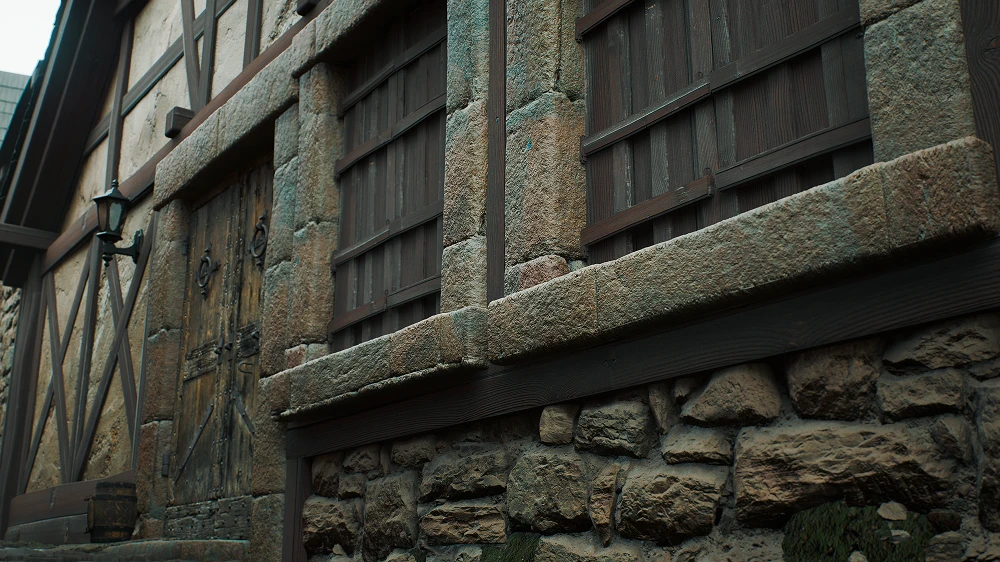
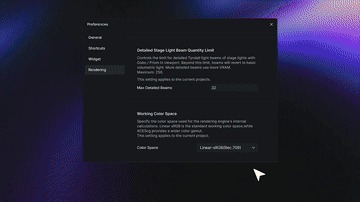
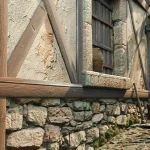
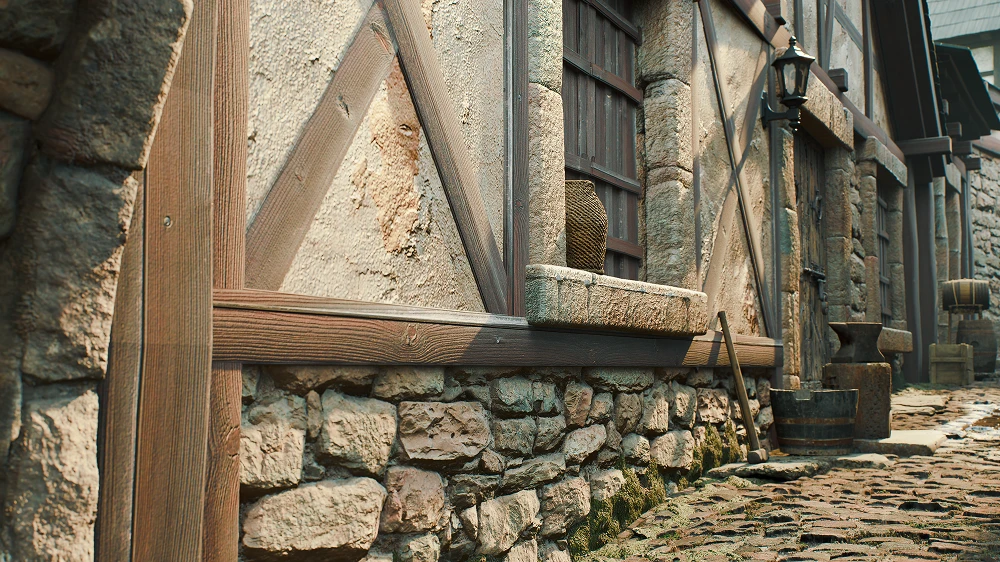
The adoption of ACEScg Working Color Space introduces a production-grade color pipeline commonly used in film and visual effects, improving color consistency throughout visualization and post-production workflows. HeightField Tracing produces richer surface relief for displacement materials without adding geometric complexity, allowing brick, stone, and timber to retain convincing physical depth even in large scenes.
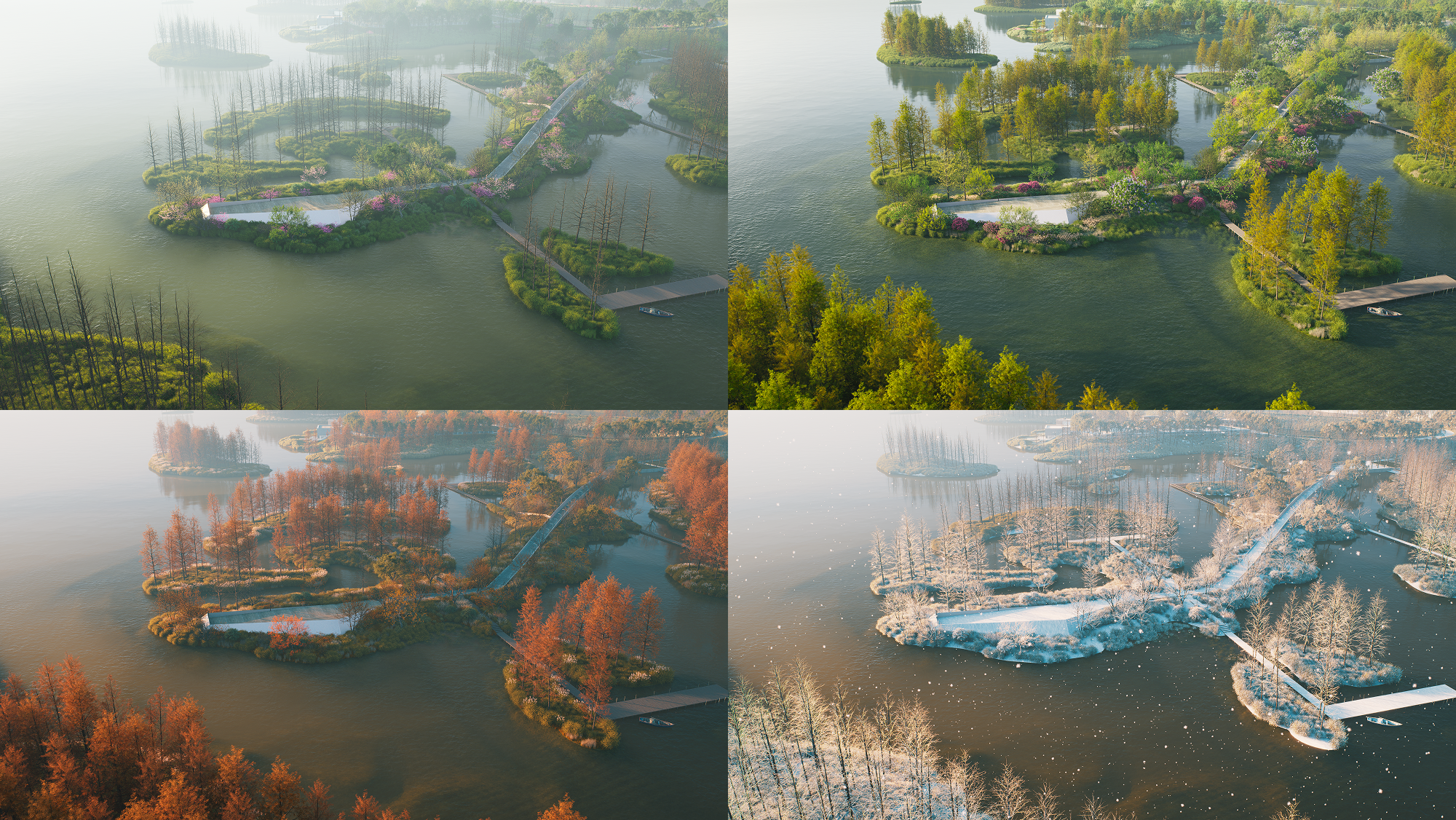
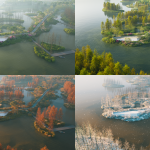
Landscape visualization also becomes more nuanced through Seasonal Vegetation, enabling foliage to adapt naturally throughout the year while introducing subtle color variation across planting schemes.
A series of smaller workflow refinements—including Custom Pivot, MeasureLine, improved City Generator controls, smarter Auto Exposure, and expanded Gaussian Splatting support—reduces repetitive adjustments while maintaining continuity throughout production.
Together, these developments reinforce a broader idea: interactive presentations depend on rendering technologies capable of supporting both visual fidelity and real-time responsiveness.
A Broader Shift in Architectural Visualization
Architectural visualization has spent years pursuing realism. That pursuit continues, but realism alone no longer defines the discipline.
As projects become increasingly collaborative, the ability to navigate alternatives, respond to feedback, and communicate design decisions in context is becoming equally important. Presentations are no longer simply the final stage of visualization. They are becoming part of the design process itself.
D5 3.1 reflects this broader direction. Rather than introducing presentation as a separate layer added after rendering, it positions visualization as an environment where ideas can be explored, discussed, and refined collaboratively.
Whether this marks the next phase of architectural visualization remains to be seen. What is becoming increasingly clear, however, is that the conversation is shifting—from producing better images to enabling better discussions around architecture.
See It Live!
D5 will demonstrate the 3.1 workflow in a live webinar on July 21, 2026, at 1:00 PM UTC. The session covers D5 Lite for Rhino and Revit, Interactive Presentation, VR review, Stereoscopic Panorama, ACEScg, HeightField Tracing, and Seasonal Vegetation. Registration is available through the webinar page, and anyone who registers but cannot attend live will receive access to the recording.