

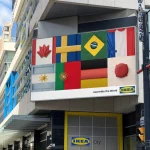
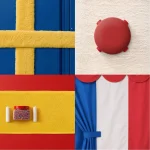
As brands around the globe compete for attention during the FIFA World Cup 2026, IKEA Canada has found an unexpected way to join the conversation without football sponsorships, celebrity endorsements, or stadium advertising. Instead, the furniture giant transformed its own products into a series of striking national flags, creating one of the tournament’s most talked-about design campaigns.
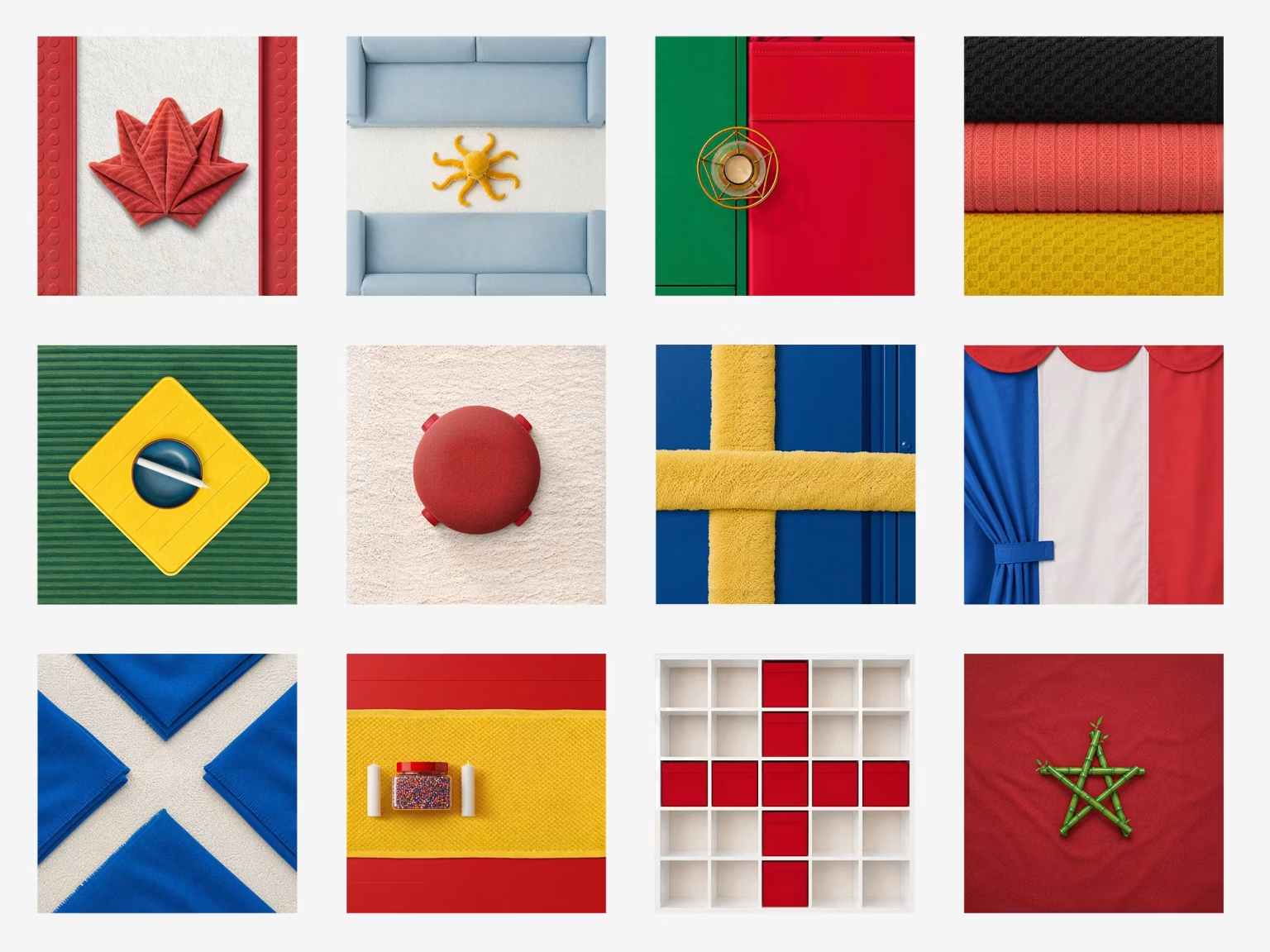
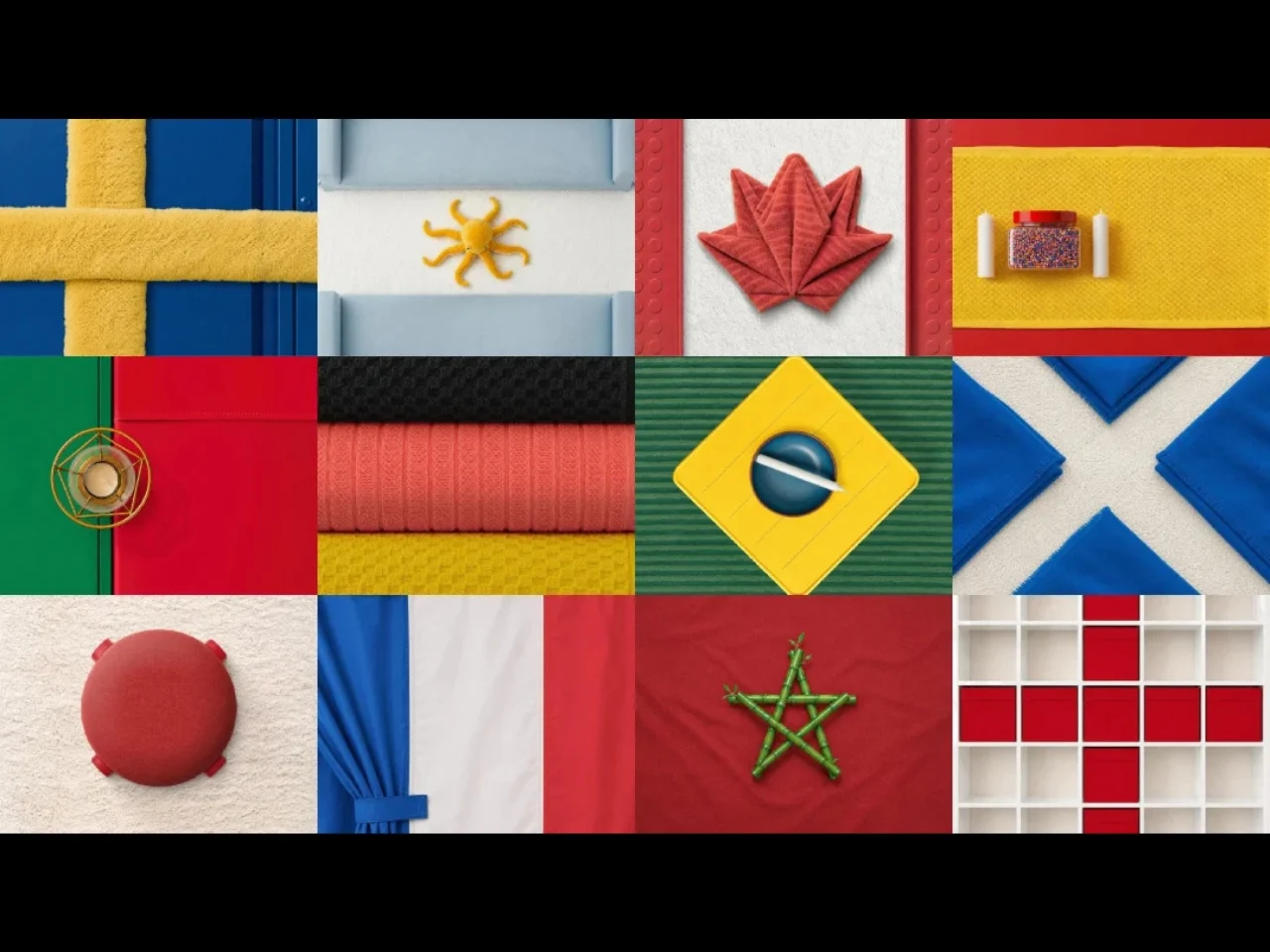
Named “Assemble the World,” the campaign was developed by Dentsu Creative for IKEA Canada and reimagines 18 FIFA World Cup nations through carefully arranged IKEA products. From cushions and cabinets to lamps, rugs, candles, and storage boxes, every element used to create the flags is an actual IKEA product available for purchase.
When Furniture Becomes National Identity
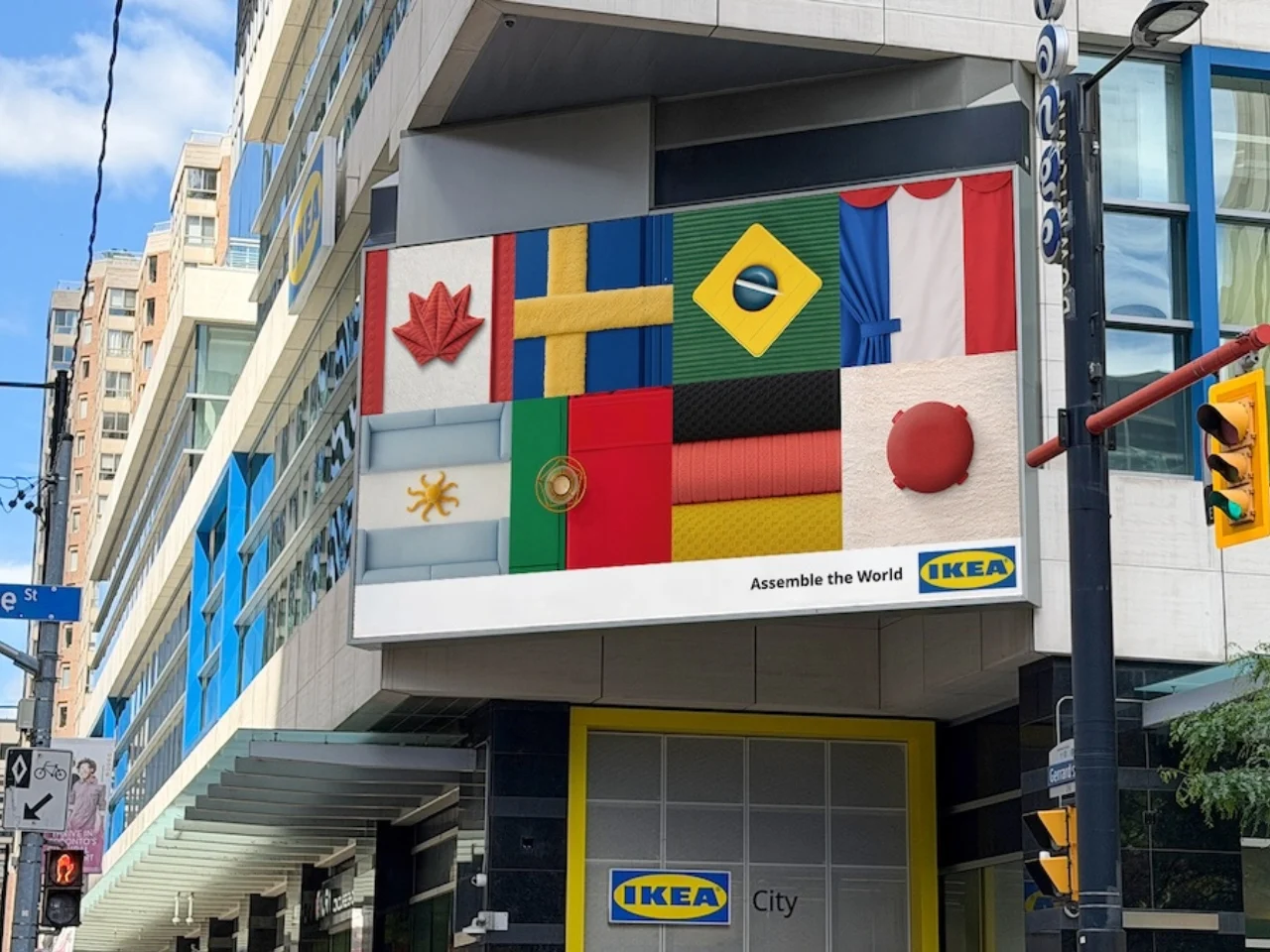
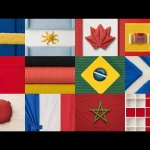
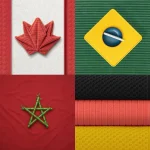
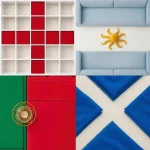
At first glance, the campaign visuals resemble crafted national flags prepared for the FIFA World Cup 2026. However, a closer inspection reveals that not a single flag is printed or digitally illustrated. Instead, every design is assembled entirely from IKEA products, transforming ordinary household objects into recognizable national symbols.
Created under the campaign title “Assemble the World,” the project uses furniture, home accessories, storage solutions, textiles, kitchenware, and décor items to recreate the flags of 18 participating nations. The design team selected products based on their shape, color, and proportions, arranging them like components in a large-scale flat lay composition. Shelves become horizontal bands, cushions create color blocks, circular trays mimic emblems, and storage boxes form geometric patterns that mirror the original flags.
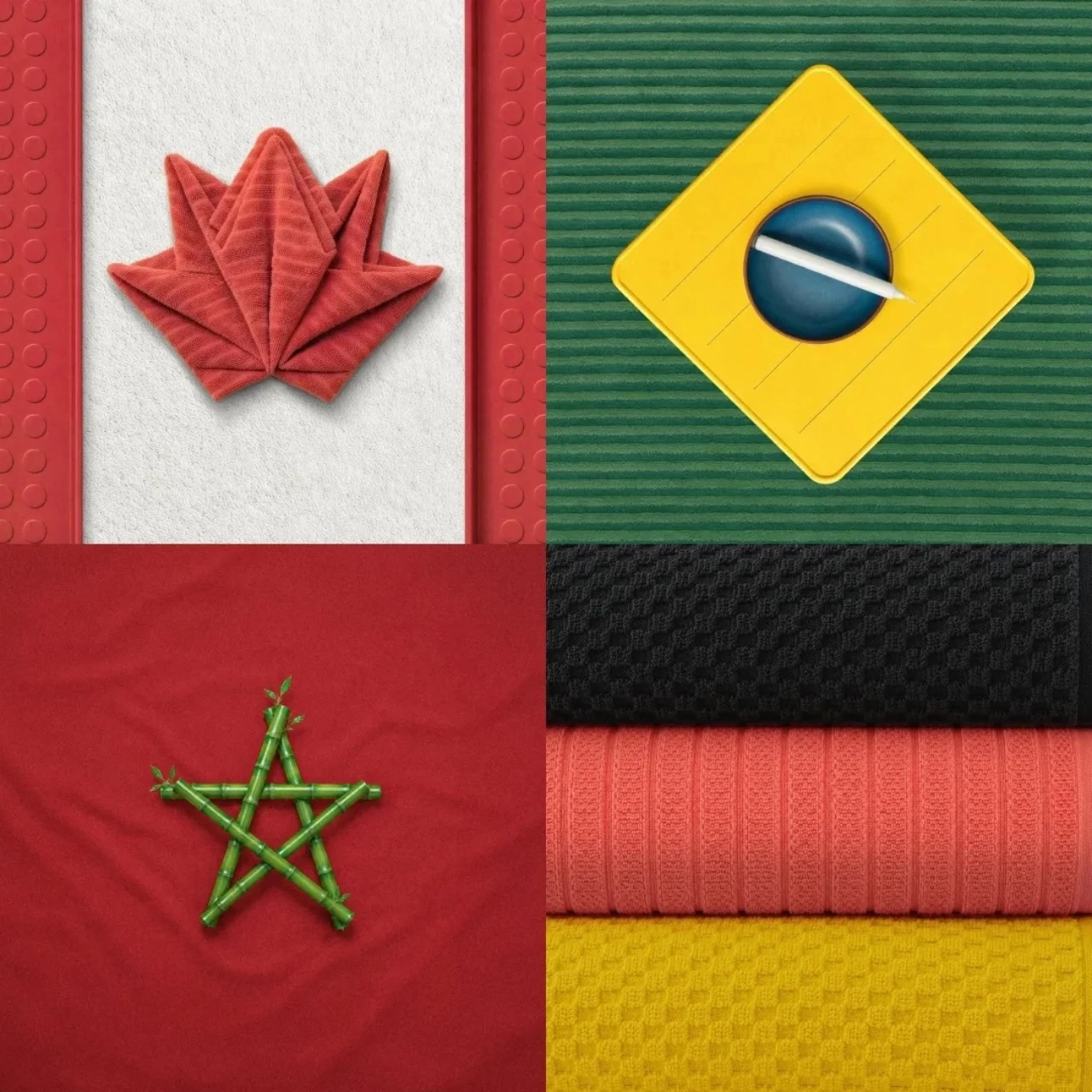
For Brazil’s flag, for example, green storage units establish the background, while yellow accessories create the central diamond shape. Blue bowls and trays are then positioned to complete the iconic emblem. Similar attention to detail can be seen across the other flags, where everyday IKEA products are combined to replicate distinctive national designs without altering the products themselves.
The campaign required a balance between graphic precision and product recognition. The designers ensured that each item remained identifiable, allowing viewers to recognize familiar IKEA products while simultaneously seeing the larger flag composition. This dual reading transforms every image into a visual puzzle. From a distance, it appears as a national flag, while up close it becomes a curated collection of household objects.
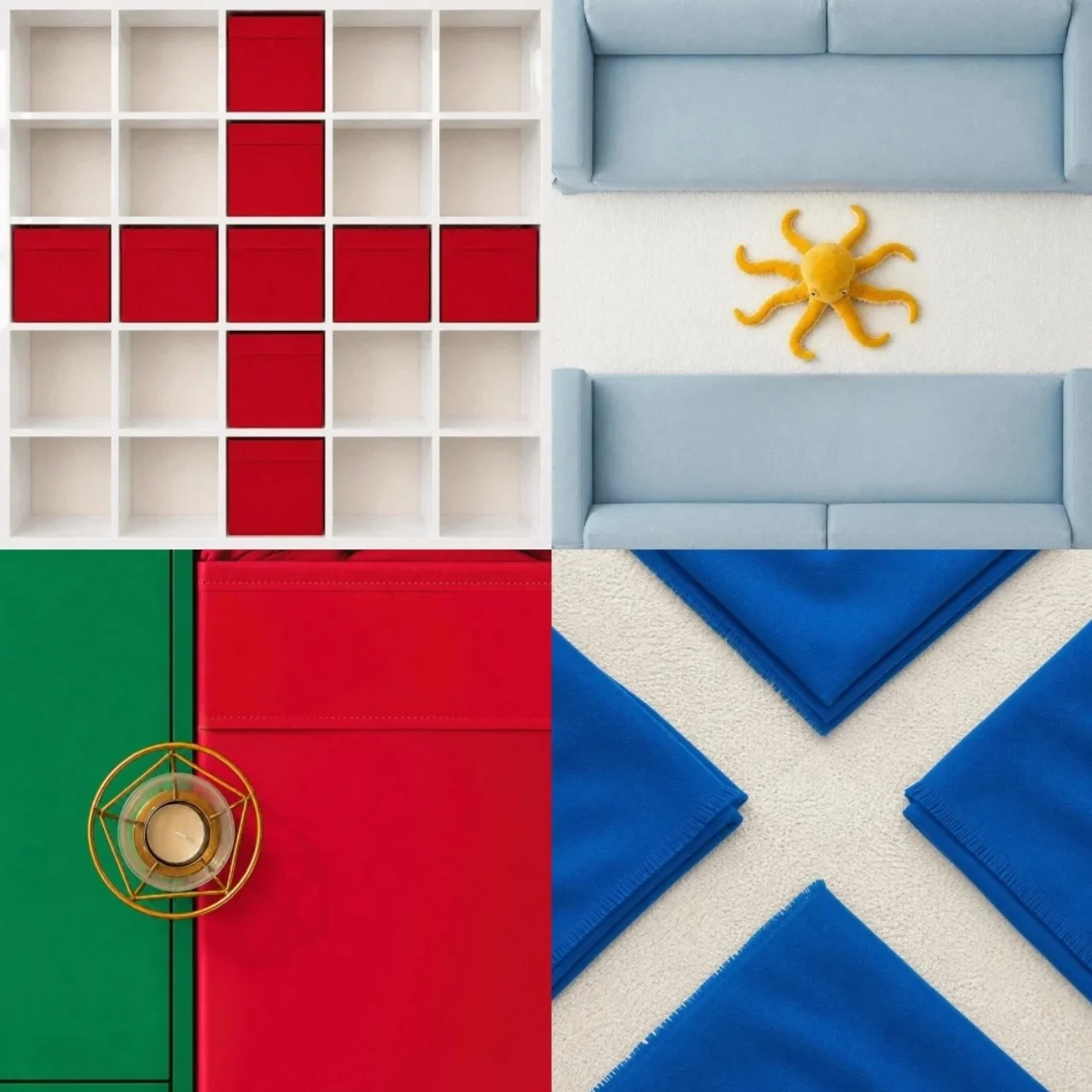
What makes the project particularly innovative is its direct connection to e-commerce. Every object featured within the flag compositions is a real, purchasable IKEA product. Viewers can explore the individual items used to build each flag, effectively turning a World Cup-inspired graphic into a shoppable catalog. By merging product merchandising with visual storytelling, IKEA created a campaign that celebrates global football culture while showcasing the versatility of its design inventory.
A FIFA World Cup Campaign Without FIFA Sponsorship
One of the campaign’s most notable achievements is how it participates in World Cup culture without relying on official tournament branding. Instead of using players, match footage, or sponsorship assets, IKEA leverages something uniquely its own, its product catalog.
This approach allows the brand to engage with the excitement surrounding the FIFA World Cup while remaining unmistakably IKEA. The campaign transforms everyday household objects into symbols of global football fandom, demonstrating how design can become a cultural language during major international events.
Reflecting Canada’s Multicultural Identity
The campaign carries additional meaning in Canada, one of the host nations of the FIFA World Cup 2026. With communities representing cultures from across the globe, national flags often symbolize family heritage as much as football allegiance.
By recreating flags using household items, IKEA Canada links ideas of home, identity, and celebration. The campaign builds upon the company’s long-running “Bring Home to Life” platform while acknowledging the diverse backgrounds of Canadians supporting teams from around the world.
Design, Commerce, and Social Media in One Frame
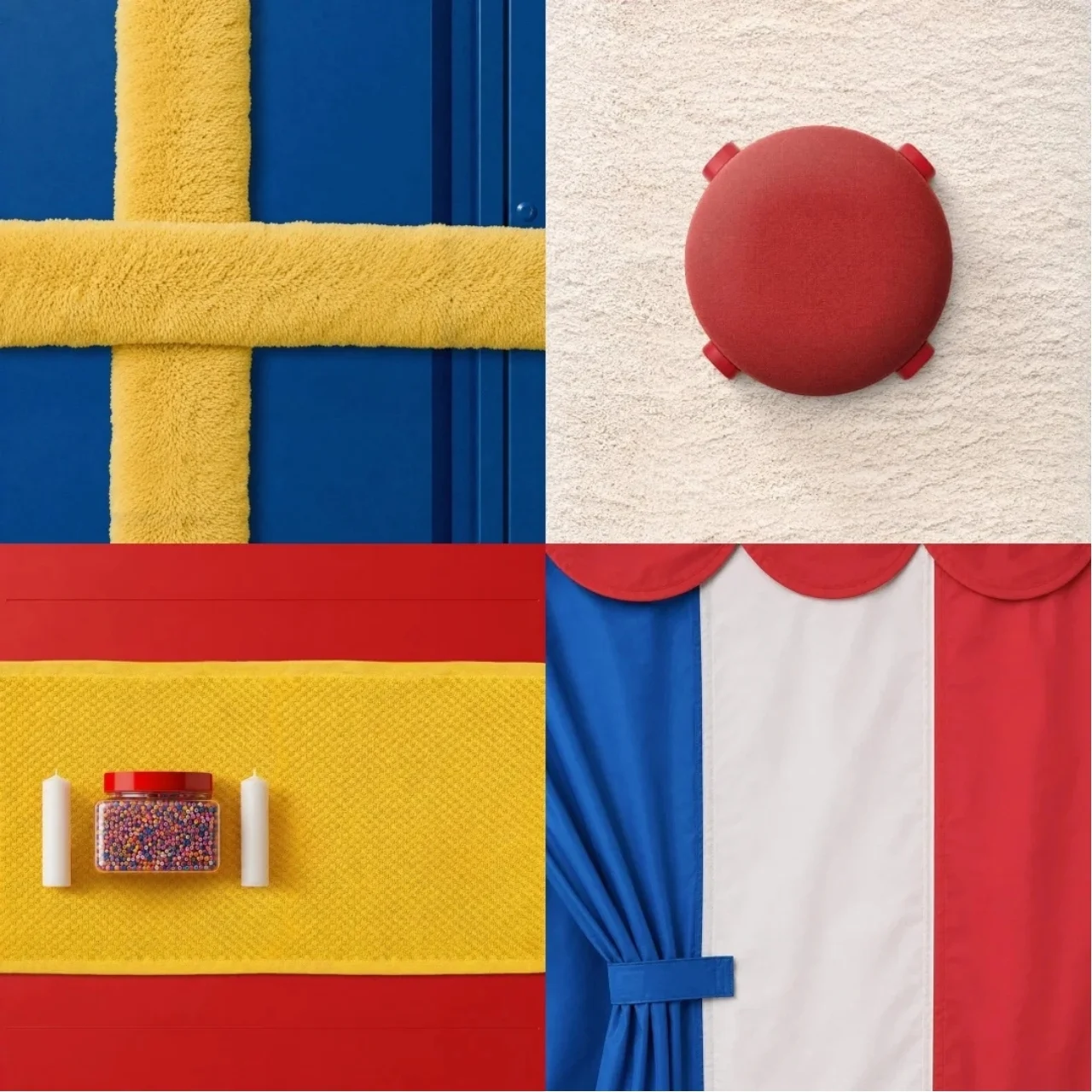
What makes “Assemble the World” particularly effective is its simplicity. The campaign works simultaneously as graphic design, product catalog, social content, and e-commerce tools. Every flag is instantly recognizable, visually shareable, and directly shoppable.
The 18-flag series is being rolled out across social media, digital platforms, and outdoor advertising near IKEA locations throughout the summer, extending the campaign beyond online audiences and into physical spaces.
In an era when major sporting events are saturated with expensive sponsorships and celebrity-driven marketing, IKEA’s World Cup flag project demonstrates the power of creative thinking over media spending. Rather than competing with football brands on their own turf, IKEA created a campaign rooted entirely in its design DNA.
“Assemble the World” proves that a furniture catalogue can become a celebration of global culture, transforming everyday objects into symbols recognized by millions around the world. In doing so, IKEA has delivered one of the most inventive design campaigns of the FIFA World Cup 2026.
Image & Video credit: Ikea Canada